About DAX:
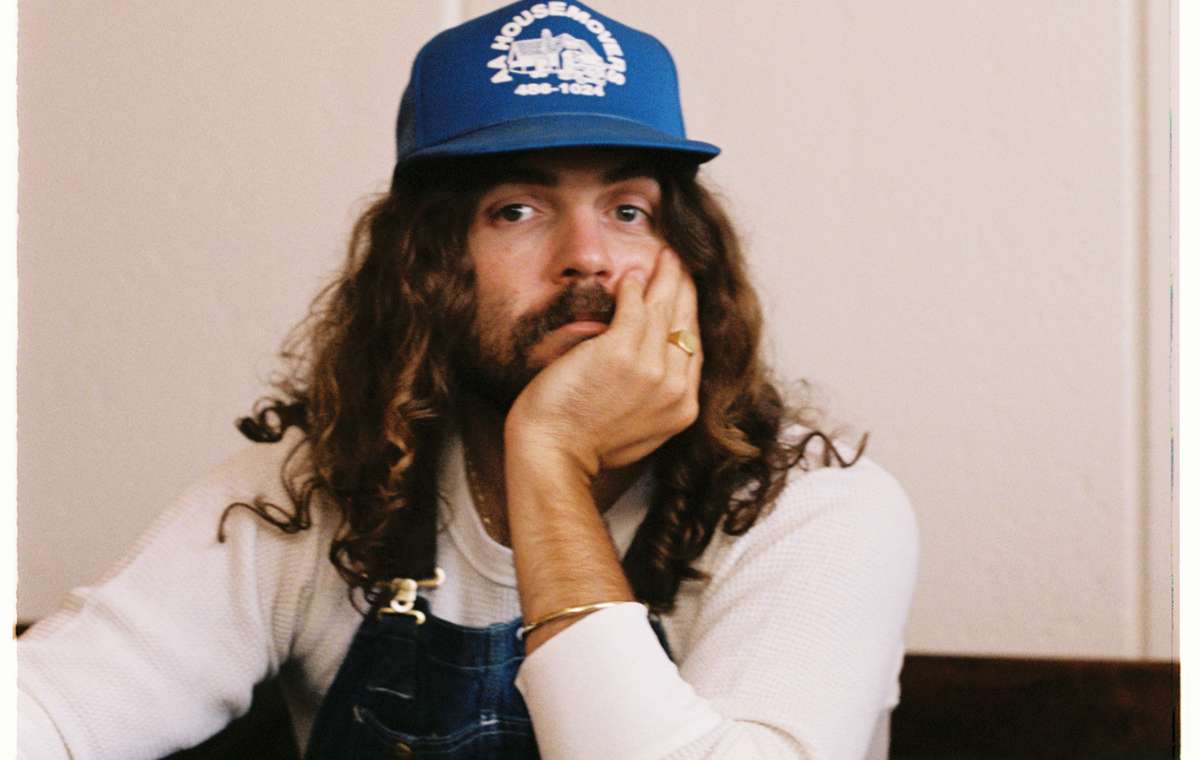
Daniel Nwosu Jr., better known as the artist Dax, shows no signs of stopping after riding a wave of success that has led to nearly four billion global career streams. Dax released a slew of fan-favorite singles in 2025, following his country-infused breakout song “Dear Alcohol,” which amassed over 350M streams and his genre-blending viral hit “Lonely Dirt Road,” leading to his Lonely Dirt Road headline tour last fall. The tour sold out, hitting major cities worldwide including Chicago, Los Angeles, New York and more. In 2026, Dax continues to build on that success with more new music, starting with the release of “Temptation,” “God, Can You Hear Me?” and “Caught You In The Bed,” out now. More new music and headline tour dates are on the horizon.
Sparked by his millions of devoted followers on TikTok, Dax has amassed over 48 million followers across his social platforms. He has collaborated with Darius Rucker, Elle King and Maverick City Music. His music has found space blending genres and has appeared on numerous Billboard charts, Spotify’s Viral 50 (US + Global) chart. He has received multiple Platinum certifications for “Dear Alcohol,” “Lonely Dirt Road” and “To Be A Man” ft. Darius Rucker. He has performed live on NBC News, ABC News and TODAY.
About DAX:
Daniel Nwosu Jr., better known as the artist Dax, shows no signs of stopping after riding a wave of success that has led to nearly four billion global career streams. Dax released a slew of fan-favorite singles in 2025, following his country-infused breakout song “Dear Alcohol,” which amassed over 350M streams and his genre-blending viral hit “Lonely Dirt Road,” leading to his Lonely Dirt Road headline tour last fall. The tour sold out, hitting major cities worldwide including Chicago, Los Angeles, New York and more. In 2026, Dax continues to build on that success with more new music, starting with the release of “Temptation,” “God, Can You Hear Me?” and “Caught You In The Bed,” out now. More new music and headline tour dates are on the horizon.
Sparked by his millions of devoted followers on TikTok, Dax has amassed over 48 million followers across his social platforms. He has collaborated with Darius Rucker, Elle King and Maverick City Music. His music has found space blending genres and has appeared on numerous Billboard charts, Spotify’s Viral 50 (US + Global) chart. He has received multiple Platinum certifications for “Dear Alcohol,” “Lonely Dirt Road” and “To Be A Man” ft. Darius Rucker. He has performed live on NBC News, ABC News and TODAY.
About DAX:
Daniel Nwosu Jr., better known as the artist Dax, shows no signs of stopping after riding a wave of success that has led to nearly four billion global career streams. Dax released a slew of fan-favorite singles in 2025, following his country-infused breakout song “Dear Alcohol,” which amassed over 350M streams and his genre-blending viral hit “Lonely Dirt Road,” leading to his Lonely Dirt Road headline tour last fall. The tour sold out, hitting major cities worldwide including Chicago, Los Angeles, New York and more. In 2026, Dax continues to build on that success with more new music, starting with the release of “Temptation,” “God, Can You Hear Me?” and “Caught You In The Bed,” out now. More new music and headline tour dates are on the horizon.
Sparked by his millions of devoted followers on TikTok, Dax has amassed over 48 million followers across his social platforms. He has collaborated with Darius Rucker, Elle King and Maverick City Music. His music has found space blending genres and has appeared on numerous Billboard charts, Spotify’s Viral 50 (US + Global) chart. He has received multiple Platinum certifications for “Dear Alcohol,” “Lonely Dirt Road” and “To Be A Man” ft. Darius Rucker. He has performed live on NBC News, ABC News and TODAY.
About DAX:
Daniel Nwosu Jr., better known as the artist Dax, shows no signs of stopping after riding a wave of success that has led to nearly four billion global career streams. Dax released a slew of fan-favorite singles in 2025, following his country-infused breakout song “Dear Alcohol,” which amassed over 350M streams and his genre-blending viral hit “Lonely Dirt Road,” leading to his Lonely Dirt Road headline tour last fall. The tour sold out, hitting major cities worldwide including Chicago, Los Angeles, New York and more. In 2026, Dax continues to build on that success with more new music, starting with the release of “Temptation,” “God, Can You Hear Me?” and “Caught You In The Bed,” out now. More new music and headline tour dates are on the horizon.
Sparked by his millions of devoted followers on TikTok, Dax has amassed over 48 million followers across his social platforms. He has collaborated with Darius Rucker, Elle King and Maverick City Music. His music has found space blending genres and has appeared on numerous Billboard charts, Spotify’s Viral 50 (US + Global) chart. He has received multiple Platinum certifications for “Dear Alcohol,” “Lonely Dirt Road” and “To Be A Man” ft. Darius Rucker. He has performed live on NBC News, ABC News and TODAY.
About DAX:
Daniel Nwosu Jr., better known as the artist Dax, shows no signs of stopping after riding a wave of success that has led to nearly four billion global career streams. Dax released a slew of fan-favorite singles in 2025, following his country-infused breakout song “Dear Alcohol,” which amassed over 350M streams and his genre-blending viral hit “Lonely Dirt Road,” leading to his Lonely Dirt Road headline tour last fall. The tour sold out, hitting major cities worldwide including Chicago, Los Angeles, New York and more. In 2026, Dax continues to build on that success with more new music, starting with the release of “Temptation,” “God, Can You Hear Me?” and “Caught You In The Bed,” out now. More new music and headline tour dates are on the horizon.
Sparked by his millions of devoted followers on TikTok, Dax has amassed over 48 million followers across his social platforms. He has collaborated with Darius Rucker, Elle King and Maverick City Music. His music has found space blending genres and has appeared on numerous Billboard charts, Spotify’s Viral 50 (US + Global) chart. He has received multiple Platinum certifications for “Dear Alcohol,” “Lonely Dirt Road” and “To Be A Man” ft. Darius Rucker. He has performed live on NBC News, ABC News and TODAY.
About DAX:
Daniel Nwosu Jr., better known as the artist Dax, shows no signs of stopping after riding a wave of success that has led to nearly four billion global career streams. Dax released a slew of fan-favorite singles in 2025, following his country-infused breakout song “Dear Alcohol,” which amassed over 350M streams and his genre-blending viral hit “Lonely Dirt Road,” leading to his Lonely Dirt Road headline tour last fall. The tour sold out, hitting major cities worldwide including Chicago, Los Angeles, New York and more. In 2026, Dax continues to build on that success with more new music, starting with the release of “Temptation,” “God, Can You Hear Me?” and “Caught You In The Bed,” out now. More new music and headline tour dates are on the horizon.
Sparked by his millions of devoted followers on TikTok, Dax has amassed over 48 million followers across his social platforms. He has collaborated with Darius Rucker, Elle King and Maverick City Music. His music has found space blending genres and has appeared on numerous Billboard charts, Spotify’s Viral 50 (US + Global) chart. He has received multiple Platinum certifications for “Dear Alcohol,” “Lonely Dirt Road” and “To Be A Man” ft. Darius Rucker. He has performed live on NBC News, ABC News and TODAY.
About DAX:
Daniel Nwosu Jr., better known as the artist Dax, shows no signs of stopping after riding a wave of success that has led to nearly four billion global career streams. Dax released a slew of fan-favorite singles in 2025, following his country-infused breakout song “Dear Alcohol,” which amassed over 350M streams and his genre-blending viral hit “Lonely Dirt Road,” leading to his Lonely Dirt Road headline tour last fall. The tour sold out, hitting major cities worldwide including Chicago, Los Angeles, New York and more. In 2026, Dax continues to build on that success with more new music, starting with the release of “Temptation,” “God, Can You Hear Me?” and “Caught You In The Bed,” out now. More new music and headline tour dates are on the horizon.
Sparked by his millions of devoted followers on TikTok, Dax has amassed over 48 million followers across his social platforms. He has collaborated with Darius Rucker, Elle King and Maverick City Music. His music has found space blending genres and has appeared on numerous Billboard charts, Spotify’s Viral 50 (US + Global) chart. He has received multiple Platinum certifications for “Dear Alcohol,” “Lonely Dirt Road” and “To Be A Man” ft. Darius Rucker. He has performed live on NBC News, ABC News and TODAY.
About DAX:
Daniel Nwosu Jr., better known as the artist Dax, shows no signs of stopping after riding a wave of success that has led to nearly four billion global career streams. Dax released a slew of fan-favorite singles in 2025, following his country-infused breakout song “Dear Alcohol,” which amassed over 350M streams and his genre-blending viral hit “Lonely Dirt Road,” leading to his Lonely Dirt Road headline tour last fall. The tour sold out, hitting major cities worldwide including Chicago, Los Angeles, New York and more. In 2026, Dax continues to build on that success with more new music, starting with the release of “Temptation,” “God, Can You Hear Me?” and “Caught You In The Bed,” out now. More new music and headline tour dates are on the horizon.
Sparked by his millions of devoted followers on TikTok, Dax has amassed over 48 million followers across his social platforms. He has collaborated with Darius Rucker, Elle King and Maverick City Music. His music has found space blending genres and has appeared on numerous Billboard charts, Spotify’s Viral 50 (US + Global) chart. He has received multiple Platinum certifications for “Dear Alcohol,” “Lonely Dirt Road” and “To Be A Man” ft. Darius Rucker. He has performed live on NBC News, ABC News and TODAY.
About DAX:
Daniel Nwosu Jr., better known as the artist Dax, shows no signs of stopping after riding a wave of success that has led to nearly four billion global career streams. Dax released a slew of fan-favorite singles in 2025, following his country-infused breakout song “Dear Alcohol,” which amassed over 350M streams and his genre-blending viral hit “Lonely Dirt Road,” leading to his Lonely Dirt Road headline tour last fall. The tour sold out, hitting major cities worldwide including Chicago, Los Angeles, New York and more. In 2026, Dax continues to build on that success with more new music, starting with the release of “Temptation,” “God, Can You Hear Me?” and “Caught You In The Bed,” out now. More new music and headline tour dates are on the horizon.
Sparked by his millions of devoted followers on TikTok, Dax has amassed over 48 million followers across his social platforms. He has collaborated with Darius Rucker, Elle King and Maverick City Music. His music has found space blending genres and has appeared on numerous Billboard charts, Spotify’s Viral 50 (US + Global) chart. He has received multiple Platinum certifications for “Dear Alcohol,” “Lonely Dirt Road” and “To Be A Man” ft. Darius Rucker. He has performed live on NBC News, ABC News and TODAY.
About DAX:
Daniel Nwosu Jr., better known as the artist Dax, shows no signs of stopping after riding a wave of success that has led to nearly four billion global career streams. Dax released a slew of fan-favorite singles in 2025, following his country-infused breakout song “Dear Alcohol,” which amassed over 350M streams and his genre-blending viral hit “Lonely Dirt Road,” leading to his Lonely Dirt Road headline tour last fall. The tour sold out, hitting major cities worldwide including Chicago, Los Angeles, New York and more. In 2026, Dax continues to build on that success with more new music, starting with the release of “Temptation,” “God, Can You Hear Me?” and “Caught You In The Bed,” out now. More new music and headline tour dates are on the horizon.
Sparked by his millions of devoted followers on TikTok, Dax has amassed over 48 million followers across his social platforms. He has collaborated with Darius Rucker, Elle King and Maverick City Music. His music has found space blending genres and has appeared on numerous Billboard charts, Spotify’s Viral 50 (US + Global) chart. He has received multiple Platinum certifications for “Dear Alcohol,” “Lonely Dirt Road” and “To Be A Man” ft. Darius Rucker. He has performed live on NBC News, ABC News and TODAY.
About DAX:
Daniel Nwosu Jr., better known as the artist Dax, shows no signs of stopping after riding a wave of success that has led to nearly four billion global career streams. Dax released a slew of fan-favorite singles in 2025, following his country-infused breakout song “Dear Alcohol,” which amassed over 350M streams and his genre-blending viral hit “Lonely Dirt Road,” leading to his Lonely Dirt Road headline tour last fall. The tour sold out, hitting major cities worldwide including Chicago, Los Angeles, New York and more. In 2026, Dax continues to build on that success with more new music, starting with the release of “Temptation,” “God, Can You Hear Me?” and “Caught You In The Bed,” out now. More new music and headline tour dates are on the horizon.
Sparked by his millions of devoted followers on TikTok, Dax has amassed over 48 million followers across his social platforms. He has collaborated with Darius Rucker, Elle King and Maverick City Music. His music has found space blending genres and has appeared on numerous Billboard charts, Spotify’s Viral 50 (US + Global) chart. He has received multiple Platinum certifications for “Dear Alcohol,” “Lonely Dirt Road” and “To Be A Man” ft. Darius Rucker. He has performed live on NBC News, ABC News and TODAY.
About DAX:
Daniel Nwosu Jr., better known as the artist Dax, shows no signs of stopping after riding a wave of success that has led to nearly four billion global career streams. Dax released a slew of fan-favorite singles in 2025, following his country-infused breakout song “Dear Alcohol,” which amassed over 350M streams and his genre-blending viral hit “Lonely Dirt Road,” leading to his Lonely Dirt Road headline tour last fall. The tour sold out, hitting major cities worldwide including Chicago, Los Angeles, New York and more. In 2026, Dax continues to build on that success with more new music, starting with the release of “Temptation,” “God, Can You Hear Me?” and “Caught You In The Bed,” out now. More new music and headline tour dates are on the horizon.
Sparked by his millions of devoted followers on TikTok, Dax has amassed over 48 million followers across his social platforms. He has collaborated with Darius Rucker, Elle King and Maverick City Music. His music has found space blending genres and has appeared on numerous Billboard charts, Spotify’s Viral 50 (US + Global) chart. He has received multiple Platinum certifications for “Dear Alcohol,” “Lonely Dirt Road” and “To Be A Man” ft. Darius Rucker. He has performed live on NBC News, ABC News and TODAY.
About DAX:
Daniel Nwosu Jr., better known as the artist Dax, shows no signs of stopping after riding a wave of success that has led to nearly four billion global career streams. Dax released a slew of fan-favorite singles in 2025, following his country-infused breakout song “Dear Alcohol,” which amassed over 350M streams and his genre-blending viral hit “Lonely Dirt Road,” leading to his Lonely Dirt Road headline tour last fall. The tour sold out, hitting major cities worldwide including Chicago, Los Angeles, New York and more. In 2026, Dax continues to build on that success with more new music, starting with the release of “Temptation,” “God, Can You Hear Me?” and “Caught You In The Bed,” out now. More new music and headline tour dates are on the horizon.
Sparked by his millions of devoted followers on TikTok, Dax has amassed over 48 million followers across his social platforms. He has collaborated with Darius Rucker, Elle King and Maverick City Music. His music has found space blending genres and has appeared on numerous Billboard charts, Spotify’s Viral 50 (US + Global) chart. He has received multiple Platinum certifications for “Dear Alcohol,” “Lonely Dirt Road” and “To Be A Man” ft. Darius Rucker. He has performed live on NBC News, ABC News and TODAY.
About DAX:
Daniel Nwosu Jr., better known as the artist Dax, shows no signs of stopping after riding a wave of success that has led to nearly four billion global career streams. Dax released a slew of fan-favorite singles in 2025, following his country-infused breakout song “Dear Alcohol,” which amassed over 350M streams and his genre-blending viral hit “Lonely Dirt Road,” leading to his Lonely Dirt Road headline tour last fall. The tour sold out, hitting major cities worldwide including Chicago, Los Angeles, New York and more. In 2026, Dax continues to build on that success with more new music, starting with the release of “Temptation,” “God, Can You Hear Me?” and “Caught You In The Bed,” out now. More new music and headline tour dates are on the horizon.
Sparked by his millions of devoted followers on TikTok, Dax has amassed over 48 million followers across his social platforms. He has collaborated with Darius Rucker, Elle King and Maverick City Music. His music has found space blending genres and has appeared on numerous Billboard charts, Spotify’s Viral 50 (US + Global) chart. He has received multiple Platinum certifications for “Dear Alcohol,” “Lonely Dirt Road” and “To Be A Man” ft. Darius Rucker. He has performed live on NBC News, ABC News and TODAY.
About DAX:
Daniel Nwosu Jr., better known as the artist Dax, shows no signs of stopping after riding a wave of success that has led to nearly four billion global career streams. Dax released a slew of fan-favorite singles in 2025, following his country-infused breakout song “Dear Alcohol,” which amassed over 350M streams and his genre-blending viral hit “Lonely Dirt Road,” leading to his Lonely Dirt Road headline tour last fall. The tour sold out, hitting major cities worldwide including Chicago, Los Angeles, New York and more. In 2026, Dax continues to build on that success with more new music, starting with the release of “Temptation,” “God, Can You Hear Me?” and “Caught You In The Bed,” out now. More new music and headline tour dates are on the horizon.
Sparked by his millions of devoted followers on TikTok, Dax has amassed over 48 million followers across his social platforms. He has collaborated with Darius Rucker, Elle King and Maverick City Music. His music has found space blending genres and has appeared on numerous Billboard charts, Spotify’s Viral 50 (US + Global) chart. He has received multiple Platinum certifications for “Dear Alcohol,” “Lonely Dirt Road” and “To Be A Man” ft. Darius Rucker. He has performed live on NBC News, ABC News and TODAY.
About DAX:
Daniel Nwosu Jr., better known as the artist Dax, shows no signs of stopping after riding a wave of success that has led to nearly four billion global career streams. Dax released a slew of fan-favorite singles in 2025, following his country-infused breakout song “Dear Alcohol,” which amassed over 350M streams and his genre-blending viral hit “Lonely Dirt Road,” leading to his Lonely Dirt Road headline tour last fall. The tour sold out, hitting major cities worldwide including Chicago, Los Angeles, New York and more. In 2026, Dax continues to build on that success with more new music, starting with the release of “Temptation,” “God, Can You Hear Me?” and “Caught You In The Bed,” out now. More new music and headline tour dates are on the horizon.
Sparked by his millions of devoted followers on TikTok, Dax has amassed over 48 million followers across his social platforms. He has collaborated with Darius Rucker, Elle King and Maverick City Music. His music has found space blending genres and has appeared on numerous Billboard charts, Spotify’s Viral 50 (US + Global) chart. He has received multiple Platinum certifications for “Dear Alcohol,” “Lonely Dirt Road” and “To Be A Man” ft. Darius Rucker. He has performed live on NBC News, ABC News and TODAY.
About DAX:
Daniel Nwosu Jr., better known as the artist Dax, shows no signs of stopping after riding a wave of success that has led to nearly four billion global career streams. Dax released a slew of fan-favorite singles in 2025, following his country-infused breakout song “Dear Alcohol,” which amassed over 350M streams and his genre-blending viral hit “Lonely Dirt Road,” leading to his Lonely Dirt Road headline tour last fall. The tour sold out, hitting major cities worldwide including Chicago, Los Angeles, New York and more. In 2026, Dax continues to build on that success with more new music, starting with the release of “Temptation,” “God, Can You Hear Me?” and “Caught You In The Bed,” out now. More new music and headline tour dates are on the horizon.
Sparked by his millions of devoted followers on TikTok, Dax has amassed over 48 million followers across his social platforms. He has collaborated with Darius Rucker, Elle King and Maverick City Music. His music has found space blending genres and has appeared on numerous Billboard charts, Spotify’s Viral 50 (US + Global) chart. He has received multiple Platinum certifications for “Dear Alcohol,” “Lonely Dirt Road” and “To Be A Man” ft. Darius Rucker. He has performed live on NBC News, ABC News and TODAY.
About DAX:
Daniel Nwosu Jr., better known as the artist Dax, shows no signs of stopping after riding a wave of success that has led to nearly four billion global career streams. Dax released a slew of fan-favorite singles in 2025, following his country-infused breakout song “Dear Alcohol,” which amassed over 350M streams and his genre-blending viral hit “Lonely Dirt Road,” leading to his Lonely Dirt Road headline tour last fall. The tour sold out, hitting major cities worldwide including Chicago, Los Angeles, New York and more. In 2026, Dax continues to build on that success with more new music, starting with the release of “Temptation,” “God, Can You Hear Me?” and “Caught You In The Bed,” out now. More new music and headline tour dates are on the horizon.
Sparked by his millions of devoted followers on TikTok, Dax has amassed over 48 million followers across his social platforms. He has collaborated with Darius Rucker, Elle King and Maverick City Music. His music has found space blending genres and has appeared on numerous Billboard charts, Spotify’s Viral 50 (US + Global) chart. He has received multiple Platinum certifications for “Dear Alcohol,” “Lonely Dirt Road” and “To Be A Man” ft. Darius Rucker. He has performed live on NBC News, ABC News and TODAY.
About DAX:
Daniel Nwosu Jr., better known as the artist Dax, shows no signs of stopping after riding a wave of success that has led to nearly four billion global career streams. Dax released a slew of fan-favorite singles in 2025, following his country-infused breakout song “Dear Alcohol,” which amassed over 350M streams and his genre-blending viral hit “Lonely Dirt Road,” leading to his Lonely Dirt Road headline tour last fall. The tour sold out, hitting major cities worldwide including Chicago, Los Angeles, New York and more. In 2026, Dax continues to build on that success with more new music, starting with the release of “Temptation,” “God, Can You Hear Me?” and “Caught You In The Bed,” out now. More new music and headline tour dates are on the horizon.
Sparked by his millions of devoted followers on TikTok, Dax has amassed over 48 million followers across his social platforms. He has collaborated with Darius Rucker, Elle King and Maverick City Music. His music has found space blending genres and has appeared on numerous Billboard charts, Spotify’s Viral 50 (US + Global) chart. He has received multiple Platinum certifications for “Dear Alcohol,” “Lonely Dirt Road” and “To Be A Man” ft. Darius Rucker. He has performed live on NBC News, ABC News and TODAY.
About DAX:
Daniel Nwosu Jr., better known as the artist Dax, shows no signs of stopping after riding a wave of success that has led to nearly four billion global career streams. Dax released a slew of fan-favorite singles in 2025, following his country-infused breakout song “Dear Alcohol,” which amassed over 350M streams and his genre-blending viral hit “Lonely Dirt Road,” leading to his Lonely Dirt Road headline tour last fall. The tour sold out, hitting major cities worldwide including Chicago, Los Angeles, New York and more. In 2026, Dax continues to build on that success with more new music, starting with the release of “Temptation,” “God, Can You Hear Me?” and “Caught You In The Bed,” out now. More new music and headline tour dates are on the horizon.
Sparked by his millions of devoted followers on TikTok, Dax has amassed over 48 million followers across his social platforms. He has collaborated with Darius Rucker, Elle King and Maverick City Music. His music has found space blending genres and has appeared on numerous Billboard charts, Spotify’s Viral 50 (US + Global) chart. He has received multiple Platinum certifications for “Dear Alcohol,” “Lonely Dirt Road” and “To Be A Man” ft. Darius Rucker. He has performed live on NBC News, ABC News and TODAY.
About DAX:
Daniel Nwosu Jr., better known as the artist Dax, shows no signs of stopping after riding a wave of success that has led to nearly four billion global career streams. Dax released a slew of fan-favorite singles in 2025, following his country-infused breakout song “Dear Alcohol,” which amassed over 350M streams and his genre-blending viral hit “Lonely Dirt Road,” leading to his Lonely Dirt Road headline tour last fall. The tour sold out, hitting major cities worldwide including Chicago, Los Angeles, New York and more. In 2026, Dax continues to build on that success with more new music, starting with the release of “Temptation,” “God, Can You Hear Me?” and “Caught You In The Bed,” out now. More new music and headline tour dates are on the horizon.
Sparked by his millions of devoted followers on TikTok, Dax has amassed over 48 million followers across his social platforms. He has collaborated with Darius Rucker, Elle King and Maverick City Music. His music has found space blending genres and has appeared on numerous Billboard charts, Spotify’s Viral 50 (US + Global) chart. He has received multiple Platinum certifications for “Dear Alcohol,” “Lonely Dirt Road” and “To Be A Man” ft. Darius Rucker. He has performed live on NBC News, ABC News and TODAY.
About DAX:
Daniel Nwosu Jr., better known as the artist Dax, shows no signs of stopping after riding a wave of success that has led to nearly four billion global career streams. Dax released a slew of fan-favorite singles in 2025, following his country-infused breakout song “Dear Alcohol,” which amassed over 350M streams and his genre-blending viral hit “Lonely Dirt Road,” leading to his Lonely Dirt Road headline tour last fall. The tour sold out, hitting major cities worldwide including Chicago, Los Angeles, New York and more. In 2026, Dax continues to build on that success with more new music, starting with the release of “Temptation,” “God, Can You Hear Me?” and “Caught You In The Bed,” out now. More new music and headline tour dates are on the horizon.
Sparked by his millions of devoted followers on TikTok, Dax has amassed over 48 million followers across his social platforms. He has collaborated with Darius Rucker, Elle King and Maverick City Music. His music has found space blending genres and has appeared on numerous Billboard charts, Spotify’s Viral 50 (US + Global) chart. He has received multiple Platinum certifications for “Dear Alcohol,” “Lonely Dirt Road” and “To Be A Man” ft. Darius Rucker. He has performed live on NBC News, ABC News and TODAY.
About DAX:
Daniel Nwosu Jr., better known as the artist Dax, shows no signs of stopping after riding a wave of success that has led to nearly four billion global career streams. Dax released a slew of fan-favorite singles in 2025, following his country-infused breakout song “Dear Alcohol,” which amassed over 350M streams and his genre-blending viral hit “Lonely Dirt Road,” leading to his Lonely Dirt Road headline tour last fall. The tour sold out, hitting major cities worldwide including Chicago, Los Angeles, New York and more. In 2026, Dax continues to build on that success with more new music, starting with the release of “Temptation,” “God, Can You Hear Me?” and “Caught You In The Bed,” out now. More new music and headline tour dates are on the horizon.
Sparked by his millions of devoted followers on TikTok, Dax has amassed over 48 million followers across his social platforms. He has collaborated with Darius Rucker, Elle King and Maverick City Music. His music has found space blending genres and has appeared on numerous Billboard charts, Spotify’s Viral 50 (US + Global) chart. He has received multiple Platinum certifications for “Dear Alcohol,” “Lonely Dirt Road” and “To Be A Man” ft. Darius Rucker. He has performed live on NBC News, ABC News and TODAY.
About DAX:
Daniel Nwosu Jr., better known as the artist Dax, shows no signs of stopping after riding a wave of success that has led to nearly four billion global career streams. Dax released a slew of fan-favorite singles in 2025, following his country-infused breakout song “Dear Alcohol,” which amassed over 350M streams and his genre-blending viral hit “Lonely Dirt Road,” leading to his Lonely Dirt Road headline tour last fall. The tour sold out, hitting major cities worldwide including Chicago, Los Angeles, New York and more. In 2026, Dax continues to build on that success with more new music, starting with the release of “Temptation,” “God, Can You Hear Me?” and “Caught You In The Bed,” out now. More new music and headline tour dates are on the horizon.
Sparked by his millions of devoted followers on TikTok, Dax has amassed over 48 million followers across his social platforms. He has collaborated with Darius Rucker, Elle King and Maverick City Music. His music has found space blending genres and has appeared on numerous Billboard charts, Spotify’s Viral 50 (US + Global) chart. He has received multiple Platinum certifications for “Dear Alcohol,” “Lonely Dirt Road” and “To Be A Man” ft. Darius Rucker. He has performed live on NBC News, ABC News and TODAY.
About DAX:
Daniel Nwosu Jr., better known as the artist Dax, shows no signs of stopping after riding a wave of success that has led to nearly four billion global career streams. Dax released a slew of fan-favorite singles in 2025, following his country-infused breakout song “Dear Alcohol,” which amassed over 350M streams and his genre-blending viral hit “Lonely Dirt Road,” leading to his Lonely Dirt Road headline tour last fall. The tour sold out, hitting major cities worldwide including Chicago, Los Angeles, New York and more. In 2026, Dax continues to build on that success with more new music, starting with the release of “Temptation,” “God, Can You Hear Me?” and “Caught You In The Bed,” out now. More new music and headline tour dates are on the horizon.
Sparked by his millions of devoted followers on TikTok, Dax has amassed over 48 million followers across his social platforms. He has collaborated with Darius Rucker, Elle King and Maverick City Music. His music has found space blending genres and has appeared on numerous Billboard charts, Spotify’s Viral 50 (US + Global) chart. He has received multiple Platinum certifications for “Dear Alcohol,” “Lonely Dirt Road” and “To Be A Man” ft. Darius Rucker. He has performed live on NBC News, ABC News and TODAY.
About DAX:
Daniel Nwosu Jr., better known as the artist Dax, shows no signs of stopping after riding a wave of success that has led to nearly four billion global career streams. Dax released a slew of fan-favorite singles in 2025, following his country-infused breakout song “Dear Alcohol,” which amassed over 350M streams and his genre-blending viral hit “Lonely Dirt Road,” leading to his Lonely Dirt Road headline tour last fall. The tour sold out, hitting major cities worldwide including Chicago, Los Angeles, New York and more. In 2026, Dax continues to build on that success with more new music, starting with the release of “Temptation,” “God, Can You Hear Me?” and “Caught You In The Bed,” out now. More new music and headline tour dates are on the horizon.
Sparked by his millions of devoted followers on TikTok, Dax has amassed over 48 million followers across his social platforms. He has collaborated with Darius Rucker, Elle King and Maverick City Music. His music has found space blending genres and has appeared on numerous Billboard charts, Spotify’s Viral 50 (US + Global) chart. He has received multiple Platinum certifications for “Dear Alcohol,” “Lonely Dirt Road” and “To Be A Man” ft. Darius Rucker. He has performed live on NBC News, ABC News and TODAY.
About DAX:
Daniel Nwosu Jr., better known as the artist Dax, shows no signs of stopping after riding a wave of success that has led to nearly four billion global career streams. Dax released a slew of fan-favorite singles in 2025, following his country-infused breakout song “Dear Alcohol,” which amassed over 350M streams and his genre-blending viral hit “Lonely Dirt Road,” leading to his Lonely Dirt Road headline tour last fall. The tour sold out, hitting major cities worldwide including Chicago, Los Angeles, New York and more. In 2026, Dax continues to build on that success with more new music, starting with the release of “Temptation,” “God, Can You Hear Me?” and “Caught You In The Bed,” out now. More new music and headline tour dates are on the horizon.
Sparked by his millions of devoted followers on TikTok, Dax has amassed over 48 million followers across his social platforms. He has collaborated with Darius Rucker, Elle King and Maverick City Music. His music has found space blending genres and has appeared on numerous Billboard charts, Spotify’s Viral 50 (US + Global) chart. He has received multiple Platinum certifications for “Dear Alcohol,” “Lonely Dirt Road” and “To Be A Man” ft. Darius Rucker. He has performed live on NBC News, ABC News and TODAY.
About DAX:
Daniel Nwosu Jr., better known as the artist Dax, shows no signs of stopping after riding a wave of success that has led to nearly four billion global career streams. Dax released a slew of fan-favorite singles in 2025, following his country-infused breakout song “Dear Alcohol,” which amassed over 350M streams and his genre-blending viral hit “Lonely Dirt Road,” leading to his Lonely Dirt Road headline tour last fall. The tour sold out, hitting major cities worldwide including Chicago, Los Angeles, New York and more. In 2026, Dax continues to build on that success with more new music, starting with the release of “Temptation,” “God, Can You Hear Me?” and “Caught You In The Bed,” out now. More new music and headline tour dates are on the horizon.
Sparked by his millions of devoted followers on TikTok, Dax has amassed over 48 million followers across his social platforms. He has collaborated with Darius Rucker, Elle King and Maverick City Music. His music has found space blending genres and has appeared on numerous Billboard charts, Spotify’s Viral 50 (US + Global) chart. He has received multiple Platinum certifications for “Dear Alcohol,” “Lonely Dirt Road” and “To Be A Man” ft. Darius Rucker. He has performed live on NBC News, ABC News and TODAY.
About DAX:
Daniel Nwosu Jr., better known as the artist Dax, shows no signs of stopping after riding a wave of success that has led to nearly four billion global career streams. Dax released a slew of fan-favorite singles in 2025, following his country-infused breakout song “Dear Alcohol,” which amassed over 350M streams and his genre-blending viral hit “Lonely Dirt Road,” leading to his Lonely Dirt Road headline tour last fall. The tour sold out, hitting major cities worldwide including Chicago, Los Angeles, New York and more. In 2026, Dax continues to build on that success with more new music, starting with the release of “Temptation,” “God, Can You Hear Me?” and “Caught You In The Bed,” out now. More new music and headline tour dates are on the horizon.
Sparked by his millions of devoted followers on TikTok, Dax has amassed over 48 million followers across his social platforms. He has collaborated with Darius Rucker, Elle King and Maverick City Music. His music has found space blending genres and has appeared on numerous Billboard charts, Spotify’s Viral 50 (US + Global) chart. He has received multiple Platinum certifications for “Dear Alcohol,” “Lonely Dirt Road” and “To Be A Man” ft. Darius Rucker. He has performed live on NBC News, ABC News and TODAY.
About DAX:
Daniel Nwosu Jr., better known as the artist Dax, shows no signs of stopping after riding a wave of success that has led to nearly four billion global career streams. Dax released a slew of fan-favorite singles in 2025, following his country-infused breakout song “Dear Alcohol,” which amassed over 350M streams and his genre-blending viral hit “Lonely Dirt Road,” leading to his Lonely Dirt Road headline tour last fall. The tour sold out, hitting major cities worldwide including Chicago, Los Angeles, New York and more. In 2026, Dax continues to build on that success with more new music, starting with the release of “Temptation,” “God, Can You Hear Me?” and “Caught You In The Bed,” out now. More new music and headline tour dates are on the horizon.
Sparked by his millions of devoted followers on TikTok, Dax has amassed over 48 million followers across his social platforms. He has collaborated with Darius Rucker, Elle King and Maverick City Music. His music has found space blending genres and has appeared on numerous Billboard charts, Spotify’s Viral 50 (US + Global) chart. He has received multiple Platinum certifications for “Dear Alcohol,” “Lonely Dirt Road” and “To Be A Man” ft. Darius Rucker. He has performed live on NBC News, ABC News and TODAY.
About DAX:
Daniel Nwosu Jr., better known as the artist Dax, shows no signs of stopping after riding a wave of success that has led to nearly four billion global career streams. Dax released a slew of fan-favorite singles in 2025, following his country-infused breakout song “Dear Alcohol,” which amassed over 350M streams and his genre-blending viral hit “Lonely Dirt Road,” leading to his Lonely Dirt Road headline tour last fall. The tour sold out, hitting major cities worldwide including Chicago, Los Angeles, New York and more. In 2026, Dax continues to build on that success with more new music, starting with the release of “Temptation,” “God, Can You Hear Me?” and “Caught You In The Bed,” out now. More new music and headline tour dates are on the horizon.
Sparked by his millions of devoted followers on TikTok, Dax has amassed over 48 million followers across his social platforms. He has collaborated with Darius Rucker, Elle King and Maverick City Music. His music has found space blending genres and has appeared on numerous Billboard charts, Spotify’s Viral 50 (US + Global) chart. He has received multiple Platinum certifications for “Dear Alcohol,” “Lonely Dirt Road” and “To Be A Man” ft. Darius Rucker. He has performed live on NBC News, ABC News and TODAY.
About DAX:
Daniel Nwosu Jr., better known as the artist Dax, shows no signs of stopping after riding a wave of success that has led to nearly four billion global career streams. Dax released a slew of fan-favorite singles in 2025, following his country-infused breakout song “Dear Alcohol,” which amassed over 350M streams and his genre-blending viral hit “Lonely Dirt Road,” leading to his Lonely Dirt Road headline tour last fall. The tour sold out, hitting major cities worldwide including Chicago, Los Angeles, New York and more. In 2026, Dax continues to build on that success with more new music, starting with the release of “Temptation,” “God, Can You Hear Me?” and “Caught You In The Bed,” out now. More new music and headline tour dates are on the horizon.
Sparked by his millions of devoted followers on TikTok, Dax has amassed over 48 million followers across his social platforms. He has collaborated with Darius Rucker, Elle King and Maverick City Music. His music has found space blending genres and has appeared on numerous Billboard charts, Spotify’s Viral 50 (US + Global) chart. He has received multiple Platinum certifications for “Dear Alcohol,” “Lonely Dirt Road” and “To Be A Man” ft. Darius Rucker. He has performed live on NBC News, ABC News and TODAY.
About DAX:
Daniel Nwosu Jr., better known as the artist Dax, shows no signs of stopping after riding a wave of success that has led to nearly four billion global career streams. Dax released a slew of fan-favorite singles in 2025, following his country-infused breakout song “Dear Alcohol,” which amassed over 350M streams and his genre-blending viral hit “Lonely Dirt Road,” leading to his Lonely Dirt Road headline tour last fall. The tour sold out, hitting major cities worldwide including Chicago, Los Angeles, New York and more. In 2026, Dax continues to build on that success with more new music, starting with the release of “Temptation,” “God, Can You Hear Me?” and “Caught You In The Bed,” out now. More new music and headline tour dates are on the horizon.
Sparked by his millions of devoted followers on TikTok, Dax has amassed over 48 million followers across his social platforms. He has collaborated with Darius Rucker, Elle King and Maverick City Music. His music has found space blending genres and has appeared on numerous Billboard charts, Spotify’s Viral 50 (US + Global) chart. He has received multiple Platinum certifications for “Dear Alcohol,” “Lonely Dirt Road” and “To Be A Man” ft. Darius Rucker. He has performed live on NBC News, ABC News and TODAY.
About DAX:
Daniel Nwosu Jr., better known as the artist Dax, shows no signs of stopping after riding a wave of success that has led to nearly four billion global career streams. Dax released a slew of fan-favorite singles in 2025, following his country-infused breakout song “Dear Alcohol,” which amassed over 350M streams and his genre-blending viral hit “Lonely Dirt Road,” leading to his Lonely Dirt Road headline tour last fall. The tour sold out, hitting major cities worldwide including Chicago, Los Angeles, New York and more. In 2026, Dax continues to build on that success with more new music, starting with the release of “Temptation,” “God, Can You Hear Me?” and “Caught You In The Bed,” out now. More new music and headline tour dates are on the horizon.
Sparked by his millions of devoted followers on TikTok, Dax has amassed over 48 million followers across his social platforms. He has collaborated with Darius Rucker, Elle King and Maverick City Music. His music has found space blending genres and has appeared on numerous Billboard charts, Spotify’s Viral 50 (US + Global) chart. He has received multiple Platinum certifications for “Dear Alcohol,” “Lonely Dirt Road” and “To Be A Man” ft. Darius Rucker. He has performed live on NBC News, ABC News and TODAY.
About DAX:
Daniel Nwosu Jr., better known as the artist Dax, shows no signs of stopping after riding a wave of success that has led to nearly four billion global career streams. Dax released a slew of fan-favorite singles in 2025, following his country-infused breakout song “Dear Alcohol,” which amassed over 350M streams and his genre-blending viral hit “Lonely Dirt Road,” leading to his Lonely Dirt Road headline tour last fall. The tour sold out, hitting major cities worldwide including Chicago, Los Angeles, New York and more. In 2026, Dax continues to build on that success with more new music, starting with the release of “Temptation,” “God, Can You Hear Me?” and “Caught You In The Bed,” out now. More new music and headline tour dates are on the horizon.
Sparked by his millions of devoted followers on TikTok, Dax has amassed over 48 million followers across his social platforms. He has collaborated with Darius Rucker, Elle King and Maverick City Music. His music has found space blending genres and has appeared on numerous Billboard charts, Spotify’s Viral 50 (US + Global) chart. He has received multiple Platinum certifications for “Dear Alcohol,” “Lonely Dirt Road” and “To Be A Man” ft. Darius Rucker. He has performed live on NBC News, ABC News and TODAY.
About DAX:
Daniel Nwosu Jr., better known as the artist Dax, shows no signs of stopping after riding a wave of success that has led to nearly four billion global career streams. Dax released a slew of fan-favorite singles in 2025, following his country-infused breakout song “Dear Alcohol,” which amassed over 350M streams and his genre-blending viral hit “Lonely Dirt Road,” leading to his Lonely Dirt Road headline tour last fall. The tour sold out, hitting major cities worldwide including Chicago, Los Angeles, New York and more. In 2026, Dax continues to build on that success with more new music, starting with the release of “Temptation,” “God, Can You Hear Me?” and “Caught You In The Bed,” out now. More new music and headline tour dates are on the horizon.
Sparked by his millions of devoted followers on TikTok, Dax has amassed over 48 million followers across his social platforms. He has collaborated with Darius Rucker, Elle King and Maverick City Music. His music has found space blending genres and has appeared on numerous Billboard charts, Spotify’s Viral 50 (US + Global) chart. He has received multiple Platinum certifications for “Dear Alcohol,” “Lonely Dirt Road” and “To Be A Man” ft. Darius Rucker. He has performed live on NBC News, ABC News and TODAY.
About DAX:
Daniel Nwosu Jr., better known as the artist Dax, shows no signs of stopping after riding a wave of success that has led to nearly four billion global career streams. Dax released a slew of fan-favorite singles in 2025, following his country-infused breakout song “Dear Alcohol,” which amassed over 350M streams and his genre-blending viral hit “Lonely Dirt Road,” leading to his Lonely Dirt Road headline tour last fall. The tour sold out, hitting major cities worldwide including Chicago, Los Angeles, New York and more. In 2026, Dax continues to build on that success with more new music, starting with the release of “Temptation,” “God, Can You Hear Me?” and “Caught You In The Bed,” out now. More new music and headline tour dates are on the horizon.
Sparked by his millions of devoted followers on TikTok, Dax has amassed over 48 million followers across his social platforms. He has collaborated with Darius Rucker, Elle King and Maverick City Music. His music has found space blending genres and has appeared on numerous Billboard charts, Spotify’s Viral 50 (US + Global) chart. He has received multiple Platinum certifications for “Dear Alcohol,” “Lonely Dirt Road” and “To Be A Man” ft. Darius Rucker. He has performed live on NBC News, ABC News and TODAY.