All Shows

Aug/18 · Quicksand & Bane
Aug/22 · G Flip – Bed on Fire Tour
Aug/25 · Diggy Graves – The No Vacancy Tour
Aug/27 · Eagles of Death Metal – Death By Sexy Anniversary Tour
Aug/29 · Black Marble
Sep/3 · Silvana Estrada – Suaves Lluvias Summer / Fall 2026 Tour
Sep/4 · NONAME – 10yr Anniversary of Telefone
Sep/5 · MOVED TO THE CRYSTAL BALLROOM: Slayyyter – WOR$T GIRL IN THE WORLD TOUR
Sep/9 · Kelela – new avatar live
Sep/10 · The Charlatans UK – North American Tour 2026
Sep/11 · Eihwar – “Nordic Ritual Nights” USA Tour 2026
Sep/12 · Haute & Freddy’s Big Disgrace Tour
Sep/14 · Public Image Ltd – This Is Not The Last Tour
Sep/15 · Loe Shimmy – Pretty Girls Run the World Tour
Sep/16 · Lido Pimienta
Sep/17 · jigitz – 50 Ballerinas Tour
Sep/18 · Waylon Wyatt – Dustpiles World Tour
Sep/21 · CITIZEN
Sep/22 · Elder Island – Hello Baby Okay Tour
Sep/23 · ARLO PARKS – DESIRE TOUR
Sep/24 · Ceremony
Sep/25 · Earlybirds Club
Sep/26 · **CANCELLED** deca joins
Sep/28 · TRICKY
Sep/30 · Bella Kay: The Reckless Tour
Oct/1 · Ethan Regan: Young Regan Tour
Oct/2 · EMEI – Night at the Opera Tour
Oct/3 · Los Thuthanaka
Oct/6 · DOMi & JD BECK – WHO ASKED? Tour
Oct/9 · Kishi Bashi: Sonderlust 10th Anniversary Tour
Oct/10 · French Police
Oct/11 · MICO: Running From A Feeling Tour
Oct/13 · Kelsey Lu: So Help Me God Tour
Oct/14 · GLAIVE – GOD SAVE THE THREE TOUR
Oct/17 · Hazlett

Oct/18 · SiM – HOOMAN WORLD TOUR 
Oct/19 · The Blasting Company plays Over The Garden Wall
Oct/20 · MOVED TO ROSELAND THEATER: Julia Wolf – Deep End World Tour
Oct/21 · SLIFT
Oct/24 · Knox
Oct/29 · Rebecca Black: Exhibitionism on Tour
Oct/30 · SHAWN JAMES “FLEW TOO CLOSE TO THE SUN TOUR”
Nov/5 · Celebrating 50 Years of Buzzcocks
Nov/6 · INOHA
Nov/8 · DAX – The Anger Management Tour
Nov/11 · Lucy Bedroque
Nov/13 · strongboi “the fall tour”
Nov/15 · SUECO
Nov/17 · The Residents – Eskimo Live! Tour
Nov/18 · Eivør 
Nov/19 · Jamila Woods: 10 Years of HEAVN
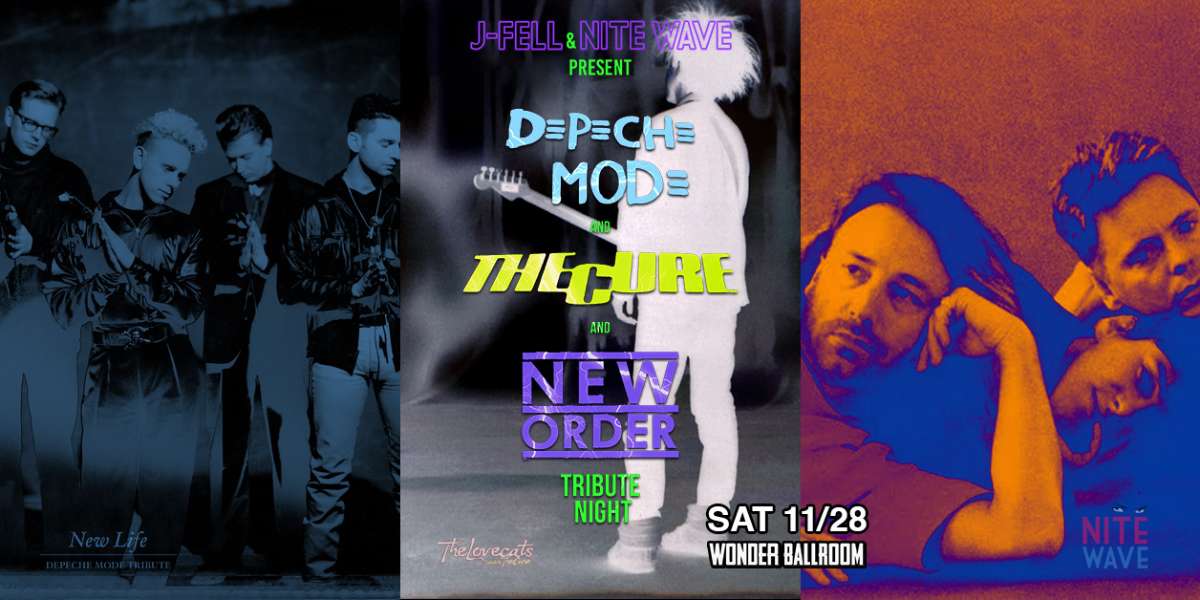
Nov/28 · J-Fell & Nite Wave present: The Cure, Depeche Mode & New Order Tribute Night
Nov/29 · Jalen Ngonda: Doctrine of Love Tour
Dec/4 · New Constellations: It Comes In Waves Tour
Dec/5 · feeble little horse – bitknot tour
Dec/6 · **MOVED TO ROSELAND THEATER** FROST CHILDREN
Dec/7 · TINY HABITS – The Keepers Tour
Jan/11 · Anna von Hausswolff: Iconoclasts Tour

All Shows

Upcoming Events

Monqui Presents

Tuesday, August 18
Doors : 6:30 pm, Show : 7:30 pm
ages 21 +
$50.50 to $61.25

About Quicksand:

It’s impossible to overstate the influence that Quicksand have on the hardcore scene. Formed in New York City in 1990 out of the ashes of Gorilla Biscuits, Youth of Today, Burn and Bold, the band took the aggression of hardcore and added a more groove-driven crunch to it, unintentionally inventing the genre known today as a post-hardcore.  

 
After releasing two major-label masterpieces in the nineties—1993’s Slip and 1995’s Manic Compression—the band split up at the peak of their powers, only to reunite in 2012 and release Interiors and Distant Populations. In that spirit, Bring On The Psychics marks a new chapter for Quicksand—guitarist/vocalist Walter Schreifels, drummer Alan Cage and bassist Sergio Vega—by creating a sonic bridge for these two eras of the band. The album is just as heavy as the band’s influential nineties sound while retaining the ambitious sense of experimentation from their more recent era. “This was seriously the easiest record we’ve ever recorded… nothing compares to it,” Schreifels says of Bring On The Psychics, which was recorded by Jon Markson (Drug Church, Drain). “We got the entire thing done in about ten days and then just tightened it up.” 

About Bane:

Formed in Massachusetts, Bane began as a side project between Aaron Dalbec and members of Converge. After contacting Aaron Bedard, a former drummer in local hardcore punk bands, the group entered the studio in December 1995. After recording a demo, Bane made their live debut in February 1996. The lineup saw the addition of bass player Pete Chilton and released a debut 7″ single. In May 1997 Bane released Free to Think, Free to Be, another 7″ single. Another guitarist, Zachary Jordan, was added to the group as a member of Converge returned to his top priority. In May 1998 another 7″ single, Holding This Moment, was released and was followed by a tour with Saves the Day. In 1999, Bane signed to Equal Vision Records and released the band’s debut full-length album, It All Comes Down to This. A national and international tour with Death by Stereo ensued. The group also toured with Good Riddance and Strike Anywhere. In 2001, Bane released Give Blood. They have toured throughout Europe as well as performing at various festivals, including Furnace Fest. The band returned in the spring of 2005 with The Note. A few EPs followed during the rest of the decade, although the project didn’t release another album until 2014’s Don’t Wait Up on Equal Vision.

Monqui Presents

Tuesday, August 18
Doors : 6:30 pm, Show : 7:30 pm
ages 21 +
$50.50 to $61.25

Somewhere in the ether/net of our collective social cosmos soup floats the magical, masterful pop music of Magdalena Bay, the duo from Los Angeles composed of Mica Tenenbaum and Matthew Lewin. While the pair may claim California as its terra firma, its true home is in the clouds, from where the two emit and output the unique yet familiar frequencies of synthesized nostalgia, kitschy catchiness, and bombastically warped neo-hooks for which the group has become celebrated. Transmitting in both the audio and video realms, Magdalena Bay is an entity adroitly suited for these times, caught in a haze of the known and felt while pushing sonic landscapes woven with the now into the next.

Having met as teenagers in a high school music program in their hometown of Miami (Tenebaum having moved to Florida at age 1 from Buenos Aires), each quickly recognized a kismet and kindred spirit in the other, resulting in the formation of a band, the prog outfit Tabula Rasa, as well as a romance. Lewin was a self-styled guitar shredder armed with his dad’s prog and concept rock records — The Wall, The Bends, Genesis, Fiona Apple — while Tenenbaum was a pianist and singer dipping toes in indie (Modest Mouse) and emo (My Chemical Romance) rock as well as pop made by princesses (Shakira, Britney). Both could read music and Lewin had even studied music theory, also teaching himself how to produce, record, and mix while making two Tabula Rasa records. The pair took a brief break from dating and headed to different colleges but kept the band together, often trading eight-hour bus rides from Penn to Northeastern and vice versa to rehearse, before eventually realizing two things: one, their relationship was too real to be denied, and two, no one young likes prog.

“It was like, ‘No one’s listening to our prog music, what a shame,’” Tenebaum says with a laugh. “We were excited to try something different. So we got into the mechanics of ‘what does it mean to write a pop song?’ and ‘what is this craft?’ and that was the beginning of Magdalena Bay.”

“I remember thinking, ‘Pop music is simple, so we should be able to make it,’” Lewin says. “And then, of course, there’s way more to it, lots of complexities in the writing and production that I wasn’t aware of. We had no artistic perspective at that point because we were still figuring out the genre and how to make something that resembled pop music before we could think about how we could make it interesting. So that was our early process.”

Holding tight to that all-encompassing genre descriptor (We make pop, but what really is pop anyway?” Tenenbaum asks, while Lewin counters, “We’re a pop group making pop music; all the rest is implied…I think it’s fun to imply that pop music is a wide range of things”), the duo released a grip of EPs and singles before launching its debut album Mercurial World in the fall of 2021. Many outlets, while uniformly praising its melodic hooks, sing-song vocals, and meticulously-crafted production, called it “synth-pop,” which is probably the most specific subgenre Lewin and Tenenbaum will allow. Regardless, the mark had been made, and Magdalena Bay soon began to gather respect, adulation, and fans in the true currency of the day: streaming numbers, social media followers, support slots, festival appearances, and creative collabs. All the while, aided by its highly stylized online aesthetic and internet presence, the band was inching closer to realizing something of an artistic perspective after all. 

“We love extending the world of our music past sound into videos or a website or graphics or whatever it might be,” Tenenbaum says.

“We like to think of them as one and the same, but I think it has to start with the music,” Lewin says. “We’re trying to create an atmosphere or an emotional quality with it.”

“It’s the jumping off point that inspires the rest,” Tenenbaum agrees. “But as the years have gone by, as we’ve made more and more videos and such, the process has become more integrated. We were having visual ideas, which was never the case before. I guess people call it ‘world-building.’”

Monqui Presents

With special guest Vienna Vienna

Saturday, August 22
Doors : 7 pm, Show : 8 pm
all ages
$39.25 to $61.25

Somewhere in the ether/net of our collective social cosmos soup floats the magical, masterful pop music of Magdalena Bay, the duo from Los Angeles composed of Mica Tenenbaum and Matthew Lewin. While the pair may claim California as its terra firma, its true home is in the clouds, from where the two emit and output the unique yet familiar frequencies of synthesized nostalgia, kitschy catchiness, and bombastically warped neo-hooks for which the group has become celebrated. Transmitting in both the audio and video realms, Magdalena Bay is an entity adroitly suited for these times, caught in a haze of the known and felt while pushing sonic landscapes woven with the now into the next.

Having met as teenagers in a high school music program in their hometown of Miami (Tenebaum having moved to Florida at age 1 from Buenos Aires), each quickly recognized a kismet and kindred spirit in the other, resulting in the formation of a band, the prog outfit Tabula Rasa, as well as a romance. Lewin was a self-styled guitar shredder armed with his dad’s prog and concept rock records — The Wall, The Bends, Genesis, Fiona Apple — while Tenenbaum was a pianist and singer dipping toes in indie (Modest Mouse) and emo (My Chemical Romance) rock as well as pop made by princesses (Shakira, Britney). Both could read music and Lewin had even studied music theory, also teaching himself how to produce, record, and mix while making two Tabula Rasa records. The pair took a brief break from dating and headed to different colleges but kept the band together, often trading eight-hour bus rides from Penn to Northeastern and vice versa to rehearse, before eventually realizing two things: one, their relationship was too real to be denied, and two, no one young likes prog.

“It was like, ‘No one’s listening to our prog music, what a shame,’” Tenebaum says with a laugh. “We were excited to try something different. So we got into the mechanics of ‘what does it mean to write a pop song?’ and ‘what is this craft?’ and that was the beginning of Magdalena Bay.”

“I remember thinking, ‘Pop music is simple, so we should be able to make it,’” Lewin says. “And then, of course, there’s way more to it, lots of complexities in the writing and production that I wasn’t aware of. We had no artistic perspective at that point because we were still figuring out the genre and how to make something that resembled pop music before we could think about how we could make it interesting. So that was our early process.”

Holding tight to that all-encompassing genre descriptor (We make pop, but what really is pop anyway?” Tenenbaum asks, while Lewin counters, “We’re a pop group making pop music; all the rest is implied…I think it’s fun to imply that pop music is a wide range of things”), the duo released a grip of EPs and singles before launching its debut album Mercurial World in the fall of 2021. Many outlets, while uniformly praising its melodic hooks, sing-song vocals, and meticulously-crafted production, called it “synth-pop,” which is probably the most specific subgenre Lewin and Tenenbaum will allow. Regardless, the mark had been made, and Magdalena Bay soon began to gather respect, adulation, and fans in the true currency of the day: streaming numbers, social media followers, support slots, festival appearances, and creative collabs. All the while, aided by its highly stylized online aesthetic and internet presence, the band was inching closer to realizing something of an artistic perspective after all. 

“We love extending the world of our music past sound into videos or a website or graphics or whatever it might be,” Tenenbaum says.

“We like to think of them as one and the same, but I think it has to start with the music,” Lewin says. “We’re trying to create an atmosphere or an emotional quality with it.”

“It’s the jumping off point that inspires the rest,” Tenenbaum agrees. “But as the years have gone by, as we’ve made more and more videos and such, the process has become more integrated. We were having visual ideas, which was never the case before. I guess people call it ‘world-building.’”

Showbox Presents

Tuesday, August 25
Doors : 7 pm, Show : 8 pm
all ages
$41.25

Somewhere in the ether/net of our collective social cosmos soup floats the magical, masterful pop music of Magdalena Bay, the duo from Los Angeles composed of Mica Tenenbaum and Matthew Lewin. While the pair may claim California as its terra firma, its true home is in the clouds, from where the two emit and output the unique yet familiar frequencies of synthesized nostalgia, kitschy catchiness, and bombastically warped neo-hooks for which the group has become celebrated. Transmitting in both the audio and video realms, Magdalena Bay is an entity adroitly suited for these times, caught in a haze of the known and felt while pushing sonic landscapes woven with the now into the next.

Having met as teenagers in a high school music program in their hometown of Miami (Tenebaum having moved to Florida at age 1 from Buenos Aires), each quickly recognized a kismet and kindred spirit in the other, resulting in the formation of a band, the prog outfit Tabula Rasa, as well as a romance. Lewin was a self-styled guitar shredder armed with his dad’s prog and concept rock records — The Wall, The Bends, Genesis, Fiona Apple — while Tenenbaum was a pianist and singer dipping toes in indie (Modest Mouse) and emo (My Chemical Romance) rock as well as pop made by princesses (Shakira, Britney). Both could read music and Lewin had even studied music theory, also teaching himself how to produce, record, and mix while making two Tabula Rasa records. The pair took a brief break from dating and headed to different colleges but kept the band together, often trading eight-hour bus rides from Penn to Northeastern and vice versa to rehearse, before eventually realizing two things: one, their relationship was too real to be denied, and two, no one young likes prog.

“It was like, ‘No one’s listening to our prog music, what a shame,’” Tenebaum says with a laugh. “We were excited to try something different. So we got into the mechanics of ‘what does it mean to write a pop song?’ and ‘what is this craft?’ and that was the beginning of Magdalena Bay.”

“I remember thinking, ‘Pop music is simple, so we should be able to make it,’” Lewin says. “And then, of course, there’s way more to it, lots of complexities in the writing and production that I wasn’t aware of. We had no artistic perspective at that point because we were still figuring out the genre and how to make something that resembled pop music before we could think about how we could make it interesting. So that was our early process.”

Holding tight to that all-encompassing genre descriptor (We make pop, but what really is pop anyway?” Tenenbaum asks, while Lewin counters, “We’re a pop group making pop music; all the rest is implied…I think it’s fun to imply that pop music is a wide range of things”), the duo released a grip of EPs and singles before launching its debut album Mercurial World in the fall of 2021. Many outlets, while uniformly praising its melodic hooks, sing-song vocals, and meticulously-crafted production, called it “synth-pop,” which is probably the most specific subgenre Lewin and Tenenbaum will allow. Regardless, the mark had been made, and Magdalena Bay soon began to gather respect, adulation, and fans in the true currency of the day: streaming numbers, social media followers, support slots, festival appearances, and creative collabs. All the while, aided by its highly stylized online aesthetic and internet presence, the band was inching closer to realizing something of an artistic perspective after all. 

“We love extending the world of our music past sound into videos or a website or graphics or whatever it might be,” Tenenbaum says.

“We like to think of them as one and the same, but I think it has to start with the music,” Lewin says. “We’re trying to create an atmosphere or an emotional quality with it.”

“It’s the jumping off point that inspires the rest,” Tenenbaum agrees. “But as the years have gone by, as we’ve made more and more videos and such, the process has become more integrated. We were having visual ideas, which was never the case before. I guess people call it ‘world-building.’”

Monqui Presents

With special guest Paradise Vultures

Thursday, August 27
Doors : 7 pm, Show : 8 pm
all ages
$39.25 to $118.25

Somewhere in the ether/net of our collective social cosmos soup floats the magical, masterful pop music of Magdalena Bay, the duo from Los Angeles composed of Mica Tenenbaum and Matthew Lewin. While the pair may claim California as its terra firma, its true home is in the clouds, from where the two emit and output the unique yet familiar frequencies of synthesized nostalgia, kitschy catchiness, and bombastically warped neo-hooks for which the group has become celebrated. Transmitting in both the audio and video realms, Magdalena Bay is an entity adroitly suited for these times, caught in a haze of the known and felt while pushing sonic landscapes woven with the now into the next.

Having met as teenagers in a high school music program in their hometown of Miami (Tenebaum having moved to Florida at age 1 from Buenos Aires), each quickly recognized a kismet and kindred spirit in the other, resulting in the formation of a band, the prog outfit Tabula Rasa, as well as a romance. Lewin was a self-styled guitar shredder armed with his dad’s prog and concept rock records — The Wall, The Bends, Genesis, Fiona Apple — while Tenenbaum was a pianist and singer dipping toes in indie (Modest Mouse) and emo (My Chemical Romance) rock as well as pop made by princesses (Shakira, Britney). Both could read music and Lewin had even studied music theory, also teaching himself how to produce, record, and mix while making two Tabula Rasa records. The pair took a brief break from dating and headed to different colleges but kept the band together, often trading eight-hour bus rides from Penn to Northeastern and vice versa to rehearse, before eventually realizing two things: one, their relationship was too real to be denied, and two, no one young likes prog.

“It was like, ‘No one’s listening to our prog music, what a shame,’” Tenebaum says with a laugh. “We were excited to try something different. So we got into the mechanics of ‘what does it mean to write a pop song?’ and ‘what is this craft?’ and that was the beginning of Magdalena Bay.”

“I remember thinking, ‘Pop music is simple, so we should be able to make it,’” Lewin says. “And then, of course, there’s way more to it, lots of complexities in the writing and production that I wasn’t aware of. We had no artistic perspective at that point because we were still figuring out the genre and how to make something that resembled pop music before we could think about how we could make it interesting. So that was our early process.”

Holding tight to that all-encompassing genre descriptor (We make pop, but what really is pop anyway?” Tenenbaum asks, while Lewin counters, “We’re a pop group making pop music; all the rest is implied…I think it’s fun to imply that pop music is a wide range of things”), the duo released a grip of EPs and singles before launching its debut album Mercurial World in the fall of 2021. Many outlets, while uniformly praising its melodic hooks, sing-song vocals, and meticulously-crafted production, called it “synth-pop,” which is probably the most specific subgenre Lewin and Tenenbaum will allow. Regardless, the mark had been made, and Magdalena Bay soon began to gather respect, adulation, and fans in the true currency of the day: streaming numbers, social media followers, support slots, festival appearances, and creative collabs. All the while, aided by its highly stylized online aesthetic and internet presence, the band was inching closer to realizing something of an artistic perspective after all. 

“We love extending the world of our music past sound into videos or a website or graphics or whatever it might be,” Tenenbaum says.

“We like to think of them as one and the same, but I think it has to start with the music,” Lewin says. “We’re trying to create an atmosphere or an emotional quality with it.”

“It’s the jumping off point that inspires the rest,” Tenenbaum agrees. “But as the years have gone by, as we’ve made more and more videos and such, the process has become more integrated. We were having visual ideas, which was never the case before. I guess people call it ‘world-building.’”

Monqui Presents

With special guests The Serfs and Jimmy

Saturday, August 29
Doors : 7 pm, Show : 8 pm
all ages
$28 to $45

Somewhere in the ether/net of our collective social cosmos soup floats the magical, masterful pop music of Magdalena Bay, the duo from Los Angeles composed of Mica Tenenbaum and Matthew Lewin. While the pair may claim California as its terra firma, its true home is in the clouds, from where the two emit and output the unique yet familiar frequencies of synthesized nostalgia, kitschy catchiness, and bombastically warped neo-hooks for which the group has become celebrated. Transmitting in both the audio and video realms, Magdalena Bay is an entity adroitly suited for these times, caught in a haze of the known and felt while pushing sonic landscapes woven with the now into the next.

Having met as teenagers in a high school music program in their hometown of Miami (Tenebaum having moved to Florida at age 1 from Buenos Aires), each quickly recognized a kismet and kindred spirit in the other, resulting in the formation of a band, the prog outfit Tabula Rasa, as well as a romance. Lewin was a self-styled guitar shredder armed with his dad’s prog and concept rock records — The Wall, The Bends, Genesis, Fiona Apple — while Tenenbaum was a pianist and singer dipping toes in indie (Modest Mouse) and emo (My Chemical Romance) rock as well as pop made by princesses (Shakira, Britney). Both could read music and Lewin had even studied music theory, also teaching himself how to produce, record, and mix while making two Tabula Rasa records. The pair took a brief break from dating and headed to different colleges but kept the band together, often trading eight-hour bus rides from Penn to Northeastern and vice versa to rehearse, before eventually realizing two things: one, their relationship was too real to be denied, and two, no one young likes prog.

“It was like, ‘No one’s listening to our prog music, what a shame,’” Tenebaum says with a laugh. “We were excited to try something different. So we got into the mechanics of ‘what does it mean to write a pop song?’ and ‘what is this craft?’ and that was the beginning of Magdalena Bay.”

“I remember thinking, ‘Pop music is simple, so we should be able to make it,’” Lewin says. “And then, of course, there’s way more to it, lots of complexities in the writing and production that I wasn’t aware of. We had no artistic perspective at that point because we were still figuring out the genre and how to make something that resembled pop music before we could think about how we could make it interesting. So that was our early process.”

Holding tight to that all-encompassing genre descriptor (We make pop, but what really is pop anyway?” Tenenbaum asks, while Lewin counters, “We’re a pop group making pop music; all the rest is implied…I think it’s fun to imply that pop music is a wide range of things”), the duo released a grip of EPs and singles before launching its debut album Mercurial World in the fall of 2021. Many outlets, while uniformly praising its melodic hooks, sing-song vocals, and meticulously-crafted production, called it “synth-pop,” which is probably the most specific subgenre Lewin and Tenenbaum will allow. Regardless, the mark had been made, and Magdalena Bay soon began to gather respect, adulation, and fans in the true currency of the day: streaming numbers, social media followers, support slots, festival appearances, and creative collabs. All the while, aided by its highly stylized online aesthetic and internet presence, the band was inching closer to realizing something of an artistic perspective after all. 

“We love extending the world of our music past sound into videos or a website or graphics or whatever it might be,” Tenenbaum says.

“We like to think of them as one and the same, but I think it has to start with the music,” Lewin says. “We’re trying to create an atmosphere or an emotional quality with it.”

“It’s the jumping off point that inspires the rest,” Tenenbaum agrees. “But as the years have gone by, as we’ve made more and more videos and such, the process has become more integrated. We were having visual ideas, which was never the case before. I guess people call it ‘world-building.’”

Monqui Presents

Thursday, September 3
Doors : 7 pm, Show : 8 pm
all ages
$45 to $61.25

Somewhere in the ether/net of our collective social cosmos soup floats the magical, masterful pop music of Magdalena Bay, the duo from Los Angeles composed of Mica Tenenbaum and Matthew Lewin. While the pair may claim California as its terra firma, its true home is in the clouds, from where the two emit and output the unique yet familiar frequencies of synthesized nostalgia, kitschy catchiness, and bombastically warped neo-hooks for which the group has become celebrated. Transmitting in both the audio and video realms, Magdalena Bay is an entity adroitly suited for these times, caught in a haze of the known and felt while pushing sonic landscapes woven with the now into the next.

Having met as teenagers in a high school music program in their hometown of Miami (Tenebaum having moved to Florida at age 1 from Buenos Aires), each quickly recognized a kismet and kindred spirit in the other, resulting in the formation of a band, the prog outfit Tabula Rasa, as well as a romance. Lewin was a self-styled guitar shredder armed with his dad’s prog and concept rock records — The Wall, The Bends, Genesis, Fiona Apple — while Tenenbaum was a pianist and singer dipping toes in indie (Modest Mouse) and emo (My Chemical Romance) rock as well as pop made by princesses (Shakira, Britney). Both could read music and Lewin had even studied music theory, also teaching himself how to produce, record, and mix while making two Tabula Rasa records. The pair took a brief break from dating and headed to different colleges but kept the band together, often trading eight-hour bus rides from Penn to Northeastern and vice versa to rehearse, before eventually realizing two things: one, their relationship was too real to be denied, and two, no one young likes prog.

“It was like, ‘No one’s listening to our prog music, what a shame,’” Tenebaum says with a laugh. “We were excited to try something different. So we got into the mechanics of ‘what does it mean to write a pop song?’ and ‘what is this craft?’ and that was the beginning of Magdalena Bay.”

“I remember thinking, ‘Pop music is simple, so we should be able to make it,’” Lewin says. “And then, of course, there’s way more to it, lots of complexities in the writing and production that I wasn’t aware of. We had no artistic perspective at that point because we were still figuring out the genre and how to make something that resembled pop music before we could think about how we could make it interesting. So that was our early process.”

Holding tight to that all-encompassing genre descriptor (We make pop, but what really is pop anyway?” Tenenbaum asks, while Lewin counters, “We’re a pop group making pop music; all the rest is implied…I think it’s fun to imply that pop music is a wide range of things”), the duo released a grip of EPs and singles before launching its debut album Mercurial World in the fall of 2021. Many outlets, while uniformly praising its melodic hooks, sing-song vocals, and meticulously-crafted production, called it “synth-pop,” which is probably the most specific subgenre Lewin and Tenenbaum will allow. Regardless, the mark had been made, and Magdalena Bay soon began to gather respect, adulation, and fans in the true currency of the day: streaming numbers, social media followers, support slots, festival appearances, and creative collabs. All the while, aided by its highly stylized online aesthetic and internet presence, the band was inching closer to realizing something of an artistic perspective after all. 

“We love extending the world of our music past sound into videos or a website or graphics or whatever it might be,” Tenenbaum says.

“We like to think of them as one and the same, but I think it has to start with the music,” Lewin says. “We’re trying to create an atmosphere or an emotional quality with it.”

“It’s the jumping off point that inspires the rest,” Tenenbaum agrees. “But as the years have gone by, as we’ve made more and more videos and such, the process has become more integrated. We were having visual ideas, which was never the case before. I guess people call it ‘world-building.’”

Monqui Presents

Friday, September 4
Doors : 7 pm, Show : 8 pm
all ages
$50.50 to $72.25

Somewhere in the ether/net of our collective social cosmos soup floats the magical, masterful pop music of Magdalena Bay, the duo from Los Angeles composed of Mica Tenenbaum and Matthew Lewin. While the pair may claim California as its terra firma, its true home is in the clouds, from where the two emit and output the unique yet familiar frequencies of synthesized nostalgia, kitschy catchiness, and bombastically warped neo-hooks for which the group has become celebrated. Transmitting in both the audio and video realms, Magdalena Bay is an entity adroitly suited for these times, caught in a haze of the known and felt while pushing sonic landscapes woven with the now into the next.

Having met as teenagers in a high school music program in their hometown of Miami (Tenebaum having moved to Florida at age 1 from Buenos Aires), each quickly recognized a kismet and kindred spirit in the other, resulting in the formation of a band, the prog outfit Tabula Rasa, as well as a romance. Lewin was a self-styled guitar shredder armed with his dad’s prog and concept rock records — The Wall, The Bends, Genesis, Fiona Apple — while Tenenbaum was a pianist and singer dipping toes in indie (Modest Mouse) and emo (My Chemical Romance) rock as well as pop made by princesses (Shakira, Britney). Both could read music and Lewin had even studied music theory, also teaching himself how to produce, record, and mix while making two Tabula Rasa records. The pair took a brief break from dating and headed to different colleges but kept the band together, often trading eight-hour bus rides from Penn to Northeastern and vice versa to rehearse, before eventually realizing two things: one, their relationship was too real to be denied, and two, no one young likes prog.

“It was like, ‘No one’s listening to our prog music, what a shame,’” Tenebaum says with a laugh. “We were excited to try something different. So we got into the mechanics of ‘what does it mean to write a pop song?’ and ‘what is this craft?’ and that was the beginning of Magdalena Bay.”

“I remember thinking, ‘Pop music is simple, so we should be able to make it,’” Lewin says. “And then, of course, there’s way more to it, lots of complexities in the writing and production that I wasn’t aware of. We had no artistic perspective at that point because we were still figuring out the genre and how to make something that resembled pop music before we could think about how we could make it interesting. So that was our early process.”

Holding tight to that all-encompassing genre descriptor (We make pop, but what really is pop anyway?” Tenenbaum asks, while Lewin counters, “We’re a pop group making pop music; all the rest is implied…I think it’s fun to imply that pop music is a wide range of things”), the duo released a grip of EPs and singles before launching its debut album Mercurial World in the fall of 2021. Many outlets, while uniformly praising its melodic hooks, sing-song vocals, and meticulously-crafted production, called it “synth-pop,” which is probably the most specific subgenre Lewin and Tenenbaum will allow. Regardless, the mark had been made, and Magdalena Bay soon began to gather respect, adulation, and fans in the true currency of the day: streaming numbers, social media followers, support slots, festival appearances, and creative collabs. All the while, aided by its highly stylized online aesthetic and internet presence, the band was inching closer to realizing something of an artistic perspective after all. 

“We love extending the world of our music past sound into videos or a website or graphics or whatever it might be,” Tenenbaum says.

“We like to think of them as one and the same, but I think it has to start with the music,” Lewin says. “We’re trying to create an atmosphere or an emotional quality with it.”

“It’s the jumping off point that inspires the rest,” Tenenbaum agrees. “But as the years have gone by, as we’ve made more and more videos and such, the process has become more integrated. We were having visual ideas, which was never the case before. I guess people call it ‘world-building.’”

Showbox Presents

Saturday, September 5
Doors : 7 pm, Show : 8 pm
all ages

Somewhere in the ether/net of our collective social cosmos soup floats the magical, masterful pop music of Magdalena Bay, the duo from Los Angeles composed of Mica Tenenbaum and Matthew Lewin. While the pair may claim California as its terra firma, its true home is in the clouds, from where the two emit and output the unique yet familiar frequencies of synthesized nostalgia, kitschy catchiness, and bombastically warped neo-hooks for which the group has become celebrated. Transmitting in both the audio and video realms, Magdalena Bay is an entity adroitly suited for these times, caught in a haze of the known and felt while pushing sonic landscapes woven with the now into the next.

Having met as teenagers in a high school music program in their hometown of Miami (Tenebaum having moved to Florida at age 1 from Buenos Aires), each quickly recognized a kismet and kindred spirit in the other, resulting in the formation of a band, the prog outfit Tabula Rasa, as well as a romance. Lewin was a self-styled guitar shredder armed with his dad’s prog and concept rock records — The Wall, The Bends, Genesis, Fiona Apple — while Tenenbaum was a pianist and singer dipping toes in indie (Modest Mouse) and emo (My Chemical Romance) rock as well as pop made by princesses (Shakira, Britney). Both could read music and Lewin had even studied music theory, also teaching himself how to produce, record, and mix while making two Tabula Rasa records. The pair took a brief break from dating and headed to different colleges but kept the band together, often trading eight-hour bus rides from Penn to Northeastern and vice versa to rehearse, before eventually realizing two things: one, their relationship was too real to be denied, and two, no one young likes prog.

“It was like, ‘No one’s listening to our prog music, what a shame,’” Tenebaum says with a laugh. “We were excited to try something different. So we got into the mechanics of ‘what does it mean to write a pop song?’ and ‘what is this craft?’ and that was the beginning of Magdalena Bay.”

“I remember thinking, ‘Pop music is simple, so we should be able to make it,’” Lewin says. “And then, of course, there’s way more to it, lots of complexities in the writing and production that I wasn’t aware of. We had no artistic perspective at that point because we were still figuring out the genre and how to make something that resembled pop music before we could think about how we could make it interesting. So that was our early process.”

Holding tight to that all-encompassing genre descriptor (We make pop, but what really is pop anyway?” Tenenbaum asks, while Lewin counters, “We’re a pop group making pop music; all the rest is implied…I think it’s fun to imply that pop music is a wide range of things”), the duo released a grip of EPs and singles before launching its debut album Mercurial World in the fall of 2021. Many outlets, while uniformly praising its melodic hooks, sing-song vocals, and meticulously-crafted production, called it “synth-pop,” which is probably the most specific subgenre Lewin and Tenenbaum will allow. Regardless, the mark had been made, and Magdalena Bay soon began to gather respect, adulation, and fans in the true currency of the day: streaming numbers, social media followers, support slots, festival appearances, and creative collabs. All the while, aided by its highly stylized online aesthetic and internet presence, the band was inching closer to realizing something of an artistic perspective after all. 

“We love extending the world of our music past sound into videos or a website or graphics or whatever it might be,” Tenenbaum says.

“We like to think of them as one and the same, but I think it has to start with the music,” Lewin says. “We’re trying to create an atmosphere or an emotional quality with it.”

“It’s the jumping off point that inspires the rest,” Tenenbaum agrees. “But as the years have gone by, as we’ve made more and more videos and such, the process has become more integrated. We were having visual ideas, which was never the case before. I guess people call it ‘world-building.’”

Showbox Presents

Wednesday, September 9
Doors : 7 pm, Show : 8 pm
all ages
$41.25 to $162.50

Somewhere in the ether/net of our collective social cosmos soup floats the magical, masterful pop music of Magdalena Bay, the duo from Los Angeles composed of Mica Tenenbaum and Matthew Lewin. While the pair may claim California as its terra firma, its true home is in the clouds, from where the two emit and output the unique yet familiar frequencies of synthesized nostalgia, kitschy catchiness, and bombastically warped neo-hooks for which the group has become celebrated. Transmitting in both the audio and video realms, Magdalena Bay is an entity adroitly suited for these times, caught in a haze of the known and felt while pushing sonic landscapes woven with the now into the next.

Having met as teenagers in a high school music program in their hometown of Miami (Tenebaum having moved to Florida at age 1 from Buenos Aires), each quickly recognized a kismet and kindred spirit in the other, resulting in the formation of a band, the prog outfit Tabula Rasa, as well as a romance. Lewin was a self-styled guitar shredder armed with his dad’s prog and concept rock records — The Wall, The Bends, Genesis, Fiona Apple — while Tenenbaum was a pianist and singer dipping toes in indie (Modest Mouse) and emo (My Chemical Romance) rock as well as pop made by princesses (Shakira, Britney). Both could read music and Lewin had even studied music theory, also teaching himself how to produce, record, and mix while making two Tabula Rasa records. The pair took a brief break from dating and headed to different colleges but kept the band together, often trading eight-hour bus rides from Penn to Northeastern and vice versa to rehearse, before eventually realizing two things: one, their relationship was too real to be denied, and two, no one young likes prog.

“It was like, ‘No one’s listening to our prog music, what a shame,’” Tenebaum says with a laugh. “We were excited to try something different. So we got into the mechanics of ‘what does it mean to write a pop song?’ and ‘what is this craft?’ and that was the beginning of Magdalena Bay.”

“I remember thinking, ‘Pop music is simple, so we should be able to make it,’” Lewin says. “And then, of course, there’s way more to it, lots of complexities in the writing and production that I wasn’t aware of. We had no artistic perspective at that point because we were still figuring out the genre and how to make something that resembled pop music before we could think about how we could make it interesting. So that was our early process.”

Holding tight to that all-encompassing genre descriptor (We make pop, but what really is pop anyway?” Tenenbaum asks, while Lewin counters, “We’re a pop group making pop music; all the rest is implied…I think it’s fun to imply that pop music is a wide range of things”), the duo released a grip of EPs and singles before launching its debut album Mercurial World in the fall of 2021. Many outlets, while uniformly praising its melodic hooks, sing-song vocals, and meticulously-crafted production, called it “synth-pop,” which is probably the most specific subgenre Lewin and Tenenbaum will allow. Regardless, the mark had been made, and Magdalena Bay soon began to gather respect, adulation, and fans in the true currency of the day: streaming numbers, social media followers, support slots, festival appearances, and creative collabs. All the while, aided by its highly stylized online aesthetic and internet presence, the band was inching closer to realizing something of an artistic perspective after all. 

“We love extending the world of our music past sound into videos or a website or graphics or whatever it might be,” Tenenbaum says.

“We like to think of them as one and the same, but I think it has to start with the music,” Lewin says. “We’re trying to create an atmosphere or an emotional quality with it.”

“It’s the jumping off point that inspires the rest,” Tenenbaum agrees. “But as the years have gone by, as we’ve made more and more videos and such, the process has become more integrated. We were having visual ideas, which was never the case before. I guess people call it ‘world-building.’”

Monqui Presents

With special guest Frankie Rose

Thursday, September 10
Doors : 7 pm, Show : 8 pm
ages 21 +
$42.25 to $118.25

Somewhere in the ether/net of our collective social cosmos soup floats the magical, masterful pop music of Magdalena Bay, the duo from Los Angeles composed of Mica Tenenbaum and Matthew Lewin. While the pair may claim California as its terra firma, its true home is in the clouds, from where the two emit and output the unique yet familiar frequencies of synthesized nostalgia, kitschy catchiness, and bombastically warped neo-hooks for which the group has become celebrated. Transmitting in both the audio and video realms, Magdalena Bay is an entity adroitly suited for these times, caught in a haze of the known and felt while pushing sonic landscapes woven with the now into the next.

Having met as teenagers in a high school music program in their hometown of Miami (Tenebaum having moved to Florida at age 1 from Buenos Aires), each quickly recognized a kismet and kindred spirit in the other, resulting in the formation of a band, the prog outfit Tabula Rasa, as well as a romance. Lewin was a self-styled guitar shredder armed with his dad’s prog and concept rock records — The Wall, The Bends, Genesis, Fiona Apple — while Tenenbaum was a pianist and singer dipping toes in indie (Modest Mouse) and emo (My Chemical Romance) rock as well as pop made by princesses (Shakira, Britney). Both could read music and Lewin had even studied music theory, also teaching himself how to produce, record, and mix while making two Tabula Rasa records. The pair took a brief break from dating and headed to different colleges but kept the band together, often trading eight-hour bus rides from Penn to Northeastern and vice versa to rehearse, before eventually realizing two things: one, their relationship was too real to be denied, and two, no one young likes prog.

“It was like, ‘No one’s listening to our prog music, what a shame,’” Tenebaum says with a laugh. “We were excited to try something different. So we got into the mechanics of ‘what does it mean to write a pop song?’ and ‘what is this craft?’ and that was the beginning of Magdalena Bay.”

“I remember thinking, ‘Pop music is simple, so we should be able to make it,’” Lewin says. “And then, of course, there’s way more to it, lots of complexities in the writing and production that I wasn’t aware of. We had no artistic perspective at that point because we were still figuring out the genre and how to make something that resembled pop music before we could think about how we could make it interesting. So that was our early process.”

Holding tight to that all-encompassing genre descriptor (We make pop, but what really is pop anyway?” Tenenbaum asks, while Lewin counters, “We’re a pop group making pop music; all the rest is implied…I think it’s fun to imply that pop music is a wide range of things”), the duo released a grip of EPs and singles before launching its debut album Mercurial World in the fall of 2021. Many outlets, while uniformly praising its melodic hooks, sing-song vocals, and meticulously-crafted production, called it “synth-pop,” which is probably the most specific subgenre Lewin and Tenenbaum will allow. Regardless, the mark had been made, and Magdalena Bay soon began to gather respect, adulation, and fans in the true currency of the day: streaming numbers, social media followers, support slots, festival appearances, and creative collabs. All the while, aided by its highly stylized online aesthetic and internet presence, the band was inching closer to realizing something of an artistic perspective after all. 

“We love extending the world of our music past sound into videos or a website or graphics or whatever it might be,” Tenenbaum says.

“We like to think of them as one and the same, but I think it has to start with the music,” Lewin says. “We’re trying to create an atmosphere or an emotional quality with it.”

“It’s the jumping off point that inspires the rest,” Tenenbaum agrees. “But as the years have gone by, as we’ve made more and more videos and such, the process has become more integrated. We were having visual ideas, which was never the case before. I guess people call it ‘world-building.’”

Showbox Presents

with special guest Frayle

Friday, September 11
Doors : 7 pm, Show : 8 pm
all ages
$41.25

Somewhere in the ether/net of our collective social cosmos soup floats the magical, masterful pop music of Magdalena Bay, the duo from Los Angeles composed of Mica Tenenbaum and Matthew Lewin. While the pair may claim California as its terra firma, its true home is in the clouds, from where the two emit and output the unique yet familiar frequencies of synthesized nostalgia, kitschy catchiness, and bombastically warped neo-hooks for which the group has become celebrated. Transmitting in both the audio and video realms, Magdalena Bay is an entity adroitly suited for these times, caught in a haze of the known and felt while pushing sonic landscapes woven with the now into the next.

Having met as teenagers in a high school music program in their hometown of Miami (Tenebaum having moved to Florida at age 1 from Buenos Aires), each quickly recognized a kismet and kindred spirit in the other, resulting in the formation of a band, the prog outfit Tabula Rasa, as well as a romance. Lewin was a self-styled guitar shredder armed with his dad’s prog and concept rock records — The Wall, The Bends, Genesis, Fiona Apple — while Tenenbaum was a pianist and singer dipping toes in indie (Modest Mouse) and emo (My Chemical Romance) rock as well as pop made by princesses (Shakira, Britney). Both could read music and Lewin had even studied music theory, also teaching himself how to produce, record, and mix while making two Tabula Rasa records. The pair took a brief break from dating and headed to different colleges but kept the band together, often trading eight-hour bus rides from Penn to Northeastern and vice versa to rehearse, before eventually realizing two things: one, their relationship was too real to be denied, and two, no one young likes prog.

“It was like, ‘No one’s listening to our prog music, what a shame,’” Tenebaum says with a laugh. “We were excited to try something different. So we got into the mechanics of ‘what does it mean to write a pop song?’ and ‘what is this craft?’ and that was the beginning of Magdalena Bay.”

“I remember thinking, ‘Pop music is simple, so we should be able to make it,’” Lewin says. “And then, of course, there’s way more to it, lots of complexities in the writing and production that I wasn’t aware of. We had no artistic perspective at that point because we were still figuring out the genre and how to make something that resembled pop music before we could think about how we could make it interesting. So that was our early process.”

Holding tight to that all-encompassing genre descriptor (We make pop, but what really is pop anyway?” Tenenbaum asks, while Lewin counters, “We’re a pop group making pop music; all the rest is implied…I think it’s fun to imply that pop music is a wide range of things”), the duo released a grip of EPs and singles before launching its debut album Mercurial World in the fall of 2021. Many outlets, while uniformly praising its melodic hooks, sing-song vocals, and meticulously-crafted production, called it “synth-pop,” which is probably the most specific subgenre Lewin and Tenenbaum will allow. Regardless, the mark had been made, and Magdalena Bay soon began to gather respect, adulation, and fans in the true currency of the day: streaming numbers, social media followers, support slots, festival appearances, and creative collabs. All the while, aided by its highly stylized online aesthetic and internet presence, the band was inching closer to realizing something of an artistic perspective after all. 

“We love extending the world of our music past sound into videos or a website or graphics or whatever it might be,” Tenenbaum says.

“We like to think of them as one and the same, but I think it has to start with the music,” Lewin says. “We’re trying to create an atmosphere or an emotional quality with it.”

“It’s the jumping off point that inspires the rest,” Tenenbaum agrees. “But as the years have gone by, as we’ve made more and more videos and such, the process has become more integrated. We were having visual ideas, which was never the case before. I guess people call it ‘world-building.’”

Monqui Presents

With special guest Rubin Brothers

Saturday, September 12
Doors : 7 pm, Show : 8 pm
all ages
$34 to $113.05

Somewhere in the ether/net of our collective social cosmos soup floats the magical, masterful pop music of Magdalena Bay, the duo from Los Angeles composed of Mica Tenenbaum and Matthew Lewin. While the pair may claim California as its terra firma, its true home is in the clouds, from where the two emit and output the unique yet familiar frequencies of synthesized nostalgia, kitschy catchiness, and bombastically warped neo-hooks for which the group has become celebrated. Transmitting in both the audio and video realms, Magdalena Bay is an entity adroitly suited for these times, caught in a haze of the known and felt while pushing sonic landscapes woven with the now into the next.

Having met as teenagers in a high school music program in their hometown of Miami (Tenebaum having moved to Florida at age 1 from Buenos Aires), each quickly recognized a kismet and kindred spirit in the other, resulting in the formation of a band, the prog outfit Tabula Rasa, as well as a romance. Lewin was a self-styled guitar shredder armed with his dad’s prog and concept rock records — The Wall, The Bends, Genesis, Fiona Apple — while Tenenbaum was a pianist and singer dipping toes in indie (Modest Mouse) and emo (My Chemical Romance) rock as well as pop made by princesses (Shakira, Britney). Both could read music and Lewin had even studied music theory, also teaching himself how to produce, record, and mix while making two Tabula Rasa records. The pair took a brief break from dating and headed to different colleges but kept the band together, often trading eight-hour bus rides from Penn to Northeastern and vice versa to rehearse, before eventually realizing two things: one, their relationship was too real to be denied, and two, no one young likes prog.

“It was like, ‘No one’s listening to our prog music, what a shame,’” Tenebaum says with a laugh. “We were excited to try something different. So we got into the mechanics of ‘what does it mean to write a pop song?’ and ‘what is this craft?’ and that was the beginning of Magdalena Bay.”

“I remember thinking, ‘Pop music is simple, so we should be able to make it,’” Lewin says. “And then, of course, there’s way more to it, lots of complexities in the writing and production that I wasn’t aware of. We had no artistic perspective at that point because we were still figuring out the genre and how to make something that resembled pop music before we could think about how we could make it interesting. So that was our early process.”

Holding tight to that all-encompassing genre descriptor (We make pop, but what really is pop anyway?” Tenenbaum asks, while Lewin counters, “We’re a pop group making pop music; all the rest is implied…I think it’s fun to imply that pop music is a wide range of things”), the duo released a grip of EPs and singles before launching its debut album Mercurial World in the fall of 2021. Many outlets, while uniformly praising its melodic hooks, sing-song vocals, and meticulously-crafted production, called it “synth-pop,” which is probably the most specific subgenre Lewin and Tenenbaum will allow. Regardless, the mark had been made, and Magdalena Bay soon began to gather respect, adulation, and fans in the true currency of the day: streaming numbers, social media followers, support slots, festival appearances, and creative collabs. All the while, aided by its highly stylized online aesthetic and internet presence, the band was inching closer to realizing something of an artistic perspective after all. 

“We love extending the world of our music past sound into videos or a website or graphics or whatever it might be,” Tenenbaum says.

“We like to think of them as one and the same, but I think it has to start with the music,” Lewin says. “We’re trying to create an atmosphere or an emotional quality with it.”

“It’s the jumping off point that inspires the rest,” Tenenbaum agrees. “But as the years have gone by, as we’ve made more and more videos and such, the process has become more integrated. We were having visual ideas, which was never the case before. I guess people call it ‘world-building.’”

Monqui Presents

With special guest Plague Vendor

Monday, September 14
Doors : 7 pm, Show : 8 pm
ages 21 +
$56.25 to $88.75

Somewhere in the ether/net of our collective social cosmos soup floats the magical, masterful pop music of Magdalena Bay, the duo from Los Angeles composed of Mica Tenenbaum and Matthew Lewin. While the pair may claim California as its terra firma, its true home is in the clouds, from where the two emit and output the unique yet familiar frequencies of synthesized nostalgia, kitschy catchiness, and bombastically warped neo-hooks for which the group has become celebrated. Transmitting in both the audio and video realms, Magdalena Bay is an entity adroitly suited for these times, caught in a haze of the known and felt while pushing sonic landscapes woven with the now into the next.

Having met as teenagers in a high school music program in their hometown of Miami (Tenebaum having moved to Florida at age 1 from Buenos Aires), each quickly recognized a kismet and kindred spirit in the other, resulting in the formation of a band, the prog outfit Tabula Rasa, as well as a romance. Lewin was a self-styled guitar shredder armed with his dad’s prog and concept rock records — The Wall, The Bends, Genesis, Fiona Apple — while Tenenbaum was a pianist and singer dipping toes in indie (Modest Mouse) and emo (My Chemical Romance) rock as well as pop made by princesses (Shakira, Britney). Both could read music and Lewin had even studied music theory, also teaching himself how to produce, record, and mix while making two Tabula Rasa records. The pair took a brief break from dating and headed to different colleges but kept the band together, often trading eight-hour bus rides from Penn to Northeastern and vice versa to rehearse, before eventually realizing two things: one, their relationship was too real to be denied, and two, no one young likes prog.

“It was like, ‘No one’s listening to our prog music, what a shame,’” Tenebaum says with a laugh. “We were excited to try something different. So we got into the mechanics of ‘what does it mean to write a pop song?’ and ‘what is this craft?’ and that was the beginning of Magdalena Bay.”

“I remember thinking, ‘Pop music is simple, so we should be able to make it,’” Lewin says. “And then, of course, there’s way more to it, lots of complexities in the writing and production that I wasn’t aware of. We had no artistic perspective at that point because we were still figuring out the genre and how to make something that resembled pop music before we could think about how we could make it interesting. So that was our early process.”

Holding tight to that all-encompassing genre descriptor (We make pop, but what really is pop anyway?” Tenenbaum asks, while Lewin counters, “We’re a pop group making pop music; all the rest is implied…I think it’s fun to imply that pop music is a wide range of things”), the duo released a grip of EPs and singles before launching its debut album Mercurial World in the fall of 2021. Many outlets, while uniformly praising its melodic hooks, sing-song vocals, and meticulously-crafted production, called it “synth-pop,” which is probably the most specific subgenre Lewin and Tenenbaum will allow. Regardless, the mark had been made, and Magdalena Bay soon began to gather respect, adulation, and fans in the true currency of the day: streaming numbers, social media followers, support slots, festival appearances, and creative collabs. All the while, aided by its highly stylized online aesthetic and internet presence, the band was inching closer to realizing something of an artistic perspective after all. 

“We love extending the world of our music past sound into videos or a website or graphics or whatever it might be,” Tenenbaum says.

“We like to think of them as one and the same, but I think it has to start with the music,” Lewin says. “We’re trying to create an atmosphere or an emotional quality with it.”

“It’s the jumping off point that inspires the rest,” Tenenbaum agrees. “But as the years have gone by, as we’ve made more and more videos and such, the process has become more integrated. We were having visual ideas, which was never the case before. I guess people call it ‘world-building.’”

SINCE PRESENTS

With special guest Lakeyah

Tuesday, September 15
Doors : 7 pm, Show : 8 pm
all ages
$35 to $156.75

Somewhere in the ether/net of our collective social cosmos soup floats the magical, masterful pop music of Magdalena Bay, the duo from Los Angeles composed of Mica Tenenbaum and Matthew Lewin. While the pair may claim California as its terra firma, its true home is in the clouds, from where the two emit and output the unique yet familiar frequencies of synthesized nostalgia, kitschy catchiness, and bombastically warped neo-hooks for which the group has become celebrated. Transmitting in both the audio and video realms, Magdalena Bay is an entity adroitly suited for these times, caught in a haze of the known and felt while pushing sonic landscapes woven with the now into the next.

Having met as teenagers in a high school music program in their hometown of Miami (Tenebaum having moved to Florida at age 1 from Buenos Aires), each quickly recognized a kismet and kindred spirit in the other, resulting in the formation of a band, the prog outfit Tabula Rasa, as well as a romance. Lewin was a self-styled guitar shredder armed with his dad’s prog and concept rock records — The Wall, The Bends, Genesis, Fiona Apple — while Tenenbaum was a pianist and singer dipping toes in indie (Modest Mouse) and emo (My Chemical Romance) rock as well as pop made by princesses (Shakira, Britney). Both could read music and Lewin had even studied music theory, also teaching himself how to produce, record, and mix while making two Tabula Rasa records. The pair took a brief break from dating and headed to different colleges but kept the band together, often trading eight-hour bus rides from Penn to Northeastern and vice versa to rehearse, before eventually realizing two things: one, their relationship was too real to be denied, and two, no one young likes prog.

“It was like, ‘No one’s listening to our prog music, what a shame,’” Tenebaum says with a laugh. “We were excited to try something different. So we got into the mechanics of ‘what does it mean to write a pop song?’ and ‘what is this craft?’ and that was the beginning of Magdalena Bay.”

“I remember thinking, ‘Pop music is simple, so we should be able to make it,’” Lewin says. “And then, of course, there’s way more to it, lots of complexities in the writing and production that I wasn’t aware of. We had no artistic perspective at that point because we were still figuring out the genre and how to make something that resembled pop music before we could think about how we could make it interesting. So that was our early process.”

Holding tight to that all-encompassing genre descriptor (We make pop, but what really is pop anyway?” Tenenbaum asks, while Lewin counters, “We’re a pop group making pop music; all the rest is implied…I think it’s fun to imply that pop music is a wide range of things”), the duo released a grip of EPs and singles before launching its debut album Mercurial World in the fall of 2021. Many outlets, while uniformly praising its melodic hooks, sing-song vocals, and meticulously-crafted production, called it “synth-pop,” which is probably the most specific subgenre Lewin and Tenenbaum will allow. Regardless, the mark had been made, and Magdalena Bay soon began to gather respect, adulation, and fans in the true currency of the day: streaming numbers, social media followers, support slots, festival appearances, and creative collabs. All the while, aided by its highly stylized online aesthetic and internet presence, the band was inching closer to realizing something of an artistic perspective after all. 

“We love extending the world of our music past sound into videos or a website or graphics or whatever it might be,” Tenenbaum says.

“We like to think of them as one and the same, but I think it has to start with the music,” Lewin says. “We’re trying to create an atmosphere or an emotional quality with it.”

“It’s the jumping off point that inspires the rest,” Tenenbaum agrees. “But as the years have gone by, as we’ve made more and more videos and such, the process has become more integrated. We were having visual ideas, which was never the case before. I guess people call it ‘world-building.’”

Monqui Presents

Wednesday, September 16
Doors : 7 pm, Show : 8 pm
all ages
$34 to $56.25

Somewhere in the ether/net of our collective social cosmos soup floats the magical, masterful pop music of Magdalena Bay, the duo from Los Angeles composed of Mica Tenenbaum and Matthew Lewin. While the pair may claim California as its terra firma, its true home is in the clouds, from where the two emit and output the unique yet familiar frequencies of synthesized nostalgia, kitschy catchiness, and bombastically warped neo-hooks for which the group has become celebrated. Transmitting in both the audio and video realms, Magdalena Bay is an entity adroitly suited for these times, caught in a haze of the known and felt while pushing sonic landscapes woven with the now into the next.

Having met as teenagers in a high school music program in their hometown of Miami (Tenebaum having moved to Florida at age 1 from Buenos Aires), each quickly recognized a kismet and kindred spirit in the other, resulting in the formation of a band, the prog outfit Tabula Rasa, as well as a romance. Lewin was a self-styled guitar shredder armed with his dad’s prog and concept rock records — The Wall, The Bends, Genesis, Fiona Apple — while Tenenbaum was a pianist and singer dipping toes in indie (Modest Mouse) and emo (My Chemical Romance) rock as well as pop made by princesses (Shakira, Britney). Both could read music and Lewin had even studied music theory, also teaching himself how to produce, record, and mix while making two Tabula Rasa records. The pair took a brief break from dating and headed to different colleges but kept the band together, often trading eight-hour bus rides from Penn to Northeastern and vice versa to rehearse, before eventually realizing two things: one, their relationship was too real to be denied, and two, no one young likes prog.

“It was like, ‘No one’s listening to our prog music, what a shame,’” Tenebaum says with a laugh. “We were excited to try something different. So we got into the mechanics of ‘what does it mean to write a pop song?’ and ‘what is this craft?’ and that was the beginning of Magdalena Bay.”

“I remember thinking, ‘Pop music is simple, so we should be able to make it,’” Lewin says. “And then, of course, there’s way more to it, lots of complexities in the writing and production that I wasn’t aware of. We had no artistic perspective at that point because we were still figuring out the genre and how to make something that resembled pop music before we could think about how we could make it interesting. So that was our early process.”

Holding tight to that all-encompassing genre descriptor (We make pop, but what really is pop anyway?” Tenenbaum asks, while Lewin counters, “We’re a pop group making pop music; all the rest is implied…I think it’s fun to imply that pop music is a wide range of things”), the duo released a grip of EPs and singles before launching its debut album Mercurial World in the fall of 2021. Many outlets, while uniformly praising its melodic hooks, sing-song vocals, and meticulously-crafted production, called it “synth-pop,” which is probably the most specific subgenre Lewin and Tenenbaum will allow. Regardless, the mark had been made, and Magdalena Bay soon began to gather respect, adulation, and fans in the true currency of the day: streaming numbers, social media followers, support slots, festival appearances, and creative collabs. All the while, aided by its highly stylized online aesthetic and internet presence, the band was inching closer to realizing something of an artistic perspective after all. 

“We love extending the world of our music past sound into videos or a website or graphics or whatever it might be,” Tenenbaum says.

“We like to think of them as one and the same, but I think it has to start with the music,” Lewin says. “We’re trying to create an atmosphere or an emotional quality with it.”

“It’s the jumping off point that inspires the rest,” Tenenbaum agrees. “But as the years have gone by, as we’ve made more and more videos and such, the process has become more integrated. We were having visual ideas, which was never the case before. I guess people call it ‘world-building.’”

Showbox Presents

Thursday, September 17
Doors : 7 pm, Show : 8 pm
ages 21 +
$41.25 to $58.25

Somewhere in the ether/net of our collective social cosmos soup floats the magical, masterful pop music of Magdalena Bay, the duo from Los Angeles composed of Mica Tenenbaum and Matthew Lewin. While the pair may claim California as its terra firma, its true home is in the clouds, from where the two emit and output the unique yet familiar frequencies of synthesized nostalgia, kitschy catchiness, and bombastically warped neo-hooks for which the group has become celebrated. Transmitting in both the audio and video realms, Magdalena Bay is an entity adroitly suited for these times, caught in a haze of the known and felt while pushing sonic landscapes woven with the now into the next.

Having met as teenagers in a high school music program in their hometown of Miami (Tenebaum having moved to Florida at age 1 from Buenos Aires), each quickly recognized a kismet and kindred spirit in the other, resulting in the formation of a band, the prog outfit Tabula Rasa, as well as a romance. Lewin was a self-styled guitar shredder armed with his dad’s prog and concept rock records — The Wall, The Bends, Genesis, Fiona Apple — while Tenenbaum was a pianist and singer dipping toes in indie (Modest Mouse) and emo (My Chemical Romance) rock as well as pop made by princesses (Shakira, Britney). Both could read music and Lewin had even studied music theory, also teaching himself how to produce, record, and mix while making two Tabula Rasa records. The pair took a brief break from dating and headed to different colleges but kept the band together, often trading eight-hour bus rides from Penn to Northeastern and vice versa to rehearse, before eventually realizing two things: one, their relationship was too real to be denied, and two, no one young likes prog.

“It was like, ‘No one’s listening to our prog music, what a shame,’” Tenebaum says with a laugh. “We were excited to try something different. So we got into the mechanics of ‘what does it mean to write a pop song?’ and ‘what is this craft?’ and that was the beginning of Magdalena Bay.”

“I remember thinking, ‘Pop music is simple, so we should be able to make it,’” Lewin says. “And then, of course, there’s way more to it, lots of complexities in the writing and production that I wasn’t aware of. We had no artistic perspective at that point because we were still figuring out the genre and how to make something that resembled pop music before we could think about how we could make it interesting. So that was our early process.”

Holding tight to that all-encompassing genre descriptor (We make pop, but what really is pop anyway?” Tenenbaum asks, while Lewin counters, “We’re a pop group making pop music; all the rest is implied…I think it’s fun to imply that pop music is a wide range of things”), the duo released a grip of EPs and singles before launching its debut album Mercurial World in the fall of 2021. Many outlets, while uniformly praising its melodic hooks, sing-song vocals, and meticulously-crafted production, called it “synth-pop,” which is probably the most specific subgenre Lewin and Tenenbaum will allow. Regardless, the mark had been made, and Magdalena Bay soon began to gather respect, adulation, and fans in the true currency of the day: streaming numbers, social media followers, support slots, festival appearances, and creative collabs. All the while, aided by its highly stylized online aesthetic and internet presence, the band was inching closer to realizing something of an artistic perspective after all. 

“We love extending the world of our music past sound into videos or a website or graphics or whatever it might be,” Tenenbaum says.

“We like to think of them as one and the same, but I think it has to start with the music,” Lewin says. “We’re trying to create an atmosphere or an emotional quality with it.”

“It’s the jumping off point that inspires the rest,” Tenenbaum agrees. “But as the years have gone by, as we’ve made more and more videos and such, the process has become more integrated. We were having visual ideas, which was never the case before. I guess people call it ‘world-building.’”

Monqui Presents

With special guest Zandi Holup

Friday, September 18
Doors : 7 pm, Show : 8 pm
all ages
$34 to $131.50

Somewhere in the ether/net of our collective social cosmos soup floats the magical, masterful pop music of Magdalena Bay, the duo from Los Angeles composed of Mica Tenenbaum and Matthew Lewin. While the pair may claim California as its terra firma, its true home is in the clouds, from where the two emit and output the unique yet familiar frequencies of synthesized nostalgia, kitschy catchiness, and bombastically warped neo-hooks for which the group has become celebrated. Transmitting in both the audio and video realms, Magdalena Bay is an entity adroitly suited for these times, caught in a haze of the known and felt while pushing sonic landscapes woven with the now into the next.

Having met as teenagers in a high school music program in their hometown of Miami (Tenebaum having moved to Florida at age 1 from Buenos Aires), each quickly recognized a kismet and kindred spirit in the other, resulting in the formation of a band, the prog outfit Tabula Rasa, as well as a romance. Lewin was a self-styled guitar shredder armed with his dad’s prog and concept rock records — The Wall, The Bends, Genesis, Fiona Apple — while Tenenbaum was a pianist and singer dipping toes in indie (Modest Mouse) and emo (My Chemical Romance) rock as well as pop made by princesses (Shakira, Britney). Both could read music and Lewin had even studied music theory, also teaching himself how to produce, record, and mix while making two Tabula Rasa records. The pair took a brief break from dating and headed to different colleges but kept the band together, often trading eight-hour bus rides from Penn to Northeastern and vice versa to rehearse, before eventually realizing two things: one, their relationship was too real to be denied, and two, no one young likes prog.

“It was like, ‘No one’s listening to our prog music, what a shame,’” Tenebaum says with a laugh. “We were excited to try something different. So we got into the mechanics of ‘what does it mean to write a pop song?’ and ‘what is this craft?’ and that was the beginning of Magdalena Bay.”

“I remember thinking, ‘Pop music is simple, so we should be able to make it,’” Lewin says. “And then, of course, there’s way more to it, lots of complexities in the writing and production that I wasn’t aware of. We had no artistic perspective at that point because we were still figuring out the genre and how to make something that resembled pop music before we could think about how we could make it interesting. So that was our early process.”

Holding tight to that all-encompassing genre descriptor (We make pop, but what really is pop anyway?” Tenenbaum asks, while Lewin counters, “We’re a pop group making pop music; all the rest is implied…I think it’s fun to imply that pop music is a wide range of things”), the duo released a grip of EPs and singles before launching its debut album Mercurial World in the fall of 2021. Many outlets, while uniformly praising its melodic hooks, sing-song vocals, and meticulously-crafted production, called it “synth-pop,” which is probably the most specific subgenre Lewin and Tenenbaum will allow. Regardless, the mark had been made, and Magdalena Bay soon began to gather respect, adulation, and fans in the true currency of the day: streaming numbers, social media followers, support slots, festival appearances, and creative collabs. All the while, aided by its highly stylized online aesthetic and internet presence, the band was inching closer to realizing something of an artistic perspective after all. 

“We love extending the world of our music past sound into videos or a website or graphics or whatever it might be,” Tenenbaum says.

“We like to think of them as one and the same, but I think it has to start with the music,” Lewin says. “We’re trying to create an atmosphere or an emotional quality with it.”

“It’s the jumping off point that inspires the rest,” Tenenbaum agrees. “But as the years have gone by, as we’ve made more and more videos and such, the process has become more integrated. We were having visual ideas, which was never the case before. I guess people call it ‘world-building.’”

Showbox Presents

Monday, September 21
Doors : 6 pm, Show : 7 pm
all ages
$47

Somewhere in the ether/net of our collective social cosmos soup floats the magical, masterful pop music of Magdalena Bay, the duo from Los Angeles composed of Mica Tenenbaum and Matthew Lewin. While the pair may claim California as its terra firma, its true home is in the clouds, from where the two emit and output the unique yet familiar frequencies of synthesized nostalgia, kitschy catchiness, and bombastically warped neo-hooks for which the group has become celebrated. Transmitting in both the audio and video realms, Magdalena Bay is an entity adroitly suited for these times, caught in a haze of the known and felt while pushing sonic landscapes woven with the now into the next.

Having met as teenagers in a high school music program in their hometown of Miami (Tenebaum having moved to Florida at age 1 from Buenos Aires), each quickly recognized a kismet and kindred spirit in the other, resulting in the formation of a band, the prog outfit Tabula Rasa, as well as a romance. Lewin was a self-styled guitar shredder armed with his dad’s prog and concept rock records — The Wall, The Bends, Genesis, Fiona Apple — while Tenenbaum was a pianist and singer dipping toes in indie (Modest Mouse) and emo (My Chemical Romance) rock as well as pop made by princesses (Shakira, Britney). Both could read music and Lewin had even studied music theory, also teaching himself how to produce, record, and mix while making two Tabula Rasa records. The pair took a brief break from dating and headed to different colleges but kept the band together, often trading eight-hour bus rides from Penn to Northeastern and vice versa to rehearse, before eventually realizing two things: one, their relationship was too real to be denied, and two, no one young likes prog.

“It was like, ‘No one’s listening to our prog music, what a shame,’” Tenebaum says with a laugh. “We were excited to try something different. So we got into the mechanics of ‘what does it mean to write a pop song?’ and ‘what is this craft?’ and that was the beginning of Magdalena Bay.”

“I remember thinking, ‘Pop music is simple, so we should be able to make it,’” Lewin says. “And then, of course, there’s way more to it, lots of complexities in the writing and production that I wasn’t aware of. We had no artistic perspective at that point because we were still figuring out the genre and how to make something that resembled pop music before we could think about how we could make it interesting. So that was our early process.”

Holding tight to that all-encompassing genre descriptor (We make pop, but what really is pop anyway?” Tenenbaum asks, while Lewin counters, “We’re a pop group making pop music; all the rest is implied…I think it’s fun to imply that pop music is a wide range of things”), the duo released a grip of EPs and singles before launching its debut album Mercurial World in the fall of 2021. Many outlets, while uniformly praising its melodic hooks, sing-song vocals, and meticulously-crafted production, called it “synth-pop,” which is probably the most specific subgenre Lewin and Tenenbaum will allow. Regardless, the mark had been made, and Magdalena Bay soon began to gather respect, adulation, and fans in the true currency of the day: streaming numbers, social media followers, support slots, festival appearances, and creative collabs. All the while, aided by its highly stylized online aesthetic and internet presence, the band was inching closer to realizing something of an artistic perspective after all. 

“We love extending the world of our music past sound into videos or a website or graphics or whatever it might be,” Tenenbaum says.

“We like to think of them as one and the same, but I think it has to start with the music,” Lewin says. “We’re trying to create an atmosphere or an emotional quality with it.”

“It’s the jumping off point that inspires the rest,” Tenenbaum agrees. “But as the years have gone by, as we’ve made more and more videos and such, the process has become more integrated. We were having visual ideas, which was never the case before. I guess people call it ‘world-building.’”

Monqui Presents

With special guest Glassio

Tuesday, September 22
Doors : 7 pm, Show : 8 pm
all ages
$34

Somewhere in the ether/net of our collective social cosmos soup floats the magical, masterful pop music of Magdalena Bay, the duo from Los Angeles composed of Mica Tenenbaum and Matthew Lewin. While the pair may claim California as its terra firma, its true home is in the clouds, from where the two emit and output the unique yet familiar frequencies of synthesized nostalgia, kitschy catchiness, and bombastically warped neo-hooks for which the group has become celebrated. Transmitting in both the audio and video realms, Magdalena Bay is an entity adroitly suited for these times, caught in a haze of the known and felt while pushing sonic landscapes woven with the now into the next.

Having met as teenagers in a high school music program in their hometown of Miami (Tenebaum having moved to Florida at age 1 from Buenos Aires), each quickly recognized a kismet and kindred spirit in the other, resulting in the formation of a band, the prog outfit Tabula Rasa, as well as a romance. Lewin was a self-styled guitar shredder armed with his dad’s prog and concept rock records — The Wall, The Bends, Genesis, Fiona Apple — while Tenenbaum was a pianist and singer dipping toes in indie (Modest Mouse) and emo (My Chemical Romance) rock as well as pop made by princesses (Shakira, Britney). Both could read music and Lewin had even studied music theory, also teaching himself how to produce, record, and mix while making two Tabula Rasa records. The pair took a brief break from dating and headed to different colleges but kept the band together, often trading eight-hour bus rides from Penn to Northeastern and vice versa to rehearse, before eventually realizing two things: one, their relationship was too real to be denied, and two, no one young likes prog.

“It was like, ‘No one’s listening to our prog music, what a shame,’” Tenebaum says with a laugh. “We were excited to try something different. So we got into the mechanics of ‘what does it mean to write a pop song?’ and ‘what is this craft?’ and that was the beginning of Magdalena Bay.”

“I remember thinking, ‘Pop music is simple, so we should be able to make it,’” Lewin says. “And then, of course, there’s way more to it, lots of complexities in the writing and production that I wasn’t aware of. We had no artistic perspective at that point because we were still figuring out the genre and how to make something that resembled pop music before we could think about how we could make it interesting. So that was our early process.”

Holding tight to that all-encompassing genre descriptor (We make pop, but what really is pop anyway?” Tenenbaum asks, while Lewin counters, “We’re a pop group making pop music; all the rest is implied…I think it’s fun to imply that pop music is a wide range of things”), the duo released a grip of EPs and singles before launching its debut album Mercurial World in the fall of 2021. Many outlets, while uniformly praising its melodic hooks, sing-song vocals, and meticulously-crafted production, called it “synth-pop,” which is probably the most specific subgenre Lewin and Tenenbaum will allow. Regardless, the mark had been made, and Magdalena Bay soon began to gather respect, adulation, and fans in the true currency of the day: streaming numbers, social media followers, support slots, festival appearances, and creative collabs. All the while, aided by its highly stylized online aesthetic and internet presence, the band was inching closer to realizing something of an artistic perspective after all. 

“We love extending the world of our music past sound into videos or a website or graphics or whatever it might be,” Tenenbaum says.

“We like to think of them as one and the same, but I think it has to start with the music,” Lewin says. “We’re trying to create an atmosphere or an emotional quality with it.”

“It’s the jumping off point that inspires the rest,” Tenenbaum agrees. “But as the years have gone by, as we’ve made more and more videos and such, the process has become more integrated. We were having visual ideas, which was never the case before. I guess people call it ‘world-building.’”

Monqui Presents

With special guest BAIRD

Wednesday, September 23
Doors : 7 pm, Show : 8 pm
all ages
$45 to $67.25

Somewhere in the ether/net of our collective social cosmos soup floats the magical, masterful pop music of Magdalena Bay, the duo from Los Angeles composed of Mica Tenenbaum and Matthew Lewin. While the pair may claim California as its terra firma, its true home is in the clouds, from where the two emit and output the unique yet familiar frequencies of synthesized nostalgia, kitschy catchiness, and bombastically warped neo-hooks for which the group has become celebrated. Transmitting in both the audio and video realms, Magdalena Bay is an entity adroitly suited for these times, caught in a haze of the known and felt while pushing sonic landscapes woven with the now into the next.

Having met as teenagers in a high school music program in their hometown of Miami (Tenebaum having moved to Florida at age 1 from Buenos Aires), each quickly recognized a kismet and kindred spirit in the other, resulting in the formation of a band, the prog outfit Tabula Rasa, as well as a romance. Lewin was a self-styled guitar shredder armed with his dad’s prog and concept rock records — The Wall, The Bends, Genesis, Fiona Apple — while Tenenbaum was a pianist and singer dipping toes in indie (Modest Mouse) and emo (My Chemical Romance) rock as well as pop made by princesses (Shakira, Britney). Both could read music and Lewin had even studied music theory, also teaching himself how to produce, record, and mix while making two Tabula Rasa records. The pair took a brief break from dating and headed to different colleges but kept the band together, often trading eight-hour bus rides from Penn to Northeastern and vice versa to rehearse, before eventually realizing two things: one, their relationship was too real to be denied, and two, no one young likes prog.

“It was like, ‘No one’s listening to our prog music, what a shame,’” Tenebaum says with a laugh. “We were excited to try something different. So we got into the mechanics of ‘what does it mean to write a pop song?’ and ‘what is this craft?’ and that was the beginning of Magdalena Bay.”

“I remember thinking, ‘Pop music is simple, so we should be able to make it,’” Lewin says. “And then, of course, there’s way more to it, lots of complexities in the writing and production that I wasn’t aware of. We had no artistic perspective at that point because we were still figuring out the genre and how to make something that resembled pop music before we could think about how we could make it interesting. So that was our early process.”

Holding tight to that all-encompassing genre descriptor (We make pop, but what really is pop anyway?” Tenenbaum asks, while Lewin counters, “We’re a pop group making pop music; all the rest is implied…I think it’s fun to imply that pop music is a wide range of things”), the duo released a grip of EPs and singles before launching its debut album Mercurial World in the fall of 2021. Many outlets, while uniformly praising its melodic hooks, sing-song vocals, and meticulously-crafted production, called it “synth-pop,” which is probably the most specific subgenre Lewin and Tenenbaum will allow. Regardless, the mark had been made, and Magdalena Bay soon began to gather respect, adulation, and fans in the true currency of the day: streaming numbers, social media followers, support slots, festival appearances, and creative collabs. All the while, aided by its highly stylized online aesthetic and internet presence, the band was inching closer to realizing something of an artistic perspective after all. 

“We love extending the world of our music past sound into videos or a website or graphics or whatever it might be,” Tenenbaum says.

“We like to think of them as one and the same, but I think it has to start with the music,” Lewin says. “We’re trying to create an atmosphere or an emotional quality with it.”

“It’s the jumping off point that inspires the rest,” Tenenbaum agrees. “But as the years have gone by, as we’ve made more and more videos and such, the process has become more integrated. We were having visual ideas, which was never the case before. I guess people call it ‘world-building.’”

Monqui Presents

Thursday, September 24
Doors : 7 pm, Show : 8 pm
all ages
$34 to $45

Somewhere in the ether/net of our collective social cosmos soup floats the magical, masterful pop music of Magdalena Bay, the duo from Los Angeles composed of Mica Tenenbaum and Matthew Lewin. While the pair may claim California as its terra firma, its true home is in the clouds, from where the two emit and output the unique yet familiar frequencies of synthesized nostalgia, kitschy catchiness, and bombastically warped neo-hooks for which the group has become celebrated. Transmitting in both the audio and video realms, Magdalena Bay is an entity adroitly suited for these times, caught in a haze of the known and felt while pushing sonic landscapes woven with the now into the next.

Having met as teenagers in a high school music program in their hometown of Miami (Tenebaum having moved to Florida at age 1 from Buenos Aires), each quickly recognized a kismet and kindred spirit in the other, resulting in the formation of a band, the prog outfit Tabula Rasa, as well as a romance. Lewin was a self-styled guitar shredder armed with his dad’s prog and concept rock records — The Wall, The Bends, Genesis, Fiona Apple — while Tenenbaum was a pianist and singer dipping toes in indie (Modest Mouse) and emo (My Chemical Romance) rock as well as pop made by princesses (Shakira, Britney). Both could read music and Lewin had even studied music theory, also teaching himself how to produce, record, and mix while making two Tabula Rasa records. The pair took a brief break from dating and headed to different colleges but kept the band together, often trading eight-hour bus rides from Penn to Northeastern and vice versa to rehearse, before eventually realizing two things: one, their relationship was too real to be denied, and two, no one young likes prog.

“It was like, ‘No one’s listening to our prog music, what a shame,’” Tenebaum says with a laugh. “We were excited to try something different. So we got into the mechanics of ‘what does it mean to write a pop song?’ and ‘what is this craft?’ and that was the beginning of Magdalena Bay.”

“I remember thinking, ‘Pop music is simple, so we should be able to make it,’” Lewin says. “And then, of course, there’s way more to it, lots of complexities in the writing and production that I wasn’t aware of. We had no artistic perspective at that point because we were still figuring out the genre and how to make something that resembled pop music before we could think about how we could make it interesting. So that was our early process.”

Holding tight to that all-encompassing genre descriptor (We make pop, but what really is pop anyway?” Tenenbaum asks, while Lewin counters, “We’re a pop group making pop music; all the rest is implied…I think it’s fun to imply that pop music is a wide range of things”), the duo released a grip of EPs and singles before launching its debut album Mercurial World in the fall of 2021. Many outlets, while uniformly praising its melodic hooks, sing-song vocals, and meticulously-crafted production, called it “synth-pop,” which is probably the most specific subgenre Lewin and Tenenbaum will allow. Regardless, the mark had been made, and Magdalena Bay soon began to gather respect, adulation, and fans in the true currency of the day: streaming numbers, social media followers, support slots, festival appearances, and creative collabs. All the while, aided by its highly stylized online aesthetic and internet presence, the band was inching closer to realizing something of an artistic perspective after all. 

“We love extending the world of our music past sound into videos or a website or graphics or whatever it might be,” Tenenbaum says.

“We like to think of them as one and the same, but I think it has to start with the music,” Lewin says. “We’re trying to create an atmosphere or an emotional quality with it.”

“It’s the jumping off point that inspires the rest,” Tenenbaum agrees. “But as the years have gone by, as we’ve made more and more videos and such, the process has become more integrated. We were having visual ideas, which was never the case before. I guess people call it ‘world-building.’”

Monqui Presents

Friday, September 25
Show : 6 pm
ages 21 +
$39.25

Somewhere in the ether/net of our collective social cosmos soup floats the magical, masterful pop music of Magdalena Bay, the duo from Los Angeles composed of Mica Tenenbaum and Matthew Lewin. While the pair may claim California as its terra firma, its true home is in the clouds, from where the two emit and output the unique yet familiar frequencies of synthesized nostalgia, kitschy catchiness, and bombastically warped neo-hooks for which the group has become celebrated. Transmitting in both the audio and video realms, Magdalena Bay is an entity adroitly suited for these times, caught in a haze of the known and felt while pushing sonic landscapes woven with the now into the next.

Having met as teenagers in a high school music program in their hometown of Miami (Tenebaum having moved to Florida at age 1 from Buenos Aires), each quickly recognized a kismet and kindred spirit in the other, resulting in the formation of a band, the prog outfit Tabula Rasa, as well as a romance. Lewin was a self-styled guitar shredder armed with his dad’s prog and concept rock records — The Wall, The Bends, Genesis, Fiona Apple — while Tenenbaum was a pianist and singer dipping toes in indie (Modest Mouse) and emo (My Chemical Romance) rock as well as pop made by princesses (Shakira, Britney). Both could read music and Lewin had even studied music theory, also teaching himself how to produce, record, and mix while making two Tabula Rasa records. The pair took a brief break from dating and headed to different colleges but kept the band together, often trading eight-hour bus rides from Penn to Northeastern and vice versa to rehearse, before eventually realizing two things: one, their relationship was too real to be denied, and two, no one young likes prog.

“It was like, ‘No one’s listening to our prog music, what a shame,’” Tenebaum says with a laugh. “We were excited to try something different. So we got into the mechanics of ‘what does it mean to write a pop song?’ and ‘what is this craft?’ and that was the beginning of Magdalena Bay.”

“I remember thinking, ‘Pop music is simple, so we should be able to make it,’” Lewin says. “And then, of course, there’s way more to it, lots of complexities in the writing and production that I wasn’t aware of. We had no artistic perspective at that point because we were still figuring out the genre and how to make something that resembled pop music before we could think about how we could make it interesting. So that was our early process.”

Holding tight to that all-encompassing genre descriptor (We make pop, but what really is pop anyway?” Tenenbaum asks, while Lewin counters, “We’re a pop group making pop music; all the rest is implied…I think it’s fun to imply that pop music is a wide range of things”), the duo released a grip of EPs and singles before launching its debut album Mercurial World in the fall of 2021. Many outlets, while uniformly praising its melodic hooks, sing-song vocals, and meticulously-crafted production, called it “synth-pop,” which is probably the most specific subgenre Lewin and Tenenbaum will allow. Regardless, the mark had been made, and Magdalena Bay soon began to gather respect, adulation, and fans in the true currency of the day: streaming numbers, social media followers, support slots, festival appearances, and creative collabs. All the while, aided by its highly stylized online aesthetic and internet presence, the band was inching closer to realizing something of an artistic perspective after all. 

“We love extending the world of our music past sound into videos or a website or graphics or whatever it might be,” Tenenbaum says.

“We like to think of them as one and the same, but I think it has to start with the music,” Lewin says. “We’re trying to create an atmosphere or an emotional quality with it.”

“It’s the jumping off point that inspires the rest,” Tenenbaum agrees. “But as the years have gone by, as we’ve made more and more videos and such, the process has become more integrated. We were having visual ideas, which was never the case before. I guess people call it ‘world-building.’”

Monqui Presents

Saturday, September 26
Doors : 7 pm, Show : 8 pm
all ages

Somewhere in the ether/net of our collective social cosmos soup floats the magical, masterful pop music of Magdalena Bay, the duo from Los Angeles composed of Mica Tenenbaum and Matthew Lewin. While the pair may claim California as its terra firma, its true home is in the clouds, from where the two emit and output the unique yet familiar frequencies of synthesized nostalgia, kitschy catchiness, and bombastically warped neo-hooks for which the group has become celebrated. Transmitting in both the audio and video realms, Magdalena Bay is an entity adroitly suited for these times, caught in a haze of the known and felt while pushing sonic landscapes woven with the now into the next.

Having met as teenagers in a high school music program in their hometown of Miami (Tenebaum having moved to Florida at age 1 from Buenos Aires), each quickly recognized a kismet and kindred spirit in the other, resulting in the formation of a band, the prog outfit Tabula Rasa, as well as a romance. Lewin was a self-styled guitar shredder armed with his dad’s prog and concept rock records — The Wall, The Bends, Genesis, Fiona Apple — while Tenenbaum was a pianist and singer dipping toes in indie (Modest Mouse) and emo (My Chemical Romance) rock as well as pop made by princesses (Shakira, Britney). Both could read music and Lewin had even studied music theory, also teaching himself how to produce, record, and mix while making two Tabula Rasa records. The pair took a brief break from dating and headed to different colleges but kept the band together, often trading eight-hour bus rides from Penn to Northeastern and vice versa to rehearse, before eventually realizing two things: one, their relationship was too real to be denied, and two, no one young likes prog.

“It was like, ‘No one’s listening to our prog music, what a shame,’” Tenebaum says with a laugh. “We were excited to try something different. So we got into the mechanics of ‘what does it mean to write a pop song?’ and ‘what is this craft?’ and that was the beginning of Magdalena Bay.”

“I remember thinking, ‘Pop music is simple, so we should be able to make it,’” Lewin says. “And then, of course, there’s way more to it, lots of complexities in the writing and production that I wasn’t aware of. We had no artistic perspective at that point because we were still figuring out the genre and how to make something that resembled pop music before we could think about how we could make it interesting. So that was our early process.”

Holding tight to that all-encompassing genre descriptor (We make pop, but what really is pop anyway?” Tenenbaum asks, while Lewin counters, “We’re a pop group making pop music; all the rest is implied…I think it’s fun to imply that pop music is a wide range of things”), the duo released a grip of EPs and singles before launching its debut album Mercurial World in the fall of 2021. Many outlets, while uniformly praising its melodic hooks, sing-song vocals, and meticulously-crafted production, called it “synth-pop,” which is probably the most specific subgenre Lewin and Tenenbaum will allow. Regardless, the mark had been made, and Magdalena Bay soon began to gather respect, adulation, and fans in the true currency of the day: streaming numbers, social media followers, support slots, festival appearances, and creative collabs. All the while, aided by its highly stylized online aesthetic and internet presence, the band was inching closer to realizing something of an artistic perspective after all. 

“We love extending the world of our music past sound into videos or a website or graphics or whatever it might be,” Tenenbaum says.

“We like to think of them as one and the same, but I think it has to start with the music,” Lewin says. “We’re trying to create an atmosphere or an emotional quality with it.”

“It’s the jumping off point that inspires the rest,” Tenenbaum agrees. “But as the years have gone by, as we’ve made more and more videos and such, the process has become more integrated. We were having visual ideas, which was never the case before. I guess people call it ‘world-building.’”

Monqui Presents

Monday, September 28
Doors : 7 pm, Show : 8 pm
all ages
$45 to $67.25

Somewhere in the ether/net of our collective social cosmos soup floats the magical, masterful pop music of Magdalena Bay, the duo from Los Angeles composed of Mica Tenenbaum and Matthew Lewin. While the pair may claim California as its terra firma, its true home is in the clouds, from where the two emit and output the unique yet familiar frequencies of synthesized nostalgia, kitschy catchiness, and bombastically warped neo-hooks for which the group has become celebrated. Transmitting in both the audio and video realms, Magdalena Bay is an entity adroitly suited for these times, caught in a haze of the known and felt while pushing sonic landscapes woven with the now into the next.

Having met as teenagers in a high school music program in their hometown of Miami (Tenebaum having moved to Florida at age 1 from Buenos Aires), each quickly recognized a kismet and kindred spirit in the other, resulting in the formation of a band, the prog outfit Tabula Rasa, as well as a romance. Lewin was a self-styled guitar shredder armed with his dad’s prog and concept rock records — The Wall, The Bends, Genesis, Fiona Apple — while Tenenbaum was a pianist and singer dipping toes in indie (Modest Mouse) and emo (My Chemical Romance) rock as well as pop made by princesses (Shakira, Britney). Both could read music and Lewin had even studied music theory, also teaching himself how to produce, record, and mix while making two Tabula Rasa records. The pair took a brief break from dating and headed to different colleges but kept the band together, often trading eight-hour bus rides from Penn to Northeastern and vice versa to rehearse, before eventually realizing two things: one, their relationship was too real to be denied, and two, no one young likes prog.

“It was like, ‘No one’s listening to our prog music, what a shame,’” Tenebaum says with a laugh. “We were excited to try something different. So we got into the mechanics of ‘what does it mean to write a pop song?’ and ‘what is this craft?’ and that was the beginning of Magdalena Bay.”

“I remember thinking, ‘Pop music is simple, so we should be able to make it,’” Lewin says. “And then, of course, there’s way more to it, lots of complexities in the writing and production that I wasn’t aware of. We had no artistic perspective at that point because we were still figuring out the genre and how to make something that resembled pop music before we could think about how we could make it interesting. So that was our early process.”

Holding tight to that all-encompassing genre descriptor (We make pop, but what really is pop anyway?” Tenenbaum asks, while Lewin counters, “We’re a pop group making pop music; all the rest is implied…I think it’s fun to imply that pop music is a wide range of things”), the duo released a grip of EPs and singles before launching its debut album Mercurial World in the fall of 2021. Many outlets, while uniformly praising its melodic hooks, sing-song vocals, and meticulously-crafted production, called it “synth-pop,” which is probably the most specific subgenre Lewin and Tenenbaum will allow. Regardless, the mark had been made, and Magdalena Bay soon began to gather respect, adulation, and fans in the true currency of the day: streaming numbers, social media followers, support slots, festival appearances, and creative collabs. All the while, aided by its highly stylized online aesthetic and internet presence, the band was inching closer to realizing something of an artistic perspective after all. 

“We love extending the world of our music past sound into videos or a website or graphics or whatever it might be,” Tenenbaum says.

“We like to think of them as one and the same, but I think it has to start with the music,” Lewin says. “We’re trying to create an atmosphere or an emotional quality with it.”

“It’s the jumping off point that inspires the rest,” Tenenbaum agrees. “But as the years have gone by, as we’ve made more and more videos and such, the process has become more integrated. We were having visual ideas, which was never the case before. I guess people call it ‘world-building.’”

Monqui Presents

Wednesday, September 30
Doors : 7 pm, Show : 8 pm
all ages
$34 to $160.50

Somewhere in the ether/net of our collective social cosmos soup floats the magical, masterful pop music of Magdalena Bay, the duo from Los Angeles composed of Mica Tenenbaum and Matthew Lewin. While the pair may claim California as its terra firma, its true home is in the clouds, from where the two emit and output the unique yet familiar frequencies of synthesized nostalgia, kitschy catchiness, and bombastically warped neo-hooks for which the group has become celebrated. Transmitting in both the audio and video realms, Magdalena Bay is an entity adroitly suited for these times, caught in a haze of the known and felt while pushing sonic landscapes woven with the now into the next.

Having met as teenagers in a high school music program in their hometown of Miami (Tenebaum having moved to Florida at age 1 from Buenos Aires), each quickly recognized a kismet and kindred spirit in the other, resulting in the formation of a band, the prog outfit Tabula Rasa, as well as a romance. Lewin was a self-styled guitar shredder armed with his dad’s prog and concept rock records — The Wall, The Bends, Genesis, Fiona Apple — while Tenenbaum was a pianist and singer dipping toes in indie (Modest Mouse) and emo (My Chemical Romance) rock as well as pop made by princesses (Shakira, Britney). Both could read music and Lewin had even studied music theory, also teaching himself how to produce, record, and mix while making two Tabula Rasa records. The pair took a brief break from dating and headed to different colleges but kept the band together, often trading eight-hour bus rides from Penn to Northeastern and vice versa to rehearse, before eventually realizing two things: one, their relationship was too real to be denied, and two, no one young likes prog.

“It was like, ‘No one’s listening to our prog music, what a shame,’” Tenebaum says with a laugh. “We were excited to try something different. So we got into the mechanics of ‘what does it mean to write a pop song?’ and ‘what is this craft?’ and that was the beginning of Magdalena Bay.”

“I remember thinking, ‘Pop music is simple, so we should be able to make it,’” Lewin says. “And then, of course, there’s way more to it, lots of complexities in the writing and production that I wasn’t aware of. We had no artistic perspective at that point because we were still figuring out the genre and how to make something that resembled pop music before we could think about how we could make it interesting. So that was our early process.”

Holding tight to that all-encompassing genre descriptor (We make pop, but what really is pop anyway?” Tenenbaum asks, while Lewin counters, “We’re a pop group making pop music; all the rest is implied…I think it’s fun to imply that pop music is a wide range of things”), the duo released a grip of EPs and singles before launching its debut album Mercurial World in the fall of 2021. Many outlets, while uniformly praising its melodic hooks, sing-song vocals, and meticulously-crafted production, called it “synth-pop,” which is probably the most specific subgenre Lewin and Tenenbaum will allow. Regardless, the mark had been made, and Magdalena Bay soon began to gather respect, adulation, and fans in the true currency of the day: streaming numbers, social media followers, support slots, festival appearances, and creative collabs. All the while, aided by its highly stylized online aesthetic and internet presence, the band was inching closer to realizing something of an artistic perspective after all. 

“We love extending the world of our music past sound into videos or a website or graphics or whatever it might be,” Tenenbaum says.

“We like to think of them as one and the same, but I think it has to start with the music,” Lewin says. “We’re trying to create an atmosphere or an emotional quality with it.”

“It’s the jumping off point that inspires the rest,” Tenenbaum agrees. “But as the years have gone by, as we’ve made more and more videos and such, the process has become more integrated. We were having visual ideas, which was never the case before. I guess people call it ‘world-building.’”

Monqui Presents

Thursday, October 1
Doors : 7 pm, Show : 8 pm
all ages
$35 to $52

Somewhere in the ether/net of our collective social cosmos soup floats the magical, masterful pop music of Magdalena Bay, the duo from Los Angeles composed of Mica Tenenbaum and Matthew Lewin. While the pair may claim California as its terra firma, its true home is in the clouds, from where the two emit and output the unique yet familiar frequencies of synthesized nostalgia, kitschy catchiness, and bombastically warped neo-hooks for which the group has become celebrated. Transmitting in both the audio and video realms, Magdalena Bay is an entity adroitly suited for these times, caught in a haze of the known and felt while pushing sonic landscapes woven with the now into the next.

Having met as teenagers in a high school music program in their hometown of Miami (Tenebaum having moved to Florida at age 1 from Buenos Aires), each quickly recognized a kismet and kindred spirit in the other, resulting in the formation of a band, the prog outfit Tabula Rasa, as well as a romance. Lewin was a self-styled guitar shredder armed with his dad’s prog and concept rock records — The Wall, The Bends, Genesis, Fiona Apple — while Tenenbaum was a pianist and singer dipping toes in indie (Modest Mouse) and emo (My Chemical Romance) rock as well as pop made by princesses (Shakira, Britney). Both could read music and Lewin had even studied music theory, also teaching himself how to produce, record, and mix while making two Tabula Rasa records. The pair took a brief break from dating and headed to different colleges but kept the band together, often trading eight-hour bus rides from Penn to Northeastern and vice versa to rehearse, before eventually realizing two things: one, their relationship was too real to be denied, and two, no one young likes prog.

“It was like, ‘No one’s listening to our prog music, what a shame,’” Tenebaum says with a laugh. “We were excited to try something different. So we got into the mechanics of ‘what does it mean to write a pop song?’ and ‘what is this craft?’ and that was the beginning of Magdalena Bay.”

“I remember thinking, ‘Pop music is simple, so we should be able to make it,’” Lewin says. “And then, of course, there’s way more to it, lots of complexities in the writing and production that I wasn’t aware of. We had no artistic perspective at that point because we were still figuring out the genre and how to make something that resembled pop music before we could think about how we could make it interesting. So that was our early process.”

Holding tight to that all-encompassing genre descriptor (We make pop, but what really is pop anyway?” Tenenbaum asks, while Lewin counters, “We’re a pop group making pop music; all the rest is implied…I think it’s fun to imply that pop music is a wide range of things”), the duo released a grip of EPs and singles before launching its debut album Mercurial World in the fall of 2021. Many outlets, while uniformly praising its melodic hooks, sing-song vocals, and meticulously-crafted production, called it “synth-pop,” which is probably the most specific subgenre Lewin and Tenenbaum will allow. Regardless, the mark had been made, and Magdalena Bay soon began to gather respect, adulation, and fans in the true currency of the day: streaming numbers, social media followers, support slots, festival appearances, and creative collabs. All the while, aided by its highly stylized online aesthetic and internet presence, the band was inching closer to realizing something of an artistic perspective after all. 

“We love extending the world of our music past sound into videos or a website or graphics or whatever it might be,” Tenenbaum says.

“We like to think of them as one and the same, but I think it has to start with the music,” Lewin says. “We’re trying to create an atmosphere or an emotional quality with it.”

“It’s the jumping off point that inspires the rest,” Tenenbaum agrees. “But as the years have gone by, as we’ve made more and more videos and such, the process has become more integrated. We were having visual ideas, which was never the case before. I guess people call it ‘world-building.’”

Monqui Presents

Friday, October 2
Doors : 7 pm, Show : 8 pm
all ages
$38.75 to $143.25

Somewhere in the ether/net of our collective social cosmos soup floats the magical, masterful pop music of Magdalena Bay, the duo from Los Angeles composed of Mica Tenenbaum and Matthew Lewin. While the pair may claim California as its terra firma, its true home is in the clouds, from where the two emit and output the unique yet familiar frequencies of synthesized nostalgia, kitschy catchiness, and bombastically warped neo-hooks for which the group has become celebrated. Transmitting in both the audio and video realms, Magdalena Bay is an entity adroitly suited for these times, caught in a haze of the known and felt while pushing sonic landscapes woven with the now into the next.

Having met as teenagers in a high school music program in their hometown of Miami (Tenebaum having moved to Florida at age 1 from Buenos Aires), each quickly recognized a kismet and kindred spirit in the other, resulting in the formation of a band, the prog outfit Tabula Rasa, as well as a romance. Lewin was a self-styled guitar shredder armed with his dad’s prog and concept rock records — The Wall, The Bends, Genesis, Fiona Apple — while Tenenbaum was a pianist and singer dipping toes in indie (Modest Mouse) and emo (My Chemical Romance) rock as well as pop made by princesses (Shakira, Britney). Both could read music and Lewin had even studied music theory, also teaching himself how to produce, record, and mix while making two Tabula Rasa records. The pair took a brief break from dating and headed to different colleges but kept the band together, often trading eight-hour bus rides from Penn to Northeastern and vice versa to rehearse, before eventually realizing two things: one, their relationship was too real to be denied, and two, no one young likes prog.

“It was like, ‘No one’s listening to our prog music, what a shame,’” Tenebaum says with a laugh. “We were excited to try something different. So we got into the mechanics of ‘what does it mean to write a pop song?’ and ‘what is this craft?’ and that was the beginning of Magdalena Bay.”

“I remember thinking, ‘Pop music is simple, so we should be able to make it,’” Lewin says. “And then, of course, there’s way more to it, lots of complexities in the writing and production that I wasn’t aware of. We had no artistic perspective at that point because we were still figuring out the genre and how to make something that resembled pop music before we could think about how we could make it interesting. So that was our early process.”

Holding tight to that all-encompassing genre descriptor (We make pop, but what really is pop anyway?” Tenenbaum asks, while Lewin counters, “We’re a pop group making pop music; all the rest is implied…I think it’s fun to imply that pop music is a wide range of things”), the duo released a grip of EPs and singles before launching its debut album Mercurial World in the fall of 2021. Many outlets, while uniformly praising its melodic hooks, sing-song vocals, and meticulously-crafted production, called it “synth-pop,” which is probably the most specific subgenre Lewin and Tenenbaum will allow. Regardless, the mark had been made, and Magdalena Bay soon began to gather respect, adulation, and fans in the true currency of the day: streaming numbers, social media followers, support slots, festival appearances, and creative collabs. All the while, aided by its highly stylized online aesthetic and internet presence, the band was inching closer to realizing something of an artistic perspective after all. 

“We love extending the world of our music past sound into videos or a website or graphics or whatever it might be,” Tenenbaum says.

“We like to think of them as one and the same, but I think it has to start with the music,” Lewin says. “We’re trying to create an atmosphere or an emotional quality with it.”

“It’s the jumping off point that inspires the rest,” Tenenbaum agrees. “But as the years have gone by, as we’ve made more and more videos and such, the process has become more integrated. We were having visual ideas, which was never the case before. I guess people call it ‘world-building.’”

Minty Boi Presents

Saturday, October 3
Doors : 7 pm, Show : 8 pm
all ages
$34

Somewhere in the ether/net of our collective social cosmos soup floats the magical, masterful pop music of Magdalena Bay, the duo from Los Angeles composed of Mica Tenenbaum and Matthew Lewin. While the pair may claim California as its terra firma, its true home is in the clouds, from where the two emit and output the unique yet familiar frequencies of synthesized nostalgia, kitschy catchiness, and bombastically warped neo-hooks for which the group has become celebrated. Transmitting in both the audio and video realms, Magdalena Bay is an entity adroitly suited for these times, caught in a haze of the known and felt while pushing sonic landscapes woven with the now into the next.

Having met as teenagers in a high school music program in their hometown of Miami (Tenebaum having moved to Florida at age 1 from Buenos Aires), each quickly recognized a kismet and kindred spirit in the other, resulting in the formation of a band, the prog outfit Tabula Rasa, as well as a romance. Lewin was a self-styled guitar shredder armed with his dad’s prog and concept rock records — The Wall, The Bends, Genesis, Fiona Apple — while Tenenbaum was a pianist and singer dipping toes in indie (Modest Mouse) and emo (My Chemical Romance) rock as well as pop made by princesses (Shakira, Britney). Both could read music and Lewin had even studied music theory, also teaching himself how to produce, record, and mix while making two Tabula Rasa records. The pair took a brief break from dating and headed to different colleges but kept the band together, often trading eight-hour bus rides from Penn to Northeastern and vice versa to rehearse, before eventually realizing two things: one, their relationship was too real to be denied, and two, no one young likes prog.

“It was like, ‘No one’s listening to our prog music, what a shame,’” Tenebaum says with a laugh. “We were excited to try something different. So we got into the mechanics of ‘what does it mean to write a pop song?’ and ‘what is this craft?’ and that was the beginning of Magdalena Bay.”

“I remember thinking, ‘Pop music is simple, so we should be able to make it,’” Lewin says. “And then, of course, there’s way more to it, lots of complexities in the writing and production that I wasn’t aware of. We had no artistic perspective at that point because we were still figuring out the genre and how to make something that resembled pop music before we could think about how we could make it interesting. So that was our early process.”

Holding tight to that all-encompassing genre descriptor (We make pop, but what really is pop anyway?” Tenenbaum asks, while Lewin counters, “We’re a pop group making pop music; all the rest is implied…I think it’s fun to imply that pop music is a wide range of things”), the duo released a grip of EPs and singles before launching its debut album Mercurial World in the fall of 2021. Many outlets, while uniformly praising its melodic hooks, sing-song vocals, and meticulously-crafted production, called it “synth-pop,” which is probably the most specific subgenre Lewin and Tenenbaum will allow. Regardless, the mark had been made, and Magdalena Bay soon began to gather respect, adulation, and fans in the true currency of the day: streaming numbers, social media followers, support slots, festival appearances, and creative collabs. All the while, aided by its highly stylized online aesthetic and internet presence, the band was inching closer to realizing something of an artistic perspective after all. 

“We love extending the world of our music past sound into videos or a website or graphics or whatever it might be,” Tenenbaum says.

“We like to think of them as one and the same, but I think it has to start with the music,” Lewin says. “We’re trying to create an atmosphere or an emotional quality with it.”

“It’s the jumping off point that inspires the rest,” Tenenbaum agrees. “But as the years have gone by, as we’ve made more and more videos and such, the process has become more integrated. We were having visual ideas, which was never the case before. I guess people call it ‘world-building.’”

Monqui Presents

Tuesday, October 6
Doors : 7 pm, Show : 8 pm
$34 to $56.25

Somewhere in the ether/net of our collective social cosmos soup floats the magical, masterful pop music of Magdalena Bay, the duo from Los Angeles composed of Mica Tenenbaum and Matthew Lewin. While the pair may claim California as its terra firma, its true home is in the clouds, from where the two emit and output the unique yet familiar frequencies of synthesized nostalgia, kitschy catchiness, and bombastically warped neo-hooks for which the group has become celebrated. Transmitting in both the audio and video realms, Magdalena Bay is an entity adroitly suited for these times, caught in a haze of the known and felt while pushing sonic landscapes woven with the now into the next.

Having met as teenagers in a high school music program in their hometown of Miami (Tenebaum having moved to Florida at age 1 from Buenos Aires), each quickly recognized a kismet and kindred spirit in the other, resulting in the formation of a band, the prog outfit Tabula Rasa, as well as a romance. Lewin was a self-styled guitar shredder armed with his dad’s prog and concept rock records — The Wall, The Bends, Genesis, Fiona Apple — while Tenenbaum was a pianist and singer dipping toes in indie (Modest Mouse) and emo (My Chemical Romance) rock as well as pop made by princesses (Shakira, Britney). Both could read music and Lewin had even studied music theory, also teaching himself how to produce, record, and mix while making two Tabula Rasa records. The pair took a brief break from dating and headed to different colleges but kept the band together, often trading eight-hour bus rides from Penn to Northeastern and vice versa to rehearse, before eventually realizing two things: one, their relationship was too real to be denied, and two, no one young likes prog.

“It was like, ‘No one’s listening to our prog music, what a shame,’” Tenebaum says with a laugh. “We were excited to try something different. So we got into the mechanics of ‘what does it mean to write a pop song?’ and ‘what is this craft?’ and that was the beginning of Magdalena Bay.”

“I remember thinking, ‘Pop music is simple, so we should be able to make it,’” Lewin says. “And then, of course, there’s way more to it, lots of complexities in the writing and production that I wasn’t aware of. We had no artistic perspective at that point because we were still figuring out the genre and how to make something that resembled pop music before we could think about how we could make it interesting. So that was our early process.”

Holding tight to that all-encompassing genre descriptor (We make pop, but what really is pop anyway?” Tenenbaum asks, while Lewin counters, “We’re a pop group making pop music; all the rest is implied…I think it’s fun to imply that pop music is a wide range of things”), the duo released a grip of EPs and singles before launching its debut album Mercurial World in the fall of 2021. Many outlets, while uniformly praising its melodic hooks, sing-song vocals, and meticulously-crafted production, called it “synth-pop,” which is probably the most specific subgenre Lewin and Tenenbaum will allow. Regardless, the mark had been made, and Magdalena Bay soon began to gather respect, adulation, and fans in the true currency of the day: streaming numbers, social media followers, support slots, festival appearances, and creative collabs. All the while, aided by its highly stylized online aesthetic and internet presence, the band was inching closer to realizing something of an artistic perspective after all. 

“We love extending the world of our music past sound into videos or a website or graphics or whatever it might be,” Tenenbaum says.

“We like to think of them as one and the same, but I think it has to start with the music,” Lewin says. “We’re trying to create an atmosphere or an emotional quality with it.”

“It’s the jumping off point that inspires the rest,” Tenenbaum agrees. “But as the years have gone by, as we’ve made more and more videos and such, the process has become more integrated. We were having visual ideas, which was never the case before. I guess people call it ‘world-building.’”

Monqui Presents

With special guest Geographer

Friday, October 9
Doors : 7 pm, Show : 8 pm
all ages
$45 to $72.25

Somewhere in the ether/net of our collective social cosmos soup floats the magical, masterful pop music of Magdalena Bay, the duo from Los Angeles composed of Mica Tenenbaum and Matthew Lewin. While the pair may claim California as its terra firma, its true home is in the clouds, from where the two emit and output the unique yet familiar frequencies of synthesized nostalgia, kitschy catchiness, and bombastically warped neo-hooks for which the group has become celebrated. Transmitting in both the audio and video realms, Magdalena Bay is an entity adroitly suited for these times, caught in a haze of the known and felt while pushing sonic landscapes woven with the now into the next.

Having met as teenagers in a high school music program in their hometown of Miami (Tenebaum having moved to Florida at age 1 from Buenos Aires), each quickly recognized a kismet and kindred spirit in the other, resulting in the formation of a band, the prog outfit Tabula Rasa, as well as a romance. Lewin was a self-styled guitar shredder armed with his dad’s prog and concept rock records — The Wall, The Bends, Genesis, Fiona Apple — while Tenenbaum was a pianist and singer dipping toes in indie (Modest Mouse) and emo (My Chemical Romance) rock as well as pop made by princesses (Shakira, Britney). Both could read music and Lewin had even studied music theory, also teaching himself how to produce, record, and mix while making two Tabula Rasa records. The pair took a brief break from dating and headed to different colleges but kept the band together, often trading eight-hour bus rides from Penn to Northeastern and vice versa to rehearse, before eventually realizing two things: one, their relationship was too real to be denied, and two, no one young likes prog.

“It was like, ‘No one’s listening to our prog music, what a shame,’” Tenebaum says with a laugh. “We were excited to try something different. So we got into the mechanics of ‘what does it mean to write a pop song?’ and ‘what is this craft?’ and that was the beginning of Magdalena Bay.”

“I remember thinking, ‘Pop music is simple, so we should be able to make it,’” Lewin says. “And then, of course, there’s way more to it, lots of complexities in the writing and production that I wasn’t aware of. We had no artistic perspective at that point because we were still figuring out the genre and how to make something that resembled pop music before we could think about how we could make it interesting. So that was our early process.”

Holding tight to that all-encompassing genre descriptor (We make pop, but what really is pop anyway?” Tenenbaum asks, while Lewin counters, “We’re a pop group making pop music; all the rest is implied…I think it’s fun to imply that pop music is a wide range of things”), the duo released a grip of EPs and singles before launching its debut album Mercurial World in the fall of 2021. Many outlets, while uniformly praising its melodic hooks, sing-song vocals, and meticulously-crafted production, called it “synth-pop,” which is probably the most specific subgenre Lewin and Tenenbaum will allow. Regardless, the mark had been made, and Magdalena Bay soon began to gather respect, adulation, and fans in the true currency of the day: streaming numbers, social media followers, support slots, festival appearances, and creative collabs. All the while, aided by its highly stylized online aesthetic and internet presence, the band was inching closer to realizing something of an artistic perspective after all. 

“We love extending the world of our music past sound into videos or a website or graphics or whatever it might be,” Tenenbaum says.

“We like to think of them as one and the same, but I think it has to start with the music,” Lewin says. “We’re trying to create an atmosphere or an emotional quality with it.”

“It’s the jumping off point that inspires the rest,” Tenenbaum agrees. “But as the years have gone by, as we’ve made more and more videos and such, the process has become more integrated. We were having visual ideas, which was never the case before. I guess people call it ‘world-building.’”

Monqui Presents

Saturday, October 10
Doors : 7 pm, Show : 8 pm
all ages
$34 to $50.50

Somewhere in the ether/net of our collective social cosmos soup floats the magical, masterful pop music of Magdalena Bay, the duo from Los Angeles composed of Mica Tenenbaum and Matthew Lewin. While the pair may claim California as its terra firma, its true home is in the clouds, from where the two emit and output the unique yet familiar frequencies of synthesized nostalgia, kitschy catchiness, and bombastically warped neo-hooks for which the group has become celebrated. Transmitting in both the audio and video realms, Magdalena Bay is an entity adroitly suited for these times, caught in a haze of the known and felt while pushing sonic landscapes woven with the now into the next.

Having met as teenagers in a high school music program in their hometown of Miami (Tenebaum having moved to Florida at age 1 from Buenos Aires), each quickly recognized a kismet and kindred spirit in the other, resulting in the formation of a band, the prog outfit Tabula Rasa, as well as a romance. Lewin was a self-styled guitar shredder armed with his dad’s prog and concept rock records — The Wall, The Bends, Genesis, Fiona Apple — while Tenenbaum was a pianist and singer dipping toes in indie (Modest Mouse) and emo (My Chemical Romance) rock as well as pop made by princesses (Shakira, Britney). Both could read music and Lewin had even studied music theory, also teaching himself how to produce, record, and mix while making two Tabula Rasa records. The pair took a brief break from dating and headed to different colleges but kept the band together, often trading eight-hour bus rides from Penn to Northeastern and vice versa to rehearse, before eventually realizing two things: one, their relationship was too real to be denied, and two, no one young likes prog.

“It was like, ‘No one’s listening to our prog music, what a shame,’” Tenebaum says with a laugh. “We were excited to try something different. So we got into the mechanics of ‘what does it mean to write a pop song?’ and ‘what is this craft?’ and that was the beginning of Magdalena Bay.”

“I remember thinking, ‘Pop music is simple, so we should be able to make it,’” Lewin says. “And then, of course, there’s way more to it, lots of complexities in the writing and production that I wasn’t aware of. We had no artistic perspective at that point because we were still figuring out the genre and how to make something that resembled pop music before we could think about how we could make it interesting. So that was our early process.”

Holding tight to that all-encompassing genre descriptor (We make pop, but what really is pop anyway?” Tenenbaum asks, while Lewin counters, “We’re a pop group making pop music; all the rest is implied…I think it’s fun to imply that pop music is a wide range of things”), the duo released a grip of EPs and singles before launching its debut album Mercurial World in the fall of 2021. Many outlets, while uniformly praising its melodic hooks, sing-song vocals, and meticulously-crafted production, called it “synth-pop,” which is probably the most specific subgenre Lewin and Tenenbaum will allow. Regardless, the mark had been made, and Magdalena Bay soon began to gather respect, adulation, and fans in the true currency of the day: streaming numbers, social media followers, support slots, festival appearances, and creative collabs. All the while, aided by its highly stylized online aesthetic and internet presence, the band was inching closer to realizing something of an artistic perspective after all. 

“We love extending the world of our music past sound into videos or a website or graphics or whatever it might be,” Tenenbaum says.

“We like to think of them as one and the same, but I think it has to start with the music,” Lewin says. “We’re trying to create an atmosphere or an emotional quality with it.”

“It’s the jumping off point that inspires the rest,” Tenenbaum agrees. “But as the years have gone by, as we’ve made more and more videos and such, the process has become more integrated. We were having visual ideas, which was never the case before. I guess people call it ‘world-building.’”

Monqui Presents

With special guest Will Linley

Sunday, October 11
Doors : 7 pm, Show : 8 pm
all ages
$34 to $45

Somewhere in the ether/net of our collective social cosmos soup floats the magical, masterful pop music of Magdalena Bay, the duo from Los Angeles composed of Mica Tenenbaum and Matthew Lewin. While the pair may claim California as its terra firma, its true home is in the clouds, from where the two emit and output the unique yet familiar frequencies of synthesized nostalgia, kitschy catchiness, and bombastically warped neo-hooks for which the group has become celebrated. Transmitting in both the audio and video realms, Magdalena Bay is an entity adroitly suited for these times, caught in a haze of the known and felt while pushing sonic landscapes woven with the now into the next.

Having met as teenagers in a high school music program in their hometown of Miami (Tenebaum having moved to Florida at age 1 from Buenos Aires), each quickly recognized a kismet and kindred spirit in the other, resulting in the formation of a band, the prog outfit Tabula Rasa, as well as a romance. Lewin was a self-styled guitar shredder armed with his dad’s prog and concept rock records — The Wall, The Bends, Genesis, Fiona Apple — while Tenenbaum was a pianist and singer dipping toes in indie (Modest Mouse) and emo (My Chemical Romance) rock as well as pop made by princesses (Shakira, Britney). Both could read music and Lewin had even studied music theory, also teaching himself how to produce, record, and mix while making two Tabula Rasa records. The pair took a brief break from dating and headed to different colleges but kept the band together, often trading eight-hour bus rides from Penn to Northeastern and vice versa to rehearse, before eventually realizing two things: one, their relationship was too real to be denied, and two, no one young likes prog.

“It was like, ‘No one’s listening to our prog music, what a shame,’” Tenebaum says with a laugh. “We were excited to try something different. So we got into the mechanics of ‘what does it mean to write a pop song?’ and ‘what is this craft?’ and that was the beginning of Magdalena Bay.”

“I remember thinking, ‘Pop music is simple, so we should be able to make it,’” Lewin says. “And then, of course, there’s way more to it, lots of complexities in the writing and production that I wasn’t aware of. We had no artistic perspective at that point because we were still figuring out the genre and how to make something that resembled pop music before we could think about how we could make it interesting. So that was our early process.”

Holding tight to that all-encompassing genre descriptor (We make pop, but what really is pop anyway?” Tenenbaum asks, while Lewin counters, “We’re a pop group making pop music; all the rest is implied…I think it’s fun to imply that pop music is a wide range of things”), the duo released a grip of EPs and singles before launching its debut album Mercurial World in the fall of 2021. Many outlets, while uniformly praising its melodic hooks, sing-song vocals, and meticulously-crafted production, called it “synth-pop,” which is probably the most specific subgenre Lewin and Tenenbaum will allow. Regardless, the mark had been made, and Magdalena Bay soon began to gather respect, adulation, and fans in the true currency of the day: streaming numbers, social media followers, support slots, festival appearances, and creative collabs. All the while, aided by its highly stylized online aesthetic and internet presence, the band was inching closer to realizing something of an artistic perspective after all. 

“We love extending the world of our music past sound into videos or a website or graphics or whatever it might be,” Tenenbaum says.

“We like to think of them as one and the same, but I think it has to start with the music,” Lewin says. “We’re trying to create an atmosphere or an emotional quality with it.”

“It’s the jumping off point that inspires the rest,” Tenenbaum agrees. “But as the years have gone by, as we’ve made more and more videos and such, the process has become more integrated. We were having visual ideas, which was never the case before. I guess people call it ‘world-building.’”

Monqui Presents

Tuesday, October 13
Doors : 7 pm, Show : 8 pm
all ages
$39.25 to $183.75

Somewhere in the ether/net of our collective social cosmos soup floats the magical, masterful pop music of Magdalena Bay, the duo from Los Angeles composed of Mica Tenenbaum and Matthew Lewin. While the pair may claim California as its terra firma, its true home is in the clouds, from where the two emit and output the unique yet familiar frequencies of synthesized nostalgia, kitschy catchiness, and bombastically warped neo-hooks for which the group has become celebrated. Transmitting in both the audio and video realms, Magdalena Bay is an entity adroitly suited for these times, caught in a haze of the known and felt while pushing sonic landscapes woven with the now into the next.

Having met as teenagers in a high school music program in their hometown of Miami (Tenebaum having moved to Florida at age 1 from Buenos Aires), each quickly recognized a kismet and kindred spirit in the other, resulting in the formation of a band, the prog outfit Tabula Rasa, as well as a romance. Lewin was a self-styled guitar shredder armed with his dad’s prog and concept rock records — The Wall, The Bends, Genesis, Fiona Apple — while Tenenbaum was a pianist and singer dipping toes in indie (Modest Mouse) and emo (My Chemical Romance) rock as well as pop made by princesses (Shakira, Britney). Both could read music and Lewin had even studied music theory, also teaching himself how to produce, record, and mix while making two Tabula Rasa records. The pair took a brief break from dating and headed to different colleges but kept the band together, often trading eight-hour bus rides from Penn to Northeastern and vice versa to rehearse, before eventually realizing two things: one, their relationship was too real to be denied, and two, no one young likes prog.

“It was like, ‘No one’s listening to our prog music, what a shame,’” Tenebaum says with a laugh. “We were excited to try something different. So we got into the mechanics of ‘what does it mean to write a pop song?’ and ‘what is this craft?’ and that was the beginning of Magdalena Bay.”

“I remember thinking, ‘Pop music is simple, so we should be able to make it,’” Lewin says. “And then, of course, there’s way more to it, lots of complexities in the writing and production that I wasn’t aware of. We had no artistic perspective at that point because we were still figuring out the genre and how to make something that resembled pop music before we could think about how we could make it interesting. So that was our early process.”

Holding tight to that all-encompassing genre descriptor (We make pop, but what really is pop anyway?” Tenenbaum asks, while Lewin counters, “We’re a pop group making pop music; all the rest is implied…I think it’s fun to imply that pop music is a wide range of things”), the duo released a grip of EPs and singles before launching its debut album Mercurial World in the fall of 2021. Many outlets, while uniformly praising its melodic hooks, sing-song vocals, and meticulously-crafted production, called it “synth-pop,” which is probably the most specific subgenre Lewin and Tenenbaum will allow. Regardless, the mark had been made, and Magdalena Bay soon began to gather respect, adulation, and fans in the true currency of the day: streaming numbers, social media followers, support slots, festival appearances, and creative collabs. All the while, aided by its highly stylized online aesthetic and internet presence, the band was inching closer to realizing something of an artistic perspective after all. 

“We love extending the world of our music past sound into videos or a website or graphics or whatever it might be,” Tenenbaum says.

“We like to think of them as one and the same, but I think it has to start with the music,” Lewin says. “We’re trying to create an atmosphere or an emotional quality with it.”

“It’s the jumping off point that inspires the rest,” Tenenbaum agrees. “But as the years have gone by, as we’ve made more and more videos and such, the process has become more integrated. We were having visual ideas, which was never the case before. I guess people call it ‘world-building.’”

Monqui Presents

With special guests Tiffany Day and Kurtains

Wednesday, October 14
Doors : 7 pm, Show : 8 pm
all ages
$35 to $50

Somewhere in the ether/net of our collective social cosmos soup floats the magical, masterful pop music of Magdalena Bay, the duo from Los Angeles composed of Mica Tenenbaum and Matthew Lewin. While the pair may claim California as its terra firma, its true home is in the clouds, from where the two emit and output the unique yet familiar frequencies of synthesized nostalgia, kitschy catchiness, and bombastically warped neo-hooks for which the group has become celebrated. Transmitting in both the audio and video realms, Magdalena Bay is an entity adroitly suited for these times, caught in a haze of the known and felt while pushing sonic landscapes woven with the now into the next.

Having met as teenagers in a high school music program in their hometown of Miami (Tenebaum having moved to Florida at age 1 from Buenos Aires), each quickly recognized a kismet and kindred spirit in the other, resulting in the formation of a band, the prog outfit Tabula Rasa, as well as a romance. Lewin was a self-styled guitar shredder armed with his dad’s prog and concept rock records — The Wall, The Bends, Genesis, Fiona Apple — while Tenenbaum was a pianist and singer dipping toes in indie (Modest Mouse) and emo (My Chemical Romance) rock as well as pop made by princesses (Shakira, Britney). Both could read music and Lewin had even studied music theory, also teaching himself how to produce, record, and mix while making two Tabula Rasa records. The pair took a brief break from dating and headed to different colleges but kept the band together, often trading eight-hour bus rides from Penn to Northeastern and vice versa to rehearse, before eventually realizing two things: one, their relationship was too real to be denied, and two, no one young likes prog.

“It was like, ‘No one’s listening to our prog music, what a shame,’” Tenebaum says with a laugh. “We were excited to try something different. So we got into the mechanics of ‘what does it mean to write a pop song?’ and ‘what is this craft?’ and that was the beginning of Magdalena Bay.”

“I remember thinking, ‘Pop music is simple, so we should be able to make it,’” Lewin says. “And then, of course, there’s way more to it, lots of complexities in the writing and production that I wasn’t aware of. We had no artistic perspective at that point because we were still figuring out the genre and how to make something that resembled pop music before we could think about how we could make it interesting. So that was our early process.”

Holding tight to that all-encompassing genre descriptor (We make pop, but what really is pop anyway?” Tenenbaum asks, while Lewin counters, “We’re a pop group making pop music; all the rest is implied…I think it’s fun to imply that pop music is a wide range of things”), the duo released a grip of EPs and singles before launching its debut album Mercurial World in the fall of 2021. Many outlets, while uniformly praising its melodic hooks, sing-song vocals, and meticulously-crafted production, called it “synth-pop,” which is probably the most specific subgenre Lewin and Tenenbaum will allow. Regardless, the mark had been made, and Magdalena Bay soon began to gather respect, adulation, and fans in the true currency of the day: streaming numbers, social media followers, support slots, festival appearances, and creative collabs. All the while, aided by its highly stylized online aesthetic and internet presence, the band was inching closer to realizing something of an artistic perspective after all. 

“We love extending the world of our music past sound into videos or a website or graphics or whatever it might be,” Tenenbaum says.

“We like to think of them as one and the same, but I think it has to start with the music,” Lewin says. “We’re trying to create an atmosphere or an emotional quality with it.”

“It’s the jumping off point that inspires the rest,” Tenenbaum agrees. “But as the years have gone by, as we’ve made more and more videos and such, the process has become more integrated. We were having visual ideas, which was never the case before. I guess people call it ‘world-building.’”

Monqui Presents

Saturday, October 17
Doors : 7:30 pm, Show : 8:30 pm
all ages
$36.50 to $56.25

Somewhere in the ether/net of our collective social cosmos soup floats the magical, masterful pop music of Magdalena Bay, the duo from Los Angeles composed of Mica Tenenbaum and Matthew Lewin. While the pair may claim California as its terra firma, its true home is in the clouds, from where the two emit and output the unique yet familiar frequencies of synthesized nostalgia, kitschy catchiness, and bombastically warped neo-hooks for which the group has become celebrated. Transmitting in both the audio and video realms, Magdalena Bay is an entity adroitly suited for these times, caught in a haze of the known and felt while pushing sonic landscapes woven with the now into the next.

Having met as teenagers in a high school music program in their hometown of Miami (Tenebaum having moved to Florida at age 1 from Buenos Aires), each quickly recognized a kismet and kindred spirit in the other, resulting in the formation of a band, the prog outfit Tabula Rasa, as well as a romance. Lewin was a self-styled guitar shredder armed with his dad’s prog and concept rock records — The Wall, The Bends, Genesis, Fiona Apple — while Tenenbaum was a pianist and singer dipping toes in indie (Modest Mouse) and emo (My Chemical Romance) rock as well as pop made by princesses (Shakira, Britney). Both could read music and Lewin had even studied music theory, also teaching himself how to produce, record, and mix while making two Tabula Rasa records. The pair took a brief break from dating and headed to different colleges but kept the band together, often trading eight-hour bus rides from Penn to Northeastern and vice versa to rehearse, before eventually realizing two things: one, their relationship was too real to be denied, and two, no one young likes prog.

“It was like, ‘No one’s listening to our prog music, what a shame,’” Tenebaum says with a laugh. “We were excited to try something different. So we got into the mechanics of ‘what does it mean to write a pop song?’ and ‘what is this craft?’ and that was the beginning of Magdalena Bay.”

“I remember thinking, ‘Pop music is simple, so we should be able to make it,’” Lewin says. “And then, of course, there’s way more to it, lots of complexities in the writing and production that I wasn’t aware of. We had no artistic perspective at that point because we were still figuring out the genre and how to make something that resembled pop music before we could think about how we could make it interesting. So that was our early process.”

Holding tight to that all-encompassing genre descriptor (We make pop, but what really is pop anyway?” Tenenbaum asks, while Lewin counters, “We’re a pop group making pop music; all the rest is implied…I think it’s fun to imply that pop music is a wide range of things”), the duo released a grip of EPs and singles before launching its debut album Mercurial World in the fall of 2021. Many outlets, while uniformly praising its melodic hooks, sing-song vocals, and meticulously-crafted production, called it “synth-pop,” which is probably the most specific subgenre Lewin and Tenenbaum will allow. Regardless, the mark had been made, and Magdalena Bay soon began to gather respect, adulation, and fans in the true currency of the day: streaming numbers, social media followers, support slots, festival appearances, and creative collabs. All the while, aided by its highly stylized online aesthetic and internet presence, the band was inching closer to realizing something of an artistic perspective after all. 

“We love extending the world of our music past sound into videos or a website or graphics or whatever it might be,” Tenenbaum says.

“We like to think of them as one and the same, but I think it has to start with the music,” Lewin says. “We’re trying to create an atmosphere or an emotional quality with it.”

“It’s the jumping off point that inspires the rest,” Tenenbaum agrees. “But as the years have gone by, as we’ve made more and more videos and such, the process has become more integrated. We were having visual ideas, which was never the case before. I guess people call it ‘world-building.’”

Mammoth NW Presents

With special guest Zero 9:36

Sunday, October 18
Doors : 6:30 pm, Show : 7:30 pm
all ages
$39.75

Somewhere in the ether/net of our collective social cosmos soup floats the magical, masterful pop music of Magdalena Bay, the duo from Los Angeles composed of Mica Tenenbaum and Matthew Lewin. While the pair may claim California as its terra firma, its true home is in the clouds, from where the two emit and output the unique yet familiar frequencies of synthesized nostalgia, kitschy catchiness, and bombastically warped neo-hooks for which the group has become celebrated. Transmitting in both the audio and video realms, Magdalena Bay is an entity adroitly suited for these times, caught in a haze of the known and felt while pushing sonic landscapes woven with the now into the next.

Having met as teenagers in a high school music program in their hometown of Miami (Tenebaum having moved to Florida at age 1 from Buenos Aires), each quickly recognized a kismet and kindred spirit in the other, resulting in the formation of a band, the prog outfit Tabula Rasa, as well as a romance. Lewin was a self-styled guitar shredder armed with his dad’s prog and concept rock records — The Wall, The Bends, Genesis, Fiona Apple — while Tenenbaum was a pianist and singer dipping toes in indie (Modest Mouse) and emo (My Chemical Romance) rock as well as pop made by princesses (Shakira, Britney). Both could read music and Lewin had even studied music theory, also teaching himself how to produce, record, and mix while making two Tabula Rasa records. The pair took a brief break from dating and headed to different colleges but kept the band together, often trading eight-hour bus rides from Penn to Northeastern and vice versa to rehearse, before eventually realizing two things: one, their relationship was too real to be denied, and two, no one young likes prog.

“It was like, ‘No one’s listening to our prog music, what a shame,’” Tenebaum says with a laugh. “We were excited to try something different. So we got into the mechanics of ‘what does it mean to write a pop song?’ and ‘what is this craft?’ and that was the beginning of Magdalena Bay.”

“I remember thinking, ‘Pop music is simple, so we should be able to make it,’” Lewin says. “And then, of course, there’s way more to it, lots of complexities in the writing and production that I wasn’t aware of. We had no artistic perspective at that point because we were still figuring out the genre and how to make something that resembled pop music before we could think about how we could make it interesting. So that was our early process.”

Holding tight to that all-encompassing genre descriptor (We make pop, but what really is pop anyway?” Tenenbaum asks, while Lewin counters, “We’re a pop group making pop music; all the rest is implied…I think it’s fun to imply that pop music is a wide range of things”), the duo released a grip of EPs and singles before launching its debut album Mercurial World in the fall of 2021. Many outlets, while uniformly praising its melodic hooks, sing-song vocals, and meticulously-crafted production, called it “synth-pop,” which is probably the most specific subgenre Lewin and Tenenbaum will allow. Regardless, the mark had been made, and Magdalena Bay soon began to gather respect, adulation, and fans in the true currency of the day: streaming numbers, social media followers, support slots, festival appearances, and creative collabs. All the while, aided by its highly stylized online aesthetic and internet presence, the band was inching closer to realizing something of an artistic perspective after all. 

“We love extending the world of our music past sound into videos or a website or graphics or whatever it might be,” Tenenbaum says.

“We like to think of them as one and the same, but I think it has to start with the music,” Lewin says. “We’re trying to create an atmosphere or an emotional quality with it.”

“It’s the jumping off point that inspires the rest,” Tenenbaum agrees. “But as the years have gone by, as we’ve made more and more videos and such, the process has become more integrated. We were having visual ideas, which was never the case before. I guess people call it ‘world-building.’”

Showbox Presents

Monday, October 19
Doors : 7 pm, Show : 8 pm
all ages
$52.50

Somewhere in the ether/net of our collective social cosmos soup floats the magical, masterful pop music of Magdalena Bay, the duo from Los Angeles composed of Mica Tenenbaum and Matthew Lewin. While the pair may claim California as its terra firma, its true home is in the clouds, from where the two emit and output the unique yet familiar frequencies of synthesized nostalgia, kitschy catchiness, and bombastically warped neo-hooks for which the group has become celebrated. Transmitting in both the audio and video realms, Magdalena Bay is an entity adroitly suited for these times, caught in a haze of the known and felt while pushing sonic landscapes woven with the now into the next.

Having met as teenagers in a high school music program in their hometown of Miami (Tenebaum having moved to Florida at age 1 from Buenos Aires), each quickly recognized a kismet and kindred spirit in the other, resulting in the formation of a band, the prog outfit Tabula Rasa, as well as a romance. Lewin was a self-styled guitar shredder armed with his dad’s prog and concept rock records — The Wall, The Bends, Genesis, Fiona Apple — while Tenenbaum was a pianist and singer dipping toes in indie (Modest Mouse) and emo (My Chemical Romance) rock as well as pop made by princesses (Shakira, Britney). Both could read music and Lewin had even studied music theory, also teaching himself how to produce, record, and mix while making two Tabula Rasa records. The pair took a brief break from dating and headed to different colleges but kept the band together, often trading eight-hour bus rides from Penn to Northeastern and vice versa to rehearse, before eventually realizing two things: one, their relationship was too real to be denied, and two, no one young likes prog.

“It was like, ‘No one’s listening to our prog music, what a shame,’” Tenebaum says with a laugh. “We were excited to try something different. So we got into the mechanics of ‘what does it mean to write a pop song?’ and ‘what is this craft?’ and that was the beginning of Magdalena Bay.”

“I remember thinking, ‘Pop music is simple, so we should be able to make it,’” Lewin says. “And then, of course, there’s way more to it, lots of complexities in the writing and production that I wasn’t aware of. We had no artistic perspective at that point because we were still figuring out the genre and how to make something that resembled pop music before we could think about how we could make it interesting. So that was our early process.”

Holding tight to that all-encompassing genre descriptor (We make pop, but what really is pop anyway?” Tenenbaum asks, while Lewin counters, “We’re a pop group making pop music; all the rest is implied…I think it’s fun to imply that pop music is a wide range of things”), the duo released a grip of EPs and singles before launching its debut album Mercurial World in the fall of 2021. Many outlets, while uniformly praising its melodic hooks, sing-song vocals, and meticulously-crafted production, called it “synth-pop,” which is probably the most specific subgenre Lewin and Tenenbaum will allow. Regardless, the mark had been made, and Magdalena Bay soon began to gather respect, adulation, and fans in the true currency of the day: streaming numbers, social media followers, support slots, festival appearances, and creative collabs. All the while, aided by its highly stylized online aesthetic and internet presence, the band was inching closer to realizing something of an artistic perspective after all. 

“We love extending the world of our music past sound into videos or a website or graphics or whatever it might be,” Tenenbaum says.

“We like to think of them as one and the same, but I think it has to start with the music,” Lewin says. “We’re trying to create an atmosphere or an emotional quality with it.”

“It’s the jumping off point that inspires the rest,” Tenenbaum agrees. “But as the years have gone by, as we’ve made more and more videos and such, the process has become more integrated. We were having visual ideas, which was never the case before. I guess people call it ‘world-building.’”

Monqui Presents

Tuesday, October 20
Doors : 7 pm, Show : 8 pm
all ages

Somewhere in the ether/net of our collective social cosmos soup floats the magical, masterful pop music of Magdalena Bay, the duo from Los Angeles composed of Mica Tenenbaum and Matthew Lewin. While the pair may claim California as its terra firma, its true home is in the clouds, from where the two emit and output the unique yet familiar frequencies of synthesized nostalgia, kitschy catchiness, and bombastically warped neo-hooks for which the group has become celebrated. Transmitting in both the audio and video realms, Magdalena Bay is an entity adroitly suited for these times, caught in a haze of the known and felt while pushing sonic landscapes woven with the now into the next.

Having met as teenagers in a high school music program in their hometown of Miami (Tenebaum having moved to Florida at age 1 from Buenos Aires), each quickly recognized a kismet and kindred spirit in the other, resulting in the formation of a band, the prog outfit Tabula Rasa, as well as a romance. Lewin was a self-styled guitar shredder armed with his dad’s prog and concept rock records — The Wall, The Bends, Genesis, Fiona Apple — while Tenenbaum was a pianist and singer dipping toes in indie (Modest Mouse) and emo (My Chemical Romance) rock as well as pop made by princesses (Shakira, Britney). Both could read music and Lewin had even studied music theory, also teaching himself how to produce, record, and mix while making two Tabula Rasa records. The pair took a brief break from dating and headed to different colleges but kept the band together, often trading eight-hour bus rides from Penn to Northeastern and vice versa to rehearse, before eventually realizing two things: one, their relationship was too real to be denied, and two, no one young likes prog.

“It was like, ‘No one’s listening to our prog music, what a shame,’” Tenebaum says with a laugh. “We were excited to try something different. So we got into the mechanics of ‘what does it mean to write a pop song?’ and ‘what is this craft?’ and that was the beginning of Magdalena Bay.”

“I remember thinking, ‘Pop music is simple, so we should be able to make it,’” Lewin says. “And then, of course, there’s way more to it, lots of complexities in the writing and production that I wasn’t aware of. We had no artistic perspective at that point because we were still figuring out the genre and how to make something that resembled pop music before we could think about how we could make it interesting. So that was our early process.”

Holding tight to that all-encompassing genre descriptor (We make pop, but what really is pop anyway?” Tenenbaum asks, while Lewin counters, “We’re a pop group making pop music; all the rest is implied…I think it’s fun to imply that pop music is a wide range of things”), the duo released a grip of EPs and singles before launching its debut album Mercurial World in the fall of 2021. Many outlets, while uniformly praising its melodic hooks, sing-song vocals, and meticulously-crafted production, called it “synth-pop,” which is probably the most specific subgenre Lewin and Tenenbaum will allow. Regardless, the mark had been made, and Magdalena Bay soon began to gather respect, adulation, and fans in the true currency of the day: streaming numbers, social media followers, support slots, festival appearances, and creative collabs. All the while, aided by its highly stylized online aesthetic and internet presence, the band was inching closer to realizing something of an artistic perspective after all. 

“We love extending the world of our music past sound into videos or a website or graphics or whatever it might be,” Tenenbaum says.

“We like to think of them as one and the same, but I think it has to start with the music,” Lewin says. “We’re trying to create an atmosphere or an emotional quality with it.”

“It’s the jumping off point that inspires the rest,” Tenenbaum agrees. “But as the years have gone by, as we’ve made more and more videos and such, the process has become more integrated. We were having visual ideas, which was never the case before. I guess people call it ‘world-building.’”

Monqui Presents

With special guest Rhododendron

Wednesday, October 21
Doors : 7 pm, Show : 8 pm
all ages
$34 to $56.25

Somewhere in the ether/net of our collective social cosmos soup floats the magical, masterful pop music of Magdalena Bay, the duo from Los Angeles composed of Mica Tenenbaum and Matthew Lewin. While the pair may claim California as its terra firma, its true home is in the clouds, from where the two emit and output the unique yet familiar frequencies of synthesized nostalgia, kitschy catchiness, and bombastically warped neo-hooks for which the group has become celebrated. Transmitting in both the audio and video realms, Magdalena Bay is an entity adroitly suited for these times, caught in a haze of the known and felt while pushing sonic landscapes woven with the now into the next.

Having met as teenagers in a high school music program in their hometown of Miami (Tenebaum having moved to Florida at age 1 from Buenos Aires), each quickly recognized a kismet and kindred spirit in the other, resulting in the formation of a band, the prog outfit Tabula Rasa, as well as a romance. Lewin was a self-styled guitar shredder armed with his dad’s prog and concept rock records — The Wall, The Bends, Genesis, Fiona Apple — while Tenenbaum was a pianist and singer dipping toes in indie (Modest Mouse) and emo (My Chemical Romance) rock as well as pop made by princesses (Shakira, Britney). Both could read music and Lewin had even studied music theory, also teaching himself how to produce, record, and mix while making two Tabula Rasa records. The pair took a brief break from dating and headed to different colleges but kept the band together, often trading eight-hour bus rides from Penn to Northeastern and vice versa to rehearse, before eventually realizing two things: one, their relationship was too real to be denied, and two, no one young likes prog.

“It was like, ‘No one’s listening to our prog music, what a shame,’” Tenebaum says with a laugh. “We were excited to try something different. So we got into the mechanics of ‘what does it mean to write a pop song?’ and ‘what is this craft?’ and that was the beginning of Magdalena Bay.”

“I remember thinking, ‘Pop music is simple, so we should be able to make it,’” Lewin says. “And then, of course, there’s way more to it, lots of complexities in the writing and production that I wasn’t aware of. We had no artistic perspective at that point because we were still figuring out the genre and how to make something that resembled pop music before we could think about how we could make it interesting. So that was our early process.”

Holding tight to that all-encompassing genre descriptor (We make pop, but what really is pop anyway?” Tenenbaum asks, while Lewin counters, “We’re a pop group making pop music; all the rest is implied…I think it’s fun to imply that pop music is a wide range of things”), the duo released a grip of EPs and singles before launching its debut album Mercurial World in the fall of 2021. Many outlets, while uniformly praising its melodic hooks, sing-song vocals, and meticulously-crafted production, called it “synth-pop,” which is probably the most specific subgenre Lewin and Tenenbaum will allow. Regardless, the mark had been made, and Magdalena Bay soon began to gather respect, adulation, and fans in the true currency of the day: streaming numbers, social media followers, support slots, festival appearances, and creative collabs. All the while, aided by its highly stylized online aesthetic and internet presence, the band was inching closer to realizing something of an artistic perspective after all. 

“We love extending the world of our music past sound into videos or a website or graphics or whatever it might be,” Tenenbaum says.

“We like to think of them as one and the same, but I think it has to start with the music,” Lewin says. “We’re trying to create an atmosphere or an emotional quality with it.”

“It’s the jumping off point that inspires the rest,” Tenenbaum agrees. “But as the years have gone by, as we’ve made more and more videos and such, the process has become more integrated. We were having visual ideas, which was never the case before. I guess people call it ‘world-building.’”

Monqui Presents

With special guest Emi Grace

Saturday, October 24
Doors : 7 pm, Show : 8 pm
$28 to $232

Somewhere in the ether/net of our collective social cosmos soup floats the magical, masterful pop music of Magdalena Bay, the duo from Los Angeles composed of Mica Tenenbaum and Matthew Lewin. While the pair may claim California as its terra firma, its true home is in the clouds, from where the two emit and output the unique yet familiar frequencies of synthesized nostalgia, kitschy catchiness, and bombastically warped neo-hooks for which the group has become celebrated. Transmitting in both the audio and video realms, Magdalena Bay is an entity adroitly suited for these times, caught in a haze of the known and felt while pushing sonic landscapes woven with the now into the next.

Having met as teenagers in a high school music program in their hometown of Miami (Tenebaum having moved to Florida at age 1 from Buenos Aires), each quickly recognized a kismet and kindred spirit in the other, resulting in the formation of a band, the prog outfit Tabula Rasa, as well as a romance. Lewin was a self-styled guitar shredder armed with his dad’s prog and concept rock records — The Wall, The Bends, Genesis, Fiona Apple — while Tenenbaum was a pianist and singer dipping toes in indie (Modest Mouse) and emo (My Chemical Romance) rock as well as pop made by princesses (Shakira, Britney). Both could read music and Lewin had even studied music theory, also teaching himself how to produce, record, and mix while making two Tabula Rasa records. The pair took a brief break from dating and headed to different colleges but kept the band together, often trading eight-hour bus rides from Penn to Northeastern and vice versa to rehearse, before eventually realizing two things: one, their relationship was too real to be denied, and two, no one young likes prog.

“It was like, ‘No one’s listening to our prog music, what a shame,’” Tenebaum says with a laugh. “We were excited to try something different. So we got into the mechanics of ‘what does it mean to write a pop song?’ and ‘what is this craft?’ and that was the beginning of Magdalena Bay.”

“I remember thinking, ‘Pop music is simple, so we should be able to make it,’” Lewin says. “And then, of course, there’s way more to it, lots of complexities in the writing and production that I wasn’t aware of. We had no artistic perspective at that point because we were still figuring out the genre and how to make something that resembled pop music before we could think about how we could make it interesting. So that was our early process.”

Holding tight to that all-encompassing genre descriptor (We make pop, but what really is pop anyway?” Tenenbaum asks, while Lewin counters, “We’re a pop group making pop music; all the rest is implied…I think it’s fun to imply that pop music is a wide range of things”), the duo released a grip of EPs and singles before launching its debut album Mercurial World in the fall of 2021. Many outlets, while uniformly praising its melodic hooks, sing-song vocals, and meticulously-crafted production, called it “synth-pop,” which is probably the most specific subgenre Lewin and Tenenbaum will allow. Regardless, the mark had been made, and Magdalena Bay soon began to gather respect, adulation, and fans in the true currency of the day: streaming numbers, social media followers, support slots, festival appearances, and creative collabs. All the while, aided by its highly stylized online aesthetic and internet presence, the band was inching closer to realizing something of an artistic perspective after all. 

“We love extending the world of our music past sound into videos or a website or graphics or whatever it might be,” Tenenbaum says.

“We like to think of them as one and the same, but I think it has to start with the music,” Lewin says. “We’re trying to create an atmosphere or an emotional quality with it.”

“It’s the jumping off point that inspires the rest,” Tenenbaum agrees. “But as the years have gone by, as we’ve made more and more videos and such, the process has become more integrated. We were having visual ideas, which was never the case before. I guess people call it ‘world-building.’”

Monqui Presents

Thursday, October 29
Doors : 7 pm, Show : 8 pm
$36.50 to $170.50

Somewhere in the ether/net of our collective social cosmos soup floats the magical, masterful pop music of Magdalena Bay, the duo from Los Angeles composed of Mica Tenenbaum and Matthew Lewin. While the pair may claim California as its terra firma, its true home is in the clouds, from where the two emit and output the unique yet familiar frequencies of synthesized nostalgia, kitschy catchiness, and bombastically warped neo-hooks for which the group has become celebrated. Transmitting in both the audio and video realms, Magdalena Bay is an entity adroitly suited for these times, caught in a haze of the known and felt while pushing sonic landscapes woven with the now into the next.

Having met as teenagers in a high school music program in their hometown of Miami (Tenebaum having moved to Florida at age 1 from Buenos Aires), each quickly recognized a kismet and kindred spirit in the other, resulting in the formation of a band, the prog outfit Tabula Rasa, as well as a romance. Lewin was a self-styled guitar shredder armed with his dad’s prog and concept rock records — The Wall, The Bends, Genesis, Fiona Apple — while Tenenbaum was a pianist and singer dipping toes in indie (Modest Mouse) and emo (My Chemical Romance) rock as well as pop made by princesses (Shakira, Britney). Both could read music and Lewin had even studied music theory, also teaching himself how to produce, record, and mix while making two Tabula Rasa records. The pair took a brief break from dating and headed to different colleges but kept the band together, often trading eight-hour bus rides from Penn to Northeastern and vice versa to rehearse, before eventually realizing two things: one, their relationship was too real to be denied, and two, no one young likes prog.

“It was like, ‘No one’s listening to our prog music, what a shame,’” Tenebaum says with a laugh. “We were excited to try something different. So we got into the mechanics of ‘what does it mean to write a pop song?’ and ‘what is this craft?’ and that was the beginning of Magdalena Bay.”

“I remember thinking, ‘Pop music is simple, so we should be able to make it,’” Lewin says. “And then, of course, there’s way more to it, lots of complexities in the writing and production that I wasn’t aware of. We had no artistic perspective at that point because we were still figuring out the genre and how to make something that resembled pop music before we could think about how we could make it interesting. So that was our early process.”

Holding tight to that all-encompassing genre descriptor (We make pop, but what really is pop anyway?” Tenenbaum asks, while Lewin counters, “We’re a pop group making pop music; all the rest is implied…I think it’s fun to imply that pop music is a wide range of things”), the duo released a grip of EPs and singles before launching its debut album Mercurial World in the fall of 2021. Many outlets, while uniformly praising its melodic hooks, sing-song vocals, and meticulously-crafted production, called it “synth-pop,” which is probably the most specific subgenre Lewin and Tenenbaum will allow. Regardless, the mark had been made, and Magdalena Bay soon began to gather respect, adulation, and fans in the true currency of the day: streaming numbers, social media followers, support slots, festival appearances, and creative collabs. All the while, aided by its highly stylized online aesthetic and internet presence, the band was inching closer to realizing something of an artistic perspective after all. 

“We love extending the world of our music past sound into videos or a website or graphics or whatever it might be,” Tenenbaum says.

“We like to think of them as one and the same, but I think it has to start with the music,” Lewin says. “We’re trying to create an atmosphere or an emotional quality with it.”

“It’s the jumping off point that inspires the rest,” Tenenbaum agrees. “But as the years have gone by, as we’ve made more and more videos and such, the process has become more integrated. We were having visual ideas, which was never the case before. I guess people call it ‘world-building.’”

Monqui Presents

Friday, October 30
Doors : 7 pm, Show : 8 pm

Somewhere in the ether/net of our collective social cosmos soup floats the magical, masterful pop music of Magdalena Bay, the duo from Los Angeles composed of Mica Tenenbaum and Matthew Lewin. While the pair may claim California as its terra firma, its true home is in the clouds, from where the two emit and output the unique yet familiar frequencies of synthesized nostalgia, kitschy catchiness, and bombastically warped neo-hooks for which the group has become celebrated. Transmitting in both the audio and video realms, Magdalena Bay is an entity adroitly suited for these times, caught in a haze of the known and felt while pushing sonic landscapes woven with the now into the next.

Having met as teenagers in a high school music program in their hometown of Miami (Tenebaum having moved to Florida at age 1 from Buenos Aires), each quickly recognized a kismet and kindred spirit in the other, resulting in the formation of a band, the prog outfit Tabula Rasa, as well as a romance. Lewin was a self-styled guitar shredder armed with his dad’s prog and concept rock records — The Wall, The Bends, Genesis, Fiona Apple — while Tenenbaum was a pianist and singer dipping toes in indie (Modest Mouse) and emo (My Chemical Romance) rock as well as pop made by princesses (Shakira, Britney). Both could read music and Lewin had even studied music theory, also teaching himself how to produce, record, and mix while making two Tabula Rasa records. The pair took a brief break from dating and headed to different colleges but kept the band together, often trading eight-hour bus rides from Penn to Northeastern and vice versa to rehearse, before eventually realizing two things: one, their relationship was too real to be denied, and two, no one young likes prog.

“It was like, ‘No one’s listening to our prog music, what a shame,’” Tenebaum says with a laugh. “We were excited to try something different. So we got into the mechanics of ‘what does it mean to write a pop song?’ and ‘what is this craft?’ and that was the beginning of Magdalena Bay.”

“I remember thinking, ‘Pop music is simple, so we should be able to make it,’” Lewin says. “And then, of course, there’s way more to it, lots of complexities in the writing and production that I wasn’t aware of. We had no artistic perspective at that point because we were still figuring out the genre and how to make something that resembled pop music before we could think about how we could make it interesting. So that was our early process.”

Holding tight to that all-encompassing genre descriptor (We make pop, but what really is pop anyway?” Tenenbaum asks, while Lewin counters, “We’re a pop group making pop music; all the rest is implied…I think it’s fun to imply that pop music is a wide range of things”), the duo released a grip of EPs and singles before launching its debut album Mercurial World in the fall of 2021. Many outlets, while uniformly praising its melodic hooks, sing-song vocals, and meticulously-crafted production, called it “synth-pop,” which is probably the most specific subgenre Lewin and Tenenbaum will allow. Regardless, the mark had been made, and Magdalena Bay soon began to gather respect, adulation, and fans in the true currency of the day: streaming numbers, social media followers, support slots, festival appearances, and creative collabs. All the while, aided by its highly stylized online aesthetic and internet presence, the band was inching closer to realizing something of an artistic perspective after all. 

“We love extending the world of our music past sound into videos or a website or graphics or whatever it might be,” Tenenbaum says.

“We like to think of them as one and the same, but I think it has to start with the music,” Lewin says. “We’re trying to create an atmosphere or an emotional quality with it.”

“It’s the jumping off point that inspires the rest,” Tenenbaum agrees. “But as the years have gone by, as we’ve made more and more videos and such, the process has become more integrated. We were having visual ideas, which was never the case before. I guess people call it ‘world-building.’”

Monqui Presents

With special guest Grade 2 and Whisper Hiss

Thursday, November 5
Doors : 7 pm, Show : 8 pm
ages 21 +
$38.75 to $56.25

Somewhere in the ether/net of our collective social cosmos soup floats the magical, masterful pop music of Magdalena Bay, the duo from Los Angeles composed of Mica Tenenbaum and Matthew Lewin. While the pair may claim California as its terra firma, its true home is in the clouds, from where the two emit and output the unique yet familiar frequencies of synthesized nostalgia, kitschy catchiness, and bombastically warped neo-hooks for which the group has become celebrated. Transmitting in both the audio and video realms, Magdalena Bay is an entity adroitly suited for these times, caught in a haze of the known and felt while pushing sonic landscapes woven with the now into the next.

Having met as teenagers in a high school music program in their hometown of Miami (Tenebaum having moved to Florida at age 1 from Buenos Aires), each quickly recognized a kismet and kindred spirit in the other, resulting in the formation of a band, the prog outfit Tabula Rasa, as well as a romance. Lewin was a self-styled guitar shredder armed with his dad’s prog and concept rock records — The Wall, The Bends, Genesis, Fiona Apple — while Tenenbaum was a pianist and singer dipping toes in indie (Modest Mouse) and emo (My Chemical Romance) rock as well as pop made by princesses (Shakira, Britney). Both could read music and Lewin had even studied music theory, also teaching himself how to produce, record, and mix while making two Tabula Rasa records. The pair took a brief break from dating and headed to different colleges but kept the band together, often trading eight-hour bus rides from Penn to Northeastern and vice versa to rehearse, before eventually realizing two things: one, their relationship was too real to be denied, and two, no one young likes prog.

“It was like, ‘No one’s listening to our prog music, what a shame,’” Tenebaum says with a laugh. “We were excited to try something different. So we got into the mechanics of ‘what does it mean to write a pop song?’ and ‘what is this craft?’ and that was the beginning of Magdalena Bay.”

“I remember thinking, ‘Pop music is simple, so we should be able to make it,’” Lewin says. “And then, of course, there’s way more to it, lots of complexities in the writing and production that I wasn’t aware of. We had no artistic perspective at that point because we were still figuring out the genre and how to make something that resembled pop music before we could think about how we could make it interesting. So that was our early process.”

Holding tight to that all-encompassing genre descriptor (We make pop, but what really is pop anyway?” Tenenbaum asks, while Lewin counters, “We’re a pop group making pop music; all the rest is implied…I think it’s fun to imply that pop music is a wide range of things”), the duo released a grip of EPs and singles before launching its debut album Mercurial World in the fall of 2021. Many outlets, while uniformly praising its melodic hooks, sing-song vocals, and meticulously-crafted production, called it “synth-pop,” which is probably the most specific subgenre Lewin and Tenenbaum will allow. Regardless, the mark had been made, and Magdalena Bay soon began to gather respect, adulation, and fans in the true currency of the day: streaming numbers, social media followers, support slots, festival appearances, and creative collabs. All the while, aided by its highly stylized online aesthetic and internet presence, the band was inching closer to realizing something of an artistic perspective after all. 

“We love extending the world of our music past sound into videos or a website or graphics or whatever it might be,” Tenenbaum says.

“We like to think of them as one and the same, but I think it has to start with the music,” Lewin says. “We’re trying to create an atmosphere or an emotional quality with it.”

“It’s the jumping off point that inspires the rest,” Tenenbaum agrees. “But as the years have gone by, as we’ve made more and more videos and such, the process has become more integrated. We were having visual ideas, which was never the case before. I guess people call it ‘world-building.’”

Monqui Presents

Friday, November 6
Doors : 6:30 pm, Show : 7:30 pm
all ages
$36 to $45

Somewhere in the ether/net of our collective social cosmos soup floats the magical, masterful pop music of Magdalena Bay, the duo from Los Angeles composed of Mica Tenenbaum and Matthew Lewin. While the pair may claim California as its terra firma, its true home is in the clouds, from where the two emit and output the unique yet familiar frequencies of synthesized nostalgia, kitschy catchiness, and bombastically warped neo-hooks for which the group has become celebrated. Transmitting in both the audio and video realms, Magdalena Bay is an entity adroitly suited for these times, caught in a haze of the known and felt while pushing sonic landscapes woven with the now into the next.

Having met as teenagers in a high school music program in their hometown of Miami (Tenebaum having moved to Florida at age 1 from Buenos Aires), each quickly recognized a kismet and kindred spirit in the other, resulting in the formation of a band, the prog outfit Tabula Rasa, as well as a romance. Lewin was a self-styled guitar shredder armed with his dad’s prog and concept rock records — The Wall, The Bends, Genesis, Fiona Apple — while Tenenbaum was a pianist and singer dipping toes in indie (Modest Mouse) and emo (My Chemical Romance) rock as well as pop made by princesses (Shakira, Britney). Both could read music and Lewin had even studied music theory, also teaching himself how to produce, record, and mix while making two Tabula Rasa records. The pair took a brief break from dating and headed to different colleges but kept the band together, often trading eight-hour bus rides from Penn to Northeastern and vice versa to rehearse, before eventually realizing two things: one, their relationship was too real to be denied, and two, no one young likes prog.

“It was like, ‘No one’s listening to our prog music, what a shame,’” Tenebaum says with a laugh. “We were excited to try something different. So we got into the mechanics of ‘what does it mean to write a pop song?’ and ‘what is this craft?’ and that was the beginning of Magdalena Bay.”

“I remember thinking, ‘Pop music is simple, so we should be able to make it,’” Lewin says. “And then, of course, there’s way more to it, lots of complexities in the writing and production that I wasn’t aware of. We had no artistic perspective at that point because we were still figuring out the genre and how to make something that resembled pop music before we could think about how we could make it interesting. So that was our early process.”

Holding tight to that all-encompassing genre descriptor (We make pop, but what really is pop anyway?” Tenenbaum asks, while Lewin counters, “We’re a pop group making pop music; all the rest is implied…I think it’s fun to imply that pop music is a wide range of things”), the duo released a grip of EPs and singles before launching its debut album Mercurial World in the fall of 2021. Many outlets, while uniformly praising its melodic hooks, sing-song vocals, and meticulously-crafted production, called it “synth-pop,” which is probably the most specific subgenre Lewin and Tenenbaum will allow. Regardless, the mark had been made, and Magdalena Bay soon began to gather respect, adulation, and fans in the true currency of the day: streaming numbers, social media followers, support slots, festival appearances, and creative collabs. All the while, aided by its highly stylized online aesthetic and internet presence, the band was inching closer to realizing something of an artistic perspective after all. 

“We love extending the world of our music past sound into videos or a website or graphics or whatever it might be,” Tenenbaum says.

“We like to think of them as one and the same, but I think it has to start with the music,” Lewin says. “We’re trying to create an atmosphere or an emotional quality with it.”

“It’s the jumping off point that inspires the rest,” Tenenbaum agrees. “But as the years have gone by, as we’ve made more and more videos and such, the process has become more integrated. We were having visual ideas, which was never the case before. I guess people call it ‘world-building.’”

Showbox Presents

Sunday, November 8
Doors : 7 pm, Show : 8 pm
all ages
$36 to $145.75

Somewhere in the ether/net of our collective social cosmos soup floats the magical, masterful pop music of Magdalena Bay, the duo from Los Angeles composed of Mica Tenenbaum and Matthew Lewin. While the pair may claim California as its terra firma, its true home is in the clouds, from where the two emit and output the unique yet familiar frequencies of synthesized nostalgia, kitschy catchiness, and bombastically warped neo-hooks for which the group has become celebrated. Transmitting in both the audio and video realms, Magdalena Bay is an entity adroitly suited for these times, caught in a haze of the known and felt while pushing sonic landscapes woven with the now into the next.

Having met as teenagers in a high school music program in their hometown of Miami (Tenebaum having moved to Florida at age 1 from Buenos Aires), each quickly recognized a kismet and kindred spirit in the other, resulting in the formation of a band, the prog outfit Tabula Rasa, as well as a romance. Lewin was a self-styled guitar shredder armed with his dad’s prog and concept rock records — The Wall, The Bends, Genesis, Fiona Apple — while Tenenbaum was a pianist and singer dipping toes in indie (Modest Mouse) and emo (My Chemical Romance) rock as well as pop made by princesses (Shakira, Britney). Both could read music and Lewin had even studied music theory, also teaching himself how to produce, record, and mix while making two Tabula Rasa records. The pair took a brief break from dating and headed to different colleges but kept the band together, often trading eight-hour bus rides from Penn to Northeastern and vice versa to rehearse, before eventually realizing two things: one, their relationship was too real to be denied, and two, no one young likes prog.

“It was like, ‘No one’s listening to our prog music, what a shame,’” Tenebaum says with a laugh. “We were excited to try something different. So we got into the mechanics of ‘what does it mean to write a pop song?’ and ‘what is this craft?’ and that was the beginning of Magdalena Bay.”

“I remember thinking, ‘Pop music is simple, so we should be able to make it,’” Lewin says. “And then, of course, there’s way more to it, lots of complexities in the writing and production that I wasn’t aware of. We had no artistic perspective at that point because we were still figuring out the genre and how to make something that resembled pop music before we could think about how we could make it interesting. So that was our early process.”

Holding tight to that all-encompassing genre descriptor (We make pop, but what really is pop anyway?” Tenenbaum asks, while Lewin counters, “We’re a pop group making pop music; all the rest is implied…I think it’s fun to imply that pop music is a wide range of things”), the duo released a grip of EPs and singles before launching its debut album Mercurial World in the fall of 2021. Many outlets, while uniformly praising its melodic hooks, sing-song vocals, and meticulously-crafted production, called it “synth-pop,” which is probably the most specific subgenre Lewin and Tenenbaum will allow. Regardless, the mark had been made, and Magdalena Bay soon began to gather respect, adulation, and fans in the true currency of the day: streaming numbers, social media followers, support slots, festival appearances, and creative collabs. All the while, aided by its highly stylized online aesthetic and internet presence, the band was inching closer to realizing something of an artistic perspective after all. 

“We love extending the world of our music past sound into videos or a website or graphics or whatever it might be,” Tenenbaum says.

“We like to think of them as one and the same, but I think it has to start with the music,” Lewin says. “We’re trying to create an atmosphere or an emotional quality with it.”

“It’s the jumping off point that inspires the rest,” Tenenbaum agrees. “But as the years have gone by, as we’ve made more and more videos and such, the process has become more integrated. We were having visual ideas, which was never the case before. I guess people call it ‘world-building.’”

Monqui Presents

Wednesday, November 11
Doors : 7 pm, Show : 8 pm

Somewhere in the ether/net of our collective social cosmos soup floats the magical, masterful pop music of Magdalena Bay, the duo from Los Angeles composed of Mica Tenenbaum and Matthew Lewin. While the pair may claim California as its terra firma, its true home is in the clouds, from where the two emit and output the unique yet familiar frequencies of synthesized nostalgia, kitschy catchiness, and bombastically warped neo-hooks for which the group has become celebrated. Transmitting in both the audio and video realms, Magdalena Bay is an entity adroitly suited for these times, caught in a haze of the known and felt while pushing sonic landscapes woven with the now into the next.

Having met as teenagers in a high school music program in their hometown of Miami (Tenebaum having moved to Florida at age 1 from Buenos Aires), each quickly recognized a kismet and kindred spirit in the other, resulting in the formation of a band, the prog outfit Tabula Rasa, as well as a romance. Lewin was a self-styled guitar shredder armed with his dad’s prog and concept rock records — The Wall, The Bends, Genesis, Fiona Apple — while Tenenbaum was a pianist and singer dipping toes in indie (Modest Mouse) and emo (My Chemical Romance) rock as well as pop made by princesses (Shakira, Britney). Both could read music and Lewin had even studied music theory, also teaching himself how to produce, record, and mix while making two Tabula Rasa records. The pair took a brief break from dating and headed to different colleges but kept the band together, often trading eight-hour bus rides from Penn to Northeastern and vice versa to rehearse, before eventually realizing two things: one, their relationship was too real to be denied, and two, no one young likes prog.

“It was like, ‘No one’s listening to our prog music, what a shame,’” Tenebaum says with a laugh. “We were excited to try something different. So we got into the mechanics of ‘what does it mean to write a pop song?’ and ‘what is this craft?’ and that was the beginning of Magdalena Bay.”

“I remember thinking, ‘Pop music is simple, so we should be able to make it,’” Lewin says. “And then, of course, there’s way more to it, lots of complexities in the writing and production that I wasn’t aware of. We had no artistic perspective at that point because we were still figuring out the genre and how to make something that resembled pop music before we could think about how we could make it interesting. So that was our early process.”

Holding tight to that all-encompassing genre descriptor (We make pop, but what really is pop anyway?” Tenenbaum asks, while Lewin counters, “We’re a pop group making pop music; all the rest is implied…I think it’s fun to imply that pop music is a wide range of things”), the duo released a grip of EPs and singles before launching its debut album Mercurial World in the fall of 2021. Many outlets, while uniformly praising its melodic hooks, sing-song vocals, and meticulously-crafted production, called it “synth-pop,” which is probably the most specific subgenre Lewin and Tenenbaum will allow. Regardless, the mark had been made, and Magdalena Bay soon began to gather respect, adulation, and fans in the true currency of the day: streaming numbers, social media followers, support slots, festival appearances, and creative collabs. All the while, aided by its highly stylized online aesthetic and internet presence, the band was inching closer to realizing something of an artistic perspective after all. 

“We love extending the world of our music past sound into videos or a website or graphics or whatever it might be,” Tenenbaum says.

“We like to think of them as one and the same, but I think it has to start with the music,” Lewin says. “We’re trying to create an atmosphere or an emotional quality with it.”

“It’s the jumping off point that inspires the rest,” Tenenbaum agrees. “But as the years have gone by, as we’ve made more and more videos and such, the process has become more integrated. We were having visual ideas, which was never the case before. I guess people call it ‘world-building.’”

Monqui Presents

Friday, November 13
Doors : 7 pm, Show : 8 pm
all ages
$36.50 to $50.50

Somewhere in the ether/net of our collective social cosmos soup floats the magical, masterful pop music of Magdalena Bay, the duo from Los Angeles composed of Mica Tenenbaum and Matthew Lewin. While the pair may claim California as its terra firma, its true home is in the clouds, from where the two emit and output the unique yet familiar frequencies of synthesized nostalgia, kitschy catchiness, and bombastically warped neo-hooks for which the group has become celebrated. Transmitting in both the audio and video realms, Magdalena Bay is an entity adroitly suited for these times, caught in a haze of the known and felt while pushing sonic landscapes woven with the now into the next.

Having met as teenagers in a high school music program in their hometown of Miami (Tenebaum having moved to Florida at age 1 from Buenos Aires), each quickly recognized a kismet and kindred spirit in the other, resulting in the formation of a band, the prog outfit Tabula Rasa, as well as a romance. Lewin was a self-styled guitar shredder armed with his dad’s prog and concept rock records — The Wall, The Bends, Genesis, Fiona Apple — while Tenenbaum was a pianist and singer dipping toes in indie (Modest Mouse) and emo (My Chemical Romance) rock as well as pop made by princesses (Shakira, Britney). Both could read music and Lewin had even studied music theory, also teaching himself how to produce, record, and mix while making two Tabula Rasa records. The pair took a brief break from dating and headed to different colleges but kept the band together, often trading eight-hour bus rides from Penn to Northeastern and vice versa to rehearse, before eventually realizing two things: one, their relationship was too real to be denied, and two, no one young likes prog.

“It was like, ‘No one’s listening to our prog music, what a shame,’” Tenebaum says with a laugh. “We were excited to try something different. So we got into the mechanics of ‘what does it mean to write a pop song?’ and ‘what is this craft?’ and that was the beginning of Magdalena Bay.”

“I remember thinking, ‘Pop music is simple, so we should be able to make it,’” Lewin says. “And then, of course, there’s way more to it, lots of complexities in the writing and production that I wasn’t aware of. We had no artistic perspective at that point because we were still figuring out the genre and how to make something that resembled pop music before we could think about how we could make it interesting. So that was our early process.”

Holding tight to that all-encompassing genre descriptor (We make pop, but what really is pop anyway?” Tenenbaum asks, while Lewin counters, “We’re a pop group making pop music; all the rest is implied…I think it’s fun to imply that pop music is a wide range of things”), the duo released a grip of EPs and singles before launching its debut album Mercurial World in the fall of 2021. Many outlets, while uniformly praising its melodic hooks, sing-song vocals, and meticulously-crafted production, called it “synth-pop,” which is probably the most specific subgenre Lewin and Tenenbaum will allow. Regardless, the mark had been made, and Magdalena Bay soon began to gather respect, adulation, and fans in the true currency of the day: streaming numbers, social media followers, support slots, festival appearances, and creative collabs. All the while, aided by its highly stylized online aesthetic and internet presence, the band was inching closer to realizing something of an artistic perspective after all. 

“We love extending the world of our music past sound into videos or a website or graphics or whatever it might be,” Tenenbaum says.

“We like to think of them as one and the same, but I think it has to start with the music,” Lewin says. “We’re trying to create an atmosphere or an emotional quality with it.”

“It’s the jumping off point that inspires the rest,” Tenenbaum agrees. “But as the years have gone by, as we’ve made more and more videos and such, the process has become more integrated. We were having visual ideas, which was never the case before. I guess people call it ‘world-building.’”

Monqui Presents

Sunday, November 15
Doors : 7 pm, Show : 8 pm
$34 to $615

Somewhere in the ether/net of our collective social cosmos soup floats the magical, masterful pop music of Magdalena Bay, the duo from Los Angeles composed of Mica Tenenbaum and Matthew Lewin. While the pair may claim California as its terra firma, its true home is in the clouds, from where the two emit and output the unique yet familiar frequencies of synthesized nostalgia, kitschy catchiness, and bombastically warped neo-hooks for which the group has become celebrated. Transmitting in both the audio and video realms, Magdalena Bay is an entity adroitly suited for these times, caught in a haze of the known and felt while pushing sonic landscapes woven with the now into the next.

Having met as teenagers in a high school music program in their hometown of Miami (Tenebaum having moved to Florida at age 1 from Buenos Aires), each quickly recognized a kismet and kindred spirit in the other, resulting in the formation of a band, the prog outfit Tabula Rasa, as well as a romance. Lewin was a self-styled guitar shredder armed with his dad’s prog and concept rock records — The Wall, The Bends, Genesis, Fiona Apple — while Tenenbaum was a pianist and singer dipping toes in indie (Modest Mouse) and emo (My Chemical Romance) rock as well as pop made by princesses (Shakira, Britney). Both could read music and Lewin had even studied music theory, also teaching himself how to produce, record, and mix while making two Tabula Rasa records. The pair took a brief break from dating and headed to different colleges but kept the band together, often trading eight-hour bus rides from Penn to Northeastern and vice versa to rehearse, before eventually realizing two things: one, their relationship was too real to be denied, and two, no one young likes prog.

“It was like, ‘No one’s listening to our prog music, what a shame,’” Tenebaum says with a laugh. “We were excited to try something different. So we got into the mechanics of ‘what does it mean to write a pop song?’ and ‘what is this craft?’ and that was the beginning of Magdalena Bay.”

“I remember thinking, ‘Pop music is simple, so we should be able to make it,’” Lewin says. “And then, of course, there’s way more to it, lots of complexities in the writing and production that I wasn’t aware of. We had no artistic perspective at that point because we were still figuring out the genre and how to make something that resembled pop music before we could think about how we could make it interesting. So that was our early process.”

Holding tight to that all-encompassing genre descriptor (We make pop, but what really is pop anyway?” Tenenbaum asks, while Lewin counters, “We’re a pop group making pop music; all the rest is implied…I think it’s fun to imply that pop music is a wide range of things”), the duo released a grip of EPs and singles before launching its debut album Mercurial World in the fall of 2021. Many outlets, while uniformly praising its melodic hooks, sing-song vocals, and meticulously-crafted production, called it “synth-pop,” which is probably the most specific subgenre Lewin and Tenenbaum will allow. Regardless, the mark had been made, and Magdalena Bay soon began to gather respect, adulation, and fans in the true currency of the day: streaming numbers, social media followers, support slots, festival appearances, and creative collabs. All the while, aided by its highly stylized online aesthetic and internet presence, the band was inching closer to realizing something of an artistic perspective after all. 

“We love extending the world of our music past sound into videos or a website or graphics or whatever it might be,” Tenenbaum says.

“We like to think of them as one and the same, but I think it has to start with the music,” Lewin says. “We’re trying to create an atmosphere or an emotional quality with it.”

“It’s the jumping off point that inspires the rest,” Tenenbaum agrees. “But as the years have gone by, as we’ve made more and more videos and such, the process has become more integrated. We were having visual ideas, which was never the case before. I guess people call it ‘world-building.’”

Monqui Presents

Tuesday, November 17
Doors : 7 pm, Show : 8 pm
all ages
$50

Somewhere in the ether/net of our collective social cosmos soup floats the magical, masterful pop music of Magdalena Bay, the duo from Los Angeles composed of Mica Tenenbaum and Matthew Lewin. While the pair may claim California as its terra firma, its true home is in the clouds, from where the two emit and output the unique yet familiar frequencies of synthesized nostalgia, kitschy catchiness, and bombastically warped neo-hooks for which the group has become celebrated. Transmitting in both the audio and video realms, Magdalena Bay is an entity adroitly suited for these times, caught in a haze of the known and felt while pushing sonic landscapes woven with the now into the next.

Having met as teenagers in a high school music program in their hometown of Miami (Tenebaum having moved to Florida at age 1 from Buenos Aires), each quickly recognized a kismet and kindred spirit in the other, resulting in the formation of a band, the prog outfit Tabula Rasa, as well as a romance. Lewin was a self-styled guitar shredder armed with his dad’s prog and concept rock records — The Wall, The Bends, Genesis, Fiona Apple — while Tenenbaum was a pianist and singer dipping toes in indie (Modest Mouse) and emo (My Chemical Romance) rock as well as pop made by princesses (Shakira, Britney). Both could read music and Lewin had even studied music theory, also teaching himself how to produce, record, and mix while making two Tabula Rasa records. The pair took a brief break from dating and headed to different colleges but kept the band together, often trading eight-hour bus rides from Penn to Northeastern and vice versa to rehearse, before eventually realizing two things: one, their relationship was too real to be denied, and two, no one young likes prog.

“It was like, ‘No one’s listening to our prog music, what a shame,’” Tenebaum says with a laugh. “We were excited to try something different. So we got into the mechanics of ‘what does it mean to write a pop song?’ and ‘what is this craft?’ and that was the beginning of Magdalena Bay.”

“I remember thinking, ‘Pop music is simple, so we should be able to make it,’” Lewin says. “And then, of course, there’s way more to it, lots of complexities in the writing and production that I wasn’t aware of. We had no artistic perspective at that point because we were still figuring out the genre and how to make something that resembled pop music before we could think about how we could make it interesting. So that was our early process.”

Holding tight to that all-encompassing genre descriptor (We make pop, but what really is pop anyway?” Tenenbaum asks, while Lewin counters, “We’re a pop group making pop music; all the rest is implied…I think it’s fun to imply that pop music is a wide range of things”), the duo released a grip of EPs and singles before launching its debut album Mercurial World in the fall of 2021. Many outlets, while uniformly praising its melodic hooks, sing-song vocals, and meticulously-crafted production, called it “synth-pop,” which is probably the most specific subgenre Lewin and Tenenbaum will allow. Regardless, the mark had been made, and Magdalena Bay soon began to gather respect, adulation, and fans in the true currency of the day: streaming numbers, social media followers, support slots, festival appearances, and creative collabs. All the while, aided by its highly stylized online aesthetic and internet presence, the band was inching closer to realizing something of an artistic perspective after all. 

“We love extending the world of our music past sound into videos or a website or graphics or whatever it might be,” Tenenbaum says.

“We like to think of them as one and the same, but I think it has to start with the music,” Lewin says. “We’re trying to create an atmosphere or an emotional quality with it.”

“It’s the jumping off point that inspires the rest,” Tenenbaum agrees. “But as the years have gone by, as we’ve made more and more videos and such, the process has become more integrated. We were having visual ideas, which was never the case before. I guess people call it ‘world-building.’”

Monqui Presents

Wednesday, November 18
Doors : 7 pm, Show : 8 pm
all ages
$39.25 to $61.25

Somewhere in the ether/net of our collective social cosmos soup floats the magical, masterful pop music of Magdalena Bay, the duo from Los Angeles composed of Mica Tenenbaum and Matthew Lewin. While the pair may claim California as its terra firma, its true home is in the clouds, from where the two emit and output the unique yet familiar frequencies of synthesized nostalgia, kitschy catchiness, and bombastically warped neo-hooks for which the group has become celebrated. Transmitting in both the audio and video realms, Magdalena Bay is an entity adroitly suited for these times, caught in a haze of the known and felt while pushing sonic landscapes woven with the now into the next.

Having met as teenagers in a high school music program in their hometown of Miami (Tenebaum having moved to Florida at age 1 from Buenos Aires), each quickly recognized a kismet and kindred spirit in the other, resulting in the formation of a band, the prog outfit Tabula Rasa, as well as a romance. Lewin was a self-styled guitar shredder armed with his dad’s prog and concept rock records — The Wall, The Bends, Genesis, Fiona Apple — while Tenenbaum was a pianist and singer dipping toes in indie (Modest Mouse) and emo (My Chemical Romance) rock as well as pop made by princesses (Shakira, Britney). Both could read music and Lewin had even studied music theory, also teaching himself how to produce, record, and mix while making two Tabula Rasa records. The pair took a brief break from dating and headed to different colleges but kept the band together, often trading eight-hour bus rides from Penn to Northeastern and vice versa to rehearse, before eventually realizing two things: one, their relationship was too real to be denied, and two, no one young likes prog.

“It was like, ‘No one’s listening to our prog music, what a shame,’” Tenebaum says with a laugh. “We were excited to try something different. So we got into the mechanics of ‘what does it mean to write a pop song?’ and ‘what is this craft?’ and that was the beginning of Magdalena Bay.”

“I remember thinking, ‘Pop music is simple, so we should be able to make it,’” Lewin says. “And then, of course, there’s way more to it, lots of complexities in the writing and production that I wasn’t aware of. We had no artistic perspective at that point because we were still figuring out the genre and how to make something that resembled pop music before we could think about how we could make it interesting. So that was our early process.”

Holding tight to that all-encompassing genre descriptor (We make pop, but what really is pop anyway?” Tenenbaum asks, while Lewin counters, “We’re a pop group making pop music; all the rest is implied…I think it’s fun to imply that pop music is a wide range of things”), the duo released a grip of EPs and singles before launching its debut album Mercurial World in the fall of 2021. Many outlets, while uniformly praising its melodic hooks, sing-song vocals, and meticulously-crafted production, called it “synth-pop,” which is probably the most specific subgenre Lewin and Tenenbaum will allow. Regardless, the mark had been made, and Magdalena Bay soon began to gather respect, adulation, and fans in the true currency of the day: streaming numbers, social media followers, support slots, festival appearances, and creative collabs. All the while, aided by its highly stylized online aesthetic and internet presence, the band was inching closer to realizing something of an artistic perspective after all. 

“We love extending the world of our music past sound into videos or a website or graphics or whatever it might be,” Tenenbaum says.

“We like to think of them as one and the same, but I think it has to start with the music,” Lewin says. “We’re trying to create an atmosphere or an emotional quality with it.”

“It’s the jumping off point that inspires the rest,” Tenenbaum agrees. “But as the years have gone by, as we’ve made more and more videos and such, the process has become more integrated. We were having visual ideas, which was never the case before. I guess people call it ‘world-building.’”

Monqui Presents

Thursday, November 19
Doors : 7 pm, Show : 8 pm
$45 to $56.25

Somewhere in the ether/net of our collective social cosmos soup floats the magical, masterful pop music of Magdalena Bay, the duo from Los Angeles composed of Mica Tenenbaum and Matthew Lewin. While the pair may claim California as its terra firma, its true home is in the clouds, from where the two emit and output the unique yet familiar frequencies of synthesized nostalgia, kitschy catchiness, and bombastically warped neo-hooks for which the group has become celebrated. Transmitting in both the audio and video realms, Magdalena Bay is an entity adroitly suited for these times, caught in a haze of the known and felt while pushing sonic landscapes woven with the now into the next.

Having met as teenagers in a high school music program in their hometown of Miami (Tenebaum having moved to Florida at age 1 from Buenos Aires), each quickly recognized a kismet and kindred spirit in the other, resulting in the formation of a band, the prog outfit Tabula Rasa, as well as a romance. Lewin was a self-styled guitar shredder armed with his dad’s prog and concept rock records — The Wall, The Bends, Genesis, Fiona Apple — while Tenenbaum was a pianist and singer dipping toes in indie (Modest Mouse) and emo (My Chemical Romance) rock as well as pop made by princesses (Shakira, Britney). Both could read music and Lewin had even studied music theory, also teaching himself how to produce, record, and mix while making two Tabula Rasa records. The pair took a brief break from dating and headed to different colleges but kept the band together, often trading eight-hour bus rides from Penn to Northeastern and vice versa to rehearse, before eventually realizing two things: one, their relationship was too real to be denied, and two, no one young likes prog.

“It was like, ‘No one’s listening to our prog music, what a shame,’” Tenebaum says with a laugh. “We were excited to try something different. So we got into the mechanics of ‘what does it mean to write a pop song?’ and ‘what is this craft?’ and that was the beginning of Magdalena Bay.”

“I remember thinking, ‘Pop music is simple, so we should be able to make it,’” Lewin says. “And then, of course, there’s way more to it, lots of complexities in the writing and production that I wasn’t aware of. We had no artistic perspective at that point because we were still figuring out the genre and how to make something that resembled pop music before we could think about how we could make it interesting. So that was our early process.”

Holding tight to that all-encompassing genre descriptor (We make pop, but what really is pop anyway?” Tenenbaum asks, while Lewin counters, “We’re a pop group making pop music; all the rest is implied…I think it’s fun to imply that pop music is a wide range of things”), the duo released a grip of EPs and singles before launching its debut album Mercurial World in the fall of 2021. Many outlets, while uniformly praising its melodic hooks, sing-song vocals, and meticulously-crafted production, called it “synth-pop,” which is probably the most specific subgenre Lewin and Tenenbaum will allow. Regardless, the mark had been made, and Magdalena Bay soon began to gather respect, adulation, and fans in the true currency of the day: streaming numbers, social media followers, support slots, festival appearances, and creative collabs. All the while, aided by its highly stylized online aesthetic and internet presence, the band was inching closer to realizing something of an artistic perspective after all. 

“We love extending the world of our music past sound into videos or a website or graphics or whatever it might be,” Tenenbaum says.

“We like to think of them as one and the same, but I think it has to start with the music,” Lewin says. “We’re trying to create an atmosphere or an emotional quality with it.”

“It’s the jumping off point that inspires the rest,” Tenenbaum agrees. “But as the years have gone by, as we’ve made more and more videos and such, the process has become more integrated. We were having visual ideas, which was never the case before. I guess people call it ‘world-building.’”

Saturday, November 28
Doors : 7 pm, Show : 8 pm
all ages
$34

Somewhere in the ether/net of our collective social cosmos soup floats the magical, masterful pop music of Magdalena Bay, the duo from Los Angeles composed of Mica Tenenbaum and Matthew Lewin. While the pair may claim California as its terra firma, its true home is in the clouds, from where the two emit and output the unique yet familiar frequencies of synthesized nostalgia, kitschy catchiness, and bombastically warped neo-hooks for which the group has become celebrated. Transmitting in both the audio and video realms, Magdalena Bay is an entity adroitly suited for these times, caught in a haze of the known and felt while pushing sonic landscapes woven with the now into the next.

Having met as teenagers in a high school music program in their hometown of Miami (Tenebaum having moved to Florida at age 1 from Buenos Aires), each quickly recognized a kismet and kindred spirit in the other, resulting in the formation of a band, the prog outfit Tabula Rasa, as well as a romance. Lewin was a self-styled guitar shredder armed with his dad’s prog and concept rock records — The Wall, The Bends, Genesis, Fiona Apple — while Tenenbaum was a pianist and singer dipping toes in indie (Modest Mouse) and emo (My Chemical Romance) rock as well as pop made by princesses (Shakira, Britney). Both could read music and Lewin had even studied music theory, also teaching himself how to produce, record, and mix while making two Tabula Rasa records. The pair took a brief break from dating and headed to different colleges but kept the band together, often trading eight-hour bus rides from Penn to Northeastern and vice versa to rehearse, before eventually realizing two things: one, their relationship was too real to be denied, and two, no one young likes prog.

“It was like, ‘No one’s listening to our prog music, what a shame,’” Tenebaum says with a laugh. “We were excited to try something different. So we got into the mechanics of ‘what does it mean to write a pop song?’ and ‘what is this craft?’ and that was the beginning of Magdalena Bay.”

“I remember thinking, ‘Pop music is simple, so we should be able to make it,’” Lewin says. “And then, of course, there’s way more to it, lots of complexities in the writing and production that I wasn’t aware of. We had no artistic perspective at that point because we were still figuring out the genre and how to make something that resembled pop music before we could think about how we could make it interesting. So that was our early process.”

Holding tight to that all-encompassing genre descriptor (We make pop, but what really is pop anyway?” Tenenbaum asks, while Lewin counters, “We’re a pop group making pop music; all the rest is implied…I think it’s fun to imply that pop music is a wide range of things”), the duo released a grip of EPs and singles before launching its debut album Mercurial World in the fall of 2021. Many outlets, while uniformly praising its melodic hooks, sing-song vocals, and meticulously-crafted production, called it “synth-pop,” which is probably the most specific subgenre Lewin and Tenenbaum will allow. Regardless, the mark had been made, and Magdalena Bay soon began to gather respect, adulation, and fans in the true currency of the day: streaming numbers, social media followers, support slots, festival appearances, and creative collabs. All the while, aided by its highly stylized online aesthetic and internet presence, the band was inching closer to realizing something of an artistic perspective after all. 

“We love extending the world of our music past sound into videos or a website or graphics or whatever it might be,” Tenenbaum says.

“We like to think of them as one and the same, but I think it has to start with the music,” Lewin says. “We’re trying to create an atmosphere or an emotional quality with it.”

“It’s the jumping off point that inspires the rest,” Tenenbaum agrees. “But as the years have gone by, as we’ve made more and more videos and such, the process has become more integrated. We were having visual ideas, which was never the case before. I guess people call it ‘world-building.’”

Monqui Presents

Sunday, November 29
Doors : 7 pm, Show : 8 pm
all ages
$34 to $45

Somewhere in the ether/net of our collective social cosmos soup floats the magical, masterful pop music of Magdalena Bay, the duo from Los Angeles composed of Mica Tenenbaum and Matthew Lewin. While the pair may claim California as its terra firma, its true home is in the clouds, from where the two emit and output the unique yet familiar frequencies of synthesized nostalgia, kitschy catchiness, and bombastically warped neo-hooks for which the group has become celebrated. Transmitting in both the audio and video realms, Magdalena Bay is an entity adroitly suited for these times, caught in a haze of the known and felt while pushing sonic landscapes woven with the now into the next.

Having met as teenagers in a high school music program in their hometown of Miami (Tenebaum having moved to Florida at age 1 from Buenos Aires), each quickly recognized a kismet and kindred spirit in the other, resulting in the formation of a band, the prog outfit Tabula Rasa, as well as a romance. Lewin was a self-styled guitar shredder armed with his dad’s prog and concept rock records — The Wall, The Bends, Genesis, Fiona Apple — while Tenenbaum was a pianist and singer dipping toes in indie (Modest Mouse) and emo (My Chemical Romance) rock as well as pop made by princesses (Shakira, Britney). Both could read music and Lewin had even studied music theory, also teaching himself how to produce, record, and mix while making two Tabula Rasa records. The pair took a brief break from dating and headed to different colleges but kept the band together, often trading eight-hour bus rides from Penn to Northeastern and vice versa to rehearse, before eventually realizing two things: one, their relationship was too real to be denied, and two, no one young likes prog.

“It was like, ‘No one’s listening to our prog music, what a shame,’” Tenebaum says with a laugh. “We were excited to try something different. So we got into the mechanics of ‘what does it mean to write a pop song?’ and ‘what is this craft?’ and that was the beginning of Magdalena Bay.”

“I remember thinking, ‘Pop music is simple, so we should be able to make it,’” Lewin says. “And then, of course, there’s way more to it, lots of complexities in the writing and production that I wasn’t aware of. We had no artistic perspective at that point because we were still figuring out the genre and how to make something that resembled pop music before we could think about how we could make it interesting. So that was our early process.”

Holding tight to that all-encompassing genre descriptor (We make pop, but what really is pop anyway?” Tenenbaum asks, while Lewin counters, “We’re a pop group making pop music; all the rest is implied…I think it’s fun to imply that pop music is a wide range of things”), the duo released a grip of EPs and singles before launching its debut album Mercurial World in the fall of 2021. Many outlets, while uniformly praising its melodic hooks, sing-song vocals, and meticulously-crafted production, called it “synth-pop,” which is probably the most specific subgenre Lewin and Tenenbaum will allow. Regardless, the mark had been made, and Magdalena Bay soon began to gather respect, adulation, and fans in the true currency of the day: streaming numbers, social media followers, support slots, festival appearances, and creative collabs. All the while, aided by its highly stylized online aesthetic and internet presence, the band was inching closer to realizing something of an artistic perspective after all. 

“We love extending the world of our music past sound into videos or a website or graphics or whatever it might be,” Tenenbaum says.

“We like to think of them as one and the same, but I think it has to start with the music,” Lewin says. “We’re trying to create an atmosphere or an emotional quality with it.”

“It’s the jumping off point that inspires the rest,” Tenenbaum agrees. “But as the years have gone by, as we’ve made more and more videos and such, the process has become more integrated. We were having visual ideas, which was never the case before. I guess people call it ‘world-building.’”

Monqui Presents

Friday, December 4
Doors : 7 pm, Show : 8 pm
all ages
$34 to $125.25

Somewhere in the ether/net of our collective social cosmos soup floats the magical, masterful pop music of Magdalena Bay, the duo from Los Angeles composed of Mica Tenenbaum and Matthew Lewin. While the pair may claim California as its terra firma, its true home is in the clouds, from where the two emit and output the unique yet familiar frequencies of synthesized nostalgia, kitschy catchiness, and bombastically warped neo-hooks for which the group has become celebrated. Transmitting in both the audio and video realms, Magdalena Bay is an entity adroitly suited for these times, caught in a haze of the known and felt while pushing sonic landscapes woven with the now into the next.

Having met as teenagers in a high school music program in their hometown of Miami (Tenebaum having moved to Florida at age 1 from Buenos Aires), each quickly recognized a kismet and kindred spirit in the other, resulting in the formation of a band, the prog outfit Tabula Rasa, as well as a romance. Lewin was a self-styled guitar shredder armed with his dad’s prog and concept rock records — The Wall, The Bends, Genesis, Fiona Apple — while Tenenbaum was a pianist and singer dipping toes in indie (Modest Mouse) and emo (My Chemical Romance) rock as well as pop made by princesses (Shakira, Britney). Both could read music and Lewin had even studied music theory, also teaching himself how to produce, record, and mix while making two Tabula Rasa records. The pair took a brief break from dating and headed to different colleges but kept the band together, often trading eight-hour bus rides from Penn to Northeastern and vice versa to rehearse, before eventually realizing two things: one, their relationship was too real to be denied, and two, no one young likes prog.

“It was like, ‘No one’s listening to our prog music, what a shame,’” Tenebaum says with a laugh. “We were excited to try something different. So we got into the mechanics of ‘what does it mean to write a pop song?’ and ‘what is this craft?’ and that was the beginning of Magdalena Bay.”

“I remember thinking, ‘Pop music is simple, so we should be able to make it,’” Lewin says. “And then, of course, there’s way more to it, lots of complexities in the writing and production that I wasn’t aware of. We had no artistic perspective at that point because we were still figuring out the genre and how to make something that resembled pop music before we could think about how we could make it interesting. So that was our early process.”

Holding tight to that all-encompassing genre descriptor (We make pop, but what really is pop anyway?” Tenenbaum asks, while Lewin counters, “We’re a pop group making pop music; all the rest is implied…I think it’s fun to imply that pop music is a wide range of things”), the duo released a grip of EPs and singles before launching its debut album Mercurial World in the fall of 2021. Many outlets, while uniformly praising its melodic hooks, sing-song vocals, and meticulously-crafted production, called it “synth-pop,” which is probably the most specific subgenre Lewin and Tenenbaum will allow. Regardless, the mark had been made, and Magdalena Bay soon began to gather respect, adulation, and fans in the true currency of the day: streaming numbers, social media followers, support slots, festival appearances, and creative collabs. All the while, aided by its highly stylized online aesthetic and internet presence, the band was inching closer to realizing something of an artistic perspective after all. 

“We love extending the world of our music past sound into videos or a website or graphics or whatever it might be,” Tenenbaum says.

“We like to think of them as one and the same, but I think it has to start with the music,” Lewin says. “We’re trying to create an atmosphere or an emotional quality with it.”

“It’s the jumping off point that inspires the rest,” Tenenbaum agrees. “But as the years have gone by, as we’ve made more and more videos and such, the process has become more integrated. We were having visual ideas, which was never the case before. I guess people call it ‘world-building.’”

Monqui Presents

Saturday, December 5
Doors : 7 pm, Show : 8 pm
all ages
$34 to $50.50

Somewhere in the ether/net of our collective social cosmos soup floats the magical, masterful pop music of Magdalena Bay, the duo from Los Angeles composed of Mica Tenenbaum and Matthew Lewin. While the pair may claim California as its terra firma, its true home is in the clouds, from where the two emit and output the unique yet familiar frequencies of synthesized nostalgia, kitschy catchiness, and bombastically warped neo-hooks for which the group has become celebrated. Transmitting in both the audio and video realms, Magdalena Bay is an entity adroitly suited for these times, caught in a haze of the known and felt while pushing sonic landscapes woven with the now into the next.

Having met as teenagers in a high school music program in their hometown of Miami (Tenebaum having moved to Florida at age 1 from Buenos Aires), each quickly recognized a kismet and kindred spirit in the other, resulting in the formation of a band, the prog outfit Tabula Rasa, as well as a romance. Lewin was a self-styled guitar shredder armed with his dad’s prog and concept rock records — The Wall, The Bends, Genesis, Fiona Apple — while Tenenbaum was a pianist and singer dipping toes in indie (Modest Mouse) and emo (My Chemical Romance) rock as well as pop made by princesses (Shakira, Britney). Both could read music and Lewin had even studied music theory, also teaching himself how to produce, record, and mix while making two Tabula Rasa records. The pair took a brief break from dating and headed to different colleges but kept the band together, often trading eight-hour bus rides from Penn to Northeastern and vice versa to rehearse, before eventually realizing two things: one, their relationship was too real to be denied, and two, no one young likes prog.

“It was like, ‘No one’s listening to our prog music, what a shame,’” Tenebaum says with a laugh. “We were excited to try something different. So we got into the mechanics of ‘what does it mean to write a pop song?’ and ‘what is this craft?’ and that was the beginning of Magdalena Bay.”

“I remember thinking, ‘Pop music is simple, so we should be able to make it,’” Lewin says. “And then, of course, there’s way more to it, lots of complexities in the writing and production that I wasn’t aware of. We had no artistic perspective at that point because we were still figuring out the genre and how to make something that resembled pop music before we could think about how we could make it interesting. So that was our early process.”

Holding tight to that all-encompassing genre descriptor (We make pop, but what really is pop anyway?” Tenenbaum asks, while Lewin counters, “We’re a pop group making pop music; all the rest is implied…I think it’s fun to imply that pop music is a wide range of things”), the duo released a grip of EPs and singles before launching its debut album Mercurial World in the fall of 2021. Many outlets, while uniformly praising its melodic hooks, sing-song vocals, and meticulously-crafted production, called it “synth-pop,” which is probably the most specific subgenre Lewin and Tenenbaum will allow. Regardless, the mark had been made, and Magdalena Bay soon began to gather respect, adulation, and fans in the true currency of the day: streaming numbers, social media followers, support slots, festival appearances, and creative collabs. All the while, aided by its highly stylized online aesthetic and internet presence, the band was inching closer to realizing something of an artistic perspective after all. 

“We love extending the world of our music past sound into videos or a website or graphics or whatever it might be,” Tenenbaum says.

“We like to think of them as one and the same, but I think it has to start with the music,” Lewin says. “We’re trying to create an atmosphere or an emotional quality with it.”

“It’s the jumping off point that inspires the rest,” Tenenbaum agrees. “But as the years have gone by, as we’ve made more and more videos and such, the process has become more integrated. We were having visual ideas, which was never the case before. I guess people call it ‘world-building.’”

Monqui Presents

Sunday, December 6
Doors : 7 pm, Show : 8 pm

Somewhere in the ether/net of our collective social cosmos soup floats the magical, masterful pop music of Magdalena Bay, the duo from Los Angeles composed of Mica Tenenbaum and Matthew Lewin. While the pair may claim California as its terra firma, its true home is in the clouds, from where the two emit and output the unique yet familiar frequencies of synthesized nostalgia, kitschy catchiness, and bombastically warped neo-hooks for which the group has become celebrated. Transmitting in both the audio and video realms, Magdalena Bay is an entity adroitly suited for these times, caught in a haze of the known and felt while pushing sonic landscapes woven with the now into the next.

Having met as teenagers in a high school music program in their hometown of Miami (Tenebaum having moved to Florida at age 1 from Buenos Aires), each quickly recognized a kismet and kindred spirit in the other, resulting in the formation of a band, the prog outfit Tabula Rasa, as well as a romance. Lewin was a self-styled guitar shredder armed with his dad’s prog and concept rock records — The Wall, The Bends, Genesis, Fiona Apple — while Tenenbaum was a pianist and singer dipping toes in indie (Modest Mouse) and emo (My Chemical Romance) rock as well as pop made by princesses (Shakira, Britney). Both could read music and Lewin had even studied music theory, also teaching himself how to produce, record, and mix while making two Tabula Rasa records. The pair took a brief break from dating and headed to different colleges but kept the band together, often trading eight-hour bus rides from Penn to Northeastern and vice versa to rehearse, before eventually realizing two things: one, their relationship was too real to be denied, and two, no one young likes prog.

“It was like, ‘No one’s listening to our prog music, what a shame,’” Tenebaum says with a laugh. “We were excited to try something different. So we got into the mechanics of ‘what does it mean to write a pop song?’ and ‘what is this craft?’ and that was the beginning of Magdalena Bay.”

“I remember thinking, ‘Pop music is simple, so we should be able to make it,’” Lewin says. “And then, of course, there’s way more to it, lots of complexities in the writing and production that I wasn’t aware of. We had no artistic perspective at that point because we were still figuring out the genre and how to make something that resembled pop music before we could think about how we could make it interesting. So that was our early process.”

Holding tight to that all-encompassing genre descriptor (We make pop, but what really is pop anyway?” Tenenbaum asks, while Lewin counters, “We’re a pop group making pop music; all the rest is implied…I think it’s fun to imply that pop music is a wide range of things”), the duo released a grip of EPs and singles before launching its debut album Mercurial World in the fall of 2021. Many outlets, while uniformly praising its melodic hooks, sing-song vocals, and meticulously-crafted production, called it “synth-pop,” which is probably the most specific subgenre Lewin and Tenenbaum will allow. Regardless, the mark had been made, and Magdalena Bay soon began to gather respect, adulation, and fans in the true currency of the day: streaming numbers, social media followers, support slots, festival appearances, and creative collabs. All the while, aided by its highly stylized online aesthetic and internet presence, the band was inching closer to realizing something of an artistic perspective after all. 

“We love extending the world of our music past sound into videos or a website or graphics or whatever it might be,” Tenenbaum says.

“We like to think of them as one and the same, but I think it has to start with the music,” Lewin says. “We’re trying to create an atmosphere or an emotional quality with it.”

“It’s the jumping off point that inspires the rest,” Tenenbaum agrees. “But as the years have gone by, as we’ve made more and more videos and such, the process has become more integrated. We were having visual ideas, which was never the case before. I guess people call it ‘world-building.’”

Monqui Presents

Monday, December 7
Doors : 6:30 pm, Show : 7:30 pm
all ages
$34 to $125.25

Somewhere in the ether/net of our collective social cosmos soup floats the magical, masterful pop music of Magdalena Bay, the duo from Los Angeles composed of Mica Tenenbaum and Matthew Lewin. While the pair may claim California as its terra firma, its true home is in the clouds, from where the two emit and output the unique yet familiar frequencies of synthesized nostalgia, kitschy catchiness, and bombastically warped neo-hooks for which the group has become celebrated. Transmitting in both the audio and video realms, Magdalena Bay is an entity adroitly suited for these times, caught in a haze of the known and felt while pushing sonic landscapes woven with the now into the next.

Having met as teenagers in a high school music program in their hometown of Miami (Tenebaum having moved to Florida at age 1 from Buenos Aires), each quickly recognized a kismet and kindred spirit in the other, resulting in the formation of a band, the prog outfit Tabula Rasa, as well as a romance. Lewin was a self-styled guitar shredder armed with his dad’s prog and concept rock records — The Wall, The Bends, Genesis, Fiona Apple — while Tenenbaum was a pianist and singer dipping toes in indie (Modest Mouse) and emo (My Chemical Romance) rock as well as pop made by princesses (Shakira, Britney). Both could read music and Lewin had even studied music theory, also teaching himself how to produce, record, and mix while making two Tabula Rasa records. The pair took a brief break from dating and headed to different colleges but kept the band together, often trading eight-hour bus rides from Penn to Northeastern and vice versa to rehearse, before eventually realizing two things: one, their relationship was too real to be denied, and two, no one young likes prog.

“It was like, ‘No one’s listening to our prog music, what a shame,’” Tenebaum says with a laugh. “We were excited to try something different. So we got into the mechanics of ‘what does it mean to write a pop song?’ and ‘what is this craft?’ and that was the beginning of Magdalena Bay.”

“I remember thinking, ‘Pop music is simple, so we should be able to make it,’” Lewin says. “And then, of course, there’s way more to it, lots of complexities in the writing and production that I wasn’t aware of. We had no artistic perspective at that point because we were still figuring out the genre and how to make something that resembled pop music before we could think about how we could make it interesting. So that was our early process.”

Holding tight to that all-encompassing genre descriptor (We make pop, but what really is pop anyway?” Tenenbaum asks, while Lewin counters, “We’re a pop group making pop music; all the rest is implied…I think it’s fun to imply that pop music is a wide range of things”), the duo released a grip of EPs and singles before launching its debut album Mercurial World in the fall of 2021. Many outlets, while uniformly praising its melodic hooks, sing-song vocals, and meticulously-crafted production, called it “synth-pop,” which is probably the most specific subgenre Lewin and Tenenbaum will allow. Regardless, the mark had been made, and Magdalena Bay soon began to gather respect, adulation, and fans in the true currency of the day: streaming numbers, social media followers, support slots, festival appearances, and creative collabs. All the while, aided by its highly stylized online aesthetic and internet presence, the band was inching closer to realizing something of an artistic perspective after all. 

“We love extending the world of our music past sound into videos or a website or graphics or whatever it might be,” Tenenbaum says.

“We like to think of them as one and the same, but I think it has to start with the music,” Lewin says. “We’re trying to create an atmosphere or an emotional quality with it.”

“It’s the jumping off point that inspires the rest,” Tenenbaum agrees. “But as the years have gone by, as we’ve made more and more videos and such, the process has become more integrated. We were having visual ideas, which was never the case before. I guess people call it ‘world-building.’”

Monqui Presents

Monday, January 11
Doors : 7 pm, Show : 8 pm
all ages
$34 to $56.25

Somewhere in the ether/net of our collective social cosmos soup floats the magical, masterful pop music of Magdalena Bay, the duo from Los Angeles composed of Mica Tenenbaum and Matthew Lewin. While the pair may claim California as its terra firma, its true home is in the clouds, from where the two emit and output the unique yet familiar frequencies of synthesized nostalgia, kitschy catchiness, and bombastically warped neo-hooks for which the group has become celebrated. Transmitting in both the audio and video realms, Magdalena Bay is an entity adroitly suited for these times, caught in a haze of the known and felt while pushing sonic landscapes woven with the now into the next.

Having met as teenagers in a high school music program in their hometown of Miami (Tenebaum having moved to Florida at age 1 from Buenos Aires), each quickly recognized a kismet and kindred spirit in the other, resulting in the formation of a band, the prog outfit Tabula Rasa, as well as a romance. Lewin was a self-styled guitar shredder armed with his dad’s prog and concept rock records — The Wall, The Bends, Genesis, Fiona Apple — while Tenenbaum was a pianist and singer dipping toes in indie (Modest Mouse) and emo (My Chemical Romance) rock as well as pop made by princesses (Shakira, Britney). Both could read music and Lewin had even studied music theory, also teaching himself how to produce, record, and mix while making two Tabula Rasa records. The pair took a brief break from dating and headed to different colleges but kept the band together, often trading eight-hour bus rides from Penn to Northeastern and vice versa to rehearse, before eventually realizing two things: one, their relationship was too real to be denied, and two, no one young likes prog.

“It was like, ‘No one’s listening to our prog music, what a shame,’” Tenebaum says with a laugh. “We were excited to try something different. So we got into the mechanics of ‘what does it mean to write a pop song?’ and ‘what is this craft?’ and that was the beginning of Magdalena Bay.”

“I remember thinking, ‘Pop music is simple, so we should be able to make it,’” Lewin says. “And then, of course, there’s way more to it, lots of complexities in the writing and production that I wasn’t aware of. We had no artistic perspective at that point because we were still figuring out the genre and how to make something that resembled pop music before we could think about how we could make it interesting. So that was our early process.”

Holding tight to that all-encompassing genre descriptor (We make pop, but what really is pop anyway?” Tenenbaum asks, while Lewin counters, “We’re a pop group making pop music; all the rest is implied…I think it’s fun to imply that pop music is a wide range of things”), the duo released a grip of EPs and singles before launching its debut album Mercurial World in the fall of 2021. Many outlets, while uniformly praising its melodic hooks, sing-song vocals, and meticulously-crafted production, called it “synth-pop,” which is probably the most specific subgenre Lewin and Tenenbaum will allow. Regardless, the mark had been made, and Magdalena Bay soon began to gather respect, adulation, and fans in the true currency of the day: streaming numbers, social media followers, support slots, festival appearances, and creative collabs. All the while, aided by its highly stylized online aesthetic and internet presence, the band was inching closer to realizing something of an artistic perspective after all. 

“We love extending the world of our music past sound into videos or a website or graphics or whatever it might be,” Tenenbaum says.

“We like to think of them as one and the same, but I think it has to start with the music,” Lewin says. “We’re trying to create an atmosphere or an emotional quality with it.”

“It’s the jumping off point that inspires the rest,” Tenenbaum agrees. “But as the years have gone by, as we’ve made more and more videos and such, the process has become more integrated. We were having visual ideas, which was never the case before. I guess people call it ‘world-building.’”