About Willow Avalon:
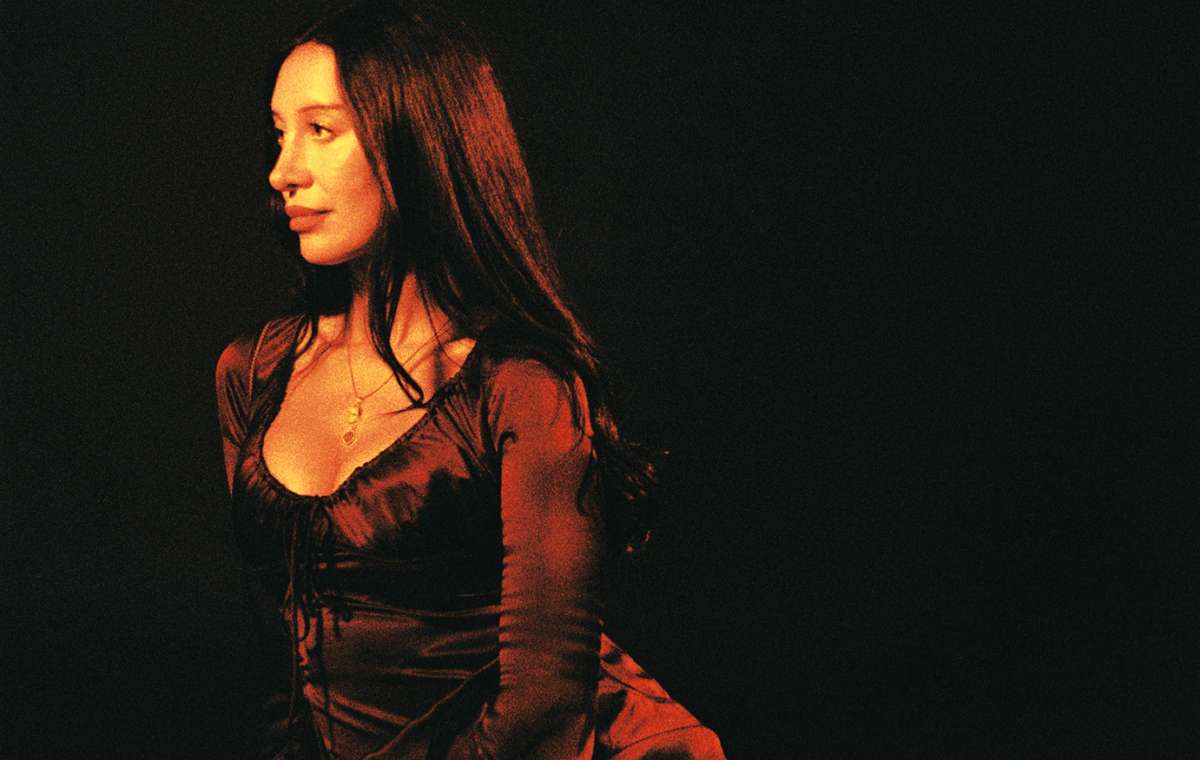
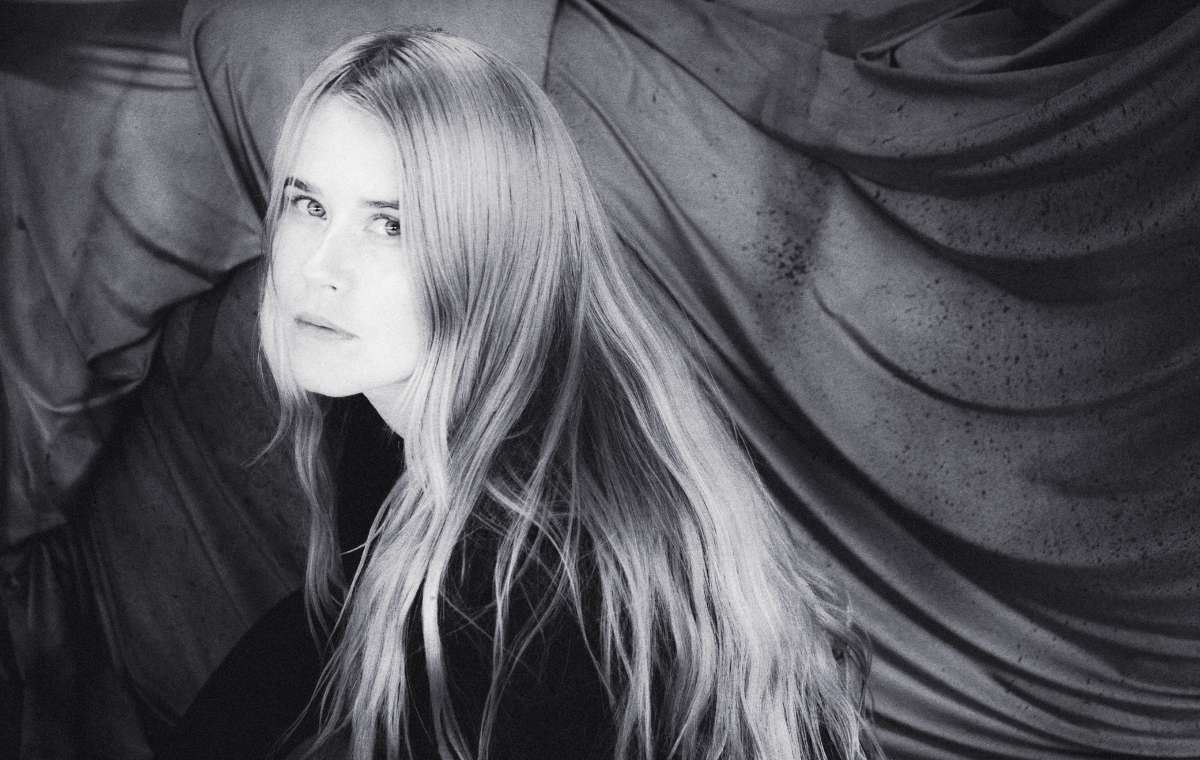
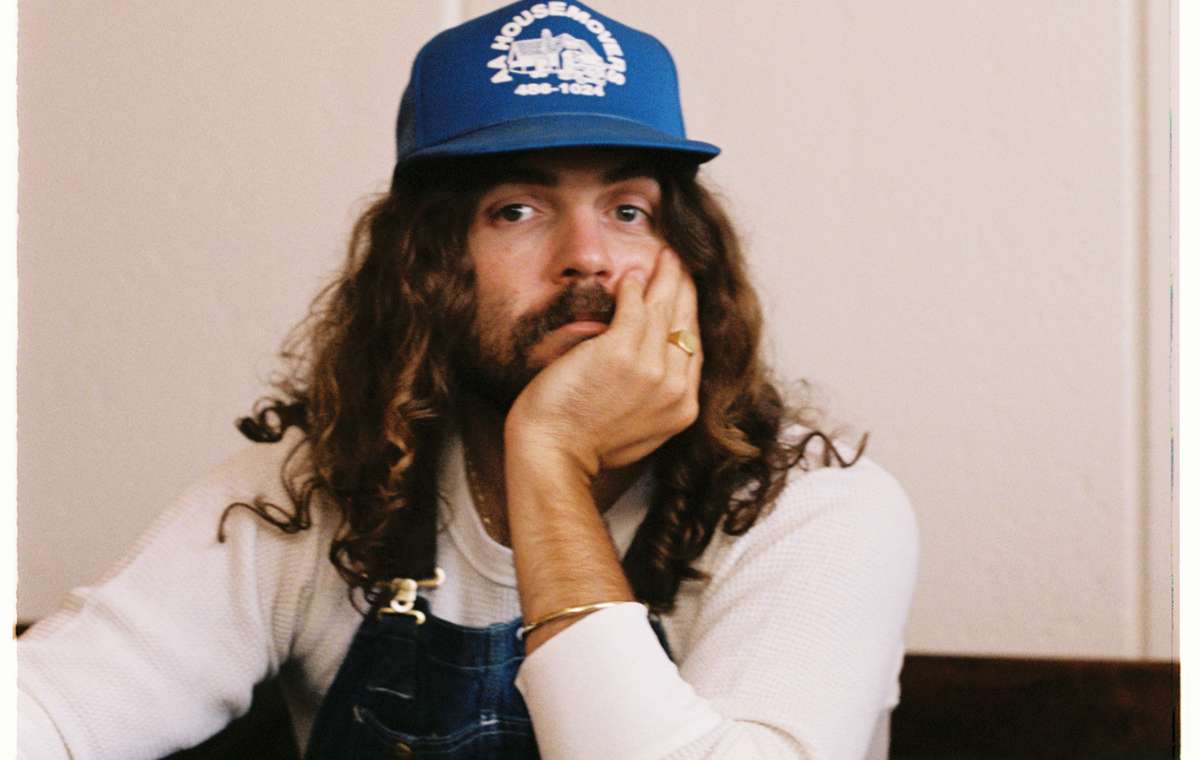
Originally from Georgia and now based in Nashville, Willow Avalon’s musical journey began with her first word, “Elvis.” Raised by her mother and grandmother in a small Southern town, she grew up playing piano in church and taught herself guitar at age 12, using songwriting as both an escape and a means of self-expression through a life-journey that has been anything but straight-forward. Her much-praised 2025 debut album, Southern Belle Raisin’ Hell, cemented her as one of country music’s most compelling new voices, blending classic country, Americana, and pop influences. She has performed at The Late Show with Stephen Colbert, CBS Mornings, and the Grand Ole Opry, as well as festivals like Stagecoach, C2C, CMA, and Lollapalooza, bringing her electrifying presence to global audiences. With a sharp wit and rebellious spirit, she has shared stages with legends and rising stars alike, including Willie Nelson, Bob Dylan, Zach Bryan, Cage the Elephant, Paul Cauthen, Charles Wesley Godwin, and more. Solidified by sold-out headline tours in North America, Europe, and Australia, as well as hundreds of millions of views across social content, Willow Avalon is redefining what it means to be a modern Southern storyteller.
About Ghostland Observatory:
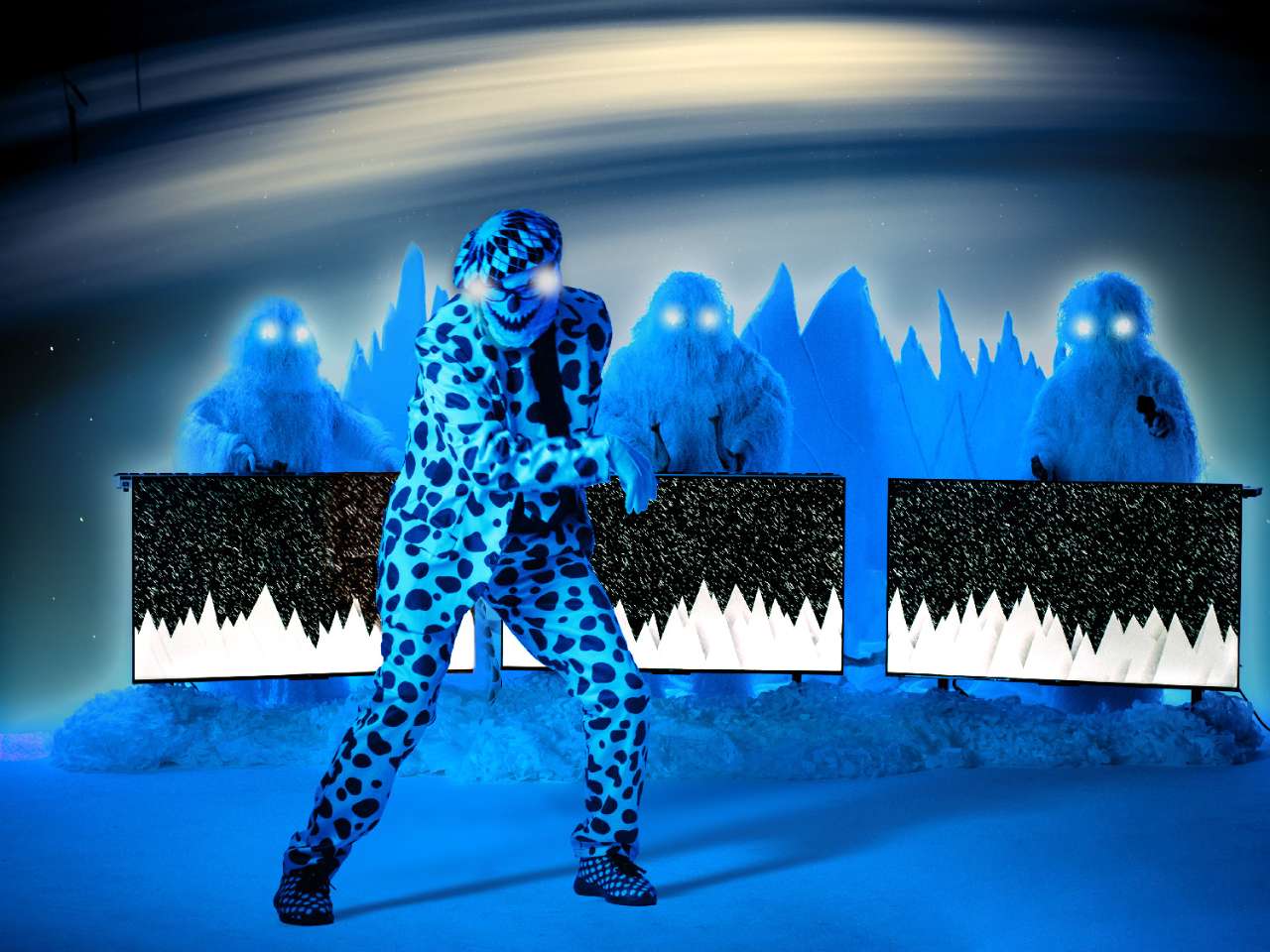
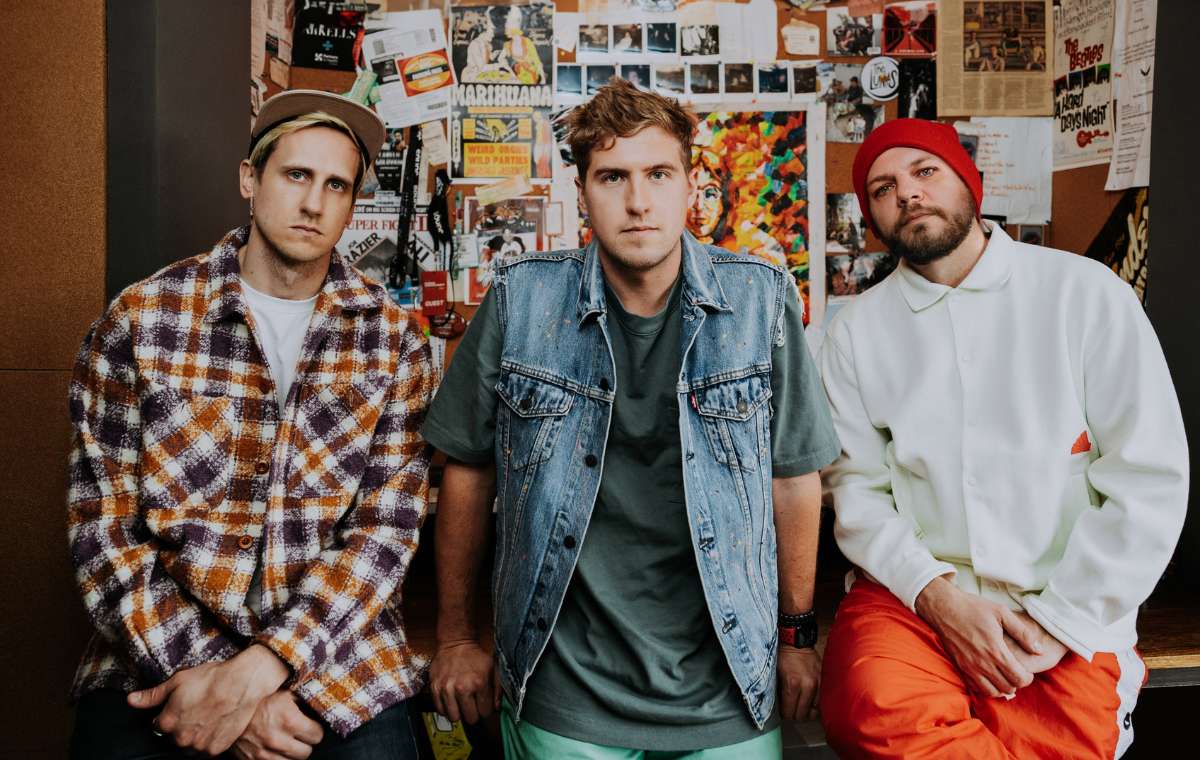
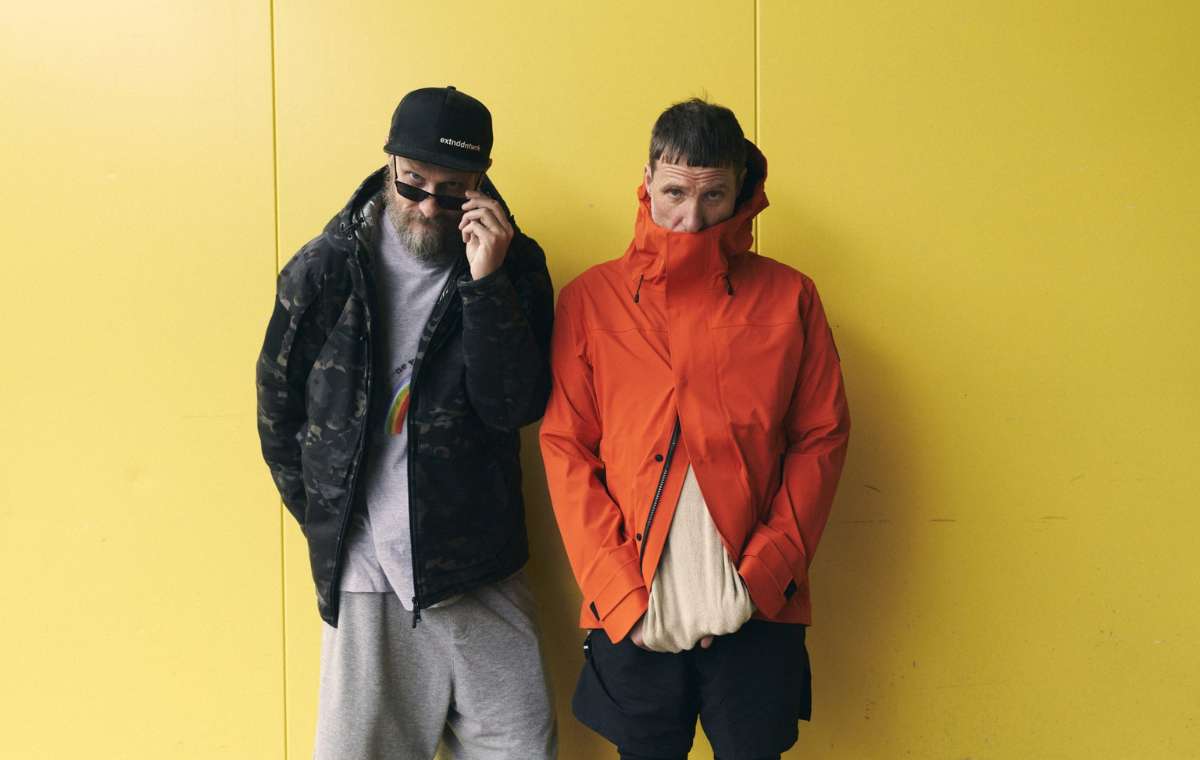
Ghostland Observatory’s entire approach to music – sonically, aesthetically, conceptually – is essentially a melding of the two distinctly different personalities of its two members, Thomas Ross Turner and Aaron Behrens.
Whereas Turner, the producer/drummer/keyboardist of the duo, finds solace in the minimal, bleak cable-patch squawks of Karlheinz Stockhausen and the analog-disco-thump of Giorgio Moroder, Behrens’ interests lie more along the lines of psychedelia, rock and various country and blues artists.
The result is a shimmering, pulsing pop music that is at once kinetically alive with Behrens’ striking vocals and driving guitar work but also anchored firmly by Turner’s percussive beats and Moog-generated melodies and hooks. Common descriptions include “electro-dance rock,” “synth-funk” and “Freddie Mercury-helms-Daft Punk.”
Deciding to produce a style of music that as yet existed only in their collective consciousnesses; Behrens and Turner formed Ghostland Observatory in Austin in 2003 and haen’t looked back since. They now sell out prominent venues across the country, have played at Lollapalooza, Bonaroo, Coachella and the Austin City Limits music festival, which they headlined, and continue to play at various music festivals and venues around the globe to an ever increasing fan base, thanks to their now-famous live shows.
About Ghostland Observatory:
Ghostland Observatory’s entire approach to music – sonically, aesthetically, conceptually – is essentially a melding of the two distinctly different personalities of its two members, Thomas Ross Turner and Aaron Behrens.
Whereas Turner, the producer/drummer/keyboardist of the duo, finds solace in the minimal, bleak cable-patch squawks of Karlheinz Stockhausen and the analog-disco-thump of Giorgio Moroder, Behrens’ interests lie more along the lines of psychedelia, rock and various country and blues artists.
The result is a shimmering, pulsing pop music that is at once kinetically alive with Behrens’ striking vocals and driving guitar work but also anchored firmly by Turner’s percussive beats and Moog-generated melodies and hooks. Common descriptions include “electro-dance rock,” “synth-funk” and “Freddie Mercury-helms-Daft Punk.”
Deciding to produce a style of music that as yet existed only in their collective consciousnesses; Behrens and Turner formed Ghostland Observatory in Austin in 2003 and haen’t looked back since. They now sell out prominent venues across the country, have played at Lollapalooza, Bonaroo, Coachella and the Austin City Limits music festival, which they headlined, and continue to play at various music festivals and venues around the globe to an ever increasing fan base, thanks to their now-famous live shows.
About Ghostland Observatory:
Ghostland Observatory’s entire approach to music – sonically, aesthetically, conceptually – is essentially a melding of the two distinctly different personalities of its two members, Thomas Ross Turner and Aaron Behrens.
Whereas Turner, the producer/drummer/keyboardist of the duo, finds solace in the minimal, bleak cable-patch squawks of Karlheinz Stockhausen and the analog-disco-thump of Giorgio Moroder, Behrens’ interests lie more along the lines of psychedelia, rock and various country and blues artists.
The result is a shimmering, pulsing pop music that is at once kinetically alive with Behrens’ striking vocals and driving guitar work but also anchored firmly by Turner’s percussive beats and Moog-generated melodies and hooks. Common descriptions include “electro-dance rock,” “synth-funk” and “Freddie Mercury-helms-Daft Punk.”
Deciding to produce a style of music that as yet existed only in their collective consciousnesses; Behrens and Turner formed Ghostland Observatory in Austin in 2003 and haen’t looked back since. They now sell out prominent venues across the country, have played at Lollapalooza, Bonaroo, Coachella and the Austin City Limits music festival, which they headlined, and continue to play at various music festivals and venues around the globe to an ever increasing fan base, thanks to their now-famous live shows.
About Ghostland Observatory:
Ghostland Observatory’s entire approach to music – sonically, aesthetically, conceptually – is essentially a melding of the two distinctly different personalities of its two members, Thomas Ross Turner and Aaron Behrens.
Whereas Turner, the producer/drummer/keyboardist of the duo, finds solace in the minimal, bleak cable-patch squawks of Karlheinz Stockhausen and the analog-disco-thump of Giorgio Moroder, Behrens’ interests lie more along the lines of psychedelia, rock and various country and blues artists.
The result is a shimmering, pulsing pop music that is at once kinetically alive with Behrens’ striking vocals and driving guitar work but also anchored firmly by Turner’s percussive beats and Moog-generated melodies and hooks. Common descriptions include “electro-dance rock,” “synth-funk” and “Freddie Mercury-helms-Daft Punk.”
Deciding to produce a style of music that as yet existed only in their collective consciousnesses; Behrens and Turner formed Ghostland Observatory in Austin in 2003 and haen’t looked back since. They now sell out prominent venues across the country, have played at Lollapalooza, Bonaroo, Coachella and the Austin City Limits music festival, which they headlined, and continue to play at various music festivals and venues around the globe to an ever increasing fan base, thanks to their now-famous live shows.
About Ghostland Observatory:
Ghostland Observatory’s entire approach to music – sonically, aesthetically, conceptually – is essentially a melding of the two distinctly different personalities of its two members, Thomas Ross Turner and Aaron Behrens.
Whereas Turner, the producer/drummer/keyboardist of the duo, finds solace in the minimal, bleak cable-patch squawks of Karlheinz Stockhausen and the analog-disco-thump of Giorgio Moroder, Behrens’ interests lie more along the lines of psychedelia, rock and various country and blues artists.
The result is a shimmering, pulsing pop music that is at once kinetically alive with Behrens’ striking vocals and driving guitar work but also anchored firmly by Turner’s percussive beats and Moog-generated melodies and hooks. Common descriptions include “electro-dance rock,” “synth-funk” and “Freddie Mercury-helms-Daft Punk.”
Deciding to produce a style of music that as yet existed only in their collective consciousnesses; Behrens and Turner formed Ghostland Observatory in Austin in 2003 and haen’t looked back since. They now sell out prominent venues across the country, have played at Lollapalooza, Bonaroo, Coachella and the Austin City Limits music festival, which they headlined, and continue to play at various music festivals and venues around the globe to an ever increasing fan base, thanks to their now-famous live shows.
About Ghostland Observatory:
Ghostland Observatory’s entire approach to music – sonically, aesthetically, conceptually – is essentially a melding of the two distinctly different personalities of its two members, Thomas Ross Turner and Aaron Behrens.
Whereas Turner, the producer/drummer/keyboardist of the duo, finds solace in the minimal, bleak cable-patch squawks of Karlheinz Stockhausen and the analog-disco-thump of Giorgio Moroder, Behrens’ interests lie more along the lines of psychedelia, rock and various country and blues artists.
The result is a shimmering, pulsing pop music that is at once kinetically alive with Behrens’ striking vocals and driving guitar work but also anchored firmly by Turner’s percussive beats and Moog-generated melodies and hooks. Common descriptions include “electro-dance rock,” “synth-funk” and “Freddie Mercury-helms-Daft Punk.”
Deciding to produce a style of music that as yet existed only in their collective consciousnesses; Behrens and Turner formed Ghostland Observatory in Austin in 2003 and haen’t looked back since. They now sell out prominent venues across the country, have played at Lollapalooza, Bonaroo, Coachella and the Austin City Limits music festival, which they headlined, and continue to play at various music festivals and venues around the globe to an ever increasing fan base, thanks to their now-famous live shows.
About Ghostland Observatory:
Ghostland Observatory’s entire approach to music – sonically, aesthetically, conceptually – is essentially a melding of the two distinctly different personalities of its two members, Thomas Ross Turner and Aaron Behrens.
Whereas Turner, the producer/drummer/keyboardist of the duo, finds solace in the minimal, bleak cable-patch squawks of Karlheinz Stockhausen and the analog-disco-thump of Giorgio Moroder, Behrens’ interests lie more along the lines of psychedelia, rock and various country and blues artists.
The result is a shimmering, pulsing pop music that is at once kinetically alive with Behrens’ striking vocals and driving guitar work but also anchored firmly by Turner’s percussive beats and Moog-generated melodies and hooks. Common descriptions include “electro-dance rock,” “synth-funk” and “Freddie Mercury-helms-Daft Punk.”
Deciding to produce a style of music that as yet existed only in their collective consciousnesses; Behrens and Turner formed Ghostland Observatory in Austin in 2003 and haen’t looked back since. They now sell out prominent venues across the country, have played at Lollapalooza, Bonaroo, Coachella and the Austin City Limits music festival, which they headlined, and continue to play at various music festivals and venues around the globe to an ever increasing fan base, thanks to their now-famous live shows.
About Ghostland Observatory:
Ghostland Observatory’s entire approach to music – sonically, aesthetically, conceptually – is essentially a melding of the two distinctly different personalities of its two members, Thomas Ross Turner and Aaron Behrens.
Whereas Turner, the producer/drummer/keyboardist of the duo, finds solace in the minimal, bleak cable-patch squawks of Karlheinz Stockhausen and the analog-disco-thump of Giorgio Moroder, Behrens’ interests lie more along the lines of psychedelia, rock and various country and blues artists.
The result is a shimmering, pulsing pop music that is at once kinetically alive with Behrens’ striking vocals and driving guitar work but also anchored firmly by Turner’s percussive beats and Moog-generated melodies and hooks. Common descriptions include “electro-dance rock,” “synth-funk” and “Freddie Mercury-helms-Daft Punk.”
Deciding to produce a style of music that as yet existed only in their collective consciousnesses; Behrens and Turner formed Ghostland Observatory in Austin in 2003 and haen’t looked back since. They now sell out prominent venues across the country, have played at Lollapalooza, Bonaroo, Coachella and the Austin City Limits music festival, which they headlined, and continue to play at various music festivals and venues around the globe to an ever increasing fan base, thanks to their now-famous live shows.
About Ghostland Observatory:
Ghostland Observatory’s entire approach to music – sonically, aesthetically, conceptually – is essentially a melding of the two distinctly different personalities of its two members, Thomas Ross Turner and Aaron Behrens.
Whereas Turner, the producer/drummer/keyboardist of the duo, finds solace in the minimal, bleak cable-patch squawks of Karlheinz Stockhausen and the analog-disco-thump of Giorgio Moroder, Behrens’ interests lie more along the lines of psychedelia, rock and various country and blues artists.
The result is a shimmering, pulsing pop music that is at once kinetically alive with Behrens’ striking vocals and driving guitar work but also anchored firmly by Turner’s percussive beats and Moog-generated melodies and hooks. Common descriptions include “electro-dance rock,” “synth-funk” and “Freddie Mercury-helms-Daft Punk.”
Deciding to produce a style of music that as yet existed only in their collective consciousnesses; Behrens and Turner formed Ghostland Observatory in Austin in 2003 and haen’t looked back since. They now sell out prominent venues across the country, have played at Lollapalooza, Bonaroo, Coachella and the Austin City Limits music festival, which they headlined, and continue to play at various music festivals and venues around the globe to an ever increasing fan base, thanks to their now-famous live shows.
About Ghostland Observatory:
Ghostland Observatory’s entire approach to music – sonically, aesthetically, conceptually – is essentially a melding of the two distinctly different personalities of its two members, Thomas Ross Turner and Aaron Behrens.
Whereas Turner, the producer/drummer/keyboardist of the duo, finds solace in the minimal, bleak cable-patch squawks of Karlheinz Stockhausen and the analog-disco-thump of Giorgio Moroder, Behrens’ interests lie more along the lines of psychedelia, rock and various country and blues artists.
The result is a shimmering, pulsing pop music that is at once kinetically alive with Behrens’ striking vocals and driving guitar work but also anchored firmly by Turner’s percussive beats and Moog-generated melodies and hooks. Common descriptions include “electro-dance rock,” “synth-funk” and “Freddie Mercury-helms-Daft Punk.”
Deciding to produce a style of music that as yet existed only in their collective consciousnesses; Behrens and Turner formed Ghostland Observatory in Austin in 2003 and haen’t looked back since. They now sell out prominent venues across the country, have played at Lollapalooza, Bonaroo, Coachella and the Austin City Limits music festival, which they headlined, and continue to play at various music festivals and venues around the globe to an ever increasing fan base, thanks to their now-famous live shows.
About Ghostland Observatory:
Ghostland Observatory’s entire approach to music – sonically, aesthetically, conceptually – is essentially a melding of the two distinctly different personalities of its two members, Thomas Ross Turner and Aaron Behrens.
Whereas Turner, the producer/drummer/keyboardist of the duo, finds solace in the minimal, bleak cable-patch squawks of Karlheinz Stockhausen and the analog-disco-thump of Giorgio Moroder, Behrens’ interests lie more along the lines of psychedelia, rock and various country and blues artists.
The result is a shimmering, pulsing pop music that is at once kinetically alive with Behrens’ striking vocals and driving guitar work but also anchored firmly by Turner’s percussive beats and Moog-generated melodies and hooks. Common descriptions include “electro-dance rock,” “synth-funk” and “Freddie Mercury-helms-Daft Punk.”
Deciding to produce a style of music that as yet existed only in their collective consciousnesses; Behrens and Turner formed Ghostland Observatory in Austin in 2003 and haen’t looked back since. They now sell out prominent venues across the country, have played at Lollapalooza, Bonaroo, Coachella and the Austin City Limits music festival, which they headlined, and continue to play at various music festivals and venues around the globe to an ever increasing fan base, thanks to their now-famous live shows.
About Ghostland Observatory:
Ghostland Observatory’s entire approach to music – sonically, aesthetically, conceptually – is essentially a melding of the two distinctly different personalities of its two members, Thomas Ross Turner and Aaron Behrens.
Whereas Turner, the producer/drummer/keyboardist of the duo, finds solace in the minimal, bleak cable-patch squawks of Karlheinz Stockhausen and the analog-disco-thump of Giorgio Moroder, Behrens’ interests lie more along the lines of psychedelia, rock and various country and blues artists.
The result is a shimmering, pulsing pop music that is at once kinetically alive with Behrens’ striking vocals and driving guitar work but also anchored firmly by Turner’s percussive beats and Moog-generated melodies and hooks. Common descriptions include “electro-dance rock,” “synth-funk” and “Freddie Mercury-helms-Daft Punk.”
Deciding to produce a style of music that as yet existed only in their collective consciousnesses; Behrens and Turner formed Ghostland Observatory in Austin in 2003 and haen’t looked back since. They now sell out prominent venues across the country, have played at Lollapalooza, Bonaroo, Coachella and the Austin City Limits music festival, which they headlined, and continue to play at various music festivals and venues around the globe to an ever increasing fan base, thanks to their now-famous live shows.
About Ghostland Observatory:
Ghostland Observatory’s entire approach to music – sonically, aesthetically, conceptually – is essentially a melding of the two distinctly different personalities of its two members, Thomas Ross Turner and Aaron Behrens.
Whereas Turner, the producer/drummer/keyboardist of the duo, finds solace in the minimal, bleak cable-patch squawks of Karlheinz Stockhausen and the analog-disco-thump of Giorgio Moroder, Behrens’ interests lie more along the lines of psychedelia, rock and various country and blues artists.
The result is a shimmering, pulsing pop music that is at once kinetically alive with Behrens’ striking vocals and driving guitar work but also anchored firmly by Turner’s percussive beats and Moog-generated melodies and hooks. Common descriptions include “electro-dance rock,” “synth-funk” and “Freddie Mercury-helms-Daft Punk.”
Deciding to produce a style of music that as yet existed only in their collective consciousnesses; Behrens and Turner formed Ghostland Observatory in Austin in 2003 and haen’t looked back since. They now sell out prominent venues across the country, have played at Lollapalooza, Bonaroo, Coachella and the Austin City Limits music festival, which they headlined, and continue to play at various music festivals and venues around the globe to an ever increasing fan base, thanks to their now-famous live shows.
About Ghostland Observatory:
Ghostland Observatory’s entire approach to music – sonically, aesthetically, conceptually – is essentially a melding of the two distinctly different personalities of its two members, Thomas Ross Turner and Aaron Behrens.
Whereas Turner, the producer/drummer/keyboardist of the duo, finds solace in the minimal, bleak cable-patch squawks of Karlheinz Stockhausen and the analog-disco-thump of Giorgio Moroder, Behrens’ interests lie more along the lines of psychedelia, rock and various country and blues artists.
The result is a shimmering, pulsing pop music that is at once kinetically alive with Behrens’ striking vocals and driving guitar work but also anchored firmly by Turner’s percussive beats and Moog-generated melodies and hooks. Common descriptions include “electro-dance rock,” “synth-funk” and “Freddie Mercury-helms-Daft Punk.”
Deciding to produce a style of music that as yet existed only in their collective consciousnesses; Behrens and Turner formed Ghostland Observatory in Austin in 2003 and haen’t looked back since. They now sell out prominent venues across the country, have played at Lollapalooza, Bonaroo, Coachella and the Austin City Limits music festival, which they headlined, and continue to play at various music festivals and venues around the globe to an ever increasing fan base, thanks to their now-famous live shows.
About Ghostland Observatory:
Ghostland Observatory’s entire approach to music – sonically, aesthetically, conceptually – is essentially a melding of the two distinctly different personalities of its two members, Thomas Ross Turner and Aaron Behrens.
Whereas Turner, the producer/drummer/keyboardist of the duo, finds solace in the minimal, bleak cable-patch squawks of Karlheinz Stockhausen and the analog-disco-thump of Giorgio Moroder, Behrens’ interests lie more along the lines of psychedelia, rock and various country and blues artists.
The result is a shimmering, pulsing pop music that is at once kinetically alive with Behrens’ striking vocals and driving guitar work but also anchored firmly by Turner’s percussive beats and Moog-generated melodies and hooks. Common descriptions include “electro-dance rock,” “synth-funk” and “Freddie Mercury-helms-Daft Punk.”
Deciding to produce a style of music that as yet existed only in their collective consciousnesses; Behrens and Turner formed Ghostland Observatory in Austin in 2003 and haen’t looked back since. They now sell out prominent venues across the country, have played at Lollapalooza, Bonaroo, Coachella and the Austin City Limits music festival, which they headlined, and continue to play at various music festivals and venues around the globe to an ever increasing fan base, thanks to their now-famous live shows.
About Ghostland Observatory:
Ghostland Observatory’s entire approach to music – sonically, aesthetically, conceptually – is essentially a melding of the two distinctly different personalities of its two members, Thomas Ross Turner and Aaron Behrens.
Whereas Turner, the producer/drummer/keyboardist of the duo, finds solace in the minimal, bleak cable-patch squawks of Karlheinz Stockhausen and the analog-disco-thump of Giorgio Moroder, Behrens’ interests lie more along the lines of psychedelia, rock and various country and blues artists.
The result is a shimmering, pulsing pop music that is at once kinetically alive with Behrens’ striking vocals and driving guitar work but also anchored firmly by Turner’s percussive beats and Moog-generated melodies and hooks. Common descriptions include “electro-dance rock,” “synth-funk” and “Freddie Mercury-helms-Daft Punk.”
Deciding to produce a style of music that as yet existed only in their collective consciousnesses; Behrens and Turner formed Ghostland Observatory in Austin in 2003 and haen’t looked back since. They now sell out prominent venues across the country, have played at Lollapalooza, Bonaroo, Coachella and the Austin City Limits music festival, which they headlined, and continue to play at various music festivals and venues around the globe to an ever increasing fan base, thanks to their now-famous live shows.
About Ghostland Observatory:
Ghostland Observatory’s entire approach to music – sonically, aesthetically, conceptually – is essentially a melding of the two distinctly different personalities of its two members, Thomas Ross Turner and Aaron Behrens.
Whereas Turner, the producer/drummer/keyboardist of the duo, finds solace in the minimal, bleak cable-patch squawks of Karlheinz Stockhausen and the analog-disco-thump of Giorgio Moroder, Behrens’ interests lie more along the lines of psychedelia, rock and various country and blues artists.
The result is a shimmering, pulsing pop music that is at once kinetically alive with Behrens’ striking vocals and driving guitar work but also anchored firmly by Turner’s percussive beats and Moog-generated melodies and hooks. Common descriptions include “electro-dance rock,” “synth-funk” and “Freddie Mercury-helms-Daft Punk.”
Deciding to produce a style of music that as yet existed only in their collective consciousnesses; Behrens and Turner formed Ghostland Observatory in Austin in 2003 and haen’t looked back since. They now sell out prominent venues across the country, have played at Lollapalooza, Bonaroo, Coachella and the Austin City Limits music festival, which they headlined, and continue to play at various music festivals and venues around the globe to an ever increasing fan base, thanks to their now-famous live shows.
About Ghostland Observatory:
Ghostland Observatory’s entire approach to music – sonically, aesthetically, conceptually – is essentially a melding of the two distinctly different personalities of its two members, Thomas Ross Turner and Aaron Behrens.
Whereas Turner, the producer/drummer/keyboardist of the duo, finds solace in the minimal, bleak cable-patch squawks of Karlheinz Stockhausen and the analog-disco-thump of Giorgio Moroder, Behrens’ interests lie more along the lines of psychedelia, rock and various country and blues artists.
The result is a shimmering, pulsing pop music that is at once kinetically alive with Behrens’ striking vocals and driving guitar work but also anchored firmly by Turner’s percussive beats and Moog-generated melodies and hooks. Common descriptions include “electro-dance rock,” “synth-funk” and “Freddie Mercury-helms-Daft Punk.”
Deciding to produce a style of music that as yet existed only in their collective consciousnesses; Behrens and Turner formed Ghostland Observatory in Austin in 2003 and haen’t looked back since. They now sell out prominent venues across the country, have played at Lollapalooza, Bonaroo, Coachella and the Austin City Limits music festival, which they headlined, and continue to play at various music festivals and venues around the globe to an ever increasing fan base, thanks to their now-famous live shows.
About Ghostland Observatory:
Ghostland Observatory’s entire approach to music – sonically, aesthetically, conceptually – is essentially a melding of the two distinctly different personalities of its two members, Thomas Ross Turner and Aaron Behrens.
Whereas Turner, the producer/drummer/keyboardist of the duo, finds solace in the minimal, bleak cable-patch squawks of Karlheinz Stockhausen and the analog-disco-thump of Giorgio Moroder, Behrens’ interests lie more along the lines of psychedelia, rock and various country and blues artists.
The result is a shimmering, pulsing pop music that is at once kinetically alive with Behrens’ striking vocals and driving guitar work but also anchored firmly by Turner’s percussive beats and Moog-generated melodies and hooks. Common descriptions include “electro-dance rock,” “synth-funk” and “Freddie Mercury-helms-Daft Punk.”
Deciding to produce a style of music that as yet existed only in their collective consciousnesses; Behrens and Turner formed Ghostland Observatory in Austin in 2003 and haen’t looked back since. They now sell out prominent venues across the country, have played at Lollapalooza, Bonaroo, Coachella and the Austin City Limits music festival, which they headlined, and continue to play at various music festivals and venues around the globe to an ever increasing fan base, thanks to their now-famous live shows.
About Ghostland Observatory:
Ghostland Observatory’s entire approach to music – sonically, aesthetically, conceptually – is essentially a melding of the two distinctly different personalities of its two members, Thomas Ross Turner and Aaron Behrens.
Whereas Turner, the producer/drummer/keyboardist of the duo, finds solace in the minimal, bleak cable-patch squawks of Karlheinz Stockhausen and the analog-disco-thump of Giorgio Moroder, Behrens’ interests lie more along the lines of psychedelia, rock and various country and blues artists.
The result is a shimmering, pulsing pop music that is at once kinetically alive with Behrens’ striking vocals and driving guitar work but also anchored firmly by Turner’s percussive beats and Moog-generated melodies and hooks. Common descriptions include “electro-dance rock,” “synth-funk” and “Freddie Mercury-helms-Daft Punk.”
Deciding to produce a style of music that as yet existed only in their collective consciousnesses; Behrens and Turner formed Ghostland Observatory in Austin in 2003 and haen’t looked back since. They now sell out prominent venues across the country, have played at Lollapalooza, Bonaroo, Coachella and the Austin City Limits music festival, which they headlined, and continue to play at various music festivals and venues around the globe to an ever increasing fan base, thanks to their now-famous live shows.
About Ghostland Observatory:
Ghostland Observatory’s entire approach to music – sonically, aesthetically, conceptually – is essentially a melding of the two distinctly different personalities of its two members, Thomas Ross Turner and Aaron Behrens.
Whereas Turner, the producer/drummer/keyboardist of the duo, finds solace in the minimal, bleak cable-patch squawks of Karlheinz Stockhausen and the analog-disco-thump of Giorgio Moroder, Behrens’ interests lie more along the lines of psychedelia, rock and various country and blues artists.
The result is a shimmering, pulsing pop music that is at once kinetically alive with Behrens’ striking vocals and driving guitar work but also anchored firmly by Turner’s percussive beats and Moog-generated melodies and hooks. Common descriptions include “electro-dance rock,” “synth-funk” and “Freddie Mercury-helms-Daft Punk.”
Deciding to produce a style of music that as yet existed only in their collective consciousnesses; Behrens and Turner formed Ghostland Observatory in Austin in 2003 and haen’t looked back since. They now sell out prominent venues across the country, have played at Lollapalooza, Bonaroo, Coachella and the Austin City Limits music festival, which they headlined, and continue to play at various music festivals and venues around the globe to an ever increasing fan base, thanks to their now-famous live shows.
About Ghostland Observatory:
Ghostland Observatory’s entire approach to music – sonically, aesthetically, conceptually – is essentially a melding of the two distinctly different personalities of its two members, Thomas Ross Turner and Aaron Behrens.
Whereas Turner, the producer/drummer/keyboardist of the duo, finds solace in the minimal, bleak cable-patch squawks of Karlheinz Stockhausen and the analog-disco-thump of Giorgio Moroder, Behrens’ interests lie more along the lines of psychedelia, rock and various country and blues artists.
The result is a shimmering, pulsing pop music that is at once kinetically alive with Behrens’ striking vocals and driving guitar work but also anchored firmly by Turner’s percussive beats and Moog-generated melodies and hooks. Common descriptions include “electro-dance rock,” “synth-funk” and “Freddie Mercury-helms-Daft Punk.”
Deciding to produce a style of music that as yet existed only in their collective consciousnesses; Behrens and Turner formed Ghostland Observatory in Austin in 2003 and haen’t looked back since. They now sell out prominent venues across the country, have played at Lollapalooza, Bonaroo, Coachella and the Austin City Limits music festival, which they headlined, and continue to play at various music festivals and venues around the globe to an ever increasing fan base, thanks to their now-famous live shows.
About Ghostland Observatory:
Ghostland Observatory’s entire approach to music – sonically, aesthetically, conceptually – is essentially a melding of the two distinctly different personalities of its two members, Thomas Ross Turner and Aaron Behrens.
Whereas Turner, the producer/drummer/keyboardist of the duo, finds solace in the minimal, bleak cable-patch squawks of Karlheinz Stockhausen and the analog-disco-thump of Giorgio Moroder, Behrens’ interests lie more along the lines of psychedelia, rock and various country and blues artists.
The result is a shimmering, pulsing pop music that is at once kinetically alive with Behrens’ striking vocals and driving guitar work but also anchored firmly by Turner’s percussive beats and Moog-generated melodies and hooks. Common descriptions include “electro-dance rock,” “synth-funk” and “Freddie Mercury-helms-Daft Punk.”
Deciding to produce a style of music that as yet existed only in their collective consciousnesses; Behrens and Turner formed Ghostland Observatory in Austin in 2003 and haen’t looked back since. They now sell out prominent venues across the country, have played at Lollapalooza, Bonaroo, Coachella and the Austin City Limits music festival, which they headlined, and continue to play at various music festivals and venues around the globe to an ever increasing fan base, thanks to their now-famous live shows.
About Ghostland Observatory:
Ghostland Observatory’s entire approach to music – sonically, aesthetically, conceptually – is essentially a melding of the two distinctly different personalities of its two members, Thomas Ross Turner and Aaron Behrens.
Whereas Turner, the producer/drummer/keyboardist of the duo, finds solace in the minimal, bleak cable-patch squawks of Karlheinz Stockhausen and the analog-disco-thump of Giorgio Moroder, Behrens’ interests lie more along the lines of psychedelia, rock and various country and blues artists.
The result is a shimmering, pulsing pop music that is at once kinetically alive with Behrens’ striking vocals and driving guitar work but also anchored firmly by Turner’s percussive beats and Moog-generated melodies and hooks. Common descriptions include “electro-dance rock,” “synth-funk” and “Freddie Mercury-helms-Daft Punk.”
Deciding to produce a style of music that as yet existed only in their collective consciousnesses; Behrens and Turner formed Ghostland Observatory in Austin in 2003 and haen’t looked back since. They now sell out prominent venues across the country, have played at Lollapalooza, Bonaroo, Coachella and the Austin City Limits music festival, which they headlined, and continue to play at various music festivals and venues around the globe to an ever increasing fan base, thanks to their now-famous live shows.
About Ghostland Observatory:
Ghostland Observatory’s entire approach to music – sonically, aesthetically, conceptually – is essentially a melding of the two distinctly different personalities of its two members, Thomas Ross Turner and Aaron Behrens.
Whereas Turner, the producer/drummer/keyboardist of the duo, finds solace in the minimal, bleak cable-patch squawks of Karlheinz Stockhausen and the analog-disco-thump of Giorgio Moroder, Behrens’ interests lie more along the lines of psychedelia, rock and various country and blues artists.
The result is a shimmering, pulsing pop music that is at once kinetically alive with Behrens’ striking vocals and driving guitar work but also anchored firmly by Turner’s percussive beats and Moog-generated melodies and hooks. Common descriptions include “electro-dance rock,” “synth-funk” and “Freddie Mercury-helms-Daft Punk.”
Deciding to produce a style of music that as yet existed only in their collective consciousnesses; Behrens and Turner formed Ghostland Observatory in Austin in 2003 and haen’t looked back since. They now sell out prominent venues across the country, have played at Lollapalooza, Bonaroo, Coachella and the Austin City Limits music festival, which they headlined, and continue to play at various music festivals and venues around the globe to an ever increasing fan base, thanks to their now-famous live shows.
About Ghostland Observatory:
Ghostland Observatory’s entire approach to music – sonically, aesthetically, conceptually – is essentially a melding of the two distinctly different personalities of its two members, Thomas Ross Turner and Aaron Behrens.
Whereas Turner, the producer/drummer/keyboardist of the duo, finds solace in the minimal, bleak cable-patch squawks of Karlheinz Stockhausen and the analog-disco-thump of Giorgio Moroder, Behrens’ interests lie more along the lines of psychedelia, rock and various country and blues artists.
The result is a shimmering, pulsing pop music that is at once kinetically alive with Behrens’ striking vocals and driving guitar work but also anchored firmly by Turner’s percussive beats and Moog-generated melodies and hooks. Common descriptions include “electro-dance rock,” “synth-funk” and “Freddie Mercury-helms-Daft Punk.”
Deciding to produce a style of music that as yet existed only in their collective consciousnesses; Behrens and Turner formed Ghostland Observatory in Austin in 2003 and haen’t looked back since. They now sell out prominent venues across the country, have played at Lollapalooza, Bonaroo, Coachella and the Austin City Limits music festival, which they headlined, and continue to play at various music festivals and venues around the globe to an ever increasing fan base, thanks to their now-famous live shows.
About Ghostland Observatory:
Ghostland Observatory’s entire approach to music – sonically, aesthetically, conceptually – is essentially a melding of the two distinctly different personalities of its two members, Thomas Ross Turner and Aaron Behrens.
Whereas Turner, the producer/drummer/keyboardist of the duo, finds solace in the minimal, bleak cable-patch squawks of Karlheinz Stockhausen and the analog-disco-thump of Giorgio Moroder, Behrens’ interests lie more along the lines of psychedelia, rock and various country and blues artists.
The result is a shimmering, pulsing pop music that is at once kinetically alive with Behrens’ striking vocals and driving guitar work but also anchored firmly by Turner’s percussive beats and Moog-generated melodies and hooks. Common descriptions include “electro-dance rock,” “synth-funk” and “Freddie Mercury-helms-Daft Punk.”
Deciding to produce a style of music that as yet existed only in their collective consciousnesses; Behrens and Turner formed Ghostland Observatory in Austin in 2003 and haen’t looked back since. They now sell out prominent venues across the country, have played at Lollapalooza, Bonaroo, Coachella and the Austin City Limits music festival, which they headlined, and continue to play at various music festivals and venues around the globe to an ever increasing fan base, thanks to their now-famous live shows.
About Ghostland Observatory:
Ghostland Observatory’s entire approach to music – sonically, aesthetically, conceptually – is essentially a melding of the two distinctly different personalities of its two members, Thomas Ross Turner and Aaron Behrens.
Whereas Turner, the producer/drummer/keyboardist of the duo, finds solace in the minimal, bleak cable-patch squawks of Karlheinz Stockhausen and the analog-disco-thump of Giorgio Moroder, Behrens’ interests lie more along the lines of psychedelia, rock and various country and blues artists.
The result is a shimmering, pulsing pop music that is at once kinetically alive with Behrens’ striking vocals and driving guitar work but also anchored firmly by Turner’s percussive beats and Moog-generated melodies and hooks. Common descriptions include “electro-dance rock,” “synth-funk” and “Freddie Mercury-helms-Daft Punk.”
Deciding to produce a style of music that as yet existed only in their collective consciousnesses; Behrens and Turner formed Ghostland Observatory in Austin in 2003 and haen’t looked back since. They now sell out prominent venues across the country, have played at Lollapalooza, Bonaroo, Coachella and the Austin City Limits music festival, which they headlined, and continue to play at various music festivals and venues around the globe to an ever increasing fan base, thanks to their now-famous live shows.
About Ghostland Observatory:
Ghostland Observatory’s entire approach to music – sonically, aesthetically, conceptually – is essentially a melding of the two distinctly different personalities of its two members, Thomas Ross Turner and Aaron Behrens.
Whereas Turner, the producer/drummer/keyboardist of the duo, finds solace in the minimal, bleak cable-patch squawks of Karlheinz Stockhausen and the analog-disco-thump of Giorgio Moroder, Behrens’ interests lie more along the lines of psychedelia, rock and various country and blues artists.
The result is a shimmering, pulsing pop music that is at once kinetically alive with Behrens’ striking vocals and driving guitar work but also anchored firmly by Turner’s percussive beats and Moog-generated melodies and hooks. Common descriptions include “electro-dance rock,” “synth-funk” and “Freddie Mercury-helms-Daft Punk.”
Deciding to produce a style of music that as yet existed only in their collective consciousnesses; Behrens and Turner formed Ghostland Observatory in Austin in 2003 and haen’t looked back since. They now sell out prominent venues across the country, have played at Lollapalooza, Bonaroo, Coachella and the Austin City Limits music festival, which they headlined, and continue to play at various music festivals and venues around the globe to an ever increasing fan base, thanks to their now-famous live shows.
About Ghostland Observatory:
Ghostland Observatory’s entire approach to music – sonically, aesthetically, conceptually – is essentially a melding of the two distinctly different personalities of its two members, Thomas Ross Turner and Aaron Behrens.
Whereas Turner, the producer/drummer/keyboardist of the duo, finds solace in the minimal, bleak cable-patch squawks of Karlheinz Stockhausen and the analog-disco-thump of Giorgio Moroder, Behrens’ interests lie more along the lines of psychedelia, rock and various country and blues artists.
The result is a shimmering, pulsing pop music that is at once kinetically alive with Behrens’ striking vocals and driving guitar work but also anchored firmly by Turner’s percussive beats and Moog-generated melodies and hooks. Common descriptions include “electro-dance rock,” “synth-funk” and “Freddie Mercury-helms-Daft Punk.”
Deciding to produce a style of music that as yet existed only in their collective consciousnesses; Behrens and Turner formed Ghostland Observatory in Austin in 2003 and haen’t looked back since. They now sell out prominent venues across the country, have played at Lollapalooza, Bonaroo, Coachella and the Austin City Limits music festival, which they headlined, and continue to play at various music festivals and venues around the globe to an ever increasing fan base, thanks to their now-famous live shows.
About Ghostland Observatory:
Ghostland Observatory’s entire approach to music – sonically, aesthetically, conceptually – is essentially a melding of the two distinctly different personalities of its two members, Thomas Ross Turner and Aaron Behrens.
Whereas Turner, the producer/drummer/keyboardist of the duo, finds solace in the minimal, bleak cable-patch squawks of Karlheinz Stockhausen and the analog-disco-thump of Giorgio Moroder, Behrens’ interests lie more along the lines of psychedelia, rock and various country and blues artists.
The result is a shimmering, pulsing pop music that is at once kinetically alive with Behrens’ striking vocals and driving guitar work but also anchored firmly by Turner’s percussive beats and Moog-generated melodies and hooks. Common descriptions include “electro-dance rock,” “synth-funk” and “Freddie Mercury-helms-Daft Punk.”
Deciding to produce a style of music that as yet existed only in their collective consciousnesses; Behrens and Turner formed Ghostland Observatory in Austin in 2003 and haen’t looked back since. They now sell out prominent venues across the country, have played at Lollapalooza, Bonaroo, Coachella and the Austin City Limits music festival, which they headlined, and continue to play at various music festivals and venues around the globe to an ever increasing fan base, thanks to their now-famous live shows.
About Ghostland Observatory:
Ghostland Observatory’s entire approach to music – sonically, aesthetically, conceptually – is essentially a melding of the two distinctly different personalities of its two members, Thomas Ross Turner and Aaron Behrens.
Whereas Turner, the producer/drummer/keyboardist of the duo, finds solace in the minimal, bleak cable-patch squawks of Karlheinz Stockhausen and the analog-disco-thump of Giorgio Moroder, Behrens’ interests lie more along the lines of psychedelia, rock and various country and blues artists.
The result is a shimmering, pulsing pop music that is at once kinetically alive with Behrens’ striking vocals and driving guitar work but also anchored firmly by Turner’s percussive beats and Moog-generated melodies and hooks. Common descriptions include “electro-dance rock,” “synth-funk” and “Freddie Mercury-helms-Daft Punk.”
Deciding to produce a style of music that as yet existed only in their collective consciousnesses; Behrens and Turner formed Ghostland Observatory in Austin in 2003 and haen’t looked back since. They now sell out prominent venues across the country, have played at Lollapalooza, Bonaroo, Coachella and the Austin City Limits music festival, which they headlined, and continue to play at various music festivals and venues around the globe to an ever increasing fan base, thanks to their now-famous live shows.
About Ghostland Observatory:
Ghostland Observatory’s entire approach to music – sonically, aesthetically, conceptually – is essentially a melding of the two distinctly different personalities of its two members, Thomas Ross Turner and Aaron Behrens.
Whereas Turner, the producer/drummer/keyboardist of the duo, finds solace in the minimal, bleak cable-patch squawks of Karlheinz Stockhausen and the analog-disco-thump of Giorgio Moroder, Behrens’ interests lie more along the lines of psychedelia, rock and various country and blues artists.
The result is a shimmering, pulsing pop music that is at once kinetically alive with Behrens’ striking vocals and driving guitar work but also anchored firmly by Turner’s percussive beats and Moog-generated melodies and hooks. Common descriptions include “electro-dance rock,” “synth-funk” and “Freddie Mercury-helms-Daft Punk.”
Deciding to produce a style of music that as yet existed only in their collective consciousnesses; Behrens and Turner formed Ghostland Observatory in Austin in 2003 and haen’t looked back since. They now sell out prominent venues across the country, have played at Lollapalooza, Bonaroo, Coachella and the Austin City Limits music festival, which they headlined, and continue to play at various music festivals and venues around the globe to an ever increasing fan base, thanks to their now-famous live shows.
About Ghostland Observatory:
Ghostland Observatory’s entire approach to music – sonically, aesthetically, conceptually – is essentially a melding of the two distinctly different personalities of its two members, Thomas Ross Turner and Aaron Behrens.
Whereas Turner, the producer/drummer/keyboardist of the duo, finds solace in the minimal, bleak cable-patch squawks of Karlheinz Stockhausen and the analog-disco-thump of Giorgio Moroder, Behrens’ interests lie more along the lines of psychedelia, rock and various country and blues artists.
The result is a shimmering, pulsing pop music that is at once kinetically alive with Behrens’ striking vocals and driving guitar work but also anchored firmly by Turner’s percussive beats and Moog-generated melodies and hooks. Common descriptions include “electro-dance rock,” “synth-funk” and “Freddie Mercury-helms-Daft Punk.”
Deciding to produce a style of music that as yet existed only in their collective consciousnesses; Behrens and Turner formed Ghostland Observatory in Austin in 2003 and haen’t looked back since. They now sell out prominent venues across the country, have played at Lollapalooza, Bonaroo, Coachella and the Austin City Limits music festival, which they headlined, and continue to play at various music festivals and venues around the globe to an ever increasing fan base, thanks to their now-famous live shows.
About Ghostland Observatory:
Ghostland Observatory’s entire approach to music – sonically, aesthetically, conceptually – is essentially a melding of the two distinctly different personalities of its two members, Thomas Ross Turner and Aaron Behrens.
Whereas Turner, the producer/drummer/keyboardist of the duo, finds solace in the minimal, bleak cable-patch squawks of Karlheinz Stockhausen and the analog-disco-thump of Giorgio Moroder, Behrens’ interests lie more along the lines of psychedelia, rock and various country and blues artists.
The result is a shimmering, pulsing pop music that is at once kinetically alive with Behrens’ striking vocals and driving guitar work but also anchored firmly by Turner’s percussive beats and Moog-generated melodies and hooks. Common descriptions include “electro-dance rock,” “synth-funk” and “Freddie Mercury-helms-Daft Punk.”
Deciding to produce a style of music that as yet existed only in their collective consciousnesses; Behrens and Turner formed Ghostland Observatory in Austin in 2003 and haen’t looked back since. They now sell out prominent venues across the country, have played at Lollapalooza, Bonaroo, Coachella and the Austin City Limits music festival, which they headlined, and continue to play at various music festivals and venues around the globe to an ever increasing fan base, thanks to their now-famous live shows.
About Ghostland Observatory:
Ghostland Observatory’s entire approach to music – sonically, aesthetically, conceptually – is essentially a melding of the two distinctly different personalities of its two members, Thomas Ross Turner and Aaron Behrens.
Whereas Turner, the producer/drummer/keyboardist of the duo, finds solace in the minimal, bleak cable-patch squawks of Karlheinz Stockhausen and the analog-disco-thump of Giorgio Moroder, Behrens’ interests lie more along the lines of psychedelia, rock and various country and blues artists.
The result is a shimmering, pulsing pop music that is at once kinetically alive with Behrens’ striking vocals and driving guitar work but also anchored firmly by Turner’s percussive beats and Moog-generated melodies and hooks. Common descriptions include “electro-dance rock,” “synth-funk” and “Freddie Mercury-helms-Daft Punk.”
Deciding to produce a style of music that as yet existed only in their collective consciousnesses; Behrens and Turner formed Ghostland Observatory in Austin in 2003 and haen’t looked back since. They now sell out prominent venues across the country, have played at Lollapalooza, Bonaroo, Coachella and the Austin City Limits music festival, which they headlined, and continue to play at various music festivals and venues around the globe to an ever increasing fan base, thanks to their now-famous live shows.
About Ghostland Observatory:
Ghostland Observatory’s entire approach to music – sonically, aesthetically, conceptually – is essentially a melding of the two distinctly different personalities of its two members, Thomas Ross Turner and Aaron Behrens.
Whereas Turner, the producer/drummer/keyboardist of the duo, finds solace in the minimal, bleak cable-patch squawks of Karlheinz Stockhausen and the analog-disco-thump of Giorgio Moroder, Behrens’ interests lie more along the lines of psychedelia, rock and various country and blues artists.
The result is a shimmering, pulsing pop music that is at once kinetically alive with Behrens’ striking vocals and driving guitar work but also anchored firmly by Turner’s percussive beats and Moog-generated melodies and hooks. Common descriptions include “electro-dance rock,” “synth-funk” and “Freddie Mercury-helms-Daft Punk.”
Deciding to produce a style of music that as yet existed only in their collective consciousnesses; Behrens and Turner formed Ghostland Observatory in Austin in 2003 and haen’t looked back since. They now sell out prominent venues across the country, have played at Lollapalooza, Bonaroo, Coachella and the Austin City Limits music festival, which they headlined, and continue to play at various music festivals and venues around the globe to an ever increasing fan base, thanks to their now-famous live shows.
About Ghostland Observatory:
Ghostland Observatory’s entire approach to music – sonically, aesthetically, conceptually – is essentially a melding of the two distinctly different personalities of its two members, Thomas Ross Turner and Aaron Behrens.
Whereas Turner, the producer/drummer/keyboardist of the duo, finds solace in the minimal, bleak cable-patch squawks of Karlheinz Stockhausen and the analog-disco-thump of Giorgio Moroder, Behrens’ interests lie more along the lines of psychedelia, rock and various country and blues artists.
The result is a shimmering, pulsing pop music that is at once kinetically alive with Behrens’ striking vocals and driving guitar work but also anchored firmly by Turner’s percussive beats and Moog-generated melodies and hooks. Common descriptions include “electro-dance rock,” “synth-funk” and “Freddie Mercury-helms-Daft Punk.”
Deciding to produce a style of music that as yet existed only in their collective consciousnesses; Behrens and Turner formed Ghostland Observatory in Austin in 2003 and haen’t looked back since. They now sell out prominent venues across the country, have played at Lollapalooza, Bonaroo, Coachella and the Austin City Limits music festival, which they headlined, and continue to play at various music festivals and venues around the globe to an ever increasing fan base, thanks to their now-famous live shows.
About Ghostland Observatory:
Ghostland Observatory’s entire approach to music – sonically, aesthetically, conceptually – is essentially a melding of the two distinctly different personalities of its two members, Thomas Ross Turner and Aaron Behrens.
Whereas Turner, the producer/drummer/keyboardist of the duo, finds solace in the minimal, bleak cable-patch squawks of Karlheinz Stockhausen and the analog-disco-thump of Giorgio Moroder, Behrens’ interests lie more along the lines of psychedelia, rock and various country and blues artists.
The result is a shimmering, pulsing pop music that is at once kinetically alive with Behrens’ striking vocals and driving guitar work but also anchored firmly by Turner’s percussive beats and Moog-generated melodies and hooks. Common descriptions include “electro-dance rock,” “synth-funk” and “Freddie Mercury-helms-Daft Punk.”
Deciding to produce a style of music that as yet existed only in their collective consciousnesses; Behrens and Turner formed Ghostland Observatory in Austin in 2003 and haen’t looked back since. They now sell out prominent venues across the country, have played at Lollapalooza, Bonaroo, Coachella and the Austin City Limits music festival, which they headlined, and continue to play at various music festivals and venues around the globe to an ever increasing fan base, thanks to their now-famous live shows.
About Ghostland Observatory:
Ghostland Observatory’s entire approach to music – sonically, aesthetically, conceptually – is essentially a melding of the two distinctly different personalities of its two members, Thomas Ross Turner and Aaron Behrens.
Whereas Turner, the producer/drummer/keyboardist of the duo, finds solace in the minimal, bleak cable-patch squawks of Karlheinz Stockhausen and the analog-disco-thump of Giorgio Moroder, Behrens’ interests lie more along the lines of psychedelia, rock and various country and blues artists.
The result is a shimmering, pulsing pop music that is at once kinetically alive with Behrens’ striking vocals and driving guitar work but also anchored firmly by Turner’s percussive beats and Moog-generated melodies and hooks. Common descriptions include “electro-dance rock,” “synth-funk” and “Freddie Mercury-helms-Daft Punk.”
Deciding to produce a style of music that as yet existed only in their collective consciousnesses; Behrens and Turner formed Ghostland Observatory in Austin in 2003 and haen’t looked back since. They now sell out prominent venues across the country, have played at Lollapalooza, Bonaroo, Coachella and the Austin City Limits music festival, which they headlined, and continue to play at various music festivals and venues around the globe to an ever increasing fan base, thanks to their now-famous live shows.
About Ghostland Observatory:
Ghostland Observatory’s entire approach to music – sonically, aesthetically, conceptually – is essentially a melding of the two distinctly different personalities of its two members, Thomas Ross Turner and Aaron Behrens.
Whereas Turner, the producer/drummer/keyboardist of the duo, finds solace in the minimal, bleak cable-patch squawks of Karlheinz Stockhausen and the analog-disco-thump of Giorgio Moroder, Behrens’ interests lie more along the lines of psychedelia, rock and various country and blues artists.
The result is a shimmering, pulsing pop music that is at once kinetically alive with Behrens’ striking vocals and driving guitar work but also anchored firmly by Turner’s percussive beats and Moog-generated melodies and hooks. Common descriptions include “electro-dance rock,” “synth-funk” and “Freddie Mercury-helms-Daft Punk.”
Deciding to produce a style of music that as yet existed only in their collective consciousnesses; Behrens and Turner formed Ghostland Observatory in Austin in 2003 and haen’t looked back since. They now sell out prominent venues across the country, have played at Lollapalooza, Bonaroo, Coachella and the Austin City Limits music festival, which they headlined, and continue to play at various music festivals and venues around the globe to an ever increasing fan base, thanks to their now-famous live shows.
About Ghostland Observatory:
Ghostland Observatory’s entire approach to music – sonically, aesthetically, conceptually – is essentially a melding of the two distinctly different personalities of its two members, Thomas Ross Turner and Aaron Behrens.
Whereas Turner, the producer/drummer/keyboardist of the duo, finds solace in the minimal, bleak cable-patch squawks of Karlheinz Stockhausen and the analog-disco-thump of Giorgio Moroder, Behrens’ interests lie more along the lines of psychedelia, rock and various country and blues artists.
The result is a shimmering, pulsing pop music that is at once kinetically alive with Behrens’ striking vocals and driving guitar work but also anchored firmly by Turner’s percussive beats and Moog-generated melodies and hooks. Common descriptions include “electro-dance rock,” “synth-funk” and “Freddie Mercury-helms-Daft Punk.”
Deciding to produce a style of music that as yet existed only in their collective consciousnesses; Behrens and Turner formed Ghostland Observatory in Austin in 2003 and haen’t looked back since. They now sell out prominent venues across the country, have played at Lollapalooza, Bonaroo, Coachella and the Austin City Limits music festival, which they headlined, and continue to play at various music festivals and venues around the globe to an ever increasing fan base, thanks to their now-famous live shows.
About Ghostland Observatory:
Ghostland Observatory’s entire approach to music – sonically, aesthetically, conceptually – is essentially a melding of the two distinctly different personalities of its two members, Thomas Ross Turner and Aaron Behrens.
Whereas Turner, the producer/drummer/keyboardist of the duo, finds solace in the minimal, bleak cable-patch squawks of Karlheinz Stockhausen and the analog-disco-thump of Giorgio Moroder, Behrens’ interests lie more along the lines of psychedelia, rock and various country and blues artists.
The result is a shimmering, pulsing pop music that is at once kinetically alive with Behrens’ striking vocals and driving guitar work but also anchored firmly by Turner’s percussive beats and Moog-generated melodies and hooks. Common descriptions include “electro-dance rock,” “synth-funk” and “Freddie Mercury-helms-Daft Punk.”
Deciding to produce a style of music that as yet existed only in their collective consciousnesses; Behrens and Turner formed Ghostland Observatory in Austin in 2003 and haen’t looked back since. They now sell out prominent venues across the country, have played at Lollapalooza, Bonaroo, Coachella and the Austin City Limits music festival, which they headlined, and continue to play at various music festivals and venues around the globe to an ever increasing fan base, thanks to their now-famous live shows.
About Ghostland Observatory:
Ghostland Observatory’s entire approach to music – sonically, aesthetically, conceptually – is essentially a melding of the two distinctly different personalities of its two members, Thomas Ross Turner and Aaron Behrens.
Whereas Turner, the producer/drummer/keyboardist of the duo, finds solace in the minimal, bleak cable-patch squawks of Karlheinz Stockhausen and the analog-disco-thump of Giorgio Moroder, Behrens’ interests lie more along the lines of psychedelia, rock and various country and blues artists.
The result is a shimmering, pulsing pop music that is at once kinetically alive with Behrens’ striking vocals and driving guitar work but also anchored firmly by Turner’s percussive beats and Moog-generated melodies and hooks. Common descriptions include “electro-dance rock,” “synth-funk” and “Freddie Mercury-helms-Daft Punk.”
Deciding to produce a style of music that as yet existed only in their collective consciousnesses; Behrens and Turner formed Ghostland Observatory in Austin in 2003 and haen’t looked back since. They now sell out prominent venues across the country, have played at Lollapalooza, Bonaroo, Coachella and the Austin City Limits music festival, which they headlined, and continue to play at various music festivals and venues around the globe to an ever increasing fan base, thanks to their now-famous live shows.
About Ghostland Observatory:
Ghostland Observatory’s entire approach to music – sonically, aesthetically, conceptually – is essentially a melding of the two distinctly different personalities of its two members, Thomas Ross Turner and Aaron Behrens.
Whereas Turner, the producer/drummer/keyboardist of the duo, finds solace in the minimal, bleak cable-patch squawks of Karlheinz Stockhausen and the analog-disco-thump of Giorgio Moroder, Behrens’ interests lie more along the lines of psychedelia, rock and various country and blues artists.
The result is a shimmering, pulsing pop music that is at once kinetically alive with Behrens’ striking vocals and driving guitar work but also anchored firmly by Turner’s percussive beats and Moog-generated melodies and hooks. Common descriptions include “electro-dance rock,” “synth-funk” and “Freddie Mercury-helms-Daft Punk.”
Deciding to produce a style of music that as yet existed only in their collective consciousnesses; Behrens and Turner formed Ghostland Observatory in Austin in 2003 and haen’t looked back since. They now sell out prominent venues across the country, have played at Lollapalooza, Bonaroo, Coachella and the Austin City Limits music festival, which they headlined, and continue to play at various music festivals and venues around the globe to an ever increasing fan base, thanks to their now-famous live shows.
About Ghostland Observatory:
Ghostland Observatory’s entire approach to music – sonically, aesthetically, conceptually – is essentially a melding of the two distinctly different personalities of its two members, Thomas Ross Turner and Aaron Behrens.
Whereas Turner, the producer/drummer/keyboardist of the duo, finds solace in the minimal, bleak cable-patch squawks of Karlheinz Stockhausen and the analog-disco-thump of Giorgio Moroder, Behrens’ interests lie more along the lines of psychedelia, rock and various country and blues artists.
The result is a shimmering, pulsing pop music that is at once kinetically alive with Behrens’ striking vocals and driving guitar work but also anchored firmly by Turner’s percussive beats and Moog-generated melodies and hooks. Common descriptions include “electro-dance rock,” “synth-funk” and “Freddie Mercury-helms-Daft Punk.”
Deciding to produce a style of music that as yet existed only in their collective consciousnesses; Behrens and Turner formed Ghostland Observatory in Austin in 2003 and haen’t looked back since. They now sell out prominent venues across the country, have played at Lollapalooza, Bonaroo, Coachella and the Austin City Limits music festival, which they headlined, and continue to play at various music festivals and venues around the globe to an ever increasing fan base, thanks to their now-famous live shows.
About Ghostland Observatory:
Ghostland Observatory’s entire approach to music – sonically, aesthetically, conceptually – is essentially a melding of the two distinctly different personalities of its two members, Thomas Ross Turner and Aaron Behrens.
Whereas Turner, the producer/drummer/keyboardist of the duo, finds solace in the minimal, bleak cable-patch squawks of Karlheinz Stockhausen and the analog-disco-thump of Giorgio Moroder, Behrens’ interests lie more along the lines of psychedelia, rock and various country and blues artists.
The result is a shimmering, pulsing pop music that is at once kinetically alive with Behrens’ striking vocals and driving guitar work but also anchored firmly by Turner’s percussive beats and Moog-generated melodies and hooks. Common descriptions include “electro-dance rock,” “synth-funk” and “Freddie Mercury-helms-Daft Punk.”
Deciding to produce a style of music that as yet existed only in their collective consciousnesses; Behrens and Turner formed Ghostland Observatory in Austin in 2003 and haen’t looked back since. They now sell out prominent venues across the country, have played at Lollapalooza, Bonaroo, Coachella and the Austin City Limits music festival, which they headlined, and continue to play at various music festivals and venues around the globe to an ever increasing fan base, thanks to their now-famous live shows.
About Ghostland Observatory:
Ghostland Observatory’s entire approach to music – sonically, aesthetically, conceptually – is essentially a melding of the two distinctly different personalities of its two members, Thomas Ross Turner and Aaron Behrens.
Whereas Turner, the producer/drummer/keyboardist of the duo, finds solace in the minimal, bleak cable-patch squawks of Karlheinz Stockhausen and the analog-disco-thump of Giorgio Moroder, Behrens’ interests lie more along the lines of psychedelia, rock and various country and blues artists.
The result is a shimmering, pulsing pop music that is at once kinetically alive with Behrens’ striking vocals and driving guitar work but also anchored firmly by Turner’s percussive beats and Moog-generated melodies and hooks. Common descriptions include “electro-dance rock,” “synth-funk” and “Freddie Mercury-helms-Daft Punk.”
Deciding to produce a style of music that as yet existed only in their collective consciousnesses; Behrens and Turner formed Ghostland Observatory in Austin in 2003 and haen’t looked back since. They now sell out prominent venues across the country, have played at Lollapalooza, Bonaroo, Coachella and the Austin City Limits music festival, which they headlined, and continue to play at various music festivals and venues around the globe to an ever increasing fan base, thanks to their now-famous live shows.
About Ghostland Observatory:
Ghostland Observatory’s entire approach to music – sonically, aesthetically, conceptually – is essentially a melding of the two distinctly different personalities of its two members, Thomas Ross Turner and Aaron Behrens.
Whereas Turner, the producer/drummer/keyboardist of the duo, finds solace in the minimal, bleak cable-patch squawks of Karlheinz Stockhausen and the analog-disco-thump of Giorgio Moroder, Behrens’ interests lie more along the lines of psychedelia, rock and various country and blues artists.
The result is a shimmering, pulsing pop music that is at once kinetically alive with Behrens’ striking vocals and driving guitar work but also anchored firmly by Turner’s percussive beats and Moog-generated melodies and hooks. Common descriptions include “electro-dance rock,” “synth-funk” and “Freddie Mercury-helms-Daft Punk.”
Deciding to produce a style of music that as yet existed only in their collective consciousnesses; Behrens and Turner formed Ghostland Observatory in Austin in 2003 and haen’t looked back since. They now sell out prominent venues across the country, have played at Lollapalooza, Bonaroo, Coachella and the Austin City Limits music festival, which they headlined, and continue to play at various music festivals and venues around the globe to an ever increasing fan base, thanks to their now-famous live shows.
About Ghostland Observatory:
Ghostland Observatory’s entire approach to music – sonically, aesthetically, conceptually – is essentially a melding of the two distinctly different personalities of its two members, Thomas Ross Turner and Aaron Behrens.
Whereas Turner, the producer/drummer/keyboardist of the duo, finds solace in the minimal, bleak cable-patch squawks of Karlheinz Stockhausen and the analog-disco-thump of Giorgio Moroder, Behrens’ interests lie more along the lines of psychedelia, rock and various country and blues artists.
The result is a shimmering, pulsing pop music that is at once kinetically alive with Behrens’ striking vocals and driving guitar work but also anchored firmly by Turner’s percussive beats and Moog-generated melodies and hooks. Common descriptions include “electro-dance rock,” “synth-funk” and “Freddie Mercury-helms-Daft Punk.”
Deciding to produce a style of music that as yet existed only in their collective consciousnesses; Behrens and Turner formed Ghostland Observatory in Austin in 2003 and haen’t looked back since. They now sell out prominent venues across the country, have played at Lollapalooza, Bonaroo, Coachella and the Austin City Limits music festival, which they headlined, and continue to play at various music festivals and venues around the globe to an ever increasing fan base, thanks to their now-famous live shows.
About Ghostland Observatory:
Ghostland Observatory’s entire approach to music – sonically, aesthetically, conceptually – is essentially a melding of the two distinctly different personalities of its two members, Thomas Ross Turner and Aaron Behrens.
Whereas Turner, the producer/drummer/keyboardist of the duo, finds solace in the minimal, bleak cable-patch squawks of Karlheinz Stockhausen and the analog-disco-thump of Giorgio Moroder, Behrens’ interests lie more along the lines of psychedelia, rock and various country and blues artists.
The result is a shimmering, pulsing pop music that is at once kinetically alive with Behrens’ striking vocals and driving guitar work but also anchored firmly by Turner’s percussive beats and Moog-generated melodies and hooks. Common descriptions include “electro-dance rock,” “synth-funk” and “Freddie Mercury-helms-Daft Punk.”
Deciding to produce a style of music that as yet existed only in their collective consciousnesses; Behrens and Turner formed Ghostland Observatory in Austin in 2003 and haen’t looked back since. They now sell out prominent venues across the country, have played at Lollapalooza, Bonaroo, Coachella and the Austin City Limits music festival, which they headlined, and continue to play at various music festivals and venues around the globe to an ever increasing fan base, thanks to their now-famous live shows.
About Ghostland Observatory:
Ghostland Observatory’s entire approach to music – sonically, aesthetically, conceptually – is essentially a melding of the two distinctly different personalities of its two members, Thomas Ross Turner and Aaron Behrens.
Whereas Turner, the producer/drummer/keyboardist of the duo, finds solace in the minimal, bleak cable-patch squawks of Karlheinz Stockhausen and the analog-disco-thump of Giorgio Moroder, Behrens’ interests lie more along the lines of psychedelia, rock and various country and blues artists.
The result is a shimmering, pulsing pop music that is at once kinetically alive with Behrens’ striking vocals and driving guitar work but also anchored firmly by Turner’s percussive beats and Moog-generated melodies and hooks. Common descriptions include “electro-dance rock,” “synth-funk” and “Freddie Mercury-helms-Daft Punk.”
Deciding to produce a style of music that as yet existed only in their collective consciousnesses; Behrens and Turner formed Ghostland Observatory in Austin in 2003 and haen’t looked back since. They now sell out prominent venues across the country, have played at Lollapalooza, Bonaroo, Coachella and the Austin City Limits music festival, which they headlined, and continue to play at various music festivals and venues around the globe to an ever increasing fan base, thanks to their now-famous live shows.
About Ghostland Observatory:
Ghostland Observatory’s entire approach to music – sonically, aesthetically, conceptually – is essentially a melding of the two distinctly different personalities of its two members, Thomas Ross Turner and Aaron Behrens.
Whereas Turner, the producer/drummer/keyboardist of the duo, finds solace in the minimal, bleak cable-patch squawks of Karlheinz Stockhausen and the analog-disco-thump of Giorgio Moroder, Behrens’ interests lie more along the lines of psychedelia, rock and various country and blues artists.
The result is a shimmering, pulsing pop music that is at once kinetically alive with Behrens’ striking vocals and driving guitar work but also anchored firmly by Turner’s percussive beats and Moog-generated melodies and hooks. Common descriptions include “electro-dance rock,” “synth-funk” and “Freddie Mercury-helms-Daft Punk.”
Deciding to produce a style of music that as yet existed only in their collective consciousnesses; Behrens and Turner formed Ghostland Observatory in Austin in 2003 and haen’t looked back since. They now sell out prominent venues across the country, have played at Lollapalooza, Bonaroo, Coachella and the Austin City Limits music festival, which they headlined, and continue to play at various music festivals and venues around the globe to an ever increasing fan base, thanks to their now-famous live shows.
About Ghostland Observatory:
Ghostland Observatory’s entire approach to music – sonically, aesthetically, conceptually – is essentially a melding of the two distinctly different personalities of its two members, Thomas Ross Turner and Aaron Behrens.
Whereas Turner, the producer/drummer/keyboardist of the duo, finds solace in the minimal, bleak cable-patch squawks of Karlheinz Stockhausen and the analog-disco-thump of Giorgio Moroder, Behrens’ interests lie more along the lines of psychedelia, rock and various country and blues artists.
The result is a shimmering, pulsing pop music that is at once kinetically alive with Behrens’ striking vocals and driving guitar work but also anchored firmly by Turner’s percussive beats and Moog-generated melodies and hooks. Common descriptions include “electro-dance rock,” “synth-funk” and “Freddie Mercury-helms-Daft Punk.”
Deciding to produce a style of music that as yet existed only in their collective consciousnesses; Behrens and Turner formed Ghostland Observatory in Austin in 2003 and haen’t looked back since. They now sell out prominent venues across the country, have played at Lollapalooza, Bonaroo, Coachella and the Austin City Limits music festival, which they headlined, and continue to play at various music festivals and venues around the globe to an ever increasing fan base, thanks to their now-famous live shows.
About Ghostland Observatory:
Ghostland Observatory’s entire approach to music – sonically, aesthetically, conceptually – is essentially a melding of the two distinctly different personalities of its two members, Thomas Ross Turner and Aaron Behrens.
Whereas Turner, the producer/drummer/keyboardist of the duo, finds solace in the minimal, bleak cable-patch squawks of Karlheinz Stockhausen and the analog-disco-thump of Giorgio Moroder, Behrens’ interests lie more along the lines of psychedelia, rock and various country and blues artists.
The result is a shimmering, pulsing pop music that is at once kinetically alive with Behrens’ striking vocals and driving guitar work but also anchored firmly by Turner’s percussive beats and Moog-generated melodies and hooks. Common descriptions include “electro-dance rock,” “synth-funk” and “Freddie Mercury-helms-Daft Punk.”
Deciding to produce a style of music that as yet existed only in their collective consciousnesses; Behrens and Turner formed Ghostland Observatory in Austin in 2003 and haen’t looked back since. They now sell out prominent venues across the country, have played at Lollapalooza, Bonaroo, Coachella and the Austin City Limits music festival, which they headlined, and continue to play at various music festivals and venues around the globe to an ever increasing fan base, thanks to their now-famous live shows.
About Ghostland Observatory:
Ghostland Observatory’s entire approach to music – sonically, aesthetically, conceptually – is essentially a melding of the two distinctly different personalities of its two members, Thomas Ross Turner and Aaron Behrens.
Whereas Turner, the producer/drummer/keyboardist of the duo, finds solace in the minimal, bleak cable-patch squawks of Karlheinz Stockhausen and the analog-disco-thump of Giorgio Moroder, Behrens’ interests lie more along the lines of psychedelia, rock and various country and blues artists.
The result is a shimmering, pulsing pop music that is at once kinetically alive with Behrens’ striking vocals and driving guitar work but also anchored firmly by Turner’s percussive beats and Moog-generated melodies and hooks. Common descriptions include “electro-dance rock,” “synth-funk” and “Freddie Mercury-helms-Daft Punk.”
Deciding to produce a style of music that as yet existed only in their collective consciousnesses; Behrens and Turner formed Ghostland Observatory in Austin in 2003 and haen’t looked back since. They now sell out prominent venues across the country, have played at Lollapalooza, Bonaroo, Coachella and the Austin City Limits music festival, which they headlined, and continue to play at various music festivals and venues around the globe to an ever increasing fan base, thanks to their now-famous live shows.
About Ghostland Observatory:
Ghostland Observatory’s entire approach to music – sonically, aesthetically, conceptually – is essentially a melding of the two distinctly different personalities of its two members, Thomas Ross Turner and Aaron Behrens.
Whereas Turner, the producer/drummer/keyboardist of the duo, finds solace in the minimal, bleak cable-patch squawks of Karlheinz Stockhausen and the analog-disco-thump of Giorgio Moroder, Behrens’ interests lie more along the lines of psychedelia, rock and various country and blues artists.
The result is a shimmering, pulsing pop music that is at once kinetically alive with Behrens’ striking vocals and driving guitar work but also anchored firmly by Turner’s percussive beats and Moog-generated melodies and hooks. Common descriptions include “electro-dance rock,” “synth-funk” and “Freddie Mercury-helms-Daft Punk.”
Deciding to produce a style of music that as yet existed only in their collective consciousnesses; Behrens and Turner formed Ghostland Observatory in Austin in 2003 and haen’t looked back since. They now sell out prominent venues across the country, have played at Lollapalooza, Bonaroo, Coachella and the Austin City Limits music festival, which they headlined, and continue to play at various music festivals and venues around the globe to an ever increasing fan base, thanks to their now-famous live shows.
About Ghostland Observatory:
Ghostland Observatory’s entire approach to music – sonically, aesthetically, conceptually – is essentially a melding of the two distinctly different personalities of its two members, Thomas Ross Turner and Aaron Behrens.
Whereas Turner, the producer/drummer/keyboardist of the duo, finds solace in the minimal, bleak cable-patch squawks of Karlheinz Stockhausen and the analog-disco-thump of Giorgio Moroder, Behrens’ interests lie more along the lines of psychedelia, rock and various country and blues artists.
The result is a shimmering, pulsing pop music that is at once kinetically alive with Behrens’ striking vocals and driving guitar work but also anchored firmly by Turner’s percussive beats and Moog-generated melodies and hooks. Common descriptions include “electro-dance rock,” “synth-funk” and “Freddie Mercury-helms-Daft Punk.”
Deciding to produce a style of music that as yet existed only in their collective consciousnesses; Behrens and Turner formed Ghostland Observatory in Austin in 2003 and haen’t looked back since. They now sell out prominent venues across the country, have played at Lollapalooza, Bonaroo, Coachella and the Austin City Limits music festival, which they headlined, and continue to play at various music festivals and venues around the globe to an ever increasing fan base, thanks to their now-famous live shows.