All Shows

Apr/24 · Langhorne Slim: The Dreamin’ Kind Tour
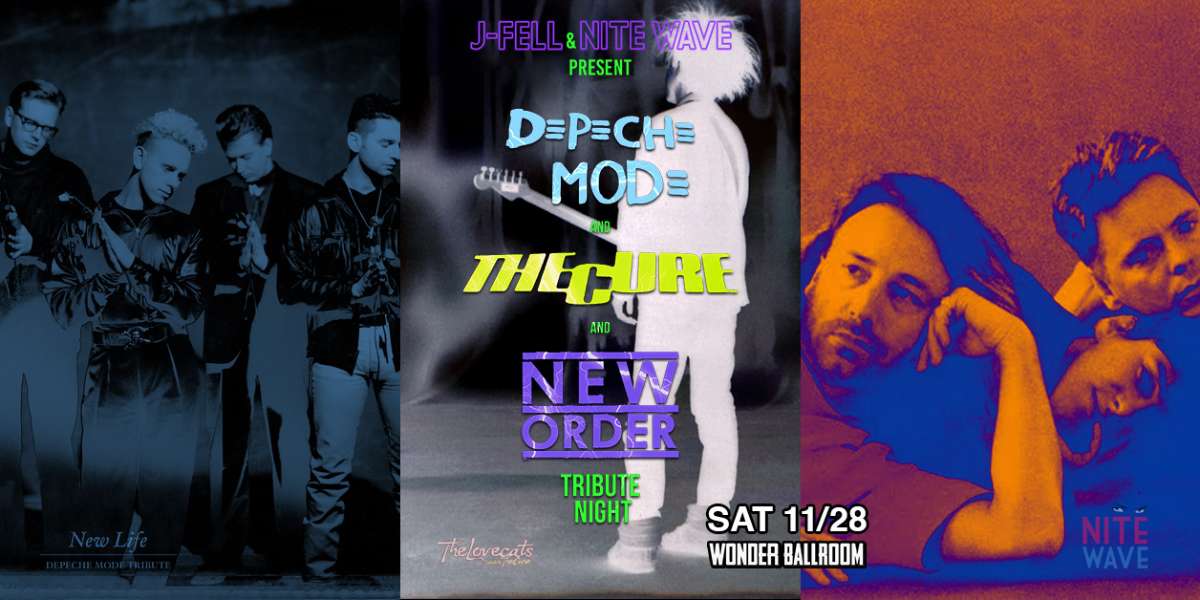
Apr/25 · Talking Heads, Blondie & Devo Tribute Night
Apr/27 · The Brook & The Bluff: The Werewolf Tour
Apr/28 · Patrick Watson – Uh Oh Tour
Apr/30 · JENSEN MCRAE – God Has A Hitman Tour
May/1 · The Red Pears and Together Pangea
May/2 · José González – Against The Dying Of The Light Tour
May/3 · GOLDEN: A K-Pop Kids Party!
May/5 · Joy Crookes
May/7 · Snail Mail
May/8 · Powfu Presents: The Lofi Library Tour
May/9 · Earlybirds Club
May/17 · Dry Cleaning
May/22 · hemlocke springs: the apple tree under the sea tour
May/24 · Inner Wave & Los Mesoneros – North America Tour ’26
May/27 · Josiah and the Bonnevilles – The Redline North American Tour
May/29 · Kes – Roots, Rock, Soca Tour
May/30 · Clara La San – Chosen Silences Tour 2026
May/31 · Yot Club – Simpleton Tour
Jun/2 · RESCHEDULED Claire Rosinkranz – My Lover Tour
Jun/6 · Jeff Rosenstock
Jun/7 · Jeff Rosenstock
Jun/10 · 3BALLMTY – CLUB CONEXIÓN TOUR – Phase 2
Jun/18 · The Crane Wives – ACT II
Jun/19 · The Crane Wives – ACT II
Jun/20 · Bôa
Jun/23 · Pomplamoose
Jun/24 · MOVED TO THE CRYSTAL BALLROOM: underscores Galleria – North American Chapter
Jun/27 · Searows – Death in the Business of Whaling
Jun/28 · Searows – Death in the Business of Whaling
Jul/7 · 3QUENCY – GIRLS TALK TOUR
Jul/9 · Aaron Hibell
Jul/10 · Have A Nice Life
Jul/27 · of Montreal
Jul/28 · Black Moth Super Rainbow
Aug/11 · Kingfishr
Aug/25 · Diggy Graves – The No Vacancy Tour
Aug/27 · Eagles of Death Metal – Death By Sexy Anniversary Tour
Sep/5 · MOVED TO THE CRYSTAL BALLROOM: Slayyyter – WOR$T GIRL IN THE WORLD TOUR
Sep/10 · The Charlatans UK – North American Tour 2026
Sep/11 · Eihwar – “Nordic Ritual Nights” USA Tour 2026
Sep/12 · Haute & Freddy’s Big Disgrace Tour
Sep/14 · Public Image Ltd – This Is Not The Last Tour
Sep/23 · ARLO PARKS – DESIRE TOUR
Sep/26 · deca joins
Oct/9 · Kishi Bashi: Sonderlust 10th Anniversary Tour
Oct/20 · MOVED TO ROSELAND THEATER: Julia Wolf – Deep End World Tour
Oct/21 · SLIFT
Jan/11 · Anna von Hausswolff: Iconoclasts Tour
Jan/31 · *POSTPONED until TBD* The Residents – Eskimo Live! Tour

All Shows

Upcoming Events

Monqui Presents

With guest Laney Jones and the Spirits

Friday, April 24
Doors : 7 pm, Show : 8 pm
all ages
$29 to $56.25

About Langhorne Slim:

For more than two decades, Langhorne Slim has been a fearless voice in modern Americana, known for his raw emotion and rule-breaking spirit. On his ninth album, The Dreamin’ Kind, the Nashville-based songwriter plugs in his electric guitar and dives headfirst into big-hearted, 1970s-style rock & roll. Produced by Greta Van Fleet’s Sam F. Kiszka, the record pairs power chords and soaring hooks with the vulnerable storytelling that’s long defined Slim’s work. “It felt like I was blowing some old shit up so I could plant some new flowers,” he says. “I love folk music, but rock & roll tickles the same part of my soul. I wanted to explore that.” The collaboration began after Slim opened for Greta Van Fleet, leading to loose, inspired sessions with Kiszka and drummer Danny Wagner. Together they built songs that move from the propulsive rush of “Rock N Roll” and the swagger of “Haunted Man” to the tender sweep of “Dream Come True” and “Stealin’ Time.” Recorded over a year in Nashville, The Dreamin’ Kind bridges Slim’s rootsy past with a louder, more expansive present. It’s a record of freedom and discovery, equally at home in rock clubs and around campfires—proof that Langhorne Slim, ever the dreamer, still finds new ground to break with every song.

Monqui Presents

With guest Laney Jones and the Spirits

Friday, April 24
Doors : 7 pm, Show : 8 pm
all ages
$29 to $56.25

About DEHD:

Cigarettes burn in the moonlight. Necklaces bang against bare chests. And on their triumphant fifth album Poetry, Dehd transports us to a world steeped in imagery. It’s a world painted in the sunset tones of summer romance and flickering old flames. It’s motorcycle chrome (“Mood Ring”), it’s fake Gucci Sunglasses (“Dog Days”), and it’s shaking hands before a swaying lover (“Hard to Love”). Across fourteen songs, the trio–Jason Balla, Emily Kempf, and Eric McGrady–throw themselves against the question of what it means to hope, knowing all too well that things end and hearts can break. “You can’t beat death, but you can beat death in life,” wrote Charles Bukowski and upon listening to this album it’s obvious the band has chosen to attempt the latter.

After hitting a stride with their 2020 breakout record Flower of Devotion, followed by their radiant Fat Possum debut Blue Skies in 2022, Dehd did something different. They turned a writing session into a road trip. With a van full of recording equipment they headed to Kempf’s off-grid Earthship in New Mexico where they chopped wood to keep warm and worked for as long as the solar panels held a charge. They then traveled north to a borrowed cabin surrounded by the chilly waters of the Puget Sound, where the hours were marked only by the movement of the tide. On the way back to Chicago for their final writing session at the warehouse they’ve called home for over a decade, Balla and McGrady became stranded for days in rural Montana after hitting a deer and abandoning their van. This tireless sense of adventure, both internal and external, has become a trademark of Dehd over the years. “Eating, sleeping, breathing—our only purpose was to write,” Kempf recalled. And it seems in this place of quiet focus Dehd have achieved their most honest and vulnerable writing yet.

In the studio they tapped Ziyad Asrar (of Whitney) to co-produce alongside Balla, marking their first time collaborating with someone outside of the band for the recording process. With the addition of Asrar the emotional landscape of the record is vividly rendered, at times confessional and others anthemic, vocals bared, up front with the confidence of a band that knows the power of their words.

No one writes about love quite like Dehd, and on Poetry, they somehow make even heartbreak sound inviting. In the swirl of budding new relationships and lingering breakups, their lyrics find themselves at once exalting love and then turning to doubt it. Examining their own self-defeating habits. “I let myself get in the way, turning every thought to jealousy,” admits Balla on “Light On,” “But was it worth losing a home?” On “Pure Gold,” Kempf excavates her feelings for another woman–and while writing the song found Kempf confronting years of internalized heteronormativity, she writes about a sapphic love that feels almost too perfect for Dehd: “Easy breezy. Ooh yeah we laugh so freely,” she sings, embodying the liberated joy of a new crush.

“Everyone I know is breaking hearts tonight,” Balla howls on “Dog Days”, “Everyone I know is bleeding, but I know we’ll be alright.” This restless optimism is uniquely Dehd and speaks to their career of confronting the messy duality of life and love. On Poetry the band conjures a world as if through the eyes of Leonard Cohen or the camera lens of Wong Kar-wai. There’s a darkness, but not a bleakness as they explore self-love, feminism and friendship with rare candor. “Dist B,” based on a trying emotional experience Kempf had in Copenhagen, frames a breakdown as a cry for help: “What will it take for you to see me?” she asks. On “Knife,” she takes aim at the patriarchy— “the closest thing to a political song that I’ll probably ever write”— and shoots to kill: “It’s a matter of time and I’ll be free,” she sings, while the old guard counts their days: “You’re outdated. You mean nothing.”

The album Poetry represents a journey as vast and nuanced as the American landscape Dehd traveled to write it. It culminates on the scorching closer “Forget,” a breakup song transformed into mantra. “How could I forget?” Balla laments as distorted guitars burn like the last embers of the day. It’s fitting that the final words of the album come in the form of a question, because as Dehd would have us see it, we have a choice: to play it safe or to risk it all and live life like Poetry.


J-Fell Presents

Saturday, April 25
Doors : 7 pm, Show : 8 pm
all ages
$34

About DEHD:

Cigarettes burn in the moonlight. Necklaces bang against bare chests. And on their triumphant fifth album Poetry, Dehd transports us to a world steeped in imagery. It’s a world painted in the sunset tones of summer romance and flickering old flames. It’s motorcycle chrome (“Mood Ring”), it’s fake Gucci Sunglasses (“Dog Days”), and it’s shaking hands before a swaying lover (“Hard to Love”). Across fourteen songs, the trio–Jason Balla, Emily Kempf, and Eric McGrady–throw themselves against the question of what it means to hope, knowing all too well that things end and hearts can break. “You can’t beat death, but you can beat death in life,” wrote Charles Bukowski and upon listening to this album it’s obvious the band has chosen to attempt the latter.

After hitting a stride with their 2020 breakout record Flower of Devotion, followed by their radiant Fat Possum debut Blue Skies in 2022, Dehd did something different. They turned a writing session into a road trip. With a van full of recording equipment they headed to Kempf’s off-grid Earthship in New Mexico where they chopped wood to keep warm and worked for as long as the solar panels held a charge. They then traveled north to a borrowed cabin surrounded by the chilly waters of the Puget Sound, where the hours were marked only by the movement of the tide. On the way back to Chicago for their final writing session at the warehouse they’ve called home for over a decade, Balla and McGrady became stranded for days in rural Montana after hitting a deer and abandoning their van. This tireless sense of adventure, both internal and external, has become a trademark of Dehd over the years. “Eating, sleeping, breathing—our only purpose was to write,” Kempf recalled. And it seems in this place of quiet focus Dehd have achieved their most honest and vulnerable writing yet.

In the studio they tapped Ziyad Asrar (of Whitney) to co-produce alongside Balla, marking their first time collaborating with someone outside of the band for the recording process. With the addition of Asrar the emotional landscape of the record is vividly rendered, at times confessional and others anthemic, vocals bared, up front with the confidence of a band that knows the power of their words.

No one writes about love quite like Dehd, and on Poetry, they somehow make even heartbreak sound inviting. In the swirl of budding new relationships and lingering breakups, their lyrics find themselves at once exalting love and then turning to doubt it. Examining their own self-defeating habits. “I let myself get in the way, turning every thought to jealousy,” admits Balla on “Light On,” “But was it worth losing a home?” On “Pure Gold,” Kempf excavates her feelings for another woman–and while writing the song found Kempf confronting years of internalized heteronormativity, she writes about a sapphic love that feels almost too perfect for Dehd: “Easy breezy. Ooh yeah we laugh so freely,” she sings, embodying the liberated joy of a new crush.

“Everyone I know is breaking hearts tonight,” Balla howls on “Dog Days”, “Everyone I know is bleeding, but I know we’ll be alright.” This restless optimism is uniquely Dehd and speaks to their career of confronting the messy duality of life and love. On Poetry the band conjures a world as if through the eyes of Leonard Cohen or the camera lens of Wong Kar-wai. There’s a darkness, but not a bleakness as they explore self-love, feminism and friendship with rare candor. “Dist B,” based on a trying emotional experience Kempf had in Copenhagen, frames a breakdown as a cry for help: “What will it take for you to see me?” she asks. On “Knife,” she takes aim at the patriarchy— “the closest thing to a political song that I’ll probably ever write”— and shoots to kill: “It’s a matter of time and I’ll be free,” she sings, while the old guard counts their days: “You’re outdated. You mean nothing.”

The album Poetry represents a journey as vast and nuanced as the American landscape Dehd traveled to write it. It culminates on the scorching closer “Forget,” a breakup song transformed into mantra. “How could I forget?” Balla laments as distorted guitars burn like the last embers of the day. It’s fitting that the final words of the album come in the form of a question, because as Dehd would have us see it, we have a choice: to play it safe or to risk it all and live life like Poetry.


Monqui Presents

With guest Ethan Tasch

Monday, April 27
Doors : 7 pm, Show : 8 pm
all ages
$29 to $50

About DEHD:

Cigarettes burn in the moonlight. Necklaces bang against bare chests. And on their triumphant fifth album Poetry, Dehd transports us to a world steeped in imagery. It’s a world painted in the sunset tones of summer romance and flickering old flames. It’s motorcycle chrome (“Mood Ring”), it’s fake Gucci Sunglasses (“Dog Days”), and it’s shaking hands before a swaying lover (“Hard to Love”). Across fourteen songs, the trio–Jason Balla, Emily Kempf, and Eric McGrady–throw themselves against the question of what it means to hope, knowing all too well that things end and hearts can break. “You can’t beat death, but you can beat death in life,” wrote Charles Bukowski and upon listening to this album it’s obvious the band has chosen to attempt the latter.

After hitting a stride with their 2020 breakout record Flower of Devotion, followed by their radiant Fat Possum debut Blue Skies in 2022, Dehd did something different. They turned a writing session into a road trip. With a van full of recording equipment they headed to Kempf’s off-grid Earthship in New Mexico where they chopped wood to keep warm and worked for as long as the solar panels held a charge. They then traveled north to a borrowed cabin surrounded by the chilly waters of the Puget Sound, where the hours were marked only by the movement of the tide. On the way back to Chicago for their final writing session at the warehouse they’ve called home for over a decade, Balla and McGrady became stranded for days in rural Montana after hitting a deer and abandoning their van. This tireless sense of adventure, both internal and external, has become a trademark of Dehd over the years. “Eating, sleeping, breathing—our only purpose was to write,” Kempf recalled. And it seems in this place of quiet focus Dehd have achieved their most honest and vulnerable writing yet.

In the studio they tapped Ziyad Asrar (of Whitney) to co-produce alongside Balla, marking their first time collaborating with someone outside of the band for the recording process. With the addition of Asrar the emotional landscape of the record is vividly rendered, at times confessional and others anthemic, vocals bared, up front with the confidence of a band that knows the power of their words.

No one writes about love quite like Dehd, and on Poetry, they somehow make even heartbreak sound inviting. In the swirl of budding new relationships and lingering breakups, their lyrics find themselves at once exalting love and then turning to doubt it. Examining their own self-defeating habits. “I let myself get in the way, turning every thought to jealousy,” admits Balla on “Light On,” “But was it worth losing a home?” On “Pure Gold,” Kempf excavates her feelings for another woman–and while writing the song found Kempf confronting years of internalized heteronormativity, she writes about a sapphic love that feels almost too perfect for Dehd: “Easy breezy. Ooh yeah we laugh so freely,” she sings, embodying the liberated joy of a new crush.

“Everyone I know is breaking hearts tonight,” Balla howls on “Dog Days”, “Everyone I know is bleeding, but I know we’ll be alright.” This restless optimism is uniquely Dehd and speaks to their career of confronting the messy duality of life and love. On Poetry the band conjures a world as if through the eyes of Leonard Cohen or the camera lens of Wong Kar-wai. There’s a darkness, but not a bleakness as they explore self-love, feminism and friendship with rare candor. “Dist B,” based on a trying emotional experience Kempf had in Copenhagen, frames a breakdown as a cry for help: “What will it take for you to see me?” she asks. On “Knife,” she takes aim at the patriarchy— “the closest thing to a political song that I’ll probably ever write”— and shoots to kill: “It’s a matter of time and I’ll be free,” she sings, while the old guard counts their days: “You’re outdated. You mean nothing.”

The album Poetry represents a journey as vast and nuanced as the American landscape Dehd traveled to write it. It culminates on the scorching closer “Forget,” a breakup song transformed into mantra. “How could I forget?” Balla laments as distorted guitars burn like the last embers of the day. It’s fitting that the final words of the album come in the form of a question, because as Dehd would have us see it, we have a choice: to play it safe or to risk it all and live life like Poetry.


Monqui Presents

With guest La Force

Tuesday, April 28
Doors : 7 pm, Show : 8 pm
all ages
$41.50 to $68.25

About DEHD:

Cigarettes burn in the moonlight. Necklaces bang against bare chests. And on their triumphant fifth album Poetry, Dehd transports us to a world steeped in imagery. It’s a world painted in the sunset tones of summer romance and flickering old flames. It’s motorcycle chrome (“Mood Ring”), it’s fake Gucci Sunglasses (“Dog Days”), and it’s shaking hands before a swaying lover (“Hard to Love”). Across fourteen songs, the trio–Jason Balla, Emily Kempf, and Eric McGrady–throw themselves against the question of what it means to hope, knowing all too well that things end and hearts can break. “You can’t beat death, but you can beat death in life,” wrote Charles Bukowski and upon listening to this album it’s obvious the band has chosen to attempt the latter.

After hitting a stride with their 2020 breakout record Flower of Devotion, followed by their radiant Fat Possum debut Blue Skies in 2022, Dehd did something different. They turned a writing session into a road trip. With a van full of recording equipment they headed to Kempf’s off-grid Earthship in New Mexico where they chopped wood to keep warm and worked for as long as the solar panels held a charge. They then traveled north to a borrowed cabin surrounded by the chilly waters of the Puget Sound, where the hours were marked only by the movement of the tide. On the way back to Chicago for their final writing session at the warehouse they’ve called home for over a decade, Balla and McGrady became stranded for days in rural Montana after hitting a deer and abandoning their van. This tireless sense of adventure, both internal and external, has become a trademark of Dehd over the years. “Eating, sleeping, breathing—our only purpose was to write,” Kempf recalled. And it seems in this place of quiet focus Dehd have achieved their most honest and vulnerable writing yet.

In the studio they tapped Ziyad Asrar (of Whitney) to co-produce alongside Balla, marking their first time collaborating with someone outside of the band for the recording process. With the addition of Asrar the emotional landscape of the record is vividly rendered, at times confessional and others anthemic, vocals bared, up front with the confidence of a band that knows the power of their words.

No one writes about love quite like Dehd, and on Poetry, they somehow make even heartbreak sound inviting. In the swirl of budding new relationships and lingering breakups, their lyrics find themselves at once exalting love and then turning to doubt it. Examining their own self-defeating habits. “I let myself get in the way, turning every thought to jealousy,” admits Balla on “Light On,” “But was it worth losing a home?” On “Pure Gold,” Kempf excavates her feelings for another woman–and while writing the song found Kempf confronting years of internalized heteronormativity, she writes about a sapphic love that feels almost too perfect for Dehd: “Easy breezy. Ooh yeah we laugh so freely,” she sings, embodying the liberated joy of a new crush.

“Everyone I know is breaking hearts tonight,” Balla howls on “Dog Days”, “Everyone I know is bleeding, but I know we’ll be alright.” This restless optimism is uniquely Dehd and speaks to their career of confronting the messy duality of life and love. On Poetry the band conjures a world as if through the eyes of Leonard Cohen or the camera lens of Wong Kar-wai. There’s a darkness, but not a bleakness as they explore self-love, feminism and friendship with rare candor. “Dist B,” based on a trying emotional experience Kempf had in Copenhagen, frames a breakdown as a cry for help: “What will it take for you to see me?” she asks. On “Knife,” she takes aim at the patriarchy— “the closest thing to a political song that I’ll probably ever write”— and shoots to kill: “It’s a matter of time and I’ll be free,” she sings, while the old guard counts their days: “You’re outdated. You mean nothing.”

The album Poetry represents a journey as vast and nuanced as the American landscape Dehd traveled to write it. It culminates on the scorching closer “Forget,” a breakup song transformed into mantra. “How could I forget?” Balla laments as distorted guitars burn like the last embers of the day. It’s fitting that the final words of the album come in the form of a question, because as Dehd would have us see it, we have a choice: to play it safe or to risk it all and live life like Poetry.


Monqui Presents

With guest Marie Dresselhuis

Thursday, April 30
Doors : 7 pm, Show : 8 pm
all ages
$34 to $56.25

About DEHD:

Cigarettes burn in the moonlight. Necklaces bang against bare chests. And on their triumphant fifth album Poetry, Dehd transports us to a world steeped in imagery. It’s a world painted in the sunset tones of summer romance and flickering old flames. It’s motorcycle chrome (“Mood Ring”), it’s fake Gucci Sunglasses (“Dog Days”), and it’s shaking hands before a swaying lover (“Hard to Love”). Across fourteen songs, the trio–Jason Balla, Emily Kempf, and Eric McGrady–throw themselves against the question of what it means to hope, knowing all too well that things end and hearts can break. “You can’t beat death, but you can beat death in life,” wrote Charles Bukowski and upon listening to this album it’s obvious the band has chosen to attempt the latter.

After hitting a stride with their 2020 breakout record Flower of Devotion, followed by their radiant Fat Possum debut Blue Skies in 2022, Dehd did something different. They turned a writing session into a road trip. With a van full of recording equipment they headed to Kempf’s off-grid Earthship in New Mexico where they chopped wood to keep warm and worked for as long as the solar panels held a charge. They then traveled north to a borrowed cabin surrounded by the chilly waters of the Puget Sound, where the hours were marked only by the movement of the tide. On the way back to Chicago for their final writing session at the warehouse they’ve called home for over a decade, Balla and McGrady became stranded for days in rural Montana after hitting a deer and abandoning their van. This tireless sense of adventure, both internal and external, has become a trademark of Dehd over the years. “Eating, sleeping, breathing—our only purpose was to write,” Kempf recalled. And it seems in this place of quiet focus Dehd have achieved their most honest and vulnerable writing yet.

In the studio they tapped Ziyad Asrar (of Whitney) to co-produce alongside Balla, marking their first time collaborating with someone outside of the band for the recording process. With the addition of Asrar the emotional landscape of the record is vividly rendered, at times confessional and others anthemic, vocals bared, up front with the confidence of a band that knows the power of their words.

No one writes about love quite like Dehd, and on Poetry, they somehow make even heartbreak sound inviting. In the swirl of budding new relationships and lingering breakups, their lyrics find themselves at once exalting love and then turning to doubt it. Examining their own self-defeating habits. “I let myself get in the way, turning every thought to jealousy,” admits Balla on “Light On,” “But was it worth losing a home?” On “Pure Gold,” Kempf excavates her feelings for another woman–and while writing the song found Kempf confronting years of internalized heteronormativity, she writes about a sapphic love that feels almost too perfect for Dehd: “Easy breezy. Ooh yeah we laugh so freely,” she sings, embodying the liberated joy of a new crush.

“Everyone I know is breaking hearts tonight,” Balla howls on “Dog Days”, “Everyone I know is bleeding, but I know we’ll be alright.” This restless optimism is uniquely Dehd and speaks to their career of confronting the messy duality of life and love. On Poetry the band conjures a world as if through the eyes of Leonard Cohen or the camera lens of Wong Kar-wai. There’s a darkness, but not a bleakness as they explore self-love, feminism and friendship with rare candor. “Dist B,” based on a trying emotional experience Kempf had in Copenhagen, frames a breakdown as a cry for help: “What will it take for you to see me?” she asks. On “Knife,” she takes aim at the patriarchy— “the closest thing to a political song that I’ll probably ever write”— and shoots to kill: “It’s a matter of time and I’ll be free,” she sings, while the old guard counts their days: “You’re outdated. You mean nothing.”

The album Poetry represents a journey as vast and nuanced as the American landscape Dehd traveled to write it. It culminates on the scorching closer “Forget,” a breakup song transformed into mantra. “How could I forget?” Balla laments as distorted guitars burn like the last embers of the day. It’s fitting that the final words of the album come in the form of a question, because as Dehd would have us see it, we have a choice: to play it safe or to risk it all and live life like Poetry.


Monqui Presents

With The High Curbs

Friday, May 1
Doors : 7:30 pm, Show : 8:30 pm
all ages
$34 to $45

About DEHD:

Cigarettes burn in the moonlight. Necklaces bang against bare chests. And on their triumphant fifth album Poetry, Dehd transports us to a world steeped in imagery. It’s a world painted in the sunset tones of summer romance and flickering old flames. It’s motorcycle chrome (“Mood Ring”), it’s fake Gucci Sunglasses (“Dog Days”), and it’s shaking hands before a swaying lover (“Hard to Love”). Across fourteen songs, the trio–Jason Balla, Emily Kempf, and Eric McGrady–throw themselves against the question of what it means to hope, knowing all too well that things end and hearts can break. “You can’t beat death, but you can beat death in life,” wrote Charles Bukowski and upon listening to this album it’s obvious the band has chosen to attempt the latter.

After hitting a stride with their 2020 breakout record Flower of Devotion, followed by their radiant Fat Possum debut Blue Skies in 2022, Dehd did something different. They turned a writing session into a road trip. With a van full of recording equipment they headed to Kempf’s off-grid Earthship in New Mexico where they chopped wood to keep warm and worked for as long as the solar panels held a charge. They then traveled north to a borrowed cabin surrounded by the chilly waters of the Puget Sound, where the hours were marked only by the movement of the tide. On the way back to Chicago for their final writing session at the warehouse they’ve called home for over a decade, Balla and McGrady became stranded for days in rural Montana after hitting a deer and abandoning their van. This tireless sense of adventure, both internal and external, has become a trademark of Dehd over the years. “Eating, sleeping, breathing—our only purpose was to write,” Kempf recalled. And it seems in this place of quiet focus Dehd have achieved their most honest and vulnerable writing yet.

In the studio they tapped Ziyad Asrar (of Whitney) to co-produce alongside Balla, marking their first time collaborating with someone outside of the band for the recording process. With the addition of Asrar the emotional landscape of the record is vividly rendered, at times confessional and others anthemic, vocals bared, up front with the confidence of a band that knows the power of their words.

No one writes about love quite like Dehd, and on Poetry, they somehow make even heartbreak sound inviting. In the swirl of budding new relationships and lingering breakups, their lyrics find themselves at once exalting love and then turning to doubt it. Examining their own self-defeating habits. “I let myself get in the way, turning every thought to jealousy,” admits Balla on “Light On,” “But was it worth losing a home?” On “Pure Gold,” Kempf excavates her feelings for another woman–and while writing the song found Kempf confronting years of internalized heteronormativity, she writes about a sapphic love that feels almost too perfect for Dehd: “Easy breezy. Ooh yeah we laugh so freely,” she sings, embodying the liberated joy of a new crush.

“Everyone I know is breaking hearts tonight,” Balla howls on “Dog Days”, “Everyone I know is bleeding, but I know we’ll be alright.” This restless optimism is uniquely Dehd and speaks to their career of confronting the messy duality of life and love. On Poetry the band conjures a world as if through the eyes of Leonard Cohen or the camera lens of Wong Kar-wai. There’s a darkness, but not a bleakness as they explore self-love, feminism and friendship with rare candor. “Dist B,” based on a trying emotional experience Kempf had in Copenhagen, frames a breakdown as a cry for help: “What will it take for you to see me?” she asks. On “Knife,” she takes aim at the patriarchy— “the closest thing to a political song that I’ll probably ever write”— and shoots to kill: “It’s a matter of time and I’ll be free,” she sings, while the old guard counts their days: “You’re outdated. You mean nothing.”

The album Poetry represents a journey as vast and nuanced as the American landscape Dehd traveled to write it. It culminates on the scorching closer “Forget,” a breakup song transformed into mantra. “How could I forget?” Balla laments as distorted guitars burn like the last embers of the day. It’s fitting that the final words of the album come in the form of a question, because as Dehd would have us see it, we have a choice: to play it safe or to risk it all and live life like Poetry.


Monqui Presents

Saturday, May 2
Doors : 7 pm, Show : 8 pm
all ages
$56.25 to $158.68

About DEHD:

Cigarettes burn in the moonlight. Necklaces bang against bare chests. And on their triumphant fifth album Poetry, Dehd transports us to a world steeped in imagery. It’s a world painted in the sunset tones of summer romance and flickering old flames. It’s motorcycle chrome (“Mood Ring”), it’s fake Gucci Sunglasses (“Dog Days”), and it’s shaking hands before a swaying lover (“Hard to Love”). Across fourteen songs, the trio–Jason Balla, Emily Kempf, and Eric McGrady–throw themselves against the question of what it means to hope, knowing all too well that things end and hearts can break. “You can’t beat death, but you can beat death in life,” wrote Charles Bukowski and upon listening to this album it’s obvious the band has chosen to attempt the latter.

After hitting a stride with their 2020 breakout record Flower of Devotion, followed by their radiant Fat Possum debut Blue Skies in 2022, Dehd did something different. They turned a writing session into a road trip. With a van full of recording equipment they headed to Kempf’s off-grid Earthship in New Mexico where they chopped wood to keep warm and worked for as long as the solar panels held a charge. They then traveled north to a borrowed cabin surrounded by the chilly waters of the Puget Sound, where the hours were marked only by the movement of the tide. On the way back to Chicago for their final writing session at the warehouse they’ve called home for over a decade, Balla and McGrady became stranded for days in rural Montana after hitting a deer and abandoning their van. This tireless sense of adventure, both internal and external, has become a trademark of Dehd over the years. “Eating, sleeping, breathing—our only purpose was to write,” Kempf recalled. And it seems in this place of quiet focus Dehd have achieved their most honest and vulnerable writing yet.

In the studio they tapped Ziyad Asrar (of Whitney) to co-produce alongside Balla, marking their first time collaborating with someone outside of the band for the recording process. With the addition of Asrar the emotional landscape of the record is vividly rendered, at times confessional and others anthemic, vocals bared, up front with the confidence of a band that knows the power of their words.

No one writes about love quite like Dehd, and on Poetry, they somehow make even heartbreak sound inviting. In the swirl of budding new relationships and lingering breakups, their lyrics find themselves at once exalting love and then turning to doubt it. Examining their own self-defeating habits. “I let myself get in the way, turning every thought to jealousy,” admits Balla on “Light On,” “But was it worth losing a home?” On “Pure Gold,” Kempf excavates her feelings for another woman–and while writing the song found Kempf confronting years of internalized heteronormativity, she writes about a sapphic love that feels almost too perfect for Dehd: “Easy breezy. Ooh yeah we laugh so freely,” she sings, embodying the liberated joy of a new crush.

“Everyone I know is breaking hearts tonight,” Balla howls on “Dog Days”, “Everyone I know is bleeding, but I know we’ll be alright.” This restless optimism is uniquely Dehd and speaks to their career of confronting the messy duality of life and love. On Poetry the band conjures a world as if through the eyes of Leonard Cohen or the camera lens of Wong Kar-wai. There’s a darkness, but not a bleakness as they explore self-love, feminism and friendship with rare candor. “Dist B,” based on a trying emotional experience Kempf had in Copenhagen, frames a breakdown as a cry for help: “What will it take for you to see me?” she asks. On “Knife,” she takes aim at the patriarchy— “the closest thing to a political song that I’ll probably ever write”— and shoots to kill: “It’s a matter of time and I’ll be free,” she sings, while the old guard counts their days: “You’re outdated. You mean nothing.”

The album Poetry represents a journey as vast and nuanced as the American landscape Dehd traveled to write it. It culminates on the scorching closer “Forget,” a breakup song transformed into mantra. “How could I forget?” Balla laments as distorted guitars burn like the last embers of the day. It’s fitting that the final words of the album come in the form of a question, because as Dehd would have us see it, we have a choice: to play it safe or to risk it all and live life like Poetry.


Monqui Presents

Sunday, May 3
Doors : 10:30 am, Show : 11 am
all ages
$28.75 to $47

About DEHD:

Cigarettes burn in the moonlight. Necklaces bang against bare chests. And on their triumphant fifth album Poetry, Dehd transports us to a world steeped in imagery. It’s a world painted in the sunset tones of summer romance and flickering old flames. It’s motorcycle chrome (“Mood Ring”), it’s fake Gucci Sunglasses (“Dog Days”), and it’s shaking hands before a swaying lover (“Hard to Love”). Across fourteen songs, the trio–Jason Balla, Emily Kempf, and Eric McGrady–throw themselves against the question of what it means to hope, knowing all too well that things end and hearts can break. “You can’t beat death, but you can beat death in life,” wrote Charles Bukowski and upon listening to this album it’s obvious the band has chosen to attempt the latter.

After hitting a stride with their 2020 breakout record Flower of Devotion, followed by their radiant Fat Possum debut Blue Skies in 2022, Dehd did something different. They turned a writing session into a road trip. With a van full of recording equipment they headed to Kempf’s off-grid Earthship in New Mexico where they chopped wood to keep warm and worked for as long as the solar panels held a charge. They then traveled north to a borrowed cabin surrounded by the chilly waters of the Puget Sound, where the hours were marked only by the movement of the tide. On the way back to Chicago for their final writing session at the warehouse they’ve called home for over a decade, Balla and McGrady became stranded for days in rural Montana after hitting a deer and abandoning their van. This tireless sense of adventure, both internal and external, has become a trademark of Dehd over the years. “Eating, sleeping, breathing—our only purpose was to write,” Kempf recalled. And it seems in this place of quiet focus Dehd have achieved their most honest and vulnerable writing yet.

In the studio they tapped Ziyad Asrar (of Whitney) to co-produce alongside Balla, marking their first time collaborating with someone outside of the band for the recording process. With the addition of Asrar the emotional landscape of the record is vividly rendered, at times confessional and others anthemic, vocals bared, up front with the confidence of a band that knows the power of their words.

No one writes about love quite like Dehd, and on Poetry, they somehow make even heartbreak sound inviting. In the swirl of budding new relationships and lingering breakups, their lyrics find themselves at once exalting love and then turning to doubt it. Examining their own self-defeating habits. “I let myself get in the way, turning every thought to jealousy,” admits Balla on “Light On,” “But was it worth losing a home?” On “Pure Gold,” Kempf excavates her feelings for another woman–and while writing the song found Kempf confronting years of internalized heteronormativity, she writes about a sapphic love that feels almost too perfect for Dehd: “Easy breezy. Ooh yeah we laugh so freely,” she sings, embodying the liberated joy of a new crush.

“Everyone I know is breaking hearts tonight,” Balla howls on “Dog Days”, “Everyone I know is bleeding, but I know we’ll be alright.” This restless optimism is uniquely Dehd and speaks to their career of confronting the messy duality of life and love. On Poetry the band conjures a world as if through the eyes of Leonard Cohen or the camera lens of Wong Kar-wai. There’s a darkness, but not a bleakness as they explore self-love, feminism and friendship with rare candor. “Dist B,” based on a trying emotional experience Kempf had in Copenhagen, frames a breakdown as a cry for help: “What will it take for you to see me?” she asks. On “Knife,” she takes aim at the patriarchy— “the closest thing to a political song that I’ll probably ever write”— and shoots to kill: “It’s a matter of time and I’ll be free,” she sings, while the old guard counts their days: “You’re outdated. You mean nothing.”

The album Poetry represents a journey as vast and nuanced as the American landscape Dehd traveled to write it. It culminates on the scorching closer “Forget,” a breakup song transformed into mantra. “How could I forget?” Balla laments as distorted guitars burn like the last embers of the day. It’s fitting that the final words of the album come in the form of a question, because as Dehd would have us see it, we have a choice: to play it safe or to risk it all and live life like Poetry.


Monqui Presents

Tuesday, May 5
Doors : 7 pm, Show : 8 pm
all ages
$34 to $56.25

About DEHD:

Cigarettes burn in the moonlight. Necklaces bang against bare chests. And on their triumphant fifth album Poetry, Dehd transports us to a world steeped in imagery. It’s a world painted in the sunset tones of summer romance and flickering old flames. It’s motorcycle chrome (“Mood Ring”), it’s fake Gucci Sunglasses (“Dog Days”), and it’s shaking hands before a swaying lover (“Hard to Love”). Across fourteen songs, the trio–Jason Balla, Emily Kempf, and Eric McGrady–throw themselves against the question of what it means to hope, knowing all too well that things end and hearts can break. “You can’t beat death, but you can beat death in life,” wrote Charles Bukowski and upon listening to this album it’s obvious the band has chosen to attempt the latter.

After hitting a stride with their 2020 breakout record Flower of Devotion, followed by their radiant Fat Possum debut Blue Skies in 2022, Dehd did something different. They turned a writing session into a road trip. With a van full of recording equipment they headed to Kempf’s off-grid Earthship in New Mexico where they chopped wood to keep warm and worked for as long as the solar panels held a charge. They then traveled north to a borrowed cabin surrounded by the chilly waters of the Puget Sound, where the hours were marked only by the movement of the tide. On the way back to Chicago for their final writing session at the warehouse they’ve called home for over a decade, Balla and McGrady became stranded for days in rural Montana after hitting a deer and abandoning their van. This tireless sense of adventure, both internal and external, has become a trademark of Dehd over the years. “Eating, sleeping, breathing—our only purpose was to write,” Kempf recalled. And it seems in this place of quiet focus Dehd have achieved their most honest and vulnerable writing yet.

In the studio they tapped Ziyad Asrar (of Whitney) to co-produce alongside Balla, marking their first time collaborating with someone outside of the band for the recording process. With the addition of Asrar the emotional landscape of the record is vividly rendered, at times confessional and others anthemic, vocals bared, up front with the confidence of a band that knows the power of their words.

No one writes about love quite like Dehd, and on Poetry, they somehow make even heartbreak sound inviting. In the swirl of budding new relationships and lingering breakups, their lyrics find themselves at once exalting love and then turning to doubt it. Examining their own self-defeating habits. “I let myself get in the way, turning every thought to jealousy,” admits Balla on “Light On,” “But was it worth losing a home?” On “Pure Gold,” Kempf excavates her feelings for another woman–and while writing the song found Kempf confronting years of internalized heteronormativity, she writes about a sapphic love that feels almost too perfect for Dehd: “Easy breezy. Ooh yeah we laugh so freely,” she sings, embodying the liberated joy of a new crush.

“Everyone I know is breaking hearts tonight,” Balla howls on “Dog Days”, “Everyone I know is bleeding, but I know we’ll be alright.” This restless optimism is uniquely Dehd and speaks to their career of confronting the messy duality of life and love. On Poetry the band conjures a world as if through the eyes of Leonard Cohen or the camera lens of Wong Kar-wai. There’s a darkness, but not a bleakness as they explore self-love, feminism and friendship with rare candor. “Dist B,” based on a trying emotional experience Kempf had in Copenhagen, frames a breakdown as a cry for help: “What will it take for you to see me?” she asks. On “Knife,” she takes aim at the patriarchy— “the closest thing to a political song that I’ll probably ever write”— and shoots to kill: “It’s a matter of time and I’ll be free,” she sings, while the old guard counts their days: “You’re outdated. You mean nothing.”

The album Poetry represents a journey as vast and nuanced as the American landscape Dehd traveled to write it. It culminates on the scorching closer “Forget,” a breakup song transformed into mantra. “How could I forget?” Balla laments as distorted guitars burn like the last embers of the day. It’s fitting that the final words of the album come in the form of a question, because as Dehd would have us see it, we have a choice: to play it safe or to risk it all and live life like Poetry.


Monqui Presents

Thursday, May 7
Doors : 6:30 pm, Show : 7:30 pm
all ages
$45 to $61.75

About DEHD:

Cigarettes burn in the moonlight. Necklaces bang against bare chests. And on their triumphant fifth album Poetry, Dehd transports us to a world steeped in imagery. It’s a world painted in the sunset tones of summer romance and flickering old flames. It’s motorcycle chrome (“Mood Ring”), it’s fake Gucci Sunglasses (“Dog Days”), and it’s shaking hands before a swaying lover (“Hard to Love”). Across fourteen songs, the trio–Jason Balla, Emily Kempf, and Eric McGrady–throw themselves against the question of what it means to hope, knowing all too well that things end and hearts can break. “You can’t beat death, but you can beat death in life,” wrote Charles Bukowski and upon listening to this album it’s obvious the band has chosen to attempt the latter.

After hitting a stride with their 2020 breakout record Flower of Devotion, followed by their radiant Fat Possum debut Blue Skies in 2022, Dehd did something different. They turned a writing session into a road trip. With a van full of recording equipment they headed to Kempf’s off-grid Earthship in New Mexico where they chopped wood to keep warm and worked for as long as the solar panels held a charge. They then traveled north to a borrowed cabin surrounded by the chilly waters of the Puget Sound, where the hours were marked only by the movement of the tide. On the way back to Chicago for their final writing session at the warehouse they’ve called home for over a decade, Balla and McGrady became stranded for days in rural Montana after hitting a deer and abandoning their van. This tireless sense of adventure, both internal and external, has become a trademark of Dehd over the years. “Eating, sleeping, breathing—our only purpose was to write,” Kempf recalled. And it seems in this place of quiet focus Dehd have achieved their most honest and vulnerable writing yet.

In the studio they tapped Ziyad Asrar (of Whitney) to co-produce alongside Balla, marking their first time collaborating with someone outside of the band for the recording process. With the addition of Asrar the emotional landscape of the record is vividly rendered, at times confessional and others anthemic, vocals bared, up front with the confidence of a band that knows the power of their words.

No one writes about love quite like Dehd, and on Poetry, they somehow make even heartbreak sound inviting. In the swirl of budding new relationships and lingering breakups, their lyrics find themselves at once exalting love and then turning to doubt it. Examining their own self-defeating habits. “I let myself get in the way, turning every thought to jealousy,” admits Balla on “Light On,” “But was it worth losing a home?” On “Pure Gold,” Kempf excavates her feelings for another woman–and while writing the song found Kempf confronting years of internalized heteronormativity, she writes about a sapphic love that feels almost too perfect for Dehd: “Easy breezy. Ooh yeah we laugh so freely,” she sings, embodying the liberated joy of a new crush.

“Everyone I know is breaking hearts tonight,” Balla howls on “Dog Days”, “Everyone I know is bleeding, but I know we’ll be alright.” This restless optimism is uniquely Dehd and speaks to their career of confronting the messy duality of life and love. On Poetry the band conjures a world as if through the eyes of Leonard Cohen or the camera lens of Wong Kar-wai. There’s a darkness, but not a bleakness as they explore self-love, feminism and friendship with rare candor. “Dist B,” based on a trying emotional experience Kempf had in Copenhagen, frames a breakdown as a cry for help: “What will it take for you to see me?” she asks. On “Knife,” she takes aim at the patriarchy— “the closest thing to a political song that I’ll probably ever write”— and shoots to kill: “It’s a matter of time and I’ll be free,” she sings, while the old guard counts their days: “You’re outdated. You mean nothing.”

The album Poetry represents a journey as vast and nuanced as the American landscape Dehd traveled to write it. It culminates on the scorching closer “Forget,” a breakup song transformed into mantra. “How could I forget?” Balla laments as distorted guitars burn like the last embers of the day. It’s fitting that the final words of the album come in the form of a question, because as Dehd would have us see it, we have a choice: to play it safe or to risk it all and live life like Poetry.


Monqui Presents

With special guests Foster and Jomie

Friday, May 8
Doors : 7 pm, Show : 8 pm
all ages
$34 to $147.51

About DEHD:

Cigarettes burn in the moonlight. Necklaces bang against bare chests. And on their triumphant fifth album Poetry, Dehd transports us to a world steeped in imagery. It’s a world painted in the sunset tones of summer romance and flickering old flames. It’s motorcycle chrome (“Mood Ring”), it’s fake Gucci Sunglasses (“Dog Days”), and it’s shaking hands before a swaying lover (“Hard to Love”). Across fourteen songs, the trio–Jason Balla, Emily Kempf, and Eric McGrady–throw themselves against the question of what it means to hope, knowing all too well that things end and hearts can break. “You can’t beat death, but you can beat death in life,” wrote Charles Bukowski and upon listening to this album it’s obvious the band has chosen to attempt the latter.

After hitting a stride with their 2020 breakout record Flower of Devotion, followed by their radiant Fat Possum debut Blue Skies in 2022, Dehd did something different. They turned a writing session into a road trip. With a van full of recording equipment they headed to Kempf’s off-grid Earthship in New Mexico where they chopped wood to keep warm and worked for as long as the solar panels held a charge. They then traveled north to a borrowed cabin surrounded by the chilly waters of the Puget Sound, where the hours were marked only by the movement of the tide. On the way back to Chicago for their final writing session at the warehouse they’ve called home for over a decade, Balla and McGrady became stranded for days in rural Montana after hitting a deer and abandoning their van. This tireless sense of adventure, both internal and external, has become a trademark of Dehd over the years. “Eating, sleeping, breathing—our only purpose was to write,” Kempf recalled. And it seems in this place of quiet focus Dehd have achieved their most honest and vulnerable writing yet.

In the studio they tapped Ziyad Asrar (of Whitney) to co-produce alongside Balla, marking their first time collaborating with someone outside of the band for the recording process. With the addition of Asrar the emotional landscape of the record is vividly rendered, at times confessional and others anthemic, vocals bared, up front with the confidence of a band that knows the power of their words.

No one writes about love quite like Dehd, and on Poetry, they somehow make even heartbreak sound inviting. In the swirl of budding new relationships and lingering breakups, their lyrics find themselves at once exalting love and then turning to doubt it. Examining their own self-defeating habits. “I let myself get in the way, turning every thought to jealousy,” admits Balla on “Light On,” “But was it worth losing a home?” On “Pure Gold,” Kempf excavates her feelings for another woman–and while writing the song found Kempf confronting years of internalized heteronormativity, she writes about a sapphic love that feels almost too perfect for Dehd: “Easy breezy. Ooh yeah we laugh so freely,” she sings, embodying the liberated joy of a new crush.

“Everyone I know is breaking hearts tonight,” Balla howls on “Dog Days”, “Everyone I know is bleeding, but I know we’ll be alright.” This restless optimism is uniquely Dehd and speaks to their career of confronting the messy duality of life and love. On Poetry the band conjures a world as if through the eyes of Leonard Cohen or the camera lens of Wong Kar-wai. There’s a darkness, but not a bleakness as they explore self-love, feminism and friendship with rare candor. “Dist B,” based on a trying emotional experience Kempf had in Copenhagen, frames a breakdown as a cry for help: “What will it take for you to see me?” she asks. On “Knife,” she takes aim at the patriarchy— “the closest thing to a political song that I’ll probably ever write”— and shoots to kill: “It’s a matter of time and I’ll be free,” she sings, while the old guard counts their days: “You’re outdated. You mean nothing.”

The album Poetry represents a journey as vast and nuanced as the American landscape Dehd traveled to write it. It culminates on the scorching closer “Forget,” a breakup song transformed into mantra. “How could I forget?” Balla laments as distorted guitars burn like the last embers of the day. It’s fitting that the final words of the album come in the form of a question, because as Dehd would have us see it, we have a choice: to play it safe or to risk it all and live life like Poetry.


Monqui Presents

Saturday, May 9
Show : 6 pm
ages 21 +
$39.25

About DEHD:

Cigarettes burn in the moonlight. Necklaces bang against bare chests. And on their triumphant fifth album Poetry, Dehd transports us to a world steeped in imagery. It’s a world painted in the sunset tones of summer romance and flickering old flames. It’s motorcycle chrome (“Mood Ring”), it’s fake Gucci Sunglasses (“Dog Days”), and it’s shaking hands before a swaying lover (“Hard to Love”). Across fourteen songs, the trio–Jason Balla, Emily Kempf, and Eric McGrady–throw themselves against the question of what it means to hope, knowing all too well that things end and hearts can break. “You can’t beat death, but you can beat death in life,” wrote Charles Bukowski and upon listening to this album it’s obvious the band has chosen to attempt the latter.

After hitting a stride with their 2020 breakout record Flower of Devotion, followed by their radiant Fat Possum debut Blue Skies in 2022, Dehd did something different. They turned a writing session into a road trip. With a van full of recording equipment they headed to Kempf’s off-grid Earthship in New Mexico where they chopped wood to keep warm and worked for as long as the solar panels held a charge. They then traveled north to a borrowed cabin surrounded by the chilly waters of the Puget Sound, where the hours were marked only by the movement of the tide. On the way back to Chicago for their final writing session at the warehouse they’ve called home for over a decade, Balla and McGrady became stranded for days in rural Montana after hitting a deer and abandoning their van. This tireless sense of adventure, both internal and external, has become a trademark of Dehd over the years. “Eating, sleeping, breathing—our only purpose was to write,” Kempf recalled. And it seems in this place of quiet focus Dehd have achieved their most honest and vulnerable writing yet.

In the studio they tapped Ziyad Asrar (of Whitney) to co-produce alongside Balla, marking their first time collaborating with someone outside of the band for the recording process. With the addition of Asrar the emotional landscape of the record is vividly rendered, at times confessional and others anthemic, vocals bared, up front with the confidence of a band that knows the power of their words.

No one writes about love quite like Dehd, and on Poetry, they somehow make even heartbreak sound inviting. In the swirl of budding new relationships and lingering breakups, their lyrics find themselves at once exalting love and then turning to doubt it. Examining their own self-defeating habits. “I let myself get in the way, turning every thought to jealousy,” admits Balla on “Light On,” “But was it worth losing a home?” On “Pure Gold,” Kempf excavates her feelings for another woman–and while writing the song found Kempf confronting years of internalized heteronormativity, she writes about a sapphic love that feels almost too perfect for Dehd: “Easy breezy. Ooh yeah we laugh so freely,” she sings, embodying the liberated joy of a new crush.

“Everyone I know is breaking hearts tonight,” Balla howls on “Dog Days”, “Everyone I know is bleeding, but I know we’ll be alright.” This restless optimism is uniquely Dehd and speaks to their career of confronting the messy duality of life and love. On Poetry the band conjures a world as if through the eyes of Leonard Cohen or the camera lens of Wong Kar-wai. There’s a darkness, but not a bleakness as they explore self-love, feminism and friendship with rare candor. “Dist B,” based on a trying emotional experience Kempf had in Copenhagen, frames a breakdown as a cry for help: “What will it take for you to see me?” she asks. On “Knife,” she takes aim at the patriarchy— “the closest thing to a political song that I’ll probably ever write”— and shoots to kill: “It’s a matter of time and I’ll be free,” she sings, while the old guard counts their days: “You’re outdated. You mean nothing.”

The album Poetry represents a journey as vast and nuanced as the American landscape Dehd traveled to write it. It culminates on the scorching closer “Forget,” a breakup song transformed into mantra. “How could I forget?” Balla laments as distorted guitars burn like the last embers of the day. It’s fitting that the final words of the album come in the form of a question, because as Dehd would have us see it, we have a choice: to play it safe or to risk it all and live life like Poetry.


Monqui Presents

With guest Hotline TNT

Sunday, May 17
Doors : 7 pm, Show : 8 pm
all ages
$34.25 to $61.75

About DEHD:

Cigarettes burn in the moonlight. Necklaces bang against bare chests. And on their triumphant fifth album Poetry, Dehd transports us to a world steeped in imagery. It’s a world painted in the sunset tones of summer romance and flickering old flames. It’s motorcycle chrome (“Mood Ring”), it’s fake Gucci Sunglasses (“Dog Days”), and it’s shaking hands before a swaying lover (“Hard to Love”). Across fourteen songs, the trio–Jason Balla, Emily Kempf, and Eric McGrady–throw themselves against the question of what it means to hope, knowing all too well that things end and hearts can break. “You can’t beat death, but you can beat death in life,” wrote Charles Bukowski and upon listening to this album it’s obvious the band has chosen to attempt the latter.

After hitting a stride with their 2020 breakout record Flower of Devotion, followed by their radiant Fat Possum debut Blue Skies in 2022, Dehd did something different. They turned a writing session into a road trip. With a van full of recording equipment they headed to Kempf’s off-grid Earthship in New Mexico where they chopped wood to keep warm and worked for as long as the solar panels held a charge. They then traveled north to a borrowed cabin surrounded by the chilly waters of the Puget Sound, where the hours were marked only by the movement of the tide. On the way back to Chicago for their final writing session at the warehouse they’ve called home for over a decade, Balla and McGrady became stranded for days in rural Montana after hitting a deer and abandoning their van. This tireless sense of adventure, both internal and external, has become a trademark of Dehd over the years. “Eating, sleeping, breathing—our only purpose was to write,” Kempf recalled. And it seems in this place of quiet focus Dehd have achieved their most honest and vulnerable writing yet.

In the studio they tapped Ziyad Asrar (of Whitney) to co-produce alongside Balla, marking their first time collaborating with someone outside of the band for the recording process. With the addition of Asrar the emotional landscape of the record is vividly rendered, at times confessional and others anthemic, vocals bared, up front with the confidence of a band that knows the power of their words.

No one writes about love quite like Dehd, and on Poetry, they somehow make even heartbreak sound inviting. In the swirl of budding new relationships and lingering breakups, their lyrics find themselves at once exalting love and then turning to doubt it. Examining their own self-defeating habits. “I let myself get in the way, turning every thought to jealousy,” admits Balla on “Light On,” “But was it worth losing a home?” On “Pure Gold,” Kempf excavates her feelings for another woman–and while writing the song found Kempf confronting years of internalized heteronormativity, she writes about a sapphic love that feels almost too perfect for Dehd: “Easy breezy. Ooh yeah we laugh so freely,” she sings, embodying the liberated joy of a new crush.

“Everyone I know is breaking hearts tonight,” Balla howls on “Dog Days”, “Everyone I know is bleeding, but I know we’ll be alright.” This restless optimism is uniquely Dehd and speaks to their career of confronting the messy duality of life and love. On Poetry the band conjures a world as if through the eyes of Leonard Cohen or the camera lens of Wong Kar-wai. There’s a darkness, but not a bleakness as they explore self-love, feminism and friendship with rare candor. “Dist B,” based on a trying emotional experience Kempf had in Copenhagen, frames a breakdown as a cry for help: “What will it take for you to see me?” she asks. On “Knife,” she takes aim at the patriarchy— “the closest thing to a political song that I’ll probably ever write”— and shoots to kill: “It’s a matter of time and I’ll be free,” she sings, while the old guard counts their days: “You’re outdated. You mean nothing.”

The album Poetry represents a journey as vast and nuanced as the American landscape Dehd traveled to write it. It culminates on the scorching closer “Forget,” a breakup song transformed into mantra. “How could I forget?” Balla laments as distorted guitars burn like the last embers of the day. It’s fitting that the final words of the album come in the form of a question, because as Dehd would have us see it, we have a choice: to play it safe or to risk it all and live life like Poetry.


Monqui Presents

with The Girl!

Friday, May 22
Doors : 7 pm, Show : 8 pm
all ages
$38.75 to $56.25

About DEHD:

Cigarettes burn in the moonlight. Necklaces bang against bare chests. And on their triumphant fifth album Poetry, Dehd transports us to a world steeped in imagery. It’s a world painted in the sunset tones of summer romance and flickering old flames. It’s motorcycle chrome (“Mood Ring”), it’s fake Gucci Sunglasses (“Dog Days”), and it’s shaking hands before a swaying lover (“Hard to Love”). Across fourteen songs, the trio–Jason Balla, Emily Kempf, and Eric McGrady–throw themselves against the question of what it means to hope, knowing all too well that things end and hearts can break. “You can’t beat death, but you can beat death in life,” wrote Charles Bukowski and upon listening to this album it’s obvious the band has chosen to attempt the latter.

After hitting a stride with their 2020 breakout record Flower of Devotion, followed by their radiant Fat Possum debut Blue Skies in 2022, Dehd did something different. They turned a writing session into a road trip. With a van full of recording equipment they headed to Kempf’s off-grid Earthship in New Mexico where they chopped wood to keep warm and worked for as long as the solar panels held a charge. They then traveled north to a borrowed cabin surrounded by the chilly waters of the Puget Sound, where the hours were marked only by the movement of the tide. On the way back to Chicago for their final writing session at the warehouse they’ve called home for over a decade, Balla and McGrady became stranded for days in rural Montana after hitting a deer and abandoning their van. This tireless sense of adventure, both internal and external, has become a trademark of Dehd over the years. “Eating, sleeping, breathing—our only purpose was to write,” Kempf recalled. And it seems in this place of quiet focus Dehd have achieved their most honest and vulnerable writing yet.

In the studio they tapped Ziyad Asrar (of Whitney) to co-produce alongside Balla, marking their first time collaborating with someone outside of the band for the recording process. With the addition of Asrar the emotional landscape of the record is vividly rendered, at times confessional and others anthemic, vocals bared, up front with the confidence of a band that knows the power of their words.

No one writes about love quite like Dehd, and on Poetry, they somehow make even heartbreak sound inviting. In the swirl of budding new relationships and lingering breakups, their lyrics find themselves at once exalting love and then turning to doubt it. Examining their own self-defeating habits. “I let myself get in the way, turning every thought to jealousy,” admits Balla on “Light On,” “But was it worth losing a home?” On “Pure Gold,” Kempf excavates her feelings for another woman–and while writing the song found Kempf confronting years of internalized heteronormativity, she writes about a sapphic love that feels almost too perfect for Dehd: “Easy breezy. Ooh yeah we laugh so freely,” she sings, embodying the liberated joy of a new crush.

“Everyone I know is breaking hearts tonight,” Balla howls on “Dog Days”, “Everyone I know is bleeding, but I know we’ll be alright.” This restless optimism is uniquely Dehd and speaks to their career of confronting the messy duality of life and love. On Poetry the band conjures a world as if through the eyes of Leonard Cohen or the camera lens of Wong Kar-wai. There’s a darkness, but not a bleakness as they explore self-love, feminism and friendship with rare candor. “Dist B,” based on a trying emotional experience Kempf had in Copenhagen, frames a breakdown as a cry for help: “What will it take for you to see me?” she asks. On “Knife,” she takes aim at the patriarchy— “the closest thing to a political song that I’ll probably ever write”— and shoots to kill: “It’s a matter of time and I’ll be free,” she sings, while the old guard counts their days: “You’re outdated. You mean nothing.”

The album Poetry represents a journey as vast and nuanced as the American landscape Dehd traveled to write it. It culminates on the scorching closer “Forget,” a breakup song transformed into mantra. “How could I forget?” Balla laments as distorted guitars burn like the last embers of the day. It’s fitting that the final words of the album come in the form of a question, because as Dehd would have us see it, we have a choice: to play it safe or to risk it all and live life like Poetry.


Monqui Presents

With special guest Twin Seas

Sunday, May 24
Doors : 7 pm, Show : 8 pm
all ages
$34 to $50.50

About DEHD:

Cigarettes burn in the moonlight. Necklaces bang against bare chests. And on their triumphant fifth album Poetry, Dehd transports us to a world steeped in imagery. It’s a world painted in the sunset tones of summer romance and flickering old flames. It’s motorcycle chrome (“Mood Ring”), it’s fake Gucci Sunglasses (“Dog Days”), and it’s shaking hands before a swaying lover (“Hard to Love”). Across fourteen songs, the trio–Jason Balla, Emily Kempf, and Eric McGrady–throw themselves against the question of what it means to hope, knowing all too well that things end and hearts can break. “You can’t beat death, but you can beat death in life,” wrote Charles Bukowski and upon listening to this album it’s obvious the band has chosen to attempt the latter.

After hitting a stride with their 2020 breakout record Flower of Devotion, followed by their radiant Fat Possum debut Blue Skies in 2022, Dehd did something different. They turned a writing session into a road trip. With a van full of recording equipment they headed to Kempf’s off-grid Earthship in New Mexico where they chopped wood to keep warm and worked for as long as the solar panels held a charge. They then traveled north to a borrowed cabin surrounded by the chilly waters of the Puget Sound, where the hours were marked only by the movement of the tide. On the way back to Chicago for their final writing session at the warehouse they’ve called home for over a decade, Balla and McGrady became stranded for days in rural Montana after hitting a deer and abandoning their van. This tireless sense of adventure, both internal and external, has become a trademark of Dehd over the years. “Eating, sleeping, breathing—our only purpose was to write,” Kempf recalled. And it seems in this place of quiet focus Dehd have achieved their most honest and vulnerable writing yet.

In the studio they tapped Ziyad Asrar (of Whitney) to co-produce alongside Balla, marking their first time collaborating with someone outside of the band for the recording process. With the addition of Asrar the emotional landscape of the record is vividly rendered, at times confessional and others anthemic, vocals bared, up front with the confidence of a band that knows the power of their words.

No one writes about love quite like Dehd, and on Poetry, they somehow make even heartbreak sound inviting. In the swirl of budding new relationships and lingering breakups, their lyrics find themselves at once exalting love and then turning to doubt it. Examining their own self-defeating habits. “I let myself get in the way, turning every thought to jealousy,” admits Balla on “Light On,” “But was it worth losing a home?” On “Pure Gold,” Kempf excavates her feelings for another woman–and while writing the song found Kempf confronting years of internalized heteronormativity, she writes about a sapphic love that feels almost too perfect for Dehd: “Easy breezy. Ooh yeah we laugh so freely,” she sings, embodying the liberated joy of a new crush.

“Everyone I know is breaking hearts tonight,” Balla howls on “Dog Days”, “Everyone I know is bleeding, but I know we’ll be alright.” This restless optimism is uniquely Dehd and speaks to their career of confronting the messy duality of life and love. On Poetry the band conjures a world as if through the eyes of Leonard Cohen or the camera lens of Wong Kar-wai. There’s a darkness, but not a bleakness as they explore self-love, feminism and friendship with rare candor. “Dist B,” based on a trying emotional experience Kempf had in Copenhagen, frames a breakdown as a cry for help: “What will it take for you to see me?” she asks. On “Knife,” she takes aim at the patriarchy— “the closest thing to a political song that I’ll probably ever write”— and shoots to kill: “It’s a matter of time and I’ll be free,” she sings, while the old guard counts their days: “You’re outdated. You mean nothing.”

The album Poetry represents a journey as vast and nuanced as the American landscape Dehd traveled to write it. It culminates on the scorching closer “Forget,” a breakup song transformed into mantra. “How could I forget?” Balla laments as distorted guitars burn like the last embers of the day. It’s fitting that the final words of the album come in the form of a question, because as Dehd would have us see it, we have a choice: to play it safe or to risk it all and live life like Poetry.


Monqui Presents

With special guest Max Alan and Brenna MacMillan

Wednesday, May 27
Doors : 7 pm, Show : 8 pm
all ages
$34 to $56.25

About DEHD:

Cigarettes burn in the moonlight. Necklaces bang against bare chests. And on their triumphant fifth album Poetry, Dehd transports us to a world steeped in imagery. It’s a world painted in the sunset tones of summer romance and flickering old flames. It’s motorcycle chrome (“Mood Ring”), it’s fake Gucci Sunglasses (“Dog Days”), and it’s shaking hands before a swaying lover (“Hard to Love”). Across fourteen songs, the trio–Jason Balla, Emily Kempf, and Eric McGrady–throw themselves against the question of what it means to hope, knowing all too well that things end and hearts can break. “You can’t beat death, but you can beat death in life,” wrote Charles Bukowski and upon listening to this album it’s obvious the band has chosen to attempt the latter.

After hitting a stride with their 2020 breakout record Flower of Devotion, followed by their radiant Fat Possum debut Blue Skies in 2022, Dehd did something different. They turned a writing session into a road trip. With a van full of recording equipment they headed to Kempf’s off-grid Earthship in New Mexico where they chopped wood to keep warm and worked for as long as the solar panels held a charge. They then traveled north to a borrowed cabin surrounded by the chilly waters of the Puget Sound, where the hours were marked only by the movement of the tide. On the way back to Chicago for their final writing session at the warehouse they’ve called home for over a decade, Balla and McGrady became stranded for days in rural Montana after hitting a deer and abandoning their van. This tireless sense of adventure, both internal and external, has become a trademark of Dehd over the years. “Eating, sleeping, breathing—our only purpose was to write,” Kempf recalled. And it seems in this place of quiet focus Dehd have achieved their most honest and vulnerable writing yet.

In the studio they tapped Ziyad Asrar (of Whitney) to co-produce alongside Balla, marking their first time collaborating with someone outside of the band for the recording process. With the addition of Asrar the emotional landscape of the record is vividly rendered, at times confessional and others anthemic, vocals bared, up front with the confidence of a band that knows the power of their words.

No one writes about love quite like Dehd, and on Poetry, they somehow make even heartbreak sound inviting. In the swirl of budding new relationships and lingering breakups, their lyrics find themselves at once exalting love and then turning to doubt it. Examining their own self-defeating habits. “I let myself get in the way, turning every thought to jealousy,” admits Balla on “Light On,” “But was it worth losing a home?” On “Pure Gold,” Kempf excavates her feelings for another woman–and while writing the song found Kempf confronting years of internalized heteronormativity, she writes about a sapphic love that feels almost too perfect for Dehd: “Easy breezy. Ooh yeah we laugh so freely,” she sings, embodying the liberated joy of a new crush.

“Everyone I know is breaking hearts tonight,” Balla howls on “Dog Days”, “Everyone I know is bleeding, but I know we’ll be alright.” This restless optimism is uniquely Dehd and speaks to their career of confronting the messy duality of life and love. On Poetry the band conjures a world as if through the eyes of Leonard Cohen or the camera lens of Wong Kar-wai. There’s a darkness, but not a bleakness as they explore self-love, feminism and friendship with rare candor. “Dist B,” based on a trying emotional experience Kempf had in Copenhagen, frames a breakdown as a cry for help: “What will it take for you to see me?” she asks. On “Knife,” she takes aim at the patriarchy— “the closest thing to a political song that I’ll probably ever write”— and shoots to kill: “It’s a matter of time and I’ll be free,” she sings, while the old guard counts their days: “You’re outdated. You mean nothing.”

The album Poetry represents a journey as vast and nuanced as the American landscape Dehd traveled to write it. It culminates on the scorching closer “Forget,” a breakup song transformed into mantra. “How could I forget?” Balla laments as distorted guitars burn like the last embers of the day. It’s fitting that the final words of the album come in the form of a question, because as Dehd would have us see it, we have a choice: to play it safe or to risk it all and live life like Poetry.


Monqui Presents

With special guest Papi Fimbres

Friday, May 29
Doors : 7 pm, Show : 8 pm
all ages
$42.25 to $61.25

About DEHD:

Cigarettes burn in the moonlight. Necklaces bang against bare chests. And on their triumphant fifth album Poetry, Dehd transports us to a world steeped in imagery. It’s a world painted in the sunset tones of summer romance and flickering old flames. It’s motorcycle chrome (“Mood Ring”), it’s fake Gucci Sunglasses (“Dog Days”), and it’s shaking hands before a swaying lover (“Hard to Love”). Across fourteen songs, the trio–Jason Balla, Emily Kempf, and Eric McGrady–throw themselves against the question of what it means to hope, knowing all too well that things end and hearts can break. “You can’t beat death, but you can beat death in life,” wrote Charles Bukowski and upon listening to this album it’s obvious the band has chosen to attempt the latter.

After hitting a stride with their 2020 breakout record Flower of Devotion, followed by their radiant Fat Possum debut Blue Skies in 2022, Dehd did something different. They turned a writing session into a road trip. With a van full of recording equipment they headed to Kempf’s off-grid Earthship in New Mexico where they chopped wood to keep warm and worked for as long as the solar panels held a charge. They then traveled north to a borrowed cabin surrounded by the chilly waters of the Puget Sound, where the hours were marked only by the movement of the tide. On the way back to Chicago for their final writing session at the warehouse they’ve called home for over a decade, Balla and McGrady became stranded for days in rural Montana after hitting a deer and abandoning their van. This tireless sense of adventure, both internal and external, has become a trademark of Dehd over the years. “Eating, sleeping, breathing—our only purpose was to write,” Kempf recalled. And it seems in this place of quiet focus Dehd have achieved their most honest and vulnerable writing yet.

In the studio they tapped Ziyad Asrar (of Whitney) to co-produce alongside Balla, marking their first time collaborating with someone outside of the band for the recording process. With the addition of Asrar the emotional landscape of the record is vividly rendered, at times confessional and others anthemic, vocals bared, up front with the confidence of a band that knows the power of their words.

No one writes about love quite like Dehd, and on Poetry, they somehow make even heartbreak sound inviting. In the swirl of budding new relationships and lingering breakups, their lyrics find themselves at once exalting love and then turning to doubt it. Examining their own self-defeating habits. “I let myself get in the way, turning every thought to jealousy,” admits Balla on “Light On,” “But was it worth losing a home?” On “Pure Gold,” Kempf excavates her feelings for another woman–and while writing the song found Kempf confronting years of internalized heteronormativity, she writes about a sapphic love that feels almost too perfect for Dehd: “Easy breezy. Ooh yeah we laugh so freely,” she sings, embodying the liberated joy of a new crush.

“Everyone I know is breaking hearts tonight,” Balla howls on “Dog Days”, “Everyone I know is bleeding, but I know we’ll be alright.” This restless optimism is uniquely Dehd and speaks to their career of confronting the messy duality of life and love. On Poetry the band conjures a world as if through the eyes of Leonard Cohen or the camera lens of Wong Kar-wai. There’s a darkness, but not a bleakness as they explore self-love, feminism and friendship with rare candor. “Dist B,” based on a trying emotional experience Kempf had in Copenhagen, frames a breakdown as a cry for help: “What will it take for you to see me?” she asks. On “Knife,” she takes aim at the patriarchy— “the closest thing to a political song that I’ll probably ever write”— and shoots to kill: “It’s a matter of time and I’ll be free,” she sings, while the old guard counts their days: “You’re outdated. You mean nothing.”

The album Poetry represents a journey as vast and nuanced as the American landscape Dehd traveled to write it. It culminates on the scorching closer “Forget,” a breakup song transformed into mantra. “How could I forget?” Balla laments as distorted guitars burn like the last embers of the day. It’s fitting that the final words of the album come in the form of a question, because as Dehd would have us see it, we have a choice: to play it safe or to risk it all and live life like Poetry.


Monqui Presents

Saturday, May 30
Doors : 7 pm, Show : 8 pm
all ages
$38.75 to $56.25

About DEHD:

Cigarettes burn in the moonlight. Necklaces bang against bare chests. And on their triumphant fifth album Poetry, Dehd transports us to a world steeped in imagery. It’s a world painted in the sunset tones of summer romance and flickering old flames. It’s motorcycle chrome (“Mood Ring”), it’s fake Gucci Sunglasses (“Dog Days”), and it’s shaking hands before a swaying lover (“Hard to Love”). Across fourteen songs, the trio–Jason Balla, Emily Kempf, and Eric McGrady–throw themselves against the question of what it means to hope, knowing all too well that things end and hearts can break. “You can’t beat death, but you can beat death in life,” wrote Charles Bukowski and upon listening to this album it’s obvious the band has chosen to attempt the latter.

After hitting a stride with their 2020 breakout record Flower of Devotion, followed by their radiant Fat Possum debut Blue Skies in 2022, Dehd did something different. They turned a writing session into a road trip. With a van full of recording equipment they headed to Kempf’s off-grid Earthship in New Mexico where they chopped wood to keep warm and worked for as long as the solar panels held a charge. They then traveled north to a borrowed cabin surrounded by the chilly waters of the Puget Sound, where the hours were marked only by the movement of the tide. On the way back to Chicago for their final writing session at the warehouse they’ve called home for over a decade, Balla and McGrady became stranded for days in rural Montana after hitting a deer and abandoning their van. This tireless sense of adventure, both internal and external, has become a trademark of Dehd over the years. “Eating, sleeping, breathing—our only purpose was to write,” Kempf recalled. And it seems in this place of quiet focus Dehd have achieved their most honest and vulnerable writing yet.

In the studio they tapped Ziyad Asrar (of Whitney) to co-produce alongside Balla, marking their first time collaborating with someone outside of the band for the recording process. With the addition of Asrar the emotional landscape of the record is vividly rendered, at times confessional and others anthemic, vocals bared, up front with the confidence of a band that knows the power of their words.

No one writes about love quite like Dehd, and on Poetry, they somehow make even heartbreak sound inviting. In the swirl of budding new relationships and lingering breakups, their lyrics find themselves at once exalting love and then turning to doubt it. Examining their own self-defeating habits. “I let myself get in the way, turning every thought to jealousy,” admits Balla on “Light On,” “But was it worth losing a home?” On “Pure Gold,” Kempf excavates her feelings for another woman–and while writing the song found Kempf confronting years of internalized heteronormativity, she writes about a sapphic love that feels almost too perfect for Dehd: “Easy breezy. Ooh yeah we laugh so freely,” she sings, embodying the liberated joy of a new crush.

“Everyone I know is breaking hearts tonight,” Balla howls on “Dog Days”, “Everyone I know is bleeding, but I know we’ll be alright.” This restless optimism is uniquely Dehd and speaks to their career of confronting the messy duality of life and love. On Poetry the band conjures a world as if through the eyes of Leonard Cohen or the camera lens of Wong Kar-wai. There’s a darkness, but not a bleakness as they explore self-love, feminism and friendship with rare candor. “Dist B,” based on a trying emotional experience Kempf had in Copenhagen, frames a breakdown as a cry for help: “What will it take for you to see me?” she asks. On “Knife,” she takes aim at the patriarchy— “the closest thing to a political song that I’ll probably ever write”— and shoots to kill: “It’s a matter of time and I’ll be free,” she sings, while the old guard counts their days: “You’re outdated. You mean nothing.”

The album Poetry represents a journey as vast and nuanced as the American landscape Dehd traveled to write it. It culminates on the scorching closer “Forget,” a breakup song transformed into mantra. “How could I forget?” Balla laments as distorted guitars burn like the last embers of the day. It’s fitting that the final words of the album come in the form of a question, because as Dehd would have us see it, we have a choice: to play it safe or to risk it all and live life like Poetry.


Monqui Presents

with Renny Conti

Sunday, May 31
Doors : 7 pm, Show : 8 pm
all ages
$34 to $82.30

About DEHD:

Cigarettes burn in the moonlight. Necklaces bang against bare chests. And on their triumphant fifth album Poetry, Dehd transports us to a world steeped in imagery. It’s a world painted in the sunset tones of summer romance and flickering old flames. It’s motorcycle chrome (“Mood Ring”), it’s fake Gucci Sunglasses (“Dog Days”), and it’s shaking hands before a swaying lover (“Hard to Love”). Across fourteen songs, the trio–Jason Balla, Emily Kempf, and Eric McGrady–throw themselves against the question of what it means to hope, knowing all too well that things end and hearts can break. “You can’t beat death, but you can beat death in life,” wrote Charles Bukowski and upon listening to this album it’s obvious the band has chosen to attempt the latter.

After hitting a stride with their 2020 breakout record Flower of Devotion, followed by their radiant Fat Possum debut Blue Skies in 2022, Dehd did something different. They turned a writing session into a road trip. With a van full of recording equipment they headed to Kempf’s off-grid Earthship in New Mexico where they chopped wood to keep warm and worked for as long as the solar panels held a charge. They then traveled north to a borrowed cabin surrounded by the chilly waters of the Puget Sound, where the hours were marked only by the movement of the tide. On the way back to Chicago for their final writing session at the warehouse they’ve called home for over a decade, Balla and McGrady became stranded for days in rural Montana after hitting a deer and abandoning their van. This tireless sense of adventure, both internal and external, has become a trademark of Dehd over the years. “Eating, sleeping, breathing—our only purpose was to write,” Kempf recalled. And it seems in this place of quiet focus Dehd have achieved their most honest and vulnerable writing yet.

In the studio they tapped Ziyad Asrar (of Whitney) to co-produce alongside Balla, marking their first time collaborating with someone outside of the band for the recording process. With the addition of Asrar the emotional landscape of the record is vividly rendered, at times confessional and others anthemic, vocals bared, up front with the confidence of a band that knows the power of their words.

No one writes about love quite like Dehd, and on Poetry, they somehow make even heartbreak sound inviting. In the swirl of budding new relationships and lingering breakups, their lyrics find themselves at once exalting love and then turning to doubt it. Examining their own self-defeating habits. “I let myself get in the way, turning every thought to jealousy,” admits Balla on “Light On,” “But was it worth losing a home?” On “Pure Gold,” Kempf excavates her feelings for another woman–and while writing the song found Kempf confronting years of internalized heteronormativity, she writes about a sapphic love that feels almost too perfect for Dehd: “Easy breezy. Ooh yeah we laugh so freely,” she sings, embodying the liberated joy of a new crush.

“Everyone I know is breaking hearts tonight,” Balla howls on “Dog Days”, “Everyone I know is bleeding, but I know we’ll be alright.” This restless optimism is uniquely Dehd and speaks to their career of confronting the messy duality of life and love. On Poetry the band conjures a world as if through the eyes of Leonard Cohen or the camera lens of Wong Kar-wai. There’s a darkness, but not a bleakness as they explore self-love, feminism and friendship with rare candor. “Dist B,” based on a trying emotional experience Kempf had in Copenhagen, frames a breakdown as a cry for help: “What will it take for you to see me?” she asks. On “Knife,” she takes aim at the patriarchy— “the closest thing to a political song that I’ll probably ever write”— and shoots to kill: “It’s a matter of time and I’ll be free,” she sings, while the old guard counts their days: “You’re outdated. You mean nothing.”

The album Poetry represents a journey as vast and nuanced as the American landscape Dehd traveled to write it. It culminates on the scorching closer “Forget,” a breakup song transformed into mantra. “How could I forget?” Balla laments as distorted guitars burn like the last embers of the day. It’s fitting that the final words of the album come in the form of a question, because as Dehd would have us see it, we have a choice: to play it safe or to risk it all and live life like Poetry.


Monqui Presents

With special guest Stevie Bill

Tuesday, June 2
Doors : 7 pm, Show : 8 pm
all ages
$36.50 to $117.90

About DEHD:

Cigarettes burn in the moonlight. Necklaces bang against bare chests. And on their triumphant fifth album Poetry, Dehd transports us to a world steeped in imagery. It’s a world painted in the sunset tones of summer romance and flickering old flames. It’s motorcycle chrome (“Mood Ring”), it’s fake Gucci Sunglasses (“Dog Days”), and it’s shaking hands before a swaying lover (“Hard to Love”). Across fourteen songs, the trio–Jason Balla, Emily Kempf, and Eric McGrady–throw themselves against the question of what it means to hope, knowing all too well that things end and hearts can break. “You can’t beat death, but you can beat death in life,” wrote Charles Bukowski and upon listening to this album it’s obvious the band has chosen to attempt the latter.

After hitting a stride with their 2020 breakout record Flower of Devotion, followed by their radiant Fat Possum debut Blue Skies in 2022, Dehd did something different. They turned a writing session into a road trip. With a van full of recording equipment they headed to Kempf’s off-grid Earthship in New Mexico where they chopped wood to keep warm and worked for as long as the solar panels held a charge. They then traveled north to a borrowed cabin surrounded by the chilly waters of the Puget Sound, where the hours were marked only by the movement of the tide. On the way back to Chicago for their final writing session at the warehouse they’ve called home for over a decade, Balla and McGrady became stranded for days in rural Montana after hitting a deer and abandoning their van. This tireless sense of adventure, both internal and external, has become a trademark of Dehd over the years. “Eating, sleeping, breathing—our only purpose was to write,” Kempf recalled. And it seems in this place of quiet focus Dehd have achieved their most honest and vulnerable writing yet.

In the studio they tapped Ziyad Asrar (of Whitney) to co-produce alongside Balla, marking their first time collaborating with someone outside of the band for the recording process. With the addition of Asrar the emotional landscape of the record is vividly rendered, at times confessional and others anthemic, vocals bared, up front with the confidence of a band that knows the power of their words.

No one writes about love quite like Dehd, and on Poetry, they somehow make even heartbreak sound inviting. In the swirl of budding new relationships and lingering breakups, their lyrics find themselves at once exalting love and then turning to doubt it. Examining their own self-defeating habits. “I let myself get in the way, turning every thought to jealousy,” admits Balla on “Light On,” “But was it worth losing a home?” On “Pure Gold,” Kempf excavates her feelings for another woman–and while writing the song found Kempf confronting years of internalized heteronormativity, she writes about a sapphic love that feels almost too perfect for Dehd: “Easy breezy. Ooh yeah we laugh so freely,” she sings, embodying the liberated joy of a new crush.

“Everyone I know is breaking hearts tonight,” Balla howls on “Dog Days”, “Everyone I know is bleeding, but I know we’ll be alright.” This restless optimism is uniquely Dehd and speaks to their career of confronting the messy duality of life and love. On Poetry the band conjures a world as if through the eyes of Leonard Cohen or the camera lens of Wong Kar-wai. There’s a darkness, but not a bleakness as they explore self-love, feminism and friendship with rare candor. “Dist B,” based on a trying emotional experience Kempf had in Copenhagen, frames a breakdown as a cry for help: “What will it take for you to see me?” she asks. On “Knife,” she takes aim at the patriarchy— “the closest thing to a political song that I’ll probably ever write”— and shoots to kill: “It’s a matter of time and I’ll be free,” she sings, while the old guard counts their days: “You’re outdated. You mean nothing.”

The album Poetry represents a journey as vast and nuanced as the American landscape Dehd traveled to write it. It culminates on the scorching closer “Forget,” a breakup song transformed into mantra. “How could I forget?” Balla laments as distorted guitars burn like the last embers of the day. It’s fitting that the final words of the album come in the form of a question, because as Dehd would have us see it, we have a choice: to play it safe or to risk it all and live life like Poetry.


Monqui Presents

Saturday, June 6
Doors : 7 pm, Show : 8 pm
all ages
$17 to $34

About DEHD:

Cigarettes burn in the moonlight. Necklaces bang against bare chests. And on their triumphant fifth album Poetry, Dehd transports us to a world steeped in imagery. It’s a world painted in the sunset tones of summer romance and flickering old flames. It’s motorcycle chrome (“Mood Ring”), it’s fake Gucci Sunglasses (“Dog Days”), and it’s shaking hands before a swaying lover (“Hard to Love”). Across fourteen songs, the trio–Jason Balla, Emily Kempf, and Eric McGrady–throw themselves against the question of what it means to hope, knowing all too well that things end and hearts can break. “You can’t beat death, but you can beat death in life,” wrote Charles Bukowski and upon listening to this album it’s obvious the band has chosen to attempt the latter.

After hitting a stride with their 2020 breakout record Flower of Devotion, followed by their radiant Fat Possum debut Blue Skies in 2022, Dehd did something different. They turned a writing session into a road trip. With a van full of recording equipment they headed to Kempf’s off-grid Earthship in New Mexico where they chopped wood to keep warm and worked for as long as the solar panels held a charge. They then traveled north to a borrowed cabin surrounded by the chilly waters of the Puget Sound, where the hours were marked only by the movement of the tide. On the way back to Chicago for their final writing session at the warehouse they’ve called home for over a decade, Balla and McGrady became stranded for days in rural Montana after hitting a deer and abandoning their van. This tireless sense of adventure, both internal and external, has become a trademark of Dehd over the years. “Eating, sleeping, breathing—our only purpose was to write,” Kempf recalled. And it seems in this place of quiet focus Dehd have achieved their most honest and vulnerable writing yet.

In the studio they tapped Ziyad Asrar (of Whitney) to co-produce alongside Balla, marking their first time collaborating with someone outside of the band for the recording process. With the addition of Asrar the emotional landscape of the record is vividly rendered, at times confessional and others anthemic, vocals bared, up front with the confidence of a band that knows the power of their words.

No one writes about love quite like Dehd, and on Poetry, they somehow make even heartbreak sound inviting. In the swirl of budding new relationships and lingering breakups, their lyrics find themselves at once exalting love and then turning to doubt it. Examining their own self-defeating habits. “I let myself get in the way, turning every thought to jealousy,” admits Balla on “Light On,” “But was it worth losing a home?” On “Pure Gold,” Kempf excavates her feelings for another woman–and while writing the song found Kempf confronting years of internalized heteronormativity, she writes about a sapphic love that feels almost too perfect for Dehd: “Easy breezy. Ooh yeah we laugh so freely,” she sings, embodying the liberated joy of a new crush.

“Everyone I know is breaking hearts tonight,” Balla howls on “Dog Days”, “Everyone I know is bleeding, but I know we’ll be alright.” This restless optimism is uniquely Dehd and speaks to their career of confronting the messy duality of life and love. On Poetry the band conjures a world as if through the eyes of Leonard Cohen or the camera lens of Wong Kar-wai. There’s a darkness, but not a bleakness as they explore self-love, feminism and friendship with rare candor. “Dist B,” based on a trying emotional experience Kempf had in Copenhagen, frames a breakdown as a cry for help: “What will it take for you to see me?” she asks. On “Knife,” she takes aim at the patriarchy— “the closest thing to a political song that I’ll probably ever write”— and shoots to kill: “It’s a matter of time and I’ll be free,” she sings, while the old guard counts their days: “You’re outdated. You mean nothing.”

The album Poetry represents a journey as vast and nuanced as the American landscape Dehd traveled to write it. It culminates on the scorching closer “Forget,” a breakup song transformed into mantra. “How could I forget?” Balla laments as distorted guitars burn like the last embers of the day. It’s fitting that the final words of the album come in the form of a question, because as Dehd would have us see it, we have a choice: to play it safe or to risk it all and live life like Poetry.


Monqui Presents

Sunday, June 7
Doors : 7 pm, Show : 8 pm
all ages
$17 to $34

About DEHD:

Cigarettes burn in the moonlight. Necklaces bang against bare chests. And on their triumphant fifth album Poetry, Dehd transports us to a world steeped in imagery. It’s a world painted in the sunset tones of summer romance and flickering old flames. It’s motorcycle chrome (“Mood Ring”), it’s fake Gucci Sunglasses (“Dog Days”), and it’s shaking hands before a swaying lover (“Hard to Love”). Across fourteen songs, the trio–Jason Balla, Emily Kempf, and Eric McGrady–throw themselves against the question of what it means to hope, knowing all too well that things end and hearts can break. “You can’t beat death, but you can beat death in life,” wrote Charles Bukowski and upon listening to this album it’s obvious the band has chosen to attempt the latter.

After hitting a stride with their 2020 breakout record Flower of Devotion, followed by their radiant Fat Possum debut Blue Skies in 2022, Dehd did something different. They turned a writing session into a road trip. With a van full of recording equipment they headed to Kempf’s off-grid Earthship in New Mexico where they chopped wood to keep warm and worked for as long as the solar panels held a charge. They then traveled north to a borrowed cabin surrounded by the chilly waters of the Puget Sound, where the hours were marked only by the movement of the tide. On the way back to Chicago for their final writing session at the warehouse they’ve called home for over a decade, Balla and McGrady became stranded for days in rural Montana after hitting a deer and abandoning their van. This tireless sense of adventure, both internal and external, has become a trademark of Dehd over the years. “Eating, sleeping, breathing—our only purpose was to write,” Kempf recalled. And it seems in this place of quiet focus Dehd have achieved their most honest and vulnerable writing yet.

In the studio they tapped Ziyad Asrar (of Whitney) to co-produce alongside Balla, marking their first time collaborating with someone outside of the band for the recording process. With the addition of Asrar the emotional landscape of the record is vividly rendered, at times confessional and others anthemic, vocals bared, up front with the confidence of a band that knows the power of their words.

No one writes about love quite like Dehd, and on Poetry, they somehow make even heartbreak sound inviting. In the swirl of budding new relationships and lingering breakups, their lyrics find themselves at once exalting love and then turning to doubt it. Examining their own self-defeating habits. “I let myself get in the way, turning every thought to jealousy,” admits Balla on “Light On,” “But was it worth losing a home?” On “Pure Gold,” Kempf excavates her feelings for another woman–and while writing the song found Kempf confronting years of internalized heteronormativity, she writes about a sapphic love that feels almost too perfect for Dehd: “Easy breezy. Ooh yeah we laugh so freely,” she sings, embodying the liberated joy of a new crush.

“Everyone I know is breaking hearts tonight,” Balla howls on “Dog Days”, “Everyone I know is bleeding, but I know we’ll be alright.” This restless optimism is uniquely Dehd and speaks to their career of confronting the messy duality of life and love. On Poetry the band conjures a world as if through the eyes of Leonard Cohen or the camera lens of Wong Kar-wai. There’s a darkness, but not a bleakness as they explore self-love, feminism and friendship with rare candor. “Dist B,” based on a trying emotional experience Kempf had in Copenhagen, frames a breakdown as a cry for help: “What will it take for you to see me?” she asks. On “Knife,” she takes aim at the patriarchy— “the closest thing to a political song that I’ll probably ever write”— and shoots to kill: “It’s a matter of time and I’ll be free,” she sings, while the old guard counts their days: “You’re outdated. You mean nothing.”

The album Poetry represents a journey as vast and nuanced as the American landscape Dehd traveled to write it. It culminates on the scorching closer “Forget,” a breakup song transformed into mantra. “How could I forget?” Balla laments as distorted guitars burn like the last embers of the day. It’s fitting that the final words of the album come in the form of a question, because as Dehd would have us see it, we have a choice: to play it safe or to risk it all and live life like Poetry.


Monqui Presents

Wednesday, June 10
Doors : 7 pm, Show : 8 pm
all ages
$34 to $156

About DEHD:

Cigarettes burn in the moonlight. Necklaces bang against bare chests. And on their triumphant fifth album Poetry, Dehd transports us to a world steeped in imagery. It’s a world painted in the sunset tones of summer romance and flickering old flames. It’s motorcycle chrome (“Mood Ring”), it’s fake Gucci Sunglasses (“Dog Days”), and it’s shaking hands before a swaying lover (“Hard to Love”). Across fourteen songs, the trio–Jason Balla, Emily Kempf, and Eric McGrady–throw themselves against the question of what it means to hope, knowing all too well that things end and hearts can break. “You can’t beat death, but you can beat death in life,” wrote Charles Bukowski and upon listening to this album it’s obvious the band has chosen to attempt the latter.

After hitting a stride with their 2020 breakout record Flower of Devotion, followed by their radiant Fat Possum debut Blue Skies in 2022, Dehd did something different. They turned a writing session into a road trip. With a van full of recording equipment they headed to Kempf’s off-grid Earthship in New Mexico where they chopped wood to keep warm and worked for as long as the solar panels held a charge. They then traveled north to a borrowed cabin surrounded by the chilly waters of the Puget Sound, where the hours were marked only by the movement of the tide. On the way back to Chicago for their final writing session at the warehouse they’ve called home for over a decade, Balla and McGrady became stranded for days in rural Montana after hitting a deer and abandoning their van. This tireless sense of adventure, both internal and external, has become a trademark of Dehd over the years. “Eating, sleeping, breathing—our only purpose was to write,” Kempf recalled. And it seems in this place of quiet focus Dehd have achieved their most honest and vulnerable writing yet.

In the studio they tapped Ziyad Asrar (of Whitney) to co-produce alongside Balla, marking their first time collaborating with someone outside of the band for the recording process. With the addition of Asrar the emotional landscape of the record is vividly rendered, at times confessional and others anthemic, vocals bared, up front with the confidence of a band that knows the power of their words.

No one writes about love quite like Dehd, and on Poetry, they somehow make even heartbreak sound inviting. In the swirl of budding new relationships and lingering breakups, their lyrics find themselves at once exalting love and then turning to doubt it. Examining their own self-defeating habits. “I let myself get in the way, turning every thought to jealousy,” admits Balla on “Light On,” “But was it worth losing a home?” On “Pure Gold,” Kempf excavates her feelings for another woman–and while writing the song found Kempf confronting years of internalized heteronormativity, she writes about a sapphic love that feels almost too perfect for Dehd: “Easy breezy. Ooh yeah we laugh so freely,” she sings, embodying the liberated joy of a new crush.

“Everyone I know is breaking hearts tonight,” Balla howls on “Dog Days”, “Everyone I know is bleeding, but I know we’ll be alright.” This restless optimism is uniquely Dehd and speaks to their career of confronting the messy duality of life and love. On Poetry the band conjures a world as if through the eyes of Leonard Cohen or the camera lens of Wong Kar-wai. There’s a darkness, but not a bleakness as they explore self-love, feminism and friendship with rare candor. “Dist B,” based on a trying emotional experience Kempf had in Copenhagen, frames a breakdown as a cry for help: “What will it take for you to see me?” she asks. On “Knife,” she takes aim at the patriarchy— “the closest thing to a political song that I’ll probably ever write”— and shoots to kill: “It’s a matter of time and I’ll be free,” she sings, while the old guard counts their days: “You’re outdated. You mean nothing.”

The album Poetry represents a journey as vast and nuanced as the American landscape Dehd traveled to write it. It culminates on the scorching closer “Forget,” a breakup song transformed into mantra. “How could I forget?” Balla laments as distorted guitars burn like the last embers of the day. It’s fitting that the final words of the album come in the form of a question, because as Dehd would have us see it, we have a choice: to play it safe or to risk it all and live life like Poetry.


Monqui Presents

with Yasmin Williams

Thursday, June 18
Doors : 7 pm, Show : 8 pm
all ages
$37 to $56.25

About DEHD:

Cigarettes burn in the moonlight. Necklaces bang against bare chests. And on their triumphant fifth album Poetry, Dehd transports us to a world steeped in imagery. It’s a world painted in the sunset tones of summer romance and flickering old flames. It’s motorcycle chrome (“Mood Ring”), it’s fake Gucci Sunglasses (“Dog Days”), and it’s shaking hands before a swaying lover (“Hard to Love”). Across fourteen songs, the trio–Jason Balla, Emily Kempf, and Eric McGrady–throw themselves against the question of what it means to hope, knowing all too well that things end and hearts can break. “You can’t beat death, but you can beat death in life,” wrote Charles Bukowski and upon listening to this album it’s obvious the band has chosen to attempt the latter.

After hitting a stride with their 2020 breakout record Flower of Devotion, followed by their radiant Fat Possum debut Blue Skies in 2022, Dehd did something different. They turned a writing session into a road trip. With a van full of recording equipment they headed to Kempf’s off-grid Earthship in New Mexico where they chopped wood to keep warm and worked for as long as the solar panels held a charge. They then traveled north to a borrowed cabin surrounded by the chilly waters of the Puget Sound, where the hours were marked only by the movement of the tide. On the way back to Chicago for their final writing session at the warehouse they’ve called home for over a decade, Balla and McGrady became stranded for days in rural Montana after hitting a deer and abandoning their van. This tireless sense of adventure, both internal and external, has become a trademark of Dehd over the years. “Eating, sleeping, breathing—our only purpose was to write,” Kempf recalled. And it seems in this place of quiet focus Dehd have achieved their most honest and vulnerable writing yet.

In the studio they tapped Ziyad Asrar (of Whitney) to co-produce alongside Balla, marking their first time collaborating with someone outside of the band for the recording process. With the addition of Asrar the emotional landscape of the record is vividly rendered, at times confessional and others anthemic, vocals bared, up front with the confidence of a band that knows the power of their words.

No one writes about love quite like Dehd, and on Poetry, they somehow make even heartbreak sound inviting. In the swirl of budding new relationships and lingering breakups, their lyrics find themselves at once exalting love and then turning to doubt it. Examining their own self-defeating habits. “I let myself get in the way, turning every thought to jealousy,” admits Balla on “Light On,” “But was it worth losing a home?” On “Pure Gold,” Kempf excavates her feelings for another woman–and while writing the song found Kempf confronting years of internalized heteronormativity, she writes about a sapphic love that feels almost too perfect for Dehd: “Easy breezy. Ooh yeah we laugh so freely,” she sings, embodying the liberated joy of a new crush.

“Everyone I know is breaking hearts tonight,” Balla howls on “Dog Days”, “Everyone I know is bleeding, but I know we’ll be alright.” This restless optimism is uniquely Dehd and speaks to their career of confronting the messy duality of life and love. On Poetry the band conjures a world as if through the eyes of Leonard Cohen or the camera lens of Wong Kar-wai. There’s a darkness, but not a bleakness as they explore self-love, feminism and friendship with rare candor. “Dist B,” based on a trying emotional experience Kempf had in Copenhagen, frames a breakdown as a cry for help: “What will it take for you to see me?” she asks. On “Knife,” she takes aim at the patriarchy— “the closest thing to a political song that I’ll probably ever write”— and shoots to kill: “It’s a matter of time and I’ll be free,” she sings, while the old guard counts their days: “You’re outdated. You mean nothing.”

The album Poetry represents a journey as vast and nuanced as the American landscape Dehd traveled to write it. It culminates on the scorching closer “Forget,” a breakup song transformed into mantra. “How could I forget?” Balla laments as distorted guitars burn like the last embers of the day. It’s fitting that the final words of the album come in the form of a question, because as Dehd would have us see it, we have a choice: to play it safe or to risk it all and live life like Poetry.


Monqui Presents

with Yasmin Williams

Friday, June 19
Doors : 7 pm, Show : 8 pm
all ages
$37 to $56.25

About DEHD:

Cigarettes burn in the moonlight. Necklaces bang against bare chests. And on their triumphant fifth album Poetry, Dehd transports us to a world steeped in imagery. It’s a world painted in the sunset tones of summer romance and flickering old flames. It’s motorcycle chrome (“Mood Ring”), it’s fake Gucci Sunglasses (“Dog Days”), and it’s shaking hands before a swaying lover (“Hard to Love”). Across fourteen songs, the trio–Jason Balla, Emily Kempf, and Eric McGrady–throw themselves against the question of what it means to hope, knowing all too well that things end and hearts can break. “You can’t beat death, but you can beat death in life,” wrote Charles Bukowski and upon listening to this album it’s obvious the band has chosen to attempt the latter.

After hitting a stride with their 2020 breakout record Flower of Devotion, followed by their radiant Fat Possum debut Blue Skies in 2022, Dehd did something different. They turned a writing session into a road trip. With a van full of recording equipment they headed to Kempf’s off-grid Earthship in New Mexico where they chopped wood to keep warm and worked for as long as the solar panels held a charge. They then traveled north to a borrowed cabin surrounded by the chilly waters of the Puget Sound, where the hours were marked only by the movement of the tide. On the way back to Chicago for their final writing session at the warehouse they’ve called home for over a decade, Balla and McGrady became stranded for days in rural Montana after hitting a deer and abandoning their van. This tireless sense of adventure, both internal and external, has become a trademark of Dehd over the years. “Eating, sleeping, breathing—our only purpose was to write,” Kempf recalled. And it seems in this place of quiet focus Dehd have achieved their most honest and vulnerable writing yet.

In the studio they tapped Ziyad Asrar (of Whitney) to co-produce alongside Balla, marking their first time collaborating with someone outside of the band for the recording process. With the addition of Asrar the emotional landscape of the record is vividly rendered, at times confessional and others anthemic, vocals bared, up front with the confidence of a band that knows the power of their words.

No one writes about love quite like Dehd, and on Poetry, they somehow make even heartbreak sound inviting. In the swirl of budding new relationships and lingering breakups, their lyrics find themselves at once exalting love and then turning to doubt it. Examining their own self-defeating habits. “I let myself get in the way, turning every thought to jealousy,” admits Balla on “Light On,” “But was it worth losing a home?” On “Pure Gold,” Kempf excavates her feelings for another woman–and while writing the song found Kempf confronting years of internalized heteronormativity, she writes about a sapphic love that feels almost too perfect for Dehd: “Easy breezy. Ooh yeah we laugh so freely,” she sings, embodying the liberated joy of a new crush.

“Everyone I know is breaking hearts tonight,” Balla howls on “Dog Days”, “Everyone I know is bleeding, but I know we’ll be alright.” This restless optimism is uniquely Dehd and speaks to their career of confronting the messy duality of life and love. On Poetry the band conjures a world as if through the eyes of Leonard Cohen or the camera lens of Wong Kar-wai. There’s a darkness, but not a bleakness as they explore self-love, feminism and friendship with rare candor. “Dist B,” based on a trying emotional experience Kempf had in Copenhagen, frames a breakdown as a cry for help: “What will it take for you to see me?” she asks. On “Knife,” she takes aim at the patriarchy— “the closest thing to a political song that I’ll probably ever write”— and shoots to kill: “It’s a matter of time and I’ll be free,” she sings, while the old guard counts their days: “You’re outdated. You mean nothing.”

The album Poetry represents a journey as vast and nuanced as the American landscape Dehd traveled to write it. It culminates on the scorching closer “Forget,” a breakup song transformed into mantra. “How could I forget?” Balla laments as distorted guitars burn like the last embers of the day. It’s fitting that the final words of the album come in the form of a question, because as Dehd would have us see it, we have a choice: to play it safe or to risk it all and live life like Poetry.


Monqui Presents

Saturday, June 20
Doors : 7 pm, Show : 8 pm
all ages
$34 to $56.25

About DEHD:

Cigarettes burn in the moonlight. Necklaces bang against bare chests. And on their triumphant fifth album Poetry, Dehd transports us to a world steeped in imagery. It’s a world painted in the sunset tones of summer romance and flickering old flames. It’s motorcycle chrome (“Mood Ring”), it’s fake Gucci Sunglasses (“Dog Days”), and it’s shaking hands before a swaying lover (“Hard to Love”). Across fourteen songs, the trio–Jason Balla, Emily Kempf, and Eric McGrady–throw themselves against the question of what it means to hope, knowing all too well that things end and hearts can break. “You can’t beat death, but you can beat death in life,” wrote Charles Bukowski and upon listening to this album it’s obvious the band has chosen to attempt the latter.

After hitting a stride with their 2020 breakout record Flower of Devotion, followed by their radiant Fat Possum debut Blue Skies in 2022, Dehd did something different. They turned a writing session into a road trip. With a van full of recording equipment they headed to Kempf’s off-grid Earthship in New Mexico where they chopped wood to keep warm and worked for as long as the solar panels held a charge. They then traveled north to a borrowed cabin surrounded by the chilly waters of the Puget Sound, where the hours were marked only by the movement of the tide. On the way back to Chicago for their final writing session at the warehouse they’ve called home for over a decade, Balla and McGrady became stranded for days in rural Montana after hitting a deer and abandoning their van. This tireless sense of adventure, both internal and external, has become a trademark of Dehd over the years. “Eating, sleeping, breathing—our only purpose was to write,” Kempf recalled. And it seems in this place of quiet focus Dehd have achieved their most honest and vulnerable writing yet.

In the studio they tapped Ziyad Asrar (of Whitney) to co-produce alongside Balla, marking their first time collaborating with someone outside of the band for the recording process. With the addition of Asrar the emotional landscape of the record is vividly rendered, at times confessional and others anthemic, vocals bared, up front with the confidence of a band that knows the power of their words.

No one writes about love quite like Dehd, and on Poetry, they somehow make even heartbreak sound inviting. In the swirl of budding new relationships and lingering breakups, their lyrics find themselves at once exalting love and then turning to doubt it. Examining their own self-defeating habits. “I let myself get in the way, turning every thought to jealousy,” admits Balla on “Light On,” “But was it worth losing a home?” On “Pure Gold,” Kempf excavates her feelings for another woman–and while writing the song found Kempf confronting years of internalized heteronormativity, she writes about a sapphic love that feels almost too perfect for Dehd: “Easy breezy. Ooh yeah we laugh so freely,” she sings, embodying the liberated joy of a new crush.

“Everyone I know is breaking hearts tonight,” Balla howls on “Dog Days”, “Everyone I know is bleeding, but I know we’ll be alright.” This restless optimism is uniquely Dehd and speaks to their career of confronting the messy duality of life and love. On Poetry the band conjures a world as if through the eyes of Leonard Cohen or the camera lens of Wong Kar-wai. There’s a darkness, but not a bleakness as they explore self-love, feminism and friendship with rare candor. “Dist B,” based on a trying emotional experience Kempf had in Copenhagen, frames a breakdown as a cry for help: “What will it take for you to see me?” she asks. On “Knife,” she takes aim at the patriarchy— “the closest thing to a political song that I’ll probably ever write”— and shoots to kill: “It’s a matter of time and I’ll be free,” she sings, while the old guard counts their days: “You’re outdated. You mean nothing.”

The album Poetry represents a journey as vast and nuanced as the American landscape Dehd traveled to write it. It culminates on the scorching closer “Forget,” a breakup song transformed into mantra. “How could I forget?” Balla laments as distorted guitars burn like the last embers of the day. It’s fitting that the final words of the album come in the form of a question, because as Dehd would have us see it, we have a choice: to play it safe or to risk it all and live life like Poetry.


Monqui Presents

with special guest Wendlo

Tuesday, June 23
Doors : 7 pm, Show : 8 pm
all ages
$39.25 to $61.25

About DEHD:

Cigarettes burn in the moonlight. Necklaces bang against bare chests. And on their triumphant fifth album Poetry, Dehd transports us to a world steeped in imagery. It’s a world painted in the sunset tones of summer romance and flickering old flames. It’s motorcycle chrome (“Mood Ring”), it’s fake Gucci Sunglasses (“Dog Days”), and it’s shaking hands before a swaying lover (“Hard to Love”). Across fourteen songs, the trio–Jason Balla, Emily Kempf, and Eric McGrady–throw themselves against the question of what it means to hope, knowing all too well that things end and hearts can break. “You can’t beat death, but you can beat death in life,” wrote Charles Bukowski and upon listening to this album it’s obvious the band has chosen to attempt the latter.

After hitting a stride with their 2020 breakout record Flower of Devotion, followed by their radiant Fat Possum debut Blue Skies in 2022, Dehd did something different. They turned a writing session into a road trip. With a van full of recording equipment they headed to Kempf’s off-grid Earthship in New Mexico where they chopped wood to keep warm and worked for as long as the solar panels held a charge. They then traveled north to a borrowed cabin surrounded by the chilly waters of the Puget Sound, where the hours were marked only by the movement of the tide. On the way back to Chicago for their final writing session at the warehouse they’ve called home for over a decade, Balla and McGrady became stranded for days in rural Montana after hitting a deer and abandoning their van. This tireless sense of adventure, both internal and external, has become a trademark of Dehd over the years. “Eating, sleeping, breathing—our only purpose was to write,” Kempf recalled. And it seems in this place of quiet focus Dehd have achieved their most honest and vulnerable writing yet.

In the studio they tapped Ziyad Asrar (of Whitney) to co-produce alongside Balla, marking their first time collaborating with someone outside of the band for the recording process. With the addition of Asrar the emotional landscape of the record is vividly rendered, at times confessional and others anthemic, vocals bared, up front with the confidence of a band that knows the power of their words.

No one writes about love quite like Dehd, and on Poetry, they somehow make even heartbreak sound inviting. In the swirl of budding new relationships and lingering breakups, their lyrics find themselves at once exalting love and then turning to doubt it. Examining their own self-defeating habits. “I let myself get in the way, turning every thought to jealousy,” admits Balla on “Light On,” “But was it worth losing a home?” On “Pure Gold,” Kempf excavates her feelings for another woman–and while writing the song found Kempf confronting years of internalized heteronormativity, she writes about a sapphic love that feels almost too perfect for Dehd: “Easy breezy. Ooh yeah we laugh so freely,” she sings, embodying the liberated joy of a new crush.

“Everyone I know is breaking hearts tonight,” Balla howls on “Dog Days”, “Everyone I know is bleeding, but I know we’ll be alright.” This restless optimism is uniquely Dehd and speaks to their career of confronting the messy duality of life and love. On Poetry the band conjures a world as if through the eyes of Leonard Cohen or the camera lens of Wong Kar-wai. There’s a darkness, but not a bleakness as they explore self-love, feminism and friendship with rare candor. “Dist B,” based on a trying emotional experience Kempf had in Copenhagen, frames a breakdown as a cry for help: “What will it take for you to see me?” she asks. On “Knife,” she takes aim at the patriarchy— “the closest thing to a political song that I’ll probably ever write”— and shoots to kill: “It’s a matter of time and I’ll be free,” she sings, while the old guard counts their days: “You’re outdated. You mean nothing.”

The album Poetry represents a journey as vast and nuanced as the American landscape Dehd traveled to write it. It culminates on the scorching closer “Forget,” a breakup song transformed into mantra. “How could I forget?” Balla laments as distorted guitars burn like the last embers of the day. It’s fitting that the final words of the album come in the form of a question, because as Dehd would have us see it, we have a choice: to play it safe or to risk it all and live life like Poetry.


Monqui Presents

Wednesday, June 24
Doors : 7 pm, Show : 8 pm
all ages

About DEHD:

Cigarettes burn in the moonlight. Necklaces bang against bare chests. And on their triumphant fifth album Poetry, Dehd transports us to a world steeped in imagery. It’s a world painted in the sunset tones of summer romance and flickering old flames. It’s motorcycle chrome (“Mood Ring”), it’s fake Gucci Sunglasses (“Dog Days”), and it’s shaking hands before a swaying lover (“Hard to Love”). Across fourteen songs, the trio–Jason Balla, Emily Kempf, and Eric McGrady–throw themselves against the question of what it means to hope, knowing all too well that things end and hearts can break. “You can’t beat death, but you can beat death in life,” wrote Charles Bukowski and upon listening to this album it’s obvious the band has chosen to attempt the latter.

After hitting a stride with their 2020 breakout record Flower of Devotion, followed by their radiant Fat Possum debut Blue Skies in 2022, Dehd did something different. They turned a writing session into a road trip. With a van full of recording equipment they headed to Kempf’s off-grid Earthship in New Mexico where they chopped wood to keep warm and worked for as long as the solar panels held a charge. They then traveled north to a borrowed cabin surrounded by the chilly waters of the Puget Sound, where the hours were marked only by the movement of the tide. On the way back to Chicago for their final writing session at the warehouse they’ve called home for over a decade, Balla and McGrady became stranded for days in rural Montana after hitting a deer and abandoning their van. This tireless sense of adventure, both internal and external, has become a trademark of Dehd over the years. “Eating, sleeping, breathing—our only purpose was to write,” Kempf recalled. And it seems in this place of quiet focus Dehd have achieved their most honest and vulnerable writing yet.

In the studio they tapped Ziyad Asrar (of Whitney) to co-produce alongside Balla, marking their first time collaborating with someone outside of the band for the recording process. With the addition of Asrar the emotional landscape of the record is vividly rendered, at times confessional and others anthemic, vocals bared, up front with the confidence of a band that knows the power of their words.

No one writes about love quite like Dehd, and on Poetry, they somehow make even heartbreak sound inviting. In the swirl of budding new relationships and lingering breakups, their lyrics find themselves at once exalting love and then turning to doubt it. Examining their own self-defeating habits. “I let myself get in the way, turning every thought to jealousy,” admits Balla on “Light On,” “But was it worth losing a home?” On “Pure Gold,” Kempf excavates her feelings for another woman–and while writing the song found Kempf confronting years of internalized heteronormativity, she writes about a sapphic love that feels almost too perfect for Dehd: “Easy breezy. Ooh yeah we laugh so freely,” she sings, embodying the liberated joy of a new crush.

“Everyone I know is breaking hearts tonight,” Balla howls on “Dog Days”, “Everyone I know is bleeding, but I know we’ll be alright.” This restless optimism is uniquely Dehd and speaks to their career of confronting the messy duality of life and love. On Poetry the band conjures a world as if through the eyes of Leonard Cohen or the camera lens of Wong Kar-wai. There’s a darkness, but not a bleakness as they explore self-love, feminism and friendship with rare candor. “Dist B,” based on a trying emotional experience Kempf had in Copenhagen, frames a breakdown as a cry for help: “What will it take for you to see me?” she asks. On “Knife,” she takes aim at the patriarchy— “the closest thing to a political song that I’ll probably ever write”— and shoots to kill: “It’s a matter of time and I’ll be free,” she sings, while the old guard counts their days: “You’re outdated. You mean nothing.”

The album Poetry represents a journey as vast and nuanced as the American landscape Dehd traveled to write it. It culminates on the scorching closer “Forget,” a breakup song transformed into mantra. “How could I forget?” Balla laments as distorted guitars burn like the last embers of the day. It’s fitting that the final words of the album come in the form of a question, because as Dehd would have us see it, we have a choice: to play it safe or to risk it all and live life like Poetry.


Monqui Presents

with Mori

Saturday, June 27
Doors : 7 pm, Show : 8 pm
all ages
$35 to $120.47

About DEHD:

Cigarettes burn in the moonlight. Necklaces bang against bare chests. And on their triumphant fifth album Poetry, Dehd transports us to a world steeped in imagery. It’s a world painted in the sunset tones of summer romance and flickering old flames. It’s motorcycle chrome (“Mood Ring”), it’s fake Gucci Sunglasses (“Dog Days”), and it’s shaking hands before a swaying lover (“Hard to Love”). Across fourteen songs, the trio–Jason Balla, Emily Kempf, and Eric McGrady–throw themselves against the question of what it means to hope, knowing all too well that things end and hearts can break. “You can’t beat death, but you can beat death in life,” wrote Charles Bukowski and upon listening to this album it’s obvious the band has chosen to attempt the latter.

After hitting a stride with their 2020 breakout record Flower of Devotion, followed by their radiant Fat Possum debut Blue Skies in 2022, Dehd did something different. They turned a writing session into a road trip. With a van full of recording equipment they headed to Kempf’s off-grid Earthship in New Mexico where they chopped wood to keep warm and worked for as long as the solar panels held a charge. They then traveled north to a borrowed cabin surrounded by the chilly waters of the Puget Sound, where the hours were marked only by the movement of the tide. On the way back to Chicago for their final writing session at the warehouse they’ve called home for over a decade, Balla and McGrady became stranded for days in rural Montana after hitting a deer and abandoning their van. This tireless sense of adventure, both internal and external, has become a trademark of Dehd over the years. “Eating, sleeping, breathing—our only purpose was to write,” Kempf recalled. And it seems in this place of quiet focus Dehd have achieved their most honest and vulnerable writing yet.

In the studio they tapped Ziyad Asrar (of Whitney) to co-produce alongside Balla, marking their first time collaborating with someone outside of the band for the recording process. With the addition of Asrar the emotional landscape of the record is vividly rendered, at times confessional and others anthemic, vocals bared, up front with the confidence of a band that knows the power of their words.

No one writes about love quite like Dehd, and on Poetry, they somehow make even heartbreak sound inviting. In the swirl of budding new relationships and lingering breakups, their lyrics find themselves at once exalting love and then turning to doubt it. Examining their own self-defeating habits. “I let myself get in the way, turning every thought to jealousy,” admits Balla on “Light On,” “But was it worth losing a home?” On “Pure Gold,” Kempf excavates her feelings for another woman–and while writing the song found Kempf confronting years of internalized heteronormativity, she writes about a sapphic love that feels almost too perfect for Dehd: “Easy breezy. Ooh yeah we laugh so freely,” she sings, embodying the liberated joy of a new crush.

“Everyone I know is breaking hearts tonight,” Balla howls on “Dog Days”, “Everyone I know is bleeding, but I know we’ll be alright.” This restless optimism is uniquely Dehd and speaks to their career of confronting the messy duality of life and love. On Poetry the band conjures a world as if through the eyes of Leonard Cohen or the camera lens of Wong Kar-wai. There’s a darkness, but not a bleakness as they explore self-love, feminism and friendship with rare candor. “Dist B,” based on a trying emotional experience Kempf had in Copenhagen, frames a breakdown as a cry for help: “What will it take for you to see me?” she asks. On “Knife,” she takes aim at the patriarchy— “the closest thing to a political song that I’ll probably ever write”— and shoots to kill: “It’s a matter of time and I’ll be free,” she sings, while the old guard counts their days: “You’re outdated. You mean nothing.”

The album Poetry represents a journey as vast and nuanced as the American landscape Dehd traveled to write it. It culminates on the scorching closer “Forget,” a breakup song transformed into mantra. “How could I forget?” Balla laments as distorted guitars burn like the last embers of the day. It’s fitting that the final words of the album come in the form of a question, because as Dehd would have us see it, we have a choice: to play it safe or to risk it all and live life like Poetry.


Monqui Presents

with Mori

Sunday, June 28
Doors : 7 pm, Show : 8 pm
all ages
$35 to $120.47

About DEHD:

Cigarettes burn in the moonlight. Necklaces bang against bare chests. And on their triumphant fifth album Poetry, Dehd transports us to a world steeped in imagery. It’s a world painted in the sunset tones of summer romance and flickering old flames. It’s motorcycle chrome (“Mood Ring”), it’s fake Gucci Sunglasses (“Dog Days”), and it’s shaking hands before a swaying lover (“Hard to Love”). Across fourteen songs, the trio–Jason Balla, Emily Kempf, and Eric McGrady–throw themselves against the question of what it means to hope, knowing all too well that things end and hearts can break. “You can’t beat death, but you can beat death in life,” wrote Charles Bukowski and upon listening to this album it’s obvious the band has chosen to attempt the latter.

After hitting a stride with their 2020 breakout record Flower of Devotion, followed by their radiant Fat Possum debut Blue Skies in 2022, Dehd did something different. They turned a writing session into a road trip. With a van full of recording equipment they headed to Kempf’s off-grid Earthship in New Mexico where they chopped wood to keep warm and worked for as long as the solar panels held a charge. They then traveled north to a borrowed cabin surrounded by the chilly waters of the Puget Sound, where the hours were marked only by the movement of the tide. On the way back to Chicago for their final writing session at the warehouse they’ve called home for over a decade, Balla and McGrady became stranded for days in rural Montana after hitting a deer and abandoning their van. This tireless sense of adventure, both internal and external, has become a trademark of Dehd over the years. “Eating, sleeping, breathing—our only purpose was to write,” Kempf recalled. And it seems in this place of quiet focus Dehd have achieved their most honest and vulnerable writing yet.

In the studio they tapped Ziyad Asrar (of Whitney) to co-produce alongside Balla, marking their first time collaborating with someone outside of the band for the recording process. With the addition of Asrar the emotional landscape of the record is vividly rendered, at times confessional and others anthemic, vocals bared, up front with the confidence of a band that knows the power of their words.

No one writes about love quite like Dehd, and on Poetry, they somehow make even heartbreak sound inviting. In the swirl of budding new relationships and lingering breakups, their lyrics find themselves at once exalting love and then turning to doubt it. Examining their own self-defeating habits. “I let myself get in the way, turning every thought to jealousy,” admits Balla on “Light On,” “But was it worth losing a home?” On “Pure Gold,” Kempf excavates her feelings for another woman–and while writing the song found Kempf confronting years of internalized heteronormativity, she writes about a sapphic love that feels almost too perfect for Dehd: “Easy breezy. Ooh yeah we laugh so freely,” she sings, embodying the liberated joy of a new crush.

“Everyone I know is breaking hearts tonight,” Balla howls on “Dog Days”, “Everyone I know is bleeding, but I know we’ll be alright.” This restless optimism is uniquely Dehd and speaks to their career of confronting the messy duality of life and love. On Poetry the band conjures a world as if through the eyes of Leonard Cohen or the camera lens of Wong Kar-wai. There’s a darkness, but not a bleakness as they explore self-love, feminism and friendship with rare candor. “Dist B,” based on a trying emotional experience Kempf had in Copenhagen, frames a breakdown as a cry for help: “What will it take for you to see me?” she asks. On “Knife,” she takes aim at the patriarchy— “the closest thing to a political song that I’ll probably ever write”— and shoots to kill: “It’s a matter of time and I’ll be free,” she sings, while the old guard counts their days: “You’re outdated. You mean nothing.”

The album Poetry represents a journey as vast and nuanced as the American landscape Dehd traveled to write it. It culminates on the scorching closer “Forget,” a breakup song transformed into mantra. “How could I forget?” Balla laments as distorted guitars burn like the last embers of the day. It’s fitting that the final words of the album come in the form of a question, because as Dehd would have us see it, we have a choice: to play it safe or to risk it all and live life like Poetry.


Showbox Presents

With special guests Lucy & DJ Gab Wright

Tuesday, July 7
Doors : 7:10 pm, Show : 8 pm
all ages

About DEHD:

Cigarettes burn in the moonlight. Necklaces bang against bare chests. And on their triumphant fifth album Poetry, Dehd transports us to a world steeped in imagery. It’s a world painted in the sunset tones of summer romance and flickering old flames. It’s motorcycle chrome (“Mood Ring”), it’s fake Gucci Sunglasses (“Dog Days”), and it’s shaking hands before a swaying lover (“Hard to Love”). Across fourteen songs, the trio–Jason Balla, Emily Kempf, and Eric McGrady–throw themselves against the question of what it means to hope, knowing all too well that things end and hearts can break. “You can’t beat death, but you can beat death in life,” wrote Charles Bukowski and upon listening to this album it’s obvious the band has chosen to attempt the latter.

After hitting a stride with their 2020 breakout record Flower of Devotion, followed by their radiant Fat Possum debut Blue Skies in 2022, Dehd did something different. They turned a writing session into a road trip. With a van full of recording equipment they headed to Kempf’s off-grid Earthship in New Mexico where they chopped wood to keep warm and worked for as long as the solar panels held a charge. They then traveled north to a borrowed cabin surrounded by the chilly waters of the Puget Sound, where the hours were marked only by the movement of the tide. On the way back to Chicago for their final writing session at the warehouse they’ve called home for over a decade, Balla and McGrady became stranded for days in rural Montana after hitting a deer and abandoning their van. This tireless sense of adventure, both internal and external, has become a trademark of Dehd over the years. “Eating, sleeping, breathing—our only purpose was to write,” Kempf recalled. And it seems in this place of quiet focus Dehd have achieved their most honest and vulnerable writing yet.

In the studio they tapped Ziyad Asrar (of Whitney) to co-produce alongside Balla, marking their first time collaborating with someone outside of the band for the recording process. With the addition of Asrar the emotional landscape of the record is vividly rendered, at times confessional and others anthemic, vocals bared, up front with the confidence of a band that knows the power of their words.

No one writes about love quite like Dehd, and on Poetry, they somehow make even heartbreak sound inviting. In the swirl of budding new relationships and lingering breakups, their lyrics find themselves at once exalting love and then turning to doubt it. Examining their own self-defeating habits. “I let myself get in the way, turning every thought to jealousy,” admits Balla on “Light On,” “But was it worth losing a home?” On “Pure Gold,” Kempf excavates her feelings for another woman–and while writing the song found Kempf confronting years of internalized heteronormativity, she writes about a sapphic love that feels almost too perfect for Dehd: “Easy breezy. Ooh yeah we laugh so freely,” she sings, embodying the liberated joy of a new crush.

“Everyone I know is breaking hearts tonight,” Balla howls on “Dog Days”, “Everyone I know is bleeding, but I know we’ll be alright.” This restless optimism is uniquely Dehd and speaks to their career of confronting the messy duality of life and love. On Poetry the band conjures a world as if through the eyes of Leonard Cohen or the camera lens of Wong Kar-wai. There’s a darkness, but not a bleakness as they explore self-love, feminism and friendship with rare candor. “Dist B,” based on a trying emotional experience Kempf had in Copenhagen, frames a breakdown as a cry for help: “What will it take for you to see me?” she asks. On “Knife,” she takes aim at the patriarchy— “the closest thing to a political song that I’ll probably ever write”— and shoots to kill: “It’s a matter of time and I’ll be free,” she sings, while the old guard counts their days: “You’re outdated. You mean nothing.”

The album Poetry represents a journey as vast and nuanced as the American landscape Dehd traveled to write it. It culminates on the scorching closer “Forget,” a breakup song transformed into mantra. “How could I forget?” Balla laments as distorted guitars burn like the last embers of the day. It’s fitting that the final words of the album come in the form of a question, because as Dehd would have us see it, we have a choice: to play it safe or to risk it all and live life like Poetry.


Monqui Presents

Thursday, July 9
Doors : 7 pm, Show : 8 pm
all ages
$34 to $56.25

About DEHD:

Cigarettes burn in the moonlight. Necklaces bang against bare chests. And on their triumphant fifth album Poetry, Dehd transports us to a world steeped in imagery. It’s a world painted in the sunset tones of summer romance and flickering old flames. It’s motorcycle chrome (“Mood Ring”), it’s fake Gucci Sunglasses (“Dog Days”), and it’s shaking hands before a swaying lover (“Hard to Love”). Across fourteen songs, the trio–Jason Balla, Emily Kempf, and Eric McGrady–throw themselves against the question of what it means to hope, knowing all too well that things end and hearts can break. “You can’t beat death, but you can beat death in life,” wrote Charles Bukowski and upon listening to this album it’s obvious the band has chosen to attempt the latter.

After hitting a stride with their 2020 breakout record Flower of Devotion, followed by their radiant Fat Possum debut Blue Skies in 2022, Dehd did something different. They turned a writing session into a road trip. With a van full of recording equipment they headed to Kempf’s off-grid Earthship in New Mexico where they chopped wood to keep warm and worked for as long as the solar panels held a charge. They then traveled north to a borrowed cabin surrounded by the chilly waters of the Puget Sound, where the hours were marked only by the movement of the tide. On the way back to Chicago for their final writing session at the warehouse they’ve called home for over a decade, Balla and McGrady became stranded for days in rural Montana after hitting a deer and abandoning their van. This tireless sense of adventure, both internal and external, has become a trademark of Dehd over the years. “Eating, sleeping, breathing—our only purpose was to write,” Kempf recalled. And it seems in this place of quiet focus Dehd have achieved their most honest and vulnerable writing yet.

In the studio they tapped Ziyad Asrar (of Whitney) to co-produce alongside Balla, marking their first time collaborating with someone outside of the band for the recording process. With the addition of Asrar the emotional landscape of the record is vividly rendered, at times confessional and others anthemic, vocals bared, up front with the confidence of a band that knows the power of their words.

No one writes about love quite like Dehd, and on Poetry, they somehow make even heartbreak sound inviting. In the swirl of budding new relationships and lingering breakups, their lyrics find themselves at once exalting love and then turning to doubt it. Examining their own self-defeating habits. “I let myself get in the way, turning every thought to jealousy,” admits Balla on “Light On,” “But was it worth losing a home?” On “Pure Gold,” Kempf excavates her feelings for another woman–and while writing the song found Kempf confronting years of internalized heteronormativity, she writes about a sapphic love that feels almost too perfect for Dehd: “Easy breezy. Ooh yeah we laugh so freely,” she sings, embodying the liberated joy of a new crush.

“Everyone I know is breaking hearts tonight,” Balla howls on “Dog Days”, “Everyone I know is bleeding, but I know we’ll be alright.” This restless optimism is uniquely Dehd and speaks to their career of confronting the messy duality of life and love. On Poetry the band conjures a world as if through the eyes of Leonard Cohen or the camera lens of Wong Kar-wai. There’s a darkness, but not a bleakness as they explore self-love, feminism and friendship with rare candor. “Dist B,” based on a trying emotional experience Kempf had in Copenhagen, frames a breakdown as a cry for help: “What will it take for you to see me?” she asks. On “Knife,” she takes aim at the patriarchy— “the closest thing to a political song that I’ll probably ever write”— and shoots to kill: “It’s a matter of time and I’ll be free,” she sings, while the old guard counts their days: “You’re outdated. You mean nothing.”

The album Poetry represents a journey as vast and nuanced as the American landscape Dehd traveled to write it. It culminates on the scorching closer “Forget,” a breakup song transformed into mantra. “How could I forget?” Balla laments as distorted guitars burn like the last embers of the day. It’s fitting that the final words of the album come in the form of a question, because as Dehd would have us see it, we have a choice: to play it safe or to risk it all and live life like Poetry.


Minty Boi Presents

Friday, July 10
Doors : 7 pm, Show : 8 pm
all ages
$41

About DEHD:

Cigarettes burn in the moonlight. Necklaces bang against bare chests. And on their triumphant fifth album Poetry, Dehd transports us to a world steeped in imagery. It’s a world painted in the sunset tones of summer romance and flickering old flames. It’s motorcycle chrome (“Mood Ring”), it’s fake Gucci Sunglasses (“Dog Days”), and it’s shaking hands before a swaying lover (“Hard to Love”). Across fourteen songs, the trio–Jason Balla, Emily Kempf, and Eric McGrady–throw themselves against the question of what it means to hope, knowing all too well that things end and hearts can break. “You can’t beat death, but you can beat death in life,” wrote Charles Bukowski and upon listening to this album it’s obvious the band has chosen to attempt the latter.

After hitting a stride with their 2020 breakout record Flower of Devotion, followed by their radiant Fat Possum debut Blue Skies in 2022, Dehd did something different. They turned a writing session into a road trip. With a van full of recording equipment they headed to Kempf’s off-grid Earthship in New Mexico where they chopped wood to keep warm and worked for as long as the solar panels held a charge. They then traveled north to a borrowed cabin surrounded by the chilly waters of the Puget Sound, where the hours were marked only by the movement of the tide. On the way back to Chicago for their final writing session at the warehouse they’ve called home for over a decade, Balla and McGrady became stranded for days in rural Montana after hitting a deer and abandoning their van. This tireless sense of adventure, both internal and external, has become a trademark of Dehd over the years. “Eating, sleeping, breathing—our only purpose was to write,” Kempf recalled. And it seems in this place of quiet focus Dehd have achieved their most honest and vulnerable writing yet.

In the studio they tapped Ziyad Asrar (of Whitney) to co-produce alongside Balla, marking their first time collaborating with someone outside of the band for the recording process. With the addition of Asrar the emotional landscape of the record is vividly rendered, at times confessional and others anthemic, vocals bared, up front with the confidence of a band that knows the power of their words.

No one writes about love quite like Dehd, and on Poetry, they somehow make even heartbreak sound inviting. In the swirl of budding new relationships and lingering breakups, their lyrics find themselves at once exalting love and then turning to doubt it. Examining their own self-defeating habits. “I let myself get in the way, turning every thought to jealousy,” admits Balla on “Light On,” “But was it worth losing a home?” On “Pure Gold,” Kempf excavates her feelings for another woman–and while writing the song found Kempf confronting years of internalized heteronormativity, she writes about a sapphic love that feels almost too perfect for Dehd: “Easy breezy. Ooh yeah we laugh so freely,” she sings, embodying the liberated joy of a new crush.

“Everyone I know is breaking hearts tonight,” Balla howls on “Dog Days”, “Everyone I know is bleeding, but I know we’ll be alright.” This restless optimism is uniquely Dehd and speaks to their career of confronting the messy duality of life and love. On Poetry the band conjures a world as if through the eyes of Leonard Cohen or the camera lens of Wong Kar-wai. There’s a darkness, but not a bleakness as they explore self-love, feminism and friendship with rare candor. “Dist B,” based on a trying emotional experience Kempf had in Copenhagen, frames a breakdown as a cry for help: “What will it take for you to see me?” she asks. On “Knife,” she takes aim at the patriarchy— “the closest thing to a political song that I’ll probably ever write”— and shoots to kill: “It’s a matter of time and I’ll be free,” she sings, while the old guard counts their days: “You’re outdated. You mean nothing.”

The album Poetry represents a journey as vast and nuanced as the American landscape Dehd traveled to write it. It culminates on the scorching closer “Forget,” a breakup song transformed into mantra. “How could I forget?” Balla laments as distorted guitars burn like the last embers of the day. It’s fitting that the final words of the album come in the form of a question, because as Dehd would have us see it, we have a choice: to play it safe or to risk it all and live life like Poetry.


Monqui Presents

Monday, July 27
Doors : 7 pm, Show : 8 pm
all ages
$34 to $56.25

About DEHD:

Cigarettes burn in the moonlight. Necklaces bang against bare chests. And on their triumphant fifth album Poetry, Dehd transports us to a world steeped in imagery. It’s a world painted in the sunset tones of summer romance and flickering old flames. It’s motorcycle chrome (“Mood Ring”), it’s fake Gucci Sunglasses (“Dog Days”), and it’s shaking hands before a swaying lover (“Hard to Love”). Across fourteen songs, the trio–Jason Balla, Emily Kempf, and Eric McGrady–throw themselves against the question of what it means to hope, knowing all too well that things end and hearts can break. “You can’t beat death, but you can beat death in life,” wrote Charles Bukowski and upon listening to this album it’s obvious the band has chosen to attempt the latter.

After hitting a stride with their 2020 breakout record Flower of Devotion, followed by their radiant Fat Possum debut Blue Skies in 2022, Dehd did something different. They turned a writing session into a road trip. With a van full of recording equipment they headed to Kempf’s off-grid Earthship in New Mexico where they chopped wood to keep warm and worked for as long as the solar panels held a charge. They then traveled north to a borrowed cabin surrounded by the chilly waters of the Puget Sound, where the hours were marked only by the movement of the tide. On the way back to Chicago for their final writing session at the warehouse they’ve called home for over a decade, Balla and McGrady became stranded for days in rural Montana after hitting a deer and abandoning their van. This tireless sense of adventure, both internal and external, has become a trademark of Dehd over the years. “Eating, sleeping, breathing—our only purpose was to write,” Kempf recalled. And it seems in this place of quiet focus Dehd have achieved their most honest and vulnerable writing yet.

In the studio they tapped Ziyad Asrar (of Whitney) to co-produce alongside Balla, marking their first time collaborating with someone outside of the band for the recording process. With the addition of Asrar the emotional landscape of the record is vividly rendered, at times confessional and others anthemic, vocals bared, up front with the confidence of a band that knows the power of their words.

No one writes about love quite like Dehd, and on Poetry, they somehow make even heartbreak sound inviting. In the swirl of budding new relationships and lingering breakups, their lyrics find themselves at once exalting love and then turning to doubt it. Examining their own self-defeating habits. “I let myself get in the way, turning every thought to jealousy,” admits Balla on “Light On,” “But was it worth losing a home?” On “Pure Gold,” Kempf excavates her feelings for another woman–and while writing the song found Kempf confronting years of internalized heteronormativity, she writes about a sapphic love that feels almost too perfect for Dehd: “Easy breezy. Ooh yeah we laugh so freely,” she sings, embodying the liberated joy of a new crush.

“Everyone I know is breaking hearts tonight,” Balla howls on “Dog Days”, “Everyone I know is bleeding, but I know we’ll be alright.” This restless optimism is uniquely Dehd and speaks to their career of confronting the messy duality of life and love. On Poetry the band conjures a world as if through the eyes of Leonard Cohen or the camera lens of Wong Kar-wai. There’s a darkness, but not a bleakness as they explore self-love, feminism and friendship with rare candor. “Dist B,” based on a trying emotional experience Kempf had in Copenhagen, frames a breakdown as a cry for help: “What will it take for you to see me?” she asks. On “Knife,” she takes aim at the patriarchy— “the closest thing to a political song that I’ll probably ever write”— and shoots to kill: “It’s a matter of time and I’ll be free,” she sings, while the old guard counts their days: “You’re outdated. You mean nothing.”

The album Poetry represents a journey as vast and nuanced as the American landscape Dehd traveled to write it. It culminates on the scorching closer “Forget,” a breakup song transformed into mantra. “How could I forget?” Balla laments as distorted guitars burn like the last embers of the day. It’s fitting that the final words of the album come in the form of a question, because as Dehd would have us see it, we have a choice: to play it safe or to risk it all and live life like Poetry.


Monqui Presents

Tuesday, July 28
Doors : 7 pm, Show : 8 pm
all ages
$37 to $56.25

About DEHD:

Cigarettes burn in the moonlight. Necklaces bang against bare chests. And on their triumphant fifth album Poetry, Dehd transports us to a world steeped in imagery. It’s a world painted in the sunset tones of summer romance and flickering old flames. It’s motorcycle chrome (“Mood Ring”), it’s fake Gucci Sunglasses (“Dog Days”), and it’s shaking hands before a swaying lover (“Hard to Love”). Across fourteen songs, the trio–Jason Balla, Emily Kempf, and Eric McGrady–throw themselves against the question of what it means to hope, knowing all too well that things end and hearts can break. “You can’t beat death, but you can beat death in life,” wrote Charles Bukowski and upon listening to this album it’s obvious the band has chosen to attempt the latter.

After hitting a stride with their 2020 breakout record Flower of Devotion, followed by their radiant Fat Possum debut Blue Skies in 2022, Dehd did something different. They turned a writing session into a road trip. With a van full of recording equipment they headed to Kempf’s off-grid Earthship in New Mexico where they chopped wood to keep warm and worked for as long as the solar panels held a charge. They then traveled north to a borrowed cabin surrounded by the chilly waters of the Puget Sound, where the hours were marked only by the movement of the tide. On the way back to Chicago for their final writing session at the warehouse they’ve called home for over a decade, Balla and McGrady became stranded for days in rural Montana after hitting a deer and abandoning their van. This tireless sense of adventure, both internal and external, has become a trademark of Dehd over the years. “Eating, sleeping, breathing—our only purpose was to write,” Kempf recalled. And it seems in this place of quiet focus Dehd have achieved their most honest and vulnerable writing yet.

In the studio they tapped Ziyad Asrar (of Whitney) to co-produce alongside Balla, marking their first time collaborating with someone outside of the band for the recording process. With the addition of Asrar the emotional landscape of the record is vividly rendered, at times confessional and others anthemic, vocals bared, up front with the confidence of a band that knows the power of their words.

No one writes about love quite like Dehd, and on Poetry, they somehow make even heartbreak sound inviting. In the swirl of budding new relationships and lingering breakups, their lyrics find themselves at once exalting love and then turning to doubt it. Examining their own self-defeating habits. “I let myself get in the way, turning every thought to jealousy,” admits Balla on “Light On,” “But was it worth losing a home?” On “Pure Gold,” Kempf excavates her feelings for another woman–and while writing the song found Kempf confronting years of internalized heteronormativity, she writes about a sapphic love that feels almost too perfect for Dehd: “Easy breezy. Ooh yeah we laugh so freely,” she sings, embodying the liberated joy of a new crush.

“Everyone I know is breaking hearts tonight,” Balla howls on “Dog Days”, “Everyone I know is bleeding, but I know we’ll be alright.” This restless optimism is uniquely Dehd and speaks to their career of confronting the messy duality of life and love. On Poetry the band conjures a world as if through the eyes of Leonard Cohen or the camera lens of Wong Kar-wai. There’s a darkness, but not a bleakness as they explore self-love, feminism and friendship with rare candor. “Dist B,” based on a trying emotional experience Kempf had in Copenhagen, frames a breakdown as a cry for help: “What will it take for you to see me?” she asks. On “Knife,” she takes aim at the patriarchy— “the closest thing to a political song that I’ll probably ever write”— and shoots to kill: “It’s a matter of time and I’ll be free,” she sings, while the old guard counts their days: “You’re outdated. You mean nothing.”

The album Poetry represents a journey as vast and nuanced as the American landscape Dehd traveled to write it. It culminates on the scorching closer “Forget,” a breakup song transformed into mantra. “How could I forget?” Balla laments as distorted guitars burn like the last embers of the day. It’s fitting that the final words of the album come in the form of a question, because as Dehd would have us see it, we have a choice: to play it safe or to risk it all and live life like Poetry.


Monqui Presents

Tuesday, August 11
Doors : 7 pm, Show : 8 pm
all ages
$34 to $50

About DEHD:

Cigarettes burn in the moonlight. Necklaces bang against bare chests. And on their triumphant fifth album Poetry, Dehd transports us to a world steeped in imagery. It’s a world painted in the sunset tones of summer romance and flickering old flames. It’s motorcycle chrome (“Mood Ring”), it’s fake Gucci Sunglasses (“Dog Days”), and it’s shaking hands before a swaying lover (“Hard to Love”). Across fourteen songs, the trio–Jason Balla, Emily Kempf, and Eric McGrady–throw themselves against the question of what it means to hope, knowing all too well that things end and hearts can break. “You can’t beat death, but you can beat death in life,” wrote Charles Bukowski and upon listening to this album it’s obvious the band has chosen to attempt the latter.

After hitting a stride with their 2020 breakout record Flower of Devotion, followed by their radiant Fat Possum debut Blue Skies in 2022, Dehd did something different. They turned a writing session into a road trip. With a van full of recording equipment they headed to Kempf’s off-grid Earthship in New Mexico where they chopped wood to keep warm and worked for as long as the solar panels held a charge. They then traveled north to a borrowed cabin surrounded by the chilly waters of the Puget Sound, where the hours were marked only by the movement of the tide. On the way back to Chicago for their final writing session at the warehouse they’ve called home for over a decade, Balla and McGrady became stranded for days in rural Montana after hitting a deer and abandoning their van. This tireless sense of adventure, both internal and external, has become a trademark of Dehd over the years. “Eating, sleeping, breathing—our only purpose was to write,” Kempf recalled. And it seems in this place of quiet focus Dehd have achieved their most honest and vulnerable writing yet.

In the studio they tapped Ziyad Asrar (of Whitney) to co-produce alongside Balla, marking their first time collaborating with someone outside of the band for the recording process. With the addition of Asrar the emotional landscape of the record is vividly rendered, at times confessional and others anthemic, vocals bared, up front with the confidence of a band that knows the power of their words.

No one writes about love quite like Dehd, and on Poetry, they somehow make even heartbreak sound inviting. In the swirl of budding new relationships and lingering breakups, their lyrics find themselves at once exalting love and then turning to doubt it. Examining their own self-defeating habits. “I let myself get in the way, turning every thought to jealousy,” admits Balla on “Light On,” “But was it worth losing a home?” On “Pure Gold,” Kempf excavates her feelings for another woman–and while writing the song found Kempf confronting years of internalized heteronormativity, she writes about a sapphic love that feels almost too perfect for Dehd: “Easy breezy. Ooh yeah we laugh so freely,” she sings, embodying the liberated joy of a new crush.

“Everyone I know is breaking hearts tonight,” Balla howls on “Dog Days”, “Everyone I know is bleeding, but I know we’ll be alright.” This restless optimism is uniquely Dehd and speaks to their career of confronting the messy duality of life and love. On Poetry the band conjures a world as if through the eyes of Leonard Cohen or the camera lens of Wong Kar-wai. There’s a darkness, but not a bleakness as they explore self-love, feminism and friendship with rare candor. “Dist B,” based on a trying emotional experience Kempf had in Copenhagen, frames a breakdown as a cry for help: “What will it take for you to see me?” she asks. On “Knife,” she takes aim at the patriarchy— “the closest thing to a political song that I’ll probably ever write”— and shoots to kill: “It’s a matter of time and I’ll be free,” she sings, while the old guard counts their days: “You’re outdated. You mean nothing.”

The album Poetry represents a journey as vast and nuanced as the American landscape Dehd traveled to write it. It culminates on the scorching closer “Forget,” a breakup song transformed into mantra. “How could I forget?” Balla laments as distorted guitars burn like the last embers of the day. It’s fitting that the final words of the album come in the form of a question, because as Dehd would have us see it, we have a choice: to play it safe or to risk it all and live life like Poetry.


Showbox Presents

Tuesday, August 25
Doors : 7 pm, Show : 8 pm
all ages
$41.25 to $127.24

About DEHD:

Cigarettes burn in the moonlight. Necklaces bang against bare chests. And on their triumphant fifth album Poetry, Dehd transports us to a world steeped in imagery. It’s a world painted in the sunset tones of summer romance and flickering old flames. It’s motorcycle chrome (“Mood Ring”), it’s fake Gucci Sunglasses (“Dog Days”), and it’s shaking hands before a swaying lover (“Hard to Love”). Across fourteen songs, the trio–Jason Balla, Emily Kempf, and Eric McGrady–throw themselves against the question of what it means to hope, knowing all too well that things end and hearts can break. “You can’t beat death, but you can beat death in life,” wrote Charles Bukowski and upon listening to this album it’s obvious the band has chosen to attempt the latter.

After hitting a stride with their 2020 breakout record Flower of Devotion, followed by their radiant Fat Possum debut Blue Skies in 2022, Dehd did something different. They turned a writing session into a road trip. With a van full of recording equipment they headed to Kempf’s off-grid Earthship in New Mexico where they chopped wood to keep warm and worked for as long as the solar panels held a charge. They then traveled north to a borrowed cabin surrounded by the chilly waters of the Puget Sound, where the hours were marked only by the movement of the tide. On the way back to Chicago for their final writing session at the warehouse they’ve called home for over a decade, Balla and McGrady became stranded for days in rural Montana after hitting a deer and abandoning their van. This tireless sense of adventure, both internal and external, has become a trademark of Dehd over the years. “Eating, sleeping, breathing—our only purpose was to write,” Kempf recalled. And it seems in this place of quiet focus Dehd have achieved their most honest and vulnerable writing yet.

In the studio they tapped Ziyad Asrar (of Whitney) to co-produce alongside Balla, marking their first time collaborating with someone outside of the band for the recording process. With the addition of Asrar the emotional landscape of the record is vividly rendered, at times confessional and others anthemic, vocals bared, up front with the confidence of a band that knows the power of their words.

No one writes about love quite like Dehd, and on Poetry, they somehow make even heartbreak sound inviting. In the swirl of budding new relationships and lingering breakups, their lyrics find themselves at once exalting love and then turning to doubt it. Examining their own self-defeating habits. “I let myself get in the way, turning every thought to jealousy,” admits Balla on “Light On,” “But was it worth losing a home?” On “Pure Gold,” Kempf excavates her feelings for another woman–and while writing the song found Kempf confronting years of internalized heteronormativity, she writes about a sapphic love that feels almost too perfect for Dehd: “Easy breezy. Ooh yeah we laugh so freely,” she sings, embodying the liberated joy of a new crush.

“Everyone I know is breaking hearts tonight,” Balla howls on “Dog Days”, “Everyone I know is bleeding, but I know we’ll be alright.” This restless optimism is uniquely Dehd and speaks to their career of confronting the messy duality of life and love. On Poetry the band conjures a world as if through the eyes of Leonard Cohen or the camera lens of Wong Kar-wai. There’s a darkness, but not a bleakness as they explore self-love, feminism and friendship with rare candor. “Dist B,” based on a trying emotional experience Kempf had in Copenhagen, frames a breakdown as a cry for help: “What will it take for you to see me?” she asks. On “Knife,” she takes aim at the patriarchy— “the closest thing to a political song that I’ll probably ever write”— and shoots to kill: “It’s a matter of time and I’ll be free,” she sings, while the old guard counts their days: “You’re outdated. You mean nothing.”

The album Poetry represents a journey as vast and nuanced as the American landscape Dehd traveled to write it. It culminates on the scorching closer “Forget,” a breakup song transformed into mantra. “How could I forget?” Balla laments as distorted guitars burn like the last embers of the day. It’s fitting that the final words of the album come in the form of a question, because as Dehd would have us see it, we have a choice: to play it safe or to risk it all and live life like Poetry.


Monqui Presents

With special guest Paradise Vultures

Thursday, August 27
Doors : 7 pm, Show : 8 pm
all ages
$39.25 to $67.25

About DEHD:

Cigarettes burn in the moonlight. Necklaces bang against bare chests. And on their triumphant fifth album Poetry, Dehd transports us to a world steeped in imagery. It’s a world painted in the sunset tones of summer romance and flickering old flames. It’s motorcycle chrome (“Mood Ring”), it’s fake Gucci Sunglasses (“Dog Days”), and it’s shaking hands before a swaying lover (“Hard to Love”). Across fourteen songs, the trio–Jason Balla, Emily Kempf, and Eric McGrady–throw themselves against the question of what it means to hope, knowing all too well that things end and hearts can break. “You can’t beat death, but you can beat death in life,” wrote Charles Bukowski and upon listening to this album it’s obvious the band has chosen to attempt the latter.

After hitting a stride with their 2020 breakout record Flower of Devotion, followed by their radiant Fat Possum debut Blue Skies in 2022, Dehd did something different. They turned a writing session into a road trip. With a van full of recording equipment they headed to Kempf’s off-grid Earthship in New Mexico where they chopped wood to keep warm and worked for as long as the solar panels held a charge. They then traveled north to a borrowed cabin surrounded by the chilly waters of the Puget Sound, where the hours were marked only by the movement of the tide. On the way back to Chicago for their final writing session at the warehouse they’ve called home for over a decade, Balla and McGrady became stranded for days in rural Montana after hitting a deer and abandoning their van. This tireless sense of adventure, both internal and external, has become a trademark of Dehd over the years. “Eating, sleeping, breathing—our only purpose was to write,” Kempf recalled. And it seems in this place of quiet focus Dehd have achieved their most honest and vulnerable writing yet.

In the studio they tapped Ziyad Asrar (of Whitney) to co-produce alongside Balla, marking their first time collaborating with someone outside of the band for the recording process. With the addition of Asrar the emotional landscape of the record is vividly rendered, at times confessional and others anthemic, vocals bared, up front with the confidence of a band that knows the power of their words.

No one writes about love quite like Dehd, and on Poetry, they somehow make even heartbreak sound inviting. In the swirl of budding new relationships and lingering breakups, their lyrics find themselves at once exalting love and then turning to doubt it. Examining their own self-defeating habits. “I let myself get in the way, turning every thought to jealousy,” admits Balla on “Light On,” “But was it worth losing a home?” On “Pure Gold,” Kempf excavates her feelings for another woman–and while writing the song found Kempf confronting years of internalized heteronormativity, she writes about a sapphic love that feels almost too perfect for Dehd: “Easy breezy. Ooh yeah we laugh so freely,” she sings, embodying the liberated joy of a new crush.

“Everyone I know is breaking hearts tonight,” Balla howls on “Dog Days”, “Everyone I know is bleeding, but I know we’ll be alright.” This restless optimism is uniquely Dehd and speaks to their career of confronting the messy duality of life and love. On Poetry the band conjures a world as if through the eyes of Leonard Cohen or the camera lens of Wong Kar-wai. There’s a darkness, but not a bleakness as they explore self-love, feminism and friendship with rare candor. “Dist B,” based on a trying emotional experience Kempf had in Copenhagen, frames a breakdown as a cry for help: “What will it take for you to see me?” she asks. On “Knife,” she takes aim at the patriarchy— “the closest thing to a political song that I’ll probably ever write”— and shoots to kill: “It’s a matter of time and I’ll be free,” she sings, while the old guard counts their days: “You’re outdated. You mean nothing.”

The album Poetry represents a journey as vast and nuanced as the American landscape Dehd traveled to write it. It culminates on the scorching closer “Forget,” a breakup song transformed into mantra. “How could I forget?” Balla laments as distorted guitars burn like the last embers of the day. It’s fitting that the final words of the album come in the form of a question, because as Dehd would have us see it, we have a choice: to play it safe or to risk it all and live life like Poetry.


Showbox Presents

Saturday, September 5
Doors : 7 pm, Show : 8 pm
all ages

About DEHD:

Cigarettes burn in the moonlight. Necklaces bang against bare chests. And on their triumphant fifth album Poetry, Dehd transports us to a world steeped in imagery. It’s a world painted in the sunset tones of summer romance and flickering old flames. It’s motorcycle chrome (“Mood Ring”), it’s fake Gucci Sunglasses (“Dog Days”), and it’s shaking hands before a swaying lover (“Hard to Love”). Across fourteen songs, the trio–Jason Balla, Emily Kempf, and Eric McGrady–throw themselves against the question of what it means to hope, knowing all too well that things end and hearts can break. “You can’t beat death, but you can beat death in life,” wrote Charles Bukowski and upon listening to this album it’s obvious the band has chosen to attempt the latter.

After hitting a stride with their 2020 breakout record Flower of Devotion, followed by their radiant Fat Possum debut Blue Skies in 2022, Dehd did something different. They turned a writing session into a road trip. With a van full of recording equipment they headed to Kempf’s off-grid Earthship in New Mexico where they chopped wood to keep warm and worked for as long as the solar panels held a charge. They then traveled north to a borrowed cabin surrounded by the chilly waters of the Puget Sound, where the hours were marked only by the movement of the tide. On the way back to Chicago for their final writing session at the warehouse they’ve called home for over a decade, Balla and McGrady became stranded for days in rural Montana after hitting a deer and abandoning their van. This tireless sense of adventure, both internal and external, has become a trademark of Dehd over the years. “Eating, sleeping, breathing—our only purpose was to write,” Kempf recalled. And it seems in this place of quiet focus Dehd have achieved their most honest and vulnerable writing yet.

In the studio they tapped Ziyad Asrar (of Whitney) to co-produce alongside Balla, marking their first time collaborating with someone outside of the band for the recording process. With the addition of Asrar the emotional landscape of the record is vividly rendered, at times confessional and others anthemic, vocals bared, up front with the confidence of a band that knows the power of their words.

No one writes about love quite like Dehd, and on Poetry, they somehow make even heartbreak sound inviting. In the swirl of budding new relationships and lingering breakups, their lyrics find themselves at once exalting love and then turning to doubt it. Examining their own self-defeating habits. “I let myself get in the way, turning every thought to jealousy,” admits Balla on “Light On,” “But was it worth losing a home?” On “Pure Gold,” Kempf excavates her feelings for another woman–and while writing the song found Kempf confronting years of internalized heteronormativity, she writes about a sapphic love that feels almost too perfect for Dehd: “Easy breezy. Ooh yeah we laugh so freely,” she sings, embodying the liberated joy of a new crush.

“Everyone I know is breaking hearts tonight,” Balla howls on “Dog Days”, “Everyone I know is bleeding, but I know we’ll be alright.” This restless optimism is uniquely Dehd and speaks to their career of confronting the messy duality of life and love. On Poetry the band conjures a world as if through the eyes of Leonard Cohen or the camera lens of Wong Kar-wai. There’s a darkness, but not a bleakness as they explore self-love, feminism and friendship with rare candor. “Dist B,” based on a trying emotional experience Kempf had in Copenhagen, frames a breakdown as a cry for help: “What will it take for you to see me?” she asks. On “Knife,” she takes aim at the patriarchy— “the closest thing to a political song that I’ll probably ever write”— and shoots to kill: “It’s a matter of time and I’ll be free,” she sings, while the old guard counts their days: “You’re outdated. You mean nothing.”

The album Poetry represents a journey as vast and nuanced as the American landscape Dehd traveled to write it. It culminates on the scorching closer “Forget,” a breakup song transformed into mantra. “How could I forget?” Balla laments as distorted guitars burn like the last embers of the day. It’s fitting that the final words of the album come in the form of a question, because as Dehd would have us see it, we have a choice: to play it safe or to risk it all and live life like Poetry.


Monqui Presents

Thursday, September 10
Doors : 7 pm, Show : 8 pm
ages 21 +
$42.25 to $104.03

About DEHD:

Cigarettes burn in the moonlight. Necklaces bang against bare chests. And on their triumphant fifth album Poetry, Dehd transports us to a world steeped in imagery. It’s a world painted in the sunset tones of summer romance and flickering old flames. It’s motorcycle chrome (“Mood Ring”), it’s fake Gucci Sunglasses (“Dog Days”), and it’s shaking hands before a swaying lover (“Hard to Love”). Across fourteen songs, the trio–Jason Balla, Emily Kempf, and Eric McGrady–throw themselves against the question of what it means to hope, knowing all too well that things end and hearts can break. “You can’t beat death, but you can beat death in life,” wrote Charles Bukowski and upon listening to this album it’s obvious the band has chosen to attempt the latter.

After hitting a stride with their 2020 breakout record Flower of Devotion, followed by their radiant Fat Possum debut Blue Skies in 2022, Dehd did something different. They turned a writing session into a road trip. With a van full of recording equipment they headed to Kempf’s off-grid Earthship in New Mexico where they chopped wood to keep warm and worked for as long as the solar panels held a charge. They then traveled north to a borrowed cabin surrounded by the chilly waters of the Puget Sound, where the hours were marked only by the movement of the tide. On the way back to Chicago for their final writing session at the warehouse they’ve called home for over a decade, Balla and McGrady became stranded for days in rural Montana after hitting a deer and abandoning their van. This tireless sense of adventure, both internal and external, has become a trademark of Dehd over the years. “Eating, sleeping, breathing—our only purpose was to write,” Kempf recalled. And it seems in this place of quiet focus Dehd have achieved their most honest and vulnerable writing yet.

In the studio they tapped Ziyad Asrar (of Whitney) to co-produce alongside Balla, marking their first time collaborating with someone outside of the band for the recording process. With the addition of Asrar the emotional landscape of the record is vividly rendered, at times confessional and others anthemic, vocals bared, up front with the confidence of a band that knows the power of their words.

No one writes about love quite like Dehd, and on Poetry, they somehow make even heartbreak sound inviting. In the swirl of budding new relationships and lingering breakups, their lyrics find themselves at once exalting love and then turning to doubt it. Examining their own self-defeating habits. “I let myself get in the way, turning every thought to jealousy,” admits Balla on “Light On,” “But was it worth losing a home?” On “Pure Gold,” Kempf excavates her feelings for another woman–and while writing the song found Kempf confronting years of internalized heteronormativity, she writes about a sapphic love that feels almost too perfect for Dehd: “Easy breezy. Ooh yeah we laugh so freely,” she sings, embodying the liberated joy of a new crush.

“Everyone I know is breaking hearts tonight,” Balla howls on “Dog Days”, “Everyone I know is bleeding, but I know we’ll be alright.” This restless optimism is uniquely Dehd and speaks to their career of confronting the messy duality of life and love. On Poetry the band conjures a world as if through the eyes of Leonard Cohen or the camera lens of Wong Kar-wai. There’s a darkness, but not a bleakness as they explore self-love, feminism and friendship with rare candor. “Dist B,” based on a trying emotional experience Kempf had in Copenhagen, frames a breakdown as a cry for help: “What will it take for you to see me?” she asks. On “Knife,” she takes aim at the patriarchy— “the closest thing to a political song that I’ll probably ever write”— and shoots to kill: “It’s a matter of time and I’ll be free,” she sings, while the old guard counts their days: “You’re outdated. You mean nothing.”

The album Poetry represents a journey as vast and nuanced as the American landscape Dehd traveled to write it. It culminates on the scorching closer “Forget,” a breakup song transformed into mantra. “How could I forget?” Balla laments as distorted guitars burn like the last embers of the day. It’s fitting that the final words of the album come in the form of a question, because as Dehd would have us see it, we have a choice: to play it safe or to risk it all and live life like Poetry.


Showbox Presents

Friday, September 11
Doors : 7 pm, Show : 8 pm
all ages
$41.25

About DEHD:

Cigarettes burn in the moonlight. Necklaces bang against bare chests. And on their triumphant fifth album Poetry, Dehd transports us to a world steeped in imagery. It’s a world painted in the sunset tones of summer romance and flickering old flames. It’s motorcycle chrome (“Mood Ring”), it’s fake Gucci Sunglasses (“Dog Days”), and it’s shaking hands before a swaying lover (“Hard to Love”). Across fourteen songs, the trio–Jason Balla, Emily Kempf, and Eric McGrady–throw themselves against the question of what it means to hope, knowing all too well that things end and hearts can break. “You can’t beat death, but you can beat death in life,” wrote Charles Bukowski and upon listening to this album it’s obvious the band has chosen to attempt the latter.

After hitting a stride with their 2020 breakout record Flower of Devotion, followed by their radiant Fat Possum debut Blue Skies in 2022, Dehd did something different. They turned a writing session into a road trip. With a van full of recording equipment they headed to Kempf’s off-grid Earthship in New Mexico where they chopped wood to keep warm and worked for as long as the solar panels held a charge. They then traveled north to a borrowed cabin surrounded by the chilly waters of the Puget Sound, where the hours were marked only by the movement of the tide. On the way back to Chicago for their final writing session at the warehouse they’ve called home for over a decade, Balla and McGrady became stranded for days in rural Montana after hitting a deer and abandoning their van. This tireless sense of adventure, both internal and external, has become a trademark of Dehd over the years. “Eating, sleeping, breathing—our only purpose was to write,” Kempf recalled. And it seems in this place of quiet focus Dehd have achieved their most honest and vulnerable writing yet.

In the studio they tapped Ziyad Asrar (of Whitney) to co-produce alongside Balla, marking their first time collaborating with someone outside of the band for the recording process. With the addition of Asrar the emotional landscape of the record is vividly rendered, at times confessional and others anthemic, vocals bared, up front with the confidence of a band that knows the power of their words.

No one writes about love quite like Dehd, and on Poetry, they somehow make even heartbreak sound inviting. In the swirl of budding new relationships and lingering breakups, their lyrics find themselves at once exalting love and then turning to doubt it. Examining their own self-defeating habits. “I let myself get in the way, turning every thought to jealousy,” admits Balla on “Light On,” “But was it worth losing a home?” On “Pure Gold,” Kempf excavates her feelings for another woman–and while writing the song found Kempf confronting years of internalized heteronormativity, she writes about a sapphic love that feels almost too perfect for Dehd: “Easy breezy. Ooh yeah we laugh so freely,” she sings, embodying the liberated joy of a new crush.

“Everyone I know is breaking hearts tonight,” Balla howls on “Dog Days”, “Everyone I know is bleeding, but I know we’ll be alright.” This restless optimism is uniquely Dehd and speaks to their career of confronting the messy duality of life and love. On Poetry the band conjures a world as if through the eyes of Leonard Cohen or the camera lens of Wong Kar-wai. There’s a darkness, but not a bleakness as they explore self-love, feminism and friendship with rare candor. “Dist B,” based on a trying emotional experience Kempf had in Copenhagen, frames a breakdown as a cry for help: “What will it take for you to see me?” she asks. On “Knife,” she takes aim at the patriarchy— “the closest thing to a political song that I’ll probably ever write”— and shoots to kill: “It’s a matter of time and I’ll be free,” she sings, while the old guard counts their days: “You’re outdated. You mean nothing.”

The album Poetry represents a journey as vast and nuanced as the American landscape Dehd traveled to write it. It culminates on the scorching closer “Forget,” a breakup song transformed into mantra. “How could I forget?” Balla laments as distorted guitars burn like the last embers of the day. It’s fitting that the final words of the album come in the form of a question, because as Dehd would have us see it, we have a choice: to play it safe or to risk it all and live life like Poetry.


Monqui Presents

Saturday, September 12
Doors : 7 pm, Show : 8 pm
all ages
$34 to $113.05

About DEHD:

Cigarettes burn in the moonlight. Necklaces bang against bare chests. And on their triumphant fifth album Poetry, Dehd transports us to a world steeped in imagery. It’s a world painted in the sunset tones of summer romance and flickering old flames. It’s motorcycle chrome (“Mood Ring”), it’s fake Gucci Sunglasses (“Dog Days”), and it’s shaking hands before a swaying lover (“Hard to Love”). Across fourteen songs, the trio–Jason Balla, Emily Kempf, and Eric McGrady–throw themselves against the question of what it means to hope, knowing all too well that things end and hearts can break. “You can’t beat death, but you can beat death in life,” wrote Charles Bukowski and upon listening to this album it’s obvious the band has chosen to attempt the latter.

After hitting a stride with their 2020 breakout record Flower of Devotion, followed by their radiant Fat Possum debut Blue Skies in 2022, Dehd did something different. They turned a writing session into a road trip. With a van full of recording equipment they headed to Kempf’s off-grid Earthship in New Mexico where they chopped wood to keep warm and worked for as long as the solar panels held a charge. They then traveled north to a borrowed cabin surrounded by the chilly waters of the Puget Sound, where the hours were marked only by the movement of the tide. On the way back to Chicago for their final writing session at the warehouse they’ve called home for over a decade, Balla and McGrady became stranded for days in rural Montana after hitting a deer and abandoning their van. This tireless sense of adventure, both internal and external, has become a trademark of Dehd over the years. “Eating, sleeping, breathing—our only purpose was to write,” Kempf recalled. And it seems in this place of quiet focus Dehd have achieved their most honest and vulnerable writing yet.

In the studio they tapped Ziyad Asrar (of Whitney) to co-produce alongside Balla, marking their first time collaborating with someone outside of the band for the recording process. With the addition of Asrar the emotional landscape of the record is vividly rendered, at times confessional and others anthemic, vocals bared, up front with the confidence of a band that knows the power of their words.

No one writes about love quite like Dehd, and on Poetry, they somehow make even heartbreak sound inviting. In the swirl of budding new relationships and lingering breakups, their lyrics find themselves at once exalting love and then turning to doubt it. Examining their own self-defeating habits. “I let myself get in the way, turning every thought to jealousy,” admits Balla on “Light On,” “But was it worth losing a home?” On “Pure Gold,” Kempf excavates her feelings for another woman–and while writing the song found Kempf confronting years of internalized heteronormativity, she writes about a sapphic love that feels almost too perfect for Dehd: “Easy breezy. Ooh yeah we laugh so freely,” she sings, embodying the liberated joy of a new crush.

“Everyone I know is breaking hearts tonight,” Balla howls on “Dog Days”, “Everyone I know is bleeding, but I know we’ll be alright.” This restless optimism is uniquely Dehd and speaks to their career of confronting the messy duality of life and love. On Poetry the band conjures a world as if through the eyes of Leonard Cohen or the camera lens of Wong Kar-wai. There’s a darkness, but not a bleakness as they explore self-love, feminism and friendship with rare candor. “Dist B,” based on a trying emotional experience Kempf had in Copenhagen, frames a breakdown as a cry for help: “What will it take for you to see me?” she asks. On “Knife,” she takes aim at the patriarchy— “the closest thing to a political song that I’ll probably ever write”— and shoots to kill: “It’s a matter of time and I’ll be free,” she sings, while the old guard counts their days: “You’re outdated. You mean nothing.”

The album Poetry represents a journey as vast and nuanced as the American landscape Dehd traveled to write it. It culminates on the scorching closer “Forget,” a breakup song transformed into mantra. “How could I forget?” Balla laments as distorted guitars burn like the last embers of the day. It’s fitting that the final words of the album come in the form of a question, because as Dehd would have us see it, we have a choice: to play it safe or to risk it all and live life like Poetry.


Monqui Presents

Monday, September 14
Doors : 7 pm, Show : 8 pm
ages 21 +
$56.25 to $88.75

About DEHD:

Cigarettes burn in the moonlight. Necklaces bang against bare chests. And on their triumphant fifth album Poetry, Dehd transports us to a world steeped in imagery. It’s a world painted in the sunset tones of summer romance and flickering old flames. It’s motorcycle chrome (“Mood Ring”), it’s fake Gucci Sunglasses (“Dog Days”), and it’s shaking hands before a swaying lover (“Hard to Love”). Across fourteen songs, the trio–Jason Balla, Emily Kempf, and Eric McGrady–throw themselves against the question of what it means to hope, knowing all too well that things end and hearts can break. “You can’t beat death, but you can beat death in life,” wrote Charles Bukowski and upon listening to this album it’s obvious the band has chosen to attempt the latter.

After hitting a stride with their 2020 breakout record Flower of Devotion, followed by their radiant Fat Possum debut Blue Skies in 2022, Dehd did something different. They turned a writing session into a road trip. With a van full of recording equipment they headed to Kempf’s off-grid Earthship in New Mexico where they chopped wood to keep warm and worked for as long as the solar panels held a charge. They then traveled north to a borrowed cabin surrounded by the chilly waters of the Puget Sound, where the hours were marked only by the movement of the tide. On the way back to Chicago for their final writing session at the warehouse they’ve called home for over a decade, Balla and McGrady became stranded for days in rural Montana after hitting a deer and abandoning their van. This tireless sense of adventure, both internal and external, has become a trademark of Dehd over the years. “Eating, sleeping, breathing—our only purpose was to write,” Kempf recalled. And it seems in this place of quiet focus Dehd have achieved their most honest and vulnerable writing yet.

In the studio they tapped Ziyad Asrar (of Whitney) to co-produce alongside Balla, marking their first time collaborating with someone outside of the band for the recording process. With the addition of Asrar the emotional landscape of the record is vividly rendered, at times confessional and others anthemic, vocals bared, up front with the confidence of a band that knows the power of their words.

No one writes about love quite like Dehd, and on Poetry, they somehow make even heartbreak sound inviting. In the swirl of budding new relationships and lingering breakups, their lyrics find themselves at once exalting love and then turning to doubt it. Examining their own self-defeating habits. “I let myself get in the way, turning every thought to jealousy,” admits Balla on “Light On,” “But was it worth losing a home?” On “Pure Gold,” Kempf excavates her feelings for another woman–and while writing the song found Kempf confronting years of internalized heteronormativity, she writes about a sapphic love that feels almost too perfect for Dehd: “Easy breezy. Ooh yeah we laugh so freely,” she sings, embodying the liberated joy of a new crush.

“Everyone I know is breaking hearts tonight,” Balla howls on “Dog Days”, “Everyone I know is bleeding, but I know we’ll be alright.” This restless optimism is uniquely Dehd and speaks to their career of confronting the messy duality of life and love. On Poetry the band conjures a world as if through the eyes of Leonard Cohen or the camera lens of Wong Kar-wai. There’s a darkness, but not a bleakness as they explore self-love, feminism and friendship with rare candor. “Dist B,” based on a trying emotional experience Kempf had in Copenhagen, frames a breakdown as a cry for help: “What will it take for you to see me?” she asks. On “Knife,” she takes aim at the patriarchy— “the closest thing to a political song that I’ll probably ever write”— and shoots to kill: “It’s a matter of time and I’ll be free,” she sings, while the old guard counts their days: “You’re outdated. You mean nothing.”

The album Poetry represents a journey as vast and nuanced as the American landscape Dehd traveled to write it. It culminates on the scorching closer “Forget,” a breakup song transformed into mantra. “How could I forget?” Balla laments as distorted guitars burn like the last embers of the day. It’s fitting that the final words of the album come in the form of a question, because as Dehd would have us see it, we have a choice: to play it safe or to risk it all and live life like Poetry.


Monqui Presents

Wednesday, September 23
Doors : 7 pm, Show : 8 pm
all ages
$45 to $67.25

About DEHD:

Cigarettes burn in the moonlight. Necklaces bang against bare chests. And on their triumphant fifth album Poetry, Dehd transports us to a world steeped in imagery. It’s a world painted in the sunset tones of summer romance and flickering old flames. It’s motorcycle chrome (“Mood Ring”), it’s fake Gucci Sunglasses (“Dog Days”), and it’s shaking hands before a swaying lover (“Hard to Love”). Across fourteen songs, the trio–Jason Balla, Emily Kempf, and Eric McGrady–throw themselves against the question of what it means to hope, knowing all too well that things end and hearts can break. “You can’t beat death, but you can beat death in life,” wrote Charles Bukowski and upon listening to this album it’s obvious the band has chosen to attempt the latter.

After hitting a stride with their 2020 breakout record Flower of Devotion, followed by their radiant Fat Possum debut Blue Skies in 2022, Dehd did something different. They turned a writing session into a road trip. With a van full of recording equipment they headed to Kempf’s off-grid Earthship in New Mexico where they chopped wood to keep warm and worked for as long as the solar panels held a charge. They then traveled north to a borrowed cabin surrounded by the chilly waters of the Puget Sound, where the hours were marked only by the movement of the tide. On the way back to Chicago for their final writing session at the warehouse they’ve called home for over a decade, Balla and McGrady became stranded for days in rural Montana after hitting a deer and abandoning their van. This tireless sense of adventure, both internal and external, has become a trademark of Dehd over the years. “Eating, sleeping, breathing—our only purpose was to write,” Kempf recalled. And it seems in this place of quiet focus Dehd have achieved their most honest and vulnerable writing yet.

In the studio they tapped Ziyad Asrar (of Whitney) to co-produce alongside Balla, marking their first time collaborating with someone outside of the band for the recording process. With the addition of Asrar the emotional landscape of the record is vividly rendered, at times confessional and others anthemic, vocals bared, up front with the confidence of a band that knows the power of their words.

No one writes about love quite like Dehd, and on Poetry, they somehow make even heartbreak sound inviting. In the swirl of budding new relationships and lingering breakups, their lyrics find themselves at once exalting love and then turning to doubt it. Examining their own self-defeating habits. “I let myself get in the way, turning every thought to jealousy,” admits Balla on “Light On,” “But was it worth losing a home?” On “Pure Gold,” Kempf excavates her feelings for another woman–and while writing the song found Kempf confronting years of internalized heteronormativity, she writes about a sapphic love that feels almost too perfect for Dehd: “Easy breezy. Ooh yeah we laugh so freely,” she sings, embodying the liberated joy of a new crush.

“Everyone I know is breaking hearts tonight,” Balla howls on “Dog Days”, “Everyone I know is bleeding, but I know we’ll be alright.” This restless optimism is uniquely Dehd and speaks to their career of confronting the messy duality of life and love. On Poetry the band conjures a world as if through the eyes of Leonard Cohen or the camera lens of Wong Kar-wai. There’s a darkness, but not a bleakness as they explore self-love, feminism and friendship with rare candor. “Dist B,” based on a trying emotional experience Kempf had in Copenhagen, frames a breakdown as a cry for help: “What will it take for you to see me?” she asks. On “Knife,” she takes aim at the patriarchy— “the closest thing to a political song that I’ll probably ever write”— and shoots to kill: “It’s a matter of time and I’ll be free,” she sings, while the old guard counts their days: “You’re outdated. You mean nothing.”

The album Poetry represents a journey as vast and nuanced as the American landscape Dehd traveled to write it. It culminates on the scorching closer “Forget,” a breakup song transformed into mantra. “How could I forget?” Balla laments as distorted guitars burn like the last embers of the day. It’s fitting that the final words of the album come in the form of a question, because as Dehd would have us see it, we have a choice: to play it safe or to risk it all and live life like Poetry.


Monqui Presents

Saturday, September 26
Doors : 7 pm, Show : 8 pm
all ages
$44.50 to $61.75

About DEHD:

Cigarettes burn in the moonlight. Necklaces bang against bare chests. And on their triumphant fifth album Poetry, Dehd transports us to a world steeped in imagery. It’s a world painted in the sunset tones of summer romance and flickering old flames. It’s motorcycle chrome (“Mood Ring”), it’s fake Gucci Sunglasses (“Dog Days”), and it’s shaking hands before a swaying lover (“Hard to Love”). Across fourteen songs, the trio–Jason Balla, Emily Kempf, and Eric McGrady–throw themselves against the question of what it means to hope, knowing all too well that things end and hearts can break. “You can’t beat death, but you can beat death in life,” wrote Charles Bukowski and upon listening to this album it’s obvious the band has chosen to attempt the latter.

After hitting a stride with their 2020 breakout record Flower of Devotion, followed by their radiant Fat Possum debut Blue Skies in 2022, Dehd did something different. They turned a writing session into a road trip. With a van full of recording equipment they headed to Kempf’s off-grid Earthship in New Mexico where they chopped wood to keep warm and worked for as long as the solar panels held a charge. They then traveled north to a borrowed cabin surrounded by the chilly waters of the Puget Sound, where the hours were marked only by the movement of the tide. On the way back to Chicago for their final writing session at the warehouse they’ve called home for over a decade, Balla and McGrady became stranded for days in rural Montana after hitting a deer and abandoning their van. This tireless sense of adventure, both internal and external, has become a trademark of Dehd over the years. “Eating, sleeping, breathing—our only purpose was to write,” Kempf recalled. And it seems in this place of quiet focus Dehd have achieved their most honest and vulnerable writing yet.

In the studio they tapped Ziyad Asrar (of Whitney) to co-produce alongside Balla, marking their first time collaborating with someone outside of the band for the recording process. With the addition of Asrar the emotional landscape of the record is vividly rendered, at times confessional and others anthemic, vocals bared, up front with the confidence of a band that knows the power of their words.

No one writes about love quite like Dehd, and on Poetry, they somehow make even heartbreak sound inviting. In the swirl of budding new relationships and lingering breakups, their lyrics find themselves at once exalting love and then turning to doubt it. Examining their own self-defeating habits. “I let myself get in the way, turning every thought to jealousy,” admits Balla on “Light On,” “But was it worth losing a home?” On “Pure Gold,” Kempf excavates her feelings for another woman–and while writing the song found Kempf confronting years of internalized heteronormativity, she writes about a sapphic love that feels almost too perfect for Dehd: “Easy breezy. Ooh yeah we laugh so freely,” she sings, embodying the liberated joy of a new crush.

“Everyone I know is breaking hearts tonight,” Balla howls on “Dog Days”, “Everyone I know is bleeding, but I know we’ll be alright.” This restless optimism is uniquely Dehd and speaks to their career of confronting the messy duality of life and love. On Poetry the band conjures a world as if through the eyes of Leonard Cohen or the camera lens of Wong Kar-wai. There’s a darkness, but not a bleakness as they explore self-love, feminism and friendship with rare candor. “Dist B,” based on a trying emotional experience Kempf had in Copenhagen, frames a breakdown as a cry for help: “What will it take for you to see me?” she asks. On “Knife,” she takes aim at the patriarchy— “the closest thing to a political song that I’ll probably ever write”— and shoots to kill: “It’s a matter of time and I’ll be free,” she sings, while the old guard counts their days: “You’re outdated. You mean nothing.”

The album Poetry represents a journey as vast and nuanced as the American landscape Dehd traveled to write it. It culminates on the scorching closer “Forget,” a breakup song transformed into mantra. “How could I forget?” Balla laments as distorted guitars burn like the last embers of the day. It’s fitting that the final words of the album come in the form of a question, because as Dehd would have us see it, we have a choice: to play it safe or to risk it all and live life like Poetry.


Monqui Presents

Friday, October 9
Doors : 7 pm, Show : 8 pm
all ages
$45 to $72.25

About DEHD:

Cigarettes burn in the moonlight. Necklaces bang against bare chests. And on their triumphant fifth album Poetry, Dehd transports us to a world steeped in imagery. It’s a world painted in the sunset tones of summer romance and flickering old flames. It’s motorcycle chrome (“Mood Ring”), it’s fake Gucci Sunglasses (“Dog Days”), and it’s shaking hands before a swaying lover (“Hard to Love”). Across fourteen songs, the trio–Jason Balla, Emily Kempf, and Eric McGrady–throw themselves against the question of what it means to hope, knowing all too well that things end and hearts can break. “You can’t beat death, but you can beat death in life,” wrote Charles Bukowski and upon listening to this album it’s obvious the band has chosen to attempt the latter.

After hitting a stride with their 2020 breakout record Flower of Devotion, followed by their radiant Fat Possum debut Blue Skies in 2022, Dehd did something different. They turned a writing session into a road trip. With a van full of recording equipment they headed to Kempf’s off-grid Earthship in New Mexico where they chopped wood to keep warm and worked for as long as the solar panels held a charge. They then traveled north to a borrowed cabin surrounded by the chilly waters of the Puget Sound, where the hours were marked only by the movement of the tide. On the way back to Chicago for their final writing session at the warehouse they’ve called home for over a decade, Balla and McGrady became stranded for days in rural Montana after hitting a deer and abandoning their van. This tireless sense of adventure, both internal and external, has become a trademark of Dehd over the years. “Eating, sleeping, breathing—our only purpose was to write,” Kempf recalled. And it seems in this place of quiet focus Dehd have achieved their most honest and vulnerable writing yet.

In the studio they tapped Ziyad Asrar (of Whitney) to co-produce alongside Balla, marking their first time collaborating with someone outside of the band for the recording process. With the addition of Asrar the emotional landscape of the record is vividly rendered, at times confessional and others anthemic, vocals bared, up front with the confidence of a band that knows the power of their words.

No one writes about love quite like Dehd, and on Poetry, they somehow make even heartbreak sound inviting. In the swirl of budding new relationships and lingering breakups, their lyrics find themselves at once exalting love and then turning to doubt it. Examining their own self-defeating habits. “I let myself get in the way, turning every thought to jealousy,” admits Balla on “Light On,” “But was it worth losing a home?” On “Pure Gold,” Kempf excavates her feelings for another woman–and while writing the song found Kempf confronting years of internalized heteronormativity, she writes about a sapphic love that feels almost too perfect for Dehd: “Easy breezy. Ooh yeah we laugh so freely,” she sings, embodying the liberated joy of a new crush.

“Everyone I know is breaking hearts tonight,” Balla howls on “Dog Days”, “Everyone I know is bleeding, but I know we’ll be alright.” This restless optimism is uniquely Dehd and speaks to their career of confronting the messy duality of life and love. On Poetry the band conjures a world as if through the eyes of Leonard Cohen or the camera lens of Wong Kar-wai. There’s a darkness, but not a bleakness as they explore self-love, feminism and friendship with rare candor. “Dist B,” based on a trying emotional experience Kempf had in Copenhagen, frames a breakdown as a cry for help: “What will it take for you to see me?” she asks. On “Knife,” she takes aim at the patriarchy— “the closest thing to a political song that I’ll probably ever write”— and shoots to kill: “It’s a matter of time and I’ll be free,” she sings, while the old guard counts their days: “You’re outdated. You mean nothing.”

The album Poetry represents a journey as vast and nuanced as the American landscape Dehd traveled to write it. It culminates on the scorching closer “Forget,” a breakup song transformed into mantra. “How could I forget?” Balla laments as distorted guitars burn like the last embers of the day. It’s fitting that the final words of the album come in the form of a question, because as Dehd would have us see it, we have a choice: to play it safe or to risk it all and live life like Poetry.


Monqui Presents

Tuesday, October 20
Doors : 7 pm, Show : 8 pm
all ages

About DEHD:

Cigarettes burn in the moonlight. Necklaces bang against bare chests. And on their triumphant fifth album Poetry, Dehd transports us to a world steeped in imagery. It’s a world painted in the sunset tones of summer romance and flickering old flames. It’s motorcycle chrome (“Mood Ring”), it’s fake Gucci Sunglasses (“Dog Days”), and it’s shaking hands before a swaying lover (“Hard to Love”). Across fourteen songs, the trio–Jason Balla, Emily Kempf, and Eric McGrady–throw themselves against the question of what it means to hope, knowing all too well that things end and hearts can break. “You can’t beat death, but you can beat death in life,” wrote Charles Bukowski and upon listening to this album it’s obvious the band has chosen to attempt the latter.

After hitting a stride with their 2020 breakout record Flower of Devotion, followed by their radiant Fat Possum debut Blue Skies in 2022, Dehd did something different. They turned a writing session into a road trip. With a van full of recording equipment they headed to Kempf’s off-grid Earthship in New Mexico where they chopped wood to keep warm and worked for as long as the solar panels held a charge. They then traveled north to a borrowed cabin surrounded by the chilly waters of the Puget Sound, where the hours were marked only by the movement of the tide. On the way back to Chicago for their final writing session at the warehouse they’ve called home for over a decade, Balla and McGrady became stranded for days in rural Montana after hitting a deer and abandoning their van. This tireless sense of adventure, both internal and external, has become a trademark of Dehd over the years. “Eating, sleeping, breathing—our only purpose was to write,” Kempf recalled. And it seems in this place of quiet focus Dehd have achieved their most honest and vulnerable writing yet.

In the studio they tapped Ziyad Asrar (of Whitney) to co-produce alongside Balla, marking their first time collaborating with someone outside of the band for the recording process. With the addition of Asrar the emotional landscape of the record is vividly rendered, at times confessional and others anthemic, vocals bared, up front with the confidence of a band that knows the power of their words.

No one writes about love quite like Dehd, and on Poetry, they somehow make even heartbreak sound inviting. In the swirl of budding new relationships and lingering breakups, their lyrics find themselves at once exalting love and then turning to doubt it. Examining their own self-defeating habits. “I let myself get in the way, turning every thought to jealousy,” admits Balla on “Light On,” “But was it worth losing a home?” On “Pure Gold,” Kempf excavates her feelings for another woman–and while writing the song found Kempf confronting years of internalized heteronormativity, she writes about a sapphic love that feels almost too perfect for Dehd: “Easy breezy. Ooh yeah we laugh so freely,” she sings, embodying the liberated joy of a new crush.

“Everyone I know is breaking hearts tonight,” Balla howls on “Dog Days”, “Everyone I know is bleeding, but I know we’ll be alright.” This restless optimism is uniquely Dehd and speaks to their career of confronting the messy duality of life and love. On Poetry the band conjures a world as if through the eyes of Leonard Cohen or the camera lens of Wong Kar-wai. There’s a darkness, but not a bleakness as they explore self-love, feminism and friendship with rare candor. “Dist B,” based on a trying emotional experience Kempf had in Copenhagen, frames a breakdown as a cry for help: “What will it take for you to see me?” she asks. On “Knife,” she takes aim at the patriarchy— “the closest thing to a political song that I’ll probably ever write”— and shoots to kill: “It’s a matter of time and I’ll be free,” she sings, while the old guard counts their days: “You’re outdated. You mean nothing.”

The album Poetry represents a journey as vast and nuanced as the American landscape Dehd traveled to write it. It culminates on the scorching closer “Forget,” a breakup song transformed into mantra. “How could I forget?” Balla laments as distorted guitars burn like the last embers of the day. It’s fitting that the final words of the album come in the form of a question, because as Dehd would have us see it, we have a choice: to play it safe or to risk it all and live life like Poetry.


Monqui Presents

Wednesday, October 21
Doors : 7 pm, Show : 8 pm
all ages

About DEHD:

Cigarettes burn in the moonlight. Necklaces bang against bare chests. And on their triumphant fifth album Poetry, Dehd transports us to a world steeped in imagery. It’s a world painted in the sunset tones of summer romance and flickering old flames. It’s motorcycle chrome (“Mood Ring”), it’s fake Gucci Sunglasses (“Dog Days”), and it’s shaking hands before a swaying lover (“Hard to Love”). Across fourteen songs, the trio–Jason Balla, Emily Kempf, and Eric McGrady–throw themselves against the question of what it means to hope, knowing all too well that things end and hearts can break. “You can’t beat death, but you can beat death in life,” wrote Charles Bukowski and upon listening to this album it’s obvious the band has chosen to attempt the latter.

After hitting a stride with their 2020 breakout record Flower of Devotion, followed by their radiant Fat Possum debut Blue Skies in 2022, Dehd did something different. They turned a writing session into a road trip. With a van full of recording equipment they headed to Kempf’s off-grid Earthship in New Mexico where they chopped wood to keep warm and worked for as long as the solar panels held a charge. They then traveled north to a borrowed cabin surrounded by the chilly waters of the Puget Sound, where the hours were marked only by the movement of the tide. On the way back to Chicago for their final writing session at the warehouse they’ve called home for over a decade, Balla and McGrady became stranded for days in rural Montana after hitting a deer and abandoning their van. This tireless sense of adventure, both internal and external, has become a trademark of Dehd over the years. “Eating, sleeping, breathing—our only purpose was to write,” Kempf recalled. And it seems in this place of quiet focus Dehd have achieved their most honest and vulnerable writing yet.

In the studio they tapped Ziyad Asrar (of Whitney) to co-produce alongside Balla, marking their first time collaborating with someone outside of the band for the recording process. With the addition of Asrar the emotional landscape of the record is vividly rendered, at times confessional and others anthemic, vocals bared, up front with the confidence of a band that knows the power of their words.

No one writes about love quite like Dehd, and on Poetry, they somehow make even heartbreak sound inviting. In the swirl of budding new relationships and lingering breakups, their lyrics find themselves at once exalting love and then turning to doubt it. Examining their own self-defeating habits. “I let myself get in the way, turning every thought to jealousy,” admits Balla on “Light On,” “But was it worth losing a home?” On “Pure Gold,” Kempf excavates her feelings for another woman–and while writing the song found Kempf confronting years of internalized heteronormativity, she writes about a sapphic love that feels almost too perfect for Dehd: “Easy breezy. Ooh yeah we laugh so freely,” she sings, embodying the liberated joy of a new crush.

“Everyone I know is breaking hearts tonight,” Balla howls on “Dog Days”, “Everyone I know is bleeding, but I know we’ll be alright.” This restless optimism is uniquely Dehd and speaks to their career of confronting the messy duality of life and love. On Poetry the band conjures a world as if through the eyes of Leonard Cohen or the camera lens of Wong Kar-wai. There’s a darkness, but not a bleakness as they explore self-love, feminism and friendship with rare candor. “Dist B,” based on a trying emotional experience Kempf had in Copenhagen, frames a breakdown as a cry for help: “What will it take for you to see me?” she asks. On “Knife,” she takes aim at the patriarchy— “the closest thing to a political song that I’ll probably ever write”— and shoots to kill: “It’s a matter of time and I’ll be free,” she sings, while the old guard counts their days: “You’re outdated. You mean nothing.”

The album Poetry represents a journey as vast and nuanced as the American landscape Dehd traveled to write it. It culminates on the scorching closer “Forget,” a breakup song transformed into mantra. “How could I forget?” Balla laments as distorted guitars burn like the last embers of the day. It’s fitting that the final words of the album come in the form of a question, because as Dehd would have us see it, we have a choice: to play it safe or to risk it all and live life like Poetry.


Monqui Presents

Monday, January 11
Doors : 7 pm, Show : 8 pm
all ages
$34 to $56.25

About DEHD:

Cigarettes burn in the moonlight. Necklaces bang against bare chests. And on their triumphant fifth album Poetry, Dehd transports us to a world steeped in imagery. It’s a world painted in the sunset tones of summer romance and flickering old flames. It’s motorcycle chrome (“Mood Ring”), it’s fake Gucci Sunglasses (“Dog Days”), and it’s shaking hands before a swaying lover (“Hard to Love”). Across fourteen songs, the trio–Jason Balla, Emily Kempf, and Eric McGrady–throw themselves against the question of what it means to hope, knowing all too well that things end and hearts can break. “You can’t beat death, but you can beat death in life,” wrote Charles Bukowski and upon listening to this album it’s obvious the band has chosen to attempt the latter.

After hitting a stride with their 2020 breakout record Flower of Devotion, followed by their radiant Fat Possum debut Blue Skies in 2022, Dehd did something different. They turned a writing session into a road trip. With a van full of recording equipment they headed to Kempf’s off-grid Earthship in New Mexico where they chopped wood to keep warm and worked for as long as the solar panels held a charge. They then traveled north to a borrowed cabin surrounded by the chilly waters of the Puget Sound, where the hours were marked only by the movement of the tide. On the way back to Chicago for their final writing session at the warehouse they’ve called home for over a decade, Balla and McGrady became stranded for days in rural Montana after hitting a deer and abandoning their van. This tireless sense of adventure, both internal and external, has become a trademark of Dehd over the years. “Eating, sleeping, breathing—our only purpose was to write,” Kempf recalled. And it seems in this place of quiet focus Dehd have achieved their most honest and vulnerable writing yet.

In the studio they tapped Ziyad Asrar (of Whitney) to co-produce alongside Balla, marking their first time collaborating with someone outside of the band for the recording process. With the addition of Asrar the emotional landscape of the record is vividly rendered, at times confessional and others anthemic, vocals bared, up front with the confidence of a band that knows the power of their words.

No one writes about love quite like Dehd, and on Poetry, they somehow make even heartbreak sound inviting. In the swirl of budding new relationships and lingering breakups, their lyrics find themselves at once exalting love and then turning to doubt it. Examining their own self-defeating habits. “I let myself get in the way, turning every thought to jealousy,” admits Balla on “Light On,” “But was it worth losing a home?” On “Pure Gold,” Kempf excavates her feelings for another woman–and while writing the song found Kempf confronting years of internalized heteronormativity, she writes about a sapphic love that feels almost too perfect for Dehd: “Easy breezy. Ooh yeah we laugh so freely,” she sings, embodying the liberated joy of a new crush.

“Everyone I know is breaking hearts tonight,” Balla howls on “Dog Days”, “Everyone I know is bleeding, but I know we’ll be alright.” This restless optimism is uniquely Dehd and speaks to their career of confronting the messy duality of life and love. On Poetry the band conjures a world as if through the eyes of Leonard Cohen or the camera lens of Wong Kar-wai. There’s a darkness, but not a bleakness as they explore self-love, feminism and friendship with rare candor. “Dist B,” based on a trying emotional experience Kempf had in Copenhagen, frames a breakdown as a cry for help: “What will it take for you to see me?” she asks. On “Knife,” she takes aim at the patriarchy— “the closest thing to a political song that I’ll probably ever write”— and shoots to kill: “It’s a matter of time and I’ll be free,” she sings, while the old guard counts their days: “You’re outdated. You mean nothing.”

The album Poetry represents a journey as vast and nuanced as the American landscape Dehd traveled to write it. It culminates on the scorching closer “Forget,” a breakup song transformed into mantra. “How could I forget?” Balla laments as distorted guitars burn like the last embers of the day. It’s fitting that the final words of the album come in the form of a question, because as Dehd would have us see it, we have a choice: to play it safe or to risk it all and live life like Poetry.


Monqui Presents

Sunday, January 31
Doors : 7 pm, Show : 8 pm
all ages

About DEHD:

Cigarettes burn in the moonlight. Necklaces bang against bare chests. And on their triumphant fifth album Poetry, Dehd transports us to a world steeped in imagery. It’s a world painted in the sunset tones of summer romance and flickering old flames. It’s motorcycle chrome (“Mood Ring”), it’s fake Gucci Sunglasses (“Dog Days”), and it’s shaking hands before a swaying lover (“Hard to Love”). Across fourteen songs, the trio–Jason Balla, Emily Kempf, and Eric McGrady–throw themselves against the question of what it means to hope, knowing all too well that things end and hearts can break. “You can’t beat death, but you can beat death in life,” wrote Charles Bukowski and upon listening to this album it’s obvious the band has chosen to attempt the latter.

After hitting a stride with their 2020 breakout record Flower of Devotion, followed by their radiant Fat Possum debut Blue Skies in 2022, Dehd did something different. They turned a writing session into a road trip. With a van full of recording equipment they headed to Kempf’s off-grid Earthship in New Mexico where they chopped wood to keep warm and worked for as long as the solar panels held a charge. They then traveled north to a borrowed cabin surrounded by the chilly waters of the Puget Sound, where the hours were marked only by the movement of the tide. On the way back to Chicago for their final writing session at the warehouse they’ve called home for over a decade, Balla and McGrady became stranded for days in rural Montana after hitting a deer and abandoning their van. This tireless sense of adventure, both internal and external, has become a trademark of Dehd over the years. “Eating, sleeping, breathing—our only purpose was to write,” Kempf recalled. And it seems in this place of quiet focus Dehd have achieved their most honest and vulnerable writing yet.

In the studio they tapped Ziyad Asrar (of Whitney) to co-produce alongside Balla, marking their first time collaborating with someone outside of the band for the recording process. With the addition of Asrar the emotional landscape of the record is vividly rendered, at times confessional and others anthemic, vocals bared, up front with the confidence of a band that knows the power of their words.

No one writes about love quite like Dehd, and on Poetry, they somehow make even heartbreak sound inviting. In the swirl of budding new relationships and lingering breakups, their lyrics find themselves at once exalting love and then turning to doubt it. Examining their own self-defeating habits. “I let myself get in the way, turning every thought to jealousy,” admits Balla on “Light On,” “But was it worth losing a home?” On “Pure Gold,” Kempf excavates her feelings for another woman–and while writing the song found Kempf confronting years of internalized heteronormativity, she writes about a sapphic love that feels almost too perfect for Dehd: “Easy breezy. Ooh yeah we laugh so freely,” she sings, embodying the liberated joy of a new crush.

“Everyone I know is breaking hearts tonight,” Balla howls on “Dog Days”, “Everyone I know is bleeding, but I know we’ll be alright.” This restless optimism is uniquely Dehd and speaks to their career of confronting the messy duality of life and love. On Poetry the band conjures a world as if through the eyes of Leonard Cohen or the camera lens of Wong Kar-wai. There’s a darkness, but not a bleakness as they explore self-love, feminism and friendship with rare candor. “Dist B,” based on a trying emotional experience Kempf had in Copenhagen, frames a breakdown as a cry for help: “What will it take for you to see me?” she asks. On “Knife,” she takes aim at the patriarchy— “the closest thing to a political song that I’ll probably ever write”— and shoots to kill: “It’s a matter of time and I’ll be free,” she sings, while the old guard counts their days: “You’re outdated. You mean nothing.”

The album Poetry represents a journey as vast and nuanced as the American landscape Dehd traveled to write it. It culminates on the scorching closer “Forget,” a breakup song transformed into mantra. “How could I forget?” Balla laments as distorted guitars burn like the last embers of the day. It’s fitting that the final words of the album come in the form of a question, because as Dehd would have us see it, we have a choice: to play it safe or to risk it all and live life like Poetry.