About Jeff Rosenstock:
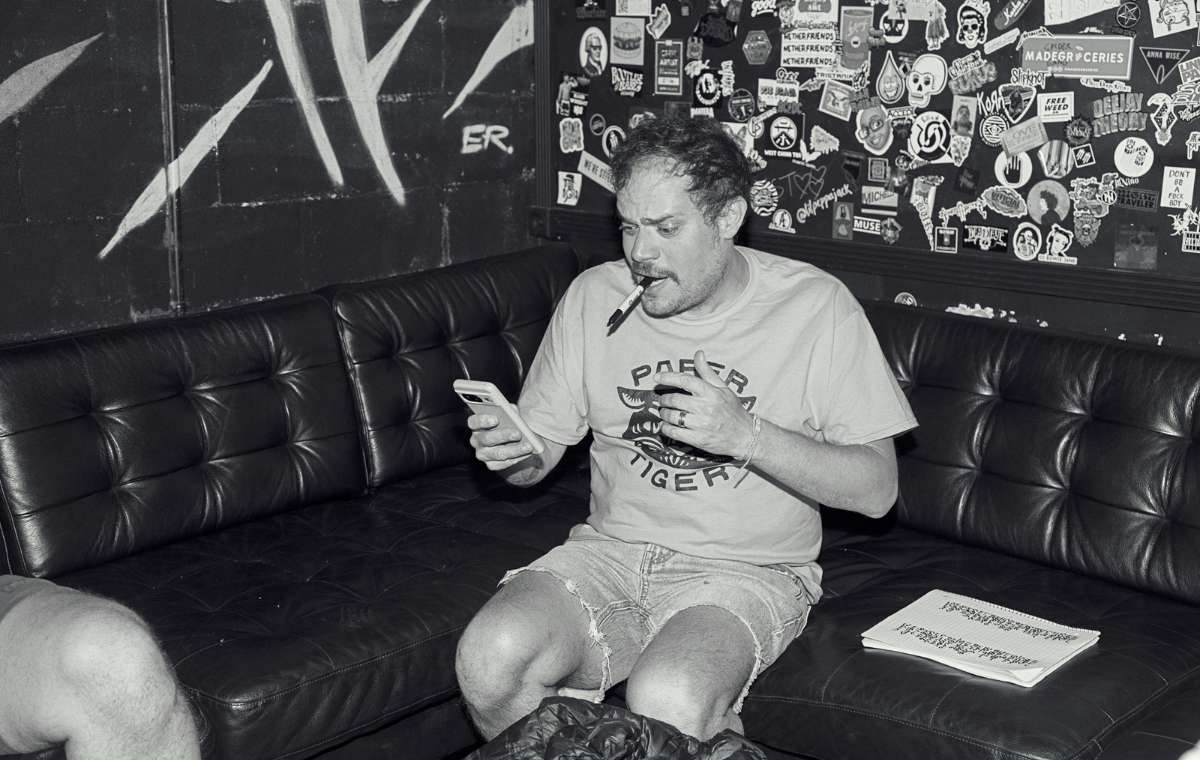
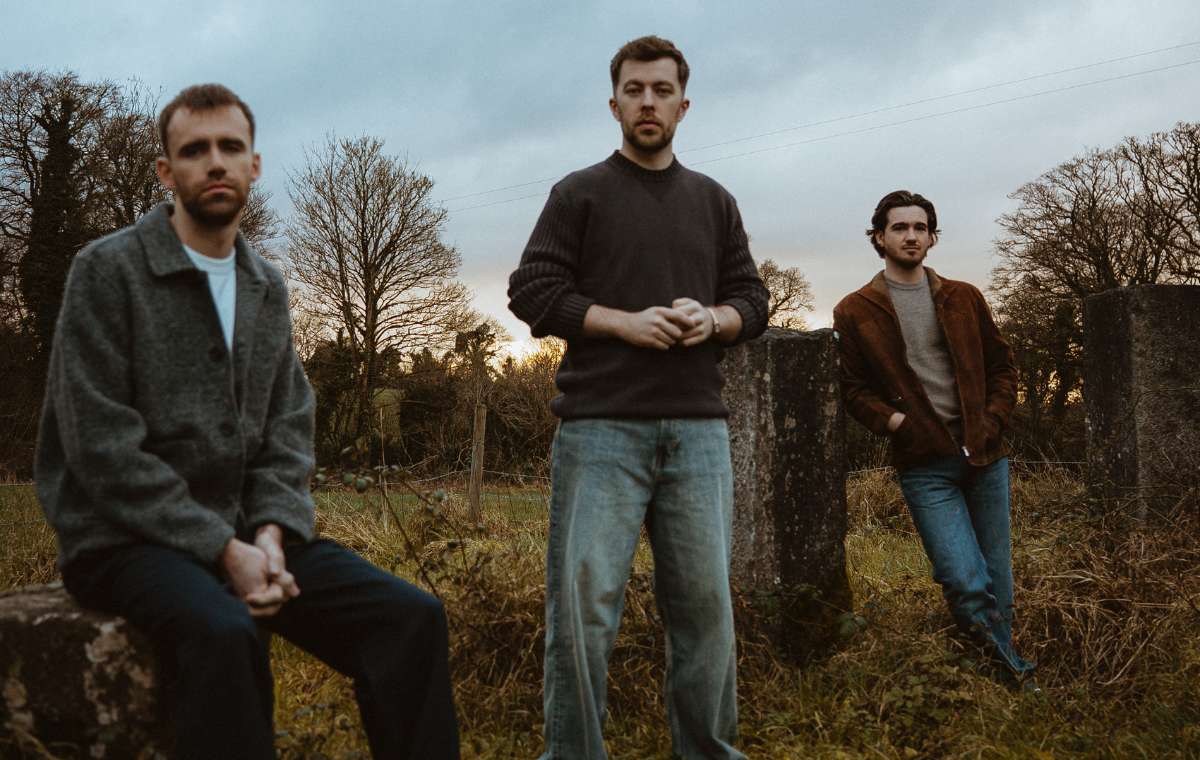
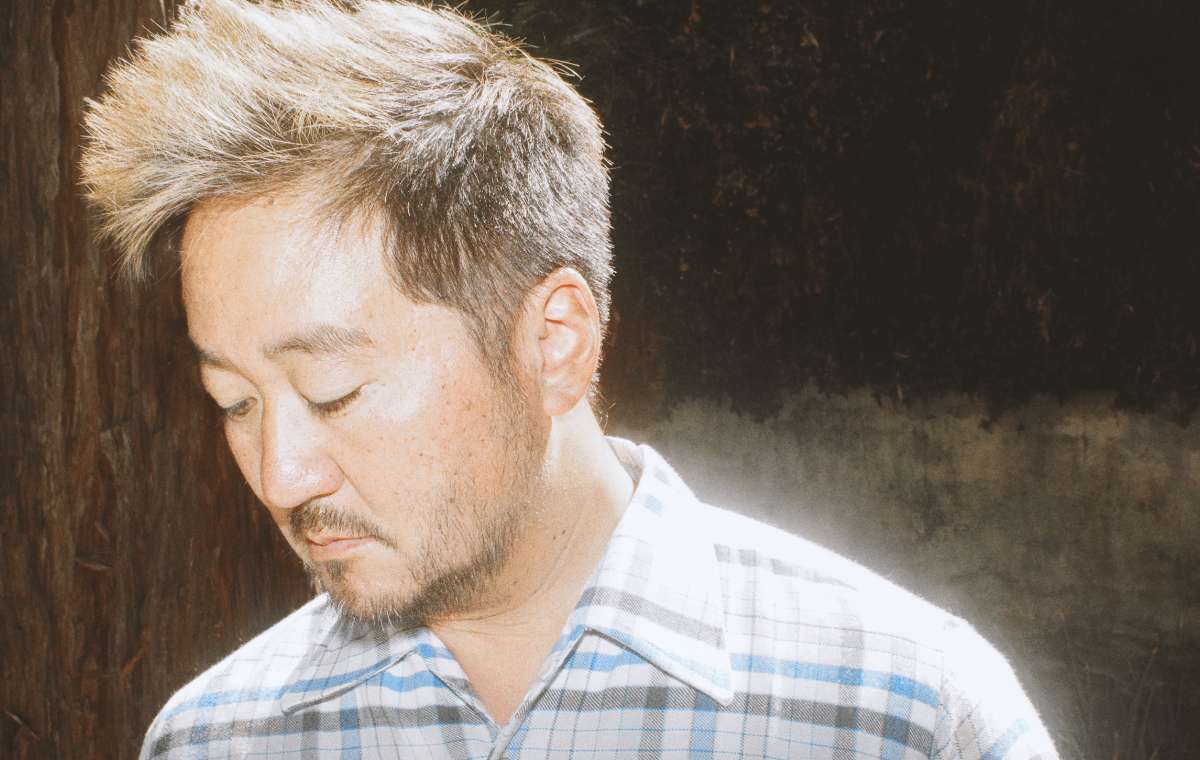
Jeff Rosenstock makes increasingly chaotic albums for an increasingly chaotic world. With each passing year, it feels like the temperature of the universe boils five degrees hotter, and with each new album, Rosenstock’s music grows more unwieldy and lawless. Louder, faster, more feral. Which brings us to 2023—a planet on fire, a mere 90 seconds to midnight on the doomsday clock, and the release of Rosenstock’s appropriately titled, anarchic record, HELLMODE.
“To me, the album feels like the chaos of being alive right now,” Rosenstock says of HELLMODE. “We’re experiencing all these things at the same time that trigger our senses, and emotions that make us feel terrible. We’re just feeling way too much all at once!” But for all its textured turmoil, there are also surprising glimpses of clarity and grace to be found in HELLMODE, when Rosenstock deliberately slows things down in places that are prettier and more delicate, rare moments of shelter in the storm. Which only makes it more rewarding when these moments unexpectedly unravel and spiral back into extreme, manic chaos, like abruptly being flung into a Nintendo game on level 99.
HELLMODE marks the fifth studio album the prolific Rosenstock has released in the last ten years under his own name, following the dissolution of his beloved cult projects Bomb the Music Industry! and The Arrogant Sons of Bitches. Also tucked into his rapidly expanding catalog is a live record, a ska reimagining of his 2020 album NO DREAM, and various dumps of stray songs and loose singles. And somewhere on the side, he has found time to score the Emmy-nominated animated series Craig of the Creek.
About Black Marble:
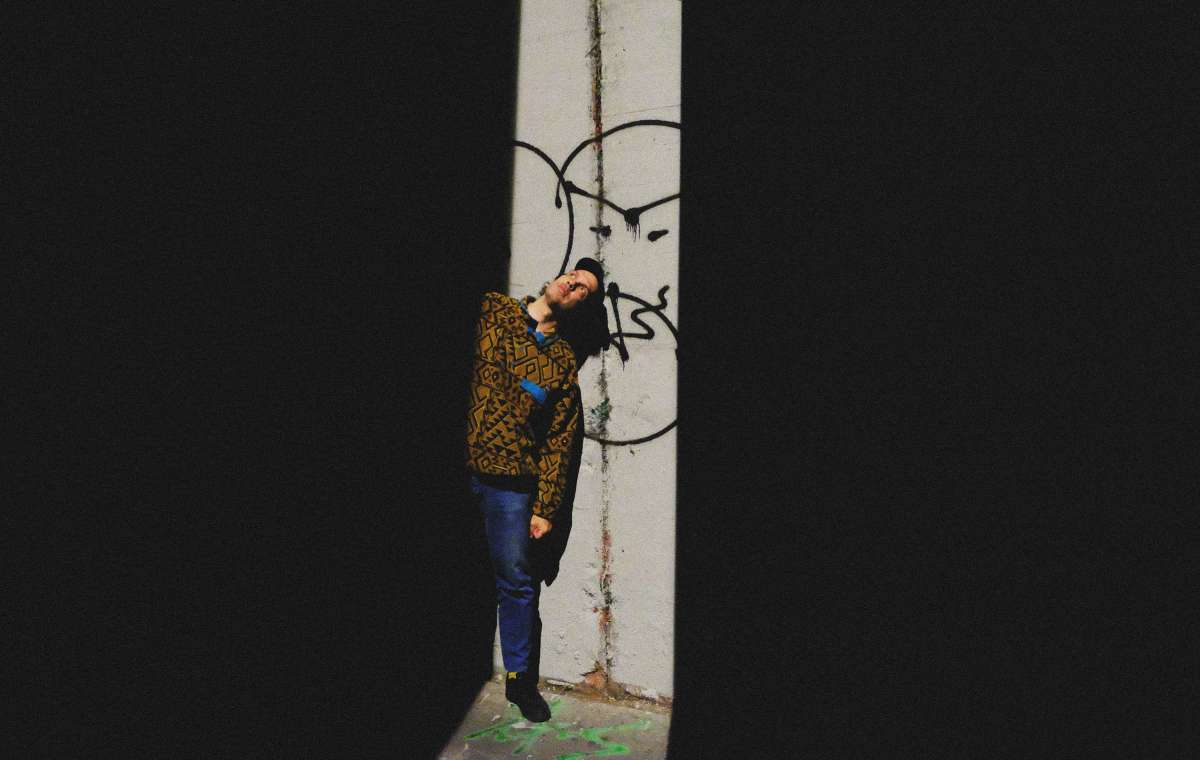
When Chris Stewart set out to write and record his third album as Black Marble, he was newly living in Los Angeles, fresh off a move from New York. The environment brought much excitement and possibility, but the distance had proved too much for the car he brought along. With it out of commission indefinitely, he purchased a bus pass and planned his daily commute from his Echo Park apartment to his downtown studio, where he began to shape Bigger Than Life. The route wound all through the city, from the small local shops of Echo Park to the rising glass of the business district, to the desperation of Skid Row. The hurried energy of the environment provided a backdrop for the daily trip. When Stewart finally arrived at his studio, he’d look through his window at the mountains and the sky, seeing the beauty that makes L.A. unique — the same beauty his fellow commuters, some pushed to the edge of human endurance, had seen. That was the headspace he was in when he began to map out the syncopated drums and staccato arpeggiation of Bigger Than Life, an ode to his new condition and a shimmering synth-pop response to its cacophony.
About Black Marble:
When Chris Stewart set out to write and record his third album as Black Marble, he was newly living in Los Angeles, fresh off a move from New York. The environment brought much excitement and possibility, but the distance had proved too much for the car he brought along. With it out of commission indefinitely, he purchased a bus pass and planned his daily commute from his Echo Park apartment to his downtown studio, where he began to shape Bigger Than Life. The route wound all through the city, from the small local shops of Echo Park to the rising glass of the business district, to the desperation of Skid Row. The hurried energy of the environment provided a backdrop for the daily trip. When Stewart finally arrived at his studio, he’d look through his window at the mountains and the sky, seeing the beauty that makes L.A. unique — the same beauty his fellow commuters, some pushed to the edge of human endurance, had seen. That was the headspace he was in when he began to map out the syncopated drums and staccato arpeggiation of Bigger Than Life, an ode to his new condition and a shimmering synth-pop response to its cacophony.
About Black Marble:
When Chris Stewart set out to write and record his third album as Black Marble, he was newly living in Los Angeles, fresh off a move from New York. The environment brought much excitement and possibility, but the distance had proved too much for the car he brought along. With it out of commission indefinitely, he purchased a bus pass and planned his daily commute from his Echo Park apartment to his downtown studio, where he began to shape Bigger Than Life. The route wound all through the city, from the small local shops of Echo Park to the rising glass of the business district, to the desperation of Skid Row. The hurried energy of the environment provided a backdrop for the daily trip. When Stewart finally arrived at his studio, he’d look through his window at the mountains and the sky, seeing the beauty that makes L.A. unique — the same beauty his fellow commuters, some pushed to the edge of human endurance, had seen. That was the headspace he was in when he began to map out the syncopated drums and staccato arpeggiation of Bigger Than Life, an ode to his new condition and a shimmering synth-pop response to its cacophony.
About Black Marble:
When Chris Stewart set out to write and record his third album as Black Marble, he was newly living in Los Angeles, fresh off a move from New York. The environment brought much excitement and possibility, but the distance had proved too much for the car he brought along. With it out of commission indefinitely, he purchased a bus pass and planned his daily commute from his Echo Park apartment to his downtown studio, where he began to shape Bigger Than Life. The route wound all through the city, from the small local shops of Echo Park to the rising glass of the business district, to the desperation of Skid Row. The hurried energy of the environment provided a backdrop for the daily trip. When Stewart finally arrived at his studio, he’d look through his window at the mountains and the sky, seeing the beauty that makes L.A. unique — the same beauty his fellow commuters, some pushed to the edge of human endurance, had seen. That was the headspace he was in when he began to map out the syncopated drums and staccato arpeggiation of Bigger Than Life, an ode to his new condition and a shimmering synth-pop response to its cacophony.
About Black Marble:
When Chris Stewart set out to write and record his third album as Black Marble, he was newly living in Los Angeles, fresh off a move from New York. The environment brought much excitement and possibility, but the distance had proved too much for the car he brought along. With it out of commission indefinitely, he purchased a bus pass and planned his daily commute from his Echo Park apartment to his downtown studio, where he began to shape Bigger Than Life. The route wound all through the city, from the small local shops of Echo Park to the rising glass of the business district, to the desperation of Skid Row. The hurried energy of the environment provided a backdrop for the daily trip. When Stewart finally arrived at his studio, he’d look through his window at the mountains and the sky, seeing the beauty that makes L.A. unique — the same beauty his fellow commuters, some pushed to the edge of human endurance, had seen. That was the headspace he was in when he began to map out the syncopated drums and staccato arpeggiation of Bigger Than Life, an ode to his new condition and a shimmering synth-pop response to its cacophony.
About Black Marble:
When Chris Stewart set out to write and record his third album as Black Marble, he was newly living in Los Angeles, fresh off a move from New York. The environment brought much excitement and possibility, but the distance had proved too much for the car he brought along. With it out of commission indefinitely, he purchased a bus pass and planned his daily commute from his Echo Park apartment to his downtown studio, where he began to shape Bigger Than Life. The route wound all through the city, from the small local shops of Echo Park to the rising glass of the business district, to the desperation of Skid Row. The hurried energy of the environment provided a backdrop for the daily trip. When Stewart finally arrived at his studio, he’d look through his window at the mountains and the sky, seeing the beauty that makes L.A. unique — the same beauty his fellow commuters, some pushed to the edge of human endurance, had seen. That was the headspace he was in when he began to map out the syncopated drums and staccato arpeggiation of Bigger Than Life, an ode to his new condition and a shimmering synth-pop response to its cacophony.
About Black Marble:
When Chris Stewart set out to write and record his third album as Black Marble, he was newly living in Los Angeles, fresh off a move from New York. The environment brought much excitement and possibility, but the distance had proved too much for the car he brought along. With it out of commission indefinitely, he purchased a bus pass and planned his daily commute from his Echo Park apartment to his downtown studio, where he began to shape Bigger Than Life. The route wound all through the city, from the small local shops of Echo Park to the rising glass of the business district, to the desperation of Skid Row. The hurried energy of the environment provided a backdrop for the daily trip. When Stewart finally arrived at his studio, he’d look through his window at the mountains and the sky, seeing the beauty that makes L.A. unique — the same beauty his fellow commuters, some pushed to the edge of human endurance, had seen. That was the headspace he was in when he began to map out the syncopated drums and staccato arpeggiation of Bigger Than Life, an ode to his new condition and a shimmering synth-pop response to its cacophony.
About Black Marble:
When Chris Stewart set out to write and record his third album as Black Marble, he was newly living in Los Angeles, fresh off a move from New York. The environment brought much excitement and possibility, but the distance had proved too much for the car he brought along. With it out of commission indefinitely, he purchased a bus pass and planned his daily commute from his Echo Park apartment to his downtown studio, where he began to shape Bigger Than Life. The route wound all through the city, from the small local shops of Echo Park to the rising glass of the business district, to the desperation of Skid Row. The hurried energy of the environment provided a backdrop for the daily trip. When Stewart finally arrived at his studio, he’d look through his window at the mountains and the sky, seeing the beauty that makes L.A. unique — the same beauty his fellow commuters, some pushed to the edge of human endurance, had seen. That was the headspace he was in when he began to map out the syncopated drums and staccato arpeggiation of Bigger Than Life, an ode to his new condition and a shimmering synth-pop response to its cacophony.
About Black Marble:
When Chris Stewart set out to write and record his third album as Black Marble, he was newly living in Los Angeles, fresh off a move from New York. The environment brought much excitement and possibility, but the distance had proved too much for the car he brought along. With it out of commission indefinitely, he purchased a bus pass and planned his daily commute from his Echo Park apartment to his downtown studio, where he began to shape Bigger Than Life. The route wound all through the city, from the small local shops of Echo Park to the rising glass of the business district, to the desperation of Skid Row. The hurried energy of the environment provided a backdrop for the daily trip. When Stewart finally arrived at his studio, he’d look through his window at the mountains and the sky, seeing the beauty that makes L.A. unique — the same beauty his fellow commuters, some pushed to the edge of human endurance, had seen. That was the headspace he was in when he began to map out the syncopated drums and staccato arpeggiation of Bigger Than Life, an ode to his new condition and a shimmering synth-pop response to its cacophony.
About Black Marble:
When Chris Stewart set out to write and record his third album as Black Marble, he was newly living in Los Angeles, fresh off a move from New York. The environment brought much excitement and possibility, but the distance had proved too much for the car he brought along. With it out of commission indefinitely, he purchased a bus pass and planned his daily commute from his Echo Park apartment to his downtown studio, where he began to shape Bigger Than Life. The route wound all through the city, from the small local shops of Echo Park to the rising glass of the business district, to the desperation of Skid Row. The hurried energy of the environment provided a backdrop for the daily trip. When Stewart finally arrived at his studio, he’d look through his window at the mountains and the sky, seeing the beauty that makes L.A. unique — the same beauty his fellow commuters, some pushed to the edge of human endurance, had seen. That was the headspace he was in when he began to map out the syncopated drums and staccato arpeggiation of Bigger Than Life, an ode to his new condition and a shimmering synth-pop response to its cacophony.
About Black Marble:
When Chris Stewart set out to write and record his third album as Black Marble, he was newly living in Los Angeles, fresh off a move from New York. The environment brought much excitement and possibility, but the distance had proved too much for the car he brought along. With it out of commission indefinitely, he purchased a bus pass and planned his daily commute from his Echo Park apartment to his downtown studio, where he began to shape Bigger Than Life. The route wound all through the city, from the small local shops of Echo Park to the rising glass of the business district, to the desperation of Skid Row. The hurried energy of the environment provided a backdrop for the daily trip. When Stewart finally arrived at his studio, he’d look through his window at the mountains and the sky, seeing the beauty that makes L.A. unique — the same beauty his fellow commuters, some pushed to the edge of human endurance, had seen. That was the headspace he was in when he began to map out the syncopated drums and staccato arpeggiation of Bigger Than Life, an ode to his new condition and a shimmering synth-pop response to its cacophony.
About Black Marble:
When Chris Stewart set out to write and record his third album as Black Marble, he was newly living in Los Angeles, fresh off a move from New York. The environment brought much excitement and possibility, but the distance had proved too much for the car he brought along. With it out of commission indefinitely, he purchased a bus pass and planned his daily commute from his Echo Park apartment to his downtown studio, where he began to shape Bigger Than Life. The route wound all through the city, from the small local shops of Echo Park to the rising glass of the business district, to the desperation of Skid Row. The hurried energy of the environment provided a backdrop for the daily trip. When Stewart finally arrived at his studio, he’d look through his window at the mountains and the sky, seeing the beauty that makes L.A. unique — the same beauty his fellow commuters, some pushed to the edge of human endurance, had seen. That was the headspace he was in when he began to map out the syncopated drums and staccato arpeggiation of Bigger Than Life, an ode to his new condition and a shimmering synth-pop response to its cacophony.
About Black Marble:
When Chris Stewart set out to write and record his third album as Black Marble, he was newly living in Los Angeles, fresh off a move from New York. The environment brought much excitement and possibility, but the distance had proved too much for the car he brought along. With it out of commission indefinitely, he purchased a bus pass and planned his daily commute from his Echo Park apartment to his downtown studio, where he began to shape Bigger Than Life. The route wound all through the city, from the small local shops of Echo Park to the rising glass of the business district, to the desperation of Skid Row. The hurried energy of the environment provided a backdrop for the daily trip. When Stewart finally arrived at his studio, he’d look through his window at the mountains and the sky, seeing the beauty that makes L.A. unique — the same beauty his fellow commuters, some pushed to the edge of human endurance, had seen. That was the headspace he was in when he began to map out the syncopated drums and staccato arpeggiation of Bigger Than Life, an ode to his new condition and a shimmering synth-pop response to its cacophony.
About Black Marble:
When Chris Stewart set out to write and record his third album as Black Marble, he was newly living in Los Angeles, fresh off a move from New York. The environment brought much excitement and possibility, but the distance had proved too much for the car he brought along. With it out of commission indefinitely, he purchased a bus pass and planned his daily commute from his Echo Park apartment to his downtown studio, where he began to shape Bigger Than Life. The route wound all through the city, from the small local shops of Echo Park to the rising glass of the business district, to the desperation of Skid Row. The hurried energy of the environment provided a backdrop for the daily trip. When Stewart finally arrived at his studio, he’d look through his window at the mountains and the sky, seeing the beauty that makes L.A. unique — the same beauty his fellow commuters, some pushed to the edge of human endurance, had seen. That was the headspace he was in when he began to map out the syncopated drums and staccato arpeggiation of Bigger Than Life, an ode to his new condition and a shimmering synth-pop response to its cacophony.
About Black Marble:
When Chris Stewart set out to write and record his third album as Black Marble, he was newly living in Los Angeles, fresh off a move from New York. The environment brought much excitement and possibility, but the distance had proved too much for the car he brought along. With it out of commission indefinitely, he purchased a bus pass and planned his daily commute from his Echo Park apartment to his downtown studio, where he began to shape Bigger Than Life. The route wound all through the city, from the small local shops of Echo Park to the rising glass of the business district, to the desperation of Skid Row. The hurried energy of the environment provided a backdrop for the daily trip. When Stewart finally arrived at his studio, he’d look through his window at the mountains and the sky, seeing the beauty that makes L.A. unique — the same beauty his fellow commuters, some pushed to the edge of human endurance, had seen. That was the headspace he was in when he began to map out the syncopated drums and staccato arpeggiation of Bigger Than Life, an ode to his new condition and a shimmering synth-pop response to its cacophony.
About Black Marble:
When Chris Stewart set out to write and record his third album as Black Marble, he was newly living in Los Angeles, fresh off a move from New York. The environment brought much excitement and possibility, but the distance had proved too much for the car he brought along. With it out of commission indefinitely, he purchased a bus pass and planned his daily commute from his Echo Park apartment to his downtown studio, where he began to shape Bigger Than Life. The route wound all through the city, from the small local shops of Echo Park to the rising glass of the business district, to the desperation of Skid Row. The hurried energy of the environment provided a backdrop for the daily trip. When Stewart finally arrived at his studio, he’d look through his window at the mountains and the sky, seeing the beauty that makes L.A. unique — the same beauty his fellow commuters, some pushed to the edge of human endurance, had seen. That was the headspace he was in when he began to map out the syncopated drums and staccato arpeggiation of Bigger Than Life, an ode to his new condition and a shimmering synth-pop response to its cacophony.
About Black Marble:
When Chris Stewart set out to write and record his third album as Black Marble, he was newly living in Los Angeles, fresh off a move from New York. The environment brought much excitement and possibility, but the distance had proved too much for the car he brought along. With it out of commission indefinitely, he purchased a bus pass and planned his daily commute from his Echo Park apartment to his downtown studio, where he began to shape Bigger Than Life. The route wound all through the city, from the small local shops of Echo Park to the rising glass of the business district, to the desperation of Skid Row. The hurried energy of the environment provided a backdrop for the daily trip. When Stewart finally arrived at his studio, he’d look through his window at the mountains and the sky, seeing the beauty that makes L.A. unique — the same beauty his fellow commuters, some pushed to the edge of human endurance, had seen. That was the headspace he was in when he began to map out the syncopated drums and staccato arpeggiation of Bigger Than Life, an ode to his new condition and a shimmering synth-pop response to its cacophony.
About Black Marble:
When Chris Stewart set out to write and record his third album as Black Marble, he was newly living in Los Angeles, fresh off a move from New York. The environment brought much excitement and possibility, but the distance had proved too much for the car he brought along. With it out of commission indefinitely, he purchased a bus pass and planned his daily commute from his Echo Park apartment to his downtown studio, where he began to shape Bigger Than Life. The route wound all through the city, from the small local shops of Echo Park to the rising glass of the business district, to the desperation of Skid Row. The hurried energy of the environment provided a backdrop for the daily trip. When Stewart finally arrived at his studio, he’d look through his window at the mountains and the sky, seeing the beauty that makes L.A. unique — the same beauty his fellow commuters, some pushed to the edge of human endurance, had seen. That was the headspace he was in when he began to map out the syncopated drums and staccato arpeggiation of Bigger Than Life, an ode to his new condition and a shimmering synth-pop response to its cacophony.
About Black Marble:
When Chris Stewart set out to write and record his third album as Black Marble, he was newly living in Los Angeles, fresh off a move from New York. The environment brought much excitement and possibility, but the distance had proved too much for the car he brought along. With it out of commission indefinitely, he purchased a bus pass and planned his daily commute from his Echo Park apartment to his downtown studio, where he began to shape Bigger Than Life. The route wound all through the city, from the small local shops of Echo Park to the rising glass of the business district, to the desperation of Skid Row. The hurried energy of the environment provided a backdrop for the daily trip. When Stewart finally arrived at his studio, he’d look through his window at the mountains and the sky, seeing the beauty that makes L.A. unique — the same beauty his fellow commuters, some pushed to the edge of human endurance, had seen. That was the headspace he was in when he began to map out the syncopated drums and staccato arpeggiation of Bigger Than Life, an ode to his new condition and a shimmering synth-pop response to its cacophony.
About Black Marble:
When Chris Stewart set out to write and record his third album as Black Marble, he was newly living in Los Angeles, fresh off a move from New York. The environment brought much excitement and possibility, but the distance had proved too much for the car he brought along. With it out of commission indefinitely, he purchased a bus pass and planned his daily commute from his Echo Park apartment to his downtown studio, where he began to shape Bigger Than Life. The route wound all through the city, from the small local shops of Echo Park to the rising glass of the business district, to the desperation of Skid Row. The hurried energy of the environment provided a backdrop for the daily trip. When Stewart finally arrived at his studio, he’d look through his window at the mountains and the sky, seeing the beauty that makes L.A. unique — the same beauty his fellow commuters, some pushed to the edge of human endurance, had seen. That was the headspace he was in when he began to map out the syncopated drums and staccato arpeggiation of Bigger Than Life, an ode to his new condition and a shimmering synth-pop response to its cacophony.
About Black Marble:
When Chris Stewart set out to write and record his third album as Black Marble, he was newly living in Los Angeles, fresh off a move from New York. The environment brought much excitement and possibility, but the distance had proved too much for the car he brought along. With it out of commission indefinitely, he purchased a bus pass and planned his daily commute from his Echo Park apartment to his downtown studio, where he began to shape Bigger Than Life. The route wound all through the city, from the small local shops of Echo Park to the rising glass of the business district, to the desperation of Skid Row. The hurried energy of the environment provided a backdrop for the daily trip. When Stewart finally arrived at his studio, he’d look through his window at the mountains and the sky, seeing the beauty that makes L.A. unique — the same beauty his fellow commuters, some pushed to the edge of human endurance, had seen. That was the headspace he was in when he began to map out the syncopated drums and staccato arpeggiation of Bigger Than Life, an ode to his new condition and a shimmering synth-pop response to its cacophony.
About Black Marble:
When Chris Stewart set out to write and record his third album as Black Marble, he was newly living in Los Angeles, fresh off a move from New York. The environment brought much excitement and possibility, but the distance had proved too much for the car he brought along. With it out of commission indefinitely, he purchased a bus pass and planned his daily commute from his Echo Park apartment to his downtown studio, where he began to shape Bigger Than Life. The route wound all through the city, from the small local shops of Echo Park to the rising glass of the business district, to the desperation of Skid Row. The hurried energy of the environment provided a backdrop for the daily trip. When Stewart finally arrived at his studio, he’d look through his window at the mountains and the sky, seeing the beauty that makes L.A. unique — the same beauty his fellow commuters, some pushed to the edge of human endurance, had seen. That was the headspace he was in when he began to map out the syncopated drums and staccato arpeggiation of Bigger Than Life, an ode to his new condition and a shimmering synth-pop response to its cacophony.
About Black Marble:
When Chris Stewart set out to write and record his third album as Black Marble, he was newly living in Los Angeles, fresh off a move from New York. The environment brought much excitement and possibility, but the distance had proved too much for the car he brought along. With it out of commission indefinitely, he purchased a bus pass and planned his daily commute from his Echo Park apartment to his downtown studio, where he began to shape Bigger Than Life. The route wound all through the city, from the small local shops of Echo Park to the rising glass of the business district, to the desperation of Skid Row. The hurried energy of the environment provided a backdrop for the daily trip. When Stewart finally arrived at his studio, he’d look through his window at the mountains and the sky, seeing the beauty that makes L.A. unique — the same beauty his fellow commuters, some pushed to the edge of human endurance, had seen. That was the headspace he was in when he began to map out the syncopated drums and staccato arpeggiation of Bigger Than Life, an ode to his new condition and a shimmering synth-pop response to its cacophony.
About Black Marble:
When Chris Stewart set out to write and record his third album as Black Marble, he was newly living in Los Angeles, fresh off a move from New York. The environment brought much excitement and possibility, but the distance had proved too much for the car he brought along. With it out of commission indefinitely, he purchased a bus pass and planned his daily commute from his Echo Park apartment to his downtown studio, where he began to shape Bigger Than Life. The route wound all through the city, from the small local shops of Echo Park to the rising glass of the business district, to the desperation of Skid Row. The hurried energy of the environment provided a backdrop for the daily trip. When Stewart finally arrived at his studio, he’d look through his window at the mountains and the sky, seeing the beauty that makes L.A. unique — the same beauty his fellow commuters, some pushed to the edge of human endurance, had seen. That was the headspace he was in when he began to map out the syncopated drums and staccato arpeggiation of Bigger Than Life, an ode to his new condition and a shimmering synth-pop response to its cacophony.
About Black Marble:
When Chris Stewart set out to write and record his third album as Black Marble, he was newly living in Los Angeles, fresh off a move from New York. The environment brought much excitement and possibility, but the distance had proved too much for the car he brought along. With it out of commission indefinitely, he purchased a bus pass and planned his daily commute from his Echo Park apartment to his downtown studio, where he began to shape Bigger Than Life. The route wound all through the city, from the small local shops of Echo Park to the rising glass of the business district, to the desperation of Skid Row. The hurried energy of the environment provided a backdrop for the daily trip. When Stewart finally arrived at his studio, he’d look through his window at the mountains and the sky, seeing the beauty that makes L.A. unique — the same beauty his fellow commuters, some pushed to the edge of human endurance, had seen. That was the headspace he was in when he began to map out the syncopated drums and staccato arpeggiation of Bigger Than Life, an ode to his new condition and a shimmering synth-pop response to its cacophony.
About Black Marble:
When Chris Stewart set out to write and record his third album as Black Marble, he was newly living in Los Angeles, fresh off a move from New York. The environment brought much excitement and possibility, but the distance had proved too much for the car he brought along. With it out of commission indefinitely, he purchased a bus pass and planned his daily commute from his Echo Park apartment to his downtown studio, where he began to shape Bigger Than Life. The route wound all through the city, from the small local shops of Echo Park to the rising glass of the business district, to the desperation of Skid Row. The hurried energy of the environment provided a backdrop for the daily trip. When Stewart finally arrived at his studio, he’d look through his window at the mountains and the sky, seeing the beauty that makes L.A. unique — the same beauty his fellow commuters, some pushed to the edge of human endurance, had seen. That was the headspace he was in when he began to map out the syncopated drums and staccato arpeggiation of Bigger Than Life, an ode to his new condition and a shimmering synth-pop response to its cacophony.
About Black Marble:
When Chris Stewart set out to write and record his third album as Black Marble, he was newly living in Los Angeles, fresh off a move from New York. The environment brought much excitement and possibility, but the distance had proved too much for the car he brought along. With it out of commission indefinitely, he purchased a bus pass and planned his daily commute from his Echo Park apartment to his downtown studio, where he began to shape Bigger Than Life. The route wound all through the city, from the small local shops of Echo Park to the rising glass of the business district, to the desperation of Skid Row. The hurried energy of the environment provided a backdrop for the daily trip. When Stewart finally arrived at his studio, he’d look through his window at the mountains and the sky, seeing the beauty that makes L.A. unique — the same beauty his fellow commuters, some pushed to the edge of human endurance, had seen. That was the headspace he was in when he began to map out the syncopated drums and staccato arpeggiation of Bigger Than Life, an ode to his new condition and a shimmering synth-pop response to its cacophony.
About Black Marble:
When Chris Stewart set out to write and record his third album as Black Marble, he was newly living in Los Angeles, fresh off a move from New York. The environment brought much excitement and possibility, but the distance had proved too much for the car he brought along. With it out of commission indefinitely, he purchased a bus pass and planned his daily commute from his Echo Park apartment to his downtown studio, where he began to shape Bigger Than Life. The route wound all through the city, from the small local shops of Echo Park to the rising glass of the business district, to the desperation of Skid Row. The hurried energy of the environment provided a backdrop for the daily trip. When Stewart finally arrived at his studio, he’d look through his window at the mountains and the sky, seeing the beauty that makes L.A. unique — the same beauty his fellow commuters, some pushed to the edge of human endurance, had seen. That was the headspace he was in when he began to map out the syncopated drums and staccato arpeggiation of Bigger Than Life, an ode to his new condition and a shimmering synth-pop response to its cacophony.
About Black Marble:
When Chris Stewart set out to write and record his third album as Black Marble, he was newly living in Los Angeles, fresh off a move from New York. The environment brought much excitement and possibility, but the distance had proved too much for the car he brought along. With it out of commission indefinitely, he purchased a bus pass and planned his daily commute from his Echo Park apartment to his downtown studio, where he began to shape Bigger Than Life. The route wound all through the city, from the small local shops of Echo Park to the rising glass of the business district, to the desperation of Skid Row. The hurried energy of the environment provided a backdrop for the daily trip. When Stewart finally arrived at his studio, he’d look through his window at the mountains and the sky, seeing the beauty that makes L.A. unique — the same beauty his fellow commuters, some pushed to the edge of human endurance, had seen. That was the headspace he was in when he began to map out the syncopated drums and staccato arpeggiation of Bigger Than Life, an ode to his new condition and a shimmering synth-pop response to its cacophony.
About Black Marble:
When Chris Stewart set out to write and record his third album as Black Marble, he was newly living in Los Angeles, fresh off a move from New York. The environment brought much excitement and possibility, but the distance had proved too much for the car he brought along. With it out of commission indefinitely, he purchased a bus pass and planned his daily commute from his Echo Park apartment to his downtown studio, where he began to shape Bigger Than Life. The route wound all through the city, from the small local shops of Echo Park to the rising glass of the business district, to the desperation of Skid Row. The hurried energy of the environment provided a backdrop for the daily trip. When Stewart finally arrived at his studio, he’d look through his window at the mountains and the sky, seeing the beauty that makes L.A. unique — the same beauty his fellow commuters, some pushed to the edge of human endurance, had seen. That was the headspace he was in when he began to map out the syncopated drums and staccato arpeggiation of Bigger Than Life, an ode to his new condition and a shimmering synth-pop response to its cacophony.
About Black Marble:
When Chris Stewart set out to write and record his third album as Black Marble, he was newly living in Los Angeles, fresh off a move from New York. The environment brought much excitement and possibility, but the distance had proved too much for the car he brought along. With it out of commission indefinitely, he purchased a bus pass and planned his daily commute from his Echo Park apartment to his downtown studio, where he began to shape Bigger Than Life. The route wound all through the city, from the small local shops of Echo Park to the rising glass of the business district, to the desperation of Skid Row. The hurried energy of the environment provided a backdrop for the daily trip. When Stewart finally arrived at his studio, he’d look through his window at the mountains and the sky, seeing the beauty that makes L.A. unique — the same beauty his fellow commuters, some pushed to the edge of human endurance, had seen. That was the headspace he was in when he began to map out the syncopated drums and staccato arpeggiation of Bigger Than Life, an ode to his new condition and a shimmering synth-pop response to its cacophony.
About Black Marble:
When Chris Stewart set out to write and record his third album as Black Marble, he was newly living in Los Angeles, fresh off a move from New York. The environment brought much excitement and possibility, but the distance had proved too much for the car he brought along. With it out of commission indefinitely, he purchased a bus pass and planned his daily commute from his Echo Park apartment to his downtown studio, where he began to shape Bigger Than Life. The route wound all through the city, from the small local shops of Echo Park to the rising glass of the business district, to the desperation of Skid Row. The hurried energy of the environment provided a backdrop for the daily trip. When Stewart finally arrived at his studio, he’d look through his window at the mountains and the sky, seeing the beauty that makes L.A. unique — the same beauty his fellow commuters, some pushed to the edge of human endurance, had seen. That was the headspace he was in when he began to map out the syncopated drums and staccato arpeggiation of Bigger Than Life, an ode to his new condition and a shimmering synth-pop response to its cacophony.
About Black Marble:
When Chris Stewart set out to write and record his third album as Black Marble, he was newly living in Los Angeles, fresh off a move from New York. The environment brought much excitement and possibility, but the distance had proved too much for the car he brought along. With it out of commission indefinitely, he purchased a bus pass and planned his daily commute from his Echo Park apartment to his downtown studio, where he began to shape Bigger Than Life. The route wound all through the city, from the small local shops of Echo Park to the rising glass of the business district, to the desperation of Skid Row. The hurried energy of the environment provided a backdrop for the daily trip. When Stewart finally arrived at his studio, he’d look through his window at the mountains and the sky, seeing the beauty that makes L.A. unique — the same beauty his fellow commuters, some pushed to the edge of human endurance, had seen. That was the headspace he was in when he began to map out the syncopated drums and staccato arpeggiation of Bigger Than Life, an ode to his new condition and a shimmering synth-pop response to its cacophony.
About Black Marble:
When Chris Stewart set out to write and record his third album as Black Marble, he was newly living in Los Angeles, fresh off a move from New York. The environment brought much excitement and possibility, but the distance had proved too much for the car he brought along. With it out of commission indefinitely, he purchased a bus pass and planned his daily commute from his Echo Park apartment to his downtown studio, where he began to shape Bigger Than Life. The route wound all through the city, from the small local shops of Echo Park to the rising glass of the business district, to the desperation of Skid Row. The hurried energy of the environment provided a backdrop for the daily trip. When Stewart finally arrived at his studio, he’d look through his window at the mountains and the sky, seeing the beauty that makes L.A. unique — the same beauty his fellow commuters, some pushed to the edge of human endurance, had seen. That was the headspace he was in when he began to map out the syncopated drums and staccato arpeggiation of Bigger Than Life, an ode to his new condition and a shimmering synth-pop response to its cacophony.
About Black Marble:
When Chris Stewart set out to write and record his third album as Black Marble, he was newly living in Los Angeles, fresh off a move from New York. The environment brought much excitement and possibility, but the distance had proved too much for the car he brought along. With it out of commission indefinitely, he purchased a bus pass and planned his daily commute from his Echo Park apartment to his downtown studio, where he began to shape Bigger Than Life. The route wound all through the city, from the small local shops of Echo Park to the rising glass of the business district, to the desperation of Skid Row. The hurried energy of the environment provided a backdrop for the daily trip. When Stewart finally arrived at his studio, he’d look through his window at the mountains and the sky, seeing the beauty that makes L.A. unique — the same beauty his fellow commuters, some pushed to the edge of human endurance, had seen. That was the headspace he was in when he began to map out the syncopated drums and staccato arpeggiation of Bigger Than Life, an ode to his new condition and a shimmering synth-pop response to its cacophony.
About Black Marble:
When Chris Stewart set out to write and record his third album as Black Marble, he was newly living in Los Angeles, fresh off a move from New York. The environment brought much excitement and possibility, but the distance had proved too much for the car he brought along. With it out of commission indefinitely, he purchased a bus pass and planned his daily commute from his Echo Park apartment to his downtown studio, where he began to shape Bigger Than Life. The route wound all through the city, from the small local shops of Echo Park to the rising glass of the business district, to the desperation of Skid Row. The hurried energy of the environment provided a backdrop for the daily trip. When Stewart finally arrived at his studio, he’d look through his window at the mountains and the sky, seeing the beauty that makes L.A. unique — the same beauty his fellow commuters, some pushed to the edge of human endurance, had seen. That was the headspace he was in when he began to map out the syncopated drums and staccato arpeggiation of Bigger Than Life, an ode to his new condition and a shimmering synth-pop response to its cacophony.
About Black Marble:
When Chris Stewart set out to write and record his third album as Black Marble, he was newly living in Los Angeles, fresh off a move from New York. The environment brought much excitement and possibility, but the distance had proved too much for the car he brought along. With it out of commission indefinitely, he purchased a bus pass and planned his daily commute from his Echo Park apartment to his downtown studio, where he began to shape Bigger Than Life. The route wound all through the city, from the small local shops of Echo Park to the rising glass of the business district, to the desperation of Skid Row. The hurried energy of the environment provided a backdrop for the daily trip. When Stewart finally arrived at his studio, he’d look through his window at the mountains and the sky, seeing the beauty that makes L.A. unique — the same beauty his fellow commuters, some pushed to the edge of human endurance, had seen. That was the headspace he was in when he began to map out the syncopated drums and staccato arpeggiation of Bigger Than Life, an ode to his new condition and a shimmering synth-pop response to its cacophony.
About Black Marble:
When Chris Stewart set out to write and record his third album as Black Marble, he was newly living in Los Angeles, fresh off a move from New York. The environment brought much excitement and possibility, but the distance had proved too much for the car he brought along. With it out of commission indefinitely, he purchased a bus pass and planned his daily commute from his Echo Park apartment to his downtown studio, where he began to shape Bigger Than Life. The route wound all through the city, from the small local shops of Echo Park to the rising glass of the business district, to the desperation of Skid Row. The hurried energy of the environment provided a backdrop for the daily trip. When Stewart finally arrived at his studio, he’d look through his window at the mountains and the sky, seeing the beauty that makes L.A. unique — the same beauty his fellow commuters, some pushed to the edge of human endurance, had seen. That was the headspace he was in when he began to map out the syncopated drums and staccato arpeggiation of Bigger Than Life, an ode to his new condition and a shimmering synth-pop response to its cacophony.
About Black Marble:
When Chris Stewart set out to write and record his third album as Black Marble, he was newly living in Los Angeles, fresh off a move from New York. The environment brought much excitement and possibility, but the distance had proved too much for the car he brought along. With it out of commission indefinitely, he purchased a bus pass and planned his daily commute from his Echo Park apartment to his downtown studio, where he began to shape Bigger Than Life. The route wound all through the city, from the small local shops of Echo Park to the rising glass of the business district, to the desperation of Skid Row. The hurried energy of the environment provided a backdrop for the daily trip. When Stewart finally arrived at his studio, he’d look through his window at the mountains and the sky, seeing the beauty that makes L.A. unique — the same beauty his fellow commuters, some pushed to the edge of human endurance, had seen. That was the headspace he was in when he began to map out the syncopated drums and staccato arpeggiation of Bigger Than Life, an ode to his new condition and a shimmering synth-pop response to its cacophony.
About Black Marble:
When Chris Stewart set out to write and record his third album as Black Marble, he was newly living in Los Angeles, fresh off a move from New York. The environment brought much excitement and possibility, but the distance had proved too much for the car he brought along. With it out of commission indefinitely, he purchased a bus pass and planned his daily commute from his Echo Park apartment to his downtown studio, where he began to shape Bigger Than Life. The route wound all through the city, from the small local shops of Echo Park to the rising glass of the business district, to the desperation of Skid Row. The hurried energy of the environment provided a backdrop for the daily trip. When Stewart finally arrived at his studio, he’d look through his window at the mountains and the sky, seeing the beauty that makes L.A. unique — the same beauty his fellow commuters, some pushed to the edge of human endurance, had seen. That was the headspace he was in when he began to map out the syncopated drums and staccato arpeggiation of Bigger Than Life, an ode to his new condition and a shimmering synth-pop response to its cacophony.
About Black Marble:
When Chris Stewart set out to write and record his third album as Black Marble, he was newly living in Los Angeles, fresh off a move from New York. The environment brought much excitement and possibility, but the distance had proved too much for the car he brought along. With it out of commission indefinitely, he purchased a bus pass and planned his daily commute from his Echo Park apartment to his downtown studio, where he began to shape Bigger Than Life. The route wound all through the city, from the small local shops of Echo Park to the rising glass of the business district, to the desperation of Skid Row. The hurried energy of the environment provided a backdrop for the daily trip. When Stewart finally arrived at his studio, he’d look through his window at the mountains and the sky, seeing the beauty that makes L.A. unique — the same beauty his fellow commuters, some pushed to the edge of human endurance, had seen. That was the headspace he was in when he began to map out the syncopated drums and staccato arpeggiation of Bigger Than Life, an ode to his new condition and a shimmering synth-pop response to its cacophony.
About Black Marble:
When Chris Stewart set out to write and record his third album as Black Marble, he was newly living in Los Angeles, fresh off a move from New York. The environment brought much excitement and possibility, but the distance had proved too much for the car he brought along. With it out of commission indefinitely, he purchased a bus pass and planned his daily commute from his Echo Park apartment to his downtown studio, where he began to shape Bigger Than Life. The route wound all through the city, from the small local shops of Echo Park to the rising glass of the business district, to the desperation of Skid Row. The hurried energy of the environment provided a backdrop for the daily trip. When Stewart finally arrived at his studio, he’d look through his window at the mountains and the sky, seeing the beauty that makes L.A. unique — the same beauty his fellow commuters, some pushed to the edge of human endurance, had seen. That was the headspace he was in when he began to map out the syncopated drums and staccato arpeggiation of Bigger Than Life, an ode to his new condition and a shimmering synth-pop response to its cacophony.
About Black Marble:
When Chris Stewart set out to write and record his third album as Black Marble, he was newly living in Los Angeles, fresh off a move from New York. The environment brought much excitement and possibility, but the distance had proved too much for the car he brought along. With it out of commission indefinitely, he purchased a bus pass and planned his daily commute from his Echo Park apartment to his downtown studio, where he began to shape Bigger Than Life. The route wound all through the city, from the small local shops of Echo Park to the rising glass of the business district, to the desperation of Skid Row. The hurried energy of the environment provided a backdrop for the daily trip. When Stewart finally arrived at his studio, he’d look through his window at the mountains and the sky, seeing the beauty that makes L.A. unique — the same beauty his fellow commuters, some pushed to the edge of human endurance, had seen. That was the headspace he was in when he began to map out the syncopated drums and staccato arpeggiation of Bigger Than Life, an ode to his new condition and a shimmering synth-pop response to its cacophony.
About Black Marble:
When Chris Stewart set out to write and record his third album as Black Marble, he was newly living in Los Angeles, fresh off a move from New York. The environment brought much excitement and possibility, but the distance had proved too much for the car he brought along. With it out of commission indefinitely, he purchased a bus pass and planned his daily commute from his Echo Park apartment to his downtown studio, where he began to shape Bigger Than Life. The route wound all through the city, from the small local shops of Echo Park to the rising glass of the business district, to the desperation of Skid Row. The hurried energy of the environment provided a backdrop for the daily trip. When Stewart finally arrived at his studio, he’d look through his window at the mountains and the sky, seeing the beauty that makes L.A. unique — the same beauty his fellow commuters, some pushed to the edge of human endurance, had seen. That was the headspace he was in when he began to map out the syncopated drums and staccato arpeggiation of Bigger Than Life, an ode to his new condition and a shimmering synth-pop response to its cacophony.
About Black Marble:
When Chris Stewart set out to write and record his third album as Black Marble, he was newly living in Los Angeles, fresh off a move from New York. The environment brought much excitement and possibility, but the distance had proved too much for the car he brought along. With it out of commission indefinitely, he purchased a bus pass and planned his daily commute from his Echo Park apartment to his downtown studio, where he began to shape Bigger Than Life. The route wound all through the city, from the small local shops of Echo Park to the rising glass of the business district, to the desperation of Skid Row. The hurried energy of the environment provided a backdrop for the daily trip. When Stewart finally arrived at his studio, he’d look through his window at the mountains and the sky, seeing the beauty that makes L.A. unique — the same beauty his fellow commuters, some pushed to the edge of human endurance, had seen. That was the headspace he was in when he began to map out the syncopated drums and staccato arpeggiation of Bigger Than Life, an ode to his new condition and a shimmering synth-pop response to its cacophony.
About Black Marble:
When Chris Stewart set out to write and record his third album as Black Marble, he was newly living in Los Angeles, fresh off a move from New York. The environment brought much excitement and possibility, but the distance had proved too much for the car he brought along. With it out of commission indefinitely, he purchased a bus pass and planned his daily commute from his Echo Park apartment to his downtown studio, where he began to shape Bigger Than Life. The route wound all through the city, from the small local shops of Echo Park to the rising glass of the business district, to the desperation of Skid Row. The hurried energy of the environment provided a backdrop for the daily trip. When Stewart finally arrived at his studio, he’d look through his window at the mountains and the sky, seeing the beauty that makes L.A. unique — the same beauty his fellow commuters, some pushed to the edge of human endurance, had seen. That was the headspace he was in when he began to map out the syncopated drums and staccato arpeggiation of Bigger Than Life, an ode to his new condition and a shimmering synth-pop response to its cacophony.