About Keller Williams:
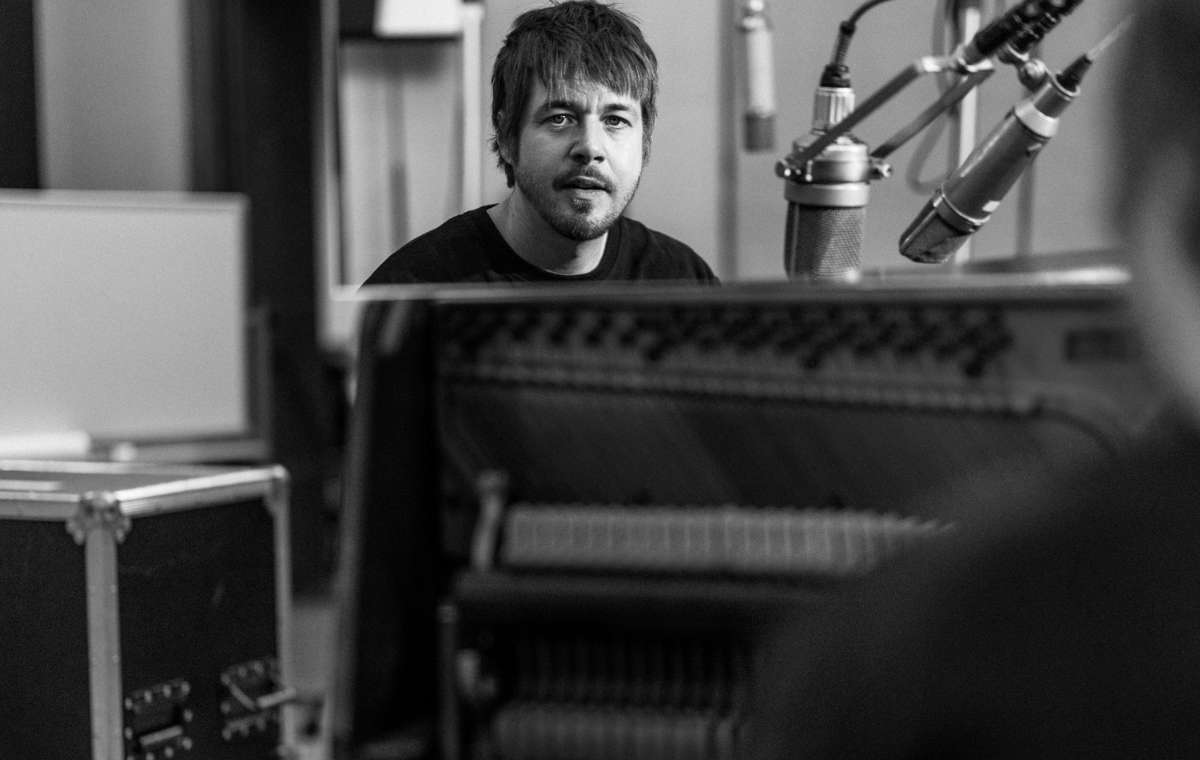
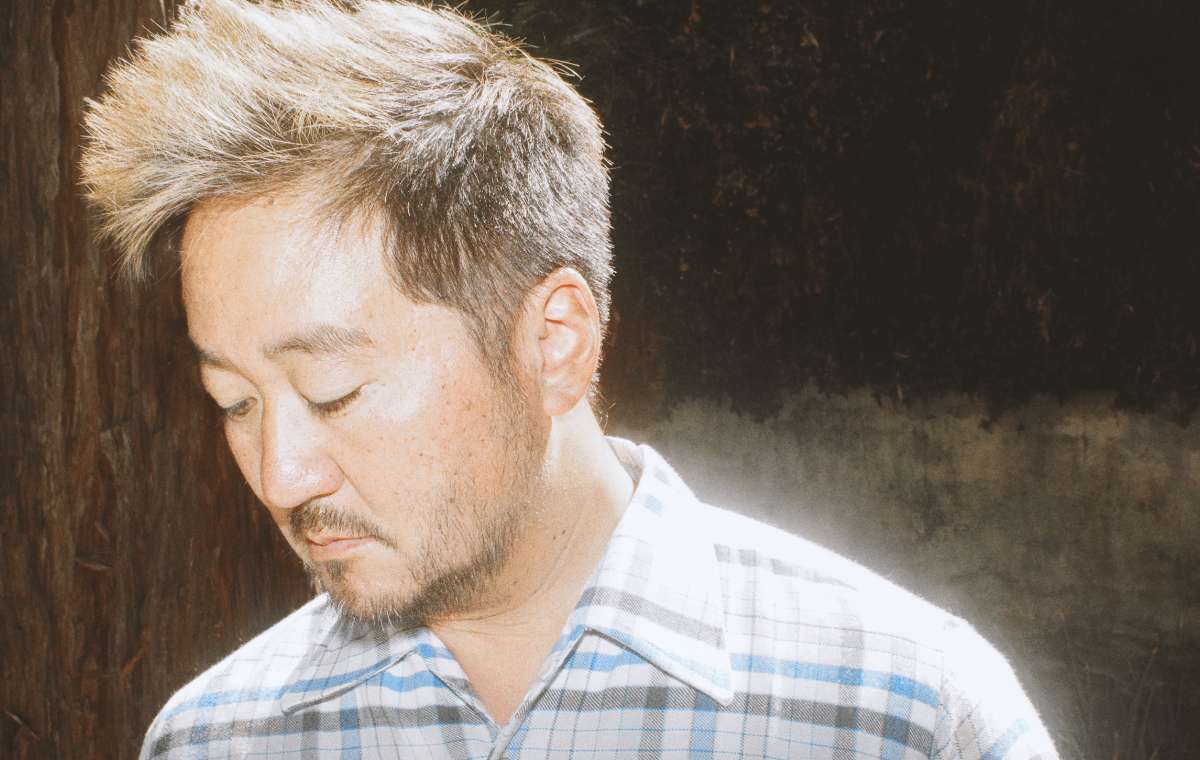
Virginian, Keller Williams, released his first album in 1994, FREEK, and has since given each of his albums a single syllable title: BUZZ, SPUN, BREATHE, LOOP, LAUGH, HOME, DANCE, STAGE, GRASS, DREAM, TWELVE, LIVE, ODD, THIEF, KIDS, BASS, PICK, FUNK, VAPE, SYNC, RAW, SANS, ADD, SPEED, CELL, DROLL and now DEER. Each title serves as a concise summation of the concept guiding each project. Keller’s albums reflect his pursuit to create music that sounds like nothing else.
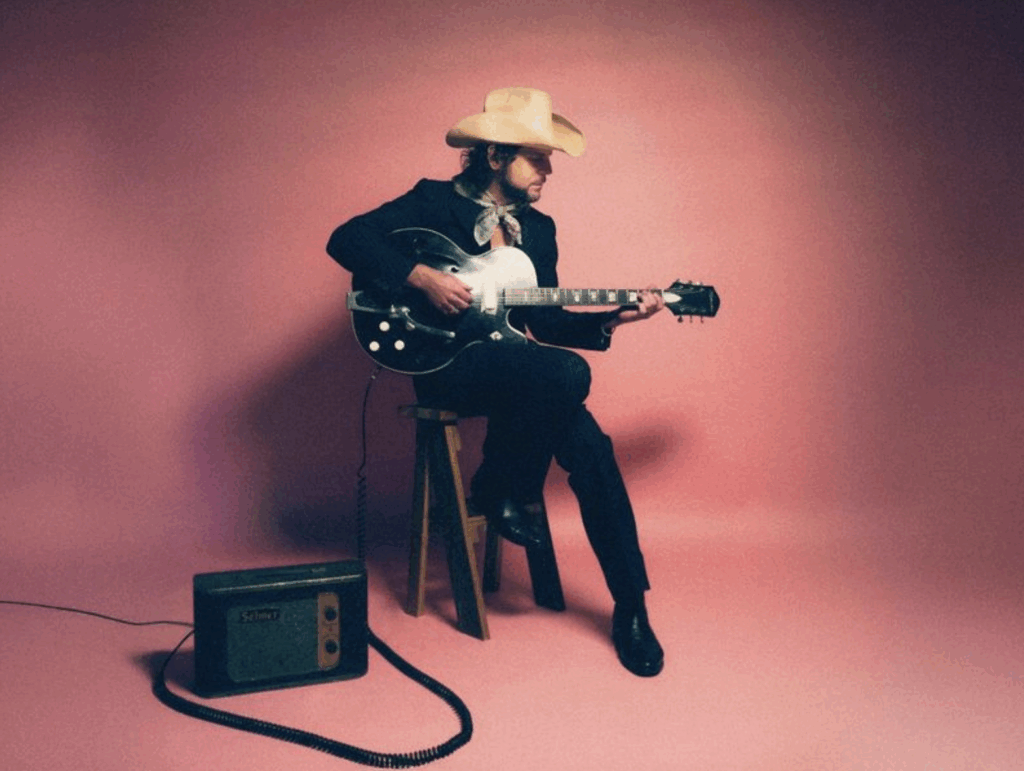
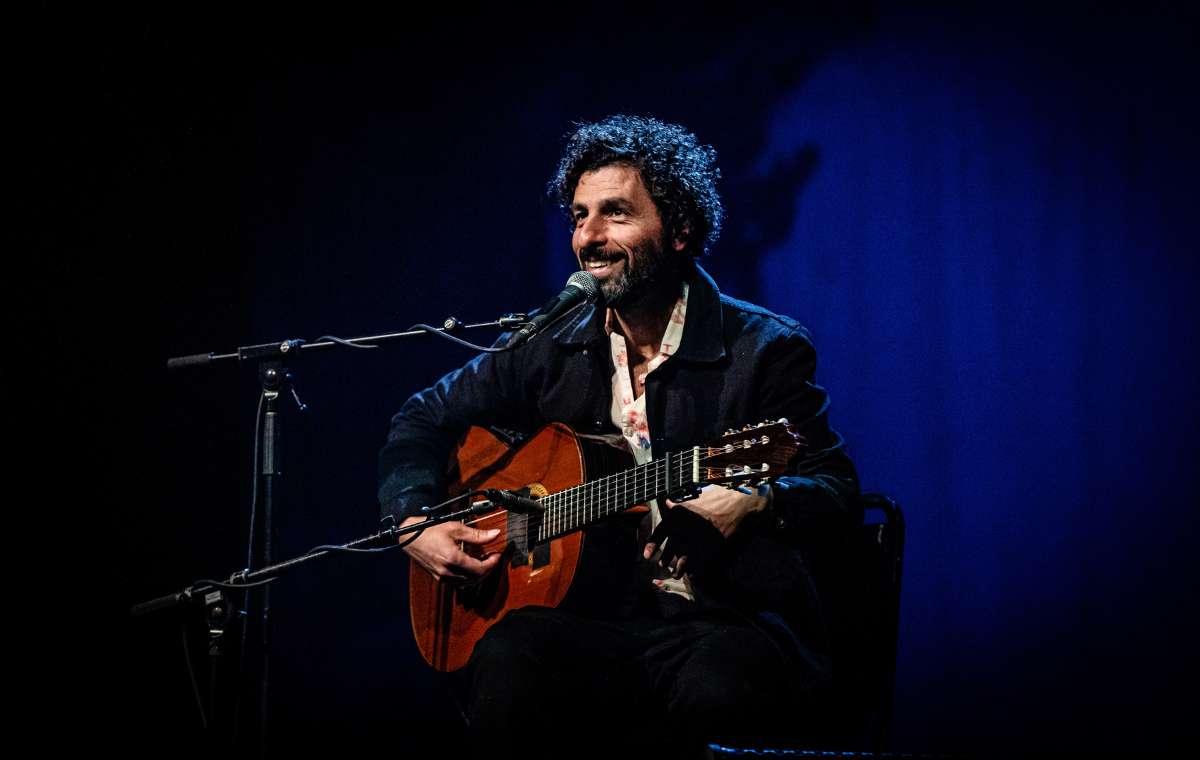
Un-beholden to conventionalism, he seamlessly crosses genre boundaries. The end product is music that encompasses rock, jazz, funk and bluegrass, and always keeps the audience on their feet. Keller built his reputation initially on his engaging live performances, no two of which are ever alike. For most of his career he has performed solo. His stage shows are rooted around Keller singing his compositions and choice cover songs, while accompanying himself on acoustic guitar, bass, guitar synthesizer and drum samples; a technique called live phrase sampling or “looping”.
The end result often leans toward a hybrid of alternative folk and groovy electronica, a genre Keller jokingly calls “acoustic dance music” or ADM.” Keller’s constant evolution has led to numerous band projects as well; Keller & The Keels, Grateful Grass, KWahtro, Keller and the Travelin’ McCourys, Grateful Gospel, More Than A Little and most recently DeadPettyKellerGrass. You can even catch him from time to time going back to his troubadour roots with his “Shut the Folk Up and Listen” series. Keller can be found playing clubs and festivals with these projects and his tried and true solo looping show, always changing things up and keeping moving.
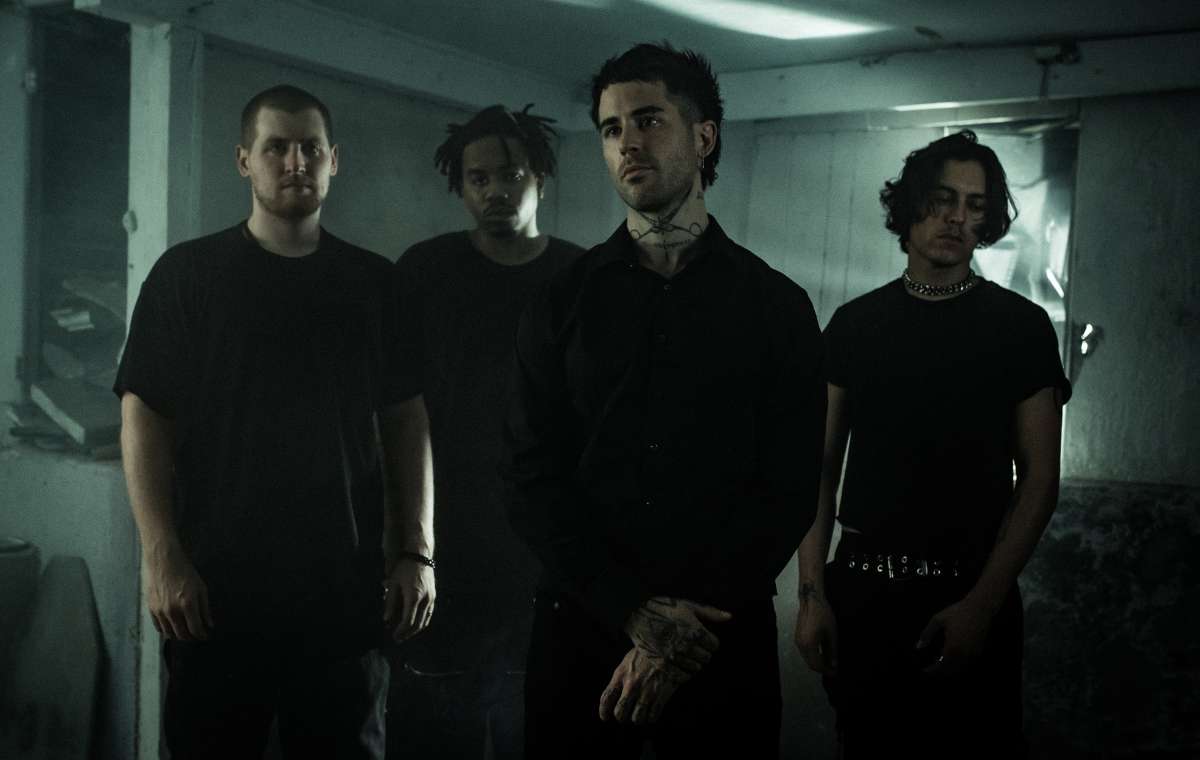
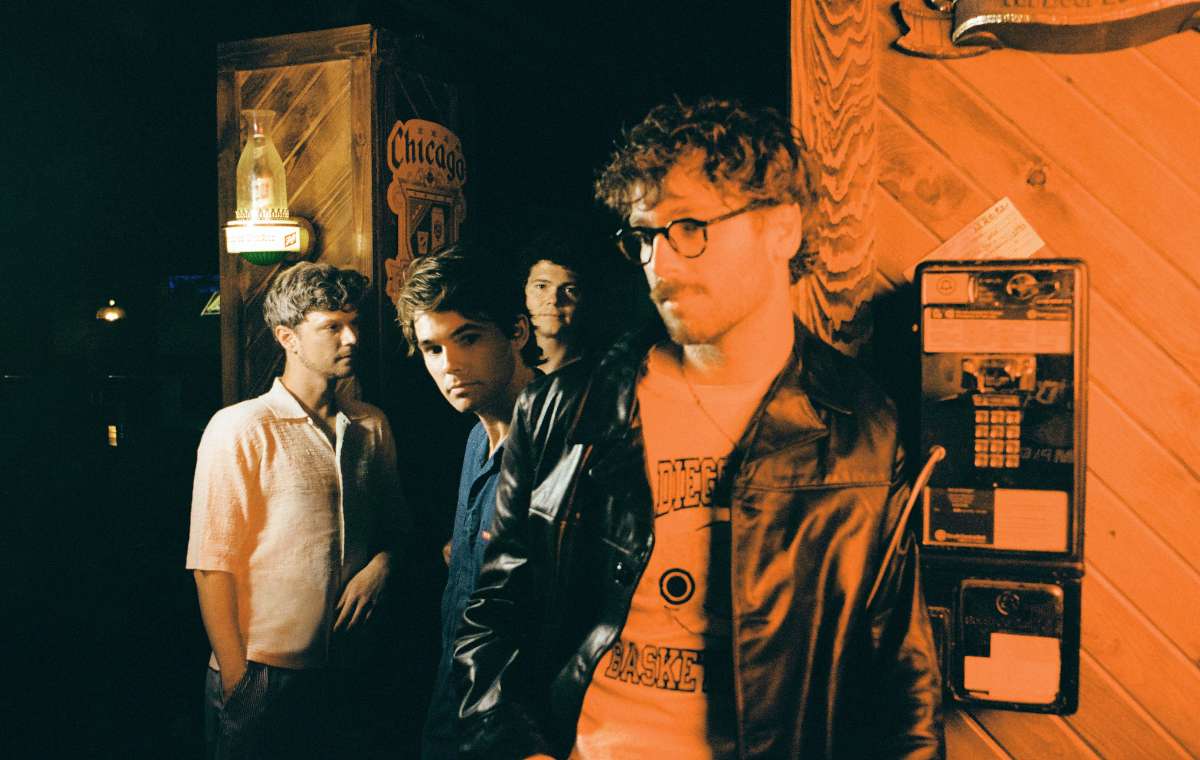
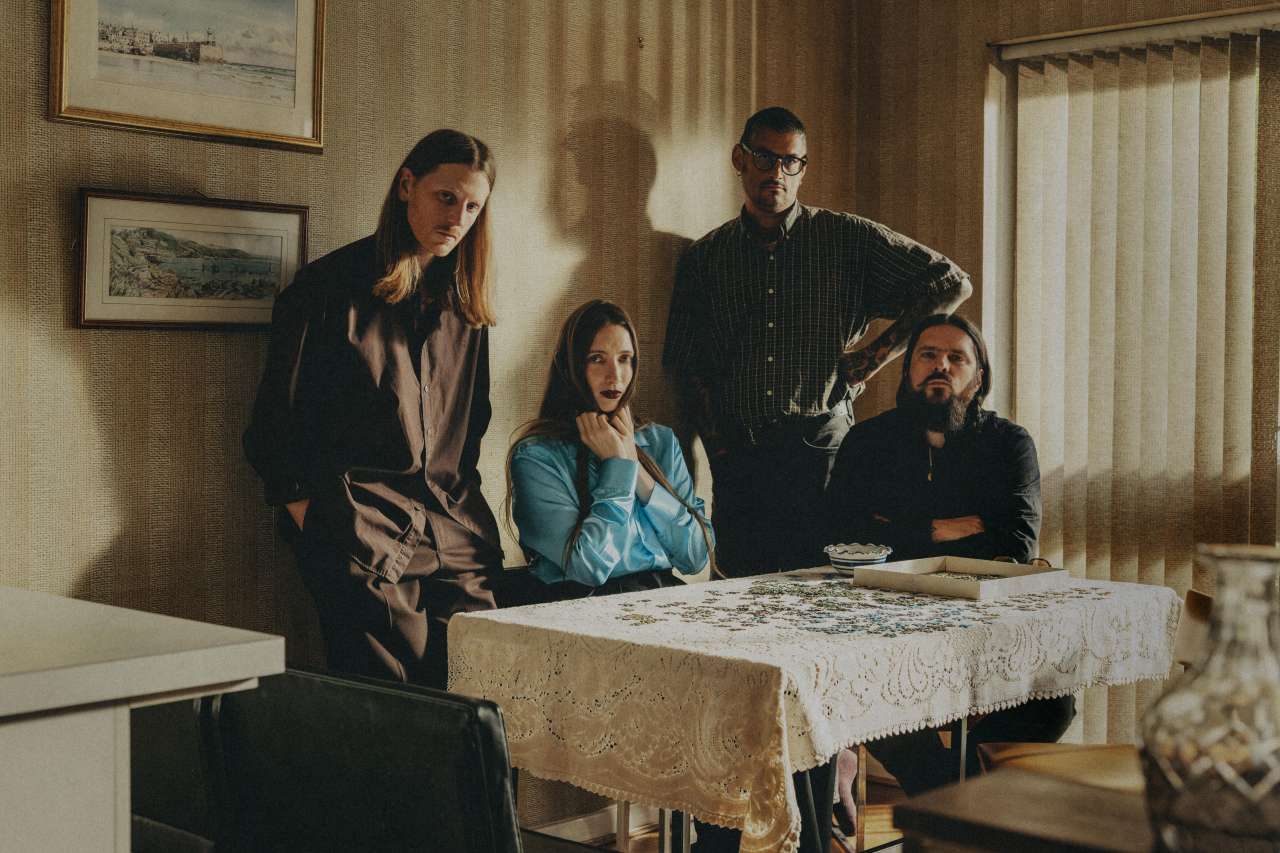
Since their 2012 debut No Passion All Technique, the Detroit post-punk band Protomartyr have mastered the art of evoking place: the grinding Midwest humility of their hometown, as well as the x-rayed elucidation of America that comes with their vantage. Protomartyr—vocalist Joe Casey, guitarist Greg Ahee, drummer Alex Leonard, and bassist Scott Davidson—have become synonymous with caustic, impressionistic assemblages of politics and poetry, the literal and oblique.
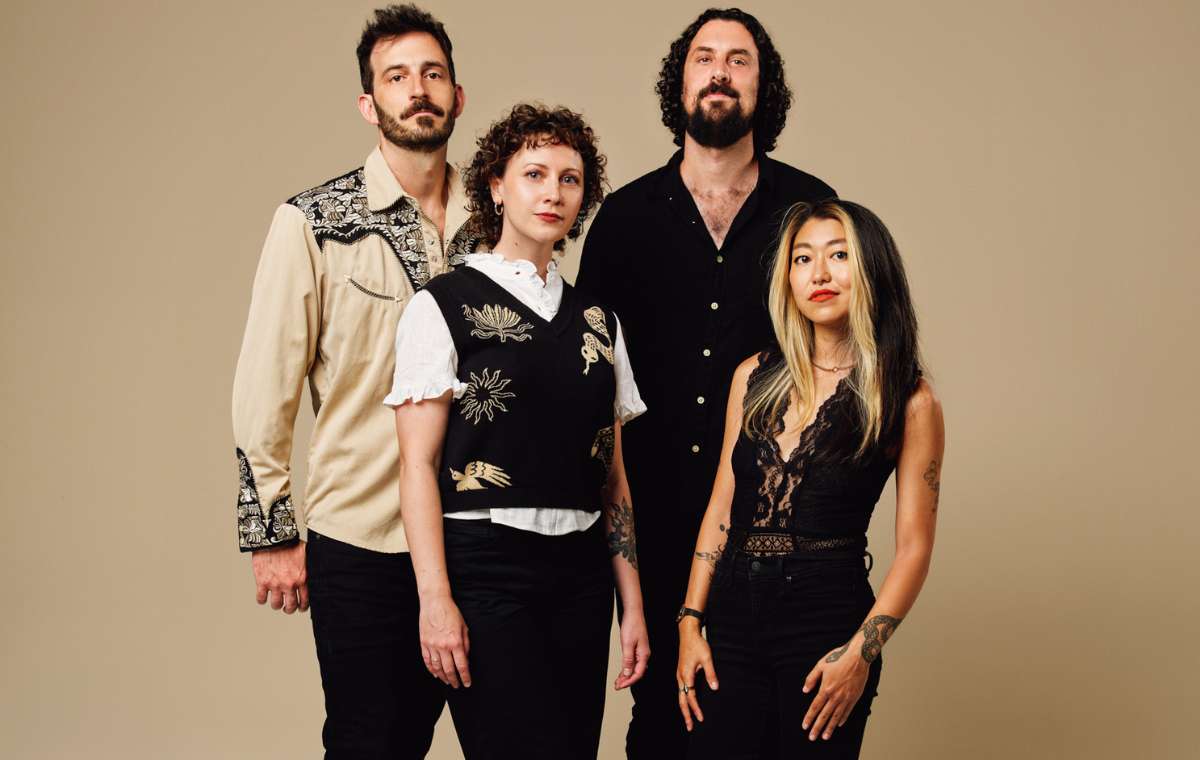
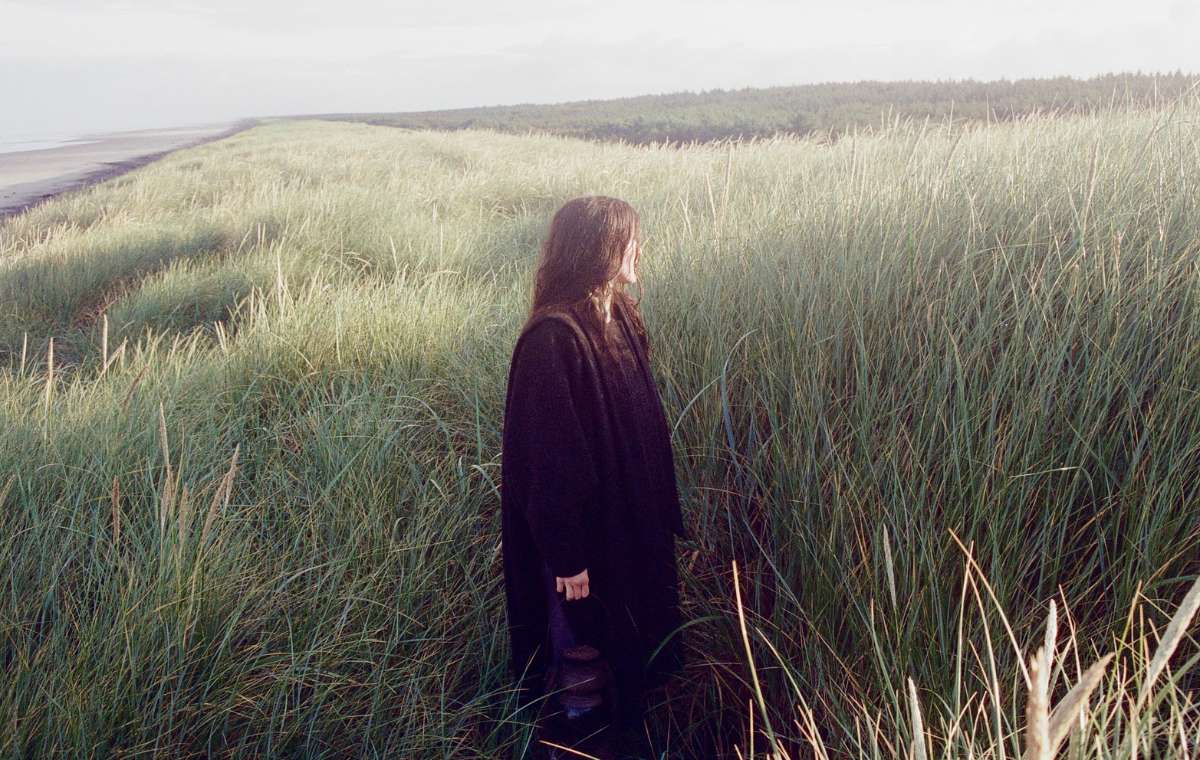
The group’s sixth album, recorded at Sonic Ranch in Tornillo, Texas, is called Formal Growth In The Desert. And though frontman Joe Casey did have a humbling experience staring at awe-inspiring Sonoran rock formations and reckoning with his own smallness in the scheme of things – as recounted in the single “Elimination Dances” – the title is not necessarily a nod to the sandy expanses of the southwest. Detroit, too, is like a desert. “The desert is more of a metaphor or symbol,” Casey says, “of emotional deserts, or a place or time that seems to lack life.” The desert brings an existential awareness that is ultimately internal.
The “growth” came from a period of colossal transition for Casey, including the death of his mother. Now 45, Casey had lived in the family home in northwest Detroit all his life until 2021, when a surge of break-ins signaled that it was time to move out. As with all touring artists, the pandemic years also brought on other inner quandaries about the purpose and feasibility of a musician’s life.
Since their 2012 debut No Passion All Technique, the Detroit post-punk band Protomartyr have mastered the art of evoking place: the grinding Midwest humility of their hometown, as well as the x-rayed elucidation of America that comes with their vantage. Protomartyr—vocalist Joe Casey, guitarist Greg Ahee, drummer Alex Leonard, and bassist Scott Davidson—have become synonymous with caustic, impressionistic assemblages of politics and poetry, the literal and oblique.

The group’s sixth album, recorded at Sonic Ranch in Tornillo, Texas, is called Formal Growth In The Desert. And though frontman Joe Casey did have a humbling experience staring at awe-inspiring Sonoran rock formations and reckoning with his own smallness in the scheme of things – as recounted in the single “Elimination Dances” – the title is not necessarily a nod to the sandy expanses of the southwest. Detroit, too, is like a desert. “The desert is more of a metaphor or symbol,” Casey says, “of emotional deserts, or a place or time that seems to lack life.” The desert brings an existential awareness that is ultimately internal.
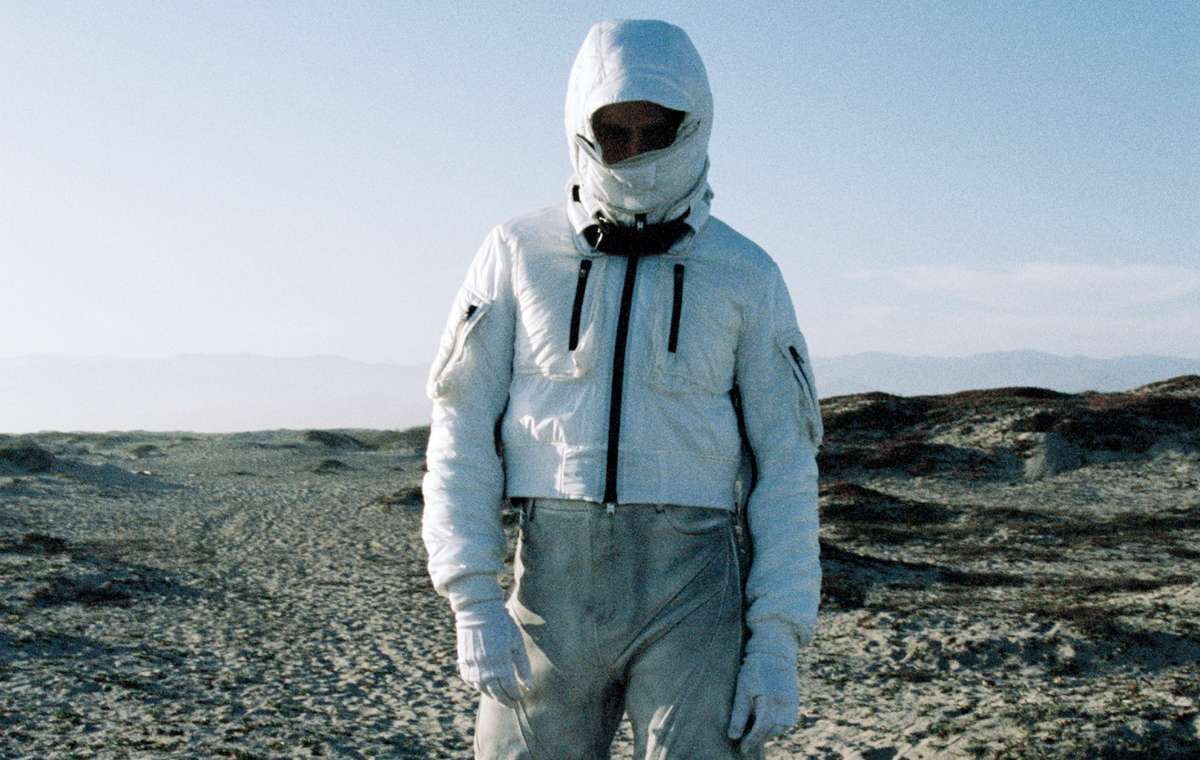
The “growth” came from a period of colossal transition for Casey, including the death of his mother. Now 45, Casey had lived in the family home in northwest Detroit all his life until 2021, when a surge of break-ins signaled that it was time to move out. As with all touring artists, the pandemic years also brought on other inner quandaries about the purpose and feasibility of a musician’s life.
Since their 2012 debut No Passion All Technique, the Detroit post-punk band Protomartyr have mastered the art of evoking place: the grinding Midwest humility of their hometown, as well as the x-rayed elucidation of America that comes with their vantage. Protomartyr—vocalist Joe Casey, guitarist Greg Ahee, drummer Alex Leonard, and bassist Scott Davidson—have become synonymous with caustic, impressionistic assemblages of politics and poetry, the literal and oblique.
The group’s sixth album, recorded at Sonic Ranch in Tornillo, Texas, is called Formal Growth In The Desert. And though frontman Joe Casey did have a humbling experience staring at awe-inspiring Sonoran rock formations and reckoning with his own smallness in the scheme of things – as recounted in the single “Elimination Dances” – the title is not necessarily a nod to the sandy expanses of the southwest. Detroit, too, is like a desert. “The desert is more of a metaphor or symbol,” Casey says, “of emotional deserts, or a place or time that seems to lack life.” The desert brings an existential awareness that is ultimately internal.
The “growth” came from a period of colossal transition for Casey, including the death of his mother. Now 45, Casey had lived in the family home in northwest Detroit all his life until 2021, when a surge of break-ins signaled that it was time to move out. As with all touring artists, the pandemic years also brought on other inner quandaries about the purpose and feasibility of a musician’s life.
Since their 2012 debut No Passion All Technique, the Detroit post-punk band Protomartyr have mastered the art of evoking place: the grinding Midwest humility of their hometown, as well as the x-rayed elucidation of America that comes with their vantage. Protomartyr—vocalist Joe Casey, guitarist Greg Ahee, drummer Alex Leonard, and bassist Scott Davidson—have become synonymous with caustic, impressionistic assemblages of politics and poetry, the literal and oblique.
The group’s sixth album, recorded at Sonic Ranch in Tornillo, Texas, is called Formal Growth In The Desert. And though frontman Joe Casey did have a humbling experience staring at awe-inspiring Sonoran rock formations and reckoning with his own smallness in the scheme of things – as recounted in the single “Elimination Dances” – the title is not necessarily a nod to the sandy expanses of the southwest. Detroit, too, is like a desert. “The desert is more of a metaphor or symbol,” Casey says, “of emotional deserts, or a place or time that seems to lack life.” The desert brings an existential awareness that is ultimately internal.
The “growth” came from a period of colossal transition for Casey, including the death of his mother. Now 45, Casey had lived in the family home in northwest Detroit all his life until 2021, when a surge of break-ins signaled that it was time to move out. As with all touring artists, the pandemic years also brought on other inner quandaries about the purpose and feasibility of a musician’s life.
Since their 2012 debut No Passion All Technique, the Detroit post-punk band Protomartyr have mastered the art of evoking place: the grinding Midwest humility of their hometown, as well as the x-rayed elucidation of America that comes with their vantage. Protomartyr—vocalist Joe Casey, guitarist Greg Ahee, drummer Alex Leonard, and bassist Scott Davidson—have become synonymous with caustic, impressionistic assemblages of politics and poetry, the literal and oblique.
The group’s sixth album, recorded at Sonic Ranch in Tornillo, Texas, is called Formal Growth In The Desert. And though frontman Joe Casey did have a humbling experience staring at awe-inspiring Sonoran rock formations and reckoning with his own smallness in the scheme of things – as recounted in the single “Elimination Dances” – the title is not necessarily a nod to the sandy expanses of the southwest. Detroit, too, is like a desert. “The desert is more of a metaphor or symbol,” Casey says, “of emotional deserts, or a place or time that seems to lack life.” The desert brings an existential awareness that is ultimately internal.
The “growth” came from a period of colossal transition for Casey, including the death of his mother. Now 45, Casey had lived in the family home in northwest Detroit all his life until 2021, when a surge of break-ins signaled that it was time to move out. As with all touring artists, the pandemic years also brought on other inner quandaries about the purpose and feasibility of a musician’s life.
Since their 2012 debut No Passion All Technique, the Detroit post-punk band Protomartyr have mastered the art of evoking place: the grinding Midwest humility of their hometown, as well as the x-rayed elucidation of America that comes with their vantage. Protomartyr—vocalist Joe Casey, guitarist Greg Ahee, drummer Alex Leonard, and bassist Scott Davidson—have become synonymous with caustic, impressionistic assemblages of politics and poetry, the literal and oblique.
The group’s sixth album, recorded at Sonic Ranch in Tornillo, Texas, is called Formal Growth In The Desert. And though frontman Joe Casey did have a humbling experience staring at awe-inspiring Sonoran rock formations and reckoning with his own smallness in the scheme of things – as recounted in the single “Elimination Dances” – the title is not necessarily a nod to the sandy expanses of the southwest. Detroit, too, is like a desert. “The desert is more of a metaphor or symbol,” Casey says, “of emotional deserts, or a place or time that seems to lack life.” The desert brings an existential awareness that is ultimately internal.
The “growth” came from a period of colossal transition for Casey, including the death of his mother. Now 45, Casey had lived in the family home in northwest Detroit all his life until 2021, when a surge of break-ins signaled that it was time to move out. As with all touring artists, the pandemic years also brought on other inner quandaries about the purpose and feasibility of a musician’s life.
Since their 2012 debut No Passion All Technique, the Detroit post-punk band Protomartyr have mastered the art of evoking place: the grinding Midwest humility of their hometown, as well as the x-rayed elucidation of America that comes with their vantage. Protomartyr—vocalist Joe Casey, guitarist Greg Ahee, drummer Alex Leonard, and bassist Scott Davidson—have become synonymous with caustic, impressionistic assemblages of politics and poetry, the literal and oblique.
The group’s sixth album, recorded at Sonic Ranch in Tornillo, Texas, is called Formal Growth In The Desert. And though frontman Joe Casey did have a humbling experience staring at awe-inspiring Sonoran rock formations and reckoning with his own smallness in the scheme of things – as recounted in the single “Elimination Dances” – the title is not necessarily a nod to the sandy expanses of the southwest. Detroit, too, is like a desert. “The desert is more of a metaphor or symbol,” Casey says, “of emotional deserts, or a place or time that seems to lack life.” The desert brings an existential awareness that is ultimately internal.
The “growth” came from a period of colossal transition for Casey, including the death of his mother. Now 45, Casey had lived in the family home in northwest Detroit all his life until 2021, when a surge of break-ins signaled that it was time to move out. As with all touring artists, the pandemic years also brought on other inner quandaries about the purpose and feasibility of a musician’s life.
Since their 2012 debut No Passion All Technique, the Detroit post-punk band Protomartyr have mastered the art of evoking place: the grinding Midwest humility of their hometown, as well as the x-rayed elucidation of America that comes with their vantage. Protomartyr—vocalist Joe Casey, guitarist Greg Ahee, drummer Alex Leonard, and bassist Scott Davidson—have become synonymous with caustic, impressionistic assemblages of politics and poetry, the literal and oblique.
The group’s sixth album, recorded at Sonic Ranch in Tornillo, Texas, is called Formal Growth In The Desert. And though frontman Joe Casey did have a humbling experience staring at awe-inspiring Sonoran rock formations and reckoning with his own smallness in the scheme of things – as recounted in the single “Elimination Dances” – the title is not necessarily a nod to the sandy expanses of the southwest. Detroit, too, is like a desert. “The desert is more of a metaphor or symbol,” Casey says, “of emotional deserts, or a place or time that seems to lack life.” The desert brings an existential awareness that is ultimately internal.
The “growth” came from a period of colossal transition for Casey, including the death of his mother. Now 45, Casey had lived in the family home in northwest Detroit all his life until 2021, when a surge of break-ins signaled that it was time to move out. As with all touring artists, the pandemic years also brought on other inner quandaries about the purpose and feasibility of a musician’s life.
Since their 2012 debut No Passion All Technique, the Detroit post-punk band Protomartyr have mastered the art of evoking place: the grinding Midwest humility of their hometown, as well as the x-rayed elucidation of America that comes with their vantage. Protomartyr—vocalist Joe Casey, guitarist Greg Ahee, drummer Alex Leonard, and bassist Scott Davidson—have become synonymous with caustic, impressionistic assemblages of politics and poetry, the literal and oblique.
The group’s sixth album, recorded at Sonic Ranch in Tornillo, Texas, is called Formal Growth In The Desert. And though frontman Joe Casey did have a humbling experience staring at awe-inspiring Sonoran rock formations and reckoning with his own smallness in the scheme of things – as recounted in the single “Elimination Dances” – the title is not necessarily a nod to the sandy expanses of the southwest. Detroit, too, is like a desert. “The desert is more of a metaphor or symbol,” Casey says, “of emotional deserts, or a place or time that seems to lack life.” The desert brings an existential awareness that is ultimately internal.
The “growth” came from a period of colossal transition for Casey, including the death of his mother. Now 45, Casey had lived in the family home in northwest Detroit all his life until 2021, when a surge of break-ins signaled that it was time to move out. As with all touring artists, the pandemic years also brought on other inner quandaries about the purpose and feasibility of a musician’s life.
Since their 2012 debut No Passion All Technique, the Detroit post-punk band Protomartyr have mastered the art of evoking place: the grinding Midwest humility of their hometown, as well as the x-rayed elucidation of America that comes with their vantage. Protomartyr—vocalist Joe Casey, guitarist Greg Ahee, drummer Alex Leonard, and bassist Scott Davidson—have become synonymous with caustic, impressionistic assemblages of politics and poetry, the literal and oblique.
The group’s sixth album, recorded at Sonic Ranch in Tornillo, Texas, is called Formal Growth In The Desert. And though frontman Joe Casey did have a humbling experience staring at awe-inspiring Sonoran rock formations and reckoning with his own smallness in the scheme of things – as recounted in the single “Elimination Dances” – the title is not necessarily a nod to the sandy expanses of the southwest. Detroit, too, is like a desert. “The desert is more of a metaphor or symbol,” Casey says, “of emotional deserts, or a place or time that seems to lack life.” The desert brings an existential awareness that is ultimately internal.
The “growth” came from a period of colossal transition for Casey, including the death of his mother. Now 45, Casey had lived in the family home in northwest Detroit all his life until 2021, when a surge of break-ins signaled that it was time to move out. As with all touring artists, the pandemic years also brought on other inner quandaries about the purpose and feasibility of a musician’s life.
Since their 2012 debut No Passion All Technique, the Detroit post-punk band Protomartyr have mastered the art of evoking place: the grinding Midwest humility of their hometown, as well as the x-rayed elucidation of America that comes with their vantage. Protomartyr—vocalist Joe Casey, guitarist Greg Ahee, drummer Alex Leonard, and bassist Scott Davidson—have become synonymous with caustic, impressionistic assemblages of politics and poetry, the literal and oblique.
The group’s sixth album, recorded at Sonic Ranch in Tornillo, Texas, is called Formal Growth In The Desert. And though frontman Joe Casey did have a humbling experience staring at awe-inspiring Sonoran rock formations and reckoning with his own smallness in the scheme of things – as recounted in the single “Elimination Dances” – the title is not necessarily a nod to the sandy expanses of the southwest. Detroit, too, is like a desert. “The desert is more of a metaphor or symbol,” Casey says, “of emotional deserts, or a place or time that seems to lack life.” The desert brings an existential awareness that is ultimately internal.
The “growth” came from a period of colossal transition for Casey, including the death of his mother. Now 45, Casey had lived in the family home in northwest Detroit all his life until 2021, when a surge of break-ins signaled that it was time to move out. As with all touring artists, the pandemic years also brought on other inner quandaries about the purpose and feasibility of a musician’s life.
Since their 2012 debut No Passion All Technique, the Detroit post-punk band Protomartyr have mastered the art of evoking place: the grinding Midwest humility of their hometown, as well as the x-rayed elucidation of America that comes with their vantage. Protomartyr—vocalist Joe Casey, guitarist Greg Ahee, drummer Alex Leonard, and bassist Scott Davidson—have become synonymous with caustic, impressionistic assemblages of politics and poetry, the literal and oblique.
The group’s sixth album, recorded at Sonic Ranch in Tornillo, Texas, is called Formal Growth In The Desert. And though frontman Joe Casey did have a humbling experience staring at awe-inspiring Sonoran rock formations and reckoning with his own smallness in the scheme of things – as recounted in the single “Elimination Dances” – the title is not necessarily a nod to the sandy expanses of the southwest. Detroit, too, is like a desert. “The desert is more of a metaphor or symbol,” Casey says, “of emotional deserts, or a place or time that seems to lack life.” The desert brings an existential awareness that is ultimately internal.
The “growth” came from a period of colossal transition for Casey, including the death of his mother. Now 45, Casey had lived in the family home in northwest Detroit all his life until 2021, when a surge of break-ins signaled that it was time to move out. As with all touring artists, the pandemic years also brought on other inner quandaries about the purpose and feasibility of a musician’s life.
Since their 2012 debut No Passion All Technique, the Detroit post-punk band Protomartyr have mastered the art of evoking place: the grinding Midwest humility of their hometown, as well as the x-rayed elucidation of America that comes with their vantage. Protomartyr—vocalist Joe Casey, guitarist Greg Ahee, drummer Alex Leonard, and bassist Scott Davidson—have become synonymous with caustic, impressionistic assemblages of politics and poetry, the literal and oblique.
The group’s sixth album, recorded at Sonic Ranch in Tornillo, Texas, is called Formal Growth In The Desert. And though frontman Joe Casey did have a humbling experience staring at awe-inspiring Sonoran rock formations and reckoning with his own smallness in the scheme of things – as recounted in the single “Elimination Dances” – the title is not necessarily a nod to the sandy expanses of the southwest. Detroit, too, is like a desert. “The desert is more of a metaphor or symbol,” Casey says, “of emotional deserts, or a place or time that seems to lack life.” The desert brings an existential awareness that is ultimately internal.
The “growth” came from a period of colossal transition for Casey, including the death of his mother. Now 45, Casey had lived in the family home in northwest Detroit all his life until 2021, when a surge of break-ins signaled that it was time to move out. As with all touring artists, the pandemic years also brought on other inner quandaries about the purpose and feasibility of a musician’s life.
Since their 2012 debut No Passion All Technique, the Detroit post-punk band Protomartyr have mastered the art of evoking place: the grinding Midwest humility of their hometown, as well as the x-rayed elucidation of America that comes with their vantage. Protomartyr—vocalist Joe Casey, guitarist Greg Ahee, drummer Alex Leonard, and bassist Scott Davidson—have become synonymous with caustic, impressionistic assemblages of politics and poetry, the literal and oblique.
The group’s sixth album, recorded at Sonic Ranch in Tornillo, Texas, is called Formal Growth In The Desert. And though frontman Joe Casey did have a humbling experience staring at awe-inspiring Sonoran rock formations and reckoning with his own smallness in the scheme of things – as recounted in the single “Elimination Dances” – the title is not necessarily a nod to the sandy expanses of the southwest. Detroit, too, is like a desert. “The desert is more of a metaphor or symbol,” Casey says, “of emotional deserts, or a place or time that seems to lack life.” The desert brings an existential awareness that is ultimately internal.
The “growth” came from a period of colossal transition for Casey, including the death of his mother. Now 45, Casey had lived in the family home in northwest Detroit all his life until 2021, when a surge of break-ins signaled that it was time to move out. As with all touring artists, the pandemic years also brought on other inner quandaries about the purpose and feasibility of a musician’s life.
Since their 2012 debut No Passion All Technique, the Detroit post-punk band Protomartyr have mastered the art of evoking place: the grinding Midwest humility of their hometown, as well as the x-rayed elucidation of America that comes with their vantage. Protomartyr—vocalist Joe Casey, guitarist Greg Ahee, drummer Alex Leonard, and bassist Scott Davidson—have become synonymous with caustic, impressionistic assemblages of politics and poetry, the literal and oblique.
The group’s sixth album, recorded at Sonic Ranch in Tornillo, Texas, is called Formal Growth In The Desert. And though frontman Joe Casey did have a humbling experience staring at awe-inspiring Sonoran rock formations and reckoning with his own smallness in the scheme of things – as recounted in the single “Elimination Dances” – the title is not necessarily a nod to the sandy expanses of the southwest. Detroit, too, is like a desert. “The desert is more of a metaphor or symbol,” Casey says, “of emotional deserts, or a place or time that seems to lack life.” The desert brings an existential awareness that is ultimately internal.
The “growth” came from a period of colossal transition for Casey, including the death of his mother. Now 45, Casey had lived in the family home in northwest Detroit all his life until 2021, when a surge of break-ins signaled that it was time to move out. As with all touring artists, the pandemic years also brought on other inner quandaries about the purpose and feasibility of a musician’s life.
Since their 2012 debut No Passion All Technique, the Detroit post-punk band Protomartyr have mastered the art of evoking place: the grinding Midwest humility of their hometown, as well as the x-rayed elucidation of America that comes with their vantage. Protomartyr—vocalist Joe Casey, guitarist Greg Ahee, drummer Alex Leonard, and bassist Scott Davidson—have become synonymous with caustic, impressionistic assemblages of politics and poetry, the literal and oblique.
The group’s sixth album, recorded at Sonic Ranch in Tornillo, Texas, is called Formal Growth In The Desert. And though frontman Joe Casey did have a humbling experience staring at awe-inspiring Sonoran rock formations and reckoning with his own smallness in the scheme of things – as recounted in the single “Elimination Dances” – the title is not necessarily a nod to the sandy expanses of the southwest. Detroit, too, is like a desert. “The desert is more of a metaphor or symbol,” Casey says, “of emotional deserts, or a place or time that seems to lack life.” The desert brings an existential awareness that is ultimately internal.
The “growth” came from a period of colossal transition for Casey, including the death of his mother. Now 45, Casey had lived in the family home in northwest Detroit all his life until 2021, when a surge of break-ins signaled that it was time to move out. As with all touring artists, the pandemic years also brought on other inner quandaries about the purpose and feasibility of a musician’s life.
Since their 2012 debut No Passion All Technique, the Detroit post-punk band Protomartyr have mastered the art of evoking place: the grinding Midwest humility of their hometown, as well as the x-rayed elucidation of America that comes with their vantage. Protomartyr—vocalist Joe Casey, guitarist Greg Ahee, drummer Alex Leonard, and bassist Scott Davidson—have become synonymous with caustic, impressionistic assemblages of politics and poetry, the literal and oblique.
The group’s sixth album, recorded at Sonic Ranch in Tornillo, Texas, is called Formal Growth In The Desert. And though frontman Joe Casey did have a humbling experience staring at awe-inspiring Sonoran rock formations and reckoning with his own smallness in the scheme of things – as recounted in the single “Elimination Dances” – the title is not necessarily a nod to the sandy expanses of the southwest. Detroit, too, is like a desert. “The desert is more of a metaphor or symbol,” Casey says, “of emotional deserts, or a place or time that seems to lack life.” The desert brings an existential awareness that is ultimately internal.
The “growth” came from a period of colossal transition for Casey, including the death of his mother. Now 45, Casey had lived in the family home in northwest Detroit all his life until 2021, when a surge of break-ins signaled that it was time to move out. As with all touring artists, the pandemic years also brought on other inner quandaries about the purpose and feasibility of a musician’s life.
Since their 2012 debut No Passion All Technique, the Detroit post-punk band Protomartyr have mastered the art of evoking place: the grinding Midwest humility of their hometown, as well as the x-rayed elucidation of America that comes with their vantage. Protomartyr—vocalist Joe Casey, guitarist Greg Ahee, drummer Alex Leonard, and bassist Scott Davidson—have become synonymous with caustic, impressionistic assemblages of politics and poetry, the literal and oblique.
The group’s sixth album, recorded at Sonic Ranch in Tornillo, Texas, is called Formal Growth In The Desert. And though frontman Joe Casey did have a humbling experience staring at awe-inspiring Sonoran rock formations and reckoning with his own smallness in the scheme of things – as recounted in the single “Elimination Dances” – the title is not necessarily a nod to the sandy expanses of the southwest. Detroit, too, is like a desert. “The desert is more of a metaphor or symbol,” Casey says, “of emotional deserts, or a place or time that seems to lack life.” The desert brings an existential awareness that is ultimately internal.
The “growth” came from a period of colossal transition for Casey, including the death of his mother. Now 45, Casey had lived in the family home in northwest Detroit all his life until 2021, when a surge of break-ins signaled that it was time to move out. As with all touring artists, the pandemic years also brought on other inner quandaries about the purpose and feasibility of a musician’s life.
Since their 2012 debut No Passion All Technique, the Detroit post-punk band Protomartyr have mastered the art of evoking place: the grinding Midwest humility of their hometown, as well as the x-rayed elucidation of America that comes with their vantage. Protomartyr—vocalist Joe Casey, guitarist Greg Ahee, drummer Alex Leonard, and bassist Scott Davidson—have become synonymous with caustic, impressionistic assemblages of politics and poetry, the literal and oblique.
The group’s sixth album, recorded at Sonic Ranch in Tornillo, Texas, is called Formal Growth In The Desert. And though frontman Joe Casey did have a humbling experience staring at awe-inspiring Sonoran rock formations and reckoning with his own smallness in the scheme of things – as recounted in the single “Elimination Dances” – the title is not necessarily a nod to the sandy expanses of the southwest. Detroit, too, is like a desert. “The desert is more of a metaphor or symbol,” Casey says, “of emotional deserts, or a place or time that seems to lack life.” The desert brings an existential awareness that is ultimately internal.
The “growth” came from a period of colossal transition for Casey, including the death of his mother. Now 45, Casey had lived in the family home in northwest Detroit all his life until 2021, when a surge of break-ins signaled that it was time to move out. As with all touring artists, the pandemic years also brought on other inner quandaries about the purpose and feasibility of a musician’s life.
Since their 2012 debut No Passion All Technique, the Detroit post-punk band Protomartyr have mastered the art of evoking place: the grinding Midwest humility of their hometown, as well as the x-rayed elucidation of America that comes with their vantage. Protomartyr—vocalist Joe Casey, guitarist Greg Ahee, drummer Alex Leonard, and bassist Scott Davidson—have become synonymous with caustic, impressionistic assemblages of politics and poetry, the literal and oblique.
The group’s sixth album, recorded at Sonic Ranch in Tornillo, Texas, is called Formal Growth In The Desert. And though frontman Joe Casey did have a humbling experience staring at awe-inspiring Sonoran rock formations and reckoning with his own smallness in the scheme of things – as recounted in the single “Elimination Dances” – the title is not necessarily a nod to the sandy expanses of the southwest. Detroit, too, is like a desert. “The desert is more of a metaphor or symbol,” Casey says, “of emotional deserts, or a place or time that seems to lack life.” The desert brings an existential awareness that is ultimately internal.
The “growth” came from a period of colossal transition for Casey, including the death of his mother. Now 45, Casey had lived in the family home in northwest Detroit all his life until 2021, when a surge of break-ins signaled that it was time to move out. As with all touring artists, the pandemic years also brought on other inner quandaries about the purpose and feasibility of a musician’s life.
Since their 2012 debut No Passion All Technique, the Detroit post-punk band Protomartyr have mastered the art of evoking place: the grinding Midwest humility of their hometown, as well as the x-rayed elucidation of America that comes with their vantage. Protomartyr—vocalist Joe Casey, guitarist Greg Ahee, drummer Alex Leonard, and bassist Scott Davidson—have become synonymous with caustic, impressionistic assemblages of politics and poetry, the literal and oblique.
The group’s sixth album, recorded at Sonic Ranch in Tornillo, Texas, is called Formal Growth In The Desert. And though frontman Joe Casey did have a humbling experience staring at awe-inspiring Sonoran rock formations and reckoning with his own smallness in the scheme of things – as recounted in the single “Elimination Dances” – the title is not necessarily a nod to the sandy expanses of the southwest. Detroit, too, is like a desert. “The desert is more of a metaphor or symbol,” Casey says, “of emotional deserts, or a place or time that seems to lack life.” The desert brings an existential awareness that is ultimately internal.
The “growth” came from a period of colossal transition for Casey, including the death of his mother. Now 45, Casey had lived in the family home in northwest Detroit all his life until 2021, when a surge of break-ins signaled that it was time to move out. As with all touring artists, the pandemic years also brought on other inner quandaries about the purpose and feasibility of a musician’s life.
Since their 2012 debut No Passion All Technique, the Detroit post-punk band Protomartyr have mastered the art of evoking place: the grinding Midwest humility of their hometown, as well as the x-rayed elucidation of America that comes with their vantage. Protomartyr—vocalist Joe Casey, guitarist Greg Ahee, drummer Alex Leonard, and bassist Scott Davidson—have become synonymous with caustic, impressionistic assemblages of politics and poetry, the literal and oblique.
The group’s sixth album, recorded at Sonic Ranch in Tornillo, Texas, is called Formal Growth In The Desert. And though frontman Joe Casey did have a humbling experience staring at awe-inspiring Sonoran rock formations and reckoning with his own smallness in the scheme of things – as recounted in the single “Elimination Dances” – the title is not necessarily a nod to the sandy expanses of the southwest. Detroit, too, is like a desert. “The desert is more of a metaphor or symbol,” Casey says, “of emotional deserts, or a place or time that seems to lack life.” The desert brings an existential awareness that is ultimately internal.
The “growth” came from a period of colossal transition for Casey, including the death of his mother. Now 45, Casey had lived in the family home in northwest Detroit all his life until 2021, when a surge of break-ins signaled that it was time to move out. As with all touring artists, the pandemic years also brought on other inner quandaries about the purpose and feasibility of a musician’s life.
Since their 2012 debut No Passion All Technique, the Detroit post-punk band Protomartyr have mastered the art of evoking place: the grinding Midwest humility of their hometown, as well as the x-rayed elucidation of America that comes with their vantage. Protomartyr—vocalist Joe Casey, guitarist Greg Ahee, drummer Alex Leonard, and bassist Scott Davidson—have become synonymous with caustic, impressionistic assemblages of politics and poetry, the literal and oblique.
The group’s sixth album, recorded at Sonic Ranch in Tornillo, Texas, is called Formal Growth In The Desert. And though frontman Joe Casey did have a humbling experience staring at awe-inspiring Sonoran rock formations and reckoning with his own smallness in the scheme of things – as recounted in the single “Elimination Dances” – the title is not necessarily a nod to the sandy expanses of the southwest. Detroit, too, is like a desert. “The desert is more of a metaphor or symbol,” Casey says, “of emotional deserts, or a place or time that seems to lack life.” The desert brings an existential awareness that is ultimately internal.
The “growth” came from a period of colossal transition for Casey, including the death of his mother. Now 45, Casey had lived in the family home in northwest Detroit all his life until 2021, when a surge of break-ins signaled that it was time to move out. As with all touring artists, the pandemic years also brought on other inner quandaries about the purpose and feasibility of a musician’s life.
Since their 2012 debut No Passion All Technique, the Detroit post-punk band Protomartyr have mastered the art of evoking place: the grinding Midwest humility of their hometown, as well as the x-rayed elucidation of America that comes with their vantage. Protomartyr—vocalist Joe Casey, guitarist Greg Ahee, drummer Alex Leonard, and bassist Scott Davidson—have become synonymous with caustic, impressionistic assemblages of politics and poetry, the literal and oblique.
The group’s sixth album, recorded at Sonic Ranch in Tornillo, Texas, is called Formal Growth In The Desert. And though frontman Joe Casey did have a humbling experience staring at awe-inspiring Sonoran rock formations and reckoning with his own smallness in the scheme of things – as recounted in the single “Elimination Dances” – the title is not necessarily a nod to the sandy expanses of the southwest. Detroit, too, is like a desert. “The desert is more of a metaphor or symbol,” Casey says, “of emotional deserts, or a place or time that seems to lack life.” The desert brings an existential awareness that is ultimately internal.
The “growth” came from a period of colossal transition for Casey, including the death of his mother. Now 45, Casey had lived in the family home in northwest Detroit all his life until 2021, when a surge of break-ins signaled that it was time to move out. As with all touring artists, the pandemic years also brought on other inner quandaries about the purpose and feasibility of a musician’s life.
Since their 2012 debut No Passion All Technique, the Detroit post-punk band Protomartyr have mastered the art of evoking place: the grinding Midwest humility of their hometown, as well as the x-rayed elucidation of America that comes with their vantage. Protomartyr—vocalist Joe Casey, guitarist Greg Ahee, drummer Alex Leonard, and bassist Scott Davidson—have become synonymous with caustic, impressionistic assemblages of politics and poetry, the literal and oblique.
The group’s sixth album, recorded at Sonic Ranch in Tornillo, Texas, is called Formal Growth In The Desert. And though frontman Joe Casey did have a humbling experience staring at awe-inspiring Sonoran rock formations and reckoning with his own smallness in the scheme of things – as recounted in the single “Elimination Dances” – the title is not necessarily a nod to the sandy expanses of the southwest. Detroit, too, is like a desert. “The desert is more of a metaphor or symbol,” Casey says, “of emotional deserts, or a place or time that seems to lack life.” The desert brings an existential awareness that is ultimately internal.
The “growth” came from a period of colossal transition for Casey, including the death of his mother. Now 45, Casey had lived in the family home in northwest Detroit all his life until 2021, when a surge of break-ins signaled that it was time to move out. As with all touring artists, the pandemic years also brought on other inner quandaries about the purpose and feasibility of a musician’s life.
Since their 2012 debut No Passion All Technique, the Detroit post-punk band Protomartyr have mastered the art of evoking place: the grinding Midwest humility of their hometown, as well as the x-rayed elucidation of America that comes with their vantage. Protomartyr—vocalist Joe Casey, guitarist Greg Ahee, drummer Alex Leonard, and bassist Scott Davidson—have become synonymous with caustic, impressionistic assemblages of politics and poetry, the literal and oblique.
The group’s sixth album, recorded at Sonic Ranch in Tornillo, Texas, is called Formal Growth In The Desert. And though frontman Joe Casey did have a humbling experience staring at awe-inspiring Sonoran rock formations and reckoning with his own smallness in the scheme of things – as recounted in the single “Elimination Dances” – the title is not necessarily a nod to the sandy expanses of the southwest. Detroit, too, is like a desert. “The desert is more of a metaphor or symbol,” Casey says, “of emotional deserts, or a place or time that seems to lack life.” The desert brings an existential awareness that is ultimately internal.
The “growth” came from a period of colossal transition for Casey, including the death of his mother. Now 45, Casey had lived in the family home in northwest Detroit all his life until 2021, when a surge of break-ins signaled that it was time to move out. As with all touring artists, the pandemic years also brought on other inner quandaries about the purpose and feasibility of a musician’s life.
Since their 2012 debut No Passion All Technique, the Detroit post-punk band Protomartyr have mastered the art of evoking place: the grinding Midwest humility of their hometown, as well as the x-rayed elucidation of America that comes with their vantage. Protomartyr—vocalist Joe Casey, guitarist Greg Ahee, drummer Alex Leonard, and bassist Scott Davidson—have become synonymous with caustic, impressionistic assemblages of politics and poetry, the literal and oblique.
The group’s sixth album, recorded at Sonic Ranch in Tornillo, Texas, is called Formal Growth In The Desert. And though frontman Joe Casey did have a humbling experience staring at awe-inspiring Sonoran rock formations and reckoning with his own smallness in the scheme of things – as recounted in the single “Elimination Dances” – the title is not necessarily a nod to the sandy expanses of the southwest. Detroit, too, is like a desert. “The desert is more of a metaphor or symbol,” Casey says, “of emotional deserts, or a place or time that seems to lack life.” The desert brings an existential awareness that is ultimately internal.
The “growth” came from a period of colossal transition for Casey, including the death of his mother. Now 45, Casey had lived in the family home in northwest Detroit all his life until 2021, when a surge of break-ins signaled that it was time to move out. As with all touring artists, the pandemic years also brought on other inner quandaries about the purpose and feasibility of a musician’s life.
Since their 2012 debut No Passion All Technique, the Detroit post-punk band Protomartyr have mastered the art of evoking place: the grinding Midwest humility of their hometown, as well as the x-rayed elucidation of America that comes with their vantage. Protomartyr—vocalist Joe Casey, guitarist Greg Ahee, drummer Alex Leonard, and bassist Scott Davidson—have become synonymous with caustic, impressionistic assemblages of politics and poetry, the literal and oblique.
The group’s sixth album, recorded at Sonic Ranch in Tornillo, Texas, is called Formal Growth In The Desert. And though frontman Joe Casey did have a humbling experience staring at awe-inspiring Sonoran rock formations and reckoning with his own smallness in the scheme of things – as recounted in the single “Elimination Dances” – the title is not necessarily a nod to the sandy expanses of the southwest. Detroit, too, is like a desert. “The desert is more of a metaphor or symbol,” Casey says, “of emotional deserts, or a place or time that seems to lack life.” The desert brings an existential awareness that is ultimately internal.
The “growth” came from a period of colossal transition for Casey, including the death of his mother. Now 45, Casey had lived in the family home in northwest Detroit all his life until 2021, when a surge of break-ins signaled that it was time to move out. As with all touring artists, the pandemic years also brought on other inner quandaries about the purpose and feasibility of a musician’s life.
Since their 2012 debut No Passion All Technique, the Detroit post-punk band Protomartyr have mastered the art of evoking place: the grinding Midwest humility of their hometown, as well as the x-rayed elucidation of America that comes with their vantage. Protomartyr—vocalist Joe Casey, guitarist Greg Ahee, drummer Alex Leonard, and bassist Scott Davidson—have become synonymous with caustic, impressionistic assemblages of politics and poetry, the literal and oblique.
The group’s sixth album, recorded at Sonic Ranch in Tornillo, Texas, is called Formal Growth In The Desert. And though frontman Joe Casey did have a humbling experience staring at awe-inspiring Sonoran rock formations and reckoning with his own smallness in the scheme of things – as recounted in the single “Elimination Dances” – the title is not necessarily a nod to the sandy expanses of the southwest. Detroit, too, is like a desert. “The desert is more of a metaphor or symbol,” Casey says, “of emotional deserts, or a place or time that seems to lack life.” The desert brings an existential awareness that is ultimately internal.
The “growth” came from a period of colossal transition for Casey, including the death of his mother. Now 45, Casey had lived in the family home in northwest Detroit all his life until 2021, when a surge of break-ins signaled that it was time to move out. As with all touring artists, the pandemic years also brought on other inner quandaries about the purpose and feasibility of a musician’s life.
Since their 2012 debut No Passion All Technique, the Detroit post-punk band Protomartyr have mastered the art of evoking place: the grinding Midwest humility of their hometown, as well as the x-rayed elucidation of America that comes with their vantage. Protomartyr—vocalist Joe Casey, guitarist Greg Ahee, drummer Alex Leonard, and bassist Scott Davidson—have become synonymous with caustic, impressionistic assemblages of politics and poetry, the literal and oblique.
The group’s sixth album, recorded at Sonic Ranch in Tornillo, Texas, is called Formal Growth In The Desert. And though frontman Joe Casey did have a humbling experience staring at awe-inspiring Sonoran rock formations and reckoning with his own smallness in the scheme of things – as recounted in the single “Elimination Dances” – the title is not necessarily a nod to the sandy expanses of the southwest. Detroit, too, is like a desert. “The desert is more of a metaphor or symbol,” Casey says, “of emotional deserts, or a place or time that seems to lack life.” The desert brings an existential awareness that is ultimately internal.
The “growth” came from a period of colossal transition for Casey, including the death of his mother. Now 45, Casey had lived in the family home in northwest Detroit all his life until 2021, when a surge of break-ins signaled that it was time to move out. As with all touring artists, the pandemic years also brought on other inner quandaries about the purpose and feasibility of a musician’s life.
Since their 2012 debut No Passion All Technique, the Detroit post-punk band Protomartyr have mastered the art of evoking place: the grinding Midwest humility of their hometown, as well as the x-rayed elucidation of America that comes with their vantage. Protomartyr—vocalist Joe Casey, guitarist Greg Ahee, drummer Alex Leonard, and bassist Scott Davidson—have become synonymous with caustic, impressionistic assemblages of politics and poetry, the literal and oblique.
The group’s sixth album, recorded at Sonic Ranch in Tornillo, Texas, is called Formal Growth In The Desert. And though frontman Joe Casey did have a humbling experience staring at awe-inspiring Sonoran rock formations and reckoning with his own smallness in the scheme of things – as recounted in the single “Elimination Dances” – the title is not necessarily a nod to the sandy expanses of the southwest. Detroit, too, is like a desert. “The desert is more of a metaphor or symbol,” Casey says, “of emotional deserts, or a place or time that seems to lack life.” The desert brings an existential awareness that is ultimately internal.
The “growth” came from a period of colossal transition for Casey, including the death of his mother. Now 45, Casey had lived in the family home in northwest Detroit all his life until 2021, when a surge of break-ins signaled that it was time to move out. As with all touring artists, the pandemic years also brought on other inner quandaries about the purpose and feasibility of a musician’s life.
Since their 2012 debut No Passion All Technique, the Detroit post-punk band Protomartyr have mastered the art of evoking place: the grinding Midwest humility of their hometown, as well as the x-rayed elucidation of America that comes with their vantage. Protomartyr—vocalist Joe Casey, guitarist Greg Ahee, drummer Alex Leonard, and bassist Scott Davidson—have become synonymous with caustic, impressionistic assemblages of politics and poetry, the literal and oblique.
The group’s sixth album, recorded at Sonic Ranch in Tornillo, Texas, is called Formal Growth In The Desert. And though frontman Joe Casey did have a humbling experience staring at awe-inspiring Sonoran rock formations and reckoning with his own smallness in the scheme of things – as recounted in the single “Elimination Dances” – the title is not necessarily a nod to the sandy expanses of the southwest. Detroit, too, is like a desert. “The desert is more of a metaphor or symbol,” Casey says, “of emotional deserts, or a place or time that seems to lack life.” The desert brings an existential awareness that is ultimately internal.
The “growth” came from a period of colossal transition for Casey, including the death of his mother. Now 45, Casey had lived in the family home in northwest Detroit all his life until 2021, when a surge of break-ins signaled that it was time to move out. As with all touring artists, the pandemic years also brought on other inner quandaries about the purpose and feasibility of a musician’s life.
Since their 2012 debut No Passion All Technique, the Detroit post-punk band Protomartyr have mastered the art of evoking place: the grinding Midwest humility of their hometown, as well as the x-rayed elucidation of America that comes with their vantage. Protomartyr—vocalist Joe Casey, guitarist Greg Ahee, drummer Alex Leonard, and bassist Scott Davidson—have become synonymous with caustic, impressionistic assemblages of politics and poetry, the literal and oblique.
The group’s sixth album, recorded at Sonic Ranch in Tornillo, Texas, is called Formal Growth In The Desert. And though frontman Joe Casey did have a humbling experience staring at awe-inspiring Sonoran rock formations and reckoning with his own smallness in the scheme of things – as recounted in the single “Elimination Dances” – the title is not necessarily a nod to the sandy expanses of the southwest. Detroit, too, is like a desert. “The desert is more of a metaphor or symbol,” Casey says, “of emotional deserts, or a place or time that seems to lack life.” The desert brings an existential awareness that is ultimately internal.
The “growth” came from a period of colossal transition for Casey, including the death of his mother. Now 45, Casey had lived in the family home in northwest Detroit all his life until 2021, when a surge of break-ins signaled that it was time to move out. As with all touring artists, the pandemic years also brought on other inner quandaries about the purpose and feasibility of a musician’s life.
Since their 2012 debut No Passion All Technique, the Detroit post-punk band Protomartyr have mastered the art of evoking place: the grinding Midwest humility of their hometown, as well as the x-rayed elucidation of America that comes with their vantage. Protomartyr—vocalist Joe Casey, guitarist Greg Ahee, drummer Alex Leonard, and bassist Scott Davidson—have become synonymous with caustic, impressionistic assemblages of politics and poetry, the literal and oblique.
The group’s sixth album, recorded at Sonic Ranch in Tornillo, Texas, is called Formal Growth In The Desert. And though frontman Joe Casey did have a humbling experience staring at awe-inspiring Sonoran rock formations and reckoning with his own smallness in the scheme of things – as recounted in the single “Elimination Dances” – the title is not necessarily a nod to the sandy expanses of the southwest. Detroit, too, is like a desert. “The desert is more of a metaphor or symbol,” Casey says, “of emotional deserts, or a place or time that seems to lack life.” The desert brings an existential awareness that is ultimately internal.
The “growth” came from a period of colossal transition for Casey, including the death of his mother. Now 45, Casey had lived in the family home in northwest Detroit all his life until 2021, when a surge of break-ins signaled that it was time to move out. As with all touring artists, the pandemic years also brought on other inner quandaries about the purpose and feasibility of a musician’s life.
Since their 2012 debut No Passion All Technique, the Detroit post-punk band Protomartyr have mastered the art of evoking place: the grinding Midwest humility of their hometown, as well as the x-rayed elucidation of America that comes with their vantage. Protomartyr—vocalist Joe Casey, guitarist Greg Ahee, drummer Alex Leonard, and bassist Scott Davidson—have become synonymous with caustic, impressionistic assemblages of politics and poetry, the literal and oblique.
The group’s sixth album, recorded at Sonic Ranch in Tornillo, Texas, is called Formal Growth In The Desert. And though frontman Joe Casey did have a humbling experience staring at awe-inspiring Sonoran rock formations and reckoning with his own smallness in the scheme of things – as recounted in the single “Elimination Dances” – the title is not necessarily a nod to the sandy expanses of the southwest. Detroit, too, is like a desert. “The desert is more of a metaphor or symbol,” Casey says, “of emotional deserts, or a place or time that seems to lack life.” The desert brings an existential awareness that is ultimately internal.
The “growth” came from a period of colossal transition for Casey, including the death of his mother. Now 45, Casey had lived in the family home in northwest Detroit all his life until 2021, when a surge of break-ins signaled that it was time to move out. As with all touring artists, the pandemic years also brought on other inner quandaries about the purpose and feasibility of a musician’s life.
Since their 2012 debut No Passion All Technique, the Detroit post-punk band Protomartyr have mastered the art of evoking place: the grinding Midwest humility of their hometown, as well as the x-rayed elucidation of America that comes with their vantage. Protomartyr—vocalist Joe Casey, guitarist Greg Ahee, drummer Alex Leonard, and bassist Scott Davidson—have become synonymous with caustic, impressionistic assemblages of politics and poetry, the literal and oblique.
The group’s sixth album, recorded at Sonic Ranch in Tornillo, Texas, is called Formal Growth In The Desert. And though frontman Joe Casey did have a humbling experience staring at awe-inspiring Sonoran rock formations and reckoning with his own smallness in the scheme of things – as recounted in the single “Elimination Dances” – the title is not necessarily a nod to the sandy expanses of the southwest. Detroit, too, is like a desert. “The desert is more of a metaphor or symbol,” Casey says, “of emotional deserts, or a place or time that seems to lack life.” The desert brings an existential awareness that is ultimately internal.
The “growth” came from a period of colossal transition for Casey, including the death of his mother. Now 45, Casey had lived in the family home in northwest Detroit all his life until 2021, when a surge of break-ins signaled that it was time to move out. As with all touring artists, the pandemic years also brought on other inner quandaries about the purpose and feasibility of a musician’s life.
Since their 2012 debut No Passion All Technique, the Detroit post-punk band Protomartyr have mastered the art of evoking place: the grinding Midwest humility of their hometown, as well as the x-rayed elucidation of America that comes with their vantage. Protomartyr—vocalist Joe Casey, guitarist Greg Ahee, drummer Alex Leonard, and bassist Scott Davidson—have become synonymous with caustic, impressionistic assemblages of politics and poetry, the literal and oblique.
The group’s sixth album, recorded at Sonic Ranch in Tornillo, Texas, is called Formal Growth In The Desert. And though frontman Joe Casey did have a humbling experience staring at awe-inspiring Sonoran rock formations and reckoning with his own smallness in the scheme of things – as recounted in the single “Elimination Dances” – the title is not necessarily a nod to the sandy expanses of the southwest. Detroit, too, is like a desert. “The desert is more of a metaphor or symbol,” Casey says, “of emotional deserts, or a place or time that seems to lack life.” The desert brings an existential awareness that is ultimately internal.
The “growth” came from a period of colossal transition for Casey, including the death of his mother. Now 45, Casey had lived in the family home in northwest Detroit all his life until 2021, when a surge of break-ins signaled that it was time to move out. As with all touring artists, the pandemic years also brought on other inner quandaries about the purpose and feasibility of a musician’s life.
Since their 2012 debut No Passion All Technique, the Detroit post-punk band Protomartyr have mastered the art of evoking place: the grinding Midwest humility of their hometown, as well as the x-rayed elucidation of America that comes with their vantage. Protomartyr—vocalist Joe Casey, guitarist Greg Ahee, drummer Alex Leonard, and bassist Scott Davidson—have become synonymous with caustic, impressionistic assemblages of politics and poetry, the literal and oblique.
The group’s sixth album, recorded at Sonic Ranch in Tornillo, Texas, is called Formal Growth In The Desert. And though frontman Joe Casey did have a humbling experience staring at awe-inspiring Sonoran rock formations and reckoning with his own smallness in the scheme of things – as recounted in the single “Elimination Dances” – the title is not necessarily a nod to the sandy expanses of the southwest. Detroit, too, is like a desert. “The desert is more of a metaphor or symbol,” Casey says, “of emotional deserts, or a place or time that seems to lack life.” The desert brings an existential awareness that is ultimately internal.
The “growth” came from a period of colossal transition for Casey, including the death of his mother. Now 45, Casey had lived in the family home in northwest Detroit all his life until 2021, when a surge of break-ins signaled that it was time to move out. As with all touring artists, the pandemic years also brought on other inner quandaries about the purpose and feasibility of a musician’s life.
Since their 2012 debut No Passion All Technique, the Detroit post-punk band Protomartyr have mastered the art of evoking place: the grinding Midwest humility of their hometown, as well as the x-rayed elucidation of America that comes with their vantage. Protomartyr—vocalist Joe Casey, guitarist Greg Ahee, drummer Alex Leonard, and bassist Scott Davidson—have become synonymous with caustic, impressionistic assemblages of politics and poetry, the literal and oblique.
The group’s sixth album, recorded at Sonic Ranch in Tornillo, Texas, is called Formal Growth In The Desert. And though frontman Joe Casey did have a humbling experience staring at awe-inspiring Sonoran rock formations and reckoning with his own smallness in the scheme of things – as recounted in the single “Elimination Dances” – the title is not necessarily a nod to the sandy expanses of the southwest. Detroit, too, is like a desert. “The desert is more of a metaphor or symbol,” Casey says, “of emotional deserts, or a place or time that seems to lack life.” The desert brings an existential awareness that is ultimately internal.
The “growth” came from a period of colossal transition for Casey, including the death of his mother. Now 45, Casey had lived in the family home in northwest Detroit all his life until 2021, when a surge of break-ins signaled that it was time to move out. As with all touring artists, the pandemic years also brought on other inner quandaries about the purpose and feasibility of a musician’s life.
Since their 2012 debut No Passion All Technique, the Detroit post-punk band Protomartyr have mastered the art of evoking place: the grinding Midwest humility of their hometown, as well as the x-rayed elucidation of America that comes with their vantage. Protomartyr—vocalist Joe Casey, guitarist Greg Ahee, drummer Alex Leonard, and bassist Scott Davidson—have become synonymous with caustic, impressionistic assemblages of politics and poetry, the literal and oblique.
The group’s sixth album, recorded at Sonic Ranch in Tornillo, Texas, is called Formal Growth In The Desert. And though frontman Joe Casey did have a humbling experience staring at awe-inspiring Sonoran rock formations and reckoning with his own smallness in the scheme of things – as recounted in the single “Elimination Dances” – the title is not necessarily a nod to the sandy expanses of the southwest. Detroit, too, is like a desert. “The desert is more of a metaphor or symbol,” Casey says, “of emotional deserts, or a place or time that seems to lack life.” The desert brings an existential awareness that is ultimately internal.
The “growth” came from a period of colossal transition for Casey, including the death of his mother. Now 45, Casey had lived in the family home in northwest Detroit all his life until 2021, when a surge of break-ins signaled that it was time to move out. As with all touring artists, the pandemic years also brought on other inner quandaries about the purpose and feasibility of a musician’s life.
Since their 2012 debut No Passion All Technique, the Detroit post-punk band Protomartyr have mastered the art of evoking place: the grinding Midwest humility of their hometown, as well as the x-rayed elucidation of America that comes with their vantage. Protomartyr—vocalist Joe Casey, guitarist Greg Ahee, drummer Alex Leonard, and bassist Scott Davidson—have become synonymous with caustic, impressionistic assemblages of politics and poetry, the literal and oblique.
The group’s sixth album, recorded at Sonic Ranch in Tornillo, Texas, is called Formal Growth In The Desert. And though frontman Joe Casey did have a humbling experience staring at awe-inspiring Sonoran rock formations and reckoning with his own smallness in the scheme of things – as recounted in the single “Elimination Dances” – the title is not necessarily a nod to the sandy expanses of the southwest. Detroit, too, is like a desert. “The desert is more of a metaphor or symbol,” Casey says, “of emotional deserts, or a place or time that seems to lack life.” The desert brings an existential awareness that is ultimately internal.
The “growth” came from a period of colossal transition for Casey, including the death of his mother. Now 45, Casey had lived in the family home in northwest Detroit all his life until 2021, when a surge of break-ins signaled that it was time to move out. As with all touring artists, the pandemic years also brought on other inner quandaries about the purpose and feasibility of a musician’s life.
Since their 2012 debut No Passion All Technique, the Detroit post-punk band Protomartyr have mastered the art of evoking place: the grinding Midwest humility of their hometown, as well as the x-rayed elucidation of America that comes with their vantage. Protomartyr—vocalist Joe Casey, guitarist Greg Ahee, drummer Alex Leonard, and bassist Scott Davidson—have become synonymous with caustic, impressionistic assemblages of politics and poetry, the literal and oblique.
The group’s sixth album, recorded at Sonic Ranch in Tornillo, Texas, is called Formal Growth In The Desert. And though frontman Joe Casey did have a humbling experience staring at awe-inspiring Sonoran rock formations and reckoning with his own smallness in the scheme of things – as recounted in the single “Elimination Dances” – the title is not necessarily a nod to the sandy expanses of the southwest. Detroit, too, is like a desert. “The desert is more of a metaphor or symbol,” Casey says, “of emotional deserts, or a place or time that seems to lack life.” The desert brings an existential awareness that is ultimately internal.
The “growth” came from a period of colossal transition for Casey, including the death of his mother. Now 45, Casey had lived in the family home in northwest Detroit all his life until 2021, when a surge of break-ins signaled that it was time to move out. As with all touring artists, the pandemic years also brought on other inner quandaries about the purpose and feasibility of a musician’s life.
Since their 2012 debut No Passion All Technique, the Detroit post-punk band Protomartyr have mastered the art of evoking place: the grinding Midwest humility of their hometown, as well as the x-rayed elucidation of America that comes with their vantage. Protomartyr—vocalist Joe Casey, guitarist Greg Ahee, drummer Alex Leonard, and bassist Scott Davidson—have become synonymous with caustic, impressionistic assemblages of politics and poetry, the literal and oblique.
The group’s sixth album, recorded at Sonic Ranch in Tornillo, Texas, is called Formal Growth In The Desert. And though frontman Joe Casey did have a humbling experience staring at awe-inspiring Sonoran rock formations and reckoning with his own smallness in the scheme of things – as recounted in the single “Elimination Dances” – the title is not necessarily a nod to the sandy expanses of the southwest. Detroit, too, is like a desert. “The desert is more of a metaphor or symbol,” Casey says, “of emotional deserts, or a place or time that seems to lack life.” The desert brings an existential awareness that is ultimately internal.
The “growth” came from a period of colossal transition for Casey, including the death of his mother. Now 45, Casey had lived in the family home in northwest Detroit all his life until 2021, when a surge of break-ins signaled that it was time to move out. As with all touring artists, the pandemic years also brought on other inner quandaries about the purpose and feasibility of a musician’s life.
Since their 2012 debut No Passion All Technique, the Detroit post-punk band Protomartyr have mastered the art of evoking place: the grinding Midwest humility of their hometown, as well as the x-rayed elucidation of America that comes with their vantage. Protomartyr—vocalist Joe Casey, guitarist Greg Ahee, drummer Alex Leonard, and bassist Scott Davidson—have become synonymous with caustic, impressionistic assemblages of politics and poetry, the literal and oblique.
The group’s sixth album, recorded at Sonic Ranch in Tornillo, Texas, is called Formal Growth In The Desert. And though frontman Joe Casey did have a humbling experience staring at awe-inspiring Sonoran rock formations and reckoning with his own smallness in the scheme of things – as recounted in the single “Elimination Dances” – the title is not necessarily a nod to the sandy expanses of the southwest. Detroit, too, is like a desert. “The desert is more of a metaphor or symbol,” Casey says, “of emotional deserts, or a place or time that seems to lack life.” The desert brings an existential awareness that is ultimately internal.
The “growth” came from a period of colossal transition for Casey, including the death of his mother. Now 45, Casey had lived in the family home in northwest Detroit all his life until 2021, when a surge of break-ins signaled that it was time to move out. As with all touring artists, the pandemic years also brought on other inner quandaries about the purpose and feasibility of a musician’s life.
Since their 2012 debut No Passion All Technique, the Detroit post-punk band Protomartyr have mastered the art of evoking place: the grinding Midwest humility of their hometown, as well as the x-rayed elucidation of America that comes with their vantage. Protomartyr—vocalist Joe Casey, guitarist Greg Ahee, drummer Alex Leonard, and bassist Scott Davidson—have become synonymous with caustic, impressionistic assemblages of politics and poetry, the literal and oblique.
The group’s sixth album, recorded at Sonic Ranch in Tornillo, Texas, is called Formal Growth In The Desert. And though frontman Joe Casey did have a humbling experience staring at awe-inspiring Sonoran rock formations and reckoning with his own smallness in the scheme of things – as recounted in the single “Elimination Dances” – the title is not necessarily a nod to the sandy expanses of the southwest. Detroit, too, is like a desert. “The desert is more of a metaphor or symbol,” Casey says, “of emotional deserts, or a place or time that seems to lack life.” The desert brings an existential awareness that is ultimately internal.
The “growth” came from a period of colossal transition for Casey, including the death of his mother. Now 45, Casey had lived in the family home in northwest Detroit all his life until 2021, when a surge of break-ins signaled that it was time to move out. As with all touring artists, the pandemic years also brought on other inner quandaries about the purpose and feasibility of a musician’s life.
Since their 2012 debut No Passion All Technique, the Detroit post-punk band Protomartyr have mastered the art of evoking place: the grinding Midwest humility of their hometown, as well as the x-rayed elucidation of America that comes with their vantage. Protomartyr—vocalist Joe Casey, guitarist Greg Ahee, drummer Alex Leonard, and bassist Scott Davidson—have become synonymous with caustic, impressionistic assemblages of politics and poetry, the literal and oblique.
The group’s sixth album, recorded at Sonic Ranch in Tornillo, Texas, is called Formal Growth In The Desert. And though frontman Joe Casey did have a humbling experience staring at awe-inspiring Sonoran rock formations and reckoning with his own smallness in the scheme of things – as recounted in the single “Elimination Dances” – the title is not necessarily a nod to the sandy expanses of the southwest. Detroit, too, is like a desert. “The desert is more of a metaphor or symbol,” Casey says, “of emotional deserts, or a place or time that seems to lack life.” The desert brings an existential awareness that is ultimately internal.
The “growth” came from a period of colossal transition for Casey, including the death of his mother. Now 45, Casey had lived in the family home in northwest Detroit all his life until 2021, when a surge of break-ins signaled that it was time to move out. As with all touring artists, the pandemic years also brought on other inner quandaries about the purpose and feasibility of a musician’s life.
Since their 2012 debut No Passion All Technique, the Detroit post-punk band Protomartyr have mastered the art of evoking place: the grinding Midwest humility of their hometown, as well as the x-rayed elucidation of America that comes with their vantage. Protomartyr—vocalist Joe Casey, guitarist Greg Ahee, drummer Alex Leonard, and bassist Scott Davidson—have become synonymous with caustic, impressionistic assemblages of politics and poetry, the literal and oblique.
The group’s sixth album, recorded at Sonic Ranch in Tornillo, Texas, is called Formal Growth In The Desert. And though frontman Joe Casey did have a humbling experience staring at awe-inspiring Sonoran rock formations and reckoning with his own smallness in the scheme of things – as recounted in the single “Elimination Dances” – the title is not necessarily a nod to the sandy expanses of the southwest. Detroit, too, is like a desert. “The desert is more of a metaphor or symbol,” Casey says, “of emotional deserts, or a place or time that seems to lack life.” The desert brings an existential awareness that is ultimately internal.
The “growth” came from a period of colossal transition for Casey, including the death of his mother. Now 45, Casey had lived in the family home in northwest Detroit all his life until 2021, when a surge of break-ins signaled that it was time to move out. As with all touring artists, the pandemic years also brought on other inner quandaries about the purpose and feasibility of a musician’s life.
Since their 2012 debut No Passion All Technique, the Detroit post-punk band Protomartyr have mastered the art of evoking place: the grinding Midwest humility of their hometown, as well as the x-rayed elucidation of America that comes with their vantage. Protomartyr—vocalist Joe Casey, guitarist Greg Ahee, drummer Alex Leonard, and bassist Scott Davidson—have become synonymous with caustic, impressionistic assemblages of politics and poetry, the literal and oblique.
The group’s sixth album, recorded at Sonic Ranch in Tornillo, Texas, is called Formal Growth In The Desert. And though frontman Joe Casey did have a humbling experience staring at awe-inspiring Sonoran rock formations and reckoning with his own smallness in the scheme of things – as recounted in the single “Elimination Dances” – the title is not necessarily a nod to the sandy expanses of the southwest. Detroit, too, is like a desert. “The desert is more of a metaphor or symbol,” Casey says, “of emotional deserts, or a place or time that seems to lack life.” The desert brings an existential awareness that is ultimately internal.
The “growth” came from a period of colossal transition for Casey, including the death of his mother. Now 45, Casey had lived in the family home in northwest Detroit all his life until 2021, when a surge of break-ins signaled that it was time to move out. As with all touring artists, the pandemic years also brought on other inner quandaries about the purpose and feasibility of a musician’s life.