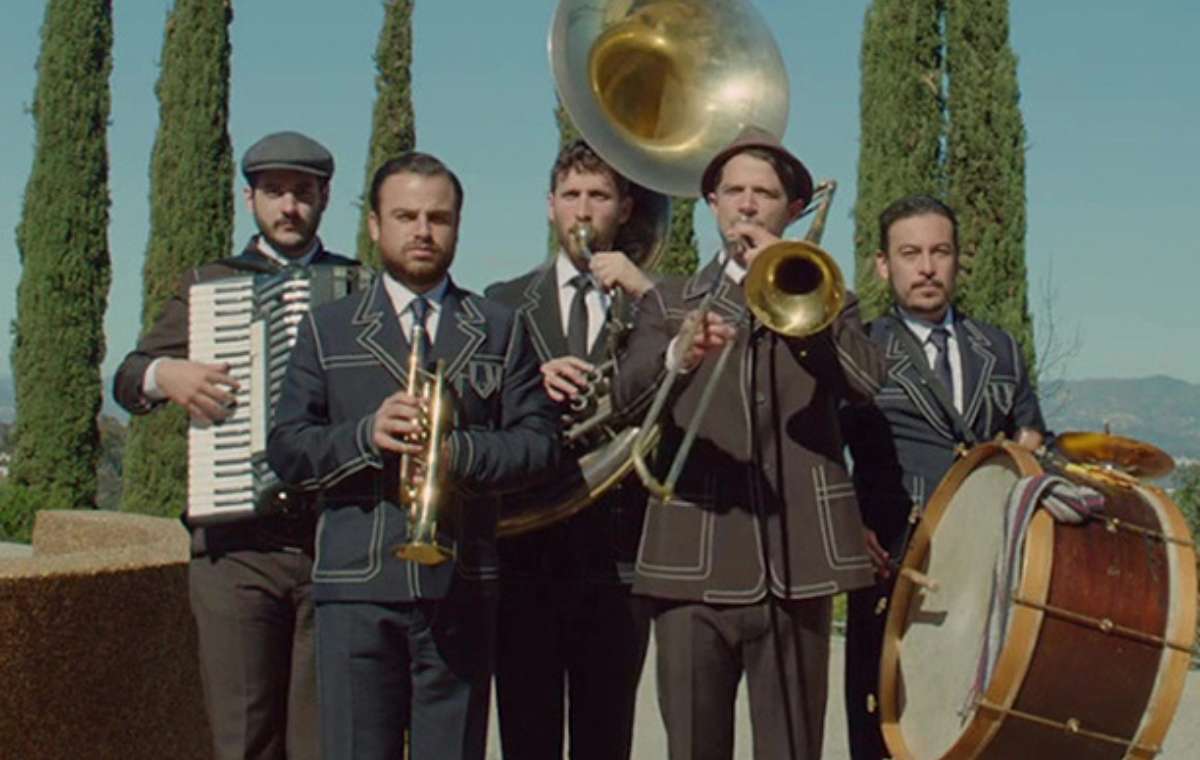
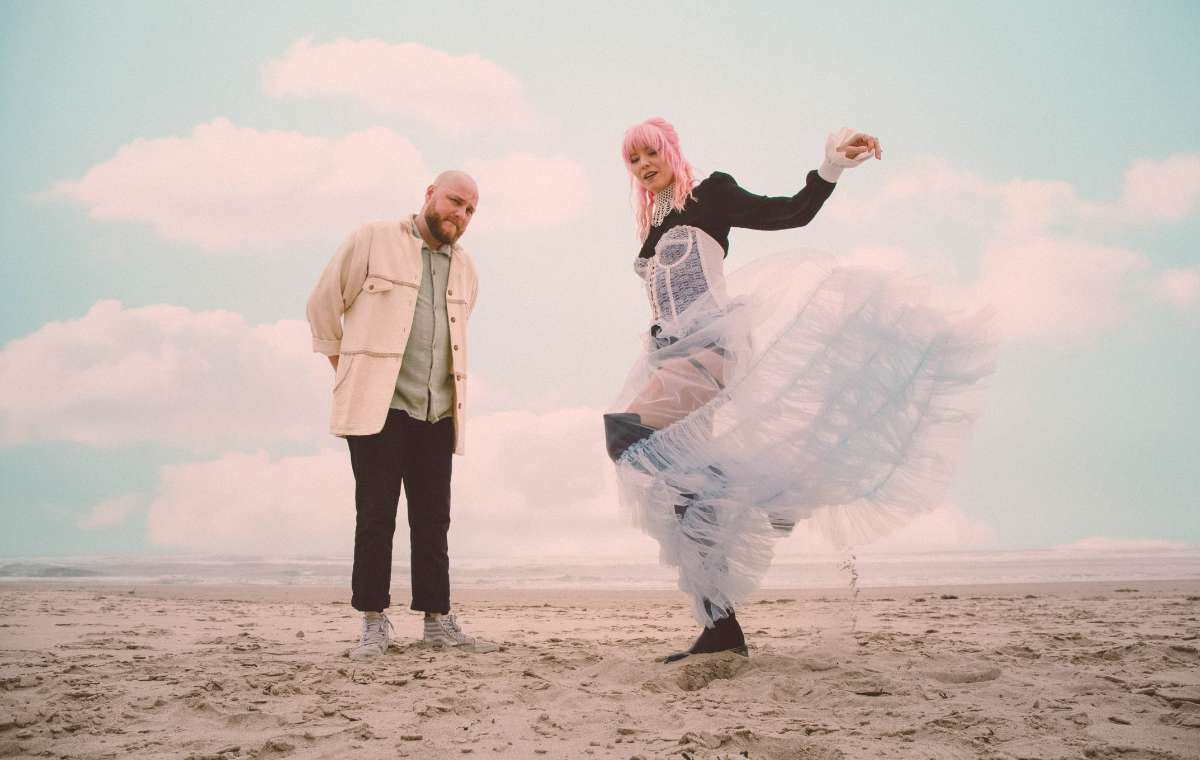
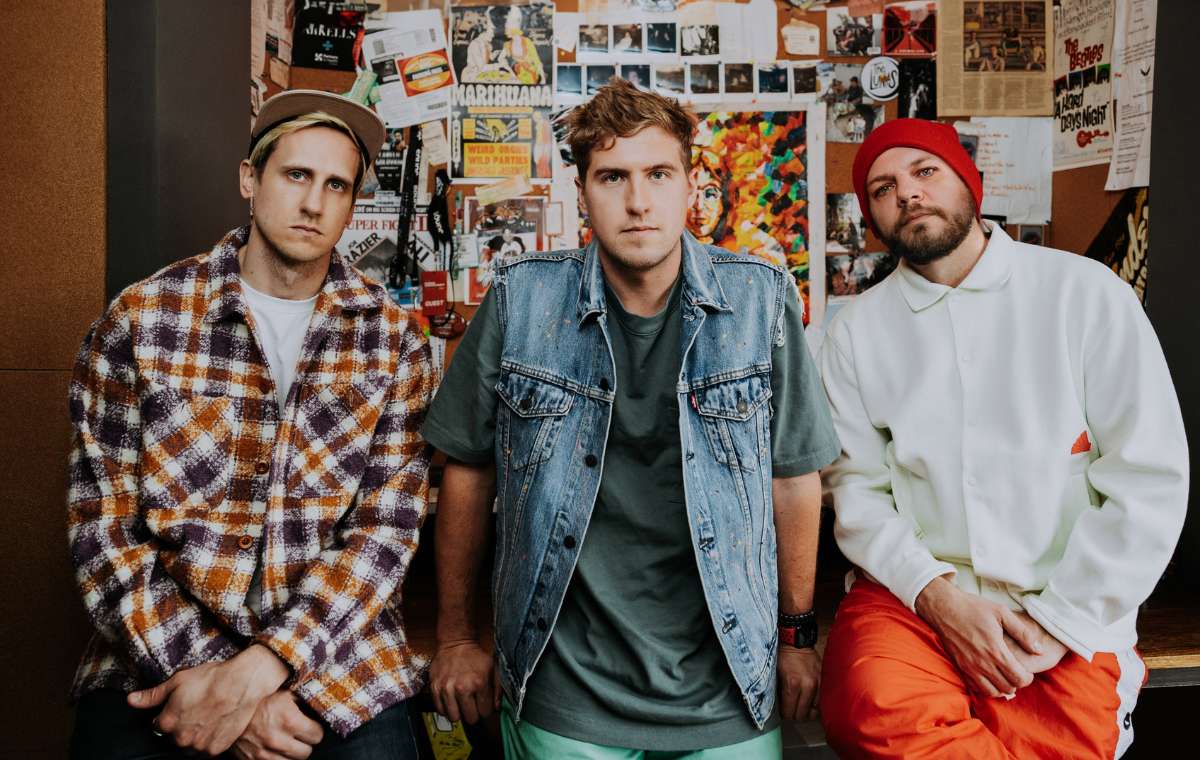
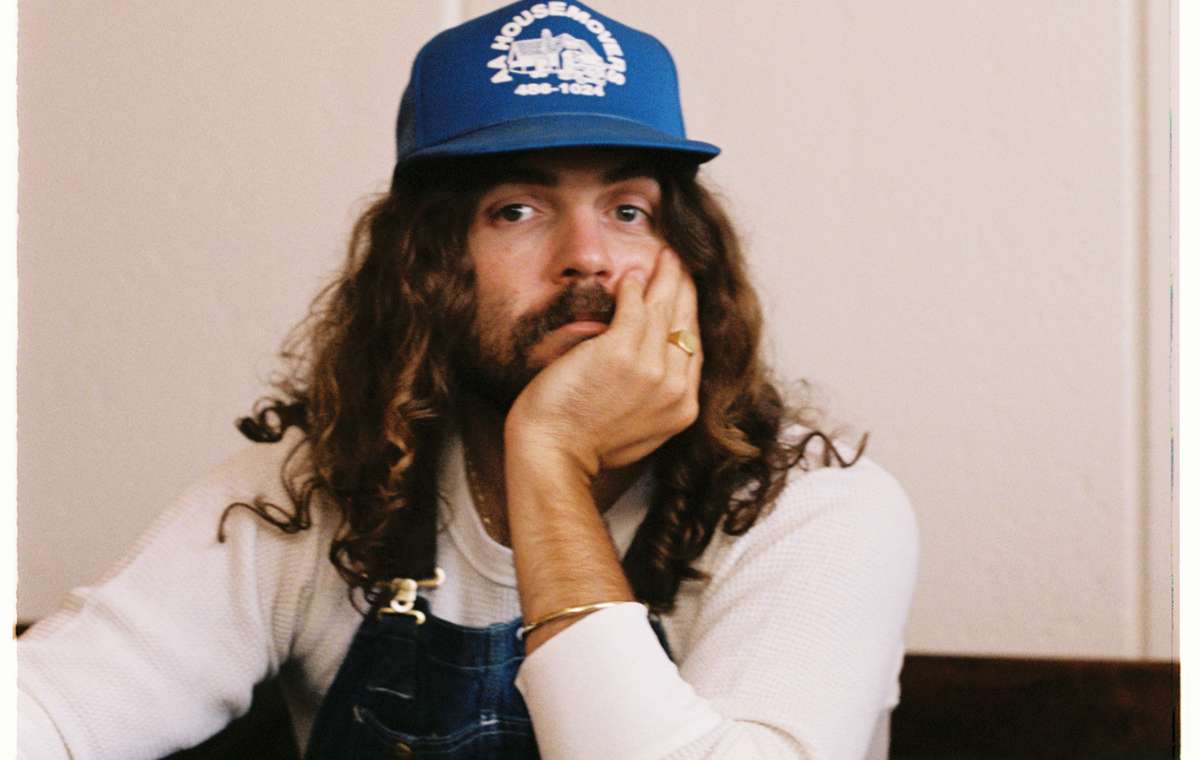
It’s not very well-worn, but the Nashville street band to composer pipeline has certainly been a distinctive, if tempered, fairy-tale arc for Joshua Kaufman and Justin Rubenstein, the brothers at the helm of The Blasting Company. For years, curiosity and circumstance guided them through the streets of the US and Europe as they accumulated a blend of American folk and Eastern European influences, grand orchestral tendencies, and inescapably modern sensibilities, eventually landing them in Los Angeles, where they found a home for most of it in the world of film and television.
Their first and perhaps most notable venture into scoring was for the critically-acclaimed animated miniseries, Over the Garden Wall, which has become a seasonal staple for a growing fanbase worldwide whenever fall – or its equatorial approximate – is in the air. Other composing ventures include music written for Burlesque, the New York Times/Serial podcast The Kids of Rutherford County, Adult Swim’s The Elephant, and a three-album soundtrack for table top role playing campaign, The Crooked Moon. Their recent releases feature collaborations with Tom Kenny (Spongebob Squarepants), Haley Reinhart (Post-Modern Jukebox), Jemaine Clement (Flight of the Concords), and one of their all-time musical heroes, arranger and composer Van Dyke Parks.
The Blasting Company’s journey has been one dedicated to their artistic community and their craft. This, and the eagerness with which they explore music’s expansive storytelling potential has made them sought-after collaborators anywhere music can be of use, from Emmy-winning animation to Peabody Award-caliber investigative journalism. Wherever they’re found and wherever they’ll end up, their music continues to introduce new generations to a panoply of musical traditions, old and new, tailored to their own particular – and peculiar – point of view.
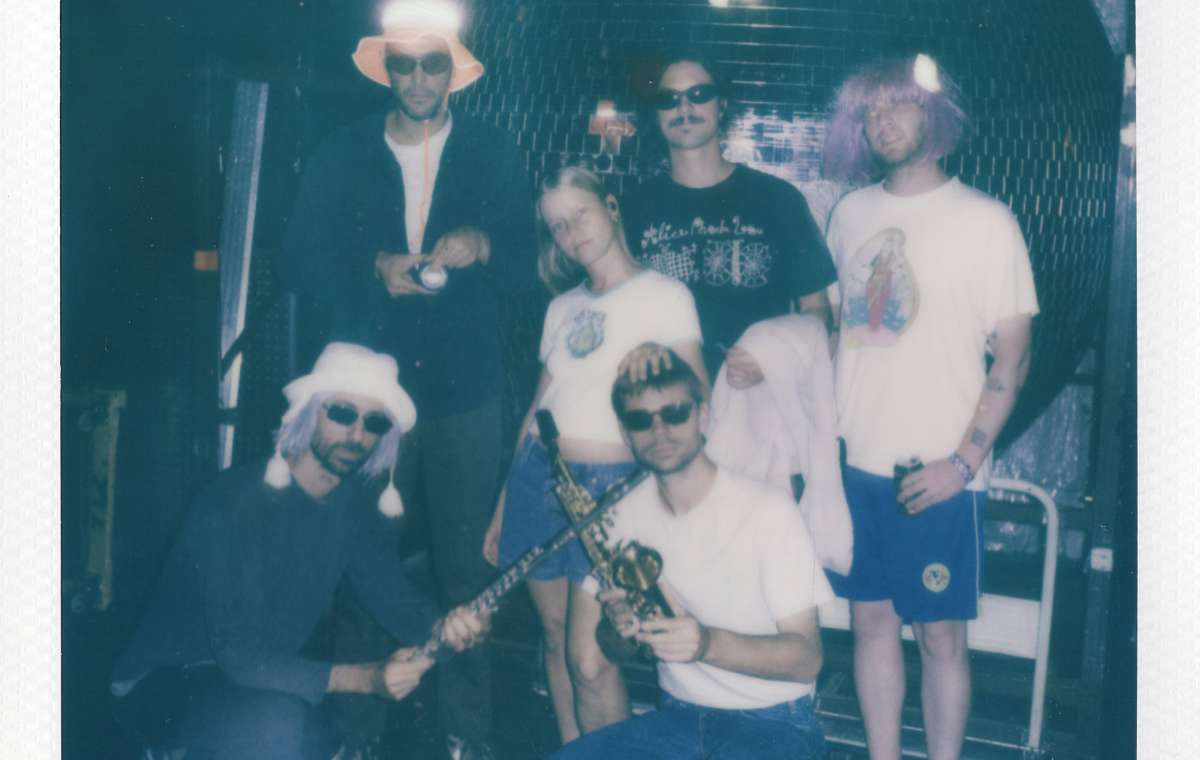
Starting with the 10th anniversary shows in LA back in 2024, The Blasting Company has hoped for their live Over the Garden Wall concert to capture, above all, the well-worn warmth of a night spent in the company of good friends who happen to enjoy playing music together. Fortunately, the super-band of multi-instrumentalists, comprised of The Blasting Company and California Feetwarmers, most of whom played on the original soundtrack, has enjoyed traveling and playing music together for most of their adult lives.
Together with friends and local special guests, the band plans to faithfully expand on the original soundtrack and invite folks to experience it the way the composers did: as a patchwork of the beautiful artistic personalities that came together to make it, as an homage to and continuation of the generations of art and music that inspired it, and most of all, as a chance for good friends and strangers to open their hearts up to each other just a little bigger and belt out a few new-old tunes the very best they can.
It’s not very well-worn, but the Nashville street band to composer pipeline has certainly been a distinctive, if tempered, fairy-tale arc for Joshua Kaufman and Justin Rubenstein, the brothers at the helm of The Blasting Company. For years, curiosity and circumstance guided them through the streets of the US and Europe as they accumulated a blend of American folk and Eastern European influences, grand orchestral tendencies, and inescapably modern sensibilities, eventually landing them in Los Angeles, where they found a home for most of it in the world of film and television.
Their first and perhaps most notable venture into scoring was for the critically-acclaimed animated miniseries, Over the Garden Wall, which has become a seasonal staple for a growing fanbase worldwide whenever fall – or its equatorial approximate – is in the air. Other composing ventures include music written for Burlesque, the New York Times/Serial podcast The Kids of Rutherford County, Adult Swim’s The Elephant, and a three-album soundtrack for table top role playing campaign, The Crooked Moon. Their recent releases feature collaborations with Tom Kenny (Spongebob Squarepants), Haley Reinhart (Post-Modern Jukebox), Jemaine Clement (Flight of the Concords), and one of their all-time musical heroes, arranger and composer Van Dyke Parks.
The Blasting Company’s journey has been one dedicated to their artistic community and their craft. This, and the eagerness with which they explore music’s expansive storytelling potential has made them sought-after collaborators anywhere music can be of use, from Emmy-winning animation to Peabody Award-caliber investigative journalism. Wherever they’re found and wherever they’ll end up, their music continues to introduce new generations to a panoply of musical traditions, old and new, tailored to their own particular – and peculiar – point of view.
Starting with the 10th anniversary shows in LA back in 2024, The Blasting Company has hoped for their live Over the Garden Wall concert to capture, above all, the well-worn warmth of a night spent in the company of good friends who happen to enjoy playing music together. Fortunately, the super-band of multi-instrumentalists, comprised of The Blasting Company and California Feetwarmers, most of whom played on the original soundtrack, has enjoyed traveling and playing music together for most of their adult lives.
Together with friends and local special guests, the band plans to faithfully expand on the original soundtrack and invite folks to experience it the way the composers did: as a patchwork of the beautiful artistic personalities that came together to make it, as an homage to and continuation of the generations of art and music that inspired it, and most of all, as a chance for good friends and strangers to open their hearts up to each other just a little bigger and belt out a few new-old tunes the very best they can.
It’s not very well-worn, but the Nashville street band to composer pipeline has certainly been a distinctive, if tempered, fairy-tale arc for Joshua Kaufman and Justin Rubenstein, the brothers at the helm of The Blasting Company. For years, curiosity and circumstance guided them through the streets of the US and Europe as they accumulated a blend of American folk and Eastern European influences, grand orchestral tendencies, and inescapably modern sensibilities, eventually landing them in Los Angeles, where they found a home for most of it in the world of film and television.
Their first and perhaps most notable venture into scoring was for the critically-acclaimed animated miniseries, Over the Garden Wall, which has become a seasonal staple for a growing fanbase worldwide whenever fall – or its equatorial approximate – is in the air. Other composing ventures include music written for Burlesque, the New York Times/Serial podcast The Kids of Rutherford County, Adult Swim’s The Elephant, and a three-album soundtrack for table top role playing campaign, The Crooked Moon. Their recent releases feature collaborations with Tom Kenny (Spongebob Squarepants), Haley Reinhart (Post-Modern Jukebox), Jemaine Clement (Flight of the Concords), and one of their all-time musical heroes, arranger and composer Van Dyke Parks.
The Blasting Company’s journey has been one dedicated to their artistic community and their craft. This, and the eagerness with which they explore music’s expansive storytelling potential has made them sought-after collaborators anywhere music can be of use, from Emmy-winning animation to Peabody Award-caliber investigative journalism. Wherever they’re found and wherever they’ll end up, their music continues to introduce new generations to a panoply of musical traditions, old and new, tailored to their own particular – and peculiar – point of view.
Starting with the 10th anniversary shows in LA back in 2024, The Blasting Company has hoped for their live Over the Garden Wall concert to capture, above all, the well-worn warmth of a night spent in the company of good friends who happen to enjoy playing music together. Fortunately, the super-band of multi-instrumentalists, comprised of The Blasting Company and California Feetwarmers, most of whom played on the original soundtrack, has enjoyed traveling and playing music together for most of their adult lives.
Together with friends and local special guests, the band plans to faithfully expand on the original soundtrack and invite folks to experience it the way the composers did: as a patchwork of the beautiful artistic personalities that came together to make it, as an homage to and continuation of the generations of art and music that inspired it, and most of all, as a chance for good friends and strangers to open their hearts up to each other just a little bigger and belt out a few new-old tunes the very best they can.
It’s not very well-worn, but the Nashville street band to composer pipeline has certainly been a distinctive, if tempered, fairy-tale arc for Joshua Kaufman and Justin Rubenstein, the brothers at the helm of The Blasting Company. For years, curiosity and circumstance guided them through the streets of the US and Europe as they accumulated a blend of American folk and Eastern European influences, grand orchestral tendencies, and inescapably modern sensibilities, eventually landing them in Los Angeles, where they found a home for most of it in the world of film and television.
Their first and perhaps most notable venture into scoring was for the critically-acclaimed animated miniseries, Over the Garden Wall, which has become a seasonal staple for a growing fanbase worldwide whenever fall – or its equatorial approximate – is in the air. Other composing ventures include music written for Burlesque, the New York Times/Serial podcast The Kids of Rutherford County, Adult Swim’s The Elephant, and a three-album soundtrack for table top role playing campaign, The Crooked Moon. Their recent releases feature collaborations with Tom Kenny (Spongebob Squarepants), Haley Reinhart (Post-Modern Jukebox), Jemaine Clement (Flight of the Concords), and one of their all-time musical heroes, arranger and composer Van Dyke Parks.
The Blasting Company’s journey has been one dedicated to their artistic community and their craft. This, and the eagerness with which they explore music’s expansive storytelling potential has made them sought-after collaborators anywhere music can be of use, from Emmy-winning animation to Peabody Award-caliber investigative journalism. Wherever they’re found and wherever they’ll end up, their music continues to introduce new generations to a panoply of musical traditions, old and new, tailored to their own particular – and peculiar – point of view.
Starting with the 10th anniversary shows in LA back in 2024, The Blasting Company has hoped for their live Over the Garden Wall concert to capture, above all, the well-worn warmth of a night spent in the company of good friends who happen to enjoy playing music together. Fortunately, the super-band of multi-instrumentalists, comprised of The Blasting Company and California Feetwarmers, most of whom played on the original soundtrack, has enjoyed traveling and playing music together for most of their adult lives.
Together with friends and local special guests, the band plans to faithfully expand on the original soundtrack and invite folks to experience it the way the composers did: as a patchwork of the beautiful artistic personalities that came together to make it, as an homage to and continuation of the generations of art and music that inspired it, and most of all, as a chance for good friends and strangers to open their hearts up to each other just a little bigger and belt out a few new-old tunes the very best they can.
It’s not very well-worn, but the Nashville street band to composer pipeline has certainly been a distinctive, if tempered, fairy-tale arc for Joshua Kaufman and Justin Rubenstein, the brothers at the helm of The Blasting Company. For years, curiosity and circumstance guided them through the streets of the US and Europe as they accumulated a blend of American folk and Eastern European influences, grand orchestral tendencies, and inescapably modern sensibilities, eventually landing them in Los Angeles, where they found a home for most of it in the world of film and television.
Their first and perhaps most notable venture into scoring was for the critically-acclaimed animated miniseries, Over the Garden Wall, which has become a seasonal staple for a growing fanbase worldwide whenever fall – or its equatorial approximate – is in the air. Other composing ventures include music written for Burlesque, the New York Times/Serial podcast The Kids of Rutherford County, Adult Swim’s The Elephant, and a three-album soundtrack for table top role playing campaign, The Crooked Moon. Their recent releases feature collaborations with Tom Kenny (Spongebob Squarepants), Haley Reinhart (Post-Modern Jukebox), Jemaine Clement (Flight of the Concords), and one of their all-time musical heroes, arranger and composer Van Dyke Parks.
The Blasting Company’s journey has been one dedicated to their artistic community and their craft. This, and the eagerness with which they explore music’s expansive storytelling potential has made them sought-after collaborators anywhere music can be of use, from Emmy-winning animation to Peabody Award-caliber investigative journalism. Wherever they’re found and wherever they’ll end up, their music continues to introduce new generations to a panoply of musical traditions, old and new, tailored to their own particular – and peculiar – point of view.
Starting with the 10th anniversary shows in LA back in 2024, The Blasting Company has hoped for their live Over the Garden Wall concert to capture, above all, the well-worn warmth of a night spent in the company of good friends who happen to enjoy playing music together. Fortunately, the super-band of multi-instrumentalists, comprised of The Blasting Company and California Feetwarmers, most of whom played on the original soundtrack, has enjoyed traveling and playing music together for most of their adult lives.
Together with friends and local special guests, the band plans to faithfully expand on the original soundtrack and invite folks to experience it the way the composers did: as a patchwork of the beautiful artistic personalities that came together to make it, as an homage to and continuation of the generations of art and music that inspired it, and most of all, as a chance for good friends and strangers to open their hearts up to each other just a little bigger and belt out a few new-old tunes the very best they can.
It’s not very well-worn, but the Nashville street band to composer pipeline has certainly been a distinctive, if tempered, fairy-tale arc for Joshua Kaufman and Justin Rubenstein, the brothers at the helm of The Blasting Company. For years, curiosity and circumstance guided them through the streets of the US and Europe as they accumulated a blend of American folk and Eastern European influences, grand orchestral tendencies, and inescapably modern sensibilities, eventually landing them in Los Angeles, where they found a home for most of it in the world of film and television.
Their first and perhaps most notable venture into scoring was for the critically-acclaimed animated miniseries, Over the Garden Wall, which has become a seasonal staple for a growing fanbase worldwide whenever fall – or its equatorial approximate – is in the air. Other composing ventures include music written for Burlesque, the New York Times/Serial podcast The Kids of Rutherford County, Adult Swim’s The Elephant, and a three-album soundtrack for table top role playing campaign, The Crooked Moon. Their recent releases feature collaborations with Tom Kenny (Spongebob Squarepants), Haley Reinhart (Post-Modern Jukebox), Jemaine Clement (Flight of the Concords), and one of their all-time musical heroes, arranger and composer Van Dyke Parks.
The Blasting Company’s journey has been one dedicated to their artistic community and their craft. This, and the eagerness with which they explore music’s expansive storytelling potential has made them sought-after collaborators anywhere music can be of use, from Emmy-winning animation to Peabody Award-caliber investigative journalism. Wherever they’re found and wherever they’ll end up, their music continues to introduce new generations to a panoply of musical traditions, old and new, tailored to their own particular – and peculiar – point of view.
Starting with the 10th anniversary shows in LA back in 2024, The Blasting Company has hoped for their live Over the Garden Wall concert to capture, above all, the well-worn warmth of a night spent in the company of good friends who happen to enjoy playing music together. Fortunately, the super-band of multi-instrumentalists, comprised of The Blasting Company and California Feetwarmers, most of whom played on the original soundtrack, has enjoyed traveling and playing music together for most of their adult lives.
Together with friends and local special guests, the band plans to faithfully expand on the original soundtrack and invite folks to experience it the way the composers did: as a patchwork of the beautiful artistic personalities that came together to make it, as an homage to and continuation of the generations of art and music that inspired it, and most of all, as a chance for good friends and strangers to open their hearts up to each other just a little bigger and belt out a few new-old tunes the very best they can.
It’s not very well-worn, but the Nashville street band to composer pipeline has certainly been a distinctive, if tempered, fairy-tale arc for Joshua Kaufman and Justin Rubenstein, the brothers at the helm of The Blasting Company. For years, curiosity and circumstance guided them through the streets of the US and Europe as they accumulated a blend of American folk and Eastern European influences, grand orchestral tendencies, and inescapably modern sensibilities, eventually landing them in Los Angeles, where they found a home for most of it in the world of film and television.
Their first and perhaps most notable venture into scoring was for the critically-acclaimed animated miniseries, Over the Garden Wall, which has become a seasonal staple for a growing fanbase worldwide whenever fall – or its equatorial approximate – is in the air. Other composing ventures include music written for Burlesque, the New York Times/Serial podcast The Kids of Rutherford County, Adult Swim’s The Elephant, and a three-album soundtrack for table top role playing campaign, The Crooked Moon. Their recent releases feature collaborations with Tom Kenny (Spongebob Squarepants), Haley Reinhart (Post-Modern Jukebox), Jemaine Clement (Flight of the Concords), and one of their all-time musical heroes, arranger and composer Van Dyke Parks.
The Blasting Company’s journey has been one dedicated to their artistic community and their craft. This, and the eagerness with which they explore music’s expansive storytelling potential has made them sought-after collaborators anywhere music can be of use, from Emmy-winning animation to Peabody Award-caliber investigative journalism. Wherever they’re found and wherever they’ll end up, their music continues to introduce new generations to a panoply of musical traditions, old and new, tailored to their own particular – and peculiar – point of view.
Starting with the 10th anniversary shows in LA back in 2024, The Blasting Company has hoped for their live Over the Garden Wall concert to capture, above all, the well-worn warmth of a night spent in the company of good friends who happen to enjoy playing music together. Fortunately, the super-band of multi-instrumentalists, comprised of The Blasting Company and California Feetwarmers, most of whom played on the original soundtrack, has enjoyed traveling and playing music together for most of their adult lives.
Together with friends and local special guests, the band plans to faithfully expand on the original soundtrack and invite folks to experience it the way the composers did: as a patchwork of the beautiful artistic personalities that came together to make it, as an homage to and continuation of the generations of art and music that inspired it, and most of all, as a chance for good friends and strangers to open their hearts up to each other just a little bigger and belt out a few new-old tunes the very best they can.
It’s not very well-worn, but the Nashville street band to composer pipeline has certainly been a distinctive, if tempered, fairy-tale arc for Joshua Kaufman and Justin Rubenstein, the brothers at the helm of The Blasting Company. For years, curiosity and circumstance guided them through the streets of the US and Europe as they accumulated a blend of American folk and Eastern European influences, grand orchestral tendencies, and inescapably modern sensibilities, eventually landing them in Los Angeles, where they found a home for most of it in the world of film and television.
Their first and perhaps most notable venture into scoring was for the critically-acclaimed animated miniseries, Over the Garden Wall, which has become a seasonal staple for a growing fanbase worldwide whenever fall – or its equatorial approximate – is in the air. Other composing ventures include music written for Burlesque, the New York Times/Serial podcast The Kids of Rutherford County, Adult Swim’s The Elephant, and a three-album soundtrack for table top role playing campaign, The Crooked Moon. Their recent releases feature collaborations with Tom Kenny (Spongebob Squarepants), Haley Reinhart (Post-Modern Jukebox), Jemaine Clement (Flight of the Concords), and one of their all-time musical heroes, arranger and composer Van Dyke Parks.
The Blasting Company’s journey has been one dedicated to their artistic community and their craft. This, and the eagerness with which they explore music’s expansive storytelling potential has made them sought-after collaborators anywhere music can be of use, from Emmy-winning animation to Peabody Award-caliber investigative journalism. Wherever they’re found and wherever they’ll end up, their music continues to introduce new generations to a panoply of musical traditions, old and new, tailored to their own particular – and peculiar – point of view.
Starting with the 10th anniversary shows in LA back in 2024, The Blasting Company has hoped for their live Over the Garden Wall concert to capture, above all, the well-worn warmth of a night spent in the company of good friends who happen to enjoy playing music together. Fortunately, the super-band of multi-instrumentalists, comprised of The Blasting Company and California Feetwarmers, most of whom played on the original soundtrack, has enjoyed traveling and playing music together for most of their adult lives.
Together with friends and local special guests, the band plans to faithfully expand on the original soundtrack and invite folks to experience it the way the composers did: as a patchwork of the beautiful artistic personalities that came together to make it, as an homage to and continuation of the generations of art and music that inspired it, and most of all, as a chance for good friends and strangers to open their hearts up to each other just a little bigger and belt out a few new-old tunes the very best they can.
It’s not very well-worn, but the Nashville street band to composer pipeline has certainly been a distinctive, if tempered, fairy-tale arc for Joshua Kaufman and Justin Rubenstein, the brothers at the helm of The Blasting Company. For years, curiosity and circumstance guided them through the streets of the US and Europe as they accumulated a blend of American folk and Eastern European influences, grand orchestral tendencies, and inescapably modern sensibilities, eventually landing them in Los Angeles, where they found a home for most of it in the world of film and television.
Their first and perhaps most notable venture into scoring was for the critically-acclaimed animated miniseries, Over the Garden Wall, which has become a seasonal staple for a growing fanbase worldwide whenever fall – or its equatorial approximate – is in the air. Other composing ventures include music written for Burlesque, the New York Times/Serial podcast The Kids of Rutherford County, Adult Swim’s The Elephant, and a three-album soundtrack for table top role playing campaign, The Crooked Moon. Their recent releases feature collaborations with Tom Kenny (Spongebob Squarepants), Haley Reinhart (Post-Modern Jukebox), Jemaine Clement (Flight of the Concords), and one of their all-time musical heroes, arranger and composer Van Dyke Parks.
The Blasting Company’s journey has been one dedicated to their artistic community and their craft. This, and the eagerness with which they explore music’s expansive storytelling potential has made them sought-after collaborators anywhere music can be of use, from Emmy-winning animation to Peabody Award-caliber investigative journalism. Wherever they’re found and wherever they’ll end up, their music continues to introduce new generations to a panoply of musical traditions, old and new, tailored to their own particular – and peculiar – point of view.
Starting with the 10th anniversary shows in LA back in 2024, The Blasting Company has hoped for their live Over the Garden Wall concert to capture, above all, the well-worn warmth of a night spent in the company of good friends who happen to enjoy playing music together. Fortunately, the super-band of multi-instrumentalists, comprised of The Blasting Company and California Feetwarmers, most of whom played on the original soundtrack, has enjoyed traveling and playing music together for most of their adult lives.
Together with friends and local special guests, the band plans to faithfully expand on the original soundtrack and invite folks to experience it the way the composers did: as a patchwork of the beautiful artistic personalities that came together to make it, as an homage to and continuation of the generations of art and music that inspired it, and most of all, as a chance for good friends and strangers to open their hearts up to each other just a little bigger and belt out a few new-old tunes the very best they can.
It’s not very well-worn, but the Nashville street band to composer pipeline has certainly been a distinctive, if tempered, fairy-tale arc for Joshua Kaufman and Justin Rubenstein, the brothers at the helm of The Blasting Company. For years, curiosity and circumstance guided them through the streets of the US and Europe as they accumulated a blend of American folk and Eastern European influences, grand orchestral tendencies, and inescapably modern sensibilities, eventually landing them in Los Angeles, where they found a home for most of it in the world of film and television.
Their first and perhaps most notable venture into scoring was for the critically-acclaimed animated miniseries, Over the Garden Wall, which has become a seasonal staple for a growing fanbase worldwide whenever fall – or its equatorial approximate – is in the air. Other composing ventures include music written for Burlesque, the New York Times/Serial podcast The Kids of Rutherford County, Adult Swim’s The Elephant, and a three-album soundtrack for table top role playing campaign, The Crooked Moon. Their recent releases feature collaborations with Tom Kenny (Spongebob Squarepants), Haley Reinhart (Post-Modern Jukebox), Jemaine Clement (Flight of the Concords), and one of their all-time musical heroes, arranger and composer Van Dyke Parks.
The Blasting Company’s journey has been one dedicated to their artistic community and their craft. This, and the eagerness with which they explore music’s expansive storytelling potential has made them sought-after collaborators anywhere music can be of use, from Emmy-winning animation to Peabody Award-caliber investigative journalism. Wherever they’re found and wherever they’ll end up, their music continues to introduce new generations to a panoply of musical traditions, old and new, tailored to their own particular – and peculiar – point of view.
Starting with the 10th anniversary shows in LA back in 2024, The Blasting Company has hoped for their live Over the Garden Wall concert to capture, above all, the well-worn warmth of a night spent in the company of good friends who happen to enjoy playing music together. Fortunately, the super-band of multi-instrumentalists, comprised of The Blasting Company and California Feetwarmers, most of whom played on the original soundtrack, has enjoyed traveling and playing music together for most of their adult lives.
Together with friends and local special guests, the band plans to faithfully expand on the original soundtrack and invite folks to experience it the way the composers did: as a patchwork of the beautiful artistic personalities that came together to make it, as an homage to and continuation of the generations of art and music that inspired it, and most of all, as a chance for good friends and strangers to open their hearts up to each other just a little bigger and belt out a few new-old tunes the very best they can.
It’s not very well-worn, but the Nashville street band to composer pipeline has certainly been a distinctive, if tempered, fairy-tale arc for Joshua Kaufman and Justin Rubenstein, the brothers at the helm of The Blasting Company. For years, curiosity and circumstance guided them through the streets of the US and Europe as they accumulated a blend of American folk and Eastern European influences, grand orchestral tendencies, and inescapably modern sensibilities, eventually landing them in Los Angeles, where they found a home for most of it in the world of film and television.
Their first and perhaps most notable venture into scoring was for the critically-acclaimed animated miniseries, Over the Garden Wall, which has become a seasonal staple for a growing fanbase worldwide whenever fall – or its equatorial approximate – is in the air. Other composing ventures include music written for Burlesque, the New York Times/Serial podcast The Kids of Rutherford County, Adult Swim’s The Elephant, and a three-album soundtrack for table top role playing campaign, The Crooked Moon. Their recent releases feature collaborations with Tom Kenny (Spongebob Squarepants), Haley Reinhart (Post-Modern Jukebox), Jemaine Clement (Flight of the Concords), and one of their all-time musical heroes, arranger and composer Van Dyke Parks.
The Blasting Company’s journey has been one dedicated to their artistic community and their craft. This, and the eagerness with which they explore music’s expansive storytelling potential has made them sought-after collaborators anywhere music can be of use, from Emmy-winning animation to Peabody Award-caliber investigative journalism. Wherever they’re found and wherever they’ll end up, their music continues to introduce new generations to a panoply of musical traditions, old and new, tailored to their own particular – and peculiar – point of view.
Starting with the 10th anniversary shows in LA back in 2024, The Blasting Company has hoped for their live Over the Garden Wall concert to capture, above all, the well-worn warmth of a night spent in the company of good friends who happen to enjoy playing music together. Fortunately, the super-band of multi-instrumentalists, comprised of The Blasting Company and California Feetwarmers, most of whom played on the original soundtrack, has enjoyed traveling and playing music together for most of their adult lives.
Together with friends and local special guests, the band plans to faithfully expand on the original soundtrack and invite folks to experience it the way the composers did: as a patchwork of the beautiful artistic personalities that came together to make it, as an homage to and continuation of the generations of art and music that inspired it, and most of all, as a chance for good friends and strangers to open their hearts up to each other just a little bigger and belt out a few new-old tunes the very best they can.
It’s not very well-worn, but the Nashville street band to composer pipeline has certainly been a distinctive, if tempered, fairy-tale arc for Joshua Kaufman and Justin Rubenstein, the brothers at the helm of The Blasting Company. For years, curiosity and circumstance guided them through the streets of the US and Europe as they accumulated a blend of American folk and Eastern European influences, grand orchestral tendencies, and inescapably modern sensibilities, eventually landing them in Los Angeles, where they found a home for most of it in the world of film and television.
Their first and perhaps most notable venture into scoring was for the critically-acclaimed animated miniseries, Over the Garden Wall, which has become a seasonal staple for a growing fanbase worldwide whenever fall – or its equatorial approximate – is in the air. Other composing ventures include music written for Burlesque, the New York Times/Serial podcast The Kids of Rutherford County, Adult Swim’s The Elephant, and a three-album soundtrack for table top role playing campaign, The Crooked Moon. Their recent releases feature collaborations with Tom Kenny (Spongebob Squarepants), Haley Reinhart (Post-Modern Jukebox), Jemaine Clement (Flight of the Concords), and one of their all-time musical heroes, arranger and composer Van Dyke Parks.
The Blasting Company’s journey has been one dedicated to their artistic community and their craft. This, and the eagerness with which they explore music’s expansive storytelling potential has made them sought-after collaborators anywhere music can be of use, from Emmy-winning animation to Peabody Award-caliber investigative journalism. Wherever they’re found and wherever they’ll end up, their music continues to introduce new generations to a panoply of musical traditions, old and new, tailored to their own particular – and peculiar – point of view.
Starting with the 10th anniversary shows in LA back in 2024, The Blasting Company has hoped for their live Over the Garden Wall concert to capture, above all, the well-worn warmth of a night spent in the company of good friends who happen to enjoy playing music together. Fortunately, the super-band of multi-instrumentalists, comprised of The Blasting Company and California Feetwarmers, most of whom played on the original soundtrack, has enjoyed traveling and playing music together for most of their adult lives.
Together with friends and local special guests, the band plans to faithfully expand on the original soundtrack and invite folks to experience it the way the composers did: as a patchwork of the beautiful artistic personalities that came together to make it, as an homage to and continuation of the generations of art and music that inspired it, and most of all, as a chance for good friends and strangers to open their hearts up to each other just a little bigger and belt out a few new-old tunes the very best they can.
It’s not very well-worn, but the Nashville street band to composer pipeline has certainly been a distinctive, if tempered, fairy-tale arc for Joshua Kaufman and Justin Rubenstein, the brothers at the helm of The Blasting Company. For years, curiosity and circumstance guided them through the streets of the US and Europe as they accumulated a blend of American folk and Eastern European influences, grand orchestral tendencies, and inescapably modern sensibilities, eventually landing them in Los Angeles, where they found a home for most of it in the world of film and television.
Their first and perhaps most notable venture into scoring was for the critically-acclaimed animated miniseries, Over the Garden Wall, which has become a seasonal staple for a growing fanbase worldwide whenever fall – or its equatorial approximate – is in the air. Other composing ventures include music written for Burlesque, the New York Times/Serial podcast The Kids of Rutherford County, Adult Swim’s The Elephant, and a three-album soundtrack for table top role playing campaign, The Crooked Moon. Their recent releases feature collaborations with Tom Kenny (Spongebob Squarepants), Haley Reinhart (Post-Modern Jukebox), Jemaine Clement (Flight of the Concords), and one of their all-time musical heroes, arranger and composer Van Dyke Parks.
The Blasting Company’s journey has been one dedicated to their artistic community and their craft. This, and the eagerness with which they explore music’s expansive storytelling potential has made them sought-after collaborators anywhere music can be of use, from Emmy-winning animation to Peabody Award-caliber investigative journalism. Wherever they’re found and wherever they’ll end up, their music continues to introduce new generations to a panoply of musical traditions, old and new, tailored to their own particular – and peculiar – point of view.
Starting with the 10th anniversary shows in LA back in 2024, The Blasting Company has hoped for their live Over the Garden Wall concert to capture, above all, the well-worn warmth of a night spent in the company of good friends who happen to enjoy playing music together. Fortunately, the super-band of multi-instrumentalists, comprised of The Blasting Company and California Feetwarmers, most of whom played on the original soundtrack, has enjoyed traveling and playing music together for most of their adult lives.
Together with friends and local special guests, the band plans to faithfully expand on the original soundtrack and invite folks to experience it the way the composers did: as a patchwork of the beautiful artistic personalities that came together to make it, as an homage to and continuation of the generations of art and music that inspired it, and most of all, as a chance for good friends and strangers to open their hearts up to each other just a little bigger and belt out a few new-old tunes the very best they can.
It’s not very well-worn, but the Nashville street band to composer pipeline has certainly been a distinctive, if tempered, fairy-tale arc for Joshua Kaufman and Justin Rubenstein, the brothers at the helm of The Blasting Company. For years, curiosity and circumstance guided them through the streets of the US and Europe as they accumulated a blend of American folk and Eastern European influences, grand orchestral tendencies, and inescapably modern sensibilities, eventually landing them in Los Angeles, where they found a home for most of it in the world of film and television.
Their first and perhaps most notable venture into scoring was for the critically-acclaimed animated miniseries, Over the Garden Wall, which has become a seasonal staple for a growing fanbase worldwide whenever fall – or its equatorial approximate – is in the air. Other composing ventures include music written for Burlesque, the New York Times/Serial podcast The Kids of Rutherford County, Adult Swim’s The Elephant, and a three-album soundtrack for table top role playing campaign, The Crooked Moon. Their recent releases feature collaborations with Tom Kenny (Spongebob Squarepants), Haley Reinhart (Post-Modern Jukebox), Jemaine Clement (Flight of the Concords), and one of their all-time musical heroes, arranger and composer Van Dyke Parks.
The Blasting Company’s journey has been one dedicated to their artistic community and their craft. This, and the eagerness with which they explore music’s expansive storytelling potential has made them sought-after collaborators anywhere music can be of use, from Emmy-winning animation to Peabody Award-caliber investigative journalism. Wherever they’re found and wherever they’ll end up, their music continues to introduce new generations to a panoply of musical traditions, old and new, tailored to their own particular – and peculiar – point of view.
Starting with the 10th anniversary shows in LA back in 2024, The Blasting Company has hoped for their live Over the Garden Wall concert to capture, above all, the well-worn warmth of a night spent in the company of good friends who happen to enjoy playing music together. Fortunately, the super-band of multi-instrumentalists, comprised of The Blasting Company and California Feetwarmers, most of whom played on the original soundtrack, has enjoyed traveling and playing music together for most of their adult lives.
Together with friends and local special guests, the band plans to faithfully expand on the original soundtrack and invite folks to experience it the way the composers did: as a patchwork of the beautiful artistic personalities that came together to make it, as an homage to and continuation of the generations of art and music that inspired it, and most of all, as a chance for good friends and strangers to open their hearts up to each other just a little bigger and belt out a few new-old tunes the very best they can.
It’s not very well-worn, but the Nashville street band to composer pipeline has certainly been a distinctive, if tempered, fairy-tale arc for Joshua Kaufman and Justin Rubenstein, the brothers at the helm of The Blasting Company. For years, curiosity and circumstance guided them through the streets of the US and Europe as they accumulated a blend of American folk and Eastern European influences, grand orchestral tendencies, and inescapably modern sensibilities, eventually landing them in Los Angeles, where they found a home for most of it in the world of film and television.
Their first and perhaps most notable venture into scoring was for the critically-acclaimed animated miniseries, Over the Garden Wall, which has become a seasonal staple for a growing fanbase worldwide whenever fall – or its equatorial approximate – is in the air. Other composing ventures include music written for Burlesque, the New York Times/Serial podcast The Kids of Rutherford County, Adult Swim’s The Elephant, and a three-album soundtrack for table top role playing campaign, The Crooked Moon. Their recent releases feature collaborations with Tom Kenny (Spongebob Squarepants), Haley Reinhart (Post-Modern Jukebox), Jemaine Clement (Flight of the Concords), and one of their all-time musical heroes, arranger and composer Van Dyke Parks.
The Blasting Company’s journey has been one dedicated to their artistic community and their craft. This, and the eagerness with which they explore music’s expansive storytelling potential has made them sought-after collaborators anywhere music can be of use, from Emmy-winning animation to Peabody Award-caliber investigative journalism. Wherever they’re found and wherever they’ll end up, their music continues to introduce new generations to a panoply of musical traditions, old and new, tailored to their own particular – and peculiar – point of view.
Starting with the 10th anniversary shows in LA back in 2024, The Blasting Company has hoped for their live Over the Garden Wall concert to capture, above all, the well-worn warmth of a night spent in the company of good friends who happen to enjoy playing music together. Fortunately, the super-band of multi-instrumentalists, comprised of The Blasting Company and California Feetwarmers, most of whom played on the original soundtrack, has enjoyed traveling and playing music together for most of their adult lives.
Together with friends and local special guests, the band plans to faithfully expand on the original soundtrack and invite folks to experience it the way the composers did: as a patchwork of the beautiful artistic personalities that came together to make it, as an homage to and continuation of the generations of art and music that inspired it, and most of all, as a chance for good friends and strangers to open their hearts up to each other just a little bigger and belt out a few new-old tunes the very best they can.
It’s not very well-worn, but the Nashville street band to composer pipeline has certainly been a distinctive, if tempered, fairy-tale arc for Joshua Kaufman and Justin Rubenstein, the brothers at the helm of The Blasting Company. For years, curiosity and circumstance guided them through the streets of the US and Europe as they accumulated a blend of American folk and Eastern European influences, grand orchestral tendencies, and inescapably modern sensibilities, eventually landing them in Los Angeles, where they found a home for most of it in the world of film and television.
Their first and perhaps most notable venture into scoring was for the critically-acclaimed animated miniseries, Over the Garden Wall, which has become a seasonal staple for a growing fanbase worldwide whenever fall – or its equatorial approximate – is in the air. Other composing ventures include music written for Burlesque, the New York Times/Serial podcast The Kids of Rutherford County, Adult Swim’s The Elephant, and a three-album soundtrack for table top role playing campaign, The Crooked Moon. Their recent releases feature collaborations with Tom Kenny (Spongebob Squarepants), Haley Reinhart (Post-Modern Jukebox), Jemaine Clement (Flight of the Concords), and one of their all-time musical heroes, arranger and composer Van Dyke Parks.
The Blasting Company’s journey has been one dedicated to their artistic community and their craft. This, and the eagerness with which they explore music’s expansive storytelling potential has made them sought-after collaborators anywhere music can be of use, from Emmy-winning animation to Peabody Award-caliber investigative journalism. Wherever they’re found and wherever they’ll end up, their music continues to introduce new generations to a panoply of musical traditions, old and new, tailored to their own particular – and peculiar – point of view.
Starting with the 10th anniversary shows in LA back in 2024, The Blasting Company has hoped for their live Over the Garden Wall concert to capture, above all, the well-worn warmth of a night spent in the company of good friends who happen to enjoy playing music together. Fortunately, the super-band of multi-instrumentalists, comprised of The Blasting Company and California Feetwarmers, most of whom played on the original soundtrack, has enjoyed traveling and playing music together for most of their adult lives.
Together with friends and local special guests, the band plans to faithfully expand on the original soundtrack and invite folks to experience it the way the composers did: as a patchwork of the beautiful artistic personalities that came together to make it, as an homage to and continuation of the generations of art and music that inspired it, and most of all, as a chance for good friends and strangers to open their hearts up to each other just a little bigger and belt out a few new-old tunes the very best they can.
It’s not very well-worn, but the Nashville street band to composer pipeline has certainly been a distinctive, if tempered, fairy-tale arc for Joshua Kaufman and Justin Rubenstein, the brothers at the helm of The Blasting Company. For years, curiosity and circumstance guided them through the streets of the US and Europe as they accumulated a blend of American folk and Eastern European influences, grand orchestral tendencies, and inescapably modern sensibilities, eventually landing them in Los Angeles, where they found a home for most of it in the world of film and television.
Their first and perhaps most notable venture into scoring was for the critically-acclaimed animated miniseries, Over the Garden Wall, which has become a seasonal staple for a growing fanbase worldwide whenever fall – or its equatorial approximate – is in the air. Other composing ventures include music written for Burlesque, the New York Times/Serial podcast The Kids of Rutherford County, Adult Swim’s The Elephant, and a three-album soundtrack for table top role playing campaign, The Crooked Moon. Their recent releases feature collaborations with Tom Kenny (Spongebob Squarepants), Haley Reinhart (Post-Modern Jukebox), Jemaine Clement (Flight of the Concords), and one of their all-time musical heroes, arranger and composer Van Dyke Parks.
The Blasting Company’s journey has been one dedicated to their artistic community and their craft. This, and the eagerness with which they explore music’s expansive storytelling potential has made them sought-after collaborators anywhere music can be of use, from Emmy-winning animation to Peabody Award-caliber investigative journalism. Wherever they’re found and wherever they’ll end up, their music continues to introduce new generations to a panoply of musical traditions, old and new, tailored to their own particular – and peculiar – point of view.
Starting with the 10th anniversary shows in LA back in 2024, The Blasting Company has hoped for their live Over the Garden Wall concert to capture, above all, the well-worn warmth of a night spent in the company of good friends who happen to enjoy playing music together. Fortunately, the super-band of multi-instrumentalists, comprised of The Blasting Company and California Feetwarmers, most of whom played on the original soundtrack, has enjoyed traveling and playing music together for most of their adult lives.
Together with friends and local special guests, the band plans to faithfully expand on the original soundtrack and invite folks to experience it the way the composers did: as a patchwork of the beautiful artistic personalities that came together to make it, as an homage to and continuation of the generations of art and music that inspired it, and most of all, as a chance for good friends and strangers to open their hearts up to each other just a little bigger and belt out a few new-old tunes the very best they can.
It’s not very well-worn, but the Nashville street band to composer pipeline has certainly been a distinctive, if tempered, fairy-tale arc for Joshua Kaufman and Justin Rubenstein, the brothers at the helm of The Blasting Company. For years, curiosity and circumstance guided them through the streets of the US and Europe as they accumulated a blend of American folk and Eastern European influences, grand orchestral tendencies, and inescapably modern sensibilities, eventually landing them in Los Angeles, where they found a home for most of it in the world of film and television.
Their first and perhaps most notable venture into scoring was for the critically-acclaimed animated miniseries, Over the Garden Wall, which has become a seasonal staple for a growing fanbase worldwide whenever fall – or its equatorial approximate – is in the air. Other composing ventures include music written for Burlesque, the New York Times/Serial podcast The Kids of Rutherford County, Adult Swim’s The Elephant, and a three-album soundtrack for table top role playing campaign, The Crooked Moon. Their recent releases feature collaborations with Tom Kenny (Spongebob Squarepants), Haley Reinhart (Post-Modern Jukebox), Jemaine Clement (Flight of the Concords), and one of their all-time musical heroes, arranger and composer Van Dyke Parks.
The Blasting Company’s journey has been one dedicated to their artistic community and their craft. This, and the eagerness with which they explore music’s expansive storytelling potential has made them sought-after collaborators anywhere music can be of use, from Emmy-winning animation to Peabody Award-caliber investigative journalism. Wherever they’re found and wherever they’ll end up, their music continues to introduce new generations to a panoply of musical traditions, old and new, tailored to their own particular – and peculiar – point of view.
Starting with the 10th anniversary shows in LA back in 2024, The Blasting Company has hoped for their live Over the Garden Wall concert to capture, above all, the well-worn warmth of a night spent in the company of good friends who happen to enjoy playing music together. Fortunately, the super-band of multi-instrumentalists, comprised of The Blasting Company and California Feetwarmers, most of whom played on the original soundtrack, has enjoyed traveling and playing music together for most of their adult lives.
Together with friends and local special guests, the band plans to faithfully expand on the original soundtrack and invite folks to experience it the way the composers did: as a patchwork of the beautiful artistic personalities that came together to make it, as an homage to and continuation of the generations of art and music that inspired it, and most of all, as a chance for good friends and strangers to open their hearts up to each other just a little bigger and belt out a few new-old tunes the very best they can.
It’s not very well-worn, but the Nashville street band to composer pipeline has certainly been a distinctive, if tempered, fairy-tale arc for Joshua Kaufman and Justin Rubenstein, the brothers at the helm of The Blasting Company. For years, curiosity and circumstance guided them through the streets of the US and Europe as they accumulated a blend of American folk and Eastern European influences, grand orchestral tendencies, and inescapably modern sensibilities, eventually landing them in Los Angeles, where they found a home for most of it in the world of film and television.
Their first and perhaps most notable venture into scoring was for the critically-acclaimed animated miniseries, Over the Garden Wall, which has become a seasonal staple for a growing fanbase worldwide whenever fall – or its equatorial approximate – is in the air. Other composing ventures include music written for Burlesque, the New York Times/Serial podcast The Kids of Rutherford County, Adult Swim’s The Elephant, and a three-album soundtrack for table top role playing campaign, The Crooked Moon. Their recent releases feature collaborations with Tom Kenny (Spongebob Squarepants), Haley Reinhart (Post-Modern Jukebox), Jemaine Clement (Flight of the Concords), and one of their all-time musical heroes, arranger and composer Van Dyke Parks.
The Blasting Company’s journey has been one dedicated to their artistic community and their craft. This, and the eagerness with which they explore music’s expansive storytelling potential has made them sought-after collaborators anywhere music can be of use, from Emmy-winning animation to Peabody Award-caliber investigative journalism. Wherever they’re found and wherever they’ll end up, their music continues to introduce new generations to a panoply of musical traditions, old and new, tailored to their own particular – and peculiar – point of view.
Starting with the 10th anniversary shows in LA back in 2024, The Blasting Company has hoped for their live Over the Garden Wall concert to capture, above all, the well-worn warmth of a night spent in the company of good friends who happen to enjoy playing music together. Fortunately, the super-band of multi-instrumentalists, comprised of The Blasting Company and California Feetwarmers, most of whom played on the original soundtrack, has enjoyed traveling and playing music together for most of their adult lives.
Together with friends and local special guests, the band plans to faithfully expand on the original soundtrack and invite folks to experience it the way the composers did: as a patchwork of the beautiful artistic personalities that came together to make it, as an homage to and continuation of the generations of art and music that inspired it, and most of all, as a chance for good friends and strangers to open their hearts up to each other just a little bigger and belt out a few new-old tunes the very best they can.
It’s not very well-worn, but the Nashville street band to composer pipeline has certainly been a distinctive, if tempered, fairy-tale arc for Joshua Kaufman and Justin Rubenstein, the brothers at the helm of The Blasting Company. For years, curiosity and circumstance guided them through the streets of the US and Europe as they accumulated a blend of American folk and Eastern European influences, grand orchestral tendencies, and inescapably modern sensibilities, eventually landing them in Los Angeles, where they found a home for most of it in the world of film and television.
Their first and perhaps most notable venture into scoring was for the critically-acclaimed animated miniseries, Over the Garden Wall, which has become a seasonal staple for a growing fanbase worldwide whenever fall – or its equatorial approximate – is in the air. Other composing ventures include music written for Burlesque, the New York Times/Serial podcast The Kids of Rutherford County, Adult Swim’s The Elephant, and a three-album soundtrack for table top role playing campaign, The Crooked Moon. Their recent releases feature collaborations with Tom Kenny (Spongebob Squarepants), Haley Reinhart (Post-Modern Jukebox), Jemaine Clement (Flight of the Concords), and one of their all-time musical heroes, arranger and composer Van Dyke Parks.
The Blasting Company’s journey has been one dedicated to their artistic community and their craft. This, and the eagerness with which they explore music’s expansive storytelling potential has made them sought-after collaborators anywhere music can be of use, from Emmy-winning animation to Peabody Award-caliber investigative journalism. Wherever they’re found and wherever they’ll end up, their music continues to introduce new generations to a panoply of musical traditions, old and new, tailored to their own particular – and peculiar – point of view.
Starting with the 10th anniversary shows in LA back in 2024, The Blasting Company has hoped for their live Over the Garden Wall concert to capture, above all, the well-worn warmth of a night spent in the company of good friends who happen to enjoy playing music together. Fortunately, the super-band of multi-instrumentalists, comprised of The Blasting Company and California Feetwarmers, most of whom played on the original soundtrack, has enjoyed traveling and playing music together for most of their adult lives.
Together with friends and local special guests, the band plans to faithfully expand on the original soundtrack and invite folks to experience it the way the composers did: as a patchwork of the beautiful artistic personalities that came together to make it, as an homage to and continuation of the generations of art and music that inspired it, and most of all, as a chance for good friends and strangers to open their hearts up to each other just a little bigger and belt out a few new-old tunes the very best they can.
It’s not very well-worn, but the Nashville street band to composer pipeline has certainly been a distinctive, if tempered, fairy-tale arc for Joshua Kaufman and Justin Rubenstein, the brothers at the helm of The Blasting Company. For years, curiosity and circumstance guided them through the streets of the US and Europe as they accumulated a blend of American folk and Eastern European influences, grand orchestral tendencies, and inescapably modern sensibilities, eventually landing them in Los Angeles, where they found a home for most of it in the world of film and television.
Their first and perhaps most notable venture into scoring was for the critically-acclaimed animated miniseries, Over the Garden Wall, which has become a seasonal staple for a growing fanbase worldwide whenever fall – or its equatorial approximate – is in the air. Other composing ventures include music written for Burlesque, the New York Times/Serial podcast The Kids of Rutherford County, Adult Swim’s The Elephant, and a three-album soundtrack for table top role playing campaign, The Crooked Moon. Their recent releases feature collaborations with Tom Kenny (Spongebob Squarepants), Haley Reinhart (Post-Modern Jukebox), Jemaine Clement (Flight of the Concords), and one of their all-time musical heroes, arranger and composer Van Dyke Parks.
The Blasting Company’s journey has been one dedicated to their artistic community and their craft. This, and the eagerness with which they explore music’s expansive storytelling potential has made them sought-after collaborators anywhere music can be of use, from Emmy-winning animation to Peabody Award-caliber investigative journalism. Wherever they’re found and wherever they’ll end up, their music continues to introduce new generations to a panoply of musical traditions, old and new, tailored to their own particular – and peculiar – point of view.
Starting with the 10th anniversary shows in LA back in 2024, The Blasting Company has hoped for their live Over the Garden Wall concert to capture, above all, the well-worn warmth of a night spent in the company of good friends who happen to enjoy playing music together. Fortunately, the super-band of multi-instrumentalists, comprised of The Blasting Company and California Feetwarmers, most of whom played on the original soundtrack, has enjoyed traveling and playing music together for most of their adult lives.
Together with friends and local special guests, the band plans to faithfully expand on the original soundtrack and invite folks to experience it the way the composers did: as a patchwork of the beautiful artistic personalities that came together to make it, as an homage to and continuation of the generations of art and music that inspired it, and most of all, as a chance for good friends and strangers to open their hearts up to each other just a little bigger and belt out a few new-old tunes the very best they can.
It’s not very well-worn, but the Nashville street band to composer pipeline has certainly been a distinctive, if tempered, fairy-tale arc for Joshua Kaufman and Justin Rubenstein, the brothers at the helm of The Blasting Company. For years, curiosity and circumstance guided them through the streets of the US and Europe as they accumulated a blend of American folk and Eastern European influences, grand orchestral tendencies, and inescapably modern sensibilities, eventually landing them in Los Angeles, where they found a home for most of it in the world of film and television.
Their first and perhaps most notable venture into scoring was for the critically-acclaimed animated miniseries, Over the Garden Wall, which has become a seasonal staple for a growing fanbase worldwide whenever fall – or its equatorial approximate – is in the air. Other composing ventures include music written for Burlesque, the New York Times/Serial podcast The Kids of Rutherford County, Adult Swim’s The Elephant, and a three-album soundtrack for table top role playing campaign, The Crooked Moon. Their recent releases feature collaborations with Tom Kenny (Spongebob Squarepants), Haley Reinhart (Post-Modern Jukebox), Jemaine Clement (Flight of the Concords), and one of their all-time musical heroes, arranger and composer Van Dyke Parks.
The Blasting Company’s journey has been one dedicated to their artistic community and their craft. This, and the eagerness with which they explore music’s expansive storytelling potential has made them sought-after collaborators anywhere music can be of use, from Emmy-winning animation to Peabody Award-caliber investigative journalism. Wherever they’re found and wherever they’ll end up, their music continues to introduce new generations to a panoply of musical traditions, old and new, tailored to their own particular – and peculiar – point of view.
Starting with the 10th anniversary shows in LA back in 2024, The Blasting Company has hoped for their live Over the Garden Wall concert to capture, above all, the well-worn warmth of a night spent in the company of good friends who happen to enjoy playing music together. Fortunately, the super-band of multi-instrumentalists, comprised of The Blasting Company and California Feetwarmers, most of whom played on the original soundtrack, has enjoyed traveling and playing music together for most of their adult lives.
Together with friends and local special guests, the band plans to faithfully expand on the original soundtrack and invite folks to experience it the way the composers did: as a patchwork of the beautiful artistic personalities that came together to make it, as an homage to and continuation of the generations of art and music that inspired it, and most of all, as a chance for good friends and strangers to open their hearts up to each other just a little bigger and belt out a few new-old tunes the very best they can.
It’s not very well-worn, but the Nashville street band to composer pipeline has certainly been a distinctive, if tempered, fairy-tale arc for Joshua Kaufman and Justin Rubenstein, the brothers at the helm of The Blasting Company. For years, curiosity and circumstance guided them through the streets of the US and Europe as they accumulated a blend of American folk and Eastern European influences, grand orchestral tendencies, and inescapably modern sensibilities, eventually landing them in Los Angeles, where they found a home for most of it in the world of film and television.
Their first and perhaps most notable venture into scoring was for the critically-acclaimed animated miniseries, Over the Garden Wall, which has become a seasonal staple for a growing fanbase worldwide whenever fall – or its equatorial approximate – is in the air. Other composing ventures include music written for Burlesque, the New York Times/Serial podcast The Kids of Rutherford County, Adult Swim’s The Elephant, and a three-album soundtrack for table top role playing campaign, The Crooked Moon. Their recent releases feature collaborations with Tom Kenny (Spongebob Squarepants), Haley Reinhart (Post-Modern Jukebox), Jemaine Clement (Flight of the Concords), and one of their all-time musical heroes, arranger and composer Van Dyke Parks.
The Blasting Company’s journey has been one dedicated to their artistic community and their craft. This, and the eagerness with which they explore music’s expansive storytelling potential has made them sought-after collaborators anywhere music can be of use, from Emmy-winning animation to Peabody Award-caliber investigative journalism. Wherever they’re found and wherever they’ll end up, their music continues to introduce new generations to a panoply of musical traditions, old and new, tailored to their own particular – and peculiar – point of view.
Starting with the 10th anniversary shows in LA back in 2024, The Blasting Company has hoped for their live Over the Garden Wall concert to capture, above all, the well-worn warmth of a night spent in the company of good friends who happen to enjoy playing music together. Fortunately, the super-band of multi-instrumentalists, comprised of The Blasting Company and California Feetwarmers, most of whom played on the original soundtrack, has enjoyed traveling and playing music together for most of their adult lives.
Together with friends and local special guests, the band plans to faithfully expand on the original soundtrack and invite folks to experience it the way the composers did: as a patchwork of the beautiful artistic personalities that came together to make it, as an homage to and continuation of the generations of art and music that inspired it, and most of all, as a chance for good friends and strangers to open their hearts up to each other just a little bigger and belt out a few new-old tunes the very best they can.
It’s not very well-worn, but the Nashville street band to composer pipeline has certainly been a distinctive, if tempered, fairy-tale arc for Joshua Kaufman and Justin Rubenstein, the brothers at the helm of The Blasting Company. For years, curiosity and circumstance guided them through the streets of the US and Europe as they accumulated a blend of American folk and Eastern European influences, grand orchestral tendencies, and inescapably modern sensibilities, eventually landing them in Los Angeles, where they found a home for most of it in the world of film and television.
Their first and perhaps most notable venture into scoring was for the critically-acclaimed animated miniseries, Over the Garden Wall, which has become a seasonal staple for a growing fanbase worldwide whenever fall – or its equatorial approximate – is in the air. Other composing ventures include music written for Burlesque, the New York Times/Serial podcast The Kids of Rutherford County, Adult Swim’s The Elephant, and a three-album soundtrack for table top role playing campaign, The Crooked Moon. Their recent releases feature collaborations with Tom Kenny (Spongebob Squarepants), Haley Reinhart (Post-Modern Jukebox), Jemaine Clement (Flight of the Concords), and one of their all-time musical heroes, arranger and composer Van Dyke Parks.
The Blasting Company’s journey has been one dedicated to their artistic community and their craft. This, and the eagerness with which they explore music’s expansive storytelling potential has made them sought-after collaborators anywhere music can be of use, from Emmy-winning animation to Peabody Award-caliber investigative journalism. Wherever they’re found and wherever they’ll end up, their music continues to introduce new generations to a panoply of musical traditions, old and new, tailored to their own particular – and peculiar – point of view.
Starting with the 10th anniversary shows in LA back in 2024, The Blasting Company has hoped for their live Over the Garden Wall concert to capture, above all, the well-worn warmth of a night spent in the company of good friends who happen to enjoy playing music together. Fortunately, the super-band of multi-instrumentalists, comprised of The Blasting Company and California Feetwarmers, most of whom played on the original soundtrack, has enjoyed traveling and playing music together for most of their adult lives.
Together with friends and local special guests, the band plans to faithfully expand on the original soundtrack and invite folks to experience it the way the composers did: as a patchwork of the beautiful artistic personalities that came together to make it, as an homage to and continuation of the generations of art and music that inspired it, and most of all, as a chance for good friends and strangers to open their hearts up to each other just a little bigger and belt out a few new-old tunes the very best they can.
It’s not very well-worn, but the Nashville street band to composer pipeline has certainly been a distinctive, if tempered, fairy-tale arc for Joshua Kaufman and Justin Rubenstein, the brothers at the helm of The Blasting Company. For years, curiosity and circumstance guided them through the streets of the US and Europe as they accumulated a blend of American folk and Eastern European influences, grand orchestral tendencies, and inescapably modern sensibilities, eventually landing them in Los Angeles, where they found a home for most of it in the world of film and television.
Their first and perhaps most notable venture into scoring was for the critically-acclaimed animated miniseries, Over the Garden Wall, which has become a seasonal staple for a growing fanbase worldwide whenever fall – or its equatorial approximate – is in the air. Other composing ventures include music written for Burlesque, the New York Times/Serial podcast The Kids of Rutherford County, Adult Swim’s The Elephant, and a three-album soundtrack for table top role playing campaign, The Crooked Moon. Their recent releases feature collaborations with Tom Kenny (Spongebob Squarepants), Haley Reinhart (Post-Modern Jukebox), Jemaine Clement (Flight of the Concords), and one of their all-time musical heroes, arranger and composer Van Dyke Parks.
The Blasting Company’s journey has been one dedicated to their artistic community and their craft. This, and the eagerness with which they explore music’s expansive storytelling potential has made them sought-after collaborators anywhere music can be of use, from Emmy-winning animation to Peabody Award-caliber investigative journalism. Wherever they’re found and wherever they’ll end up, their music continues to introduce new generations to a panoply of musical traditions, old and new, tailored to their own particular – and peculiar – point of view.
Starting with the 10th anniversary shows in LA back in 2024, The Blasting Company has hoped for their live Over the Garden Wall concert to capture, above all, the well-worn warmth of a night spent in the company of good friends who happen to enjoy playing music together. Fortunately, the super-band of multi-instrumentalists, comprised of The Blasting Company and California Feetwarmers, most of whom played on the original soundtrack, has enjoyed traveling and playing music together for most of their adult lives.
Together with friends and local special guests, the band plans to faithfully expand on the original soundtrack and invite folks to experience it the way the composers did: as a patchwork of the beautiful artistic personalities that came together to make it, as an homage to and continuation of the generations of art and music that inspired it, and most of all, as a chance for good friends and strangers to open their hearts up to each other just a little bigger and belt out a few new-old tunes the very best they can.
It’s not very well-worn, but the Nashville street band to composer pipeline has certainly been a distinctive, if tempered, fairy-tale arc for Joshua Kaufman and Justin Rubenstein, the brothers at the helm of The Blasting Company. For years, curiosity and circumstance guided them through the streets of the US and Europe as they accumulated a blend of American folk and Eastern European influences, grand orchestral tendencies, and inescapably modern sensibilities, eventually landing them in Los Angeles, where they found a home for most of it in the world of film and television.
Their first and perhaps most notable venture into scoring was for the critically-acclaimed animated miniseries, Over the Garden Wall, which has become a seasonal staple for a growing fanbase worldwide whenever fall – or its equatorial approximate – is in the air. Other composing ventures include music written for Burlesque, the New York Times/Serial podcast The Kids of Rutherford County, Adult Swim’s The Elephant, and a three-album soundtrack for table top role playing campaign, The Crooked Moon. Their recent releases feature collaborations with Tom Kenny (Spongebob Squarepants), Haley Reinhart (Post-Modern Jukebox), Jemaine Clement (Flight of the Concords), and one of their all-time musical heroes, arranger and composer Van Dyke Parks.
The Blasting Company’s journey has been one dedicated to their artistic community and their craft. This, and the eagerness with which they explore music’s expansive storytelling potential has made them sought-after collaborators anywhere music can be of use, from Emmy-winning animation to Peabody Award-caliber investigative journalism. Wherever they’re found and wherever they’ll end up, their music continues to introduce new generations to a panoply of musical traditions, old and new, tailored to their own particular – and peculiar – point of view.
Starting with the 10th anniversary shows in LA back in 2024, The Blasting Company has hoped for their live Over the Garden Wall concert to capture, above all, the well-worn warmth of a night spent in the company of good friends who happen to enjoy playing music together. Fortunately, the super-band of multi-instrumentalists, comprised of The Blasting Company and California Feetwarmers, most of whom played on the original soundtrack, has enjoyed traveling and playing music together for most of their adult lives.
Together with friends and local special guests, the band plans to faithfully expand on the original soundtrack and invite folks to experience it the way the composers did: as a patchwork of the beautiful artistic personalities that came together to make it, as an homage to and continuation of the generations of art and music that inspired it, and most of all, as a chance for good friends and strangers to open their hearts up to each other just a little bigger and belt out a few new-old tunes the very best they can.
It’s not very well-worn, but the Nashville street band to composer pipeline has certainly been a distinctive, if tempered, fairy-tale arc for Joshua Kaufman and Justin Rubenstein, the brothers at the helm of The Blasting Company. For years, curiosity and circumstance guided them through the streets of the US and Europe as they accumulated a blend of American folk and Eastern European influences, grand orchestral tendencies, and inescapably modern sensibilities, eventually landing them in Los Angeles, where they found a home for most of it in the world of film and television.
Their first and perhaps most notable venture into scoring was for the critically-acclaimed animated miniseries, Over the Garden Wall, which has become a seasonal staple for a growing fanbase worldwide whenever fall – or its equatorial approximate – is in the air. Other composing ventures include music written for Burlesque, the New York Times/Serial podcast The Kids of Rutherford County, Adult Swim’s The Elephant, and a three-album soundtrack for table top role playing campaign, The Crooked Moon. Their recent releases feature collaborations with Tom Kenny (Spongebob Squarepants), Haley Reinhart (Post-Modern Jukebox), Jemaine Clement (Flight of the Concords), and one of their all-time musical heroes, arranger and composer Van Dyke Parks.
The Blasting Company’s journey has been one dedicated to their artistic community and their craft. This, and the eagerness with which they explore music’s expansive storytelling potential has made them sought-after collaborators anywhere music can be of use, from Emmy-winning animation to Peabody Award-caliber investigative journalism. Wherever they’re found and wherever they’ll end up, their music continues to introduce new generations to a panoply of musical traditions, old and new, tailored to their own particular – and peculiar – point of view.
Starting with the 10th anniversary shows in LA back in 2024, The Blasting Company has hoped for their live Over the Garden Wall concert to capture, above all, the well-worn warmth of a night spent in the company of good friends who happen to enjoy playing music together. Fortunately, the super-band of multi-instrumentalists, comprised of The Blasting Company and California Feetwarmers, most of whom played on the original soundtrack, has enjoyed traveling and playing music together for most of their adult lives.
Together with friends and local special guests, the band plans to faithfully expand on the original soundtrack and invite folks to experience it the way the composers did: as a patchwork of the beautiful artistic personalities that came together to make it, as an homage to and continuation of the generations of art and music that inspired it, and most of all, as a chance for good friends and strangers to open their hearts up to each other just a little bigger and belt out a few new-old tunes the very best they can.
It’s not very well-worn, but the Nashville street band to composer pipeline has certainly been a distinctive, if tempered, fairy-tale arc for Joshua Kaufman and Justin Rubenstein, the brothers at the helm of The Blasting Company. For years, curiosity and circumstance guided them through the streets of the US and Europe as they accumulated a blend of American folk and Eastern European influences, grand orchestral tendencies, and inescapably modern sensibilities, eventually landing them in Los Angeles, where they found a home for most of it in the world of film and television.
Their first and perhaps most notable venture into scoring was for the critically-acclaimed animated miniseries, Over the Garden Wall, which has become a seasonal staple for a growing fanbase worldwide whenever fall – or its equatorial approximate – is in the air. Other composing ventures include music written for Burlesque, the New York Times/Serial podcast The Kids of Rutherford County, Adult Swim’s The Elephant, and a three-album soundtrack for table top role playing campaign, The Crooked Moon. Their recent releases feature collaborations with Tom Kenny (Spongebob Squarepants), Haley Reinhart (Post-Modern Jukebox), Jemaine Clement (Flight of the Concords), and one of their all-time musical heroes, arranger and composer Van Dyke Parks.
The Blasting Company’s journey has been one dedicated to their artistic community and their craft. This, and the eagerness with which they explore music’s expansive storytelling potential has made them sought-after collaborators anywhere music can be of use, from Emmy-winning animation to Peabody Award-caliber investigative journalism. Wherever they’re found and wherever they’ll end up, their music continues to introduce new generations to a panoply of musical traditions, old and new, tailored to their own particular – and peculiar – point of view.
Starting with the 10th anniversary shows in LA back in 2024, The Blasting Company has hoped for their live Over the Garden Wall concert to capture, above all, the well-worn warmth of a night spent in the company of good friends who happen to enjoy playing music together. Fortunately, the super-band of multi-instrumentalists, comprised of The Blasting Company and California Feetwarmers, most of whom played on the original soundtrack, has enjoyed traveling and playing music together for most of their adult lives.
Together with friends and local special guests, the band plans to faithfully expand on the original soundtrack and invite folks to experience it the way the composers did: as a patchwork of the beautiful artistic personalities that came together to make it, as an homage to and continuation of the generations of art and music that inspired it, and most of all, as a chance for good friends and strangers to open their hearts up to each other just a little bigger and belt out a few new-old tunes the very best they can.
It’s not very well-worn, but the Nashville street band to composer pipeline has certainly been a distinctive, if tempered, fairy-tale arc for Joshua Kaufman and Justin Rubenstein, the brothers at the helm of The Blasting Company. For years, curiosity and circumstance guided them through the streets of the US and Europe as they accumulated a blend of American folk and Eastern European influences, grand orchestral tendencies, and inescapably modern sensibilities, eventually landing them in Los Angeles, where they found a home for most of it in the world of film and television.
Their first and perhaps most notable venture into scoring was for the critically-acclaimed animated miniseries, Over the Garden Wall, which has become a seasonal staple for a growing fanbase worldwide whenever fall – or its equatorial approximate – is in the air. Other composing ventures include music written for Burlesque, the New York Times/Serial podcast The Kids of Rutherford County, Adult Swim’s The Elephant, and a three-album soundtrack for table top role playing campaign, The Crooked Moon. Their recent releases feature collaborations with Tom Kenny (Spongebob Squarepants), Haley Reinhart (Post-Modern Jukebox), Jemaine Clement (Flight of the Concords), and one of their all-time musical heroes, arranger and composer Van Dyke Parks.
The Blasting Company’s journey has been one dedicated to their artistic community and their craft. This, and the eagerness with which they explore music’s expansive storytelling potential has made them sought-after collaborators anywhere music can be of use, from Emmy-winning animation to Peabody Award-caliber investigative journalism. Wherever they’re found and wherever they’ll end up, their music continues to introduce new generations to a panoply of musical traditions, old and new, tailored to their own particular – and peculiar – point of view.
Starting with the 10th anniversary shows in LA back in 2024, The Blasting Company has hoped for their live Over the Garden Wall concert to capture, above all, the well-worn warmth of a night spent in the company of good friends who happen to enjoy playing music together. Fortunately, the super-band of multi-instrumentalists, comprised of The Blasting Company and California Feetwarmers, most of whom played on the original soundtrack, has enjoyed traveling and playing music together for most of their adult lives.
Together with friends and local special guests, the band plans to faithfully expand on the original soundtrack and invite folks to experience it the way the composers did: as a patchwork of the beautiful artistic personalities that came together to make it, as an homage to and continuation of the generations of art and music that inspired it, and most of all, as a chance for good friends and strangers to open their hearts up to each other just a little bigger and belt out a few new-old tunes the very best they can.
It’s not very well-worn, but the Nashville street band to composer pipeline has certainly been a distinctive, if tempered, fairy-tale arc for Joshua Kaufman and Justin Rubenstein, the brothers at the helm of The Blasting Company. For years, curiosity and circumstance guided them through the streets of the US and Europe as they accumulated a blend of American folk and Eastern European influences, grand orchestral tendencies, and inescapably modern sensibilities, eventually landing them in Los Angeles, where they found a home for most of it in the world of film and television.
Their first and perhaps most notable venture into scoring was for the critically-acclaimed animated miniseries, Over the Garden Wall, which has become a seasonal staple for a growing fanbase worldwide whenever fall – or its equatorial approximate – is in the air. Other composing ventures include music written for Burlesque, the New York Times/Serial podcast The Kids of Rutherford County, Adult Swim’s The Elephant, and a three-album soundtrack for table top role playing campaign, The Crooked Moon. Their recent releases feature collaborations with Tom Kenny (Spongebob Squarepants), Haley Reinhart (Post-Modern Jukebox), Jemaine Clement (Flight of the Concords), and one of their all-time musical heroes, arranger and composer Van Dyke Parks.
The Blasting Company’s journey has been one dedicated to their artistic community and their craft. This, and the eagerness with which they explore music’s expansive storytelling potential has made them sought-after collaborators anywhere music can be of use, from Emmy-winning animation to Peabody Award-caliber investigative journalism. Wherever they’re found and wherever they’ll end up, their music continues to introduce new generations to a panoply of musical traditions, old and new, tailored to their own particular – and peculiar – point of view.
Starting with the 10th anniversary shows in LA back in 2024, The Blasting Company has hoped for their live Over the Garden Wall concert to capture, above all, the well-worn warmth of a night spent in the company of good friends who happen to enjoy playing music together. Fortunately, the super-band of multi-instrumentalists, comprised of The Blasting Company and California Feetwarmers, most of whom played on the original soundtrack, has enjoyed traveling and playing music together for most of their adult lives.
Together with friends and local special guests, the band plans to faithfully expand on the original soundtrack and invite folks to experience it the way the composers did: as a patchwork of the beautiful artistic personalities that came together to make it, as an homage to and continuation of the generations of art and music that inspired it, and most of all, as a chance for good friends and strangers to open their hearts up to each other just a little bigger and belt out a few new-old tunes the very best they can.
It’s not very well-worn, but the Nashville street band to composer pipeline has certainly been a distinctive, if tempered, fairy-tale arc for Joshua Kaufman and Justin Rubenstein, the brothers at the helm of The Blasting Company. For years, curiosity and circumstance guided them through the streets of the US and Europe as they accumulated a blend of American folk and Eastern European influences, grand orchestral tendencies, and inescapably modern sensibilities, eventually landing them in Los Angeles, where they found a home for most of it in the world of film and television.
Their first and perhaps most notable venture into scoring was for the critically-acclaimed animated miniseries, Over the Garden Wall, which has become a seasonal staple for a growing fanbase worldwide whenever fall – or its equatorial approximate – is in the air. Other composing ventures include music written for Burlesque, the New York Times/Serial podcast The Kids of Rutherford County, Adult Swim’s The Elephant, and a three-album soundtrack for table top role playing campaign, The Crooked Moon. Their recent releases feature collaborations with Tom Kenny (Spongebob Squarepants), Haley Reinhart (Post-Modern Jukebox), Jemaine Clement (Flight of the Concords), and one of their all-time musical heroes, arranger and composer Van Dyke Parks.
The Blasting Company’s journey has been one dedicated to their artistic community and their craft. This, and the eagerness with which they explore music’s expansive storytelling potential has made them sought-after collaborators anywhere music can be of use, from Emmy-winning animation to Peabody Award-caliber investigative journalism. Wherever they’re found and wherever they’ll end up, their music continues to introduce new generations to a panoply of musical traditions, old and new, tailored to their own particular – and peculiar – point of view.
Starting with the 10th anniversary shows in LA back in 2024, The Blasting Company has hoped for their live Over the Garden Wall concert to capture, above all, the well-worn warmth of a night spent in the company of good friends who happen to enjoy playing music together. Fortunately, the super-band of multi-instrumentalists, comprised of The Blasting Company and California Feetwarmers, most of whom played on the original soundtrack, has enjoyed traveling and playing music together for most of their adult lives.
Together with friends and local special guests, the band plans to faithfully expand on the original soundtrack and invite folks to experience it the way the composers did: as a patchwork of the beautiful artistic personalities that came together to make it, as an homage to and continuation of the generations of art and music that inspired it, and most of all, as a chance for good friends and strangers to open their hearts up to each other just a little bigger and belt out a few new-old tunes the very best they can.
It’s not very well-worn, but the Nashville street band to composer pipeline has certainly been a distinctive, if tempered, fairy-tale arc for Joshua Kaufman and Justin Rubenstein, the brothers at the helm of The Blasting Company. For years, curiosity and circumstance guided them through the streets of the US and Europe as they accumulated a blend of American folk and Eastern European influences, grand orchestral tendencies, and inescapably modern sensibilities, eventually landing them in Los Angeles, where they found a home for most of it in the world of film and television.
Their first and perhaps most notable venture into scoring was for the critically-acclaimed animated miniseries, Over the Garden Wall, which has become a seasonal staple for a growing fanbase worldwide whenever fall – or its equatorial approximate – is in the air. Other composing ventures include music written for Burlesque, the New York Times/Serial podcast The Kids of Rutherford County, Adult Swim’s The Elephant, and a three-album soundtrack for table top role playing campaign, The Crooked Moon. Their recent releases feature collaborations with Tom Kenny (Spongebob Squarepants), Haley Reinhart (Post-Modern Jukebox), Jemaine Clement (Flight of the Concords), and one of their all-time musical heroes, arranger and composer Van Dyke Parks.
The Blasting Company’s journey has been one dedicated to their artistic community and their craft. This, and the eagerness with which they explore music’s expansive storytelling potential has made them sought-after collaborators anywhere music can be of use, from Emmy-winning animation to Peabody Award-caliber investigative journalism. Wherever they’re found and wherever they’ll end up, their music continues to introduce new generations to a panoply of musical traditions, old and new, tailored to their own particular – and peculiar – point of view.
Starting with the 10th anniversary shows in LA back in 2024, The Blasting Company has hoped for their live Over the Garden Wall concert to capture, above all, the well-worn warmth of a night spent in the company of good friends who happen to enjoy playing music together. Fortunately, the super-band of multi-instrumentalists, comprised of The Blasting Company and California Feetwarmers, most of whom played on the original soundtrack, has enjoyed traveling and playing music together for most of their adult lives.
Together with friends and local special guests, the band plans to faithfully expand on the original soundtrack and invite folks to experience it the way the composers did: as a patchwork of the beautiful artistic personalities that came together to make it, as an homage to and continuation of the generations of art and music that inspired it, and most of all, as a chance for good friends and strangers to open their hearts up to each other just a little bigger and belt out a few new-old tunes the very best they can.
It’s not very well-worn, but the Nashville street band to composer pipeline has certainly been a distinctive, if tempered, fairy-tale arc for Joshua Kaufman and Justin Rubenstein, the brothers at the helm of The Blasting Company. For years, curiosity and circumstance guided them through the streets of the US and Europe as they accumulated a blend of American folk and Eastern European influences, grand orchestral tendencies, and inescapably modern sensibilities, eventually landing them in Los Angeles, where they found a home for most of it in the world of film and television.
Their first and perhaps most notable venture into scoring was for the critically-acclaimed animated miniseries, Over the Garden Wall, which has become a seasonal staple for a growing fanbase worldwide whenever fall – or its equatorial approximate – is in the air. Other composing ventures include music written for Burlesque, the New York Times/Serial podcast The Kids of Rutherford County, Adult Swim’s The Elephant, and a three-album soundtrack for table top role playing campaign, The Crooked Moon. Their recent releases feature collaborations with Tom Kenny (Spongebob Squarepants), Haley Reinhart (Post-Modern Jukebox), Jemaine Clement (Flight of the Concords), and one of their all-time musical heroes, arranger and composer Van Dyke Parks.
The Blasting Company’s journey has been one dedicated to their artistic community and their craft. This, and the eagerness with which they explore music’s expansive storytelling potential has made them sought-after collaborators anywhere music can be of use, from Emmy-winning animation to Peabody Award-caliber investigative journalism. Wherever they’re found and wherever they’ll end up, their music continues to introduce new generations to a panoply of musical traditions, old and new, tailored to their own particular – and peculiar – point of view.
Starting with the 10th anniversary shows in LA back in 2024, The Blasting Company has hoped for their live Over the Garden Wall concert to capture, above all, the well-worn warmth of a night spent in the company of good friends who happen to enjoy playing music together. Fortunately, the super-band of multi-instrumentalists, comprised of The Blasting Company and California Feetwarmers, most of whom played on the original soundtrack, has enjoyed traveling and playing music together for most of their adult lives.
Together with friends and local special guests, the band plans to faithfully expand on the original soundtrack and invite folks to experience it the way the composers did: as a patchwork of the beautiful artistic personalities that came together to make it, as an homage to and continuation of the generations of art and music that inspired it, and most of all, as a chance for good friends and strangers to open their hearts up to each other just a little bigger and belt out a few new-old tunes the very best they can.
It’s not very well-worn, but the Nashville street band to composer pipeline has certainly been a distinctive, if tempered, fairy-tale arc for Joshua Kaufman and Justin Rubenstein, the brothers at the helm of The Blasting Company. For years, curiosity and circumstance guided them through the streets of the US and Europe as they accumulated a blend of American folk and Eastern European influences, grand orchestral tendencies, and inescapably modern sensibilities, eventually landing them in Los Angeles, where they found a home for most of it in the world of film and television.
Their first and perhaps most notable venture into scoring was for the critically-acclaimed animated miniseries, Over the Garden Wall, which has become a seasonal staple for a growing fanbase worldwide whenever fall – or its equatorial approximate – is in the air. Other composing ventures include music written for Burlesque, the New York Times/Serial podcast The Kids of Rutherford County, Adult Swim’s The Elephant, and a three-album soundtrack for table top role playing campaign, The Crooked Moon. Their recent releases feature collaborations with Tom Kenny (Spongebob Squarepants), Haley Reinhart (Post-Modern Jukebox), Jemaine Clement (Flight of the Concords), and one of their all-time musical heroes, arranger and composer Van Dyke Parks.
The Blasting Company’s journey has been one dedicated to their artistic community and their craft. This, and the eagerness with which they explore music’s expansive storytelling potential has made them sought-after collaborators anywhere music can be of use, from Emmy-winning animation to Peabody Award-caliber investigative journalism. Wherever they’re found and wherever they’ll end up, their music continues to introduce new generations to a panoply of musical traditions, old and new, tailored to their own particular – and peculiar – point of view.
Starting with the 10th anniversary shows in LA back in 2024, The Blasting Company has hoped for their live Over the Garden Wall concert to capture, above all, the well-worn warmth of a night spent in the company of good friends who happen to enjoy playing music together. Fortunately, the super-band of multi-instrumentalists, comprised of The Blasting Company and California Feetwarmers, most of whom played on the original soundtrack, has enjoyed traveling and playing music together for most of their adult lives.
Together with friends and local special guests, the band plans to faithfully expand on the original soundtrack and invite folks to experience it the way the composers did: as a patchwork of the beautiful artistic personalities that came together to make it, as an homage to and continuation of the generations of art and music that inspired it, and most of all, as a chance for good friends and strangers to open their hearts up to each other just a little bigger and belt out a few new-old tunes the very best they can.
It’s not very well-worn, but the Nashville street band to composer pipeline has certainly been a distinctive, if tempered, fairy-tale arc for Joshua Kaufman and Justin Rubenstein, the brothers at the helm of The Blasting Company. For years, curiosity and circumstance guided them through the streets of the US and Europe as they accumulated a blend of American folk and Eastern European influences, grand orchestral tendencies, and inescapably modern sensibilities, eventually landing them in Los Angeles, where they found a home for most of it in the world of film and television.
Their first and perhaps most notable venture into scoring was for the critically-acclaimed animated miniseries, Over the Garden Wall, which has become a seasonal staple for a growing fanbase worldwide whenever fall – or its equatorial approximate – is in the air. Other composing ventures include music written for Burlesque, the New York Times/Serial podcast The Kids of Rutherford County, Adult Swim’s The Elephant, and a three-album soundtrack for table top role playing campaign, The Crooked Moon. Their recent releases feature collaborations with Tom Kenny (Spongebob Squarepants), Haley Reinhart (Post-Modern Jukebox), Jemaine Clement (Flight of the Concords), and one of their all-time musical heroes, arranger and composer Van Dyke Parks.
The Blasting Company’s journey has been one dedicated to their artistic community and their craft. This, and the eagerness with which they explore music’s expansive storytelling potential has made them sought-after collaborators anywhere music can be of use, from Emmy-winning animation to Peabody Award-caliber investigative journalism. Wherever they’re found and wherever they’ll end up, their music continues to introduce new generations to a panoply of musical traditions, old and new, tailored to their own particular – and peculiar – point of view.
Starting with the 10th anniversary shows in LA back in 2024, The Blasting Company has hoped for their live Over the Garden Wall concert to capture, above all, the well-worn warmth of a night spent in the company of good friends who happen to enjoy playing music together. Fortunately, the super-band of multi-instrumentalists, comprised of The Blasting Company and California Feetwarmers, most of whom played on the original soundtrack, has enjoyed traveling and playing music together for most of their adult lives.
Together with friends and local special guests, the band plans to faithfully expand on the original soundtrack and invite folks to experience it the way the composers did: as a patchwork of the beautiful artistic personalities that came together to make it, as an homage to and continuation of the generations of art and music that inspired it, and most of all, as a chance for good friends and strangers to open their hearts up to each other just a little bigger and belt out a few new-old tunes the very best they can.
It’s not very well-worn, but the Nashville street band to composer pipeline has certainly been a distinctive, if tempered, fairy-tale arc for Joshua Kaufman and Justin Rubenstein, the brothers at the helm of The Blasting Company. For years, curiosity and circumstance guided them through the streets of the US and Europe as they accumulated a blend of American folk and Eastern European influences, grand orchestral tendencies, and inescapably modern sensibilities, eventually landing them in Los Angeles, where they found a home for most of it in the world of film and television.
Their first and perhaps most notable venture into scoring was for the critically-acclaimed animated miniseries, Over the Garden Wall, which has become a seasonal staple for a growing fanbase worldwide whenever fall – or its equatorial approximate – is in the air. Other composing ventures include music written for Burlesque, the New York Times/Serial podcast The Kids of Rutherford County, Adult Swim’s The Elephant, and a three-album soundtrack for table top role playing campaign, The Crooked Moon. Their recent releases feature collaborations with Tom Kenny (Spongebob Squarepants), Haley Reinhart (Post-Modern Jukebox), Jemaine Clement (Flight of the Concords), and one of their all-time musical heroes, arranger and composer Van Dyke Parks.
The Blasting Company’s journey has been one dedicated to their artistic community and their craft. This, and the eagerness with which they explore music’s expansive storytelling potential has made them sought-after collaborators anywhere music can be of use, from Emmy-winning animation to Peabody Award-caliber investigative journalism. Wherever they’re found and wherever they’ll end up, their music continues to introduce new generations to a panoply of musical traditions, old and new, tailored to their own particular – and peculiar – point of view.
Starting with the 10th anniversary shows in LA back in 2024, The Blasting Company has hoped for their live Over the Garden Wall concert to capture, above all, the well-worn warmth of a night spent in the company of good friends who happen to enjoy playing music together. Fortunately, the super-band of multi-instrumentalists, comprised of The Blasting Company and California Feetwarmers, most of whom played on the original soundtrack, has enjoyed traveling and playing music together for most of their adult lives.
Together with friends and local special guests, the band plans to faithfully expand on the original soundtrack and invite folks to experience it the way the composers did: as a patchwork of the beautiful artistic personalities that came together to make it, as an homage to and continuation of the generations of art and music that inspired it, and most of all, as a chance for good friends and strangers to open their hearts up to each other just a little bigger and belt out a few new-old tunes the very best they can.
It’s not very well-worn, but the Nashville street band to composer pipeline has certainly been a distinctive, if tempered, fairy-tale arc for Joshua Kaufman and Justin Rubenstein, the brothers at the helm of The Blasting Company. For years, curiosity and circumstance guided them through the streets of the US and Europe as they accumulated a blend of American folk and Eastern European influences, grand orchestral tendencies, and inescapably modern sensibilities, eventually landing them in Los Angeles, where they found a home for most of it in the world of film and television.
Their first and perhaps most notable venture into scoring was for the critically-acclaimed animated miniseries, Over the Garden Wall, which has become a seasonal staple for a growing fanbase worldwide whenever fall – or its equatorial approximate – is in the air. Other composing ventures include music written for Burlesque, the New York Times/Serial podcast The Kids of Rutherford County, Adult Swim’s The Elephant, and a three-album soundtrack for table top role playing campaign, The Crooked Moon. Their recent releases feature collaborations with Tom Kenny (Spongebob Squarepants), Haley Reinhart (Post-Modern Jukebox), Jemaine Clement (Flight of the Concords), and one of their all-time musical heroes, arranger and composer Van Dyke Parks.
The Blasting Company’s journey has been one dedicated to their artistic community and their craft. This, and the eagerness with which they explore music’s expansive storytelling potential has made them sought-after collaborators anywhere music can be of use, from Emmy-winning animation to Peabody Award-caliber investigative journalism. Wherever they’re found and wherever they’ll end up, their music continues to introduce new generations to a panoply of musical traditions, old and new, tailored to their own particular – and peculiar – point of view.
Starting with the 10th anniversary shows in LA back in 2024, The Blasting Company has hoped for their live Over the Garden Wall concert to capture, above all, the well-worn warmth of a night spent in the company of good friends who happen to enjoy playing music together. Fortunately, the super-band of multi-instrumentalists, comprised of The Blasting Company and California Feetwarmers, most of whom played on the original soundtrack, has enjoyed traveling and playing music together for most of their adult lives.
Together with friends and local special guests, the band plans to faithfully expand on the original soundtrack and invite folks to experience it the way the composers did: as a patchwork of the beautiful artistic personalities that came together to make it, as an homage to and continuation of the generations of art and music that inspired it, and most of all, as a chance for good friends and strangers to open their hearts up to each other just a little bigger and belt out a few new-old tunes the very best they can.