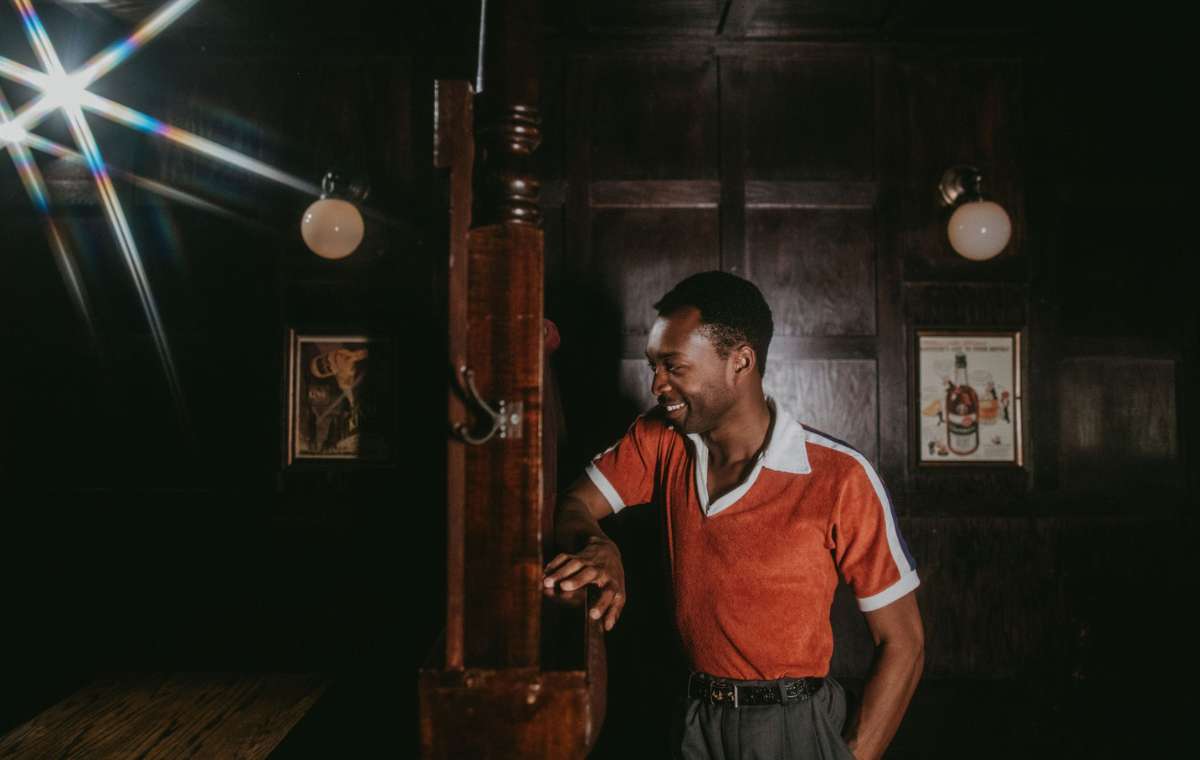
Josiah Leming has paid his dues. As a teenager from East Tennessee, his devotion to music led him to hit the road, where he lived
in his car and played for anyone who would listen. That took him all the way to a major record deal when he was only nineteen.
When that ended, he refused to give up and became an indie artist, relying solely on the music and his undeniable gift for crafting
relatable songs that led to a devoted fan base he calls the Bonnevilles. He appreciates them so much that he includes them in his
artist name. “They’re the reason I’m able to make music,” he says.
2024 saw Josiah and the Bonnevilles reaching new heights, completing a headlining tour of thirty-three sold-out dates followed
by a slew of international stops that proved his global following. He has become known for raw emotion and a profound
connection to his audience. This newfound attention has led to much anticipation for his new album — and As Is lives up to the
expectations.
“I knew I had a responsibility to try to become a better writer, a better artist,” he says. “One day that feels like a blessing, and the
next it feels pretty intimidating.” Instead of reproducing his popular sound from the self produced “Endurance”, he decided to
expand it. “I think it would have been hard to keep my excitement to go out on the road with another kind of acoustic record.”
His tenth studio album finds him going more electric than ever before, even as he unplugs from the digital world. “I feel like a
grizzled old veteran at this point,” he says, even though he is only thirty-six. “I’m desiring quiet, a work space away from the
internet…I felt like it was important to pull back this last year and try to understand what’s on my heart.” What he found there
resulted in an album focusing on joy, sorrow, and working-class issues that feel very of the moment in a time when so many
Americans are struggling to make ends meet.
Leming comes by his empathy for working people honestly. He’s one of nine siblings, born and raised in Morristown, Tennessee,
right in the heart of Appalachia. He taught himself piano when he was eight and was writing songs by thirteen. As a child he was
intently aware of his community and intensely proud of his people, something he thinks about even more in these trying times. “I
look at my I look at my folks in East Tennessee and very few of them seem to be winning in this new world,” Leming says.
“Being a regular person, working, trying your best. I think that’s something to be proud of.”
His records have always been intensely personal. But on As Is he wanted to step away from being the main character and instead
use vignettes to express essential truths he has learned. “I want anyone to be able to put it on and not think about me when they’re
listening. I want them to be in the emotion.” Because of this he made a conscious choice to not include himself on the album
cover.
Leming chose ten tracks from ninety-six songs he has written over the last year and a half. As Is features the most co-writes he
has ever recorded. “I love writing alone, but I wanted to bring in some trusted partners on this one,” he says. The resulting list
features some of the most acclaimed songwriters working today. There’s Nashville powerhouse Natalie Hemby, a two-time
Grammy winner who has written for everyone from Lady Gaga to Miranda Lambert; Joel Little, a Grammy winner who has
written with Lorde, Taylor Swift, Noah Kahan, and many others; Scott Harris, best known for work he’s produced or written for
artists such as Shawn Mendes, Dua Lipa, and The Chainsmokers; and others.
To help him find the sound he hoped to achieve, Leming brought in Konrad Snyder as a co-producer. Snyder has engineered or
produced some of the best work to come out of Nashville in the last decade, including tracks by Kacey Musgraves, Stephen
Sanchez, and Noah Kahan. “It was an amazing partnership with Konrad,” Leming says. “I never had to touch a computer or a
piece of gear; he’s a whiz with all that stuff. I’m usually so hands-on with my stuff, switching between setting up, tracking and
editing but on this record I got to just perform the songs.”
The songs on As Is feature Leming’s vivid sense of place, precise yet poetic lyrics, and emotion that is always longingly
expressed by his vulnerable vocals. This collection is more up-tempo than most of his work, which is something Leming and
Snyder strived to make happen on about half the songs. “I was thinking a lot about the energy, of having a couple songs that can
amp up people at live shows,” he says.
This power is especially apparent on songs like opening track “Good Boy”, which boils toward a rousing breakdown, “Carolina
Heart”, a tune Leming calls “less existential and my attempt at a feel-good song,“ and “Going Gone”, a nostalgic track about the
passage of time. “Mountain Girl” is a foot-tapping harmonica-led tribute to Appalachian women. There’s the jaunty rock of
“Redline”, and a song called “One Day at a Time” that is sure to resonate with anyone who has ever struggled with addiction,
depression, or a lack of confidence. Leming’s fans often cite his storytelling abilities as one reason they love his work, and that
takes center stage on the title track, a spoken-word song. “Where It Starts” is a meditation on how heartache can lead to great art.
The first single is the powerful “Hell Without the Flames,” the album’s darkest track that also showcases some of the best lyrics
and vocals of his career.
They all make for a collection of songs that take the listener full circle. “There’s all these kinds of love stories, and it walks
through many variations on heartbreak, ultimately landing on home, acceptance and overcoming that hurt. I just want people to
be able to see themselves in the songs.”
That’s what it’s all about for Leming. “The only goal for me is to make something real, and honest, and that can get them through
the day,” he says. “I gave everything I have for this album. I laid it all on the table, which is what I always want to do.”
As Is proves to be all of that, and more, a milestone for one of our most authentic and resonant artists working today.
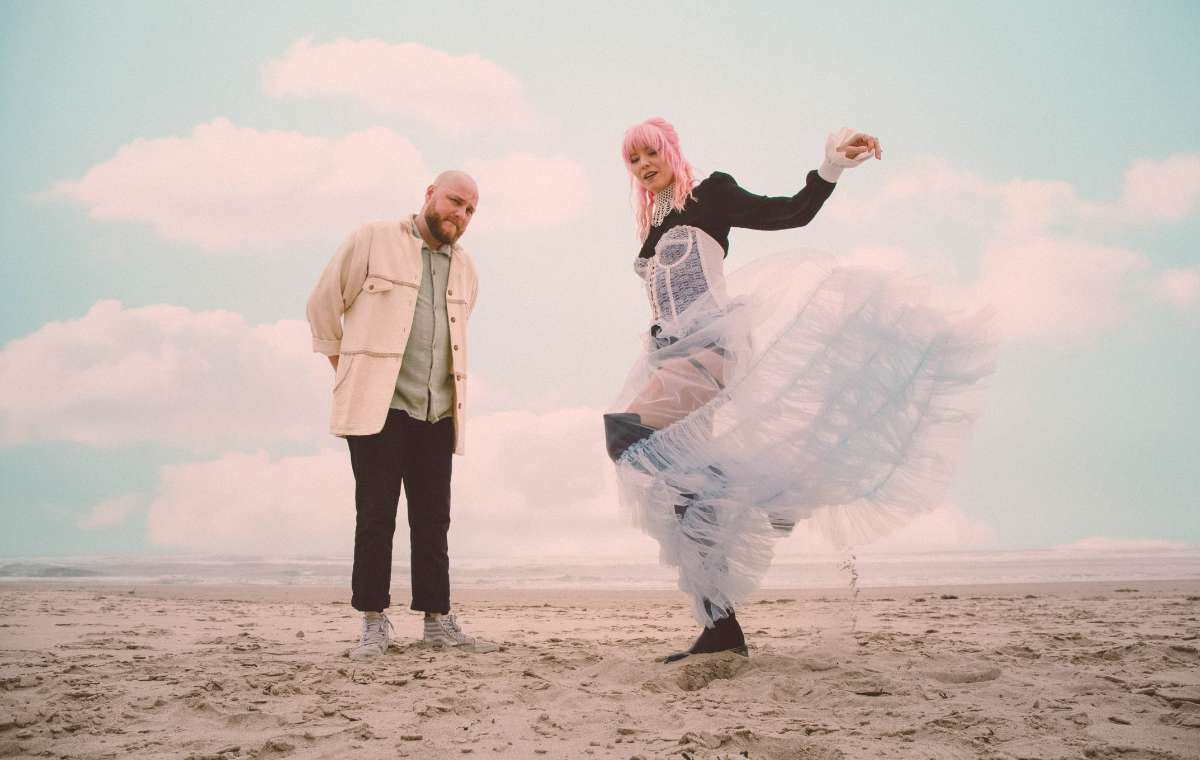
Somewhere in the ether/net of our collective social cosmos soup floats the magical, masterful pop music of Magdalena Bay, the duo from Los Angeles composed of Mica Tenenbaum and Matthew Lewin. While the pair may claim California as its terra firma, its true home is in the clouds, from where the two emit and output the unique yet familiar frequencies of synthesized nostalgia, kitschy catchiness, and bombastically warped neo-hooks for which the group has become celebrated. Transmitting in both the audio and video realms, Magdalena Bay is an entity adroitly suited for these times, caught in a haze of the known and felt while pushing sonic landscapes woven with the now into the next.
Having met as teenagers in a high school music program in their hometown of Miami (Tenebaum having moved to Florida at age 1 from Buenos Aires), each quickly recognized a kismet and kindred spirit in the other, resulting in the formation of a band, the prog outfit Tabula Rasa, as well as a romance. Lewin was a self-styled guitar shredder armed with his dad’s prog and concept rock records — The Wall, The Bends, Genesis, Fiona Apple — while Tenenbaum was a pianist and singer dipping toes in indie (Modest Mouse) and emo (My Chemical Romance) rock as well as pop made by princesses (Shakira, Britney). Both could read music and Lewin had even studied music theory, also teaching himself how to produce, record, and mix while making two Tabula Rasa records. The pair took a brief break from dating and headed to different colleges but kept the band together, often trading eight-hour bus rides from Penn to Northeastern and vice versa to rehearse, before eventually realizing two things: one, their relationship was too real to be denied, and two, no one young likes prog.
“It was like, ‘No one’s listening to our prog music, what a shame,’” Tenebaum says with a laugh. “We were excited to try something different. So we got into the mechanics of ‘what does it mean to write a pop song?’ and ‘what is this craft?’ and that was the beginning of Magdalena Bay.”
“I remember thinking, ‘Pop music is simple, so we should be able to make it,’” Lewin says. “And then, of course, there’s way more to it, lots of complexities in the writing and production that I wasn’t aware of. We had no artistic perspective at that point because we were still figuring out the genre and how to make something that resembled pop music before we could think about how we could make it interesting. So that was our early process.”
Holding tight to that all-encompassing genre descriptor (“We make pop, but what really is pop anyway?” Tenenbaum asks, while Lewin counters, “We’re a pop group making pop music; all the rest is implied…I think it’s fun to imply that pop music is a wide range of things”), the duo released a grip of EPs and singles before launching its debut album Mercurial World in the fall of 2021. Many outlets, while uniformly praising its melodic hooks, sing-song vocals, and meticulously-crafted production, called it “synth-pop,” which is probably the most specific subgenre Lewin and Tenenbaum will allow. Regardless, the mark had been made, and Magdalena Bay soon began to gather respect, adulation, and fans in the true currency of the day: streaming numbers, social media followers, support slots, festival appearances, and creative collabs. All the while, aided by its highly stylized online aesthetic and internet presence, the band was inching closer to realizing something of an artistic perspective after all.
“We love extending the world of our music past sound into videos or a website or graphics or whatever it might be,” Tenenbaum says.
“We like to think of them as one and the same, but I think it has to start with the music,” Lewin says. “We’re trying to create an atmosphere or an emotional quality with it.”
“It’s the jumping off point that inspires the rest,” Tenenbaum agrees. “But as the years have gone by, as we’ve made more and more videos and such, the process has become more integrated. We were having visual ideas, which was never the case before. I guess people call it ‘world-building.’”
Somewhere in the ether/net of our collective social cosmos soup floats the magical, masterful pop music of Magdalena Bay, the duo from Los Angeles composed of Mica Tenenbaum and Matthew Lewin. While the pair may claim California as its terra firma, its true home is in the clouds, from where the two emit and output the unique yet familiar frequencies of synthesized nostalgia, kitschy catchiness, and bombastically warped neo-hooks for which the group has become celebrated. Transmitting in both the audio and video realms, Magdalena Bay is an entity adroitly suited for these times, caught in a haze of the known and felt while pushing sonic landscapes woven with the now into the next.
Having met as teenagers in a high school music program in their hometown of Miami (Tenebaum having moved to Florida at age 1 from Buenos Aires), each quickly recognized a kismet and kindred spirit in the other, resulting in the formation of a band, the prog outfit Tabula Rasa, as well as a romance. Lewin was a self-styled guitar shredder armed with his dad’s prog and concept rock records — The Wall, The Bends, Genesis, Fiona Apple — while Tenenbaum was a pianist and singer dipping toes in indie (Modest Mouse) and emo (My Chemical Romance) rock as well as pop made by princesses (Shakira, Britney). Both could read music and Lewin had even studied music theory, also teaching himself how to produce, record, and mix while making two Tabula Rasa records. The pair took a brief break from dating and headed to different colleges but kept the band together, often trading eight-hour bus rides from Penn to Northeastern and vice versa to rehearse, before eventually realizing two things: one, their relationship was too real to be denied, and two, no one young likes prog.
“It was like, ‘No one’s listening to our prog music, what a shame,’” Tenebaum says with a laugh. “We were excited to try something different. So we got into the mechanics of ‘what does it mean to write a pop song?’ and ‘what is this craft?’ and that was the beginning of Magdalena Bay.”
“I remember thinking, ‘Pop music is simple, so we should be able to make it,’” Lewin says. “And then, of course, there’s way more to it, lots of complexities in the writing and production that I wasn’t aware of. We had no artistic perspective at that point because we were still figuring out the genre and how to make something that resembled pop music before we could think about how we could make it interesting. So that was our early process.”
Holding tight to that all-encompassing genre descriptor (“We make pop, but what really is pop anyway?” Tenenbaum asks, while Lewin counters, “We’re a pop group making pop music; all the rest is implied…I think it’s fun to imply that pop music is a wide range of things”), the duo released a grip of EPs and singles before launching its debut album Mercurial World in the fall of 2021. Many outlets, while uniformly praising its melodic hooks, sing-song vocals, and meticulously-crafted production, called it “synth-pop,” which is probably the most specific subgenre Lewin and Tenenbaum will allow. Regardless, the mark had been made, and Magdalena Bay soon began to gather respect, adulation, and fans in the true currency of the day: streaming numbers, social media followers, support slots, festival appearances, and creative collabs. All the while, aided by its highly stylized online aesthetic and internet presence, the band was inching closer to realizing something of an artistic perspective after all.
“We love extending the world of our music past sound into videos or a website or graphics or whatever it might be,” Tenenbaum says.
“We like to think of them as one and the same, but I think it has to start with the music,” Lewin says. “We’re trying to create an atmosphere or an emotional quality with it.”
“It’s the jumping off point that inspires the rest,” Tenenbaum agrees. “But as the years have gone by, as we’ve made more and more videos and such, the process has become more integrated. We were having visual ideas, which was never the case before. I guess people call it ‘world-building.’”
Somewhere in the ether/net of our collective social cosmos soup floats the magical, masterful pop music of Magdalena Bay, the duo from Los Angeles composed of Mica Tenenbaum and Matthew Lewin. While the pair may claim California as its terra firma, its true home is in the clouds, from where the two emit and output the unique yet familiar frequencies of synthesized nostalgia, kitschy catchiness, and bombastically warped neo-hooks for which the group has become celebrated. Transmitting in both the audio and video realms, Magdalena Bay is an entity adroitly suited for these times, caught in a haze of the known and felt while pushing sonic landscapes woven with the now into the next.
Having met as teenagers in a high school music program in their hometown of Miami (Tenebaum having moved to Florida at age 1 from Buenos Aires), each quickly recognized a kismet and kindred spirit in the other, resulting in the formation of a band, the prog outfit Tabula Rasa, as well as a romance. Lewin was a self-styled guitar shredder armed with his dad’s prog and concept rock records — The Wall, The Bends, Genesis, Fiona Apple — while Tenenbaum was a pianist and singer dipping toes in indie (Modest Mouse) and emo (My Chemical Romance) rock as well as pop made by princesses (Shakira, Britney). Both could read music and Lewin had even studied music theory, also teaching himself how to produce, record, and mix while making two Tabula Rasa records. The pair took a brief break from dating and headed to different colleges but kept the band together, often trading eight-hour bus rides from Penn to Northeastern and vice versa to rehearse, before eventually realizing two things: one, their relationship was too real to be denied, and two, no one young likes prog.
“It was like, ‘No one’s listening to our prog music, what a shame,’” Tenebaum says with a laugh. “We were excited to try something different. So we got into the mechanics of ‘what does it mean to write a pop song?’ and ‘what is this craft?’ and that was the beginning of Magdalena Bay.”
“I remember thinking, ‘Pop music is simple, so we should be able to make it,’” Lewin says. “And then, of course, there’s way more to it, lots of complexities in the writing and production that I wasn’t aware of. We had no artistic perspective at that point because we were still figuring out the genre and how to make something that resembled pop music before we could think about how we could make it interesting. So that was our early process.”
Holding tight to that all-encompassing genre descriptor (“We make pop, but what really is pop anyway?” Tenenbaum asks, while Lewin counters, “We’re a pop group making pop music; all the rest is implied…I think it’s fun to imply that pop music is a wide range of things”), the duo released a grip of EPs and singles before launching its debut album Mercurial World in the fall of 2021. Many outlets, while uniformly praising its melodic hooks, sing-song vocals, and meticulously-crafted production, called it “synth-pop,” which is probably the most specific subgenre Lewin and Tenenbaum will allow. Regardless, the mark had been made, and Magdalena Bay soon began to gather respect, adulation, and fans in the true currency of the day: streaming numbers, social media followers, support slots, festival appearances, and creative collabs. All the while, aided by its highly stylized online aesthetic and internet presence, the band was inching closer to realizing something of an artistic perspective after all.
“We love extending the world of our music past sound into videos or a website or graphics or whatever it might be,” Tenenbaum says.
“We like to think of them as one and the same, but I think it has to start with the music,” Lewin says. “We’re trying to create an atmosphere or an emotional quality with it.”
“It’s the jumping off point that inspires the rest,” Tenenbaum agrees. “But as the years have gone by, as we’ve made more and more videos and such, the process has become more integrated. We were having visual ideas, which was never the case before. I guess people call it ‘world-building.’”
Somewhere in the ether/net of our collective social cosmos soup floats the magical, masterful pop music of Magdalena Bay, the duo from Los Angeles composed of Mica Tenenbaum and Matthew Lewin. While the pair may claim California as its terra firma, its true home is in the clouds, from where the two emit and output the unique yet familiar frequencies of synthesized nostalgia, kitschy catchiness, and bombastically warped neo-hooks for which the group has become celebrated. Transmitting in both the audio and video realms, Magdalena Bay is an entity adroitly suited for these times, caught in a haze of the known and felt while pushing sonic landscapes woven with the now into the next.
Having met as teenagers in a high school music program in their hometown of Miami (Tenebaum having moved to Florida at age 1 from Buenos Aires), each quickly recognized a kismet and kindred spirit in the other, resulting in the formation of a band, the prog outfit Tabula Rasa, as well as a romance. Lewin was a self-styled guitar shredder armed with his dad’s prog and concept rock records — The Wall, The Bends, Genesis, Fiona Apple — while Tenenbaum was a pianist and singer dipping toes in indie (Modest Mouse) and emo (My Chemical Romance) rock as well as pop made by princesses (Shakira, Britney). Both could read music and Lewin had even studied music theory, also teaching himself how to produce, record, and mix while making two Tabula Rasa records. The pair took a brief break from dating and headed to different colleges but kept the band together, often trading eight-hour bus rides from Penn to Northeastern and vice versa to rehearse, before eventually realizing two things: one, their relationship was too real to be denied, and two, no one young likes prog.
“It was like, ‘No one’s listening to our prog music, what a shame,’” Tenebaum says with a laugh. “We were excited to try something different. So we got into the mechanics of ‘what does it mean to write a pop song?’ and ‘what is this craft?’ and that was the beginning of Magdalena Bay.”
“I remember thinking, ‘Pop music is simple, so we should be able to make it,’” Lewin says. “And then, of course, there’s way more to it, lots of complexities in the writing and production that I wasn’t aware of. We had no artistic perspective at that point because we were still figuring out the genre and how to make something that resembled pop music before we could think about how we could make it interesting. So that was our early process.”
Holding tight to that all-encompassing genre descriptor (“We make pop, but what really is pop anyway?” Tenenbaum asks, while Lewin counters, “We’re a pop group making pop music; all the rest is implied…I think it’s fun to imply that pop music is a wide range of things”), the duo released a grip of EPs and singles before launching its debut album Mercurial World in the fall of 2021. Many outlets, while uniformly praising its melodic hooks, sing-song vocals, and meticulously-crafted production, called it “synth-pop,” which is probably the most specific subgenre Lewin and Tenenbaum will allow. Regardless, the mark had been made, and Magdalena Bay soon began to gather respect, adulation, and fans in the true currency of the day: streaming numbers, social media followers, support slots, festival appearances, and creative collabs. All the while, aided by its highly stylized online aesthetic and internet presence, the band was inching closer to realizing something of an artistic perspective after all.
“We love extending the world of our music past sound into videos or a website or graphics or whatever it might be,” Tenenbaum says.
“We like to think of them as one and the same, but I think it has to start with the music,” Lewin says. “We’re trying to create an atmosphere or an emotional quality with it.”
“It’s the jumping off point that inspires the rest,” Tenenbaum agrees. “But as the years have gone by, as we’ve made more and more videos and such, the process has become more integrated. We were having visual ideas, which was never the case before. I guess people call it ‘world-building.’”
Somewhere in the ether/net of our collective social cosmos soup floats the magical, masterful pop music of Magdalena Bay, the duo from Los Angeles composed of Mica Tenenbaum and Matthew Lewin. While the pair may claim California as its terra firma, its true home is in the clouds, from where the two emit and output the unique yet familiar frequencies of synthesized nostalgia, kitschy catchiness, and bombastically warped neo-hooks for which the group has become celebrated. Transmitting in both the audio and video realms, Magdalena Bay is an entity adroitly suited for these times, caught in a haze of the known and felt while pushing sonic landscapes woven with the now into the next.
Having met as teenagers in a high school music program in their hometown of Miami (Tenebaum having moved to Florida at age 1 from Buenos Aires), each quickly recognized a kismet and kindred spirit in the other, resulting in the formation of a band, the prog outfit Tabula Rasa, as well as a romance. Lewin was a self-styled guitar shredder armed with his dad’s prog and concept rock records — The Wall, The Bends, Genesis, Fiona Apple — while Tenenbaum was a pianist and singer dipping toes in indie (Modest Mouse) and emo (My Chemical Romance) rock as well as pop made by princesses (Shakira, Britney). Both could read music and Lewin had even studied music theory, also teaching himself how to produce, record, and mix while making two Tabula Rasa records. The pair took a brief break from dating and headed to different colleges but kept the band together, often trading eight-hour bus rides from Penn to Northeastern and vice versa to rehearse, before eventually realizing two things: one, their relationship was too real to be denied, and two, no one young likes prog.
“It was like, ‘No one’s listening to our prog music, what a shame,’” Tenebaum says with a laugh. “We were excited to try something different. So we got into the mechanics of ‘what does it mean to write a pop song?’ and ‘what is this craft?’ and that was the beginning of Magdalena Bay.”
“I remember thinking, ‘Pop music is simple, so we should be able to make it,’” Lewin says. “And then, of course, there’s way more to it, lots of complexities in the writing and production that I wasn’t aware of. We had no artistic perspective at that point because we were still figuring out the genre and how to make something that resembled pop music before we could think about how we could make it interesting. So that was our early process.”
Holding tight to that all-encompassing genre descriptor (“We make pop, but what really is pop anyway?” Tenenbaum asks, while Lewin counters, “We’re a pop group making pop music; all the rest is implied…I think it’s fun to imply that pop music is a wide range of things”), the duo released a grip of EPs and singles before launching its debut album Mercurial World in the fall of 2021. Many outlets, while uniformly praising its melodic hooks, sing-song vocals, and meticulously-crafted production, called it “synth-pop,” which is probably the most specific subgenre Lewin and Tenenbaum will allow. Regardless, the mark had been made, and Magdalena Bay soon began to gather respect, adulation, and fans in the true currency of the day: streaming numbers, social media followers, support slots, festival appearances, and creative collabs. All the while, aided by its highly stylized online aesthetic and internet presence, the band was inching closer to realizing something of an artistic perspective after all.
“We love extending the world of our music past sound into videos or a website or graphics or whatever it might be,” Tenenbaum says.
“We like to think of them as one and the same, but I think it has to start with the music,” Lewin says. “We’re trying to create an atmosphere or an emotional quality with it.”
“It’s the jumping off point that inspires the rest,” Tenenbaum agrees. “But as the years have gone by, as we’ve made more and more videos and such, the process has become more integrated. We were having visual ideas, which was never the case before. I guess people call it ‘world-building.’”
Somewhere in the ether/net of our collective social cosmos soup floats the magical, masterful pop music of Magdalena Bay, the duo from Los Angeles composed of Mica Tenenbaum and Matthew Lewin. While the pair may claim California as its terra firma, its true home is in the clouds, from where the two emit and output the unique yet familiar frequencies of synthesized nostalgia, kitschy catchiness, and bombastically warped neo-hooks for which the group has become celebrated. Transmitting in both the audio and video realms, Magdalena Bay is an entity adroitly suited for these times, caught in a haze of the known and felt while pushing sonic landscapes woven with the now into the next.
Having met as teenagers in a high school music program in their hometown of Miami (Tenebaum having moved to Florida at age 1 from Buenos Aires), each quickly recognized a kismet and kindred spirit in the other, resulting in the formation of a band, the prog outfit Tabula Rasa, as well as a romance. Lewin was a self-styled guitar shredder armed with his dad’s prog and concept rock records — The Wall, The Bends, Genesis, Fiona Apple — while Tenenbaum was a pianist and singer dipping toes in indie (Modest Mouse) and emo (My Chemical Romance) rock as well as pop made by princesses (Shakira, Britney). Both could read music and Lewin had even studied music theory, also teaching himself how to produce, record, and mix while making two Tabula Rasa records. The pair took a brief break from dating and headed to different colleges but kept the band together, often trading eight-hour bus rides from Penn to Northeastern and vice versa to rehearse, before eventually realizing two things: one, their relationship was too real to be denied, and two, no one young likes prog.
“It was like, ‘No one’s listening to our prog music, what a shame,’” Tenebaum says with a laugh. “We were excited to try something different. So we got into the mechanics of ‘what does it mean to write a pop song?’ and ‘what is this craft?’ and that was the beginning of Magdalena Bay.”
“I remember thinking, ‘Pop music is simple, so we should be able to make it,’” Lewin says. “And then, of course, there’s way more to it, lots of complexities in the writing and production that I wasn’t aware of. We had no artistic perspective at that point because we were still figuring out the genre and how to make something that resembled pop music before we could think about how we could make it interesting. So that was our early process.”
Holding tight to that all-encompassing genre descriptor (“We make pop, but what really is pop anyway?” Tenenbaum asks, while Lewin counters, “We’re a pop group making pop music; all the rest is implied…I think it’s fun to imply that pop music is a wide range of things”), the duo released a grip of EPs and singles before launching its debut album Mercurial World in the fall of 2021. Many outlets, while uniformly praising its melodic hooks, sing-song vocals, and meticulously-crafted production, called it “synth-pop,” which is probably the most specific subgenre Lewin and Tenenbaum will allow. Regardless, the mark had been made, and Magdalena Bay soon began to gather respect, adulation, and fans in the true currency of the day: streaming numbers, social media followers, support slots, festival appearances, and creative collabs. All the while, aided by its highly stylized online aesthetic and internet presence, the band was inching closer to realizing something of an artistic perspective after all.
“We love extending the world of our music past sound into videos or a website or graphics or whatever it might be,” Tenenbaum says.
“We like to think of them as one and the same, but I think it has to start with the music,” Lewin says. “We’re trying to create an atmosphere or an emotional quality with it.”
“It’s the jumping off point that inspires the rest,” Tenenbaum agrees. “But as the years have gone by, as we’ve made more and more videos and such, the process has become more integrated. We were having visual ideas, which was never the case before. I guess people call it ‘world-building.’”
Somewhere in the ether/net of our collective social cosmos soup floats the magical, masterful pop music of Magdalena Bay, the duo from Los Angeles composed of Mica Tenenbaum and Matthew Lewin. While the pair may claim California as its terra firma, its true home is in the clouds, from where the two emit and output the unique yet familiar frequencies of synthesized nostalgia, kitschy catchiness, and bombastically warped neo-hooks for which the group has become celebrated. Transmitting in both the audio and video realms, Magdalena Bay is an entity adroitly suited for these times, caught in a haze of the known and felt while pushing sonic landscapes woven with the now into the next.
Having met as teenagers in a high school music program in their hometown of Miami (Tenebaum having moved to Florida at age 1 from Buenos Aires), each quickly recognized a kismet and kindred spirit in the other, resulting in the formation of a band, the prog outfit Tabula Rasa, as well as a romance. Lewin was a self-styled guitar shredder armed with his dad’s prog and concept rock records — The Wall, The Bends, Genesis, Fiona Apple — while Tenenbaum was a pianist and singer dipping toes in indie (Modest Mouse) and emo (My Chemical Romance) rock as well as pop made by princesses (Shakira, Britney). Both could read music and Lewin had even studied music theory, also teaching himself how to produce, record, and mix while making two Tabula Rasa records. The pair took a brief break from dating and headed to different colleges but kept the band together, often trading eight-hour bus rides from Penn to Northeastern and vice versa to rehearse, before eventually realizing two things: one, their relationship was too real to be denied, and two, no one young likes prog.
“It was like, ‘No one’s listening to our prog music, what a shame,’” Tenebaum says with a laugh. “We were excited to try something different. So we got into the mechanics of ‘what does it mean to write a pop song?’ and ‘what is this craft?’ and that was the beginning of Magdalena Bay.”
“I remember thinking, ‘Pop music is simple, so we should be able to make it,’” Lewin says. “And then, of course, there’s way more to it, lots of complexities in the writing and production that I wasn’t aware of. We had no artistic perspective at that point because we were still figuring out the genre and how to make something that resembled pop music before we could think about how we could make it interesting. So that was our early process.”
Holding tight to that all-encompassing genre descriptor (“We make pop, but what really is pop anyway?” Tenenbaum asks, while Lewin counters, “We’re a pop group making pop music; all the rest is implied…I think it’s fun to imply that pop music is a wide range of things”), the duo released a grip of EPs and singles before launching its debut album Mercurial World in the fall of 2021. Many outlets, while uniformly praising its melodic hooks, sing-song vocals, and meticulously-crafted production, called it “synth-pop,” which is probably the most specific subgenre Lewin and Tenenbaum will allow. Regardless, the mark had been made, and Magdalena Bay soon began to gather respect, adulation, and fans in the true currency of the day: streaming numbers, social media followers, support slots, festival appearances, and creative collabs. All the while, aided by its highly stylized online aesthetic and internet presence, the band was inching closer to realizing something of an artistic perspective after all.
“We love extending the world of our music past sound into videos or a website or graphics or whatever it might be,” Tenenbaum says.
“We like to think of them as one and the same, but I think it has to start with the music,” Lewin says. “We’re trying to create an atmosphere or an emotional quality with it.”
“It’s the jumping off point that inspires the rest,” Tenenbaum agrees. “But as the years have gone by, as we’ve made more and more videos and such, the process has become more integrated. We were having visual ideas, which was never the case before. I guess people call it ‘world-building.’”
Somewhere in the ether/net of our collective social cosmos soup floats the magical, masterful pop music of Magdalena Bay, the duo from Los Angeles composed of Mica Tenenbaum and Matthew Lewin. While the pair may claim California as its terra firma, its true home is in the clouds, from where the two emit and output the unique yet familiar frequencies of synthesized nostalgia, kitschy catchiness, and bombastically warped neo-hooks for which the group has become celebrated. Transmitting in both the audio and video realms, Magdalena Bay is an entity adroitly suited for these times, caught in a haze of the known and felt while pushing sonic landscapes woven with the now into the next.
Having met as teenagers in a high school music program in their hometown of Miami (Tenebaum having moved to Florida at age 1 from Buenos Aires), each quickly recognized a kismet and kindred spirit in the other, resulting in the formation of a band, the prog outfit Tabula Rasa, as well as a romance. Lewin was a self-styled guitar shredder armed with his dad’s prog and concept rock records — The Wall, The Bends, Genesis, Fiona Apple — while Tenenbaum was a pianist and singer dipping toes in indie (Modest Mouse) and emo (My Chemical Romance) rock as well as pop made by princesses (Shakira, Britney). Both could read music and Lewin had even studied music theory, also teaching himself how to produce, record, and mix while making two Tabula Rasa records. The pair took a brief break from dating and headed to different colleges but kept the band together, often trading eight-hour bus rides from Penn to Northeastern and vice versa to rehearse, before eventually realizing two things: one, their relationship was too real to be denied, and two, no one young likes prog.
“It was like, ‘No one’s listening to our prog music, what a shame,’” Tenebaum says with a laugh. “We were excited to try something different. So we got into the mechanics of ‘what does it mean to write a pop song?’ and ‘what is this craft?’ and that was the beginning of Magdalena Bay.”
“I remember thinking, ‘Pop music is simple, so we should be able to make it,’” Lewin says. “And then, of course, there’s way more to it, lots of complexities in the writing and production that I wasn’t aware of. We had no artistic perspective at that point because we were still figuring out the genre and how to make something that resembled pop music before we could think about how we could make it interesting. So that was our early process.”
Holding tight to that all-encompassing genre descriptor (“We make pop, but what really is pop anyway?” Tenenbaum asks, while Lewin counters, “We’re a pop group making pop music; all the rest is implied…I think it’s fun to imply that pop music is a wide range of things”), the duo released a grip of EPs and singles before launching its debut album Mercurial World in the fall of 2021. Many outlets, while uniformly praising its melodic hooks, sing-song vocals, and meticulously-crafted production, called it “synth-pop,” which is probably the most specific subgenre Lewin and Tenenbaum will allow. Regardless, the mark had been made, and Magdalena Bay soon began to gather respect, adulation, and fans in the true currency of the day: streaming numbers, social media followers, support slots, festival appearances, and creative collabs. All the while, aided by its highly stylized online aesthetic and internet presence, the band was inching closer to realizing something of an artistic perspective after all.
“We love extending the world of our music past sound into videos or a website or graphics or whatever it might be,” Tenenbaum says.
“We like to think of them as one and the same, but I think it has to start with the music,” Lewin says. “We’re trying to create an atmosphere or an emotional quality with it.”
“It’s the jumping off point that inspires the rest,” Tenenbaum agrees. “But as the years have gone by, as we’ve made more and more videos and such, the process has become more integrated. We were having visual ideas, which was never the case before. I guess people call it ‘world-building.’”
Somewhere in the ether/net of our collective social cosmos soup floats the magical, masterful pop music of Magdalena Bay, the duo from Los Angeles composed of Mica Tenenbaum and Matthew Lewin. While the pair may claim California as its terra firma, its true home is in the clouds, from where the two emit and output the unique yet familiar frequencies of synthesized nostalgia, kitschy catchiness, and bombastically warped neo-hooks for which the group has become celebrated. Transmitting in both the audio and video realms, Magdalena Bay is an entity adroitly suited for these times, caught in a haze of the known and felt while pushing sonic landscapes woven with the now into the next.
Having met as teenagers in a high school music program in their hometown of Miami (Tenebaum having moved to Florida at age 1 from Buenos Aires), each quickly recognized a kismet and kindred spirit in the other, resulting in the formation of a band, the prog outfit Tabula Rasa, as well as a romance. Lewin was a self-styled guitar shredder armed with his dad’s prog and concept rock records — The Wall, The Bends, Genesis, Fiona Apple — while Tenenbaum was a pianist and singer dipping toes in indie (Modest Mouse) and emo (My Chemical Romance) rock as well as pop made by princesses (Shakira, Britney). Both could read music and Lewin had even studied music theory, also teaching himself how to produce, record, and mix while making two Tabula Rasa records. The pair took a brief break from dating and headed to different colleges but kept the band together, often trading eight-hour bus rides from Penn to Northeastern and vice versa to rehearse, before eventually realizing two things: one, their relationship was too real to be denied, and two, no one young likes prog.
“It was like, ‘No one’s listening to our prog music, what a shame,’” Tenebaum says with a laugh. “We were excited to try something different. So we got into the mechanics of ‘what does it mean to write a pop song?’ and ‘what is this craft?’ and that was the beginning of Magdalena Bay.”
“I remember thinking, ‘Pop music is simple, so we should be able to make it,’” Lewin says. “And then, of course, there’s way more to it, lots of complexities in the writing and production that I wasn’t aware of. We had no artistic perspective at that point because we were still figuring out the genre and how to make something that resembled pop music before we could think about how we could make it interesting. So that was our early process.”
Holding tight to that all-encompassing genre descriptor (“We make pop, but what really is pop anyway?” Tenenbaum asks, while Lewin counters, “We’re a pop group making pop music; all the rest is implied…I think it’s fun to imply that pop music is a wide range of things”), the duo released a grip of EPs and singles before launching its debut album Mercurial World in the fall of 2021. Many outlets, while uniformly praising its melodic hooks, sing-song vocals, and meticulously-crafted production, called it “synth-pop,” which is probably the most specific subgenre Lewin and Tenenbaum will allow. Regardless, the mark had been made, and Magdalena Bay soon began to gather respect, adulation, and fans in the true currency of the day: streaming numbers, social media followers, support slots, festival appearances, and creative collabs. All the while, aided by its highly stylized online aesthetic and internet presence, the band was inching closer to realizing something of an artistic perspective after all.
“We love extending the world of our music past sound into videos or a website or graphics or whatever it might be,” Tenenbaum says.
“We like to think of them as one and the same, but I think it has to start with the music,” Lewin says. “We’re trying to create an atmosphere or an emotional quality with it.”
“It’s the jumping off point that inspires the rest,” Tenenbaum agrees. “But as the years have gone by, as we’ve made more and more videos and such, the process has become more integrated. We were having visual ideas, which was never the case before. I guess people call it ‘world-building.’”
Somewhere in the ether/net of our collective social cosmos soup floats the magical, masterful pop music of Magdalena Bay, the duo from Los Angeles composed of Mica Tenenbaum and Matthew Lewin. While the pair may claim California as its terra firma, its true home is in the clouds, from where the two emit and output the unique yet familiar frequencies of synthesized nostalgia, kitschy catchiness, and bombastically warped neo-hooks for which the group has become celebrated. Transmitting in both the audio and video realms, Magdalena Bay is an entity adroitly suited for these times, caught in a haze of the known and felt while pushing sonic landscapes woven with the now into the next.
Having met as teenagers in a high school music program in their hometown of Miami (Tenebaum having moved to Florida at age 1 from Buenos Aires), each quickly recognized a kismet and kindred spirit in the other, resulting in the formation of a band, the prog outfit Tabula Rasa, as well as a romance. Lewin was a self-styled guitar shredder armed with his dad’s prog and concept rock records — The Wall, The Bends, Genesis, Fiona Apple — while Tenenbaum was a pianist and singer dipping toes in indie (Modest Mouse) and emo (My Chemical Romance) rock as well as pop made by princesses (Shakira, Britney). Both could read music and Lewin had even studied music theory, also teaching himself how to produce, record, and mix while making two Tabula Rasa records. The pair took a brief break from dating and headed to different colleges but kept the band together, often trading eight-hour bus rides from Penn to Northeastern and vice versa to rehearse, before eventually realizing two things: one, their relationship was too real to be denied, and two, no one young likes prog.
“It was like, ‘No one’s listening to our prog music, what a shame,’” Tenebaum says with a laugh. “We were excited to try something different. So we got into the mechanics of ‘what does it mean to write a pop song?’ and ‘what is this craft?’ and that was the beginning of Magdalena Bay.”
“I remember thinking, ‘Pop music is simple, so we should be able to make it,’” Lewin says. “And then, of course, there’s way more to it, lots of complexities in the writing and production that I wasn’t aware of. We had no artistic perspective at that point because we were still figuring out the genre and how to make something that resembled pop music before we could think about how we could make it interesting. So that was our early process.”
Holding tight to that all-encompassing genre descriptor (“We make pop, but what really is pop anyway?” Tenenbaum asks, while Lewin counters, “We’re a pop group making pop music; all the rest is implied…I think it’s fun to imply that pop music is a wide range of things”), the duo released a grip of EPs and singles before launching its debut album Mercurial World in the fall of 2021. Many outlets, while uniformly praising its melodic hooks, sing-song vocals, and meticulously-crafted production, called it “synth-pop,” which is probably the most specific subgenre Lewin and Tenenbaum will allow. Regardless, the mark had been made, and Magdalena Bay soon began to gather respect, adulation, and fans in the true currency of the day: streaming numbers, social media followers, support slots, festival appearances, and creative collabs. All the while, aided by its highly stylized online aesthetic and internet presence, the band was inching closer to realizing something of an artistic perspective after all.
“We love extending the world of our music past sound into videos or a website or graphics or whatever it might be,” Tenenbaum says.
“We like to think of them as one and the same, but I think it has to start with the music,” Lewin says. “We’re trying to create an atmosphere or an emotional quality with it.”
“It’s the jumping off point that inspires the rest,” Tenenbaum agrees. “But as the years have gone by, as we’ve made more and more videos and such, the process has become more integrated. We were having visual ideas, which was never the case before. I guess people call it ‘world-building.’”
Somewhere in the ether/net of our collective social cosmos soup floats the magical, masterful pop music of Magdalena Bay, the duo from Los Angeles composed of Mica Tenenbaum and Matthew Lewin. While the pair may claim California as its terra firma, its true home is in the clouds, from where the two emit and output the unique yet familiar frequencies of synthesized nostalgia, kitschy catchiness, and bombastically warped neo-hooks for which the group has become celebrated. Transmitting in both the audio and video realms, Magdalena Bay is an entity adroitly suited for these times, caught in a haze of the known and felt while pushing sonic landscapes woven with the now into the next.
Having met as teenagers in a high school music program in their hometown of Miami (Tenebaum having moved to Florida at age 1 from Buenos Aires), each quickly recognized a kismet and kindred spirit in the other, resulting in the formation of a band, the prog outfit Tabula Rasa, as well as a romance. Lewin was a self-styled guitar shredder armed with his dad’s prog and concept rock records — The Wall, The Bends, Genesis, Fiona Apple — while Tenenbaum was a pianist and singer dipping toes in indie (Modest Mouse) and emo (My Chemical Romance) rock as well as pop made by princesses (Shakira, Britney). Both could read music and Lewin had even studied music theory, also teaching himself how to produce, record, and mix while making two Tabula Rasa records. The pair took a brief break from dating and headed to different colleges but kept the band together, often trading eight-hour bus rides from Penn to Northeastern and vice versa to rehearse, before eventually realizing two things: one, their relationship was too real to be denied, and two, no one young likes prog.
“It was like, ‘No one’s listening to our prog music, what a shame,’” Tenebaum says with a laugh. “We were excited to try something different. So we got into the mechanics of ‘what does it mean to write a pop song?’ and ‘what is this craft?’ and that was the beginning of Magdalena Bay.”
“I remember thinking, ‘Pop music is simple, so we should be able to make it,’” Lewin says. “And then, of course, there’s way more to it, lots of complexities in the writing and production that I wasn’t aware of. We had no artistic perspective at that point because we were still figuring out the genre and how to make something that resembled pop music before we could think about how we could make it interesting. So that was our early process.”
Holding tight to that all-encompassing genre descriptor (“We make pop, but what really is pop anyway?” Tenenbaum asks, while Lewin counters, “We’re a pop group making pop music; all the rest is implied…I think it’s fun to imply that pop music is a wide range of things”), the duo released a grip of EPs and singles before launching its debut album Mercurial World in the fall of 2021. Many outlets, while uniformly praising its melodic hooks, sing-song vocals, and meticulously-crafted production, called it “synth-pop,” which is probably the most specific subgenre Lewin and Tenenbaum will allow. Regardless, the mark had been made, and Magdalena Bay soon began to gather respect, adulation, and fans in the true currency of the day: streaming numbers, social media followers, support slots, festival appearances, and creative collabs. All the while, aided by its highly stylized online aesthetic and internet presence, the band was inching closer to realizing something of an artistic perspective after all.
“We love extending the world of our music past sound into videos or a website or graphics or whatever it might be,” Tenenbaum says.
“We like to think of them as one and the same, but I think it has to start with the music,” Lewin says. “We’re trying to create an atmosphere or an emotional quality with it.”
“It’s the jumping off point that inspires the rest,” Tenenbaum agrees. “But as the years have gone by, as we’ve made more and more videos and such, the process has become more integrated. We were having visual ideas, which was never the case before. I guess people call it ‘world-building.’”
Somewhere in the ether/net of our collective social cosmos soup floats the magical, masterful pop music of Magdalena Bay, the duo from Los Angeles composed of Mica Tenenbaum and Matthew Lewin. While the pair may claim California as its terra firma, its true home is in the clouds, from where the two emit and output the unique yet familiar frequencies of synthesized nostalgia, kitschy catchiness, and bombastically warped neo-hooks for which the group has become celebrated. Transmitting in both the audio and video realms, Magdalena Bay is an entity adroitly suited for these times, caught in a haze of the known and felt while pushing sonic landscapes woven with the now into the next.
Having met as teenagers in a high school music program in their hometown of Miami (Tenebaum having moved to Florida at age 1 from Buenos Aires), each quickly recognized a kismet and kindred spirit in the other, resulting in the formation of a band, the prog outfit Tabula Rasa, as well as a romance. Lewin was a self-styled guitar shredder armed with his dad’s prog and concept rock records — The Wall, The Bends, Genesis, Fiona Apple — while Tenenbaum was a pianist and singer dipping toes in indie (Modest Mouse) and emo (My Chemical Romance) rock as well as pop made by princesses (Shakira, Britney). Both could read music and Lewin had even studied music theory, also teaching himself how to produce, record, and mix while making two Tabula Rasa records. The pair took a brief break from dating and headed to different colleges but kept the band together, often trading eight-hour bus rides from Penn to Northeastern and vice versa to rehearse, before eventually realizing two things: one, their relationship was too real to be denied, and two, no one young likes prog.
“It was like, ‘No one’s listening to our prog music, what a shame,’” Tenebaum says with a laugh. “We were excited to try something different. So we got into the mechanics of ‘what does it mean to write a pop song?’ and ‘what is this craft?’ and that was the beginning of Magdalena Bay.”
“I remember thinking, ‘Pop music is simple, so we should be able to make it,’” Lewin says. “And then, of course, there’s way more to it, lots of complexities in the writing and production that I wasn’t aware of. We had no artistic perspective at that point because we were still figuring out the genre and how to make something that resembled pop music before we could think about how we could make it interesting. So that was our early process.”
Holding tight to that all-encompassing genre descriptor (“We make pop, but what really is pop anyway?” Tenenbaum asks, while Lewin counters, “We’re a pop group making pop music; all the rest is implied…I think it’s fun to imply that pop music is a wide range of things”), the duo released a grip of EPs and singles before launching its debut album Mercurial World in the fall of 2021. Many outlets, while uniformly praising its melodic hooks, sing-song vocals, and meticulously-crafted production, called it “synth-pop,” which is probably the most specific subgenre Lewin and Tenenbaum will allow. Regardless, the mark had been made, and Magdalena Bay soon began to gather respect, adulation, and fans in the true currency of the day: streaming numbers, social media followers, support slots, festival appearances, and creative collabs. All the while, aided by its highly stylized online aesthetic and internet presence, the band was inching closer to realizing something of an artistic perspective after all.
“We love extending the world of our music past sound into videos or a website or graphics or whatever it might be,” Tenenbaum says.
“We like to think of them as one and the same, but I think it has to start with the music,” Lewin says. “We’re trying to create an atmosphere or an emotional quality with it.”
“It’s the jumping off point that inspires the rest,” Tenenbaum agrees. “But as the years have gone by, as we’ve made more and more videos and such, the process has become more integrated. We were having visual ideas, which was never the case before. I guess people call it ‘world-building.’”
Somewhere in the ether/net of our collective social cosmos soup floats the magical, masterful pop music of Magdalena Bay, the duo from Los Angeles composed of Mica Tenenbaum and Matthew Lewin. While the pair may claim California as its terra firma, its true home is in the clouds, from where the two emit and output the unique yet familiar frequencies of synthesized nostalgia, kitschy catchiness, and bombastically warped neo-hooks for which the group has become celebrated. Transmitting in both the audio and video realms, Magdalena Bay is an entity adroitly suited for these times, caught in a haze of the known and felt while pushing sonic landscapes woven with the now into the next.
Having met as teenagers in a high school music program in their hometown of Miami (Tenebaum having moved to Florida at age 1 from Buenos Aires), each quickly recognized a kismet and kindred spirit in the other, resulting in the formation of a band, the prog outfit Tabula Rasa, as well as a romance. Lewin was a self-styled guitar shredder armed with his dad’s prog and concept rock records — The Wall, The Bends, Genesis, Fiona Apple — while Tenenbaum was a pianist and singer dipping toes in indie (Modest Mouse) and emo (My Chemical Romance) rock as well as pop made by princesses (Shakira, Britney). Both could read music and Lewin had even studied music theory, also teaching himself how to produce, record, and mix while making two Tabula Rasa records. The pair took a brief break from dating and headed to different colleges but kept the band together, often trading eight-hour bus rides from Penn to Northeastern and vice versa to rehearse, before eventually realizing two things: one, their relationship was too real to be denied, and two, no one young likes prog.
“It was like, ‘No one’s listening to our prog music, what a shame,’” Tenebaum says with a laugh. “We were excited to try something different. So we got into the mechanics of ‘what does it mean to write a pop song?’ and ‘what is this craft?’ and that was the beginning of Magdalena Bay.”
“I remember thinking, ‘Pop music is simple, so we should be able to make it,’” Lewin says. “And then, of course, there’s way more to it, lots of complexities in the writing and production that I wasn’t aware of. We had no artistic perspective at that point because we were still figuring out the genre and how to make something that resembled pop music before we could think about how we could make it interesting. So that was our early process.”
Holding tight to that all-encompassing genre descriptor (“We make pop, but what really is pop anyway?” Tenenbaum asks, while Lewin counters, “We’re a pop group making pop music; all the rest is implied…I think it’s fun to imply that pop music is a wide range of things”), the duo released a grip of EPs and singles before launching its debut album Mercurial World in the fall of 2021. Many outlets, while uniformly praising its melodic hooks, sing-song vocals, and meticulously-crafted production, called it “synth-pop,” which is probably the most specific subgenre Lewin and Tenenbaum will allow. Regardless, the mark had been made, and Magdalena Bay soon began to gather respect, adulation, and fans in the true currency of the day: streaming numbers, social media followers, support slots, festival appearances, and creative collabs. All the while, aided by its highly stylized online aesthetic and internet presence, the band was inching closer to realizing something of an artistic perspective after all.
“We love extending the world of our music past sound into videos or a website or graphics or whatever it might be,” Tenenbaum says.
“We like to think of them as one and the same, but I think it has to start with the music,” Lewin says. “We’re trying to create an atmosphere or an emotional quality with it.”
“It’s the jumping off point that inspires the rest,” Tenenbaum agrees. “But as the years have gone by, as we’ve made more and more videos and such, the process has become more integrated. We were having visual ideas, which was never the case before. I guess people call it ‘world-building.’”
Somewhere in the ether/net of our collective social cosmos soup floats the magical, masterful pop music of Magdalena Bay, the duo from Los Angeles composed of Mica Tenenbaum and Matthew Lewin. While the pair may claim California as its terra firma, its true home is in the clouds, from where the two emit and output the unique yet familiar frequencies of synthesized nostalgia, kitschy catchiness, and bombastically warped neo-hooks for which the group has become celebrated. Transmitting in both the audio and video realms, Magdalena Bay is an entity adroitly suited for these times, caught in a haze of the known and felt while pushing sonic landscapes woven with the now into the next.
Having met as teenagers in a high school music program in their hometown of Miami (Tenebaum having moved to Florida at age 1 from Buenos Aires), each quickly recognized a kismet and kindred spirit in the other, resulting in the formation of a band, the prog outfit Tabula Rasa, as well as a romance. Lewin was a self-styled guitar shredder armed with his dad’s prog and concept rock records — The Wall, The Bends, Genesis, Fiona Apple — while Tenenbaum was a pianist and singer dipping toes in indie (Modest Mouse) and emo (My Chemical Romance) rock as well as pop made by princesses (Shakira, Britney). Both could read music and Lewin had even studied music theory, also teaching himself how to produce, record, and mix while making two Tabula Rasa records. The pair took a brief break from dating and headed to different colleges but kept the band together, often trading eight-hour bus rides from Penn to Northeastern and vice versa to rehearse, before eventually realizing two things: one, their relationship was too real to be denied, and two, no one young likes prog.
“It was like, ‘No one’s listening to our prog music, what a shame,’” Tenebaum says with a laugh. “We were excited to try something different. So we got into the mechanics of ‘what does it mean to write a pop song?’ and ‘what is this craft?’ and that was the beginning of Magdalena Bay.”
“I remember thinking, ‘Pop music is simple, so we should be able to make it,’” Lewin says. “And then, of course, there’s way more to it, lots of complexities in the writing and production that I wasn’t aware of. We had no artistic perspective at that point because we were still figuring out the genre and how to make something that resembled pop music before we could think about how we could make it interesting. So that was our early process.”
Holding tight to that all-encompassing genre descriptor (“We make pop, but what really is pop anyway?” Tenenbaum asks, while Lewin counters, “We’re a pop group making pop music; all the rest is implied…I think it’s fun to imply that pop music is a wide range of things”), the duo released a grip of EPs and singles before launching its debut album Mercurial World in the fall of 2021. Many outlets, while uniformly praising its melodic hooks, sing-song vocals, and meticulously-crafted production, called it “synth-pop,” which is probably the most specific subgenre Lewin and Tenenbaum will allow. Regardless, the mark had been made, and Magdalena Bay soon began to gather respect, adulation, and fans in the true currency of the day: streaming numbers, social media followers, support slots, festival appearances, and creative collabs. All the while, aided by its highly stylized online aesthetic and internet presence, the band was inching closer to realizing something of an artistic perspective after all.
“We love extending the world of our music past sound into videos or a website or graphics or whatever it might be,” Tenenbaum says.
“We like to think of them as one and the same, but I think it has to start with the music,” Lewin says. “We’re trying to create an atmosphere or an emotional quality with it.”
“It’s the jumping off point that inspires the rest,” Tenenbaum agrees. “But as the years have gone by, as we’ve made more and more videos and such, the process has become more integrated. We were having visual ideas, which was never the case before. I guess people call it ‘world-building.’”
Somewhere in the ether/net of our collective social cosmos soup floats the magical, masterful pop music of Magdalena Bay, the duo from Los Angeles composed of Mica Tenenbaum and Matthew Lewin. While the pair may claim California as its terra firma, its true home is in the clouds, from where the two emit and output the unique yet familiar frequencies of synthesized nostalgia, kitschy catchiness, and bombastically warped neo-hooks for which the group has become celebrated. Transmitting in both the audio and video realms, Magdalena Bay is an entity adroitly suited for these times, caught in a haze of the known and felt while pushing sonic landscapes woven with the now into the next.
Having met as teenagers in a high school music program in their hometown of Miami (Tenebaum having moved to Florida at age 1 from Buenos Aires), each quickly recognized a kismet and kindred spirit in the other, resulting in the formation of a band, the prog outfit Tabula Rasa, as well as a romance. Lewin was a self-styled guitar shredder armed with his dad’s prog and concept rock records — The Wall, The Bends, Genesis, Fiona Apple — while Tenenbaum was a pianist and singer dipping toes in indie (Modest Mouse) and emo (My Chemical Romance) rock as well as pop made by princesses (Shakira, Britney). Both could read music and Lewin had even studied music theory, also teaching himself how to produce, record, and mix while making two Tabula Rasa records. The pair took a brief break from dating and headed to different colleges but kept the band together, often trading eight-hour bus rides from Penn to Northeastern and vice versa to rehearse, before eventually realizing two things: one, their relationship was too real to be denied, and two, no one young likes prog.
“It was like, ‘No one’s listening to our prog music, what a shame,’” Tenebaum says with a laugh. “We were excited to try something different. So we got into the mechanics of ‘what does it mean to write a pop song?’ and ‘what is this craft?’ and that was the beginning of Magdalena Bay.”
“I remember thinking, ‘Pop music is simple, so we should be able to make it,’” Lewin says. “And then, of course, there’s way more to it, lots of complexities in the writing and production that I wasn’t aware of. We had no artistic perspective at that point because we were still figuring out the genre and how to make something that resembled pop music before we could think about how we could make it interesting. So that was our early process.”
Holding tight to that all-encompassing genre descriptor (“We make pop, but what really is pop anyway?” Tenenbaum asks, while Lewin counters, “We’re a pop group making pop music; all the rest is implied…I think it’s fun to imply that pop music is a wide range of things”), the duo released a grip of EPs and singles before launching its debut album Mercurial World in the fall of 2021. Many outlets, while uniformly praising its melodic hooks, sing-song vocals, and meticulously-crafted production, called it “synth-pop,” which is probably the most specific subgenre Lewin and Tenenbaum will allow. Regardless, the mark had been made, and Magdalena Bay soon began to gather respect, adulation, and fans in the true currency of the day: streaming numbers, social media followers, support slots, festival appearances, and creative collabs. All the while, aided by its highly stylized online aesthetic and internet presence, the band was inching closer to realizing something of an artistic perspective after all.
“We love extending the world of our music past sound into videos or a website or graphics or whatever it might be,” Tenenbaum says.
“We like to think of them as one and the same, but I think it has to start with the music,” Lewin says. “We’re trying to create an atmosphere or an emotional quality with it.”
“It’s the jumping off point that inspires the rest,” Tenenbaum agrees. “But as the years have gone by, as we’ve made more and more videos and such, the process has become more integrated. We were having visual ideas, which was never the case before. I guess people call it ‘world-building.’”
Somewhere in the ether/net of our collective social cosmos soup floats the magical, masterful pop music of Magdalena Bay, the duo from Los Angeles composed of Mica Tenenbaum and Matthew Lewin. While the pair may claim California as its terra firma, its true home is in the clouds, from where the two emit and output the unique yet familiar frequencies of synthesized nostalgia, kitschy catchiness, and bombastically warped neo-hooks for which the group has become celebrated. Transmitting in both the audio and video realms, Magdalena Bay is an entity adroitly suited for these times, caught in a haze of the known and felt while pushing sonic landscapes woven with the now into the next.
Having met as teenagers in a high school music program in their hometown of Miami (Tenebaum having moved to Florida at age 1 from Buenos Aires), each quickly recognized a kismet and kindred spirit in the other, resulting in the formation of a band, the prog outfit Tabula Rasa, as well as a romance. Lewin was a self-styled guitar shredder armed with his dad’s prog and concept rock records — The Wall, The Bends, Genesis, Fiona Apple — while Tenenbaum was a pianist and singer dipping toes in indie (Modest Mouse) and emo (My Chemical Romance) rock as well as pop made by princesses (Shakira, Britney). Both could read music and Lewin had even studied music theory, also teaching himself how to produce, record, and mix while making two Tabula Rasa records. The pair took a brief break from dating and headed to different colleges but kept the band together, often trading eight-hour bus rides from Penn to Northeastern and vice versa to rehearse, before eventually realizing two things: one, their relationship was too real to be denied, and two, no one young likes prog.
“It was like, ‘No one’s listening to our prog music, what a shame,’” Tenebaum says with a laugh. “We were excited to try something different. So we got into the mechanics of ‘what does it mean to write a pop song?’ and ‘what is this craft?’ and that was the beginning of Magdalena Bay.”
“I remember thinking, ‘Pop music is simple, so we should be able to make it,’” Lewin says. “And then, of course, there’s way more to it, lots of complexities in the writing and production that I wasn’t aware of. We had no artistic perspective at that point because we were still figuring out the genre and how to make something that resembled pop music before we could think about how we could make it interesting. So that was our early process.”
Holding tight to that all-encompassing genre descriptor (“We make pop, but what really is pop anyway?” Tenenbaum asks, while Lewin counters, “We’re a pop group making pop music; all the rest is implied…I think it’s fun to imply that pop music is a wide range of things”), the duo released a grip of EPs and singles before launching its debut album Mercurial World in the fall of 2021. Many outlets, while uniformly praising its melodic hooks, sing-song vocals, and meticulously-crafted production, called it “synth-pop,” which is probably the most specific subgenre Lewin and Tenenbaum will allow. Regardless, the mark had been made, and Magdalena Bay soon began to gather respect, adulation, and fans in the true currency of the day: streaming numbers, social media followers, support slots, festival appearances, and creative collabs. All the while, aided by its highly stylized online aesthetic and internet presence, the band was inching closer to realizing something of an artistic perspective after all.
“We love extending the world of our music past sound into videos or a website or graphics or whatever it might be,” Tenenbaum says.
“We like to think of them as one and the same, but I think it has to start with the music,” Lewin says. “We’re trying to create an atmosphere or an emotional quality with it.”
“It’s the jumping off point that inspires the rest,” Tenenbaum agrees. “But as the years have gone by, as we’ve made more and more videos and such, the process has become more integrated. We were having visual ideas, which was never the case before. I guess people call it ‘world-building.’”
Somewhere in the ether/net of our collective social cosmos soup floats the magical, masterful pop music of Magdalena Bay, the duo from Los Angeles composed of Mica Tenenbaum and Matthew Lewin. While the pair may claim California as its terra firma, its true home is in the clouds, from where the two emit and output the unique yet familiar frequencies of synthesized nostalgia, kitschy catchiness, and bombastically warped neo-hooks for which the group has become celebrated. Transmitting in both the audio and video realms, Magdalena Bay is an entity adroitly suited for these times, caught in a haze of the known and felt while pushing sonic landscapes woven with the now into the next.
Having met as teenagers in a high school music program in their hometown of Miami (Tenebaum having moved to Florida at age 1 from Buenos Aires), each quickly recognized a kismet and kindred spirit in the other, resulting in the formation of a band, the prog outfit Tabula Rasa, as well as a romance. Lewin was a self-styled guitar shredder armed with his dad’s prog and concept rock records — The Wall, The Bends, Genesis, Fiona Apple — while Tenenbaum was a pianist and singer dipping toes in indie (Modest Mouse) and emo (My Chemical Romance) rock as well as pop made by princesses (Shakira, Britney). Both could read music and Lewin had even studied music theory, also teaching himself how to produce, record, and mix while making two Tabula Rasa records. The pair took a brief break from dating and headed to different colleges but kept the band together, often trading eight-hour bus rides from Penn to Northeastern and vice versa to rehearse, before eventually realizing two things: one, their relationship was too real to be denied, and two, no one young likes prog.
“It was like, ‘No one’s listening to our prog music, what a shame,’” Tenebaum says with a laugh. “We were excited to try something different. So we got into the mechanics of ‘what does it mean to write a pop song?’ and ‘what is this craft?’ and that was the beginning of Magdalena Bay.”
“I remember thinking, ‘Pop music is simple, so we should be able to make it,’” Lewin says. “And then, of course, there’s way more to it, lots of complexities in the writing and production that I wasn’t aware of. We had no artistic perspective at that point because we were still figuring out the genre and how to make something that resembled pop music before we could think about how we could make it interesting. So that was our early process.”
Holding tight to that all-encompassing genre descriptor (“We make pop, but what really is pop anyway?” Tenenbaum asks, while Lewin counters, “We’re a pop group making pop music; all the rest is implied…I think it’s fun to imply that pop music is a wide range of things”), the duo released a grip of EPs and singles before launching its debut album Mercurial World in the fall of 2021. Many outlets, while uniformly praising its melodic hooks, sing-song vocals, and meticulously-crafted production, called it “synth-pop,” which is probably the most specific subgenre Lewin and Tenenbaum will allow. Regardless, the mark had been made, and Magdalena Bay soon began to gather respect, adulation, and fans in the true currency of the day: streaming numbers, social media followers, support slots, festival appearances, and creative collabs. All the while, aided by its highly stylized online aesthetic and internet presence, the band was inching closer to realizing something of an artistic perspective after all.
“We love extending the world of our music past sound into videos or a website or graphics or whatever it might be,” Tenenbaum says.
“We like to think of them as one and the same, but I think it has to start with the music,” Lewin says. “We’re trying to create an atmosphere or an emotional quality with it.”
“It’s the jumping off point that inspires the rest,” Tenenbaum agrees. “But as the years have gone by, as we’ve made more and more videos and such, the process has become more integrated. We were having visual ideas, which was never the case before. I guess people call it ‘world-building.’”
Somewhere in the ether/net of our collective social cosmos soup floats the magical, masterful pop music of Magdalena Bay, the duo from Los Angeles composed of Mica Tenenbaum and Matthew Lewin. While the pair may claim California as its terra firma, its true home is in the clouds, from where the two emit and output the unique yet familiar frequencies of synthesized nostalgia, kitschy catchiness, and bombastically warped neo-hooks for which the group has become celebrated. Transmitting in both the audio and video realms, Magdalena Bay is an entity adroitly suited for these times, caught in a haze of the known and felt while pushing sonic landscapes woven with the now into the next.
Having met as teenagers in a high school music program in their hometown of Miami (Tenebaum having moved to Florida at age 1 from Buenos Aires), each quickly recognized a kismet and kindred spirit in the other, resulting in the formation of a band, the prog outfit Tabula Rasa, as well as a romance. Lewin was a self-styled guitar shredder armed with his dad’s prog and concept rock records — The Wall, The Bends, Genesis, Fiona Apple — while Tenenbaum was a pianist and singer dipping toes in indie (Modest Mouse) and emo (My Chemical Romance) rock as well as pop made by princesses (Shakira, Britney). Both could read music and Lewin had even studied music theory, also teaching himself how to produce, record, and mix while making two Tabula Rasa records. The pair took a brief break from dating and headed to different colleges but kept the band together, often trading eight-hour bus rides from Penn to Northeastern and vice versa to rehearse, before eventually realizing two things: one, their relationship was too real to be denied, and two, no one young likes prog.
“It was like, ‘No one’s listening to our prog music, what a shame,’” Tenebaum says with a laugh. “We were excited to try something different. So we got into the mechanics of ‘what does it mean to write a pop song?’ and ‘what is this craft?’ and that was the beginning of Magdalena Bay.”
“I remember thinking, ‘Pop music is simple, so we should be able to make it,’” Lewin says. “And then, of course, there’s way more to it, lots of complexities in the writing and production that I wasn’t aware of. We had no artistic perspective at that point because we were still figuring out the genre and how to make something that resembled pop music before we could think about how we could make it interesting. So that was our early process.”
Holding tight to that all-encompassing genre descriptor (“We make pop, but what really is pop anyway?” Tenenbaum asks, while Lewin counters, “We’re a pop group making pop music; all the rest is implied…I think it’s fun to imply that pop music is a wide range of things”), the duo released a grip of EPs and singles before launching its debut album Mercurial World in the fall of 2021. Many outlets, while uniformly praising its melodic hooks, sing-song vocals, and meticulously-crafted production, called it “synth-pop,” which is probably the most specific subgenre Lewin and Tenenbaum will allow. Regardless, the mark had been made, and Magdalena Bay soon began to gather respect, adulation, and fans in the true currency of the day: streaming numbers, social media followers, support slots, festival appearances, and creative collabs. All the while, aided by its highly stylized online aesthetic and internet presence, the band was inching closer to realizing something of an artistic perspective after all.
“We love extending the world of our music past sound into videos or a website or graphics or whatever it might be,” Tenenbaum says.
“We like to think of them as one and the same, but I think it has to start with the music,” Lewin says. “We’re trying to create an atmosphere or an emotional quality with it.”
“It’s the jumping off point that inspires the rest,” Tenenbaum agrees. “But as the years have gone by, as we’ve made more and more videos and such, the process has become more integrated. We were having visual ideas, which was never the case before. I guess people call it ‘world-building.’”
Somewhere in the ether/net of our collective social cosmos soup floats the magical, masterful pop music of Magdalena Bay, the duo from Los Angeles composed of Mica Tenenbaum and Matthew Lewin. While the pair may claim California as its terra firma, its true home is in the clouds, from where the two emit and output the unique yet familiar frequencies of synthesized nostalgia, kitschy catchiness, and bombastically warped neo-hooks for which the group has become celebrated. Transmitting in both the audio and video realms, Magdalena Bay is an entity adroitly suited for these times, caught in a haze of the known and felt while pushing sonic landscapes woven with the now into the next.
Having met as teenagers in a high school music program in their hometown of Miami (Tenebaum having moved to Florida at age 1 from Buenos Aires), each quickly recognized a kismet and kindred spirit in the other, resulting in the formation of a band, the prog outfit Tabula Rasa, as well as a romance. Lewin was a self-styled guitar shredder armed with his dad’s prog and concept rock records — The Wall, The Bends, Genesis, Fiona Apple — while Tenenbaum was a pianist and singer dipping toes in indie (Modest Mouse) and emo (My Chemical Romance) rock as well as pop made by princesses (Shakira, Britney). Both could read music and Lewin had even studied music theory, also teaching himself how to produce, record, and mix while making two Tabula Rasa records. The pair took a brief break from dating and headed to different colleges but kept the band together, often trading eight-hour bus rides from Penn to Northeastern and vice versa to rehearse, before eventually realizing two things: one, their relationship was too real to be denied, and two, no one young likes prog.
“It was like, ‘No one’s listening to our prog music, what a shame,’” Tenebaum says with a laugh. “We were excited to try something different. So we got into the mechanics of ‘what does it mean to write a pop song?’ and ‘what is this craft?’ and that was the beginning of Magdalena Bay.”
“I remember thinking, ‘Pop music is simple, so we should be able to make it,’” Lewin says. “And then, of course, there’s way more to it, lots of complexities in the writing and production that I wasn’t aware of. We had no artistic perspective at that point because we were still figuring out the genre and how to make something that resembled pop music before we could think about how we could make it interesting. So that was our early process.”
Holding tight to that all-encompassing genre descriptor (“We make pop, but what really is pop anyway?” Tenenbaum asks, while Lewin counters, “We’re a pop group making pop music; all the rest is implied…I think it’s fun to imply that pop music is a wide range of things”), the duo released a grip of EPs and singles before launching its debut album Mercurial World in the fall of 2021. Many outlets, while uniformly praising its melodic hooks, sing-song vocals, and meticulously-crafted production, called it “synth-pop,” which is probably the most specific subgenre Lewin and Tenenbaum will allow. Regardless, the mark had been made, and Magdalena Bay soon began to gather respect, adulation, and fans in the true currency of the day: streaming numbers, social media followers, support slots, festival appearances, and creative collabs. All the while, aided by its highly stylized online aesthetic and internet presence, the band was inching closer to realizing something of an artistic perspective after all.
“We love extending the world of our music past sound into videos or a website or graphics or whatever it might be,” Tenenbaum says.
“We like to think of them as one and the same, but I think it has to start with the music,” Lewin says. “We’re trying to create an atmosphere or an emotional quality with it.”
“It’s the jumping off point that inspires the rest,” Tenenbaum agrees. “But as the years have gone by, as we’ve made more and more videos and such, the process has become more integrated. We were having visual ideas, which was never the case before. I guess people call it ‘world-building.’”
Somewhere in the ether/net of our collective social cosmos soup floats the magical, masterful pop music of Magdalena Bay, the duo from Los Angeles composed of Mica Tenenbaum and Matthew Lewin. While the pair may claim California as its terra firma, its true home is in the clouds, from where the two emit and output the unique yet familiar frequencies of synthesized nostalgia, kitschy catchiness, and bombastically warped neo-hooks for which the group has become celebrated. Transmitting in both the audio and video realms, Magdalena Bay is an entity adroitly suited for these times, caught in a haze of the known and felt while pushing sonic landscapes woven with the now into the next.
Having met as teenagers in a high school music program in their hometown of Miami (Tenebaum having moved to Florida at age 1 from Buenos Aires), each quickly recognized a kismet and kindred spirit in the other, resulting in the formation of a band, the prog outfit Tabula Rasa, as well as a romance. Lewin was a self-styled guitar shredder armed with his dad’s prog and concept rock records — The Wall, The Bends, Genesis, Fiona Apple — while Tenenbaum was a pianist and singer dipping toes in indie (Modest Mouse) and emo (My Chemical Romance) rock as well as pop made by princesses (Shakira, Britney). Both could read music and Lewin had even studied music theory, also teaching himself how to produce, record, and mix while making two Tabula Rasa records. The pair took a brief break from dating and headed to different colleges but kept the band together, often trading eight-hour bus rides from Penn to Northeastern and vice versa to rehearse, before eventually realizing two things: one, their relationship was too real to be denied, and two, no one young likes prog.
“It was like, ‘No one’s listening to our prog music, what a shame,’” Tenebaum says with a laugh. “We were excited to try something different. So we got into the mechanics of ‘what does it mean to write a pop song?’ and ‘what is this craft?’ and that was the beginning of Magdalena Bay.”
“I remember thinking, ‘Pop music is simple, so we should be able to make it,’” Lewin says. “And then, of course, there’s way more to it, lots of complexities in the writing and production that I wasn’t aware of. We had no artistic perspective at that point because we were still figuring out the genre and how to make something that resembled pop music before we could think about how we could make it interesting. So that was our early process.”
Holding tight to that all-encompassing genre descriptor (“We make pop, but what really is pop anyway?” Tenenbaum asks, while Lewin counters, “We’re a pop group making pop music; all the rest is implied…I think it’s fun to imply that pop music is a wide range of things”), the duo released a grip of EPs and singles before launching its debut album Mercurial World in the fall of 2021. Many outlets, while uniformly praising its melodic hooks, sing-song vocals, and meticulously-crafted production, called it “synth-pop,” which is probably the most specific subgenre Lewin and Tenenbaum will allow. Regardless, the mark had been made, and Magdalena Bay soon began to gather respect, adulation, and fans in the true currency of the day: streaming numbers, social media followers, support slots, festival appearances, and creative collabs. All the while, aided by its highly stylized online aesthetic and internet presence, the band was inching closer to realizing something of an artistic perspective after all.
“We love extending the world of our music past sound into videos or a website or graphics or whatever it might be,” Tenenbaum says.
“We like to think of them as one and the same, but I think it has to start with the music,” Lewin says. “We’re trying to create an atmosphere or an emotional quality with it.”
“It’s the jumping off point that inspires the rest,” Tenenbaum agrees. “But as the years have gone by, as we’ve made more and more videos and such, the process has become more integrated. We were having visual ideas, which was never the case before. I guess people call it ‘world-building.’”
Somewhere in the ether/net of our collective social cosmos soup floats the magical, masterful pop music of Magdalena Bay, the duo from Los Angeles composed of Mica Tenenbaum and Matthew Lewin. While the pair may claim California as its terra firma, its true home is in the clouds, from where the two emit and output the unique yet familiar frequencies of synthesized nostalgia, kitschy catchiness, and bombastically warped neo-hooks for which the group has become celebrated. Transmitting in both the audio and video realms, Magdalena Bay is an entity adroitly suited for these times, caught in a haze of the known and felt while pushing sonic landscapes woven with the now into the next.
Having met as teenagers in a high school music program in their hometown of Miami (Tenebaum having moved to Florida at age 1 from Buenos Aires), each quickly recognized a kismet and kindred spirit in the other, resulting in the formation of a band, the prog outfit Tabula Rasa, as well as a romance. Lewin was a self-styled guitar shredder armed with his dad’s prog and concept rock records — The Wall, The Bends, Genesis, Fiona Apple — while Tenenbaum was a pianist and singer dipping toes in indie (Modest Mouse) and emo (My Chemical Romance) rock as well as pop made by princesses (Shakira, Britney). Both could read music and Lewin had even studied music theory, also teaching himself how to produce, record, and mix while making two Tabula Rasa records. The pair took a brief break from dating and headed to different colleges but kept the band together, often trading eight-hour bus rides from Penn to Northeastern and vice versa to rehearse, before eventually realizing two things: one, their relationship was too real to be denied, and two, no one young likes prog.
“It was like, ‘No one’s listening to our prog music, what a shame,’” Tenebaum says with a laugh. “We were excited to try something different. So we got into the mechanics of ‘what does it mean to write a pop song?’ and ‘what is this craft?’ and that was the beginning of Magdalena Bay.”
“I remember thinking, ‘Pop music is simple, so we should be able to make it,’” Lewin says. “And then, of course, there’s way more to it, lots of complexities in the writing and production that I wasn’t aware of. We had no artistic perspective at that point because we were still figuring out the genre and how to make something that resembled pop music before we could think about how we could make it interesting. So that was our early process.”
Holding tight to that all-encompassing genre descriptor (“We make pop, but what really is pop anyway?” Tenenbaum asks, while Lewin counters, “We’re a pop group making pop music; all the rest is implied…I think it’s fun to imply that pop music is a wide range of things”), the duo released a grip of EPs and singles before launching its debut album Mercurial World in the fall of 2021. Many outlets, while uniformly praising its melodic hooks, sing-song vocals, and meticulously-crafted production, called it “synth-pop,” which is probably the most specific subgenre Lewin and Tenenbaum will allow. Regardless, the mark had been made, and Magdalena Bay soon began to gather respect, adulation, and fans in the true currency of the day: streaming numbers, social media followers, support slots, festival appearances, and creative collabs. All the while, aided by its highly stylized online aesthetic and internet presence, the band was inching closer to realizing something of an artistic perspective after all.
“We love extending the world of our music past sound into videos or a website or graphics or whatever it might be,” Tenenbaum says.
“We like to think of them as one and the same, but I think it has to start with the music,” Lewin says. “We’re trying to create an atmosphere or an emotional quality with it.”
“It’s the jumping off point that inspires the rest,” Tenenbaum agrees. “But as the years have gone by, as we’ve made more and more videos and such, the process has become more integrated. We were having visual ideas, which was never the case before. I guess people call it ‘world-building.’”
Somewhere in the ether/net of our collective social cosmos soup floats the magical, masterful pop music of Magdalena Bay, the duo from Los Angeles composed of Mica Tenenbaum and Matthew Lewin. While the pair may claim California as its terra firma, its true home is in the clouds, from where the two emit and output the unique yet familiar frequencies of synthesized nostalgia, kitschy catchiness, and bombastically warped neo-hooks for which the group has become celebrated. Transmitting in both the audio and video realms, Magdalena Bay is an entity adroitly suited for these times, caught in a haze of the known and felt while pushing sonic landscapes woven with the now into the next.
Having met as teenagers in a high school music program in their hometown of Miami (Tenebaum having moved to Florida at age 1 from Buenos Aires), each quickly recognized a kismet and kindred spirit in the other, resulting in the formation of a band, the prog outfit Tabula Rasa, as well as a romance. Lewin was a self-styled guitar shredder armed with his dad’s prog and concept rock records — The Wall, The Bends, Genesis, Fiona Apple — while Tenenbaum was a pianist and singer dipping toes in indie (Modest Mouse) and emo (My Chemical Romance) rock as well as pop made by princesses (Shakira, Britney). Both could read music and Lewin had even studied music theory, also teaching himself how to produce, record, and mix while making two Tabula Rasa records. The pair took a brief break from dating and headed to different colleges but kept the band together, often trading eight-hour bus rides from Penn to Northeastern and vice versa to rehearse, before eventually realizing two things: one, their relationship was too real to be denied, and two, no one young likes prog.
“It was like, ‘No one’s listening to our prog music, what a shame,’” Tenebaum says with a laugh. “We were excited to try something different. So we got into the mechanics of ‘what does it mean to write a pop song?’ and ‘what is this craft?’ and that was the beginning of Magdalena Bay.”
“I remember thinking, ‘Pop music is simple, so we should be able to make it,’” Lewin says. “And then, of course, there’s way more to it, lots of complexities in the writing and production that I wasn’t aware of. We had no artistic perspective at that point because we were still figuring out the genre and how to make something that resembled pop music before we could think about how we could make it interesting. So that was our early process.”
Holding tight to that all-encompassing genre descriptor (“We make pop, but what really is pop anyway?” Tenenbaum asks, while Lewin counters, “We’re a pop group making pop music; all the rest is implied…I think it’s fun to imply that pop music is a wide range of things”), the duo released a grip of EPs and singles before launching its debut album Mercurial World in the fall of 2021. Many outlets, while uniformly praising its melodic hooks, sing-song vocals, and meticulously-crafted production, called it “synth-pop,” which is probably the most specific subgenre Lewin and Tenenbaum will allow. Regardless, the mark had been made, and Magdalena Bay soon began to gather respect, adulation, and fans in the true currency of the day: streaming numbers, social media followers, support slots, festival appearances, and creative collabs. All the while, aided by its highly stylized online aesthetic and internet presence, the band was inching closer to realizing something of an artistic perspective after all.
“We love extending the world of our music past sound into videos or a website or graphics or whatever it might be,” Tenenbaum says.
“We like to think of them as one and the same, but I think it has to start with the music,” Lewin says. “We’re trying to create an atmosphere or an emotional quality with it.”
“It’s the jumping off point that inspires the rest,” Tenenbaum agrees. “But as the years have gone by, as we’ve made more and more videos and such, the process has become more integrated. We were having visual ideas, which was never the case before. I guess people call it ‘world-building.’”
Somewhere in the ether/net of our collective social cosmos soup floats the magical, masterful pop music of Magdalena Bay, the duo from Los Angeles composed of Mica Tenenbaum and Matthew Lewin. While the pair may claim California as its terra firma, its true home is in the clouds, from where the two emit and output the unique yet familiar frequencies of synthesized nostalgia, kitschy catchiness, and bombastically warped neo-hooks for which the group has become celebrated. Transmitting in both the audio and video realms, Magdalena Bay is an entity adroitly suited for these times, caught in a haze of the known and felt while pushing sonic landscapes woven with the now into the next.
Having met as teenagers in a high school music program in their hometown of Miami (Tenebaum having moved to Florida at age 1 from Buenos Aires), each quickly recognized a kismet and kindred spirit in the other, resulting in the formation of a band, the prog outfit Tabula Rasa, as well as a romance. Lewin was a self-styled guitar shredder armed with his dad’s prog and concept rock records — The Wall, The Bends, Genesis, Fiona Apple — while Tenenbaum was a pianist and singer dipping toes in indie (Modest Mouse) and emo (My Chemical Romance) rock as well as pop made by princesses (Shakira, Britney). Both could read music and Lewin had even studied music theory, also teaching himself how to produce, record, and mix while making two Tabula Rasa records. The pair took a brief break from dating and headed to different colleges but kept the band together, often trading eight-hour bus rides from Penn to Northeastern and vice versa to rehearse, before eventually realizing two things: one, their relationship was too real to be denied, and two, no one young likes prog.
“It was like, ‘No one’s listening to our prog music, what a shame,’” Tenebaum says with a laugh. “We were excited to try something different. So we got into the mechanics of ‘what does it mean to write a pop song?’ and ‘what is this craft?’ and that was the beginning of Magdalena Bay.”
“I remember thinking, ‘Pop music is simple, so we should be able to make it,’” Lewin says. “And then, of course, there’s way more to it, lots of complexities in the writing and production that I wasn’t aware of. We had no artistic perspective at that point because we were still figuring out the genre and how to make something that resembled pop music before we could think about how we could make it interesting. So that was our early process.”
Holding tight to that all-encompassing genre descriptor (“We make pop, but what really is pop anyway?” Tenenbaum asks, while Lewin counters, “We’re a pop group making pop music; all the rest is implied…I think it’s fun to imply that pop music is a wide range of things”), the duo released a grip of EPs and singles before launching its debut album Mercurial World in the fall of 2021. Many outlets, while uniformly praising its melodic hooks, sing-song vocals, and meticulously-crafted production, called it “synth-pop,” which is probably the most specific subgenre Lewin and Tenenbaum will allow. Regardless, the mark had been made, and Magdalena Bay soon began to gather respect, adulation, and fans in the true currency of the day: streaming numbers, social media followers, support slots, festival appearances, and creative collabs. All the while, aided by its highly stylized online aesthetic and internet presence, the band was inching closer to realizing something of an artistic perspective after all.
“We love extending the world of our music past sound into videos or a website or graphics or whatever it might be,” Tenenbaum says.
“We like to think of them as one and the same, but I think it has to start with the music,” Lewin says. “We’re trying to create an atmosphere or an emotional quality with it.”
“It’s the jumping off point that inspires the rest,” Tenenbaum agrees. “But as the years have gone by, as we’ve made more and more videos and such, the process has become more integrated. We were having visual ideas, which was never the case before. I guess people call it ‘world-building.’”
Somewhere in the ether/net of our collective social cosmos soup floats the magical, masterful pop music of Magdalena Bay, the duo from Los Angeles composed of Mica Tenenbaum and Matthew Lewin. While the pair may claim California as its terra firma, its true home is in the clouds, from where the two emit and output the unique yet familiar frequencies of synthesized nostalgia, kitschy catchiness, and bombastically warped neo-hooks for which the group has become celebrated. Transmitting in both the audio and video realms, Magdalena Bay is an entity adroitly suited for these times, caught in a haze of the known and felt while pushing sonic landscapes woven with the now into the next.
Having met as teenagers in a high school music program in their hometown of Miami (Tenebaum having moved to Florida at age 1 from Buenos Aires), each quickly recognized a kismet and kindred spirit in the other, resulting in the formation of a band, the prog outfit Tabula Rasa, as well as a romance. Lewin was a self-styled guitar shredder armed with his dad’s prog and concept rock records — The Wall, The Bends, Genesis, Fiona Apple — while Tenenbaum was a pianist and singer dipping toes in indie (Modest Mouse) and emo (My Chemical Romance) rock as well as pop made by princesses (Shakira, Britney). Both could read music and Lewin had even studied music theory, also teaching himself how to produce, record, and mix while making two Tabula Rasa records. The pair took a brief break from dating and headed to different colleges but kept the band together, often trading eight-hour bus rides from Penn to Northeastern and vice versa to rehearse, before eventually realizing two things: one, their relationship was too real to be denied, and two, no one young likes prog.
“It was like, ‘No one’s listening to our prog music, what a shame,’” Tenebaum says with a laugh. “We were excited to try something different. So we got into the mechanics of ‘what does it mean to write a pop song?’ and ‘what is this craft?’ and that was the beginning of Magdalena Bay.”
“I remember thinking, ‘Pop music is simple, so we should be able to make it,’” Lewin says. “And then, of course, there’s way more to it, lots of complexities in the writing and production that I wasn’t aware of. We had no artistic perspective at that point because we were still figuring out the genre and how to make something that resembled pop music before we could think about how we could make it interesting. So that was our early process.”
Holding tight to that all-encompassing genre descriptor (“We make pop, but what really is pop anyway?” Tenenbaum asks, while Lewin counters, “We’re a pop group making pop music; all the rest is implied…I think it’s fun to imply that pop music is a wide range of things”), the duo released a grip of EPs and singles before launching its debut album Mercurial World in the fall of 2021. Many outlets, while uniformly praising its melodic hooks, sing-song vocals, and meticulously-crafted production, called it “synth-pop,” which is probably the most specific subgenre Lewin and Tenenbaum will allow. Regardless, the mark had been made, and Magdalena Bay soon began to gather respect, adulation, and fans in the true currency of the day: streaming numbers, social media followers, support slots, festival appearances, and creative collabs. All the while, aided by its highly stylized online aesthetic and internet presence, the band was inching closer to realizing something of an artistic perspective after all.
“We love extending the world of our music past sound into videos or a website or graphics or whatever it might be,” Tenenbaum says.
“We like to think of them as one and the same, but I think it has to start with the music,” Lewin says. “We’re trying to create an atmosphere or an emotional quality with it.”
“It’s the jumping off point that inspires the rest,” Tenenbaum agrees. “But as the years have gone by, as we’ve made more and more videos and such, the process has become more integrated. We were having visual ideas, which was never the case before. I guess people call it ‘world-building.’”
Somewhere in the ether/net of our collective social cosmos soup floats the magical, masterful pop music of Magdalena Bay, the duo from Los Angeles composed of Mica Tenenbaum and Matthew Lewin. While the pair may claim California as its terra firma, its true home is in the clouds, from where the two emit and output the unique yet familiar frequencies of synthesized nostalgia, kitschy catchiness, and bombastically warped neo-hooks for which the group has become celebrated. Transmitting in both the audio and video realms, Magdalena Bay is an entity adroitly suited for these times, caught in a haze of the known and felt while pushing sonic landscapes woven with the now into the next.
Having met as teenagers in a high school music program in their hometown of Miami (Tenebaum having moved to Florida at age 1 from Buenos Aires), each quickly recognized a kismet and kindred spirit in the other, resulting in the formation of a band, the prog outfit Tabula Rasa, as well as a romance. Lewin was a self-styled guitar shredder armed with his dad’s prog and concept rock records — The Wall, The Bends, Genesis, Fiona Apple — while Tenenbaum was a pianist and singer dipping toes in indie (Modest Mouse) and emo (My Chemical Romance) rock as well as pop made by princesses (Shakira, Britney). Both could read music and Lewin had even studied music theory, also teaching himself how to produce, record, and mix while making two Tabula Rasa records. The pair took a brief break from dating and headed to different colleges but kept the band together, often trading eight-hour bus rides from Penn to Northeastern and vice versa to rehearse, before eventually realizing two things: one, their relationship was too real to be denied, and two, no one young likes prog.
“It was like, ‘No one’s listening to our prog music, what a shame,’” Tenebaum says with a laugh. “We were excited to try something different. So we got into the mechanics of ‘what does it mean to write a pop song?’ and ‘what is this craft?’ and that was the beginning of Magdalena Bay.”
“I remember thinking, ‘Pop music is simple, so we should be able to make it,’” Lewin says. “And then, of course, there’s way more to it, lots of complexities in the writing and production that I wasn’t aware of. We had no artistic perspective at that point because we were still figuring out the genre and how to make something that resembled pop music before we could think about how we could make it interesting. So that was our early process.”
Holding tight to that all-encompassing genre descriptor (“We make pop, but what really is pop anyway?” Tenenbaum asks, while Lewin counters, “We’re a pop group making pop music; all the rest is implied…I think it’s fun to imply that pop music is a wide range of things”), the duo released a grip of EPs and singles before launching its debut album Mercurial World in the fall of 2021. Many outlets, while uniformly praising its melodic hooks, sing-song vocals, and meticulously-crafted production, called it “synth-pop,” which is probably the most specific subgenre Lewin and Tenenbaum will allow. Regardless, the mark had been made, and Magdalena Bay soon began to gather respect, adulation, and fans in the true currency of the day: streaming numbers, social media followers, support slots, festival appearances, and creative collabs. All the while, aided by its highly stylized online aesthetic and internet presence, the band was inching closer to realizing something of an artistic perspective after all.
“We love extending the world of our music past sound into videos or a website or graphics or whatever it might be,” Tenenbaum says.
“We like to think of them as one and the same, but I think it has to start with the music,” Lewin says. “We’re trying to create an atmosphere or an emotional quality with it.”
“It’s the jumping off point that inspires the rest,” Tenenbaum agrees. “But as the years have gone by, as we’ve made more and more videos and such, the process has become more integrated. We were having visual ideas, which was never the case before. I guess people call it ‘world-building.’”
Somewhere in the ether/net of our collective social cosmos soup floats the magical, masterful pop music of Magdalena Bay, the duo from Los Angeles composed of Mica Tenenbaum and Matthew Lewin. While the pair may claim California as its terra firma, its true home is in the clouds, from where the two emit and output the unique yet familiar frequencies of synthesized nostalgia, kitschy catchiness, and bombastically warped neo-hooks for which the group has become celebrated. Transmitting in both the audio and video realms, Magdalena Bay is an entity adroitly suited for these times, caught in a haze of the known and felt while pushing sonic landscapes woven with the now into the next.
Having met as teenagers in a high school music program in their hometown of Miami (Tenebaum having moved to Florida at age 1 from Buenos Aires), each quickly recognized a kismet and kindred spirit in the other, resulting in the formation of a band, the prog outfit Tabula Rasa, as well as a romance. Lewin was a self-styled guitar shredder armed with his dad’s prog and concept rock records — The Wall, The Bends, Genesis, Fiona Apple — while Tenenbaum was a pianist and singer dipping toes in indie (Modest Mouse) and emo (My Chemical Romance) rock as well as pop made by princesses (Shakira, Britney). Both could read music and Lewin had even studied music theory, also teaching himself how to produce, record, and mix while making two Tabula Rasa records. The pair took a brief break from dating and headed to different colleges but kept the band together, often trading eight-hour bus rides from Penn to Northeastern and vice versa to rehearse, before eventually realizing two things: one, their relationship was too real to be denied, and two, no one young likes prog.
“It was like, ‘No one’s listening to our prog music, what a shame,’” Tenebaum says with a laugh. “We were excited to try something different. So we got into the mechanics of ‘what does it mean to write a pop song?’ and ‘what is this craft?’ and that was the beginning of Magdalena Bay.”
“I remember thinking, ‘Pop music is simple, so we should be able to make it,’” Lewin says. “And then, of course, there’s way more to it, lots of complexities in the writing and production that I wasn’t aware of. We had no artistic perspective at that point because we were still figuring out the genre and how to make something that resembled pop music before we could think about how we could make it interesting. So that was our early process.”
Holding tight to that all-encompassing genre descriptor (“We make pop, but what really is pop anyway?” Tenenbaum asks, while Lewin counters, “We’re a pop group making pop music; all the rest is implied…I think it’s fun to imply that pop music is a wide range of things”), the duo released a grip of EPs and singles before launching its debut album Mercurial World in the fall of 2021. Many outlets, while uniformly praising its melodic hooks, sing-song vocals, and meticulously-crafted production, called it “synth-pop,” which is probably the most specific subgenre Lewin and Tenenbaum will allow. Regardless, the mark had been made, and Magdalena Bay soon began to gather respect, adulation, and fans in the true currency of the day: streaming numbers, social media followers, support slots, festival appearances, and creative collabs. All the while, aided by its highly stylized online aesthetic and internet presence, the band was inching closer to realizing something of an artistic perspective after all.
“We love extending the world of our music past sound into videos or a website or graphics or whatever it might be,” Tenenbaum says.
“We like to think of them as one and the same, but I think it has to start with the music,” Lewin says. “We’re trying to create an atmosphere or an emotional quality with it.”
“It’s the jumping off point that inspires the rest,” Tenenbaum agrees. “But as the years have gone by, as we’ve made more and more videos and such, the process has become more integrated. We were having visual ideas, which was never the case before. I guess people call it ‘world-building.’”
Somewhere in the ether/net of our collective social cosmos soup floats the magical, masterful pop music of Magdalena Bay, the duo from Los Angeles composed of Mica Tenenbaum and Matthew Lewin. While the pair may claim California as its terra firma, its true home is in the clouds, from where the two emit and output the unique yet familiar frequencies of synthesized nostalgia, kitschy catchiness, and bombastically warped neo-hooks for which the group has become celebrated. Transmitting in both the audio and video realms, Magdalena Bay is an entity adroitly suited for these times, caught in a haze of the known and felt while pushing sonic landscapes woven with the now into the next.
Having met as teenagers in a high school music program in their hometown of Miami (Tenebaum having moved to Florida at age 1 from Buenos Aires), each quickly recognized a kismet and kindred spirit in the other, resulting in the formation of a band, the prog outfit Tabula Rasa, as well as a romance. Lewin was a self-styled guitar shredder armed with his dad’s prog and concept rock records — The Wall, The Bends, Genesis, Fiona Apple — while Tenenbaum was a pianist and singer dipping toes in indie (Modest Mouse) and emo (My Chemical Romance) rock as well as pop made by princesses (Shakira, Britney). Both could read music and Lewin had even studied music theory, also teaching himself how to produce, record, and mix while making two Tabula Rasa records. The pair took a brief break from dating and headed to different colleges but kept the band together, often trading eight-hour bus rides from Penn to Northeastern and vice versa to rehearse, before eventually realizing two things: one, their relationship was too real to be denied, and two, no one young likes prog.
“It was like, ‘No one’s listening to our prog music, what a shame,’” Tenebaum says with a laugh. “We were excited to try something different. So we got into the mechanics of ‘what does it mean to write a pop song?’ and ‘what is this craft?’ and that was the beginning of Magdalena Bay.”
“I remember thinking, ‘Pop music is simple, so we should be able to make it,’” Lewin says. “And then, of course, there’s way more to it, lots of complexities in the writing and production that I wasn’t aware of. We had no artistic perspective at that point because we were still figuring out the genre and how to make something that resembled pop music before we could think about how we could make it interesting. So that was our early process.”
Holding tight to that all-encompassing genre descriptor (“We make pop, but what really is pop anyway?” Tenenbaum asks, while Lewin counters, “We’re a pop group making pop music; all the rest is implied…I think it’s fun to imply that pop music is a wide range of things”), the duo released a grip of EPs and singles before launching its debut album Mercurial World in the fall of 2021. Many outlets, while uniformly praising its melodic hooks, sing-song vocals, and meticulously-crafted production, called it “synth-pop,” which is probably the most specific subgenre Lewin and Tenenbaum will allow. Regardless, the mark had been made, and Magdalena Bay soon began to gather respect, adulation, and fans in the true currency of the day: streaming numbers, social media followers, support slots, festival appearances, and creative collabs. All the while, aided by its highly stylized online aesthetic and internet presence, the band was inching closer to realizing something of an artistic perspective after all.
“We love extending the world of our music past sound into videos or a website or graphics or whatever it might be,” Tenenbaum says.
“We like to think of them as one and the same, but I think it has to start with the music,” Lewin says. “We’re trying to create an atmosphere or an emotional quality with it.”
“It’s the jumping off point that inspires the rest,” Tenenbaum agrees. “But as the years have gone by, as we’ve made more and more videos and such, the process has become more integrated. We were having visual ideas, which was never the case before. I guess people call it ‘world-building.’”
Somewhere in the ether/net of our collective social cosmos soup floats the magical, masterful pop music of Magdalena Bay, the duo from Los Angeles composed of Mica Tenenbaum and Matthew Lewin. While the pair may claim California as its terra firma, its true home is in the clouds, from where the two emit and output the unique yet familiar frequencies of synthesized nostalgia, kitschy catchiness, and bombastically warped neo-hooks for which the group has become celebrated. Transmitting in both the audio and video realms, Magdalena Bay is an entity adroitly suited for these times, caught in a haze of the known and felt while pushing sonic landscapes woven with the now into the next.
Having met as teenagers in a high school music program in their hometown of Miami (Tenebaum having moved to Florida at age 1 from Buenos Aires), each quickly recognized a kismet and kindred spirit in the other, resulting in the formation of a band, the prog outfit Tabula Rasa, as well as a romance. Lewin was a self-styled guitar shredder armed with his dad’s prog and concept rock records — The Wall, The Bends, Genesis, Fiona Apple — while Tenenbaum was a pianist and singer dipping toes in indie (Modest Mouse) and emo (My Chemical Romance) rock as well as pop made by princesses (Shakira, Britney). Both could read music and Lewin had even studied music theory, also teaching himself how to produce, record, and mix while making two Tabula Rasa records. The pair took a brief break from dating and headed to different colleges but kept the band together, often trading eight-hour bus rides from Penn to Northeastern and vice versa to rehearse, before eventually realizing two things: one, their relationship was too real to be denied, and two, no one young likes prog.
“It was like, ‘No one’s listening to our prog music, what a shame,’” Tenebaum says with a laugh. “We were excited to try something different. So we got into the mechanics of ‘what does it mean to write a pop song?’ and ‘what is this craft?’ and that was the beginning of Magdalena Bay.”
“I remember thinking, ‘Pop music is simple, so we should be able to make it,’” Lewin says. “And then, of course, there’s way more to it, lots of complexities in the writing and production that I wasn’t aware of. We had no artistic perspective at that point because we were still figuring out the genre and how to make something that resembled pop music before we could think about how we could make it interesting. So that was our early process.”
Holding tight to that all-encompassing genre descriptor (“We make pop, but what really is pop anyway?” Tenenbaum asks, while Lewin counters, “We’re a pop group making pop music; all the rest is implied…I think it’s fun to imply that pop music is a wide range of things”), the duo released a grip of EPs and singles before launching its debut album Mercurial World in the fall of 2021. Many outlets, while uniformly praising its melodic hooks, sing-song vocals, and meticulously-crafted production, called it “synth-pop,” which is probably the most specific subgenre Lewin and Tenenbaum will allow. Regardless, the mark had been made, and Magdalena Bay soon began to gather respect, adulation, and fans in the true currency of the day: streaming numbers, social media followers, support slots, festival appearances, and creative collabs. All the while, aided by its highly stylized online aesthetic and internet presence, the band was inching closer to realizing something of an artistic perspective after all.
“We love extending the world of our music past sound into videos or a website or graphics or whatever it might be,” Tenenbaum says.
“We like to think of them as one and the same, but I think it has to start with the music,” Lewin says. “We’re trying to create an atmosphere or an emotional quality with it.”
“It’s the jumping off point that inspires the rest,” Tenenbaum agrees. “But as the years have gone by, as we’ve made more and more videos and such, the process has become more integrated. We were having visual ideas, which was never the case before. I guess people call it ‘world-building.’”
Somewhere in the ether/net of our collective social cosmos soup floats the magical, masterful pop music of Magdalena Bay, the duo from Los Angeles composed of Mica Tenenbaum and Matthew Lewin. While the pair may claim California as its terra firma, its true home is in the clouds, from where the two emit and output the unique yet familiar frequencies of synthesized nostalgia, kitschy catchiness, and bombastically warped neo-hooks for which the group has become celebrated. Transmitting in both the audio and video realms, Magdalena Bay is an entity adroitly suited for these times, caught in a haze of the known and felt while pushing sonic landscapes woven with the now into the next.
Having met as teenagers in a high school music program in their hometown of Miami (Tenebaum having moved to Florida at age 1 from Buenos Aires), each quickly recognized a kismet and kindred spirit in the other, resulting in the formation of a band, the prog outfit Tabula Rasa, as well as a romance. Lewin was a self-styled guitar shredder armed with his dad’s prog and concept rock records — The Wall, The Bends, Genesis, Fiona Apple — while Tenenbaum was a pianist and singer dipping toes in indie (Modest Mouse) and emo (My Chemical Romance) rock as well as pop made by princesses (Shakira, Britney). Both could read music and Lewin had even studied music theory, also teaching himself how to produce, record, and mix while making two Tabula Rasa records. The pair took a brief break from dating and headed to different colleges but kept the band together, often trading eight-hour bus rides from Penn to Northeastern and vice versa to rehearse, before eventually realizing two things: one, their relationship was too real to be denied, and two, no one young likes prog.
“It was like, ‘No one’s listening to our prog music, what a shame,’” Tenebaum says with a laugh. “We were excited to try something different. So we got into the mechanics of ‘what does it mean to write a pop song?’ and ‘what is this craft?’ and that was the beginning of Magdalena Bay.”
“I remember thinking, ‘Pop music is simple, so we should be able to make it,’” Lewin says. “And then, of course, there’s way more to it, lots of complexities in the writing and production that I wasn’t aware of. We had no artistic perspective at that point because we were still figuring out the genre and how to make something that resembled pop music before we could think about how we could make it interesting. So that was our early process.”
Holding tight to that all-encompassing genre descriptor (“We make pop, but what really is pop anyway?” Tenenbaum asks, while Lewin counters, “We’re a pop group making pop music; all the rest is implied…I think it’s fun to imply that pop music is a wide range of things”), the duo released a grip of EPs and singles before launching its debut album Mercurial World in the fall of 2021. Many outlets, while uniformly praising its melodic hooks, sing-song vocals, and meticulously-crafted production, called it “synth-pop,” which is probably the most specific subgenre Lewin and Tenenbaum will allow. Regardless, the mark had been made, and Magdalena Bay soon began to gather respect, adulation, and fans in the true currency of the day: streaming numbers, social media followers, support slots, festival appearances, and creative collabs. All the while, aided by its highly stylized online aesthetic and internet presence, the band was inching closer to realizing something of an artistic perspective after all.
“We love extending the world of our music past sound into videos or a website or graphics or whatever it might be,” Tenenbaum says.
“We like to think of them as one and the same, but I think it has to start with the music,” Lewin says. “We’re trying to create an atmosphere or an emotional quality with it.”
“It’s the jumping off point that inspires the rest,” Tenenbaum agrees. “But as the years have gone by, as we’ve made more and more videos and such, the process has become more integrated. We were having visual ideas, which was never the case before. I guess people call it ‘world-building.’”
Somewhere in the ether/net of our collective social cosmos soup floats the magical, masterful pop music of Magdalena Bay, the duo from Los Angeles composed of Mica Tenenbaum and Matthew Lewin. While the pair may claim California as its terra firma, its true home is in the clouds, from where the two emit and output the unique yet familiar frequencies of synthesized nostalgia, kitschy catchiness, and bombastically warped neo-hooks for which the group has become celebrated. Transmitting in both the audio and video realms, Magdalena Bay is an entity adroitly suited for these times, caught in a haze of the known and felt while pushing sonic landscapes woven with the now into the next.
Having met as teenagers in a high school music program in their hometown of Miami (Tenebaum having moved to Florida at age 1 from Buenos Aires), each quickly recognized a kismet and kindred spirit in the other, resulting in the formation of a band, the prog outfit Tabula Rasa, as well as a romance. Lewin was a self-styled guitar shredder armed with his dad’s prog and concept rock records — The Wall, The Bends, Genesis, Fiona Apple — while Tenenbaum was a pianist and singer dipping toes in indie (Modest Mouse) and emo (My Chemical Romance) rock as well as pop made by princesses (Shakira, Britney). Both could read music and Lewin had even studied music theory, also teaching himself how to produce, record, and mix while making two Tabula Rasa records. The pair took a brief break from dating and headed to different colleges but kept the band together, often trading eight-hour bus rides from Penn to Northeastern and vice versa to rehearse, before eventually realizing two things: one, their relationship was too real to be denied, and two, no one young likes prog.
“It was like, ‘No one’s listening to our prog music, what a shame,’” Tenebaum says with a laugh. “We were excited to try something different. So we got into the mechanics of ‘what does it mean to write a pop song?’ and ‘what is this craft?’ and that was the beginning of Magdalena Bay.”
“I remember thinking, ‘Pop music is simple, so we should be able to make it,’” Lewin says. “And then, of course, there’s way more to it, lots of complexities in the writing and production that I wasn’t aware of. We had no artistic perspective at that point because we were still figuring out the genre and how to make something that resembled pop music before we could think about how we could make it interesting. So that was our early process.”
Holding tight to that all-encompassing genre descriptor (“We make pop, but what really is pop anyway?” Tenenbaum asks, while Lewin counters, “We’re a pop group making pop music; all the rest is implied…I think it’s fun to imply that pop music is a wide range of things”), the duo released a grip of EPs and singles before launching its debut album Mercurial World in the fall of 2021. Many outlets, while uniformly praising its melodic hooks, sing-song vocals, and meticulously-crafted production, called it “synth-pop,” which is probably the most specific subgenre Lewin and Tenenbaum will allow. Regardless, the mark had been made, and Magdalena Bay soon began to gather respect, adulation, and fans in the true currency of the day: streaming numbers, social media followers, support slots, festival appearances, and creative collabs. All the while, aided by its highly stylized online aesthetic and internet presence, the band was inching closer to realizing something of an artistic perspective after all.
“We love extending the world of our music past sound into videos or a website or graphics or whatever it might be,” Tenenbaum says.
“We like to think of them as one and the same, but I think it has to start with the music,” Lewin says. “We’re trying to create an atmosphere or an emotional quality with it.”
“It’s the jumping off point that inspires the rest,” Tenenbaum agrees. “But as the years have gone by, as we’ve made more and more videos and such, the process has become more integrated. We were having visual ideas, which was never the case before. I guess people call it ‘world-building.’”
Somewhere in the ether/net of our collective social cosmos soup floats the magical, masterful pop music of Magdalena Bay, the duo from Los Angeles composed of Mica Tenenbaum and Matthew Lewin. While the pair may claim California as its terra firma, its true home is in the clouds, from where the two emit and output the unique yet familiar frequencies of synthesized nostalgia, kitschy catchiness, and bombastically warped neo-hooks for which the group has become celebrated. Transmitting in both the audio and video realms, Magdalena Bay is an entity adroitly suited for these times, caught in a haze of the known and felt while pushing sonic landscapes woven with the now into the next.
Having met as teenagers in a high school music program in their hometown of Miami (Tenebaum having moved to Florida at age 1 from Buenos Aires), each quickly recognized a kismet and kindred spirit in the other, resulting in the formation of a band, the prog outfit Tabula Rasa, as well as a romance. Lewin was a self-styled guitar shredder armed with his dad’s prog and concept rock records — The Wall, The Bends, Genesis, Fiona Apple — while Tenenbaum was a pianist and singer dipping toes in indie (Modest Mouse) and emo (My Chemical Romance) rock as well as pop made by princesses (Shakira, Britney). Both could read music and Lewin had even studied music theory, also teaching himself how to produce, record, and mix while making two Tabula Rasa records. The pair took a brief break from dating and headed to different colleges but kept the band together, often trading eight-hour bus rides from Penn to Northeastern and vice versa to rehearse, before eventually realizing two things: one, their relationship was too real to be denied, and two, no one young likes prog.
“It was like, ‘No one’s listening to our prog music, what a shame,’” Tenebaum says with a laugh. “We were excited to try something different. So we got into the mechanics of ‘what does it mean to write a pop song?’ and ‘what is this craft?’ and that was the beginning of Magdalena Bay.”
“I remember thinking, ‘Pop music is simple, so we should be able to make it,’” Lewin says. “And then, of course, there’s way more to it, lots of complexities in the writing and production that I wasn’t aware of. We had no artistic perspective at that point because we were still figuring out the genre and how to make something that resembled pop music before we could think about how we could make it interesting. So that was our early process.”
Holding tight to that all-encompassing genre descriptor (“We make pop, but what really is pop anyway?” Tenenbaum asks, while Lewin counters, “We’re a pop group making pop music; all the rest is implied…I think it’s fun to imply that pop music is a wide range of things”), the duo released a grip of EPs and singles before launching its debut album Mercurial World in the fall of 2021. Many outlets, while uniformly praising its melodic hooks, sing-song vocals, and meticulously-crafted production, called it “synth-pop,” which is probably the most specific subgenre Lewin and Tenenbaum will allow. Regardless, the mark had been made, and Magdalena Bay soon began to gather respect, adulation, and fans in the true currency of the day: streaming numbers, social media followers, support slots, festival appearances, and creative collabs. All the while, aided by its highly stylized online aesthetic and internet presence, the band was inching closer to realizing something of an artistic perspective after all.
“We love extending the world of our music past sound into videos or a website or graphics or whatever it might be,” Tenenbaum says.
“We like to think of them as one and the same, but I think it has to start with the music,” Lewin says. “We’re trying to create an atmosphere or an emotional quality with it.”
“It’s the jumping off point that inspires the rest,” Tenenbaum agrees. “But as the years have gone by, as we’ve made more and more videos and such, the process has become more integrated. We were having visual ideas, which was never the case before. I guess people call it ‘world-building.’”
Somewhere in the ether/net of our collective social cosmos soup floats the magical, masterful pop music of Magdalena Bay, the duo from Los Angeles composed of Mica Tenenbaum and Matthew Lewin. While the pair may claim California as its terra firma, its true home is in the clouds, from where the two emit and output the unique yet familiar frequencies of synthesized nostalgia, kitschy catchiness, and bombastically warped neo-hooks for which the group has become celebrated. Transmitting in both the audio and video realms, Magdalena Bay is an entity adroitly suited for these times, caught in a haze of the known and felt while pushing sonic landscapes woven with the now into the next.
Having met as teenagers in a high school music program in their hometown of Miami (Tenebaum having moved to Florida at age 1 from Buenos Aires), each quickly recognized a kismet and kindred spirit in the other, resulting in the formation of a band, the prog outfit Tabula Rasa, as well as a romance. Lewin was a self-styled guitar shredder armed with his dad’s prog and concept rock records — The Wall, The Bends, Genesis, Fiona Apple — while Tenenbaum was a pianist and singer dipping toes in indie (Modest Mouse) and emo (My Chemical Romance) rock as well as pop made by princesses (Shakira, Britney). Both could read music and Lewin had even studied music theory, also teaching himself how to produce, record, and mix while making two Tabula Rasa records. The pair took a brief break from dating and headed to different colleges but kept the band together, often trading eight-hour bus rides from Penn to Northeastern and vice versa to rehearse, before eventually realizing two things: one, their relationship was too real to be denied, and two, no one young likes prog.
“It was like, ‘No one’s listening to our prog music, what a shame,’” Tenebaum says with a laugh. “We were excited to try something different. So we got into the mechanics of ‘what does it mean to write a pop song?’ and ‘what is this craft?’ and that was the beginning of Magdalena Bay.”
“I remember thinking, ‘Pop music is simple, so we should be able to make it,’” Lewin says. “And then, of course, there’s way more to it, lots of complexities in the writing and production that I wasn’t aware of. We had no artistic perspective at that point because we were still figuring out the genre and how to make something that resembled pop music before we could think about how we could make it interesting. So that was our early process.”
Holding tight to that all-encompassing genre descriptor (“We make pop, but what really is pop anyway?” Tenenbaum asks, while Lewin counters, “We’re a pop group making pop music; all the rest is implied…I think it’s fun to imply that pop music is a wide range of things”), the duo released a grip of EPs and singles before launching its debut album Mercurial World in the fall of 2021. Many outlets, while uniformly praising its melodic hooks, sing-song vocals, and meticulously-crafted production, called it “synth-pop,” which is probably the most specific subgenre Lewin and Tenenbaum will allow. Regardless, the mark had been made, and Magdalena Bay soon began to gather respect, adulation, and fans in the true currency of the day: streaming numbers, social media followers, support slots, festival appearances, and creative collabs. All the while, aided by its highly stylized online aesthetic and internet presence, the band was inching closer to realizing something of an artistic perspective after all.
“We love extending the world of our music past sound into videos or a website or graphics or whatever it might be,” Tenenbaum says.
“We like to think of them as one and the same, but I think it has to start with the music,” Lewin says. “We’re trying to create an atmosphere or an emotional quality with it.”
“It’s the jumping off point that inspires the rest,” Tenenbaum agrees. “But as the years have gone by, as we’ve made more and more videos and such, the process has become more integrated. We were having visual ideas, which was never the case before. I guess people call it ‘world-building.’”
Somewhere in the ether/net of our collective social cosmos soup floats the magical, masterful pop music of Magdalena Bay, the duo from Los Angeles composed of Mica Tenenbaum and Matthew Lewin. While the pair may claim California as its terra firma, its true home is in the clouds, from where the two emit and output the unique yet familiar frequencies of synthesized nostalgia, kitschy catchiness, and bombastically warped neo-hooks for which the group has become celebrated. Transmitting in both the audio and video realms, Magdalena Bay is an entity adroitly suited for these times, caught in a haze of the known and felt while pushing sonic landscapes woven with the now into the next.
Having met as teenagers in a high school music program in their hometown of Miami (Tenebaum having moved to Florida at age 1 from Buenos Aires), each quickly recognized a kismet and kindred spirit in the other, resulting in the formation of a band, the prog outfit Tabula Rasa, as well as a romance. Lewin was a self-styled guitar shredder armed with his dad’s prog and concept rock records — The Wall, The Bends, Genesis, Fiona Apple — while Tenenbaum was a pianist and singer dipping toes in indie (Modest Mouse) and emo (My Chemical Romance) rock as well as pop made by princesses (Shakira, Britney). Both could read music and Lewin had even studied music theory, also teaching himself how to produce, record, and mix while making two Tabula Rasa records. The pair took a brief break from dating and headed to different colleges but kept the band together, often trading eight-hour bus rides from Penn to Northeastern and vice versa to rehearse, before eventually realizing two things: one, their relationship was too real to be denied, and two, no one young likes prog.
“It was like, ‘No one’s listening to our prog music, what a shame,’” Tenebaum says with a laugh. “We were excited to try something different. So we got into the mechanics of ‘what does it mean to write a pop song?’ and ‘what is this craft?’ and that was the beginning of Magdalena Bay.”
“I remember thinking, ‘Pop music is simple, so we should be able to make it,’” Lewin says. “And then, of course, there’s way more to it, lots of complexities in the writing and production that I wasn’t aware of. We had no artistic perspective at that point because we were still figuring out the genre and how to make something that resembled pop music before we could think about how we could make it interesting. So that was our early process.”
Holding tight to that all-encompassing genre descriptor (“We make pop, but what really is pop anyway?” Tenenbaum asks, while Lewin counters, “We’re a pop group making pop music; all the rest is implied…I think it’s fun to imply that pop music is a wide range of things”), the duo released a grip of EPs and singles before launching its debut album Mercurial World in the fall of 2021. Many outlets, while uniformly praising its melodic hooks, sing-song vocals, and meticulously-crafted production, called it “synth-pop,” which is probably the most specific subgenre Lewin and Tenenbaum will allow. Regardless, the mark had been made, and Magdalena Bay soon began to gather respect, adulation, and fans in the true currency of the day: streaming numbers, social media followers, support slots, festival appearances, and creative collabs. All the while, aided by its highly stylized online aesthetic and internet presence, the band was inching closer to realizing something of an artistic perspective after all.
“We love extending the world of our music past sound into videos or a website or graphics or whatever it might be,” Tenenbaum says.
“We like to think of them as one and the same, but I think it has to start with the music,” Lewin says. “We’re trying to create an atmosphere or an emotional quality with it.”
“It’s the jumping off point that inspires the rest,” Tenenbaum agrees. “But as the years have gone by, as we’ve made more and more videos and such, the process has become more integrated. We were having visual ideas, which was never the case before. I guess people call it ‘world-building.’”
Somewhere in the ether/net of our collective social cosmos soup floats the magical, masterful pop music of Magdalena Bay, the duo from Los Angeles composed of Mica Tenenbaum and Matthew Lewin. While the pair may claim California as its terra firma, its true home is in the clouds, from where the two emit and output the unique yet familiar frequencies of synthesized nostalgia, kitschy catchiness, and bombastically warped neo-hooks for which the group has become celebrated. Transmitting in both the audio and video realms, Magdalena Bay is an entity adroitly suited for these times, caught in a haze of the known and felt while pushing sonic landscapes woven with the now into the next.
Having met as teenagers in a high school music program in their hometown of Miami (Tenebaum having moved to Florida at age 1 from Buenos Aires), each quickly recognized a kismet and kindred spirit in the other, resulting in the formation of a band, the prog outfit Tabula Rasa, as well as a romance. Lewin was a self-styled guitar shredder armed with his dad’s prog and concept rock records — The Wall, The Bends, Genesis, Fiona Apple — while Tenenbaum was a pianist and singer dipping toes in indie (Modest Mouse) and emo (My Chemical Romance) rock as well as pop made by princesses (Shakira, Britney). Both could read music and Lewin had even studied music theory, also teaching himself how to produce, record, and mix while making two Tabula Rasa records. The pair took a brief break from dating and headed to different colleges but kept the band together, often trading eight-hour bus rides from Penn to Northeastern and vice versa to rehearse, before eventually realizing two things: one, their relationship was too real to be denied, and two, no one young likes prog.
“It was like, ‘No one’s listening to our prog music, what a shame,’” Tenebaum says with a laugh. “We were excited to try something different. So we got into the mechanics of ‘what does it mean to write a pop song?’ and ‘what is this craft?’ and that was the beginning of Magdalena Bay.”
“I remember thinking, ‘Pop music is simple, so we should be able to make it,’” Lewin says. “And then, of course, there’s way more to it, lots of complexities in the writing and production that I wasn’t aware of. We had no artistic perspective at that point because we were still figuring out the genre and how to make something that resembled pop music before we could think about how we could make it interesting. So that was our early process.”
Holding tight to that all-encompassing genre descriptor (“We make pop, but what really is pop anyway?” Tenenbaum asks, while Lewin counters, “We’re a pop group making pop music; all the rest is implied…I think it’s fun to imply that pop music is a wide range of things”), the duo released a grip of EPs and singles before launching its debut album Mercurial World in the fall of 2021. Many outlets, while uniformly praising its melodic hooks, sing-song vocals, and meticulously-crafted production, called it “synth-pop,” which is probably the most specific subgenre Lewin and Tenenbaum will allow. Regardless, the mark had been made, and Magdalena Bay soon began to gather respect, adulation, and fans in the true currency of the day: streaming numbers, social media followers, support slots, festival appearances, and creative collabs. All the while, aided by its highly stylized online aesthetic and internet presence, the band was inching closer to realizing something of an artistic perspective after all.
“We love extending the world of our music past sound into videos or a website or graphics or whatever it might be,” Tenenbaum says.
“We like to think of them as one and the same, but I think it has to start with the music,” Lewin says. “We’re trying to create an atmosphere or an emotional quality with it.”
“It’s the jumping off point that inspires the rest,” Tenenbaum agrees. “But as the years have gone by, as we’ve made more and more videos and such, the process has become more integrated. We were having visual ideas, which was never the case before. I guess people call it ‘world-building.’”
Somewhere in the ether/net of our collective social cosmos soup floats the magical, masterful pop music of Magdalena Bay, the duo from Los Angeles composed of Mica Tenenbaum and Matthew Lewin. While the pair may claim California as its terra firma, its true home is in the clouds, from where the two emit and output the unique yet familiar frequencies of synthesized nostalgia, kitschy catchiness, and bombastically warped neo-hooks for which the group has become celebrated. Transmitting in both the audio and video realms, Magdalena Bay is an entity adroitly suited for these times, caught in a haze of the known and felt while pushing sonic landscapes woven with the now into the next.
Having met as teenagers in a high school music program in their hometown of Miami (Tenebaum having moved to Florida at age 1 from Buenos Aires), each quickly recognized a kismet and kindred spirit in the other, resulting in the formation of a band, the prog outfit Tabula Rasa, as well as a romance. Lewin was a self-styled guitar shredder armed with his dad’s prog and concept rock records — The Wall, The Bends, Genesis, Fiona Apple — while Tenenbaum was a pianist and singer dipping toes in indie (Modest Mouse) and emo (My Chemical Romance) rock as well as pop made by princesses (Shakira, Britney). Both could read music and Lewin had even studied music theory, also teaching himself how to produce, record, and mix while making two Tabula Rasa records. The pair took a brief break from dating and headed to different colleges but kept the band together, often trading eight-hour bus rides from Penn to Northeastern and vice versa to rehearse, before eventually realizing two things: one, their relationship was too real to be denied, and two, no one young likes prog.
“It was like, ‘No one’s listening to our prog music, what a shame,’” Tenebaum says with a laugh. “We were excited to try something different. So we got into the mechanics of ‘what does it mean to write a pop song?’ and ‘what is this craft?’ and that was the beginning of Magdalena Bay.”
“I remember thinking, ‘Pop music is simple, so we should be able to make it,’” Lewin says. “And then, of course, there’s way more to it, lots of complexities in the writing and production that I wasn’t aware of. We had no artistic perspective at that point because we were still figuring out the genre and how to make something that resembled pop music before we could think about how we could make it interesting. So that was our early process.”
Holding tight to that all-encompassing genre descriptor (“We make pop, but what really is pop anyway?” Tenenbaum asks, while Lewin counters, “We’re a pop group making pop music; all the rest is implied…I think it’s fun to imply that pop music is a wide range of things”), the duo released a grip of EPs and singles before launching its debut album Mercurial World in the fall of 2021. Many outlets, while uniformly praising its melodic hooks, sing-song vocals, and meticulously-crafted production, called it “synth-pop,” which is probably the most specific subgenre Lewin and Tenenbaum will allow. Regardless, the mark had been made, and Magdalena Bay soon began to gather respect, adulation, and fans in the true currency of the day: streaming numbers, social media followers, support slots, festival appearances, and creative collabs. All the while, aided by its highly stylized online aesthetic and internet presence, the band was inching closer to realizing something of an artistic perspective after all.
“We love extending the world of our music past sound into videos or a website or graphics or whatever it might be,” Tenenbaum says.
“We like to think of them as one and the same, but I think it has to start with the music,” Lewin says. “We’re trying to create an atmosphere or an emotional quality with it.”
“It’s the jumping off point that inspires the rest,” Tenenbaum agrees. “But as the years have gone by, as we’ve made more and more videos and such, the process has become more integrated. We were having visual ideas, which was never the case before. I guess people call it ‘world-building.’”
Somewhere in the ether/net of our collective social cosmos soup floats the magical, masterful pop music of Magdalena Bay, the duo from Los Angeles composed of Mica Tenenbaum and Matthew Lewin. While the pair may claim California as its terra firma, its true home is in the clouds, from where the two emit and output the unique yet familiar frequencies of synthesized nostalgia, kitschy catchiness, and bombastically warped neo-hooks for which the group has become celebrated. Transmitting in both the audio and video realms, Magdalena Bay is an entity adroitly suited for these times, caught in a haze of the known and felt while pushing sonic landscapes woven with the now into the next.
Having met as teenagers in a high school music program in their hometown of Miami (Tenebaum having moved to Florida at age 1 from Buenos Aires), each quickly recognized a kismet and kindred spirit in the other, resulting in the formation of a band, the prog outfit Tabula Rasa, as well as a romance. Lewin was a self-styled guitar shredder armed with his dad’s prog and concept rock records — The Wall, The Bends, Genesis, Fiona Apple — while Tenenbaum was a pianist and singer dipping toes in indie (Modest Mouse) and emo (My Chemical Romance) rock as well as pop made by princesses (Shakira, Britney). Both could read music and Lewin had even studied music theory, also teaching himself how to produce, record, and mix while making two Tabula Rasa records. The pair took a brief break from dating and headed to different colleges but kept the band together, often trading eight-hour bus rides from Penn to Northeastern and vice versa to rehearse, before eventually realizing two things: one, their relationship was too real to be denied, and two, no one young likes prog.
“It was like, ‘No one’s listening to our prog music, what a shame,’” Tenebaum says with a laugh. “We were excited to try something different. So we got into the mechanics of ‘what does it mean to write a pop song?’ and ‘what is this craft?’ and that was the beginning of Magdalena Bay.”
“I remember thinking, ‘Pop music is simple, so we should be able to make it,’” Lewin says. “And then, of course, there’s way more to it, lots of complexities in the writing and production that I wasn’t aware of. We had no artistic perspective at that point because we were still figuring out the genre and how to make something that resembled pop music before we could think about how we could make it interesting. So that was our early process.”
Holding tight to that all-encompassing genre descriptor (“We make pop, but what really is pop anyway?” Tenenbaum asks, while Lewin counters, “We’re a pop group making pop music; all the rest is implied…I think it’s fun to imply that pop music is a wide range of things”), the duo released a grip of EPs and singles before launching its debut album Mercurial World in the fall of 2021. Many outlets, while uniformly praising its melodic hooks, sing-song vocals, and meticulously-crafted production, called it “synth-pop,” which is probably the most specific subgenre Lewin and Tenenbaum will allow. Regardless, the mark had been made, and Magdalena Bay soon began to gather respect, adulation, and fans in the true currency of the day: streaming numbers, social media followers, support slots, festival appearances, and creative collabs. All the while, aided by its highly stylized online aesthetic and internet presence, the band was inching closer to realizing something of an artistic perspective after all.
“We love extending the world of our music past sound into videos or a website or graphics or whatever it might be,” Tenenbaum says.
“We like to think of them as one and the same, but I think it has to start with the music,” Lewin says. “We’re trying to create an atmosphere or an emotional quality with it.”
“It’s the jumping off point that inspires the rest,” Tenenbaum agrees. “But as the years have gone by, as we’ve made more and more videos and such, the process has become more integrated. We were having visual ideas, which was never the case before. I guess people call it ‘world-building.’”
Somewhere in the ether/net of our collective social cosmos soup floats the magical, masterful pop music of Magdalena Bay, the duo from Los Angeles composed of Mica Tenenbaum and Matthew Lewin. While the pair may claim California as its terra firma, its true home is in the clouds, from where the two emit and output the unique yet familiar frequencies of synthesized nostalgia, kitschy catchiness, and bombastically warped neo-hooks for which the group has become celebrated. Transmitting in both the audio and video realms, Magdalena Bay is an entity adroitly suited for these times, caught in a haze of the known and felt while pushing sonic landscapes woven with the now into the next.
Having met as teenagers in a high school music program in their hometown of Miami (Tenebaum having moved to Florida at age 1 from Buenos Aires), each quickly recognized a kismet and kindred spirit in the other, resulting in the formation of a band, the prog outfit Tabula Rasa, as well as a romance. Lewin was a self-styled guitar shredder armed with his dad’s prog and concept rock records — The Wall, The Bends, Genesis, Fiona Apple — while Tenenbaum was a pianist and singer dipping toes in indie (Modest Mouse) and emo (My Chemical Romance) rock as well as pop made by princesses (Shakira, Britney). Both could read music and Lewin had even studied music theory, also teaching himself how to produce, record, and mix while making two Tabula Rasa records. The pair took a brief break from dating and headed to different colleges but kept the band together, often trading eight-hour bus rides from Penn to Northeastern and vice versa to rehearse, before eventually realizing two things: one, their relationship was too real to be denied, and two, no one young likes prog.
“It was like, ‘No one’s listening to our prog music, what a shame,’” Tenebaum says with a laugh. “We were excited to try something different. So we got into the mechanics of ‘what does it mean to write a pop song?’ and ‘what is this craft?’ and that was the beginning of Magdalena Bay.”
“I remember thinking, ‘Pop music is simple, so we should be able to make it,’” Lewin says. “And then, of course, there’s way more to it, lots of complexities in the writing and production that I wasn’t aware of. We had no artistic perspective at that point because we were still figuring out the genre and how to make something that resembled pop music before we could think about how we could make it interesting. So that was our early process.”
Holding tight to that all-encompassing genre descriptor (“We make pop, but what really is pop anyway?” Tenenbaum asks, while Lewin counters, “We’re a pop group making pop music; all the rest is implied…I think it’s fun to imply that pop music is a wide range of things”), the duo released a grip of EPs and singles before launching its debut album Mercurial World in the fall of 2021. Many outlets, while uniformly praising its melodic hooks, sing-song vocals, and meticulously-crafted production, called it “synth-pop,” which is probably the most specific subgenre Lewin and Tenenbaum will allow. Regardless, the mark had been made, and Magdalena Bay soon began to gather respect, adulation, and fans in the true currency of the day: streaming numbers, social media followers, support slots, festival appearances, and creative collabs. All the while, aided by its highly stylized online aesthetic and internet presence, the band was inching closer to realizing something of an artistic perspective after all.
“We love extending the world of our music past sound into videos or a website or graphics or whatever it might be,” Tenenbaum says.
“We like to think of them as one and the same, but I think it has to start with the music,” Lewin says. “We’re trying to create an atmosphere or an emotional quality with it.”
“It’s the jumping off point that inspires the rest,” Tenenbaum agrees. “But as the years have gone by, as we’ve made more and more videos and such, the process has become more integrated. We were having visual ideas, which was never the case before. I guess people call it ‘world-building.’”
Somewhere in the ether/net of our collective social cosmos soup floats the magical, masterful pop music of Magdalena Bay, the duo from Los Angeles composed of Mica Tenenbaum and Matthew Lewin. While the pair may claim California as its terra firma, its true home is in the clouds, from where the two emit and output the unique yet familiar frequencies of synthesized nostalgia, kitschy catchiness, and bombastically warped neo-hooks for which the group has become celebrated. Transmitting in both the audio and video realms, Magdalena Bay is an entity adroitly suited for these times, caught in a haze of the known and felt while pushing sonic landscapes woven with the now into the next.
Having met as teenagers in a high school music program in their hometown of Miami (Tenebaum having moved to Florida at age 1 from Buenos Aires), each quickly recognized a kismet and kindred spirit in the other, resulting in the formation of a band, the prog outfit Tabula Rasa, as well as a romance. Lewin was a self-styled guitar shredder armed with his dad’s prog and concept rock records — The Wall, The Bends, Genesis, Fiona Apple — while Tenenbaum was a pianist and singer dipping toes in indie (Modest Mouse) and emo (My Chemical Romance) rock as well as pop made by princesses (Shakira, Britney). Both could read music and Lewin had even studied music theory, also teaching himself how to produce, record, and mix while making two Tabula Rasa records. The pair took a brief break from dating and headed to different colleges but kept the band together, often trading eight-hour bus rides from Penn to Northeastern and vice versa to rehearse, before eventually realizing two things: one, their relationship was too real to be denied, and two, no one young likes prog.
“It was like, ‘No one’s listening to our prog music, what a shame,’” Tenebaum says with a laugh. “We were excited to try something different. So we got into the mechanics of ‘what does it mean to write a pop song?’ and ‘what is this craft?’ and that was the beginning of Magdalena Bay.”
“I remember thinking, ‘Pop music is simple, so we should be able to make it,’” Lewin says. “And then, of course, there’s way more to it, lots of complexities in the writing and production that I wasn’t aware of. We had no artistic perspective at that point because we were still figuring out the genre and how to make something that resembled pop music before we could think about how we could make it interesting. So that was our early process.”
Holding tight to that all-encompassing genre descriptor (“We make pop, but what really is pop anyway?” Tenenbaum asks, while Lewin counters, “We’re a pop group making pop music; all the rest is implied…I think it’s fun to imply that pop music is a wide range of things”), the duo released a grip of EPs and singles before launching its debut album Mercurial World in the fall of 2021. Many outlets, while uniformly praising its melodic hooks, sing-song vocals, and meticulously-crafted production, called it “synth-pop,” which is probably the most specific subgenre Lewin and Tenenbaum will allow. Regardless, the mark had been made, and Magdalena Bay soon began to gather respect, adulation, and fans in the true currency of the day: streaming numbers, social media followers, support slots, festival appearances, and creative collabs. All the while, aided by its highly stylized online aesthetic and internet presence, the band was inching closer to realizing something of an artistic perspective after all.
“We love extending the world of our music past sound into videos or a website or graphics or whatever it might be,” Tenenbaum says.
“We like to think of them as one and the same, but I think it has to start with the music,” Lewin says. “We’re trying to create an atmosphere or an emotional quality with it.”
“It’s the jumping off point that inspires the rest,” Tenenbaum agrees. “But as the years have gone by, as we’ve made more and more videos and such, the process has become more integrated. We were having visual ideas, which was never the case before. I guess people call it ‘world-building.’”
Somewhere in the ether/net of our collective social cosmos soup floats the magical, masterful pop music of Magdalena Bay, the duo from Los Angeles composed of Mica Tenenbaum and Matthew Lewin. While the pair may claim California as its terra firma, its true home is in the clouds, from where the two emit and output the unique yet familiar frequencies of synthesized nostalgia, kitschy catchiness, and bombastically warped neo-hooks for which the group has become celebrated. Transmitting in both the audio and video realms, Magdalena Bay is an entity adroitly suited for these times, caught in a haze of the known and felt while pushing sonic landscapes woven with the now into the next.
Having met as teenagers in a high school music program in their hometown of Miami (Tenebaum having moved to Florida at age 1 from Buenos Aires), each quickly recognized a kismet and kindred spirit in the other, resulting in the formation of a band, the prog outfit Tabula Rasa, as well as a romance. Lewin was a self-styled guitar shredder armed with his dad’s prog and concept rock records — The Wall, The Bends, Genesis, Fiona Apple — while Tenenbaum was a pianist and singer dipping toes in indie (Modest Mouse) and emo (My Chemical Romance) rock as well as pop made by princesses (Shakira, Britney). Both could read music and Lewin had even studied music theory, also teaching himself how to produce, record, and mix while making two Tabula Rasa records. The pair took a brief break from dating and headed to different colleges but kept the band together, often trading eight-hour bus rides from Penn to Northeastern and vice versa to rehearse, before eventually realizing two things: one, their relationship was too real to be denied, and two, no one young likes prog.
“It was like, ‘No one’s listening to our prog music, what a shame,’” Tenebaum says with a laugh. “We were excited to try something different. So we got into the mechanics of ‘what does it mean to write a pop song?’ and ‘what is this craft?’ and that was the beginning of Magdalena Bay.”
“I remember thinking, ‘Pop music is simple, so we should be able to make it,’” Lewin says. “And then, of course, there’s way more to it, lots of complexities in the writing and production that I wasn’t aware of. We had no artistic perspective at that point because we were still figuring out the genre and how to make something that resembled pop music before we could think about how we could make it interesting. So that was our early process.”
Holding tight to that all-encompassing genre descriptor (“We make pop, but what really is pop anyway?” Tenenbaum asks, while Lewin counters, “We’re a pop group making pop music; all the rest is implied…I think it’s fun to imply that pop music is a wide range of things”), the duo released a grip of EPs and singles before launching its debut album Mercurial World in the fall of 2021. Many outlets, while uniformly praising its melodic hooks, sing-song vocals, and meticulously-crafted production, called it “synth-pop,” which is probably the most specific subgenre Lewin and Tenenbaum will allow. Regardless, the mark had been made, and Magdalena Bay soon began to gather respect, adulation, and fans in the true currency of the day: streaming numbers, social media followers, support slots, festival appearances, and creative collabs. All the while, aided by its highly stylized online aesthetic and internet presence, the band was inching closer to realizing something of an artistic perspective after all.
“We love extending the world of our music past sound into videos or a website or graphics or whatever it might be,” Tenenbaum says.
“We like to think of them as one and the same, but I think it has to start with the music,” Lewin says. “We’re trying to create an atmosphere or an emotional quality with it.”
“It’s the jumping off point that inspires the rest,” Tenenbaum agrees. “But as the years have gone by, as we’ve made more and more videos and such, the process has become more integrated. We were having visual ideas, which was never the case before. I guess people call it ‘world-building.’”
Somewhere in the ether/net of our collective social cosmos soup floats the magical, masterful pop music of Magdalena Bay, the duo from Los Angeles composed of Mica Tenenbaum and Matthew Lewin. While the pair may claim California as its terra firma, its true home is in the clouds, from where the two emit and output the unique yet familiar frequencies of synthesized nostalgia, kitschy catchiness, and bombastically warped neo-hooks for which the group has become celebrated. Transmitting in both the audio and video realms, Magdalena Bay is an entity adroitly suited for these times, caught in a haze of the known and felt while pushing sonic landscapes woven with the now into the next.
Having met as teenagers in a high school music program in their hometown of Miami (Tenebaum having moved to Florida at age 1 from Buenos Aires), each quickly recognized a kismet and kindred spirit in the other, resulting in the formation of a band, the prog outfit Tabula Rasa, as well as a romance. Lewin was a self-styled guitar shredder armed with his dad’s prog and concept rock records — The Wall, The Bends, Genesis, Fiona Apple — while Tenenbaum was a pianist and singer dipping toes in indie (Modest Mouse) and emo (My Chemical Romance) rock as well as pop made by princesses (Shakira, Britney). Both could read music and Lewin had even studied music theory, also teaching himself how to produce, record, and mix while making two Tabula Rasa records. The pair took a brief break from dating and headed to different colleges but kept the band together, often trading eight-hour bus rides from Penn to Northeastern and vice versa to rehearse, before eventually realizing two things: one, their relationship was too real to be denied, and two, no one young likes prog.
“It was like, ‘No one’s listening to our prog music, what a shame,’” Tenebaum says with a laugh. “We were excited to try something different. So we got into the mechanics of ‘what does it mean to write a pop song?’ and ‘what is this craft?’ and that was the beginning of Magdalena Bay.”
“I remember thinking, ‘Pop music is simple, so we should be able to make it,’” Lewin says. “And then, of course, there’s way more to it, lots of complexities in the writing and production that I wasn’t aware of. We had no artistic perspective at that point because we were still figuring out the genre and how to make something that resembled pop music before we could think about how we could make it interesting. So that was our early process.”
Holding tight to that all-encompassing genre descriptor (“We make pop, but what really is pop anyway?” Tenenbaum asks, while Lewin counters, “We’re a pop group making pop music; all the rest is implied…I think it’s fun to imply that pop music is a wide range of things”), the duo released a grip of EPs and singles before launching its debut album Mercurial World in the fall of 2021. Many outlets, while uniformly praising its melodic hooks, sing-song vocals, and meticulously-crafted production, called it “synth-pop,” which is probably the most specific subgenre Lewin and Tenenbaum will allow. Regardless, the mark had been made, and Magdalena Bay soon began to gather respect, adulation, and fans in the true currency of the day: streaming numbers, social media followers, support slots, festival appearances, and creative collabs. All the while, aided by its highly stylized online aesthetic and internet presence, the band was inching closer to realizing something of an artistic perspective after all.
“We love extending the world of our music past sound into videos or a website or graphics or whatever it might be,” Tenenbaum says.
“We like to think of them as one and the same, but I think it has to start with the music,” Lewin says. “We’re trying to create an atmosphere or an emotional quality with it.”
“It’s the jumping off point that inspires the rest,” Tenenbaum agrees. “But as the years have gone by, as we’ve made more and more videos and such, the process has become more integrated. We were having visual ideas, which was never the case before. I guess people call it ‘world-building.’”
Somewhere in the ether/net of our collective social cosmos soup floats the magical, masterful pop music of Magdalena Bay, the duo from Los Angeles composed of Mica Tenenbaum and Matthew Lewin. While the pair may claim California as its terra firma, its true home is in the clouds, from where the two emit and output the unique yet familiar frequencies of synthesized nostalgia, kitschy catchiness, and bombastically warped neo-hooks for which the group has become celebrated. Transmitting in both the audio and video realms, Magdalena Bay is an entity adroitly suited for these times, caught in a haze of the known and felt while pushing sonic landscapes woven with the now into the next.
Having met as teenagers in a high school music program in their hometown of Miami (Tenebaum having moved to Florida at age 1 from Buenos Aires), each quickly recognized a kismet and kindred spirit in the other, resulting in the formation of a band, the prog outfit Tabula Rasa, as well as a romance. Lewin was a self-styled guitar shredder armed with his dad’s prog and concept rock records — The Wall, The Bends, Genesis, Fiona Apple — while Tenenbaum was a pianist and singer dipping toes in indie (Modest Mouse) and emo (My Chemical Romance) rock as well as pop made by princesses (Shakira, Britney). Both could read music and Lewin had even studied music theory, also teaching himself how to produce, record, and mix while making two Tabula Rasa records. The pair took a brief break from dating and headed to different colleges but kept the band together, often trading eight-hour bus rides from Penn to Northeastern and vice versa to rehearse, before eventually realizing two things: one, their relationship was too real to be denied, and two, no one young likes prog.
“It was like, ‘No one’s listening to our prog music, what a shame,’” Tenebaum says with a laugh. “We were excited to try something different. So we got into the mechanics of ‘what does it mean to write a pop song?’ and ‘what is this craft?’ and that was the beginning of Magdalena Bay.”
“I remember thinking, ‘Pop music is simple, so we should be able to make it,’” Lewin says. “And then, of course, there’s way more to it, lots of complexities in the writing and production that I wasn’t aware of. We had no artistic perspective at that point because we were still figuring out the genre and how to make something that resembled pop music before we could think about how we could make it interesting. So that was our early process.”
Holding tight to that all-encompassing genre descriptor (“We make pop, but what really is pop anyway?” Tenenbaum asks, while Lewin counters, “We’re a pop group making pop music; all the rest is implied…I think it’s fun to imply that pop music is a wide range of things”), the duo released a grip of EPs and singles before launching its debut album Mercurial World in the fall of 2021. Many outlets, while uniformly praising its melodic hooks, sing-song vocals, and meticulously-crafted production, called it “synth-pop,” which is probably the most specific subgenre Lewin and Tenenbaum will allow. Regardless, the mark had been made, and Magdalena Bay soon began to gather respect, adulation, and fans in the true currency of the day: streaming numbers, social media followers, support slots, festival appearances, and creative collabs. All the while, aided by its highly stylized online aesthetic and internet presence, the band was inching closer to realizing something of an artistic perspective after all.
“We love extending the world of our music past sound into videos or a website or graphics or whatever it might be,” Tenenbaum says.
“We like to think of them as one and the same, but I think it has to start with the music,” Lewin says. “We’re trying to create an atmosphere or an emotional quality with it.”
“It’s the jumping off point that inspires the rest,” Tenenbaum agrees. “But as the years have gone by, as we’ve made more and more videos and such, the process has become more integrated. We were having visual ideas, which was never the case before. I guess people call it ‘world-building.’”
Somewhere in the ether/net of our collective social cosmos soup floats the magical, masterful pop music of Magdalena Bay, the duo from Los Angeles composed of Mica Tenenbaum and Matthew Lewin. While the pair may claim California as its terra firma, its true home is in the clouds, from where the two emit and output the unique yet familiar frequencies of synthesized nostalgia, kitschy catchiness, and bombastically warped neo-hooks for which the group has become celebrated. Transmitting in both the audio and video realms, Magdalena Bay is an entity adroitly suited for these times, caught in a haze of the known and felt while pushing sonic landscapes woven with the now into the next.
Having met as teenagers in a high school music program in their hometown of Miami (Tenebaum having moved to Florida at age 1 from Buenos Aires), each quickly recognized a kismet and kindred spirit in the other, resulting in the formation of a band, the prog outfit Tabula Rasa, as well as a romance. Lewin was a self-styled guitar shredder armed with his dad’s prog and concept rock records — The Wall, The Bends, Genesis, Fiona Apple — while Tenenbaum was a pianist and singer dipping toes in indie (Modest Mouse) and emo (My Chemical Romance) rock as well as pop made by princesses (Shakira, Britney). Both could read music and Lewin had even studied music theory, also teaching himself how to produce, record, and mix while making two Tabula Rasa records. The pair took a brief break from dating and headed to different colleges but kept the band together, often trading eight-hour bus rides from Penn to Northeastern and vice versa to rehearse, before eventually realizing two things: one, their relationship was too real to be denied, and two, no one young likes prog.
“It was like, ‘No one’s listening to our prog music, what a shame,’” Tenebaum says with a laugh. “We were excited to try something different. So we got into the mechanics of ‘what does it mean to write a pop song?’ and ‘what is this craft?’ and that was the beginning of Magdalena Bay.”
“I remember thinking, ‘Pop music is simple, so we should be able to make it,’” Lewin says. “And then, of course, there’s way more to it, lots of complexities in the writing and production that I wasn’t aware of. We had no artistic perspective at that point because we were still figuring out the genre and how to make something that resembled pop music before we could think about how we could make it interesting. So that was our early process.”
Holding tight to that all-encompassing genre descriptor (“We make pop, but what really is pop anyway?” Tenenbaum asks, while Lewin counters, “We’re a pop group making pop music; all the rest is implied…I think it’s fun to imply that pop music is a wide range of things”), the duo released a grip of EPs and singles before launching its debut album Mercurial World in the fall of 2021. Many outlets, while uniformly praising its melodic hooks, sing-song vocals, and meticulously-crafted production, called it “synth-pop,” which is probably the most specific subgenre Lewin and Tenenbaum will allow. Regardless, the mark had been made, and Magdalena Bay soon began to gather respect, adulation, and fans in the true currency of the day: streaming numbers, social media followers, support slots, festival appearances, and creative collabs. All the while, aided by its highly stylized online aesthetic and internet presence, the band was inching closer to realizing something of an artistic perspective after all.
“We love extending the world of our music past sound into videos or a website or graphics or whatever it might be,” Tenenbaum says.
“We like to think of them as one and the same, but I think it has to start with the music,” Lewin says. “We’re trying to create an atmosphere or an emotional quality with it.”
“It’s the jumping off point that inspires the rest,” Tenenbaum agrees. “But as the years have gone by, as we’ve made more and more videos and such, the process has become more integrated. We were having visual ideas, which was never the case before. I guess people call it ‘world-building.’”
Somewhere in the ether/net of our collective social cosmos soup floats the magical, masterful pop music of Magdalena Bay, the duo from Los Angeles composed of Mica Tenenbaum and Matthew Lewin. While the pair may claim California as its terra firma, its true home is in the clouds, from where the two emit and output the unique yet familiar frequencies of synthesized nostalgia, kitschy catchiness, and bombastically warped neo-hooks for which the group has become celebrated. Transmitting in both the audio and video realms, Magdalena Bay is an entity adroitly suited for these times, caught in a haze of the known and felt while pushing sonic landscapes woven with the now into the next.
Having met as teenagers in a high school music program in their hometown of Miami (Tenebaum having moved to Florida at age 1 from Buenos Aires), each quickly recognized a kismet and kindred spirit in the other, resulting in the formation of a band, the prog outfit Tabula Rasa, as well as a romance. Lewin was a self-styled guitar shredder armed with his dad’s prog and concept rock records — The Wall, The Bends, Genesis, Fiona Apple — while Tenenbaum was a pianist and singer dipping toes in indie (Modest Mouse) and emo (My Chemical Romance) rock as well as pop made by princesses (Shakira, Britney). Both could read music and Lewin had even studied music theory, also teaching himself how to produce, record, and mix while making two Tabula Rasa records. The pair took a brief break from dating and headed to different colleges but kept the band together, often trading eight-hour bus rides from Penn to Northeastern and vice versa to rehearse, before eventually realizing two things: one, their relationship was too real to be denied, and two, no one young likes prog.
“It was like, ‘No one’s listening to our prog music, what a shame,’” Tenebaum says with a laugh. “We were excited to try something different. So we got into the mechanics of ‘what does it mean to write a pop song?’ and ‘what is this craft?’ and that was the beginning of Magdalena Bay.”
“I remember thinking, ‘Pop music is simple, so we should be able to make it,’” Lewin says. “And then, of course, there’s way more to it, lots of complexities in the writing and production that I wasn’t aware of. We had no artistic perspective at that point because we were still figuring out the genre and how to make something that resembled pop music before we could think about how we could make it interesting. So that was our early process.”
Holding tight to that all-encompassing genre descriptor (“We make pop, but what really is pop anyway?” Tenenbaum asks, while Lewin counters, “We’re a pop group making pop music; all the rest is implied…I think it’s fun to imply that pop music is a wide range of things”), the duo released a grip of EPs and singles before launching its debut album Mercurial World in the fall of 2021. Many outlets, while uniformly praising its melodic hooks, sing-song vocals, and meticulously-crafted production, called it “synth-pop,” which is probably the most specific subgenre Lewin and Tenenbaum will allow. Regardless, the mark had been made, and Magdalena Bay soon began to gather respect, adulation, and fans in the true currency of the day: streaming numbers, social media followers, support slots, festival appearances, and creative collabs. All the while, aided by its highly stylized online aesthetic and internet presence, the band was inching closer to realizing something of an artistic perspective after all.
“We love extending the world of our music past sound into videos or a website or graphics or whatever it might be,” Tenenbaum says.
“We like to think of them as one and the same, but I think it has to start with the music,” Lewin says. “We’re trying to create an atmosphere or an emotional quality with it.”
“It’s the jumping off point that inspires the rest,” Tenenbaum agrees. “But as the years have gone by, as we’ve made more and more videos and such, the process has become more integrated. We were having visual ideas, which was never the case before. I guess people call it ‘world-building.’”
Somewhere in the ether/net of our collective social cosmos soup floats the magical, masterful pop music of Magdalena Bay, the duo from Los Angeles composed of Mica Tenenbaum and Matthew Lewin. While the pair may claim California as its terra firma, its true home is in the clouds, from where the two emit and output the unique yet familiar frequencies of synthesized nostalgia, kitschy catchiness, and bombastically warped neo-hooks for which the group has become celebrated. Transmitting in both the audio and video realms, Magdalena Bay is an entity adroitly suited for these times, caught in a haze of the known and felt while pushing sonic landscapes woven with the now into the next.
Having met as teenagers in a high school music program in their hometown of Miami (Tenebaum having moved to Florida at age 1 from Buenos Aires), each quickly recognized a kismet and kindred spirit in the other, resulting in the formation of a band, the prog outfit Tabula Rasa, as well as a romance. Lewin was a self-styled guitar shredder armed with his dad’s prog and concept rock records — The Wall, The Bends, Genesis, Fiona Apple — while Tenenbaum was a pianist and singer dipping toes in indie (Modest Mouse) and emo (My Chemical Romance) rock as well as pop made by princesses (Shakira, Britney). Both could read music and Lewin had even studied music theory, also teaching himself how to produce, record, and mix while making two Tabula Rasa records. The pair took a brief break from dating and headed to different colleges but kept the band together, often trading eight-hour bus rides from Penn to Northeastern and vice versa to rehearse, before eventually realizing two things: one, their relationship was too real to be denied, and two, no one young likes prog.
“It was like, ‘No one’s listening to our prog music, what a shame,’” Tenebaum says with a laugh. “We were excited to try something different. So we got into the mechanics of ‘what does it mean to write a pop song?’ and ‘what is this craft?’ and that was the beginning of Magdalena Bay.”
“I remember thinking, ‘Pop music is simple, so we should be able to make it,’” Lewin says. “And then, of course, there’s way more to it, lots of complexities in the writing and production that I wasn’t aware of. We had no artistic perspective at that point because we were still figuring out the genre and how to make something that resembled pop music before we could think about how we could make it interesting. So that was our early process.”
Holding tight to that all-encompassing genre descriptor (“We make pop, but what really is pop anyway?” Tenenbaum asks, while Lewin counters, “We’re a pop group making pop music; all the rest is implied…I think it’s fun to imply that pop music is a wide range of things”), the duo released a grip of EPs and singles before launching its debut album Mercurial World in the fall of 2021. Many outlets, while uniformly praising its melodic hooks, sing-song vocals, and meticulously-crafted production, called it “synth-pop,” which is probably the most specific subgenre Lewin and Tenenbaum will allow. Regardless, the mark had been made, and Magdalena Bay soon began to gather respect, adulation, and fans in the true currency of the day: streaming numbers, social media followers, support slots, festival appearances, and creative collabs. All the while, aided by its highly stylized online aesthetic and internet presence, the band was inching closer to realizing something of an artistic perspective after all.
“We love extending the world of our music past sound into videos or a website or graphics or whatever it might be,” Tenenbaum says.
“We like to think of them as one and the same, but I think it has to start with the music,” Lewin says. “We’re trying to create an atmosphere or an emotional quality with it.”
“It’s the jumping off point that inspires the rest,” Tenenbaum agrees. “But as the years have gone by, as we’ve made more and more videos and such, the process has become more integrated. We were having visual ideas, which was never the case before. I guess people call it ‘world-building.’”
Somewhere in the ether/net of our collective social cosmos soup floats the magical, masterful pop music of Magdalena Bay, the duo from Los Angeles composed of Mica Tenenbaum and Matthew Lewin. While the pair may claim California as its terra firma, its true home is in the clouds, from where the two emit and output the unique yet familiar frequencies of synthesized nostalgia, kitschy catchiness, and bombastically warped neo-hooks for which the group has become celebrated. Transmitting in both the audio and video realms, Magdalena Bay is an entity adroitly suited for these times, caught in a haze of the known and felt while pushing sonic landscapes woven with the now into the next.
Having met as teenagers in a high school music program in their hometown of Miami (Tenebaum having moved to Florida at age 1 from Buenos Aires), each quickly recognized a kismet and kindred spirit in the other, resulting in the formation of a band, the prog outfit Tabula Rasa, as well as a romance. Lewin was a self-styled guitar shredder armed with his dad’s prog and concept rock records — The Wall, The Bends, Genesis, Fiona Apple — while Tenenbaum was a pianist and singer dipping toes in indie (Modest Mouse) and emo (My Chemical Romance) rock as well as pop made by princesses (Shakira, Britney). Both could read music and Lewin had even studied music theory, also teaching himself how to produce, record, and mix while making two Tabula Rasa records. The pair took a brief break from dating and headed to different colleges but kept the band together, often trading eight-hour bus rides from Penn to Northeastern and vice versa to rehearse, before eventually realizing two things: one, their relationship was too real to be denied, and two, no one young likes prog.
“It was like, ‘No one’s listening to our prog music, what a shame,’” Tenebaum says with a laugh. “We were excited to try something different. So we got into the mechanics of ‘what does it mean to write a pop song?’ and ‘what is this craft?’ and that was the beginning of Magdalena Bay.”
“I remember thinking, ‘Pop music is simple, so we should be able to make it,’” Lewin says. “And then, of course, there’s way more to it, lots of complexities in the writing and production that I wasn’t aware of. We had no artistic perspective at that point because we were still figuring out the genre and how to make something that resembled pop music before we could think about how we could make it interesting. So that was our early process.”
Holding tight to that all-encompassing genre descriptor (“We make pop, but what really is pop anyway?” Tenenbaum asks, while Lewin counters, “We’re a pop group making pop music; all the rest is implied…I think it’s fun to imply that pop music is a wide range of things”), the duo released a grip of EPs and singles before launching its debut album Mercurial World in the fall of 2021. Many outlets, while uniformly praising its melodic hooks, sing-song vocals, and meticulously-crafted production, called it “synth-pop,” which is probably the most specific subgenre Lewin and Tenenbaum will allow. Regardless, the mark had been made, and Magdalena Bay soon began to gather respect, adulation, and fans in the true currency of the day: streaming numbers, social media followers, support slots, festival appearances, and creative collabs. All the while, aided by its highly stylized online aesthetic and internet presence, the band was inching closer to realizing something of an artistic perspective after all.
“We love extending the world of our music past sound into videos or a website or graphics or whatever it might be,” Tenenbaum says.
“We like to think of them as one and the same, but I think it has to start with the music,” Lewin says. “We’re trying to create an atmosphere or an emotional quality with it.”
“It’s the jumping off point that inspires the rest,” Tenenbaum agrees. “But as the years have gone by, as we’ve made more and more videos and such, the process has become more integrated. We were having visual ideas, which was never the case before. I guess people call it ‘world-building.’”
Somewhere in the ether/net of our collective social cosmos soup floats the magical, masterful pop music of Magdalena Bay, the duo from Los Angeles composed of Mica Tenenbaum and Matthew Lewin. While the pair may claim California as its terra firma, its true home is in the clouds, from where the two emit and output the unique yet familiar frequencies of synthesized nostalgia, kitschy catchiness, and bombastically warped neo-hooks for which the group has become celebrated. Transmitting in both the audio and video realms, Magdalena Bay is an entity adroitly suited for these times, caught in a haze of the known and felt while pushing sonic landscapes woven with the now into the next.
Having met as teenagers in a high school music program in their hometown of Miami (Tenebaum having moved to Florida at age 1 from Buenos Aires), each quickly recognized a kismet and kindred spirit in the other, resulting in the formation of a band, the prog outfit Tabula Rasa, as well as a romance. Lewin was a self-styled guitar shredder armed with his dad’s prog and concept rock records — The Wall, The Bends, Genesis, Fiona Apple — while Tenenbaum was a pianist and singer dipping toes in indie (Modest Mouse) and emo (My Chemical Romance) rock as well as pop made by princesses (Shakira, Britney). Both could read music and Lewin had even studied music theory, also teaching himself how to produce, record, and mix while making two Tabula Rasa records. The pair took a brief break from dating and headed to different colleges but kept the band together, often trading eight-hour bus rides from Penn to Northeastern and vice versa to rehearse, before eventually realizing two things: one, their relationship was too real to be denied, and two, no one young likes prog.
“It was like, ‘No one’s listening to our prog music, what a shame,’” Tenebaum says with a laugh. “We were excited to try something different. So we got into the mechanics of ‘what does it mean to write a pop song?’ and ‘what is this craft?’ and that was the beginning of Magdalena Bay.”
“I remember thinking, ‘Pop music is simple, so we should be able to make it,’” Lewin says. “And then, of course, there’s way more to it, lots of complexities in the writing and production that I wasn’t aware of. We had no artistic perspective at that point because we were still figuring out the genre and how to make something that resembled pop music before we could think about how we could make it interesting. So that was our early process.”
Holding tight to that all-encompassing genre descriptor (“We make pop, but what really is pop anyway?” Tenenbaum asks, while Lewin counters, “We’re a pop group making pop music; all the rest is implied…I think it’s fun to imply that pop music is a wide range of things”), the duo released a grip of EPs and singles before launching its debut album Mercurial World in the fall of 2021. Many outlets, while uniformly praising its melodic hooks, sing-song vocals, and meticulously-crafted production, called it “synth-pop,” which is probably the most specific subgenre Lewin and Tenenbaum will allow. Regardless, the mark had been made, and Magdalena Bay soon began to gather respect, adulation, and fans in the true currency of the day: streaming numbers, social media followers, support slots, festival appearances, and creative collabs. All the while, aided by its highly stylized online aesthetic and internet presence, the band was inching closer to realizing something of an artistic perspective after all.
“We love extending the world of our music past sound into videos or a website or graphics or whatever it might be,” Tenenbaum says.
“We like to think of them as one and the same, but I think it has to start with the music,” Lewin says. “We’re trying to create an atmosphere or an emotional quality with it.”
“It’s the jumping off point that inspires the rest,” Tenenbaum agrees. “But as the years have gone by, as we’ve made more and more videos and such, the process has become more integrated. We were having visual ideas, which was never the case before. I guess people call it ‘world-building.’”
Somewhere in the ether/net of our collective social cosmos soup floats the magical, masterful pop music of Magdalena Bay, the duo from Los Angeles composed of Mica Tenenbaum and Matthew Lewin. While the pair may claim California as its terra firma, its true home is in the clouds, from where the two emit and output the unique yet familiar frequencies of synthesized nostalgia, kitschy catchiness, and bombastically warped neo-hooks for which the group has become celebrated. Transmitting in both the audio and video realms, Magdalena Bay is an entity adroitly suited for these times, caught in a haze of the known and felt while pushing sonic landscapes woven with the now into the next.
Having met as teenagers in a high school music program in their hometown of Miami (Tenebaum having moved to Florida at age 1 from Buenos Aires), each quickly recognized a kismet and kindred spirit in the other, resulting in the formation of a band, the prog outfit Tabula Rasa, as well as a romance. Lewin was a self-styled guitar shredder armed with his dad’s prog and concept rock records — The Wall, The Bends, Genesis, Fiona Apple — while Tenenbaum was a pianist and singer dipping toes in indie (Modest Mouse) and emo (My Chemical Romance) rock as well as pop made by princesses (Shakira, Britney). Both could read music and Lewin had even studied music theory, also teaching himself how to produce, record, and mix while making two Tabula Rasa records. The pair took a brief break from dating and headed to different colleges but kept the band together, often trading eight-hour bus rides from Penn to Northeastern and vice versa to rehearse, before eventually realizing two things: one, their relationship was too real to be denied, and two, no one young likes prog.
“It was like, ‘No one’s listening to our prog music, what a shame,’” Tenebaum says with a laugh. “We were excited to try something different. So we got into the mechanics of ‘what does it mean to write a pop song?’ and ‘what is this craft?’ and that was the beginning of Magdalena Bay.”
“I remember thinking, ‘Pop music is simple, so we should be able to make it,’” Lewin says. “And then, of course, there’s way more to it, lots of complexities in the writing and production that I wasn’t aware of. We had no artistic perspective at that point because we were still figuring out the genre and how to make something that resembled pop music before we could think about how we could make it interesting. So that was our early process.”
Holding tight to that all-encompassing genre descriptor (“We make pop, but what really is pop anyway?” Tenenbaum asks, while Lewin counters, “We’re a pop group making pop music; all the rest is implied…I think it’s fun to imply that pop music is a wide range of things”), the duo released a grip of EPs and singles before launching its debut album Mercurial World in the fall of 2021. Many outlets, while uniformly praising its melodic hooks, sing-song vocals, and meticulously-crafted production, called it “synth-pop,” which is probably the most specific subgenre Lewin and Tenenbaum will allow. Regardless, the mark had been made, and Magdalena Bay soon began to gather respect, adulation, and fans in the true currency of the day: streaming numbers, social media followers, support slots, festival appearances, and creative collabs. All the while, aided by its highly stylized online aesthetic and internet presence, the band was inching closer to realizing something of an artistic perspective after all.
“We love extending the world of our music past sound into videos or a website or graphics or whatever it might be,” Tenenbaum says.
“We like to think of them as one and the same, but I think it has to start with the music,” Lewin says. “We’re trying to create an atmosphere or an emotional quality with it.”
“It’s the jumping off point that inspires the rest,” Tenenbaum agrees. “But as the years have gone by, as we’ve made more and more videos and such, the process has become more integrated. We were having visual ideas, which was never the case before. I guess people call it ‘world-building.’”
Somewhere in the ether/net of our collective social cosmos soup floats the magical, masterful pop music of Magdalena Bay, the duo from Los Angeles composed of Mica Tenenbaum and Matthew Lewin. While the pair may claim California as its terra firma, its true home is in the clouds, from where the two emit and output the unique yet familiar frequencies of synthesized nostalgia, kitschy catchiness, and bombastically warped neo-hooks for which the group has become celebrated. Transmitting in both the audio and video realms, Magdalena Bay is an entity adroitly suited for these times, caught in a haze of the known and felt while pushing sonic landscapes woven with the now into the next.
Having met as teenagers in a high school music program in their hometown of Miami (Tenebaum having moved to Florida at age 1 from Buenos Aires), each quickly recognized a kismet and kindred spirit in the other, resulting in the formation of a band, the prog outfit Tabula Rasa, as well as a romance. Lewin was a self-styled guitar shredder armed with his dad’s prog and concept rock records — The Wall, The Bends, Genesis, Fiona Apple — while Tenenbaum was a pianist and singer dipping toes in indie (Modest Mouse) and emo (My Chemical Romance) rock as well as pop made by princesses (Shakira, Britney). Both could read music and Lewin had even studied music theory, also teaching himself how to produce, record, and mix while making two Tabula Rasa records. The pair took a brief break from dating and headed to different colleges but kept the band together, often trading eight-hour bus rides from Penn to Northeastern and vice versa to rehearse, before eventually realizing two things: one, their relationship was too real to be denied, and two, no one young likes prog.
“It was like, ‘No one’s listening to our prog music, what a shame,’” Tenebaum says with a laugh. “We were excited to try something different. So we got into the mechanics of ‘what does it mean to write a pop song?’ and ‘what is this craft?’ and that was the beginning of Magdalena Bay.”
“I remember thinking, ‘Pop music is simple, so we should be able to make it,’” Lewin says. “And then, of course, there’s way more to it, lots of complexities in the writing and production that I wasn’t aware of. We had no artistic perspective at that point because we were still figuring out the genre and how to make something that resembled pop music before we could think about how we could make it interesting. So that was our early process.”
Holding tight to that all-encompassing genre descriptor (“We make pop, but what really is pop anyway?” Tenenbaum asks, while Lewin counters, “We’re a pop group making pop music; all the rest is implied…I think it’s fun to imply that pop music is a wide range of things”), the duo released a grip of EPs and singles before launching its debut album Mercurial World in the fall of 2021. Many outlets, while uniformly praising its melodic hooks, sing-song vocals, and meticulously-crafted production, called it “synth-pop,” which is probably the most specific subgenre Lewin and Tenenbaum will allow. Regardless, the mark had been made, and Magdalena Bay soon began to gather respect, adulation, and fans in the true currency of the day: streaming numbers, social media followers, support slots, festival appearances, and creative collabs. All the while, aided by its highly stylized online aesthetic and internet presence, the band was inching closer to realizing something of an artistic perspective after all.
“We love extending the world of our music past sound into videos or a website or graphics or whatever it might be,” Tenenbaum says.
“We like to think of them as one and the same, but I think it has to start with the music,” Lewin says. “We’re trying to create an atmosphere or an emotional quality with it.”
“It’s the jumping off point that inspires the rest,” Tenenbaum agrees. “But as the years have gone by, as we’ve made more and more videos and such, the process has become more integrated. We were having visual ideas, which was never the case before. I guess people call it ‘world-building.’”
Somewhere in the ether/net of our collective social cosmos soup floats the magical, masterful pop music of Magdalena Bay, the duo from Los Angeles composed of Mica Tenenbaum and Matthew Lewin. While the pair may claim California as its terra firma, its true home is in the clouds, from where the two emit and output the unique yet familiar frequencies of synthesized nostalgia, kitschy catchiness, and bombastically warped neo-hooks for which the group has become celebrated. Transmitting in both the audio and video realms, Magdalena Bay is an entity adroitly suited for these times, caught in a haze of the known and felt while pushing sonic landscapes woven with the now into the next.
Having met as teenagers in a high school music program in their hometown of Miami (Tenebaum having moved to Florida at age 1 from Buenos Aires), each quickly recognized a kismet and kindred spirit in the other, resulting in the formation of a band, the prog outfit Tabula Rasa, as well as a romance. Lewin was a self-styled guitar shredder armed with his dad’s prog and concept rock records — The Wall, The Bends, Genesis, Fiona Apple — while Tenenbaum was a pianist and singer dipping toes in indie (Modest Mouse) and emo (My Chemical Romance) rock as well as pop made by princesses (Shakira, Britney). Both could read music and Lewin had even studied music theory, also teaching himself how to produce, record, and mix while making two Tabula Rasa records. The pair took a brief break from dating and headed to different colleges but kept the band together, often trading eight-hour bus rides from Penn to Northeastern and vice versa to rehearse, before eventually realizing two things: one, their relationship was too real to be denied, and two, no one young likes prog.
“It was like, ‘No one’s listening to our prog music, what a shame,’” Tenebaum says with a laugh. “We were excited to try something different. So we got into the mechanics of ‘what does it mean to write a pop song?’ and ‘what is this craft?’ and that was the beginning of Magdalena Bay.”
“I remember thinking, ‘Pop music is simple, so we should be able to make it,’” Lewin says. “And then, of course, there’s way more to it, lots of complexities in the writing and production that I wasn’t aware of. We had no artistic perspective at that point because we were still figuring out the genre and how to make something that resembled pop music before we could think about how we could make it interesting. So that was our early process.”
Holding tight to that all-encompassing genre descriptor (“We make pop, but what really is pop anyway?” Tenenbaum asks, while Lewin counters, “We’re a pop group making pop music; all the rest is implied…I think it’s fun to imply that pop music is a wide range of things”), the duo released a grip of EPs and singles before launching its debut album Mercurial World in the fall of 2021. Many outlets, while uniformly praising its melodic hooks, sing-song vocals, and meticulously-crafted production, called it “synth-pop,” which is probably the most specific subgenre Lewin and Tenenbaum will allow. Regardless, the mark had been made, and Magdalena Bay soon began to gather respect, adulation, and fans in the true currency of the day: streaming numbers, social media followers, support slots, festival appearances, and creative collabs. All the while, aided by its highly stylized online aesthetic and internet presence, the band was inching closer to realizing something of an artistic perspective after all.
“We love extending the world of our music past sound into videos or a website or graphics or whatever it might be,” Tenenbaum says.
“We like to think of them as one and the same, but I think it has to start with the music,” Lewin says. “We’re trying to create an atmosphere or an emotional quality with it.”
“It’s the jumping off point that inspires the rest,” Tenenbaum agrees. “But as the years have gone by, as we’ve made more and more videos and such, the process has become more integrated. We were having visual ideas, which was never the case before. I guess people call it ‘world-building.’”
Somewhere in the ether/net of our collective social cosmos soup floats the magical, masterful pop music of Magdalena Bay, the duo from Los Angeles composed of Mica Tenenbaum and Matthew Lewin. While the pair may claim California as its terra firma, its true home is in the clouds, from where the two emit and output the unique yet familiar frequencies of synthesized nostalgia, kitschy catchiness, and bombastically warped neo-hooks for which the group has become celebrated. Transmitting in both the audio and video realms, Magdalena Bay is an entity adroitly suited for these times, caught in a haze of the known and felt while pushing sonic landscapes woven with the now into the next.
Having met as teenagers in a high school music program in their hometown of Miami (Tenebaum having moved to Florida at age 1 from Buenos Aires), each quickly recognized a kismet and kindred spirit in the other, resulting in the formation of a band, the prog outfit Tabula Rasa, as well as a romance. Lewin was a self-styled guitar shredder armed with his dad’s prog and concept rock records — The Wall, The Bends, Genesis, Fiona Apple — while Tenenbaum was a pianist and singer dipping toes in indie (Modest Mouse) and emo (My Chemical Romance) rock as well as pop made by princesses (Shakira, Britney). Both could read music and Lewin had even studied music theory, also teaching himself how to produce, record, and mix while making two Tabula Rasa records. The pair took a brief break from dating and headed to different colleges but kept the band together, often trading eight-hour bus rides from Penn to Northeastern and vice versa to rehearse, before eventually realizing two things: one, their relationship was too real to be denied, and two, no one young likes prog.
“It was like, ‘No one’s listening to our prog music, what a shame,’” Tenebaum says with a laugh. “We were excited to try something different. So we got into the mechanics of ‘what does it mean to write a pop song?’ and ‘what is this craft?’ and that was the beginning of Magdalena Bay.”
“I remember thinking, ‘Pop music is simple, so we should be able to make it,’” Lewin says. “And then, of course, there’s way more to it, lots of complexities in the writing and production that I wasn’t aware of. We had no artistic perspective at that point because we were still figuring out the genre and how to make something that resembled pop music before we could think about how we could make it interesting. So that was our early process.”
Holding tight to that all-encompassing genre descriptor (“We make pop, but what really is pop anyway?” Tenenbaum asks, while Lewin counters, “We’re a pop group making pop music; all the rest is implied…I think it’s fun to imply that pop music is a wide range of things”), the duo released a grip of EPs and singles before launching its debut album Mercurial World in the fall of 2021. Many outlets, while uniformly praising its melodic hooks, sing-song vocals, and meticulously-crafted production, called it “synth-pop,” which is probably the most specific subgenre Lewin and Tenenbaum will allow. Regardless, the mark had been made, and Magdalena Bay soon began to gather respect, adulation, and fans in the true currency of the day: streaming numbers, social media followers, support slots, festival appearances, and creative collabs. All the while, aided by its highly stylized online aesthetic and internet presence, the band was inching closer to realizing something of an artistic perspective after all.
“We love extending the world of our music past sound into videos or a website or graphics or whatever it might be,” Tenenbaum says.
“We like to think of them as one and the same, but I think it has to start with the music,” Lewin says. “We’re trying to create an atmosphere or an emotional quality with it.”
“It’s the jumping off point that inspires the rest,” Tenenbaum agrees. “But as the years have gone by, as we’ve made more and more videos and such, the process has become more integrated. We were having visual ideas, which was never the case before. I guess people call it ‘world-building.’”
Somewhere in the ether/net of our collective social cosmos soup floats the magical, masterful pop music of Magdalena Bay, the duo from Los Angeles composed of Mica Tenenbaum and Matthew Lewin. While the pair may claim California as its terra firma, its true home is in the clouds, from where the two emit and output the unique yet familiar frequencies of synthesized nostalgia, kitschy catchiness, and bombastically warped neo-hooks for which the group has become celebrated. Transmitting in both the audio and video realms, Magdalena Bay is an entity adroitly suited for these times, caught in a haze of the known and felt while pushing sonic landscapes woven with the now into the next.
Having met as teenagers in a high school music program in their hometown of Miami (Tenebaum having moved to Florida at age 1 from Buenos Aires), each quickly recognized a kismet and kindred spirit in the other, resulting in the formation of a band, the prog outfit Tabula Rasa, as well as a romance. Lewin was a self-styled guitar shredder armed with his dad’s prog and concept rock records — The Wall, The Bends, Genesis, Fiona Apple — while Tenenbaum was a pianist and singer dipping toes in indie (Modest Mouse) and emo (My Chemical Romance) rock as well as pop made by princesses (Shakira, Britney). Both could read music and Lewin had even studied music theory, also teaching himself how to produce, record, and mix while making two Tabula Rasa records. The pair took a brief break from dating and headed to different colleges but kept the band together, often trading eight-hour bus rides from Penn to Northeastern and vice versa to rehearse, before eventually realizing two things: one, their relationship was too real to be denied, and two, no one young likes prog.
“It was like, ‘No one’s listening to our prog music, what a shame,’” Tenebaum says with a laugh. “We were excited to try something different. So we got into the mechanics of ‘what does it mean to write a pop song?’ and ‘what is this craft?’ and that was the beginning of Magdalena Bay.”
“I remember thinking, ‘Pop music is simple, so we should be able to make it,’” Lewin says. “And then, of course, there’s way more to it, lots of complexities in the writing and production that I wasn’t aware of. We had no artistic perspective at that point because we were still figuring out the genre and how to make something that resembled pop music before we could think about how we could make it interesting. So that was our early process.”
Holding tight to that all-encompassing genre descriptor (“We make pop, but what really is pop anyway?” Tenenbaum asks, while Lewin counters, “We’re a pop group making pop music; all the rest is implied…I think it’s fun to imply that pop music is a wide range of things”), the duo released a grip of EPs and singles before launching its debut album Mercurial World in the fall of 2021. Many outlets, while uniformly praising its melodic hooks, sing-song vocals, and meticulously-crafted production, called it “synth-pop,” which is probably the most specific subgenre Lewin and Tenenbaum will allow. Regardless, the mark had been made, and Magdalena Bay soon began to gather respect, adulation, and fans in the true currency of the day: streaming numbers, social media followers, support slots, festival appearances, and creative collabs. All the while, aided by its highly stylized online aesthetic and internet presence, the band was inching closer to realizing something of an artistic perspective after all.
“We love extending the world of our music past sound into videos or a website or graphics or whatever it might be,” Tenenbaum says.
“We like to think of them as one and the same, but I think it has to start with the music,” Lewin says. “We’re trying to create an atmosphere or an emotional quality with it.”
“It’s the jumping off point that inspires the rest,” Tenenbaum agrees. “But as the years have gone by, as we’ve made more and more videos and such, the process has become more integrated. We were having visual ideas, which was never the case before. I guess people call it ‘world-building.’”
Somewhere in the ether/net of our collective social cosmos soup floats the magical, masterful pop music of Magdalena Bay, the duo from Los Angeles composed of Mica Tenenbaum and Matthew Lewin. While the pair may claim California as its terra firma, its true home is in the clouds, from where the two emit and output the unique yet familiar frequencies of synthesized nostalgia, kitschy catchiness, and bombastically warped neo-hooks for which the group has become celebrated. Transmitting in both the audio and video realms, Magdalena Bay is an entity adroitly suited for these times, caught in a haze of the known and felt while pushing sonic landscapes woven with the now into the next.
Having met as teenagers in a high school music program in their hometown of Miami (Tenebaum having moved to Florida at age 1 from Buenos Aires), each quickly recognized a kismet and kindred spirit in the other, resulting in the formation of a band, the prog outfit Tabula Rasa, as well as a romance. Lewin was a self-styled guitar shredder armed with his dad’s prog and concept rock records — The Wall, The Bends, Genesis, Fiona Apple — while Tenenbaum was a pianist and singer dipping toes in indie (Modest Mouse) and emo (My Chemical Romance) rock as well as pop made by princesses (Shakira, Britney). Both could read music and Lewin had even studied music theory, also teaching himself how to produce, record, and mix while making two Tabula Rasa records. The pair took a brief break from dating and headed to different colleges but kept the band together, often trading eight-hour bus rides from Penn to Northeastern and vice versa to rehearse, before eventually realizing two things: one, their relationship was too real to be denied, and two, no one young likes prog.
“It was like, ‘No one’s listening to our prog music, what a shame,’” Tenebaum says with a laugh. “We were excited to try something different. So we got into the mechanics of ‘what does it mean to write a pop song?’ and ‘what is this craft?’ and that was the beginning of Magdalena Bay.”
“I remember thinking, ‘Pop music is simple, so we should be able to make it,’” Lewin says. “And then, of course, there’s way more to it, lots of complexities in the writing and production that I wasn’t aware of. We had no artistic perspective at that point because we were still figuring out the genre and how to make something that resembled pop music before we could think about how we could make it interesting. So that was our early process.”
Holding tight to that all-encompassing genre descriptor (“We make pop, but what really is pop anyway?” Tenenbaum asks, while Lewin counters, “We’re a pop group making pop music; all the rest is implied…I think it’s fun to imply that pop music is a wide range of things”), the duo released a grip of EPs and singles before launching its debut album Mercurial World in the fall of 2021. Many outlets, while uniformly praising its melodic hooks, sing-song vocals, and meticulously-crafted production, called it “synth-pop,” which is probably the most specific subgenre Lewin and Tenenbaum will allow. Regardless, the mark had been made, and Magdalena Bay soon began to gather respect, adulation, and fans in the true currency of the day: streaming numbers, social media followers, support slots, festival appearances, and creative collabs. All the while, aided by its highly stylized online aesthetic and internet presence, the band was inching closer to realizing something of an artistic perspective after all.
“We love extending the world of our music past sound into videos or a website or graphics or whatever it might be,” Tenenbaum says.
“We like to think of them as one and the same, but I think it has to start with the music,” Lewin says. “We’re trying to create an atmosphere or an emotional quality with it.”
“It’s the jumping off point that inspires the rest,” Tenenbaum agrees. “But as the years have gone by, as we’ve made more and more videos and such, the process has become more integrated. We were having visual ideas, which was never the case before. I guess people call it ‘world-building.’”
Somewhere in the ether/net of our collective social cosmos soup floats the magical, masterful pop music of Magdalena Bay, the duo from Los Angeles composed of Mica Tenenbaum and Matthew Lewin. While the pair may claim California as its terra firma, its true home is in the clouds, from where the two emit and output the unique yet familiar frequencies of synthesized nostalgia, kitschy catchiness, and bombastically warped neo-hooks for which the group has become celebrated. Transmitting in both the audio and video realms, Magdalena Bay is an entity adroitly suited for these times, caught in a haze of the known and felt while pushing sonic landscapes woven with the now into the next.
Having met as teenagers in a high school music program in their hometown of Miami (Tenebaum having moved to Florida at age 1 from Buenos Aires), each quickly recognized a kismet and kindred spirit in the other, resulting in the formation of a band, the prog outfit Tabula Rasa, as well as a romance. Lewin was a self-styled guitar shredder armed with his dad’s prog and concept rock records — The Wall, The Bends, Genesis, Fiona Apple — while Tenenbaum was a pianist and singer dipping toes in indie (Modest Mouse) and emo (My Chemical Romance) rock as well as pop made by princesses (Shakira, Britney). Both could read music and Lewin had even studied music theory, also teaching himself how to produce, record, and mix while making two Tabula Rasa records. The pair took a brief break from dating and headed to different colleges but kept the band together, often trading eight-hour bus rides from Penn to Northeastern and vice versa to rehearse, before eventually realizing two things: one, their relationship was too real to be denied, and two, no one young likes prog.
“It was like, ‘No one’s listening to our prog music, what a shame,’” Tenebaum says with a laugh. “We were excited to try something different. So we got into the mechanics of ‘what does it mean to write a pop song?’ and ‘what is this craft?’ and that was the beginning of Magdalena Bay.”
“I remember thinking, ‘Pop music is simple, so we should be able to make it,’” Lewin says. “And then, of course, there’s way more to it, lots of complexities in the writing and production that I wasn’t aware of. We had no artistic perspective at that point because we were still figuring out the genre and how to make something that resembled pop music before we could think about how we could make it interesting. So that was our early process.”
Holding tight to that all-encompassing genre descriptor (“We make pop, but what really is pop anyway?” Tenenbaum asks, while Lewin counters, “We’re a pop group making pop music; all the rest is implied…I think it’s fun to imply that pop music is a wide range of things”), the duo released a grip of EPs and singles before launching its debut album Mercurial World in the fall of 2021. Many outlets, while uniformly praising its melodic hooks, sing-song vocals, and meticulously-crafted production, called it “synth-pop,” which is probably the most specific subgenre Lewin and Tenenbaum will allow. Regardless, the mark had been made, and Magdalena Bay soon began to gather respect, adulation, and fans in the true currency of the day: streaming numbers, social media followers, support slots, festival appearances, and creative collabs. All the while, aided by its highly stylized online aesthetic and internet presence, the band was inching closer to realizing something of an artistic perspective after all.
“We love extending the world of our music past sound into videos or a website or graphics or whatever it might be,” Tenenbaum says.
“We like to think of them as one and the same, but I think it has to start with the music,” Lewin says. “We’re trying to create an atmosphere or an emotional quality with it.”
“It’s the jumping off point that inspires the rest,” Tenenbaum agrees. “But as the years have gone by, as we’ve made more and more videos and such, the process has become more integrated. We were having visual ideas, which was never the case before. I guess people call it ‘world-building.’”