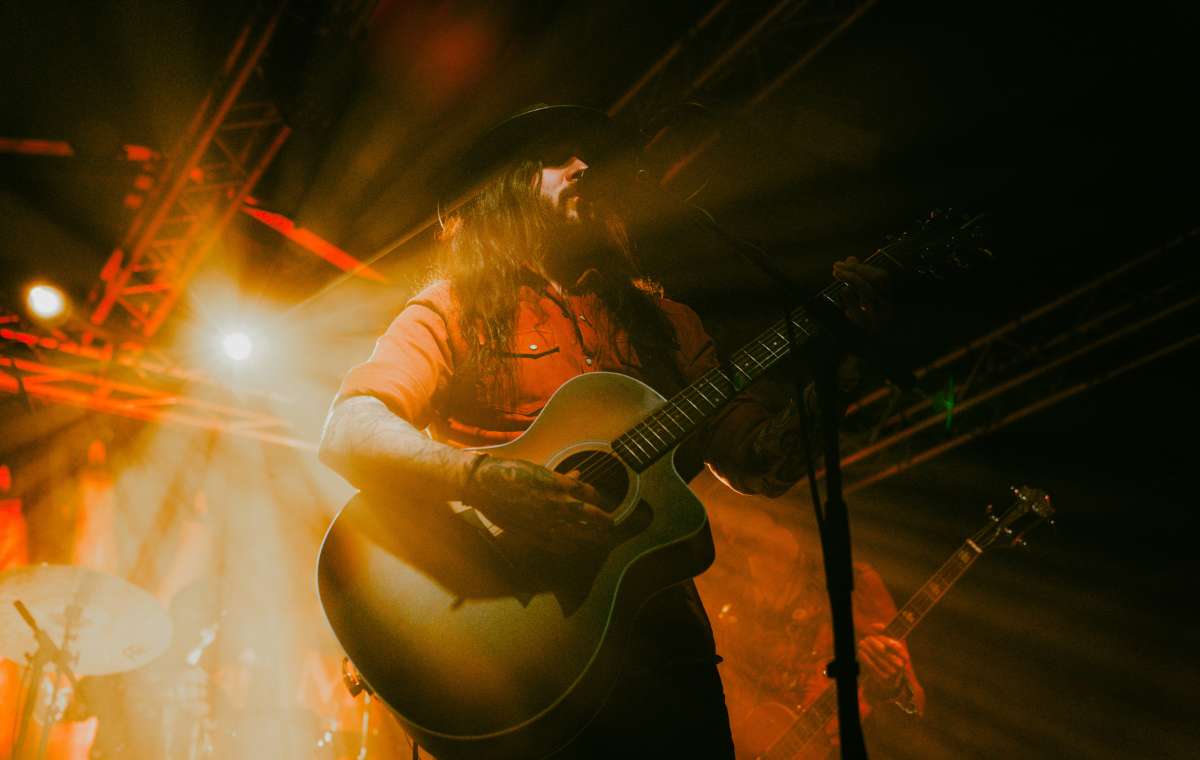
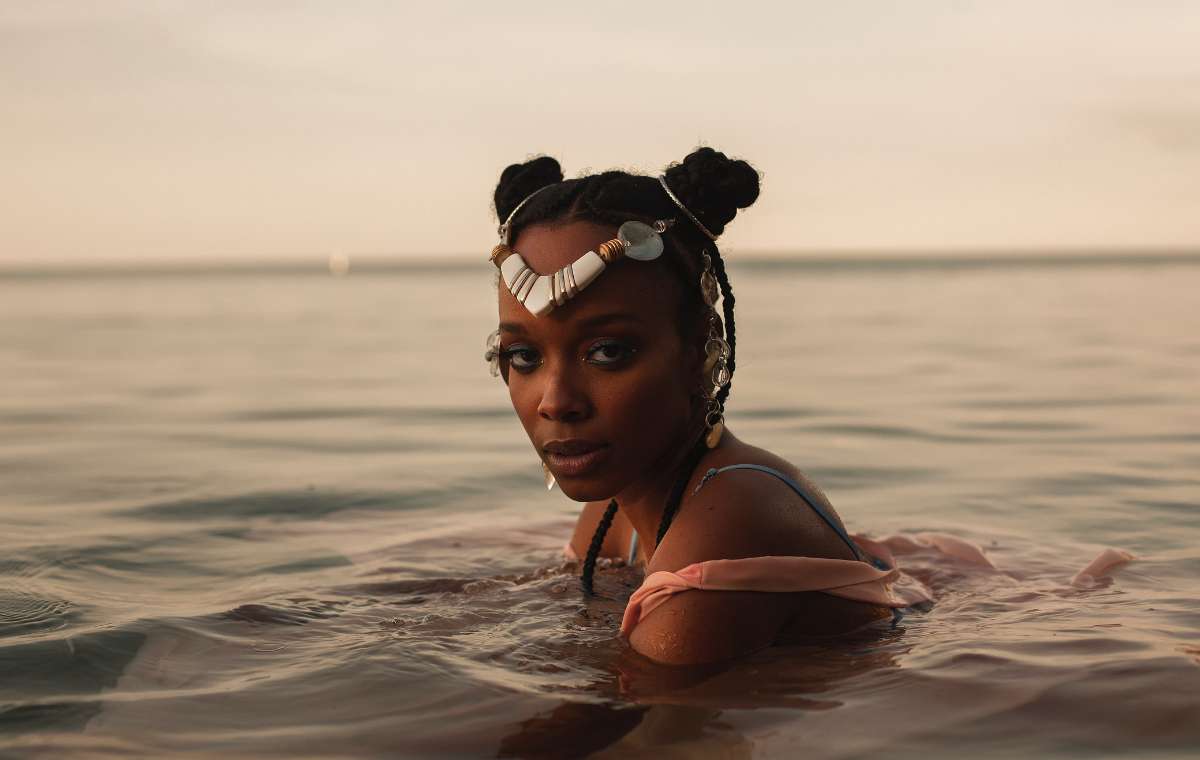
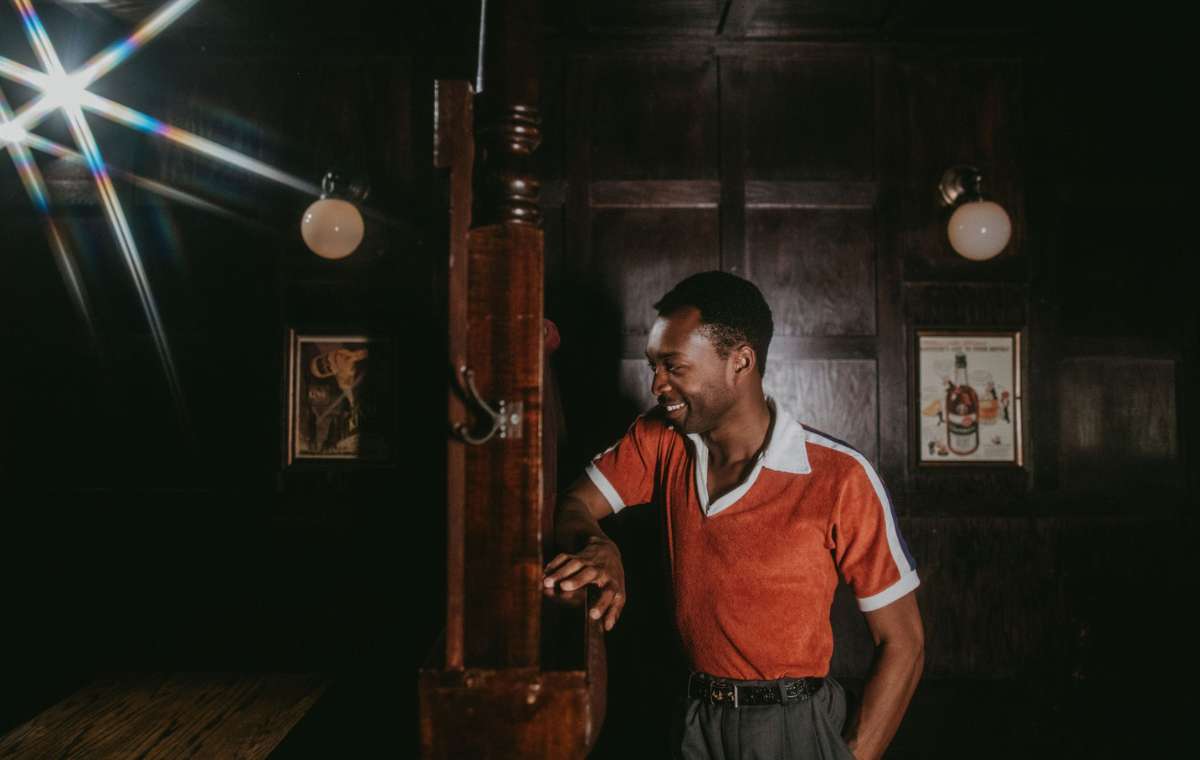
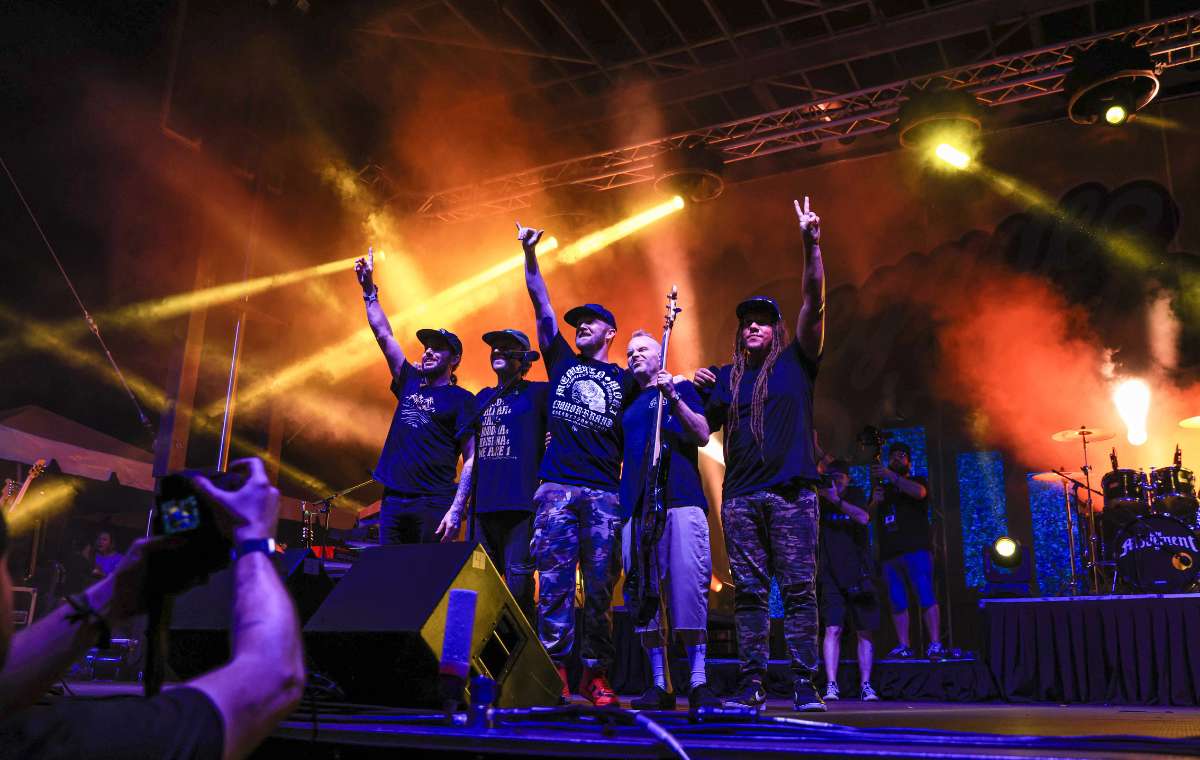
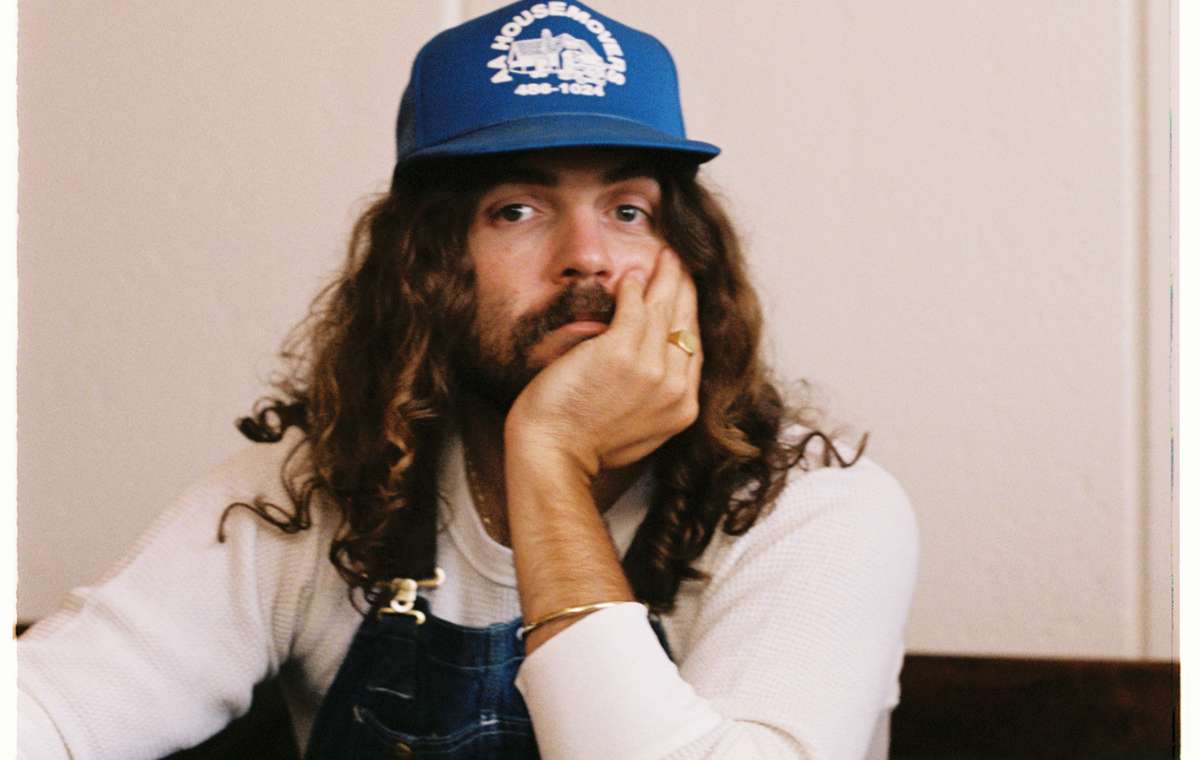
Josiah Leming has paid his dues. As a teenager from East Tennessee, his devotion to music led him to hit the road, where he lived
in his car and played for anyone who would listen. That took him all the way to a major record deal when he was only nineteen.
When that ended, he refused to give up and became an indie artist, relying solely on the music and his undeniable gift for crafting
relatable songs that led to a devoted fan base he calls the Bonnevilles. He appreciates them so much that he includes them in his
artist name. “They’re the reason I’m able to make music,” he says.
2024 saw Josiah and the Bonnevilles reaching new heights, completing a headlining tour of thirty-three sold-out dates followed
by a slew of international stops that proved his global following. He has become known for raw emotion and a profound
connection to his audience. This newfound attention has led to much anticipation for his new album — and As Is lives up to the
expectations.
“I knew I had a responsibility to try to become a better writer, a better artist,” he says. “One day that feels like a blessing, and the
next it feels pretty intimidating.” Instead of reproducing his popular sound from the self produced “Endurance”, he decided to
expand it. “I think it would have been hard to keep my excitement to go out on the road with another kind of acoustic record.”
His tenth studio album finds him going more electric than ever before, even as he unplugs from the digital world. “I feel like a
grizzled old veteran at this point,” he says, even though he is only thirty-six. “I’m desiring quiet, a work space away from the
internet…I felt like it was important to pull back this last year and try to understand what’s on my heart.” What he found there
resulted in an album focusing on joy, sorrow, and working-class issues that feel very of the moment in a time when so many
Americans are struggling to make ends meet.
Leming comes by his empathy for working people honestly. He’s one of nine siblings, born and raised in Morristown, Tennessee,
right in the heart of Appalachia. He taught himself piano when he was eight and was writing songs by thirteen. As a child he was
intently aware of his community and intensely proud of his people, something he thinks about even more in these trying times. “I
look at my I look at my folks in East Tennessee and very few of them seem to be winning in this new world,” Leming says.
“Being a regular person, working, trying your best. I think that’s something to be proud of.”
His records have always been intensely personal. But on As Is he wanted to step away from being the main character and instead
use vignettes to express essential truths he has learned. “I want anyone to be able to put it on and not think about me when they’re
listening. I want them to be in the emotion.” Because of this he made a conscious choice to not include himself on the album
cover.
Leming chose ten tracks from ninety-six songs he has written over the last year and a half. As Is features the most co-writes he
has ever recorded. “I love writing alone, but I wanted to bring in some trusted partners on this one,” he says. The resulting list
features some of the most acclaimed songwriters working today. There’s Nashville powerhouse Natalie Hemby, a two-time
Grammy winner who has written for everyone from Lady Gaga to Miranda Lambert; Joel Little, a Grammy winner who has
written with Lorde, Taylor Swift, Noah Kahan, and many others; Scott Harris, best known for work he’s produced or written for
artists such as Shawn Mendes, Dua Lipa, and The Chainsmokers; and others.
To help him find the sound he hoped to achieve, Leming brought in Konrad Snyder as a co-producer. Snyder has engineered or
produced some of the best work to come out of Nashville in the last decade, including tracks by Kacey Musgraves, Stephen
Sanchez, and Noah Kahan. “It was an amazing partnership with Konrad,” Leming says. “I never had to touch a computer or a
piece of gear; he’s a whiz with all that stuff. I’m usually so hands-on with my stuff, switching between setting up, tracking and
editing but on this record I got to just perform the songs.”
The songs on As Is feature Leming’s vivid sense of place, precise yet poetic lyrics, and emotion that is always longingly
expressed by his vulnerable vocals. This collection is more up-tempo than most of his work, which is something Leming and
Snyder strived to make happen on about half the songs. “I was thinking a lot about the energy, of having a couple songs that can
amp up people at live shows,” he says.
This power is especially apparent on songs like opening track “Good Boy”, which boils toward a rousing breakdown, “Carolina
Heart”, a tune Leming calls “less existential and my attempt at a feel-good song,“ and “Going Gone”, a nostalgic track about the
passage of time. “Mountain Girl” is a foot-tapping harmonica-led tribute to Appalachian women. There’s the jaunty rock of
“Redline”, and a song called “One Day at a Time” that is sure to resonate with anyone who has ever struggled with addiction,
depression, or a lack of confidence. Leming’s fans often cite his storytelling abilities as one reason they love his work, and that
takes center stage on the title track, a spoken-word song. “Where It Starts” is a meditation on how heartache can lead to great art.
The first single is the powerful “Hell Without the Flames,” the album’s darkest track that also showcases some of the best lyrics
and vocals of his career.
They all make for a collection of songs that take the listener full circle. “There’s all these kinds of love stories, and it walks
through many variations on heartbreak, ultimately landing on home, acceptance and overcoming that hurt. I just want people to
be able to see themselves in the songs.”
That’s what it’s all about for Leming. “The only goal for me is to make something real, and honest, and that can get them through
the day,” he says. “I gave everything I have for this album. I laid it all on the table, which is what I always want to do.”
As Is proves to be all of that, and more, a milestone for one of our most authentic and resonant artists working today.
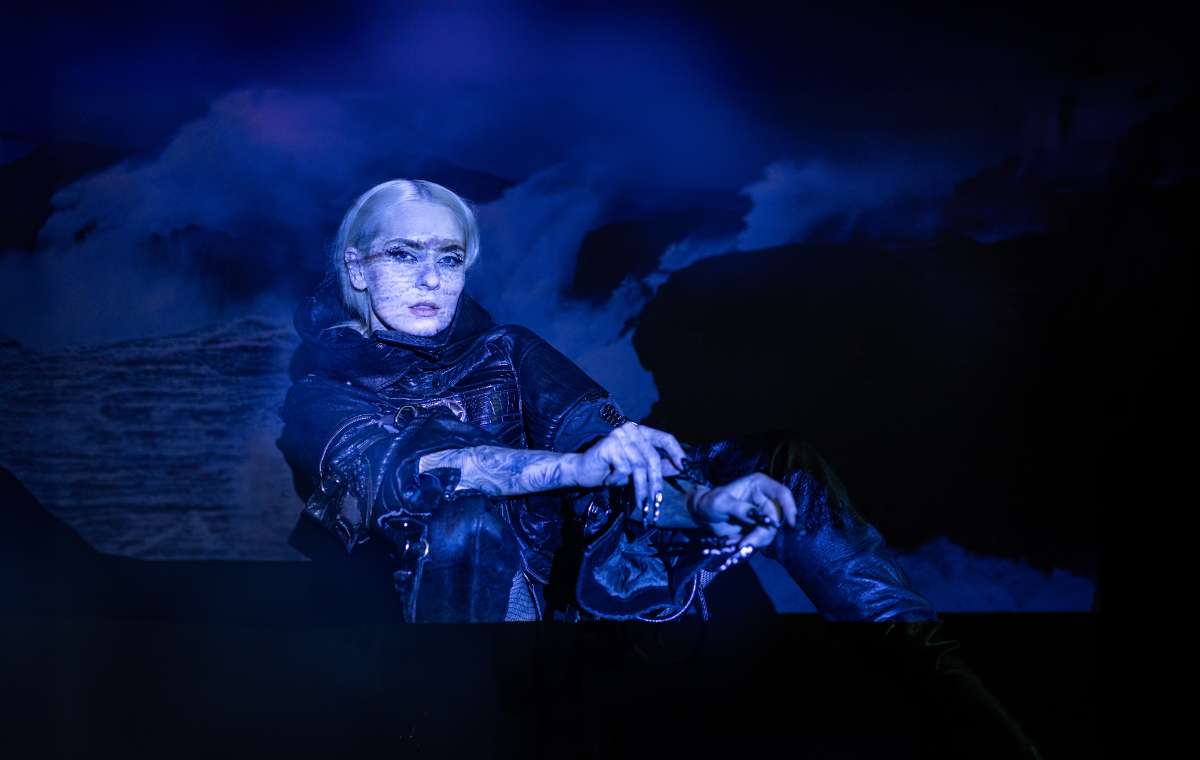
About Blondshell:
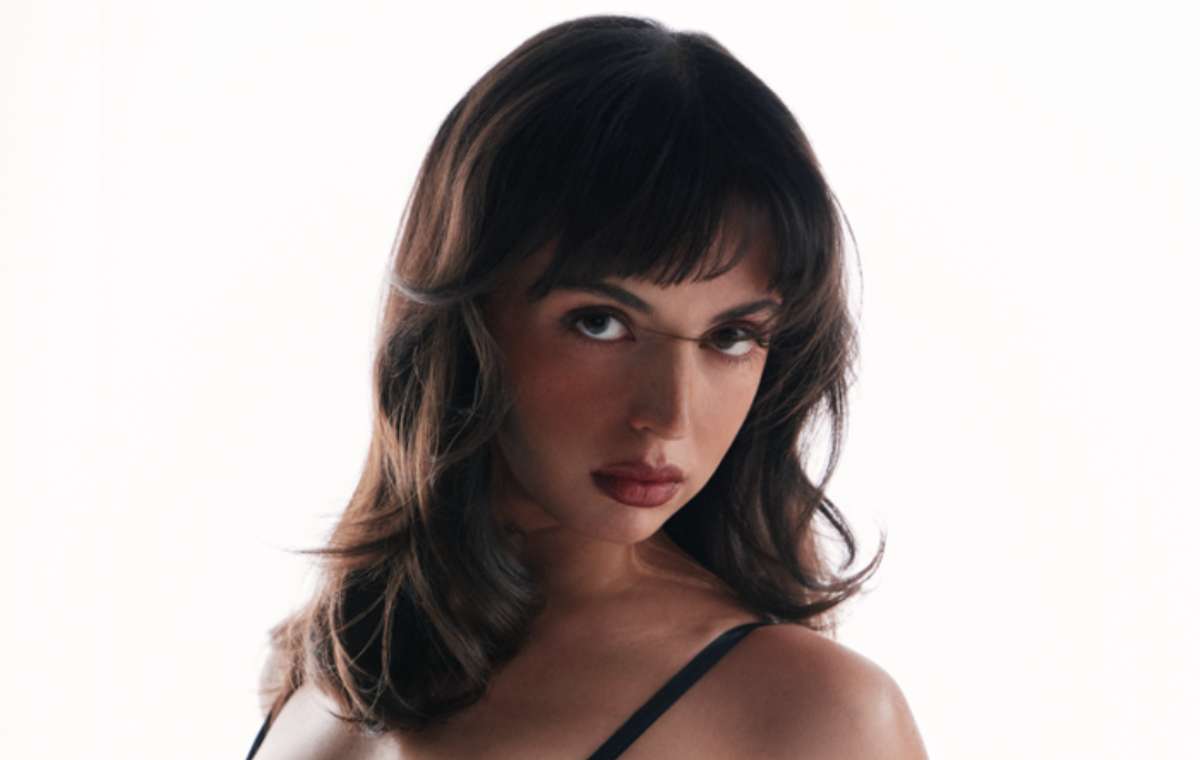
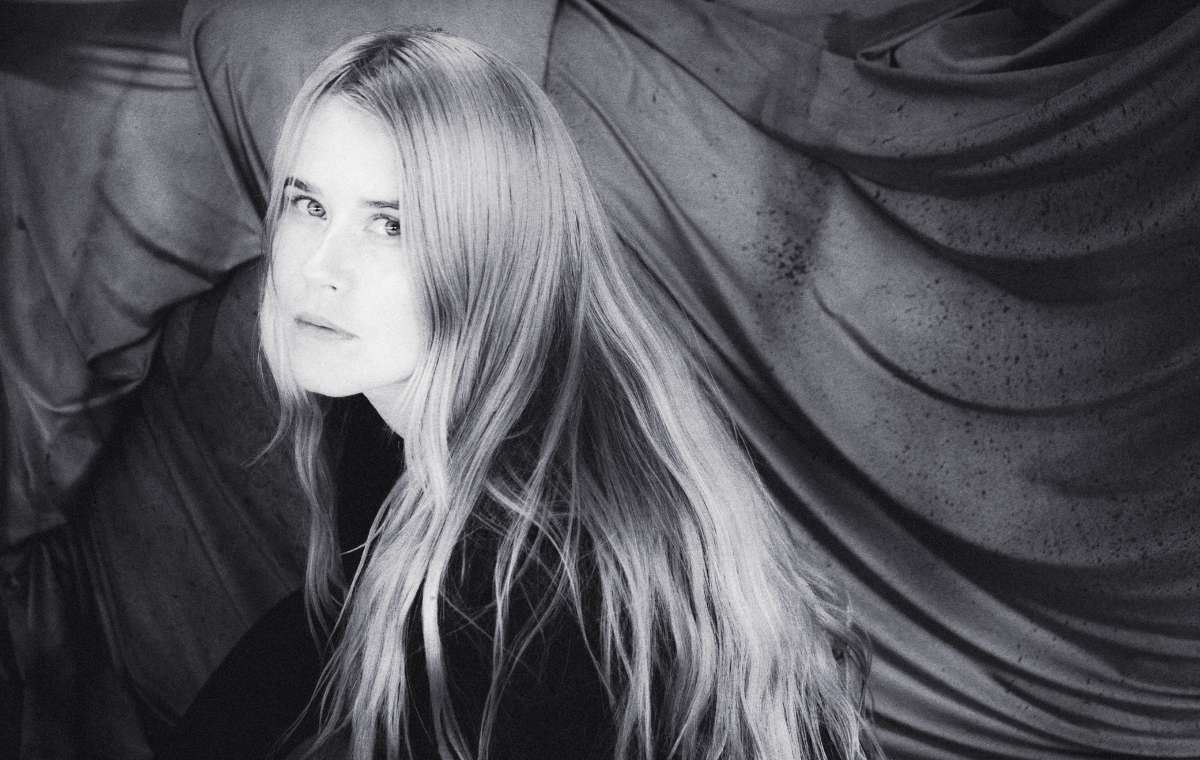
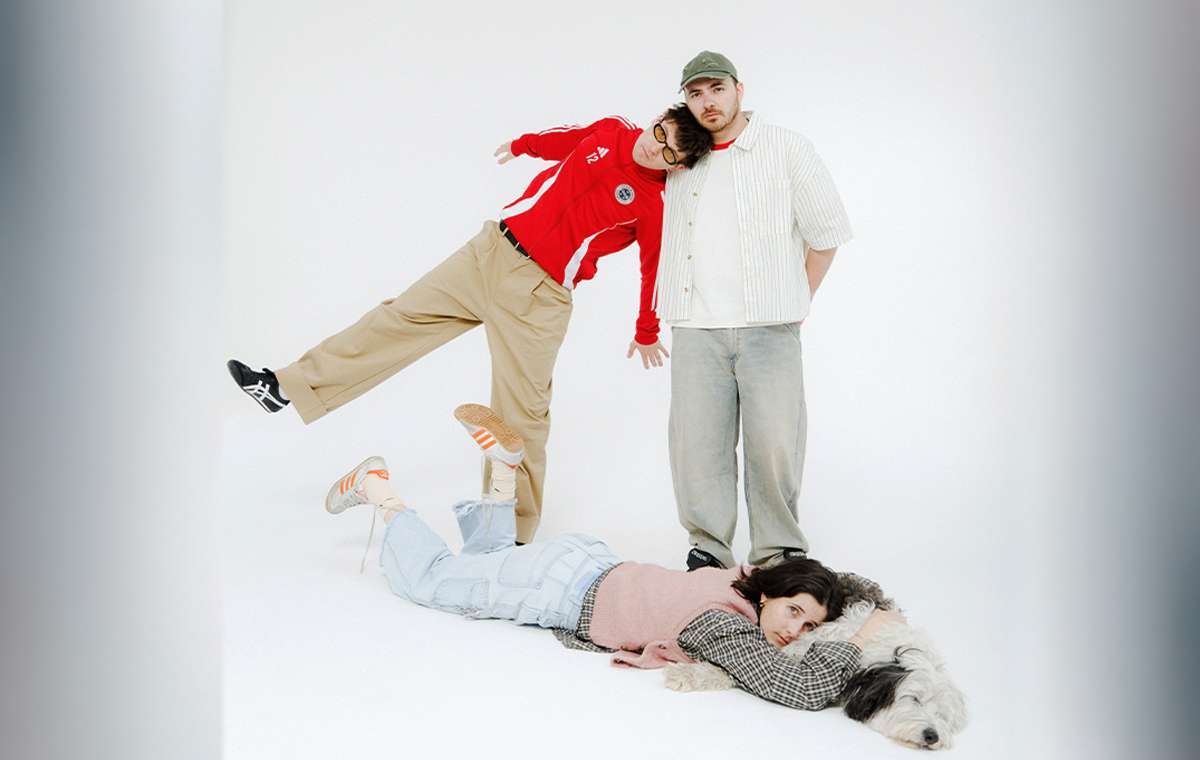
The second album from Sabrina Teitelbaum, aka Blondshell, borrows its title from a 1986 poem by the cherished American writer Mary Oliver, titled “Dogfish.” In the poem, Oliver grapples with the idea of telling one’s own story: how much to share, how much to keep for oneself — all questions Teitelbaum asked herself while writing If You Asked For A Picture. “There’s a part of the poem that says: I don’t need to tell you everything I’ve been through. It’s just another story of somebody trying to survive,” Teitelbaum says. “Something I love about songs is that you’re showing a snapshot of a person or a relationship, and showing a glimpse into a story can be just as important as trying to capture the entire thing. Sometimes it’s even truer to the entire picture than if you tried to write everything down.”
Blondshell’s self-titled 2023 debut unleashed a swiss-army-knife writing style that gets under your skin: songs that are as visceral and anthemic as pop music with all the specificity, self-examination, and nonchalant humor of the best indie rock — songs you want to let crash over you, even as their strength is too concrete to be washed away. It’s a formula that turned Blondshell into one of the most lauded new artists in recent memory. If You Asked For A Picture expands these artistic horizons further, resulting in a collection of songs from an artist now at the peak of her powers that brim with an urgency, ambition, and devastating potency only hinted at until now.
If You Asked For A Picture is alive with a more vital nuance both sonically and thematically, gesturing towards a deeper autobiographical story that taps into something painfully universal without being too overt. Teitelbaum explains, “The first record feels really black-and-white to me. This record has more questions.” The lucid songs of If You Asked For A Picture dig into familial relationships — parents who pass on their trauma (as in “23’s A Baby”), the endless two-way critique between mothers and daughters (the alt-rock daydream “What’s Fair”), and the loyalty of a sister who won’t forget how a man wronged you (the crushingly catchy accidental-love story “T&A”). Teitelbaum acknowledges her inherent imperfections while trying to extend compassion for the flaws in others. “The last record was a lot of, ‘You’re the villain in this situation, you’ve wronged me, and I’m really pissed’” she says. “On this record it was more like: ‘How did I get here? Maybe I’m the villain too.’ There was something freeing in that.” A major theme of If You Asked For A Picture is control — and the possibility of loosening her grip on it — including two songs (“Thumbtack,” “Toy”) that touch on Teitelbaum’s lifelong struggle with OCD.
In the studio, Teitelbaum found herself confident and at home like never before, trusting her instincts as she developed an almost telekinetic shorthand with producer Yves Rothman. The result is a record of astounding sonic range – including sky-scraping ballads and colossal hooks that soar over waves of distortion, mixing layered textures and harmonic flourishes, or making unexpected hairpin turns between them. Primary among her production touchstones were unexpected curveballs like Queens of the Stone Age’s Rated R and Red Hot Chili Peppers’ Californication. Teitelbaum reveled in appropriating those hyper-masculine aesthetics for her uncompromising examinations of young womanhood, playing with performances of gender in rock. “It’s empowering for me to use sonic references that feel reserved for men,” she explains.
If You Asked for a Picture’s acoustic opener “Thumbtack” is a bittersweet gut-punch of self-reckoning amid an uneasy relationship. “So much of the last record was about finding myself in relationships I didn’t want to be in and not knowing why,” Teitelbaum says. “‘Thumbtack’ is one of those songs, but this record is more about finding out why and trying to be in different types of relationships.” Who among us
can’t relate to longing for someone even as they prove to be “a thumbtack in my side,” as Teitelbaum sings on the song’s slyly gigantic hook? “You’re not even a good friend,” she sings, a classic Blondshell mic-drop.
Bone-deep revelations like these have become a Blondshell hallmark — startling clarity, comforting wit — and If You Asked For A Picture is full of them. “I don’t want to be your mom, but you’re not strong enough,” she sings before the tidal chorus of “Arms.” On the clear-eyed “What’s Fair,” she examines a complex maternal relationship (“I grew up fast without you”), trying to empathize even as she refuses to sweep the truth under the rug. “You always had a reason to comment on my body,” she sings, like a century of mother-daughter exchanges compressed to 10 words. Teitelbaum addresses body image throughout the record, whether observing her own changing shape or admitting “part of me still sits at home in a panic over fifteen pounds” on “Event of a Fire,” a road narrative that builds to a blaze of brutal candor, capturing a kind of cinematic back-seat interiority.
In the time since Blondshell, the image of Teitelbaum’s life has changed considerably. As the accolades accrued — late-night TV performances, countless year-end accolades, landing on Obama’s Best Songs of 2023 list, covering Talking Heads for A24’s Stop Making Sense tribute — Teitelbaum spent two years on the road. She played 150+ shows in support of her debut, including major festivals and a tour with Liz Phair on top of her own sold-out headline dates. This rootlessness naturally impacted Teitelbaum’s relationships with others and with herself. “When you travel a lot, you see different possibilities for who you can be,” Teitelbaum says. “So there were a lot more questions coming up. What do I want my life to look like? Maybe it’s just the nature of being two years older, but I’m more comfortable with nuance now, and I’m more comfortable with gray areas.” There’s an open-endedness to where If You Asked For A Picture lands: it’s a no-skips, triumphant sophomore record that captures the unresolved process of figuring out who you are, too wise to suggest that it has a definitive answer.
About Blondshell:
The second album from Sabrina Teitelbaum, aka Blondshell, borrows its title from a 1986 poem by the cherished American writer Mary Oliver, titled “Dogfish.” In the poem, Oliver grapples with the idea of telling one’s own story: how much to share, how much to keep for oneself — all questions Teitelbaum asked herself while writing If You Asked For A Picture. “There’s a part of the poem that says: I don’t need to tell you everything I’ve been through. It’s just another story of somebody trying to survive,” Teitelbaum says. “Something I love about songs is that you’re showing a snapshot of a person or a relationship, and showing a glimpse into a story can be just as important as trying to capture the entire thing. Sometimes it’s even truer to the entire picture than if you tried to write everything down.”
Blondshell’s self-titled 2023 debut unleashed a swiss-army-knife writing style that gets under your skin: songs that are as visceral and anthemic as pop music with all the specificity, self-examination, and nonchalant humor of the best indie rock — songs you want to let crash over you, even as their strength is too concrete to be washed away. It’s a formula that turned Blondshell into one of the most lauded new artists in recent memory. If You Asked For A Picture expands these artistic horizons further, resulting in a collection of songs from an artist now at the peak of her powers that brim with an urgency, ambition, and devastating potency only hinted at until now.
If You Asked For A Picture is alive with a more vital nuance both sonically and thematically, gesturing towards a deeper autobiographical story that taps into something painfully universal without being too overt. Teitelbaum explains, “The first record feels really black-and-white to me. This record has more questions.” The lucid songs of If You Asked For A Picture dig into familial relationships — parents who pass on their trauma (as in “23’s A Baby”), the endless two-way critique between mothers and daughters (the alt-rock daydream “What’s Fair”), and the loyalty of a sister who won’t forget how a man wronged you (the crushingly catchy accidental-love story “T&A”). Teitelbaum acknowledges her inherent imperfections while trying to extend compassion for the flaws in others. “The last record was a lot of, ‘You’re the villain in this situation, you’ve wronged me, and I’m really pissed’” she says. “On this record it was more like: ‘How did I get here? Maybe I’m the villain too.’ There was something freeing in that.” A major theme of If You Asked For A Picture is control — and the possibility of loosening her grip on it — including two songs (“Thumbtack,” “Toy”) that touch on Teitelbaum’s lifelong struggle with OCD.
In the studio, Teitelbaum found herself confident and at home like never before, trusting her instincts as she developed an almost telekinetic shorthand with producer Yves Rothman. The result is a record of astounding sonic range – including sky-scraping ballads and colossal hooks that soar over waves of distortion, mixing layered textures and harmonic flourishes, or making unexpected hairpin turns between them. Primary among her production touchstones were unexpected curveballs like Queens of the Stone Age’s Rated R and Red Hot Chili Peppers’ Californication. Teitelbaum reveled in appropriating those hyper-masculine aesthetics for her uncompromising examinations of young womanhood, playing with performances of gender in rock. “It’s empowering for me to use sonic references that feel reserved for men,” she explains.
If You Asked for a Picture’s acoustic opener “Thumbtack” is a bittersweet gut-punch of self-reckoning amid an uneasy relationship. “So much of the last record was about finding myself in relationships I didn’t want to be in and not knowing why,” Teitelbaum says. “‘Thumbtack’ is one of those songs, but this record is more about finding out why and trying to be in different types of relationships.” Who among us
can’t relate to longing for someone even as they prove to be “a thumbtack in my side,” as Teitelbaum sings on the song’s slyly gigantic hook? “You’re not even a good friend,” she sings, a classic Blondshell mic-drop.
Bone-deep revelations like these have become a Blondshell hallmark — startling clarity, comforting wit — and If You Asked For A Picture is full of them. “I don’t want to be your mom, but you’re not strong enough,” she sings before the tidal chorus of “Arms.” On the clear-eyed “What’s Fair,” she examines a complex maternal relationship (“I grew up fast without you”), trying to empathize even as she refuses to sweep the truth under the rug. “You always had a reason to comment on my body,” she sings, like a century of mother-daughter exchanges compressed to 10 words. Teitelbaum addresses body image throughout the record, whether observing her own changing shape or admitting “part of me still sits at home in a panic over fifteen pounds” on “Event of a Fire,” a road narrative that builds to a blaze of brutal candor, capturing a kind of cinematic back-seat interiority.
In the time since Blondshell, the image of Teitelbaum’s life has changed considerably. As the accolades accrued — late-night TV performances, countless year-end accolades, landing on Obama’s Best Songs of 2023 list, covering Talking Heads for A24’s Stop Making Sense tribute — Teitelbaum spent two years on the road. She played 150+ shows in support of her debut, including major festivals and a tour with Liz Phair on top of her own sold-out headline dates. This rootlessness naturally impacted Teitelbaum’s relationships with others and with herself. “When you travel a lot, you see different possibilities for who you can be,” Teitelbaum says. “So there were a lot more questions coming up. What do I want my life to look like? Maybe it’s just the nature of being two years older, but I’m more comfortable with nuance now, and I’m more comfortable with gray areas.” There’s an open-endedness to where If You Asked For A Picture lands: it’s a no-skips, triumphant sophomore record that captures the unresolved process of figuring out who you are, too wise to suggest that it has a definitive answer.
About Blondshell:
The second album from Sabrina Teitelbaum, aka Blondshell, borrows its title from a 1986 poem by the cherished American writer Mary Oliver, titled “Dogfish.” In the poem, Oliver grapples with the idea of telling one’s own story: how much to share, how much to keep for oneself — all questions Teitelbaum asked herself while writing If You Asked For A Picture. “There’s a part of the poem that says: I don’t need to tell you everything I’ve been through. It’s just another story of somebody trying to survive,” Teitelbaum says. “Something I love about songs is that you’re showing a snapshot of a person or a relationship, and showing a glimpse into a story can be just as important as trying to capture the entire thing. Sometimes it’s even truer to the entire picture than if you tried to write everything down.”
Blondshell’s self-titled 2023 debut unleashed a swiss-army-knife writing style that gets under your skin: songs that are as visceral and anthemic as pop music with all the specificity, self-examination, and nonchalant humor of the best indie rock — songs you want to let crash over you, even as their strength is too concrete to be washed away. It’s a formula that turned Blondshell into one of the most lauded new artists in recent memory. If You Asked For A Picture expands these artistic horizons further, resulting in a collection of songs from an artist now at the peak of her powers that brim with an urgency, ambition, and devastating potency only hinted at until now.
If You Asked For A Picture is alive with a more vital nuance both sonically and thematically, gesturing towards a deeper autobiographical story that taps into something painfully universal without being too overt. Teitelbaum explains, “The first record feels really black-and-white to me. This record has more questions.” The lucid songs of If You Asked For A Picture dig into familial relationships — parents who pass on their trauma (as in “23’s A Baby”), the endless two-way critique between mothers and daughters (the alt-rock daydream “What’s Fair”), and the loyalty of a sister who won’t forget how a man wronged you (the crushingly catchy accidental-love story “T&A”). Teitelbaum acknowledges her inherent imperfections while trying to extend compassion for the flaws in others. “The last record was a lot of, ‘You’re the villain in this situation, you’ve wronged me, and I’m really pissed’” she says. “On this record it was more like: ‘How did I get here? Maybe I’m the villain too.’ There was something freeing in that.” A major theme of If You Asked For A Picture is control — and the possibility of loosening her grip on it — including two songs (“Thumbtack,” “Toy”) that touch on Teitelbaum’s lifelong struggle with OCD.
In the studio, Teitelbaum found herself confident and at home like never before, trusting her instincts as she developed an almost telekinetic shorthand with producer Yves Rothman. The result is a record of astounding sonic range – including sky-scraping ballads and colossal hooks that soar over waves of distortion, mixing layered textures and harmonic flourishes, or making unexpected hairpin turns between them. Primary among her production touchstones were unexpected curveballs like Queens of the Stone Age’s Rated R and Red Hot Chili Peppers’ Californication. Teitelbaum reveled in appropriating those hyper-masculine aesthetics for her uncompromising examinations of young womanhood, playing with performances of gender in rock. “It’s empowering for me to use sonic references that feel reserved for men,” she explains.
If You Asked for a Picture’s acoustic opener “Thumbtack” is a bittersweet gut-punch of self-reckoning amid an uneasy relationship. “So much of the last record was about finding myself in relationships I didn’t want to be in and not knowing why,” Teitelbaum says. “‘Thumbtack’ is one of those songs, but this record is more about finding out why and trying to be in different types of relationships.” Who among us
can’t relate to longing for someone even as they prove to be “a thumbtack in my side,” as Teitelbaum sings on the song’s slyly gigantic hook? “You’re not even a good friend,” she sings, a classic Blondshell mic-drop.
Bone-deep revelations like these have become a Blondshell hallmark — startling clarity, comforting wit — and If You Asked For A Picture is full of them. “I don’t want to be your mom, but you’re not strong enough,” she sings before the tidal chorus of “Arms.” On the clear-eyed “What’s Fair,” she examines a complex maternal relationship (“I grew up fast without you”), trying to empathize even as she refuses to sweep the truth under the rug. “You always had a reason to comment on my body,” she sings, like a century of mother-daughter exchanges compressed to 10 words. Teitelbaum addresses body image throughout the record, whether observing her own changing shape or admitting “part of me still sits at home in a panic over fifteen pounds” on “Event of a Fire,” a road narrative that builds to a blaze of brutal candor, capturing a kind of cinematic back-seat interiority.
In the time since Blondshell, the image of Teitelbaum’s life has changed considerably. As the accolades accrued — late-night TV performances, countless year-end accolades, landing on Obama’s Best Songs of 2023 list, covering Talking Heads for A24’s Stop Making Sense tribute — Teitelbaum spent two years on the road. She played 150+ shows in support of her debut, including major festivals and a tour with Liz Phair on top of her own sold-out headline dates. This rootlessness naturally impacted Teitelbaum’s relationships with others and with herself. “When you travel a lot, you see different possibilities for who you can be,” Teitelbaum says. “So there were a lot more questions coming up. What do I want my life to look like? Maybe it’s just the nature of being two years older, but I’m more comfortable with nuance now, and I’m more comfortable with gray areas.” There’s an open-endedness to where If You Asked For A Picture lands: it’s a no-skips, triumphant sophomore record that captures the unresolved process of figuring out who you are, too wise to suggest that it has a definitive answer.
About Blondshell:
The second album from Sabrina Teitelbaum, aka Blondshell, borrows its title from a 1986 poem by the cherished American writer Mary Oliver, titled “Dogfish.” In the poem, Oliver grapples with the idea of telling one’s own story: how much to share, how much to keep for oneself — all questions Teitelbaum asked herself while writing If You Asked For A Picture. “There’s a part of the poem that says: I don’t need to tell you everything I’ve been through. It’s just another story of somebody trying to survive,” Teitelbaum says. “Something I love about songs is that you’re showing a snapshot of a person or a relationship, and showing a glimpse into a story can be just as important as trying to capture the entire thing. Sometimes it’s even truer to the entire picture than if you tried to write everything down.”
Blondshell’s self-titled 2023 debut unleashed a swiss-army-knife writing style that gets under your skin: songs that are as visceral and anthemic as pop music with all the specificity, self-examination, and nonchalant humor of the best indie rock — songs you want to let crash over you, even as their strength is too concrete to be washed away. It’s a formula that turned Blondshell into one of the most lauded new artists in recent memory. If You Asked For A Picture expands these artistic horizons further, resulting in a collection of songs from an artist now at the peak of her powers that brim with an urgency, ambition, and devastating potency only hinted at until now.
If You Asked For A Picture is alive with a more vital nuance both sonically and thematically, gesturing towards a deeper autobiographical story that taps into something painfully universal without being too overt. Teitelbaum explains, “The first record feels really black-and-white to me. This record has more questions.” The lucid songs of If You Asked For A Picture dig into familial relationships — parents who pass on their trauma (as in “23’s A Baby”), the endless two-way critique between mothers and daughters (the alt-rock daydream “What’s Fair”), and the loyalty of a sister who won’t forget how a man wronged you (the crushingly catchy accidental-love story “T&A”). Teitelbaum acknowledges her inherent imperfections while trying to extend compassion for the flaws in others. “The last record was a lot of, ‘You’re the villain in this situation, you’ve wronged me, and I’m really pissed’” she says. “On this record it was more like: ‘How did I get here? Maybe I’m the villain too.’ There was something freeing in that.” A major theme of If You Asked For A Picture is control — and the possibility of loosening her grip on it — including two songs (“Thumbtack,” “Toy”) that touch on Teitelbaum’s lifelong struggle with OCD.
In the studio, Teitelbaum found herself confident and at home like never before, trusting her instincts as she developed an almost telekinetic shorthand with producer Yves Rothman. The result is a record of astounding sonic range – including sky-scraping ballads and colossal hooks that soar over waves of distortion, mixing layered textures and harmonic flourishes, or making unexpected hairpin turns between them. Primary among her production touchstones were unexpected curveballs like Queens of the Stone Age’s Rated R and Red Hot Chili Peppers’ Californication. Teitelbaum reveled in appropriating those hyper-masculine aesthetics for her uncompromising examinations of young womanhood, playing with performances of gender in rock. “It’s empowering for me to use sonic references that feel reserved for men,” she explains.
If You Asked for a Picture’s acoustic opener “Thumbtack” is a bittersweet gut-punch of self-reckoning amid an uneasy relationship. “So much of the last record was about finding myself in relationships I didn’t want to be in and not knowing why,” Teitelbaum says. “‘Thumbtack’ is one of those songs, but this record is more about finding out why and trying to be in different types of relationships.” Who among us
can’t relate to longing for someone even as they prove to be “a thumbtack in my side,” as Teitelbaum sings on the song’s slyly gigantic hook? “You’re not even a good friend,” she sings, a classic Blondshell mic-drop.
Bone-deep revelations like these have become a Blondshell hallmark — startling clarity, comforting wit — and If You Asked For A Picture is full of them. “I don’t want to be your mom, but you’re not strong enough,” she sings before the tidal chorus of “Arms.” On the clear-eyed “What’s Fair,” she examines a complex maternal relationship (“I grew up fast without you”), trying to empathize even as she refuses to sweep the truth under the rug. “You always had a reason to comment on my body,” she sings, like a century of mother-daughter exchanges compressed to 10 words. Teitelbaum addresses body image throughout the record, whether observing her own changing shape or admitting “part of me still sits at home in a panic over fifteen pounds” on “Event of a Fire,” a road narrative that builds to a blaze of brutal candor, capturing a kind of cinematic back-seat interiority.
In the time since Blondshell, the image of Teitelbaum’s life has changed considerably. As the accolades accrued — late-night TV performances, countless year-end accolades, landing on Obama’s Best Songs of 2023 list, covering Talking Heads for A24’s Stop Making Sense tribute — Teitelbaum spent two years on the road. She played 150+ shows in support of her debut, including major festivals and a tour with Liz Phair on top of her own sold-out headline dates. This rootlessness naturally impacted Teitelbaum’s relationships with others and with herself. “When you travel a lot, you see different possibilities for who you can be,” Teitelbaum says. “So there were a lot more questions coming up. What do I want my life to look like? Maybe it’s just the nature of being two years older, but I’m more comfortable with nuance now, and I’m more comfortable with gray areas.” There’s an open-endedness to where If You Asked For A Picture lands: it’s a no-skips, triumphant sophomore record that captures the unresolved process of figuring out who you are, too wise to suggest that it has a definitive answer.
About Blondshell:
The second album from Sabrina Teitelbaum, aka Blondshell, borrows its title from a 1986 poem by the cherished American writer Mary Oliver, titled “Dogfish.” In the poem, Oliver grapples with the idea of telling one’s own story: how much to share, how much to keep for oneself — all questions Teitelbaum asked herself while writing If You Asked For A Picture. “There’s a part of the poem that says: I don’t need to tell you everything I’ve been through. It’s just another story of somebody trying to survive,” Teitelbaum says. “Something I love about songs is that you’re showing a snapshot of a person or a relationship, and showing a glimpse into a story can be just as important as trying to capture the entire thing. Sometimes it’s even truer to the entire picture than if you tried to write everything down.”
Blondshell’s self-titled 2023 debut unleashed a swiss-army-knife writing style that gets under your skin: songs that are as visceral and anthemic as pop music with all the specificity, self-examination, and nonchalant humor of the best indie rock — songs you want to let crash over you, even as their strength is too concrete to be washed away. It’s a formula that turned Blondshell into one of the most lauded new artists in recent memory. If You Asked For A Picture expands these artistic horizons further, resulting in a collection of songs from an artist now at the peak of her powers that brim with an urgency, ambition, and devastating potency only hinted at until now.
If You Asked For A Picture is alive with a more vital nuance both sonically and thematically, gesturing towards a deeper autobiographical story that taps into something painfully universal without being too overt. Teitelbaum explains, “The first record feels really black-and-white to me. This record has more questions.” The lucid songs of If You Asked For A Picture dig into familial relationships — parents who pass on their trauma (as in “23’s A Baby”), the endless two-way critique between mothers and daughters (the alt-rock daydream “What’s Fair”), and the loyalty of a sister who won’t forget how a man wronged you (the crushingly catchy accidental-love story “T&A”). Teitelbaum acknowledges her inherent imperfections while trying to extend compassion for the flaws in others. “The last record was a lot of, ‘You’re the villain in this situation, you’ve wronged me, and I’m really pissed’” she says. “On this record it was more like: ‘How did I get here? Maybe I’m the villain too.’ There was something freeing in that.” A major theme of If You Asked For A Picture is control — and the possibility of loosening her grip on it — including two songs (“Thumbtack,” “Toy”) that touch on Teitelbaum’s lifelong struggle with OCD.
In the studio, Teitelbaum found herself confident and at home like never before, trusting her instincts as she developed an almost telekinetic shorthand with producer Yves Rothman. The result is a record of astounding sonic range – including sky-scraping ballads and colossal hooks that soar over waves of distortion, mixing layered textures and harmonic flourishes, or making unexpected hairpin turns between them. Primary among her production touchstones were unexpected curveballs like Queens of the Stone Age’s Rated R and Red Hot Chili Peppers’ Californication. Teitelbaum reveled in appropriating those hyper-masculine aesthetics for her uncompromising examinations of young womanhood, playing with performances of gender in rock. “It’s empowering for me to use sonic references that feel reserved for men,” she explains.
If You Asked for a Picture’s acoustic opener “Thumbtack” is a bittersweet gut-punch of self-reckoning amid an uneasy relationship. “So much of the last record was about finding myself in relationships I didn’t want to be in and not knowing why,” Teitelbaum says. “‘Thumbtack’ is one of those songs, but this record is more about finding out why and trying to be in different types of relationships.” Who among us
can’t relate to longing for someone even as they prove to be “a thumbtack in my side,” as Teitelbaum sings on the song’s slyly gigantic hook? “You’re not even a good friend,” she sings, a classic Blondshell mic-drop.
Bone-deep revelations like these have become a Blondshell hallmark — startling clarity, comforting wit — and If You Asked For A Picture is full of them. “I don’t want to be your mom, but you’re not strong enough,” she sings before the tidal chorus of “Arms.” On the clear-eyed “What’s Fair,” she examines a complex maternal relationship (“I grew up fast without you”), trying to empathize even as she refuses to sweep the truth under the rug. “You always had a reason to comment on my body,” she sings, like a century of mother-daughter exchanges compressed to 10 words. Teitelbaum addresses body image throughout the record, whether observing her own changing shape or admitting “part of me still sits at home in a panic over fifteen pounds” on “Event of a Fire,” a road narrative that builds to a blaze of brutal candor, capturing a kind of cinematic back-seat interiority.
In the time since Blondshell, the image of Teitelbaum’s life has changed considerably. As the accolades accrued — late-night TV performances, countless year-end accolades, landing on Obama’s Best Songs of 2023 list, covering Talking Heads for A24’s Stop Making Sense tribute — Teitelbaum spent two years on the road. She played 150+ shows in support of her debut, including major festivals and a tour with Liz Phair on top of her own sold-out headline dates. This rootlessness naturally impacted Teitelbaum’s relationships with others and with herself. “When you travel a lot, you see different possibilities for who you can be,” Teitelbaum says. “So there were a lot more questions coming up. What do I want my life to look like? Maybe it’s just the nature of being two years older, but I’m more comfortable with nuance now, and I’m more comfortable with gray areas.” There’s an open-endedness to where If You Asked For A Picture lands: it’s a no-skips, triumphant sophomore record that captures the unresolved process of figuring out who you are, too wise to suggest that it has a definitive answer.
About Blondshell:
The second album from Sabrina Teitelbaum, aka Blondshell, borrows its title from a 1986 poem by the cherished American writer Mary Oliver, titled “Dogfish.” In the poem, Oliver grapples with the idea of telling one’s own story: how much to share, how much to keep for oneself — all questions Teitelbaum asked herself while writing If You Asked For A Picture. “There’s a part of the poem that says: I don’t need to tell you everything I’ve been through. It’s just another story of somebody trying to survive,” Teitelbaum says. “Something I love about songs is that you’re showing a snapshot of a person or a relationship, and showing a glimpse into a story can be just as important as trying to capture the entire thing. Sometimes it’s even truer to the entire picture than if you tried to write everything down.”
Blondshell’s self-titled 2023 debut unleashed a swiss-army-knife writing style that gets under your skin: songs that are as visceral and anthemic as pop music with all the specificity, self-examination, and nonchalant humor of the best indie rock — songs you want to let crash over you, even as their strength is too concrete to be washed away. It’s a formula that turned Blondshell into one of the most lauded new artists in recent memory. If You Asked For A Picture expands these artistic horizons further, resulting in a collection of songs from an artist now at the peak of her powers that brim with an urgency, ambition, and devastating potency only hinted at until now.
If You Asked For A Picture is alive with a more vital nuance both sonically and thematically, gesturing towards a deeper autobiographical story that taps into something painfully universal without being too overt. Teitelbaum explains, “The first record feels really black-and-white to me. This record has more questions.” The lucid songs of If You Asked For A Picture dig into familial relationships — parents who pass on their trauma (as in “23’s A Baby”), the endless two-way critique between mothers and daughters (the alt-rock daydream “What’s Fair”), and the loyalty of a sister who won’t forget how a man wronged you (the crushingly catchy accidental-love story “T&A”). Teitelbaum acknowledges her inherent imperfections while trying to extend compassion for the flaws in others. “The last record was a lot of, ‘You’re the villain in this situation, you’ve wronged me, and I’m really pissed’” she says. “On this record it was more like: ‘How did I get here? Maybe I’m the villain too.’ There was something freeing in that.” A major theme of If You Asked For A Picture is control — and the possibility of loosening her grip on it — including two songs (“Thumbtack,” “Toy”) that touch on Teitelbaum’s lifelong struggle with OCD.
In the studio, Teitelbaum found herself confident and at home like never before, trusting her instincts as she developed an almost telekinetic shorthand with producer Yves Rothman. The result is a record of astounding sonic range – including sky-scraping ballads and colossal hooks that soar over waves of distortion, mixing layered textures and harmonic flourishes, or making unexpected hairpin turns between them. Primary among her production touchstones were unexpected curveballs like Queens of the Stone Age’s Rated R and Red Hot Chili Peppers’ Californication. Teitelbaum reveled in appropriating those hyper-masculine aesthetics for her uncompromising examinations of young womanhood, playing with performances of gender in rock. “It’s empowering for me to use sonic references that feel reserved for men,” she explains.
If You Asked for a Picture’s acoustic opener “Thumbtack” is a bittersweet gut-punch of self-reckoning amid an uneasy relationship. “So much of the last record was about finding myself in relationships I didn’t want to be in and not knowing why,” Teitelbaum says. “‘Thumbtack’ is one of those songs, but this record is more about finding out why and trying to be in different types of relationships.” Who among us
can’t relate to longing for someone even as they prove to be “a thumbtack in my side,” as Teitelbaum sings on the song’s slyly gigantic hook? “You’re not even a good friend,” she sings, a classic Blondshell mic-drop.
Bone-deep revelations like these have become a Blondshell hallmark — startling clarity, comforting wit — and If You Asked For A Picture is full of them. “I don’t want to be your mom, but you’re not strong enough,” she sings before the tidal chorus of “Arms.” On the clear-eyed “What’s Fair,” she examines a complex maternal relationship (“I grew up fast without you”), trying to empathize even as she refuses to sweep the truth under the rug. “You always had a reason to comment on my body,” she sings, like a century of mother-daughter exchanges compressed to 10 words. Teitelbaum addresses body image throughout the record, whether observing her own changing shape or admitting “part of me still sits at home in a panic over fifteen pounds” on “Event of a Fire,” a road narrative that builds to a blaze of brutal candor, capturing a kind of cinematic back-seat interiority.
In the time since Blondshell, the image of Teitelbaum’s life has changed considerably. As the accolades accrued — late-night TV performances, countless year-end accolades, landing on Obama’s Best Songs of 2023 list, covering Talking Heads for A24’s Stop Making Sense tribute — Teitelbaum spent two years on the road. She played 150+ shows in support of her debut, including major festivals and a tour with Liz Phair on top of her own sold-out headline dates. This rootlessness naturally impacted Teitelbaum’s relationships with others and with herself. “When you travel a lot, you see different possibilities for who you can be,” Teitelbaum says. “So there were a lot more questions coming up. What do I want my life to look like? Maybe it’s just the nature of being two years older, but I’m more comfortable with nuance now, and I’m more comfortable with gray areas.” There’s an open-endedness to where If You Asked For A Picture lands: it’s a no-skips, triumphant sophomore record that captures the unresolved process of figuring out who you are, too wise to suggest that it has a definitive answer.
About Blondshell:
The second album from Sabrina Teitelbaum, aka Blondshell, borrows its title from a 1986 poem by the cherished American writer Mary Oliver, titled “Dogfish.” In the poem, Oliver grapples with the idea of telling one’s own story: how much to share, how much to keep for oneself — all questions Teitelbaum asked herself while writing If You Asked For A Picture. “There’s a part of the poem that says: I don’t need to tell you everything I’ve been through. It’s just another story of somebody trying to survive,” Teitelbaum says. “Something I love about songs is that you’re showing a snapshot of a person or a relationship, and showing a glimpse into a story can be just as important as trying to capture the entire thing. Sometimes it’s even truer to the entire picture than if you tried to write everything down.”
Blondshell’s self-titled 2023 debut unleashed a swiss-army-knife writing style that gets under your skin: songs that are as visceral and anthemic as pop music with all the specificity, self-examination, and nonchalant humor of the best indie rock — songs you want to let crash over you, even as their strength is too concrete to be washed away. It’s a formula that turned Blondshell into one of the most lauded new artists in recent memory. If You Asked For A Picture expands these artistic horizons further, resulting in a collection of songs from an artist now at the peak of her powers that brim with an urgency, ambition, and devastating potency only hinted at until now.
If You Asked For A Picture is alive with a more vital nuance both sonically and thematically, gesturing towards a deeper autobiographical story that taps into something painfully universal without being too overt. Teitelbaum explains, “The first record feels really black-and-white to me. This record has more questions.” The lucid songs of If You Asked For A Picture dig into familial relationships — parents who pass on their trauma (as in “23’s A Baby”), the endless two-way critique between mothers and daughters (the alt-rock daydream “What’s Fair”), and the loyalty of a sister who won’t forget how a man wronged you (the crushingly catchy accidental-love story “T&A”). Teitelbaum acknowledges her inherent imperfections while trying to extend compassion for the flaws in others. “The last record was a lot of, ‘You’re the villain in this situation, you’ve wronged me, and I’m really pissed’” she says. “On this record it was more like: ‘How did I get here? Maybe I’m the villain too.’ There was something freeing in that.” A major theme of If You Asked For A Picture is control — and the possibility of loosening her grip on it — including two songs (“Thumbtack,” “Toy”) that touch on Teitelbaum’s lifelong struggle with OCD.
In the studio, Teitelbaum found herself confident and at home like never before, trusting her instincts as she developed an almost telekinetic shorthand with producer Yves Rothman. The result is a record of astounding sonic range – including sky-scraping ballads and colossal hooks that soar over waves of distortion, mixing layered textures and harmonic flourishes, or making unexpected hairpin turns between them. Primary among her production touchstones were unexpected curveballs like Queens of the Stone Age’s Rated R and Red Hot Chili Peppers’ Californication. Teitelbaum reveled in appropriating those hyper-masculine aesthetics for her uncompromising examinations of young womanhood, playing with performances of gender in rock. “It’s empowering for me to use sonic references that feel reserved for men,” she explains.
If You Asked for a Picture’s acoustic opener “Thumbtack” is a bittersweet gut-punch of self-reckoning amid an uneasy relationship. “So much of the last record was about finding myself in relationships I didn’t want to be in and not knowing why,” Teitelbaum says. “‘Thumbtack’ is one of those songs, but this record is more about finding out why and trying to be in different types of relationships.” Who among us
can’t relate to longing for someone even as they prove to be “a thumbtack in my side,” as Teitelbaum sings on the song’s slyly gigantic hook? “You’re not even a good friend,” she sings, a classic Blondshell mic-drop.
Bone-deep revelations like these have become a Blondshell hallmark — startling clarity, comforting wit — and If You Asked For A Picture is full of them. “I don’t want to be your mom, but you’re not strong enough,” she sings before the tidal chorus of “Arms.” On the clear-eyed “What’s Fair,” she examines a complex maternal relationship (“I grew up fast without you”), trying to empathize even as she refuses to sweep the truth under the rug. “You always had a reason to comment on my body,” she sings, like a century of mother-daughter exchanges compressed to 10 words. Teitelbaum addresses body image throughout the record, whether observing her own changing shape or admitting “part of me still sits at home in a panic over fifteen pounds” on “Event of a Fire,” a road narrative that builds to a blaze of brutal candor, capturing a kind of cinematic back-seat interiority.
In the time since Blondshell, the image of Teitelbaum’s life has changed considerably. As the accolades accrued — late-night TV performances, countless year-end accolades, landing on Obama’s Best Songs of 2023 list, covering Talking Heads for A24’s Stop Making Sense tribute — Teitelbaum spent two years on the road. She played 150+ shows in support of her debut, including major festivals and a tour with Liz Phair on top of her own sold-out headline dates. This rootlessness naturally impacted Teitelbaum’s relationships with others and with herself. “When you travel a lot, you see different possibilities for who you can be,” Teitelbaum says. “So there were a lot more questions coming up. What do I want my life to look like? Maybe it’s just the nature of being two years older, but I’m more comfortable with nuance now, and I’m more comfortable with gray areas.” There’s an open-endedness to where If You Asked For A Picture lands: it’s a no-skips, triumphant sophomore record that captures the unresolved process of figuring out who you are, too wise to suggest that it has a definitive answer.
About Blondshell:
The second album from Sabrina Teitelbaum, aka Blondshell, borrows its title from a 1986 poem by the cherished American writer Mary Oliver, titled “Dogfish.” In the poem, Oliver grapples with the idea of telling one’s own story: how much to share, how much to keep for oneself — all questions Teitelbaum asked herself while writing If You Asked For A Picture. “There’s a part of the poem that says: I don’t need to tell you everything I’ve been through. It’s just another story of somebody trying to survive,” Teitelbaum says. “Something I love about songs is that you’re showing a snapshot of a person or a relationship, and showing a glimpse into a story can be just as important as trying to capture the entire thing. Sometimes it’s even truer to the entire picture than if you tried to write everything down.”
Blondshell’s self-titled 2023 debut unleashed a swiss-army-knife writing style that gets under your skin: songs that are as visceral and anthemic as pop music with all the specificity, self-examination, and nonchalant humor of the best indie rock — songs you want to let crash over you, even as their strength is too concrete to be washed away. It’s a formula that turned Blondshell into one of the most lauded new artists in recent memory. If You Asked For A Picture expands these artistic horizons further, resulting in a collection of songs from an artist now at the peak of her powers that brim with an urgency, ambition, and devastating potency only hinted at until now.
If You Asked For A Picture is alive with a more vital nuance both sonically and thematically, gesturing towards a deeper autobiographical story that taps into something painfully universal without being too overt. Teitelbaum explains, “The first record feels really black-and-white to me. This record has more questions.” The lucid songs of If You Asked For A Picture dig into familial relationships — parents who pass on their trauma (as in “23’s A Baby”), the endless two-way critique between mothers and daughters (the alt-rock daydream “What’s Fair”), and the loyalty of a sister who won’t forget how a man wronged you (the crushingly catchy accidental-love story “T&A”). Teitelbaum acknowledges her inherent imperfections while trying to extend compassion for the flaws in others. “The last record was a lot of, ‘You’re the villain in this situation, you’ve wronged me, and I’m really pissed’” she says. “On this record it was more like: ‘How did I get here? Maybe I’m the villain too.’ There was something freeing in that.” A major theme of If You Asked For A Picture is control — and the possibility of loosening her grip on it — including two songs (“Thumbtack,” “Toy”) that touch on Teitelbaum’s lifelong struggle with OCD.
In the studio, Teitelbaum found herself confident and at home like never before, trusting her instincts as she developed an almost telekinetic shorthand with producer Yves Rothman. The result is a record of astounding sonic range – including sky-scraping ballads and colossal hooks that soar over waves of distortion, mixing layered textures and harmonic flourishes, or making unexpected hairpin turns between them. Primary among her production touchstones were unexpected curveballs like Queens of the Stone Age’s Rated R and Red Hot Chili Peppers’ Californication. Teitelbaum reveled in appropriating those hyper-masculine aesthetics for her uncompromising examinations of young womanhood, playing with performances of gender in rock. “It’s empowering for me to use sonic references that feel reserved for men,” she explains.
If You Asked for a Picture’s acoustic opener “Thumbtack” is a bittersweet gut-punch of self-reckoning amid an uneasy relationship. “So much of the last record was about finding myself in relationships I didn’t want to be in and not knowing why,” Teitelbaum says. “‘Thumbtack’ is one of those songs, but this record is more about finding out why and trying to be in different types of relationships.” Who among us
can’t relate to longing for someone even as they prove to be “a thumbtack in my side,” as Teitelbaum sings on the song’s slyly gigantic hook? “You’re not even a good friend,” she sings, a classic Blondshell mic-drop.
Bone-deep revelations like these have become a Blondshell hallmark — startling clarity, comforting wit — and If You Asked For A Picture is full of them. “I don’t want to be your mom, but you’re not strong enough,” she sings before the tidal chorus of “Arms.” On the clear-eyed “What’s Fair,” she examines a complex maternal relationship (“I grew up fast without you”), trying to empathize even as she refuses to sweep the truth under the rug. “You always had a reason to comment on my body,” she sings, like a century of mother-daughter exchanges compressed to 10 words. Teitelbaum addresses body image throughout the record, whether observing her own changing shape or admitting “part of me still sits at home in a panic over fifteen pounds” on “Event of a Fire,” a road narrative that builds to a blaze of brutal candor, capturing a kind of cinematic back-seat interiority.
In the time since Blondshell, the image of Teitelbaum’s life has changed considerably. As the accolades accrued — late-night TV performances, countless year-end accolades, landing on Obama’s Best Songs of 2023 list, covering Talking Heads for A24’s Stop Making Sense tribute — Teitelbaum spent two years on the road. She played 150+ shows in support of her debut, including major festivals and a tour with Liz Phair on top of her own sold-out headline dates. This rootlessness naturally impacted Teitelbaum’s relationships with others and with herself. “When you travel a lot, you see different possibilities for who you can be,” Teitelbaum says. “So there were a lot more questions coming up. What do I want my life to look like? Maybe it’s just the nature of being two years older, but I’m more comfortable with nuance now, and I’m more comfortable with gray areas.” There’s an open-endedness to where If You Asked For A Picture lands: it’s a no-skips, triumphant sophomore record that captures the unresolved process of figuring out who you are, too wise to suggest that it has a definitive answer.
About Blondshell:
The second album from Sabrina Teitelbaum, aka Blondshell, borrows its title from a 1986 poem by the cherished American writer Mary Oliver, titled “Dogfish.” In the poem, Oliver grapples with the idea of telling one’s own story: how much to share, how much to keep for oneself — all questions Teitelbaum asked herself while writing If You Asked For A Picture. “There’s a part of the poem that says: I don’t need to tell you everything I’ve been through. It’s just another story of somebody trying to survive,” Teitelbaum says. “Something I love about songs is that you’re showing a snapshot of a person or a relationship, and showing a glimpse into a story can be just as important as trying to capture the entire thing. Sometimes it’s even truer to the entire picture than if you tried to write everything down.”
Blondshell’s self-titled 2023 debut unleashed a swiss-army-knife writing style that gets under your skin: songs that are as visceral and anthemic as pop music with all the specificity, self-examination, and nonchalant humor of the best indie rock — songs you want to let crash over you, even as their strength is too concrete to be washed away. It’s a formula that turned Blondshell into one of the most lauded new artists in recent memory. If You Asked For A Picture expands these artistic horizons further, resulting in a collection of songs from an artist now at the peak of her powers that brim with an urgency, ambition, and devastating potency only hinted at until now.
If You Asked For A Picture is alive with a more vital nuance both sonically and thematically, gesturing towards a deeper autobiographical story that taps into something painfully universal without being too overt. Teitelbaum explains, “The first record feels really black-and-white to me. This record has more questions.” The lucid songs of If You Asked For A Picture dig into familial relationships — parents who pass on their trauma (as in “23’s A Baby”), the endless two-way critique between mothers and daughters (the alt-rock daydream “What’s Fair”), and the loyalty of a sister who won’t forget how a man wronged you (the crushingly catchy accidental-love story “T&A”). Teitelbaum acknowledges her inherent imperfections while trying to extend compassion for the flaws in others. “The last record was a lot of, ‘You’re the villain in this situation, you’ve wronged me, and I’m really pissed’” she says. “On this record it was more like: ‘How did I get here? Maybe I’m the villain too.’ There was something freeing in that.” A major theme of If You Asked For A Picture is control — and the possibility of loosening her grip on it — including two songs (“Thumbtack,” “Toy”) that touch on Teitelbaum’s lifelong struggle with OCD.
In the studio, Teitelbaum found herself confident and at home like never before, trusting her instincts as she developed an almost telekinetic shorthand with producer Yves Rothman. The result is a record of astounding sonic range – including sky-scraping ballads and colossal hooks that soar over waves of distortion, mixing layered textures and harmonic flourishes, or making unexpected hairpin turns between them. Primary among her production touchstones were unexpected curveballs like Queens of the Stone Age’s Rated R and Red Hot Chili Peppers’ Californication. Teitelbaum reveled in appropriating those hyper-masculine aesthetics for her uncompromising examinations of young womanhood, playing with performances of gender in rock. “It’s empowering for me to use sonic references that feel reserved for men,” she explains.
If You Asked for a Picture’s acoustic opener “Thumbtack” is a bittersweet gut-punch of self-reckoning amid an uneasy relationship. “So much of the last record was about finding myself in relationships I didn’t want to be in and not knowing why,” Teitelbaum says. “‘Thumbtack’ is one of those songs, but this record is more about finding out why and trying to be in different types of relationships.” Who among us
can’t relate to longing for someone even as they prove to be “a thumbtack in my side,” as Teitelbaum sings on the song’s slyly gigantic hook? “You’re not even a good friend,” she sings, a classic Blondshell mic-drop.
Bone-deep revelations like these have become a Blondshell hallmark — startling clarity, comforting wit — and If You Asked For A Picture is full of them. “I don’t want to be your mom, but you’re not strong enough,” she sings before the tidal chorus of “Arms.” On the clear-eyed “What’s Fair,” she examines a complex maternal relationship (“I grew up fast without you”), trying to empathize even as she refuses to sweep the truth under the rug. “You always had a reason to comment on my body,” she sings, like a century of mother-daughter exchanges compressed to 10 words. Teitelbaum addresses body image throughout the record, whether observing her own changing shape or admitting “part of me still sits at home in a panic over fifteen pounds” on “Event of a Fire,” a road narrative that builds to a blaze of brutal candor, capturing a kind of cinematic back-seat interiority.
In the time since Blondshell, the image of Teitelbaum’s life has changed considerably. As the accolades accrued — late-night TV performances, countless year-end accolades, landing on Obama’s Best Songs of 2023 list, covering Talking Heads for A24’s Stop Making Sense tribute — Teitelbaum spent two years on the road. She played 150+ shows in support of her debut, including major festivals and a tour with Liz Phair on top of her own sold-out headline dates. This rootlessness naturally impacted Teitelbaum’s relationships with others and with herself. “When you travel a lot, you see different possibilities for who you can be,” Teitelbaum says. “So there were a lot more questions coming up. What do I want my life to look like? Maybe it’s just the nature of being two years older, but I’m more comfortable with nuance now, and I’m more comfortable with gray areas.” There’s an open-endedness to where If You Asked For A Picture lands: it’s a no-skips, triumphant sophomore record that captures the unresolved process of figuring out who you are, too wise to suggest that it has a definitive answer.
About Blondshell:
The second album from Sabrina Teitelbaum, aka Blondshell, borrows its title from a 1986 poem by the cherished American writer Mary Oliver, titled “Dogfish.” In the poem, Oliver grapples with the idea of telling one’s own story: how much to share, how much to keep for oneself — all questions Teitelbaum asked herself while writing If You Asked For A Picture. “There’s a part of the poem that says: I don’t need to tell you everything I’ve been through. It’s just another story of somebody trying to survive,” Teitelbaum says. “Something I love about songs is that you’re showing a snapshot of a person or a relationship, and showing a glimpse into a story can be just as important as trying to capture the entire thing. Sometimes it’s even truer to the entire picture than if you tried to write everything down.”
Blondshell’s self-titled 2023 debut unleashed a swiss-army-knife writing style that gets under your skin: songs that are as visceral and anthemic as pop music with all the specificity, self-examination, and nonchalant humor of the best indie rock — songs you want to let crash over you, even as their strength is too concrete to be washed away. It’s a formula that turned Blondshell into one of the most lauded new artists in recent memory. If You Asked For A Picture expands these artistic horizons further, resulting in a collection of songs from an artist now at the peak of her powers that brim with an urgency, ambition, and devastating potency only hinted at until now.
If You Asked For A Picture is alive with a more vital nuance both sonically and thematically, gesturing towards a deeper autobiographical story that taps into something painfully universal without being too overt. Teitelbaum explains, “The first record feels really black-and-white to me. This record has more questions.” The lucid songs of If You Asked For A Picture dig into familial relationships — parents who pass on their trauma (as in “23’s A Baby”), the endless two-way critique between mothers and daughters (the alt-rock daydream “What’s Fair”), and the loyalty of a sister who won’t forget how a man wronged you (the crushingly catchy accidental-love story “T&A”). Teitelbaum acknowledges her inherent imperfections while trying to extend compassion for the flaws in others. “The last record was a lot of, ‘You’re the villain in this situation, you’ve wronged me, and I’m really pissed’” she says. “On this record it was more like: ‘How did I get here? Maybe I’m the villain too.’ There was something freeing in that.” A major theme of If You Asked For A Picture is control — and the possibility of loosening her grip on it — including two songs (“Thumbtack,” “Toy”) that touch on Teitelbaum’s lifelong struggle with OCD.
In the studio, Teitelbaum found herself confident and at home like never before, trusting her instincts as she developed an almost telekinetic shorthand with producer Yves Rothman. The result is a record of astounding sonic range – including sky-scraping ballads and colossal hooks that soar over waves of distortion, mixing layered textures and harmonic flourishes, or making unexpected hairpin turns between them. Primary among her production touchstones were unexpected curveballs like Queens of the Stone Age’s Rated R and Red Hot Chili Peppers’ Californication. Teitelbaum reveled in appropriating those hyper-masculine aesthetics for her uncompromising examinations of young womanhood, playing with performances of gender in rock. “It’s empowering for me to use sonic references that feel reserved for men,” she explains.
If You Asked for a Picture’s acoustic opener “Thumbtack” is a bittersweet gut-punch of self-reckoning amid an uneasy relationship. “So much of the last record was about finding myself in relationships I didn’t want to be in and not knowing why,” Teitelbaum says. “‘Thumbtack’ is one of those songs, but this record is more about finding out why and trying to be in different types of relationships.” Who among us
can’t relate to longing for someone even as they prove to be “a thumbtack in my side,” as Teitelbaum sings on the song’s slyly gigantic hook? “You’re not even a good friend,” she sings, a classic Blondshell mic-drop.
Bone-deep revelations like these have become a Blondshell hallmark — startling clarity, comforting wit — and If You Asked For A Picture is full of them. “I don’t want to be your mom, but you’re not strong enough,” she sings before the tidal chorus of “Arms.” On the clear-eyed “What’s Fair,” she examines a complex maternal relationship (“I grew up fast without you”), trying to empathize even as she refuses to sweep the truth under the rug. “You always had a reason to comment on my body,” she sings, like a century of mother-daughter exchanges compressed to 10 words. Teitelbaum addresses body image throughout the record, whether observing her own changing shape or admitting “part of me still sits at home in a panic over fifteen pounds” on “Event of a Fire,” a road narrative that builds to a blaze of brutal candor, capturing a kind of cinematic back-seat interiority.
In the time since Blondshell, the image of Teitelbaum’s life has changed considerably. As the accolades accrued — late-night TV performances, countless year-end accolades, landing on Obama’s Best Songs of 2023 list, covering Talking Heads for A24’s Stop Making Sense tribute — Teitelbaum spent two years on the road. She played 150+ shows in support of her debut, including major festivals and a tour with Liz Phair on top of her own sold-out headline dates. This rootlessness naturally impacted Teitelbaum’s relationships with others and with herself. “When you travel a lot, you see different possibilities for who you can be,” Teitelbaum says. “So there were a lot more questions coming up. What do I want my life to look like? Maybe it’s just the nature of being two years older, but I’m more comfortable with nuance now, and I’m more comfortable with gray areas.” There’s an open-endedness to where If You Asked For A Picture lands: it’s a no-skips, triumphant sophomore record that captures the unresolved process of figuring out who you are, too wise to suggest that it has a definitive answer.
About Blondshell:
The second album from Sabrina Teitelbaum, aka Blondshell, borrows its title from a 1986 poem by the cherished American writer Mary Oliver, titled “Dogfish.” In the poem, Oliver grapples with the idea of telling one’s own story: how much to share, how much to keep for oneself — all questions Teitelbaum asked herself while writing If You Asked For A Picture. “There’s a part of the poem that says: I don’t need to tell you everything I’ve been through. It’s just another story of somebody trying to survive,” Teitelbaum says. “Something I love about songs is that you’re showing a snapshot of a person or a relationship, and showing a glimpse into a story can be just as important as trying to capture the entire thing. Sometimes it’s even truer to the entire picture than if you tried to write everything down.”
Blondshell’s self-titled 2023 debut unleashed a swiss-army-knife writing style that gets under your skin: songs that are as visceral and anthemic as pop music with all the specificity, self-examination, and nonchalant humor of the best indie rock — songs you want to let crash over you, even as their strength is too concrete to be washed away. It’s a formula that turned Blondshell into one of the most lauded new artists in recent memory. If You Asked For A Picture expands these artistic horizons further, resulting in a collection of songs from an artist now at the peak of her powers that brim with an urgency, ambition, and devastating potency only hinted at until now.
If You Asked For A Picture is alive with a more vital nuance both sonically and thematically, gesturing towards a deeper autobiographical story that taps into something painfully universal without being too overt. Teitelbaum explains, “The first record feels really black-and-white to me. This record has more questions.” The lucid songs of If You Asked For A Picture dig into familial relationships — parents who pass on their trauma (as in “23’s A Baby”), the endless two-way critique between mothers and daughters (the alt-rock daydream “What’s Fair”), and the loyalty of a sister who won’t forget how a man wronged you (the crushingly catchy accidental-love story “T&A”). Teitelbaum acknowledges her inherent imperfections while trying to extend compassion for the flaws in others. “The last record was a lot of, ‘You’re the villain in this situation, you’ve wronged me, and I’m really pissed’” she says. “On this record it was more like: ‘How did I get here? Maybe I’m the villain too.’ There was something freeing in that.” A major theme of If You Asked For A Picture is control — and the possibility of loosening her grip on it — including two songs (“Thumbtack,” “Toy”) that touch on Teitelbaum’s lifelong struggle with OCD.
In the studio, Teitelbaum found herself confident and at home like never before, trusting her instincts as she developed an almost telekinetic shorthand with producer Yves Rothman. The result is a record of astounding sonic range – including sky-scraping ballads and colossal hooks that soar over waves of distortion, mixing layered textures and harmonic flourishes, or making unexpected hairpin turns between them. Primary among her production touchstones were unexpected curveballs like Queens of the Stone Age’s Rated R and Red Hot Chili Peppers’ Californication. Teitelbaum reveled in appropriating those hyper-masculine aesthetics for her uncompromising examinations of young womanhood, playing with performances of gender in rock. “It’s empowering for me to use sonic references that feel reserved for men,” she explains.
If You Asked for a Picture’s acoustic opener “Thumbtack” is a bittersweet gut-punch of self-reckoning amid an uneasy relationship. “So much of the last record was about finding myself in relationships I didn’t want to be in and not knowing why,” Teitelbaum says. “‘Thumbtack’ is one of those songs, but this record is more about finding out why and trying to be in different types of relationships.” Who among us
can’t relate to longing for someone even as they prove to be “a thumbtack in my side,” as Teitelbaum sings on the song’s slyly gigantic hook? “You’re not even a good friend,” she sings, a classic Blondshell mic-drop.
Bone-deep revelations like these have become a Blondshell hallmark — startling clarity, comforting wit — and If You Asked For A Picture is full of them. “I don’t want to be your mom, but you’re not strong enough,” she sings before the tidal chorus of “Arms.” On the clear-eyed “What’s Fair,” she examines a complex maternal relationship (“I grew up fast without you”), trying to empathize even as she refuses to sweep the truth under the rug. “You always had a reason to comment on my body,” she sings, like a century of mother-daughter exchanges compressed to 10 words. Teitelbaum addresses body image throughout the record, whether observing her own changing shape or admitting “part of me still sits at home in a panic over fifteen pounds” on “Event of a Fire,” a road narrative that builds to a blaze of brutal candor, capturing a kind of cinematic back-seat interiority.
In the time since Blondshell, the image of Teitelbaum’s life has changed considerably. As the accolades accrued — late-night TV performances, countless year-end accolades, landing on Obama’s Best Songs of 2023 list, covering Talking Heads for A24’s Stop Making Sense tribute — Teitelbaum spent two years on the road. She played 150+ shows in support of her debut, including major festivals and a tour with Liz Phair on top of her own sold-out headline dates. This rootlessness naturally impacted Teitelbaum’s relationships with others and with herself. “When you travel a lot, you see different possibilities for who you can be,” Teitelbaum says. “So there were a lot more questions coming up. What do I want my life to look like? Maybe it’s just the nature of being two years older, but I’m more comfortable with nuance now, and I’m more comfortable with gray areas.” There’s an open-endedness to where If You Asked For A Picture lands: it’s a no-skips, triumphant sophomore record that captures the unresolved process of figuring out who you are, too wise to suggest that it has a definitive answer.
About Blondshell:
The second album from Sabrina Teitelbaum, aka Blondshell, borrows its title from a 1986 poem by the cherished American writer Mary Oliver, titled “Dogfish.” In the poem, Oliver grapples with the idea of telling one’s own story: how much to share, how much to keep for oneself — all questions Teitelbaum asked herself while writing If You Asked For A Picture. “There’s a part of the poem that says: I don’t need to tell you everything I’ve been through. It’s just another story of somebody trying to survive,” Teitelbaum says. “Something I love about songs is that you’re showing a snapshot of a person or a relationship, and showing a glimpse into a story can be just as important as trying to capture the entire thing. Sometimes it’s even truer to the entire picture than if you tried to write everything down.”
Blondshell’s self-titled 2023 debut unleashed a swiss-army-knife writing style that gets under your skin: songs that are as visceral and anthemic as pop music with all the specificity, self-examination, and nonchalant humor of the best indie rock — songs you want to let crash over you, even as their strength is too concrete to be washed away. It’s a formula that turned Blondshell into one of the most lauded new artists in recent memory. If You Asked For A Picture expands these artistic horizons further, resulting in a collection of songs from an artist now at the peak of her powers that brim with an urgency, ambition, and devastating potency only hinted at until now.
If You Asked For A Picture is alive with a more vital nuance both sonically and thematically, gesturing towards a deeper autobiographical story that taps into something painfully universal without being too overt. Teitelbaum explains, “The first record feels really black-and-white to me. This record has more questions.” The lucid songs of If You Asked For A Picture dig into familial relationships — parents who pass on their trauma (as in “23’s A Baby”), the endless two-way critique between mothers and daughters (the alt-rock daydream “What’s Fair”), and the loyalty of a sister who won’t forget how a man wronged you (the crushingly catchy accidental-love story “T&A”). Teitelbaum acknowledges her inherent imperfections while trying to extend compassion for the flaws in others. “The last record was a lot of, ‘You’re the villain in this situation, you’ve wronged me, and I’m really pissed’” she says. “On this record it was more like: ‘How did I get here? Maybe I’m the villain too.’ There was something freeing in that.” A major theme of If You Asked For A Picture is control — and the possibility of loosening her grip on it — including two songs (“Thumbtack,” “Toy”) that touch on Teitelbaum’s lifelong struggle with OCD.
In the studio, Teitelbaum found herself confident and at home like never before, trusting her instincts as she developed an almost telekinetic shorthand with producer Yves Rothman. The result is a record of astounding sonic range – including sky-scraping ballads and colossal hooks that soar over waves of distortion, mixing layered textures and harmonic flourishes, or making unexpected hairpin turns between them. Primary among her production touchstones were unexpected curveballs like Queens of the Stone Age’s Rated R and Red Hot Chili Peppers’ Californication. Teitelbaum reveled in appropriating those hyper-masculine aesthetics for her uncompromising examinations of young womanhood, playing with performances of gender in rock. “It’s empowering for me to use sonic references that feel reserved for men,” she explains.
If You Asked for a Picture’s acoustic opener “Thumbtack” is a bittersweet gut-punch of self-reckoning amid an uneasy relationship. “So much of the last record was about finding myself in relationships I didn’t want to be in and not knowing why,” Teitelbaum says. “‘Thumbtack’ is one of those songs, but this record is more about finding out why and trying to be in different types of relationships.” Who among us
can’t relate to longing for someone even as they prove to be “a thumbtack in my side,” as Teitelbaum sings on the song’s slyly gigantic hook? “You’re not even a good friend,” she sings, a classic Blondshell mic-drop.
Bone-deep revelations like these have become a Blondshell hallmark — startling clarity, comforting wit — and If You Asked For A Picture is full of them. “I don’t want to be your mom, but you’re not strong enough,” she sings before the tidal chorus of “Arms.” On the clear-eyed “What’s Fair,” she examines a complex maternal relationship (“I grew up fast without you”), trying to empathize even as she refuses to sweep the truth under the rug. “You always had a reason to comment on my body,” she sings, like a century of mother-daughter exchanges compressed to 10 words. Teitelbaum addresses body image throughout the record, whether observing her own changing shape or admitting “part of me still sits at home in a panic over fifteen pounds” on “Event of a Fire,” a road narrative that builds to a blaze of brutal candor, capturing a kind of cinematic back-seat interiority.
In the time since Blondshell, the image of Teitelbaum’s life has changed considerably. As the accolades accrued — late-night TV performances, countless year-end accolades, landing on Obama’s Best Songs of 2023 list, covering Talking Heads for A24’s Stop Making Sense tribute — Teitelbaum spent two years on the road. She played 150+ shows in support of her debut, including major festivals and a tour with Liz Phair on top of her own sold-out headline dates. This rootlessness naturally impacted Teitelbaum’s relationships with others and with herself. “When you travel a lot, you see different possibilities for who you can be,” Teitelbaum says. “So there were a lot more questions coming up. What do I want my life to look like? Maybe it’s just the nature of being two years older, but I’m more comfortable with nuance now, and I’m more comfortable with gray areas.” There’s an open-endedness to where If You Asked For A Picture lands: it’s a no-skips, triumphant sophomore record that captures the unresolved process of figuring out who you are, too wise to suggest that it has a definitive answer.
About Blondshell:
The second album from Sabrina Teitelbaum, aka Blondshell, borrows its title from a 1986 poem by the cherished American writer Mary Oliver, titled “Dogfish.” In the poem, Oliver grapples with the idea of telling one’s own story: how much to share, how much to keep for oneself — all questions Teitelbaum asked herself while writing If You Asked For A Picture. “There’s a part of the poem that says: I don’t need to tell you everything I’ve been through. It’s just another story of somebody trying to survive,” Teitelbaum says. “Something I love about songs is that you’re showing a snapshot of a person or a relationship, and showing a glimpse into a story can be just as important as trying to capture the entire thing. Sometimes it’s even truer to the entire picture than if you tried to write everything down.”
Blondshell’s self-titled 2023 debut unleashed a swiss-army-knife writing style that gets under your skin: songs that are as visceral and anthemic as pop music with all the specificity, self-examination, and nonchalant humor of the best indie rock — songs you want to let crash over you, even as their strength is too concrete to be washed away. It’s a formula that turned Blondshell into one of the most lauded new artists in recent memory. If You Asked For A Picture expands these artistic horizons further, resulting in a collection of songs from an artist now at the peak of her powers that brim with an urgency, ambition, and devastating potency only hinted at until now.
If You Asked For A Picture is alive with a more vital nuance both sonically and thematically, gesturing towards a deeper autobiographical story that taps into something painfully universal without being too overt. Teitelbaum explains, “The first record feels really black-and-white to me. This record has more questions.” The lucid songs of If You Asked For A Picture dig into familial relationships — parents who pass on their trauma (as in “23’s A Baby”), the endless two-way critique between mothers and daughters (the alt-rock daydream “What’s Fair”), and the loyalty of a sister who won’t forget how a man wronged you (the crushingly catchy accidental-love story “T&A”). Teitelbaum acknowledges her inherent imperfections while trying to extend compassion for the flaws in others. “The last record was a lot of, ‘You’re the villain in this situation, you’ve wronged me, and I’m really pissed’” she says. “On this record it was more like: ‘How did I get here? Maybe I’m the villain too.’ There was something freeing in that.” A major theme of If You Asked For A Picture is control — and the possibility of loosening her grip on it — including two songs (“Thumbtack,” “Toy”) that touch on Teitelbaum’s lifelong struggle with OCD.
In the studio, Teitelbaum found herself confident and at home like never before, trusting her instincts as she developed an almost telekinetic shorthand with producer Yves Rothman. The result is a record of astounding sonic range – including sky-scraping ballads and colossal hooks that soar over waves of distortion, mixing layered textures and harmonic flourishes, or making unexpected hairpin turns between them. Primary among her production touchstones were unexpected curveballs like Queens of the Stone Age’s Rated R and Red Hot Chili Peppers’ Californication. Teitelbaum reveled in appropriating those hyper-masculine aesthetics for her uncompromising examinations of young womanhood, playing with performances of gender in rock. “It’s empowering for me to use sonic references that feel reserved for men,” she explains.
If You Asked for a Picture’s acoustic opener “Thumbtack” is a bittersweet gut-punch of self-reckoning amid an uneasy relationship. “So much of the last record was about finding myself in relationships I didn’t want to be in and not knowing why,” Teitelbaum says. “‘Thumbtack’ is one of those songs, but this record is more about finding out why and trying to be in different types of relationships.” Who among us
can’t relate to longing for someone even as they prove to be “a thumbtack in my side,” as Teitelbaum sings on the song’s slyly gigantic hook? “You’re not even a good friend,” she sings, a classic Blondshell mic-drop.
Bone-deep revelations like these have become a Blondshell hallmark — startling clarity, comforting wit — and If You Asked For A Picture is full of them. “I don’t want to be your mom, but you’re not strong enough,” she sings before the tidal chorus of “Arms.” On the clear-eyed “What’s Fair,” she examines a complex maternal relationship (“I grew up fast without you”), trying to empathize even as she refuses to sweep the truth under the rug. “You always had a reason to comment on my body,” she sings, like a century of mother-daughter exchanges compressed to 10 words. Teitelbaum addresses body image throughout the record, whether observing her own changing shape or admitting “part of me still sits at home in a panic over fifteen pounds” on “Event of a Fire,” a road narrative that builds to a blaze of brutal candor, capturing a kind of cinematic back-seat interiority.
In the time since Blondshell, the image of Teitelbaum’s life has changed considerably. As the accolades accrued — late-night TV performances, countless year-end accolades, landing on Obama’s Best Songs of 2023 list, covering Talking Heads for A24’s Stop Making Sense tribute — Teitelbaum spent two years on the road. She played 150+ shows in support of her debut, including major festivals and a tour with Liz Phair on top of her own sold-out headline dates. This rootlessness naturally impacted Teitelbaum’s relationships with others and with herself. “When you travel a lot, you see different possibilities for who you can be,” Teitelbaum says. “So there were a lot more questions coming up. What do I want my life to look like? Maybe it’s just the nature of being two years older, but I’m more comfortable with nuance now, and I’m more comfortable with gray areas.” There’s an open-endedness to where If You Asked For A Picture lands: it’s a no-skips, triumphant sophomore record that captures the unresolved process of figuring out who you are, too wise to suggest that it has a definitive answer.
About Blondshell:
The second album from Sabrina Teitelbaum, aka Blondshell, borrows its title from a 1986 poem by the cherished American writer Mary Oliver, titled “Dogfish.” In the poem, Oliver grapples with the idea of telling one’s own story: how much to share, how much to keep for oneself — all questions Teitelbaum asked herself while writing If You Asked For A Picture. “There’s a part of the poem that says: I don’t need to tell you everything I’ve been through. It’s just another story of somebody trying to survive,” Teitelbaum says. “Something I love about songs is that you’re showing a snapshot of a person or a relationship, and showing a glimpse into a story can be just as important as trying to capture the entire thing. Sometimes it’s even truer to the entire picture than if you tried to write everything down.”
Blondshell’s self-titled 2023 debut unleashed a swiss-army-knife writing style that gets under your skin: songs that are as visceral and anthemic as pop music with all the specificity, self-examination, and nonchalant humor of the best indie rock — songs you want to let crash over you, even as their strength is too concrete to be washed away. It’s a formula that turned Blondshell into one of the most lauded new artists in recent memory. If You Asked For A Picture expands these artistic horizons further, resulting in a collection of songs from an artist now at the peak of her powers that brim with an urgency, ambition, and devastating potency only hinted at until now.
If You Asked For A Picture is alive with a more vital nuance both sonically and thematically, gesturing towards a deeper autobiographical story that taps into something painfully universal without being too overt. Teitelbaum explains, “The first record feels really black-and-white to me. This record has more questions.” The lucid songs of If You Asked For A Picture dig into familial relationships — parents who pass on their trauma (as in “23’s A Baby”), the endless two-way critique between mothers and daughters (the alt-rock daydream “What’s Fair”), and the loyalty of a sister who won’t forget how a man wronged you (the crushingly catchy accidental-love story “T&A”). Teitelbaum acknowledges her inherent imperfections while trying to extend compassion for the flaws in others. “The last record was a lot of, ‘You’re the villain in this situation, you’ve wronged me, and I’m really pissed’” she says. “On this record it was more like: ‘How did I get here? Maybe I’m the villain too.’ There was something freeing in that.” A major theme of If You Asked For A Picture is control — and the possibility of loosening her grip on it — including two songs (“Thumbtack,” “Toy”) that touch on Teitelbaum’s lifelong struggle with OCD.
In the studio, Teitelbaum found herself confident and at home like never before, trusting her instincts as she developed an almost telekinetic shorthand with producer Yves Rothman. The result is a record of astounding sonic range – including sky-scraping ballads and colossal hooks that soar over waves of distortion, mixing layered textures and harmonic flourishes, or making unexpected hairpin turns between them. Primary among her production touchstones were unexpected curveballs like Queens of the Stone Age’s Rated R and Red Hot Chili Peppers’ Californication. Teitelbaum reveled in appropriating those hyper-masculine aesthetics for her uncompromising examinations of young womanhood, playing with performances of gender in rock. “It’s empowering for me to use sonic references that feel reserved for men,” she explains.
If You Asked for a Picture’s acoustic opener “Thumbtack” is a bittersweet gut-punch of self-reckoning amid an uneasy relationship. “So much of the last record was about finding myself in relationships I didn’t want to be in and not knowing why,” Teitelbaum says. “‘Thumbtack’ is one of those songs, but this record is more about finding out why and trying to be in different types of relationships.” Who among us
can’t relate to longing for someone even as they prove to be “a thumbtack in my side,” as Teitelbaum sings on the song’s slyly gigantic hook? “You’re not even a good friend,” she sings, a classic Blondshell mic-drop.
Bone-deep revelations like these have become a Blondshell hallmark — startling clarity, comforting wit — and If You Asked For A Picture is full of them. “I don’t want to be your mom, but you’re not strong enough,” she sings before the tidal chorus of “Arms.” On the clear-eyed “What’s Fair,” she examines a complex maternal relationship (“I grew up fast without you”), trying to empathize even as she refuses to sweep the truth under the rug. “You always had a reason to comment on my body,” she sings, like a century of mother-daughter exchanges compressed to 10 words. Teitelbaum addresses body image throughout the record, whether observing her own changing shape or admitting “part of me still sits at home in a panic over fifteen pounds” on “Event of a Fire,” a road narrative that builds to a blaze of brutal candor, capturing a kind of cinematic back-seat interiority.
In the time since Blondshell, the image of Teitelbaum’s life has changed considerably. As the accolades accrued — late-night TV performances, countless year-end accolades, landing on Obama’s Best Songs of 2023 list, covering Talking Heads for A24’s Stop Making Sense tribute — Teitelbaum spent two years on the road. She played 150+ shows in support of her debut, including major festivals and a tour with Liz Phair on top of her own sold-out headline dates. This rootlessness naturally impacted Teitelbaum’s relationships with others and with herself. “When you travel a lot, you see different possibilities for who you can be,” Teitelbaum says. “So there were a lot more questions coming up. What do I want my life to look like? Maybe it’s just the nature of being two years older, but I’m more comfortable with nuance now, and I’m more comfortable with gray areas.” There’s an open-endedness to where If You Asked For A Picture lands: it’s a no-skips, triumphant sophomore record that captures the unresolved process of figuring out who you are, too wise to suggest that it has a definitive answer.
About Blondshell:
The second album from Sabrina Teitelbaum, aka Blondshell, borrows its title from a 1986 poem by the cherished American writer Mary Oliver, titled “Dogfish.” In the poem, Oliver grapples with the idea of telling one’s own story: how much to share, how much to keep for oneself — all questions Teitelbaum asked herself while writing If You Asked For A Picture. “There’s a part of the poem that says: I don’t need to tell you everything I’ve been through. It’s just another story of somebody trying to survive,” Teitelbaum says. “Something I love about songs is that you’re showing a snapshot of a person or a relationship, and showing a glimpse into a story can be just as important as trying to capture the entire thing. Sometimes it’s even truer to the entire picture than if you tried to write everything down.”
Blondshell’s self-titled 2023 debut unleashed a swiss-army-knife writing style that gets under your skin: songs that are as visceral and anthemic as pop music with all the specificity, self-examination, and nonchalant humor of the best indie rock — songs you want to let crash over you, even as their strength is too concrete to be washed away. It’s a formula that turned Blondshell into one of the most lauded new artists in recent memory. If You Asked For A Picture expands these artistic horizons further, resulting in a collection of songs from an artist now at the peak of her powers that brim with an urgency, ambition, and devastating potency only hinted at until now.
If You Asked For A Picture is alive with a more vital nuance both sonically and thematically, gesturing towards a deeper autobiographical story that taps into something painfully universal without being too overt. Teitelbaum explains, “The first record feels really black-and-white to me. This record has more questions.” The lucid songs of If You Asked For A Picture dig into familial relationships — parents who pass on their trauma (as in “23’s A Baby”), the endless two-way critique between mothers and daughters (the alt-rock daydream “What’s Fair”), and the loyalty of a sister who won’t forget how a man wronged you (the crushingly catchy accidental-love story “T&A”). Teitelbaum acknowledges her inherent imperfections while trying to extend compassion for the flaws in others. “The last record was a lot of, ‘You’re the villain in this situation, you’ve wronged me, and I’m really pissed’” she says. “On this record it was more like: ‘How did I get here? Maybe I’m the villain too.’ There was something freeing in that.” A major theme of If You Asked For A Picture is control — and the possibility of loosening her grip on it — including two songs (“Thumbtack,” “Toy”) that touch on Teitelbaum’s lifelong struggle with OCD.
In the studio, Teitelbaum found herself confident and at home like never before, trusting her instincts as she developed an almost telekinetic shorthand with producer Yves Rothman. The result is a record of astounding sonic range – including sky-scraping ballads and colossal hooks that soar over waves of distortion, mixing layered textures and harmonic flourishes, or making unexpected hairpin turns between them. Primary among her production touchstones were unexpected curveballs like Queens of the Stone Age’s Rated R and Red Hot Chili Peppers’ Californication. Teitelbaum reveled in appropriating those hyper-masculine aesthetics for her uncompromising examinations of young womanhood, playing with performances of gender in rock. “It’s empowering for me to use sonic references that feel reserved for men,” she explains.
If You Asked for a Picture’s acoustic opener “Thumbtack” is a bittersweet gut-punch of self-reckoning amid an uneasy relationship. “So much of the last record was about finding myself in relationships I didn’t want to be in and not knowing why,” Teitelbaum says. “‘Thumbtack’ is one of those songs, but this record is more about finding out why and trying to be in different types of relationships.” Who among us
can’t relate to longing for someone even as they prove to be “a thumbtack in my side,” as Teitelbaum sings on the song’s slyly gigantic hook? “You’re not even a good friend,” she sings, a classic Blondshell mic-drop.
Bone-deep revelations like these have become a Blondshell hallmark — startling clarity, comforting wit — and If You Asked For A Picture is full of them. “I don’t want to be your mom, but you’re not strong enough,” she sings before the tidal chorus of “Arms.” On the clear-eyed “What’s Fair,” she examines a complex maternal relationship (“I grew up fast without you”), trying to empathize even as she refuses to sweep the truth under the rug. “You always had a reason to comment on my body,” she sings, like a century of mother-daughter exchanges compressed to 10 words. Teitelbaum addresses body image throughout the record, whether observing her own changing shape or admitting “part of me still sits at home in a panic over fifteen pounds” on “Event of a Fire,” a road narrative that builds to a blaze of brutal candor, capturing a kind of cinematic back-seat interiority.
In the time since Blondshell, the image of Teitelbaum’s life has changed considerably. As the accolades accrued — late-night TV performances, countless year-end accolades, landing on Obama’s Best Songs of 2023 list, covering Talking Heads for A24’s Stop Making Sense tribute — Teitelbaum spent two years on the road. She played 150+ shows in support of her debut, including major festivals and a tour with Liz Phair on top of her own sold-out headline dates. This rootlessness naturally impacted Teitelbaum’s relationships with others and with herself. “When you travel a lot, you see different possibilities for who you can be,” Teitelbaum says. “So there were a lot more questions coming up. What do I want my life to look like? Maybe it’s just the nature of being two years older, but I’m more comfortable with nuance now, and I’m more comfortable with gray areas.” There’s an open-endedness to where If You Asked For A Picture lands: it’s a no-skips, triumphant sophomore record that captures the unresolved process of figuring out who you are, too wise to suggest that it has a definitive answer.
About Blondshell:
The second album from Sabrina Teitelbaum, aka Blondshell, borrows its title from a 1986 poem by the cherished American writer Mary Oliver, titled “Dogfish.” In the poem, Oliver grapples with the idea of telling one’s own story: how much to share, how much to keep for oneself — all questions Teitelbaum asked herself while writing If You Asked For A Picture. “There’s a part of the poem that says: I don’t need to tell you everything I’ve been through. It’s just another story of somebody trying to survive,” Teitelbaum says. “Something I love about songs is that you’re showing a snapshot of a person or a relationship, and showing a glimpse into a story can be just as important as trying to capture the entire thing. Sometimes it’s even truer to the entire picture than if you tried to write everything down.”
Blondshell’s self-titled 2023 debut unleashed a swiss-army-knife writing style that gets under your skin: songs that are as visceral and anthemic as pop music with all the specificity, self-examination, and nonchalant humor of the best indie rock — songs you want to let crash over you, even as their strength is too concrete to be washed away. It’s a formula that turned Blondshell into one of the most lauded new artists in recent memory. If You Asked For A Picture expands these artistic horizons further, resulting in a collection of songs from an artist now at the peak of her powers that brim with an urgency, ambition, and devastating potency only hinted at until now.
If You Asked For A Picture is alive with a more vital nuance both sonically and thematically, gesturing towards a deeper autobiographical story that taps into something painfully universal without being too overt. Teitelbaum explains, “The first record feels really black-and-white to me. This record has more questions.” The lucid songs of If You Asked For A Picture dig into familial relationships — parents who pass on their trauma (as in “23’s A Baby”), the endless two-way critique between mothers and daughters (the alt-rock daydream “What’s Fair”), and the loyalty of a sister who won’t forget how a man wronged you (the crushingly catchy accidental-love story “T&A”). Teitelbaum acknowledges her inherent imperfections while trying to extend compassion for the flaws in others. “The last record was a lot of, ‘You’re the villain in this situation, you’ve wronged me, and I’m really pissed’” she says. “On this record it was more like: ‘How did I get here? Maybe I’m the villain too.’ There was something freeing in that.” A major theme of If You Asked For A Picture is control — and the possibility of loosening her grip on it — including two songs (“Thumbtack,” “Toy”) that touch on Teitelbaum’s lifelong struggle with OCD.
In the studio, Teitelbaum found herself confident and at home like never before, trusting her instincts as she developed an almost telekinetic shorthand with producer Yves Rothman. The result is a record of astounding sonic range – including sky-scraping ballads and colossal hooks that soar over waves of distortion, mixing layered textures and harmonic flourishes, or making unexpected hairpin turns between them. Primary among her production touchstones were unexpected curveballs like Queens of the Stone Age’s Rated R and Red Hot Chili Peppers’ Californication. Teitelbaum reveled in appropriating those hyper-masculine aesthetics for her uncompromising examinations of young womanhood, playing with performances of gender in rock. “It’s empowering for me to use sonic references that feel reserved for men,” she explains.
If You Asked for a Picture’s acoustic opener “Thumbtack” is a bittersweet gut-punch of self-reckoning amid an uneasy relationship. “So much of the last record was about finding myself in relationships I didn’t want to be in and not knowing why,” Teitelbaum says. “‘Thumbtack’ is one of those songs, but this record is more about finding out why and trying to be in different types of relationships.” Who among us
can’t relate to longing for someone even as they prove to be “a thumbtack in my side,” as Teitelbaum sings on the song’s slyly gigantic hook? “You’re not even a good friend,” she sings, a classic Blondshell mic-drop.
Bone-deep revelations like these have become a Blondshell hallmark — startling clarity, comforting wit — and If You Asked For A Picture is full of them. “I don’t want to be your mom, but you’re not strong enough,” she sings before the tidal chorus of “Arms.” On the clear-eyed “What’s Fair,” she examines a complex maternal relationship (“I grew up fast without you”), trying to empathize even as she refuses to sweep the truth under the rug. “You always had a reason to comment on my body,” she sings, like a century of mother-daughter exchanges compressed to 10 words. Teitelbaum addresses body image throughout the record, whether observing her own changing shape or admitting “part of me still sits at home in a panic over fifteen pounds” on “Event of a Fire,” a road narrative that builds to a blaze of brutal candor, capturing a kind of cinematic back-seat interiority.
In the time since Blondshell, the image of Teitelbaum’s life has changed considerably. As the accolades accrued — late-night TV performances, countless year-end accolades, landing on Obama’s Best Songs of 2023 list, covering Talking Heads for A24’s Stop Making Sense tribute — Teitelbaum spent two years on the road. She played 150+ shows in support of her debut, including major festivals and a tour with Liz Phair on top of her own sold-out headline dates. This rootlessness naturally impacted Teitelbaum’s relationships with others and with herself. “When you travel a lot, you see different possibilities for who you can be,” Teitelbaum says. “So there were a lot more questions coming up. What do I want my life to look like? Maybe it’s just the nature of being two years older, but I’m more comfortable with nuance now, and I’m more comfortable with gray areas.” There’s an open-endedness to where If You Asked For A Picture lands: it’s a no-skips, triumphant sophomore record that captures the unresolved process of figuring out who you are, too wise to suggest that it has a definitive answer.
About Blondshell:
The second album from Sabrina Teitelbaum, aka Blondshell, borrows its title from a 1986 poem by the cherished American writer Mary Oliver, titled “Dogfish.” In the poem, Oliver grapples with the idea of telling one’s own story: how much to share, how much to keep for oneself — all questions Teitelbaum asked herself while writing If You Asked For A Picture. “There’s a part of the poem that says: I don’t need to tell you everything I’ve been through. It’s just another story of somebody trying to survive,” Teitelbaum says. “Something I love about songs is that you’re showing a snapshot of a person or a relationship, and showing a glimpse into a story can be just as important as trying to capture the entire thing. Sometimes it’s even truer to the entire picture than if you tried to write everything down.”
Blondshell’s self-titled 2023 debut unleashed a swiss-army-knife writing style that gets under your skin: songs that are as visceral and anthemic as pop music with all the specificity, self-examination, and nonchalant humor of the best indie rock — songs you want to let crash over you, even as their strength is too concrete to be washed away. It’s a formula that turned Blondshell into one of the most lauded new artists in recent memory. If You Asked For A Picture expands these artistic horizons further, resulting in a collection of songs from an artist now at the peak of her powers that brim with an urgency, ambition, and devastating potency only hinted at until now.
If You Asked For A Picture is alive with a more vital nuance both sonically and thematically, gesturing towards a deeper autobiographical story that taps into something painfully universal without being too overt. Teitelbaum explains, “The first record feels really black-and-white to me. This record has more questions.” The lucid songs of If You Asked For A Picture dig into familial relationships — parents who pass on their trauma (as in “23’s A Baby”), the endless two-way critique between mothers and daughters (the alt-rock daydream “What’s Fair”), and the loyalty of a sister who won’t forget how a man wronged you (the crushingly catchy accidental-love story “T&A”). Teitelbaum acknowledges her inherent imperfections while trying to extend compassion for the flaws in others. “The last record was a lot of, ‘You’re the villain in this situation, you’ve wronged me, and I’m really pissed’” she says. “On this record it was more like: ‘How did I get here? Maybe I’m the villain too.’ There was something freeing in that.” A major theme of If You Asked For A Picture is control — and the possibility of loosening her grip on it — including two songs (“Thumbtack,” “Toy”) that touch on Teitelbaum’s lifelong struggle with OCD.
In the studio, Teitelbaum found herself confident and at home like never before, trusting her instincts as she developed an almost telekinetic shorthand with producer Yves Rothman. The result is a record of astounding sonic range – including sky-scraping ballads and colossal hooks that soar over waves of distortion, mixing layered textures and harmonic flourishes, or making unexpected hairpin turns between them. Primary among her production touchstones were unexpected curveballs like Queens of the Stone Age’s Rated R and Red Hot Chili Peppers’ Californication. Teitelbaum reveled in appropriating those hyper-masculine aesthetics for her uncompromising examinations of young womanhood, playing with performances of gender in rock. “It’s empowering for me to use sonic references that feel reserved for men,” she explains.
If You Asked for a Picture’s acoustic opener “Thumbtack” is a bittersweet gut-punch of self-reckoning amid an uneasy relationship. “So much of the last record was about finding myself in relationships I didn’t want to be in and not knowing why,” Teitelbaum says. “‘Thumbtack’ is one of those songs, but this record is more about finding out why and trying to be in different types of relationships.” Who among us
can’t relate to longing for someone even as they prove to be “a thumbtack in my side,” as Teitelbaum sings on the song’s slyly gigantic hook? “You’re not even a good friend,” she sings, a classic Blondshell mic-drop.
Bone-deep revelations like these have become a Blondshell hallmark — startling clarity, comforting wit — and If You Asked For A Picture is full of them. “I don’t want to be your mom, but you’re not strong enough,” she sings before the tidal chorus of “Arms.” On the clear-eyed “What’s Fair,” she examines a complex maternal relationship (“I grew up fast without you”), trying to empathize even as she refuses to sweep the truth under the rug. “You always had a reason to comment on my body,” she sings, like a century of mother-daughter exchanges compressed to 10 words. Teitelbaum addresses body image throughout the record, whether observing her own changing shape or admitting “part of me still sits at home in a panic over fifteen pounds” on “Event of a Fire,” a road narrative that builds to a blaze of brutal candor, capturing a kind of cinematic back-seat interiority.
In the time since Blondshell, the image of Teitelbaum’s life has changed considerably. As the accolades accrued — late-night TV performances, countless year-end accolades, landing on Obama’s Best Songs of 2023 list, covering Talking Heads for A24’s Stop Making Sense tribute — Teitelbaum spent two years on the road. She played 150+ shows in support of her debut, including major festivals and a tour with Liz Phair on top of her own sold-out headline dates. This rootlessness naturally impacted Teitelbaum’s relationships with others and with herself. “When you travel a lot, you see different possibilities for who you can be,” Teitelbaum says. “So there were a lot more questions coming up. What do I want my life to look like? Maybe it’s just the nature of being two years older, but I’m more comfortable with nuance now, and I’m more comfortable with gray areas.” There’s an open-endedness to where If You Asked For A Picture lands: it’s a no-skips, triumphant sophomore record that captures the unresolved process of figuring out who you are, too wise to suggest that it has a definitive answer.
About Blondshell:
The second album from Sabrina Teitelbaum, aka Blondshell, borrows its title from a 1986 poem by the cherished American writer Mary Oliver, titled “Dogfish.” In the poem, Oliver grapples with the idea of telling one’s own story: how much to share, how much to keep for oneself — all questions Teitelbaum asked herself while writing If You Asked For A Picture. “There’s a part of the poem that says: I don’t need to tell you everything I’ve been through. It’s just another story of somebody trying to survive,” Teitelbaum says. “Something I love about songs is that you’re showing a snapshot of a person or a relationship, and showing a glimpse into a story can be just as important as trying to capture the entire thing. Sometimes it’s even truer to the entire picture than if you tried to write everything down.”
Blondshell’s self-titled 2023 debut unleashed a swiss-army-knife writing style that gets under your skin: songs that are as visceral and anthemic as pop music with all the specificity, self-examination, and nonchalant humor of the best indie rock — songs you want to let crash over you, even as their strength is too concrete to be washed away. It’s a formula that turned Blondshell into one of the most lauded new artists in recent memory. If You Asked For A Picture expands these artistic horizons further, resulting in a collection of songs from an artist now at the peak of her powers that brim with an urgency, ambition, and devastating potency only hinted at until now.
If You Asked For A Picture is alive with a more vital nuance both sonically and thematically, gesturing towards a deeper autobiographical story that taps into something painfully universal without being too overt. Teitelbaum explains, “The first record feels really black-and-white to me. This record has more questions.” The lucid songs of If You Asked For A Picture dig into familial relationships — parents who pass on their trauma (as in “23’s A Baby”), the endless two-way critique between mothers and daughters (the alt-rock daydream “What’s Fair”), and the loyalty of a sister who won’t forget how a man wronged you (the crushingly catchy accidental-love story “T&A”). Teitelbaum acknowledges her inherent imperfections while trying to extend compassion for the flaws in others. “The last record was a lot of, ‘You’re the villain in this situation, you’ve wronged me, and I’m really pissed’” she says. “On this record it was more like: ‘How did I get here? Maybe I’m the villain too.’ There was something freeing in that.” A major theme of If You Asked For A Picture is control — and the possibility of loosening her grip on it — including two songs (“Thumbtack,” “Toy”) that touch on Teitelbaum’s lifelong struggle with OCD.
In the studio, Teitelbaum found herself confident and at home like never before, trusting her instincts as she developed an almost telekinetic shorthand with producer Yves Rothman. The result is a record of astounding sonic range – including sky-scraping ballads and colossal hooks that soar over waves of distortion, mixing layered textures and harmonic flourishes, or making unexpected hairpin turns between them. Primary among her production touchstones were unexpected curveballs like Queens of the Stone Age’s Rated R and Red Hot Chili Peppers’ Californication. Teitelbaum reveled in appropriating those hyper-masculine aesthetics for her uncompromising examinations of young womanhood, playing with performances of gender in rock. “It’s empowering for me to use sonic references that feel reserved for men,” she explains.
If You Asked for a Picture’s acoustic opener “Thumbtack” is a bittersweet gut-punch of self-reckoning amid an uneasy relationship. “So much of the last record was about finding myself in relationships I didn’t want to be in and not knowing why,” Teitelbaum says. “‘Thumbtack’ is one of those songs, but this record is more about finding out why and trying to be in different types of relationships.” Who among us
can’t relate to longing for someone even as they prove to be “a thumbtack in my side,” as Teitelbaum sings on the song’s slyly gigantic hook? “You’re not even a good friend,” she sings, a classic Blondshell mic-drop.
Bone-deep revelations like these have become a Blondshell hallmark — startling clarity, comforting wit — and If You Asked For A Picture is full of them. “I don’t want to be your mom, but you’re not strong enough,” she sings before the tidal chorus of “Arms.” On the clear-eyed “What’s Fair,” she examines a complex maternal relationship (“I grew up fast without you”), trying to empathize even as she refuses to sweep the truth under the rug. “You always had a reason to comment on my body,” she sings, like a century of mother-daughter exchanges compressed to 10 words. Teitelbaum addresses body image throughout the record, whether observing her own changing shape or admitting “part of me still sits at home in a panic over fifteen pounds” on “Event of a Fire,” a road narrative that builds to a blaze of brutal candor, capturing a kind of cinematic back-seat interiority.
In the time since Blondshell, the image of Teitelbaum’s life has changed considerably. As the accolades accrued — late-night TV performances, countless year-end accolades, landing on Obama’s Best Songs of 2023 list, covering Talking Heads for A24’s Stop Making Sense tribute — Teitelbaum spent two years on the road. She played 150+ shows in support of her debut, including major festivals and a tour with Liz Phair on top of her own sold-out headline dates. This rootlessness naturally impacted Teitelbaum’s relationships with others and with herself. “When you travel a lot, you see different possibilities for who you can be,” Teitelbaum says. “So there were a lot more questions coming up. What do I want my life to look like? Maybe it’s just the nature of being two years older, but I’m more comfortable with nuance now, and I’m more comfortable with gray areas.” There’s an open-endedness to where If You Asked For A Picture lands: it’s a no-skips, triumphant sophomore record that captures the unresolved process of figuring out who you are, too wise to suggest that it has a definitive answer.
About Blondshell:
The second album from Sabrina Teitelbaum, aka Blondshell, borrows its title from a 1986 poem by the cherished American writer Mary Oliver, titled “Dogfish.” In the poem, Oliver grapples with the idea of telling one’s own story: how much to share, how much to keep for oneself — all questions Teitelbaum asked herself while writing If You Asked For A Picture. “There’s a part of the poem that says: I don’t need to tell you everything I’ve been through. It’s just another story of somebody trying to survive,” Teitelbaum says. “Something I love about songs is that you’re showing a snapshot of a person or a relationship, and showing a glimpse into a story can be just as important as trying to capture the entire thing. Sometimes it’s even truer to the entire picture than if you tried to write everything down.”
Blondshell’s self-titled 2023 debut unleashed a swiss-army-knife writing style that gets under your skin: songs that are as visceral and anthemic as pop music with all the specificity, self-examination, and nonchalant humor of the best indie rock — songs you want to let crash over you, even as their strength is too concrete to be washed away. It’s a formula that turned Blondshell into one of the most lauded new artists in recent memory. If You Asked For A Picture expands these artistic horizons further, resulting in a collection of songs from an artist now at the peak of her powers that brim with an urgency, ambition, and devastating potency only hinted at until now.
If You Asked For A Picture is alive with a more vital nuance both sonically and thematically, gesturing towards a deeper autobiographical story that taps into something painfully universal without being too overt. Teitelbaum explains, “The first record feels really black-and-white to me. This record has more questions.” The lucid songs of If You Asked For A Picture dig into familial relationships — parents who pass on their trauma (as in “23’s A Baby”), the endless two-way critique between mothers and daughters (the alt-rock daydream “What’s Fair”), and the loyalty of a sister who won’t forget how a man wronged you (the crushingly catchy accidental-love story “T&A”). Teitelbaum acknowledges her inherent imperfections while trying to extend compassion for the flaws in others. “The last record was a lot of, ‘You’re the villain in this situation, you’ve wronged me, and I’m really pissed’” she says. “On this record it was more like: ‘How did I get here? Maybe I’m the villain too.’ There was something freeing in that.” A major theme of If You Asked For A Picture is control — and the possibility of loosening her grip on it — including two songs (“Thumbtack,” “Toy”) that touch on Teitelbaum’s lifelong struggle with OCD.
In the studio, Teitelbaum found herself confident and at home like never before, trusting her instincts as she developed an almost telekinetic shorthand with producer Yves Rothman. The result is a record of astounding sonic range – including sky-scraping ballads and colossal hooks that soar over waves of distortion, mixing layered textures and harmonic flourishes, or making unexpected hairpin turns between them. Primary among her production touchstones were unexpected curveballs like Queens of the Stone Age’s Rated R and Red Hot Chili Peppers’ Californication. Teitelbaum reveled in appropriating those hyper-masculine aesthetics for her uncompromising examinations of young womanhood, playing with performances of gender in rock. “It’s empowering for me to use sonic references that feel reserved for men,” she explains.
If You Asked for a Picture’s acoustic opener “Thumbtack” is a bittersweet gut-punch of self-reckoning amid an uneasy relationship. “So much of the last record was about finding myself in relationships I didn’t want to be in and not knowing why,” Teitelbaum says. “‘Thumbtack’ is one of those songs, but this record is more about finding out why and trying to be in different types of relationships.” Who among us
can’t relate to longing for someone even as they prove to be “a thumbtack in my side,” as Teitelbaum sings on the song’s slyly gigantic hook? “You’re not even a good friend,” she sings, a classic Blondshell mic-drop.
Bone-deep revelations like these have become a Blondshell hallmark — startling clarity, comforting wit — and If You Asked For A Picture is full of them. “I don’t want to be your mom, but you’re not strong enough,” she sings before the tidal chorus of “Arms.” On the clear-eyed “What’s Fair,” she examines a complex maternal relationship (“I grew up fast without you”), trying to empathize even as she refuses to sweep the truth under the rug. “You always had a reason to comment on my body,” she sings, like a century of mother-daughter exchanges compressed to 10 words. Teitelbaum addresses body image throughout the record, whether observing her own changing shape or admitting “part of me still sits at home in a panic over fifteen pounds” on “Event of a Fire,” a road narrative that builds to a blaze of brutal candor, capturing a kind of cinematic back-seat interiority.
In the time since Blondshell, the image of Teitelbaum’s life has changed considerably. As the accolades accrued — late-night TV performances, countless year-end accolades, landing on Obama’s Best Songs of 2023 list, covering Talking Heads for A24’s Stop Making Sense tribute — Teitelbaum spent two years on the road. She played 150+ shows in support of her debut, including major festivals and a tour with Liz Phair on top of her own sold-out headline dates. This rootlessness naturally impacted Teitelbaum’s relationships with others and with herself. “When you travel a lot, you see different possibilities for who you can be,” Teitelbaum says. “So there were a lot more questions coming up. What do I want my life to look like? Maybe it’s just the nature of being two years older, but I’m more comfortable with nuance now, and I’m more comfortable with gray areas.” There’s an open-endedness to where If You Asked For A Picture lands: it’s a no-skips, triumphant sophomore record that captures the unresolved process of figuring out who you are, too wise to suggest that it has a definitive answer.
About Blondshell:
The second album from Sabrina Teitelbaum, aka Blondshell, borrows its title from a 1986 poem by the cherished American writer Mary Oliver, titled “Dogfish.” In the poem, Oliver grapples with the idea of telling one’s own story: how much to share, how much to keep for oneself — all questions Teitelbaum asked herself while writing If You Asked For A Picture. “There’s a part of the poem that says: I don’t need to tell you everything I’ve been through. It’s just another story of somebody trying to survive,” Teitelbaum says. “Something I love about songs is that you’re showing a snapshot of a person or a relationship, and showing a glimpse into a story can be just as important as trying to capture the entire thing. Sometimes it’s even truer to the entire picture than if you tried to write everything down.”
Blondshell’s self-titled 2023 debut unleashed a swiss-army-knife writing style that gets under your skin: songs that are as visceral and anthemic as pop music with all the specificity, self-examination, and nonchalant humor of the best indie rock — songs you want to let crash over you, even as their strength is too concrete to be washed away. It’s a formula that turned Blondshell into one of the most lauded new artists in recent memory. If You Asked For A Picture expands these artistic horizons further, resulting in a collection of songs from an artist now at the peak of her powers that brim with an urgency, ambition, and devastating potency only hinted at until now.
If You Asked For A Picture is alive with a more vital nuance both sonically and thematically, gesturing towards a deeper autobiographical story that taps into something painfully universal without being too overt. Teitelbaum explains, “The first record feels really black-and-white to me. This record has more questions.” The lucid songs of If You Asked For A Picture dig into familial relationships — parents who pass on their trauma (as in “23’s A Baby”), the endless two-way critique between mothers and daughters (the alt-rock daydream “What’s Fair”), and the loyalty of a sister who won’t forget how a man wronged you (the crushingly catchy accidental-love story “T&A”). Teitelbaum acknowledges her inherent imperfections while trying to extend compassion for the flaws in others. “The last record was a lot of, ‘You’re the villain in this situation, you’ve wronged me, and I’m really pissed’” she says. “On this record it was more like: ‘How did I get here? Maybe I’m the villain too.’ There was something freeing in that.” A major theme of If You Asked For A Picture is control — and the possibility of loosening her grip on it — including two songs (“Thumbtack,” “Toy”) that touch on Teitelbaum’s lifelong struggle with OCD.
In the studio, Teitelbaum found herself confident and at home like never before, trusting her instincts as she developed an almost telekinetic shorthand with producer Yves Rothman. The result is a record of astounding sonic range – including sky-scraping ballads and colossal hooks that soar over waves of distortion, mixing layered textures and harmonic flourishes, or making unexpected hairpin turns between them. Primary among her production touchstones were unexpected curveballs like Queens of the Stone Age’s Rated R and Red Hot Chili Peppers’ Californication. Teitelbaum reveled in appropriating those hyper-masculine aesthetics for her uncompromising examinations of young womanhood, playing with performances of gender in rock. “It’s empowering for me to use sonic references that feel reserved for men,” she explains.
If You Asked for a Picture’s acoustic opener “Thumbtack” is a bittersweet gut-punch of self-reckoning amid an uneasy relationship. “So much of the last record was about finding myself in relationships I didn’t want to be in and not knowing why,” Teitelbaum says. “‘Thumbtack’ is one of those songs, but this record is more about finding out why and trying to be in different types of relationships.” Who among us
can’t relate to longing for someone even as they prove to be “a thumbtack in my side,” as Teitelbaum sings on the song’s slyly gigantic hook? “You’re not even a good friend,” she sings, a classic Blondshell mic-drop.
Bone-deep revelations like these have become a Blondshell hallmark — startling clarity, comforting wit — and If You Asked For A Picture is full of them. “I don’t want to be your mom, but you’re not strong enough,” she sings before the tidal chorus of “Arms.” On the clear-eyed “What’s Fair,” she examines a complex maternal relationship (“I grew up fast without you”), trying to empathize even as she refuses to sweep the truth under the rug. “You always had a reason to comment on my body,” she sings, like a century of mother-daughter exchanges compressed to 10 words. Teitelbaum addresses body image throughout the record, whether observing her own changing shape or admitting “part of me still sits at home in a panic over fifteen pounds” on “Event of a Fire,” a road narrative that builds to a blaze of brutal candor, capturing a kind of cinematic back-seat interiority.
In the time since Blondshell, the image of Teitelbaum’s life has changed considerably. As the accolades accrued — late-night TV performances, countless year-end accolades, landing on Obama’s Best Songs of 2023 list, covering Talking Heads for A24’s Stop Making Sense tribute — Teitelbaum spent two years on the road. She played 150+ shows in support of her debut, including major festivals and a tour with Liz Phair on top of her own sold-out headline dates. This rootlessness naturally impacted Teitelbaum’s relationships with others and with herself. “When you travel a lot, you see different possibilities for who you can be,” Teitelbaum says. “So there were a lot more questions coming up. What do I want my life to look like? Maybe it’s just the nature of being two years older, but I’m more comfortable with nuance now, and I’m more comfortable with gray areas.” There’s an open-endedness to where If You Asked For A Picture lands: it’s a no-skips, triumphant sophomore record that captures the unresolved process of figuring out who you are, too wise to suggest that it has a definitive answer.
About Blondshell:
The second album from Sabrina Teitelbaum, aka Blondshell, borrows its title from a 1986 poem by the cherished American writer Mary Oliver, titled “Dogfish.” In the poem, Oliver grapples with the idea of telling one’s own story: how much to share, how much to keep for oneself — all questions Teitelbaum asked herself while writing If You Asked For A Picture. “There’s a part of the poem that says: I don’t need to tell you everything I’ve been through. It’s just another story of somebody trying to survive,” Teitelbaum says. “Something I love about songs is that you’re showing a snapshot of a person or a relationship, and showing a glimpse into a story can be just as important as trying to capture the entire thing. Sometimes it’s even truer to the entire picture than if you tried to write everything down.”
Blondshell’s self-titled 2023 debut unleashed a swiss-army-knife writing style that gets under your skin: songs that are as visceral and anthemic as pop music with all the specificity, self-examination, and nonchalant humor of the best indie rock — songs you want to let crash over you, even as their strength is too concrete to be washed away. It’s a formula that turned Blondshell into one of the most lauded new artists in recent memory. If You Asked For A Picture expands these artistic horizons further, resulting in a collection of songs from an artist now at the peak of her powers that brim with an urgency, ambition, and devastating potency only hinted at until now.
If You Asked For A Picture is alive with a more vital nuance both sonically and thematically, gesturing towards a deeper autobiographical story that taps into something painfully universal without being too overt. Teitelbaum explains, “The first record feels really black-and-white to me. This record has more questions.” The lucid songs of If You Asked For A Picture dig into familial relationships — parents who pass on their trauma (as in “23’s A Baby”), the endless two-way critique between mothers and daughters (the alt-rock daydream “What’s Fair”), and the loyalty of a sister who won’t forget how a man wronged you (the crushingly catchy accidental-love story “T&A”). Teitelbaum acknowledges her inherent imperfections while trying to extend compassion for the flaws in others. “The last record was a lot of, ‘You’re the villain in this situation, you’ve wronged me, and I’m really pissed’” she says. “On this record it was more like: ‘How did I get here? Maybe I’m the villain too.’ There was something freeing in that.” A major theme of If You Asked For A Picture is control — and the possibility of loosening her grip on it — including two songs (“Thumbtack,” “Toy”) that touch on Teitelbaum’s lifelong struggle with OCD.
In the studio, Teitelbaum found herself confident and at home like never before, trusting her instincts as she developed an almost telekinetic shorthand with producer Yves Rothman. The result is a record of astounding sonic range – including sky-scraping ballads and colossal hooks that soar over waves of distortion, mixing layered textures and harmonic flourishes, or making unexpected hairpin turns between them. Primary among her production touchstones were unexpected curveballs like Queens of the Stone Age’s Rated R and Red Hot Chili Peppers’ Californication. Teitelbaum reveled in appropriating those hyper-masculine aesthetics for her uncompromising examinations of young womanhood, playing with performances of gender in rock. “It’s empowering for me to use sonic references that feel reserved for men,” she explains.
If You Asked for a Picture’s acoustic opener “Thumbtack” is a bittersweet gut-punch of self-reckoning amid an uneasy relationship. “So much of the last record was about finding myself in relationships I didn’t want to be in and not knowing why,” Teitelbaum says. “‘Thumbtack’ is one of those songs, but this record is more about finding out why and trying to be in different types of relationships.” Who among us
can’t relate to longing for someone even as they prove to be “a thumbtack in my side,” as Teitelbaum sings on the song’s slyly gigantic hook? “You’re not even a good friend,” she sings, a classic Blondshell mic-drop.
Bone-deep revelations like these have become a Blondshell hallmark — startling clarity, comforting wit — and If You Asked For A Picture is full of them. “I don’t want to be your mom, but you’re not strong enough,” she sings before the tidal chorus of “Arms.” On the clear-eyed “What’s Fair,” she examines a complex maternal relationship (“I grew up fast without you”), trying to empathize even as she refuses to sweep the truth under the rug. “You always had a reason to comment on my body,” she sings, like a century of mother-daughter exchanges compressed to 10 words. Teitelbaum addresses body image throughout the record, whether observing her own changing shape or admitting “part of me still sits at home in a panic over fifteen pounds” on “Event of a Fire,” a road narrative that builds to a blaze of brutal candor, capturing a kind of cinematic back-seat interiority.
In the time since Blondshell, the image of Teitelbaum’s life has changed considerably. As the accolades accrued — late-night TV performances, countless year-end accolades, landing on Obama’s Best Songs of 2023 list, covering Talking Heads for A24’s Stop Making Sense tribute — Teitelbaum spent two years on the road. She played 150+ shows in support of her debut, including major festivals and a tour with Liz Phair on top of her own sold-out headline dates. This rootlessness naturally impacted Teitelbaum’s relationships with others and with herself. “When you travel a lot, you see different possibilities for who you can be,” Teitelbaum says. “So there were a lot more questions coming up. What do I want my life to look like? Maybe it’s just the nature of being two years older, but I’m more comfortable with nuance now, and I’m more comfortable with gray areas.” There’s an open-endedness to where If You Asked For A Picture lands: it’s a no-skips, triumphant sophomore record that captures the unresolved process of figuring out who you are, too wise to suggest that it has a definitive answer.
About Blondshell:
The second album from Sabrina Teitelbaum, aka Blondshell, borrows its title from a 1986 poem by the cherished American writer Mary Oliver, titled “Dogfish.” In the poem, Oliver grapples with the idea of telling one’s own story: how much to share, how much to keep for oneself — all questions Teitelbaum asked herself while writing If You Asked For A Picture. “There’s a part of the poem that says: I don’t need to tell you everything I’ve been through. It’s just another story of somebody trying to survive,” Teitelbaum says. “Something I love about songs is that you’re showing a snapshot of a person or a relationship, and showing a glimpse into a story can be just as important as trying to capture the entire thing. Sometimes it’s even truer to the entire picture than if you tried to write everything down.”
Blondshell’s self-titled 2023 debut unleashed a swiss-army-knife writing style that gets under your skin: songs that are as visceral and anthemic as pop music with all the specificity, self-examination, and nonchalant humor of the best indie rock — songs you want to let crash over you, even as their strength is too concrete to be washed away. It’s a formula that turned Blondshell into one of the most lauded new artists in recent memory. If You Asked For A Picture expands these artistic horizons further, resulting in a collection of songs from an artist now at the peak of her powers that brim with an urgency, ambition, and devastating potency only hinted at until now.
If You Asked For A Picture is alive with a more vital nuance both sonically and thematically, gesturing towards a deeper autobiographical story that taps into something painfully universal without being too overt. Teitelbaum explains, “The first record feels really black-and-white to me. This record has more questions.” The lucid songs of If You Asked For A Picture dig into familial relationships — parents who pass on their trauma (as in “23’s A Baby”), the endless two-way critique between mothers and daughters (the alt-rock daydream “What’s Fair”), and the loyalty of a sister who won’t forget how a man wronged you (the crushingly catchy accidental-love story “T&A”). Teitelbaum acknowledges her inherent imperfections while trying to extend compassion for the flaws in others. “The last record was a lot of, ‘You’re the villain in this situation, you’ve wronged me, and I’m really pissed’” she says. “On this record it was more like: ‘How did I get here? Maybe I’m the villain too.’ There was something freeing in that.” A major theme of If You Asked For A Picture is control — and the possibility of loosening her grip on it — including two songs (“Thumbtack,” “Toy”) that touch on Teitelbaum’s lifelong struggle with OCD.
In the studio, Teitelbaum found herself confident and at home like never before, trusting her instincts as she developed an almost telekinetic shorthand with producer Yves Rothman. The result is a record of astounding sonic range – including sky-scraping ballads and colossal hooks that soar over waves of distortion, mixing layered textures and harmonic flourishes, or making unexpected hairpin turns between them. Primary among her production touchstones were unexpected curveballs like Queens of the Stone Age’s Rated R and Red Hot Chili Peppers’ Californication. Teitelbaum reveled in appropriating those hyper-masculine aesthetics for her uncompromising examinations of young womanhood, playing with performances of gender in rock. “It’s empowering for me to use sonic references that feel reserved for men,” she explains.
If You Asked for a Picture’s acoustic opener “Thumbtack” is a bittersweet gut-punch of self-reckoning amid an uneasy relationship. “So much of the last record was about finding myself in relationships I didn’t want to be in and not knowing why,” Teitelbaum says. “‘Thumbtack’ is one of those songs, but this record is more about finding out why and trying to be in different types of relationships.” Who among us
can’t relate to longing for someone even as they prove to be “a thumbtack in my side,” as Teitelbaum sings on the song’s slyly gigantic hook? “You’re not even a good friend,” she sings, a classic Blondshell mic-drop.
Bone-deep revelations like these have become a Blondshell hallmark — startling clarity, comforting wit — and If You Asked For A Picture is full of them. “I don’t want to be your mom, but you’re not strong enough,” she sings before the tidal chorus of “Arms.” On the clear-eyed “What’s Fair,” she examines a complex maternal relationship (“I grew up fast without you”), trying to empathize even as she refuses to sweep the truth under the rug. “You always had a reason to comment on my body,” she sings, like a century of mother-daughter exchanges compressed to 10 words. Teitelbaum addresses body image throughout the record, whether observing her own changing shape or admitting “part of me still sits at home in a panic over fifteen pounds” on “Event of a Fire,” a road narrative that builds to a blaze of brutal candor, capturing a kind of cinematic back-seat interiority.
In the time since Blondshell, the image of Teitelbaum’s life has changed considerably. As the accolades accrued — late-night TV performances, countless year-end accolades, landing on Obama’s Best Songs of 2023 list, covering Talking Heads for A24’s Stop Making Sense tribute — Teitelbaum spent two years on the road. She played 150+ shows in support of her debut, including major festivals and a tour with Liz Phair on top of her own sold-out headline dates. This rootlessness naturally impacted Teitelbaum’s relationships with others and with herself. “When you travel a lot, you see different possibilities for who you can be,” Teitelbaum says. “So there were a lot more questions coming up. What do I want my life to look like? Maybe it’s just the nature of being two years older, but I’m more comfortable with nuance now, and I’m more comfortable with gray areas.” There’s an open-endedness to where If You Asked For A Picture lands: it’s a no-skips, triumphant sophomore record that captures the unresolved process of figuring out who you are, too wise to suggest that it has a definitive answer.
About Blondshell:
The second album from Sabrina Teitelbaum, aka Blondshell, borrows its title from a 1986 poem by the cherished American writer Mary Oliver, titled “Dogfish.” In the poem, Oliver grapples with the idea of telling one’s own story: how much to share, how much to keep for oneself — all questions Teitelbaum asked herself while writing If You Asked For A Picture. “There’s a part of the poem that says: I don’t need to tell you everything I’ve been through. It’s just another story of somebody trying to survive,” Teitelbaum says. “Something I love about songs is that you’re showing a snapshot of a person or a relationship, and showing a glimpse into a story can be just as important as trying to capture the entire thing. Sometimes it’s even truer to the entire picture than if you tried to write everything down.”
Blondshell’s self-titled 2023 debut unleashed a swiss-army-knife writing style that gets under your skin: songs that are as visceral and anthemic as pop music with all the specificity, self-examination, and nonchalant humor of the best indie rock — songs you want to let crash over you, even as their strength is too concrete to be washed away. It’s a formula that turned Blondshell into one of the most lauded new artists in recent memory. If You Asked For A Picture expands these artistic horizons further, resulting in a collection of songs from an artist now at the peak of her powers that brim with an urgency, ambition, and devastating potency only hinted at until now.
If You Asked For A Picture is alive with a more vital nuance both sonically and thematically, gesturing towards a deeper autobiographical story that taps into something painfully universal without being too overt. Teitelbaum explains, “The first record feels really black-and-white to me. This record has more questions.” The lucid songs of If You Asked For A Picture dig into familial relationships — parents who pass on their trauma (as in “23’s A Baby”), the endless two-way critique between mothers and daughters (the alt-rock daydream “What’s Fair”), and the loyalty of a sister who won’t forget how a man wronged you (the crushingly catchy accidental-love story “T&A”). Teitelbaum acknowledges her inherent imperfections while trying to extend compassion for the flaws in others. “The last record was a lot of, ‘You’re the villain in this situation, you’ve wronged me, and I’m really pissed’” she says. “On this record it was more like: ‘How did I get here? Maybe I’m the villain too.’ There was something freeing in that.” A major theme of If You Asked For A Picture is control — and the possibility of loosening her grip on it — including two songs (“Thumbtack,” “Toy”) that touch on Teitelbaum’s lifelong struggle with OCD.
In the studio, Teitelbaum found herself confident and at home like never before, trusting her instincts as she developed an almost telekinetic shorthand with producer Yves Rothman. The result is a record of astounding sonic range – including sky-scraping ballads and colossal hooks that soar over waves of distortion, mixing layered textures and harmonic flourishes, or making unexpected hairpin turns between them. Primary among her production touchstones were unexpected curveballs like Queens of the Stone Age’s Rated R and Red Hot Chili Peppers’ Californication. Teitelbaum reveled in appropriating those hyper-masculine aesthetics for her uncompromising examinations of young womanhood, playing with performances of gender in rock. “It’s empowering for me to use sonic references that feel reserved for men,” she explains.
If You Asked for a Picture’s acoustic opener “Thumbtack” is a bittersweet gut-punch of self-reckoning amid an uneasy relationship. “So much of the last record was about finding myself in relationships I didn’t want to be in and not knowing why,” Teitelbaum says. “‘Thumbtack’ is one of those songs, but this record is more about finding out why and trying to be in different types of relationships.” Who among us
can’t relate to longing for someone even as they prove to be “a thumbtack in my side,” as Teitelbaum sings on the song’s slyly gigantic hook? “You’re not even a good friend,” she sings, a classic Blondshell mic-drop.
Bone-deep revelations like these have become a Blondshell hallmark — startling clarity, comforting wit — and If You Asked For A Picture is full of them. “I don’t want to be your mom, but you’re not strong enough,” she sings before the tidal chorus of “Arms.” On the clear-eyed “What’s Fair,” she examines a complex maternal relationship (“I grew up fast without you”), trying to empathize even as she refuses to sweep the truth under the rug. “You always had a reason to comment on my body,” she sings, like a century of mother-daughter exchanges compressed to 10 words. Teitelbaum addresses body image throughout the record, whether observing her own changing shape or admitting “part of me still sits at home in a panic over fifteen pounds” on “Event of a Fire,” a road narrative that builds to a blaze of brutal candor, capturing a kind of cinematic back-seat interiority.
In the time since Blondshell, the image of Teitelbaum’s life has changed considerably. As the accolades accrued — late-night TV performances, countless year-end accolades, landing on Obama’s Best Songs of 2023 list, covering Talking Heads for A24’s Stop Making Sense tribute — Teitelbaum spent two years on the road. She played 150+ shows in support of her debut, including major festivals and a tour with Liz Phair on top of her own sold-out headline dates. This rootlessness naturally impacted Teitelbaum’s relationships with others and with herself. “When you travel a lot, you see different possibilities for who you can be,” Teitelbaum says. “So there were a lot more questions coming up. What do I want my life to look like? Maybe it’s just the nature of being two years older, but I’m more comfortable with nuance now, and I’m more comfortable with gray areas.” There’s an open-endedness to where If You Asked For A Picture lands: it’s a no-skips, triumphant sophomore record that captures the unresolved process of figuring out who you are, too wise to suggest that it has a definitive answer.
About Blondshell:
The second album from Sabrina Teitelbaum, aka Blondshell, borrows its title from a 1986 poem by the cherished American writer Mary Oliver, titled “Dogfish.” In the poem, Oliver grapples with the idea of telling one’s own story: how much to share, how much to keep for oneself — all questions Teitelbaum asked herself while writing If You Asked For A Picture. “There’s a part of the poem that says: I don’t need to tell you everything I’ve been through. It’s just another story of somebody trying to survive,” Teitelbaum says. “Something I love about songs is that you’re showing a snapshot of a person or a relationship, and showing a glimpse into a story can be just as important as trying to capture the entire thing. Sometimes it’s even truer to the entire picture than if you tried to write everything down.”
Blondshell’s self-titled 2023 debut unleashed a swiss-army-knife writing style that gets under your skin: songs that are as visceral and anthemic as pop music with all the specificity, self-examination, and nonchalant humor of the best indie rock — songs you want to let crash over you, even as their strength is too concrete to be washed away. It’s a formula that turned Blondshell into one of the most lauded new artists in recent memory. If You Asked For A Picture expands these artistic horizons further, resulting in a collection of songs from an artist now at the peak of her powers that brim with an urgency, ambition, and devastating potency only hinted at until now.
If You Asked For A Picture is alive with a more vital nuance both sonically and thematically, gesturing towards a deeper autobiographical story that taps into something painfully universal without being too overt. Teitelbaum explains, “The first record feels really black-and-white to me. This record has more questions.” The lucid songs of If You Asked For A Picture dig into familial relationships — parents who pass on their trauma (as in “23’s A Baby”), the endless two-way critique between mothers and daughters (the alt-rock daydream “What’s Fair”), and the loyalty of a sister who won’t forget how a man wronged you (the crushingly catchy accidental-love story “T&A”). Teitelbaum acknowledges her inherent imperfections while trying to extend compassion for the flaws in others. “The last record was a lot of, ‘You’re the villain in this situation, you’ve wronged me, and I’m really pissed’” she says. “On this record it was more like: ‘How did I get here? Maybe I’m the villain too.’ There was something freeing in that.” A major theme of If You Asked For A Picture is control — and the possibility of loosening her grip on it — including two songs (“Thumbtack,” “Toy”) that touch on Teitelbaum’s lifelong struggle with OCD.
In the studio, Teitelbaum found herself confident and at home like never before, trusting her instincts as she developed an almost telekinetic shorthand with producer Yves Rothman. The result is a record of astounding sonic range – including sky-scraping ballads and colossal hooks that soar over waves of distortion, mixing layered textures and harmonic flourishes, or making unexpected hairpin turns between them. Primary among her production touchstones were unexpected curveballs like Queens of the Stone Age’s Rated R and Red Hot Chili Peppers’ Californication. Teitelbaum reveled in appropriating those hyper-masculine aesthetics for her uncompromising examinations of young womanhood, playing with performances of gender in rock. “It’s empowering for me to use sonic references that feel reserved for men,” she explains.
If You Asked for a Picture’s acoustic opener “Thumbtack” is a bittersweet gut-punch of self-reckoning amid an uneasy relationship. “So much of the last record was about finding myself in relationships I didn’t want to be in and not knowing why,” Teitelbaum says. “‘Thumbtack’ is one of those songs, but this record is more about finding out why and trying to be in different types of relationships.” Who among us
can’t relate to longing for someone even as they prove to be “a thumbtack in my side,” as Teitelbaum sings on the song’s slyly gigantic hook? “You’re not even a good friend,” she sings, a classic Blondshell mic-drop.
Bone-deep revelations like these have become a Blondshell hallmark — startling clarity, comforting wit — and If You Asked For A Picture is full of them. “I don’t want to be your mom, but you’re not strong enough,” she sings before the tidal chorus of “Arms.” On the clear-eyed “What’s Fair,” she examines a complex maternal relationship (“I grew up fast without you”), trying to empathize even as she refuses to sweep the truth under the rug. “You always had a reason to comment on my body,” she sings, like a century of mother-daughter exchanges compressed to 10 words. Teitelbaum addresses body image throughout the record, whether observing her own changing shape or admitting “part of me still sits at home in a panic over fifteen pounds” on “Event of a Fire,” a road narrative that builds to a blaze of brutal candor, capturing a kind of cinematic back-seat interiority.
In the time since Blondshell, the image of Teitelbaum’s life has changed considerably. As the accolades accrued — late-night TV performances, countless year-end accolades, landing on Obama’s Best Songs of 2023 list, covering Talking Heads for A24’s Stop Making Sense tribute — Teitelbaum spent two years on the road. She played 150+ shows in support of her debut, including major festivals and a tour with Liz Phair on top of her own sold-out headline dates. This rootlessness naturally impacted Teitelbaum’s relationships with others and with herself. “When you travel a lot, you see different possibilities for who you can be,” Teitelbaum says. “So there were a lot more questions coming up. What do I want my life to look like? Maybe it’s just the nature of being two years older, but I’m more comfortable with nuance now, and I’m more comfortable with gray areas.” There’s an open-endedness to where If You Asked For A Picture lands: it’s a no-skips, triumphant sophomore record that captures the unresolved process of figuring out who you are, too wise to suggest that it has a definitive answer.
About Blondshell:
The second album from Sabrina Teitelbaum, aka Blondshell, borrows its title from a 1986 poem by the cherished American writer Mary Oliver, titled “Dogfish.” In the poem, Oliver grapples with the idea of telling one’s own story: how much to share, how much to keep for oneself — all questions Teitelbaum asked herself while writing If You Asked For A Picture. “There’s a part of the poem that says: I don’t need to tell you everything I’ve been through. It’s just another story of somebody trying to survive,” Teitelbaum says. “Something I love about songs is that you’re showing a snapshot of a person or a relationship, and showing a glimpse into a story can be just as important as trying to capture the entire thing. Sometimes it’s even truer to the entire picture than if you tried to write everything down.”
Blondshell’s self-titled 2023 debut unleashed a swiss-army-knife writing style that gets under your skin: songs that are as visceral and anthemic as pop music with all the specificity, self-examination, and nonchalant humor of the best indie rock — songs you want to let crash over you, even as their strength is too concrete to be washed away. It’s a formula that turned Blondshell into one of the most lauded new artists in recent memory. If You Asked For A Picture expands these artistic horizons further, resulting in a collection of songs from an artist now at the peak of her powers that brim with an urgency, ambition, and devastating potency only hinted at until now.
If You Asked For A Picture is alive with a more vital nuance both sonically and thematically, gesturing towards a deeper autobiographical story that taps into something painfully universal without being too overt. Teitelbaum explains, “The first record feels really black-and-white to me. This record has more questions.” The lucid songs of If You Asked For A Picture dig into familial relationships — parents who pass on their trauma (as in “23’s A Baby”), the endless two-way critique between mothers and daughters (the alt-rock daydream “What’s Fair”), and the loyalty of a sister who won’t forget how a man wronged you (the crushingly catchy accidental-love story “T&A”). Teitelbaum acknowledges her inherent imperfections while trying to extend compassion for the flaws in others. “The last record was a lot of, ‘You’re the villain in this situation, you’ve wronged me, and I’m really pissed’” she says. “On this record it was more like: ‘How did I get here? Maybe I’m the villain too.’ There was something freeing in that.” A major theme of If You Asked For A Picture is control — and the possibility of loosening her grip on it — including two songs (“Thumbtack,” “Toy”) that touch on Teitelbaum’s lifelong struggle with OCD.
In the studio, Teitelbaum found herself confident and at home like never before, trusting her instincts as she developed an almost telekinetic shorthand with producer Yves Rothman. The result is a record of astounding sonic range – including sky-scraping ballads and colossal hooks that soar over waves of distortion, mixing layered textures and harmonic flourishes, or making unexpected hairpin turns between them. Primary among her production touchstones were unexpected curveballs like Queens of the Stone Age’s Rated R and Red Hot Chili Peppers’ Californication. Teitelbaum reveled in appropriating those hyper-masculine aesthetics for her uncompromising examinations of young womanhood, playing with performances of gender in rock. “It’s empowering for me to use sonic references that feel reserved for men,” she explains.
If You Asked for a Picture’s acoustic opener “Thumbtack” is a bittersweet gut-punch of self-reckoning amid an uneasy relationship. “So much of the last record was about finding myself in relationships I didn’t want to be in and not knowing why,” Teitelbaum says. “‘Thumbtack’ is one of those songs, but this record is more about finding out why and trying to be in different types of relationships.” Who among us
can’t relate to longing for someone even as they prove to be “a thumbtack in my side,” as Teitelbaum sings on the song’s slyly gigantic hook? “You’re not even a good friend,” she sings, a classic Blondshell mic-drop.
Bone-deep revelations like these have become a Blondshell hallmark — startling clarity, comforting wit — and If You Asked For A Picture is full of them. “I don’t want to be your mom, but you’re not strong enough,” she sings before the tidal chorus of “Arms.” On the clear-eyed “What’s Fair,” she examines a complex maternal relationship (“I grew up fast without you”), trying to empathize even as she refuses to sweep the truth under the rug. “You always had a reason to comment on my body,” she sings, like a century of mother-daughter exchanges compressed to 10 words. Teitelbaum addresses body image throughout the record, whether observing her own changing shape or admitting “part of me still sits at home in a panic over fifteen pounds” on “Event of a Fire,” a road narrative that builds to a blaze of brutal candor, capturing a kind of cinematic back-seat interiority.
In the time since Blondshell, the image of Teitelbaum’s life has changed considerably. As the accolades accrued — late-night TV performances, countless year-end accolades, landing on Obama’s Best Songs of 2023 list, covering Talking Heads for A24’s Stop Making Sense tribute — Teitelbaum spent two years on the road. She played 150+ shows in support of her debut, including major festivals and a tour with Liz Phair on top of her own sold-out headline dates. This rootlessness naturally impacted Teitelbaum’s relationships with others and with herself. “When you travel a lot, you see different possibilities for who you can be,” Teitelbaum says. “So there were a lot more questions coming up. What do I want my life to look like? Maybe it’s just the nature of being two years older, but I’m more comfortable with nuance now, and I’m more comfortable with gray areas.” There’s an open-endedness to where If You Asked For A Picture lands: it’s a no-skips, triumphant sophomore record that captures the unresolved process of figuring out who you are, too wise to suggest that it has a definitive answer.
About Blondshell:
The second album from Sabrina Teitelbaum, aka Blondshell, borrows its title from a 1986 poem by the cherished American writer Mary Oliver, titled “Dogfish.” In the poem, Oliver grapples with the idea of telling one’s own story: how much to share, how much to keep for oneself — all questions Teitelbaum asked herself while writing If You Asked For A Picture. “There’s a part of the poem that says: I don’t need to tell you everything I’ve been through. It’s just another story of somebody trying to survive,” Teitelbaum says. “Something I love about songs is that you’re showing a snapshot of a person or a relationship, and showing a glimpse into a story can be just as important as trying to capture the entire thing. Sometimes it’s even truer to the entire picture than if you tried to write everything down.”
Blondshell’s self-titled 2023 debut unleashed a swiss-army-knife writing style that gets under your skin: songs that are as visceral and anthemic as pop music with all the specificity, self-examination, and nonchalant humor of the best indie rock — songs you want to let crash over you, even as their strength is too concrete to be washed away. It’s a formula that turned Blondshell into one of the most lauded new artists in recent memory. If You Asked For A Picture expands these artistic horizons further, resulting in a collection of songs from an artist now at the peak of her powers that brim with an urgency, ambition, and devastating potency only hinted at until now.
If You Asked For A Picture is alive with a more vital nuance both sonically and thematically, gesturing towards a deeper autobiographical story that taps into something painfully universal without being too overt. Teitelbaum explains, “The first record feels really black-and-white to me. This record has more questions.” The lucid songs of If You Asked For A Picture dig into familial relationships — parents who pass on their trauma (as in “23’s A Baby”), the endless two-way critique between mothers and daughters (the alt-rock daydream “What’s Fair”), and the loyalty of a sister who won’t forget how a man wronged you (the crushingly catchy accidental-love story “T&A”). Teitelbaum acknowledges her inherent imperfections while trying to extend compassion for the flaws in others. “The last record was a lot of, ‘You’re the villain in this situation, you’ve wronged me, and I’m really pissed’” she says. “On this record it was more like: ‘How did I get here? Maybe I’m the villain too.’ There was something freeing in that.” A major theme of If You Asked For A Picture is control — and the possibility of loosening her grip on it — including two songs (“Thumbtack,” “Toy”) that touch on Teitelbaum’s lifelong struggle with OCD.
In the studio, Teitelbaum found herself confident and at home like never before, trusting her instincts as she developed an almost telekinetic shorthand with producer Yves Rothman. The result is a record of astounding sonic range – including sky-scraping ballads and colossal hooks that soar over waves of distortion, mixing layered textures and harmonic flourishes, or making unexpected hairpin turns between them. Primary among her production touchstones were unexpected curveballs like Queens of the Stone Age’s Rated R and Red Hot Chili Peppers’ Californication. Teitelbaum reveled in appropriating those hyper-masculine aesthetics for her uncompromising examinations of young womanhood, playing with performances of gender in rock. “It’s empowering for me to use sonic references that feel reserved for men,” she explains.
If You Asked for a Picture’s acoustic opener “Thumbtack” is a bittersweet gut-punch of self-reckoning amid an uneasy relationship. “So much of the last record was about finding myself in relationships I didn’t want to be in and not knowing why,” Teitelbaum says. “‘Thumbtack’ is one of those songs, but this record is more about finding out why and trying to be in different types of relationships.” Who among us
can’t relate to longing for someone even as they prove to be “a thumbtack in my side,” as Teitelbaum sings on the song’s slyly gigantic hook? “You’re not even a good friend,” she sings, a classic Blondshell mic-drop.
Bone-deep revelations like these have become a Blondshell hallmark — startling clarity, comforting wit — and If You Asked For A Picture is full of them. “I don’t want to be your mom, but you’re not strong enough,” she sings before the tidal chorus of “Arms.” On the clear-eyed “What’s Fair,” she examines a complex maternal relationship (“I grew up fast without you”), trying to empathize even as she refuses to sweep the truth under the rug. “You always had a reason to comment on my body,” she sings, like a century of mother-daughter exchanges compressed to 10 words. Teitelbaum addresses body image throughout the record, whether observing her own changing shape or admitting “part of me still sits at home in a panic over fifteen pounds” on “Event of a Fire,” a road narrative that builds to a blaze of brutal candor, capturing a kind of cinematic back-seat interiority.
In the time since Blondshell, the image of Teitelbaum’s life has changed considerably. As the accolades accrued — late-night TV performances, countless year-end accolades, landing on Obama’s Best Songs of 2023 list, covering Talking Heads for A24’s Stop Making Sense tribute — Teitelbaum spent two years on the road. She played 150+ shows in support of her debut, including major festivals and a tour with Liz Phair on top of her own sold-out headline dates. This rootlessness naturally impacted Teitelbaum’s relationships with others and with herself. “When you travel a lot, you see different possibilities for who you can be,” Teitelbaum says. “So there were a lot more questions coming up. What do I want my life to look like? Maybe it’s just the nature of being two years older, but I’m more comfortable with nuance now, and I’m more comfortable with gray areas.” There’s an open-endedness to where If You Asked For A Picture lands: it’s a no-skips, triumphant sophomore record that captures the unresolved process of figuring out who you are, too wise to suggest that it has a definitive answer.
About Blondshell:
The second album from Sabrina Teitelbaum, aka Blondshell, borrows its title from a 1986 poem by the cherished American writer Mary Oliver, titled “Dogfish.” In the poem, Oliver grapples with the idea of telling one’s own story: how much to share, how much to keep for oneself — all questions Teitelbaum asked herself while writing If You Asked For A Picture. “There’s a part of the poem that says: I don’t need to tell you everything I’ve been through. It’s just another story of somebody trying to survive,” Teitelbaum says. “Something I love about songs is that you’re showing a snapshot of a person or a relationship, and showing a glimpse into a story can be just as important as trying to capture the entire thing. Sometimes it’s even truer to the entire picture than if you tried to write everything down.”
Blondshell’s self-titled 2023 debut unleashed a swiss-army-knife writing style that gets under your skin: songs that are as visceral and anthemic as pop music with all the specificity, self-examination, and nonchalant humor of the best indie rock — songs you want to let crash over you, even as their strength is too concrete to be washed away. It’s a formula that turned Blondshell into one of the most lauded new artists in recent memory. If You Asked For A Picture expands these artistic horizons further, resulting in a collection of songs from an artist now at the peak of her powers that brim with an urgency, ambition, and devastating potency only hinted at until now.
If You Asked For A Picture is alive with a more vital nuance both sonically and thematically, gesturing towards a deeper autobiographical story that taps into something painfully universal without being too overt. Teitelbaum explains, “The first record feels really black-and-white to me. This record has more questions.” The lucid songs of If You Asked For A Picture dig into familial relationships — parents who pass on their trauma (as in “23’s A Baby”), the endless two-way critique between mothers and daughters (the alt-rock daydream “What’s Fair”), and the loyalty of a sister who won’t forget how a man wronged you (the crushingly catchy accidental-love story “T&A”). Teitelbaum acknowledges her inherent imperfections while trying to extend compassion for the flaws in others. “The last record was a lot of, ‘You’re the villain in this situation, you’ve wronged me, and I’m really pissed’” she says. “On this record it was more like: ‘How did I get here? Maybe I’m the villain too.’ There was something freeing in that.” A major theme of If You Asked For A Picture is control — and the possibility of loosening her grip on it — including two songs (“Thumbtack,” “Toy”) that touch on Teitelbaum’s lifelong struggle with OCD.
In the studio, Teitelbaum found herself confident and at home like never before, trusting her instincts as she developed an almost telekinetic shorthand with producer Yves Rothman. The result is a record of astounding sonic range – including sky-scraping ballads and colossal hooks that soar over waves of distortion, mixing layered textures and harmonic flourishes, or making unexpected hairpin turns between them. Primary among her production touchstones were unexpected curveballs like Queens of the Stone Age’s Rated R and Red Hot Chili Peppers’ Californication. Teitelbaum reveled in appropriating those hyper-masculine aesthetics for her uncompromising examinations of young womanhood, playing with performances of gender in rock. “It’s empowering for me to use sonic references that feel reserved for men,” she explains.
If You Asked for a Picture’s acoustic opener “Thumbtack” is a bittersweet gut-punch of self-reckoning amid an uneasy relationship. “So much of the last record was about finding myself in relationships I didn’t want to be in and not knowing why,” Teitelbaum says. “‘Thumbtack’ is one of those songs, but this record is more about finding out why and trying to be in different types of relationships.” Who among us
can’t relate to longing for someone even as they prove to be “a thumbtack in my side,” as Teitelbaum sings on the song’s slyly gigantic hook? “You’re not even a good friend,” she sings, a classic Blondshell mic-drop.
Bone-deep revelations like these have become a Blondshell hallmark — startling clarity, comforting wit — and If You Asked For A Picture is full of them. “I don’t want to be your mom, but you’re not strong enough,” she sings before the tidal chorus of “Arms.” On the clear-eyed “What’s Fair,” she examines a complex maternal relationship (“I grew up fast without you”), trying to empathize even as she refuses to sweep the truth under the rug. “You always had a reason to comment on my body,” she sings, like a century of mother-daughter exchanges compressed to 10 words. Teitelbaum addresses body image throughout the record, whether observing her own changing shape or admitting “part of me still sits at home in a panic over fifteen pounds” on “Event of a Fire,” a road narrative that builds to a blaze of brutal candor, capturing a kind of cinematic back-seat interiority.
In the time since Blondshell, the image of Teitelbaum’s life has changed considerably. As the accolades accrued — late-night TV performances, countless year-end accolades, landing on Obama’s Best Songs of 2023 list, covering Talking Heads for A24’s Stop Making Sense tribute — Teitelbaum spent two years on the road. She played 150+ shows in support of her debut, including major festivals and a tour with Liz Phair on top of her own sold-out headline dates. This rootlessness naturally impacted Teitelbaum’s relationships with others and with herself. “When you travel a lot, you see different possibilities for who you can be,” Teitelbaum says. “So there were a lot more questions coming up. What do I want my life to look like? Maybe it’s just the nature of being two years older, but I’m more comfortable with nuance now, and I’m more comfortable with gray areas.” There’s an open-endedness to where If You Asked For A Picture lands: it’s a no-skips, triumphant sophomore record that captures the unresolved process of figuring out who you are, too wise to suggest that it has a definitive answer.
About Blondshell:
The second album from Sabrina Teitelbaum, aka Blondshell, borrows its title from a 1986 poem by the cherished American writer Mary Oliver, titled “Dogfish.” In the poem, Oliver grapples with the idea of telling one’s own story: how much to share, how much to keep for oneself — all questions Teitelbaum asked herself while writing If You Asked For A Picture. “There’s a part of the poem that says: I don’t need to tell you everything I’ve been through. It’s just another story of somebody trying to survive,” Teitelbaum says. “Something I love about songs is that you’re showing a snapshot of a person or a relationship, and showing a glimpse into a story can be just as important as trying to capture the entire thing. Sometimes it’s even truer to the entire picture than if you tried to write everything down.”
Blondshell’s self-titled 2023 debut unleashed a swiss-army-knife writing style that gets under your skin: songs that are as visceral and anthemic as pop music with all the specificity, self-examination, and nonchalant humor of the best indie rock — songs you want to let crash over you, even as their strength is too concrete to be washed away. It’s a formula that turned Blondshell into one of the most lauded new artists in recent memory. If You Asked For A Picture expands these artistic horizons further, resulting in a collection of songs from an artist now at the peak of her powers that brim with an urgency, ambition, and devastating potency only hinted at until now.
If You Asked For A Picture is alive with a more vital nuance both sonically and thematically, gesturing towards a deeper autobiographical story that taps into something painfully universal without being too overt. Teitelbaum explains, “The first record feels really black-and-white to me. This record has more questions.” The lucid songs of If You Asked For A Picture dig into familial relationships — parents who pass on their trauma (as in “23’s A Baby”), the endless two-way critique between mothers and daughters (the alt-rock daydream “What’s Fair”), and the loyalty of a sister who won’t forget how a man wronged you (the crushingly catchy accidental-love story “T&A”). Teitelbaum acknowledges her inherent imperfections while trying to extend compassion for the flaws in others. “The last record was a lot of, ‘You’re the villain in this situation, you’ve wronged me, and I’m really pissed’” she says. “On this record it was more like: ‘How did I get here? Maybe I’m the villain too.’ There was something freeing in that.” A major theme of If You Asked For A Picture is control — and the possibility of loosening her grip on it — including two songs (“Thumbtack,” “Toy”) that touch on Teitelbaum’s lifelong struggle with OCD.
In the studio, Teitelbaum found herself confident and at home like never before, trusting her instincts as she developed an almost telekinetic shorthand with producer Yves Rothman. The result is a record of astounding sonic range – including sky-scraping ballads and colossal hooks that soar over waves of distortion, mixing layered textures and harmonic flourishes, or making unexpected hairpin turns between them. Primary among her production touchstones were unexpected curveballs like Queens of the Stone Age’s Rated R and Red Hot Chili Peppers’ Californication. Teitelbaum reveled in appropriating those hyper-masculine aesthetics for her uncompromising examinations of young womanhood, playing with performances of gender in rock. “It’s empowering for me to use sonic references that feel reserved for men,” she explains.
If You Asked for a Picture’s acoustic opener “Thumbtack” is a bittersweet gut-punch of self-reckoning amid an uneasy relationship. “So much of the last record was about finding myself in relationships I didn’t want to be in and not knowing why,” Teitelbaum says. “‘Thumbtack’ is one of those songs, but this record is more about finding out why and trying to be in different types of relationships.” Who among us
can’t relate to longing for someone even as they prove to be “a thumbtack in my side,” as Teitelbaum sings on the song’s slyly gigantic hook? “You’re not even a good friend,” she sings, a classic Blondshell mic-drop.
Bone-deep revelations like these have become a Blondshell hallmark — startling clarity, comforting wit — and If You Asked For A Picture is full of them. “I don’t want to be your mom, but you’re not strong enough,” she sings before the tidal chorus of “Arms.” On the clear-eyed “What’s Fair,” she examines a complex maternal relationship (“I grew up fast without you”), trying to empathize even as she refuses to sweep the truth under the rug. “You always had a reason to comment on my body,” she sings, like a century of mother-daughter exchanges compressed to 10 words. Teitelbaum addresses body image throughout the record, whether observing her own changing shape or admitting “part of me still sits at home in a panic over fifteen pounds” on “Event of a Fire,” a road narrative that builds to a blaze of brutal candor, capturing a kind of cinematic back-seat interiority.
In the time since Blondshell, the image of Teitelbaum’s life has changed considerably. As the accolades accrued — late-night TV performances, countless year-end accolades, landing on Obama’s Best Songs of 2023 list, covering Talking Heads for A24’s Stop Making Sense tribute — Teitelbaum spent two years on the road. She played 150+ shows in support of her debut, including major festivals and a tour with Liz Phair on top of her own sold-out headline dates. This rootlessness naturally impacted Teitelbaum’s relationships with others and with herself. “When you travel a lot, you see different possibilities for who you can be,” Teitelbaum says. “So there were a lot more questions coming up. What do I want my life to look like? Maybe it’s just the nature of being two years older, but I’m more comfortable with nuance now, and I’m more comfortable with gray areas.” There’s an open-endedness to where If You Asked For A Picture lands: it’s a no-skips, triumphant sophomore record that captures the unresolved process of figuring out who you are, too wise to suggest that it has a definitive answer.
About Blondshell:
The second album from Sabrina Teitelbaum, aka Blondshell, borrows its title from a 1986 poem by the cherished American writer Mary Oliver, titled “Dogfish.” In the poem, Oliver grapples with the idea of telling one’s own story: how much to share, how much to keep for oneself — all questions Teitelbaum asked herself while writing If You Asked For A Picture. “There’s a part of the poem that says: I don’t need to tell you everything I’ve been through. It’s just another story of somebody trying to survive,” Teitelbaum says. “Something I love about songs is that you’re showing a snapshot of a person or a relationship, and showing a glimpse into a story can be just as important as trying to capture the entire thing. Sometimes it’s even truer to the entire picture than if you tried to write everything down.”
Blondshell’s self-titled 2023 debut unleashed a swiss-army-knife writing style that gets under your skin: songs that are as visceral and anthemic as pop music with all the specificity, self-examination, and nonchalant humor of the best indie rock — songs you want to let crash over you, even as their strength is too concrete to be washed away. It’s a formula that turned Blondshell into one of the most lauded new artists in recent memory. If You Asked For A Picture expands these artistic horizons further, resulting in a collection of songs from an artist now at the peak of her powers that brim with an urgency, ambition, and devastating potency only hinted at until now.
If You Asked For A Picture is alive with a more vital nuance both sonically and thematically, gesturing towards a deeper autobiographical story that taps into something painfully universal without being too overt. Teitelbaum explains, “The first record feels really black-and-white to me. This record has more questions.” The lucid songs of If You Asked For A Picture dig into familial relationships — parents who pass on their trauma (as in “23’s A Baby”), the endless two-way critique between mothers and daughters (the alt-rock daydream “What’s Fair”), and the loyalty of a sister who won’t forget how a man wronged you (the crushingly catchy accidental-love story “T&A”). Teitelbaum acknowledges her inherent imperfections while trying to extend compassion for the flaws in others. “The last record was a lot of, ‘You’re the villain in this situation, you’ve wronged me, and I’m really pissed’” she says. “On this record it was more like: ‘How did I get here? Maybe I’m the villain too.’ There was something freeing in that.” A major theme of If You Asked For A Picture is control — and the possibility of loosening her grip on it — including two songs (“Thumbtack,” “Toy”) that touch on Teitelbaum’s lifelong struggle with OCD.
In the studio, Teitelbaum found herself confident and at home like never before, trusting her instincts as she developed an almost telekinetic shorthand with producer Yves Rothman. The result is a record of astounding sonic range – including sky-scraping ballads and colossal hooks that soar over waves of distortion, mixing layered textures and harmonic flourishes, or making unexpected hairpin turns between them. Primary among her production touchstones were unexpected curveballs like Queens of the Stone Age’s Rated R and Red Hot Chili Peppers’ Californication. Teitelbaum reveled in appropriating those hyper-masculine aesthetics for her uncompromising examinations of young womanhood, playing with performances of gender in rock. “It’s empowering for me to use sonic references that feel reserved for men,” she explains.
If You Asked for a Picture’s acoustic opener “Thumbtack” is a bittersweet gut-punch of self-reckoning amid an uneasy relationship. “So much of the last record was about finding myself in relationships I didn’t want to be in and not knowing why,” Teitelbaum says. “‘Thumbtack’ is one of those songs, but this record is more about finding out why and trying to be in different types of relationships.” Who among us
can’t relate to longing for someone even as they prove to be “a thumbtack in my side,” as Teitelbaum sings on the song’s slyly gigantic hook? “You’re not even a good friend,” she sings, a classic Blondshell mic-drop.
Bone-deep revelations like these have become a Blondshell hallmark — startling clarity, comforting wit — and If You Asked For A Picture is full of them. “I don’t want to be your mom, but you’re not strong enough,” she sings before the tidal chorus of “Arms.” On the clear-eyed “What’s Fair,” she examines a complex maternal relationship (“I grew up fast without you”), trying to empathize even as she refuses to sweep the truth under the rug. “You always had a reason to comment on my body,” she sings, like a century of mother-daughter exchanges compressed to 10 words. Teitelbaum addresses body image throughout the record, whether observing her own changing shape or admitting “part of me still sits at home in a panic over fifteen pounds” on “Event of a Fire,” a road narrative that builds to a blaze of brutal candor, capturing a kind of cinematic back-seat interiority.
In the time since Blondshell, the image of Teitelbaum’s life has changed considerably. As the accolades accrued — late-night TV performances, countless year-end accolades, landing on Obama’s Best Songs of 2023 list, covering Talking Heads for A24’s Stop Making Sense tribute — Teitelbaum spent two years on the road. She played 150+ shows in support of her debut, including major festivals and a tour with Liz Phair on top of her own sold-out headline dates. This rootlessness naturally impacted Teitelbaum’s relationships with others and with herself. “When you travel a lot, you see different possibilities for who you can be,” Teitelbaum says. “So there were a lot more questions coming up. What do I want my life to look like? Maybe it’s just the nature of being two years older, but I’m more comfortable with nuance now, and I’m more comfortable with gray areas.” There’s an open-endedness to where If You Asked For A Picture lands: it’s a no-skips, triumphant sophomore record that captures the unresolved process of figuring out who you are, too wise to suggest that it has a definitive answer.
About Blondshell:
The second album from Sabrina Teitelbaum, aka Blondshell, borrows its title from a 1986 poem by the cherished American writer Mary Oliver, titled “Dogfish.” In the poem, Oliver grapples with the idea of telling one’s own story: how much to share, how much to keep for oneself — all questions Teitelbaum asked herself while writing If You Asked For A Picture. “There’s a part of the poem that says: I don’t need to tell you everything I’ve been through. It’s just another story of somebody trying to survive,” Teitelbaum says. “Something I love about songs is that you’re showing a snapshot of a person or a relationship, and showing a glimpse into a story can be just as important as trying to capture the entire thing. Sometimes it’s even truer to the entire picture than if you tried to write everything down.”
Blondshell’s self-titled 2023 debut unleashed a swiss-army-knife writing style that gets under your skin: songs that are as visceral and anthemic as pop music with all the specificity, self-examination, and nonchalant humor of the best indie rock — songs you want to let crash over you, even as their strength is too concrete to be washed away. It’s a formula that turned Blondshell into one of the most lauded new artists in recent memory. If You Asked For A Picture expands these artistic horizons further, resulting in a collection of songs from an artist now at the peak of her powers that brim with an urgency, ambition, and devastating potency only hinted at until now.
If You Asked For A Picture is alive with a more vital nuance both sonically and thematically, gesturing towards a deeper autobiographical story that taps into something painfully universal without being too overt. Teitelbaum explains, “The first record feels really black-and-white to me. This record has more questions.” The lucid songs of If You Asked For A Picture dig into familial relationships — parents who pass on their trauma (as in “23’s A Baby”), the endless two-way critique between mothers and daughters (the alt-rock daydream “What’s Fair”), and the loyalty of a sister who won’t forget how a man wronged you (the crushingly catchy accidental-love story “T&A”). Teitelbaum acknowledges her inherent imperfections while trying to extend compassion for the flaws in others. “The last record was a lot of, ‘You’re the villain in this situation, you’ve wronged me, and I’m really pissed’” she says. “On this record it was more like: ‘How did I get here? Maybe I’m the villain too.’ There was something freeing in that.” A major theme of If You Asked For A Picture is control — and the possibility of loosening her grip on it — including two songs (“Thumbtack,” “Toy”) that touch on Teitelbaum’s lifelong struggle with OCD.
In the studio, Teitelbaum found herself confident and at home like never before, trusting her instincts as she developed an almost telekinetic shorthand with producer Yves Rothman. The result is a record of astounding sonic range – including sky-scraping ballads and colossal hooks that soar over waves of distortion, mixing layered textures and harmonic flourishes, or making unexpected hairpin turns between them. Primary among her production touchstones were unexpected curveballs like Queens of the Stone Age’s Rated R and Red Hot Chili Peppers’ Californication. Teitelbaum reveled in appropriating those hyper-masculine aesthetics for her uncompromising examinations of young womanhood, playing with performances of gender in rock. “It’s empowering for me to use sonic references that feel reserved for men,” she explains.
If You Asked for a Picture’s acoustic opener “Thumbtack” is a bittersweet gut-punch of self-reckoning amid an uneasy relationship. “So much of the last record was about finding myself in relationships I didn’t want to be in and not knowing why,” Teitelbaum says. “‘Thumbtack’ is one of those songs, but this record is more about finding out why and trying to be in different types of relationships.” Who among us
can’t relate to longing for someone even as they prove to be “a thumbtack in my side,” as Teitelbaum sings on the song’s slyly gigantic hook? “You’re not even a good friend,” she sings, a classic Blondshell mic-drop.
Bone-deep revelations like these have become a Blondshell hallmark — startling clarity, comforting wit — and If You Asked For A Picture is full of them. “I don’t want to be your mom, but you’re not strong enough,” she sings before the tidal chorus of “Arms.” On the clear-eyed “What’s Fair,” she examines a complex maternal relationship (“I grew up fast without you”), trying to empathize even as she refuses to sweep the truth under the rug. “You always had a reason to comment on my body,” she sings, like a century of mother-daughter exchanges compressed to 10 words. Teitelbaum addresses body image throughout the record, whether observing her own changing shape or admitting “part of me still sits at home in a panic over fifteen pounds” on “Event of a Fire,” a road narrative that builds to a blaze of brutal candor, capturing a kind of cinematic back-seat interiority.
In the time since Blondshell, the image of Teitelbaum’s life has changed considerably. As the accolades accrued — late-night TV performances, countless year-end accolades, landing on Obama’s Best Songs of 2023 list, covering Talking Heads for A24’s Stop Making Sense tribute — Teitelbaum spent two years on the road. She played 150+ shows in support of her debut, including major festivals and a tour with Liz Phair on top of her own sold-out headline dates. This rootlessness naturally impacted Teitelbaum’s relationships with others and with herself. “When you travel a lot, you see different possibilities for who you can be,” Teitelbaum says. “So there were a lot more questions coming up. What do I want my life to look like? Maybe it’s just the nature of being two years older, but I’m more comfortable with nuance now, and I’m more comfortable with gray areas.” There’s an open-endedness to where If You Asked For A Picture lands: it’s a no-skips, triumphant sophomore record that captures the unresolved process of figuring out who you are, too wise to suggest that it has a definitive answer.
About Blondshell:
The second album from Sabrina Teitelbaum, aka Blondshell, borrows its title from a 1986 poem by the cherished American writer Mary Oliver, titled “Dogfish.” In the poem, Oliver grapples with the idea of telling one’s own story: how much to share, how much to keep for oneself — all questions Teitelbaum asked herself while writing If You Asked For A Picture. “There’s a part of the poem that says: I don’t need to tell you everything I’ve been through. It’s just another story of somebody trying to survive,” Teitelbaum says. “Something I love about songs is that you’re showing a snapshot of a person or a relationship, and showing a glimpse into a story can be just as important as trying to capture the entire thing. Sometimes it’s even truer to the entire picture than if you tried to write everything down.”
Blondshell’s self-titled 2023 debut unleashed a swiss-army-knife writing style that gets under your skin: songs that are as visceral and anthemic as pop music with all the specificity, self-examination, and nonchalant humor of the best indie rock — songs you want to let crash over you, even as their strength is too concrete to be washed away. It’s a formula that turned Blondshell into one of the most lauded new artists in recent memory. If You Asked For A Picture expands these artistic horizons further, resulting in a collection of songs from an artist now at the peak of her powers that brim with an urgency, ambition, and devastating potency only hinted at until now.
If You Asked For A Picture is alive with a more vital nuance both sonically and thematically, gesturing towards a deeper autobiographical story that taps into something painfully universal without being too overt. Teitelbaum explains, “The first record feels really black-and-white to me. This record has more questions.” The lucid songs of If You Asked For A Picture dig into familial relationships — parents who pass on their trauma (as in “23’s A Baby”), the endless two-way critique between mothers and daughters (the alt-rock daydream “What’s Fair”), and the loyalty of a sister who won’t forget how a man wronged you (the crushingly catchy accidental-love story “T&A”). Teitelbaum acknowledges her inherent imperfections while trying to extend compassion for the flaws in others. “The last record was a lot of, ‘You’re the villain in this situation, you’ve wronged me, and I’m really pissed’” she says. “On this record it was more like: ‘How did I get here? Maybe I’m the villain too.’ There was something freeing in that.” A major theme of If You Asked For A Picture is control — and the possibility of loosening her grip on it — including two songs (“Thumbtack,” “Toy”) that touch on Teitelbaum’s lifelong struggle with OCD.
In the studio, Teitelbaum found herself confident and at home like never before, trusting her instincts as she developed an almost telekinetic shorthand with producer Yves Rothman. The result is a record of astounding sonic range – including sky-scraping ballads and colossal hooks that soar over waves of distortion, mixing layered textures and harmonic flourishes, or making unexpected hairpin turns between them. Primary among her production touchstones were unexpected curveballs like Queens of the Stone Age’s Rated R and Red Hot Chili Peppers’ Californication. Teitelbaum reveled in appropriating those hyper-masculine aesthetics for her uncompromising examinations of young womanhood, playing with performances of gender in rock. “It’s empowering for me to use sonic references that feel reserved for men,” she explains.
If You Asked for a Picture’s acoustic opener “Thumbtack” is a bittersweet gut-punch of self-reckoning amid an uneasy relationship. “So much of the last record was about finding myself in relationships I didn’t want to be in and not knowing why,” Teitelbaum says. “‘Thumbtack’ is one of those songs, but this record is more about finding out why and trying to be in different types of relationships.” Who among us
can’t relate to longing for someone even as they prove to be “a thumbtack in my side,” as Teitelbaum sings on the song’s slyly gigantic hook? “You’re not even a good friend,” she sings, a classic Blondshell mic-drop.
Bone-deep revelations like these have become a Blondshell hallmark — startling clarity, comforting wit — and If You Asked For A Picture is full of them. “I don’t want to be your mom, but you’re not strong enough,” she sings before the tidal chorus of “Arms.” On the clear-eyed “What’s Fair,” she examines a complex maternal relationship (“I grew up fast without you”), trying to empathize even as she refuses to sweep the truth under the rug. “You always had a reason to comment on my body,” she sings, like a century of mother-daughter exchanges compressed to 10 words. Teitelbaum addresses body image throughout the record, whether observing her own changing shape or admitting “part of me still sits at home in a panic over fifteen pounds” on “Event of a Fire,” a road narrative that builds to a blaze of brutal candor, capturing a kind of cinematic back-seat interiority.
In the time since Blondshell, the image of Teitelbaum’s life has changed considerably. As the accolades accrued — late-night TV performances, countless year-end accolades, landing on Obama’s Best Songs of 2023 list, covering Talking Heads for A24’s Stop Making Sense tribute — Teitelbaum spent two years on the road. She played 150+ shows in support of her debut, including major festivals and a tour with Liz Phair on top of her own sold-out headline dates. This rootlessness naturally impacted Teitelbaum’s relationships with others and with herself. “When you travel a lot, you see different possibilities for who you can be,” Teitelbaum says. “So there were a lot more questions coming up. What do I want my life to look like? Maybe it’s just the nature of being two years older, but I’m more comfortable with nuance now, and I’m more comfortable with gray areas.” There’s an open-endedness to where If You Asked For A Picture lands: it’s a no-skips, triumphant sophomore record that captures the unresolved process of figuring out who you are, too wise to suggest that it has a definitive answer.
About Blondshell:
The second album from Sabrina Teitelbaum, aka Blondshell, borrows its title from a 1986 poem by the cherished American writer Mary Oliver, titled “Dogfish.” In the poem, Oliver grapples with the idea of telling one’s own story: how much to share, how much to keep for oneself — all questions Teitelbaum asked herself while writing If You Asked For A Picture. “There’s a part of the poem that says: I don’t need to tell you everything I’ve been through. It’s just another story of somebody trying to survive,” Teitelbaum says. “Something I love about songs is that you’re showing a snapshot of a person or a relationship, and showing a glimpse into a story can be just as important as trying to capture the entire thing. Sometimes it’s even truer to the entire picture than if you tried to write everything down.”
Blondshell’s self-titled 2023 debut unleashed a swiss-army-knife writing style that gets under your skin: songs that are as visceral and anthemic as pop music with all the specificity, self-examination, and nonchalant humor of the best indie rock — songs you want to let crash over you, even as their strength is too concrete to be washed away. It’s a formula that turned Blondshell into one of the most lauded new artists in recent memory. If You Asked For A Picture expands these artistic horizons further, resulting in a collection of songs from an artist now at the peak of her powers that brim with an urgency, ambition, and devastating potency only hinted at until now.
If You Asked For A Picture is alive with a more vital nuance both sonically and thematically, gesturing towards a deeper autobiographical story that taps into something painfully universal without being too overt. Teitelbaum explains, “The first record feels really black-and-white to me. This record has more questions.” The lucid songs of If You Asked For A Picture dig into familial relationships — parents who pass on their trauma (as in “23’s A Baby”), the endless two-way critique between mothers and daughters (the alt-rock daydream “What’s Fair”), and the loyalty of a sister who won’t forget how a man wronged you (the crushingly catchy accidental-love story “T&A”). Teitelbaum acknowledges her inherent imperfections while trying to extend compassion for the flaws in others. “The last record was a lot of, ‘You’re the villain in this situation, you’ve wronged me, and I’m really pissed’” she says. “On this record it was more like: ‘How did I get here? Maybe I’m the villain too.’ There was something freeing in that.” A major theme of If You Asked For A Picture is control — and the possibility of loosening her grip on it — including two songs (“Thumbtack,” “Toy”) that touch on Teitelbaum’s lifelong struggle with OCD.
In the studio, Teitelbaum found herself confident and at home like never before, trusting her instincts as she developed an almost telekinetic shorthand with producer Yves Rothman. The result is a record of astounding sonic range – including sky-scraping ballads and colossal hooks that soar over waves of distortion, mixing layered textures and harmonic flourishes, or making unexpected hairpin turns between them. Primary among her production touchstones were unexpected curveballs like Queens of the Stone Age’s Rated R and Red Hot Chili Peppers’ Californication. Teitelbaum reveled in appropriating those hyper-masculine aesthetics for her uncompromising examinations of young womanhood, playing with performances of gender in rock. “It’s empowering for me to use sonic references that feel reserved for men,” she explains.
If You Asked for a Picture’s acoustic opener “Thumbtack” is a bittersweet gut-punch of self-reckoning amid an uneasy relationship. “So much of the last record was about finding myself in relationships I didn’t want to be in and not knowing why,” Teitelbaum says. “‘Thumbtack’ is one of those songs, but this record is more about finding out why and trying to be in different types of relationships.” Who among us
can’t relate to longing for someone even as they prove to be “a thumbtack in my side,” as Teitelbaum sings on the song’s slyly gigantic hook? “You’re not even a good friend,” she sings, a classic Blondshell mic-drop.
Bone-deep revelations like these have become a Blondshell hallmark — startling clarity, comforting wit — and If You Asked For A Picture is full of them. “I don’t want to be your mom, but you’re not strong enough,” she sings before the tidal chorus of “Arms.” On the clear-eyed “What’s Fair,” she examines a complex maternal relationship (“I grew up fast without you”), trying to empathize even as she refuses to sweep the truth under the rug. “You always had a reason to comment on my body,” she sings, like a century of mother-daughter exchanges compressed to 10 words. Teitelbaum addresses body image throughout the record, whether observing her own changing shape or admitting “part of me still sits at home in a panic over fifteen pounds” on “Event of a Fire,” a road narrative that builds to a blaze of brutal candor, capturing a kind of cinematic back-seat interiority.
In the time since Blondshell, the image of Teitelbaum’s life has changed considerably. As the accolades accrued — late-night TV performances, countless year-end accolades, landing on Obama’s Best Songs of 2023 list, covering Talking Heads for A24’s Stop Making Sense tribute — Teitelbaum spent two years on the road. She played 150+ shows in support of her debut, including major festivals and a tour with Liz Phair on top of her own sold-out headline dates. This rootlessness naturally impacted Teitelbaum’s relationships with others and with herself. “When you travel a lot, you see different possibilities for who you can be,” Teitelbaum says. “So there were a lot more questions coming up. What do I want my life to look like? Maybe it’s just the nature of being two years older, but I’m more comfortable with nuance now, and I’m more comfortable with gray areas.” There’s an open-endedness to where If You Asked For A Picture lands: it’s a no-skips, triumphant sophomore record that captures the unresolved process of figuring out who you are, too wise to suggest that it has a definitive answer.
About Blondshell:
The second album from Sabrina Teitelbaum, aka Blondshell, borrows its title from a 1986 poem by the cherished American writer Mary Oliver, titled “Dogfish.” In the poem, Oliver grapples with the idea of telling one’s own story: how much to share, how much to keep for oneself — all questions Teitelbaum asked herself while writing If You Asked For A Picture. “There’s a part of the poem that says: I don’t need to tell you everything I’ve been through. It’s just another story of somebody trying to survive,” Teitelbaum says. “Something I love about songs is that you’re showing a snapshot of a person or a relationship, and showing a glimpse into a story can be just as important as trying to capture the entire thing. Sometimes it’s even truer to the entire picture than if you tried to write everything down.”
Blondshell’s self-titled 2023 debut unleashed a swiss-army-knife writing style that gets under your skin: songs that are as visceral and anthemic as pop music with all the specificity, self-examination, and nonchalant humor of the best indie rock — songs you want to let crash over you, even as their strength is too concrete to be washed away. It’s a formula that turned Blondshell into one of the most lauded new artists in recent memory. If You Asked For A Picture expands these artistic horizons further, resulting in a collection of songs from an artist now at the peak of her powers that brim with an urgency, ambition, and devastating potency only hinted at until now.
If You Asked For A Picture is alive with a more vital nuance both sonically and thematically, gesturing towards a deeper autobiographical story that taps into something painfully universal without being too overt. Teitelbaum explains, “The first record feels really black-and-white to me. This record has more questions.” The lucid songs of If You Asked For A Picture dig into familial relationships — parents who pass on their trauma (as in “23’s A Baby”), the endless two-way critique between mothers and daughters (the alt-rock daydream “What’s Fair”), and the loyalty of a sister who won’t forget how a man wronged you (the crushingly catchy accidental-love story “T&A”). Teitelbaum acknowledges her inherent imperfections while trying to extend compassion for the flaws in others. “The last record was a lot of, ‘You’re the villain in this situation, you’ve wronged me, and I’m really pissed’” she says. “On this record it was more like: ‘How did I get here? Maybe I’m the villain too.’ There was something freeing in that.” A major theme of If You Asked For A Picture is control — and the possibility of loosening her grip on it — including two songs (“Thumbtack,” “Toy”) that touch on Teitelbaum’s lifelong struggle with OCD.
In the studio, Teitelbaum found herself confident and at home like never before, trusting her instincts as she developed an almost telekinetic shorthand with producer Yves Rothman. The result is a record of astounding sonic range – including sky-scraping ballads and colossal hooks that soar over waves of distortion, mixing layered textures and harmonic flourishes, or making unexpected hairpin turns between them. Primary among her production touchstones were unexpected curveballs like Queens of the Stone Age’s Rated R and Red Hot Chili Peppers’ Californication. Teitelbaum reveled in appropriating those hyper-masculine aesthetics for her uncompromising examinations of young womanhood, playing with performances of gender in rock. “It’s empowering for me to use sonic references that feel reserved for men,” she explains.
If You Asked for a Picture’s acoustic opener “Thumbtack” is a bittersweet gut-punch of self-reckoning amid an uneasy relationship. “So much of the last record was about finding myself in relationships I didn’t want to be in and not knowing why,” Teitelbaum says. “‘Thumbtack’ is one of those songs, but this record is more about finding out why and trying to be in different types of relationships.” Who among us
can’t relate to longing for someone even as they prove to be “a thumbtack in my side,” as Teitelbaum sings on the song’s slyly gigantic hook? “You’re not even a good friend,” she sings, a classic Blondshell mic-drop.
Bone-deep revelations like these have become a Blondshell hallmark — startling clarity, comforting wit — and If You Asked For A Picture is full of them. “I don’t want to be your mom, but you’re not strong enough,” she sings before the tidal chorus of “Arms.” On the clear-eyed “What’s Fair,” she examines a complex maternal relationship (“I grew up fast without you”), trying to empathize even as she refuses to sweep the truth under the rug. “You always had a reason to comment on my body,” she sings, like a century of mother-daughter exchanges compressed to 10 words. Teitelbaum addresses body image throughout the record, whether observing her own changing shape or admitting “part of me still sits at home in a panic over fifteen pounds” on “Event of a Fire,” a road narrative that builds to a blaze of brutal candor, capturing a kind of cinematic back-seat interiority.
In the time since Blondshell, the image of Teitelbaum’s life has changed considerably. As the accolades accrued — late-night TV performances, countless year-end accolades, landing on Obama’s Best Songs of 2023 list, covering Talking Heads for A24’s Stop Making Sense tribute — Teitelbaum spent two years on the road. She played 150+ shows in support of her debut, including major festivals and a tour with Liz Phair on top of her own sold-out headline dates. This rootlessness naturally impacted Teitelbaum’s relationships with others and with herself. “When you travel a lot, you see different possibilities for who you can be,” Teitelbaum says. “So there were a lot more questions coming up. What do I want my life to look like? Maybe it’s just the nature of being two years older, but I’m more comfortable with nuance now, and I’m more comfortable with gray areas.” There’s an open-endedness to where If You Asked For A Picture lands: it’s a no-skips, triumphant sophomore record that captures the unresolved process of figuring out who you are, too wise to suggest that it has a definitive answer.
About Blondshell:
The second album from Sabrina Teitelbaum, aka Blondshell, borrows its title from a 1986 poem by the cherished American writer Mary Oliver, titled “Dogfish.” In the poem, Oliver grapples with the idea of telling one’s own story: how much to share, how much to keep for oneself — all questions Teitelbaum asked herself while writing If You Asked For A Picture. “There’s a part of the poem that says: I don’t need to tell you everything I’ve been through. It’s just another story of somebody trying to survive,” Teitelbaum says. “Something I love about songs is that you’re showing a snapshot of a person or a relationship, and showing a glimpse into a story can be just as important as trying to capture the entire thing. Sometimes it’s even truer to the entire picture than if you tried to write everything down.”
Blondshell’s self-titled 2023 debut unleashed a swiss-army-knife writing style that gets under your skin: songs that are as visceral and anthemic as pop music with all the specificity, self-examination, and nonchalant humor of the best indie rock — songs you want to let crash over you, even as their strength is too concrete to be washed away. It’s a formula that turned Blondshell into one of the most lauded new artists in recent memory. If You Asked For A Picture expands these artistic horizons further, resulting in a collection of songs from an artist now at the peak of her powers that brim with an urgency, ambition, and devastating potency only hinted at until now.
If You Asked For A Picture is alive with a more vital nuance both sonically and thematically, gesturing towards a deeper autobiographical story that taps into something painfully universal without being too overt. Teitelbaum explains, “The first record feels really black-and-white to me. This record has more questions.” The lucid songs of If You Asked For A Picture dig into familial relationships — parents who pass on their trauma (as in “23’s A Baby”), the endless two-way critique between mothers and daughters (the alt-rock daydream “What’s Fair”), and the loyalty of a sister who won’t forget how a man wronged you (the crushingly catchy accidental-love story “T&A”). Teitelbaum acknowledges her inherent imperfections while trying to extend compassion for the flaws in others. “The last record was a lot of, ‘You’re the villain in this situation, you’ve wronged me, and I’m really pissed’” she says. “On this record it was more like: ‘How did I get here? Maybe I’m the villain too.’ There was something freeing in that.” A major theme of If You Asked For A Picture is control — and the possibility of loosening her grip on it — including two songs (“Thumbtack,” “Toy”) that touch on Teitelbaum’s lifelong struggle with OCD.
In the studio, Teitelbaum found herself confident and at home like never before, trusting her instincts as she developed an almost telekinetic shorthand with producer Yves Rothman. The result is a record of astounding sonic range – including sky-scraping ballads and colossal hooks that soar over waves of distortion, mixing layered textures and harmonic flourishes, or making unexpected hairpin turns between them. Primary among her production touchstones were unexpected curveballs like Queens of the Stone Age’s Rated R and Red Hot Chili Peppers’ Californication. Teitelbaum reveled in appropriating those hyper-masculine aesthetics for her uncompromising examinations of young womanhood, playing with performances of gender in rock. “It’s empowering for me to use sonic references that feel reserved for men,” she explains.
If You Asked for a Picture’s acoustic opener “Thumbtack” is a bittersweet gut-punch of self-reckoning amid an uneasy relationship. “So much of the last record was about finding myself in relationships I didn’t want to be in and not knowing why,” Teitelbaum says. “‘Thumbtack’ is one of those songs, but this record is more about finding out why and trying to be in different types of relationships.” Who among us
can’t relate to longing for someone even as they prove to be “a thumbtack in my side,” as Teitelbaum sings on the song’s slyly gigantic hook? “You’re not even a good friend,” she sings, a classic Blondshell mic-drop.
Bone-deep revelations like these have become a Blondshell hallmark — startling clarity, comforting wit — and If You Asked For A Picture is full of them. “I don’t want to be your mom, but you’re not strong enough,” she sings before the tidal chorus of “Arms.” On the clear-eyed “What’s Fair,” she examines a complex maternal relationship (“I grew up fast without you”), trying to empathize even as she refuses to sweep the truth under the rug. “You always had a reason to comment on my body,” she sings, like a century of mother-daughter exchanges compressed to 10 words. Teitelbaum addresses body image throughout the record, whether observing her own changing shape or admitting “part of me still sits at home in a panic over fifteen pounds” on “Event of a Fire,” a road narrative that builds to a blaze of brutal candor, capturing a kind of cinematic back-seat interiority.
In the time since Blondshell, the image of Teitelbaum’s life has changed considerably. As the accolades accrued — late-night TV performances, countless year-end accolades, landing on Obama’s Best Songs of 2023 list, covering Talking Heads for A24’s Stop Making Sense tribute — Teitelbaum spent two years on the road. She played 150+ shows in support of her debut, including major festivals and a tour with Liz Phair on top of her own sold-out headline dates. This rootlessness naturally impacted Teitelbaum’s relationships with others and with herself. “When you travel a lot, you see different possibilities for who you can be,” Teitelbaum says. “So there were a lot more questions coming up. What do I want my life to look like? Maybe it’s just the nature of being two years older, but I’m more comfortable with nuance now, and I’m more comfortable with gray areas.” There’s an open-endedness to where If You Asked For A Picture lands: it’s a no-skips, triumphant sophomore record that captures the unresolved process of figuring out who you are, too wise to suggest that it has a definitive answer.
About Blondshell:
The second album from Sabrina Teitelbaum, aka Blondshell, borrows its title from a 1986 poem by the cherished American writer Mary Oliver, titled “Dogfish.” In the poem, Oliver grapples with the idea of telling one’s own story: how much to share, how much to keep for oneself — all questions Teitelbaum asked herself while writing If You Asked For A Picture. “There’s a part of the poem that says: I don’t need to tell you everything I’ve been through. It’s just another story of somebody trying to survive,” Teitelbaum says. “Something I love about songs is that you’re showing a snapshot of a person or a relationship, and showing a glimpse into a story can be just as important as trying to capture the entire thing. Sometimes it’s even truer to the entire picture than if you tried to write everything down.”
Blondshell’s self-titled 2023 debut unleashed a swiss-army-knife writing style that gets under your skin: songs that are as visceral and anthemic as pop music with all the specificity, self-examination, and nonchalant humor of the best indie rock — songs you want to let crash over you, even as their strength is too concrete to be washed away. It’s a formula that turned Blondshell into one of the most lauded new artists in recent memory. If You Asked For A Picture expands these artistic horizons further, resulting in a collection of songs from an artist now at the peak of her powers that brim with an urgency, ambition, and devastating potency only hinted at until now.
If You Asked For A Picture is alive with a more vital nuance both sonically and thematically, gesturing towards a deeper autobiographical story that taps into something painfully universal without being too overt. Teitelbaum explains, “The first record feels really black-and-white to me. This record has more questions.” The lucid songs of If You Asked For A Picture dig into familial relationships — parents who pass on their trauma (as in “23’s A Baby”), the endless two-way critique between mothers and daughters (the alt-rock daydream “What’s Fair”), and the loyalty of a sister who won’t forget how a man wronged you (the crushingly catchy accidental-love story “T&A”). Teitelbaum acknowledges her inherent imperfections while trying to extend compassion for the flaws in others. “The last record was a lot of, ‘You’re the villain in this situation, you’ve wronged me, and I’m really pissed’” she says. “On this record it was more like: ‘How did I get here? Maybe I’m the villain too.’ There was something freeing in that.” A major theme of If You Asked For A Picture is control — and the possibility of loosening her grip on it — including two songs (“Thumbtack,” “Toy”) that touch on Teitelbaum’s lifelong struggle with OCD.
In the studio, Teitelbaum found herself confident and at home like never before, trusting her instincts as she developed an almost telekinetic shorthand with producer Yves Rothman. The result is a record of astounding sonic range – including sky-scraping ballads and colossal hooks that soar over waves of distortion, mixing layered textures and harmonic flourishes, or making unexpected hairpin turns between them. Primary among her production touchstones were unexpected curveballs like Queens of the Stone Age’s Rated R and Red Hot Chili Peppers’ Californication. Teitelbaum reveled in appropriating those hyper-masculine aesthetics for her uncompromising examinations of young womanhood, playing with performances of gender in rock. “It’s empowering for me to use sonic references that feel reserved for men,” she explains.
If You Asked for a Picture’s acoustic opener “Thumbtack” is a bittersweet gut-punch of self-reckoning amid an uneasy relationship. “So much of the last record was about finding myself in relationships I didn’t want to be in and not knowing why,” Teitelbaum says. “‘Thumbtack’ is one of those songs, but this record is more about finding out why and trying to be in different types of relationships.” Who among us
can’t relate to longing for someone even as they prove to be “a thumbtack in my side,” as Teitelbaum sings on the song’s slyly gigantic hook? “You’re not even a good friend,” she sings, a classic Blondshell mic-drop.
Bone-deep revelations like these have become a Blondshell hallmark — startling clarity, comforting wit — and If You Asked For A Picture is full of them. “I don’t want to be your mom, but you’re not strong enough,” she sings before the tidal chorus of “Arms.” On the clear-eyed “What’s Fair,” she examines a complex maternal relationship (“I grew up fast without you”), trying to empathize even as she refuses to sweep the truth under the rug. “You always had a reason to comment on my body,” she sings, like a century of mother-daughter exchanges compressed to 10 words. Teitelbaum addresses body image throughout the record, whether observing her own changing shape or admitting “part of me still sits at home in a panic over fifteen pounds” on “Event of a Fire,” a road narrative that builds to a blaze of brutal candor, capturing a kind of cinematic back-seat interiority.
In the time since Blondshell, the image of Teitelbaum’s life has changed considerably. As the accolades accrued — late-night TV performances, countless year-end accolades, landing on Obama’s Best Songs of 2023 list, covering Talking Heads for A24’s Stop Making Sense tribute — Teitelbaum spent two years on the road. She played 150+ shows in support of her debut, including major festivals and a tour with Liz Phair on top of her own sold-out headline dates. This rootlessness naturally impacted Teitelbaum’s relationships with others and with herself. “When you travel a lot, you see different possibilities for who you can be,” Teitelbaum says. “So there were a lot more questions coming up. What do I want my life to look like? Maybe it’s just the nature of being two years older, but I’m more comfortable with nuance now, and I’m more comfortable with gray areas.” There’s an open-endedness to where If You Asked For A Picture lands: it’s a no-skips, triumphant sophomore record that captures the unresolved process of figuring out who you are, too wise to suggest that it has a definitive answer.
About Blondshell:
The second album from Sabrina Teitelbaum, aka Blondshell, borrows its title from a 1986 poem by the cherished American writer Mary Oliver, titled “Dogfish.” In the poem, Oliver grapples with the idea of telling one’s own story: how much to share, how much to keep for oneself — all questions Teitelbaum asked herself while writing If You Asked For A Picture. “There’s a part of the poem that says: I don’t need to tell you everything I’ve been through. It’s just another story of somebody trying to survive,” Teitelbaum says. “Something I love about songs is that you’re showing a snapshot of a person or a relationship, and showing a glimpse into a story can be just as important as trying to capture the entire thing. Sometimes it’s even truer to the entire picture than if you tried to write everything down.”
Blondshell’s self-titled 2023 debut unleashed a swiss-army-knife writing style that gets under your skin: songs that are as visceral and anthemic as pop music with all the specificity, self-examination, and nonchalant humor of the best indie rock — songs you want to let crash over you, even as their strength is too concrete to be washed away. It’s a formula that turned Blondshell into one of the most lauded new artists in recent memory. If You Asked For A Picture expands these artistic horizons further, resulting in a collection of songs from an artist now at the peak of her powers that brim with an urgency, ambition, and devastating potency only hinted at until now.
If You Asked For A Picture is alive with a more vital nuance both sonically and thematically, gesturing towards a deeper autobiographical story that taps into something painfully universal without being too overt. Teitelbaum explains, “The first record feels really black-and-white to me. This record has more questions.” The lucid songs of If You Asked For A Picture dig into familial relationships — parents who pass on their trauma (as in “23’s A Baby”), the endless two-way critique between mothers and daughters (the alt-rock daydream “What’s Fair”), and the loyalty of a sister who won’t forget how a man wronged you (the crushingly catchy accidental-love story “T&A”). Teitelbaum acknowledges her inherent imperfections while trying to extend compassion for the flaws in others. “The last record was a lot of, ‘You’re the villain in this situation, you’ve wronged me, and I’m really pissed’” she says. “On this record it was more like: ‘How did I get here? Maybe I’m the villain too.’ There was something freeing in that.” A major theme of If You Asked For A Picture is control — and the possibility of loosening her grip on it — including two songs (“Thumbtack,” “Toy”) that touch on Teitelbaum’s lifelong struggle with OCD.
In the studio, Teitelbaum found herself confident and at home like never before, trusting her instincts as she developed an almost telekinetic shorthand with producer Yves Rothman. The result is a record of astounding sonic range – including sky-scraping ballads and colossal hooks that soar over waves of distortion, mixing layered textures and harmonic flourishes, or making unexpected hairpin turns between them. Primary among her production touchstones were unexpected curveballs like Queens of the Stone Age’s Rated R and Red Hot Chili Peppers’ Californication. Teitelbaum reveled in appropriating those hyper-masculine aesthetics for her uncompromising examinations of young womanhood, playing with performances of gender in rock. “It’s empowering for me to use sonic references that feel reserved for men,” she explains.
If You Asked for a Picture’s acoustic opener “Thumbtack” is a bittersweet gut-punch of self-reckoning amid an uneasy relationship. “So much of the last record was about finding myself in relationships I didn’t want to be in and not knowing why,” Teitelbaum says. “‘Thumbtack’ is one of those songs, but this record is more about finding out why and trying to be in different types of relationships.” Who among us
can’t relate to longing for someone even as they prove to be “a thumbtack in my side,” as Teitelbaum sings on the song’s slyly gigantic hook? “You’re not even a good friend,” she sings, a classic Blondshell mic-drop.
Bone-deep revelations like these have become a Blondshell hallmark — startling clarity, comforting wit — and If You Asked For A Picture is full of them. “I don’t want to be your mom, but you’re not strong enough,” she sings before the tidal chorus of “Arms.” On the clear-eyed “What’s Fair,” she examines a complex maternal relationship (“I grew up fast without you”), trying to empathize even as she refuses to sweep the truth under the rug. “You always had a reason to comment on my body,” she sings, like a century of mother-daughter exchanges compressed to 10 words. Teitelbaum addresses body image throughout the record, whether observing her own changing shape or admitting “part of me still sits at home in a panic over fifteen pounds” on “Event of a Fire,” a road narrative that builds to a blaze of brutal candor, capturing a kind of cinematic back-seat interiority.
In the time since Blondshell, the image of Teitelbaum’s life has changed considerably. As the accolades accrued — late-night TV performances, countless year-end accolades, landing on Obama’s Best Songs of 2023 list, covering Talking Heads for A24’s Stop Making Sense tribute — Teitelbaum spent two years on the road. She played 150+ shows in support of her debut, including major festivals and a tour with Liz Phair on top of her own sold-out headline dates. This rootlessness naturally impacted Teitelbaum’s relationships with others and with herself. “When you travel a lot, you see different possibilities for who you can be,” Teitelbaum says. “So there were a lot more questions coming up. What do I want my life to look like? Maybe it’s just the nature of being two years older, but I’m more comfortable with nuance now, and I’m more comfortable with gray areas.” There’s an open-endedness to where If You Asked For A Picture lands: it’s a no-skips, triumphant sophomore record that captures the unresolved process of figuring out who you are, too wise to suggest that it has a definitive answer.
About Blondshell:
The second album from Sabrina Teitelbaum, aka Blondshell, borrows its title from a 1986 poem by the cherished American writer Mary Oliver, titled “Dogfish.” In the poem, Oliver grapples with the idea of telling one’s own story: how much to share, how much to keep for oneself — all questions Teitelbaum asked herself while writing If You Asked For A Picture. “There’s a part of the poem that says: I don’t need to tell you everything I’ve been through. It’s just another story of somebody trying to survive,” Teitelbaum says. “Something I love about songs is that you’re showing a snapshot of a person or a relationship, and showing a glimpse into a story can be just as important as trying to capture the entire thing. Sometimes it’s even truer to the entire picture than if you tried to write everything down.”
Blondshell’s self-titled 2023 debut unleashed a swiss-army-knife writing style that gets under your skin: songs that are as visceral and anthemic as pop music with all the specificity, self-examination, and nonchalant humor of the best indie rock — songs you want to let crash over you, even as their strength is too concrete to be washed away. It’s a formula that turned Blondshell into one of the most lauded new artists in recent memory. If You Asked For A Picture expands these artistic horizons further, resulting in a collection of songs from an artist now at the peak of her powers that brim with an urgency, ambition, and devastating potency only hinted at until now.
If You Asked For A Picture is alive with a more vital nuance both sonically and thematically, gesturing towards a deeper autobiographical story that taps into something painfully universal without being too overt. Teitelbaum explains, “The first record feels really black-and-white to me. This record has more questions.” The lucid songs of If You Asked For A Picture dig into familial relationships — parents who pass on their trauma (as in “23’s A Baby”), the endless two-way critique between mothers and daughters (the alt-rock daydream “What’s Fair”), and the loyalty of a sister who won’t forget how a man wronged you (the crushingly catchy accidental-love story “T&A”). Teitelbaum acknowledges her inherent imperfections while trying to extend compassion for the flaws in others. “The last record was a lot of, ‘You’re the villain in this situation, you’ve wronged me, and I’m really pissed’” she says. “On this record it was more like: ‘How did I get here? Maybe I’m the villain too.’ There was something freeing in that.” A major theme of If You Asked For A Picture is control — and the possibility of loosening her grip on it — including two songs (“Thumbtack,” “Toy”) that touch on Teitelbaum’s lifelong struggle with OCD.
In the studio, Teitelbaum found herself confident and at home like never before, trusting her instincts as she developed an almost telekinetic shorthand with producer Yves Rothman. The result is a record of astounding sonic range – including sky-scraping ballads and colossal hooks that soar over waves of distortion, mixing layered textures and harmonic flourishes, or making unexpected hairpin turns between them. Primary among her production touchstones were unexpected curveballs like Queens of the Stone Age’s Rated R and Red Hot Chili Peppers’ Californication. Teitelbaum reveled in appropriating those hyper-masculine aesthetics for her uncompromising examinations of young womanhood, playing with performances of gender in rock. “It’s empowering for me to use sonic references that feel reserved for men,” she explains.
If You Asked for a Picture’s acoustic opener “Thumbtack” is a bittersweet gut-punch of self-reckoning amid an uneasy relationship. “So much of the last record was about finding myself in relationships I didn’t want to be in and not knowing why,” Teitelbaum says. “‘Thumbtack’ is one of those songs, but this record is more about finding out why and trying to be in different types of relationships.” Who among us
can’t relate to longing for someone even as they prove to be “a thumbtack in my side,” as Teitelbaum sings on the song’s slyly gigantic hook? “You’re not even a good friend,” she sings, a classic Blondshell mic-drop.
Bone-deep revelations like these have become a Blondshell hallmark — startling clarity, comforting wit — and If You Asked For A Picture is full of them. “I don’t want to be your mom, but you’re not strong enough,” she sings before the tidal chorus of “Arms.” On the clear-eyed “What’s Fair,” she examines a complex maternal relationship (“I grew up fast without you”), trying to empathize even as she refuses to sweep the truth under the rug. “You always had a reason to comment on my body,” she sings, like a century of mother-daughter exchanges compressed to 10 words. Teitelbaum addresses body image throughout the record, whether observing her own changing shape or admitting “part of me still sits at home in a panic over fifteen pounds” on “Event of a Fire,” a road narrative that builds to a blaze of brutal candor, capturing a kind of cinematic back-seat interiority.
In the time since Blondshell, the image of Teitelbaum’s life has changed considerably. As the accolades accrued — late-night TV performances, countless year-end accolades, landing on Obama’s Best Songs of 2023 list, covering Talking Heads for A24’s Stop Making Sense tribute — Teitelbaum spent two years on the road. She played 150+ shows in support of her debut, including major festivals and a tour with Liz Phair on top of her own sold-out headline dates. This rootlessness naturally impacted Teitelbaum’s relationships with others and with herself. “When you travel a lot, you see different possibilities for who you can be,” Teitelbaum says. “So there were a lot more questions coming up. What do I want my life to look like? Maybe it’s just the nature of being two years older, but I’m more comfortable with nuance now, and I’m more comfortable with gray areas.” There’s an open-endedness to where If You Asked For A Picture lands: it’s a no-skips, triumphant sophomore record that captures the unresolved process of figuring out who you are, too wise to suggest that it has a definitive answer.
About Blondshell:
The second album from Sabrina Teitelbaum, aka Blondshell, borrows its title from a 1986 poem by the cherished American writer Mary Oliver, titled “Dogfish.” In the poem, Oliver grapples with the idea of telling one’s own story: how much to share, how much to keep for oneself — all questions Teitelbaum asked herself while writing If You Asked For A Picture. “There’s a part of the poem that says: I don’t need to tell you everything I’ve been through. It’s just another story of somebody trying to survive,” Teitelbaum says. “Something I love about songs is that you’re showing a snapshot of a person or a relationship, and showing a glimpse into a story can be just as important as trying to capture the entire thing. Sometimes it’s even truer to the entire picture than if you tried to write everything down.”
Blondshell’s self-titled 2023 debut unleashed a swiss-army-knife writing style that gets under your skin: songs that are as visceral and anthemic as pop music with all the specificity, self-examination, and nonchalant humor of the best indie rock — songs you want to let crash over you, even as their strength is too concrete to be washed away. It’s a formula that turned Blondshell into one of the most lauded new artists in recent memory. If You Asked For A Picture expands these artistic horizons further, resulting in a collection of songs from an artist now at the peak of her powers that brim with an urgency, ambition, and devastating potency only hinted at until now.
If You Asked For A Picture is alive with a more vital nuance both sonically and thematically, gesturing towards a deeper autobiographical story that taps into something painfully universal without being too overt. Teitelbaum explains, “The first record feels really black-and-white to me. This record has more questions.” The lucid songs of If You Asked For A Picture dig into familial relationships — parents who pass on their trauma (as in “23’s A Baby”), the endless two-way critique between mothers and daughters (the alt-rock daydream “What’s Fair”), and the loyalty of a sister who won’t forget how a man wronged you (the crushingly catchy accidental-love story “T&A”). Teitelbaum acknowledges her inherent imperfections while trying to extend compassion for the flaws in others. “The last record was a lot of, ‘You’re the villain in this situation, you’ve wronged me, and I’m really pissed’” she says. “On this record it was more like: ‘How did I get here? Maybe I’m the villain too.’ There was something freeing in that.” A major theme of If You Asked For A Picture is control — and the possibility of loosening her grip on it — including two songs (“Thumbtack,” “Toy”) that touch on Teitelbaum’s lifelong struggle with OCD.
In the studio, Teitelbaum found herself confident and at home like never before, trusting her instincts as she developed an almost telekinetic shorthand with producer Yves Rothman. The result is a record of astounding sonic range – including sky-scraping ballads and colossal hooks that soar over waves of distortion, mixing layered textures and harmonic flourishes, or making unexpected hairpin turns between them. Primary among her production touchstones were unexpected curveballs like Queens of the Stone Age’s Rated R and Red Hot Chili Peppers’ Californication. Teitelbaum reveled in appropriating those hyper-masculine aesthetics for her uncompromising examinations of young womanhood, playing with performances of gender in rock. “It’s empowering for me to use sonic references that feel reserved for men,” she explains.
If You Asked for a Picture’s acoustic opener “Thumbtack” is a bittersweet gut-punch of self-reckoning amid an uneasy relationship. “So much of the last record was about finding myself in relationships I didn’t want to be in and not knowing why,” Teitelbaum says. “‘Thumbtack’ is one of those songs, but this record is more about finding out why and trying to be in different types of relationships.” Who among us
can’t relate to longing for someone even as they prove to be “a thumbtack in my side,” as Teitelbaum sings on the song’s slyly gigantic hook? “You’re not even a good friend,” she sings, a classic Blondshell mic-drop.
Bone-deep revelations like these have become a Blondshell hallmark — startling clarity, comforting wit — and If You Asked For A Picture is full of them. “I don’t want to be your mom, but you’re not strong enough,” she sings before the tidal chorus of “Arms.” On the clear-eyed “What’s Fair,” she examines a complex maternal relationship (“I grew up fast without you”), trying to empathize even as she refuses to sweep the truth under the rug. “You always had a reason to comment on my body,” she sings, like a century of mother-daughter exchanges compressed to 10 words. Teitelbaum addresses body image throughout the record, whether observing her own changing shape or admitting “part of me still sits at home in a panic over fifteen pounds” on “Event of a Fire,” a road narrative that builds to a blaze of brutal candor, capturing a kind of cinematic back-seat interiority.
In the time since Blondshell, the image of Teitelbaum’s life has changed considerably. As the accolades accrued — late-night TV performances, countless year-end accolades, landing on Obama’s Best Songs of 2023 list, covering Talking Heads for A24’s Stop Making Sense tribute — Teitelbaum spent two years on the road. She played 150+ shows in support of her debut, including major festivals and a tour with Liz Phair on top of her own sold-out headline dates. This rootlessness naturally impacted Teitelbaum’s relationships with others and with herself. “When you travel a lot, you see different possibilities for who you can be,” Teitelbaum says. “So there were a lot more questions coming up. What do I want my life to look like? Maybe it’s just the nature of being two years older, but I’m more comfortable with nuance now, and I’m more comfortable with gray areas.” There’s an open-endedness to where If You Asked For A Picture lands: it’s a no-skips, triumphant sophomore record that captures the unresolved process of figuring out who you are, too wise to suggest that it has a definitive answer.
About Blondshell:
The second album from Sabrina Teitelbaum, aka Blondshell, borrows its title from a 1986 poem by the cherished American writer Mary Oliver, titled “Dogfish.” In the poem, Oliver grapples with the idea of telling one’s own story: how much to share, how much to keep for oneself — all questions Teitelbaum asked herself while writing If You Asked For A Picture. “There’s a part of the poem that says: I don’t need to tell you everything I’ve been through. It’s just another story of somebody trying to survive,” Teitelbaum says. “Something I love about songs is that you’re showing a snapshot of a person or a relationship, and showing a glimpse into a story can be just as important as trying to capture the entire thing. Sometimes it’s even truer to the entire picture than if you tried to write everything down.”
Blondshell’s self-titled 2023 debut unleashed a swiss-army-knife writing style that gets under your skin: songs that are as visceral and anthemic as pop music with all the specificity, self-examination, and nonchalant humor of the best indie rock — songs you want to let crash over you, even as their strength is too concrete to be washed away. It’s a formula that turned Blondshell into one of the most lauded new artists in recent memory. If You Asked For A Picture expands these artistic horizons further, resulting in a collection of songs from an artist now at the peak of her powers that brim with an urgency, ambition, and devastating potency only hinted at until now.
If You Asked For A Picture is alive with a more vital nuance both sonically and thematically, gesturing towards a deeper autobiographical story that taps into something painfully universal without being too overt. Teitelbaum explains, “The first record feels really black-and-white to me. This record has more questions.” The lucid songs of If You Asked For A Picture dig into familial relationships — parents who pass on their trauma (as in “23’s A Baby”), the endless two-way critique between mothers and daughters (the alt-rock daydream “What’s Fair”), and the loyalty of a sister who won’t forget how a man wronged you (the crushingly catchy accidental-love story “T&A”). Teitelbaum acknowledges her inherent imperfections while trying to extend compassion for the flaws in others. “The last record was a lot of, ‘You’re the villain in this situation, you’ve wronged me, and I’m really pissed’” she says. “On this record it was more like: ‘How did I get here? Maybe I’m the villain too.’ There was something freeing in that.” A major theme of If You Asked For A Picture is control — and the possibility of loosening her grip on it — including two songs (“Thumbtack,” “Toy”) that touch on Teitelbaum’s lifelong struggle with OCD.
In the studio, Teitelbaum found herself confident and at home like never before, trusting her instincts as she developed an almost telekinetic shorthand with producer Yves Rothman. The result is a record of astounding sonic range – including sky-scraping ballads and colossal hooks that soar over waves of distortion, mixing layered textures and harmonic flourishes, or making unexpected hairpin turns between them. Primary among her production touchstones were unexpected curveballs like Queens of the Stone Age’s Rated R and Red Hot Chili Peppers’ Californication. Teitelbaum reveled in appropriating those hyper-masculine aesthetics for her uncompromising examinations of young womanhood, playing with performances of gender in rock. “It’s empowering for me to use sonic references that feel reserved for men,” she explains.
If You Asked for a Picture’s acoustic opener “Thumbtack” is a bittersweet gut-punch of self-reckoning amid an uneasy relationship. “So much of the last record was about finding myself in relationships I didn’t want to be in and not knowing why,” Teitelbaum says. “‘Thumbtack’ is one of those songs, but this record is more about finding out why and trying to be in different types of relationships.” Who among us
can’t relate to longing for someone even as they prove to be “a thumbtack in my side,” as Teitelbaum sings on the song’s slyly gigantic hook? “You’re not even a good friend,” she sings, a classic Blondshell mic-drop.
Bone-deep revelations like these have become a Blondshell hallmark — startling clarity, comforting wit — and If You Asked For A Picture is full of them. “I don’t want to be your mom, but you’re not strong enough,” she sings before the tidal chorus of “Arms.” On the clear-eyed “What’s Fair,” she examines a complex maternal relationship (“I grew up fast without you”), trying to empathize even as she refuses to sweep the truth under the rug. “You always had a reason to comment on my body,” she sings, like a century of mother-daughter exchanges compressed to 10 words. Teitelbaum addresses body image throughout the record, whether observing her own changing shape or admitting “part of me still sits at home in a panic over fifteen pounds” on “Event of a Fire,” a road narrative that builds to a blaze of brutal candor, capturing a kind of cinematic back-seat interiority.
In the time since Blondshell, the image of Teitelbaum’s life has changed considerably. As the accolades accrued — late-night TV performances, countless year-end accolades, landing on Obama’s Best Songs of 2023 list, covering Talking Heads for A24’s Stop Making Sense tribute — Teitelbaum spent two years on the road. She played 150+ shows in support of her debut, including major festivals and a tour with Liz Phair on top of her own sold-out headline dates. This rootlessness naturally impacted Teitelbaum’s relationships with others and with herself. “When you travel a lot, you see different possibilities for who you can be,” Teitelbaum says. “So there were a lot more questions coming up. What do I want my life to look like? Maybe it’s just the nature of being two years older, but I’m more comfortable with nuance now, and I’m more comfortable with gray areas.” There’s an open-endedness to where If You Asked For A Picture lands: it’s a no-skips, triumphant sophomore record that captures the unresolved process of figuring out who you are, too wise to suggest that it has a definitive answer.
About Blondshell:
The second album from Sabrina Teitelbaum, aka Blondshell, borrows its title from a 1986 poem by the cherished American writer Mary Oliver, titled “Dogfish.” In the poem, Oliver grapples with the idea of telling one’s own story: how much to share, how much to keep for oneself — all questions Teitelbaum asked herself while writing If You Asked For A Picture. “There’s a part of the poem that says: I don’t need to tell you everything I’ve been through. It’s just another story of somebody trying to survive,” Teitelbaum says. “Something I love about songs is that you’re showing a snapshot of a person or a relationship, and showing a glimpse into a story can be just as important as trying to capture the entire thing. Sometimes it’s even truer to the entire picture than if you tried to write everything down.”
Blondshell’s self-titled 2023 debut unleashed a swiss-army-knife writing style that gets under your skin: songs that are as visceral and anthemic as pop music with all the specificity, self-examination, and nonchalant humor of the best indie rock — songs you want to let crash over you, even as their strength is too concrete to be washed away. It’s a formula that turned Blondshell into one of the most lauded new artists in recent memory. If You Asked For A Picture expands these artistic horizons further, resulting in a collection of songs from an artist now at the peak of her powers that brim with an urgency, ambition, and devastating potency only hinted at until now.
If You Asked For A Picture is alive with a more vital nuance both sonically and thematically, gesturing towards a deeper autobiographical story that taps into something painfully universal without being too overt. Teitelbaum explains, “The first record feels really black-and-white to me. This record has more questions.” The lucid songs of If You Asked For A Picture dig into familial relationships — parents who pass on their trauma (as in “23’s A Baby”), the endless two-way critique between mothers and daughters (the alt-rock daydream “What’s Fair”), and the loyalty of a sister who won’t forget how a man wronged you (the crushingly catchy accidental-love story “T&A”). Teitelbaum acknowledges her inherent imperfections while trying to extend compassion for the flaws in others. “The last record was a lot of, ‘You’re the villain in this situation, you’ve wronged me, and I’m really pissed’” she says. “On this record it was more like: ‘How did I get here? Maybe I’m the villain too.’ There was something freeing in that.” A major theme of If You Asked For A Picture is control — and the possibility of loosening her grip on it — including two songs (“Thumbtack,” “Toy”) that touch on Teitelbaum’s lifelong struggle with OCD.
In the studio, Teitelbaum found herself confident and at home like never before, trusting her instincts as she developed an almost telekinetic shorthand with producer Yves Rothman. The result is a record of astounding sonic range – including sky-scraping ballads and colossal hooks that soar over waves of distortion, mixing layered textures and harmonic flourishes, or making unexpected hairpin turns between them. Primary among her production touchstones were unexpected curveballs like Queens of the Stone Age’s Rated R and Red Hot Chili Peppers’ Californication. Teitelbaum reveled in appropriating those hyper-masculine aesthetics for her uncompromising examinations of young womanhood, playing with performances of gender in rock. “It’s empowering for me to use sonic references that feel reserved for men,” she explains.
If You Asked for a Picture’s acoustic opener “Thumbtack” is a bittersweet gut-punch of self-reckoning amid an uneasy relationship. “So much of the last record was about finding myself in relationships I didn’t want to be in and not knowing why,” Teitelbaum says. “‘Thumbtack’ is one of those songs, but this record is more about finding out why and trying to be in different types of relationships.” Who among us
can’t relate to longing for someone even as they prove to be “a thumbtack in my side,” as Teitelbaum sings on the song’s slyly gigantic hook? “You’re not even a good friend,” she sings, a classic Blondshell mic-drop.
Bone-deep revelations like these have become a Blondshell hallmark — startling clarity, comforting wit — and If You Asked For A Picture is full of them. “I don’t want to be your mom, but you’re not strong enough,” she sings before the tidal chorus of “Arms.” On the clear-eyed “What’s Fair,” she examines a complex maternal relationship (“I grew up fast without you”), trying to empathize even as she refuses to sweep the truth under the rug. “You always had a reason to comment on my body,” she sings, like a century of mother-daughter exchanges compressed to 10 words. Teitelbaum addresses body image throughout the record, whether observing her own changing shape or admitting “part of me still sits at home in a panic over fifteen pounds” on “Event of a Fire,” a road narrative that builds to a blaze of brutal candor, capturing a kind of cinematic back-seat interiority.
In the time since Blondshell, the image of Teitelbaum’s life has changed considerably. As the accolades accrued — late-night TV performances, countless year-end accolades, landing on Obama’s Best Songs of 2023 list, covering Talking Heads for A24’s Stop Making Sense tribute — Teitelbaum spent two years on the road. She played 150+ shows in support of her debut, including major festivals and a tour with Liz Phair on top of her own sold-out headline dates. This rootlessness naturally impacted Teitelbaum’s relationships with others and with herself. “When you travel a lot, you see different possibilities for who you can be,” Teitelbaum says. “So there were a lot more questions coming up. What do I want my life to look like? Maybe it’s just the nature of being two years older, but I’m more comfortable with nuance now, and I’m more comfortable with gray areas.” There’s an open-endedness to where If You Asked For A Picture lands: it’s a no-skips, triumphant sophomore record that captures the unresolved process of figuring out who you are, too wise to suggest that it has a definitive answer.
About Blondshell:
The second album from Sabrina Teitelbaum, aka Blondshell, borrows its title from a 1986 poem by the cherished American writer Mary Oliver, titled “Dogfish.” In the poem, Oliver grapples with the idea of telling one’s own story: how much to share, how much to keep for oneself — all questions Teitelbaum asked herself while writing If You Asked For A Picture. “There’s a part of the poem that says: I don’t need to tell you everything I’ve been through. It’s just another story of somebody trying to survive,” Teitelbaum says. “Something I love about songs is that you’re showing a snapshot of a person or a relationship, and showing a glimpse into a story can be just as important as trying to capture the entire thing. Sometimes it’s even truer to the entire picture than if you tried to write everything down.”
Blondshell’s self-titled 2023 debut unleashed a swiss-army-knife writing style that gets under your skin: songs that are as visceral and anthemic as pop music with all the specificity, self-examination, and nonchalant humor of the best indie rock — songs you want to let crash over you, even as their strength is too concrete to be washed away. It’s a formula that turned Blondshell into one of the most lauded new artists in recent memory. If You Asked For A Picture expands these artistic horizons further, resulting in a collection of songs from an artist now at the peak of her powers that brim with an urgency, ambition, and devastating potency only hinted at until now.
If You Asked For A Picture is alive with a more vital nuance both sonically and thematically, gesturing towards a deeper autobiographical story that taps into something painfully universal without being too overt. Teitelbaum explains, “The first record feels really black-and-white to me. This record has more questions.” The lucid songs of If You Asked For A Picture dig into familial relationships — parents who pass on their trauma (as in “23’s A Baby”), the endless two-way critique between mothers and daughters (the alt-rock daydream “What’s Fair”), and the loyalty of a sister who won’t forget how a man wronged you (the crushingly catchy accidental-love story “T&A”). Teitelbaum acknowledges her inherent imperfections while trying to extend compassion for the flaws in others. “The last record was a lot of, ‘You’re the villain in this situation, you’ve wronged me, and I’m really pissed’” she says. “On this record it was more like: ‘How did I get here? Maybe I’m the villain too.’ There was something freeing in that.” A major theme of If You Asked For A Picture is control — and the possibility of loosening her grip on it — including two songs (“Thumbtack,” “Toy”) that touch on Teitelbaum’s lifelong struggle with OCD.
In the studio, Teitelbaum found herself confident and at home like never before, trusting her instincts as she developed an almost telekinetic shorthand with producer Yves Rothman. The result is a record of astounding sonic range – including sky-scraping ballads and colossal hooks that soar over waves of distortion, mixing layered textures and harmonic flourishes, or making unexpected hairpin turns between them. Primary among her production touchstones were unexpected curveballs like Queens of the Stone Age’s Rated R and Red Hot Chili Peppers’ Californication. Teitelbaum reveled in appropriating those hyper-masculine aesthetics for her uncompromising examinations of young womanhood, playing with performances of gender in rock. “It’s empowering for me to use sonic references that feel reserved for men,” she explains.
If You Asked for a Picture’s acoustic opener “Thumbtack” is a bittersweet gut-punch of self-reckoning amid an uneasy relationship. “So much of the last record was about finding myself in relationships I didn’t want to be in and not knowing why,” Teitelbaum says. “‘Thumbtack’ is one of those songs, but this record is more about finding out why and trying to be in different types of relationships.” Who among us
can’t relate to longing for someone even as they prove to be “a thumbtack in my side,” as Teitelbaum sings on the song’s slyly gigantic hook? “You’re not even a good friend,” she sings, a classic Blondshell mic-drop.
Bone-deep revelations like these have become a Blondshell hallmark — startling clarity, comforting wit — and If You Asked For A Picture is full of them. “I don’t want to be your mom, but you’re not strong enough,” she sings before the tidal chorus of “Arms.” On the clear-eyed “What’s Fair,” she examines a complex maternal relationship (“I grew up fast without you”), trying to empathize even as she refuses to sweep the truth under the rug. “You always had a reason to comment on my body,” she sings, like a century of mother-daughter exchanges compressed to 10 words. Teitelbaum addresses body image throughout the record, whether observing her own changing shape or admitting “part of me still sits at home in a panic over fifteen pounds” on “Event of a Fire,” a road narrative that builds to a blaze of brutal candor, capturing a kind of cinematic back-seat interiority.
In the time since Blondshell, the image of Teitelbaum’s life has changed considerably. As the accolades accrued — late-night TV performances, countless year-end accolades, landing on Obama’s Best Songs of 2023 list, covering Talking Heads for A24’s Stop Making Sense tribute — Teitelbaum spent two years on the road. She played 150+ shows in support of her debut, including major festivals and a tour with Liz Phair on top of her own sold-out headline dates. This rootlessness naturally impacted Teitelbaum’s relationships with others and with herself. “When you travel a lot, you see different possibilities for who you can be,” Teitelbaum says. “So there were a lot more questions coming up. What do I want my life to look like? Maybe it’s just the nature of being two years older, but I’m more comfortable with nuance now, and I’m more comfortable with gray areas.” There’s an open-endedness to where If You Asked For A Picture lands: it’s a no-skips, triumphant sophomore record that captures the unresolved process of figuring out who you are, too wise to suggest that it has a definitive answer.
About Blondshell:
The second album from Sabrina Teitelbaum, aka Blondshell, borrows its title from a 1986 poem by the cherished American writer Mary Oliver, titled “Dogfish.” In the poem, Oliver grapples with the idea of telling one’s own story: how much to share, how much to keep for oneself — all questions Teitelbaum asked herself while writing If You Asked For A Picture. “There’s a part of the poem that says: I don’t need to tell you everything I’ve been through. It’s just another story of somebody trying to survive,” Teitelbaum says. “Something I love about songs is that you’re showing a snapshot of a person or a relationship, and showing a glimpse into a story can be just as important as trying to capture the entire thing. Sometimes it’s even truer to the entire picture than if you tried to write everything down.”
Blondshell’s self-titled 2023 debut unleashed a swiss-army-knife writing style that gets under your skin: songs that are as visceral and anthemic as pop music with all the specificity, self-examination, and nonchalant humor of the best indie rock — songs you want to let crash over you, even as their strength is too concrete to be washed away. It’s a formula that turned Blondshell into one of the most lauded new artists in recent memory. If You Asked For A Picture expands these artistic horizons further, resulting in a collection of songs from an artist now at the peak of her powers that brim with an urgency, ambition, and devastating potency only hinted at until now.
If You Asked For A Picture is alive with a more vital nuance both sonically and thematically, gesturing towards a deeper autobiographical story that taps into something painfully universal without being too overt. Teitelbaum explains, “The first record feels really black-and-white to me. This record has more questions.” The lucid songs of If You Asked For A Picture dig into familial relationships — parents who pass on their trauma (as in “23’s A Baby”), the endless two-way critique between mothers and daughters (the alt-rock daydream “What’s Fair”), and the loyalty of a sister who won’t forget how a man wronged you (the crushingly catchy accidental-love story “T&A”). Teitelbaum acknowledges her inherent imperfections while trying to extend compassion for the flaws in others. “The last record was a lot of, ‘You’re the villain in this situation, you’ve wronged me, and I’m really pissed’” she says. “On this record it was more like: ‘How did I get here? Maybe I’m the villain too.’ There was something freeing in that.” A major theme of If You Asked For A Picture is control — and the possibility of loosening her grip on it — including two songs (“Thumbtack,” “Toy”) that touch on Teitelbaum’s lifelong struggle with OCD.
In the studio, Teitelbaum found herself confident and at home like never before, trusting her instincts as she developed an almost telekinetic shorthand with producer Yves Rothman. The result is a record of astounding sonic range – including sky-scraping ballads and colossal hooks that soar over waves of distortion, mixing layered textures and harmonic flourishes, or making unexpected hairpin turns between them. Primary among her production touchstones were unexpected curveballs like Queens of the Stone Age’s Rated R and Red Hot Chili Peppers’ Californication. Teitelbaum reveled in appropriating those hyper-masculine aesthetics for her uncompromising examinations of young womanhood, playing with performances of gender in rock. “It’s empowering for me to use sonic references that feel reserved for men,” she explains.
If You Asked for a Picture’s acoustic opener “Thumbtack” is a bittersweet gut-punch of self-reckoning amid an uneasy relationship. “So much of the last record was about finding myself in relationships I didn’t want to be in and not knowing why,” Teitelbaum says. “‘Thumbtack’ is one of those songs, but this record is more about finding out why and trying to be in different types of relationships.” Who among us
can’t relate to longing for someone even as they prove to be “a thumbtack in my side,” as Teitelbaum sings on the song’s slyly gigantic hook? “You’re not even a good friend,” she sings, a classic Blondshell mic-drop.
Bone-deep revelations like these have become a Blondshell hallmark — startling clarity, comforting wit — and If You Asked For A Picture is full of them. “I don’t want to be your mom, but you’re not strong enough,” she sings before the tidal chorus of “Arms.” On the clear-eyed “What’s Fair,” she examines a complex maternal relationship (“I grew up fast without you”), trying to empathize even as she refuses to sweep the truth under the rug. “You always had a reason to comment on my body,” she sings, like a century of mother-daughter exchanges compressed to 10 words. Teitelbaum addresses body image throughout the record, whether observing her own changing shape or admitting “part of me still sits at home in a panic over fifteen pounds” on “Event of a Fire,” a road narrative that builds to a blaze of brutal candor, capturing a kind of cinematic back-seat interiority.
In the time since Blondshell, the image of Teitelbaum’s life has changed considerably. As the accolades accrued — late-night TV performances, countless year-end accolades, landing on Obama’s Best Songs of 2023 list, covering Talking Heads for A24’s Stop Making Sense tribute — Teitelbaum spent two years on the road. She played 150+ shows in support of her debut, including major festivals and a tour with Liz Phair on top of her own sold-out headline dates. This rootlessness naturally impacted Teitelbaum’s relationships with others and with herself. “When you travel a lot, you see different possibilities for who you can be,” Teitelbaum says. “So there were a lot more questions coming up. What do I want my life to look like? Maybe it’s just the nature of being two years older, but I’m more comfortable with nuance now, and I’m more comfortable with gray areas.” There’s an open-endedness to where If You Asked For A Picture lands: it’s a no-skips, triumphant sophomore record that captures the unresolved process of figuring out who you are, too wise to suggest that it has a definitive answer.
About Blondshell:
The second album from Sabrina Teitelbaum, aka Blondshell, borrows its title from a 1986 poem by the cherished American writer Mary Oliver, titled “Dogfish.” In the poem, Oliver grapples with the idea of telling one’s own story: how much to share, how much to keep for oneself — all questions Teitelbaum asked herself while writing If You Asked For A Picture. “There’s a part of the poem that says: I don’t need to tell you everything I’ve been through. It’s just another story of somebody trying to survive,” Teitelbaum says. “Something I love about songs is that you’re showing a snapshot of a person or a relationship, and showing a glimpse into a story can be just as important as trying to capture the entire thing. Sometimes it’s even truer to the entire picture than if you tried to write everything down.”
Blondshell’s self-titled 2023 debut unleashed a swiss-army-knife writing style that gets under your skin: songs that are as visceral and anthemic as pop music with all the specificity, self-examination, and nonchalant humor of the best indie rock — songs you want to let crash over you, even as their strength is too concrete to be washed away. It’s a formula that turned Blondshell into one of the most lauded new artists in recent memory. If You Asked For A Picture expands these artistic horizons further, resulting in a collection of songs from an artist now at the peak of her powers that brim with an urgency, ambition, and devastating potency only hinted at until now.
If You Asked For A Picture is alive with a more vital nuance both sonically and thematically, gesturing towards a deeper autobiographical story that taps into something painfully universal without being too overt. Teitelbaum explains, “The first record feels really black-and-white to me. This record has more questions.” The lucid songs of If You Asked For A Picture dig into familial relationships — parents who pass on their trauma (as in “23’s A Baby”), the endless two-way critique between mothers and daughters (the alt-rock daydream “What’s Fair”), and the loyalty of a sister who won’t forget how a man wronged you (the crushingly catchy accidental-love story “T&A”). Teitelbaum acknowledges her inherent imperfections while trying to extend compassion for the flaws in others. “The last record was a lot of, ‘You’re the villain in this situation, you’ve wronged me, and I’m really pissed’” she says. “On this record it was more like: ‘How did I get here? Maybe I’m the villain too.’ There was something freeing in that.” A major theme of If You Asked For A Picture is control — and the possibility of loosening her grip on it — including two songs (“Thumbtack,” “Toy”) that touch on Teitelbaum’s lifelong struggle with OCD.
In the studio, Teitelbaum found herself confident and at home like never before, trusting her instincts as she developed an almost telekinetic shorthand with producer Yves Rothman. The result is a record of astounding sonic range – including sky-scraping ballads and colossal hooks that soar over waves of distortion, mixing layered textures and harmonic flourishes, or making unexpected hairpin turns between them. Primary among her production touchstones were unexpected curveballs like Queens of the Stone Age’s Rated R and Red Hot Chili Peppers’ Californication. Teitelbaum reveled in appropriating those hyper-masculine aesthetics for her uncompromising examinations of young womanhood, playing with performances of gender in rock. “It’s empowering for me to use sonic references that feel reserved for men,” she explains.
If You Asked for a Picture’s acoustic opener “Thumbtack” is a bittersweet gut-punch of self-reckoning amid an uneasy relationship. “So much of the last record was about finding myself in relationships I didn’t want to be in and not knowing why,” Teitelbaum says. “‘Thumbtack’ is one of those songs, but this record is more about finding out why and trying to be in different types of relationships.” Who among us
can’t relate to longing for someone even as they prove to be “a thumbtack in my side,” as Teitelbaum sings on the song’s slyly gigantic hook? “You’re not even a good friend,” she sings, a classic Blondshell mic-drop.
Bone-deep revelations like these have become a Blondshell hallmark — startling clarity, comforting wit — and If You Asked For A Picture is full of them. “I don’t want to be your mom, but you’re not strong enough,” she sings before the tidal chorus of “Arms.” On the clear-eyed “What’s Fair,” she examines a complex maternal relationship (“I grew up fast without you”), trying to empathize even as she refuses to sweep the truth under the rug. “You always had a reason to comment on my body,” she sings, like a century of mother-daughter exchanges compressed to 10 words. Teitelbaum addresses body image throughout the record, whether observing her own changing shape or admitting “part of me still sits at home in a panic over fifteen pounds” on “Event of a Fire,” a road narrative that builds to a blaze of brutal candor, capturing a kind of cinematic back-seat interiority.
In the time since Blondshell, the image of Teitelbaum’s life has changed considerably. As the accolades accrued — late-night TV performances, countless year-end accolades, landing on Obama’s Best Songs of 2023 list, covering Talking Heads for A24’s Stop Making Sense tribute — Teitelbaum spent two years on the road. She played 150+ shows in support of her debut, including major festivals and a tour with Liz Phair on top of her own sold-out headline dates. This rootlessness naturally impacted Teitelbaum’s relationships with others and with herself. “When you travel a lot, you see different possibilities for who you can be,” Teitelbaum says. “So there were a lot more questions coming up. What do I want my life to look like? Maybe it’s just the nature of being two years older, but I’m more comfortable with nuance now, and I’m more comfortable with gray areas.” There’s an open-endedness to where If You Asked For A Picture lands: it’s a no-skips, triumphant sophomore record that captures the unresolved process of figuring out who you are, too wise to suggest that it has a definitive answer.
About Blondshell:
The second album from Sabrina Teitelbaum, aka Blondshell, borrows its title from a 1986 poem by the cherished American writer Mary Oliver, titled “Dogfish.” In the poem, Oliver grapples with the idea of telling one’s own story: how much to share, how much to keep for oneself — all questions Teitelbaum asked herself while writing If You Asked For A Picture. “There’s a part of the poem that says: I don’t need to tell you everything I’ve been through. It’s just another story of somebody trying to survive,” Teitelbaum says. “Something I love about songs is that you’re showing a snapshot of a person or a relationship, and showing a glimpse into a story can be just as important as trying to capture the entire thing. Sometimes it’s even truer to the entire picture than if you tried to write everything down.”
Blondshell’s self-titled 2023 debut unleashed a swiss-army-knife writing style that gets under your skin: songs that are as visceral and anthemic as pop music with all the specificity, self-examination, and nonchalant humor of the best indie rock — songs you want to let crash over you, even as their strength is too concrete to be washed away. It’s a formula that turned Blondshell into one of the most lauded new artists in recent memory. If You Asked For A Picture expands these artistic horizons further, resulting in a collection of songs from an artist now at the peak of her powers that brim with an urgency, ambition, and devastating potency only hinted at until now.
If You Asked For A Picture is alive with a more vital nuance both sonically and thematically, gesturing towards a deeper autobiographical story that taps into something painfully universal without being too overt. Teitelbaum explains, “The first record feels really black-and-white to me. This record has more questions.” The lucid songs of If You Asked For A Picture dig into familial relationships — parents who pass on their trauma (as in “23’s A Baby”), the endless two-way critique between mothers and daughters (the alt-rock daydream “What’s Fair”), and the loyalty of a sister who won’t forget how a man wronged you (the crushingly catchy accidental-love story “T&A”). Teitelbaum acknowledges her inherent imperfections while trying to extend compassion for the flaws in others. “The last record was a lot of, ‘You’re the villain in this situation, you’ve wronged me, and I’m really pissed’” she says. “On this record it was more like: ‘How did I get here? Maybe I’m the villain too.’ There was something freeing in that.” A major theme of If You Asked For A Picture is control — and the possibility of loosening her grip on it — including two songs (“Thumbtack,” “Toy”) that touch on Teitelbaum’s lifelong struggle with OCD.
In the studio, Teitelbaum found herself confident and at home like never before, trusting her instincts as she developed an almost telekinetic shorthand with producer Yves Rothman. The result is a record of astounding sonic range – including sky-scraping ballads and colossal hooks that soar over waves of distortion, mixing layered textures and harmonic flourishes, or making unexpected hairpin turns between them. Primary among her production touchstones were unexpected curveballs like Queens of the Stone Age’s Rated R and Red Hot Chili Peppers’ Californication. Teitelbaum reveled in appropriating those hyper-masculine aesthetics for her uncompromising examinations of young womanhood, playing with performances of gender in rock. “It’s empowering for me to use sonic references that feel reserved for men,” she explains.
If You Asked for a Picture’s acoustic opener “Thumbtack” is a bittersweet gut-punch of self-reckoning amid an uneasy relationship. “So much of the last record was about finding myself in relationships I didn’t want to be in and not knowing why,” Teitelbaum says. “‘Thumbtack’ is one of those songs, but this record is more about finding out why and trying to be in different types of relationships.” Who among us
can’t relate to longing for someone even as they prove to be “a thumbtack in my side,” as Teitelbaum sings on the song’s slyly gigantic hook? “You’re not even a good friend,” she sings, a classic Blondshell mic-drop.
Bone-deep revelations like these have become a Blondshell hallmark — startling clarity, comforting wit — and If You Asked For A Picture is full of them. “I don’t want to be your mom, but you’re not strong enough,” she sings before the tidal chorus of “Arms.” On the clear-eyed “What’s Fair,” she examines a complex maternal relationship (“I grew up fast without you”), trying to empathize even as she refuses to sweep the truth under the rug. “You always had a reason to comment on my body,” she sings, like a century of mother-daughter exchanges compressed to 10 words. Teitelbaum addresses body image throughout the record, whether observing her own changing shape or admitting “part of me still sits at home in a panic over fifteen pounds” on “Event of a Fire,” a road narrative that builds to a blaze of brutal candor, capturing a kind of cinematic back-seat interiority.
In the time since Blondshell, the image of Teitelbaum’s life has changed considerably. As the accolades accrued — late-night TV performances, countless year-end accolades, landing on Obama’s Best Songs of 2023 list, covering Talking Heads for A24’s Stop Making Sense tribute — Teitelbaum spent two years on the road. She played 150+ shows in support of her debut, including major festivals and a tour with Liz Phair on top of her own sold-out headline dates. This rootlessness naturally impacted Teitelbaum’s relationships with others and with herself. “When you travel a lot, you see different possibilities for who you can be,” Teitelbaum says. “So there were a lot more questions coming up. What do I want my life to look like? Maybe it’s just the nature of being two years older, but I’m more comfortable with nuance now, and I’m more comfortable with gray areas.” There’s an open-endedness to where If You Asked For A Picture lands: it’s a no-skips, triumphant sophomore record that captures the unresolved process of figuring out who you are, too wise to suggest that it has a definitive answer.
About Blondshell:
The second album from Sabrina Teitelbaum, aka Blondshell, borrows its title from a 1986 poem by the cherished American writer Mary Oliver, titled “Dogfish.” In the poem, Oliver grapples with the idea of telling one’s own story: how much to share, how much to keep for oneself — all questions Teitelbaum asked herself while writing If You Asked For A Picture. “There’s a part of the poem that says: I don’t need to tell you everything I’ve been through. It’s just another story of somebody trying to survive,” Teitelbaum says. “Something I love about songs is that you’re showing a snapshot of a person or a relationship, and showing a glimpse into a story can be just as important as trying to capture the entire thing. Sometimes it’s even truer to the entire picture than if you tried to write everything down.”
Blondshell’s self-titled 2023 debut unleashed a swiss-army-knife writing style that gets under your skin: songs that are as visceral and anthemic as pop music with all the specificity, self-examination, and nonchalant humor of the best indie rock — songs you want to let crash over you, even as their strength is too concrete to be washed away. It’s a formula that turned Blondshell into one of the most lauded new artists in recent memory. If You Asked For A Picture expands these artistic horizons further, resulting in a collection of songs from an artist now at the peak of her powers that brim with an urgency, ambition, and devastating potency only hinted at until now.
If You Asked For A Picture is alive with a more vital nuance both sonically and thematically, gesturing towards a deeper autobiographical story that taps into something painfully universal without being too overt. Teitelbaum explains, “The first record feels really black-and-white to me. This record has more questions.” The lucid songs of If You Asked For A Picture dig into familial relationships — parents who pass on their trauma (as in “23’s A Baby”), the endless two-way critique between mothers and daughters (the alt-rock daydream “What’s Fair”), and the loyalty of a sister who won’t forget how a man wronged you (the crushingly catchy accidental-love story “T&A”). Teitelbaum acknowledges her inherent imperfections while trying to extend compassion for the flaws in others. “The last record was a lot of, ‘You’re the villain in this situation, you’ve wronged me, and I’m really pissed’” she says. “On this record it was more like: ‘How did I get here? Maybe I’m the villain too.’ There was something freeing in that.” A major theme of If You Asked For A Picture is control — and the possibility of loosening her grip on it — including two songs (“Thumbtack,” “Toy”) that touch on Teitelbaum’s lifelong struggle with OCD.
In the studio, Teitelbaum found herself confident and at home like never before, trusting her instincts as she developed an almost telekinetic shorthand with producer Yves Rothman. The result is a record of astounding sonic range – including sky-scraping ballads and colossal hooks that soar over waves of distortion, mixing layered textures and harmonic flourishes, or making unexpected hairpin turns between them. Primary among her production touchstones were unexpected curveballs like Queens of the Stone Age’s Rated R and Red Hot Chili Peppers’ Californication. Teitelbaum reveled in appropriating those hyper-masculine aesthetics for her uncompromising examinations of young womanhood, playing with performances of gender in rock. “It’s empowering for me to use sonic references that feel reserved for men,” she explains.
If You Asked for a Picture’s acoustic opener “Thumbtack” is a bittersweet gut-punch of self-reckoning amid an uneasy relationship. “So much of the last record was about finding myself in relationships I didn’t want to be in and not knowing why,” Teitelbaum says. “‘Thumbtack’ is one of those songs, but this record is more about finding out why and trying to be in different types of relationships.” Who among us
can’t relate to longing for someone even as they prove to be “a thumbtack in my side,” as Teitelbaum sings on the song’s slyly gigantic hook? “You’re not even a good friend,” she sings, a classic Blondshell mic-drop.
Bone-deep revelations like these have become a Blondshell hallmark — startling clarity, comforting wit — and If You Asked For A Picture is full of them. “I don’t want to be your mom, but you’re not strong enough,” she sings before the tidal chorus of “Arms.” On the clear-eyed “What’s Fair,” she examines a complex maternal relationship (“I grew up fast without you”), trying to empathize even as she refuses to sweep the truth under the rug. “You always had a reason to comment on my body,” she sings, like a century of mother-daughter exchanges compressed to 10 words. Teitelbaum addresses body image throughout the record, whether observing her own changing shape or admitting “part of me still sits at home in a panic over fifteen pounds” on “Event of a Fire,” a road narrative that builds to a blaze of brutal candor, capturing a kind of cinematic back-seat interiority.
In the time since Blondshell, the image of Teitelbaum’s life has changed considerably. As the accolades accrued — late-night TV performances, countless year-end accolades, landing on Obama’s Best Songs of 2023 list, covering Talking Heads for A24’s Stop Making Sense tribute — Teitelbaum spent two years on the road. She played 150+ shows in support of her debut, including major festivals and a tour with Liz Phair on top of her own sold-out headline dates. This rootlessness naturally impacted Teitelbaum’s relationships with others and with herself. “When you travel a lot, you see different possibilities for who you can be,” Teitelbaum says. “So there were a lot more questions coming up. What do I want my life to look like? Maybe it’s just the nature of being two years older, but I’m more comfortable with nuance now, and I’m more comfortable with gray areas.” There’s an open-endedness to where If You Asked For A Picture lands: it’s a no-skips, triumphant sophomore record that captures the unresolved process of figuring out who you are, too wise to suggest that it has a definitive answer.
About Blondshell:
The second album from Sabrina Teitelbaum, aka Blondshell, borrows its title from a 1986 poem by the cherished American writer Mary Oliver, titled “Dogfish.” In the poem, Oliver grapples with the idea of telling one’s own story: how much to share, how much to keep for oneself — all questions Teitelbaum asked herself while writing If You Asked For A Picture. “There’s a part of the poem that says: I don’t need to tell you everything I’ve been through. It’s just another story of somebody trying to survive,” Teitelbaum says. “Something I love about songs is that you’re showing a snapshot of a person or a relationship, and showing a glimpse into a story can be just as important as trying to capture the entire thing. Sometimes it’s even truer to the entire picture than if you tried to write everything down.”
Blondshell’s self-titled 2023 debut unleashed a swiss-army-knife writing style that gets under your skin: songs that are as visceral and anthemic as pop music with all the specificity, self-examination, and nonchalant humor of the best indie rock — songs you want to let crash over you, even as their strength is too concrete to be washed away. It’s a formula that turned Blondshell into one of the most lauded new artists in recent memory. If You Asked For A Picture expands these artistic horizons further, resulting in a collection of songs from an artist now at the peak of her powers that brim with an urgency, ambition, and devastating potency only hinted at until now.
If You Asked For A Picture is alive with a more vital nuance both sonically and thematically, gesturing towards a deeper autobiographical story that taps into something painfully universal without being too overt. Teitelbaum explains, “The first record feels really black-and-white to me. This record has more questions.” The lucid songs of If You Asked For A Picture dig into familial relationships — parents who pass on their trauma (as in “23’s A Baby”), the endless two-way critique between mothers and daughters (the alt-rock daydream “What’s Fair”), and the loyalty of a sister who won’t forget how a man wronged you (the crushingly catchy accidental-love story “T&A”). Teitelbaum acknowledges her inherent imperfections while trying to extend compassion for the flaws in others. “The last record was a lot of, ‘You’re the villain in this situation, you’ve wronged me, and I’m really pissed’” she says. “On this record it was more like: ‘How did I get here? Maybe I’m the villain too.’ There was something freeing in that.” A major theme of If You Asked For A Picture is control — and the possibility of loosening her grip on it — including two songs (“Thumbtack,” “Toy”) that touch on Teitelbaum’s lifelong struggle with OCD.
In the studio, Teitelbaum found herself confident and at home like never before, trusting her instincts as she developed an almost telekinetic shorthand with producer Yves Rothman. The result is a record of astounding sonic range – including sky-scraping ballads and colossal hooks that soar over waves of distortion, mixing layered textures and harmonic flourishes, or making unexpected hairpin turns between them. Primary among her production touchstones were unexpected curveballs like Queens of the Stone Age’s Rated R and Red Hot Chili Peppers’ Californication. Teitelbaum reveled in appropriating those hyper-masculine aesthetics for her uncompromising examinations of young womanhood, playing with performances of gender in rock. “It’s empowering for me to use sonic references that feel reserved for men,” she explains.
If You Asked for a Picture’s acoustic opener “Thumbtack” is a bittersweet gut-punch of self-reckoning amid an uneasy relationship. “So much of the last record was about finding myself in relationships I didn’t want to be in and not knowing why,” Teitelbaum says. “‘Thumbtack’ is one of those songs, but this record is more about finding out why and trying to be in different types of relationships.” Who among us
can’t relate to longing for someone even as they prove to be “a thumbtack in my side,” as Teitelbaum sings on the song’s slyly gigantic hook? “You’re not even a good friend,” she sings, a classic Blondshell mic-drop.
Bone-deep revelations like these have become a Blondshell hallmark — startling clarity, comforting wit — and If You Asked For A Picture is full of them. “I don’t want to be your mom, but you’re not strong enough,” she sings before the tidal chorus of “Arms.” On the clear-eyed “What’s Fair,” she examines a complex maternal relationship (“I grew up fast without you”), trying to empathize even as she refuses to sweep the truth under the rug. “You always had a reason to comment on my body,” she sings, like a century of mother-daughter exchanges compressed to 10 words. Teitelbaum addresses body image throughout the record, whether observing her own changing shape or admitting “part of me still sits at home in a panic over fifteen pounds” on “Event of a Fire,” a road narrative that builds to a blaze of brutal candor, capturing a kind of cinematic back-seat interiority.
In the time since Blondshell, the image of Teitelbaum’s life has changed considerably. As the accolades accrued — late-night TV performances, countless year-end accolades, landing on Obama’s Best Songs of 2023 list, covering Talking Heads for A24’s Stop Making Sense tribute — Teitelbaum spent two years on the road. She played 150+ shows in support of her debut, including major festivals and a tour with Liz Phair on top of her own sold-out headline dates. This rootlessness naturally impacted Teitelbaum’s relationships with others and with herself. “When you travel a lot, you see different possibilities for who you can be,” Teitelbaum says. “So there were a lot more questions coming up. What do I want my life to look like? Maybe it’s just the nature of being two years older, but I’m more comfortable with nuance now, and I’m more comfortable with gray areas.” There’s an open-endedness to where If You Asked For A Picture lands: it’s a no-skips, triumphant sophomore record that captures the unresolved process of figuring out who you are, too wise to suggest that it has a definitive answer.
About Blondshell:
The second album from Sabrina Teitelbaum, aka Blondshell, borrows its title from a 1986 poem by the cherished American writer Mary Oliver, titled “Dogfish.” In the poem, Oliver grapples with the idea of telling one’s own story: how much to share, how much to keep for oneself — all questions Teitelbaum asked herself while writing If You Asked For A Picture. “There’s a part of the poem that says: I don’t need to tell you everything I’ve been through. It’s just another story of somebody trying to survive,” Teitelbaum says. “Something I love about songs is that you’re showing a snapshot of a person or a relationship, and showing a glimpse into a story can be just as important as trying to capture the entire thing. Sometimes it’s even truer to the entire picture than if you tried to write everything down.”
Blondshell’s self-titled 2023 debut unleashed a swiss-army-knife writing style that gets under your skin: songs that are as visceral and anthemic as pop music with all the specificity, self-examination, and nonchalant humor of the best indie rock — songs you want to let crash over you, even as their strength is too concrete to be washed away. It’s a formula that turned Blondshell into one of the most lauded new artists in recent memory. If You Asked For A Picture expands these artistic horizons further, resulting in a collection of songs from an artist now at the peak of her powers that brim with an urgency, ambition, and devastating potency only hinted at until now.
If You Asked For A Picture is alive with a more vital nuance both sonically and thematically, gesturing towards a deeper autobiographical story that taps into something painfully universal without being too overt. Teitelbaum explains, “The first record feels really black-and-white to me. This record has more questions.” The lucid songs of If You Asked For A Picture dig into familial relationships — parents who pass on their trauma (as in “23’s A Baby”), the endless two-way critique between mothers and daughters (the alt-rock daydream “What’s Fair”), and the loyalty of a sister who won’t forget how a man wronged you (the crushingly catchy accidental-love story “T&A”). Teitelbaum acknowledges her inherent imperfections while trying to extend compassion for the flaws in others. “The last record was a lot of, ‘You’re the villain in this situation, you’ve wronged me, and I’m really pissed’” she says. “On this record it was more like: ‘How did I get here? Maybe I’m the villain too.’ There was something freeing in that.” A major theme of If You Asked For A Picture is control — and the possibility of loosening her grip on it — including two songs (“Thumbtack,” “Toy”) that touch on Teitelbaum’s lifelong struggle with OCD.
In the studio, Teitelbaum found herself confident and at home like never before, trusting her instincts as she developed an almost telekinetic shorthand with producer Yves Rothman. The result is a record of astounding sonic range – including sky-scraping ballads and colossal hooks that soar over waves of distortion, mixing layered textures and harmonic flourishes, or making unexpected hairpin turns between them. Primary among her production touchstones were unexpected curveballs like Queens of the Stone Age’s Rated R and Red Hot Chili Peppers’ Californication. Teitelbaum reveled in appropriating those hyper-masculine aesthetics for her uncompromising examinations of young womanhood, playing with performances of gender in rock. “It’s empowering for me to use sonic references that feel reserved for men,” she explains.
If You Asked for a Picture’s acoustic opener “Thumbtack” is a bittersweet gut-punch of self-reckoning amid an uneasy relationship. “So much of the last record was about finding myself in relationships I didn’t want to be in and not knowing why,” Teitelbaum says. “‘Thumbtack’ is one of those songs, but this record is more about finding out why and trying to be in different types of relationships.” Who among us
can’t relate to longing for someone even as they prove to be “a thumbtack in my side,” as Teitelbaum sings on the song’s slyly gigantic hook? “You’re not even a good friend,” she sings, a classic Blondshell mic-drop.
Bone-deep revelations like these have become a Blondshell hallmark — startling clarity, comforting wit — and If You Asked For A Picture is full of them. “I don’t want to be your mom, but you’re not strong enough,” she sings before the tidal chorus of “Arms.” On the clear-eyed “What’s Fair,” she examines a complex maternal relationship (“I grew up fast without you”), trying to empathize even as she refuses to sweep the truth under the rug. “You always had a reason to comment on my body,” she sings, like a century of mother-daughter exchanges compressed to 10 words. Teitelbaum addresses body image throughout the record, whether observing her own changing shape or admitting “part of me still sits at home in a panic over fifteen pounds” on “Event of a Fire,” a road narrative that builds to a blaze of brutal candor, capturing a kind of cinematic back-seat interiority.
In the time since Blondshell, the image of Teitelbaum’s life has changed considerably. As the accolades accrued — late-night TV performances, countless year-end accolades, landing on Obama’s Best Songs of 2023 list, covering Talking Heads for A24’s Stop Making Sense tribute — Teitelbaum spent two years on the road. She played 150+ shows in support of her debut, including major festivals and a tour with Liz Phair on top of her own sold-out headline dates. This rootlessness naturally impacted Teitelbaum’s relationships with others and with herself. “When you travel a lot, you see different possibilities for who you can be,” Teitelbaum says. “So there were a lot more questions coming up. What do I want my life to look like? Maybe it’s just the nature of being two years older, but I’m more comfortable with nuance now, and I’m more comfortable with gray areas.” There’s an open-endedness to where If You Asked For A Picture lands: it’s a no-skips, triumphant sophomore record that captures the unresolved process of figuring out who you are, too wise to suggest that it has a definitive answer.
About Blondshell:
The second album from Sabrina Teitelbaum, aka Blondshell, borrows its title from a 1986 poem by the cherished American writer Mary Oliver, titled “Dogfish.” In the poem, Oliver grapples with the idea of telling one’s own story: how much to share, how much to keep for oneself — all questions Teitelbaum asked herself while writing If You Asked For A Picture. “There’s a part of the poem that says: I don’t need to tell you everything I’ve been through. It’s just another story of somebody trying to survive,” Teitelbaum says. “Something I love about songs is that you’re showing a snapshot of a person or a relationship, and showing a glimpse into a story can be just as important as trying to capture the entire thing. Sometimes it’s even truer to the entire picture than if you tried to write everything down.”
Blondshell’s self-titled 2023 debut unleashed a swiss-army-knife writing style that gets under your skin: songs that are as visceral and anthemic as pop music with all the specificity, self-examination, and nonchalant humor of the best indie rock — songs you want to let crash over you, even as their strength is too concrete to be washed away. It’s a formula that turned Blondshell into one of the most lauded new artists in recent memory. If You Asked For A Picture expands these artistic horizons further, resulting in a collection of songs from an artist now at the peak of her powers that brim with an urgency, ambition, and devastating potency only hinted at until now.
If You Asked For A Picture is alive with a more vital nuance both sonically and thematically, gesturing towards a deeper autobiographical story that taps into something painfully universal without being too overt. Teitelbaum explains, “The first record feels really black-and-white to me. This record has more questions.” The lucid songs of If You Asked For A Picture dig into familial relationships — parents who pass on their trauma (as in “23’s A Baby”), the endless two-way critique between mothers and daughters (the alt-rock daydream “What’s Fair”), and the loyalty of a sister who won’t forget how a man wronged you (the crushingly catchy accidental-love story “T&A”). Teitelbaum acknowledges her inherent imperfections while trying to extend compassion for the flaws in others. “The last record was a lot of, ‘You’re the villain in this situation, you’ve wronged me, and I’m really pissed’” she says. “On this record it was more like: ‘How did I get here? Maybe I’m the villain too.’ There was something freeing in that.” A major theme of If You Asked For A Picture is control — and the possibility of loosening her grip on it — including two songs (“Thumbtack,” “Toy”) that touch on Teitelbaum’s lifelong struggle with OCD.
In the studio, Teitelbaum found herself confident and at home like never before, trusting her instincts as she developed an almost telekinetic shorthand with producer Yves Rothman. The result is a record of astounding sonic range – including sky-scraping ballads and colossal hooks that soar over waves of distortion, mixing layered textures and harmonic flourishes, or making unexpected hairpin turns between them. Primary among her production touchstones were unexpected curveballs like Queens of the Stone Age’s Rated R and Red Hot Chili Peppers’ Californication. Teitelbaum reveled in appropriating those hyper-masculine aesthetics for her uncompromising examinations of young womanhood, playing with performances of gender in rock. “It’s empowering for me to use sonic references that feel reserved for men,” she explains.
If You Asked for a Picture’s acoustic opener “Thumbtack” is a bittersweet gut-punch of self-reckoning amid an uneasy relationship. “So much of the last record was about finding myself in relationships I didn’t want to be in and not knowing why,” Teitelbaum says. “‘Thumbtack’ is one of those songs, but this record is more about finding out why and trying to be in different types of relationships.” Who among us
can’t relate to longing for someone even as they prove to be “a thumbtack in my side,” as Teitelbaum sings on the song’s slyly gigantic hook? “You’re not even a good friend,” she sings, a classic Blondshell mic-drop.
Bone-deep revelations like these have become a Blondshell hallmark — startling clarity, comforting wit — and If You Asked For A Picture is full of them. “I don’t want to be your mom, but you’re not strong enough,” she sings before the tidal chorus of “Arms.” On the clear-eyed “What’s Fair,” she examines a complex maternal relationship (“I grew up fast without you”), trying to empathize even as she refuses to sweep the truth under the rug. “You always had a reason to comment on my body,” she sings, like a century of mother-daughter exchanges compressed to 10 words. Teitelbaum addresses body image throughout the record, whether observing her own changing shape or admitting “part of me still sits at home in a panic over fifteen pounds” on “Event of a Fire,” a road narrative that builds to a blaze of brutal candor, capturing a kind of cinematic back-seat interiority.
In the time since Blondshell, the image of Teitelbaum’s life has changed considerably. As the accolades accrued — late-night TV performances, countless year-end accolades, landing on Obama’s Best Songs of 2023 list, covering Talking Heads for A24’s Stop Making Sense tribute — Teitelbaum spent two years on the road. She played 150+ shows in support of her debut, including major festivals and a tour with Liz Phair on top of her own sold-out headline dates. This rootlessness naturally impacted Teitelbaum’s relationships with others and with herself. “When you travel a lot, you see different possibilities for who you can be,” Teitelbaum says. “So there were a lot more questions coming up. What do I want my life to look like? Maybe it’s just the nature of being two years older, but I’m more comfortable with nuance now, and I’m more comfortable with gray areas.” There’s an open-endedness to where If You Asked For A Picture lands: it’s a no-skips, triumphant sophomore record that captures the unresolved process of figuring out who you are, too wise to suggest that it has a definitive answer.
About Blondshell:
The second album from Sabrina Teitelbaum, aka Blondshell, borrows its title from a 1986 poem by the cherished American writer Mary Oliver, titled “Dogfish.” In the poem, Oliver grapples with the idea of telling one’s own story: how much to share, how much to keep for oneself — all questions Teitelbaum asked herself while writing If You Asked For A Picture. “There’s a part of the poem that says: I don’t need to tell you everything I’ve been through. It’s just another story of somebody trying to survive,” Teitelbaum says. “Something I love about songs is that you’re showing a snapshot of a person or a relationship, and showing a glimpse into a story can be just as important as trying to capture the entire thing. Sometimes it’s even truer to the entire picture than if you tried to write everything down.”
Blondshell’s self-titled 2023 debut unleashed a swiss-army-knife writing style that gets under your skin: songs that are as visceral and anthemic as pop music with all the specificity, self-examination, and nonchalant humor of the best indie rock — songs you want to let crash over you, even as their strength is too concrete to be washed away. It’s a formula that turned Blondshell into one of the most lauded new artists in recent memory. If You Asked For A Picture expands these artistic horizons further, resulting in a collection of songs from an artist now at the peak of her powers that brim with an urgency, ambition, and devastating potency only hinted at until now.
If You Asked For A Picture is alive with a more vital nuance both sonically and thematically, gesturing towards a deeper autobiographical story that taps into something painfully universal without being too overt. Teitelbaum explains, “The first record feels really black-and-white to me. This record has more questions.” The lucid songs of If You Asked For A Picture dig into familial relationships — parents who pass on their trauma (as in “23’s A Baby”), the endless two-way critique between mothers and daughters (the alt-rock daydream “What’s Fair”), and the loyalty of a sister who won’t forget how a man wronged you (the crushingly catchy accidental-love story “T&A”). Teitelbaum acknowledges her inherent imperfections while trying to extend compassion for the flaws in others. “The last record was a lot of, ‘You’re the villain in this situation, you’ve wronged me, and I’m really pissed’” she says. “On this record it was more like: ‘How did I get here? Maybe I’m the villain too.’ There was something freeing in that.” A major theme of If You Asked For A Picture is control — and the possibility of loosening her grip on it — including two songs (“Thumbtack,” “Toy”) that touch on Teitelbaum’s lifelong struggle with OCD.
In the studio, Teitelbaum found herself confident and at home like never before, trusting her instincts as she developed an almost telekinetic shorthand with producer Yves Rothman. The result is a record of astounding sonic range – including sky-scraping ballads and colossal hooks that soar over waves of distortion, mixing layered textures and harmonic flourishes, or making unexpected hairpin turns between them. Primary among her production touchstones were unexpected curveballs like Queens of the Stone Age’s Rated R and Red Hot Chili Peppers’ Californication. Teitelbaum reveled in appropriating those hyper-masculine aesthetics for her uncompromising examinations of young womanhood, playing with performances of gender in rock. “It’s empowering for me to use sonic references that feel reserved for men,” she explains.
If You Asked for a Picture’s acoustic opener “Thumbtack” is a bittersweet gut-punch of self-reckoning amid an uneasy relationship. “So much of the last record was about finding myself in relationships I didn’t want to be in and not knowing why,” Teitelbaum says. “‘Thumbtack’ is one of those songs, but this record is more about finding out why and trying to be in different types of relationships.” Who among us
can’t relate to longing for someone even as they prove to be “a thumbtack in my side,” as Teitelbaum sings on the song’s slyly gigantic hook? “You’re not even a good friend,” she sings, a classic Blondshell mic-drop.
Bone-deep revelations like these have become a Blondshell hallmark — startling clarity, comforting wit — and If You Asked For A Picture is full of them. “I don’t want to be your mom, but you’re not strong enough,” she sings before the tidal chorus of “Arms.” On the clear-eyed “What’s Fair,” she examines a complex maternal relationship (“I grew up fast without you”), trying to empathize even as she refuses to sweep the truth under the rug. “You always had a reason to comment on my body,” she sings, like a century of mother-daughter exchanges compressed to 10 words. Teitelbaum addresses body image throughout the record, whether observing her own changing shape or admitting “part of me still sits at home in a panic over fifteen pounds” on “Event of a Fire,” a road narrative that builds to a blaze of brutal candor, capturing a kind of cinematic back-seat interiority.
In the time since Blondshell, the image of Teitelbaum’s life has changed considerably. As the accolades accrued — late-night TV performances, countless year-end accolades, landing on Obama’s Best Songs of 2023 list, covering Talking Heads for A24’s Stop Making Sense tribute — Teitelbaum spent two years on the road. She played 150+ shows in support of her debut, including major festivals and a tour with Liz Phair on top of her own sold-out headline dates. This rootlessness naturally impacted Teitelbaum’s relationships with others and with herself. “When you travel a lot, you see different possibilities for who you can be,” Teitelbaum says. “So there were a lot more questions coming up. What do I want my life to look like? Maybe it’s just the nature of being two years older, but I’m more comfortable with nuance now, and I’m more comfortable with gray areas.” There’s an open-endedness to where If You Asked For A Picture lands: it’s a no-skips, triumphant sophomore record that captures the unresolved process of figuring out who you are, too wise to suggest that it has a definitive answer.
About Blondshell:
The second album from Sabrina Teitelbaum, aka Blondshell, borrows its title from a 1986 poem by the cherished American writer Mary Oliver, titled “Dogfish.” In the poem, Oliver grapples with the idea of telling one’s own story: how much to share, how much to keep for oneself — all questions Teitelbaum asked herself while writing If You Asked For A Picture. “There’s a part of the poem that says: I don’t need to tell you everything I’ve been through. It’s just another story of somebody trying to survive,” Teitelbaum says. “Something I love about songs is that you’re showing a snapshot of a person or a relationship, and showing a glimpse into a story can be just as important as trying to capture the entire thing. Sometimes it’s even truer to the entire picture than if you tried to write everything down.”
Blondshell’s self-titled 2023 debut unleashed a swiss-army-knife writing style that gets under your skin: songs that are as visceral and anthemic as pop music with all the specificity, self-examination, and nonchalant humor of the best indie rock — songs you want to let crash over you, even as their strength is too concrete to be washed away. It’s a formula that turned Blondshell into one of the most lauded new artists in recent memory. If You Asked For A Picture expands these artistic horizons further, resulting in a collection of songs from an artist now at the peak of her powers that brim with an urgency, ambition, and devastating potency only hinted at until now.
If You Asked For A Picture is alive with a more vital nuance both sonically and thematically, gesturing towards a deeper autobiographical story that taps into something painfully universal without being too overt. Teitelbaum explains, “The first record feels really black-and-white to me. This record has more questions.” The lucid songs of If You Asked For A Picture dig into familial relationships — parents who pass on their trauma (as in “23’s A Baby”), the endless two-way critique between mothers and daughters (the alt-rock daydream “What’s Fair”), and the loyalty of a sister who won’t forget how a man wronged you (the crushingly catchy accidental-love story “T&A”). Teitelbaum acknowledges her inherent imperfections while trying to extend compassion for the flaws in others. “The last record was a lot of, ‘You’re the villain in this situation, you’ve wronged me, and I’m really pissed’” she says. “On this record it was more like: ‘How did I get here? Maybe I’m the villain too.’ There was something freeing in that.” A major theme of If You Asked For A Picture is control — and the possibility of loosening her grip on it — including two songs (“Thumbtack,” “Toy”) that touch on Teitelbaum’s lifelong struggle with OCD.
In the studio, Teitelbaum found herself confident and at home like never before, trusting her instincts as she developed an almost telekinetic shorthand with producer Yves Rothman. The result is a record of astounding sonic range – including sky-scraping ballads and colossal hooks that soar over waves of distortion, mixing layered textures and harmonic flourishes, or making unexpected hairpin turns between them. Primary among her production touchstones were unexpected curveballs like Queens of the Stone Age’s Rated R and Red Hot Chili Peppers’ Californication. Teitelbaum reveled in appropriating those hyper-masculine aesthetics for her uncompromising examinations of young womanhood, playing with performances of gender in rock. “It’s empowering for me to use sonic references that feel reserved for men,” she explains.
If You Asked for a Picture’s acoustic opener “Thumbtack” is a bittersweet gut-punch of self-reckoning amid an uneasy relationship. “So much of the last record was about finding myself in relationships I didn’t want to be in and not knowing why,” Teitelbaum says. “‘Thumbtack’ is one of those songs, but this record is more about finding out why and trying to be in different types of relationships.” Who among us
can’t relate to longing for someone even as they prove to be “a thumbtack in my side,” as Teitelbaum sings on the song’s slyly gigantic hook? “You’re not even a good friend,” she sings, a classic Blondshell mic-drop.
Bone-deep revelations like these have become a Blondshell hallmark — startling clarity, comforting wit — and If You Asked For A Picture is full of them. “I don’t want to be your mom, but you’re not strong enough,” she sings before the tidal chorus of “Arms.” On the clear-eyed “What’s Fair,” she examines a complex maternal relationship (“I grew up fast without you”), trying to empathize even as she refuses to sweep the truth under the rug. “You always had a reason to comment on my body,” she sings, like a century of mother-daughter exchanges compressed to 10 words. Teitelbaum addresses body image throughout the record, whether observing her own changing shape or admitting “part of me still sits at home in a panic over fifteen pounds” on “Event of a Fire,” a road narrative that builds to a blaze of brutal candor, capturing a kind of cinematic back-seat interiority.
In the time since Blondshell, the image of Teitelbaum’s life has changed considerably. As the accolades accrued — late-night TV performances, countless year-end accolades, landing on Obama’s Best Songs of 2023 list, covering Talking Heads for A24’s Stop Making Sense tribute — Teitelbaum spent two years on the road. She played 150+ shows in support of her debut, including major festivals and a tour with Liz Phair on top of her own sold-out headline dates. This rootlessness naturally impacted Teitelbaum’s relationships with others and with herself. “When you travel a lot, you see different possibilities for who you can be,” Teitelbaum says. “So there were a lot more questions coming up. What do I want my life to look like? Maybe it’s just the nature of being two years older, but I’m more comfortable with nuance now, and I’m more comfortable with gray areas.” There’s an open-endedness to where If You Asked For A Picture lands: it’s a no-skips, triumphant sophomore record that captures the unresolved process of figuring out who you are, too wise to suggest that it has a definitive answer.
About Blondshell:
The second album from Sabrina Teitelbaum, aka Blondshell, borrows its title from a 1986 poem by the cherished American writer Mary Oliver, titled “Dogfish.” In the poem, Oliver grapples with the idea of telling one’s own story: how much to share, how much to keep for oneself — all questions Teitelbaum asked herself while writing If You Asked For A Picture. “There’s a part of the poem that says: I don’t need to tell you everything I’ve been through. It’s just another story of somebody trying to survive,” Teitelbaum says. “Something I love about songs is that you’re showing a snapshot of a person or a relationship, and showing a glimpse into a story can be just as important as trying to capture the entire thing. Sometimes it’s even truer to the entire picture than if you tried to write everything down.”
Blondshell’s self-titled 2023 debut unleashed a swiss-army-knife writing style that gets under your skin: songs that are as visceral and anthemic as pop music with all the specificity, self-examination, and nonchalant humor of the best indie rock — songs you want to let crash over you, even as their strength is too concrete to be washed away. It’s a formula that turned Blondshell into one of the most lauded new artists in recent memory. If You Asked For A Picture expands these artistic horizons further, resulting in a collection of songs from an artist now at the peak of her powers that brim with an urgency, ambition, and devastating potency only hinted at until now.
If You Asked For A Picture is alive with a more vital nuance both sonically and thematically, gesturing towards a deeper autobiographical story that taps into something painfully universal without being too overt. Teitelbaum explains, “The first record feels really black-and-white to me. This record has more questions.” The lucid songs of If You Asked For A Picture dig into familial relationships — parents who pass on their trauma (as in “23’s A Baby”), the endless two-way critique between mothers and daughters (the alt-rock daydream “What’s Fair”), and the loyalty of a sister who won’t forget how a man wronged you (the crushingly catchy accidental-love story “T&A”). Teitelbaum acknowledges her inherent imperfections while trying to extend compassion for the flaws in others. “The last record was a lot of, ‘You’re the villain in this situation, you’ve wronged me, and I’m really pissed’” she says. “On this record it was more like: ‘How did I get here? Maybe I’m the villain too.’ There was something freeing in that.” A major theme of If You Asked For A Picture is control — and the possibility of loosening her grip on it — including two songs (“Thumbtack,” “Toy”) that touch on Teitelbaum’s lifelong struggle with OCD.
In the studio, Teitelbaum found herself confident and at home like never before, trusting her instincts as she developed an almost telekinetic shorthand with producer Yves Rothman. The result is a record of astounding sonic range – including sky-scraping ballads and colossal hooks that soar over waves of distortion, mixing layered textures and harmonic flourishes, or making unexpected hairpin turns between them. Primary among her production touchstones were unexpected curveballs like Queens of the Stone Age’s Rated R and Red Hot Chili Peppers’ Californication. Teitelbaum reveled in appropriating those hyper-masculine aesthetics for her uncompromising examinations of young womanhood, playing with performances of gender in rock. “It’s empowering for me to use sonic references that feel reserved for men,” she explains.
If You Asked for a Picture’s acoustic opener “Thumbtack” is a bittersweet gut-punch of self-reckoning amid an uneasy relationship. “So much of the last record was about finding myself in relationships I didn’t want to be in and not knowing why,” Teitelbaum says. “‘Thumbtack’ is one of those songs, but this record is more about finding out why and trying to be in different types of relationships.” Who among us
can’t relate to longing for someone even as they prove to be “a thumbtack in my side,” as Teitelbaum sings on the song’s slyly gigantic hook? “You’re not even a good friend,” she sings, a classic Blondshell mic-drop.
Bone-deep revelations like these have become a Blondshell hallmark — startling clarity, comforting wit — and If You Asked For A Picture is full of them. “I don’t want to be your mom, but you’re not strong enough,” she sings before the tidal chorus of “Arms.” On the clear-eyed “What’s Fair,” she examines a complex maternal relationship (“I grew up fast without you”), trying to empathize even as she refuses to sweep the truth under the rug. “You always had a reason to comment on my body,” she sings, like a century of mother-daughter exchanges compressed to 10 words. Teitelbaum addresses body image throughout the record, whether observing her own changing shape or admitting “part of me still sits at home in a panic over fifteen pounds” on “Event of a Fire,” a road narrative that builds to a blaze of brutal candor, capturing a kind of cinematic back-seat interiority.
In the time since Blondshell, the image of Teitelbaum’s life has changed considerably. As the accolades accrued — late-night TV performances, countless year-end accolades, landing on Obama’s Best Songs of 2023 list, covering Talking Heads for A24’s Stop Making Sense tribute — Teitelbaum spent two years on the road. She played 150+ shows in support of her debut, including major festivals and a tour with Liz Phair on top of her own sold-out headline dates. This rootlessness naturally impacted Teitelbaum’s relationships with others and with herself. “When you travel a lot, you see different possibilities for who you can be,” Teitelbaum says. “So there were a lot more questions coming up. What do I want my life to look like? Maybe it’s just the nature of being two years older, but I’m more comfortable with nuance now, and I’m more comfortable with gray areas.” There’s an open-endedness to where If You Asked For A Picture lands: it’s a no-skips, triumphant sophomore record that captures the unresolved process of figuring out who you are, too wise to suggest that it has a definitive answer.
About Blondshell:
The second album from Sabrina Teitelbaum, aka Blondshell, borrows its title from a 1986 poem by the cherished American writer Mary Oliver, titled “Dogfish.” In the poem, Oliver grapples with the idea of telling one’s own story: how much to share, how much to keep for oneself — all questions Teitelbaum asked herself while writing If You Asked For A Picture. “There’s a part of the poem that says: I don’t need to tell you everything I’ve been through. It’s just another story of somebody trying to survive,” Teitelbaum says. “Something I love about songs is that you’re showing a snapshot of a person or a relationship, and showing a glimpse into a story can be just as important as trying to capture the entire thing. Sometimes it’s even truer to the entire picture than if you tried to write everything down.”
Blondshell’s self-titled 2023 debut unleashed a swiss-army-knife writing style that gets under your skin: songs that are as visceral and anthemic as pop music with all the specificity, self-examination, and nonchalant humor of the best indie rock — songs you want to let crash over you, even as their strength is too concrete to be washed away. It’s a formula that turned Blondshell into one of the most lauded new artists in recent memory. If You Asked For A Picture expands these artistic horizons further, resulting in a collection of songs from an artist now at the peak of her powers that brim with an urgency, ambition, and devastating potency only hinted at until now.
If You Asked For A Picture is alive with a more vital nuance both sonically and thematically, gesturing towards a deeper autobiographical story that taps into something painfully universal without being too overt. Teitelbaum explains, “The first record feels really black-and-white to me. This record has more questions.” The lucid songs of If You Asked For A Picture dig into familial relationships — parents who pass on their trauma (as in “23’s A Baby”), the endless two-way critique between mothers and daughters (the alt-rock daydream “What’s Fair”), and the loyalty of a sister who won’t forget how a man wronged you (the crushingly catchy accidental-love story “T&A”). Teitelbaum acknowledges her inherent imperfections while trying to extend compassion for the flaws in others. “The last record was a lot of, ‘You’re the villain in this situation, you’ve wronged me, and I’m really pissed’” she says. “On this record it was more like: ‘How did I get here? Maybe I’m the villain too.’ There was something freeing in that.” A major theme of If You Asked For A Picture is control — and the possibility of loosening her grip on it — including two songs (“Thumbtack,” “Toy”) that touch on Teitelbaum’s lifelong struggle with OCD.
In the studio, Teitelbaum found herself confident and at home like never before, trusting her instincts as she developed an almost telekinetic shorthand with producer Yves Rothman. The result is a record of astounding sonic range – including sky-scraping ballads and colossal hooks that soar over waves of distortion, mixing layered textures and harmonic flourishes, or making unexpected hairpin turns between them. Primary among her production touchstones were unexpected curveballs like Queens of the Stone Age’s Rated R and Red Hot Chili Peppers’ Californication. Teitelbaum reveled in appropriating those hyper-masculine aesthetics for her uncompromising examinations of young womanhood, playing with performances of gender in rock. “It’s empowering for me to use sonic references that feel reserved for men,” she explains.
If You Asked for a Picture’s acoustic opener “Thumbtack” is a bittersweet gut-punch of self-reckoning amid an uneasy relationship. “So much of the last record was about finding myself in relationships I didn’t want to be in and not knowing why,” Teitelbaum says. “‘Thumbtack’ is one of those songs, but this record is more about finding out why and trying to be in different types of relationships.” Who among us
can’t relate to longing for someone even as they prove to be “a thumbtack in my side,” as Teitelbaum sings on the song’s slyly gigantic hook? “You’re not even a good friend,” she sings, a classic Blondshell mic-drop.
Bone-deep revelations like these have become a Blondshell hallmark — startling clarity, comforting wit — and If You Asked For A Picture is full of them. “I don’t want to be your mom, but you’re not strong enough,” she sings before the tidal chorus of “Arms.” On the clear-eyed “What’s Fair,” she examines a complex maternal relationship (“I grew up fast without you”), trying to empathize even as she refuses to sweep the truth under the rug. “You always had a reason to comment on my body,” she sings, like a century of mother-daughter exchanges compressed to 10 words. Teitelbaum addresses body image throughout the record, whether observing her own changing shape or admitting “part of me still sits at home in a panic over fifteen pounds” on “Event of a Fire,” a road narrative that builds to a blaze of brutal candor, capturing a kind of cinematic back-seat interiority.
In the time since Blondshell, the image of Teitelbaum’s life has changed considerably. As the accolades accrued — late-night TV performances, countless year-end accolades, landing on Obama’s Best Songs of 2023 list, covering Talking Heads for A24’s Stop Making Sense tribute — Teitelbaum spent two years on the road. She played 150+ shows in support of her debut, including major festivals and a tour with Liz Phair on top of her own sold-out headline dates. This rootlessness naturally impacted Teitelbaum’s relationships with others and with herself. “When you travel a lot, you see different possibilities for who you can be,” Teitelbaum says. “So there were a lot more questions coming up. What do I want my life to look like? Maybe it’s just the nature of being two years older, but I’m more comfortable with nuance now, and I’m more comfortable with gray areas.” There’s an open-endedness to where If You Asked For A Picture lands: it’s a no-skips, triumphant sophomore record that captures the unresolved process of figuring out who you are, too wise to suggest that it has a definitive answer.
About Blondshell:
The second album from Sabrina Teitelbaum, aka Blondshell, borrows its title from a 1986 poem by the cherished American writer Mary Oliver, titled “Dogfish.” In the poem, Oliver grapples with the idea of telling one’s own story: how much to share, how much to keep for oneself — all questions Teitelbaum asked herself while writing If You Asked For A Picture. “There’s a part of the poem that says: I don’t need to tell you everything I’ve been through. It’s just another story of somebody trying to survive,” Teitelbaum says. “Something I love about songs is that you’re showing a snapshot of a person or a relationship, and showing a glimpse into a story can be just as important as trying to capture the entire thing. Sometimes it’s even truer to the entire picture than if you tried to write everything down.”
Blondshell’s self-titled 2023 debut unleashed a swiss-army-knife writing style that gets under your skin: songs that are as visceral and anthemic as pop music with all the specificity, self-examination, and nonchalant humor of the best indie rock — songs you want to let crash over you, even as their strength is too concrete to be washed away. It’s a formula that turned Blondshell into one of the most lauded new artists in recent memory. If You Asked For A Picture expands these artistic horizons further, resulting in a collection of songs from an artist now at the peak of her powers that brim with an urgency, ambition, and devastating potency only hinted at until now.
If You Asked For A Picture is alive with a more vital nuance both sonically and thematically, gesturing towards a deeper autobiographical story that taps into something painfully universal without being too overt. Teitelbaum explains, “The first record feels really black-and-white to me. This record has more questions.” The lucid songs of If You Asked For A Picture dig into familial relationships — parents who pass on their trauma (as in “23’s A Baby”), the endless two-way critique between mothers and daughters (the alt-rock daydream “What’s Fair”), and the loyalty of a sister who won’t forget how a man wronged you (the crushingly catchy accidental-love story “T&A”). Teitelbaum acknowledges her inherent imperfections while trying to extend compassion for the flaws in others. “The last record was a lot of, ‘You’re the villain in this situation, you’ve wronged me, and I’m really pissed’” she says. “On this record it was more like: ‘How did I get here? Maybe I’m the villain too.’ There was something freeing in that.” A major theme of If You Asked For A Picture is control — and the possibility of loosening her grip on it — including two songs (“Thumbtack,” “Toy”) that touch on Teitelbaum’s lifelong struggle with OCD.
In the studio, Teitelbaum found herself confident and at home like never before, trusting her instincts as she developed an almost telekinetic shorthand with producer Yves Rothman. The result is a record of astounding sonic range – including sky-scraping ballads and colossal hooks that soar over waves of distortion, mixing layered textures and harmonic flourishes, or making unexpected hairpin turns between them. Primary among her production touchstones were unexpected curveballs like Queens of the Stone Age’s Rated R and Red Hot Chili Peppers’ Californication. Teitelbaum reveled in appropriating those hyper-masculine aesthetics for her uncompromising examinations of young womanhood, playing with performances of gender in rock. “It’s empowering for me to use sonic references that feel reserved for men,” she explains.
If You Asked for a Picture’s acoustic opener “Thumbtack” is a bittersweet gut-punch of self-reckoning amid an uneasy relationship. “So much of the last record was about finding myself in relationships I didn’t want to be in and not knowing why,” Teitelbaum says. “‘Thumbtack’ is one of those songs, but this record is more about finding out why and trying to be in different types of relationships.” Who among us
can’t relate to longing for someone even as they prove to be “a thumbtack in my side,” as Teitelbaum sings on the song’s slyly gigantic hook? “You’re not even a good friend,” she sings, a classic Blondshell mic-drop.
Bone-deep revelations like these have become a Blondshell hallmark — startling clarity, comforting wit — and If You Asked For A Picture is full of them. “I don’t want to be your mom, but you’re not strong enough,” she sings before the tidal chorus of “Arms.” On the clear-eyed “What’s Fair,” she examines a complex maternal relationship (“I grew up fast without you”), trying to empathize even as she refuses to sweep the truth under the rug. “You always had a reason to comment on my body,” she sings, like a century of mother-daughter exchanges compressed to 10 words. Teitelbaum addresses body image throughout the record, whether observing her own changing shape or admitting “part of me still sits at home in a panic over fifteen pounds” on “Event of a Fire,” a road narrative that builds to a blaze of brutal candor, capturing a kind of cinematic back-seat interiority.
In the time since Blondshell, the image of Teitelbaum’s life has changed considerably. As the accolades accrued — late-night TV performances, countless year-end accolades, landing on Obama’s Best Songs of 2023 list, covering Talking Heads for A24’s Stop Making Sense tribute — Teitelbaum spent two years on the road. She played 150+ shows in support of her debut, including major festivals and a tour with Liz Phair on top of her own sold-out headline dates. This rootlessness naturally impacted Teitelbaum’s relationships with others and with herself. “When you travel a lot, you see different possibilities for who you can be,” Teitelbaum says. “So there were a lot more questions coming up. What do I want my life to look like? Maybe it’s just the nature of being two years older, but I’m more comfortable with nuance now, and I’m more comfortable with gray areas.” There’s an open-endedness to where If You Asked For A Picture lands: it’s a no-skips, triumphant sophomore record that captures the unresolved process of figuring out who you are, too wise to suggest that it has a definitive answer.