All Shows

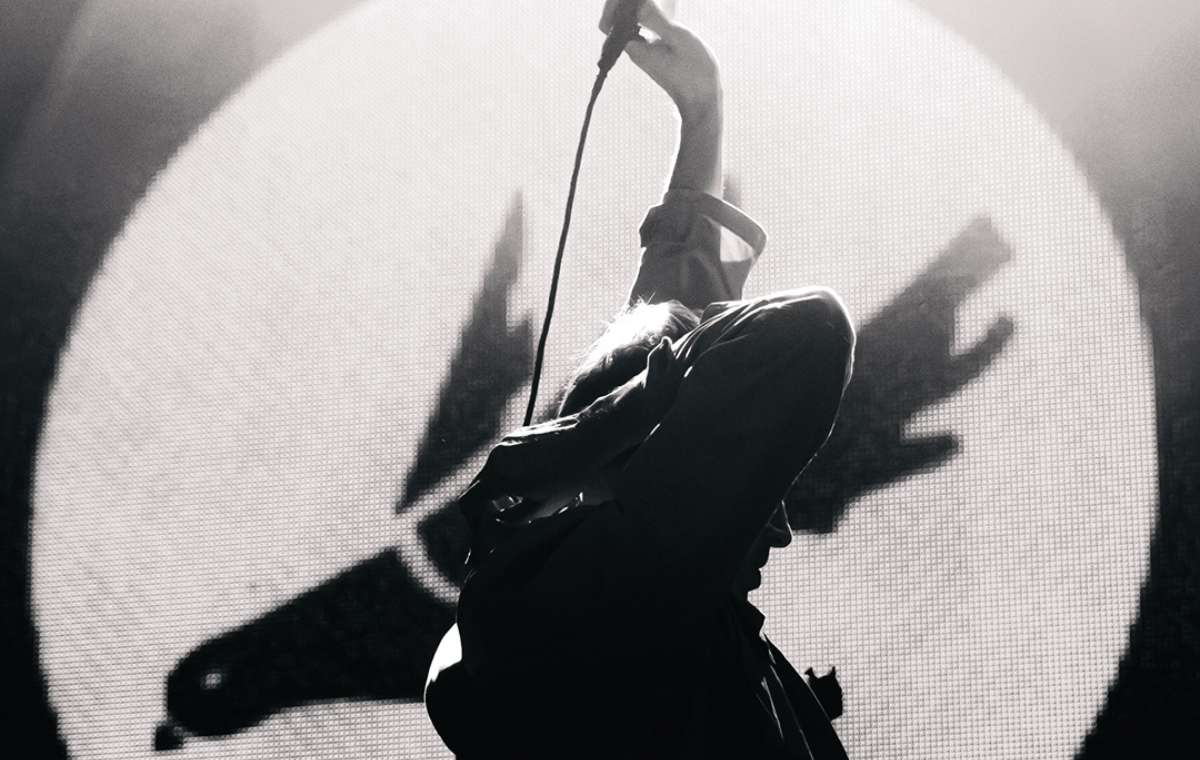
Feb/26 · clipping.
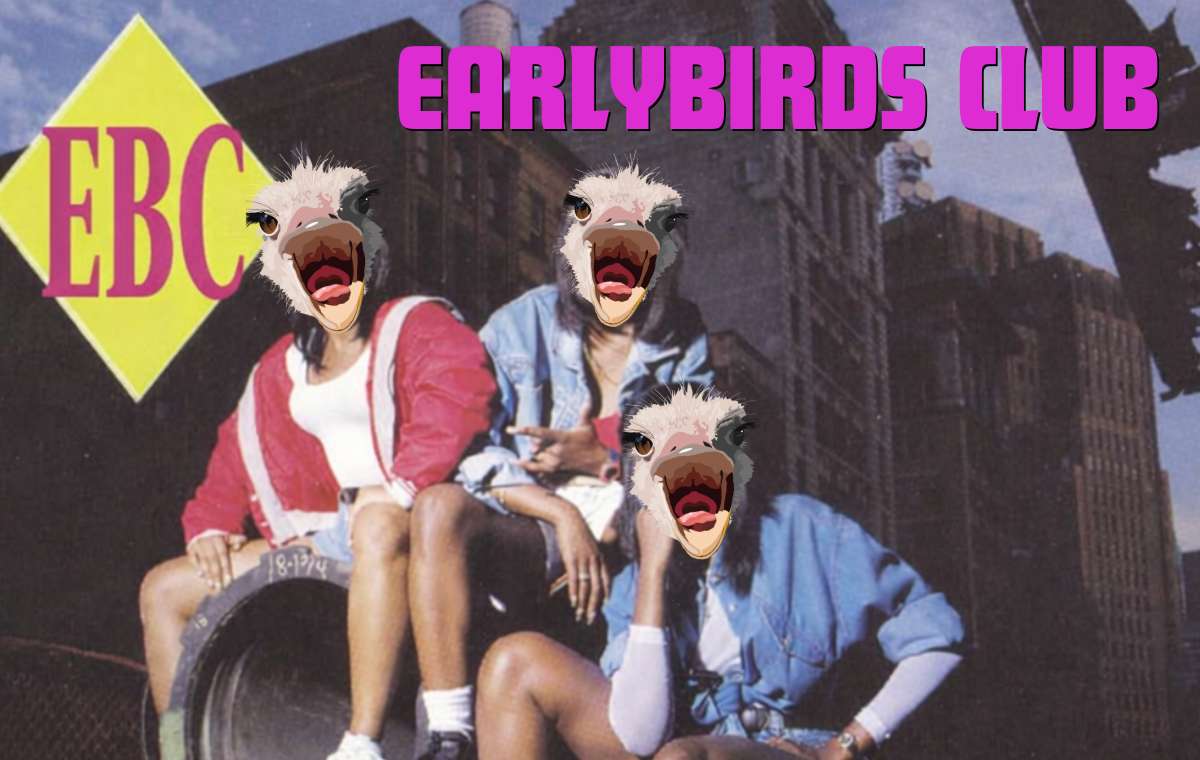
Feb/28 · EARLYBIRDS CLUB
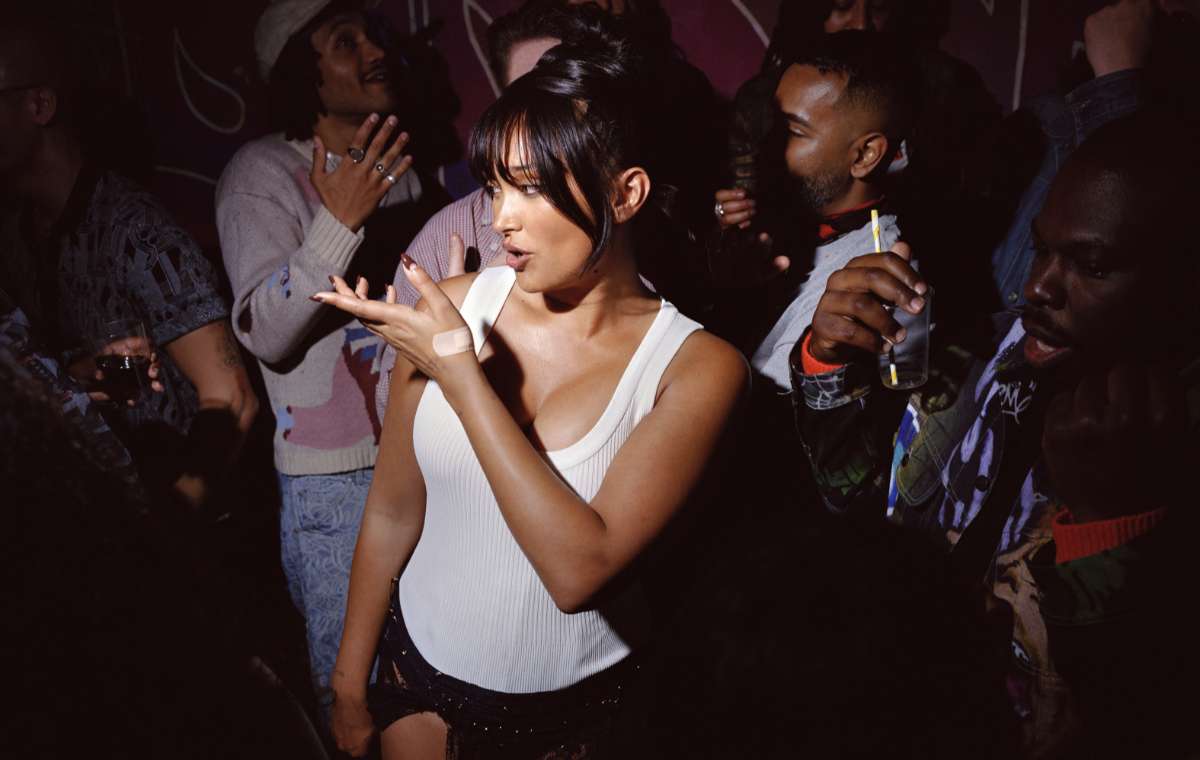
Mar/2 · BENEE
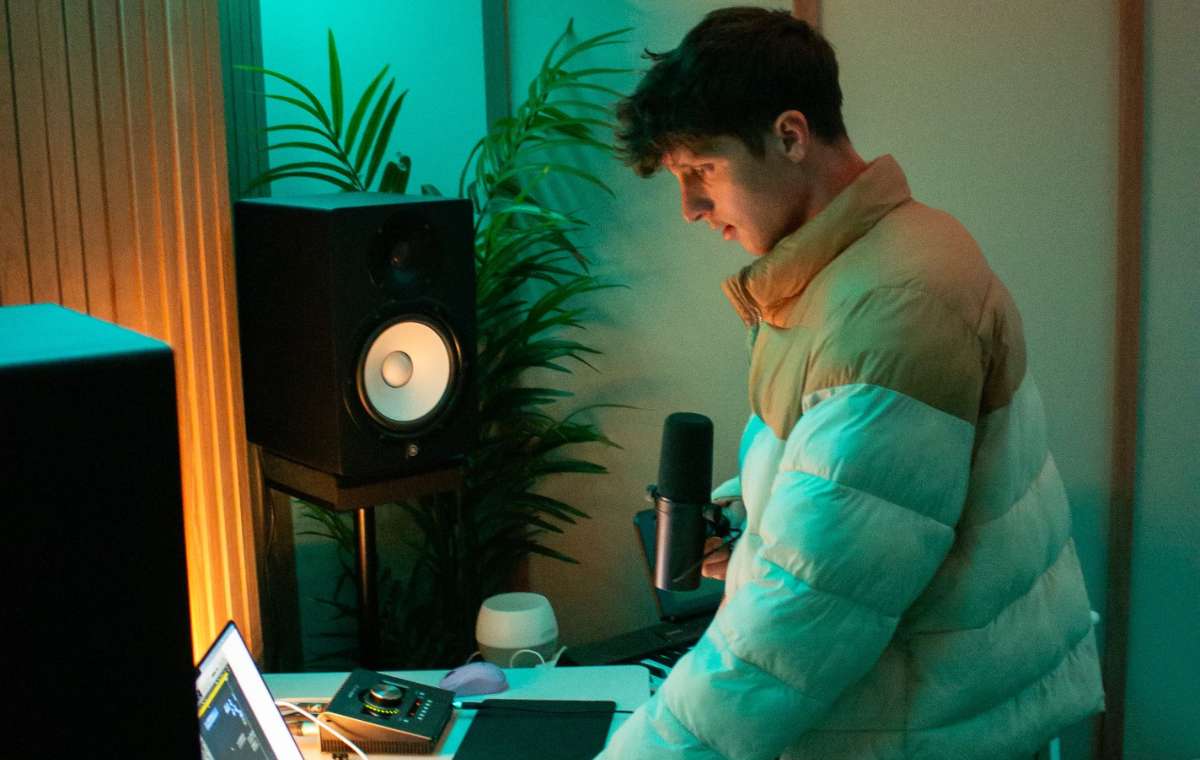
Mar/4 · Monolink
Mar/5 · Mindchatter: Giving Up On Words Tour
Mar/6 · MOVED TO THE CRYSTAL BALLROOM kwn: tour 2026
Mar/14 · yung kai: stay with the ocean, i’ll find you tour
Mar/20 · Donny Benet
Mar/22 · Elefante – 30th Anniversary Tour
Mar/26 · Eli
Mar/27 · Tophouse
Mar/28 · Sarah Kinsley
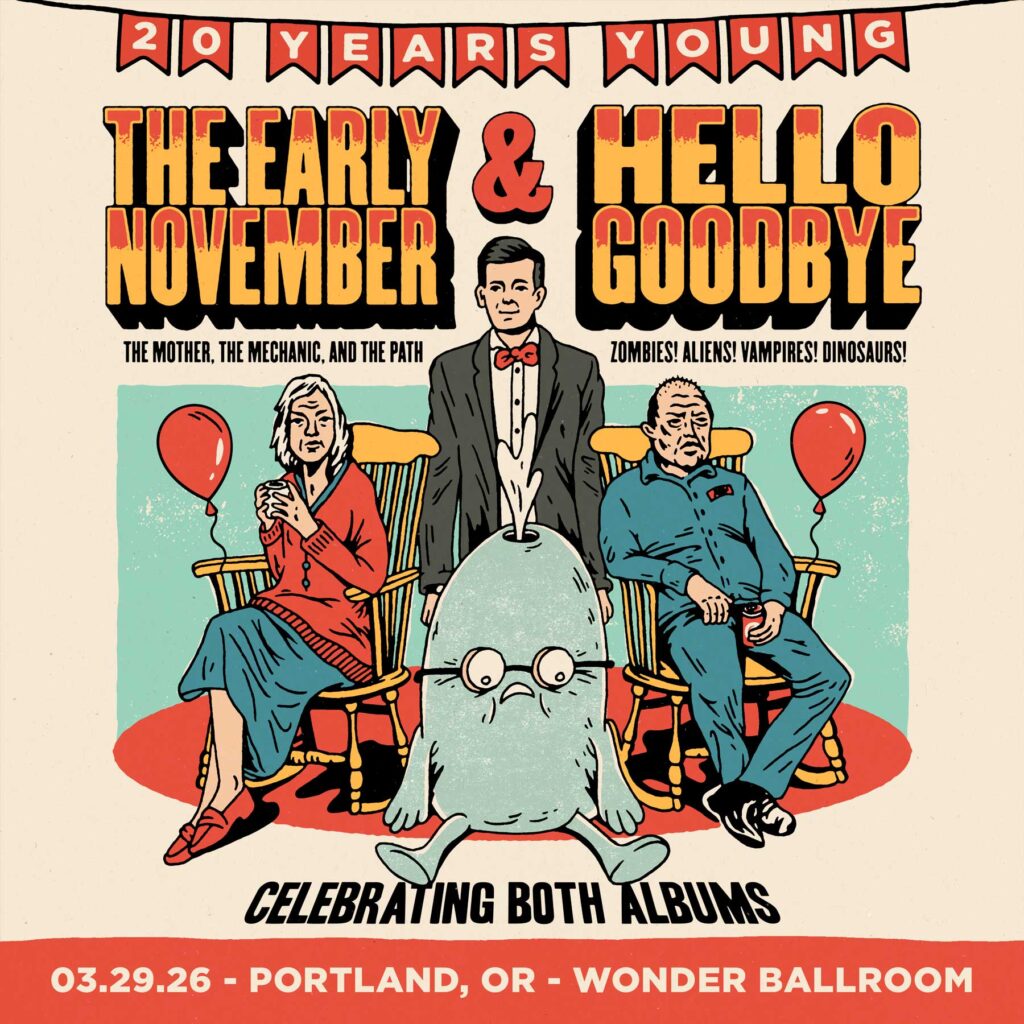
Mar/29 · THE EARLY NOVEMBER & HELLOGOODBYE: 20 Years Young
Mar/30 · Ruel – Kicking My Feet Tour
Mar/31 · Yellow Days: Rock And A Hard Place Tour
Apr/1 · COBRAH – TORN TOUR
Apr/2 · Mind Enterprises
Apr/3 · HOLYWATR
Apr/4 · Vandelux
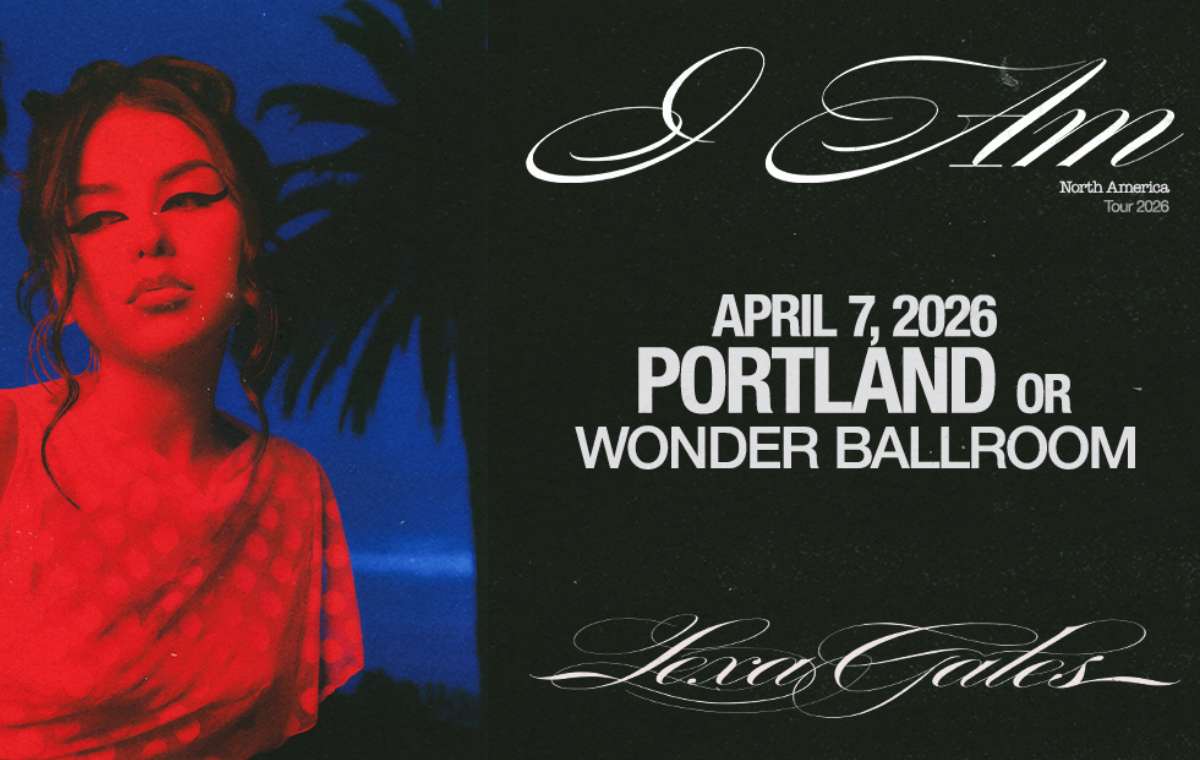
Apr/7 · Lexa Gates
Apr/10 · FCUKERS
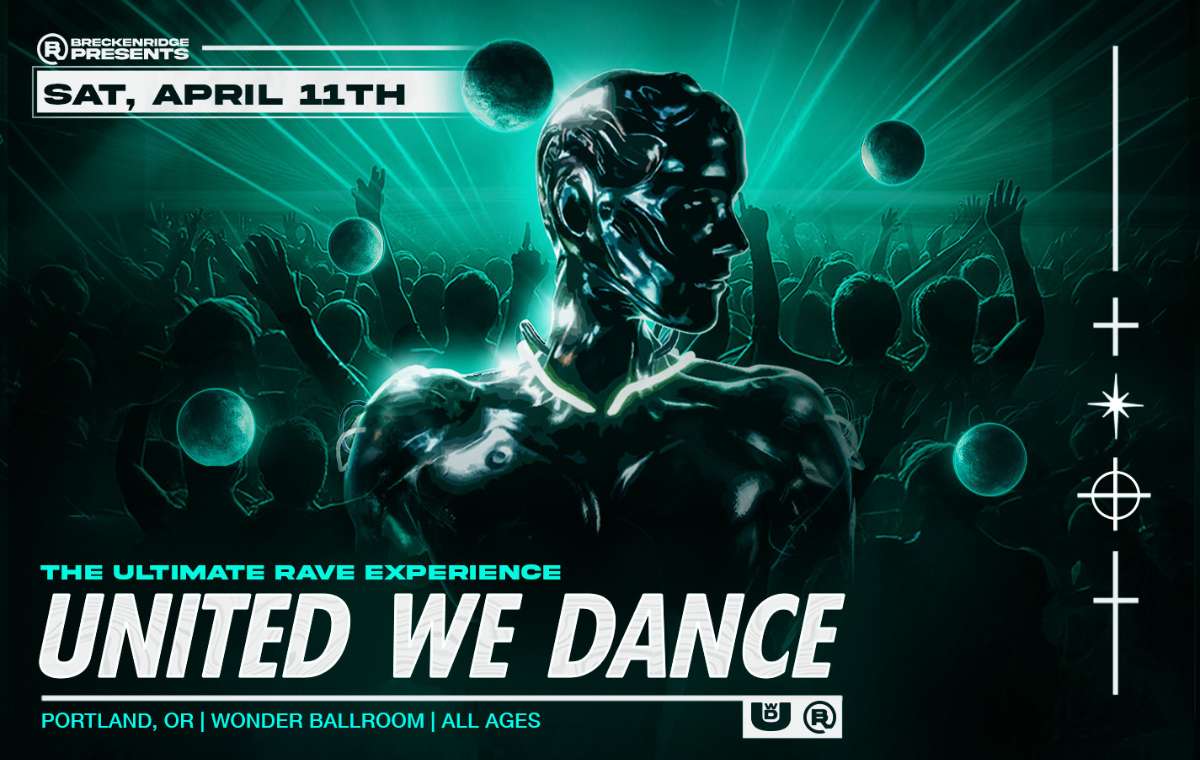
Apr/11 · United We Dance: The Ultimate Rave Experience
Apr/15 · THURSDAY presents FULL CITY DEVOLUCION
Apr/21 · Die Spitz
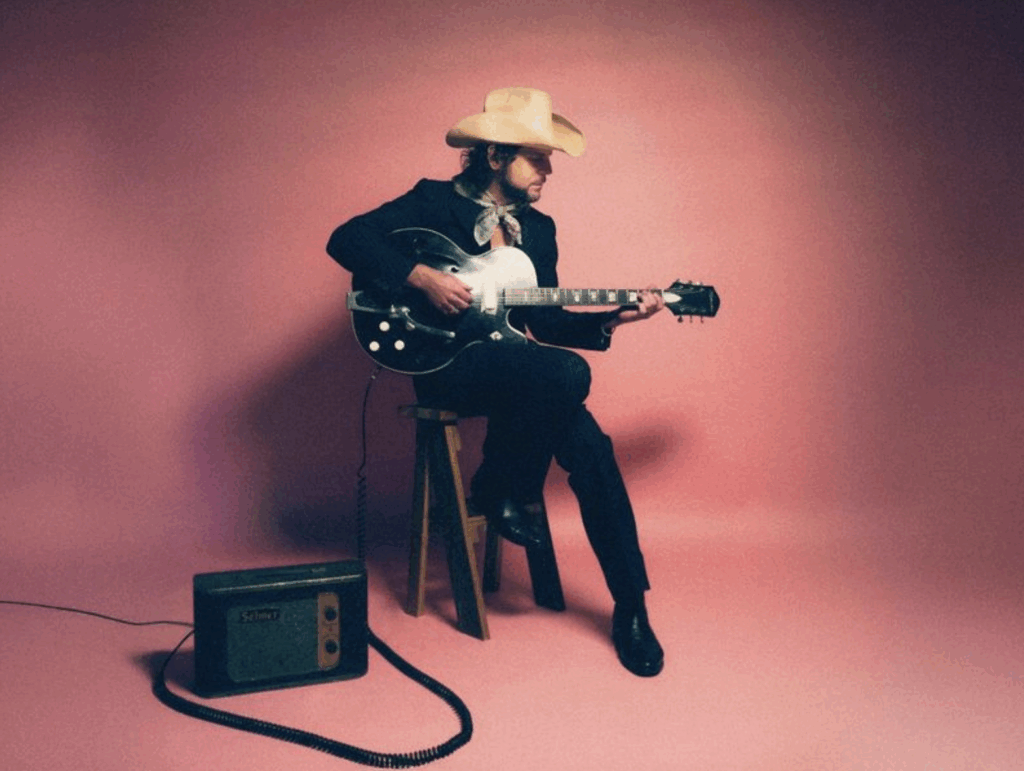
Apr/24 · Langhorne Slim: The Dreamin’ Kind Tour
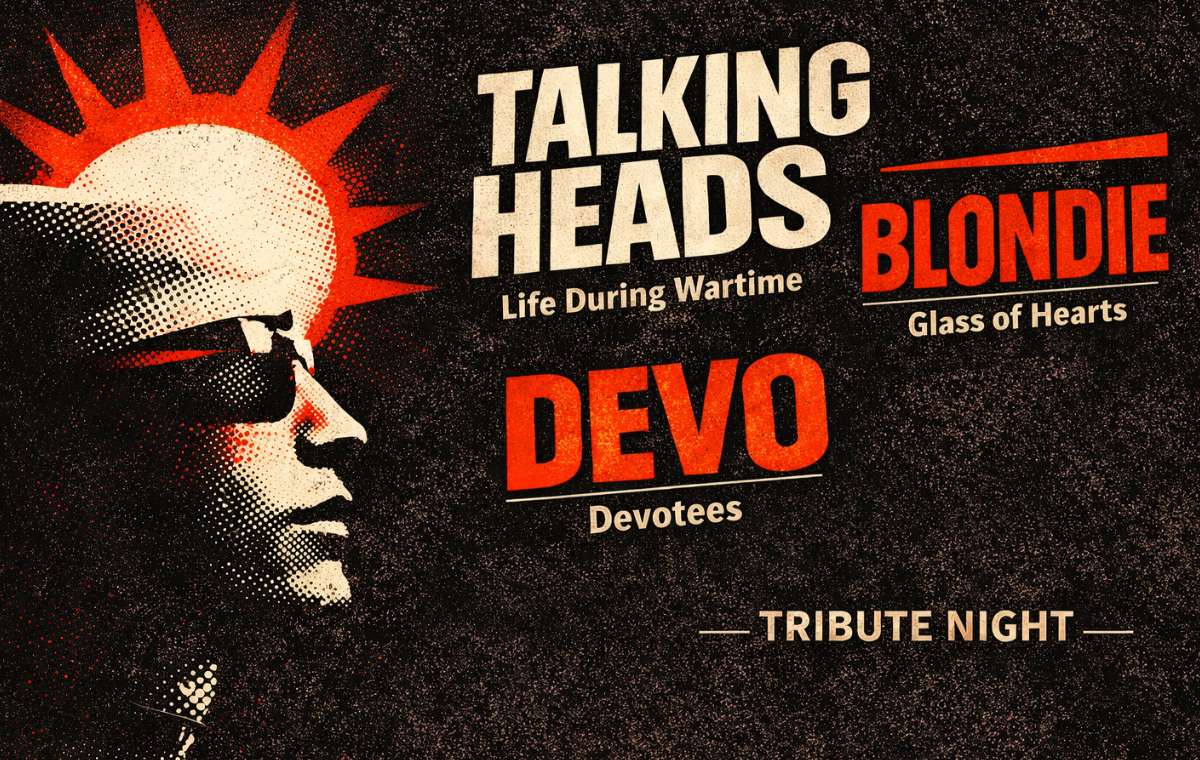
Apr/25 · Talking Heads, Blondie & Devo Tribute Night
Apr/27 · The Brook & The Bluff: The Werewolf Tour
Apr/28 · Patrick Watson – Uh Oh Tour
Apr/29 · Claire Rosinkranz – My Lover Tour
Apr/30 · JENSEN MCRAE – God Has A Hitman Tour
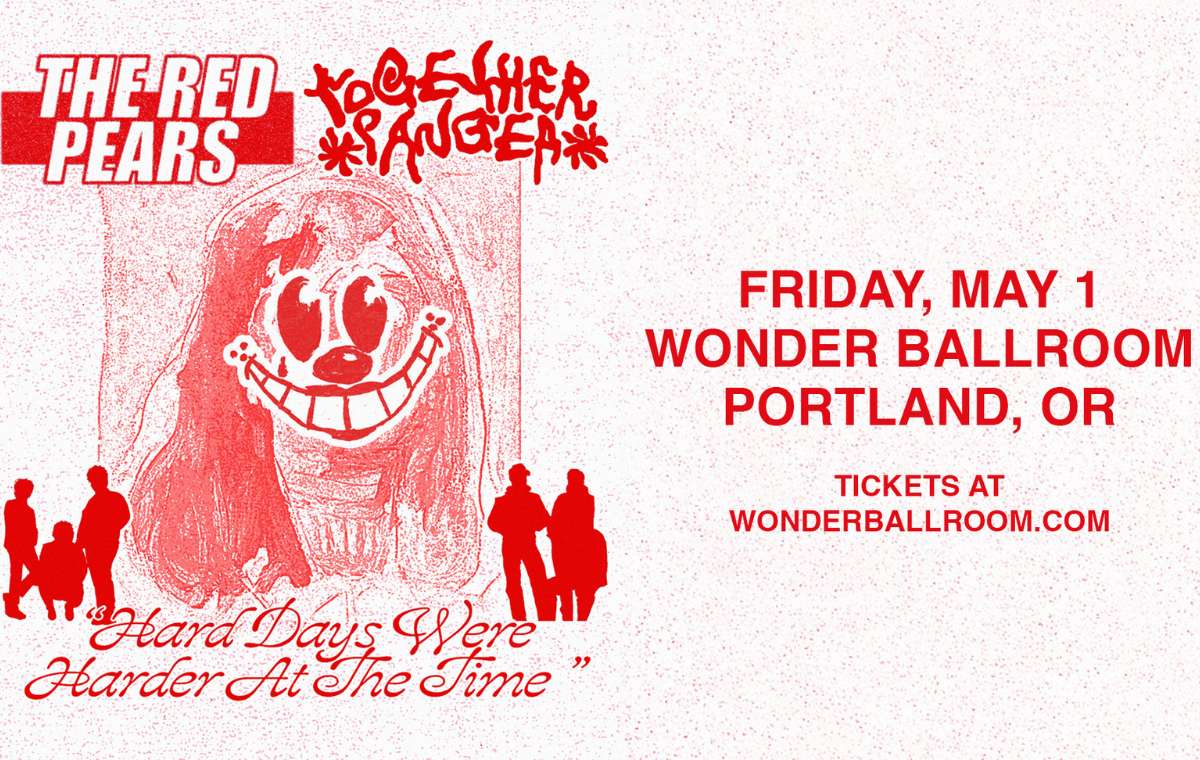
May/1 · The Red Pears and Together Pangea
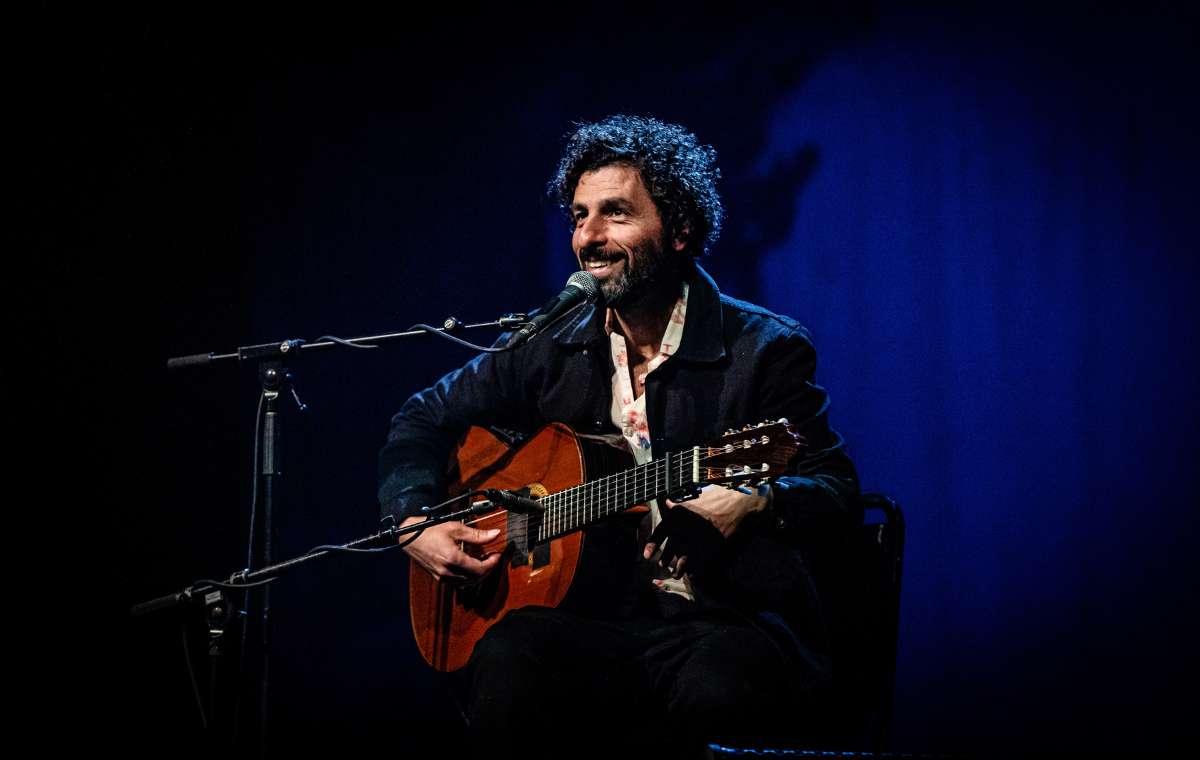
May/2 · José González – Against The Dying Of The Light Tour
May/5 · Joy Crookes
May/8 · Powfu Presents: The Lofi Library Tour
May/17 · Dry Cleaning
May/22 · hemlocke springs: the apple tree under the sea tour
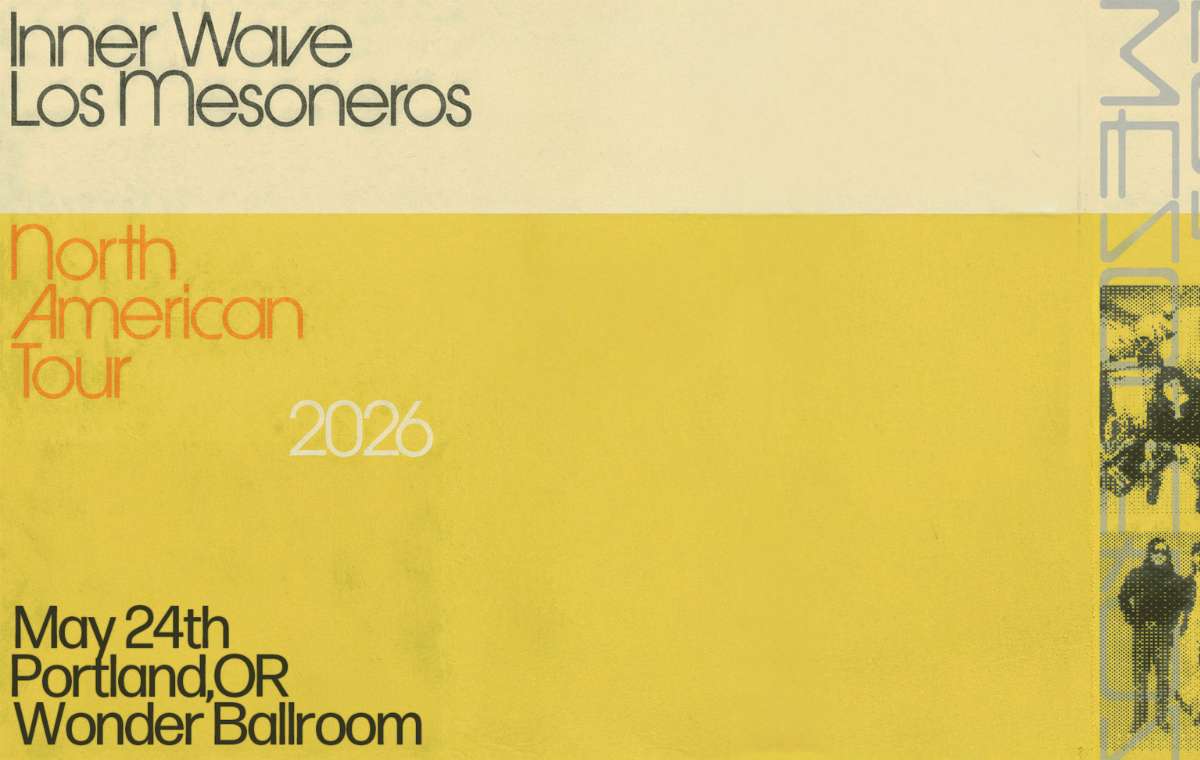
May/24 · Inner Wave & Los Mesoneros – North America Tour ’26
May/27 · Josiah and the Bonnevilles – The Redline North American Tour
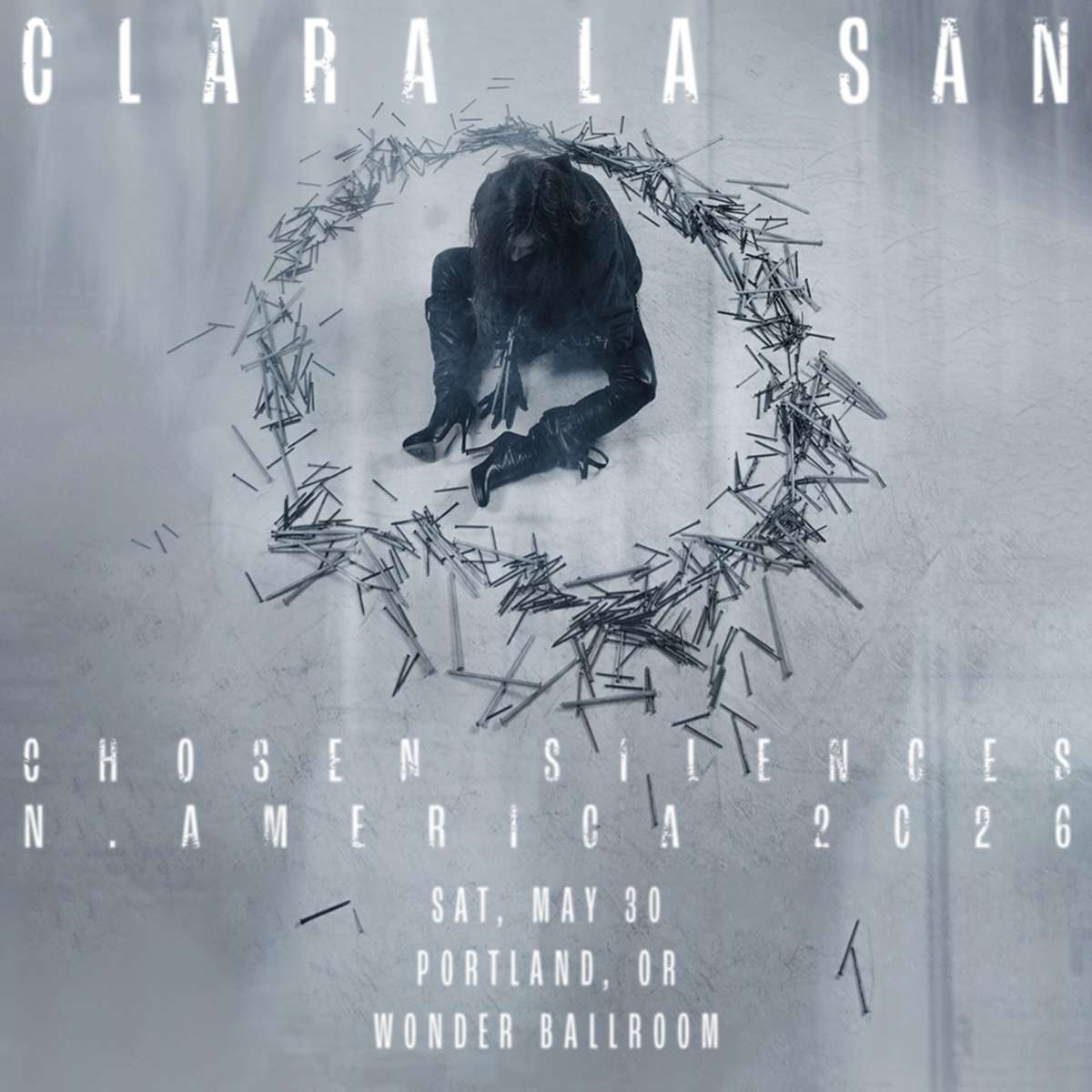
May/30 · Clara La San – Chosen Silences Tour 2026
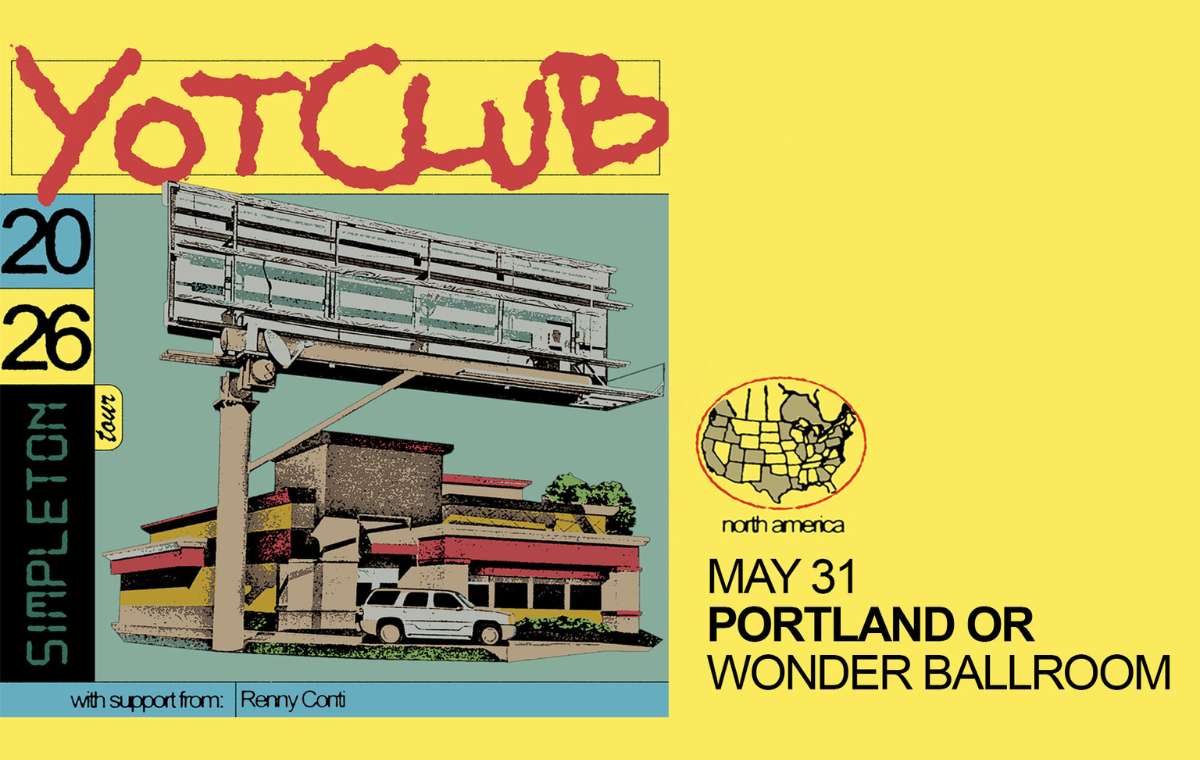
May/31 · Yot Club – Simpleton Tour
Jun/18 · The Crane Wives – ACT II
Jun/19 · The Crane Wives – ACT II
Jun/27 · Searows – Death in the Business of Whaling
Jun/28 · Searows – Death in the Business of Whaling
Jul/9 · Aaron Hibell
Aug/25 · Diggy Graves – The No Vacancy Tour
Sep/26 · deca joins
Jan/31 · *POSTPONED until TBD* The Residents – Eskimo Live! Tour

All Shows

Upcoming Events

Monqui Presents

With Open Mike Eagle and Cooling Prongs

Thursday, February 26
Doors : 7 pm, Show : 8 pm
all ages
$27 to $39.25

About Clipping. – 

The critically acclaimed West Coast-based experimental hip-hop trio, “clipping” is fronted by Tony and Grammy winning actor, rapper and writer, Daveed Diggs along with producers Jonathan Snipes and William Hutson. They initially rose to prominence with their debut album MIDCITY and follow up, CLPPNG. In 2016 they released their opus, SPLENDOR & MISERY, a science fiction concept album that garnered international critical acclaim, including a Hugo Award nomination for Best Dramatic Presentation. This was only the second time ever a music album was nominated for a Hugo Award, putting them up against the likes of GAME OF THRONES and BLACK MIRROR. Their follow up, THE DEEP, garnered similar attention including another Hugo Award nomination as well as influencing a Simon & Schuster published novel of the same name. Most recently the band diverted from their sci-fi storytelling and released a set of horror-based concept albums, THERE EXISTED AN ADDITION TO BLOOD and VISIONS OF BODIES BEING BURNED. Line of Best Fit’s Jack Bray hailed it as “sonically intriguing” and “another successful experiment for the group and one of the eeriest examples of modern hip- hop to date.”

Monqui Presents

With Open Mike Eagle and Cooling Prongs

Thursday, February 26
Doors : 7 pm, Show : 8 pm
all ages
$27 to $39.25

Moon Hooch started in the NYC subway platforms in 2010. They are currently touring the world.

“I‘m realizing more and more every day that you can make anything happen for yourself if you really want to,” says Moon Hooch horn player Mike Wilbur. “You can change your existence by just going out and doing it, by taking simple actions every day.”
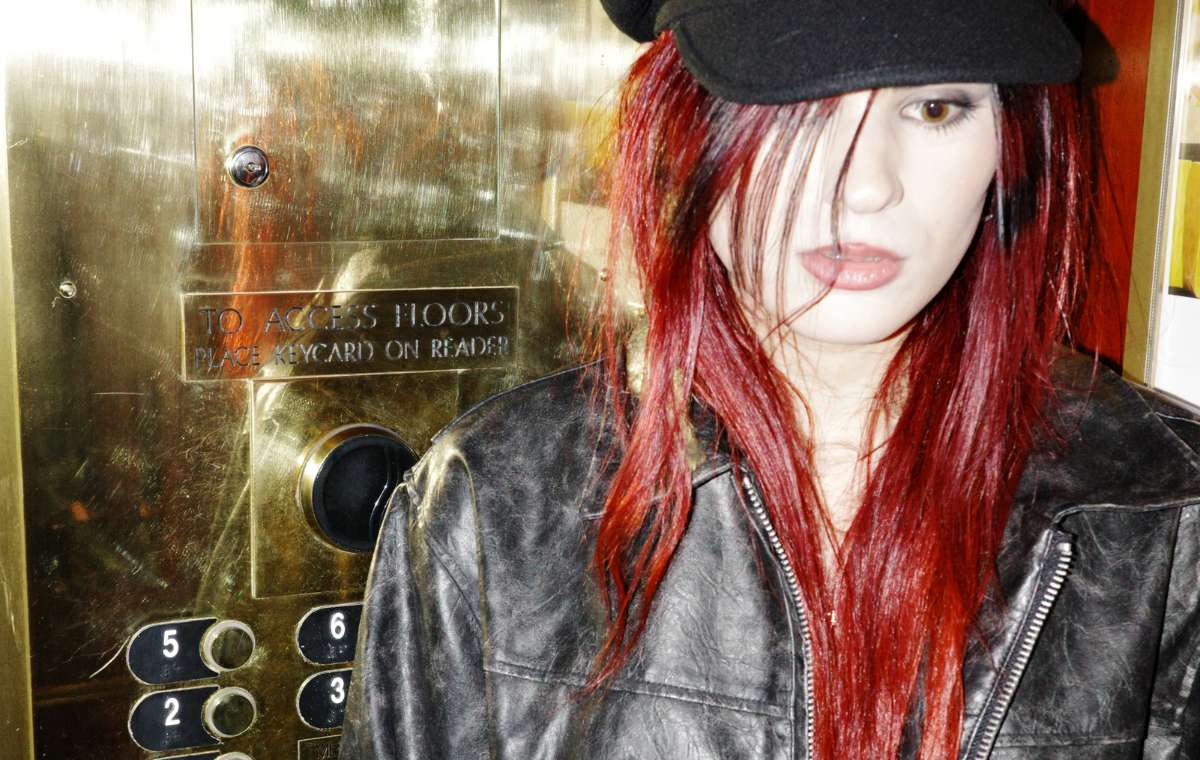
If any band is a poster child for turning the power of positive thoughts and intentions into reality, it’s the explosive horn-and-percussion trio Moon Hooch. In just a few short years, the group— Wilbur and fellow horn player Wenzl McGowen and Ethan Snyder—have gone from playing on New York City subway platforms to touring with the likes of Beats Antique, They Might Be Giants, and Lotus, as well as selling out their own headline shows in major venues around the country.

Though the band—whose members initially met as students at the New School—turned heads in the music industry as relative unknowns with a charismatic, unconventional sound (they play with unique tonguing techniques and utilize found objects like traffic cones attached to the bells of their horns to manipulate tone, for instance), they were already a familiar and beloved sight to strangers in New York, who would react with such joy and fervor to their impromptu subway platform sets that the NYPD had to ban them from locations that couldn’t handle the crowds. NY Mag once referred to their sound as “Jay Gatsby on ecstasy,” while the NY Post fell for their “catchy melodic hooks and funky rhythms,” saying they had “the power to make you secretly wish that the short [subway] wait becomes an indefinite delay.”
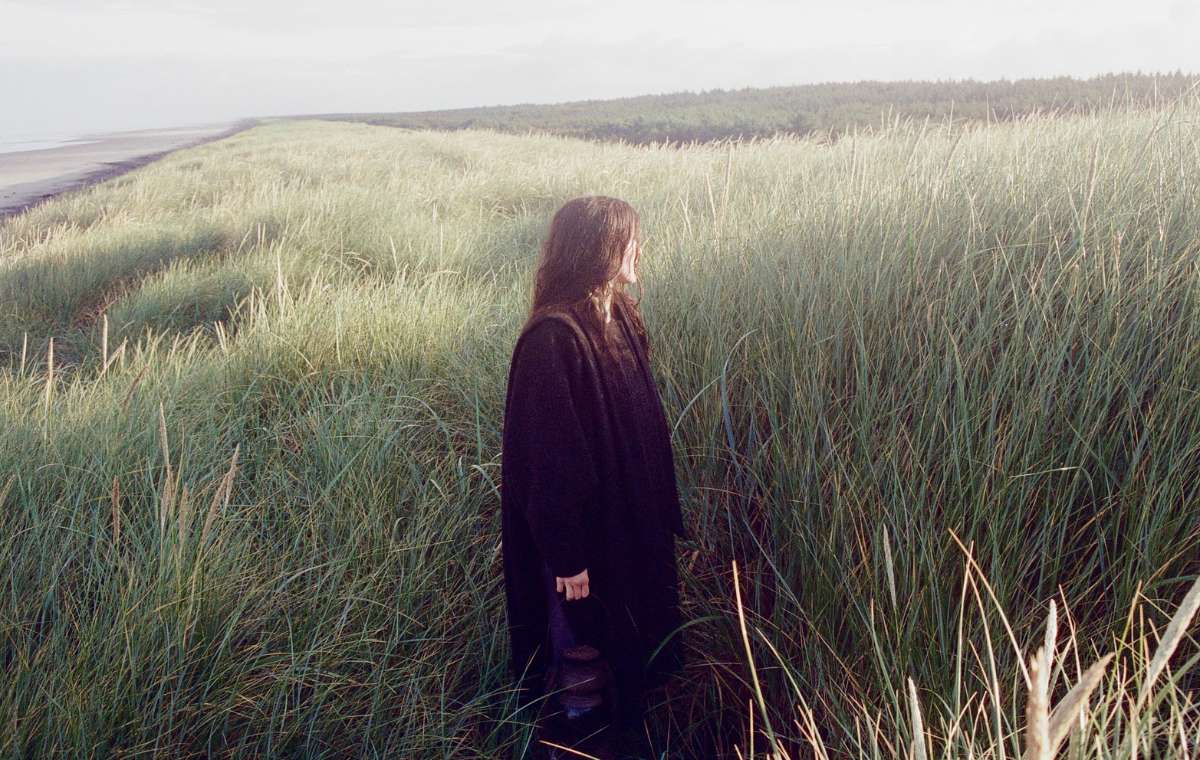
While the band’s busking days are behind them now, the lessons they learned from all those platform parties helped guide their approach to recording ‘Life on Other Planets.’ “What we discovered playing in the subway,” McGowen explains, “is that the more focus and the more energy you put into the music, and the more you listen to everything around you and integrate everything around you into your expression, the more the music becomes this captivating force for people.”
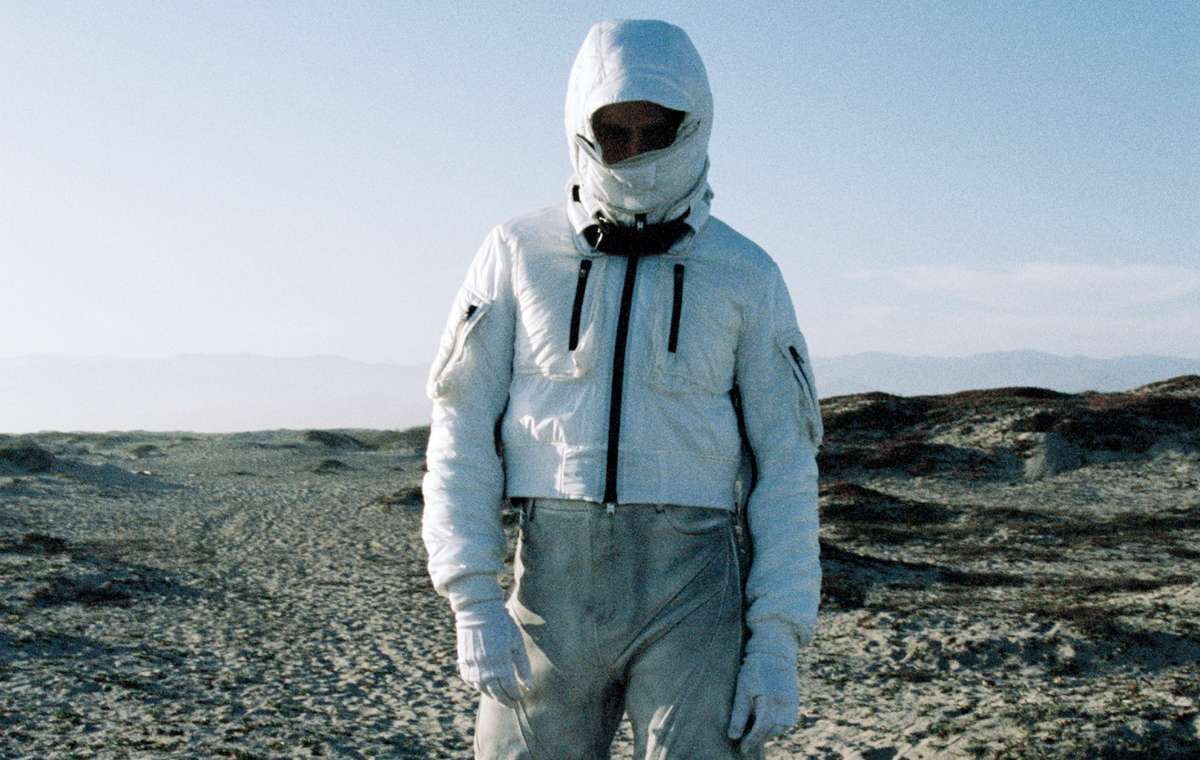
The band followed up ‘Red Sky’ by releasing the ‘Light It Up’ EP in 2018. Recorded in bucolic Williston, Vermont and co-produced by Tonio Sagan (grandson of famed astronomer Carl Sagan), this collection of three songs was a foray into a more electronic and studio-produced sound. Full of horn textures, big drops, and throbbing bass lines, these tracks extend the possibilities of their subway instrumentation. Between ‘Red Sky’ and the ‘Light It Up’ EP, the band uses an evolving arsenal of electroacoustic techniques to utterly demolish any and every possible barrier that could stand between your ass and the dance floor.

“When we were playing in the subways, we were playing entirely acoustic,” explains Wilbur. “It was just two saxes and a drum set. Then Wenzl acquired a baritone sax and we all started getting into music production and incorporating electronic music into our live shows.” At their performances, the band now plays through what they call a Reverse DJ setup, in which the live sound from their horns runs through Ableton software on their laptops to process recorded effects onto the output. In addition, to flesh out their sound on the road, the band began utilizing Moog synthesizers, an EWI (an electronic wind instrument that responds to breath in addition to touch), and other exotic woodwinds like the contrabass clarinet and bass saxophone. Wilbur has even added vocals to his repertoire on some tracks (something the subway never allowed him to do).

The band members all speak reverently of meditation and consciousness and the role it plays in their music (McGowen believes his introduction to it, spurred on in part by Wilbur and former member James Muschler, saved his life), but equally close to their hearts are the environmental causes they champion. Moon Hooch tries to live up to their green ideals while traveling as much as possible, playing benefit shows, organizing action days to support local farmers and co-ops, participating in river cleanups, planting trees, filming informative videos for their fans, and more.

For the members of Moon Hooch, commitments to consciousness, environmentalism, veganism, philosophy, and peace aren’t separate from their commitment to music, but actually integral parts of it. It’s all tied into that same core approach that led to their discovery on the subway platform: try, even if it’s just a little bit every day, even if it’s just with the power of your mind, to make the world less like it is and more like you wish it could be.

“I’d say all of our songs express the essence of that kind of energy,” concludes McGowen, “because before you can even think any thoughts, there exists the energy that drives those thoughts, and that energy is intention. I feel like we’re putting the intention of positive change constantly into our music. While we’re playing, I often see the future emerging: skyscrapers getting covered in plants, frowns turning into smiles, fistfights into hugs. I can see the energy of love and collaboration and trust replace the energy of fear, hatred and violence.” It’s an ambitious vision, to be sure, but considering the band’s track record at turning their thoughts and dreams into action and reality, perhaps it’s only a matter of time.

Monqui Presents

Saturday, February 28
Show : 6 pm
ages 21 +
$39.25

Moon Hooch started in the NYC subway platforms in 2010. They are currently touring the world.

“I‘m realizing more and more every day that you can make anything happen for yourself if you really want to,” says Moon Hooch horn player Mike Wilbur. “You can change your existence by just going out and doing it, by taking simple actions every day.”

If any band is a poster child for turning the power of positive thoughts and intentions into reality, it’s the explosive horn-and-percussion trio Moon Hooch. In just a few short years, the group— Wilbur and fellow horn player Wenzl McGowen and Ethan Snyder—have gone from playing on New York City subway platforms to touring with the likes of Beats Antique, They Might Be Giants, and Lotus, as well as selling out their own headline shows in major venues around the country.

Though the band—whose members initially met as students at the New School—turned heads in the music industry as relative unknowns with a charismatic, unconventional sound (they play with unique tonguing techniques and utilize found objects like traffic cones attached to the bells of their horns to manipulate tone, for instance), they were already a familiar and beloved sight to strangers in New York, who would react with such joy and fervor to their impromptu subway platform sets that the NYPD had to ban them from locations that couldn’t handle the crowds. NY Mag once referred to their sound as “Jay Gatsby on ecstasy,” while the NY Post fell for their “catchy melodic hooks and funky rhythms,” saying they had “the power to make you secretly wish that the short [subway] wait becomes an indefinite delay.”

While the band’s busking days are behind them now, the lessons they learned from all those platform parties helped guide their approach to recording ‘Life on Other Planets.’ “What we discovered playing in the subway,” McGowen explains, “is that the more focus and the more energy you put into the music, and the more you listen to everything around you and integrate everything around you into your expression, the more the music becomes this captivating force for people.”

The band followed up ‘Red Sky’ by releasing the ‘Light It Up’ EP in 2018. Recorded in bucolic Williston, Vermont and co-produced by Tonio Sagan (grandson of famed astronomer Carl Sagan), this collection of three songs was a foray into a more electronic and studio-produced sound. Full of horn textures, big drops, and throbbing bass lines, these tracks extend the possibilities of their subway instrumentation. Between ‘Red Sky’ and the ‘Light It Up’ EP, the band uses an evolving arsenal of electroacoustic techniques to utterly demolish any and every possible barrier that could stand between your ass and the dance floor.

“When we were playing in the subways, we were playing entirely acoustic,” explains Wilbur. “It was just two saxes and a drum set. Then Wenzl acquired a baritone sax and we all started getting into music production and incorporating electronic music into our live shows.” At their performances, the band now plays through what they call a Reverse DJ setup, in which the live sound from their horns runs through Ableton software on their laptops to process recorded effects onto the output. In addition, to flesh out their sound on the road, the band began utilizing Moog synthesizers, an EWI (an electronic wind instrument that responds to breath in addition to touch), and other exotic woodwinds like the contrabass clarinet and bass saxophone. Wilbur has even added vocals to his repertoire on some tracks (something the subway never allowed him to do).

The band members all speak reverently of meditation and consciousness and the role it plays in their music (McGowen believes his introduction to it, spurred on in part by Wilbur and former member James Muschler, saved his life), but equally close to their hearts are the environmental causes they champion. Moon Hooch tries to live up to their green ideals while traveling as much as possible, playing benefit shows, organizing action days to support local farmers and co-ops, participating in river cleanups, planting trees, filming informative videos for their fans, and more.

For the members of Moon Hooch, commitments to consciousness, environmentalism, veganism, philosophy, and peace aren’t separate from their commitment to music, but actually integral parts of it. It’s all tied into that same core approach that led to their discovery on the subway platform: try, even if it’s just a little bit every day, even if it’s just with the power of your mind, to make the world less like it is and more like you wish it could be.

“I’d say all of our songs express the essence of that kind of energy,” concludes McGowen, “because before you can even think any thoughts, there exists the energy that drives those thoughts, and that energy is intention. I feel like we’re putting the intention of positive change constantly into our music. While we’re playing, I often see the future emerging: skyscrapers getting covered in plants, frowns turning into smiles, fistfights into hugs. I can see the energy of love and collaboration and trust replace the energy of fear, hatred and violence.” It’s an ambitious vision, to be sure, but considering the band’s track record at turning their thoughts and dreams into action and reality, perhaps it’s only a matter of time.

Monqui Presents

Monday, March 2
Doors : 7 pm, Show : 8 pm
all ages
$32 to $56.25

Moon Hooch started in the NYC subway platforms in 2010. They are currently touring the world.

“I‘m realizing more and more every day that you can make anything happen for yourself if you really want to,” says Moon Hooch horn player Mike Wilbur. “You can change your existence by just going out and doing it, by taking simple actions every day.”

If any band is a poster child for turning the power of positive thoughts and intentions into reality, it’s the explosive horn-and-percussion trio Moon Hooch. In just a few short years, the group— Wilbur and fellow horn player Wenzl McGowen and Ethan Snyder—have gone from playing on New York City subway platforms to touring with the likes of Beats Antique, They Might Be Giants, and Lotus, as well as selling out their own headline shows in major venues around the country.

Though the band—whose members initially met as students at the New School—turned heads in the music industry as relative unknowns with a charismatic, unconventional sound (they play with unique tonguing techniques and utilize found objects like traffic cones attached to the bells of their horns to manipulate tone, for instance), they were already a familiar and beloved sight to strangers in New York, who would react with such joy and fervor to their impromptu subway platform sets that the NYPD had to ban them from locations that couldn’t handle the crowds. NY Mag once referred to their sound as “Jay Gatsby on ecstasy,” while the NY Post fell for their “catchy melodic hooks and funky rhythms,” saying they had “the power to make you secretly wish that the short [subway] wait becomes an indefinite delay.”

While the band’s busking days are behind them now, the lessons they learned from all those platform parties helped guide their approach to recording ‘Life on Other Planets.’ “What we discovered playing in the subway,” McGowen explains, “is that the more focus and the more energy you put into the music, and the more you listen to everything around you and integrate everything around you into your expression, the more the music becomes this captivating force for people.”

The band followed up ‘Red Sky’ by releasing the ‘Light It Up’ EP in 2018. Recorded in bucolic Williston, Vermont and co-produced by Tonio Sagan (grandson of famed astronomer Carl Sagan), this collection of three songs was a foray into a more electronic and studio-produced sound. Full of horn textures, big drops, and throbbing bass lines, these tracks extend the possibilities of their subway instrumentation. Between ‘Red Sky’ and the ‘Light It Up’ EP, the band uses an evolving arsenal of electroacoustic techniques to utterly demolish any and every possible barrier that could stand between your ass and the dance floor.

“When we were playing in the subways, we were playing entirely acoustic,” explains Wilbur. “It was just two saxes and a drum set. Then Wenzl acquired a baritone sax and we all started getting into music production and incorporating electronic music into our live shows.” At their performances, the band now plays through what they call a Reverse DJ setup, in which the live sound from their horns runs through Ableton software on their laptops to process recorded effects onto the output. In addition, to flesh out their sound on the road, the band began utilizing Moog synthesizers, an EWI (an electronic wind instrument that responds to breath in addition to touch), and other exotic woodwinds like the contrabass clarinet and bass saxophone. Wilbur has even added vocals to his repertoire on some tracks (something the subway never allowed him to do).

The band members all speak reverently of meditation and consciousness and the role it plays in their music (McGowen believes his introduction to it, spurred on in part by Wilbur and former member James Muschler, saved his life), but equally close to their hearts are the environmental causes they champion. Moon Hooch tries to live up to their green ideals while traveling as much as possible, playing benefit shows, organizing action days to support local farmers and co-ops, participating in river cleanups, planting trees, filming informative videos for their fans, and more.

For the members of Moon Hooch, commitments to consciousness, environmentalism, veganism, philosophy, and peace aren’t separate from their commitment to music, but actually integral parts of it. It’s all tied into that same core approach that led to their discovery on the subway platform: try, even if it’s just a little bit every day, even if it’s just with the power of your mind, to make the world less like it is and more like you wish it could be.

“I’d say all of our songs express the essence of that kind of energy,” concludes McGowen, “because before you can even think any thoughts, there exists the energy that drives those thoughts, and that energy is intention. I feel like we’re putting the intention of positive change constantly into our music. While we’re playing, I often see the future emerging: skyscrapers getting covered in plants, frowns turning into smiles, fistfights into hugs. I can see the energy of love and collaboration and trust replace the energy of fear, hatred and violence.” It’s an ambitious vision, to be sure, but considering the band’s track record at turning their thoughts and dreams into action and reality, perhaps it’s only a matter of time.

Monqui Presents

With special guest Roderic

Wednesday, March 4
Doors : 7 pm, Show : 8 pm
ages 21 +
$40 to $67.25

Moon Hooch started in the NYC subway platforms in 2010. They are currently touring the world.

“I‘m realizing more and more every day that you can make anything happen for yourself if you really want to,” says Moon Hooch horn player Mike Wilbur. “You can change your existence by just going out and doing it, by taking simple actions every day.”

If any band is a poster child for turning the power of positive thoughts and intentions into reality, it’s the explosive horn-and-percussion trio Moon Hooch. In just a few short years, the group— Wilbur and fellow horn player Wenzl McGowen and Ethan Snyder—have gone from playing on New York City subway platforms to touring with the likes of Beats Antique, They Might Be Giants, and Lotus, as well as selling out their own headline shows in major venues around the country.

Though the band—whose members initially met as students at the New School—turned heads in the music industry as relative unknowns with a charismatic, unconventional sound (they play with unique tonguing techniques and utilize found objects like traffic cones attached to the bells of their horns to manipulate tone, for instance), they were already a familiar and beloved sight to strangers in New York, who would react with such joy and fervor to their impromptu subway platform sets that the NYPD had to ban them from locations that couldn’t handle the crowds. NY Mag once referred to their sound as “Jay Gatsby on ecstasy,” while the NY Post fell for their “catchy melodic hooks and funky rhythms,” saying they had “the power to make you secretly wish that the short [subway] wait becomes an indefinite delay.”

While the band’s busking days are behind them now, the lessons they learned from all those platform parties helped guide their approach to recording ‘Life on Other Planets.’ “What we discovered playing in the subway,” McGowen explains, “is that the more focus and the more energy you put into the music, and the more you listen to everything around you and integrate everything around you into your expression, the more the music becomes this captivating force for people.”

The band followed up ‘Red Sky’ by releasing the ‘Light It Up’ EP in 2018. Recorded in bucolic Williston, Vermont and co-produced by Tonio Sagan (grandson of famed astronomer Carl Sagan), this collection of three songs was a foray into a more electronic and studio-produced sound. Full of horn textures, big drops, and throbbing bass lines, these tracks extend the possibilities of their subway instrumentation. Between ‘Red Sky’ and the ‘Light It Up’ EP, the band uses an evolving arsenal of electroacoustic techniques to utterly demolish any and every possible barrier that could stand between your ass and the dance floor.

“When we were playing in the subways, we were playing entirely acoustic,” explains Wilbur. “It was just two saxes and a drum set. Then Wenzl acquired a baritone sax and we all started getting into music production and incorporating electronic music into our live shows.” At their performances, the band now plays through what they call a Reverse DJ setup, in which the live sound from their horns runs through Ableton software on their laptops to process recorded effects onto the output. In addition, to flesh out their sound on the road, the band began utilizing Moog synthesizers, an EWI (an electronic wind instrument that responds to breath in addition to touch), and other exotic woodwinds like the contrabass clarinet and bass saxophone. Wilbur has even added vocals to his repertoire on some tracks (something the subway never allowed him to do).

The band members all speak reverently of meditation and consciousness and the role it plays in their music (McGowen believes his introduction to it, spurred on in part by Wilbur and former member James Muschler, saved his life), but equally close to their hearts are the environmental causes they champion. Moon Hooch tries to live up to their green ideals while traveling as much as possible, playing benefit shows, organizing action days to support local farmers and co-ops, participating in river cleanups, planting trees, filming informative videos for their fans, and more.

For the members of Moon Hooch, commitments to consciousness, environmentalism, veganism, philosophy, and peace aren’t separate from their commitment to music, but actually integral parts of it. It’s all tied into that same core approach that led to their discovery on the subway platform: try, even if it’s just a little bit every day, even if it’s just with the power of your mind, to make the world less like it is and more like you wish it could be.

“I’d say all of our songs express the essence of that kind of energy,” concludes McGowen, “because before you can even think any thoughts, there exists the energy that drives those thoughts, and that energy is intention. I feel like we’re putting the intention of positive change constantly into our music. While we’re playing, I often see the future emerging: skyscrapers getting covered in plants, frowns turning into smiles, fistfights into hugs. I can see the energy of love and collaboration and trust replace the energy of fear, hatred and violence.” It’s an ambitious vision, to be sure, but considering the band’s track record at turning their thoughts and dreams into action and reality, perhaps it’s only a matter of time.

Monqui Presents

Support From NASAYA

Thursday, March 5
Doors : 7 pm, Show : 8 pm
all ages
$27 to $50.50

Moon Hooch started in the NYC subway platforms in 2010. They are currently touring the world.

“I‘m realizing more and more every day that you can make anything happen for yourself if you really want to,” says Moon Hooch horn player Mike Wilbur. “You can change your existence by just going out and doing it, by taking simple actions every day.”

If any band is a poster child for turning the power of positive thoughts and intentions into reality, it’s the explosive horn-and-percussion trio Moon Hooch. In just a few short years, the group— Wilbur and fellow horn player Wenzl McGowen and Ethan Snyder—have gone from playing on New York City subway platforms to touring with the likes of Beats Antique, They Might Be Giants, and Lotus, as well as selling out their own headline shows in major venues around the country.

Though the band—whose members initially met as students at the New School—turned heads in the music industry as relative unknowns with a charismatic, unconventional sound (they play with unique tonguing techniques and utilize found objects like traffic cones attached to the bells of their horns to manipulate tone, for instance), they were already a familiar and beloved sight to strangers in New York, who would react with such joy and fervor to their impromptu subway platform sets that the NYPD had to ban them from locations that couldn’t handle the crowds. NY Mag once referred to their sound as “Jay Gatsby on ecstasy,” while the NY Post fell for their “catchy melodic hooks and funky rhythms,” saying they had “the power to make you secretly wish that the short [subway] wait becomes an indefinite delay.”

While the band’s busking days are behind them now, the lessons they learned from all those platform parties helped guide their approach to recording ‘Life on Other Planets.’ “What we discovered playing in the subway,” McGowen explains, “is that the more focus and the more energy you put into the music, and the more you listen to everything around you and integrate everything around you into your expression, the more the music becomes this captivating force for people.”

The band followed up ‘Red Sky’ by releasing the ‘Light It Up’ EP in 2018. Recorded in bucolic Williston, Vermont and co-produced by Tonio Sagan (grandson of famed astronomer Carl Sagan), this collection of three songs was a foray into a more electronic and studio-produced sound. Full of horn textures, big drops, and throbbing bass lines, these tracks extend the possibilities of their subway instrumentation. Between ‘Red Sky’ and the ‘Light It Up’ EP, the band uses an evolving arsenal of electroacoustic techniques to utterly demolish any and every possible barrier that could stand between your ass and the dance floor.

“When we were playing in the subways, we were playing entirely acoustic,” explains Wilbur. “It was just two saxes and a drum set. Then Wenzl acquired a baritone sax and we all started getting into music production and incorporating electronic music into our live shows.” At their performances, the band now plays through what they call a Reverse DJ setup, in which the live sound from their horns runs through Ableton software on their laptops to process recorded effects onto the output. In addition, to flesh out their sound on the road, the band began utilizing Moog synthesizers, an EWI (an electronic wind instrument that responds to breath in addition to touch), and other exotic woodwinds like the contrabass clarinet and bass saxophone. Wilbur has even added vocals to his repertoire on some tracks (something the subway never allowed him to do).

The band members all speak reverently of meditation and consciousness and the role it plays in their music (McGowen believes his introduction to it, spurred on in part by Wilbur and former member James Muschler, saved his life), but equally close to their hearts are the environmental causes they champion. Moon Hooch tries to live up to their green ideals while traveling as much as possible, playing benefit shows, organizing action days to support local farmers and co-ops, participating in river cleanups, planting trees, filming informative videos for their fans, and more.

For the members of Moon Hooch, commitments to consciousness, environmentalism, veganism, philosophy, and peace aren’t separate from their commitment to music, but actually integral parts of it. It’s all tied into that same core approach that led to their discovery on the subway platform: try, even if it’s just a little bit every day, even if it’s just with the power of your mind, to make the world less like it is and more like you wish it could be.

“I’d say all of our songs express the essence of that kind of energy,” concludes McGowen, “because before you can even think any thoughts, there exists the energy that drives those thoughts, and that energy is intention. I feel like we’re putting the intention of positive change constantly into our music. While we’re playing, I often see the future emerging: skyscrapers getting covered in plants, frowns turning into smiles, fistfights into hugs. I can see the energy of love and collaboration and trust replace the energy of fear, hatred and violence.” It’s an ambitious vision, to be sure, but considering the band’s track record at turning their thoughts and dreams into action and reality, perhaps it’s only a matter of time.

Monqui Presents

Friday, March 6
Doors : 6:30 pm, Show : 8 pm
all ages

Moon Hooch started in the NYC subway platforms in 2010. They are currently touring the world.

“I‘m realizing more and more every day that you can make anything happen for yourself if you really want to,” says Moon Hooch horn player Mike Wilbur. “You can change your existence by just going out and doing it, by taking simple actions every day.”

If any band is a poster child for turning the power of positive thoughts and intentions into reality, it’s the explosive horn-and-percussion trio Moon Hooch. In just a few short years, the group— Wilbur and fellow horn player Wenzl McGowen and Ethan Snyder—have gone from playing on New York City subway platforms to touring with the likes of Beats Antique, They Might Be Giants, and Lotus, as well as selling out their own headline shows in major venues around the country.

Though the band—whose members initially met as students at the New School—turned heads in the music industry as relative unknowns with a charismatic, unconventional sound (they play with unique tonguing techniques and utilize found objects like traffic cones attached to the bells of their horns to manipulate tone, for instance), they were already a familiar and beloved sight to strangers in New York, who would react with such joy and fervor to their impromptu subway platform sets that the NYPD had to ban them from locations that couldn’t handle the crowds. NY Mag once referred to their sound as “Jay Gatsby on ecstasy,” while the NY Post fell for their “catchy melodic hooks and funky rhythms,” saying they had “the power to make you secretly wish that the short [subway] wait becomes an indefinite delay.”

While the band’s busking days are behind them now, the lessons they learned from all those platform parties helped guide their approach to recording ‘Life on Other Planets.’ “What we discovered playing in the subway,” McGowen explains, “is that the more focus and the more energy you put into the music, and the more you listen to everything around you and integrate everything around you into your expression, the more the music becomes this captivating force for people.”

The band followed up ‘Red Sky’ by releasing the ‘Light It Up’ EP in 2018. Recorded in bucolic Williston, Vermont and co-produced by Tonio Sagan (grandson of famed astronomer Carl Sagan), this collection of three songs was a foray into a more electronic and studio-produced sound. Full of horn textures, big drops, and throbbing bass lines, these tracks extend the possibilities of their subway instrumentation. Between ‘Red Sky’ and the ‘Light It Up’ EP, the band uses an evolving arsenal of electroacoustic techniques to utterly demolish any and every possible barrier that could stand between your ass and the dance floor.

“When we were playing in the subways, we were playing entirely acoustic,” explains Wilbur. “It was just two saxes and a drum set. Then Wenzl acquired a baritone sax and we all started getting into music production and incorporating electronic music into our live shows.” At their performances, the band now plays through what they call a Reverse DJ setup, in which the live sound from their horns runs through Ableton software on their laptops to process recorded effects onto the output. In addition, to flesh out their sound on the road, the band began utilizing Moog synthesizers, an EWI (an electronic wind instrument that responds to breath in addition to touch), and other exotic woodwinds like the contrabass clarinet and bass saxophone. Wilbur has even added vocals to his repertoire on some tracks (something the subway never allowed him to do).

The band members all speak reverently of meditation and consciousness and the role it plays in their music (McGowen believes his introduction to it, spurred on in part by Wilbur and former member James Muschler, saved his life), but equally close to their hearts are the environmental causes they champion. Moon Hooch tries to live up to their green ideals while traveling as much as possible, playing benefit shows, organizing action days to support local farmers and co-ops, participating in river cleanups, planting trees, filming informative videos for their fans, and more.

For the members of Moon Hooch, commitments to consciousness, environmentalism, veganism, philosophy, and peace aren’t separate from their commitment to music, but actually integral parts of it. It’s all tied into that same core approach that led to their discovery on the subway platform: try, even if it’s just a little bit every day, even if it’s just with the power of your mind, to make the world less like it is and more like you wish it could be.

“I’d say all of our songs express the essence of that kind of energy,” concludes McGowen, “because before you can even think any thoughts, there exists the energy that drives those thoughts, and that energy is intention. I feel like we’re putting the intention of positive change constantly into our music. While we’re playing, I often see the future emerging: skyscrapers getting covered in plants, frowns turning into smiles, fistfights into hugs. I can see the energy of love and collaboration and trust replace the energy of fear, hatred and violence.” It’s an ambitious vision, to be sure, but considering the band’s track record at turning their thoughts and dreams into action and reality, perhaps it’s only a matter of time.

Monqui Presents

With special guest Breezee

Saturday, March 14
Doors : 7 pm, Show : 8 pm
all ages
$26.50 to $45

Moon Hooch started in the NYC subway platforms in 2010. They are currently touring the world.

“I‘m realizing more and more every day that you can make anything happen for yourself if you really want to,” says Moon Hooch horn player Mike Wilbur. “You can change your existence by just going out and doing it, by taking simple actions every day.”

If any band is a poster child for turning the power of positive thoughts and intentions into reality, it’s the explosive horn-and-percussion trio Moon Hooch. In just a few short years, the group— Wilbur and fellow horn player Wenzl McGowen and Ethan Snyder—have gone from playing on New York City subway platforms to touring with the likes of Beats Antique, They Might Be Giants, and Lotus, as well as selling out their own headline shows in major venues around the country.

Though the band—whose members initially met as students at the New School—turned heads in the music industry as relative unknowns with a charismatic, unconventional sound (they play with unique tonguing techniques and utilize found objects like traffic cones attached to the bells of their horns to manipulate tone, for instance), they were already a familiar and beloved sight to strangers in New York, who would react with such joy and fervor to their impromptu subway platform sets that the NYPD had to ban them from locations that couldn’t handle the crowds. NY Mag once referred to their sound as “Jay Gatsby on ecstasy,” while the NY Post fell for their “catchy melodic hooks and funky rhythms,” saying they had “the power to make you secretly wish that the short [subway] wait becomes an indefinite delay.”

While the band’s busking days are behind them now, the lessons they learned from all those platform parties helped guide their approach to recording ‘Life on Other Planets.’ “What we discovered playing in the subway,” McGowen explains, “is that the more focus and the more energy you put into the music, and the more you listen to everything around you and integrate everything around you into your expression, the more the music becomes this captivating force for people.”

The band followed up ‘Red Sky’ by releasing the ‘Light It Up’ EP in 2018. Recorded in bucolic Williston, Vermont and co-produced by Tonio Sagan (grandson of famed astronomer Carl Sagan), this collection of three songs was a foray into a more electronic and studio-produced sound. Full of horn textures, big drops, and throbbing bass lines, these tracks extend the possibilities of their subway instrumentation. Between ‘Red Sky’ and the ‘Light It Up’ EP, the band uses an evolving arsenal of electroacoustic techniques to utterly demolish any and every possible barrier that could stand between your ass and the dance floor.

“When we were playing in the subways, we were playing entirely acoustic,” explains Wilbur. “It was just two saxes and a drum set. Then Wenzl acquired a baritone sax and we all started getting into music production and incorporating electronic music into our live shows.” At their performances, the band now plays through what they call a Reverse DJ setup, in which the live sound from their horns runs through Ableton software on their laptops to process recorded effects onto the output. In addition, to flesh out their sound on the road, the band began utilizing Moog synthesizers, an EWI (an electronic wind instrument that responds to breath in addition to touch), and other exotic woodwinds like the contrabass clarinet and bass saxophone. Wilbur has even added vocals to his repertoire on some tracks (something the subway never allowed him to do).

The band members all speak reverently of meditation and consciousness and the role it plays in their music (McGowen believes his introduction to it, spurred on in part by Wilbur and former member James Muschler, saved his life), but equally close to their hearts are the environmental causes they champion. Moon Hooch tries to live up to their green ideals while traveling as much as possible, playing benefit shows, organizing action days to support local farmers and co-ops, participating in river cleanups, planting trees, filming informative videos for their fans, and more.

For the members of Moon Hooch, commitments to consciousness, environmentalism, veganism, philosophy, and peace aren’t separate from their commitment to music, but actually integral parts of it. It’s all tied into that same core approach that led to their discovery on the subway platform: try, even if it’s just a little bit every day, even if it’s just with the power of your mind, to make the world less like it is and more like you wish it could be.

“I’d say all of our songs express the essence of that kind of energy,” concludes McGowen, “because before you can even think any thoughts, there exists the energy that drives those thoughts, and that energy is intention. I feel like we’re putting the intention of positive change constantly into our music. While we’re playing, I often see the future emerging: skyscrapers getting covered in plants, frowns turning into smiles, fistfights into hugs. I can see the energy of love and collaboration and trust replace the energy of fear, hatred and violence.” It’s an ambitious vision, to be sure, but considering the band’s track record at turning their thoughts and dreams into action and reality, perhaps it’s only a matter of time.

Monqui Presents

With Schaus

Friday, March 20
Doors : 7 pm, Show : 8 pm
all ages
$34 to $50

Moon Hooch started in the NYC subway platforms in 2010. They are currently touring the world.

“I‘m realizing more and more every day that you can make anything happen for yourself if you really want to,” says Moon Hooch horn player Mike Wilbur. “You can change your existence by just going out and doing it, by taking simple actions every day.”

If any band is a poster child for turning the power of positive thoughts and intentions into reality, it’s the explosive horn-and-percussion trio Moon Hooch. In just a few short years, the group— Wilbur and fellow horn player Wenzl McGowen and Ethan Snyder—have gone from playing on New York City subway platforms to touring with the likes of Beats Antique, They Might Be Giants, and Lotus, as well as selling out their own headline shows in major venues around the country.

Though the band—whose members initially met as students at the New School—turned heads in the music industry as relative unknowns with a charismatic, unconventional sound (they play with unique tonguing techniques and utilize found objects like traffic cones attached to the bells of their horns to manipulate tone, for instance), they were already a familiar and beloved sight to strangers in New York, who would react with such joy and fervor to their impromptu subway platform sets that the NYPD had to ban them from locations that couldn’t handle the crowds. NY Mag once referred to their sound as “Jay Gatsby on ecstasy,” while the NY Post fell for their “catchy melodic hooks and funky rhythms,” saying they had “the power to make you secretly wish that the short [subway] wait becomes an indefinite delay.”

While the band’s busking days are behind them now, the lessons they learned from all those platform parties helped guide their approach to recording ‘Life on Other Planets.’ “What we discovered playing in the subway,” McGowen explains, “is that the more focus and the more energy you put into the music, and the more you listen to everything around you and integrate everything around you into your expression, the more the music becomes this captivating force for people.”

The band followed up ‘Red Sky’ by releasing the ‘Light It Up’ EP in 2018. Recorded in bucolic Williston, Vermont and co-produced by Tonio Sagan (grandson of famed astronomer Carl Sagan), this collection of three songs was a foray into a more electronic and studio-produced sound. Full of horn textures, big drops, and throbbing bass lines, these tracks extend the possibilities of their subway instrumentation. Between ‘Red Sky’ and the ‘Light It Up’ EP, the band uses an evolving arsenal of electroacoustic techniques to utterly demolish any and every possible barrier that could stand between your ass and the dance floor.

“When we were playing in the subways, we were playing entirely acoustic,” explains Wilbur. “It was just two saxes and a drum set. Then Wenzl acquired a baritone sax and we all started getting into music production and incorporating electronic music into our live shows.” At their performances, the band now plays through what they call a Reverse DJ setup, in which the live sound from their horns runs through Ableton software on their laptops to process recorded effects onto the output. In addition, to flesh out their sound on the road, the band began utilizing Moog synthesizers, an EWI (an electronic wind instrument that responds to breath in addition to touch), and other exotic woodwinds like the contrabass clarinet and bass saxophone. Wilbur has even added vocals to his repertoire on some tracks (something the subway never allowed him to do).

The band members all speak reverently of meditation and consciousness and the role it plays in their music (McGowen believes his introduction to it, spurred on in part by Wilbur and former member James Muschler, saved his life), but equally close to their hearts are the environmental causes they champion. Moon Hooch tries to live up to their green ideals while traveling as much as possible, playing benefit shows, organizing action days to support local farmers and co-ops, participating in river cleanups, planting trees, filming informative videos for their fans, and more.

For the members of Moon Hooch, commitments to consciousness, environmentalism, veganism, philosophy, and peace aren’t separate from their commitment to music, but actually integral parts of it. It’s all tied into that same core approach that led to their discovery on the subway platform: try, even if it’s just a little bit every day, even if it’s just with the power of your mind, to make the world less like it is and more like you wish it could be.

“I’d say all of our songs express the essence of that kind of energy,” concludes McGowen, “because before you can even think any thoughts, there exists the energy that drives those thoughts, and that energy is intention. I feel like we’re putting the intention of positive change constantly into our music. While we’re playing, I often see the future emerging: skyscrapers getting covered in plants, frowns turning into smiles, fistfights into hugs. I can see the energy of love and collaboration and trust replace the energy of fear, hatred and violence.” It’s an ambitious vision, to be sure, but considering the band’s track record at turning their thoughts and dreams into action and reality, perhaps it’s only a matter of time.

Medioticket Presents

Sunday, March 22
Doors : 8 pm, Show : 9 pm
all ages
$72.75 to $94.75

Moon Hooch started in the NYC subway platforms in 2010. They are currently touring the world.

“I‘m realizing more and more every day that you can make anything happen for yourself if you really want to,” says Moon Hooch horn player Mike Wilbur. “You can change your existence by just going out and doing it, by taking simple actions every day.”

If any band is a poster child for turning the power of positive thoughts and intentions into reality, it’s the explosive horn-and-percussion trio Moon Hooch. In just a few short years, the group— Wilbur and fellow horn player Wenzl McGowen and Ethan Snyder—have gone from playing on New York City subway platforms to touring with the likes of Beats Antique, They Might Be Giants, and Lotus, as well as selling out their own headline shows in major venues around the country.

Though the band—whose members initially met as students at the New School—turned heads in the music industry as relative unknowns with a charismatic, unconventional sound (they play with unique tonguing techniques and utilize found objects like traffic cones attached to the bells of their horns to manipulate tone, for instance), they were already a familiar and beloved sight to strangers in New York, who would react with such joy and fervor to their impromptu subway platform sets that the NYPD had to ban them from locations that couldn’t handle the crowds. NY Mag once referred to their sound as “Jay Gatsby on ecstasy,” while the NY Post fell for their “catchy melodic hooks and funky rhythms,” saying they had “the power to make you secretly wish that the short [subway] wait becomes an indefinite delay.”

While the band’s busking days are behind them now, the lessons they learned from all those platform parties helped guide their approach to recording ‘Life on Other Planets.’ “What we discovered playing in the subway,” McGowen explains, “is that the more focus and the more energy you put into the music, and the more you listen to everything around you and integrate everything around you into your expression, the more the music becomes this captivating force for people.”

The band followed up ‘Red Sky’ by releasing the ‘Light It Up’ EP in 2018. Recorded in bucolic Williston, Vermont and co-produced by Tonio Sagan (grandson of famed astronomer Carl Sagan), this collection of three songs was a foray into a more electronic and studio-produced sound. Full of horn textures, big drops, and throbbing bass lines, these tracks extend the possibilities of their subway instrumentation. Between ‘Red Sky’ and the ‘Light It Up’ EP, the band uses an evolving arsenal of electroacoustic techniques to utterly demolish any and every possible barrier that could stand between your ass and the dance floor.

“When we were playing in the subways, we were playing entirely acoustic,” explains Wilbur. “It was just two saxes and a drum set. Then Wenzl acquired a baritone sax and we all started getting into music production and incorporating electronic music into our live shows.” At their performances, the band now plays through what they call a Reverse DJ setup, in which the live sound from their horns runs through Ableton software on their laptops to process recorded effects onto the output. In addition, to flesh out their sound on the road, the band began utilizing Moog synthesizers, an EWI (an electronic wind instrument that responds to breath in addition to touch), and other exotic woodwinds like the contrabass clarinet and bass saxophone. Wilbur has even added vocals to his repertoire on some tracks (something the subway never allowed him to do).

The band members all speak reverently of meditation and consciousness and the role it plays in their music (McGowen believes his introduction to it, spurred on in part by Wilbur and former member James Muschler, saved his life), but equally close to their hearts are the environmental causes they champion. Moon Hooch tries to live up to their green ideals while traveling as much as possible, playing benefit shows, organizing action days to support local farmers and co-ops, participating in river cleanups, planting trees, filming informative videos for their fans, and more.

For the members of Moon Hooch, commitments to consciousness, environmentalism, veganism, philosophy, and peace aren’t separate from their commitment to music, but actually integral parts of it. It’s all tied into that same core approach that led to their discovery on the subway platform: try, even if it’s just a little bit every day, even if it’s just with the power of your mind, to make the world less like it is and more like you wish it could be.

“I’d say all of our songs express the essence of that kind of energy,” concludes McGowen, “because before you can even think any thoughts, there exists the energy that drives those thoughts, and that energy is intention. I feel like we’re putting the intention of positive change constantly into our music. While we’re playing, I often see the future emerging: skyscrapers getting covered in plants, frowns turning into smiles, fistfights into hugs. I can see the energy of love and collaboration and trust replace the energy of fear, hatred and violence.” It’s an ambitious vision, to be sure, but considering the band’s track record at turning their thoughts and dreams into action and reality, perhaps it’s only a matter of time.

Monqui Presents

Thursday, March 26
Doors : 7 pm, Show : 8 pm
all ages
$28

Moon Hooch started in the NYC subway platforms in 2010. They are currently touring the world.

“I‘m realizing more and more every day that you can make anything happen for yourself if you really want to,” says Moon Hooch horn player Mike Wilbur. “You can change your existence by just going out and doing it, by taking simple actions every day.”

If any band is a poster child for turning the power of positive thoughts and intentions into reality, it’s the explosive horn-and-percussion trio Moon Hooch. In just a few short years, the group— Wilbur and fellow horn player Wenzl McGowen and Ethan Snyder—have gone from playing on New York City subway platforms to touring with the likes of Beats Antique, They Might Be Giants, and Lotus, as well as selling out their own headline shows in major venues around the country.

Though the band—whose members initially met as students at the New School—turned heads in the music industry as relative unknowns with a charismatic, unconventional sound (they play with unique tonguing techniques and utilize found objects like traffic cones attached to the bells of their horns to manipulate tone, for instance), they were already a familiar and beloved sight to strangers in New York, who would react with such joy and fervor to their impromptu subway platform sets that the NYPD had to ban them from locations that couldn’t handle the crowds. NY Mag once referred to their sound as “Jay Gatsby on ecstasy,” while the NY Post fell for their “catchy melodic hooks and funky rhythms,” saying they had “the power to make you secretly wish that the short [subway] wait becomes an indefinite delay.”

While the band’s busking days are behind them now, the lessons they learned from all those platform parties helped guide their approach to recording ‘Life on Other Planets.’ “What we discovered playing in the subway,” McGowen explains, “is that the more focus and the more energy you put into the music, and the more you listen to everything around you and integrate everything around you into your expression, the more the music becomes this captivating force for people.”

The band followed up ‘Red Sky’ by releasing the ‘Light It Up’ EP in 2018. Recorded in bucolic Williston, Vermont and co-produced by Tonio Sagan (grandson of famed astronomer Carl Sagan), this collection of three songs was a foray into a more electronic and studio-produced sound. Full of horn textures, big drops, and throbbing bass lines, these tracks extend the possibilities of their subway instrumentation. Between ‘Red Sky’ and the ‘Light It Up’ EP, the band uses an evolving arsenal of electroacoustic techniques to utterly demolish any and every possible barrier that could stand between your ass and the dance floor.

“When we were playing in the subways, we were playing entirely acoustic,” explains Wilbur. “It was just two saxes and a drum set. Then Wenzl acquired a baritone sax and we all started getting into music production and incorporating electronic music into our live shows.” At their performances, the band now plays through what they call a Reverse DJ setup, in which the live sound from their horns runs through Ableton software on their laptops to process recorded effects onto the output. In addition, to flesh out their sound on the road, the band began utilizing Moog synthesizers, an EWI (an electronic wind instrument that responds to breath in addition to touch), and other exotic woodwinds like the contrabass clarinet and bass saxophone. Wilbur has even added vocals to his repertoire on some tracks (something the subway never allowed him to do).

The band members all speak reverently of meditation and consciousness and the role it plays in their music (McGowen believes his introduction to it, spurred on in part by Wilbur and former member James Muschler, saved his life), but equally close to their hearts are the environmental causes they champion. Moon Hooch tries to live up to their green ideals while traveling as much as possible, playing benefit shows, organizing action days to support local farmers and co-ops, participating in river cleanups, planting trees, filming informative videos for their fans, and more.

For the members of Moon Hooch, commitments to consciousness, environmentalism, veganism, philosophy, and peace aren’t separate from their commitment to music, but actually integral parts of it. It’s all tied into that same core approach that led to their discovery on the subway platform: try, even if it’s just a little bit every day, even if it’s just with the power of your mind, to make the world less like it is and more like you wish it could be.

“I’d say all of our songs express the essence of that kind of energy,” concludes McGowen, “because before you can even think any thoughts, there exists the energy that drives those thoughts, and that energy is intention. I feel like we’re putting the intention of positive change constantly into our music. While we’re playing, I often see the future emerging: skyscrapers getting covered in plants, frowns turning into smiles, fistfights into hugs. I can see the energy of love and collaboration and trust replace the energy of fear, hatred and violence.” It’s an ambitious vision, to be sure, but considering the band’s track record at turning their thoughts and dreams into action and reality, perhaps it’s only a matter of time.

Monqui Presents

Friday, March 27
Doors : 7 pm, Show : 8 pm
all ages
$37 to $104.06

Moon Hooch started in the NYC subway platforms in 2010. They are currently touring the world.

“I‘m realizing more and more every day that you can make anything happen for yourself if you really want to,” says Moon Hooch horn player Mike Wilbur. “You can change your existence by just going out and doing it, by taking simple actions every day.”

If any band is a poster child for turning the power of positive thoughts and intentions into reality, it’s the explosive horn-and-percussion trio Moon Hooch. In just a few short years, the group— Wilbur and fellow horn player Wenzl McGowen and Ethan Snyder—have gone from playing on New York City subway platforms to touring with the likes of Beats Antique, They Might Be Giants, and Lotus, as well as selling out their own headline shows in major venues around the country.

Though the band—whose members initially met as students at the New School—turned heads in the music industry as relative unknowns with a charismatic, unconventional sound (they play with unique tonguing techniques and utilize found objects like traffic cones attached to the bells of their horns to manipulate tone, for instance), they were already a familiar and beloved sight to strangers in New York, who would react with such joy and fervor to their impromptu subway platform sets that the NYPD had to ban them from locations that couldn’t handle the crowds. NY Mag once referred to their sound as “Jay Gatsby on ecstasy,” while the NY Post fell for their “catchy melodic hooks and funky rhythms,” saying they had “the power to make you secretly wish that the short [subway] wait becomes an indefinite delay.”

While the band’s busking days are behind them now, the lessons they learned from all those platform parties helped guide their approach to recording ‘Life on Other Planets.’ “What we discovered playing in the subway,” McGowen explains, “is that the more focus and the more energy you put into the music, and the more you listen to everything around you and integrate everything around you into your expression, the more the music becomes this captivating force for people.”

The band followed up ‘Red Sky’ by releasing the ‘Light It Up’ EP in 2018. Recorded in bucolic Williston, Vermont and co-produced by Tonio Sagan (grandson of famed astronomer Carl Sagan), this collection of three songs was a foray into a more electronic and studio-produced sound. Full of horn textures, big drops, and throbbing bass lines, these tracks extend the possibilities of their subway instrumentation. Between ‘Red Sky’ and the ‘Light It Up’ EP, the band uses an evolving arsenal of electroacoustic techniques to utterly demolish any and every possible barrier that could stand between your ass and the dance floor.

“When we were playing in the subways, we were playing entirely acoustic,” explains Wilbur. “It was just two saxes and a drum set. Then Wenzl acquired a baritone sax and we all started getting into music production and incorporating electronic music into our live shows.” At their performances, the band now plays through what they call a Reverse DJ setup, in which the live sound from their horns runs through Ableton software on their laptops to process recorded effects onto the output. In addition, to flesh out their sound on the road, the band began utilizing Moog synthesizers, an EWI (an electronic wind instrument that responds to breath in addition to touch), and other exotic woodwinds like the contrabass clarinet and bass saxophone. Wilbur has even added vocals to his repertoire on some tracks (something the subway never allowed him to do).

The band members all speak reverently of meditation and consciousness and the role it plays in their music (McGowen believes his introduction to it, spurred on in part by Wilbur and former member James Muschler, saved his life), but equally close to their hearts are the environmental causes they champion. Moon Hooch tries to live up to their green ideals while traveling as much as possible, playing benefit shows, organizing action days to support local farmers and co-ops, participating in river cleanups, planting trees, filming informative videos for their fans, and more.

For the members of Moon Hooch, commitments to consciousness, environmentalism, veganism, philosophy, and peace aren’t separate from their commitment to music, but actually integral parts of it. It’s all tied into that same core approach that led to their discovery on the subway platform: try, even if it’s just a little bit every day, even if it’s just with the power of your mind, to make the world less like it is and more like you wish it could be.

“I’d say all of our songs express the essence of that kind of energy,” concludes McGowen, “because before you can even think any thoughts, there exists the energy that drives those thoughts, and that energy is intention. I feel like we’re putting the intention of positive change constantly into our music. While we’re playing, I often see the future emerging: skyscrapers getting covered in plants, frowns turning into smiles, fistfights into hugs. I can see the energy of love and collaboration and trust replace the energy of fear, hatred and violence.” It’s an ambitious vision, to be sure, but considering the band’s track record at turning their thoughts and dreams into action and reality, perhaps it’s only a matter of time.

Monqui Presents

with girlpuppy

Saturday, March 28
Doors : 7 pm, Show : 8 pm
all ages
$36 to $89.79

Moon Hooch started in the NYC subway platforms in 2010. They are currently touring the world.

“I‘m realizing more and more every day that you can make anything happen for yourself if you really want to,” says Moon Hooch horn player Mike Wilbur. “You can change your existence by just going out and doing it, by taking simple actions every day.”

If any band is a poster child for turning the power of positive thoughts and intentions into reality, it’s the explosive horn-and-percussion trio Moon Hooch. In just a few short years, the group— Wilbur and fellow horn player Wenzl McGowen and Ethan Snyder—have gone from playing on New York City subway platforms to touring with the likes of Beats Antique, They Might Be Giants, and Lotus, as well as selling out their own headline shows in major venues around the country.

Though the band—whose members initially met as students at the New School—turned heads in the music industry as relative unknowns with a charismatic, unconventional sound (they play with unique tonguing techniques and utilize found objects like traffic cones attached to the bells of their horns to manipulate tone, for instance), they were already a familiar and beloved sight to strangers in New York, who would react with such joy and fervor to their impromptu subway platform sets that the NYPD had to ban them from locations that couldn’t handle the crowds. NY Mag once referred to their sound as “Jay Gatsby on ecstasy,” while the NY Post fell for their “catchy melodic hooks and funky rhythms,” saying they had “the power to make you secretly wish that the short [subway] wait becomes an indefinite delay.”

While the band’s busking days are behind them now, the lessons they learned from all those platform parties helped guide their approach to recording ‘Life on Other Planets.’ “What we discovered playing in the subway,” McGowen explains, “is that the more focus and the more energy you put into the music, and the more you listen to everything around you and integrate everything around you into your expression, the more the music becomes this captivating force for people.”

The band followed up ‘Red Sky’ by releasing the ‘Light It Up’ EP in 2018. Recorded in bucolic Williston, Vermont and co-produced by Tonio Sagan (grandson of famed astronomer Carl Sagan), this collection of three songs was a foray into a more electronic and studio-produced sound. Full of horn textures, big drops, and throbbing bass lines, these tracks extend the possibilities of their subway instrumentation. Between ‘Red Sky’ and the ‘Light It Up’ EP, the band uses an evolving arsenal of electroacoustic techniques to utterly demolish any and every possible barrier that could stand between your ass and the dance floor.

“When we were playing in the subways, we were playing entirely acoustic,” explains Wilbur. “It was just two saxes and a drum set. Then Wenzl acquired a baritone sax and we all started getting into music production and incorporating electronic music into our live shows.” At their performances, the band now plays through what they call a Reverse DJ setup, in which the live sound from their horns runs through Ableton software on their laptops to process recorded effects onto the output. In addition, to flesh out their sound on the road, the band began utilizing Moog synthesizers, an EWI (an electronic wind instrument that responds to breath in addition to touch), and other exotic woodwinds like the contrabass clarinet and bass saxophone. Wilbur has even added vocals to his repertoire on some tracks (something the subway never allowed him to do).

The band members all speak reverently of meditation and consciousness and the role it plays in their music (McGowen believes his introduction to it, spurred on in part by Wilbur and former member James Muschler, saved his life), but equally close to their hearts are the environmental causes they champion. Moon Hooch tries to live up to their green ideals while traveling as much as possible, playing benefit shows, organizing action days to support local farmers and co-ops, participating in river cleanups, planting trees, filming informative videos for their fans, and more.

For the members of Moon Hooch, commitments to consciousness, environmentalism, veganism, philosophy, and peace aren’t separate from their commitment to music, but actually integral parts of it. It’s all tied into that same core approach that led to their discovery on the subway platform: try, even if it’s just a little bit every day, even if it’s just with the power of your mind, to make the world less like it is and more like you wish it could be.

“I’d say all of our songs express the essence of that kind of energy,” concludes McGowen, “because before you can even think any thoughts, there exists the energy that drives those thoughts, and that energy is intention. I feel like we’re putting the intention of positive change constantly into our music. While we’re playing, I often see the future emerging: skyscrapers getting covered in plants, frowns turning into smiles, fistfights into hugs. I can see the energy of love and collaboration and trust replace the energy of fear, hatred and violence.” It’s an ambitious vision, to be sure, but considering the band’s track record at turning their thoughts and dreams into action and reality, perhaps it’s only a matter of time.

Monqui Presents

With guest The Dangerous Summer (Acoustic)

Sunday, March 29
Doors : 7 pm, Show : 8 pm
all ages
$27 to $60.75

Moon Hooch started in the NYC subway platforms in 2010. They are currently touring the world.

“I‘m realizing more and more every day that you can make anything happen for yourself if you really want to,” says Moon Hooch horn player Mike Wilbur. “You can change your existence by just going out and doing it, by taking simple actions every day.”

If any band is a poster child for turning the power of positive thoughts and intentions into reality, it’s the explosive horn-and-percussion trio Moon Hooch. In just a few short years, the group— Wilbur and fellow horn player Wenzl McGowen and Ethan Snyder—have gone from playing on New York City subway platforms to touring with the likes of Beats Antique, They Might Be Giants, and Lotus, as well as selling out their own headline shows in major venues around the country.

Though the band—whose members initially met as students at the New School—turned heads in the music industry as relative unknowns with a charismatic, unconventional sound (they play with unique tonguing techniques and utilize found objects like traffic cones attached to the bells of their horns to manipulate tone, for instance), they were already a familiar and beloved sight to strangers in New York, who would react with such joy and fervor to their impromptu subway platform sets that the NYPD had to ban them from locations that couldn’t handle the crowds. NY Mag once referred to their sound as “Jay Gatsby on ecstasy,” while the NY Post fell for their “catchy melodic hooks and funky rhythms,” saying they had “the power to make you secretly wish that the short [subway] wait becomes an indefinite delay.”

While the band’s busking days are behind them now, the lessons they learned from all those platform parties helped guide their approach to recording ‘Life on Other Planets.’ “What we discovered playing in the subway,” McGowen explains, “is that the more focus and the more energy you put into the music, and the more you listen to everything around you and integrate everything around you into your expression, the more the music becomes this captivating force for people.”

The band followed up ‘Red Sky’ by releasing the ‘Light It Up’ EP in 2018. Recorded in bucolic Williston, Vermont and co-produced by Tonio Sagan (grandson of famed astronomer Carl Sagan), this collection of three songs was a foray into a more electronic and studio-produced sound. Full of horn textures, big drops, and throbbing bass lines, these tracks extend the possibilities of their subway instrumentation. Between ‘Red Sky’ and the ‘Light It Up’ EP, the band uses an evolving arsenal of electroacoustic techniques to utterly demolish any and every possible barrier that could stand between your ass and the dance floor.

“When we were playing in the subways, we were playing entirely acoustic,” explains Wilbur. “It was just two saxes and a drum set. Then Wenzl acquired a baritone sax and we all started getting into music production and incorporating electronic music into our live shows.” At their performances, the band now plays through what they call a Reverse DJ setup, in which the live sound from their horns runs through Ableton software on their laptops to process recorded effects onto the output. In addition, to flesh out their sound on the road, the band began utilizing Moog synthesizers, an EWI (an electronic wind instrument that responds to breath in addition to touch), and other exotic woodwinds like the contrabass clarinet and bass saxophone. Wilbur has even added vocals to his repertoire on some tracks (something the subway never allowed him to do).

The band members all speak reverently of meditation and consciousness and the role it plays in their music (McGowen believes his introduction to it, spurred on in part by Wilbur and former member James Muschler, saved his life), but equally close to their hearts are the environmental causes they champion. Moon Hooch tries to live up to their green ideals while traveling as much as possible, playing benefit shows, organizing action days to support local farmers and co-ops, participating in river cleanups, planting trees, filming informative videos for their fans, and more.

For the members of Moon Hooch, commitments to consciousness, environmentalism, veganism, philosophy, and peace aren’t separate from their commitment to music, but actually integral parts of it. It’s all tied into that same core approach that led to their discovery on the subway platform: try, even if it’s just a little bit every day, even if it’s just with the power of your mind, to make the world less like it is and more like you wish it could be.

“I’d say all of our songs express the essence of that kind of energy,” concludes McGowen, “because before you can even think any thoughts, there exists the energy that drives those thoughts, and that energy is intention. I feel like we’re putting the intention of positive change constantly into our music. While we’re playing, I often see the future emerging: skyscrapers getting covered in plants, frowns turning into smiles, fistfights into hugs. I can see the energy of love and collaboration and trust replace the energy of fear, hatred and violence.” It’s an ambitious vision, to be sure, but considering the band’s track record at turning their thoughts and dreams into action and reality, perhaps it’s only a matter of time.

Monqui Presents

With Mercer Henderson and Chelsea Jordan

Monday, March 30
Doors : 7 pm, Show : 8 pm
all ages
$0 to $137.45

Moon Hooch started in the NYC subway platforms in 2010. They are currently touring the world.

“I‘m realizing more and more every day that you can make anything happen for yourself if you really want to,” says Moon Hooch horn player Mike Wilbur. “You can change your existence by just going out and doing it, by taking simple actions every day.”

If any band is a poster child for turning the power of positive thoughts and intentions into reality, it’s the explosive horn-and-percussion trio Moon Hooch. In just a few short years, the group— Wilbur and fellow horn player Wenzl McGowen and Ethan Snyder—have gone from playing on New York City subway platforms to touring with the likes of Beats Antique, They Might Be Giants, and Lotus, as well as selling out their own headline shows in major venues around the country.

Though the band—whose members initially met as students at the New School—turned heads in the music industry as relative unknowns with a charismatic, unconventional sound (they play with unique tonguing techniques and utilize found objects like traffic cones attached to the bells of their horns to manipulate tone, for instance), they were already a familiar and beloved sight to strangers in New York, who would react with such joy and fervor to their impromptu subway platform sets that the NYPD had to ban them from locations that couldn’t handle the crowds. NY Mag once referred to their sound as “Jay Gatsby on ecstasy,” while the NY Post fell for their “catchy melodic hooks and funky rhythms,” saying they had “the power to make you secretly wish that the short [subway] wait becomes an indefinite delay.”

While the band’s busking days are behind them now, the lessons they learned from all those platform parties helped guide their approach to recording ‘Life on Other Planets.’ “What we discovered playing in the subway,” McGowen explains, “is that the more focus and the more energy you put into the music, and the more you listen to everything around you and integrate everything around you into your expression, the more the music becomes this captivating force for people.”

The band followed up ‘Red Sky’ by releasing the ‘Light It Up’ EP in 2018. Recorded in bucolic Williston, Vermont and co-produced by Tonio Sagan (grandson of famed astronomer Carl Sagan), this collection of three songs was a foray into a more electronic and studio-produced sound. Full of horn textures, big drops, and throbbing bass lines, these tracks extend the possibilities of their subway instrumentation. Between ‘Red Sky’ and the ‘Light It Up’ EP, the band uses an evolving arsenal of electroacoustic techniques to utterly demolish any and every possible barrier that could stand between your ass and the dance floor.

“When we were playing in the subways, we were playing entirely acoustic,” explains Wilbur. “It was just two saxes and a drum set. Then Wenzl acquired a baritone sax and we all started getting into music production and incorporating electronic music into our live shows.” At their performances, the band now plays through what they call a Reverse DJ setup, in which the live sound from their horns runs through Ableton software on their laptops to process recorded effects onto the output. In addition, to flesh out their sound on the road, the band began utilizing Moog synthesizers, an EWI (an electronic wind instrument that responds to breath in addition to touch), and other exotic woodwinds like the contrabass clarinet and bass saxophone. Wilbur has even added vocals to his repertoire on some tracks (something the subway never allowed him to do).

The band members all speak reverently of meditation and consciousness and the role it plays in their music (McGowen believes his introduction to it, spurred on in part by Wilbur and former member James Muschler, saved his life), but equally close to their hearts are the environmental causes they champion. Moon Hooch tries to live up to their green ideals while traveling as much as possible, playing benefit shows, organizing action days to support local farmers and co-ops, participating in river cleanups, planting trees, filming informative videos for their fans, and more.

For the members of Moon Hooch, commitments to consciousness, environmentalism, veganism, philosophy, and peace aren’t separate from their commitment to music, but actually integral parts of it. It’s all tied into that same core approach that led to their discovery on the subway platform: try, even if it’s just a little bit every day, even if it’s just with the power of your mind, to make the world less like it is and more like you wish it could be.

“I’d say all of our songs express the essence of that kind of energy,” concludes McGowen, “because before you can even think any thoughts, there exists the energy that drives those thoughts, and that energy is intention. I feel like we’re putting the intention of positive change constantly into our music. While we’re playing, I often see the future emerging: skyscrapers getting covered in plants, frowns turning into smiles, fistfights into hugs. I can see the energy of love and collaboration and trust replace the energy of fear, hatred and violence.” It’s an ambitious vision, to be sure, but considering the band’s track record at turning their thoughts and dreams into action and reality, perhaps it’s only a matter of time.

Monqui Presents

with special guest Rue Jacobs

Tuesday, March 31
Doors : 7 pm, Show : 8 pm
all ages
$31.50 to $45

Moon Hooch started in the NYC subway platforms in 2010. They are currently touring the world.

“I‘m realizing more and more every day that you can make anything happen for yourself if you really want to,” says Moon Hooch horn player Mike Wilbur. “You can change your existence by just going out and doing it, by taking simple actions every day.”

If any band is a poster child for turning the power of positive thoughts and intentions into reality, it’s the explosive horn-and-percussion trio Moon Hooch. In just a few short years, the group— Wilbur and fellow horn player Wenzl McGowen and Ethan Snyder—have gone from playing on New York City subway platforms to touring with the likes of Beats Antique, They Might Be Giants, and Lotus, as well as selling out their own headline shows in major venues around the country.

Though the band—whose members initially met as students at the New School—turned heads in the music industry as relative unknowns with a charismatic, unconventional sound (they play with unique tonguing techniques and utilize found objects like traffic cones attached to the bells of their horns to manipulate tone, for instance), they were already a familiar and beloved sight to strangers in New York, who would react with such joy and fervor to their impromptu subway platform sets that the NYPD had to ban them from locations that couldn’t handle the crowds. NY Mag once referred to their sound as “Jay Gatsby on ecstasy,” while the NY Post fell for their “catchy melodic hooks and funky rhythms,” saying they had “the power to make you secretly wish that the short [subway] wait becomes an indefinite delay.”

While the band’s busking days are behind them now, the lessons they learned from all those platform parties helped guide their approach to recording ‘Life on Other Planets.’ “What we discovered playing in the subway,” McGowen explains, “is that the more focus and the more energy you put into the music, and the more you listen to everything around you and integrate everything around you into your expression, the more the music becomes this captivating force for people.”

The band followed up ‘Red Sky’ by releasing the ‘Light It Up’ EP in 2018. Recorded in bucolic Williston, Vermont and co-produced by Tonio Sagan (grandson of famed astronomer Carl Sagan), this collection of three songs was a foray into a more electronic and studio-produced sound. Full of horn textures, big drops, and throbbing bass lines, these tracks extend the possibilities of their subway instrumentation. Between ‘Red Sky’ and the ‘Light It Up’ EP, the band uses an evolving arsenal of electroacoustic techniques to utterly demolish any and every possible barrier that could stand between your ass and the dance floor.

“When we were playing in the subways, we were playing entirely acoustic,” explains Wilbur. “It was just two saxes and a drum set. Then Wenzl acquired a baritone sax and we all started getting into music production and incorporating electronic music into our live shows.” At their performances, the band now plays through what they call a Reverse DJ setup, in which the live sound from their horns runs through Ableton software on their laptops to process recorded effects onto the output. In addition, to flesh out their sound on the road, the band began utilizing Moog synthesizers, an EWI (an electronic wind instrument that responds to breath in addition to touch), and other exotic woodwinds like the contrabass clarinet and bass saxophone. Wilbur has even added vocals to his repertoire on some tracks (something the subway never allowed him to do).

The band members all speak reverently of meditation and consciousness and the role it plays in their music (McGowen believes his introduction to it, spurred on in part by Wilbur and former member James Muschler, saved his life), but equally close to their hearts are the environmental causes they champion. Moon Hooch tries to live up to their green ideals while traveling as much as possible, playing benefit shows, organizing action days to support local farmers and co-ops, participating in river cleanups, planting trees, filming informative videos for their fans, and more.

For the members of Moon Hooch, commitments to consciousness, environmentalism, veganism, philosophy, and peace aren’t separate from their commitment to music, but actually integral parts of it. It’s all tied into that same core approach that led to their discovery on the subway platform: try, even if it’s just a little bit every day, even if it’s just with the power of your mind, to make the world less like it is and more like you wish it could be.

“I’d say all of our songs express the essence of that kind of energy,” concludes McGowen, “because before you can even think any thoughts, there exists the energy that drives those thoughts, and that energy is intention. I feel like we’re putting the intention of positive change constantly into our music. While we’re playing, I often see the future emerging: skyscrapers getting covered in plants, frowns turning into smiles, fistfights into hugs. I can see the energy of love and collaboration and trust replace the energy of fear, hatred and violence.” It’s an ambitious vision, to be sure, but considering the band’s track record at turning their thoughts and dreams into action and reality, perhaps it’s only a matter of time.

Showbox Presents

Wednesday, April 1
Doors : 7 pm, Show : 8 pm
all ages
$41.25 to $127.25

Moon Hooch started in the NYC subway platforms in 2010. They are currently touring the world.

“I‘m realizing more and more every day that you can make anything happen for yourself if you really want to,” says Moon Hooch horn player Mike Wilbur. “You can change your existence by just going out and doing it, by taking simple actions every day.”

If any band is a poster child for turning the power of positive thoughts and intentions into reality, it’s the explosive horn-and-percussion trio Moon Hooch. In just a few short years, the group— Wilbur and fellow horn player Wenzl McGowen and Ethan Snyder—have gone from playing on New York City subway platforms to touring with the likes of Beats Antique, They Might Be Giants, and Lotus, as well as selling out their own headline shows in major venues around the country.

Though the band—whose members initially met as students at the New School—turned heads in the music industry as relative unknowns with a charismatic, unconventional sound (they play with unique tonguing techniques and utilize found objects like traffic cones attached to the bells of their horns to manipulate tone, for instance), they were already a familiar and beloved sight to strangers in New York, who would react with such joy and fervor to their impromptu subway platform sets that the NYPD had to ban them from locations that couldn’t handle the crowds. NY Mag once referred to their sound as “Jay Gatsby on ecstasy,” while the NY Post fell for their “catchy melodic hooks and funky rhythms,” saying they had “the power to make you secretly wish that the short [subway] wait becomes an indefinite delay.”

While the band’s busking days are behind them now, the lessons they learned from all those platform parties helped guide their approach to recording ‘Life on Other Planets.’ “What we discovered playing in the subway,” McGowen explains, “is that the more focus and the more energy you put into the music, and the more you listen to everything around you and integrate everything around you into your expression, the more the music becomes this captivating force for people.”

The band followed up ‘Red Sky’ by releasing the ‘Light It Up’ EP in 2018. Recorded in bucolic Williston, Vermont and co-produced by Tonio Sagan (grandson of famed astronomer Carl Sagan), this collection of three songs was a foray into a more electronic and studio-produced sound. Full of horn textures, big drops, and throbbing bass lines, these tracks extend the possibilities of their subway instrumentation. Between ‘Red Sky’ and the ‘Light It Up’ EP, the band uses an evolving arsenal of electroacoustic techniques to utterly demolish any and every possible barrier that could stand between your ass and the dance floor.

“When we were playing in the subways, we were playing entirely acoustic,” explains Wilbur. “It was just two saxes and a drum set. Then Wenzl acquired a baritone sax and we all started getting into music production and incorporating electronic music into our live shows.” At their performances, the band now plays through what they call a Reverse DJ setup, in which the live sound from their horns runs through Ableton software on their laptops to process recorded effects onto the output. In addition, to flesh out their sound on the road, the band began utilizing Moog synthesizers, an EWI (an electronic wind instrument that responds to breath in addition to touch), and other exotic woodwinds like the contrabass clarinet and bass saxophone. Wilbur has even added vocals to his repertoire on some tracks (something the subway never allowed him to do).

The band members all speak reverently of meditation and consciousness and the role it plays in their music (McGowen believes his introduction to it, spurred on in part by Wilbur and former member James Muschler, saved his life), but equally close to their hearts are the environmental causes they champion. Moon Hooch tries to live up to their green ideals while traveling as much as possible, playing benefit shows, organizing action days to support local farmers and co-ops, participating in river cleanups, planting trees, filming informative videos for their fans, and more.

For the members of Moon Hooch, commitments to consciousness, environmentalism, veganism, philosophy, and peace aren’t separate from their commitment to music, but actually integral parts of it. It’s all tied into that same core approach that led to their discovery on the subway platform: try, even if it’s just a little bit every day, even if it’s just with the power of your mind, to make the world less like it is and more like you wish it could be.

“I’d say all of our songs express the essence of that kind of energy,” concludes McGowen, “because before you can even think any thoughts, there exists the energy that drives those thoughts, and that energy is intention. I feel like we’re putting the intention of positive change constantly into our music. While we’re playing, I often see the future emerging: skyscrapers getting covered in plants, frowns turning into smiles, fistfights into hugs. I can see the energy of love and collaboration and trust replace the energy of fear, hatred and violence.” It’s an ambitious vision, to be sure, but considering the band’s track record at turning their thoughts and dreams into action and reality, perhaps it’s only a matter of time.

Monqui Presents

Thursday, April 2
Doors : 7 pm, Show : 8 pm
all ages
$24 to $39.25

Moon Hooch started in the NYC subway platforms in 2010. They are currently touring the world.

“I‘m realizing more and more every day that you can make anything happen for yourself if you really want to,” says Moon Hooch horn player Mike Wilbur. “You can change your existence by just going out and doing it, by taking simple actions every day.”

If any band is a poster child for turning the power of positive thoughts and intentions into reality, it’s the explosive horn-and-percussion trio Moon Hooch. In just a few short years, the group— Wilbur and fellow horn player Wenzl McGowen and Ethan Snyder—have gone from playing on New York City subway platforms to touring with the likes of Beats Antique, They Might Be Giants, and Lotus, as well as selling out their own headline shows in major venues around the country.

Though the band—whose members initially met as students at the New School—turned heads in the music industry as relative unknowns with a charismatic, unconventional sound (they play with unique tonguing techniques and utilize found objects like traffic cones attached to the bells of their horns to manipulate tone, for instance), they were already a familiar and beloved sight to strangers in New York, who would react with such joy and fervor to their impromptu subway platform sets that the NYPD had to ban them from locations that couldn’t handle the crowds. NY Mag once referred to their sound as “Jay Gatsby on ecstasy,” while the NY Post fell for their “catchy melodic hooks and funky rhythms,” saying they had “the power to make you secretly wish that the short [subway] wait becomes an indefinite delay.”

While the band’s busking days are behind them now, the lessons they learned from all those platform parties helped guide their approach to recording ‘Life on Other Planets.’ “What we discovered playing in the subway,” McGowen explains, “is that the more focus and the more energy you put into the music, and the more you listen to everything around you and integrate everything around you into your expression, the more the music becomes this captivating force for people.”

The band followed up ‘Red Sky’ by releasing the ‘Light It Up’ EP in 2018. Recorded in bucolic Williston, Vermont and co-produced by Tonio Sagan (grandson of famed astronomer Carl Sagan), this collection of three songs was a foray into a more electronic and studio-produced sound. Full of horn textures, big drops, and throbbing bass lines, these tracks extend the possibilities of their subway instrumentation. Between ‘Red Sky’ and the ‘Light It Up’ EP, the band uses an evolving arsenal of electroacoustic techniques to utterly demolish any and every possible barrier that could stand between your ass and the dance floor.

“When we were playing in the subways, we were playing entirely acoustic,” explains Wilbur. “It was just two saxes and a drum set. Then Wenzl acquired a baritone sax and we all started getting into music production and incorporating electronic music into our live shows.” At their performances, the band now plays through what they call a Reverse DJ setup, in which the live sound from their horns runs through Ableton software on their laptops to process recorded effects onto the output. In addition, to flesh out their sound on the road, the band began utilizing Moog synthesizers, an EWI (an electronic wind instrument that responds to breath in addition to touch), and other exotic woodwinds like the contrabass clarinet and bass saxophone. Wilbur has even added vocals to his repertoire on some tracks (something the subway never allowed him to do).

The band members all speak reverently of meditation and consciousness and the role it plays in their music (McGowen believes his introduction to it, spurred on in part by Wilbur and former member James Muschler, saved his life), but equally close to their hearts are the environmental causes they champion. Moon Hooch tries to live up to their green ideals while traveling as much as possible, playing benefit shows, organizing action days to support local farmers and co-ops, participating in river cleanups, planting trees, filming informative videos for their fans, and more.

For the members of Moon Hooch, commitments to consciousness, environmentalism, veganism, philosophy, and peace aren’t separate from their commitment to music, but actually integral parts of it. It’s all tied into that same core approach that led to their discovery on the subway platform: try, even if it’s just a little bit every day, even if it’s just with the power of your mind, to make the world less like it is and more like you wish it could be.

“I’d say all of our songs express the essence of that kind of energy,” concludes McGowen, “because before you can even think any thoughts, there exists the energy that drives those thoughts, and that energy is intention. I feel like we’re putting the intention of positive change constantly into our music. While we’re playing, I often see the future emerging: skyscrapers getting covered in plants, frowns turning into smiles, fistfights into hugs. I can see the energy of love and collaboration and trust replace the energy of fear, hatred and violence.” It’s an ambitious vision, to be sure, but considering the band’s track record at turning their thoughts and dreams into action and reality, perhaps it’s only a matter of time.

Monqui Presents

Friday, April 3
Doors : 7 pm, Show : 8 pm
all ages
$30.50 to $38.75

Moon Hooch started in the NYC subway platforms in 2010. They are currently touring the world.

“I‘m realizing more and more every day that you can make anything happen for yourself if you really want to,” says Moon Hooch horn player Mike Wilbur. “You can change your existence by just going out and doing it, by taking simple actions every day.”

If any band is a poster child for turning the power of positive thoughts and intentions into reality, it’s the explosive horn-and-percussion trio Moon Hooch. In just a few short years, the group— Wilbur and fellow horn player Wenzl McGowen and Ethan Snyder—have gone from playing on New York City subway platforms to touring with the likes of Beats Antique, They Might Be Giants, and Lotus, as well as selling out their own headline shows in major venues around the country.

Though the band—whose members initially met as students at the New School—turned heads in the music industry as relative unknowns with a charismatic, unconventional sound (they play with unique tonguing techniques and utilize found objects like traffic cones attached to the bells of their horns to manipulate tone, for instance), they were already a familiar and beloved sight to strangers in New York, who would react with such joy and fervor to their impromptu subway platform sets that the NYPD had to ban them from locations that couldn’t handle the crowds. NY Mag once referred to their sound as “Jay Gatsby on ecstasy,” while the NY Post fell for their “catchy melodic hooks and funky rhythms,” saying they had “the power to make you secretly wish that the short [subway] wait becomes an indefinite delay.”

While the band’s busking days are behind them now, the lessons they learned from all those platform parties helped guide their approach to recording ‘Life on Other Planets.’ “What we discovered playing in the subway,” McGowen explains, “is that the more focus and the more energy you put into the music, and the more you listen to everything around you and integrate everything around you into your expression, the more the music becomes this captivating force for people.”

The band followed up ‘Red Sky’ by releasing the ‘Light It Up’ EP in 2018. Recorded in bucolic Williston, Vermont and co-produced by Tonio Sagan (grandson of famed astronomer Carl Sagan), this collection of three songs was a foray into a more electronic and studio-produced sound. Full of horn textures, big drops, and throbbing bass lines, these tracks extend the possibilities of their subway instrumentation. Between ‘Red Sky’ and the ‘Light It Up’ EP, the band uses an evolving arsenal of electroacoustic techniques to utterly demolish any and every possible barrier that could stand between your ass and the dance floor.

“When we were playing in the subways, we were playing entirely acoustic,” explains Wilbur. “It was just two saxes and a drum set. Then Wenzl acquired a baritone sax and we all started getting into music production and incorporating electronic music into our live shows.” At their performances, the band now plays through what they call a Reverse DJ setup, in which the live sound from their horns runs through Ableton software on their laptops to process recorded effects onto the output. In addition, to flesh out their sound on the road, the band began utilizing Moog synthesizers, an EWI (an electronic wind instrument that responds to breath in addition to touch), and other exotic woodwinds like the contrabass clarinet and bass saxophone. Wilbur has even added vocals to his repertoire on some tracks (something the subway never allowed him to do).

The band members all speak reverently of meditation and consciousness and the role it plays in their music (McGowen believes his introduction to it, spurred on in part by Wilbur and former member James Muschler, saved his life), but equally close to their hearts are the environmental causes they champion. Moon Hooch tries to live up to their green ideals while traveling as much as possible, playing benefit shows, organizing action days to support local farmers and co-ops, participating in river cleanups, planting trees, filming informative videos for their fans, and more.

For the members of Moon Hooch, commitments to consciousness, environmentalism, veganism, philosophy, and peace aren’t separate from their commitment to music, but actually integral parts of it. It’s all tied into that same core approach that led to their discovery on the subway platform: try, even if it’s just a little bit every day, even if it’s just with the power of your mind, to make the world less like it is and more like you wish it could be.

“I’d say all of our songs express the essence of that kind of energy,” concludes McGowen, “because before you can even think any thoughts, there exists the energy that drives those thoughts, and that energy is intention. I feel like we’re putting the intention of positive change constantly into our music. While we’re playing, I often see the future emerging: skyscrapers getting covered in plants, frowns turning into smiles, fistfights into hugs. I can see the energy of love and collaboration and trust replace the energy of fear, hatred and violence.” It’s an ambitious vision, to be sure, but considering the band’s track record at turning their thoughts and dreams into action and reality, perhaps it’s only a matter of time.

Showbox Presents

Saturday, April 4
Doors : 8 pm, Show : 8 pm
ages 21 +
$41.25

Moon Hooch started in the NYC subway platforms in 2010. They are currently touring the world.

“I‘m realizing more and more every day that you can make anything happen for yourself if you really want to,” says Moon Hooch horn player Mike Wilbur. “You can change your existence by just going out and doing it, by taking simple actions every day.”

If any band is a poster child for turning the power of positive thoughts and intentions into reality, it’s the explosive horn-and-percussion trio Moon Hooch. In just a few short years, the group— Wilbur and fellow horn player Wenzl McGowen and Ethan Snyder—have gone from playing on New York City subway platforms to touring with the likes of Beats Antique, They Might Be Giants, and Lotus, as well as selling out their own headline shows in major venues around the country.

Though the band—whose members initially met as students at the New School—turned heads in the music industry as relative unknowns with a charismatic, unconventional sound (they play with unique tonguing techniques and utilize found objects like traffic cones attached to the bells of their horns to manipulate tone, for instance), they were already a familiar and beloved sight to strangers in New York, who would react with such joy and fervor to their impromptu subway platform sets that the NYPD had to ban them from locations that couldn’t handle the crowds. NY Mag once referred to their sound as “Jay Gatsby on ecstasy,” while the NY Post fell for their “catchy melodic hooks and funky rhythms,” saying they had “the power to make you secretly wish that the short [subway] wait becomes an indefinite delay.”

While the band’s busking days are behind them now, the lessons they learned from all those platform parties helped guide their approach to recording ‘Life on Other Planets.’ “What we discovered playing in the subway,” McGowen explains, “is that the more focus and the more energy you put into the music, and the more you listen to everything around you and integrate everything around you into your expression, the more the music becomes this captivating force for people.”

The band followed up ‘Red Sky’ by releasing the ‘Light It Up’ EP in 2018. Recorded in bucolic Williston, Vermont and co-produced by Tonio Sagan (grandson of famed astronomer Carl Sagan), this collection of three songs was a foray into a more electronic and studio-produced sound. Full of horn textures, big drops, and throbbing bass lines, these tracks extend the possibilities of their subway instrumentation. Between ‘Red Sky’ and the ‘Light It Up’ EP, the band uses an evolving arsenal of electroacoustic techniques to utterly demolish any and every possible barrier that could stand between your ass and the dance floor.

“When we were playing in the subways, we were playing entirely acoustic,” explains Wilbur. “It was just two saxes and a drum set. Then Wenzl acquired a baritone sax and we all started getting into music production and incorporating electronic music into our live shows.” At their performances, the band now plays through what they call a Reverse DJ setup, in which the live sound from their horns runs through Ableton software on their laptops to process recorded effects onto the output. In addition, to flesh out their sound on the road, the band began utilizing Moog synthesizers, an EWI (an electronic wind instrument that responds to breath in addition to touch), and other exotic woodwinds like the contrabass clarinet and bass saxophone. Wilbur has even added vocals to his repertoire on some tracks (something the subway never allowed him to do).

The band members all speak reverently of meditation and consciousness and the role it plays in their music (McGowen believes his introduction to it, spurred on in part by Wilbur and former member James Muschler, saved his life), but equally close to their hearts are the environmental causes they champion. Moon Hooch tries to live up to their green ideals while traveling as much as possible, playing benefit shows, organizing action days to support local farmers and co-ops, participating in river cleanups, planting trees, filming informative videos for their fans, and more.

For the members of Moon Hooch, commitments to consciousness, environmentalism, veganism, philosophy, and peace aren’t separate from their commitment to music, but actually integral parts of it. It’s all tied into that same core approach that led to their discovery on the subway platform: try, even if it’s just a little bit every day, even if it’s just with the power of your mind, to make the world less like it is and more like you wish it could be.

“I’d say all of our songs express the essence of that kind of energy,” concludes McGowen, “because before you can even think any thoughts, there exists the energy that drives those thoughts, and that energy is intention. I feel like we’re putting the intention of positive change constantly into our music. While we’re playing, I often see the future emerging: skyscrapers getting covered in plants, frowns turning into smiles, fistfights into hugs. I can see the energy of love and collaboration and trust replace the energy of fear, hatred and violence.” It’s an ambitious vision, to be sure, but considering the band’s track record at turning their thoughts and dreams into action and reality, perhaps it’s only a matter of time.

Outback Presents

Tuesday, April 7
Doors : 7 pm, Show : 8 pm
all ages
$35 to $126.25

Moon Hooch started in the NYC subway platforms in 2010. They are currently touring the world.

“I‘m realizing more and more every day that you can make anything happen for yourself if you really want to,” says Moon Hooch horn player Mike Wilbur. “You can change your existence by just going out and doing it, by taking simple actions every day.”

If any band is a poster child for turning the power of positive thoughts and intentions into reality, it’s the explosive horn-and-percussion trio Moon Hooch. In just a few short years, the group— Wilbur and fellow horn player Wenzl McGowen and Ethan Snyder—have gone from playing on New York City subway platforms to touring with the likes of Beats Antique, They Might Be Giants, and Lotus, as well as selling out their own headline shows in major venues around the country.

Though the band—whose members initially met as students at the New School—turned heads in the music industry as relative unknowns with a charismatic, unconventional sound (they play with unique tonguing techniques and utilize found objects like traffic cones attached to the bells of their horns to manipulate tone, for instance), they were already a familiar and beloved sight to strangers in New York, who would react with such joy and fervor to their impromptu subway platform sets that the NYPD had to ban them from locations that couldn’t handle the crowds. NY Mag once referred to their sound as “Jay Gatsby on ecstasy,” while the NY Post fell for their “catchy melodic hooks and funky rhythms,” saying they had “the power to make you secretly wish that the short [subway] wait becomes an indefinite delay.”

While the band’s busking days are behind them now, the lessons they learned from all those platform parties helped guide their approach to recording ‘Life on Other Planets.’ “What we discovered playing in the subway,” McGowen explains, “is that the more focus and the more energy you put into the music, and the more you listen to everything around you and integrate everything around you into your expression, the more the music becomes this captivating force for people.”

The band followed up ‘Red Sky’ by releasing the ‘Light It Up’ EP in 2018. Recorded in bucolic Williston, Vermont and co-produced by Tonio Sagan (grandson of famed astronomer Carl Sagan), this collection of three songs was a foray into a more electronic and studio-produced sound. Full of horn textures, big drops, and throbbing bass lines, these tracks extend the possibilities of their subway instrumentation. Between ‘Red Sky’ and the ‘Light It Up’ EP, the band uses an evolving arsenal of electroacoustic techniques to utterly demolish any and every possible barrier that could stand between your ass and the dance floor.

“When we were playing in the subways, we were playing entirely acoustic,” explains Wilbur. “It was just two saxes and a drum set. Then Wenzl acquired a baritone sax and we all started getting into music production and incorporating electronic music into our live shows.” At their performances, the band now plays through what they call a Reverse DJ setup, in which the live sound from their horns runs through Ableton software on their laptops to process recorded effects onto the output. In addition, to flesh out their sound on the road, the band began utilizing Moog synthesizers, an EWI (an electronic wind instrument that responds to breath in addition to touch), and other exotic woodwinds like the contrabass clarinet and bass saxophone. Wilbur has even added vocals to his repertoire on some tracks (something the subway never allowed him to do).

The band members all speak reverently of meditation and consciousness and the role it plays in their music (McGowen believes his introduction to it, spurred on in part by Wilbur and former member James Muschler, saved his life), but equally close to their hearts are the environmental causes they champion. Moon Hooch tries to live up to their green ideals while traveling as much as possible, playing benefit shows, organizing action days to support local farmers and co-ops, participating in river cleanups, planting trees, filming informative videos for their fans, and more.

For the members of Moon Hooch, commitments to consciousness, environmentalism, veganism, philosophy, and peace aren’t separate from their commitment to music, but actually integral parts of it. It’s all tied into that same core approach that led to their discovery on the subway platform: try, even if it’s just a little bit every day, even if it’s just with the power of your mind, to make the world less like it is and more like you wish it could be.

“I’d say all of our songs express the essence of that kind of energy,” concludes McGowen, “because before you can even think any thoughts, there exists the energy that drives those thoughts, and that energy is intention. I feel like we’re putting the intention of positive change constantly into our music. While we’re playing, I often see the future emerging: skyscrapers getting covered in plants, frowns turning into smiles, fistfights into hugs. I can see the energy of love and collaboration and trust replace the energy of fear, hatred and violence.” It’s an ambitious vision, to be sure, but considering the band’s track record at turning their thoughts and dreams into action and reality, perhaps it’s only a matter of time.

Monqui Presents

with RIP Magic

Friday, April 10
Doors : 7 pm, Show : 8 pm
all ages
$34 to $56.25

Moon Hooch started in the NYC subway platforms in 2010. They are currently touring the world.

“I‘m realizing more and more every day that you can make anything happen for yourself if you really want to,” says Moon Hooch horn player Mike Wilbur. “You can change your existence by just going out and doing it, by taking simple actions every day.”

If any band is a poster child for turning the power of positive thoughts and intentions into reality, it’s the explosive horn-and-percussion trio Moon Hooch. In just a few short years, the group— Wilbur and fellow horn player Wenzl McGowen and Ethan Snyder—have gone from playing on New York City subway platforms to touring with the likes of Beats Antique, They Might Be Giants, and Lotus, as well as selling out their own headline shows in major venues around the country.

Though the band—whose members initially met as students at the New School—turned heads in the music industry as relative unknowns with a charismatic, unconventional sound (they play with unique tonguing techniques and utilize found objects like traffic cones attached to the bells of their horns to manipulate tone, for instance), they were already a familiar and beloved sight to strangers in New York, who would react with such joy and fervor to their impromptu subway platform sets that the NYPD had to ban them from locations that couldn’t handle the crowds. NY Mag once referred to their sound as “Jay Gatsby on ecstasy,” while the NY Post fell for their “catchy melodic hooks and funky rhythms,” saying they had “the power to make you secretly wish that the short [subway] wait becomes an indefinite delay.”

While the band’s busking days are behind them now, the lessons they learned from all those platform parties helped guide their approach to recording ‘Life on Other Planets.’ “What we discovered playing in the subway,” McGowen explains, “is that the more focus and the more energy you put into the music, and the more you listen to everything around you and integrate everything around you into your expression, the more the music becomes this captivating force for people.”

The band followed up ‘Red Sky’ by releasing the ‘Light It Up’ EP in 2018. Recorded in bucolic Williston, Vermont and co-produced by Tonio Sagan (grandson of famed astronomer Carl Sagan), this collection of three songs was a foray into a more electronic and studio-produced sound. Full of horn textures, big drops, and throbbing bass lines, these tracks extend the possibilities of their subway instrumentation. Between ‘Red Sky’ and the ‘Light It Up’ EP, the band uses an evolving arsenal of electroacoustic techniques to utterly demolish any and every possible barrier that could stand between your ass and the dance floor.

“When we were playing in the subways, we were playing entirely acoustic,” explains Wilbur. “It was just two saxes and a drum set. Then Wenzl acquired a baritone sax and we all started getting into music production and incorporating electronic music into our live shows.” At their performances, the band now plays through what they call a Reverse DJ setup, in which the live sound from their horns runs through Ableton software on their laptops to process recorded effects onto the output. In addition, to flesh out their sound on the road, the band began utilizing Moog synthesizers, an EWI (an electronic wind instrument that responds to breath in addition to touch), and other exotic woodwinds like the contrabass clarinet and bass saxophone. Wilbur has even added vocals to his repertoire on some tracks (something the subway never allowed him to do).

The band members all speak reverently of meditation and consciousness and the role it plays in their music (McGowen believes his introduction to it, spurred on in part by Wilbur and former member James Muschler, saved his life), but equally close to their hearts are the environmental causes they champion. Moon Hooch tries to live up to their green ideals while traveling as much as possible, playing benefit shows, organizing action days to support local farmers and co-ops, participating in river cleanups, planting trees, filming informative videos for their fans, and more.

For the members of Moon Hooch, commitments to consciousness, environmentalism, veganism, philosophy, and peace aren’t separate from their commitment to music, but actually integral parts of it. It’s all tied into that same core approach that led to their discovery on the subway platform: try, even if it’s just a little bit every day, even if it’s just with the power of your mind, to make the world less like it is and more like you wish it could be.

“I’d say all of our songs express the essence of that kind of energy,” concludes McGowen, “because before you can even think any thoughts, there exists the energy that drives those thoughts, and that energy is intention. I feel like we’re putting the intention of positive change constantly into our music. While we’re playing, I often see the future emerging: skyscrapers getting covered in plants, frowns turning into smiles, fistfights into hugs. I can see the energy of love and collaboration and trust replace the energy of fear, hatred and violence.” It’s an ambitious vision, to be sure, but considering the band’s track record at turning their thoughts and dreams into action and reality, perhaps it’s only a matter of time.

Monqui Presents

Saturday, April 11
Doors : 8 pm, Show : 8:30 pm
ages 18 +
$24 to $28

Moon Hooch started in the NYC subway platforms in 2010. They are currently touring the world.

“I‘m realizing more and more every day that you can make anything happen for yourself if you really want to,” says Moon Hooch horn player Mike Wilbur. “You can change your existence by just going out and doing it, by taking simple actions every day.”

If any band is a poster child for turning the power of positive thoughts and intentions into reality, it’s the explosive horn-and-percussion trio Moon Hooch. In just a few short years, the group— Wilbur and fellow horn player Wenzl McGowen and Ethan Snyder—have gone from playing on New York City subway platforms to touring with the likes of Beats Antique, They Might Be Giants, and Lotus, as well as selling out their own headline shows in major venues around the country.

Though the band—whose members initially met as students at the New School—turned heads in the music industry as relative unknowns with a charismatic, unconventional sound (they play with unique tonguing techniques and utilize found objects like traffic cones attached to the bells of their horns to manipulate tone, for instance), they were already a familiar and beloved sight to strangers in New York, who would react with such joy and fervor to their impromptu subway platform sets that the NYPD had to ban them from locations that couldn’t handle the crowds. NY Mag once referred to their sound as “Jay Gatsby on ecstasy,” while the NY Post fell for their “catchy melodic hooks and funky rhythms,” saying they had “the power to make you secretly wish that the short [subway] wait becomes an indefinite delay.”

While the band’s busking days are behind them now, the lessons they learned from all those platform parties helped guide their approach to recording ‘Life on Other Planets.’ “What we discovered playing in the subway,” McGowen explains, “is that the more focus and the more energy you put into the music, and the more you listen to everything around you and integrate everything around you into your expression, the more the music becomes this captivating force for people.”

The band followed up ‘Red Sky’ by releasing the ‘Light It Up’ EP in 2018. Recorded in bucolic Williston, Vermont and co-produced by Tonio Sagan (grandson of famed astronomer Carl Sagan), this collection of three songs was a foray into a more electronic and studio-produced sound. Full of horn textures, big drops, and throbbing bass lines, these tracks extend the possibilities of their subway instrumentation. Between ‘Red Sky’ and the ‘Light It Up’ EP, the band uses an evolving arsenal of electroacoustic techniques to utterly demolish any and every possible barrier that could stand between your ass and the dance floor.

“When we were playing in the subways, we were playing entirely acoustic,” explains Wilbur. “It was just two saxes and a drum set. Then Wenzl acquired a baritone sax and we all started getting into music production and incorporating electronic music into our live shows.” At their performances, the band now plays through what they call a Reverse DJ setup, in which the live sound from their horns runs through Ableton software on their laptops to process recorded effects onto the output. In addition, to flesh out their sound on the road, the band began utilizing Moog synthesizers, an EWI (an electronic wind instrument that responds to breath in addition to touch), and other exotic woodwinds like the contrabass clarinet and bass saxophone. Wilbur has even added vocals to his repertoire on some tracks (something the subway never allowed him to do).

The band members all speak reverently of meditation and consciousness and the role it plays in their music (McGowen believes his introduction to it, spurred on in part by Wilbur and former member James Muschler, saved his life), but equally close to their hearts are the environmental causes they champion. Moon Hooch tries to live up to their green ideals while traveling as much as possible, playing benefit shows, organizing action days to support local farmers and co-ops, participating in river cleanups, planting trees, filming informative videos for their fans, and more.

For the members of Moon Hooch, commitments to consciousness, environmentalism, veganism, philosophy, and peace aren’t separate from their commitment to music, but actually integral parts of it. It’s all tied into that same core approach that led to their discovery on the subway platform: try, even if it’s just a little bit every day, even if it’s just with the power of your mind, to make the world less like it is and more like you wish it could be.

“I’d say all of our songs express the essence of that kind of energy,” concludes McGowen, “because before you can even think any thoughts, there exists the energy that drives those thoughts, and that energy is intention. I feel like we’re putting the intention of positive change constantly into our music. While we’re playing, I often see the future emerging: skyscrapers getting covered in plants, frowns turning into smiles, fistfights into hugs. I can see the energy of love and collaboration and trust replace the energy of fear, hatred and violence.” It’s an ambitious vision, to be sure, but considering the band’s track record at turning their thoughts and dreams into action and reality, perhaps it’s only a matter of time.

Monqui Presents

with Chris Conley

Wednesday, April 15
Doors : 6 pm, Show : 7:15 pm
all ages
$50.50 to $67.25

Moon Hooch started in the NYC subway platforms in 2010. They are currently touring the world.

“I‘m realizing more and more every day that you can make anything happen for yourself if you really want to,” says Moon Hooch horn player Mike Wilbur. “You can change your existence by just going out and doing it, by taking simple actions every day.”

If any band is a poster child for turning the power of positive thoughts and intentions into reality, it’s the explosive horn-and-percussion trio Moon Hooch. In just a few short years, the group— Wilbur and fellow horn player Wenzl McGowen and Ethan Snyder—have gone from playing on New York City subway platforms to touring with the likes of Beats Antique, They Might Be Giants, and Lotus, as well as selling out their own headline shows in major venues around the country.

Though the band—whose members initially met as students at the New School—turned heads in the music industry as relative unknowns with a charismatic, unconventional sound (they play with unique tonguing techniques and utilize found objects like traffic cones attached to the bells of their horns to manipulate tone, for instance), they were already a familiar and beloved sight to strangers in New York, who would react with such joy and fervor to their impromptu subway platform sets that the NYPD had to ban them from locations that couldn’t handle the crowds. NY Mag once referred to their sound as “Jay Gatsby on ecstasy,” while the NY Post fell for their “catchy melodic hooks and funky rhythms,” saying they had “the power to make you secretly wish that the short [subway] wait becomes an indefinite delay.”

While the band’s busking days are behind them now, the lessons they learned from all those platform parties helped guide their approach to recording ‘Life on Other Planets.’ “What we discovered playing in the subway,” McGowen explains, “is that the more focus and the more energy you put into the music, and the more you listen to everything around you and integrate everything around you into your expression, the more the music becomes this captivating force for people.”

The band followed up ‘Red Sky’ by releasing the ‘Light It Up’ EP in 2018. Recorded in bucolic Williston, Vermont and co-produced by Tonio Sagan (grandson of famed astronomer Carl Sagan), this collection of three songs was a foray into a more electronic and studio-produced sound. Full of horn textures, big drops, and throbbing bass lines, these tracks extend the possibilities of their subway instrumentation. Between ‘Red Sky’ and the ‘Light It Up’ EP, the band uses an evolving arsenal of electroacoustic techniques to utterly demolish any and every possible barrier that could stand between your ass and the dance floor.

“When we were playing in the subways, we were playing entirely acoustic,” explains Wilbur. “It was just two saxes and a drum set. Then Wenzl acquired a baritone sax and we all started getting into music production and incorporating electronic music into our live shows.” At their performances, the band now plays through what they call a Reverse DJ setup, in which the live sound from their horns runs through Ableton software on their laptops to process recorded effects onto the output. In addition, to flesh out their sound on the road, the band began utilizing Moog synthesizers, an EWI (an electronic wind instrument that responds to breath in addition to touch), and other exotic woodwinds like the contrabass clarinet and bass saxophone. Wilbur has even added vocals to his repertoire on some tracks (something the subway never allowed him to do).

The band members all speak reverently of meditation and consciousness and the role it plays in their music (McGowen believes his introduction to it, spurred on in part by Wilbur and former member James Muschler, saved his life), but equally close to their hearts are the environmental causes they champion. Moon Hooch tries to live up to their green ideals while traveling as much as possible, playing benefit shows, organizing action days to support local farmers and co-ops, participating in river cleanups, planting trees, filming informative videos for their fans, and more.

For the members of Moon Hooch, commitments to consciousness, environmentalism, veganism, philosophy, and peace aren’t separate from their commitment to music, but actually integral parts of it. It’s all tied into that same core approach that led to their discovery on the subway platform: try, even if it’s just a little bit every day, even if it’s just with the power of your mind, to make the world less like it is and more like you wish it could be.

“I’d say all of our songs express the essence of that kind of energy,” concludes McGowen, “because before you can even think any thoughts, there exists the energy that drives those thoughts, and that energy is intention. I feel like we’re putting the intention of positive change constantly into our music. While we’re playing, I often see the future emerging: skyscrapers getting covered in plants, frowns turning into smiles, fistfights into hugs. I can see the energy of love and collaboration and trust replace the energy of fear, hatred and violence.” It’s an ambitious vision, to be sure, but considering the band’s track record at turning their thoughts and dreams into action and reality, perhaps it’s only a matter of time.

Monqui Presents

Tuesday, April 21
Doors : 7 pm, Show : 8 pm
all ages
$27 to $45

Moon Hooch started in the NYC subway platforms in 2010. They are currently touring the world.

“I‘m realizing more and more every day that you can make anything happen for yourself if you really want to,” says Moon Hooch horn player Mike Wilbur. “You can change your existence by just going out and doing it, by taking simple actions every day.”

If any band is a poster child for turning the power of positive thoughts and intentions into reality, it’s the explosive horn-and-percussion trio Moon Hooch. In just a few short years, the group— Wilbur and fellow horn player Wenzl McGowen and Ethan Snyder—have gone from playing on New York City subway platforms to touring with the likes of Beats Antique, They Might Be Giants, and Lotus, as well as selling out their own headline shows in major venues around the country.

Though the band—whose members initially met as students at the New School—turned heads in the music industry as relative unknowns with a charismatic, unconventional sound (they play with unique tonguing techniques and utilize found objects like traffic cones attached to the bells of their horns to manipulate tone, for instance), they were already a familiar and beloved sight to strangers in New York, who would react with such joy and fervor to their impromptu subway platform sets that the NYPD had to ban them from locations that couldn’t handle the crowds. NY Mag once referred to their sound as “Jay Gatsby on ecstasy,” while the NY Post fell for their “catchy melodic hooks and funky rhythms,” saying they had “the power to make you secretly wish that the short [subway] wait becomes an indefinite delay.”

While the band’s busking days are behind them now, the lessons they learned from all those platform parties helped guide their approach to recording ‘Life on Other Planets.’ “What we discovered playing in the subway,” McGowen explains, “is that the more focus and the more energy you put into the music, and the more you listen to everything around you and integrate everything around you into your expression, the more the music becomes this captivating force for people.”

The band followed up ‘Red Sky’ by releasing the ‘Light It Up’ EP in 2018. Recorded in bucolic Williston, Vermont and co-produced by Tonio Sagan (grandson of famed astronomer Carl Sagan), this collection of three songs was a foray into a more electronic and studio-produced sound. Full of horn textures, big drops, and throbbing bass lines, these tracks extend the possibilities of their subway instrumentation. Between ‘Red Sky’ and the ‘Light It Up’ EP, the band uses an evolving arsenal of electroacoustic techniques to utterly demolish any and every possible barrier that could stand between your ass and the dance floor.

“When we were playing in the subways, we were playing entirely acoustic,” explains Wilbur. “It was just two saxes and a drum set. Then Wenzl acquired a baritone sax and we all started getting into music production and incorporating electronic music into our live shows.” At their performances, the band now plays through what they call a Reverse DJ setup, in which the live sound from their horns runs through Ableton software on their laptops to process recorded effects onto the output. In addition, to flesh out their sound on the road, the band began utilizing Moog synthesizers, an EWI (an electronic wind instrument that responds to breath in addition to touch), and other exotic woodwinds like the contrabass clarinet and bass saxophone. Wilbur has even added vocals to his repertoire on some tracks (something the subway never allowed him to do).

The band members all speak reverently of meditation and consciousness and the role it plays in their music (McGowen believes his introduction to it, spurred on in part by Wilbur and former member James Muschler, saved his life), but equally close to their hearts are the environmental causes they champion. Moon Hooch tries to live up to their green ideals while traveling as much as possible, playing benefit shows, organizing action days to support local farmers and co-ops, participating in river cleanups, planting trees, filming informative videos for their fans, and more.

For the members of Moon Hooch, commitments to consciousness, environmentalism, veganism, philosophy, and peace aren’t separate from their commitment to music, but actually integral parts of it. It’s all tied into that same core approach that led to their discovery on the subway platform: try, even if it’s just a little bit every day, even if it’s just with the power of your mind, to make the world less like it is and more like you wish it could be.

“I’d say all of our songs express the essence of that kind of energy,” concludes McGowen, “because before you can even think any thoughts, there exists the energy that drives those thoughts, and that energy is intention. I feel like we’re putting the intention of positive change constantly into our music. While we’re playing, I often see the future emerging: skyscrapers getting covered in plants, frowns turning into smiles, fistfights into hugs. I can see the energy of love and collaboration and trust replace the energy of fear, hatred and violence.” It’s an ambitious vision, to be sure, but considering the band’s track record at turning their thoughts and dreams into action and reality, perhaps it’s only a matter of time.

Monqui Presents

With guest Laney Jones and the Spirits

Friday, April 24
Doors : 7 pm, Show : 8 pm
all ages
$27 to $56.25

Moon Hooch started in the NYC subway platforms in 2010. They are currently touring the world.

“I‘m realizing more and more every day that you can make anything happen for yourself if you really want to,” says Moon Hooch horn player Mike Wilbur. “You can change your existence by just going out and doing it, by taking simple actions every day.”

If any band is a poster child for turning the power of positive thoughts and intentions into reality, it’s the explosive horn-and-percussion trio Moon Hooch. In just a few short years, the group— Wilbur and fellow horn player Wenzl McGowen and Ethan Snyder—have gone from playing on New York City subway platforms to touring with the likes of Beats Antique, They Might Be Giants, and Lotus, as well as selling out their own headline shows in major venues around the country.

Though the band—whose members initially met as students at the New School—turned heads in the music industry as relative unknowns with a charismatic, unconventional sound (they play with unique tonguing techniques and utilize found objects like traffic cones attached to the bells of their horns to manipulate tone, for instance), they were already a familiar and beloved sight to strangers in New York, who would react with such joy and fervor to their impromptu subway platform sets that the NYPD had to ban them from locations that couldn’t handle the crowds. NY Mag once referred to their sound as “Jay Gatsby on ecstasy,” while the NY Post fell for their “catchy melodic hooks and funky rhythms,” saying they had “the power to make you secretly wish that the short [subway] wait becomes an indefinite delay.”

While the band’s busking days are behind them now, the lessons they learned from all those platform parties helped guide their approach to recording ‘Life on Other Planets.’ “What we discovered playing in the subway,” McGowen explains, “is that the more focus and the more energy you put into the music, and the more you listen to everything around you and integrate everything around you into your expression, the more the music becomes this captivating force for people.”

The band followed up ‘Red Sky’ by releasing the ‘Light It Up’ EP in 2018. Recorded in bucolic Williston, Vermont and co-produced by Tonio Sagan (grandson of famed astronomer Carl Sagan), this collection of three songs was a foray into a more electronic and studio-produced sound. Full of horn textures, big drops, and throbbing bass lines, these tracks extend the possibilities of their subway instrumentation. Between ‘Red Sky’ and the ‘Light It Up’ EP, the band uses an evolving arsenal of electroacoustic techniques to utterly demolish any and every possible barrier that could stand between your ass and the dance floor.

“When we were playing in the subways, we were playing entirely acoustic,” explains Wilbur. “It was just two saxes and a drum set. Then Wenzl acquired a baritone sax and we all started getting into music production and incorporating electronic music into our live shows.” At their performances, the band now plays through what they call a Reverse DJ setup, in which the live sound from their horns runs through Ableton software on their laptops to process recorded effects onto the output. In addition, to flesh out their sound on the road, the band began utilizing Moog synthesizers, an EWI (an electronic wind instrument that responds to breath in addition to touch), and other exotic woodwinds like the contrabass clarinet and bass saxophone. Wilbur has even added vocals to his repertoire on some tracks (something the subway never allowed him to do).

The band members all speak reverently of meditation and consciousness and the role it plays in their music (McGowen believes his introduction to it, spurred on in part by Wilbur and former member James Muschler, saved his life), but equally close to their hearts are the environmental causes they champion. Moon Hooch tries to live up to their green ideals while traveling as much as possible, playing benefit shows, organizing action days to support local farmers and co-ops, participating in river cleanups, planting trees, filming informative videos for their fans, and more.

For the members of Moon Hooch, commitments to consciousness, environmentalism, veganism, philosophy, and peace aren’t separate from their commitment to music, but actually integral parts of it. It’s all tied into that same core approach that led to their discovery on the subway platform: try, even if it’s just a little bit every day, even if it’s just with the power of your mind, to make the world less like it is and more like you wish it could be.

“I’d say all of our songs express the essence of that kind of energy,” concludes McGowen, “because before you can even think any thoughts, there exists the energy that drives those thoughts, and that energy is intention. I feel like we’re putting the intention of positive change constantly into our music. While we’re playing, I often see the future emerging: skyscrapers getting covered in plants, frowns turning into smiles, fistfights into hugs. I can see the energy of love and collaboration and trust replace the energy of fear, hatred and violence.” It’s an ambitious vision, to be sure, but considering the band’s track record at turning their thoughts and dreams into action and reality, perhaps it’s only a matter of time.

J-Fell Presents

Saturday, April 25
Doors : 7 pm, Show : 8 pm
all ages
$34

Moon Hooch started in the NYC subway platforms in 2010. They are currently touring the world.

“I‘m realizing more and more every day that you can make anything happen for yourself if you really want to,” says Moon Hooch horn player Mike Wilbur. “You can change your existence by just going out and doing it, by taking simple actions every day.”

If any band is a poster child for turning the power of positive thoughts and intentions into reality, it’s the explosive horn-and-percussion trio Moon Hooch. In just a few short years, the group— Wilbur and fellow horn player Wenzl McGowen and Ethan Snyder—have gone from playing on New York City subway platforms to touring with the likes of Beats Antique, They Might Be Giants, and Lotus, as well as selling out their own headline shows in major venues around the country.

Though the band—whose members initially met as students at the New School—turned heads in the music industry as relative unknowns with a charismatic, unconventional sound (they play with unique tonguing techniques and utilize found objects like traffic cones attached to the bells of their horns to manipulate tone, for instance), they were already a familiar and beloved sight to strangers in New York, who would react with such joy and fervor to their impromptu subway platform sets that the NYPD had to ban them from locations that couldn’t handle the crowds. NY Mag once referred to their sound as “Jay Gatsby on ecstasy,” while the NY Post fell for their “catchy melodic hooks and funky rhythms,” saying they had “the power to make you secretly wish that the short [subway] wait becomes an indefinite delay.”

While the band’s busking days are behind them now, the lessons they learned from all those platform parties helped guide their approach to recording ‘Life on Other Planets.’ “What we discovered playing in the subway,” McGowen explains, “is that the more focus and the more energy you put into the music, and the more you listen to everything around you and integrate everything around you into your expression, the more the music becomes this captivating force for people.”

The band followed up ‘Red Sky’ by releasing the ‘Light It Up’ EP in 2018. Recorded in bucolic Williston, Vermont and co-produced by Tonio Sagan (grandson of famed astronomer Carl Sagan), this collection of three songs was a foray into a more electronic and studio-produced sound. Full of horn textures, big drops, and throbbing bass lines, these tracks extend the possibilities of their subway instrumentation. Between ‘Red Sky’ and the ‘Light It Up’ EP, the band uses an evolving arsenal of electroacoustic techniques to utterly demolish any and every possible barrier that could stand between your ass and the dance floor.

“When we were playing in the subways, we were playing entirely acoustic,” explains Wilbur. “It was just two saxes and a drum set. Then Wenzl acquired a baritone sax and we all started getting into music production and incorporating electronic music into our live shows.” At their performances, the band now plays through what they call a Reverse DJ setup, in which the live sound from their horns runs through Ableton software on their laptops to process recorded effects onto the output. In addition, to flesh out their sound on the road, the band began utilizing Moog synthesizers, an EWI (an electronic wind instrument that responds to breath in addition to touch), and other exotic woodwinds like the contrabass clarinet and bass saxophone. Wilbur has even added vocals to his repertoire on some tracks (something the subway never allowed him to do).

The band members all speak reverently of meditation and consciousness and the role it plays in their music (McGowen believes his introduction to it, spurred on in part by Wilbur and former member James Muschler, saved his life), but equally close to their hearts are the environmental causes they champion. Moon Hooch tries to live up to their green ideals while traveling as much as possible, playing benefit shows, organizing action days to support local farmers and co-ops, participating in river cleanups, planting trees, filming informative videos for their fans, and more.

For the members of Moon Hooch, commitments to consciousness, environmentalism, veganism, philosophy, and peace aren’t separate from their commitment to music, but actually integral parts of it. It’s all tied into that same core approach that led to their discovery on the subway platform: try, even if it’s just a little bit every day, even if it’s just with the power of your mind, to make the world less like it is and more like you wish it could be.

“I’d say all of our songs express the essence of that kind of energy,” concludes McGowen, “because before you can even think any thoughts, there exists the energy that drives those thoughts, and that energy is intention. I feel like we’re putting the intention of positive change constantly into our music. While we’re playing, I often see the future emerging: skyscrapers getting covered in plants, frowns turning into smiles, fistfights into hugs. I can see the energy of love and collaboration and trust replace the energy of fear, hatred and violence.” It’s an ambitious vision, to be sure, but considering the band’s track record at turning their thoughts and dreams into action and reality, perhaps it’s only a matter of time.

Monqui Presents

With guest Ethan Tasch

Monday, April 27
Doors : 7 pm, Show : 8 pm
all ages
$29 to $167.70

Moon Hooch started in the NYC subway platforms in 2010. They are currently touring the world.

“I‘m realizing more and more every day that you can make anything happen for yourself if you really want to,” says Moon Hooch horn player Mike Wilbur. “You can change your existence by just going out and doing it, by taking simple actions every day.”

If any band is a poster child for turning the power of positive thoughts and intentions into reality, it’s the explosive horn-and-percussion trio Moon Hooch. In just a few short years, the group— Wilbur and fellow horn player Wenzl McGowen and Ethan Snyder—have gone from playing on New York City subway platforms to touring with the likes of Beats Antique, They Might Be Giants, and Lotus, as well as selling out their own headline shows in major venues around the country.

Though the band—whose members initially met as students at the New School—turned heads in the music industry as relative unknowns with a charismatic, unconventional sound (they play with unique tonguing techniques and utilize found objects like traffic cones attached to the bells of their horns to manipulate tone, for instance), they were already a familiar and beloved sight to strangers in New York, who would react with such joy and fervor to their impromptu subway platform sets that the NYPD had to ban them from locations that couldn’t handle the crowds. NY Mag once referred to their sound as “Jay Gatsby on ecstasy,” while the NY Post fell for their “catchy melodic hooks and funky rhythms,” saying they had “the power to make you secretly wish that the short [subway] wait becomes an indefinite delay.”

While the band’s busking days are behind them now, the lessons they learned from all those platform parties helped guide their approach to recording ‘Life on Other Planets.’ “What we discovered playing in the subway,” McGowen explains, “is that the more focus and the more energy you put into the music, and the more you listen to everything around you and integrate everything around you into your expression, the more the music becomes this captivating force for people.”

The band followed up ‘Red Sky’ by releasing the ‘Light It Up’ EP in 2018. Recorded in bucolic Williston, Vermont and co-produced by Tonio Sagan (grandson of famed astronomer Carl Sagan), this collection of three songs was a foray into a more electronic and studio-produced sound. Full of horn textures, big drops, and throbbing bass lines, these tracks extend the possibilities of their subway instrumentation. Between ‘Red Sky’ and the ‘Light It Up’ EP, the band uses an evolving arsenal of electroacoustic techniques to utterly demolish any and every possible barrier that could stand between your ass and the dance floor.

“When we were playing in the subways, we were playing entirely acoustic,” explains Wilbur. “It was just two saxes and a drum set. Then Wenzl acquired a baritone sax and we all started getting into music production and incorporating electronic music into our live shows.” At their performances, the band now plays through what they call a Reverse DJ setup, in which the live sound from their horns runs through Ableton software on their laptops to process recorded effects onto the output. In addition, to flesh out their sound on the road, the band began utilizing Moog synthesizers, an EWI (an electronic wind instrument that responds to breath in addition to touch), and other exotic woodwinds like the contrabass clarinet and bass saxophone. Wilbur has even added vocals to his repertoire on some tracks (something the subway never allowed him to do).

The band members all speak reverently of meditation and consciousness and the role it plays in their music (McGowen believes his introduction to it, spurred on in part by Wilbur and former member James Muschler, saved his life), but equally close to their hearts are the environmental causes they champion. Moon Hooch tries to live up to their green ideals while traveling as much as possible, playing benefit shows, organizing action days to support local farmers and co-ops, participating in river cleanups, planting trees, filming informative videos for their fans, and more.

For the members of Moon Hooch, commitments to consciousness, environmentalism, veganism, philosophy, and peace aren’t separate from their commitment to music, but actually integral parts of it. It’s all tied into that same core approach that led to their discovery on the subway platform: try, even if it’s just a little bit every day, even if it’s just with the power of your mind, to make the world less like it is and more like you wish it could be.

“I’d say all of our songs express the essence of that kind of energy,” concludes McGowen, “because before you can even think any thoughts, there exists the energy that drives those thoughts, and that energy is intention. I feel like we’re putting the intention of positive change constantly into our music. While we’re playing, I often see the future emerging: skyscrapers getting covered in plants, frowns turning into smiles, fistfights into hugs. I can see the energy of love and collaboration and trust replace the energy of fear, hatred and violence.” It’s an ambitious vision, to be sure, but considering the band’s track record at turning their thoughts and dreams into action and reality, perhaps it’s only a matter of time.

Monqui Presents

With guest La Force

Tuesday, April 28
Doors : 7 pm, Show : 8 pm
all ages
$41.50 to $68.25

Moon Hooch started in the NYC subway platforms in 2010. They are currently touring the world.

“I‘m realizing more and more every day that you can make anything happen for yourself if you really want to,” says Moon Hooch horn player Mike Wilbur. “You can change your existence by just going out and doing it, by taking simple actions every day.”

If any band is a poster child for turning the power of positive thoughts and intentions into reality, it’s the explosive horn-and-percussion trio Moon Hooch. In just a few short years, the group— Wilbur and fellow horn player Wenzl McGowen and Ethan Snyder—have gone from playing on New York City subway platforms to touring with the likes of Beats Antique, They Might Be Giants, and Lotus, as well as selling out their own headline shows in major venues around the country.

Though the band—whose members initially met as students at the New School—turned heads in the music industry as relative unknowns with a charismatic, unconventional sound (they play with unique tonguing techniques and utilize found objects like traffic cones attached to the bells of their horns to manipulate tone, for instance), they were already a familiar and beloved sight to strangers in New York, who would react with such joy and fervor to their impromptu subway platform sets that the NYPD had to ban them from locations that couldn’t handle the crowds. NY Mag once referred to their sound as “Jay Gatsby on ecstasy,” while the NY Post fell for their “catchy melodic hooks and funky rhythms,” saying they had “the power to make you secretly wish that the short [subway] wait becomes an indefinite delay.”

While the band’s busking days are behind them now, the lessons they learned from all those platform parties helped guide their approach to recording ‘Life on Other Planets.’ “What we discovered playing in the subway,” McGowen explains, “is that the more focus and the more energy you put into the music, and the more you listen to everything around you and integrate everything around you into your expression, the more the music becomes this captivating force for people.”

The band followed up ‘Red Sky’ by releasing the ‘Light It Up’ EP in 2018. Recorded in bucolic Williston, Vermont and co-produced by Tonio Sagan (grandson of famed astronomer Carl Sagan), this collection of three songs was a foray into a more electronic and studio-produced sound. Full of horn textures, big drops, and throbbing bass lines, these tracks extend the possibilities of their subway instrumentation. Between ‘Red Sky’ and the ‘Light It Up’ EP, the band uses an evolving arsenal of electroacoustic techniques to utterly demolish any and every possible barrier that could stand between your ass and the dance floor.

“When we were playing in the subways, we were playing entirely acoustic,” explains Wilbur. “It was just two saxes and a drum set. Then Wenzl acquired a baritone sax and we all started getting into music production and incorporating electronic music into our live shows.” At their performances, the band now plays through what they call a Reverse DJ setup, in which the live sound from their horns runs through Ableton software on their laptops to process recorded effects onto the output. In addition, to flesh out their sound on the road, the band began utilizing Moog synthesizers, an EWI (an electronic wind instrument that responds to breath in addition to touch), and other exotic woodwinds like the contrabass clarinet and bass saxophone. Wilbur has even added vocals to his repertoire on some tracks (something the subway never allowed him to do).

The band members all speak reverently of meditation and consciousness and the role it plays in their music (McGowen believes his introduction to it, spurred on in part by Wilbur and former member James Muschler, saved his life), but equally close to their hearts are the environmental causes they champion. Moon Hooch tries to live up to their green ideals while traveling as much as possible, playing benefit shows, organizing action days to support local farmers and co-ops, participating in river cleanups, planting trees, filming informative videos for their fans, and more.

For the members of Moon Hooch, commitments to consciousness, environmentalism, veganism, philosophy, and peace aren’t separate from their commitment to music, but actually integral parts of it. It’s all tied into that same core approach that led to their discovery on the subway platform: try, even if it’s just a little bit every day, even if it’s just with the power of your mind, to make the world less like it is and more like you wish it could be.

“I’d say all of our songs express the essence of that kind of energy,” concludes McGowen, “because before you can even think any thoughts, there exists the energy that drives those thoughts, and that energy is intention. I feel like we’re putting the intention of positive change constantly into our music. While we’re playing, I often see the future emerging: skyscrapers getting covered in plants, frowns turning into smiles, fistfights into hugs. I can see the energy of love and collaboration and trust replace the energy of fear, hatred and violence.” It’s an ambitious vision, to be sure, but considering the band’s track record at turning their thoughts and dreams into action and reality, perhaps it’s only a matter of time.

Monqui Presents

Wednesday, April 29
Doors : 7 pm, Show : 8 pm
all ages
$36.50 to $117.90

Moon Hooch started in the NYC subway platforms in 2010. They are currently touring the world.

“I‘m realizing more and more every day that you can make anything happen for yourself if you really want to,” says Moon Hooch horn player Mike Wilbur. “You can change your existence by just going out and doing it, by taking simple actions every day.”

If any band is a poster child for turning the power of positive thoughts and intentions into reality, it’s the explosive horn-and-percussion trio Moon Hooch. In just a few short years, the group— Wilbur and fellow horn player Wenzl McGowen and Ethan Snyder—have gone from playing on New York City subway platforms to touring with the likes of Beats Antique, They Might Be Giants, and Lotus, as well as selling out their own headline shows in major venues around the country.

Though the band—whose members initially met as students at the New School—turned heads in the music industry as relative unknowns with a charismatic, unconventional sound (they play with unique tonguing techniques and utilize found objects like traffic cones attached to the bells of their horns to manipulate tone, for instance), they were already a familiar and beloved sight to strangers in New York, who would react with such joy and fervor to their impromptu subway platform sets that the NYPD had to ban them from locations that couldn’t handle the crowds. NY Mag once referred to their sound as “Jay Gatsby on ecstasy,” while the NY Post fell for their “catchy melodic hooks and funky rhythms,” saying they had “the power to make you secretly wish that the short [subway] wait becomes an indefinite delay.”

While the band’s busking days are behind them now, the lessons they learned from all those platform parties helped guide their approach to recording ‘Life on Other Planets.’ “What we discovered playing in the subway,” McGowen explains, “is that the more focus and the more energy you put into the music, and the more you listen to everything around you and integrate everything around you into your expression, the more the music becomes this captivating force for people.”

The band followed up ‘Red Sky’ by releasing the ‘Light It Up’ EP in 2018. Recorded in bucolic Williston, Vermont and co-produced by Tonio Sagan (grandson of famed astronomer Carl Sagan), this collection of three songs was a foray into a more electronic and studio-produced sound. Full of horn textures, big drops, and throbbing bass lines, these tracks extend the possibilities of their subway instrumentation. Between ‘Red Sky’ and the ‘Light It Up’ EP, the band uses an evolving arsenal of electroacoustic techniques to utterly demolish any and every possible barrier that could stand between your ass and the dance floor.

“When we were playing in the subways, we were playing entirely acoustic,” explains Wilbur. “It was just two saxes and a drum set. Then Wenzl acquired a baritone sax and we all started getting into music production and incorporating electronic music into our live shows.” At their performances, the band now plays through what they call a Reverse DJ setup, in which the live sound from their horns runs through Ableton software on their laptops to process recorded effects onto the output. In addition, to flesh out their sound on the road, the band began utilizing Moog synthesizers, an EWI (an electronic wind instrument that responds to breath in addition to touch), and other exotic woodwinds like the contrabass clarinet and bass saxophone. Wilbur has even added vocals to his repertoire on some tracks (something the subway never allowed him to do).

The band members all speak reverently of meditation and consciousness and the role it plays in their music (McGowen believes his introduction to it, spurred on in part by Wilbur and former member James Muschler, saved his life), but equally close to their hearts are the environmental causes they champion. Moon Hooch tries to live up to their green ideals while traveling as much as possible, playing benefit shows, organizing action days to support local farmers and co-ops, participating in river cleanups, planting trees, filming informative videos for their fans, and more.

For the members of Moon Hooch, commitments to consciousness, environmentalism, veganism, philosophy, and peace aren’t separate from their commitment to music, but actually integral parts of it. It’s all tied into that same core approach that led to their discovery on the subway platform: try, even if it’s just a little bit every day, even if it’s just with the power of your mind, to make the world less like it is and more like you wish it could be.

“I’d say all of our songs express the essence of that kind of energy,” concludes McGowen, “because before you can even think any thoughts, there exists the energy that drives those thoughts, and that energy is intention. I feel like we’re putting the intention of positive change constantly into our music. While we’re playing, I often see the future emerging: skyscrapers getting covered in plants, frowns turning into smiles, fistfights into hugs. I can see the energy of love and collaboration and trust replace the energy of fear, hatred and violence.” It’s an ambitious vision, to be sure, but considering the band’s track record at turning their thoughts and dreams into action and reality, perhaps it’s only a matter of time.

Monqui Presents

With guest Marie Dresselhuis

Thursday, April 30
Doors : 7 pm, Show : 8 pm
all ages
$34 to $56.25

Moon Hooch started in the NYC subway platforms in 2010. They are currently touring the world.

“I‘m realizing more and more every day that you can make anything happen for yourself if you really want to,” says Moon Hooch horn player Mike Wilbur. “You can change your existence by just going out and doing it, by taking simple actions every day.”

If any band is a poster child for turning the power of positive thoughts and intentions into reality, it’s the explosive horn-and-percussion trio Moon Hooch. In just a few short years, the group— Wilbur and fellow horn player Wenzl McGowen and Ethan Snyder—have gone from playing on New York City subway platforms to touring with the likes of Beats Antique, They Might Be Giants, and Lotus, as well as selling out their own headline shows in major venues around the country.

Though the band—whose members initially met as students at the New School—turned heads in the music industry as relative unknowns with a charismatic, unconventional sound (they play with unique tonguing techniques and utilize found objects like traffic cones attached to the bells of their horns to manipulate tone, for instance), they were already a familiar and beloved sight to strangers in New York, who would react with such joy and fervor to their impromptu subway platform sets that the NYPD had to ban them from locations that couldn’t handle the crowds. NY Mag once referred to their sound as “Jay Gatsby on ecstasy,” while the NY Post fell for their “catchy melodic hooks and funky rhythms,” saying they had “the power to make you secretly wish that the short [subway] wait becomes an indefinite delay.”

While the band’s busking days are behind them now, the lessons they learned from all those platform parties helped guide their approach to recording ‘Life on Other Planets.’ “What we discovered playing in the subway,” McGowen explains, “is that the more focus and the more energy you put into the music, and the more you listen to everything around you and integrate everything around you into your expression, the more the music becomes this captivating force for people.”

The band followed up ‘Red Sky’ by releasing the ‘Light It Up’ EP in 2018. Recorded in bucolic Williston, Vermont and co-produced by Tonio Sagan (grandson of famed astronomer Carl Sagan), this collection of three songs was a foray into a more electronic and studio-produced sound. Full of horn textures, big drops, and throbbing bass lines, these tracks extend the possibilities of their subway instrumentation. Between ‘Red Sky’ and the ‘Light It Up’ EP, the band uses an evolving arsenal of electroacoustic techniques to utterly demolish any and every possible barrier that could stand between your ass and the dance floor.

“When we were playing in the subways, we were playing entirely acoustic,” explains Wilbur. “It was just two saxes and a drum set. Then Wenzl acquired a baritone sax and we all started getting into music production and incorporating electronic music into our live shows.” At their performances, the band now plays through what they call a Reverse DJ setup, in which the live sound from their horns runs through Ableton software on their laptops to process recorded effects onto the output. In addition, to flesh out their sound on the road, the band began utilizing Moog synthesizers, an EWI (an electronic wind instrument that responds to breath in addition to touch), and other exotic woodwinds like the contrabass clarinet and bass saxophone. Wilbur has even added vocals to his repertoire on some tracks (something the subway never allowed him to do).

The band members all speak reverently of meditation and consciousness and the role it plays in their music (McGowen believes his introduction to it, spurred on in part by Wilbur and former member James Muschler, saved his life), but equally close to their hearts are the environmental causes they champion. Moon Hooch tries to live up to their green ideals while traveling as much as possible, playing benefit shows, organizing action days to support local farmers and co-ops, participating in river cleanups, planting trees, filming informative videos for their fans, and more.

For the members of Moon Hooch, commitments to consciousness, environmentalism, veganism, philosophy, and peace aren’t separate from their commitment to music, but actually integral parts of it. It’s all tied into that same core approach that led to their discovery on the subway platform: try, even if it’s just a little bit every day, even if it’s just with the power of your mind, to make the world less like it is and more like you wish it could be.

“I’d say all of our songs express the essence of that kind of energy,” concludes McGowen, “because before you can even think any thoughts, there exists the energy that drives those thoughts, and that energy is intention. I feel like we’re putting the intention of positive change constantly into our music. While we’re playing, I often see the future emerging: skyscrapers getting covered in plants, frowns turning into smiles, fistfights into hugs. I can see the energy of love and collaboration and trust replace the energy of fear, hatred and violence.” It’s an ambitious vision, to be sure, but considering the band’s track record at turning their thoughts and dreams into action and reality, perhaps it’s only a matter of time.

Monqui Presents

With The High Curbs

Friday, May 1
Doors : 7:30 pm, Show : 8:30 pm
all ages
$34 to $45

Moon Hooch started in the NYC subway platforms in 2010. They are currently touring the world.

“I‘m realizing more and more every day that you can make anything happen for yourself if you really want to,” says Moon Hooch horn player Mike Wilbur. “You can change your existence by just going out and doing it, by taking simple actions every day.”

If any band is a poster child for turning the power of positive thoughts and intentions into reality, it’s the explosive horn-and-percussion trio Moon Hooch. In just a few short years, the group— Wilbur and fellow horn player Wenzl McGowen and Ethan Snyder—have gone from playing on New York City subway platforms to touring with the likes of Beats Antique, They Might Be Giants, and Lotus, as well as selling out their own headline shows in major venues around the country.

Though the band—whose members initially met as students at the New School—turned heads in the music industry as relative unknowns with a charismatic, unconventional sound (they play with unique tonguing techniques and utilize found objects like traffic cones attached to the bells of their horns to manipulate tone, for instance), they were already a familiar and beloved sight to strangers in New York, who would react with such joy and fervor to their impromptu subway platform sets that the NYPD had to ban them from locations that couldn’t handle the crowds. NY Mag once referred to their sound as “Jay Gatsby on ecstasy,” while the NY Post fell for their “catchy melodic hooks and funky rhythms,” saying they had “the power to make you secretly wish that the short [subway] wait becomes an indefinite delay.”

While the band’s busking days are behind them now, the lessons they learned from all those platform parties helped guide their approach to recording ‘Life on Other Planets.’ “What we discovered playing in the subway,” McGowen explains, “is that the more focus and the more energy you put into the music, and the more you listen to everything around you and integrate everything around you into your expression, the more the music becomes this captivating force for people.”

The band followed up ‘Red Sky’ by releasing the ‘Light It Up’ EP in 2018. Recorded in bucolic Williston, Vermont and co-produced by Tonio Sagan (grandson of famed astronomer Carl Sagan), this collection of three songs was a foray into a more electronic and studio-produced sound. Full of horn textures, big drops, and throbbing bass lines, these tracks extend the possibilities of their subway instrumentation. Between ‘Red Sky’ and the ‘Light It Up’ EP, the band uses an evolving arsenal of electroacoustic techniques to utterly demolish any and every possible barrier that could stand between your ass and the dance floor.

“When we were playing in the subways, we were playing entirely acoustic,” explains Wilbur. “It was just two saxes and a drum set. Then Wenzl acquired a baritone sax and we all started getting into music production and incorporating electronic music into our live shows.” At their performances, the band now plays through what they call a Reverse DJ setup, in which the live sound from their horns runs through Ableton software on their laptops to process recorded effects onto the output. In addition, to flesh out their sound on the road, the band began utilizing Moog synthesizers, an EWI (an electronic wind instrument that responds to breath in addition to touch), and other exotic woodwinds like the contrabass clarinet and bass saxophone. Wilbur has even added vocals to his repertoire on some tracks (something the subway never allowed him to do).

The band members all speak reverently of meditation and consciousness and the role it plays in their music (McGowen believes his introduction to it, spurred on in part by Wilbur and former member James Muschler, saved his life), but equally close to their hearts are the environmental causes they champion. Moon Hooch tries to live up to their green ideals while traveling as much as possible, playing benefit shows, organizing action days to support local farmers and co-ops, participating in river cleanups, planting trees, filming informative videos for their fans, and more.

For the members of Moon Hooch, commitments to consciousness, environmentalism, veganism, philosophy, and peace aren’t separate from their commitment to music, but actually integral parts of it. It’s all tied into that same core approach that led to their discovery on the subway platform: try, even if it’s just a little bit every day, even if it’s just with the power of your mind, to make the world less like it is and more like you wish it could be.

“I’d say all of our songs express the essence of that kind of energy,” concludes McGowen, “because before you can even think any thoughts, there exists the energy that drives those thoughts, and that energy is intention. I feel like we’re putting the intention of positive change constantly into our music. While we’re playing, I often see the future emerging: skyscrapers getting covered in plants, frowns turning into smiles, fistfights into hugs. I can see the energy of love and collaboration and trust replace the energy of fear, hatred and violence.” It’s an ambitious vision, to be sure, but considering the band’s track record at turning their thoughts and dreams into action and reality, perhaps it’s only a matter of time.

Monqui Presents

Saturday, May 2
Doors : 7 pm, Show : 8 pm
all ages
$56.25 to $158.68

Moon Hooch started in the NYC subway platforms in 2010. They are currently touring the world.

“I‘m realizing more and more every day that you can make anything happen for yourself if you really want to,” says Moon Hooch horn player Mike Wilbur. “You can change your existence by just going out and doing it, by taking simple actions every day.”

If any band is a poster child for turning the power of positive thoughts and intentions into reality, it’s the explosive horn-and-percussion trio Moon Hooch. In just a few short years, the group— Wilbur and fellow horn player Wenzl McGowen and Ethan Snyder—have gone from playing on New York City subway platforms to touring with the likes of Beats Antique, They Might Be Giants, and Lotus, as well as selling out their own headline shows in major venues around the country.

Though the band—whose members initially met as students at the New School—turned heads in the music industry as relative unknowns with a charismatic, unconventional sound (they play with unique tonguing techniques and utilize found objects like traffic cones attached to the bells of their horns to manipulate tone, for instance), they were already a familiar and beloved sight to strangers in New York, who would react with such joy and fervor to their impromptu subway platform sets that the NYPD had to ban them from locations that couldn’t handle the crowds. NY Mag once referred to their sound as “Jay Gatsby on ecstasy,” while the NY Post fell for their “catchy melodic hooks and funky rhythms,” saying they had “the power to make you secretly wish that the short [subway] wait becomes an indefinite delay.”

While the band’s busking days are behind them now, the lessons they learned from all those platform parties helped guide their approach to recording ‘Life on Other Planets.’ “What we discovered playing in the subway,” McGowen explains, “is that the more focus and the more energy you put into the music, and the more you listen to everything around you and integrate everything around you into your expression, the more the music becomes this captivating force for people.”

The band followed up ‘Red Sky’ by releasing the ‘Light It Up’ EP in 2018. Recorded in bucolic Williston, Vermont and co-produced by Tonio Sagan (grandson of famed astronomer Carl Sagan), this collection of three songs was a foray into a more electronic and studio-produced sound. Full of horn textures, big drops, and throbbing bass lines, these tracks extend the possibilities of their subway instrumentation. Between ‘Red Sky’ and the ‘Light It Up’ EP, the band uses an evolving arsenal of electroacoustic techniques to utterly demolish any and every possible barrier that could stand between your ass and the dance floor.

“When we were playing in the subways, we were playing entirely acoustic,” explains Wilbur. “It was just two saxes and a drum set. Then Wenzl acquired a baritone sax and we all started getting into music production and incorporating electronic music into our live shows.” At their performances, the band now plays through what they call a Reverse DJ setup, in which the live sound from their horns runs through Ableton software on their laptops to process recorded effects onto the output. In addition, to flesh out their sound on the road, the band began utilizing Moog synthesizers, an EWI (an electronic wind instrument that responds to breath in addition to touch), and other exotic woodwinds like the contrabass clarinet and bass saxophone. Wilbur has even added vocals to his repertoire on some tracks (something the subway never allowed him to do).

The band members all speak reverently of meditation and consciousness and the role it plays in their music (McGowen believes his introduction to it, spurred on in part by Wilbur and former member James Muschler, saved his life), but equally close to their hearts are the environmental causes they champion. Moon Hooch tries to live up to their green ideals while traveling as much as possible, playing benefit shows, organizing action days to support local farmers and co-ops, participating in river cleanups, planting trees, filming informative videos for their fans, and more.

For the members of Moon Hooch, commitments to consciousness, environmentalism, veganism, philosophy, and peace aren’t separate from their commitment to music, but actually integral parts of it. It’s all tied into that same core approach that led to their discovery on the subway platform: try, even if it’s just a little bit every day, even if it’s just with the power of your mind, to make the world less like it is and more like you wish it could be.

“I’d say all of our songs express the essence of that kind of energy,” concludes McGowen, “because before you can even think any thoughts, there exists the energy that drives those thoughts, and that energy is intention. I feel like we’re putting the intention of positive change constantly into our music. While we’re playing, I often see the future emerging: skyscrapers getting covered in plants, frowns turning into smiles, fistfights into hugs. I can see the energy of love and collaboration and trust replace the energy of fear, hatred and violence.” It’s an ambitious vision, to be sure, but considering the band’s track record at turning their thoughts and dreams into action and reality, perhaps it’s only a matter of time.

Monqui Presents

Tuesday, May 5
Doors : 7 pm, Show : 8 pm
all ages
$34 to $56.25

Moon Hooch started in the NYC subway platforms in 2010. They are currently touring the world.

“I‘m realizing more and more every day that you can make anything happen for yourself if you really want to,” says Moon Hooch horn player Mike Wilbur. “You can change your existence by just going out and doing it, by taking simple actions every day.”

If any band is a poster child for turning the power of positive thoughts and intentions into reality, it’s the explosive horn-and-percussion trio Moon Hooch. In just a few short years, the group— Wilbur and fellow horn player Wenzl McGowen and Ethan Snyder—have gone from playing on New York City subway platforms to touring with the likes of Beats Antique, They Might Be Giants, and Lotus, as well as selling out their own headline shows in major venues around the country.

Though the band—whose members initially met as students at the New School—turned heads in the music industry as relative unknowns with a charismatic, unconventional sound (they play with unique tonguing techniques and utilize found objects like traffic cones attached to the bells of their horns to manipulate tone, for instance), they were already a familiar and beloved sight to strangers in New York, who would react with such joy and fervor to their impromptu subway platform sets that the NYPD had to ban them from locations that couldn’t handle the crowds. NY Mag once referred to their sound as “Jay Gatsby on ecstasy,” while the NY Post fell for their “catchy melodic hooks and funky rhythms,” saying they had “the power to make you secretly wish that the short [subway] wait becomes an indefinite delay.”

While the band’s busking days are behind them now, the lessons they learned from all those platform parties helped guide their approach to recording ‘Life on Other Planets.’ “What we discovered playing in the subway,” McGowen explains, “is that the more focus and the more energy you put into the music, and the more you listen to everything around you and integrate everything around you into your expression, the more the music becomes this captivating force for people.”

The band followed up ‘Red Sky’ by releasing the ‘Light It Up’ EP in 2018. Recorded in bucolic Williston, Vermont and co-produced by Tonio Sagan (grandson of famed astronomer Carl Sagan), this collection of three songs was a foray into a more electronic and studio-produced sound. Full of horn textures, big drops, and throbbing bass lines, these tracks extend the possibilities of their subway instrumentation. Between ‘Red Sky’ and the ‘Light It Up’ EP, the band uses an evolving arsenal of electroacoustic techniques to utterly demolish any and every possible barrier that could stand between your ass and the dance floor.

“When we were playing in the subways, we were playing entirely acoustic,” explains Wilbur. “It was just two saxes and a drum set. Then Wenzl acquired a baritone sax and we all started getting into music production and incorporating electronic music into our live shows.” At their performances, the band now plays through what they call a Reverse DJ setup, in which the live sound from their horns runs through Ableton software on their laptops to process recorded effects onto the output. In addition, to flesh out their sound on the road, the band began utilizing Moog synthesizers, an EWI (an electronic wind instrument that responds to breath in addition to touch), and other exotic woodwinds like the contrabass clarinet and bass saxophone. Wilbur has even added vocals to his repertoire on some tracks (something the subway never allowed him to do).

The band members all speak reverently of meditation and consciousness and the role it plays in their music (McGowen believes his introduction to it, spurred on in part by Wilbur and former member James Muschler, saved his life), but equally close to their hearts are the environmental causes they champion. Moon Hooch tries to live up to their green ideals while traveling as much as possible, playing benefit shows, organizing action days to support local farmers and co-ops, participating in river cleanups, planting trees, filming informative videos for their fans, and more.

For the members of Moon Hooch, commitments to consciousness, environmentalism, veganism, philosophy, and peace aren’t separate from their commitment to music, but actually integral parts of it. It’s all tied into that same core approach that led to their discovery on the subway platform: try, even if it’s just a little bit every day, even if it’s just with the power of your mind, to make the world less like it is and more like you wish it could be.

“I’d say all of our songs express the essence of that kind of energy,” concludes McGowen, “because before you can even think any thoughts, there exists the energy that drives those thoughts, and that energy is intention. I feel like we’re putting the intention of positive change constantly into our music. While we’re playing, I often see the future emerging: skyscrapers getting covered in plants, frowns turning into smiles, fistfights into hugs. I can see the energy of love and collaboration and trust replace the energy of fear, hatred and violence.” It’s an ambitious vision, to be sure, but considering the band’s track record at turning their thoughts and dreams into action and reality, perhaps it’s only a matter of time.

Monqui Presents

Friday, May 8
Doors : 7 pm, Show : 8 pm
all ages
$34 to $147.51

Moon Hooch started in the NYC subway platforms in 2010. They are currently touring the world.

“I‘m realizing more and more every day that you can make anything happen for yourself if you really want to,” says Moon Hooch horn player Mike Wilbur. “You can change your existence by just going out and doing it, by taking simple actions every day.”

If any band is a poster child for turning the power of positive thoughts and intentions into reality, it’s the explosive horn-and-percussion trio Moon Hooch. In just a few short years, the group— Wilbur and fellow horn player Wenzl McGowen and Ethan Snyder—have gone from playing on New York City subway platforms to touring with the likes of Beats Antique, They Might Be Giants, and Lotus, as well as selling out their own headline shows in major venues around the country.

Though the band—whose members initially met as students at the New School—turned heads in the music industry as relative unknowns with a charismatic, unconventional sound (they play with unique tonguing techniques and utilize found objects like traffic cones attached to the bells of their horns to manipulate tone, for instance), they were already a familiar and beloved sight to strangers in New York, who would react with such joy and fervor to their impromptu subway platform sets that the NYPD had to ban them from locations that couldn’t handle the crowds. NY Mag once referred to their sound as “Jay Gatsby on ecstasy,” while the NY Post fell for their “catchy melodic hooks and funky rhythms,” saying they had “the power to make you secretly wish that the short [subway] wait becomes an indefinite delay.”

While the band’s busking days are behind them now, the lessons they learned from all those platform parties helped guide their approach to recording ‘Life on Other Planets.’ “What we discovered playing in the subway,” McGowen explains, “is that the more focus and the more energy you put into the music, and the more you listen to everything around you and integrate everything around you into your expression, the more the music becomes this captivating force for people.”

The band followed up ‘Red Sky’ by releasing the ‘Light It Up’ EP in 2018. Recorded in bucolic Williston, Vermont and co-produced by Tonio Sagan (grandson of famed astronomer Carl Sagan), this collection of three songs was a foray into a more electronic and studio-produced sound. Full of horn textures, big drops, and throbbing bass lines, these tracks extend the possibilities of their subway instrumentation. Between ‘Red Sky’ and the ‘Light It Up’ EP, the band uses an evolving arsenal of electroacoustic techniques to utterly demolish any and every possible barrier that could stand between your ass and the dance floor.

“When we were playing in the subways, we were playing entirely acoustic,” explains Wilbur. “It was just two saxes and a drum set. Then Wenzl acquired a baritone sax and we all started getting into music production and incorporating electronic music into our live shows.” At their performances, the band now plays through what they call a Reverse DJ setup, in which the live sound from their horns runs through Ableton software on their laptops to process recorded effects onto the output. In addition, to flesh out their sound on the road, the band began utilizing Moog synthesizers, an EWI (an electronic wind instrument that responds to breath in addition to touch), and other exotic woodwinds like the contrabass clarinet and bass saxophone. Wilbur has even added vocals to his repertoire on some tracks (something the subway never allowed him to do).

The band members all speak reverently of meditation and consciousness and the role it plays in their music (McGowen believes his introduction to it, spurred on in part by Wilbur and former member James Muschler, saved his life), but equally close to their hearts are the environmental causes they champion. Moon Hooch tries to live up to their green ideals while traveling as much as possible, playing benefit shows, organizing action days to support local farmers and co-ops, participating in river cleanups, planting trees, filming informative videos for their fans, and more.

For the members of Moon Hooch, commitments to consciousness, environmentalism, veganism, philosophy, and peace aren’t separate from their commitment to music, but actually integral parts of it. It’s all tied into that same core approach that led to their discovery on the subway platform: try, even if it’s just a little bit every day, even if it’s just with the power of your mind, to make the world less like it is and more like you wish it could be.

“I’d say all of our songs express the essence of that kind of energy,” concludes McGowen, “because before you can even think any thoughts, there exists the energy that drives those thoughts, and that energy is intention. I feel like we’re putting the intention of positive change constantly into our music. While we’re playing, I often see the future emerging: skyscrapers getting covered in plants, frowns turning into smiles, fistfights into hugs. I can see the energy of love and collaboration and trust replace the energy of fear, hatred and violence.” It’s an ambitious vision, to be sure, but considering the band’s track record at turning their thoughts and dreams into action and reality, perhaps it’s only a matter of time.

Monqui Presents

With guest Hotline TNT

Sunday, May 17
Doors : 7 pm, Show : 8 pm
all ages
$32.25 to $61.75

Moon Hooch started in the NYC subway platforms in 2010. They are currently touring the world.

“I‘m realizing more and more every day that you can make anything happen for yourself if you really want to,” says Moon Hooch horn player Mike Wilbur. “You can change your existence by just going out and doing it, by taking simple actions every day.”

If any band is a poster child for turning the power of positive thoughts and intentions into reality, it’s the explosive horn-and-percussion trio Moon Hooch. In just a few short years, the group— Wilbur and fellow horn player Wenzl McGowen and Ethan Snyder—have gone from playing on New York City subway platforms to touring with the likes of Beats Antique, They Might Be Giants, and Lotus, as well as selling out their own headline shows in major venues around the country.

Though the band—whose members initially met as students at the New School—turned heads in the music industry as relative unknowns with a charismatic, unconventional sound (they play with unique tonguing techniques and utilize found objects like traffic cones attached to the bells of their horns to manipulate tone, for instance), they were already a familiar and beloved sight to strangers in New York, who would react with such joy and fervor to their impromptu subway platform sets that the NYPD had to ban them from locations that couldn’t handle the crowds. NY Mag once referred to their sound as “Jay Gatsby on ecstasy,” while the NY Post fell for their “catchy melodic hooks and funky rhythms,” saying they had “the power to make you secretly wish that the short [subway] wait becomes an indefinite delay.”

While the band’s busking days are behind them now, the lessons they learned from all those platform parties helped guide their approach to recording ‘Life on Other Planets.’ “What we discovered playing in the subway,” McGowen explains, “is that the more focus and the more energy you put into the music, and the more you listen to everything around you and integrate everything around you into your expression, the more the music becomes this captivating force for people.”

The band followed up ‘Red Sky’ by releasing the ‘Light It Up’ EP in 2018. Recorded in bucolic Williston, Vermont and co-produced by Tonio Sagan (grandson of famed astronomer Carl Sagan), this collection of three songs was a foray into a more electronic and studio-produced sound. Full of horn textures, big drops, and throbbing bass lines, these tracks extend the possibilities of their subway instrumentation. Between ‘Red Sky’ and the ‘Light It Up’ EP, the band uses an evolving arsenal of electroacoustic techniques to utterly demolish any and every possible barrier that could stand between your ass and the dance floor.

“When we were playing in the subways, we were playing entirely acoustic,” explains Wilbur. “It was just two saxes and a drum set. Then Wenzl acquired a baritone sax and we all started getting into music production and incorporating electronic music into our live shows.” At their performances, the band now plays through what they call a Reverse DJ setup, in which the live sound from their horns runs through Ableton software on their laptops to process recorded effects onto the output. In addition, to flesh out their sound on the road, the band began utilizing Moog synthesizers, an EWI (an electronic wind instrument that responds to breath in addition to touch), and other exotic woodwinds like the contrabass clarinet and bass saxophone. Wilbur has even added vocals to his repertoire on some tracks (something the subway never allowed him to do).

The band members all speak reverently of meditation and consciousness and the role it plays in their music (McGowen believes his introduction to it, spurred on in part by Wilbur and former member James Muschler, saved his life), but equally close to their hearts are the environmental causes they champion. Moon Hooch tries to live up to their green ideals while traveling as much as possible, playing benefit shows, organizing action days to support local farmers and co-ops, participating in river cleanups, planting trees, filming informative videos for their fans, and more.

For the members of Moon Hooch, commitments to consciousness, environmentalism, veganism, philosophy, and peace aren’t separate from their commitment to music, but actually integral parts of it. It’s all tied into that same core approach that led to their discovery on the subway platform: try, even if it’s just a little bit every day, even if it’s just with the power of your mind, to make the world less like it is and more like you wish it could be.

“I’d say all of our songs express the essence of that kind of energy,” concludes McGowen, “because before you can even think any thoughts, there exists the energy that drives those thoughts, and that energy is intention. I feel like we’re putting the intention of positive change constantly into our music. While we’re playing, I often see the future emerging: skyscrapers getting covered in plants, frowns turning into smiles, fistfights into hugs. I can see the energy of love and collaboration and trust replace the energy of fear, hatred and violence.” It’s an ambitious vision, to be sure, but considering the band’s track record at turning their thoughts and dreams into action and reality, perhaps it’s only a matter of time.

Monqui Presents

with The Girl!

Friday, May 22
Doors : 7 pm, Show : 8 pm
all ages
$38.75 to $56.25

Moon Hooch started in the NYC subway platforms in 2010. They are currently touring the world.

“I‘m realizing more and more every day that you can make anything happen for yourself if you really want to,” says Moon Hooch horn player Mike Wilbur. “You can change your existence by just going out and doing it, by taking simple actions every day.”

If any band is a poster child for turning the power of positive thoughts and intentions into reality, it’s the explosive horn-and-percussion trio Moon Hooch. In just a few short years, the group— Wilbur and fellow horn player Wenzl McGowen and Ethan Snyder—have gone from playing on New York City subway platforms to touring with the likes of Beats Antique, They Might Be Giants, and Lotus, as well as selling out their own headline shows in major venues around the country.

Though the band—whose members initially met as students at the New School—turned heads in the music industry as relative unknowns with a charismatic, unconventional sound (they play with unique tonguing techniques and utilize found objects like traffic cones attached to the bells of their horns to manipulate tone, for instance), they were already a familiar and beloved sight to strangers in New York, who would react with such joy and fervor to their impromptu subway platform sets that the NYPD had to ban them from locations that couldn’t handle the crowds. NY Mag once referred to their sound as “Jay Gatsby on ecstasy,” while the NY Post fell for their “catchy melodic hooks and funky rhythms,” saying they had “the power to make you secretly wish that the short [subway] wait becomes an indefinite delay.”

While the band’s busking days are behind them now, the lessons they learned from all those platform parties helped guide their approach to recording ‘Life on Other Planets.’ “What we discovered playing in the subway,” McGowen explains, “is that the more focus and the more energy you put into the music, and the more you listen to everything around you and integrate everything around you into your expression, the more the music becomes this captivating force for people.”

The band followed up ‘Red Sky’ by releasing the ‘Light It Up’ EP in 2018. Recorded in bucolic Williston, Vermont and co-produced by Tonio Sagan (grandson of famed astronomer Carl Sagan), this collection of three songs was a foray into a more electronic and studio-produced sound. Full of horn textures, big drops, and throbbing bass lines, these tracks extend the possibilities of their subway instrumentation. Between ‘Red Sky’ and the ‘Light It Up’ EP, the band uses an evolving arsenal of electroacoustic techniques to utterly demolish any and every possible barrier that could stand between your ass and the dance floor.

“When we were playing in the subways, we were playing entirely acoustic,” explains Wilbur. “It was just two saxes and a drum set. Then Wenzl acquired a baritone sax and we all started getting into music production and incorporating electronic music into our live shows.” At their performances, the band now plays through what they call a Reverse DJ setup, in which the live sound from their horns runs through Ableton software on their laptops to process recorded effects onto the output. In addition, to flesh out their sound on the road, the band began utilizing Moog synthesizers, an EWI (an electronic wind instrument that responds to breath in addition to touch), and other exotic woodwinds like the contrabass clarinet and bass saxophone. Wilbur has even added vocals to his repertoire on some tracks (something the subway never allowed him to do).

The band members all speak reverently of meditation and consciousness and the role it plays in their music (McGowen believes his introduction to it, spurred on in part by Wilbur and former member James Muschler, saved his life), but equally close to their hearts are the environmental causes they champion. Moon Hooch tries to live up to their green ideals while traveling as much as possible, playing benefit shows, organizing action days to support local farmers and co-ops, participating in river cleanups, planting trees, filming informative videos for their fans, and more.

For the members of Moon Hooch, commitments to consciousness, environmentalism, veganism, philosophy, and peace aren’t separate from their commitment to music, but actually integral parts of it. It’s all tied into that same core approach that led to their discovery on the subway platform: try, even if it’s just a little bit every day, even if it’s just with the power of your mind, to make the world less like it is and more like you wish it could be.

“I’d say all of our songs express the essence of that kind of energy,” concludes McGowen, “because before you can even think any thoughts, there exists the energy that drives those thoughts, and that energy is intention. I feel like we’re putting the intention of positive change constantly into our music. While we’re playing, I often see the future emerging: skyscrapers getting covered in plants, frowns turning into smiles, fistfights into hugs. I can see the energy of love and collaboration and trust replace the energy of fear, hatred and violence.” It’s an ambitious vision, to be sure, but considering the band’s track record at turning their thoughts and dreams into action and reality, perhaps it’s only a matter of time.

Monqui Presents

Sunday, May 24
Doors : 7 pm, Show : 8 pm
all ages
$34 to $50.50

Moon Hooch started in the NYC subway platforms in 2010. They are currently touring the world.

“I‘m realizing more and more every day that you can make anything happen for yourself if you really want to,” says Moon Hooch horn player Mike Wilbur. “You can change your existence by just going out and doing it, by taking simple actions every day.”

If any band is a poster child for turning the power of positive thoughts and intentions into reality, it’s the explosive horn-and-percussion trio Moon Hooch. In just a few short years, the group— Wilbur and fellow horn player Wenzl McGowen and Ethan Snyder—have gone from playing on New York City subway platforms to touring with the likes of Beats Antique, They Might Be Giants, and Lotus, as well as selling out their own headline shows in major venues around the country.

Though the band—whose members initially met as students at the New School—turned heads in the music industry as relative unknowns with a charismatic, unconventional sound (they play with unique tonguing techniques and utilize found objects like traffic cones attached to the bells of their horns to manipulate tone, for instance), they were already a familiar and beloved sight to strangers in New York, who would react with such joy and fervor to their impromptu subway platform sets that the NYPD had to ban them from locations that couldn’t handle the crowds. NY Mag once referred to their sound as “Jay Gatsby on ecstasy,” while the NY Post fell for their “catchy melodic hooks and funky rhythms,” saying they had “the power to make you secretly wish that the short [subway] wait becomes an indefinite delay.”

While the band’s busking days are behind them now, the lessons they learned from all those platform parties helped guide their approach to recording ‘Life on Other Planets.’ “What we discovered playing in the subway,” McGowen explains, “is that the more focus and the more energy you put into the music, and the more you listen to everything around you and integrate everything around you into your expression, the more the music becomes this captivating force for people.”

The band followed up ‘Red Sky’ by releasing the ‘Light It Up’ EP in 2018. Recorded in bucolic Williston, Vermont and co-produced by Tonio Sagan (grandson of famed astronomer Carl Sagan), this collection of three songs was a foray into a more electronic and studio-produced sound. Full of horn textures, big drops, and throbbing bass lines, these tracks extend the possibilities of their subway instrumentation. Between ‘Red Sky’ and the ‘Light It Up’ EP, the band uses an evolving arsenal of electroacoustic techniques to utterly demolish any and every possible barrier that could stand between your ass and the dance floor.

“When we were playing in the subways, we were playing entirely acoustic,” explains Wilbur. “It was just two saxes and a drum set. Then Wenzl acquired a baritone sax and we all started getting into music production and incorporating electronic music into our live shows.” At their performances, the band now plays through what they call a Reverse DJ setup, in which the live sound from their horns runs through Ableton software on their laptops to process recorded effects onto the output. In addition, to flesh out their sound on the road, the band began utilizing Moog synthesizers, an EWI (an electronic wind instrument that responds to breath in addition to touch), and other exotic woodwinds like the contrabass clarinet and bass saxophone. Wilbur has even added vocals to his repertoire on some tracks (something the subway never allowed him to do).

The band members all speak reverently of meditation and consciousness and the role it plays in their music (McGowen believes his introduction to it, spurred on in part by Wilbur and former member James Muschler, saved his life), but equally close to their hearts are the environmental causes they champion. Moon Hooch tries to live up to their green ideals while traveling as much as possible, playing benefit shows, organizing action days to support local farmers and co-ops, participating in river cleanups, planting trees, filming informative videos for their fans, and more.

For the members of Moon Hooch, commitments to consciousness, environmentalism, veganism, philosophy, and peace aren’t separate from their commitment to music, but actually integral parts of it. It’s all tied into that same core approach that led to their discovery on the subway platform: try, even if it’s just a little bit every day, even if it’s just with the power of your mind, to make the world less like it is and more like you wish it could be.

“I’d say all of our songs express the essence of that kind of energy,” concludes McGowen, “because before you can even think any thoughts, there exists the energy that drives those thoughts, and that energy is intention. I feel like we’re putting the intention of positive change constantly into our music. While we’re playing, I often see the future emerging: skyscrapers getting covered in plants, frowns turning into smiles, fistfights into hugs. I can see the energy of love and collaboration and trust replace the energy of fear, hatred and violence.” It’s an ambitious vision, to be sure, but considering the band’s track record at turning their thoughts and dreams into action and reality, perhaps it’s only a matter of time.

Monqui Presents

Wednesday, May 27
Doors : 7 pm, Show : 8 pm
all ages
$34 to $56.25

Moon Hooch started in the NYC subway platforms in 2010. They are currently touring the world.

“I‘m realizing more and more every day that you can make anything happen for yourself if you really want to,” says Moon Hooch horn player Mike Wilbur. “You can change your existence by just going out and doing it, by taking simple actions every day.”

If any band is a poster child for turning the power of positive thoughts and intentions into reality, it’s the explosive horn-and-percussion trio Moon Hooch. In just a few short years, the group— Wilbur and fellow horn player Wenzl McGowen and Ethan Snyder—have gone from playing on New York City subway platforms to touring with the likes of Beats Antique, They Might Be Giants, and Lotus, as well as selling out their own headline shows in major venues around the country.

Though the band—whose members initially met as students at the New School—turned heads in the music industry as relative unknowns with a charismatic, unconventional sound (they play with unique tonguing techniques and utilize found objects like traffic cones attached to the bells of their horns to manipulate tone, for instance), they were already a familiar and beloved sight to strangers in New York, who would react with such joy and fervor to their impromptu subway platform sets that the NYPD had to ban them from locations that couldn’t handle the crowds. NY Mag once referred to their sound as “Jay Gatsby on ecstasy,” while the NY Post fell for their “catchy melodic hooks and funky rhythms,” saying they had “the power to make you secretly wish that the short [subway] wait becomes an indefinite delay.”

While the band’s busking days are behind them now, the lessons they learned from all those platform parties helped guide their approach to recording ‘Life on Other Planets.’ “What we discovered playing in the subway,” McGowen explains, “is that the more focus and the more energy you put into the music, and the more you listen to everything around you and integrate everything around you into your expression, the more the music becomes this captivating force for people.”

The band followed up ‘Red Sky’ by releasing the ‘Light It Up’ EP in 2018. Recorded in bucolic Williston, Vermont and co-produced by Tonio Sagan (grandson of famed astronomer Carl Sagan), this collection of three songs was a foray into a more electronic and studio-produced sound. Full of horn textures, big drops, and throbbing bass lines, these tracks extend the possibilities of their subway instrumentation. Between ‘Red Sky’ and the ‘Light It Up’ EP, the band uses an evolving arsenal of electroacoustic techniques to utterly demolish any and every possible barrier that could stand between your ass and the dance floor.

“When we were playing in the subways, we were playing entirely acoustic,” explains Wilbur. “It was just two saxes and a drum set. Then Wenzl acquired a baritone sax and we all started getting into music production and incorporating electronic music into our live shows.” At their performances, the band now plays through what they call a Reverse DJ setup, in which the live sound from their horns runs through Ableton software on their laptops to process recorded effects onto the output. In addition, to flesh out their sound on the road, the band began utilizing Moog synthesizers, an EWI (an electronic wind instrument that responds to breath in addition to touch), and other exotic woodwinds like the contrabass clarinet and bass saxophone. Wilbur has even added vocals to his repertoire on some tracks (something the subway never allowed him to do).

The band members all speak reverently of meditation and consciousness and the role it plays in their music (McGowen believes his introduction to it, spurred on in part by Wilbur and former member James Muschler, saved his life), but equally close to their hearts are the environmental causes they champion. Moon Hooch tries to live up to their green ideals while traveling as much as possible, playing benefit shows, organizing action days to support local farmers and co-ops, participating in river cleanups, planting trees, filming informative videos for their fans, and more.

For the members of Moon Hooch, commitments to consciousness, environmentalism, veganism, philosophy, and peace aren’t separate from their commitment to music, but actually integral parts of it. It’s all tied into that same core approach that led to their discovery on the subway platform: try, even if it’s just a little bit every day, even if it’s just with the power of your mind, to make the world less like it is and more like you wish it could be.

“I’d say all of our songs express the essence of that kind of energy,” concludes McGowen, “because before you can even think any thoughts, there exists the energy that drives those thoughts, and that energy is intention. I feel like we’re putting the intention of positive change constantly into our music. While we’re playing, I often see the future emerging: skyscrapers getting covered in plants, frowns turning into smiles, fistfights into hugs. I can see the energy of love and collaboration and trust replace the energy of fear, hatred and violence.” It’s an ambitious vision, to be sure, but considering the band’s track record at turning their thoughts and dreams into action and reality, perhaps it’s only a matter of time.

Monqui Presents

Saturday, May 30
Doors : 7 pm, Show : 8 pm
all ages
$38.75 to $56.25

Moon Hooch started in the NYC subway platforms in 2010. They are currently touring the world.

“I‘m realizing more and more every day that you can make anything happen for yourself if you really want to,” says Moon Hooch horn player Mike Wilbur. “You can change your existence by just going out and doing it, by taking simple actions every day.”

If any band is a poster child for turning the power of positive thoughts and intentions into reality, it’s the explosive horn-and-percussion trio Moon Hooch. In just a few short years, the group— Wilbur and fellow horn player Wenzl McGowen and Ethan Snyder—have gone from playing on New York City subway platforms to touring with the likes of Beats Antique, They Might Be Giants, and Lotus, as well as selling out their own headline shows in major venues around the country.

Though the band—whose members initially met as students at the New School—turned heads in the music industry as relative unknowns with a charismatic, unconventional sound (they play with unique tonguing techniques and utilize found objects like traffic cones attached to the bells of their horns to manipulate tone, for instance), they were already a familiar and beloved sight to strangers in New York, who would react with such joy and fervor to their impromptu subway platform sets that the NYPD had to ban them from locations that couldn’t handle the crowds. NY Mag once referred to their sound as “Jay Gatsby on ecstasy,” while the NY Post fell for their “catchy melodic hooks and funky rhythms,” saying they had “the power to make you secretly wish that the short [subway] wait becomes an indefinite delay.”

While the band’s busking days are behind them now, the lessons they learned from all those platform parties helped guide their approach to recording ‘Life on Other Planets.’ “What we discovered playing in the subway,” McGowen explains, “is that the more focus and the more energy you put into the music, and the more you listen to everything around you and integrate everything around you into your expression, the more the music becomes this captivating force for people.”

The band followed up ‘Red Sky’ by releasing the ‘Light It Up’ EP in 2018. Recorded in bucolic Williston, Vermont and co-produced by Tonio Sagan (grandson of famed astronomer Carl Sagan), this collection of three songs was a foray into a more electronic and studio-produced sound. Full of horn textures, big drops, and throbbing bass lines, these tracks extend the possibilities of their subway instrumentation. Between ‘Red Sky’ and the ‘Light It Up’ EP, the band uses an evolving arsenal of electroacoustic techniques to utterly demolish any and every possible barrier that could stand between your ass and the dance floor.

“When we were playing in the subways, we were playing entirely acoustic,” explains Wilbur. “It was just two saxes and a drum set. Then Wenzl acquired a baritone sax and we all started getting into music production and incorporating electronic music into our live shows.” At their performances, the band now plays through what they call a Reverse DJ setup, in which the live sound from their horns runs through Ableton software on their laptops to process recorded effects onto the output. In addition, to flesh out their sound on the road, the band began utilizing Moog synthesizers, an EWI (an electronic wind instrument that responds to breath in addition to touch), and other exotic woodwinds like the contrabass clarinet and bass saxophone. Wilbur has even added vocals to his repertoire on some tracks (something the subway never allowed him to do).

The band members all speak reverently of meditation and consciousness and the role it plays in their music (McGowen believes his introduction to it, spurred on in part by Wilbur and former member James Muschler, saved his life), but equally close to their hearts are the environmental causes they champion. Moon Hooch tries to live up to their green ideals while traveling as much as possible, playing benefit shows, organizing action days to support local farmers and co-ops, participating in river cleanups, planting trees, filming informative videos for their fans, and more.

For the members of Moon Hooch, commitments to consciousness, environmentalism, veganism, philosophy, and peace aren’t separate from their commitment to music, but actually integral parts of it. It’s all tied into that same core approach that led to their discovery on the subway platform: try, even if it’s just a little bit every day, even if it’s just with the power of your mind, to make the world less like it is and more like you wish it could be.

“I’d say all of our songs express the essence of that kind of energy,” concludes McGowen, “because before you can even think any thoughts, there exists the energy that drives those thoughts, and that energy is intention. I feel like we’re putting the intention of positive change constantly into our music. While we’re playing, I often see the future emerging: skyscrapers getting covered in plants, frowns turning into smiles, fistfights into hugs. I can see the energy of love and collaboration and trust replace the energy of fear, hatred and violence.” It’s an ambitious vision, to be sure, but considering the band’s track record at turning their thoughts and dreams into action and reality, perhaps it’s only a matter of time.

Monqui Presents

with Renny Conti

Sunday, May 31
Doors : 7 pm, Show : 8 pm
all ages
$34 to $82.30

Moon Hooch started in the NYC subway platforms in 2010. They are currently touring the world.

“I‘m realizing more and more every day that you can make anything happen for yourself if you really want to,” says Moon Hooch horn player Mike Wilbur. “You can change your existence by just going out and doing it, by taking simple actions every day.”

If any band is a poster child for turning the power of positive thoughts and intentions into reality, it’s the explosive horn-and-percussion trio Moon Hooch. In just a few short years, the group— Wilbur and fellow horn player Wenzl McGowen and Ethan Snyder—have gone from playing on New York City subway platforms to touring with the likes of Beats Antique, They Might Be Giants, and Lotus, as well as selling out their own headline shows in major venues around the country.

Though the band—whose members initially met as students at the New School—turned heads in the music industry as relative unknowns with a charismatic, unconventional sound (they play with unique tonguing techniques and utilize found objects like traffic cones attached to the bells of their horns to manipulate tone, for instance), they were already a familiar and beloved sight to strangers in New York, who would react with such joy and fervor to their impromptu subway platform sets that the NYPD had to ban them from locations that couldn’t handle the crowds. NY Mag once referred to their sound as “Jay Gatsby on ecstasy,” while the NY Post fell for their “catchy melodic hooks and funky rhythms,” saying they had “the power to make you secretly wish that the short [subway] wait becomes an indefinite delay.”

While the band’s busking days are behind them now, the lessons they learned from all those platform parties helped guide their approach to recording ‘Life on Other Planets.’ “What we discovered playing in the subway,” McGowen explains, “is that the more focus and the more energy you put into the music, and the more you listen to everything around you and integrate everything around you into your expression, the more the music becomes this captivating force for people.”

The band followed up ‘Red Sky’ by releasing the ‘Light It Up’ EP in 2018. Recorded in bucolic Williston, Vermont and co-produced by Tonio Sagan (grandson of famed astronomer Carl Sagan), this collection of three songs was a foray into a more electronic and studio-produced sound. Full of horn textures, big drops, and throbbing bass lines, these tracks extend the possibilities of their subway instrumentation. Between ‘Red Sky’ and the ‘Light It Up’ EP, the band uses an evolving arsenal of electroacoustic techniques to utterly demolish any and every possible barrier that could stand between your ass and the dance floor.

“When we were playing in the subways, we were playing entirely acoustic,” explains Wilbur. “It was just two saxes and a drum set. Then Wenzl acquired a baritone sax and we all started getting into music production and incorporating electronic music into our live shows.” At their performances, the band now plays through what they call a Reverse DJ setup, in which the live sound from their horns runs through Ableton software on their laptops to process recorded effects onto the output. In addition, to flesh out their sound on the road, the band began utilizing Moog synthesizers, an EWI (an electronic wind instrument that responds to breath in addition to touch), and other exotic woodwinds like the contrabass clarinet and bass saxophone. Wilbur has even added vocals to his repertoire on some tracks (something the subway never allowed him to do).

The band members all speak reverently of meditation and consciousness and the role it plays in their music (McGowen believes his introduction to it, spurred on in part by Wilbur and former member James Muschler, saved his life), but equally close to their hearts are the environmental causes they champion. Moon Hooch tries to live up to their green ideals while traveling as much as possible, playing benefit shows, organizing action days to support local farmers and co-ops, participating in river cleanups, planting trees, filming informative videos for their fans, and more.

For the members of Moon Hooch, commitments to consciousness, environmentalism, veganism, philosophy, and peace aren’t separate from their commitment to music, but actually integral parts of it. It’s all tied into that same core approach that led to their discovery on the subway platform: try, even if it’s just a little bit every day, even if it’s just with the power of your mind, to make the world less like it is and more like you wish it could be.

“I’d say all of our songs express the essence of that kind of energy,” concludes McGowen, “because before you can even think any thoughts, there exists the energy that drives those thoughts, and that energy is intention. I feel like we’re putting the intention of positive change constantly into our music. While we’re playing, I often see the future emerging: skyscrapers getting covered in plants, frowns turning into smiles, fistfights into hugs. I can see the energy of love and collaboration and trust replace the energy of fear, hatred and violence.” It’s an ambitious vision, to be sure, but considering the band’s track record at turning their thoughts and dreams into action and reality, perhaps it’s only a matter of time.

Monqui Presents

with Yasmin Williams

Thursday, June 18
Doors : 7 pm, Show : 8 pm
all ages
$37 to $56.25

Moon Hooch started in the NYC subway platforms in 2010. They are currently touring the world.

“I‘m realizing more and more every day that you can make anything happen for yourself if you really want to,” says Moon Hooch horn player Mike Wilbur. “You can change your existence by just going out and doing it, by taking simple actions every day.”

If any band is a poster child for turning the power of positive thoughts and intentions into reality, it’s the explosive horn-and-percussion trio Moon Hooch. In just a few short years, the group— Wilbur and fellow horn player Wenzl McGowen and Ethan Snyder—have gone from playing on New York City subway platforms to touring with the likes of Beats Antique, They Might Be Giants, and Lotus, as well as selling out their own headline shows in major venues around the country.

Though the band—whose members initially met as students at the New School—turned heads in the music industry as relative unknowns with a charismatic, unconventional sound (they play with unique tonguing techniques and utilize found objects like traffic cones attached to the bells of their horns to manipulate tone, for instance), they were already a familiar and beloved sight to strangers in New York, who would react with such joy and fervor to their impromptu subway platform sets that the NYPD had to ban them from locations that couldn’t handle the crowds. NY Mag once referred to their sound as “Jay Gatsby on ecstasy,” while the NY Post fell for their “catchy melodic hooks and funky rhythms,” saying they had “the power to make you secretly wish that the short [subway] wait becomes an indefinite delay.”

While the band’s busking days are behind them now, the lessons they learned from all those platform parties helped guide their approach to recording ‘Life on Other Planets.’ “What we discovered playing in the subway,” McGowen explains, “is that the more focus and the more energy you put into the music, and the more you listen to everything around you and integrate everything around you into your expression, the more the music becomes this captivating force for people.”

The band followed up ‘Red Sky’ by releasing the ‘Light It Up’ EP in 2018. Recorded in bucolic Williston, Vermont and co-produced by Tonio Sagan (grandson of famed astronomer Carl Sagan), this collection of three songs was a foray into a more electronic and studio-produced sound. Full of horn textures, big drops, and throbbing bass lines, these tracks extend the possibilities of their subway instrumentation. Between ‘Red Sky’ and the ‘Light It Up’ EP, the band uses an evolving arsenal of electroacoustic techniques to utterly demolish any and every possible barrier that could stand between your ass and the dance floor.

“When we were playing in the subways, we were playing entirely acoustic,” explains Wilbur. “It was just two saxes and a drum set. Then Wenzl acquired a baritone sax and we all started getting into music production and incorporating electronic music into our live shows.” At their performances, the band now plays through what they call a Reverse DJ setup, in which the live sound from their horns runs through Ableton software on their laptops to process recorded effects onto the output. In addition, to flesh out their sound on the road, the band began utilizing Moog synthesizers, an EWI (an electronic wind instrument that responds to breath in addition to touch), and other exotic woodwinds like the contrabass clarinet and bass saxophone. Wilbur has even added vocals to his repertoire on some tracks (something the subway never allowed him to do).

The band members all speak reverently of meditation and consciousness and the role it plays in their music (McGowen believes his introduction to it, spurred on in part by Wilbur and former member James Muschler, saved his life), but equally close to their hearts are the environmental causes they champion. Moon Hooch tries to live up to their green ideals while traveling as much as possible, playing benefit shows, organizing action days to support local farmers and co-ops, participating in river cleanups, planting trees, filming informative videos for their fans, and more.

For the members of Moon Hooch, commitments to consciousness, environmentalism, veganism, philosophy, and peace aren’t separate from their commitment to music, but actually integral parts of it. It’s all tied into that same core approach that led to their discovery on the subway platform: try, even if it’s just a little bit every day, even if it’s just with the power of your mind, to make the world less like it is and more like you wish it could be.

“I’d say all of our songs express the essence of that kind of energy,” concludes McGowen, “because before you can even think any thoughts, there exists the energy that drives those thoughts, and that energy is intention. I feel like we’re putting the intention of positive change constantly into our music. While we’re playing, I often see the future emerging: skyscrapers getting covered in plants, frowns turning into smiles, fistfights into hugs. I can see the energy of love and collaboration and trust replace the energy of fear, hatred and violence.” It’s an ambitious vision, to be sure, but considering the band’s track record at turning their thoughts and dreams into action and reality, perhaps it’s only a matter of time.

Monqui Presents

with Yasmin Williams

Friday, June 19
Doors : 7 pm, Show : 8 pm
all ages
$37 to $56.25

Moon Hooch started in the NYC subway platforms in 2010. They are currently touring the world.

“I‘m realizing more and more every day that you can make anything happen for yourself if you really want to,” says Moon Hooch horn player Mike Wilbur. “You can change your existence by just going out and doing it, by taking simple actions every day.”

If any band is a poster child for turning the power of positive thoughts and intentions into reality, it’s the explosive horn-and-percussion trio Moon Hooch. In just a few short years, the group— Wilbur and fellow horn player Wenzl McGowen and Ethan Snyder—have gone from playing on New York City subway platforms to touring with the likes of Beats Antique, They Might Be Giants, and Lotus, as well as selling out their own headline shows in major venues around the country.

Though the band—whose members initially met as students at the New School—turned heads in the music industry as relative unknowns with a charismatic, unconventional sound (they play with unique tonguing techniques and utilize found objects like traffic cones attached to the bells of their horns to manipulate tone, for instance), they were already a familiar and beloved sight to strangers in New York, who would react with such joy and fervor to their impromptu subway platform sets that the NYPD had to ban them from locations that couldn’t handle the crowds. NY Mag once referred to their sound as “Jay Gatsby on ecstasy,” while the NY Post fell for their “catchy melodic hooks and funky rhythms,” saying they had “the power to make you secretly wish that the short [subway] wait becomes an indefinite delay.”

While the band’s busking days are behind them now, the lessons they learned from all those platform parties helped guide their approach to recording ‘Life on Other Planets.’ “What we discovered playing in the subway,” McGowen explains, “is that the more focus and the more energy you put into the music, and the more you listen to everything around you and integrate everything around you into your expression, the more the music becomes this captivating force for people.”

The band followed up ‘Red Sky’ by releasing the ‘Light It Up’ EP in 2018. Recorded in bucolic Williston, Vermont and co-produced by Tonio Sagan (grandson of famed astronomer Carl Sagan), this collection of three songs was a foray into a more electronic and studio-produced sound. Full of horn textures, big drops, and throbbing bass lines, these tracks extend the possibilities of their subway instrumentation. Between ‘Red Sky’ and the ‘Light It Up’ EP, the band uses an evolving arsenal of electroacoustic techniques to utterly demolish any and every possible barrier that could stand between your ass and the dance floor.

“When we were playing in the subways, we were playing entirely acoustic,” explains Wilbur. “It was just two saxes and a drum set. Then Wenzl acquired a baritone sax and we all started getting into music production and incorporating electronic music into our live shows.” At their performances, the band now plays through what they call a Reverse DJ setup, in which the live sound from their horns runs through Ableton software on their laptops to process recorded effects onto the output. In addition, to flesh out their sound on the road, the band began utilizing Moog synthesizers, an EWI (an electronic wind instrument that responds to breath in addition to touch), and other exotic woodwinds like the contrabass clarinet and bass saxophone. Wilbur has even added vocals to his repertoire on some tracks (something the subway never allowed him to do).

The band members all speak reverently of meditation and consciousness and the role it plays in their music (McGowen believes his introduction to it, spurred on in part by Wilbur and former member James Muschler, saved his life), but equally close to their hearts are the environmental causes they champion. Moon Hooch tries to live up to their green ideals while traveling as much as possible, playing benefit shows, organizing action days to support local farmers and co-ops, participating in river cleanups, planting trees, filming informative videos for their fans, and more.

For the members of Moon Hooch, commitments to consciousness, environmentalism, veganism, philosophy, and peace aren’t separate from their commitment to music, but actually integral parts of it. It’s all tied into that same core approach that led to their discovery on the subway platform: try, even if it’s just a little bit every day, even if it’s just with the power of your mind, to make the world less like it is and more like you wish it could be.

“I’d say all of our songs express the essence of that kind of energy,” concludes McGowen, “because before you can even think any thoughts, there exists the energy that drives those thoughts, and that energy is intention. I feel like we’re putting the intention of positive change constantly into our music. While we’re playing, I often see the future emerging: skyscrapers getting covered in plants, frowns turning into smiles, fistfights into hugs. I can see the energy of love and collaboration and trust replace the energy of fear, hatred and violence.” It’s an ambitious vision, to be sure, but considering the band’s track record at turning their thoughts and dreams into action and reality, perhaps it’s only a matter of time.

Monqui Presents

with Mori

Saturday, June 27
Doors : 7 pm, Show : 8 pm
all ages
$35 to $120.47

Moon Hooch started in the NYC subway platforms in 2010. They are currently touring the world.

“I‘m realizing more and more every day that you can make anything happen for yourself if you really want to,” says Moon Hooch horn player Mike Wilbur. “You can change your existence by just going out and doing it, by taking simple actions every day.”

If any band is a poster child for turning the power of positive thoughts and intentions into reality, it’s the explosive horn-and-percussion trio Moon Hooch. In just a few short years, the group— Wilbur and fellow horn player Wenzl McGowen and Ethan Snyder—have gone from playing on New York City subway platforms to touring with the likes of Beats Antique, They Might Be Giants, and Lotus, as well as selling out their own headline shows in major venues around the country.

Though the band—whose members initially met as students at the New School—turned heads in the music industry as relative unknowns with a charismatic, unconventional sound (they play with unique tonguing techniques and utilize found objects like traffic cones attached to the bells of their horns to manipulate tone, for instance), they were already a familiar and beloved sight to strangers in New York, who would react with such joy and fervor to their impromptu subway platform sets that the NYPD had to ban them from locations that couldn’t handle the crowds. NY Mag once referred to their sound as “Jay Gatsby on ecstasy,” while the NY Post fell for their “catchy melodic hooks and funky rhythms,” saying they had “the power to make you secretly wish that the short [subway] wait becomes an indefinite delay.”

While the band’s busking days are behind them now, the lessons they learned from all those platform parties helped guide their approach to recording ‘Life on Other Planets.’ “What we discovered playing in the subway,” McGowen explains, “is that the more focus and the more energy you put into the music, and the more you listen to everything around you and integrate everything around you into your expression, the more the music becomes this captivating force for people.”

The band followed up ‘Red Sky’ by releasing the ‘Light It Up’ EP in 2018. Recorded in bucolic Williston, Vermont and co-produced by Tonio Sagan (grandson of famed astronomer Carl Sagan), this collection of three songs was a foray into a more electronic and studio-produced sound. Full of horn textures, big drops, and throbbing bass lines, these tracks extend the possibilities of their subway instrumentation. Between ‘Red Sky’ and the ‘Light It Up’ EP, the band uses an evolving arsenal of electroacoustic techniques to utterly demolish any and every possible barrier that could stand between your ass and the dance floor.

“When we were playing in the subways, we were playing entirely acoustic,” explains Wilbur. “It was just two saxes and a drum set. Then Wenzl acquired a baritone sax and we all started getting into music production and incorporating electronic music into our live shows.” At their performances, the band now plays through what they call a Reverse DJ setup, in which the live sound from their horns runs through Ableton software on their laptops to process recorded effects onto the output. In addition, to flesh out their sound on the road, the band began utilizing Moog synthesizers, an EWI (an electronic wind instrument that responds to breath in addition to touch), and other exotic woodwinds like the contrabass clarinet and bass saxophone. Wilbur has even added vocals to his repertoire on some tracks (something the subway never allowed him to do).

The band members all speak reverently of meditation and consciousness and the role it plays in their music (McGowen believes his introduction to it, spurred on in part by Wilbur and former member James Muschler, saved his life), but equally close to their hearts are the environmental causes they champion. Moon Hooch tries to live up to their green ideals while traveling as much as possible, playing benefit shows, organizing action days to support local farmers and co-ops, participating in river cleanups, planting trees, filming informative videos for their fans, and more.

For the members of Moon Hooch, commitments to consciousness, environmentalism, veganism, philosophy, and peace aren’t separate from their commitment to music, but actually integral parts of it. It’s all tied into that same core approach that led to their discovery on the subway platform: try, even if it’s just a little bit every day, even if it’s just with the power of your mind, to make the world less like it is and more like you wish it could be.

“I’d say all of our songs express the essence of that kind of energy,” concludes McGowen, “because before you can even think any thoughts, there exists the energy that drives those thoughts, and that energy is intention. I feel like we’re putting the intention of positive change constantly into our music. While we’re playing, I often see the future emerging: skyscrapers getting covered in plants, frowns turning into smiles, fistfights into hugs. I can see the energy of love and collaboration and trust replace the energy of fear, hatred and violence.” It’s an ambitious vision, to be sure, but considering the band’s track record at turning their thoughts and dreams into action and reality, perhaps it’s only a matter of time.

Monqui Presents

with Mori

Sunday, June 28
Doors : 7 pm, Show : 8 pm
all ages
$35 to $120.47

Moon Hooch started in the NYC subway platforms in 2010. They are currently touring the world.

“I‘m realizing more and more every day that you can make anything happen for yourself if you really want to,” says Moon Hooch horn player Mike Wilbur. “You can change your existence by just going out and doing it, by taking simple actions every day.”

If any band is a poster child for turning the power of positive thoughts and intentions into reality, it’s the explosive horn-and-percussion trio Moon Hooch. In just a few short years, the group— Wilbur and fellow horn player Wenzl McGowen and Ethan Snyder—have gone from playing on New York City subway platforms to touring with the likes of Beats Antique, They Might Be Giants, and Lotus, as well as selling out their own headline shows in major venues around the country.

Though the band—whose members initially met as students at the New School—turned heads in the music industry as relative unknowns with a charismatic, unconventional sound (they play with unique tonguing techniques and utilize found objects like traffic cones attached to the bells of their horns to manipulate tone, for instance), they were already a familiar and beloved sight to strangers in New York, who would react with such joy and fervor to their impromptu subway platform sets that the NYPD had to ban them from locations that couldn’t handle the crowds. NY Mag once referred to their sound as “Jay Gatsby on ecstasy,” while the NY Post fell for their “catchy melodic hooks and funky rhythms,” saying they had “the power to make you secretly wish that the short [subway] wait becomes an indefinite delay.”

While the band’s busking days are behind them now, the lessons they learned from all those platform parties helped guide their approach to recording ‘Life on Other Planets.’ “What we discovered playing in the subway,” McGowen explains, “is that the more focus and the more energy you put into the music, and the more you listen to everything around you and integrate everything around you into your expression, the more the music becomes this captivating force for people.”

The band followed up ‘Red Sky’ by releasing the ‘Light It Up’ EP in 2018. Recorded in bucolic Williston, Vermont and co-produced by Tonio Sagan (grandson of famed astronomer Carl Sagan), this collection of three songs was a foray into a more electronic and studio-produced sound. Full of horn textures, big drops, and throbbing bass lines, these tracks extend the possibilities of their subway instrumentation. Between ‘Red Sky’ and the ‘Light It Up’ EP, the band uses an evolving arsenal of electroacoustic techniques to utterly demolish any and every possible barrier that could stand between your ass and the dance floor.

“When we were playing in the subways, we were playing entirely acoustic,” explains Wilbur. “It was just two saxes and a drum set. Then Wenzl acquired a baritone sax and we all started getting into music production and incorporating electronic music into our live shows.” At their performances, the band now plays through what they call a Reverse DJ setup, in which the live sound from their horns runs through Ableton software on their laptops to process recorded effects onto the output. In addition, to flesh out their sound on the road, the band began utilizing Moog synthesizers, an EWI (an electronic wind instrument that responds to breath in addition to touch), and other exotic woodwinds like the contrabass clarinet and bass saxophone. Wilbur has even added vocals to his repertoire on some tracks (something the subway never allowed him to do).

The band members all speak reverently of meditation and consciousness and the role it plays in their music (McGowen believes his introduction to it, spurred on in part by Wilbur and former member James Muschler, saved his life), but equally close to their hearts are the environmental causes they champion. Moon Hooch tries to live up to their green ideals while traveling as much as possible, playing benefit shows, organizing action days to support local farmers and co-ops, participating in river cleanups, planting trees, filming informative videos for their fans, and more.

For the members of Moon Hooch, commitments to consciousness, environmentalism, veganism, philosophy, and peace aren’t separate from their commitment to music, but actually integral parts of it. It’s all tied into that same core approach that led to their discovery on the subway platform: try, even if it’s just a little bit every day, even if it’s just with the power of your mind, to make the world less like it is and more like you wish it could be.

“I’d say all of our songs express the essence of that kind of energy,” concludes McGowen, “because before you can even think any thoughts, there exists the energy that drives those thoughts, and that energy is intention. I feel like we’re putting the intention of positive change constantly into our music. While we’re playing, I often see the future emerging: skyscrapers getting covered in plants, frowns turning into smiles, fistfights into hugs. I can see the energy of love and collaboration and trust replace the energy of fear, hatred and violence.” It’s an ambitious vision, to be sure, but considering the band’s track record at turning their thoughts and dreams into action and reality, perhaps it’s only a matter of time.

Monqui Presents

Thursday, July 9
Doors : 7 pm, Show : 8 pm
all ages
$34 to $56.25

Moon Hooch started in the NYC subway platforms in 2010. They are currently touring the world.

“I‘m realizing more and more every day that you can make anything happen for yourself if you really want to,” says Moon Hooch horn player Mike Wilbur. “You can change your existence by just going out and doing it, by taking simple actions every day.”

If any band is a poster child for turning the power of positive thoughts and intentions into reality, it’s the explosive horn-and-percussion trio Moon Hooch. In just a few short years, the group— Wilbur and fellow horn player Wenzl McGowen and Ethan Snyder—have gone from playing on New York City subway platforms to touring with the likes of Beats Antique, They Might Be Giants, and Lotus, as well as selling out their own headline shows in major venues around the country.

Though the band—whose members initially met as students at the New School—turned heads in the music industry as relative unknowns with a charismatic, unconventional sound (they play with unique tonguing techniques and utilize found objects like traffic cones attached to the bells of their horns to manipulate tone, for instance), they were already a familiar and beloved sight to strangers in New York, who would react with such joy and fervor to their impromptu subway platform sets that the NYPD had to ban them from locations that couldn’t handle the crowds. NY Mag once referred to their sound as “Jay Gatsby on ecstasy,” while the NY Post fell for their “catchy melodic hooks and funky rhythms,” saying they had “the power to make you secretly wish that the short [subway] wait becomes an indefinite delay.”

While the band’s busking days are behind them now, the lessons they learned from all those platform parties helped guide their approach to recording ‘Life on Other Planets.’ “What we discovered playing in the subway,” McGowen explains, “is that the more focus and the more energy you put into the music, and the more you listen to everything around you and integrate everything around you into your expression, the more the music becomes this captivating force for people.”

The band followed up ‘Red Sky’ by releasing the ‘Light It Up’ EP in 2018. Recorded in bucolic Williston, Vermont and co-produced by Tonio Sagan (grandson of famed astronomer Carl Sagan), this collection of three songs was a foray into a more electronic and studio-produced sound. Full of horn textures, big drops, and throbbing bass lines, these tracks extend the possibilities of their subway instrumentation. Between ‘Red Sky’ and the ‘Light It Up’ EP, the band uses an evolving arsenal of electroacoustic techniques to utterly demolish any and every possible barrier that could stand between your ass and the dance floor.

“When we were playing in the subways, we were playing entirely acoustic,” explains Wilbur. “It was just two saxes and a drum set. Then Wenzl acquired a baritone sax and we all started getting into music production and incorporating electronic music into our live shows.” At their performances, the band now plays through what they call a Reverse DJ setup, in which the live sound from their horns runs through Ableton software on their laptops to process recorded effects onto the output. In addition, to flesh out their sound on the road, the band began utilizing Moog synthesizers, an EWI (an electronic wind instrument that responds to breath in addition to touch), and other exotic woodwinds like the contrabass clarinet and bass saxophone. Wilbur has even added vocals to his repertoire on some tracks (something the subway never allowed him to do).

The band members all speak reverently of meditation and consciousness and the role it plays in their music (McGowen believes his introduction to it, spurred on in part by Wilbur and former member James Muschler, saved his life), but equally close to their hearts are the environmental causes they champion. Moon Hooch tries to live up to their green ideals while traveling as much as possible, playing benefit shows, organizing action days to support local farmers and co-ops, participating in river cleanups, planting trees, filming informative videos for their fans, and more.

For the members of Moon Hooch, commitments to consciousness, environmentalism, veganism, philosophy, and peace aren’t separate from their commitment to music, but actually integral parts of it. It’s all tied into that same core approach that led to their discovery on the subway platform: try, even if it’s just a little bit every day, even if it’s just with the power of your mind, to make the world less like it is and more like you wish it could be.

“I’d say all of our songs express the essence of that kind of energy,” concludes McGowen, “because before you can even think any thoughts, there exists the energy that drives those thoughts, and that energy is intention. I feel like we’re putting the intention of positive change constantly into our music. While we’re playing, I often see the future emerging: skyscrapers getting covered in plants, frowns turning into smiles, fistfights into hugs. I can see the energy of love and collaboration and trust replace the energy of fear, hatred and violence.” It’s an ambitious vision, to be sure, but considering the band’s track record at turning their thoughts and dreams into action and reality, perhaps it’s only a matter of time.

Showbox Presents

Tuesday, August 25
Doors : 7 pm, Show : 8 pm
all ages
$41.25 to $127.24

Moon Hooch started in the NYC subway platforms in 2010. They are currently touring the world.

“I‘m realizing more and more every day that you can make anything happen for yourself if you really want to,” says Moon Hooch horn player Mike Wilbur. “You can change your existence by just going out and doing it, by taking simple actions every day.”

If any band is a poster child for turning the power of positive thoughts and intentions into reality, it’s the explosive horn-and-percussion trio Moon Hooch. In just a few short years, the group— Wilbur and fellow horn player Wenzl McGowen and Ethan Snyder—have gone from playing on New York City subway platforms to touring with the likes of Beats Antique, They Might Be Giants, and Lotus, as well as selling out their own headline shows in major venues around the country.

Though the band—whose members initially met as students at the New School—turned heads in the music industry as relative unknowns with a charismatic, unconventional sound (they play with unique tonguing techniques and utilize found objects like traffic cones attached to the bells of their horns to manipulate tone, for instance), they were already a familiar and beloved sight to strangers in New York, who would react with such joy and fervor to their impromptu subway platform sets that the NYPD had to ban them from locations that couldn’t handle the crowds. NY Mag once referred to their sound as “Jay Gatsby on ecstasy,” while the NY Post fell for their “catchy melodic hooks and funky rhythms,” saying they had “the power to make you secretly wish that the short [subway] wait becomes an indefinite delay.”

While the band’s busking days are behind them now, the lessons they learned from all those platform parties helped guide their approach to recording ‘Life on Other Planets.’ “What we discovered playing in the subway,” McGowen explains, “is that the more focus and the more energy you put into the music, and the more you listen to everything around you and integrate everything around you into your expression, the more the music becomes this captivating force for people.”

The band followed up ‘Red Sky’ by releasing the ‘Light It Up’ EP in 2018. Recorded in bucolic Williston, Vermont and co-produced by Tonio Sagan (grandson of famed astronomer Carl Sagan), this collection of three songs was a foray into a more electronic and studio-produced sound. Full of horn textures, big drops, and throbbing bass lines, these tracks extend the possibilities of their subway instrumentation. Between ‘Red Sky’ and the ‘Light It Up’ EP, the band uses an evolving arsenal of electroacoustic techniques to utterly demolish any and every possible barrier that could stand between your ass and the dance floor.

“When we were playing in the subways, we were playing entirely acoustic,” explains Wilbur. “It was just two saxes and a drum set. Then Wenzl acquired a baritone sax and we all started getting into music production and incorporating electronic music into our live shows.” At their performances, the band now plays through what they call a Reverse DJ setup, in which the live sound from their horns runs through Ableton software on their laptops to process recorded effects onto the output. In addition, to flesh out their sound on the road, the band began utilizing Moog synthesizers, an EWI (an electronic wind instrument that responds to breath in addition to touch), and other exotic woodwinds like the contrabass clarinet and bass saxophone. Wilbur has even added vocals to his repertoire on some tracks (something the subway never allowed him to do).

The band members all speak reverently of meditation and consciousness and the role it plays in their music (McGowen believes his introduction to it, spurred on in part by Wilbur and former member James Muschler, saved his life), but equally close to their hearts are the environmental causes they champion. Moon Hooch tries to live up to their green ideals while traveling as much as possible, playing benefit shows, organizing action days to support local farmers and co-ops, participating in river cleanups, planting trees, filming informative videos for their fans, and more.

For the members of Moon Hooch, commitments to consciousness, environmentalism, veganism, philosophy, and peace aren’t separate from their commitment to music, but actually integral parts of it. It’s all tied into that same core approach that led to their discovery on the subway platform: try, even if it’s just a little bit every day, even if it’s just with the power of your mind, to make the world less like it is and more like you wish it could be.

“I’d say all of our songs express the essence of that kind of energy,” concludes McGowen, “because before you can even think any thoughts, there exists the energy that drives those thoughts, and that energy is intention. I feel like we’re putting the intention of positive change constantly into our music. While we’re playing, I often see the future emerging: skyscrapers getting covered in plants, frowns turning into smiles, fistfights into hugs. I can see the energy of love and collaboration and trust replace the energy of fear, hatred and violence.” It’s an ambitious vision, to be sure, but considering the band’s track record at turning their thoughts and dreams into action and reality, perhaps it’s only a matter of time.

Monqui Presents

Saturday, September 26
Doors : 7 pm, Show : 8 pm
all ages
$44.50 to $61.75

Moon Hooch started in the NYC subway platforms in 2010. They are currently touring the world.

“I‘m realizing more and more every day that you can make anything happen for yourself if you really want to,” says Moon Hooch horn player Mike Wilbur. “You can change your existence by just going out and doing it, by taking simple actions every day.”

If any band is a poster child for turning the power of positive thoughts and intentions into reality, it’s the explosive horn-and-percussion trio Moon Hooch. In just a few short years, the group— Wilbur and fellow horn player Wenzl McGowen and Ethan Snyder—have gone from playing on New York City subway platforms to touring with the likes of Beats Antique, They Might Be Giants, and Lotus, as well as selling out their own headline shows in major venues around the country.

Though the band—whose members initially met as students at the New School—turned heads in the music industry as relative unknowns with a charismatic, unconventional sound (they play with unique tonguing techniques and utilize found objects like traffic cones attached to the bells of their horns to manipulate tone, for instance), they were already a familiar and beloved sight to strangers in New York, who would react with such joy and fervor to their impromptu subway platform sets that the NYPD had to ban them from locations that couldn’t handle the crowds. NY Mag once referred to their sound as “Jay Gatsby on ecstasy,” while the NY Post fell for their “catchy melodic hooks and funky rhythms,” saying they had “the power to make you secretly wish that the short [subway] wait becomes an indefinite delay.”

While the band’s busking days are behind them now, the lessons they learned from all those platform parties helped guide their approach to recording ‘Life on Other Planets.’ “What we discovered playing in the subway,” McGowen explains, “is that the more focus and the more energy you put into the music, and the more you listen to everything around you and integrate everything around you into your expression, the more the music becomes this captivating force for people.”

The band followed up ‘Red Sky’ by releasing the ‘Light It Up’ EP in 2018. Recorded in bucolic Williston, Vermont and co-produced by Tonio Sagan (grandson of famed astronomer Carl Sagan), this collection of three songs was a foray into a more electronic and studio-produced sound. Full of horn textures, big drops, and throbbing bass lines, these tracks extend the possibilities of their subway instrumentation. Between ‘Red Sky’ and the ‘Light It Up’ EP, the band uses an evolving arsenal of electroacoustic techniques to utterly demolish any and every possible barrier that could stand between your ass and the dance floor.

“When we were playing in the subways, we were playing entirely acoustic,” explains Wilbur. “It was just two saxes and a drum set. Then Wenzl acquired a baritone sax and we all started getting into music production and incorporating electronic music into our live shows.” At their performances, the band now plays through what they call a Reverse DJ setup, in which the live sound from their horns runs through Ableton software on their laptops to process recorded effects onto the output. In addition, to flesh out their sound on the road, the band began utilizing Moog synthesizers, an EWI (an electronic wind instrument that responds to breath in addition to touch), and other exotic woodwinds like the contrabass clarinet and bass saxophone. Wilbur has even added vocals to his repertoire on some tracks (something the subway never allowed him to do).

The band members all speak reverently of meditation and consciousness and the role it plays in their music (McGowen believes his introduction to it, spurred on in part by Wilbur and former member James Muschler, saved his life), but equally close to their hearts are the environmental causes they champion. Moon Hooch tries to live up to their green ideals while traveling as much as possible, playing benefit shows, organizing action days to support local farmers and co-ops, participating in river cleanups, planting trees, filming informative videos for their fans, and more.

For the members of Moon Hooch, commitments to consciousness, environmentalism, veganism, philosophy, and peace aren’t separate from their commitment to music, but actually integral parts of it. It’s all tied into that same core approach that led to their discovery on the subway platform: try, even if it’s just a little bit every day, even if it’s just with the power of your mind, to make the world less like it is and more like you wish it could be.

“I’d say all of our songs express the essence of that kind of energy,” concludes McGowen, “because before you can even think any thoughts, there exists the energy that drives those thoughts, and that energy is intention. I feel like we’re putting the intention of positive change constantly into our music. While we’re playing, I often see the future emerging: skyscrapers getting covered in plants, frowns turning into smiles, fistfights into hugs. I can see the energy of love and collaboration and trust replace the energy of fear, hatred and violence.” It’s an ambitious vision, to be sure, but considering the band’s track record at turning their thoughts and dreams into action and reality, perhaps it’s only a matter of time.

Monqui Presents

Sunday, January 31
Doors : 7 pm, Show : 8 pm
all ages

Moon Hooch started in the NYC subway platforms in 2010. They are currently touring the world.

“I‘m realizing more and more every day that you can make anything happen for yourself if you really want to,” says Moon Hooch horn player Mike Wilbur. “You can change your existence by just going out and doing it, by taking simple actions every day.”

If any band is a poster child for turning the power of positive thoughts and intentions into reality, it’s the explosive horn-and-percussion trio Moon Hooch. In just a few short years, the group— Wilbur and fellow horn player Wenzl McGowen and Ethan Snyder—have gone from playing on New York City subway platforms to touring with the likes of Beats Antique, They Might Be Giants, and Lotus, as well as selling out their own headline shows in major venues around the country.

Though the band—whose members initially met as students at the New School—turned heads in the music industry as relative unknowns with a charismatic, unconventional sound (they play with unique tonguing techniques and utilize found objects like traffic cones attached to the bells of their horns to manipulate tone, for instance), they were already a familiar and beloved sight to strangers in New York, who would react with such joy and fervor to their impromptu subway platform sets that the NYPD had to ban them from locations that couldn’t handle the crowds. NY Mag once referred to their sound as “Jay Gatsby on ecstasy,” while the NY Post fell for their “catchy melodic hooks and funky rhythms,” saying they had “the power to make you secretly wish that the short [subway] wait becomes an indefinite delay.”

While the band’s busking days are behind them now, the lessons they learned from all those platform parties helped guide their approach to recording ‘Life on Other Planets.’ “What we discovered playing in the subway,” McGowen explains, “is that the more focus and the more energy you put into the music, and the more you listen to everything around you and integrate everything around you into your expression, the more the music becomes this captivating force for people.”

The band followed up ‘Red Sky’ by releasing the ‘Light It Up’ EP in 2018. Recorded in bucolic Williston, Vermont and co-produced by Tonio Sagan (grandson of famed astronomer Carl Sagan), this collection of three songs was a foray into a more electronic and studio-produced sound. Full of horn textures, big drops, and throbbing bass lines, these tracks extend the possibilities of their subway instrumentation. Between ‘Red Sky’ and the ‘Light It Up’ EP, the band uses an evolving arsenal of electroacoustic techniques to utterly demolish any and every possible barrier that could stand between your ass and the dance floor.

“When we were playing in the subways, we were playing entirely acoustic,” explains Wilbur. “It was just two saxes and a drum set. Then Wenzl acquired a baritone sax and we all started getting into music production and incorporating electronic music into our live shows.” At their performances, the band now plays through what they call a Reverse DJ setup, in which the live sound from their horns runs through Ableton software on their laptops to process recorded effects onto the output. In addition, to flesh out their sound on the road, the band began utilizing Moog synthesizers, an EWI (an electronic wind instrument that responds to breath in addition to touch), and other exotic woodwinds like the contrabass clarinet and bass saxophone. Wilbur has even added vocals to his repertoire on some tracks (something the subway never allowed him to do).

The band members all speak reverently of meditation and consciousness and the role it plays in their music (McGowen believes his introduction to it, spurred on in part by Wilbur and former member James Muschler, saved his life), but equally close to their hearts are the environmental causes they champion. Moon Hooch tries to live up to their green ideals while traveling as much as possible, playing benefit shows, organizing action days to support local farmers and co-ops, participating in river cleanups, planting trees, filming informative videos for their fans, and more.

For the members of Moon Hooch, commitments to consciousness, environmentalism, veganism, philosophy, and peace aren’t separate from their commitment to music, but actually integral parts of it. It’s all tied into that same core approach that led to their discovery on the subway platform: try, even if it’s just a little bit every day, even if it’s just with the power of your mind, to make the world less like it is and more like you wish it could be.

“I’d say all of our songs express the essence of that kind of energy,” concludes McGowen, “because before you can even think any thoughts, there exists the energy that drives those thoughts, and that energy is intention. I feel like we’re putting the intention of positive change constantly into our music. While we’re playing, I often see the future emerging: skyscrapers getting covered in plants, frowns turning into smiles, fistfights into hugs. I can see the energy of love and collaboration and trust replace the energy of fear, hatred and violence.” It’s an ambitious vision, to be sure, but considering the band’s track record at turning their thoughts and dreams into action and reality, perhaps it’s only a matter of time.