About bunii
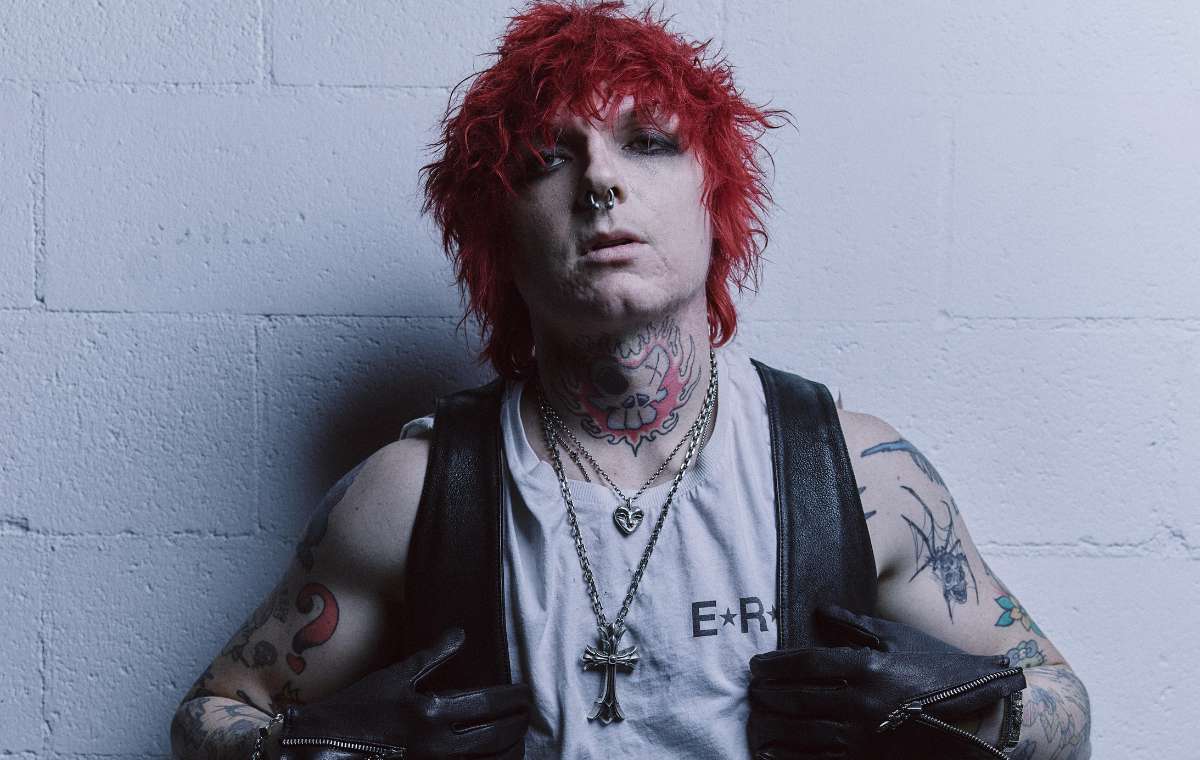
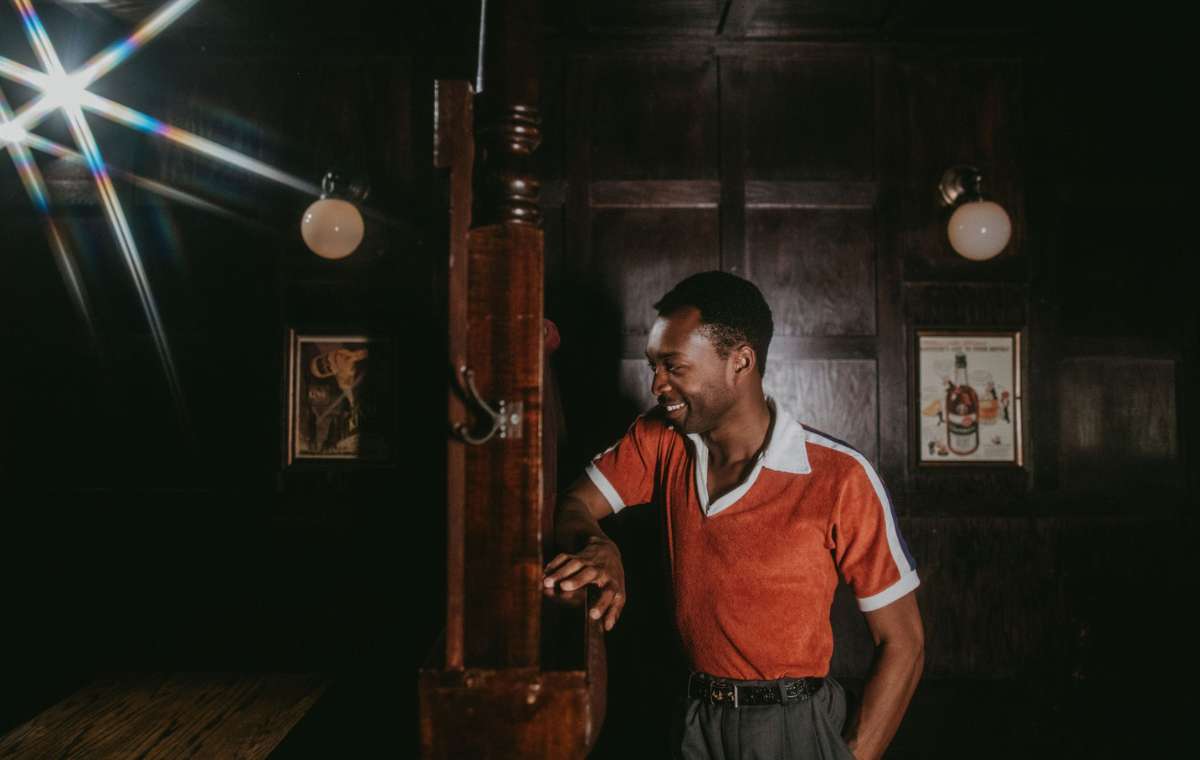
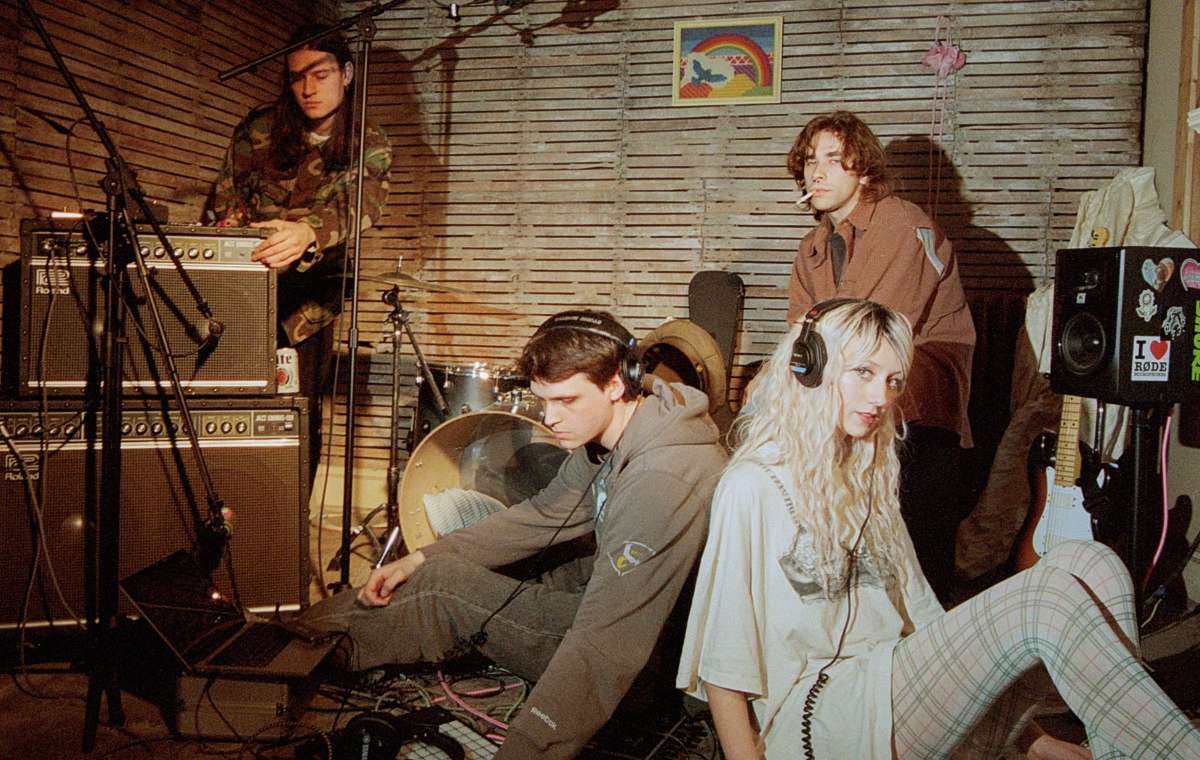
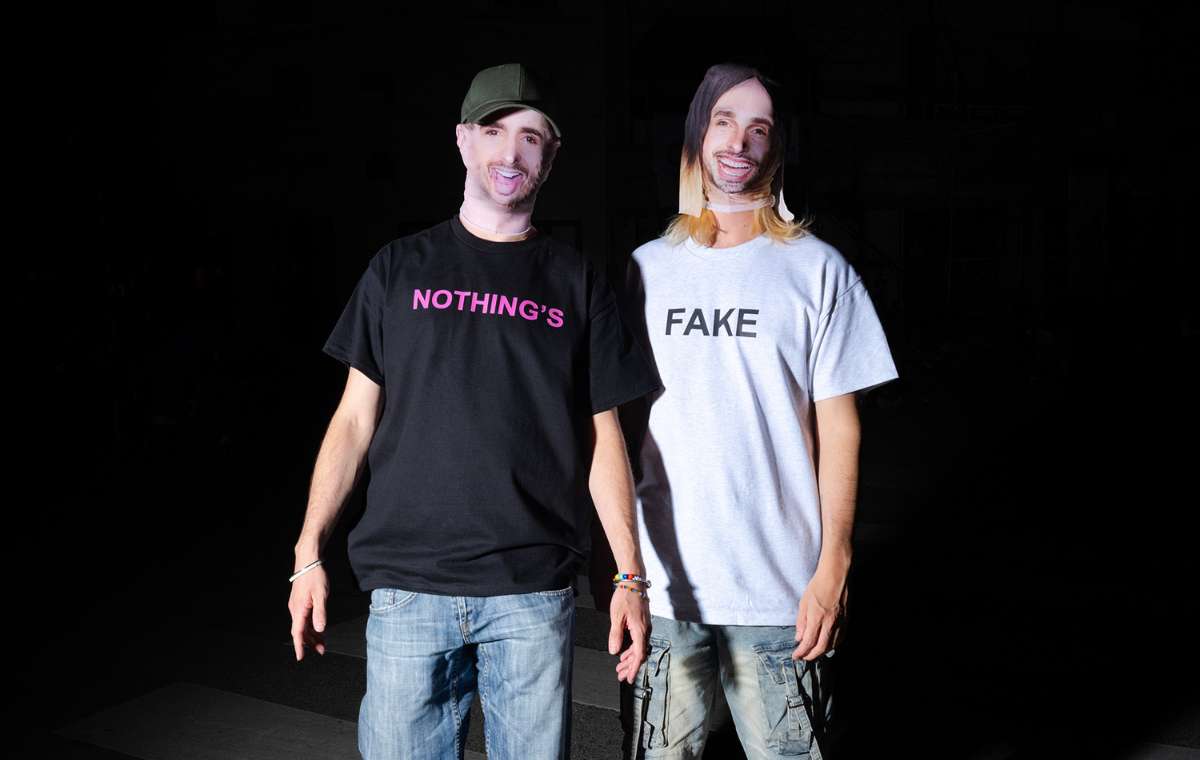
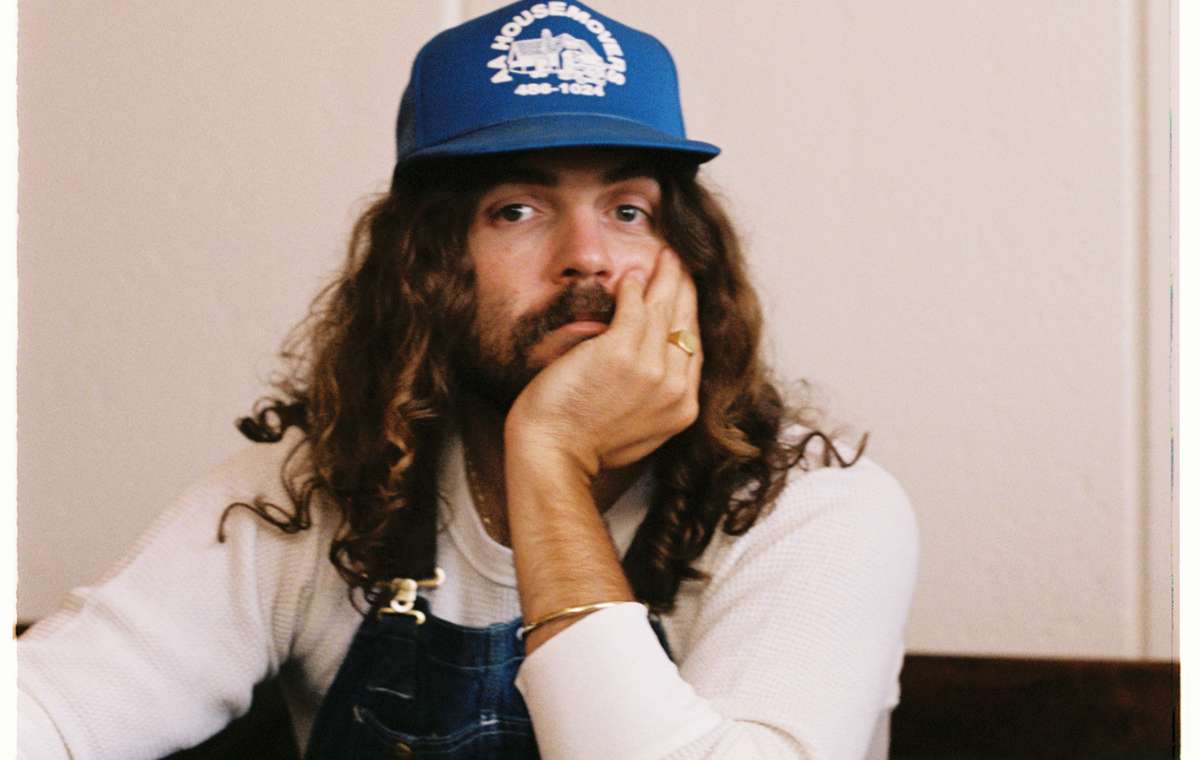
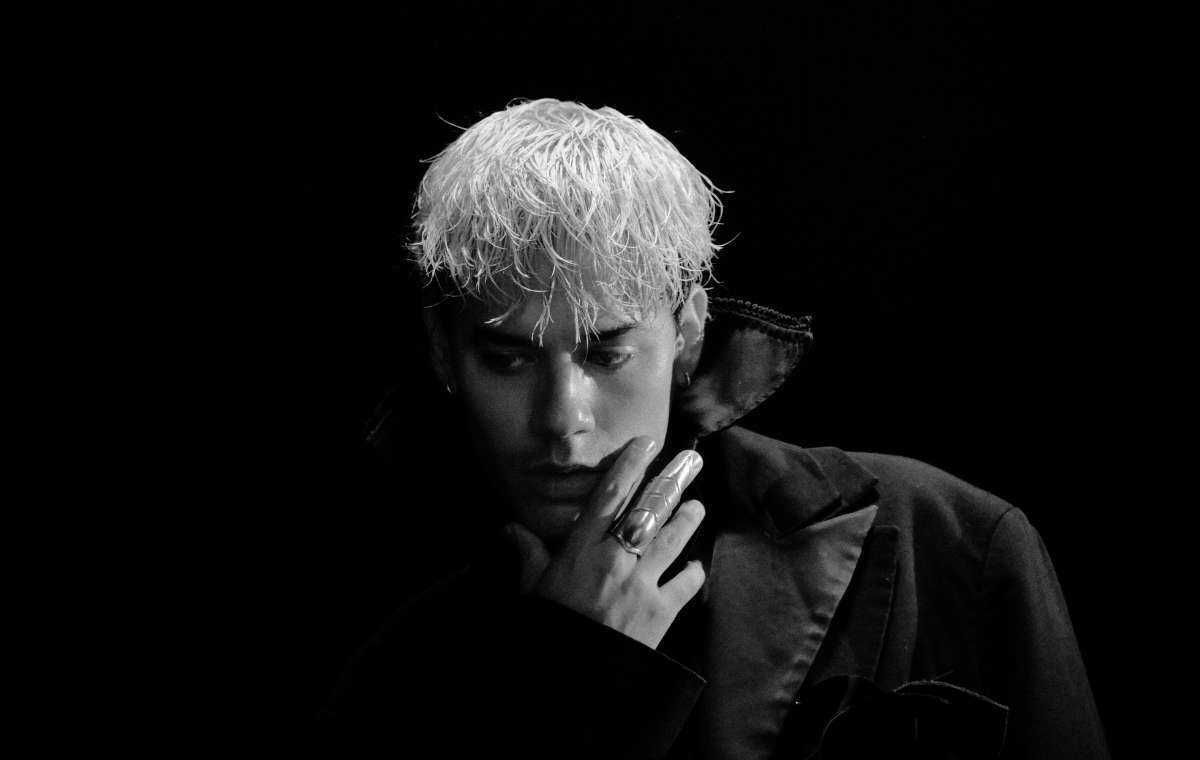
Based in Los Angeles, bunii is a self-produced artist who has become a prominent figure in the underground scene. After starting his career as a producer at age 15, he transitioned into a solo artist in 2023, eventually finding breakout viral success with his 2024 single “SAINT.” His innovative sound is characterized by intricate production, immersive soundscapes, and themes of self-discovery, resulting in a genre-defying style that has amassed millions of streams and cultivated a growing global following. Following the release of his 2025 projects 8:30 is too early and bastard, bunii entered a new chapter with his 2026 album VIRGILIO, which was named one of The FADER’s 30 Best Albums of 2026 So Far. He recently completed his first-ever U.S. headline tour, selling out dates across Los Angeles, New York, Chicago, San Francisco, and Houston. He has continued to expand his presence with additional support from The FADER, a special guest video launch with Well Well Well and Our Generation Music, and SoundCloud’s “Shaping Music Culture” series, which featured his track “amnesia.” With his prolific output, signature aesthetic, and boundary-pushing approach to production, bunii continues to shape the digital underground while building a rapidly expanding audience. To date, bunii has amassed 170M+ global streams, including 119.3M+ U.S. streams, alongside 1.7M+ video views and a combined social following of 133K.
About Earlybirds Club:
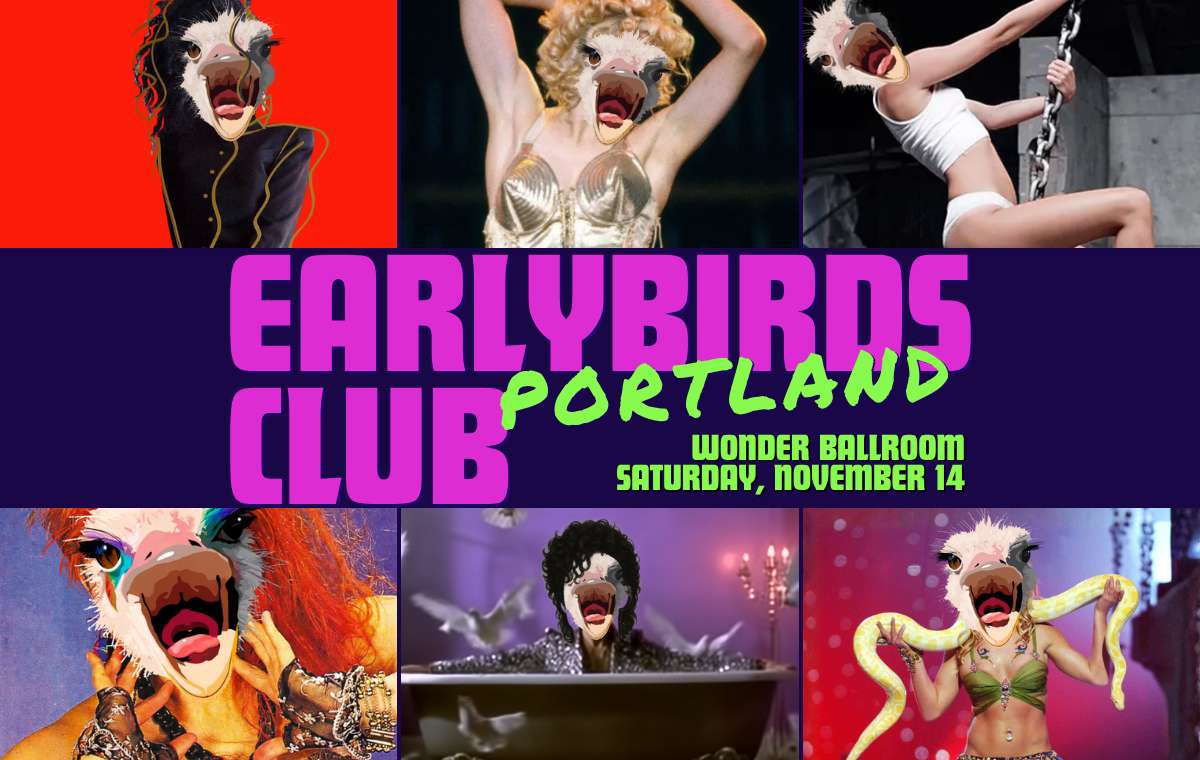
A dance party designed for women and gender-expansive folks that starts at 6pm and ends at 10pm — because we have shit to do in the morning! At Decades Night, DJ z!ta has us time traveling from the 80s through the 2000s and back again!
6–7PM: 80s – Big hair. Bigger feelings. Prince, Madonna, Whitney…
7–8PM: 90s – Spice Girls. TLC. Backstreet. Biggie. The era of frosted lip gloss and emotional bangers.
8–9PM: 2000s – Britney. Beyoncé. OutKast. Missy. Drop it like it’s hot (responsibly).
9–10PM: All 3 decades represented in a grab bag of pure dance-floor euphoria.
A judgment-free dance floor built on joy, kindness, and connection
Doors at 6pm, done by 10pm
Come solo, come with friends, come ready to sweat
10% of ticket proceeds benefit the Susie Lee Legacy Fund, supporting nonprofits that uplift women, gender-expansive people, and communities that need it most. 🪩✨
Note: While we don’t police identity at the door, we ask that everyone who purchases a ticket respects this as a safe space for women and gender-expansive folks.
By purchasing tickets, you consent to event photography and video for promotional use.
About Earlybirds Club:
A dance party designed for women and gender-expansive folks that starts at 6pm and ends at 10pm — because we have shit to do in the morning! At Decades Night, DJ z!ta has us time traveling from the 80s through the 2000s and back again!
6–7PM: 80s – Big hair. Bigger feelings. Prince, Madonna, Whitney…
7–8PM: 90s – Spice Girls. TLC. Backstreet. Biggie. The era of frosted lip gloss and emotional bangers.
8–9PM: 2000s – Britney. Beyoncé. OutKast. Missy. Drop it like it’s hot (responsibly).
9–10PM: All 3 decades represented in a grab bag of pure dance-floor euphoria.
A judgment-free dance floor built on joy, kindness, and connection
Doors at 6pm, done by 10pm
Come solo, come with friends, come ready to sweat
10% of ticket proceeds benefit the Susie Lee Legacy Fund, supporting nonprofits that uplift women, gender-expansive people, and communities that need it most. 🪩✨
Note: While we don’t police identity at the door, we ask that everyone who purchases a ticket respects this as a safe space for women and gender-expansive folks.
By purchasing tickets, you consent to event photography and video for promotional use.
About Earlybirds Club:
A dance party designed for women and gender-expansive folks that starts at 6pm and ends at 10pm — because we have shit to do in the morning! At Decades Night, DJ z!ta has us time traveling from the 80s through the 2000s and back again!
6–7PM: 80s – Big hair. Bigger feelings. Prince, Madonna, Whitney…
7–8PM: 90s – Spice Girls. TLC. Backstreet. Biggie. The era of frosted lip gloss and emotional bangers.
8–9PM: 2000s – Britney. Beyoncé. OutKast. Missy. Drop it like it’s hot (responsibly).
9–10PM: All 3 decades represented in a grab bag of pure dance-floor euphoria.
A judgment-free dance floor built on joy, kindness, and connection
Doors at 6pm, done by 10pm
Come solo, come with friends, come ready to sweat
10% of ticket proceeds benefit the Susie Lee Legacy Fund, supporting nonprofits that uplift women, gender-expansive people, and communities that need it most. 🪩✨
Note: While we don’t police identity at the door, we ask that everyone who purchases a ticket respects this as a safe space for women and gender-expansive folks.
By purchasing tickets, you consent to event photography and video for promotional use.
About Earlybirds Club:
A dance party designed for women and gender-expansive folks that starts at 6pm and ends at 10pm — because we have shit to do in the morning! At Decades Night, DJ z!ta has us time traveling from the 80s through the 2000s and back again!
6–7PM: 80s – Big hair. Bigger feelings. Prince, Madonna, Whitney…
7–8PM: 90s – Spice Girls. TLC. Backstreet. Biggie. The era of frosted lip gloss and emotional bangers.
8–9PM: 2000s – Britney. Beyoncé. OutKast. Missy. Drop it like it’s hot (responsibly).
9–10PM: All 3 decades represented in a grab bag of pure dance-floor euphoria.
A judgment-free dance floor built on joy, kindness, and connection
Doors at 6pm, done by 10pm
Come solo, come with friends, come ready to sweat
10% of ticket proceeds benefit the Susie Lee Legacy Fund, supporting nonprofits that uplift women, gender-expansive people, and communities that need it most. 🪩✨
Note: While we don’t police identity at the door, we ask that everyone who purchases a ticket respects this as a safe space for women and gender-expansive folks.
By purchasing tickets, you consent to event photography and video for promotional use.
About Earlybirds Club:
A dance party designed for women and gender-expansive folks that starts at 6pm and ends at 10pm — because we have shit to do in the morning! At Decades Night, DJ z!ta has us time traveling from the 80s through the 2000s and back again!
6–7PM: 80s – Big hair. Bigger feelings. Prince, Madonna, Whitney…
7–8PM: 90s – Spice Girls. TLC. Backstreet. Biggie. The era of frosted lip gloss and emotional bangers.
8–9PM: 2000s – Britney. Beyoncé. OutKast. Missy. Drop it like it’s hot (responsibly).
9–10PM: All 3 decades represented in a grab bag of pure dance-floor euphoria.
A judgment-free dance floor built on joy, kindness, and connection
Doors at 6pm, done by 10pm
Come solo, come with friends, come ready to sweat
10% of ticket proceeds benefit the Susie Lee Legacy Fund, supporting nonprofits that uplift women, gender-expansive people, and communities that need it most. 🪩✨
Note: While we don’t police identity at the door, we ask that everyone who purchases a ticket respects this as a safe space for women and gender-expansive folks.
By purchasing tickets, you consent to event photography and video for promotional use.
About Earlybirds Club:
A dance party designed for women and gender-expansive folks that starts at 6pm and ends at 10pm — because we have shit to do in the morning! At Decades Night, DJ z!ta has us time traveling from the 80s through the 2000s and back again!
6–7PM: 80s – Big hair. Bigger feelings. Prince, Madonna, Whitney…
7–8PM: 90s – Spice Girls. TLC. Backstreet. Biggie. The era of frosted lip gloss and emotional bangers.
8–9PM: 2000s – Britney. Beyoncé. OutKast. Missy. Drop it like it’s hot (responsibly).
9–10PM: All 3 decades represented in a grab bag of pure dance-floor euphoria.
A judgment-free dance floor built on joy, kindness, and connection
Doors at 6pm, done by 10pm
Come solo, come with friends, come ready to sweat
10% of ticket proceeds benefit the Susie Lee Legacy Fund, supporting nonprofits that uplift women, gender-expansive people, and communities that need it most. 🪩✨
Note: While we don’t police identity at the door, we ask that everyone who purchases a ticket respects this as a safe space for women and gender-expansive folks.
By purchasing tickets, you consent to event photography and video for promotional use.
About Earlybirds Club:
A dance party designed for women and gender-expansive folks that starts at 6pm and ends at 10pm — because we have shit to do in the morning! At Decades Night, DJ z!ta has us time traveling from the 80s through the 2000s and back again!
6–7PM: 80s – Big hair. Bigger feelings. Prince, Madonna, Whitney…
7–8PM: 90s – Spice Girls. TLC. Backstreet. Biggie. The era of frosted lip gloss and emotional bangers.
8–9PM: 2000s – Britney. Beyoncé. OutKast. Missy. Drop it like it’s hot (responsibly).
9–10PM: All 3 decades represented in a grab bag of pure dance-floor euphoria.
A judgment-free dance floor built on joy, kindness, and connection
Doors at 6pm, done by 10pm
Come solo, come with friends, come ready to sweat
10% of ticket proceeds benefit the Susie Lee Legacy Fund, supporting nonprofits that uplift women, gender-expansive people, and communities that need it most. 🪩✨
Note: While we don’t police identity at the door, we ask that everyone who purchases a ticket respects this as a safe space for women and gender-expansive folks.
By purchasing tickets, you consent to event photography and video for promotional use.
About Earlybirds Club:
A dance party designed for women and gender-expansive folks that starts at 6pm and ends at 10pm — because we have shit to do in the morning! At Decades Night, DJ z!ta has us time traveling from the 80s through the 2000s and back again!
6–7PM: 80s – Big hair. Bigger feelings. Prince, Madonna, Whitney…
7–8PM: 90s – Spice Girls. TLC. Backstreet. Biggie. The era of frosted lip gloss and emotional bangers.
8–9PM: 2000s – Britney. Beyoncé. OutKast. Missy. Drop it like it’s hot (responsibly).
9–10PM: All 3 decades represented in a grab bag of pure dance-floor euphoria.
A judgment-free dance floor built on joy, kindness, and connection
Doors at 6pm, done by 10pm
Come solo, come with friends, come ready to sweat
10% of ticket proceeds benefit the Susie Lee Legacy Fund, supporting nonprofits that uplift women, gender-expansive people, and communities that need it most. 🪩✨
Note: While we don’t police identity at the door, we ask that everyone who purchases a ticket respects this as a safe space for women and gender-expansive folks.
By purchasing tickets, you consent to event photography and video for promotional use.
About Earlybirds Club:
A dance party designed for women and gender-expansive folks that starts at 6pm and ends at 10pm — because we have shit to do in the morning! At Decades Night, DJ z!ta has us time traveling from the 80s through the 2000s and back again!
6–7PM: 80s – Big hair. Bigger feelings. Prince, Madonna, Whitney…
7–8PM: 90s – Spice Girls. TLC. Backstreet. Biggie. The era of frosted lip gloss and emotional bangers.
8–9PM: 2000s – Britney. Beyoncé. OutKast. Missy. Drop it like it’s hot (responsibly).
9–10PM: All 3 decades represented in a grab bag of pure dance-floor euphoria.
A judgment-free dance floor built on joy, kindness, and connection
Doors at 6pm, done by 10pm
Come solo, come with friends, come ready to sweat
10% of ticket proceeds benefit the Susie Lee Legacy Fund, supporting nonprofits that uplift women, gender-expansive people, and communities that need it most. 🪩✨
Note: While we don’t police identity at the door, we ask that everyone who purchases a ticket respects this as a safe space for women and gender-expansive folks.
By purchasing tickets, you consent to event photography and video for promotional use.
About Earlybirds Club:
A dance party designed for women and gender-expansive folks that starts at 6pm and ends at 10pm — because we have shit to do in the morning! At Decades Night, DJ z!ta has us time traveling from the 80s through the 2000s and back again!
6–7PM: 80s – Big hair. Bigger feelings. Prince, Madonna, Whitney…
7–8PM: 90s – Spice Girls. TLC. Backstreet. Biggie. The era of frosted lip gloss and emotional bangers.
8–9PM: 2000s – Britney. Beyoncé. OutKast. Missy. Drop it like it’s hot (responsibly).
9–10PM: All 3 decades represented in a grab bag of pure dance-floor euphoria.
A judgment-free dance floor built on joy, kindness, and connection
Doors at 6pm, done by 10pm
Come solo, come with friends, come ready to sweat
10% of ticket proceeds benefit the Susie Lee Legacy Fund, supporting nonprofits that uplift women, gender-expansive people, and communities that need it most. 🪩✨
Note: While we don’t police identity at the door, we ask that everyone who purchases a ticket respects this as a safe space for women and gender-expansive folks.
By purchasing tickets, you consent to event photography and video for promotional use.
About Earlybirds Club:
A dance party designed for women and gender-expansive folks that starts at 6pm and ends at 10pm — because we have shit to do in the morning! At Decades Night, DJ z!ta has us time traveling from the 80s through the 2000s and back again!
6–7PM: 80s – Big hair. Bigger feelings. Prince, Madonna, Whitney…
7–8PM: 90s – Spice Girls. TLC. Backstreet. Biggie. The era of frosted lip gloss and emotional bangers.
8–9PM: 2000s – Britney. Beyoncé. OutKast. Missy. Drop it like it’s hot (responsibly).
9–10PM: All 3 decades represented in a grab bag of pure dance-floor euphoria.
A judgment-free dance floor built on joy, kindness, and connection
Doors at 6pm, done by 10pm
Come solo, come with friends, come ready to sweat
10% of ticket proceeds benefit the Susie Lee Legacy Fund, supporting nonprofits that uplift women, gender-expansive people, and communities that need it most. 🪩✨
Note: While we don’t police identity at the door, we ask that everyone who purchases a ticket respects this as a safe space for women and gender-expansive folks.
By purchasing tickets, you consent to event photography and video for promotional use.
About Earlybirds Club:
A dance party designed for women and gender-expansive folks that starts at 6pm and ends at 10pm — because we have shit to do in the morning! At Decades Night, DJ z!ta has us time traveling from the 80s through the 2000s and back again!
6–7PM: 80s – Big hair. Bigger feelings. Prince, Madonna, Whitney…
7–8PM: 90s – Spice Girls. TLC. Backstreet. Biggie. The era of frosted lip gloss and emotional bangers.
8–9PM: 2000s – Britney. Beyoncé. OutKast. Missy. Drop it like it’s hot (responsibly).
9–10PM: All 3 decades represented in a grab bag of pure dance-floor euphoria.
A judgment-free dance floor built on joy, kindness, and connection
Doors at 6pm, done by 10pm
Come solo, come with friends, come ready to sweat
10% of ticket proceeds benefit the Susie Lee Legacy Fund, supporting nonprofits that uplift women, gender-expansive people, and communities that need it most. 🪩✨
Note: While we don’t police identity at the door, we ask that everyone who purchases a ticket respects this as a safe space for women and gender-expansive folks.
By purchasing tickets, you consent to event photography and video for promotional use.
About Earlybirds Club:
A dance party designed for women and gender-expansive folks that starts at 6pm and ends at 10pm — because we have shit to do in the morning! At Decades Night, DJ z!ta has us time traveling from the 80s through the 2000s and back again!
6–7PM: 80s – Big hair. Bigger feelings. Prince, Madonna, Whitney…
7–8PM: 90s – Spice Girls. TLC. Backstreet. Biggie. The era of frosted lip gloss and emotional bangers.
8–9PM: 2000s – Britney. Beyoncé. OutKast. Missy. Drop it like it’s hot (responsibly).
9–10PM: All 3 decades represented in a grab bag of pure dance-floor euphoria.
A judgment-free dance floor built on joy, kindness, and connection
Doors at 6pm, done by 10pm
Come solo, come with friends, come ready to sweat
10% of ticket proceeds benefit the Susie Lee Legacy Fund, supporting nonprofits that uplift women, gender-expansive people, and communities that need it most. 🪩✨
Note: While we don’t police identity at the door, we ask that everyone who purchases a ticket respects this as a safe space for women and gender-expansive folks.
By purchasing tickets, you consent to event photography and video for promotional use.
About Earlybirds Club:
A dance party designed for women and gender-expansive folks that starts at 6pm and ends at 10pm — because we have shit to do in the morning! At Decades Night, DJ z!ta has us time traveling from the 80s through the 2000s and back again!
6–7PM: 80s – Big hair. Bigger feelings. Prince, Madonna, Whitney…
7–8PM: 90s – Spice Girls. TLC. Backstreet. Biggie. The era of frosted lip gloss and emotional bangers.
8–9PM: 2000s – Britney. Beyoncé. OutKast. Missy. Drop it like it’s hot (responsibly).
9–10PM: All 3 decades represented in a grab bag of pure dance-floor euphoria.
A judgment-free dance floor built on joy, kindness, and connection
Doors at 6pm, done by 10pm
Come solo, come with friends, come ready to sweat
10% of ticket proceeds benefit the Susie Lee Legacy Fund, supporting nonprofits that uplift women, gender-expansive people, and communities that need it most. 🪩✨
Note: While we don’t police identity at the door, we ask that everyone who purchases a ticket respects this as a safe space for women and gender-expansive folks.
By purchasing tickets, you consent to event photography and video for promotional use.
About Earlybirds Club:
A dance party designed for women and gender-expansive folks that starts at 6pm and ends at 10pm — because we have shit to do in the morning! At Decades Night, DJ z!ta has us time traveling from the 80s through the 2000s and back again!
6–7PM: 80s – Big hair. Bigger feelings. Prince, Madonna, Whitney…
7–8PM: 90s – Spice Girls. TLC. Backstreet. Biggie. The era of frosted lip gloss and emotional bangers.
8–9PM: 2000s – Britney. Beyoncé. OutKast. Missy. Drop it like it’s hot (responsibly).
9–10PM: All 3 decades represented in a grab bag of pure dance-floor euphoria.
A judgment-free dance floor built on joy, kindness, and connection
Doors at 6pm, done by 10pm
Come solo, come with friends, come ready to sweat
10% of ticket proceeds benefit the Susie Lee Legacy Fund, supporting nonprofits that uplift women, gender-expansive people, and communities that need it most. 🪩✨
Note: While we don’t police identity at the door, we ask that everyone who purchases a ticket respects this as a safe space for women and gender-expansive folks.
By purchasing tickets, you consent to event photography and video for promotional use.
About Earlybirds Club:
A dance party designed for women and gender-expansive folks that starts at 6pm and ends at 10pm — because we have shit to do in the morning! At Decades Night, DJ z!ta has us time traveling from the 80s through the 2000s and back again!
6–7PM: 80s – Big hair. Bigger feelings. Prince, Madonna, Whitney…
7–8PM: 90s – Spice Girls. TLC. Backstreet. Biggie. The era of frosted lip gloss and emotional bangers.
8–9PM: 2000s – Britney. Beyoncé. OutKast. Missy. Drop it like it’s hot (responsibly).
9–10PM: All 3 decades represented in a grab bag of pure dance-floor euphoria.
A judgment-free dance floor built on joy, kindness, and connection
Doors at 6pm, done by 10pm
Come solo, come with friends, come ready to sweat
10% of ticket proceeds benefit the Susie Lee Legacy Fund, supporting nonprofits that uplift women, gender-expansive people, and communities that need it most. 🪩✨
Note: While we don’t police identity at the door, we ask that everyone who purchases a ticket respects this as a safe space for women and gender-expansive folks.
By purchasing tickets, you consent to event photography and video for promotional use.
About Earlybirds Club:
A dance party designed for women and gender-expansive folks that starts at 6pm and ends at 10pm — because we have shit to do in the morning! At Decades Night, DJ z!ta has us time traveling from the 80s through the 2000s and back again!
6–7PM: 80s – Big hair. Bigger feelings. Prince, Madonna, Whitney…
7–8PM: 90s – Spice Girls. TLC. Backstreet. Biggie. The era of frosted lip gloss and emotional bangers.
8–9PM: 2000s – Britney. Beyoncé. OutKast. Missy. Drop it like it’s hot (responsibly).
9–10PM: All 3 decades represented in a grab bag of pure dance-floor euphoria.
A judgment-free dance floor built on joy, kindness, and connection
Doors at 6pm, done by 10pm
Come solo, come with friends, come ready to sweat
10% of ticket proceeds benefit the Susie Lee Legacy Fund, supporting nonprofits that uplift women, gender-expansive people, and communities that need it most. 🪩✨
Note: While we don’t police identity at the door, we ask that everyone who purchases a ticket respects this as a safe space for women and gender-expansive folks.
By purchasing tickets, you consent to event photography and video for promotional use.
About Earlybirds Club:
A dance party designed for women and gender-expansive folks that starts at 6pm and ends at 10pm — because we have shit to do in the morning! At Decades Night, DJ z!ta has us time traveling from the 80s through the 2000s and back again!
6–7PM: 80s – Big hair. Bigger feelings. Prince, Madonna, Whitney…
7–8PM: 90s – Spice Girls. TLC. Backstreet. Biggie. The era of frosted lip gloss and emotional bangers.
8–9PM: 2000s – Britney. Beyoncé. OutKast. Missy. Drop it like it’s hot (responsibly).
9–10PM: All 3 decades represented in a grab bag of pure dance-floor euphoria.
A judgment-free dance floor built on joy, kindness, and connection
Doors at 6pm, done by 10pm
Come solo, come with friends, come ready to sweat
10% of ticket proceeds benefit the Susie Lee Legacy Fund, supporting nonprofits that uplift women, gender-expansive people, and communities that need it most. 🪩✨
Note: While we don’t police identity at the door, we ask that everyone who purchases a ticket respects this as a safe space for women and gender-expansive folks.
By purchasing tickets, you consent to event photography and video for promotional use.
About Earlybirds Club:
A dance party designed for women and gender-expansive folks that starts at 6pm and ends at 10pm — because we have shit to do in the morning! At Decades Night, DJ z!ta has us time traveling from the 80s through the 2000s and back again!
6–7PM: 80s – Big hair. Bigger feelings. Prince, Madonna, Whitney…
7–8PM: 90s – Spice Girls. TLC. Backstreet. Biggie. The era of frosted lip gloss and emotional bangers.
8–9PM: 2000s – Britney. Beyoncé. OutKast. Missy. Drop it like it’s hot (responsibly).
9–10PM: All 3 decades represented in a grab bag of pure dance-floor euphoria.
A judgment-free dance floor built on joy, kindness, and connection
Doors at 6pm, done by 10pm
Come solo, come with friends, come ready to sweat
10% of ticket proceeds benefit the Susie Lee Legacy Fund, supporting nonprofits that uplift women, gender-expansive people, and communities that need it most. 🪩✨
Note: While we don’t police identity at the door, we ask that everyone who purchases a ticket respects this as a safe space for women and gender-expansive folks.
By purchasing tickets, you consent to event photography and video for promotional use.
About Earlybirds Club:
A dance party designed for women and gender-expansive folks that starts at 6pm and ends at 10pm — because we have shit to do in the morning! At Decades Night, DJ z!ta has us time traveling from the 80s through the 2000s and back again!
6–7PM: 80s – Big hair. Bigger feelings. Prince, Madonna, Whitney…
7–8PM: 90s – Spice Girls. TLC. Backstreet. Biggie. The era of frosted lip gloss and emotional bangers.
8–9PM: 2000s – Britney. Beyoncé. OutKast. Missy. Drop it like it’s hot (responsibly).
9–10PM: All 3 decades represented in a grab bag of pure dance-floor euphoria.
A judgment-free dance floor built on joy, kindness, and connection
Doors at 6pm, done by 10pm
Come solo, come with friends, come ready to sweat
10% of ticket proceeds benefit the Susie Lee Legacy Fund, supporting nonprofits that uplift women, gender-expansive people, and communities that need it most. 🪩✨
Note: While we don’t police identity at the door, we ask that everyone who purchases a ticket respects this as a safe space for women and gender-expansive folks.
By purchasing tickets, you consent to event photography and video for promotional use.
About Earlybirds Club:
A dance party designed for women and gender-expansive folks that starts at 6pm and ends at 10pm — because we have shit to do in the morning! At Decades Night, DJ z!ta has us time traveling from the 80s through the 2000s and back again!
6–7PM: 80s – Big hair. Bigger feelings. Prince, Madonna, Whitney…
7–8PM: 90s – Spice Girls. TLC. Backstreet. Biggie. The era of frosted lip gloss and emotional bangers.
8–9PM: 2000s – Britney. Beyoncé. OutKast. Missy. Drop it like it’s hot (responsibly).
9–10PM: All 3 decades represented in a grab bag of pure dance-floor euphoria.
A judgment-free dance floor built on joy, kindness, and connection
Doors at 6pm, done by 10pm
Come solo, come with friends, come ready to sweat
10% of ticket proceeds benefit the Susie Lee Legacy Fund, supporting nonprofits that uplift women, gender-expansive people, and communities that need it most. 🪩✨
Note: While we don’t police identity at the door, we ask that everyone who purchases a ticket respects this as a safe space for women and gender-expansive folks.
By purchasing tickets, you consent to event photography and video for promotional use.
About Earlybirds Club:
A dance party designed for women and gender-expansive folks that starts at 6pm and ends at 10pm — because we have shit to do in the morning! At Decades Night, DJ z!ta has us time traveling from the 80s through the 2000s and back again!
6–7PM: 80s – Big hair. Bigger feelings. Prince, Madonna, Whitney…
7–8PM: 90s – Spice Girls. TLC. Backstreet. Biggie. The era of frosted lip gloss and emotional bangers.
8–9PM: 2000s – Britney. Beyoncé. OutKast. Missy. Drop it like it’s hot (responsibly).
9–10PM: All 3 decades represented in a grab bag of pure dance-floor euphoria.
A judgment-free dance floor built on joy, kindness, and connection
Doors at 6pm, done by 10pm
Come solo, come with friends, come ready to sweat
10% of ticket proceeds benefit the Susie Lee Legacy Fund, supporting nonprofits that uplift women, gender-expansive people, and communities that need it most. 🪩✨
Note: While we don’t police identity at the door, we ask that everyone who purchases a ticket respects this as a safe space for women and gender-expansive folks.
By purchasing tickets, you consent to event photography and video for promotional use.
About Earlybirds Club:
A dance party designed for women and gender-expansive folks that starts at 6pm and ends at 10pm — because we have shit to do in the morning! At Decades Night, DJ z!ta has us time traveling from the 80s through the 2000s and back again!
6–7PM: 80s – Big hair. Bigger feelings. Prince, Madonna, Whitney…
7–8PM: 90s – Spice Girls. TLC. Backstreet. Biggie. The era of frosted lip gloss and emotional bangers.
8–9PM: 2000s – Britney. Beyoncé. OutKast. Missy. Drop it like it’s hot (responsibly).
9–10PM: All 3 decades represented in a grab bag of pure dance-floor euphoria.
A judgment-free dance floor built on joy, kindness, and connection
Doors at 6pm, done by 10pm
Come solo, come with friends, come ready to sweat
10% of ticket proceeds benefit the Susie Lee Legacy Fund, supporting nonprofits that uplift women, gender-expansive people, and communities that need it most. 🪩✨
Note: While we don’t police identity at the door, we ask that everyone who purchases a ticket respects this as a safe space for women and gender-expansive folks.
By purchasing tickets, you consent to event photography and video for promotional use.
About Earlybirds Club:
A dance party designed for women and gender-expansive folks that starts at 6pm and ends at 10pm — because we have shit to do in the morning! At Decades Night, DJ z!ta has us time traveling from the 80s through the 2000s and back again!
6–7PM: 80s – Big hair. Bigger feelings. Prince, Madonna, Whitney…
7–8PM: 90s – Spice Girls. TLC. Backstreet. Biggie. The era of frosted lip gloss and emotional bangers.
8–9PM: 2000s – Britney. Beyoncé. OutKast. Missy. Drop it like it’s hot (responsibly).
9–10PM: All 3 decades represented in a grab bag of pure dance-floor euphoria.
A judgment-free dance floor built on joy, kindness, and connection
Doors at 6pm, done by 10pm
Come solo, come with friends, come ready to sweat
10% of ticket proceeds benefit the Susie Lee Legacy Fund, supporting nonprofits that uplift women, gender-expansive people, and communities that need it most. 🪩✨
Note: While we don’t police identity at the door, we ask that everyone who purchases a ticket respects this as a safe space for women and gender-expansive folks.
By purchasing tickets, you consent to event photography and video for promotional use.
About Earlybirds Club:
A dance party designed for women and gender-expansive folks that starts at 6pm and ends at 10pm — because we have shit to do in the morning! At Decades Night, DJ z!ta has us time traveling from the 80s through the 2000s and back again!
6–7PM: 80s – Big hair. Bigger feelings. Prince, Madonna, Whitney…
7–8PM: 90s – Spice Girls. TLC. Backstreet. Biggie. The era of frosted lip gloss and emotional bangers.
8–9PM: 2000s – Britney. Beyoncé. OutKast. Missy. Drop it like it’s hot (responsibly).
9–10PM: All 3 decades represented in a grab bag of pure dance-floor euphoria.
A judgment-free dance floor built on joy, kindness, and connection
Doors at 6pm, done by 10pm
Come solo, come with friends, come ready to sweat
10% of ticket proceeds benefit the Susie Lee Legacy Fund, supporting nonprofits that uplift women, gender-expansive people, and communities that need it most. 🪩✨
Note: While we don’t police identity at the door, we ask that everyone who purchases a ticket respects this as a safe space for women and gender-expansive folks.
By purchasing tickets, you consent to event photography and video for promotional use.
About Earlybirds Club:
A dance party designed for women and gender-expansive folks that starts at 6pm and ends at 10pm — because we have shit to do in the morning! At Decades Night, DJ z!ta has us time traveling from the 80s through the 2000s and back again!
6–7PM: 80s – Big hair. Bigger feelings. Prince, Madonna, Whitney…
7–8PM: 90s – Spice Girls. TLC. Backstreet. Biggie. The era of frosted lip gloss and emotional bangers.
8–9PM: 2000s – Britney. Beyoncé. OutKast. Missy. Drop it like it’s hot (responsibly).
9–10PM: All 3 decades represented in a grab bag of pure dance-floor euphoria.
A judgment-free dance floor built on joy, kindness, and connection
Doors at 6pm, done by 10pm
Come solo, come with friends, come ready to sweat
10% of ticket proceeds benefit the Susie Lee Legacy Fund, supporting nonprofits that uplift women, gender-expansive people, and communities that need it most. 🪩✨
Note: While we don’t police identity at the door, we ask that everyone who purchases a ticket respects this as a safe space for women and gender-expansive folks.
By purchasing tickets, you consent to event photography and video for promotional use.
About Earlybirds Club:
A dance party designed for women and gender-expansive folks that starts at 6pm and ends at 10pm — because we have shit to do in the morning! At Decades Night, DJ z!ta has us time traveling from the 80s through the 2000s and back again!
6–7PM: 80s – Big hair. Bigger feelings. Prince, Madonna, Whitney…
7–8PM: 90s – Spice Girls. TLC. Backstreet. Biggie. The era of frosted lip gloss and emotional bangers.
8–9PM: 2000s – Britney. Beyoncé. OutKast. Missy. Drop it like it’s hot (responsibly).
9–10PM: All 3 decades represented in a grab bag of pure dance-floor euphoria.
A judgment-free dance floor built on joy, kindness, and connection
Doors at 6pm, done by 10pm
Come solo, come with friends, come ready to sweat
10% of ticket proceeds benefit the Susie Lee Legacy Fund, supporting nonprofits that uplift women, gender-expansive people, and communities that need it most. 🪩✨
Note: While we don’t police identity at the door, we ask that everyone who purchases a ticket respects this as a safe space for women and gender-expansive folks.
By purchasing tickets, you consent to event photography and video for promotional use.
About Earlybirds Club:
A dance party designed for women and gender-expansive folks that starts at 6pm and ends at 10pm — because we have shit to do in the morning! At Decades Night, DJ z!ta has us time traveling from the 80s through the 2000s and back again!
6–7PM: 80s – Big hair. Bigger feelings. Prince, Madonna, Whitney…
7–8PM: 90s – Spice Girls. TLC. Backstreet. Biggie. The era of frosted lip gloss and emotional bangers.
8–9PM: 2000s – Britney. Beyoncé. OutKast. Missy. Drop it like it’s hot (responsibly).
9–10PM: All 3 decades represented in a grab bag of pure dance-floor euphoria.
A judgment-free dance floor built on joy, kindness, and connection
Doors at 6pm, done by 10pm
Come solo, come with friends, come ready to sweat
10% of ticket proceeds benefit the Susie Lee Legacy Fund, supporting nonprofits that uplift women, gender-expansive people, and communities that need it most. 🪩✨
Note: While we don’t police identity at the door, we ask that everyone who purchases a ticket respects this as a safe space for women and gender-expansive folks.
By purchasing tickets, you consent to event photography and video for promotional use.
About Earlybirds Club:
A dance party designed for women and gender-expansive folks that starts at 6pm and ends at 10pm — because we have shit to do in the morning! At Decades Night, DJ z!ta has us time traveling from the 80s through the 2000s and back again!
6–7PM: 80s – Big hair. Bigger feelings. Prince, Madonna, Whitney…
7–8PM: 90s – Spice Girls. TLC. Backstreet. Biggie. The era of frosted lip gloss and emotional bangers.
8–9PM: 2000s – Britney. Beyoncé. OutKast. Missy. Drop it like it’s hot (responsibly).
9–10PM: All 3 decades represented in a grab bag of pure dance-floor euphoria.
A judgment-free dance floor built on joy, kindness, and connection
Doors at 6pm, done by 10pm
Come solo, come with friends, come ready to sweat
10% of ticket proceeds benefit the Susie Lee Legacy Fund, supporting nonprofits that uplift women, gender-expansive people, and communities that need it most. 🪩✨
Note: While we don’t police identity at the door, we ask that everyone who purchases a ticket respects this as a safe space for women and gender-expansive folks.
By purchasing tickets, you consent to event photography and video for promotional use.
About Earlybirds Club:
A dance party designed for women and gender-expansive folks that starts at 6pm and ends at 10pm — because we have shit to do in the morning! At Decades Night, DJ z!ta has us time traveling from the 80s through the 2000s and back again!
6–7PM: 80s – Big hair. Bigger feelings. Prince, Madonna, Whitney…
7–8PM: 90s – Spice Girls. TLC. Backstreet. Biggie. The era of frosted lip gloss and emotional bangers.
8–9PM: 2000s – Britney. Beyoncé. OutKast. Missy. Drop it like it’s hot (responsibly).
9–10PM: All 3 decades represented in a grab bag of pure dance-floor euphoria.
A judgment-free dance floor built on joy, kindness, and connection
Doors at 6pm, done by 10pm
Come solo, come with friends, come ready to sweat
10% of ticket proceeds benefit the Susie Lee Legacy Fund, supporting nonprofits that uplift women, gender-expansive people, and communities that need it most. 🪩✨
Note: While we don’t police identity at the door, we ask that everyone who purchases a ticket respects this as a safe space for women and gender-expansive folks.
By purchasing tickets, you consent to event photography and video for promotional use.
About Earlybirds Club:
A dance party designed for women and gender-expansive folks that starts at 6pm and ends at 10pm — because we have shit to do in the morning! At Decades Night, DJ z!ta has us time traveling from the 80s through the 2000s and back again!
6–7PM: 80s – Big hair. Bigger feelings. Prince, Madonna, Whitney…
7–8PM: 90s – Spice Girls. TLC. Backstreet. Biggie. The era of frosted lip gloss and emotional bangers.
8–9PM: 2000s – Britney. Beyoncé. OutKast. Missy. Drop it like it’s hot (responsibly).
9–10PM: All 3 decades represented in a grab bag of pure dance-floor euphoria.
A judgment-free dance floor built on joy, kindness, and connection
Doors at 6pm, done by 10pm
Come solo, come with friends, come ready to sweat
10% of ticket proceeds benefit the Susie Lee Legacy Fund, supporting nonprofits that uplift women, gender-expansive people, and communities that need it most. 🪩✨
Note: While we don’t police identity at the door, we ask that everyone who purchases a ticket respects this as a safe space for women and gender-expansive folks.
By purchasing tickets, you consent to event photography and video for promotional use.
About Earlybirds Club:
A dance party designed for women and gender-expansive folks that starts at 6pm and ends at 10pm — because we have shit to do in the morning! At Decades Night, DJ z!ta has us time traveling from the 80s through the 2000s and back again!
6–7PM: 80s – Big hair. Bigger feelings. Prince, Madonna, Whitney…
7–8PM: 90s – Spice Girls. TLC. Backstreet. Biggie. The era of frosted lip gloss and emotional bangers.
8–9PM: 2000s – Britney. Beyoncé. OutKast. Missy. Drop it like it’s hot (responsibly).
9–10PM: All 3 decades represented in a grab bag of pure dance-floor euphoria.
A judgment-free dance floor built on joy, kindness, and connection
Doors at 6pm, done by 10pm
Come solo, come with friends, come ready to sweat
10% of ticket proceeds benefit the Susie Lee Legacy Fund, supporting nonprofits that uplift women, gender-expansive people, and communities that need it most. 🪩✨
Note: While we don’t police identity at the door, we ask that everyone who purchases a ticket respects this as a safe space for women and gender-expansive folks.
By purchasing tickets, you consent to event photography and video for promotional use.
About Earlybirds Club:
A dance party designed for women and gender-expansive folks that starts at 6pm and ends at 10pm — because we have shit to do in the morning! At Decades Night, DJ z!ta has us time traveling from the 80s through the 2000s and back again!
6–7PM: 80s – Big hair. Bigger feelings. Prince, Madonna, Whitney…
7–8PM: 90s – Spice Girls. TLC. Backstreet. Biggie. The era of frosted lip gloss and emotional bangers.
8–9PM: 2000s – Britney. Beyoncé. OutKast. Missy. Drop it like it’s hot (responsibly).
9–10PM: All 3 decades represented in a grab bag of pure dance-floor euphoria.
A judgment-free dance floor built on joy, kindness, and connection
Doors at 6pm, done by 10pm
Come solo, come with friends, come ready to sweat
10% of ticket proceeds benefit the Susie Lee Legacy Fund, supporting nonprofits that uplift women, gender-expansive people, and communities that need it most. 🪩✨
Note: While we don’t police identity at the door, we ask that everyone who purchases a ticket respects this as a safe space for women and gender-expansive folks.
By purchasing tickets, you consent to event photography and video for promotional use.
About Earlybirds Club:
A dance party designed for women and gender-expansive folks that starts at 6pm and ends at 10pm — because we have shit to do in the morning! At Decades Night, DJ z!ta has us time traveling from the 80s through the 2000s and back again!
6–7PM: 80s – Big hair. Bigger feelings. Prince, Madonna, Whitney…
7–8PM: 90s – Spice Girls. TLC. Backstreet. Biggie. The era of frosted lip gloss and emotional bangers.
8–9PM: 2000s – Britney. Beyoncé. OutKast. Missy. Drop it like it’s hot (responsibly).
9–10PM: All 3 decades represented in a grab bag of pure dance-floor euphoria.
A judgment-free dance floor built on joy, kindness, and connection
Doors at 6pm, done by 10pm
Come solo, come with friends, come ready to sweat
10% of ticket proceeds benefit the Susie Lee Legacy Fund, supporting nonprofits that uplift women, gender-expansive people, and communities that need it most. 🪩✨
Note: While we don’t police identity at the door, we ask that everyone who purchases a ticket respects this as a safe space for women and gender-expansive folks.
By purchasing tickets, you consent to event photography and video for promotional use.
About Earlybirds Club:
A dance party designed for women and gender-expansive folks that starts at 6pm and ends at 10pm — because we have shit to do in the morning! At Decades Night, DJ z!ta has us time traveling from the 80s through the 2000s and back again!
6–7PM: 80s – Big hair. Bigger feelings. Prince, Madonna, Whitney…
7–8PM: 90s – Spice Girls. TLC. Backstreet. Biggie. The era of frosted lip gloss and emotional bangers.
8–9PM: 2000s – Britney. Beyoncé. OutKast. Missy. Drop it like it’s hot (responsibly).
9–10PM: All 3 decades represented in a grab bag of pure dance-floor euphoria.
A judgment-free dance floor built on joy, kindness, and connection
Doors at 6pm, done by 10pm
Come solo, come with friends, come ready to sweat
10% of ticket proceeds benefit the Susie Lee Legacy Fund, supporting nonprofits that uplift women, gender-expansive people, and communities that need it most. 🪩✨
Note: While we don’t police identity at the door, we ask that everyone who purchases a ticket respects this as a safe space for women and gender-expansive folks.
By purchasing tickets, you consent to event photography and video for promotional use.
About Earlybirds Club:
A dance party designed for women and gender-expansive folks that starts at 6pm and ends at 10pm — because we have shit to do in the morning! At Decades Night, DJ z!ta has us time traveling from the 80s through the 2000s and back again!
6–7PM: 80s – Big hair. Bigger feelings. Prince, Madonna, Whitney…
7–8PM: 90s – Spice Girls. TLC. Backstreet. Biggie. The era of frosted lip gloss and emotional bangers.
8–9PM: 2000s – Britney. Beyoncé. OutKast. Missy. Drop it like it’s hot (responsibly).
9–10PM: All 3 decades represented in a grab bag of pure dance-floor euphoria.
A judgment-free dance floor built on joy, kindness, and connection
Doors at 6pm, done by 10pm
Come solo, come with friends, come ready to sweat
10% of ticket proceeds benefit the Susie Lee Legacy Fund, supporting nonprofits that uplift women, gender-expansive people, and communities that need it most. 🪩✨
Note: While we don’t police identity at the door, we ask that everyone who purchases a ticket respects this as a safe space for women and gender-expansive folks.
By purchasing tickets, you consent to event photography and video for promotional use.
About Earlybirds Club:
A dance party designed for women and gender-expansive folks that starts at 6pm and ends at 10pm — because we have shit to do in the morning! At Decades Night, DJ z!ta has us time traveling from the 80s through the 2000s and back again!
6–7PM: 80s – Big hair. Bigger feelings. Prince, Madonna, Whitney…
7–8PM: 90s – Spice Girls. TLC. Backstreet. Biggie. The era of frosted lip gloss and emotional bangers.
8–9PM: 2000s – Britney. Beyoncé. OutKast. Missy. Drop it like it’s hot (responsibly).
9–10PM: All 3 decades represented in a grab bag of pure dance-floor euphoria.
A judgment-free dance floor built on joy, kindness, and connection
Doors at 6pm, done by 10pm
Come solo, come with friends, come ready to sweat
10% of ticket proceeds benefit the Susie Lee Legacy Fund, supporting nonprofits that uplift women, gender-expansive people, and communities that need it most. 🪩✨
Note: While we don’t police identity at the door, we ask that everyone who purchases a ticket respects this as a safe space for women and gender-expansive folks.
By purchasing tickets, you consent to event photography and video for promotional use.