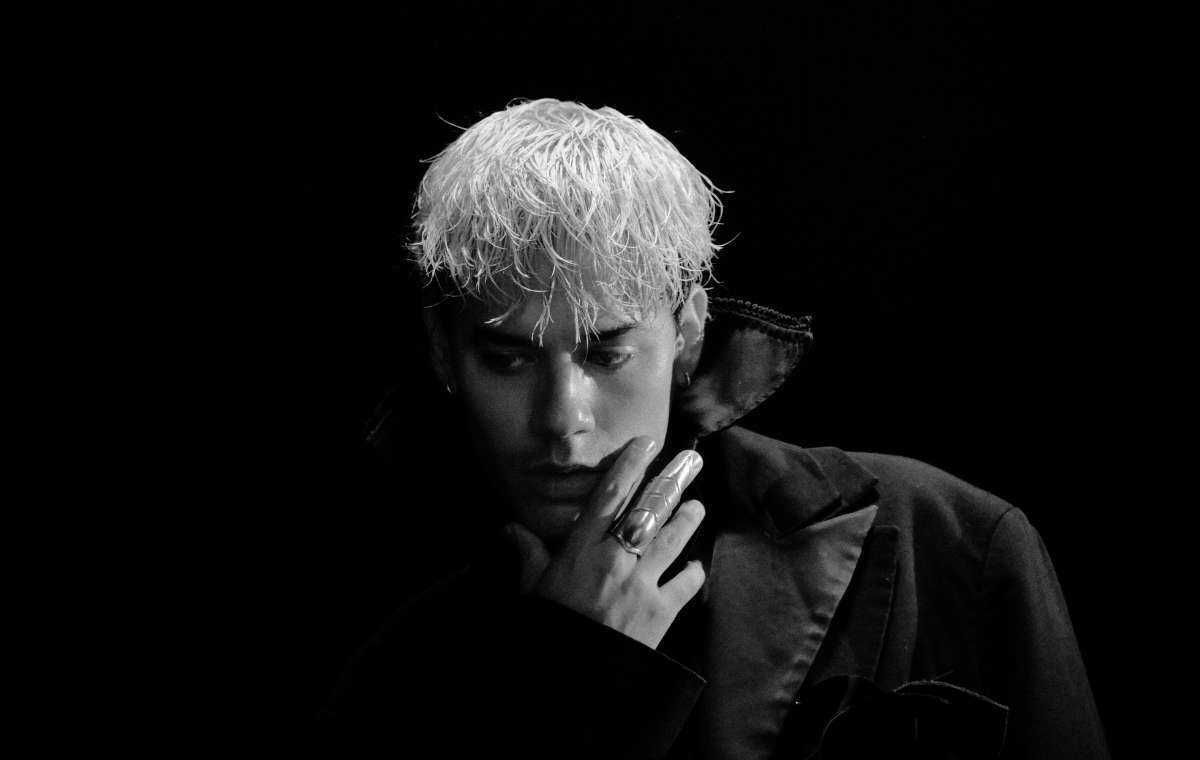
About bunii
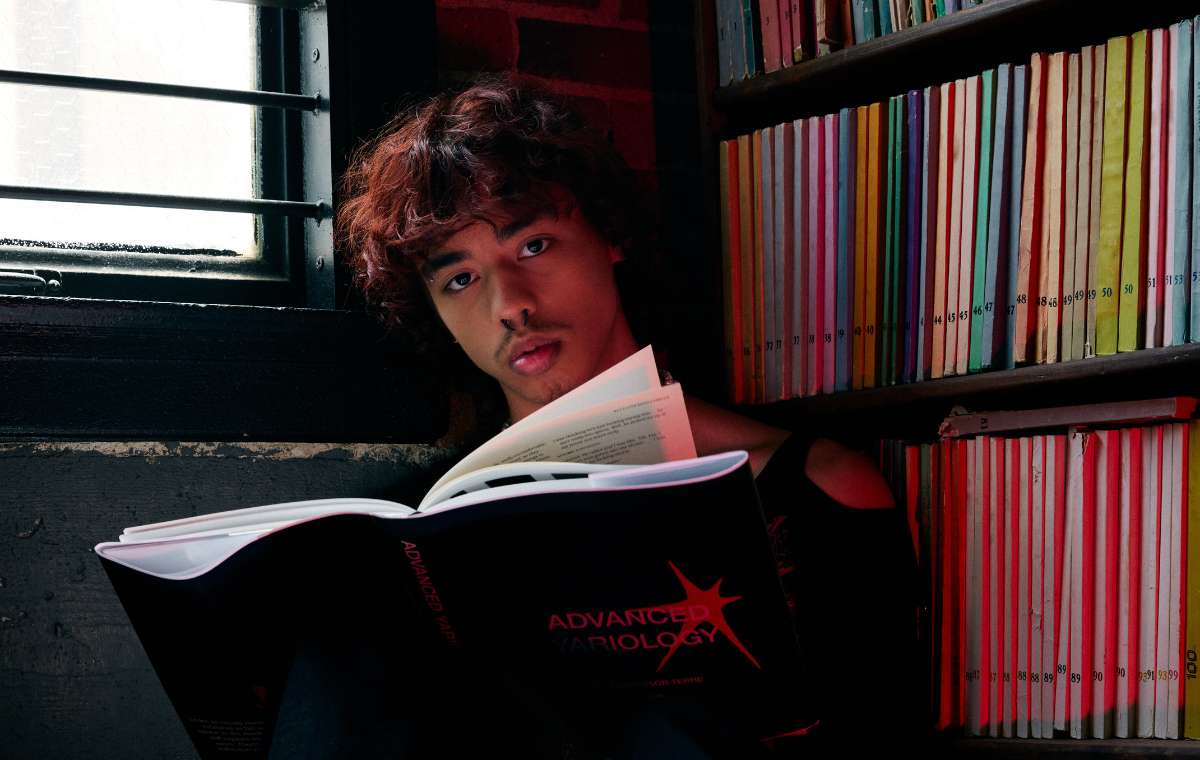
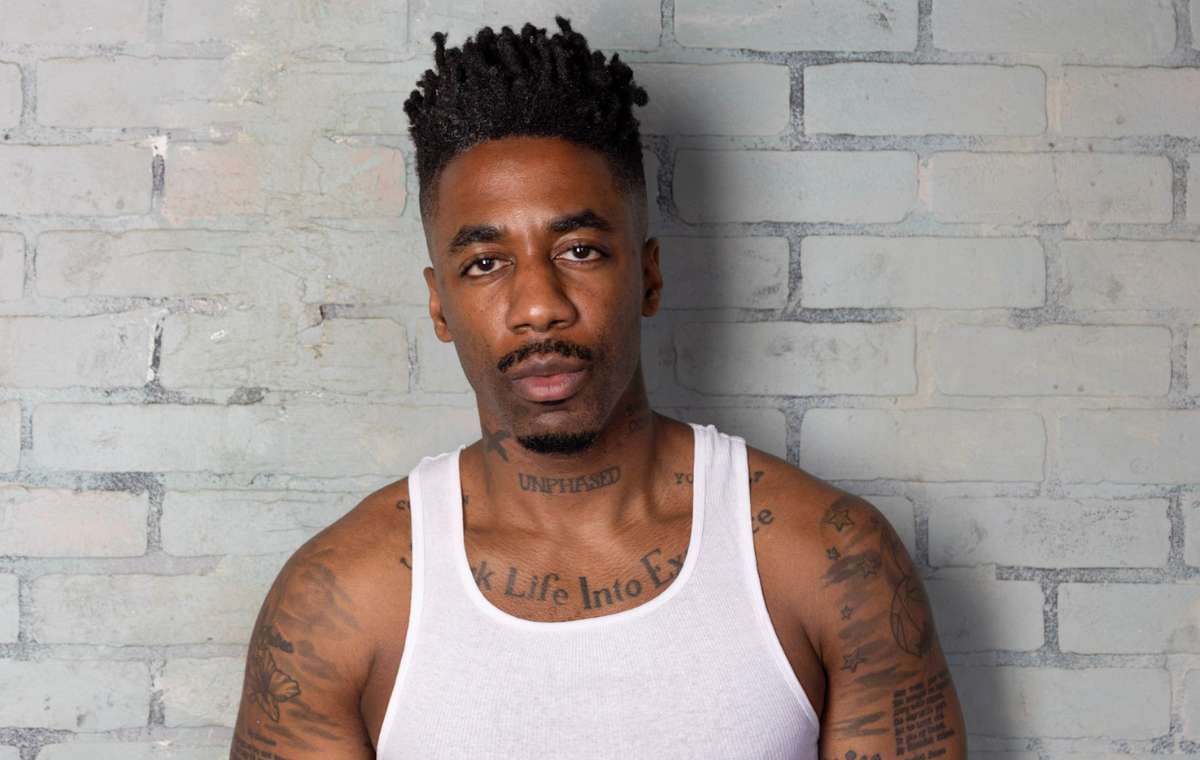
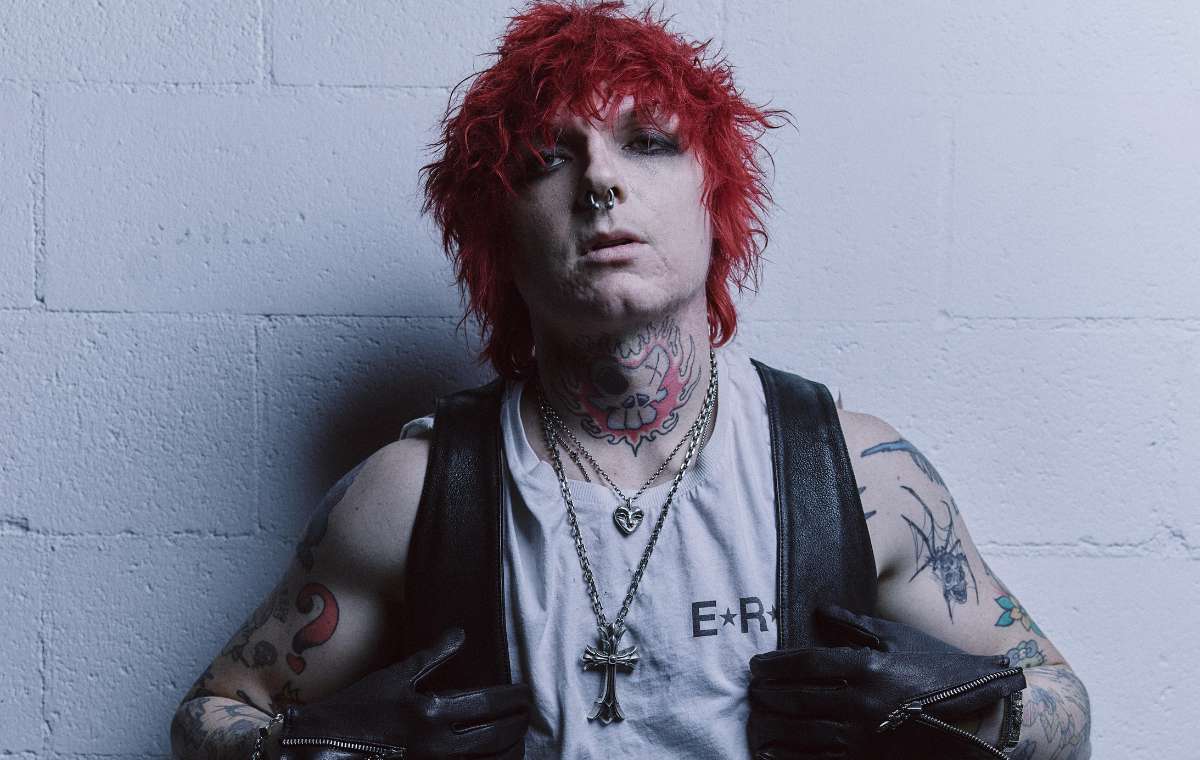
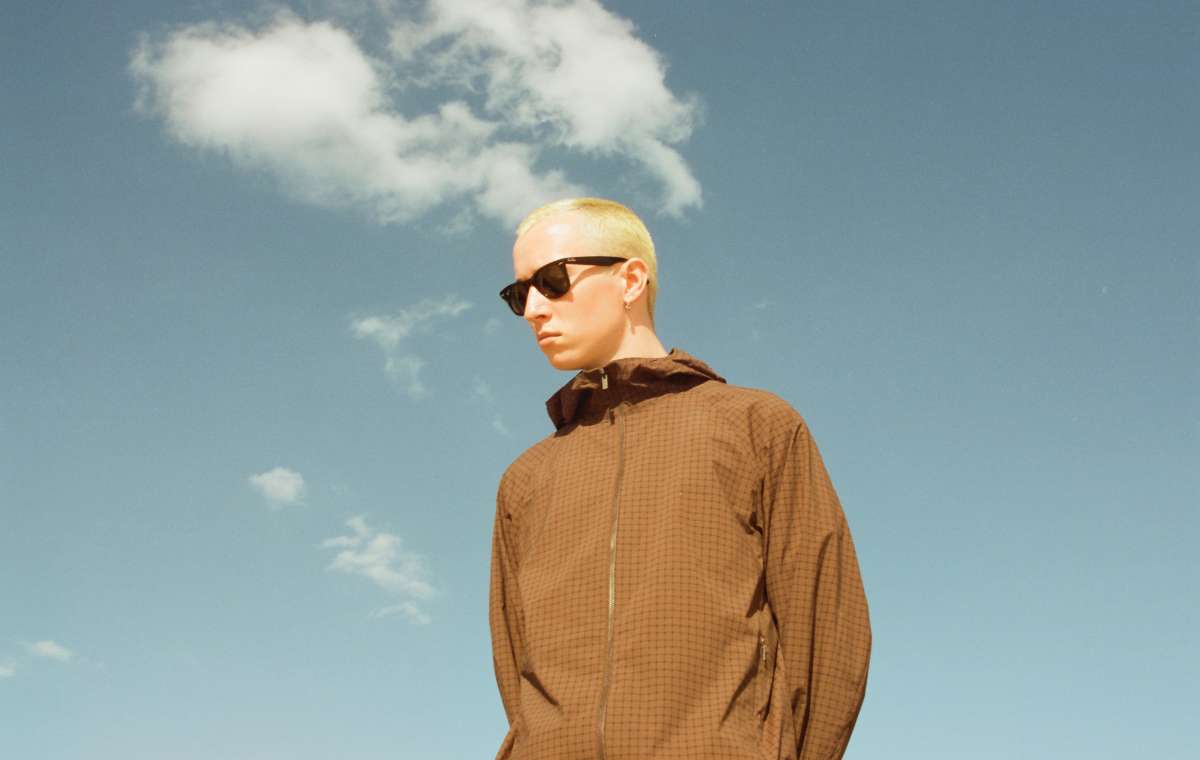
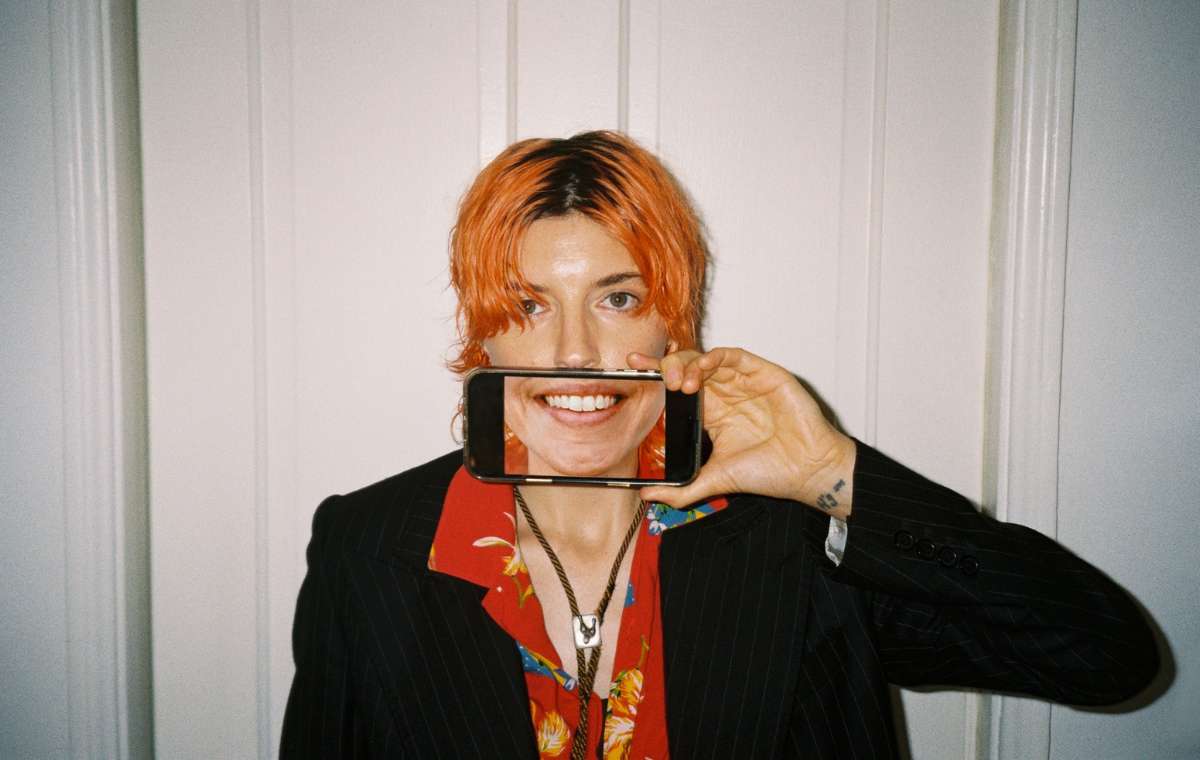
Based in Los Angeles, bunii is a self-produced artist who has become a prominent figure in the underground scene. After starting his career as a producer at age 15, he transitioned into a solo artist in 2023, eventually finding breakout viral success with his 2024 single “SAINT.” His innovative sound is characterized by intricate production, immersive soundscapes, and themes of self-discovery, resulting in a genre-defying style that has amassed millions of streams and cultivated a growing global following. Following the release of his 2025 projects 8:30 is too early and bastard, bunii entered a new chapter with his 2026 album VIRGILIO, which was named one of The FADER’s 30 Best Albums of 2026 So Far. He recently completed his first-ever U.S. headline tour, selling out dates across Los Angeles, New York, Chicago, San Francisco, and Houston. He has continued to expand his presence with additional support from The FADER, a special guest video launch with Well Well Well and Our Generation Music, and SoundCloud’s “Shaping Music Culture” series, which featured his track “amnesia.” With his prolific output, signature aesthetic, and boundary-pushing approach to production, bunii continues to shape the digital underground while building a rapidly expanding audience. To date, bunii has amassed 170M+ global streams, including 119.3M+ U.S. streams, alongside 1.7M+ video views and a combined social following of 133K.
About NSQK:
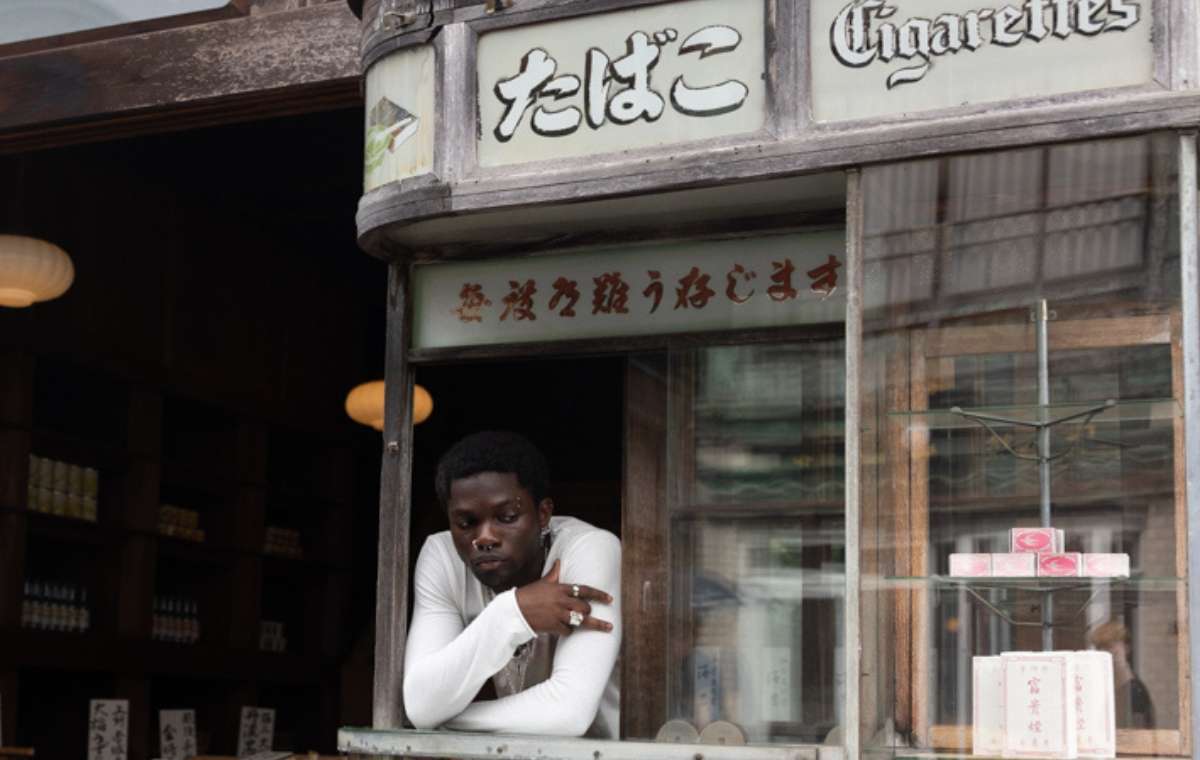
Rodrigo Torres, better known as Nsqk, is one of the most innovative artist-producers shaping music today. Born in Monterrey and raised in Houston, he grew up between worlds—never fully belonging to one culture or the other. That outsider energy fuels everything he does: fearless experimentation, a refusal to fit stereotypes, and a relentless drive to build something new.
Nsqk’s sound is as layered as his identity, colliding electronic textures with R&B, hip-hop, and left-field pop. But his impact goes beyond music. He is part of a generation of Mexican artists rewriting the rules of what Latin creators are “supposed” to be. His success has cracked open space for artists who refuse to be boxed in, while pulling global audiences into Mexico’s alt-music scene. Fans from Tokyo to LA are tuning in—not just to his songs, but to a movement he represents.
That cultural influence has made him a sought-after partner for global brands. Adidas tapped him for their Superstar campaign, Ray-Ban spotlighted him as a creative disruptor, and JBL partnered with him to amplify his sonic vision. Each collaboration reflects what his music does best: authenticity, boldness, and artistry that travels far beyond the stage.
About NSQK:
Rodrigo Torres, better known as Nsqk, is one of the most innovative artist-producers shaping music today. Born in Monterrey and raised in Houston, he grew up between worlds—never fully belonging to one culture or the other. That outsider energy fuels everything he does: fearless experimentation, a refusal to fit stereotypes, and a relentless drive to build something new.
Nsqk’s sound is as layered as his identity, colliding electronic textures with R&B, hip-hop, and left-field pop. But his impact goes beyond music. He is part of a generation of Mexican artists rewriting the rules of what Latin creators are “supposed” to be. His success has cracked open space for artists who refuse to be boxed in, while pulling global audiences into Mexico’s alt-music scene. Fans from Tokyo to LA are tuning in—not just to his songs, but to a movement he represents.
That cultural influence has made him a sought-after partner for global brands. Adidas tapped him for their Superstar campaign, Ray-Ban spotlighted him as a creative disruptor, and JBL partnered with him to amplify his sonic vision. Each collaboration reflects what his music does best: authenticity, boldness, and artistry that travels far beyond the stage.
About NSQK:
Rodrigo Torres, better known as Nsqk, is one of the most innovative artist-producers shaping music today. Born in Monterrey and raised in Houston, he grew up between worlds—never fully belonging to one culture or the other. That outsider energy fuels everything he does: fearless experimentation, a refusal to fit stereotypes, and a relentless drive to build something new.
Nsqk’s sound is as layered as his identity, colliding electronic textures with R&B, hip-hop, and left-field pop. But his impact goes beyond music. He is part of a generation of Mexican artists rewriting the rules of what Latin creators are “supposed” to be. His success has cracked open space for artists who refuse to be boxed in, while pulling global audiences into Mexico’s alt-music scene. Fans from Tokyo to LA are tuning in—not just to his songs, but to a movement he represents.
That cultural influence has made him a sought-after partner for global brands. Adidas tapped him for their Superstar campaign, Ray-Ban spotlighted him as a creative disruptor, and JBL partnered with him to amplify his sonic vision. Each collaboration reflects what his music does best: authenticity, boldness, and artistry that travels far beyond the stage.
About NSQK:
Rodrigo Torres, better known as Nsqk, is one of the most innovative artist-producers shaping music today. Born in Monterrey and raised in Houston, he grew up between worlds—never fully belonging to one culture or the other. That outsider energy fuels everything he does: fearless experimentation, a refusal to fit stereotypes, and a relentless drive to build something new.
Nsqk’s sound is as layered as his identity, colliding electronic textures with R&B, hip-hop, and left-field pop. But his impact goes beyond music. He is part of a generation of Mexican artists rewriting the rules of what Latin creators are “supposed” to be. His success has cracked open space for artists who refuse to be boxed in, while pulling global audiences into Mexico’s alt-music scene. Fans from Tokyo to LA are tuning in—not just to his songs, but to a movement he represents.
That cultural influence has made him a sought-after partner for global brands. Adidas tapped him for their Superstar campaign, Ray-Ban spotlighted him as a creative disruptor, and JBL partnered with him to amplify his sonic vision. Each collaboration reflects what his music does best: authenticity, boldness, and artistry that travels far beyond the stage.
About NSQK:
Rodrigo Torres, better known as Nsqk, is one of the most innovative artist-producers shaping music today. Born in Monterrey and raised in Houston, he grew up between worlds—never fully belonging to one culture or the other. That outsider energy fuels everything he does: fearless experimentation, a refusal to fit stereotypes, and a relentless drive to build something new.
Nsqk’s sound is as layered as his identity, colliding electronic textures with R&B, hip-hop, and left-field pop. But his impact goes beyond music. He is part of a generation of Mexican artists rewriting the rules of what Latin creators are “supposed” to be. His success has cracked open space for artists who refuse to be boxed in, while pulling global audiences into Mexico’s alt-music scene. Fans from Tokyo to LA are tuning in—not just to his songs, but to a movement he represents.
That cultural influence has made him a sought-after partner for global brands. Adidas tapped him for their Superstar campaign, Ray-Ban spotlighted him as a creative disruptor, and JBL partnered with him to amplify his sonic vision. Each collaboration reflects what his music does best: authenticity, boldness, and artistry that travels far beyond the stage.
About NSQK:
Rodrigo Torres, better known as Nsqk, is one of the most innovative artist-producers shaping music today. Born in Monterrey and raised in Houston, he grew up between worlds—never fully belonging to one culture or the other. That outsider energy fuels everything he does: fearless experimentation, a refusal to fit stereotypes, and a relentless drive to build something new.
Nsqk’s sound is as layered as his identity, colliding electronic textures with R&B, hip-hop, and left-field pop. But his impact goes beyond music. He is part of a generation of Mexican artists rewriting the rules of what Latin creators are “supposed” to be. His success has cracked open space for artists who refuse to be boxed in, while pulling global audiences into Mexico’s alt-music scene. Fans from Tokyo to LA are tuning in—not just to his songs, but to a movement he represents.
That cultural influence has made him a sought-after partner for global brands. Adidas tapped him for their Superstar campaign, Ray-Ban spotlighted him as a creative disruptor, and JBL partnered with him to amplify his sonic vision. Each collaboration reflects what his music does best: authenticity, boldness, and artistry that travels far beyond the stage.
About NSQK:
Rodrigo Torres, better known as Nsqk, is one of the most innovative artist-producers shaping music today. Born in Monterrey and raised in Houston, he grew up between worlds—never fully belonging to one culture or the other. That outsider energy fuels everything he does: fearless experimentation, a refusal to fit stereotypes, and a relentless drive to build something new.
Nsqk’s sound is as layered as his identity, colliding electronic textures with R&B, hip-hop, and left-field pop. But his impact goes beyond music. He is part of a generation of Mexican artists rewriting the rules of what Latin creators are “supposed” to be. His success has cracked open space for artists who refuse to be boxed in, while pulling global audiences into Mexico’s alt-music scene. Fans from Tokyo to LA are tuning in—not just to his songs, but to a movement he represents.
That cultural influence has made him a sought-after partner for global brands. Adidas tapped him for their Superstar campaign, Ray-Ban spotlighted him as a creative disruptor, and JBL partnered with him to amplify his sonic vision. Each collaboration reflects what his music does best: authenticity, boldness, and artistry that travels far beyond the stage.
About NSQK:
Rodrigo Torres, better known as Nsqk, is one of the most innovative artist-producers shaping music today. Born in Monterrey and raised in Houston, he grew up between worlds—never fully belonging to one culture or the other. That outsider energy fuels everything he does: fearless experimentation, a refusal to fit stereotypes, and a relentless drive to build something new.
Nsqk’s sound is as layered as his identity, colliding electronic textures with R&B, hip-hop, and left-field pop. But his impact goes beyond music. He is part of a generation of Mexican artists rewriting the rules of what Latin creators are “supposed” to be. His success has cracked open space for artists who refuse to be boxed in, while pulling global audiences into Mexico’s alt-music scene. Fans from Tokyo to LA are tuning in—not just to his songs, but to a movement he represents.
That cultural influence has made him a sought-after partner for global brands. Adidas tapped him for their Superstar campaign, Ray-Ban spotlighted him as a creative disruptor, and JBL partnered with him to amplify his sonic vision. Each collaboration reflects what his music does best: authenticity, boldness, and artistry that travels far beyond the stage.
About NSQK:
Rodrigo Torres, better known as Nsqk, is one of the most innovative artist-producers shaping music today. Born in Monterrey and raised in Houston, he grew up between worlds—never fully belonging to one culture or the other. That outsider energy fuels everything he does: fearless experimentation, a refusal to fit stereotypes, and a relentless drive to build something new.
Nsqk’s sound is as layered as his identity, colliding electronic textures with R&B, hip-hop, and left-field pop. But his impact goes beyond music. He is part of a generation of Mexican artists rewriting the rules of what Latin creators are “supposed” to be. His success has cracked open space for artists who refuse to be boxed in, while pulling global audiences into Mexico’s alt-music scene. Fans from Tokyo to LA are tuning in—not just to his songs, but to a movement he represents.
That cultural influence has made him a sought-after partner for global brands. Adidas tapped him for their Superstar campaign, Ray-Ban spotlighted him as a creative disruptor, and JBL partnered with him to amplify his sonic vision. Each collaboration reflects what his music does best: authenticity, boldness, and artistry that travels far beyond the stage.
About NSQK:
Rodrigo Torres, better known as Nsqk, is one of the most innovative artist-producers shaping music today. Born in Monterrey and raised in Houston, he grew up between worlds—never fully belonging to one culture or the other. That outsider energy fuels everything he does: fearless experimentation, a refusal to fit stereotypes, and a relentless drive to build something new.
Nsqk’s sound is as layered as his identity, colliding electronic textures with R&B, hip-hop, and left-field pop. But his impact goes beyond music. He is part of a generation of Mexican artists rewriting the rules of what Latin creators are “supposed” to be. His success has cracked open space for artists who refuse to be boxed in, while pulling global audiences into Mexico’s alt-music scene. Fans from Tokyo to LA are tuning in—not just to his songs, but to a movement he represents.
That cultural influence has made him a sought-after partner for global brands. Adidas tapped him for their Superstar campaign, Ray-Ban spotlighted him as a creative disruptor, and JBL partnered with him to amplify his sonic vision. Each collaboration reflects what his music does best: authenticity, boldness, and artistry that travels far beyond the stage.
About NSQK:
Rodrigo Torres, better known as Nsqk, is one of the most innovative artist-producers shaping music today. Born in Monterrey and raised in Houston, he grew up between worlds—never fully belonging to one culture or the other. That outsider energy fuels everything he does: fearless experimentation, a refusal to fit stereotypes, and a relentless drive to build something new.
Nsqk’s sound is as layered as his identity, colliding electronic textures with R&B, hip-hop, and left-field pop. But his impact goes beyond music. He is part of a generation of Mexican artists rewriting the rules of what Latin creators are “supposed” to be. His success has cracked open space for artists who refuse to be boxed in, while pulling global audiences into Mexico’s alt-music scene. Fans from Tokyo to LA are tuning in—not just to his songs, but to a movement he represents.
That cultural influence has made him a sought-after partner for global brands. Adidas tapped him for their Superstar campaign, Ray-Ban spotlighted him as a creative disruptor, and JBL partnered with him to amplify his sonic vision. Each collaboration reflects what his music does best: authenticity, boldness, and artistry that travels far beyond the stage.
About NSQK:
Rodrigo Torres, better known as Nsqk, is one of the most innovative artist-producers shaping music today. Born in Monterrey and raised in Houston, he grew up between worlds—never fully belonging to one culture or the other. That outsider energy fuels everything he does: fearless experimentation, a refusal to fit stereotypes, and a relentless drive to build something new.
Nsqk’s sound is as layered as his identity, colliding electronic textures with R&B, hip-hop, and left-field pop. But his impact goes beyond music. He is part of a generation of Mexican artists rewriting the rules of what Latin creators are “supposed” to be. His success has cracked open space for artists who refuse to be boxed in, while pulling global audiences into Mexico’s alt-music scene. Fans from Tokyo to LA are tuning in—not just to his songs, but to a movement he represents.
That cultural influence has made him a sought-after partner for global brands. Adidas tapped him for their Superstar campaign, Ray-Ban spotlighted him as a creative disruptor, and JBL partnered with him to amplify his sonic vision. Each collaboration reflects what his music does best: authenticity, boldness, and artistry that travels far beyond the stage.
About NSQK:
Rodrigo Torres, better known as Nsqk, is one of the most innovative artist-producers shaping music today. Born in Monterrey and raised in Houston, he grew up between worlds—never fully belonging to one culture or the other. That outsider energy fuels everything he does: fearless experimentation, a refusal to fit stereotypes, and a relentless drive to build something new.
Nsqk’s sound is as layered as his identity, colliding electronic textures with R&B, hip-hop, and left-field pop. But his impact goes beyond music. He is part of a generation of Mexican artists rewriting the rules of what Latin creators are “supposed” to be. His success has cracked open space for artists who refuse to be boxed in, while pulling global audiences into Mexico’s alt-music scene. Fans from Tokyo to LA are tuning in—not just to his songs, but to a movement he represents.
That cultural influence has made him a sought-after partner for global brands. Adidas tapped him for their Superstar campaign, Ray-Ban spotlighted him as a creative disruptor, and JBL partnered with him to amplify his sonic vision. Each collaboration reflects what his music does best: authenticity, boldness, and artistry that travels far beyond the stage.
About NSQK:
Rodrigo Torres, better known as Nsqk, is one of the most innovative artist-producers shaping music today. Born in Monterrey and raised in Houston, he grew up between worlds—never fully belonging to one culture or the other. That outsider energy fuels everything he does: fearless experimentation, a refusal to fit stereotypes, and a relentless drive to build something new.
Nsqk’s sound is as layered as his identity, colliding electronic textures with R&B, hip-hop, and left-field pop. But his impact goes beyond music. He is part of a generation of Mexican artists rewriting the rules of what Latin creators are “supposed” to be. His success has cracked open space for artists who refuse to be boxed in, while pulling global audiences into Mexico’s alt-music scene. Fans from Tokyo to LA are tuning in—not just to his songs, but to a movement he represents.
That cultural influence has made him a sought-after partner for global brands. Adidas tapped him for their Superstar campaign, Ray-Ban spotlighted him as a creative disruptor, and JBL partnered with him to amplify his sonic vision. Each collaboration reflects what his music does best: authenticity, boldness, and artistry that travels far beyond the stage.
About NSQK:
Rodrigo Torres, better known as Nsqk, is one of the most innovative artist-producers shaping music today. Born in Monterrey and raised in Houston, he grew up between worlds—never fully belonging to one culture or the other. That outsider energy fuels everything he does: fearless experimentation, a refusal to fit stereotypes, and a relentless drive to build something new.
Nsqk’s sound is as layered as his identity, colliding electronic textures with R&B, hip-hop, and left-field pop. But his impact goes beyond music. He is part of a generation of Mexican artists rewriting the rules of what Latin creators are “supposed” to be. His success has cracked open space for artists who refuse to be boxed in, while pulling global audiences into Mexico’s alt-music scene. Fans from Tokyo to LA are tuning in—not just to his songs, but to a movement he represents.
That cultural influence has made him a sought-after partner for global brands. Adidas tapped him for their Superstar campaign, Ray-Ban spotlighted him as a creative disruptor, and JBL partnered with him to amplify his sonic vision. Each collaboration reflects what his music does best: authenticity, boldness, and artistry that travels far beyond the stage.
About NSQK:
Rodrigo Torres, better known as Nsqk, is one of the most innovative artist-producers shaping music today. Born in Monterrey and raised in Houston, he grew up between worlds—never fully belonging to one culture or the other. That outsider energy fuels everything he does: fearless experimentation, a refusal to fit stereotypes, and a relentless drive to build something new.
Nsqk’s sound is as layered as his identity, colliding electronic textures with R&B, hip-hop, and left-field pop. But his impact goes beyond music. He is part of a generation of Mexican artists rewriting the rules of what Latin creators are “supposed” to be. His success has cracked open space for artists who refuse to be boxed in, while pulling global audiences into Mexico’s alt-music scene. Fans from Tokyo to LA are tuning in—not just to his songs, but to a movement he represents.
That cultural influence has made him a sought-after partner for global brands. Adidas tapped him for their Superstar campaign, Ray-Ban spotlighted him as a creative disruptor, and JBL partnered with him to amplify his sonic vision. Each collaboration reflects what his music does best: authenticity, boldness, and artistry that travels far beyond the stage.
About NSQK:
Rodrigo Torres, better known as Nsqk, is one of the most innovative artist-producers shaping music today. Born in Monterrey and raised in Houston, he grew up between worlds—never fully belonging to one culture or the other. That outsider energy fuels everything he does: fearless experimentation, a refusal to fit stereotypes, and a relentless drive to build something new.
Nsqk’s sound is as layered as his identity, colliding electronic textures with R&B, hip-hop, and left-field pop. But his impact goes beyond music. He is part of a generation of Mexican artists rewriting the rules of what Latin creators are “supposed” to be. His success has cracked open space for artists who refuse to be boxed in, while pulling global audiences into Mexico’s alt-music scene. Fans from Tokyo to LA are tuning in—not just to his songs, but to a movement he represents.
That cultural influence has made him a sought-after partner for global brands. Adidas tapped him for their Superstar campaign, Ray-Ban spotlighted him as a creative disruptor, and JBL partnered with him to amplify his sonic vision. Each collaboration reflects what his music does best: authenticity, boldness, and artistry that travels far beyond the stage.
About NSQK:
Rodrigo Torres, better known as Nsqk, is one of the most innovative artist-producers shaping music today. Born in Monterrey and raised in Houston, he grew up between worlds—never fully belonging to one culture or the other. That outsider energy fuels everything he does: fearless experimentation, a refusal to fit stereotypes, and a relentless drive to build something new.
Nsqk’s sound is as layered as his identity, colliding electronic textures with R&B, hip-hop, and left-field pop. But his impact goes beyond music. He is part of a generation of Mexican artists rewriting the rules of what Latin creators are “supposed” to be. His success has cracked open space for artists who refuse to be boxed in, while pulling global audiences into Mexico’s alt-music scene. Fans from Tokyo to LA are tuning in—not just to his songs, but to a movement he represents.
That cultural influence has made him a sought-after partner for global brands. Adidas tapped him for their Superstar campaign, Ray-Ban spotlighted him as a creative disruptor, and JBL partnered with him to amplify his sonic vision. Each collaboration reflects what his music does best: authenticity, boldness, and artistry that travels far beyond the stage.
About NSQK:
Rodrigo Torres, better known as Nsqk, is one of the most innovative artist-producers shaping music today. Born in Monterrey and raised in Houston, he grew up between worlds—never fully belonging to one culture or the other. That outsider energy fuels everything he does: fearless experimentation, a refusal to fit stereotypes, and a relentless drive to build something new.
Nsqk’s sound is as layered as his identity, colliding electronic textures with R&B, hip-hop, and left-field pop. But his impact goes beyond music. He is part of a generation of Mexican artists rewriting the rules of what Latin creators are “supposed” to be. His success has cracked open space for artists who refuse to be boxed in, while pulling global audiences into Mexico’s alt-music scene. Fans from Tokyo to LA are tuning in—not just to his songs, but to a movement he represents.
That cultural influence has made him a sought-after partner for global brands. Adidas tapped him for their Superstar campaign, Ray-Ban spotlighted him as a creative disruptor, and JBL partnered with him to amplify his sonic vision. Each collaboration reflects what his music does best: authenticity, boldness, and artistry that travels far beyond the stage.
About NSQK:
Rodrigo Torres, better known as Nsqk, is one of the most innovative artist-producers shaping music today. Born in Monterrey and raised in Houston, he grew up between worlds—never fully belonging to one culture or the other. That outsider energy fuels everything he does: fearless experimentation, a refusal to fit stereotypes, and a relentless drive to build something new.
Nsqk’s sound is as layered as his identity, colliding electronic textures with R&B, hip-hop, and left-field pop. But his impact goes beyond music. He is part of a generation of Mexican artists rewriting the rules of what Latin creators are “supposed” to be. His success has cracked open space for artists who refuse to be boxed in, while pulling global audiences into Mexico’s alt-music scene. Fans from Tokyo to LA are tuning in—not just to his songs, but to a movement he represents.
That cultural influence has made him a sought-after partner for global brands. Adidas tapped him for their Superstar campaign, Ray-Ban spotlighted him as a creative disruptor, and JBL partnered with him to amplify his sonic vision. Each collaboration reflects what his music does best: authenticity, boldness, and artistry that travels far beyond the stage.
About NSQK:
Rodrigo Torres, better known as Nsqk, is one of the most innovative artist-producers shaping music today. Born in Monterrey and raised in Houston, he grew up between worlds—never fully belonging to one culture or the other. That outsider energy fuels everything he does: fearless experimentation, a refusal to fit stereotypes, and a relentless drive to build something new.
Nsqk’s sound is as layered as his identity, colliding electronic textures with R&B, hip-hop, and left-field pop. But his impact goes beyond music. He is part of a generation of Mexican artists rewriting the rules of what Latin creators are “supposed” to be. His success has cracked open space for artists who refuse to be boxed in, while pulling global audiences into Mexico’s alt-music scene. Fans from Tokyo to LA are tuning in—not just to his songs, but to a movement he represents.
That cultural influence has made him a sought-after partner for global brands. Adidas tapped him for their Superstar campaign, Ray-Ban spotlighted him as a creative disruptor, and JBL partnered with him to amplify his sonic vision. Each collaboration reflects what his music does best: authenticity, boldness, and artistry that travels far beyond the stage.
About NSQK:
Rodrigo Torres, better known as Nsqk, is one of the most innovative artist-producers shaping music today. Born in Monterrey and raised in Houston, he grew up between worlds—never fully belonging to one culture or the other. That outsider energy fuels everything he does: fearless experimentation, a refusal to fit stereotypes, and a relentless drive to build something new.
Nsqk’s sound is as layered as his identity, colliding electronic textures with R&B, hip-hop, and left-field pop. But his impact goes beyond music. He is part of a generation of Mexican artists rewriting the rules of what Latin creators are “supposed” to be. His success has cracked open space for artists who refuse to be boxed in, while pulling global audiences into Mexico’s alt-music scene. Fans from Tokyo to LA are tuning in—not just to his songs, but to a movement he represents.
That cultural influence has made him a sought-after partner for global brands. Adidas tapped him for their Superstar campaign, Ray-Ban spotlighted him as a creative disruptor, and JBL partnered with him to amplify his sonic vision. Each collaboration reflects what his music does best: authenticity, boldness, and artistry that travels far beyond the stage.
About NSQK:
Rodrigo Torres, better known as Nsqk, is one of the most innovative artist-producers shaping music today. Born in Monterrey and raised in Houston, he grew up between worlds—never fully belonging to one culture or the other. That outsider energy fuels everything he does: fearless experimentation, a refusal to fit stereotypes, and a relentless drive to build something new.
Nsqk’s sound is as layered as his identity, colliding electronic textures with R&B, hip-hop, and left-field pop. But his impact goes beyond music. He is part of a generation of Mexican artists rewriting the rules of what Latin creators are “supposed” to be. His success has cracked open space for artists who refuse to be boxed in, while pulling global audiences into Mexico’s alt-music scene. Fans from Tokyo to LA are tuning in—not just to his songs, but to a movement he represents.
That cultural influence has made him a sought-after partner for global brands. Adidas tapped him for their Superstar campaign, Ray-Ban spotlighted him as a creative disruptor, and JBL partnered with him to amplify his sonic vision. Each collaboration reflects what his music does best: authenticity, boldness, and artistry that travels far beyond the stage.
About NSQK:
Rodrigo Torres, better known as Nsqk, is one of the most innovative artist-producers shaping music today. Born in Monterrey and raised in Houston, he grew up between worlds—never fully belonging to one culture or the other. That outsider energy fuels everything he does: fearless experimentation, a refusal to fit stereotypes, and a relentless drive to build something new.
Nsqk’s sound is as layered as his identity, colliding electronic textures with R&B, hip-hop, and left-field pop. But his impact goes beyond music. He is part of a generation of Mexican artists rewriting the rules of what Latin creators are “supposed” to be. His success has cracked open space for artists who refuse to be boxed in, while pulling global audiences into Mexico’s alt-music scene. Fans from Tokyo to LA are tuning in—not just to his songs, but to a movement he represents.
That cultural influence has made him a sought-after partner for global brands. Adidas tapped him for their Superstar campaign, Ray-Ban spotlighted him as a creative disruptor, and JBL partnered with him to amplify his sonic vision. Each collaboration reflects what his music does best: authenticity, boldness, and artistry that travels far beyond the stage.
About NSQK:
Rodrigo Torres, better known as Nsqk, is one of the most innovative artist-producers shaping music today. Born in Monterrey and raised in Houston, he grew up between worlds—never fully belonging to one culture or the other. That outsider energy fuels everything he does: fearless experimentation, a refusal to fit stereotypes, and a relentless drive to build something new.
Nsqk’s sound is as layered as his identity, colliding electronic textures with R&B, hip-hop, and left-field pop. But his impact goes beyond music. He is part of a generation of Mexican artists rewriting the rules of what Latin creators are “supposed” to be. His success has cracked open space for artists who refuse to be boxed in, while pulling global audiences into Mexico’s alt-music scene. Fans from Tokyo to LA are tuning in—not just to his songs, but to a movement he represents.
That cultural influence has made him a sought-after partner for global brands. Adidas tapped him for their Superstar campaign, Ray-Ban spotlighted him as a creative disruptor, and JBL partnered with him to amplify his sonic vision. Each collaboration reflects what his music does best: authenticity, boldness, and artistry that travels far beyond the stage.
About NSQK:
Rodrigo Torres, better known as Nsqk, is one of the most innovative artist-producers shaping music today. Born in Monterrey and raised in Houston, he grew up between worlds—never fully belonging to one culture or the other. That outsider energy fuels everything he does: fearless experimentation, a refusal to fit stereotypes, and a relentless drive to build something new.
Nsqk’s sound is as layered as his identity, colliding electronic textures with R&B, hip-hop, and left-field pop. But his impact goes beyond music. He is part of a generation of Mexican artists rewriting the rules of what Latin creators are “supposed” to be. His success has cracked open space for artists who refuse to be boxed in, while pulling global audiences into Mexico’s alt-music scene. Fans from Tokyo to LA are tuning in—not just to his songs, but to a movement he represents.
That cultural influence has made him a sought-after partner for global brands. Adidas tapped him for their Superstar campaign, Ray-Ban spotlighted him as a creative disruptor, and JBL partnered with him to amplify his sonic vision. Each collaboration reflects what his music does best: authenticity, boldness, and artistry that travels far beyond the stage.
About NSQK:
Rodrigo Torres, better known as Nsqk, is one of the most innovative artist-producers shaping music today. Born in Monterrey and raised in Houston, he grew up between worlds—never fully belonging to one culture or the other. That outsider energy fuels everything he does: fearless experimentation, a refusal to fit stereotypes, and a relentless drive to build something new.
Nsqk’s sound is as layered as his identity, colliding electronic textures with R&B, hip-hop, and left-field pop. But his impact goes beyond music. He is part of a generation of Mexican artists rewriting the rules of what Latin creators are “supposed” to be. His success has cracked open space for artists who refuse to be boxed in, while pulling global audiences into Mexico’s alt-music scene. Fans from Tokyo to LA are tuning in—not just to his songs, but to a movement he represents.
That cultural influence has made him a sought-after partner for global brands. Adidas tapped him for their Superstar campaign, Ray-Ban spotlighted him as a creative disruptor, and JBL partnered with him to amplify his sonic vision. Each collaboration reflects what his music does best: authenticity, boldness, and artistry that travels far beyond the stage.
About NSQK:
Rodrigo Torres, better known as Nsqk, is one of the most innovative artist-producers shaping music today. Born in Monterrey and raised in Houston, he grew up between worlds—never fully belonging to one culture or the other. That outsider energy fuels everything he does: fearless experimentation, a refusal to fit stereotypes, and a relentless drive to build something new.
Nsqk’s sound is as layered as his identity, colliding electronic textures with R&B, hip-hop, and left-field pop. But his impact goes beyond music. He is part of a generation of Mexican artists rewriting the rules of what Latin creators are “supposed” to be. His success has cracked open space for artists who refuse to be boxed in, while pulling global audiences into Mexico’s alt-music scene. Fans from Tokyo to LA are tuning in—not just to his songs, but to a movement he represents.
That cultural influence has made him a sought-after partner for global brands. Adidas tapped him for their Superstar campaign, Ray-Ban spotlighted him as a creative disruptor, and JBL partnered with him to amplify his sonic vision. Each collaboration reflects what his music does best: authenticity, boldness, and artistry that travels far beyond the stage.
About NSQK:
Rodrigo Torres, better known as Nsqk, is one of the most innovative artist-producers shaping music today. Born in Monterrey and raised in Houston, he grew up between worlds—never fully belonging to one culture or the other. That outsider energy fuels everything he does: fearless experimentation, a refusal to fit stereotypes, and a relentless drive to build something new.
Nsqk’s sound is as layered as his identity, colliding electronic textures with R&B, hip-hop, and left-field pop. But his impact goes beyond music. He is part of a generation of Mexican artists rewriting the rules of what Latin creators are “supposed” to be. His success has cracked open space for artists who refuse to be boxed in, while pulling global audiences into Mexico’s alt-music scene. Fans from Tokyo to LA are tuning in—not just to his songs, but to a movement he represents.
That cultural influence has made him a sought-after partner for global brands. Adidas tapped him for their Superstar campaign, Ray-Ban spotlighted him as a creative disruptor, and JBL partnered with him to amplify his sonic vision. Each collaboration reflects what his music does best: authenticity, boldness, and artistry that travels far beyond the stage.
About NSQK:
Rodrigo Torres, better known as Nsqk, is one of the most innovative artist-producers shaping music today. Born in Monterrey and raised in Houston, he grew up between worlds—never fully belonging to one culture or the other. That outsider energy fuels everything he does: fearless experimentation, a refusal to fit stereotypes, and a relentless drive to build something new.
Nsqk’s sound is as layered as his identity, colliding electronic textures with R&B, hip-hop, and left-field pop. But his impact goes beyond music. He is part of a generation of Mexican artists rewriting the rules of what Latin creators are “supposed” to be. His success has cracked open space for artists who refuse to be boxed in, while pulling global audiences into Mexico’s alt-music scene. Fans from Tokyo to LA are tuning in—not just to his songs, but to a movement he represents.
That cultural influence has made him a sought-after partner for global brands. Adidas tapped him for their Superstar campaign, Ray-Ban spotlighted him as a creative disruptor, and JBL partnered with him to amplify his sonic vision. Each collaboration reflects what his music does best: authenticity, boldness, and artistry that travels far beyond the stage.
About NSQK:
Rodrigo Torres, better known as Nsqk, is one of the most innovative artist-producers shaping music today. Born in Monterrey and raised in Houston, he grew up between worlds—never fully belonging to one culture or the other. That outsider energy fuels everything he does: fearless experimentation, a refusal to fit stereotypes, and a relentless drive to build something new.
Nsqk’s sound is as layered as his identity, colliding electronic textures with R&B, hip-hop, and left-field pop. But his impact goes beyond music. He is part of a generation of Mexican artists rewriting the rules of what Latin creators are “supposed” to be. His success has cracked open space for artists who refuse to be boxed in, while pulling global audiences into Mexico’s alt-music scene. Fans from Tokyo to LA are tuning in—not just to his songs, but to a movement he represents.
That cultural influence has made him a sought-after partner for global brands. Adidas tapped him for their Superstar campaign, Ray-Ban spotlighted him as a creative disruptor, and JBL partnered with him to amplify his sonic vision. Each collaboration reflects what his music does best: authenticity, boldness, and artistry that travels far beyond the stage.
About NSQK:
Rodrigo Torres, better known as Nsqk, is one of the most innovative artist-producers shaping music today. Born in Monterrey and raised in Houston, he grew up between worlds—never fully belonging to one culture or the other. That outsider energy fuels everything he does: fearless experimentation, a refusal to fit stereotypes, and a relentless drive to build something new.
Nsqk’s sound is as layered as his identity, colliding electronic textures with R&B, hip-hop, and left-field pop. But his impact goes beyond music. He is part of a generation of Mexican artists rewriting the rules of what Latin creators are “supposed” to be. His success has cracked open space for artists who refuse to be boxed in, while pulling global audiences into Mexico’s alt-music scene. Fans from Tokyo to LA are tuning in—not just to his songs, but to a movement he represents.
That cultural influence has made him a sought-after partner for global brands. Adidas tapped him for their Superstar campaign, Ray-Ban spotlighted him as a creative disruptor, and JBL partnered with him to amplify his sonic vision. Each collaboration reflects what his music does best: authenticity, boldness, and artistry that travels far beyond the stage.
About NSQK:
Rodrigo Torres, better known as Nsqk, is one of the most innovative artist-producers shaping music today. Born in Monterrey and raised in Houston, he grew up between worlds—never fully belonging to one culture or the other. That outsider energy fuels everything he does: fearless experimentation, a refusal to fit stereotypes, and a relentless drive to build something new.
Nsqk’s sound is as layered as his identity, colliding electronic textures with R&B, hip-hop, and left-field pop. But his impact goes beyond music. He is part of a generation of Mexican artists rewriting the rules of what Latin creators are “supposed” to be. His success has cracked open space for artists who refuse to be boxed in, while pulling global audiences into Mexico’s alt-music scene. Fans from Tokyo to LA are tuning in—not just to his songs, but to a movement he represents.
That cultural influence has made him a sought-after partner for global brands. Adidas tapped him for their Superstar campaign, Ray-Ban spotlighted him as a creative disruptor, and JBL partnered with him to amplify his sonic vision. Each collaboration reflects what his music does best: authenticity, boldness, and artistry that travels far beyond the stage.
About NSQK:
Rodrigo Torres, better known as Nsqk, is one of the most innovative artist-producers shaping music today. Born in Monterrey and raised in Houston, he grew up between worlds—never fully belonging to one culture or the other. That outsider energy fuels everything he does: fearless experimentation, a refusal to fit stereotypes, and a relentless drive to build something new.
Nsqk’s sound is as layered as his identity, colliding electronic textures with R&B, hip-hop, and left-field pop. But his impact goes beyond music. He is part of a generation of Mexican artists rewriting the rules of what Latin creators are “supposed” to be. His success has cracked open space for artists who refuse to be boxed in, while pulling global audiences into Mexico’s alt-music scene. Fans from Tokyo to LA are tuning in—not just to his songs, but to a movement he represents.
That cultural influence has made him a sought-after partner for global brands. Adidas tapped him for their Superstar campaign, Ray-Ban spotlighted him as a creative disruptor, and JBL partnered with him to amplify his sonic vision. Each collaboration reflects what his music does best: authenticity, boldness, and artistry that travels far beyond the stage.
About NSQK:
Rodrigo Torres, better known as Nsqk, is one of the most innovative artist-producers shaping music today. Born in Monterrey and raised in Houston, he grew up between worlds—never fully belonging to one culture or the other. That outsider energy fuels everything he does: fearless experimentation, a refusal to fit stereotypes, and a relentless drive to build something new.
Nsqk’s sound is as layered as his identity, colliding electronic textures with R&B, hip-hop, and left-field pop. But his impact goes beyond music. He is part of a generation of Mexican artists rewriting the rules of what Latin creators are “supposed” to be. His success has cracked open space for artists who refuse to be boxed in, while pulling global audiences into Mexico’s alt-music scene. Fans from Tokyo to LA are tuning in—not just to his songs, but to a movement he represents.
That cultural influence has made him a sought-after partner for global brands. Adidas tapped him for their Superstar campaign, Ray-Ban spotlighted him as a creative disruptor, and JBL partnered with him to amplify his sonic vision. Each collaboration reflects what his music does best: authenticity, boldness, and artistry that travels far beyond the stage.
About NSQK:
Rodrigo Torres, better known as Nsqk, is one of the most innovative artist-producers shaping music today. Born in Monterrey and raised in Houston, he grew up between worlds—never fully belonging to one culture or the other. That outsider energy fuels everything he does: fearless experimentation, a refusal to fit stereotypes, and a relentless drive to build something new.
Nsqk’s sound is as layered as his identity, colliding electronic textures with R&B, hip-hop, and left-field pop. But his impact goes beyond music. He is part of a generation of Mexican artists rewriting the rules of what Latin creators are “supposed” to be. His success has cracked open space for artists who refuse to be boxed in, while pulling global audiences into Mexico’s alt-music scene. Fans from Tokyo to LA are tuning in—not just to his songs, but to a movement he represents.
That cultural influence has made him a sought-after partner for global brands. Adidas tapped him for their Superstar campaign, Ray-Ban spotlighted him as a creative disruptor, and JBL partnered with him to amplify his sonic vision. Each collaboration reflects what his music does best: authenticity, boldness, and artistry that travels far beyond the stage.
About NSQK:
Rodrigo Torres, better known as Nsqk, is one of the most innovative artist-producers shaping music today. Born in Monterrey and raised in Houston, he grew up between worlds—never fully belonging to one culture or the other. That outsider energy fuels everything he does: fearless experimentation, a refusal to fit stereotypes, and a relentless drive to build something new.
Nsqk’s sound is as layered as his identity, colliding electronic textures with R&B, hip-hop, and left-field pop. But his impact goes beyond music. He is part of a generation of Mexican artists rewriting the rules of what Latin creators are “supposed” to be. His success has cracked open space for artists who refuse to be boxed in, while pulling global audiences into Mexico’s alt-music scene. Fans from Tokyo to LA are tuning in—not just to his songs, but to a movement he represents.
That cultural influence has made him a sought-after partner for global brands. Adidas tapped him for their Superstar campaign, Ray-Ban spotlighted him as a creative disruptor, and JBL partnered with him to amplify his sonic vision. Each collaboration reflects what his music does best: authenticity, boldness, and artistry that travels far beyond the stage.