About Langhorne Slim:
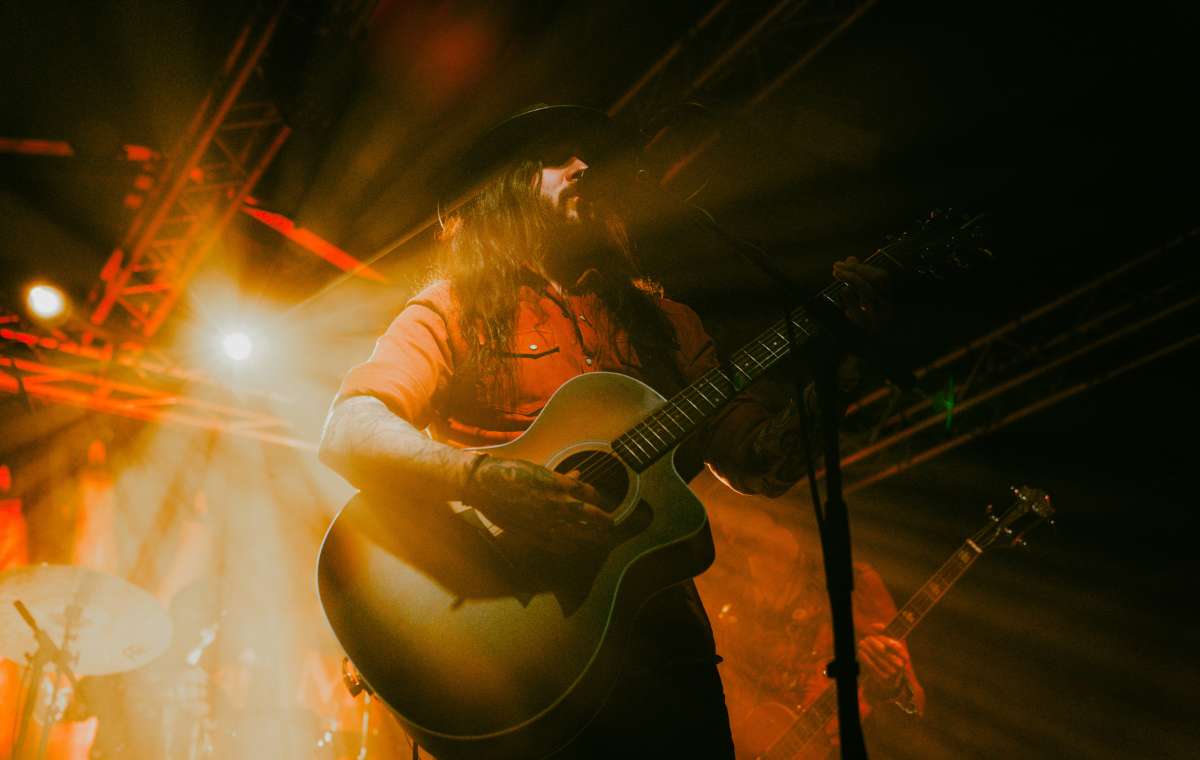
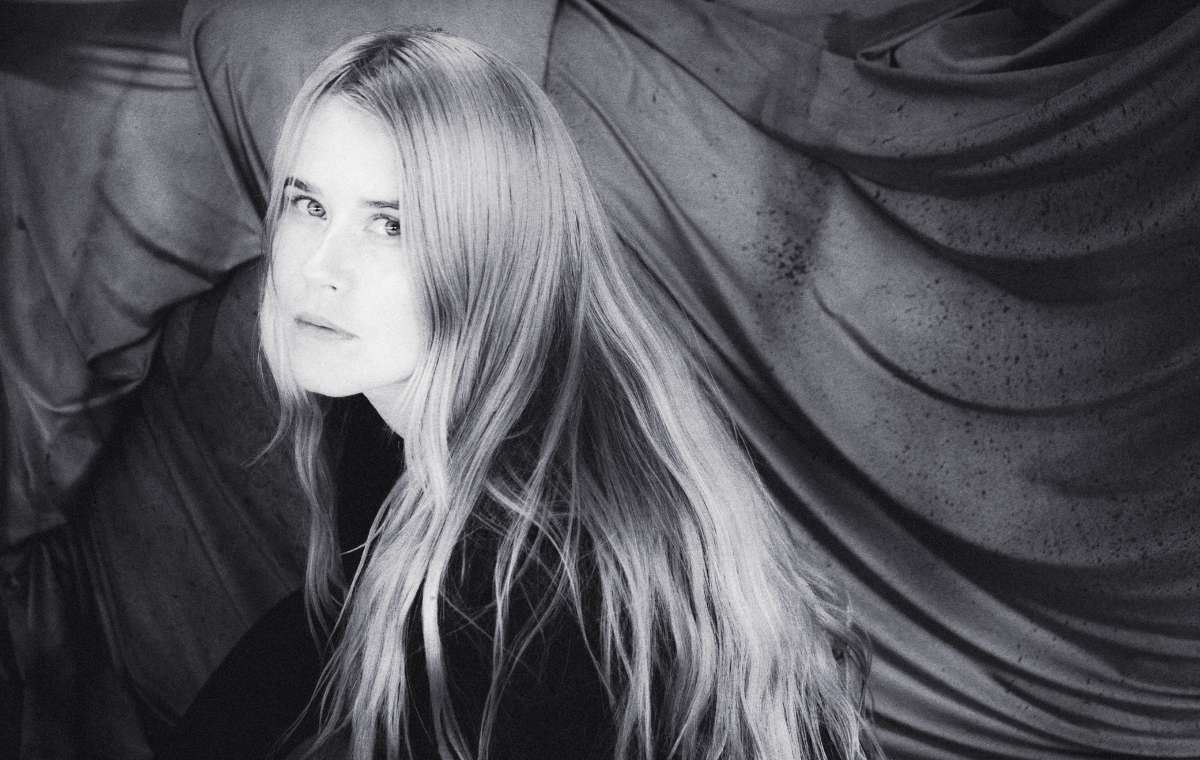
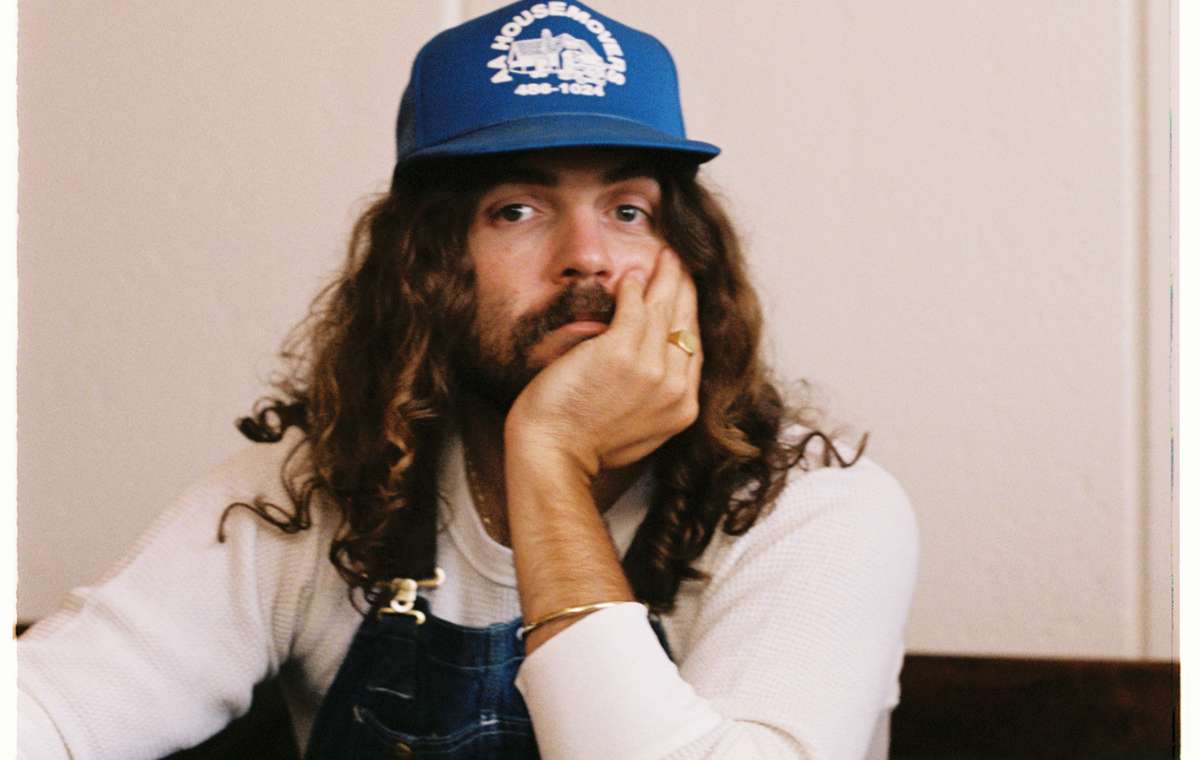
For more than two decades, Langhorne Slim has been a fearless voice in modern Americana, known for his raw emotion and rule-breaking spirit. On his ninth album, The Dreamin’ Kind, the Nashville-based songwriter plugs in his electric guitar and dives headfirst into big-hearted, 1970s-style rock & roll. Produced by Greta Van Fleet’s Sam F. Kiszka, the record pairs power chords and soaring hooks with the vulnerable storytelling that’s long defined Slim’s work. “It felt like I was blowing some old shit up so I could plant some new flowers,” he says. “I love folk music, but rock & roll tickles the same part of my soul. I wanted to explore that.” The collaboration began after Slim opened for Greta Van Fleet, leading to loose, inspired sessions with Kiszka and drummer Danny Wagner. Together they built songs that move from the propulsive rush of “Rock N Roll” and the swagger of “Haunted Man” to the tender sweep of “Dream Come True” and “Stealin’ Time.” Recorded over a year in Nashville, The Dreamin’ Kind bridges Slim’s rootsy past with a louder, more expansive present. It’s a record of freedom and discovery, equally at home in rock clubs and around campfires—proof that Langhorne Slim, ever the dreamer, still finds new ground to break with every song.
About SLIFT:
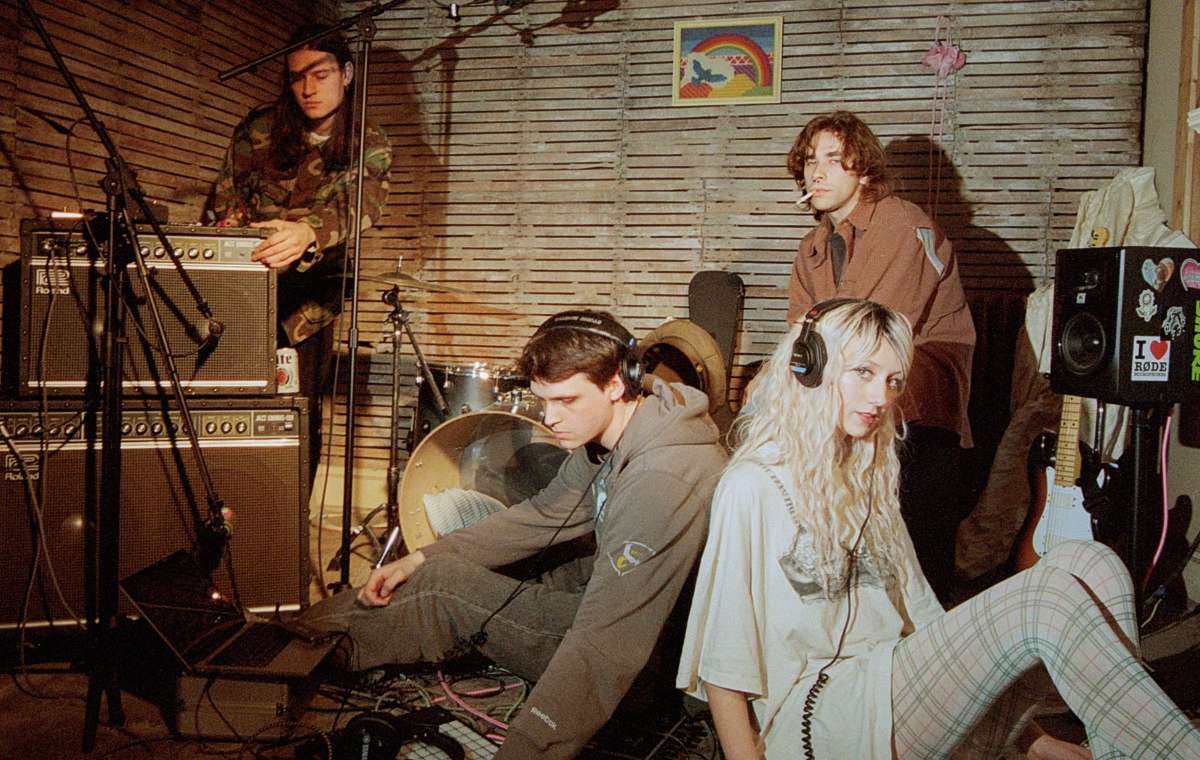
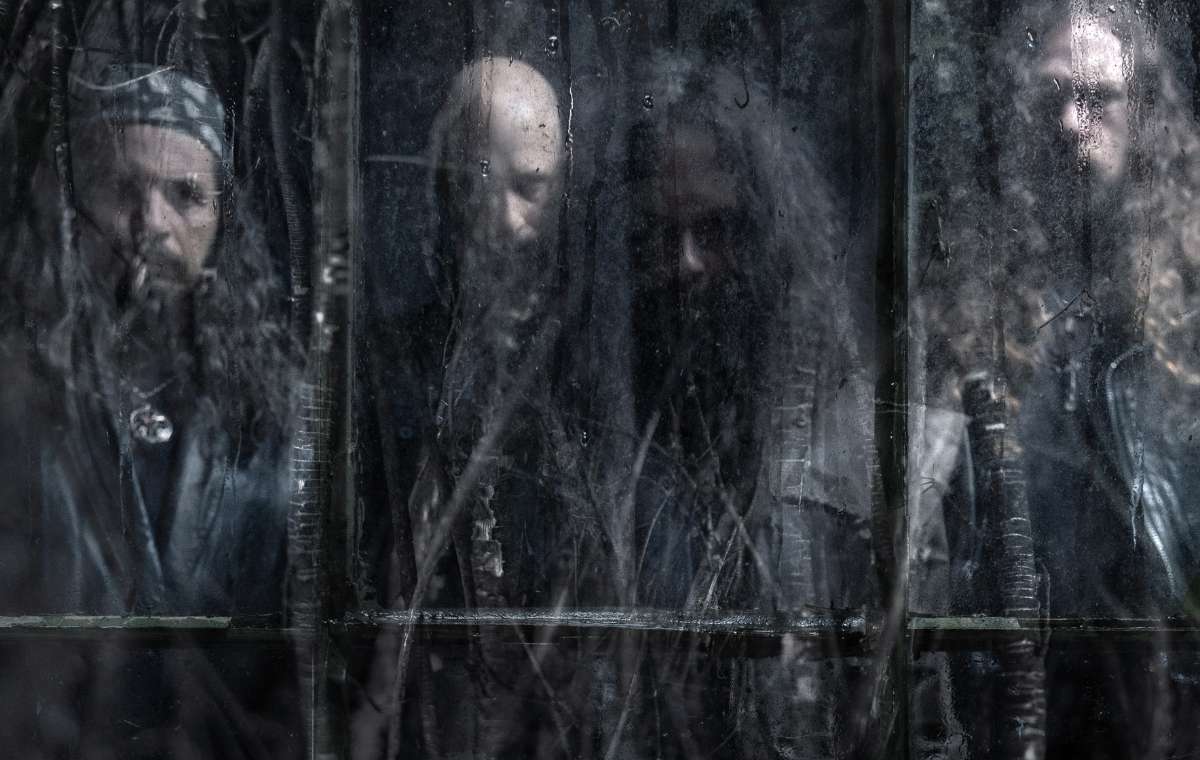
Every previous album by the radiant and heavy French trio SLIFT—brothers Jean and Rémi Fossat and drummer Canek Flores, a friend since high school – has been a fantasia—a composite of genres and forms that allowed the band to improvise, to jam on themes until they seemed to spiral together into space. But, in a bit of intentional irony, SLIFT’s fourth album is called Fantasia without actually being one. It is, instead, their leanest and most direct record, a pointed saga about overcoming international upheaval delivered by a band bearing down without wasting a second. SLIFT didn’t want to lose the message by playing too much. They’re preparing for a battle they think we can still win.
As Jean Fossat wrote the core of Fantasia, he thought a lot about Jorge Luis Borges, the Argentinian author whose fiction deftly wove elements of magic and surreality into places and plots that almost felt real. (SLIFT even borrowed the song title “Orbis Tertius” from Borges.) Fantasia, then, is an imagined town plagued by a sense of unknowing and xenophobia, of trying to eliminate anything that disrupts the accepted order. The town comes into focus on “Corrupted Sky,” where Fossat’s narrator tries to dodge doom upon arriving there. Hope starts to emerge during the record’s back half, as people start to remember that they are more than their society’s oppressive uniformity. These eight songs, then, are about trusting in the power to fight back, however hidden it may seem.
About SLIFT:
Every previous album by the radiant and heavy French trio SLIFT—brothers Jean and Rémi Fossat and drummer Canek Flores, a friend since high school – has been a fantasia—a composite of genres and forms that allowed the band to improvise, to jam on themes until they seemed to spiral together into space. But, in a bit of intentional irony, SLIFT’s fourth album is called Fantasia without actually being one. It is, instead, their leanest and most direct record, a pointed saga about overcoming international upheaval delivered by a band bearing down without wasting a second. SLIFT didn’t want to lose the message by playing too much. They’re preparing for a battle they think we can still win.
As Jean Fossat wrote the core of Fantasia, he thought a lot about Jorge Luis Borges, the Argentinian author whose fiction deftly wove elements of magic and surreality into places and plots that almost felt real. (SLIFT even borrowed the song title “Orbis Tertius” from Borges.) Fantasia, then, is an imagined town plagued by a sense of unknowing and xenophobia, of trying to eliminate anything that disrupts the accepted order. The town comes into focus on “Corrupted Sky,” where Fossat’s narrator tries to dodge doom upon arriving there. Hope starts to emerge during the record’s back half, as people start to remember that they are more than their society’s oppressive uniformity. These eight songs, then, are about trusting in the power to fight back, however hidden it may seem.
About SLIFT:
Every previous album by the radiant and heavy French trio SLIFT—brothers Jean and Rémi Fossat and drummer Canek Flores, a friend since high school – has been a fantasia—a composite of genres and forms that allowed the band to improvise, to jam on themes until they seemed to spiral together into space. But, in a bit of intentional irony, SLIFT’s fourth album is called Fantasia without actually being one. It is, instead, their leanest and most direct record, a pointed saga about overcoming international upheaval delivered by a band bearing down without wasting a second. SLIFT didn’t want to lose the message by playing too much. They’re preparing for a battle they think we can still win.
As Jean Fossat wrote the core of Fantasia, he thought a lot about Jorge Luis Borges, the Argentinian author whose fiction deftly wove elements of magic and surreality into places and plots that almost felt real. (SLIFT even borrowed the song title “Orbis Tertius” from Borges.) Fantasia, then, is an imagined town plagued by a sense of unknowing and xenophobia, of trying to eliminate anything that disrupts the accepted order. The town comes into focus on “Corrupted Sky,” where Fossat’s narrator tries to dodge doom upon arriving there. Hope starts to emerge during the record’s back half, as people start to remember that they are more than their society’s oppressive uniformity. These eight songs, then, are about trusting in the power to fight back, however hidden it may seem.
About SLIFT:
Every previous album by the radiant and heavy French trio SLIFT—brothers Jean and Rémi Fossat and drummer Canek Flores, a friend since high school – has been a fantasia—a composite of genres and forms that allowed the band to improvise, to jam on themes until they seemed to spiral together into space. But, in a bit of intentional irony, SLIFT’s fourth album is called Fantasia without actually being one. It is, instead, their leanest and most direct record, a pointed saga about overcoming international upheaval delivered by a band bearing down without wasting a second. SLIFT didn’t want to lose the message by playing too much. They’re preparing for a battle they think we can still win.
As Jean Fossat wrote the core of Fantasia, he thought a lot about Jorge Luis Borges, the Argentinian author whose fiction deftly wove elements of magic and surreality into places and plots that almost felt real. (SLIFT even borrowed the song title “Orbis Tertius” from Borges.) Fantasia, then, is an imagined town plagued by a sense of unknowing and xenophobia, of trying to eliminate anything that disrupts the accepted order. The town comes into focus on “Corrupted Sky,” where Fossat’s narrator tries to dodge doom upon arriving there. Hope starts to emerge during the record’s back half, as people start to remember that they are more than their society’s oppressive uniformity. These eight songs, then, are about trusting in the power to fight back, however hidden it may seem.
About SLIFT:
Every previous album by the radiant and heavy French trio SLIFT—brothers Jean and Rémi Fossat and drummer Canek Flores, a friend since high school – has been a fantasia—a composite of genres and forms that allowed the band to improvise, to jam on themes until they seemed to spiral together into space. But, in a bit of intentional irony, SLIFT’s fourth album is called Fantasia without actually being one. It is, instead, their leanest and most direct record, a pointed saga about overcoming international upheaval delivered by a band bearing down without wasting a second. SLIFT didn’t want to lose the message by playing too much. They’re preparing for a battle they think we can still win.
As Jean Fossat wrote the core of Fantasia, he thought a lot about Jorge Luis Borges, the Argentinian author whose fiction deftly wove elements of magic and surreality into places and plots that almost felt real. (SLIFT even borrowed the song title “Orbis Tertius” from Borges.) Fantasia, then, is an imagined town plagued by a sense of unknowing and xenophobia, of trying to eliminate anything that disrupts the accepted order. The town comes into focus on “Corrupted Sky,” where Fossat’s narrator tries to dodge doom upon arriving there. Hope starts to emerge during the record’s back half, as people start to remember that they are more than their society’s oppressive uniformity. These eight songs, then, are about trusting in the power to fight back, however hidden it may seem.
About SLIFT:
Every previous album by the radiant and heavy French trio SLIFT—brothers Jean and Rémi Fossat and drummer Canek Flores, a friend since high school – has been a fantasia—a composite of genres and forms that allowed the band to improvise, to jam on themes until they seemed to spiral together into space. But, in a bit of intentional irony, SLIFT’s fourth album is called Fantasia without actually being one. It is, instead, their leanest and most direct record, a pointed saga about overcoming international upheaval delivered by a band bearing down without wasting a second. SLIFT didn’t want to lose the message by playing too much. They’re preparing for a battle they think we can still win.
As Jean Fossat wrote the core of Fantasia, he thought a lot about Jorge Luis Borges, the Argentinian author whose fiction deftly wove elements of magic and surreality into places and plots that almost felt real. (SLIFT even borrowed the song title “Orbis Tertius” from Borges.) Fantasia, then, is an imagined town plagued by a sense of unknowing and xenophobia, of trying to eliminate anything that disrupts the accepted order. The town comes into focus on “Corrupted Sky,” where Fossat’s narrator tries to dodge doom upon arriving there. Hope starts to emerge during the record’s back half, as people start to remember that they are more than their society’s oppressive uniformity. These eight songs, then, are about trusting in the power to fight back, however hidden it may seem.
About SLIFT:
Every previous album by the radiant and heavy French trio SLIFT—brothers Jean and Rémi Fossat and drummer Canek Flores, a friend since high school – has been a fantasia—a composite of genres and forms that allowed the band to improvise, to jam on themes until they seemed to spiral together into space. But, in a bit of intentional irony, SLIFT’s fourth album is called Fantasia without actually being one. It is, instead, their leanest and most direct record, a pointed saga about overcoming international upheaval delivered by a band bearing down without wasting a second. SLIFT didn’t want to lose the message by playing too much. They’re preparing for a battle they think we can still win.
As Jean Fossat wrote the core of Fantasia, he thought a lot about Jorge Luis Borges, the Argentinian author whose fiction deftly wove elements of magic and surreality into places and plots that almost felt real. (SLIFT even borrowed the song title “Orbis Tertius” from Borges.) Fantasia, then, is an imagined town plagued by a sense of unknowing and xenophobia, of trying to eliminate anything that disrupts the accepted order. The town comes into focus on “Corrupted Sky,” where Fossat’s narrator tries to dodge doom upon arriving there. Hope starts to emerge during the record’s back half, as people start to remember that they are more than their society’s oppressive uniformity. These eight songs, then, are about trusting in the power to fight back, however hidden it may seem.
About SLIFT:
Every previous album by the radiant and heavy French trio SLIFT—brothers Jean and Rémi Fossat and drummer Canek Flores, a friend since high school – has been a fantasia—a composite of genres and forms that allowed the band to improvise, to jam on themes until they seemed to spiral together into space. But, in a bit of intentional irony, SLIFT’s fourth album is called Fantasia without actually being one. It is, instead, their leanest and most direct record, a pointed saga about overcoming international upheaval delivered by a band bearing down without wasting a second. SLIFT didn’t want to lose the message by playing too much. They’re preparing for a battle they think we can still win.
As Jean Fossat wrote the core of Fantasia, he thought a lot about Jorge Luis Borges, the Argentinian author whose fiction deftly wove elements of magic and surreality into places and plots that almost felt real. (SLIFT even borrowed the song title “Orbis Tertius” from Borges.) Fantasia, then, is an imagined town plagued by a sense of unknowing and xenophobia, of trying to eliminate anything that disrupts the accepted order. The town comes into focus on “Corrupted Sky,” where Fossat’s narrator tries to dodge doom upon arriving there. Hope starts to emerge during the record’s back half, as people start to remember that they are more than their society’s oppressive uniformity. These eight songs, then, are about trusting in the power to fight back, however hidden it may seem.
About SLIFT:
Every previous album by the radiant and heavy French trio SLIFT—brothers Jean and Rémi Fossat and drummer Canek Flores, a friend since high school – has been a fantasia—a composite of genres and forms that allowed the band to improvise, to jam on themes until they seemed to spiral together into space. But, in a bit of intentional irony, SLIFT’s fourth album is called Fantasia without actually being one. It is, instead, their leanest and most direct record, a pointed saga about overcoming international upheaval delivered by a band bearing down without wasting a second. SLIFT didn’t want to lose the message by playing too much. They’re preparing for a battle they think we can still win.
As Jean Fossat wrote the core of Fantasia, he thought a lot about Jorge Luis Borges, the Argentinian author whose fiction deftly wove elements of magic and surreality into places and plots that almost felt real. (SLIFT even borrowed the song title “Orbis Tertius” from Borges.) Fantasia, then, is an imagined town plagued by a sense of unknowing and xenophobia, of trying to eliminate anything that disrupts the accepted order. The town comes into focus on “Corrupted Sky,” where Fossat’s narrator tries to dodge doom upon arriving there. Hope starts to emerge during the record’s back half, as people start to remember that they are more than their society’s oppressive uniformity. These eight songs, then, are about trusting in the power to fight back, however hidden it may seem.
About SLIFT:
Every previous album by the radiant and heavy French trio SLIFT—brothers Jean and Rémi Fossat and drummer Canek Flores, a friend since high school – has been a fantasia—a composite of genres and forms that allowed the band to improvise, to jam on themes until they seemed to spiral together into space. But, in a bit of intentional irony, SLIFT’s fourth album is called Fantasia without actually being one. It is, instead, their leanest and most direct record, a pointed saga about overcoming international upheaval delivered by a band bearing down without wasting a second. SLIFT didn’t want to lose the message by playing too much. They’re preparing for a battle they think we can still win.
As Jean Fossat wrote the core of Fantasia, he thought a lot about Jorge Luis Borges, the Argentinian author whose fiction deftly wove elements of magic and surreality into places and plots that almost felt real. (SLIFT even borrowed the song title “Orbis Tertius” from Borges.) Fantasia, then, is an imagined town plagued by a sense of unknowing and xenophobia, of trying to eliminate anything that disrupts the accepted order. The town comes into focus on “Corrupted Sky,” where Fossat’s narrator tries to dodge doom upon arriving there. Hope starts to emerge during the record’s back half, as people start to remember that they are more than their society’s oppressive uniformity. These eight songs, then, are about trusting in the power to fight back, however hidden it may seem.
About SLIFT:
Every previous album by the radiant and heavy French trio SLIFT—brothers Jean and Rémi Fossat and drummer Canek Flores, a friend since high school – has been a fantasia—a composite of genres and forms that allowed the band to improvise, to jam on themes until they seemed to spiral together into space. But, in a bit of intentional irony, SLIFT’s fourth album is called Fantasia without actually being one. It is, instead, their leanest and most direct record, a pointed saga about overcoming international upheaval delivered by a band bearing down without wasting a second. SLIFT didn’t want to lose the message by playing too much. They’re preparing for a battle they think we can still win.
As Jean Fossat wrote the core of Fantasia, he thought a lot about Jorge Luis Borges, the Argentinian author whose fiction deftly wove elements of magic and surreality into places and plots that almost felt real. (SLIFT even borrowed the song title “Orbis Tertius” from Borges.) Fantasia, then, is an imagined town plagued by a sense of unknowing and xenophobia, of trying to eliminate anything that disrupts the accepted order. The town comes into focus on “Corrupted Sky,” where Fossat’s narrator tries to dodge doom upon arriving there. Hope starts to emerge during the record’s back half, as people start to remember that they are more than their society’s oppressive uniformity. These eight songs, then, are about trusting in the power to fight back, however hidden it may seem.
About SLIFT:
Every previous album by the radiant and heavy French trio SLIFT—brothers Jean and Rémi Fossat and drummer Canek Flores, a friend since high school – has been a fantasia—a composite of genres and forms that allowed the band to improvise, to jam on themes until they seemed to spiral together into space. But, in a bit of intentional irony, SLIFT’s fourth album is called Fantasia without actually being one. It is, instead, their leanest and most direct record, a pointed saga about overcoming international upheaval delivered by a band bearing down without wasting a second. SLIFT didn’t want to lose the message by playing too much. They’re preparing for a battle they think we can still win.
As Jean Fossat wrote the core of Fantasia, he thought a lot about Jorge Luis Borges, the Argentinian author whose fiction deftly wove elements of magic and surreality into places and plots that almost felt real. (SLIFT even borrowed the song title “Orbis Tertius” from Borges.) Fantasia, then, is an imagined town plagued by a sense of unknowing and xenophobia, of trying to eliminate anything that disrupts the accepted order. The town comes into focus on “Corrupted Sky,” where Fossat’s narrator tries to dodge doom upon arriving there. Hope starts to emerge during the record’s back half, as people start to remember that they are more than their society’s oppressive uniformity. These eight songs, then, are about trusting in the power to fight back, however hidden it may seem.
About SLIFT:
Every previous album by the radiant and heavy French trio SLIFT—brothers Jean and Rémi Fossat and drummer Canek Flores, a friend since high school – has been a fantasia—a composite of genres and forms that allowed the band to improvise, to jam on themes until they seemed to spiral together into space. But, in a bit of intentional irony, SLIFT’s fourth album is called Fantasia without actually being one. It is, instead, their leanest and most direct record, a pointed saga about overcoming international upheaval delivered by a band bearing down without wasting a second. SLIFT didn’t want to lose the message by playing too much. They’re preparing for a battle they think we can still win.
As Jean Fossat wrote the core of Fantasia, he thought a lot about Jorge Luis Borges, the Argentinian author whose fiction deftly wove elements of magic and surreality into places and plots that almost felt real. (SLIFT even borrowed the song title “Orbis Tertius” from Borges.) Fantasia, then, is an imagined town plagued by a sense of unknowing and xenophobia, of trying to eliminate anything that disrupts the accepted order. The town comes into focus on “Corrupted Sky,” where Fossat’s narrator tries to dodge doom upon arriving there. Hope starts to emerge during the record’s back half, as people start to remember that they are more than their society’s oppressive uniformity. These eight songs, then, are about trusting in the power to fight back, however hidden it may seem.
About SLIFT:
Every previous album by the radiant and heavy French trio SLIFT—brothers Jean and Rémi Fossat and drummer Canek Flores, a friend since high school – has been a fantasia—a composite of genres and forms that allowed the band to improvise, to jam on themes until they seemed to spiral together into space. But, in a bit of intentional irony, SLIFT’s fourth album is called Fantasia without actually being one. It is, instead, their leanest and most direct record, a pointed saga about overcoming international upheaval delivered by a band bearing down without wasting a second. SLIFT didn’t want to lose the message by playing too much. They’re preparing for a battle they think we can still win.
As Jean Fossat wrote the core of Fantasia, he thought a lot about Jorge Luis Borges, the Argentinian author whose fiction deftly wove elements of magic and surreality into places and plots that almost felt real. (SLIFT even borrowed the song title “Orbis Tertius” from Borges.) Fantasia, then, is an imagined town plagued by a sense of unknowing and xenophobia, of trying to eliminate anything that disrupts the accepted order. The town comes into focus on “Corrupted Sky,” where Fossat’s narrator tries to dodge doom upon arriving there. Hope starts to emerge during the record’s back half, as people start to remember that they are more than their society’s oppressive uniformity. These eight songs, then, are about trusting in the power to fight back, however hidden it may seem.
About SLIFT:
Every previous album by the radiant and heavy French trio SLIFT—brothers Jean and Rémi Fossat and drummer Canek Flores, a friend since high school – has been a fantasia—a composite of genres and forms that allowed the band to improvise, to jam on themes until they seemed to spiral together into space. But, in a bit of intentional irony, SLIFT’s fourth album is called Fantasia without actually being one. It is, instead, their leanest and most direct record, a pointed saga about overcoming international upheaval delivered by a band bearing down without wasting a second. SLIFT didn’t want to lose the message by playing too much. They’re preparing for a battle they think we can still win.
As Jean Fossat wrote the core of Fantasia, he thought a lot about Jorge Luis Borges, the Argentinian author whose fiction deftly wove elements of magic and surreality into places and plots that almost felt real. (SLIFT even borrowed the song title “Orbis Tertius” from Borges.) Fantasia, then, is an imagined town plagued by a sense of unknowing and xenophobia, of trying to eliminate anything that disrupts the accepted order. The town comes into focus on “Corrupted Sky,” where Fossat’s narrator tries to dodge doom upon arriving there. Hope starts to emerge during the record’s back half, as people start to remember that they are more than their society’s oppressive uniformity. These eight songs, then, are about trusting in the power to fight back, however hidden it may seem.
About SLIFT:
Every previous album by the radiant and heavy French trio SLIFT—brothers Jean and Rémi Fossat and drummer Canek Flores, a friend since high school – has been a fantasia—a composite of genres and forms that allowed the band to improvise, to jam on themes until they seemed to spiral together into space. But, in a bit of intentional irony, SLIFT’s fourth album is called Fantasia without actually being one. It is, instead, their leanest and most direct record, a pointed saga about overcoming international upheaval delivered by a band bearing down without wasting a second. SLIFT didn’t want to lose the message by playing too much. They’re preparing for a battle they think we can still win.
As Jean Fossat wrote the core of Fantasia, he thought a lot about Jorge Luis Borges, the Argentinian author whose fiction deftly wove elements of magic and surreality into places and plots that almost felt real. (SLIFT even borrowed the song title “Orbis Tertius” from Borges.) Fantasia, then, is an imagined town plagued by a sense of unknowing and xenophobia, of trying to eliminate anything that disrupts the accepted order. The town comes into focus on “Corrupted Sky,” where Fossat’s narrator tries to dodge doom upon arriving there. Hope starts to emerge during the record’s back half, as people start to remember that they are more than their society’s oppressive uniformity. These eight songs, then, are about trusting in the power to fight back, however hidden it may seem.
About SLIFT:
Every previous album by the radiant and heavy French trio SLIFT—brothers Jean and Rémi Fossat and drummer Canek Flores, a friend since high school – has been a fantasia—a composite of genres and forms that allowed the band to improvise, to jam on themes until they seemed to spiral together into space. But, in a bit of intentional irony, SLIFT’s fourth album is called Fantasia without actually being one. It is, instead, their leanest and most direct record, a pointed saga about overcoming international upheaval delivered by a band bearing down without wasting a second. SLIFT didn’t want to lose the message by playing too much. They’re preparing for a battle they think we can still win.
As Jean Fossat wrote the core of Fantasia, he thought a lot about Jorge Luis Borges, the Argentinian author whose fiction deftly wove elements of magic and surreality into places and plots that almost felt real. (SLIFT even borrowed the song title “Orbis Tertius” from Borges.) Fantasia, then, is an imagined town plagued by a sense of unknowing and xenophobia, of trying to eliminate anything that disrupts the accepted order. The town comes into focus on “Corrupted Sky,” where Fossat’s narrator tries to dodge doom upon arriving there. Hope starts to emerge during the record’s back half, as people start to remember that they are more than their society’s oppressive uniformity. These eight songs, then, are about trusting in the power to fight back, however hidden it may seem.
About SLIFT:
Every previous album by the radiant and heavy French trio SLIFT—brothers Jean and Rémi Fossat and drummer Canek Flores, a friend since high school – has been a fantasia—a composite of genres and forms that allowed the band to improvise, to jam on themes until they seemed to spiral together into space. But, in a bit of intentional irony, SLIFT’s fourth album is called Fantasia without actually being one. It is, instead, their leanest and most direct record, a pointed saga about overcoming international upheaval delivered by a band bearing down without wasting a second. SLIFT didn’t want to lose the message by playing too much. They’re preparing for a battle they think we can still win.
As Jean Fossat wrote the core of Fantasia, he thought a lot about Jorge Luis Borges, the Argentinian author whose fiction deftly wove elements of magic and surreality into places and plots that almost felt real. (SLIFT even borrowed the song title “Orbis Tertius” from Borges.) Fantasia, then, is an imagined town plagued by a sense of unknowing and xenophobia, of trying to eliminate anything that disrupts the accepted order. The town comes into focus on “Corrupted Sky,” where Fossat’s narrator tries to dodge doom upon arriving there. Hope starts to emerge during the record’s back half, as people start to remember that they are more than their society’s oppressive uniformity. These eight songs, then, are about trusting in the power to fight back, however hidden it may seem.
About SLIFT:
Every previous album by the radiant and heavy French trio SLIFT—brothers Jean and Rémi Fossat and drummer Canek Flores, a friend since high school – has been a fantasia—a composite of genres and forms that allowed the band to improvise, to jam on themes until they seemed to spiral together into space. But, in a bit of intentional irony, SLIFT’s fourth album is called Fantasia without actually being one. It is, instead, their leanest and most direct record, a pointed saga about overcoming international upheaval delivered by a band bearing down without wasting a second. SLIFT didn’t want to lose the message by playing too much. They’re preparing for a battle they think we can still win.
As Jean Fossat wrote the core of Fantasia, he thought a lot about Jorge Luis Borges, the Argentinian author whose fiction deftly wove elements of magic and surreality into places and plots that almost felt real. (SLIFT even borrowed the song title “Orbis Tertius” from Borges.) Fantasia, then, is an imagined town plagued by a sense of unknowing and xenophobia, of trying to eliminate anything that disrupts the accepted order. The town comes into focus on “Corrupted Sky,” where Fossat’s narrator tries to dodge doom upon arriving there. Hope starts to emerge during the record’s back half, as people start to remember that they are more than their society’s oppressive uniformity. These eight songs, then, are about trusting in the power to fight back, however hidden it may seem.
About SLIFT:
Every previous album by the radiant and heavy French trio SLIFT—brothers Jean and Rémi Fossat and drummer Canek Flores, a friend since high school – has been a fantasia—a composite of genres and forms that allowed the band to improvise, to jam on themes until they seemed to spiral together into space. But, in a bit of intentional irony, SLIFT’s fourth album is called Fantasia without actually being one. It is, instead, their leanest and most direct record, a pointed saga about overcoming international upheaval delivered by a band bearing down without wasting a second. SLIFT didn’t want to lose the message by playing too much. They’re preparing for a battle they think we can still win.
As Jean Fossat wrote the core of Fantasia, he thought a lot about Jorge Luis Borges, the Argentinian author whose fiction deftly wove elements of magic and surreality into places and plots that almost felt real. (SLIFT even borrowed the song title “Orbis Tertius” from Borges.) Fantasia, then, is an imagined town plagued by a sense of unknowing and xenophobia, of trying to eliminate anything that disrupts the accepted order. The town comes into focus on “Corrupted Sky,” where Fossat’s narrator tries to dodge doom upon arriving there. Hope starts to emerge during the record’s back half, as people start to remember that they are more than their society’s oppressive uniformity. These eight songs, then, are about trusting in the power to fight back, however hidden it may seem.
About SLIFT:
Every previous album by the radiant and heavy French trio SLIFT—brothers Jean and Rémi Fossat and drummer Canek Flores, a friend since high school – has been a fantasia—a composite of genres and forms that allowed the band to improvise, to jam on themes until they seemed to spiral together into space. But, in a bit of intentional irony, SLIFT’s fourth album is called Fantasia without actually being one. It is, instead, their leanest and most direct record, a pointed saga about overcoming international upheaval delivered by a band bearing down without wasting a second. SLIFT didn’t want to lose the message by playing too much. They’re preparing for a battle they think we can still win.
As Jean Fossat wrote the core of Fantasia, he thought a lot about Jorge Luis Borges, the Argentinian author whose fiction deftly wove elements of magic and surreality into places and plots that almost felt real. (SLIFT even borrowed the song title “Orbis Tertius” from Borges.) Fantasia, then, is an imagined town plagued by a sense of unknowing and xenophobia, of trying to eliminate anything that disrupts the accepted order. The town comes into focus on “Corrupted Sky,” where Fossat’s narrator tries to dodge doom upon arriving there. Hope starts to emerge during the record’s back half, as people start to remember that they are more than their society’s oppressive uniformity. These eight songs, then, are about trusting in the power to fight back, however hidden it may seem.
About SLIFT:
Every previous album by the radiant and heavy French trio SLIFT—brothers Jean and Rémi Fossat and drummer Canek Flores, a friend since high school – has been a fantasia—a composite of genres and forms that allowed the band to improvise, to jam on themes until they seemed to spiral together into space. But, in a bit of intentional irony, SLIFT’s fourth album is called Fantasia without actually being one. It is, instead, their leanest and most direct record, a pointed saga about overcoming international upheaval delivered by a band bearing down without wasting a second. SLIFT didn’t want to lose the message by playing too much. They’re preparing for a battle they think we can still win.
As Jean Fossat wrote the core of Fantasia, he thought a lot about Jorge Luis Borges, the Argentinian author whose fiction deftly wove elements of magic and surreality into places and plots that almost felt real. (SLIFT even borrowed the song title “Orbis Tertius” from Borges.) Fantasia, then, is an imagined town plagued by a sense of unknowing and xenophobia, of trying to eliminate anything that disrupts the accepted order. The town comes into focus on “Corrupted Sky,” where Fossat’s narrator tries to dodge doom upon arriving there. Hope starts to emerge during the record’s back half, as people start to remember that they are more than their society’s oppressive uniformity. These eight songs, then, are about trusting in the power to fight back, however hidden it may seem.
About SLIFT:
Every previous album by the radiant and heavy French trio SLIFT—brothers Jean and Rémi Fossat and drummer Canek Flores, a friend since high school – has been a fantasia—a composite of genres and forms that allowed the band to improvise, to jam on themes until they seemed to spiral together into space. But, in a bit of intentional irony, SLIFT’s fourth album is called Fantasia without actually being one. It is, instead, their leanest and most direct record, a pointed saga about overcoming international upheaval delivered by a band bearing down without wasting a second. SLIFT didn’t want to lose the message by playing too much. They’re preparing for a battle they think we can still win.
As Jean Fossat wrote the core of Fantasia, he thought a lot about Jorge Luis Borges, the Argentinian author whose fiction deftly wove elements of magic and surreality into places and plots that almost felt real. (SLIFT even borrowed the song title “Orbis Tertius” from Borges.) Fantasia, then, is an imagined town plagued by a sense of unknowing and xenophobia, of trying to eliminate anything that disrupts the accepted order. The town comes into focus on “Corrupted Sky,” where Fossat’s narrator tries to dodge doom upon arriving there. Hope starts to emerge during the record’s back half, as people start to remember that they are more than their society’s oppressive uniformity. These eight songs, then, are about trusting in the power to fight back, however hidden it may seem.
About SLIFT:
Every previous album by the radiant and heavy French trio SLIFT—brothers Jean and Rémi Fossat and drummer Canek Flores, a friend since high school – has been a fantasia—a composite of genres and forms that allowed the band to improvise, to jam on themes until they seemed to spiral together into space. But, in a bit of intentional irony, SLIFT’s fourth album is called Fantasia without actually being one. It is, instead, their leanest and most direct record, a pointed saga about overcoming international upheaval delivered by a band bearing down without wasting a second. SLIFT didn’t want to lose the message by playing too much. They’re preparing for a battle they think we can still win.
As Jean Fossat wrote the core of Fantasia, he thought a lot about Jorge Luis Borges, the Argentinian author whose fiction deftly wove elements of magic and surreality into places and plots that almost felt real. (SLIFT even borrowed the song title “Orbis Tertius” from Borges.) Fantasia, then, is an imagined town plagued by a sense of unknowing and xenophobia, of trying to eliminate anything that disrupts the accepted order. The town comes into focus on “Corrupted Sky,” where Fossat’s narrator tries to dodge doom upon arriving there. Hope starts to emerge during the record’s back half, as people start to remember that they are more than their society’s oppressive uniformity. These eight songs, then, are about trusting in the power to fight back, however hidden it may seem.
About SLIFT:
Every previous album by the radiant and heavy French trio SLIFT—brothers Jean and Rémi Fossat and drummer Canek Flores, a friend since high school – has been a fantasia—a composite of genres and forms that allowed the band to improvise, to jam on themes until they seemed to spiral together into space. But, in a bit of intentional irony, SLIFT’s fourth album is called Fantasia without actually being one. It is, instead, their leanest and most direct record, a pointed saga about overcoming international upheaval delivered by a band bearing down without wasting a second. SLIFT didn’t want to lose the message by playing too much. They’re preparing for a battle they think we can still win.
As Jean Fossat wrote the core of Fantasia, he thought a lot about Jorge Luis Borges, the Argentinian author whose fiction deftly wove elements of magic and surreality into places and plots that almost felt real. (SLIFT even borrowed the song title “Orbis Tertius” from Borges.) Fantasia, then, is an imagined town plagued by a sense of unknowing and xenophobia, of trying to eliminate anything that disrupts the accepted order. The town comes into focus on “Corrupted Sky,” where Fossat’s narrator tries to dodge doom upon arriving there. Hope starts to emerge during the record’s back half, as people start to remember that they are more than their society’s oppressive uniformity. These eight songs, then, are about trusting in the power to fight back, however hidden it may seem.
About SLIFT:
Every previous album by the radiant and heavy French trio SLIFT—brothers Jean and Rémi Fossat and drummer Canek Flores, a friend since high school – has been a fantasia—a composite of genres and forms that allowed the band to improvise, to jam on themes until they seemed to spiral together into space. But, in a bit of intentional irony, SLIFT’s fourth album is called Fantasia without actually being one. It is, instead, their leanest and most direct record, a pointed saga about overcoming international upheaval delivered by a band bearing down without wasting a second. SLIFT didn’t want to lose the message by playing too much. They’re preparing for a battle they think we can still win.
As Jean Fossat wrote the core of Fantasia, he thought a lot about Jorge Luis Borges, the Argentinian author whose fiction deftly wove elements of magic and surreality into places and plots that almost felt real. (SLIFT even borrowed the song title “Orbis Tertius” from Borges.) Fantasia, then, is an imagined town plagued by a sense of unknowing and xenophobia, of trying to eliminate anything that disrupts the accepted order. The town comes into focus on “Corrupted Sky,” where Fossat’s narrator tries to dodge doom upon arriving there. Hope starts to emerge during the record’s back half, as people start to remember that they are more than their society’s oppressive uniformity. These eight songs, then, are about trusting in the power to fight back, however hidden it may seem.
About SLIFT:
Every previous album by the radiant and heavy French trio SLIFT—brothers Jean and Rémi Fossat and drummer Canek Flores, a friend since high school – has been a fantasia—a composite of genres and forms that allowed the band to improvise, to jam on themes until they seemed to spiral together into space. But, in a bit of intentional irony, SLIFT’s fourth album is called Fantasia without actually being one. It is, instead, their leanest and most direct record, a pointed saga about overcoming international upheaval delivered by a band bearing down without wasting a second. SLIFT didn’t want to lose the message by playing too much. They’re preparing for a battle they think we can still win.
As Jean Fossat wrote the core of Fantasia, he thought a lot about Jorge Luis Borges, the Argentinian author whose fiction deftly wove elements of magic and surreality into places and plots that almost felt real. (SLIFT even borrowed the song title “Orbis Tertius” from Borges.) Fantasia, then, is an imagined town plagued by a sense of unknowing and xenophobia, of trying to eliminate anything that disrupts the accepted order. The town comes into focus on “Corrupted Sky,” where Fossat’s narrator tries to dodge doom upon arriving there. Hope starts to emerge during the record’s back half, as people start to remember that they are more than their society’s oppressive uniformity. These eight songs, then, are about trusting in the power to fight back, however hidden it may seem.
About SLIFT:
Every previous album by the radiant and heavy French trio SLIFT—brothers Jean and Rémi Fossat and drummer Canek Flores, a friend since high school – has been a fantasia—a composite of genres and forms that allowed the band to improvise, to jam on themes until they seemed to spiral together into space. But, in a bit of intentional irony, SLIFT’s fourth album is called Fantasia without actually being one. It is, instead, their leanest and most direct record, a pointed saga about overcoming international upheaval delivered by a band bearing down without wasting a second. SLIFT didn’t want to lose the message by playing too much. They’re preparing for a battle they think we can still win.
As Jean Fossat wrote the core of Fantasia, he thought a lot about Jorge Luis Borges, the Argentinian author whose fiction deftly wove elements of magic and surreality into places and plots that almost felt real. (SLIFT even borrowed the song title “Orbis Tertius” from Borges.) Fantasia, then, is an imagined town plagued by a sense of unknowing and xenophobia, of trying to eliminate anything that disrupts the accepted order. The town comes into focus on “Corrupted Sky,” where Fossat’s narrator tries to dodge doom upon arriving there. Hope starts to emerge during the record’s back half, as people start to remember that they are more than their society’s oppressive uniformity. These eight songs, then, are about trusting in the power to fight back, however hidden it may seem.
About SLIFT:
Every previous album by the radiant and heavy French trio SLIFT—brothers Jean and Rémi Fossat and drummer Canek Flores, a friend since high school – has been a fantasia—a composite of genres and forms that allowed the band to improvise, to jam on themes until they seemed to spiral together into space. But, in a bit of intentional irony, SLIFT’s fourth album is called Fantasia without actually being one. It is, instead, their leanest and most direct record, a pointed saga about overcoming international upheaval delivered by a band bearing down without wasting a second. SLIFT didn’t want to lose the message by playing too much. They’re preparing for a battle they think we can still win.
As Jean Fossat wrote the core of Fantasia, he thought a lot about Jorge Luis Borges, the Argentinian author whose fiction deftly wove elements of magic and surreality into places and plots that almost felt real. (SLIFT even borrowed the song title “Orbis Tertius” from Borges.) Fantasia, then, is an imagined town plagued by a sense of unknowing and xenophobia, of trying to eliminate anything that disrupts the accepted order. The town comes into focus on “Corrupted Sky,” where Fossat’s narrator tries to dodge doom upon arriving there. Hope starts to emerge during the record’s back half, as people start to remember that they are more than their society’s oppressive uniformity. These eight songs, then, are about trusting in the power to fight back, however hidden it may seem.
About SLIFT:
Every previous album by the radiant and heavy French trio SLIFT—brothers Jean and Rémi Fossat and drummer Canek Flores, a friend since high school – has been a fantasia—a composite of genres and forms that allowed the band to improvise, to jam on themes until they seemed to spiral together into space. But, in a bit of intentional irony, SLIFT’s fourth album is called Fantasia without actually being one. It is, instead, their leanest and most direct record, a pointed saga about overcoming international upheaval delivered by a band bearing down without wasting a second. SLIFT didn’t want to lose the message by playing too much. They’re preparing for a battle they think we can still win.
As Jean Fossat wrote the core of Fantasia, he thought a lot about Jorge Luis Borges, the Argentinian author whose fiction deftly wove elements of magic and surreality into places and plots that almost felt real. (SLIFT even borrowed the song title “Orbis Tertius” from Borges.) Fantasia, then, is an imagined town plagued by a sense of unknowing and xenophobia, of trying to eliminate anything that disrupts the accepted order. The town comes into focus on “Corrupted Sky,” where Fossat’s narrator tries to dodge doom upon arriving there. Hope starts to emerge during the record’s back half, as people start to remember that they are more than their society’s oppressive uniformity. These eight songs, then, are about trusting in the power to fight back, however hidden it may seem.
About SLIFT:
Every previous album by the radiant and heavy French trio SLIFT—brothers Jean and Rémi Fossat and drummer Canek Flores, a friend since high school – has been a fantasia—a composite of genres and forms that allowed the band to improvise, to jam on themes until they seemed to spiral together into space. But, in a bit of intentional irony, SLIFT’s fourth album is called Fantasia without actually being one. It is, instead, their leanest and most direct record, a pointed saga about overcoming international upheaval delivered by a band bearing down without wasting a second. SLIFT didn’t want to lose the message by playing too much. They’re preparing for a battle they think we can still win.
As Jean Fossat wrote the core of Fantasia, he thought a lot about Jorge Luis Borges, the Argentinian author whose fiction deftly wove elements of magic and surreality into places and plots that almost felt real. (SLIFT even borrowed the song title “Orbis Tertius” from Borges.) Fantasia, then, is an imagined town plagued by a sense of unknowing and xenophobia, of trying to eliminate anything that disrupts the accepted order. The town comes into focus on “Corrupted Sky,” where Fossat’s narrator tries to dodge doom upon arriving there. Hope starts to emerge during the record’s back half, as people start to remember that they are more than their society’s oppressive uniformity. These eight songs, then, are about trusting in the power to fight back, however hidden it may seem.
About SLIFT:
Every previous album by the radiant and heavy French trio SLIFT—brothers Jean and Rémi Fossat and drummer Canek Flores, a friend since high school – has been a fantasia—a composite of genres and forms that allowed the band to improvise, to jam on themes until they seemed to spiral together into space. But, in a bit of intentional irony, SLIFT’s fourth album is called Fantasia without actually being one. It is, instead, their leanest and most direct record, a pointed saga about overcoming international upheaval delivered by a band bearing down without wasting a second. SLIFT didn’t want to lose the message by playing too much. They’re preparing for a battle they think we can still win.
As Jean Fossat wrote the core of Fantasia, he thought a lot about Jorge Luis Borges, the Argentinian author whose fiction deftly wove elements of magic and surreality into places and plots that almost felt real. (SLIFT even borrowed the song title “Orbis Tertius” from Borges.) Fantasia, then, is an imagined town plagued by a sense of unknowing and xenophobia, of trying to eliminate anything that disrupts the accepted order. The town comes into focus on “Corrupted Sky,” where Fossat’s narrator tries to dodge doom upon arriving there. Hope starts to emerge during the record’s back half, as people start to remember that they are more than their society’s oppressive uniformity. These eight songs, then, are about trusting in the power to fight back, however hidden it may seem.
About SLIFT:
Every previous album by the radiant and heavy French trio SLIFT—brothers Jean and Rémi Fossat and drummer Canek Flores, a friend since high school – has been a fantasia—a composite of genres and forms that allowed the band to improvise, to jam on themes until they seemed to spiral together into space. But, in a bit of intentional irony, SLIFT’s fourth album is called Fantasia without actually being one. It is, instead, their leanest and most direct record, a pointed saga about overcoming international upheaval delivered by a band bearing down without wasting a second. SLIFT didn’t want to lose the message by playing too much. They’re preparing for a battle they think we can still win.
As Jean Fossat wrote the core of Fantasia, he thought a lot about Jorge Luis Borges, the Argentinian author whose fiction deftly wove elements of magic and surreality into places and plots that almost felt real. (SLIFT even borrowed the song title “Orbis Tertius” from Borges.) Fantasia, then, is an imagined town plagued by a sense of unknowing and xenophobia, of trying to eliminate anything that disrupts the accepted order. The town comes into focus on “Corrupted Sky,” where Fossat’s narrator tries to dodge doom upon arriving there. Hope starts to emerge during the record’s back half, as people start to remember that they are more than their society’s oppressive uniformity. These eight songs, then, are about trusting in the power to fight back, however hidden it may seem.
About SLIFT:
Every previous album by the radiant and heavy French trio SLIFT—brothers Jean and Rémi Fossat and drummer Canek Flores, a friend since high school – has been a fantasia—a composite of genres and forms that allowed the band to improvise, to jam on themes until they seemed to spiral together into space. But, in a bit of intentional irony, SLIFT’s fourth album is called Fantasia without actually being one. It is, instead, their leanest and most direct record, a pointed saga about overcoming international upheaval delivered by a band bearing down without wasting a second. SLIFT didn’t want to lose the message by playing too much. They’re preparing for a battle they think we can still win.
As Jean Fossat wrote the core of Fantasia, he thought a lot about Jorge Luis Borges, the Argentinian author whose fiction deftly wove elements of magic and surreality into places and plots that almost felt real. (SLIFT even borrowed the song title “Orbis Tertius” from Borges.) Fantasia, then, is an imagined town plagued by a sense of unknowing and xenophobia, of trying to eliminate anything that disrupts the accepted order. The town comes into focus on “Corrupted Sky,” where Fossat’s narrator tries to dodge doom upon arriving there. Hope starts to emerge during the record’s back half, as people start to remember that they are more than their society’s oppressive uniformity. These eight songs, then, are about trusting in the power to fight back, however hidden it may seem.
About SLIFT:
Every previous album by the radiant and heavy French trio SLIFT—brothers Jean and Rémi Fossat and drummer Canek Flores, a friend since high school – has been a fantasia—a composite of genres and forms that allowed the band to improvise, to jam on themes until they seemed to spiral together into space. But, in a bit of intentional irony, SLIFT’s fourth album is called Fantasia without actually being one. It is, instead, their leanest and most direct record, a pointed saga about overcoming international upheaval delivered by a band bearing down without wasting a second. SLIFT didn’t want to lose the message by playing too much. They’re preparing for a battle they think we can still win.
As Jean Fossat wrote the core of Fantasia, he thought a lot about Jorge Luis Borges, the Argentinian author whose fiction deftly wove elements of magic and surreality into places and plots that almost felt real. (SLIFT even borrowed the song title “Orbis Tertius” from Borges.) Fantasia, then, is an imagined town plagued by a sense of unknowing and xenophobia, of trying to eliminate anything that disrupts the accepted order. The town comes into focus on “Corrupted Sky,” where Fossat’s narrator tries to dodge doom upon arriving there. Hope starts to emerge during the record’s back half, as people start to remember that they are more than their society’s oppressive uniformity. These eight songs, then, are about trusting in the power to fight back, however hidden it may seem.
About SLIFT:
Every previous album by the radiant and heavy French trio SLIFT—brothers Jean and Rémi Fossat and drummer Canek Flores, a friend since high school – has been a fantasia—a composite of genres and forms that allowed the band to improvise, to jam on themes until they seemed to spiral together into space. But, in a bit of intentional irony, SLIFT’s fourth album is called Fantasia without actually being one. It is, instead, their leanest and most direct record, a pointed saga about overcoming international upheaval delivered by a band bearing down without wasting a second. SLIFT didn’t want to lose the message by playing too much. They’re preparing for a battle they think we can still win.
As Jean Fossat wrote the core of Fantasia, he thought a lot about Jorge Luis Borges, the Argentinian author whose fiction deftly wove elements of magic and surreality into places and plots that almost felt real. (SLIFT even borrowed the song title “Orbis Tertius” from Borges.) Fantasia, then, is an imagined town plagued by a sense of unknowing and xenophobia, of trying to eliminate anything that disrupts the accepted order. The town comes into focus on “Corrupted Sky,” where Fossat’s narrator tries to dodge doom upon arriving there. Hope starts to emerge during the record’s back half, as people start to remember that they are more than their society’s oppressive uniformity. These eight songs, then, are about trusting in the power to fight back, however hidden it may seem.
About SLIFT:
Every previous album by the radiant and heavy French trio SLIFT—brothers Jean and Rémi Fossat and drummer Canek Flores, a friend since high school – has been a fantasia—a composite of genres and forms that allowed the band to improvise, to jam on themes until they seemed to spiral together into space. But, in a bit of intentional irony, SLIFT’s fourth album is called Fantasia without actually being one. It is, instead, their leanest and most direct record, a pointed saga about overcoming international upheaval delivered by a band bearing down without wasting a second. SLIFT didn’t want to lose the message by playing too much. They’re preparing for a battle they think we can still win.
As Jean Fossat wrote the core of Fantasia, he thought a lot about Jorge Luis Borges, the Argentinian author whose fiction deftly wove elements of magic and surreality into places and plots that almost felt real. (SLIFT even borrowed the song title “Orbis Tertius” from Borges.) Fantasia, then, is an imagined town plagued by a sense of unknowing and xenophobia, of trying to eliminate anything that disrupts the accepted order. The town comes into focus on “Corrupted Sky,” where Fossat’s narrator tries to dodge doom upon arriving there. Hope starts to emerge during the record’s back half, as people start to remember that they are more than their society’s oppressive uniformity. These eight songs, then, are about trusting in the power to fight back, however hidden it may seem.
About SLIFT:
Every previous album by the radiant and heavy French trio SLIFT—brothers Jean and Rémi Fossat and drummer Canek Flores, a friend since high school – has been a fantasia—a composite of genres and forms that allowed the band to improvise, to jam on themes until they seemed to spiral together into space. But, in a bit of intentional irony, SLIFT’s fourth album is called Fantasia without actually being one. It is, instead, their leanest and most direct record, a pointed saga about overcoming international upheaval delivered by a band bearing down without wasting a second. SLIFT didn’t want to lose the message by playing too much. They’re preparing for a battle they think we can still win.
As Jean Fossat wrote the core of Fantasia, he thought a lot about Jorge Luis Borges, the Argentinian author whose fiction deftly wove elements of magic and surreality into places and plots that almost felt real. (SLIFT even borrowed the song title “Orbis Tertius” from Borges.) Fantasia, then, is an imagined town plagued by a sense of unknowing and xenophobia, of trying to eliminate anything that disrupts the accepted order. The town comes into focus on “Corrupted Sky,” where Fossat’s narrator tries to dodge doom upon arriving there. Hope starts to emerge during the record’s back half, as people start to remember that they are more than their society’s oppressive uniformity. These eight songs, then, are about trusting in the power to fight back, however hidden it may seem.
About SLIFT:
Every previous album by the radiant and heavy French trio SLIFT—brothers Jean and Rémi Fossat and drummer Canek Flores, a friend since high school – has been a fantasia—a composite of genres and forms that allowed the band to improvise, to jam on themes until they seemed to spiral together into space. But, in a bit of intentional irony, SLIFT’s fourth album is called Fantasia without actually being one. It is, instead, their leanest and most direct record, a pointed saga about overcoming international upheaval delivered by a band bearing down without wasting a second. SLIFT didn’t want to lose the message by playing too much. They’re preparing for a battle they think we can still win.
As Jean Fossat wrote the core of Fantasia, he thought a lot about Jorge Luis Borges, the Argentinian author whose fiction deftly wove elements of magic and surreality into places and plots that almost felt real. (SLIFT even borrowed the song title “Orbis Tertius” from Borges.) Fantasia, then, is an imagined town plagued by a sense of unknowing and xenophobia, of trying to eliminate anything that disrupts the accepted order. The town comes into focus on “Corrupted Sky,” where Fossat’s narrator tries to dodge doom upon arriving there. Hope starts to emerge during the record’s back half, as people start to remember that they are more than their society’s oppressive uniformity. These eight songs, then, are about trusting in the power to fight back, however hidden it may seem.
About SLIFT:
Every previous album by the radiant and heavy French trio SLIFT—brothers Jean and Rémi Fossat and drummer Canek Flores, a friend since high school – has been a fantasia—a composite of genres and forms that allowed the band to improvise, to jam on themes until they seemed to spiral together into space. But, in a bit of intentional irony, SLIFT’s fourth album is called Fantasia without actually being one. It is, instead, their leanest and most direct record, a pointed saga about overcoming international upheaval delivered by a band bearing down without wasting a second. SLIFT didn’t want to lose the message by playing too much. They’re preparing for a battle they think we can still win.
As Jean Fossat wrote the core of Fantasia, he thought a lot about Jorge Luis Borges, the Argentinian author whose fiction deftly wove elements of magic and surreality into places and plots that almost felt real. (SLIFT even borrowed the song title “Orbis Tertius” from Borges.) Fantasia, then, is an imagined town plagued by a sense of unknowing and xenophobia, of trying to eliminate anything that disrupts the accepted order. The town comes into focus on “Corrupted Sky,” where Fossat’s narrator tries to dodge doom upon arriving there. Hope starts to emerge during the record’s back half, as people start to remember that they are more than their society’s oppressive uniformity. These eight songs, then, are about trusting in the power to fight back, however hidden it may seem.
About SLIFT:
Every previous album by the radiant and heavy French trio SLIFT—brothers Jean and Rémi Fossat and drummer Canek Flores, a friend since high school – has been a fantasia—a composite of genres and forms that allowed the band to improvise, to jam on themes until they seemed to spiral together into space. But, in a bit of intentional irony, SLIFT’s fourth album is called Fantasia without actually being one. It is, instead, their leanest and most direct record, a pointed saga about overcoming international upheaval delivered by a band bearing down without wasting a second. SLIFT didn’t want to lose the message by playing too much. They’re preparing for a battle they think we can still win.
As Jean Fossat wrote the core of Fantasia, he thought a lot about Jorge Luis Borges, the Argentinian author whose fiction deftly wove elements of magic and surreality into places and plots that almost felt real. (SLIFT even borrowed the song title “Orbis Tertius” from Borges.) Fantasia, then, is an imagined town plagued by a sense of unknowing and xenophobia, of trying to eliminate anything that disrupts the accepted order. The town comes into focus on “Corrupted Sky,” where Fossat’s narrator tries to dodge doom upon arriving there. Hope starts to emerge during the record’s back half, as people start to remember that they are more than their society’s oppressive uniformity. These eight songs, then, are about trusting in the power to fight back, however hidden it may seem.
About SLIFT:
Every previous album by the radiant and heavy French trio SLIFT—brothers Jean and Rémi Fossat and drummer Canek Flores, a friend since high school – has been a fantasia—a composite of genres and forms that allowed the band to improvise, to jam on themes until they seemed to spiral together into space. But, in a bit of intentional irony, SLIFT’s fourth album is called Fantasia without actually being one. It is, instead, their leanest and most direct record, a pointed saga about overcoming international upheaval delivered by a band bearing down without wasting a second. SLIFT didn’t want to lose the message by playing too much. They’re preparing for a battle they think we can still win.
As Jean Fossat wrote the core of Fantasia, he thought a lot about Jorge Luis Borges, the Argentinian author whose fiction deftly wove elements of magic and surreality into places and plots that almost felt real. (SLIFT even borrowed the song title “Orbis Tertius” from Borges.) Fantasia, then, is an imagined town plagued by a sense of unknowing and xenophobia, of trying to eliminate anything that disrupts the accepted order. The town comes into focus on “Corrupted Sky,” where Fossat’s narrator tries to dodge doom upon arriving there. Hope starts to emerge during the record’s back half, as people start to remember that they are more than their society’s oppressive uniformity. These eight songs, then, are about trusting in the power to fight back, however hidden it may seem.
About SLIFT:
Every previous album by the radiant and heavy French trio SLIFT—brothers Jean and Rémi Fossat and drummer Canek Flores, a friend since high school – has been a fantasia—a composite of genres and forms that allowed the band to improvise, to jam on themes until they seemed to spiral together into space. But, in a bit of intentional irony, SLIFT’s fourth album is called Fantasia without actually being one. It is, instead, their leanest and most direct record, a pointed saga about overcoming international upheaval delivered by a band bearing down without wasting a second. SLIFT didn’t want to lose the message by playing too much. They’re preparing for a battle they think we can still win.
As Jean Fossat wrote the core of Fantasia, he thought a lot about Jorge Luis Borges, the Argentinian author whose fiction deftly wove elements of magic and surreality into places and plots that almost felt real. (SLIFT even borrowed the song title “Orbis Tertius” from Borges.) Fantasia, then, is an imagined town plagued by a sense of unknowing and xenophobia, of trying to eliminate anything that disrupts the accepted order. The town comes into focus on “Corrupted Sky,” where Fossat’s narrator tries to dodge doom upon arriving there. Hope starts to emerge during the record’s back half, as people start to remember that they are more than their society’s oppressive uniformity. These eight songs, then, are about trusting in the power to fight back, however hidden it may seem.
About SLIFT:
Every previous album by the radiant and heavy French trio SLIFT—brothers Jean and Rémi Fossat and drummer Canek Flores, a friend since high school – has been a fantasia—a composite of genres and forms that allowed the band to improvise, to jam on themes until they seemed to spiral together into space. But, in a bit of intentional irony, SLIFT’s fourth album is called Fantasia without actually being one. It is, instead, their leanest and most direct record, a pointed saga about overcoming international upheaval delivered by a band bearing down without wasting a second. SLIFT didn’t want to lose the message by playing too much. They’re preparing for a battle they think we can still win.
As Jean Fossat wrote the core of Fantasia, he thought a lot about Jorge Luis Borges, the Argentinian author whose fiction deftly wove elements of magic and surreality into places and plots that almost felt real. (SLIFT even borrowed the song title “Orbis Tertius” from Borges.) Fantasia, then, is an imagined town plagued by a sense of unknowing and xenophobia, of trying to eliminate anything that disrupts the accepted order. The town comes into focus on “Corrupted Sky,” where Fossat’s narrator tries to dodge doom upon arriving there. Hope starts to emerge during the record’s back half, as people start to remember that they are more than their society’s oppressive uniformity. These eight songs, then, are about trusting in the power to fight back, however hidden it may seem.
About SLIFT:
Every previous album by the radiant and heavy French trio SLIFT—brothers Jean and Rémi Fossat and drummer Canek Flores, a friend since high school – has been a fantasia—a composite of genres and forms that allowed the band to improvise, to jam on themes until they seemed to spiral together into space. But, in a bit of intentional irony, SLIFT’s fourth album is called Fantasia without actually being one. It is, instead, their leanest and most direct record, a pointed saga about overcoming international upheaval delivered by a band bearing down without wasting a second. SLIFT didn’t want to lose the message by playing too much. They’re preparing for a battle they think we can still win.
As Jean Fossat wrote the core of Fantasia, he thought a lot about Jorge Luis Borges, the Argentinian author whose fiction deftly wove elements of magic and surreality into places and plots that almost felt real. (SLIFT even borrowed the song title “Orbis Tertius” from Borges.) Fantasia, then, is an imagined town plagued by a sense of unknowing and xenophobia, of trying to eliminate anything that disrupts the accepted order. The town comes into focus on “Corrupted Sky,” where Fossat’s narrator tries to dodge doom upon arriving there. Hope starts to emerge during the record’s back half, as people start to remember that they are more than their society’s oppressive uniformity. These eight songs, then, are about trusting in the power to fight back, however hidden it may seem.
About SLIFT:
Every previous album by the radiant and heavy French trio SLIFT—brothers Jean and Rémi Fossat and drummer Canek Flores, a friend since high school – has been a fantasia—a composite of genres and forms that allowed the band to improvise, to jam on themes until they seemed to spiral together into space. But, in a bit of intentional irony, SLIFT’s fourth album is called Fantasia without actually being one. It is, instead, their leanest and most direct record, a pointed saga about overcoming international upheaval delivered by a band bearing down without wasting a second. SLIFT didn’t want to lose the message by playing too much. They’re preparing for a battle they think we can still win.
As Jean Fossat wrote the core of Fantasia, he thought a lot about Jorge Luis Borges, the Argentinian author whose fiction deftly wove elements of magic and surreality into places and plots that almost felt real. (SLIFT even borrowed the song title “Orbis Tertius” from Borges.) Fantasia, then, is an imagined town plagued by a sense of unknowing and xenophobia, of trying to eliminate anything that disrupts the accepted order. The town comes into focus on “Corrupted Sky,” where Fossat’s narrator tries to dodge doom upon arriving there. Hope starts to emerge during the record’s back half, as people start to remember that they are more than their society’s oppressive uniformity. These eight songs, then, are about trusting in the power to fight back, however hidden it may seem.
About SLIFT:
Every previous album by the radiant and heavy French trio SLIFT—brothers Jean and Rémi Fossat and drummer Canek Flores, a friend since high school – has been a fantasia—a composite of genres and forms that allowed the band to improvise, to jam on themes until they seemed to spiral together into space. But, in a bit of intentional irony, SLIFT’s fourth album is called Fantasia without actually being one. It is, instead, their leanest and most direct record, a pointed saga about overcoming international upheaval delivered by a band bearing down without wasting a second. SLIFT didn’t want to lose the message by playing too much. They’re preparing for a battle they think we can still win.
As Jean Fossat wrote the core of Fantasia, he thought a lot about Jorge Luis Borges, the Argentinian author whose fiction deftly wove elements of magic and surreality into places and plots that almost felt real. (SLIFT even borrowed the song title “Orbis Tertius” from Borges.) Fantasia, then, is an imagined town plagued by a sense of unknowing and xenophobia, of trying to eliminate anything that disrupts the accepted order. The town comes into focus on “Corrupted Sky,” where Fossat’s narrator tries to dodge doom upon arriving there. Hope starts to emerge during the record’s back half, as people start to remember that they are more than their society’s oppressive uniformity. These eight songs, then, are about trusting in the power to fight back, however hidden it may seem.
About SLIFT:
Every previous album by the radiant and heavy French trio SLIFT—brothers Jean and Rémi Fossat and drummer Canek Flores, a friend since high school – has been a fantasia—a composite of genres and forms that allowed the band to improvise, to jam on themes until they seemed to spiral together into space. But, in a bit of intentional irony, SLIFT’s fourth album is called Fantasia without actually being one. It is, instead, their leanest and most direct record, a pointed saga about overcoming international upheaval delivered by a band bearing down without wasting a second. SLIFT didn’t want to lose the message by playing too much. They’re preparing for a battle they think we can still win.
As Jean Fossat wrote the core of Fantasia, he thought a lot about Jorge Luis Borges, the Argentinian author whose fiction deftly wove elements of magic and surreality into places and plots that almost felt real. (SLIFT even borrowed the song title “Orbis Tertius” from Borges.) Fantasia, then, is an imagined town plagued by a sense of unknowing and xenophobia, of trying to eliminate anything that disrupts the accepted order. The town comes into focus on “Corrupted Sky,” where Fossat’s narrator tries to dodge doom upon arriving there. Hope starts to emerge during the record’s back half, as people start to remember that they are more than their society’s oppressive uniformity. These eight songs, then, are about trusting in the power to fight back, however hidden it may seem.
About SLIFT:
Every previous album by the radiant and heavy French trio SLIFT—brothers Jean and Rémi Fossat and drummer Canek Flores, a friend since high school – has been a fantasia—a composite of genres and forms that allowed the band to improvise, to jam on themes until they seemed to spiral together into space. But, in a bit of intentional irony, SLIFT’s fourth album is called Fantasia without actually being one. It is, instead, their leanest and most direct record, a pointed saga about overcoming international upheaval delivered by a band bearing down without wasting a second. SLIFT didn’t want to lose the message by playing too much. They’re preparing for a battle they think we can still win.
As Jean Fossat wrote the core of Fantasia, he thought a lot about Jorge Luis Borges, the Argentinian author whose fiction deftly wove elements of magic and surreality into places and plots that almost felt real. (SLIFT even borrowed the song title “Orbis Tertius” from Borges.) Fantasia, then, is an imagined town plagued by a sense of unknowing and xenophobia, of trying to eliminate anything that disrupts the accepted order. The town comes into focus on “Corrupted Sky,” where Fossat’s narrator tries to dodge doom upon arriving there. Hope starts to emerge during the record’s back half, as people start to remember that they are more than their society’s oppressive uniformity. These eight songs, then, are about trusting in the power to fight back, however hidden it may seem.
About SLIFT:
Every previous album by the radiant and heavy French trio SLIFT—brothers Jean and Rémi Fossat and drummer Canek Flores, a friend since high school – has been a fantasia—a composite of genres and forms that allowed the band to improvise, to jam on themes until they seemed to spiral together into space. But, in a bit of intentional irony, SLIFT’s fourth album is called Fantasia without actually being one. It is, instead, their leanest and most direct record, a pointed saga about overcoming international upheaval delivered by a band bearing down without wasting a second. SLIFT didn’t want to lose the message by playing too much. They’re preparing for a battle they think we can still win.
As Jean Fossat wrote the core of Fantasia, he thought a lot about Jorge Luis Borges, the Argentinian author whose fiction deftly wove elements of magic and surreality into places and plots that almost felt real. (SLIFT even borrowed the song title “Orbis Tertius” from Borges.) Fantasia, then, is an imagined town plagued by a sense of unknowing and xenophobia, of trying to eliminate anything that disrupts the accepted order. The town comes into focus on “Corrupted Sky,” where Fossat’s narrator tries to dodge doom upon arriving there. Hope starts to emerge during the record’s back half, as people start to remember that they are more than their society’s oppressive uniformity. These eight songs, then, are about trusting in the power to fight back, however hidden it may seem.