About Loe Shimmy:
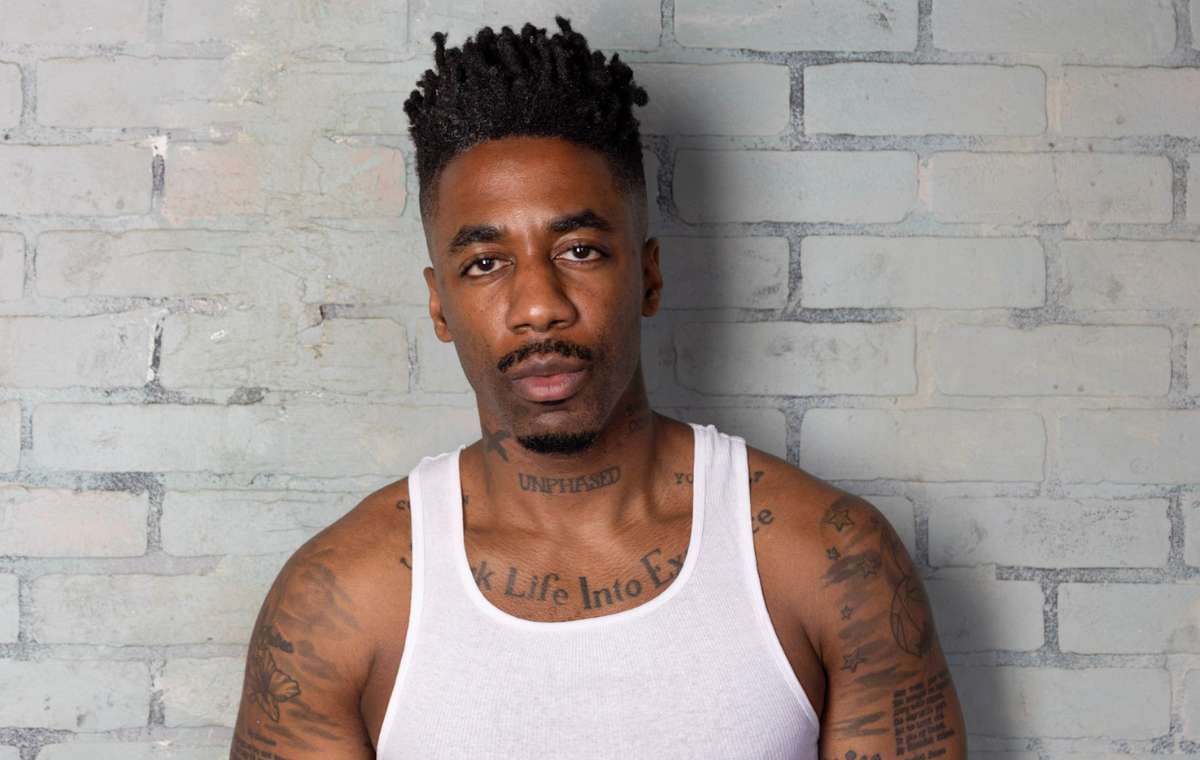
Melodic and coarse rapper Loe Shimmy represents Florida with a narcotic, predominantly downbeat view from the streets, as exemplified by signature tracks such as “Broken” and “Fallin.” Inspired by a cross-generational assortment of Southern rappers such as Soulja Slim and fellow Pompano Beach native Kodak Black, Loe issued his first commercial material in 2020, leading to a series of increasingly concentrated projects that includes Zuper PowerZ (2021), Z End (2022), and Nardy World (2024) which featured his breakout hit “For Me.” Loe followed it in 2025 with the guest-heavy Rockstar Junkie.
Born Shamar Cox, Loe Shimmy introduced himself in 2020 with the self-released Zombie Land. The six-track effort contained “Relapse,” a single that set the tone for Loe’s catalog with a beat fit for a slow jam and a cool, collected vocal dispensing a mix of wisdom, animosity, and distress. A second EP of similar length, World War Z, was released later in the year, and was followed by Zuper PowerZ, a full-length, in 2021. The woozy Z End was out in 2022, the year Loe also issued the stand-alone single “Fallin,” a particularly moody cut that quickly reached over a few million streams. During 2023 and 2024, Loe teamed with Wizz Havinn, Luh Tyler, BossMan Dlow, and C Stunna for “4AM at Coffee Zone,” and then with Veeze for “Dirty Soda Junkie,” before offering a full-length sequel to his first EP. Zombieland 2, which entered Billboard’s Heatseekers chart after its March 2024 arrival, included the preceding Veeze collaboration and additional appearances from Luh Tyler, BLP Kosher, and ffawty. It also included the breakout track “For Me,” which became his first charting hit, reaching 78 on the Billboard 100. Inspired by the tragic death of his brother, Nardy World arrived later that year and including a remix of “For Me” featuring Brent Faiyaz . 2025 brought Rockstar Junkie, Loe’s follow-up to the critical breakout Nardy World. Among its guests were Don Toliver, Quavo, and Trippie Redd.
About Loe Shimmy:
Melodic and coarse rapper Loe Shimmy represents Florida with a narcotic, predominantly downbeat view from the streets, as exemplified by signature tracks such as “Broken” and “Fallin.” Inspired by a cross-generational assortment of Southern rappers such as Soulja Slim and fellow Pompano Beach native Kodak Black, Loe issued his first commercial material in 2020, leading to a series of increasingly concentrated projects that includes Zuper PowerZ (2021), Z End (2022), and Nardy World (2024) which featured his breakout hit “For Me.” Loe followed it in 2025 with the guest-heavy Rockstar Junkie.
Born Shamar Cox, Loe Shimmy introduced himself in 2020 with the self-released Zombie Land. The six-track effort contained “Relapse,” a single that set the tone for Loe’s catalog with a beat fit for a slow jam and a cool, collected vocal dispensing a mix of wisdom, animosity, and distress. A second EP of similar length, World War Z, was released later in the year, and was followed by Zuper PowerZ, a full-length, in 2021. The woozy Z End was out in 2022, the year Loe also issued the stand-alone single “Fallin,” a particularly moody cut that quickly reached over a few million streams. During 2023 and 2024, Loe teamed with Wizz Havinn, Luh Tyler, BossMan Dlow, and C Stunna for “4AM at Coffee Zone,” and then with Veeze for “Dirty Soda Junkie,” before offering a full-length sequel to his first EP. Zombieland 2, which entered Billboard’s Heatseekers chart after its March 2024 arrival, included the preceding Veeze collaboration and additional appearances from Luh Tyler, BLP Kosher, and ffawty. It also included the breakout track “For Me,” which became his first charting hit, reaching 78 on the Billboard 100. Inspired by the tragic death of his brother, Nardy World arrived later that year and including a remix of “For Me” featuring Brent Faiyaz . 2025 brought Rockstar Junkie, Loe’s follow-up to the critical breakout Nardy World. Among its guests were Don Toliver, Quavo, and Trippie Redd.
About Loe Shimmy:
Melodic and coarse rapper Loe Shimmy represents Florida with a narcotic, predominantly downbeat view from the streets, as exemplified by signature tracks such as “Broken” and “Fallin.” Inspired by a cross-generational assortment of Southern rappers such as Soulja Slim and fellow Pompano Beach native Kodak Black, Loe issued his first commercial material in 2020, leading to a series of increasingly concentrated projects that includes Zuper PowerZ (2021), Z End (2022), and Nardy World (2024) which featured his breakout hit “For Me.” Loe followed it in 2025 with the guest-heavy Rockstar Junkie.
Born Shamar Cox, Loe Shimmy introduced himself in 2020 with the self-released Zombie Land. The six-track effort contained “Relapse,” a single that set the tone for Loe’s catalog with a beat fit for a slow jam and a cool, collected vocal dispensing a mix of wisdom, animosity, and distress. A second EP of similar length, World War Z, was released later in the year, and was followed by Zuper PowerZ, a full-length, in 2021. The woozy Z End was out in 2022, the year Loe also issued the stand-alone single “Fallin,” a particularly moody cut that quickly reached over a few million streams. During 2023 and 2024, Loe teamed with Wizz Havinn, Luh Tyler, BossMan Dlow, and C Stunna for “4AM at Coffee Zone,” and then with Veeze for “Dirty Soda Junkie,” before offering a full-length sequel to his first EP. Zombieland 2, which entered Billboard’s Heatseekers chart after its March 2024 arrival, included the preceding Veeze collaboration and additional appearances from Luh Tyler, BLP Kosher, and ffawty. It also included the breakout track “For Me,” which became his first charting hit, reaching 78 on the Billboard 100. Inspired by the tragic death of his brother, Nardy World arrived later that year and including a remix of “For Me” featuring Brent Faiyaz . 2025 brought Rockstar Junkie, Loe’s follow-up to the critical breakout Nardy World. Among its guests were Don Toliver, Quavo, and Trippie Redd.
About Loe Shimmy:
Melodic and coarse rapper Loe Shimmy represents Florida with a narcotic, predominantly downbeat view from the streets, as exemplified by signature tracks such as “Broken” and “Fallin.” Inspired by a cross-generational assortment of Southern rappers such as Soulja Slim and fellow Pompano Beach native Kodak Black, Loe issued his first commercial material in 2020, leading to a series of increasingly concentrated projects that includes Zuper PowerZ (2021), Z End (2022), and Nardy World (2024) which featured his breakout hit “For Me.” Loe followed it in 2025 with the guest-heavy Rockstar Junkie.
Born Shamar Cox, Loe Shimmy introduced himself in 2020 with the self-released Zombie Land. The six-track effort contained “Relapse,” a single that set the tone for Loe’s catalog with a beat fit for a slow jam and a cool, collected vocal dispensing a mix of wisdom, animosity, and distress. A second EP of similar length, World War Z, was released later in the year, and was followed by Zuper PowerZ, a full-length, in 2021. The woozy Z End was out in 2022, the year Loe also issued the stand-alone single “Fallin,” a particularly moody cut that quickly reached over a few million streams. During 2023 and 2024, Loe teamed with Wizz Havinn, Luh Tyler, BossMan Dlow, and C Stunna for “4AM at Coffee Zone,” and then with Veeze for “Dirty Soda Junkie,” before offering a full-length sequel to his first EP. Zombieland 2, which entered Billboard’s Heatseekers chart after its March 2024 arrival, included the preceding Veeze collaboration and additional appearances from Luh Tyler, BLP Kosher, and ffawty. It also included the breakout track “For Me,” which became his first charting hit, reaching 78 on the Billboard 100. Inspired by the tragic death of his brother, Nardy World arrived later that year and including a remix of “For Me” featuring Brent Faiyaz . 2025 brought Rockstar Junkie, Loe’s follow-up to the critical breakout Nardy World. Among its guests were Don Toliver, Quavo, and Trippie Redd.
About Loe Shimmy:
Melodic and coarse rapper Loe Shimmy represents Florida with a narcotic, predominantly downbeat view from the streets, as exemplified by signature tracks such as “Broken” and “Fallin.” Inspired by a cross-generational assortment of Southern rappers such as Soulja Slim and fellow Pompano Beach native Kodak Black, Loe issued his first commercial material in 2020, leading to a series of increasingly concentrated projects that includes Zuper PowerZ (2021), Z End (2022), and Nardy World (2024) which featured his breakout hit “For Me.” Loe followed it in 2025 with the guest-heavy Rockstar Junkie.
Born Shamar Cox, Loe Shimmy introduced himself in 2020 with the self-released Zombie Land. The six-track effort contained “Relapse,” a single that set the tone for Loe’s catalog with a beat fit for a slow jam and a cool, collected vocal dispensing a mix of wisdom, animosity, and distress. A second EP of similar length, World War Z, was released later in the year, and was followed by Zuper PowerZ, a full-length, in 2021. The woozy Z End was out in 2022, the year Loe also issued the stand-alone single “Fallin,” a particularly moody cut that quickly reached over a few million streams. During 2023 and 2024, Loe teamed with Wizz Havinn, Luh Tyler, BossMan Dlow, and C Stunna for “4AM at Coffee Zone,” and then with Veeze for “Dirty Soda Junkie,” before offering a full-length sequel to his first EP. Zombieland 2, which entered Billboard’s Heatseekers chart after its March 2024 arrival, included the preceding Veeze collaboration and additional appearances from Luh Tyler, BLP Kosher, and ffawty. It also included the breakout track “For Me,” which became his first charting hit, reaching 78 on the Billboard 100. Inspired by the tragic death of his brother, Nardy World arrived later that year and including a remix of “For Me” featuring Brent Faiyaz . 2025 brought Rockstar Junkie, Loe’s follow-up to the critical breakout Nardy World. Among its guests were Don Toliver, Quavo, and Trippie Redd.
About Loe Shimmy:
Melodic and coarse rapper Loe Shimmy represents Florida with a narcotic, predominantly downbeat view from the streets, as exemplified by signature tracks such as “Broken” and “Fallin.” Inspired by a cross-generational assortment of Southern rappers such as Soulja Slim and fellow Pompano Beach native Kodak Black, Loe issued his first commercial material in 2020, leading to a series of increasingly concentrated projects that includes Zuper PowerZ (2021), Z End (2022), and Nardy World (2024) which featured his breakout hit “For Me.” Loe followed it in 2025 with the guest-heavy Rockstar Junkie.
Born Shamar Cox, Loe Shimmy introduced himself in 2020 with the self-released Zombie Land. The six-track effort contained “Relapse,” a single that set the tone for Loe’s catalog with a beat fit for a slow jam and a cool, collected vocal dispensing a mix of wisdom, animosity, and distress. A second EP of similar length, World War Z, was released later in the year, and was followed by Zuper PowerZ, a full-length, in 2021. The woozy Z End was out in 2022, the year Loe also issued the stand-alone single “Fallin,” a particularly moody cut that quickly reached over a few million streams. During 2023 and 2024, Loe teamed with Wizz Havinn, Luh Tyler, BossMan Dlow, and C Stunna for “4AM at Coffee Zone,” and then with Veeze for “Dirty Soda Junkie,” before offering a full-length sequel to his first EP. Zombieland 2, which entered Billboard’s Heatseekers chart after its March 2024 arrival, included the preceding Veeze collaboration and additional appearances from Luh Tyler, BLP Kosher, and ffawty. It also included the breakout track “For Me,” which became his first charting hit, reaching 78 on the Billboard 100. Inspired by the tragic death of his brother, Nardy World arrived later that year and including a remix of “For Me” featuring Brent Faiyaz . 2025 brought Rockstar Junkie, Loe’s follow-up to the critical breakout Nardy World. Among its guests were Don Toliver, Quavo, and Trippie Redd.
About Loe Shimmy:
Melodic and coarse rapper Loe Shimmy represents Florida with a narcotic, predominantly downbeat view from the streets, as exemplified by signature tracks such as “Broken” and “Fallin.” Inspired by a cross-generational assortment of Southern rappers such as Soulja Slim and fellow Pompano Beach native Kodak Black, Loe issued his first commercial material in 2020, leading to a series of increasingly concentrated projects that includes Zuper PowerZ (2021), Z End (2022), and Nardy World (2024) which featured his breakout hit “For Me.” Loe followed it in 2025 with the guest-heavy Rockstar Junkie.
Born Shamar Cox, Loe Shimmy introduced himself in 2020 with the self-released Zombie Land. The six-track effort contained “Relapse,” a single that set the tone for Loe’s catalog with a beat fit for a slow jam and a cool, collected vocal dispensing a mix of wisdom, animosity, and distress. A second EP of similar length, World War Z, was released later in the year, and was followed by Zuper PowerZ, a full-length, in 2021. The woozy Z End was out in 2022, the year Loe also issued the stand-alone single “Fallin,” a particularly moody cut that quickly reached over a few million streams. During 2023 and 2024, Loe teamed with Wizz Havinn, Luh Tyler, BossMan Dlow, and C Stunna for “4AM at Coffee Zone,” and then with Veeze for “Dirty Soda Junkie,” before offering a full-length sequel to his first EP. Zombieland 2, which entered Billboard’s Heatseekers chart after its March 2024 arrival, included the preceding Veeze collaboration and additional appearances from Luh Tyler, BLP Kosher, and ffawty. It also included the breakout track “For Me,” which became his first charting hit, reaching 78 on the Billboard 100. Inspired by the tragic death of his brother, Nardy World arrived later that year and including a remix of “For Me” featuring Brent Faiyaz . 2025 brought Rockstar Junkie, Loe’s follow-up to the critical breakout Nardy World. Among its guests were Don Toliver, Quavo, and Trippie Redd.
About Loe Shimmy:
Melodic and coarse rapper Loe Shimmy represents Florida with a narcotic, predominantly downbeat view from the streets, as exemplified by signature tracks such as “Broken” and “Fallin.” Inspired by a cross-generational assortment of Southern rappers such as Soulja Slim and fellow Pompano Beach native Kodak Black, Loe issued his first commercial material in 2020, leading to a series of increasingly concentrated projects that includes Zuper PowerZ (2021), Z End (2022), and Nardy World (2024) which featured his breakout hit “For Me.” Loe followed it in 2025 with the guest-heavy Rockstar Junkie.
Born Shamar Cox, Loe Shimmy introduced himself in 2020 with the self-released Zombie Land. The six-track effort contained “Relapse,” a single that set the tone for Loe’s catalog with a beat fit for a slow jam and a cool, collected vocal dispensing a mix of wisdom, animosity, and distress. A second EP of similar length, World War Z, was released later in the year, and was followed by Zuper PowerZ, a full-length, in 2021. The woozy Z End was out in 2022, the year Loe also issued the stand-alone single “Fallin,” a particularly moody cut that quickly reached over a few million streams. During 2023 and 2024, Loe teamed with Wizz Havinn, Luh Tyler, BossMan Dlow, and C Stunna for “4AM at Coffee Zone,” and then with Veeze for “Dirty Soda Junkie,” before offering a full-length sequel to his first EP. Zombieland 2, which entered Billboard’s Heatseekers chart after its March 2024 arrival, included the preceding Veeze collaboration and additional appearances from Luh Tyler, BLP Kosher, and ffawty. It also included the breakout track “For Me,” which became his first charting hit, reaching 78 on the Billboard 100. Inspired by the tragic death of his brother, Nardy World arrived later that year and including a remix of “For Me” featuring Brent Faiyaz . 2025 brought Rockstar Junkie, Loe’s follow-up to the critical breakout Nardy World. Among its guests were Don Toliver, Quavo, and Trippie Redd.
About Loe Shimmy:
Melodic and coarse rapper Loe Shimmy represents Florida with a narcotic, predominantly downbeat view from the streets, as exemplified by signature tracks such as “Broken” and “Fallin.” Inspired by a cross-generational assortment of Southern rappers such as Soulja Slim and fellow Pompano Beach native Kodak Black, Loe issued his first commercial material in 2020, leading to a series of increasingly concentrated projects that includes Zuper PowerZ (2021), Z End (2022), and Nardy World (2024) which featured his breakout hit “For Me.” Loe followed it in 2025 with the guest-heavy Rockstar Junkie.
Born Shamar Cox, Loe Shimmy introduced himself in 2020 with the self-released Zombie Land. The six-track effort contained “Relapse,” a single that set the tone for Loe’s catalog with a beat fit for a slow jam and a cool, collected vocal dispensing a mix of wisdom, animosity, and distress. A second EP of similar length, World War Z, was released later in the year, and was followed by Zuper PowerZ, a full-length, in 2021. The woozy Z End was out in 2022, the year Loe also issued the stand-alone single “Fallin,” a particularly moody cut that quickly reached over a few million streams. During 2023 and 2024, Loe teamed with Wizz Havinn, Luh Tyler, BossMan Dlow, and C Stunna for “4AM at Coffee Zone,” and then with Veeze for “Dirty Soda Junkie,” before offering a full-length sequel to his first EP. Zombieland 2, which entered Billboard’s Heatseekers chart after its March 2024 arrival, included the preceding Veeze collaboration and additional appearances from Luh Tyler, BLP Kosher, and ffawty. It also included the breakout track “For Me,” which became his first charting hit, reaching 78 on the Billboard 100. Inspired by the tragic death of his brother, Nardy World arrived later that year and including a remix of “For Me” featuring Brent Faiyaz . 2025 brought Rockstar Junkie, Loe’s follow-up to the critical breakout Nardy World. Among its guests were Don Toliver, Quavo, and Trippie Redd.
About Loe Shimmy:
Melodic and coarse rapper Loe Shimmy represents Florida with a narcotic, predominantly downbeat view from the streets, as exemplified by signature tracks such as “Broken” and “Fallin.” Inspired by a cross-generational assortment of Southern rappers such as Soulja Slim and fellow Pompano Beach native Kodak Black, Loe issued his first commercial material in 2020, leading to a series of increasingly concentrated projects that includes Zuper PowerZ (2021), Z End (2022), and Nardy World (2024) which featured his breakout hit “For Me.” Loe followed it in 2025 with the guest-heavy Rockstar Junkie.
Born Shamar Cox, Loe Shimmy introduced himself in 2020 with the self-released Zombie Land. The six-track effort contained “Relapse,” a single that set the tone for Loe’s catalog with a beat fit for a slow jam and a cool, collected vocal dispensing a mix of wisdom, animosity, and distress. A second EP of similar length, World War Z, was released later in the year, and was followed by Zuper PowerZ, a full-length, in 2021. The woozy Z End was out in 2022, the year Loe also issued the stand-alone single “Fallin,” a particularly moody cut that quickly reached over a few million streams. During 2023 and 2024, Loe teamed with Wizz Havinn, Luh Tyler, BossMan Dlow, and C Stunna for “4AM at Coffee Zone,” and then with Veeze for “Dirty Soda Junkie,” before offering a full-length sequel to his first EP. Zombieland 2, which entered Billboard’s Heatseekers chart after its March 2024 arrival, included the preceding Veeze collaboration and additional appearances from Luh Tyler, BLP Kosher, and ffawty. It also included the breakout track “For Me,” which became his first charting hit, reaching 78 on the Billboard 100. Inspired by the tragic death of his brother, Nardy World arrived later that year and including a remix of “For Me” featuring Brent Faiyaz . 2025 brought Rockstar Junkie, Loe’s follow-up to the critical breakout Nardy World. Among its guests were Don Toliver, Quavo, and Trippie Redd.
About Loe Shimmy:
Melodic and coarse rapper Loe Shimmy represents Florida with a narcotic, predominantly downbeat view from the streets, as exemplified by signature tracks such as “Broken” and “Fallin.” Inspired by a cross-generational assortment of Southern rappers such as Soulja Slim and fellow Pompano Beach native Kodak Black, Loe issued his first commercial material in 2020, leading to a series of increasingly concentrated projects that includes Zuper PowerZ (2021), Z End (2022), and Nardy World (2024) which featured his breakout hit “For Me.” Loe followed it in 2025 with the guest-heavy Rockstar Junkie.
Born Shamar Cox, Loe Shimmy introduced himself in 2020 with the self-released Zombie Land. The six-track effort contained “Relapse,” a single that set the tone for Loe’s catalog with a beat fit for a slow jam and a cool, collected vocal dispensing a mix of wisdom, animosity, and distress. A second EP of similar length, World War Z, was released later in the year, and was followed by Zuper PowerZ, a full-length, in 2021. The woozy Z End was out in 2022, the year Loe also issued the stand-alone single “Fallin,” a particularly moody cut that quickly reached over a few million streams. During 2023 and 2024, Loe teamed with Wizz Havinn, Luh Tyler, BossMan Dlow, and C Stunna for “4AM at Coffee Zone,” and then with Veeze for “Dirty Soda Junkie,” before offering a full-length sequel to his first EP. Zombieland 2, which entered Billboard’s Heatseekers chart after its March 2024 arrival, included the preceding Veeze collaboration and additional appearances from Luh Tyler, BLP Kosher, and ffawty. It also included the breakout track “For Me,” which became his first charting hit, reaching 78 on the Billboard 100. Inspired by the tragic death of his brother, Nardy World arrived later that year and including a remix of “For Me” featuring Brent Faiyaz . 2025 brought Rockstar Junkie, Loe’s follow-up to the critical breakout Nardy World. Among its guests were Don Toliver, Quavo, and Trippie Redd.
About Loe Shimmy:
Melodic and coarse rapper Loe Shimmy represents Florida with a narcotic, predominantly downbeat view from the streets, as exemplified by signature tracks such as “Broken” and “Fallin.” Inspired by a cross-generational assortment of Southern rappers such as Soulja Slim and fellow Pompano Beach native Kodak Black, Loe issued his first commercial material in 2020, leading to a series of increasingly concentrated projects that includes Zuper PowerZ (2021), Z End (2022), and Nardy World (2024) which featured his breakout hit “For Me.” Loe followed it in 2025 with the guest-heavy Rockstar Junkie.
Born Shamar Cox, Loe Shimmy introduced himself in 2020 with the self-released Zombie Land. The six-track effort contained “Relapse,” a single that set the tone for Loe’s catalog with a beat fit for a slow jam and a cool, collected vocal dispensing a mix of wisdom, animosity, and distress. A second EP of similar length, World War Z, was released later in the year, and was followed by Zuper PowerZ, a full-length, in 2021. The woozy Z End was out in 2022, the year Loe also issued the stand-alone single “Fallin,” a particularly moody cut that quickly reached over a few million streams. During 2023 and 2024, Loe teamed with Wizz Havinn, Luh Tyler, BossMan Dlow, and C Stunna for “4AM at Coffee Zone,” and then with Veeze for “Dirty Soda Junkie,” before offering a full-length sequel to his first EP. Zombieland 2, which entered Billboard’s Heatseekers chart after its March 2024 arrival, included the preceding Veeze collaboration and additional appearances from Luh Tyler, BLP Kosher, and ffawty. It also included the breakout track “For Me,” which became his first charting hit, reaching 78 on the Billboard 100. Inspired by the tragic death of his brother, Nardy World arrived later that year and including a remix of “For Me” featuring Brent Faiyaz . 2025 brought Rockstar Junkie, Loe’s follow-up to the critical breakout Nardy World. Among its guests were Don Toliver, Quavo, and Trippie Redd.
About Loe Shimmy:
Melodic and coarse rapper Loe Shimmy represents Florida with a narcotic, predominantly downbeat view from the streets, as exemplified by signature tracks such as “Broken” and “Fallin.” Inspired by a cross-generational assortment of Southern rappers such as Soulja Slim and fellow Pompano Beach native Kodak Black, Loe issued his first commercial material in 2020, leading to a series of increasingly concentrated projects that includes Zuper PowerZ (2021), Z End (2022), and Nardy World (2024) which featured his breakout hit “For Me.” Loe followed it in 2025 with the guest-heavy Rockstar Junkie.
Born Shamar Cox, Loe Shimmy introduced himself in 2020 with the self-released Zombie Land. The six-track effort contained “Relapse,” a single that set the tone for Loe’s catalog with a beat fit for a slow jam and a cool, collected vocal dispensing a mix of wisdom, animosity, and distress. A second EP of similar length, World War Z, was released later in the year, and was followed by Zuper PowerZ, a full-length, in 2021. The woozy Z End was out in 2022, the year Loe also issued the stand-alone single “Fallin,” a particularly moody cut that quickly reached over a few million streams. During 2023 and 2024, Loe teamed with Wizz Havinn, Luh Tyler, BossMan Dlow, and C Stunna for “4AM at Coffee Zone,” and then with Veeze for “Dirty Soda Junkie,” before offering a full-length sequel to his first EP. Zombieland 2, which entered Billboard’s Heatseekers chart after its March 2024 arrival, included the preceding Veeze collaboration and additional appearances from Luh Tyler, BLP Kosher, and ffawty. It also included the breakout track “For Me,” which became his first charting hit, reaching 78 on the Billboard 100. Inspired by the tragic death of his brother, Nardy World arrived later that year and including a remix of “For Me” featuring Brent Faiyaz . 2025 brought Rockstar Junkie, Loe’s follow-up to the critical breakout Nardy World. Among its guests were Don Toliver, Quavo, and Trippie Redd.
About Loe Shimmy:
Melodic and coarse rapper Loe Shimmy represents Florida with a narcotic, predominantly downbeat view from the streets, as exemplified by signature tracks such as “Broken” and “Fallin.” Inspired by a cross-generational assortment of Southern rappers such as Soulja Slim and fellow Pompano Beach native Kodak Black, Loe issued his first commercial material in 2020, leading to a series of increasingly concentrated projects that includes Zuper PowerZ (2021), Z End (2022), and Nardy World (2024) which featured his breakout hit “For Me.” Loe followed it in 2025 with the guest-heavy Rockstar Junkie.
Born Shamar Cox, Loe Shimmy introduced himself in 2020 with the self-released Zombie Land. The six-track effort contained “Relapse,” a single that set the tone for Loe’s catalog with a beat fit for a slow jam and a cool, collected vocal dispensing a mix of wisdom, animosity, and distress. A second EP of similar length, World War Z, was released later in the year, and was followed by Zuper PowerZ, a full-length, in 2021. The woozy Z End was out in 2022, the year Loe also issued the stand-alone single “Fallin,” a particularly moody cut that quickly reached over a few million streams. During 2023 and 2024, Loe teamed with Wizz Havinn, Luh Tyler, BossMan Dlow, and C Stunna for “4AM at Coffee Zone,” and then with Veeze for “Dirty Soda Junkie,” before offering a full-length sequel to his first EP. Zombieland 2, which entered Billboard’s Heatseekers chart after its March 2024 arrival, included the preceding Veeze collaboration and additional appearances from Luh Tyler, BLP Kosher, and ffawty. It also included the breakout track “For Me,” which became his first charting hit, reaching 78 on the Billboard 100. Inspired by the tragic death of his brother, Nardy World arrived later that year and including a remix of “For Me” featuring Brent Faiyaz . 2025 brought Rockstar Junkie, Loe’s follow-up to the critical breakout Nardy World. Among its guests were Don Toliver, Quavo, and Trippie Redd.
About Loe Shimmy:
Melodic and coarse rapper Loe Shimmy represents Florida with a narcotic, predominantly downbeat view from the streets, as exemplified by signature tracks such as “Broken” and “Fallin.” Inspired by a cross-generational assortment of Southern rappers such as Soulja Slim and fellow Pompano Beach native Kodak Black, Loe issued his first commercial material in 2020, leading to a series of increasingly concentrated projects that includes Zuper PowerZ (2021), Z End (2022), and Nardy World (2024) which featured his breakout hit “For Me.” Loe followed it in 2025 with the guest-heavy Rockstar Junkie.
Born Shamar Cox, Loe Shimmy introduced himself in 2020 with the self-released Zombie Land. The six-track effort contained “Relapse,” a single that set the tone for Loe’s catalog with a beat fit for a slow jam and a cool, collected vocal dispensing a mix of wisdom, animosity, and distress. A second EP of similar length, World War Z, was released later in the year, and was followed by Zuper PowerZ, a full-length, in 2021. The woozy Z End was out in 2022, the year Loe also issued the stand-alone single “Fallin,” a particularly moody cut that quickly reached over a few million streams. During 2023 and 2024, Loe teamed with Wizz Havinn, Luh Tyler, BossMan Dlow, and C Stunna for “4AM at Coffee Zone,” and then with Veeze for “Dirty Soda Junkie,” before offering a full-length sequel to his first EP. Zombieland 2, which entered Billboard’s Heatseekers chart after its March 2024 arrival, included the preceding Veeze collaboration and additional appearances from Luh Tyler, BLP Kosher, and ffawty. It also included the breakout track “For Me,” which became his first charting hit, reaching 78 on the Billboard 100. Inspired by the tragic death of his brother, Nardy World arrived later that year and including a remix of “For Me” featuring Brent Faiyaz . 2025 brought Rockstar Junkie, Loe’s follow-up to the critical breakout Nardy World. Among its guests were Don Toliver, Quavo, and Trippie Redd.
About Loe Shimmy:
Melodic and coarse rapper Loe Shimmy represents Florida with a narcotic, predominantly downbeat view from the streets, as exemplified by signature tracks such as “Broken” and “Fallin.” Inspired by a cross-generational assortment of Southern rappers such as Soulja Slim and fellow Pompano Beach native Kodak Black, Loe issued his first commercial material in 2020, leading to a series of increasingly concentrated projects that includes Zuper PowerZ (2021), Z End (2022), and Nardy World (2024) which featured his breakout hit “For Me.” Loe followed it in 2025 with the guest-heavy Rockstar Junkie.
Born Shamar Cox, Loe Shimmy introduced himself in 2020 with the self-released Zombie Land. The six-track effort contained “Relapse,” a single that set the tone for Loe’s catalog with a beat fit for a slow jam and a cool, collected vocal dispensing a mix of wisdom, animosity, and distress. A second EP of similar length, World War Z, was released later in the year, and was followed by Zuper PowerZ, a full-length, in 2021. The woozy Z End was out in 2022, the year Loe also issued the stand-alone single “Fallin,” a particularly moody cut that quickly reached over a few million streams. During 2023 and 2024, Loe teamed with Wizz Havinn, Luh Tyler, BossMan Dlow, and C Stunna for “4AM at Coffee Zone,” and then with Veeze for “Dirty Soda Junkie,” before offering a full-length sequel to his first EP. Zombieland 2, which entered Billboard’s Heatseekers chart after its March 2024 arrival, included the preceding Veeze collaboration and additional appearances from Luh Tyler, BLP Kosher, and ffawty. It also included the breakout track “For Me,” which became his first charting hit, reaching 78 on the Billboard 100. Inspired by the tragic death of his brother, Nardy World arrived later that year and including a remix of “For Me” featuring Brent Faiyaz . 2025 brought Rockstar Junkie, Loe’s follow-up to the critical breakout Nardy World. Among its guests were Don Toliver, Quavo, and Trippie Redd.
About Loe Shimmy:
Melodic and coarse rapper Loe Shimmy represents Florida with a narcotic, predominantly downbeat view from the streets, as exemplified by signature tracks such as “Broken” and “Fallin.” Inspired by a cross-generational assortment of Southern rappers such as Soulja Slim and fellow Pompano Beach native Kodak Black, Loe issued his first commercial material in 2020, leading to a series of increasingly concentrated projects that includes Zuper PowerZ (2021), Z End (2022), and Nardy World (2024) which featured his breakout hit “For Me.” Loe followed it in 2025 with the guest-heavy Rockstar Junkie.
Born Shamar Cox, Loe Shimmy introduced himself in 2020 with the self-released Zombie Land. The six-track effort contained “Relapse,” a single that set the tone for Loe’s catalog with a beat fit for a slow jam and a cool, collected vocal dispensing a mix of wisdom, animosity, and distress. A second EP of similar length, World War Z, was released later in the year, and was followed by Zuper PowerZ, a full-length, in 2021. The woozy Z End was out in 2022, the year Loe also issued the stand-alone single “Fallin,” a particularly moody cut that quickly reached over a few million streams. During 2023 and 2024, Loe teamed with Wizz Havinn, Luh Tyler, BossMan Dlow, and C Stunna for “4AM at Coffee Zone,” and then with Veeze for “Dirty Soda Junkie,” before offering a full-length sequel to his first EP. Zombieland 2, which entered Billboard’s Heatseekers chart after its March 2024 arrival, included the preceding Veeze collaboration and additional appearances from Luh Tyler, BLP Kosher, and ffawty. It also included the breakout track “For Me,” which became his first charting hit, reaching 78 on the Billboard 100. Inspired by the tragic death of his brother, Nardy World arrived later that year and including a remix of “For Me” featuring Brent Faiyaz . 2025 brought Rockstar Junkie, Loe’s follow-up to the critical breakout Nardy World. Among its guests were Don Toliver, Quavo, and Trippie Redd.
About Loe Shimmy:
Melodic and coarse rapper Loe Shimmy represents Florida with a narcotic, predominantly downbeat view from the streets, as exemplified by signature tracks such as “Broken” and “Fallin.” Inspired by a cross-generational assortment of Southern rappers such as Soulja Slim and fellow Pompano Beach native Kodak Black, Loe issued his first commercial material in 2020, leading to a series of increasingly concentrated projects that includes Zuper PowerZ (2021), Z End (2022), and Nardy World (2024) which featured his breakout hit “For Me.” Loe followed it in 2025 with the guest-heavy Rockstar Junkie.
Born Shamar Cox, Loe Shimmy introduced himself in 2020 with the self-released Zombie Land. The six-track effort contained “Relapse,” a single that set the tone for Loe’s catalog with a beat fit for a slow jam and a cool, collected vocal dispensing a mix of wisdom, animosity, and distress. A second EP of similar length, World War Z, was released later in the year, and was followed by Zuper PowerZ, a full-length, in 2021. The woozy Z End was out in 2022, the year Loe also issued the stand-alone single “Fallin,” a particularly moody cut that quickly reached over a few million streams. During 2023 and 2024, Loe teamed with Wizz Havinn, Luh Tyler, BossMan Dlow, and C Stunna for “4AM at Coffee Zone,” and then with Veeze for “Dirty Soda Junkie,” before offering a full-length sequel to his first EP. Zombieland 2, which entered Billboard’s Heatseekers chart after its March 2024 arrival, included the preceding Veeze collaboration and additional appearances from Luh Tyler, BLP Kosher, and ffawty. It also included the breakout track “For Me,” which became his first charting hit, reaching 78 on the Billboard 100. Inspired by the tragic death of his brother, Nardy World arrived later that year and including a remix of “For Me” featuring Brent Faiyaz . 2025 brought Rockstar Junkie, Loe’s follow-up to the critical breakout Nardy World. Among its guests were Don Toliver, Quavo, and Trippie Redd.
About Loe Shimmy:
Melodic and coarse rapper Loe Shimmy represents Florida with a narcotic, predominantly downbeat view from the streets, as exemplified by signature tracks such as “Broken” and “Fallin.” Inspired by a cross-generational assortment of Southern rappers such as Soulja Slim and fellow Pompano Beach native Kodak Black, Loe issued his first commercial material in 2020, leading to a series of increasingly concentrated projects that includes Zuper PowerZ (2021), Z End (2022), and Nardy World (2024) which featured his breakout hit “For Me.” Loe followed it in 2025 with the guest-heavy Rockstar Junkie.
Born Shamar Cox, Loe Shimmy introduced himself in 2020 with the self-released Zombie Land. The six-track effort contained “Relapse,” a single that set the tone for Loe’s catalog with a beat fit for a slow jam and a cool, collected vocal dispensing a mix of wisdom, animosity, and distress. A second EP of similar length, World War Z, was released later in the year, and was followed by Zuper PowerZ, a full-length, in 2021. The woozy Z End was out in 2022, the year Loe also issued the stand-alone single “Fallin,” a particularly moody cut that quickly reached over a few million streams. During 2023 and 2024, Loe teamed with Wizz Havinn, Luh Tyler, BossMan Dlow, and C Stunna for “4AM at Coffee Zone,” and then with Veeze for “Dirty Soda Junkie,” before offering a full-length sequel to his first EP. Zombieland 2, which entered Billboard’s Heatseekers chart after its March 2024 arrival, included the preceding Veeze collaboration and additional appearances from Luh Tyler, BLP Kosher, and ffawty. It also included the breakout track “For Me,” which became his first charting hit, reaching 78 on the Billboard 100. Inspired by the tragic death of his brother, Nardy World arrived later that year and including a remix of “For Me” featuring Brent Faiyaz . 2025 brought Rockstar Junkie, Loe’s follow-up to the critical breakout Nardy World. Among its guests were Don Toliver, Quavo, and Trippie Redd.
About Loe Shimmy:
Melodic and coarse rapper Loe Shimmy represents Florida with a narcotic, predominantly downbeat view from the streets, as exemplified by signature tracks such as “Broken” and “Fallin.” Inspired by a cross-generational assortment of Southern rappers such as Soulja Slim and fellow Pompano Beach native Kodak Black, Loe issued his first commercial material in 2020, leading to a series of increasingly concentrated projects that includes Zuper PowerZ (2021), Z End (2022), and Nardy World (2024) which featured his breakout hit “For Me.” Loe followed it in 2025 with the guest-heavy Rockstar Junkie.
Born Shamar Cox, Loe Shimmy introduced himself in 2020 with the self-released Zombie Land. The six-track effort contained “Relapse,” a single that set the tone for Loe’s catalog with a beat fit for a slow jam and a cool, collected vocal dispensing a mix of wisdom, animosity, and distress. A second EP of similar length, World War Z, was released later in the year, and was followed by Zuper PowerZ, a full-length, in 2021. The woozy Z End was out in 2022, the year Loe also issued the stand-alone single “Fallin,” a particularly moody cut that quickly reached over a few million streams. During 2023 and 2024, Loe teamed with Wizz Havinn, Luh Tyler, BossMan Dlow, and C Stunna for “4AM at Coffee Zone,” and then with Veeze for “Dirty Soda Junkie,” before offering a full-length sequel to his first EP. Zombieland 2, which entered Billboard’s Heatseekers chart after its March 2024 arrival, included the preceding Veeze collaboration and additional appearances from Luh Tyler, BLP Kosher, and ffawty. It also included the breakout track “For Me,” which became his first charting hit, reaching 78 on the Billboard 100. Inspired by the tragic death of his brother, Nardy World arrived later that year and including a remix of “For Me” featuring Brent Faiyaz . 2025 brought Rockstar Junkie, Loe’s follow-up to the critical breakout Nardy World. Among its guests were Don Toliver, Quavo, and Trippie Redd.
About Loe Shimmy:
Melodic and coarse rapper Loe Shimmy represents Florida with a narcotic, predominantly downbeat view from the streets, as exemplified by signature tracks such as “Broken” and “Fallin.” Inspired by a cross-generational assortment of Southern rappers such as Soulja Slim and fellow Pompano Beach native Kodak Black, Loe issued his first commercial material in 2020, leading to a series of increasingly concentrated projects that includes Zuper PowerZ (2021), Z End (2022), and Nardy World (2024) which featured his breakout hit “For Me.” Loe followed it in 2025 with the guest-heavy Rockstar Junkie.
Born Shamar Cox, Loe Shimmy introduced himself in 2020 with the self-released Zombie Land. The six-track effort contained “Relapse,” a single that set the tone for Loe’s catalog with a beat fit for a slow jam and a cool, collected vocal dispensing a mix of wisdom, animosity, and distress. A second EP of similar length, World War Z, was released later in the year, and was followed by Zuper PowerZ, a full-length, in 2021. The woozy Z End was out in 2022, the year Loe also issued the stand-alone single “Fallin,” a particularly moody cut that quickly reached over a few million streams. During 2023 and 2024, Loe teamed with Wizz Havinn, Luh Tyler, BossMan Dlow, and C Stunna for “4AM at Coffee Zone,” and then with Veeze for “Dirty Soda Junkie,” before offering a full-length sequel to his first EP. Zombieland 2, which entered Billboard’s Heatseekers chart after its March 2024 arrival, included the preceding Veeze collaboration and additional appearances from Luh Tyler, BLP Kosher, and ffawty. It also included the breakout track “For Me,” which became his first charting hit, reaching 78 on the Billboard 100. Inspired by the tragic death of his brother, Nardy World arrived later that year and including a remix of “For Me” featuring Brent Faiyaz . 2025 brought Rockstar Junkie, Loe’s follow-up to the critical breakout Nardy World. Among its guests were Don Toliver, Quavo, and Trippie Redd.
About Loe Shimmy:
Melodic and coarse rapper Loe Shimmy represents Florida with a narcotic, predominantly downbeat view from the streets, as exemplified by signature tracks such as “Broken” and “Fallin.” Inspired by a cross-generational assortment of Southern rappers such as Soulja Slim and fellow Pompano Beach native Kodak Black, Loe issued his first commercial material in 2020, leading to a series of increasingly concentrated projects that includes Zuper PowerZ (2021), Z End (2022), and Nardy World (2024) which featured his breakout hit “For Me.” Loe followed it in 2025 with the guest-heavy Rockstar Junkie.
Born Shamar Cox, Loe Shimmy introduced himself in 2020 with the self-released Zombie Land. The six-track effort contained “Relapse,” a single that set the tone for Loe’s catalog with a beat fit for a slow jam and a cool, collected vocal dispensing a mix of wisdom, animosity, and distress. A second EP of similar length, World War Z, was released later in the year, and was followed by Zuper PowerZ, a full-length, in 2021. The woozy Z End was out in 2022, the year Loe also issued the stand-alone single “Fallin,” a particularly moody cut that quickly reached over a few million streams. During 2023 and 2024, Loe teamed with Wizz Havinn, Luh Tyler, BossMan Dlow, and C Stunna for “4AM at Coffee Zone,” and then with Veeze for “Dirty Soda Junkie,” before offering a full-length sequel to his first EP. Zombieland 2, which entered Billboard’s Heatseekers chart after its March 2024 arrival, included the preceding Veeze collaboration and additional appearances from Luh Tyler, BLP Kosher, and ffawty. It also included the breakout track “For Me,” which became his first charting hit, reaching 78 on the Billboard 100. Inspired by the tragic death of his brother, Nardy World arrived later that year and including a remix of “For Me” featuring Brent Faiyaz . 2025 brought Rockstar Junkie, Loe’s follow-up to the critical breakout Nardy World. Among its guests were Don Toliver, Quavo, and Trippie Redd.
About Loe Shimmy:
Melodic and coarse rapper Loe Shimmy represents Florida with a narcotic, predominantly downbeat view from the streets, as exemplified by signature tracks such as “Broken” and “Fallin.” Inspired by a cross-generational assortment of Southern rappers such as Soulja Slim and fellow Pompano Beach native Kodak Black, Loe issued his first commercial material in 2020, leading to a series of increasingly concentrated projects that includes Zuper PowerZ (2021), Z End (2022), and Nardy World (2024) which featured his breakout hit “For Me.” Loe followed it in 2025 with the guest-heavy Rockstar Junkie.
Born Shamar Cox, Loe Shimmy introduced himself in 2020 with the self-released Zombie Land. The six-track effort contained “Relapse,” a single that set the tone for Loe’s catalog with a beat fit for a slow jam and a cool, collected vocal dispensing a mix of wisdom, animosity, and distress. A second EP of similar length, World War Z, was released later in the year, and was followed by Zuper PowerZ, a full-length, in 2021. The woozy Z End was out in 2022, the year Loe also issued the stand-alone single “Fallin,” a particularly moody cut that quickly reached over a few million streams. During 2023 and 2024, Loe teamed with Wizz Havinn, Luh Tyler, BossMan Dlow, and C Stunna for “4AM at Coffee Zone,” and then with Veeze for “Dirty Soda Junkie,” before offering a full-length sequel to his first EP. Zombieland 2, which entered Billboard’s Heatseekers chart after its March 2024 arrival, included the preceding Veeze collaboration and additional appearances from Luh Tyler, BLP Kosher, and ffawty. It also included the breakout track “For Me,” which became his first charting hit, reaching 78 on the Billboard 100. Inspired by the tragic death of his brother, Nardy World arrived later that year and including a remix of “For Me” featuring Brent Faiyaz . 2025 brought Rockstar Junkie, Loe’s follow-up to the critical breakout Nardy World. Among its guests were Don Toliver, Quavo, and Trippie Redd.
About Loe Shimmy:
Melodic and coarse rapper Loe Shimmy represents Florida with a narcotic, predominantly downbeat view from the streets, as exemplified by signature tracks such as “Broken” and “Fallin.” Inspired by a cross-generational assortment of Southern rappers such as Soulja Slim and fellow Pompano Beach native Kodak Black, Loe issued his first commercial material in 2020, leading to a series of increasingly concentrated projects that includes Zuper PowerZ (2021), Z End (2022), and Nardy World (2024) which featured his breakout hit “For Me.” Loe followed it in 2025 with the guest-heavy Rockstar Junkie.
Born Shamar Cox, Loe Shimmy introduced himself in 2020 with the self-released Zombie Land. The six-track effort contained “Relapse,” a single that set the tone for Loe’s catalog with a beat fit for a slow jam and a cool, collected vocal dispensing a mix of wisdom, animosity, and distress. A second EP of similar length, World War Z, was released later in the year, and was followed by Zuper PowerZ, a full-length, in 2021. The woozy Z End was out in 2022, the year Loe also issued the stand-alone single “Fallin,” a particularly moody cut that quickly reached over a few million streams. During 2023 and 2024, Loe teamed with Wizz Havinn, Luh Tyler, BossMan Dlow, and C Stunna for “4AM at Coffee Zone,” and then with Veeze for “Dirty Soda Junkie,” before offering a full-length sequel to his first EP. Zombieland 2, which entered Billboard’s Heatseekers chart after its March 2024 arrival, included the preceding Veeze collaboration and additional appearances from Luh Tyler, BLP Kosher, and ffawty. It also included the breakout track “For Me,” which became his first charting hit, reaching 78 on the Billboard 100. Inspired by the tragic death of his brother, Nardy World arrived later that year and including a remix of “For Me” featuring Brent Faiyaz . 2025 brought Rockstar Junkie, Loe’s follow-up to the critical breakout Nardy World. Among its guests were Don Toliver, Quavo, and Trippie Redd.
About Loe Shimmy:
Melodic and coarse rapper Loe Shimmy represents Florida with a narcotic, predominantly downbeat view from the streets, as exemplified by signature tracks such as “Broken” and “Fallin.” Inspired by a cross-generational assortment of Southern rappers such as Soulja Slim and fellow Pompano Beach native Kodak Black, Loe issued his first commercial material in 2020, leading to a series of increasingly concentrated projects that includes Zuper PowerZ (2021), Z End (2022), and Nardy World (2024) which featured his breakout hit “For Me.” Loe followed it in 2025 with the guest-heavy Rockstar Junkie.
Born Shamar Cox, Loe Shimmy introduced himself in 2020 with the self-released Zombie Land. The six-track effort contained “Relapse,” a single that set the tone for Loe’s catalog with a beat fit for a slow jam and a cool, collected vocal dispensing a mix of wisdom, animosity, and distress. A second EP of similar length, World War Z, was released later in the year, and was followed by Zuper PowerZ, a full-length, in 2021. The woozy Z End was out in 2022, the year Loe also issued the stand-alone single “Fallin,” a particularly moody cut that quickly reached over a few million streams. During 2023 and 2024, Loe teamed with Wizz Havinn, Luh Tyler, BossMan Dlow, and C Stunna for “4AM at Coffee Zone,” and then with Veeze for “Dirty Soda Junkie,” before offering a full-length sequel to his first EP. Zombieland 2, which entered Billboard’s Heatseekers chart after its March 2024 arrival, included the preceding Veeze collaboration and additional appearances from Luh Tyler, BLP Kosher, and ffawty. It also included the breakout track “For Me,” which became his first charting hit, reaching 78 on the Billboard 100. Inspired by the tragic death of his brother, Nardy World arrived later that year and including a remix of “For Me” featuring Brent Faiyaz . 2025 brought Rockstar Junkie, Loe’s follow-up to the critical breakout Nardy World. Among its guests were Don Toliver, Quavo, and Trippie Redd.
About Loe Shimmy:
Melodic and coarse rapper Loe Shimmy represents Florida with a narcotic, predominantly downbeat view from the streets, as exemplified by signature tracks such as “Broken” and “Fallin.” Inspired by a cross-generational assortment of Southern rappers such as Soulja Slim and fellow Pompano Beach native Kodak Black, Loe issued his first commercial material in 2020, leading to a series of increasingly concentrated projects that includes Zuper PowerZ (2021), Z End (2022), and Nardy World (2024) which featured his breakout hit “For Me.” Loe followed it in 2025 with the guest-heavy Rockstar Junkie.
Born Shamar Cox, Loe Shimmy introduced himself in 2020 with the self-released Zombie Land. The six-track effort contained “Relapse,” a single that set the tone for Loe’s catalog with a beat fit for a slow jam and a cool, collected vocal dispensing a mix of wisdom, animosity, and distress. A second EP of similar length, World War Z, was released later in the year, and was followed by Zuper PowerZ, a full-length, in 2021. The woozy Z End was out in 2022, the year Loe also issued the stand-alone single “Fallin,” a particularly moody cut that quickly reached over a few million streams. During 2023 and 2024, Loe teamed with Wizz Havinn, Luh Tyler, BossMan Dlow, and C Stunna for “4AM at Coffee Zone,” and then with Veeze for “Dirty Soda Junkie,” before offering a full-length sequel to his first EP. Zombieland 2, which entered Billboard’s Heatseekers chart after its March 2024 arrival, included the preceding Veeze collaboration and additional appearances from Luh Tyler, BLP Kosher, and ffawty. It also included the breakout track “For Me,” which became his first charting hit, reaching 78 on the Billboard 100. Inspired by the tragic death of his brother, Nardy World arrived later that year and including a remix of “For Me” featuring Brent Faiyaz . 2025 brought Rockstar Junkie, Loe’s follow-up to the critical breakout Nardy World. Among its guests were Don Toliver, Quavo, and Trippie Redd.
About Loe Shimmy:
Melodic and coarse rapper Loe Shimmy represents Florida with a narcotic, predominantly downbeat view from the streets, as exemplified by signature tracks such as “Broken” and “Fallin.” Inspired by a cross-generational assortment of Southern rappers such as Soulja Slim and fellow Pompano Beach native Kodak Black, Loe issued his first commercial material in 2020, leading to a series of increasingly concentrated projects that includes Zuper PowerZ (2021), Z End (2022), and Nardy World (2024) which featured his breakout hit “For Me.” Loe followed it in 2025 with the guest-heavy Rockstar Junkie.
Born Shamar Cox, Loe Shimmy introduced himself in 2020 with the self-released Zombie Land. The six-track effort contained “Relapse,” a single that set the tone for Loe’s catalog with a beat fit for a slow jam and a cool, collected vocal dispensing a mix of wisdom, animosity, and distress. A second EP of similar length, World War Z, was released later in the year, and was followed by Zuper PowerZ, a full-length, in 2021. The woozy Z End was out in 2022, the year Loe also issued the stand-alone single “Fallin,” a particularly moody cut that quickly reached over a few million streams. During 2023 and 2024, Loe teamed with Wizz Havinn, Luh Tyler, BossMan Dlow, and C Stunna for “4AM at Coffee Zone,” and then with Veeze for “Dirty Soda Junkie,” before offering a full-length sequel to his first EP. Zombieland 2, which entered Billboard’s Heatseekers chart after its March 2024 arrival, included the preceding Veeze collaboration and additional appearances from Luh Tyler, BLP Kosher, and ffawty. It also included the breakout track “For Me,” which became his first charting hit, reaching 78 on the Billboard 100. Inspired by the tragic death of his brother, Nardy World arrived later that year and including a remix of “For Me” featuring Brent Faiyaz . 2025 brought Rockstar Junkie, Loe’s follow-up to the critical breakout Nardy World. Among its guests were Don Toliver, Quavo, and Trippie Redd.
About Loe Shimmy:
Melodic and coarse rapper Loe Shimmy represents Florida with a narcotic, predominantly downbeat view from the streets, as exemplified by signature tracks such as “Broken” and “Fallin.” Inspired by a cross-generational assortment of Southern rappers such as Soulja Slim and fellow Pompano Beach native Kodak Black, Loe issued his first commercial material in 2020, leading to a series of increasingly concentrated projects that includes Zuper PowerZ (2021), Z End (2022), and Nardy World (2024) which featured his breakout hit “For Me.” Loe followed it in 2025 with the guest-heavy Rockstar Junkie.
Born Shamar Cox, Loe Shimmy introduced himself in 2020 with the self-released Zombie Land. The six-track effort contained “Relapse,” a single that set the tone for Loe’s catalog with a beat fit for a slow jam and a cool, collected vocal dispensing a mix of wisdom, animosity, and distress. A second EP of similar length, World War Z, was released later in the year, and was followed by Zuper PowerZ, a full-length, in 2021. The woozy Z End was out in 2022, the year Loe also issued the stand-alone single “Fallin,” a particularly moody cut that quickly reached over a few million streams. During 2023 and 2024, Loe teamed with Wizz Havinn, Luh Tyler, BossMan Dlow, and C Stunna for “4AM at Coffee Zone,” and then with Veeze for “Dirty Soda Junkie,” before offering a full-length sequel to his first EP. Zombieland 2, which entered Billboard’s Heatseekers chart after its March 2024 arrival, included the preceding Veeze collaboration and additional appearances from Luh Tyler, BLP Kosher, and ffawty. It also included the breakout track “For Me,” which became his first charting hit, reaching 78 on the Billboard 100. Inspired by the tragic death of his brother, Nardy World arrived later that year and including a remix of “For Me” featuring Brent Faiyaz . 2025 brought Rockstar Junkie, Loe’s follow-up to the critical breakout Nardy World. Among its guests were Don Toliver, Quavo, and Trippie Redd.
About Loe Shimmy:
Melodic and coarse rapper Loe Shimmy represents Florida with a narcotic, predominantly downbeat view from the streets, as exemplified by signature tracks such as “Broken” and “Fallin.” Inspired by a cross-generational assortment of Southern rappers such as Soulja Slim and fellow Pompano Beach native Kodak Black, Loe issued his first commercial material in 2020, leading to a series of increasingly concentrated projects that includes Zuper PowerZ (2021), Z End (2022), and Nardy World (2024) which featured his breakout hit “For Me.” Loe followed it in 2025 with the guest-heavy Rockstar Junkie.
Born Shamar Cox, Loe Shimmy introduced himself in 2020 with the self-released Zombie Land. The six-track effort contained “Relapse,” a single that set the tone for Loe’s catalog with a beat fit for a slow jam and a cool, collected vocal dispensing a mix of wisdom, animosity, and distress. A second EP of similar length, World War Z, was released later in the year, and was followed by Zuper PowerZ, a full-length, in 2021. The woozy Z End was out in 2022, the year Loe also issued the stand-alone single “Fallin,” a particularly moody cut that quickly reached over a few million streams. During 2023 and 2024, Loe teamed with Wizz Havinn, Luh Tyler, BossMan Dlow, and C Stunna for “4AM at Coffee Zone,” and then with Veeze for “Dirty Soda Junkie,” before offering a full-length sequel to his first EP. Zombieland 2, which entered Billboard’s Heatseekers chart after its March 2024 arrival, included the preceding Veeze collaboration and additional appearances from Luh Tyler, BLP Kosher, and ffawty. It also included the breakout track “For Me,” which became his first charting hit, reaching 78 on the Billboard 100. Inspired by the tragic death of his brother, Nardy World arrived later that year and including a remix of “For Me” featuring Brent Faiyaz . 2025 brought Rockstar Junkie, Loe’s follow-up to the critical breakout Nardy World. Among its guests were Don Toliver, Quavo, and Trippie Redd.
About Loe Shimmy:
Melodic and coarse rapper Loe Shimmy represents Florida with a narcotic, predominantly downbeat view from the streets, as exemplified by signature tracks such as “Broken” and “Fallin.” Inspired by a cross-generational assortment of Southern rappers such as Soulja Slim and fellow Pompano Beach native Kodak Black, Loe issued his first commercial material in 2020, leading to a series of increasingly concentrated projects that includes Zuper PowerZ (2021), Z End (2022), and Nardy World (2024) which featured his breakout hit “For Me.” Loe followed it in 2025 with the guest-heavy Rockstar Junkie.
Born Shamar Cox, Loe Shimmy introduced himself in 2020 with the self-released Zombie Land. The six-track effort contained “Relapse,” a single that set the tone for Loe’s catalog with a beat fit for a slow jam and a cool, collected vocal dispensing a mix of wisdom, animosity, and distress. A second EP of similar length, World War Z, was released later in the year, and was followed by Zuper PowerZ, a full-length, in 2021. The woozy Z End was out in 2022, the year Loe also issued the stand-alone single “Fallin,” a particularly moody cut that quickly reached over a few million streams. During 2023 and 2024, Loe teamed with Wizz Havinn, Luh Tyler, BossMan Dlow, and C Stunna for “4AM at Coffee Zone,” and then with Veeze for “Dirty Soda Junkie,” before offering a full-length sequel to his first EP. Zombieland 2, which entered Billboard’s Heatseekers chart after its March 2024 arrival, included the preceding Veeze collaboration and additional appearances from Luh Tyler, BLP Kosher, and ffawty. It also included the breakout track “For Me,” which became his first charting hit, reaching 78 on the Billboard 100. Inspired by the tragic death of his brother, Nardy World arrived later that year and including a remix of “For Me” featuring Brent Faiyaz . 2025 brought Rockstar Junkie, Loe’s follow-up to the critical breakout Nardy World. Among its guests were Don Toliver, Quavo, and Trippie Redd.
About Loe Shimmy:
Melodic and coarse rapper Loe Shimmy represents Florida with a narcotic, predominantly downbeat view from the streets, as exemplified by signature tracks such as “Broken” and “Fallin.” Inspired by a cross-generational assortment of Southern rappers such as Soulja Slim and fellow Pompano Beach native Kodak Black, Loe issued his first commercial material in 2020, leading to a series of increasingly concentrated projects that includes Zuper PowerZ (2021), Z End (2022), and Nardy World (2024) which featured his breakout hit “For Me.” Loe followed it in 2025 with the guest-heavy Rockstar Junkie.
Born Shamar Cox, Loe Shimmy introduced himself in 2020 with the self-released Zombie Land. The six-track effort contained “Relapse,” a single that set the tone for Loe’s catalog with a beat fit for a slow jam and a cool, collected vocal dispensing a mix of wisdom, animosity, and distress. A second EP of similar length, World War Z, was released later in the year, and was followed by Zuper PowerZ, a full-length, in 2021. The woozy Z End was out in 2022, the year Loe also issued the stand-alone single “Fallin,” a particularly moody cut that quickly reached over a few million streams. During 2023 and 2024, Loe teamed with Wizz Havinn, Luh Tyler, BossMan Dlow, and C Stunna for “4AM at Coffee Zone,” and then with Veeze for “Dirty Soda Junkie,” before offering a full-length sequel to his first EP. Zombieland 2, which entered Billboard’s Heatseekers chart after its March 2024 arrival, included the preceding Veeze collaboration and additional appearances from Luh Tyler, BLP Kosher, and ffawty. It also included the breakout track “For Me,” which became his first charting hit, reaching 78 on the Billboard 100. Inspired by the tragic death of his brother, Nardy World arrived later that year and including a remix of “For Me” featuring Brent Faiyaz . 2025 brought Rockstar Junkie, Loe’s follow-up to the critical breakout Nardy World. Among its guests were Don Toliver, Quavo, and Trippie Redd.
About Loe Shimmy:
Melodic and coarse rapper Loe Shimmy represents Florida with a narcotic, predominantly downbeat view from the streets, as exemplified by signature tracks such as “Broken” and “Fallin.” Inspired by a cross-generational assortment of Southern rappers such as Soulja Slim and fellow Pompano Beach native Kodak Black, Loe issued his first commercial material in 2020, leading to a series of increasingly concentrated projects that includes Zuper PowerZ (2021), Z End (2022), and Nardy World (2024) which featured his breakout hit “For Me.” Loe followed it in 2025 with the guest-heavy Rockstar Junkie.
Born Shamar Cox, Loe Shimmy introduced himself in 2020 with the self-released Zombie Land. The six-track effort contained “Relapse,” a single that set the tone for Loe’s catalog with a beat fit for a slow jam and a cool, collected vocal dispensing a mix of wisdom, animosity, and distress. A second EP of similar length, World War Z, was released later in the year, and was followed by Zuper PowerZ, a full-length, in 2021. The woozy Z End was out in 2022, the year Loe also issued the stand-alone single “Fallin,” a particularly moody cut that quickly reached over a few million streams. During 2023 and 2024, Loe teamed with Wizz Havinn, Luh Tyler, BossMan Dlow, and C Stunna for “4AM at Coffee Zone,” and then with Veeze for “Dirty Soda Junkie,” before offering a full-length sequel to his first EP. Zombieland 2, which entered Billboard’s Heatseekers chart after its March 2024 arrival, included the preceding Veeze collaboration and additional appearances from Luh Tyler, BLP Kosher, and ffawty. It also included the breakout track “For Me,” which became his first charting hit, reaching 78 on the Billboard 100. Inspired by the tragic death of his brother, Nardy World arrived later that year and including a remix of “For Me” featuring Brent Faiyaz . 2025 brought Rockstar Junkie, Loe’s follow-up to the critical breakout Nardy World. Among its guests were Don Toliver, Quavo, and Trippie Redd.
About Loe Shimmy:
Melodic and coarse rapper Loe Shimmy represents Florida with a narcotic, predominantly downbeat view from the streets, as exemplified by signature tracks such as “Broken” and “Fallin.” Inspired by a cross-generational assortment of Southern rappers such as Soulja Slim and fellow Pompano Beach native Kodak Black, Loe issued his first commercial material in 2020, leading to a series of increasingly concentrated projects that includes Zuper PowerZ (2021), Z End (2022), and Nardy World (2024) which featured his breakout hit “For Me.” Loe followed it in 2025 with the guest-heavy Rockstar Junkie.
Born Shamar Cox, Loe Shimmy introduced himself in 2020 with the self-released Zombie Land. The six-track effort contained “Relapse,” a single that set the tone for Loe’s catalog with a beat fit for a slow jam and a cool, collected vocal dispensing a mix of wisdom, animosity, and distress. A second EP of similar length, World War Z, was released later in the year, and was followed by Zuper PowerZ, a full-length, in 2021. The woozy Z End was out in 2022, the year Loe also issued the stand-alone single “Fallin,” a particularly moody cut that quickly reached over a few million streams. During 2023 and 2024, Loe teamed with Wizz Havinn, Luh Tyler, BossMan Dlow, and C Stunna for “4AM at Coffee Zone,” and then with Veeze for “Dirty Soda Junkie,” before offering a full-length sequel to his first EP. Zombieland 2, which entered Billboard’s Heatseekers chart after its March 2024 arrival, included the preceding Veeze collaboration and additional appearances from Luh Tyler, BLP Kosher, and ffawty. It also included the breakout track “For Me,” which became his first charting hit, reaching 78 on the Billboard 100. Inspired by the tragic death of his brother, Nardy World arrived later that year and including a remix of “For Me” featuring Brent Faiyaz . 2025 brought Rockstar Junkie, Loe’s follow-up to the critical breakout Nardy World. Among its guests were Don Toliver, Quavo, and Trippie Redd.
About Loe Shimmy:
Melodic and coarse rapper Loe Shimmy represents Florida with a narcotic, predominantly downbeat view from the streets, as exemplified by signature tracks such as “Broken” and “Fallin.” Inspired by a cross-generational assortment of Southern rappers such as Soulja Slim and fellow Pompano Beach native Kodak Black, Loe issued his first commercial material in 2020, leading to a series of increasingly concentrated projects that includes Zuper PowerZ (2021), Z End (2022), and Nardy World (2024) which featured his breakout hit “For Me.” Loe followed it in 2025 with the guest-heavy Rockstar Junkie.
Born Shamar Cox, Loe Shimmy introduced himself in 2020 with the self-released Zombie Land. The six-track effort contained “Relapse,” a single that set the tone for Loe’s catalog with a beat fit for a slow jam and a cool, collected vocal dispensing a mix of wisdom, animosity, and distress. A second EP of similar length, World War Z, was released later in the year, and was followed by Zuper PowerZ, a full-length, in 2021. The woozy Z End was out in 2022, the year Loe also issued the stand-alone single “Fallin,” a particularly moody cut that quickly reached over a few million streams. During 2023 and 2024, Loe teamed with Wizz Havinn, Luh Tyler, BossMan Dlow, and C Stunna for “4AM at Coffee Zone,” and then with Veeze for “Dirty Soda Junkie,” before offering a full-length sequel to his first EP. Zombieland 2, which entered Billboard’s Heatseekers chart after its March 2024 arrival, included the preceding Veeze collaboration and additional appearances from Luh Tyler, BLP Kosher, and ffawty. It also included the breakout track “For Me,” which became his first charting hit, reaching 78 on the Billboard 100. Inspired by the tragic death of his brother, Nardy World arrived later that year and including a remix of “For Me” featuring Brent Faiyaz . 2025 brought Rockstar Junkie, Loe’s follow-up to the critical breakout Nardy World. Among its guests were Don Toliver, Quavo, and Trippie Redd.
About Loe Shimmy:
Melodic and coarse rapper Loe Shimmy represents Florida with a narcotic, predominantly downbeat view from the streets, as exemplified by signature tracks such as “Broken” and “Fallin.” Inspired by a cross-generational assortment of Southern rappers such as Soulja Slim and fellow Pompano Beach native Kodak Black, Loe issued his first commercial material in 2020, leading to a series of increasingly concentrated projects that includes Zuper PowerZ (2021), Z End (2022), and Nardy World (2024) which featured his breakout hit “For Me.” Loe followed it in 2025 with the guest-heavy Rockstar Junkie.
Born Shamar Cox, Loe Shimmy introduced himself in 2020 with the self-released Zombie Land. The six-track effort contained “Relapse,” a single that set the tone for Loe’s catalog with a beat fit for a slow jam and a cool, collected vocal dispensing a mix of wisdom, animosity, and distress. A second EP of similar length, World War Z, was released later in the year, and was followed by Zuper PowerZ, a full-length, in 2021. The woozy Z End was out in 2022, the year Loe also issued the stand-alone single “Fallin,” a particularly moody cut that quickly reached over a few million streams. During 2023 and 2024, Loe teamed with Wizz Havinn, Luh Tyler, BossMan Dlow, and C Stunna for “4AM at Coffee Zone,” and then with Veeze for “Dirty Soda Junkie,” before offering a full-length sequel to his first EP. Zombieland 2, which entered Billboard’s Heatseekers chart after its March 2024 arrival, included the preceding Veeze collaboration and additional appearances from Luh Tyler, BLP Kosher, and ffawty. It also included the breakout track “For Me,” which became his first charting hit, reaching 78 on the Billboard 100. Inspired by the tragic death of his brother, Nardy World arrived later that year and including a remix of “For Me” featuring Brent Faiyaz . 2025 brought Rockstar Junkie, Loe’s follow-up to the critical breakout Nardy World. Among its guests were Don Toliver, Quavo, and Trippie Redd.
About Loe Shimmy:
Melodic and coarse rapper Loe Shimmy represents Florida with a narcotic, predominantly downbeat view from the streets, as exemplified by signature tracks such as “Broken” and “Fallin.” Inspired by a cross-generational assortment of Southern rappers such as Soulja Slim and fellow Pompano Beach native Kodak Black, Loe issued his first commercial material in 2020, leading to a series of increasingly concentrated projects that includes Zuper PowerZ (2021), Z End (2022), and Nardy World (2024) which featured his breakout hit “For Me.” Loe followed it in 2025 with the guest-heavy Rockstar Junkie.
Born Shamar Cox, Loe Shimmy introduced himself in 2020 with the self-released Zombie Land. The six-track effort contained “Relapse,” a single that set the tone for Loe’s catalog with a beat fit for a slow jam and a cool, collected vocal dispensing a mix of wisdom, animosity, and distress. A second EP of similar length, World War Z, was released later in the year, and was followed by Zuper PowerZ, a full-length, in 2021. The woozy Z End was out in 2022, the year Loe also issued the stand-alone single “Fallin,” a particularly moody cut that quickly reached over a few million streams. During 2023 and 2024, Loe teamed with Wizz Havinn, Luh Tyler, BossMan Dlow, and C Stunna for “4AM at Coffee Zone,” and then with Veeze for “Dirty Soda Junkie,” before offering a full-length sequel to his first EP. Zombieland 2, which entered Billboard’s Heatseekers chart after its March 2024 arrival, included the preceding Veeze collaboration and additional appearances from Luh Tyler, BLP Kosher, and ffawty. It also included the breakout track “For Me,” which became his first charting hit, reaching 78 on the Billboard 100. Inspired by the tragic death of his brother, Nardy World arrived later that year and including a remix of “For Me” featuring Brent Faiyaz . 2025 brought Rockstar Junkie, Loe’s follow-up to the critical breakout Nardy World. Among its guests were Don Toliver, Quavo, and Trippie Redd.
About Loe Shimmy:
Melodic and coarse rapper Loe Shimmy represents Florida with a narcotic, predominantly downbeat view from the streets, as exemplified by signature tracks such as “Broken” and “Fallin.” Inspired by a cross-generational assortment of Southern rappers such as Soulja Slim and fellow Pompano Beach native Kodak Black, Loe issued his first commercial material in 2020, leading to a series of increasingly concentrated projects that includes Zuper PowerZ (2021), Z End (2022), and Nardy World (2024) which featured his breakout hit “For Me.” Loe followed it in 2025 with the guest-heavy Rockstar Junkie.
Born Shamar Cox, Loe Shimmy introduced himself in 2020 with the self-released Zombie Land. The six-track effort contained “Relapse,” a single that set the tone for Loe’s catalog with a beat fit for a slow jam and a cool, collected vocal dispensing a mix of wisdom, animosity, and distress. A second EP of similar length, World War Z, was released later in the year, and was followed by Zuper PowerZ, a full-length, in 2021. The woozy Z End was out in 2022, the year Loe also issued the stand-alone single “Fallin,” a particularly moody cut that quickly reached over a few million streams. During 2023 and 2024, Loe teamed with Wizz Havinn, Luh Tyler, BossMan Dlow, and C Stunna for “4AM at Coffee Zone,” and then with Veeze for “Dirty Soda Junkie,” before offering a full-length sequel to his first EP. Zombieland 2, which entered Billboard’s Heatseekers chart after its March 2024 arrival, included the preceding Veeze collaboration and additional appearances from Luh Tyler, BLP Kosher, and ffawty. It also included the breakout track “For Me,” which became his first charting hit, reaching 78 on the Billboard 100. Inspired by the tragic death of his brother, Nardy World arrived later that year and including a remix of “For Me” featuring Brent Faiyaz . 2025 brought Rockstar Junkie, Loe’s follow-up to the critical breakout Nardy World. Among its guests were Don Toliver, Quavo, and Trippie Redd.