All Shows

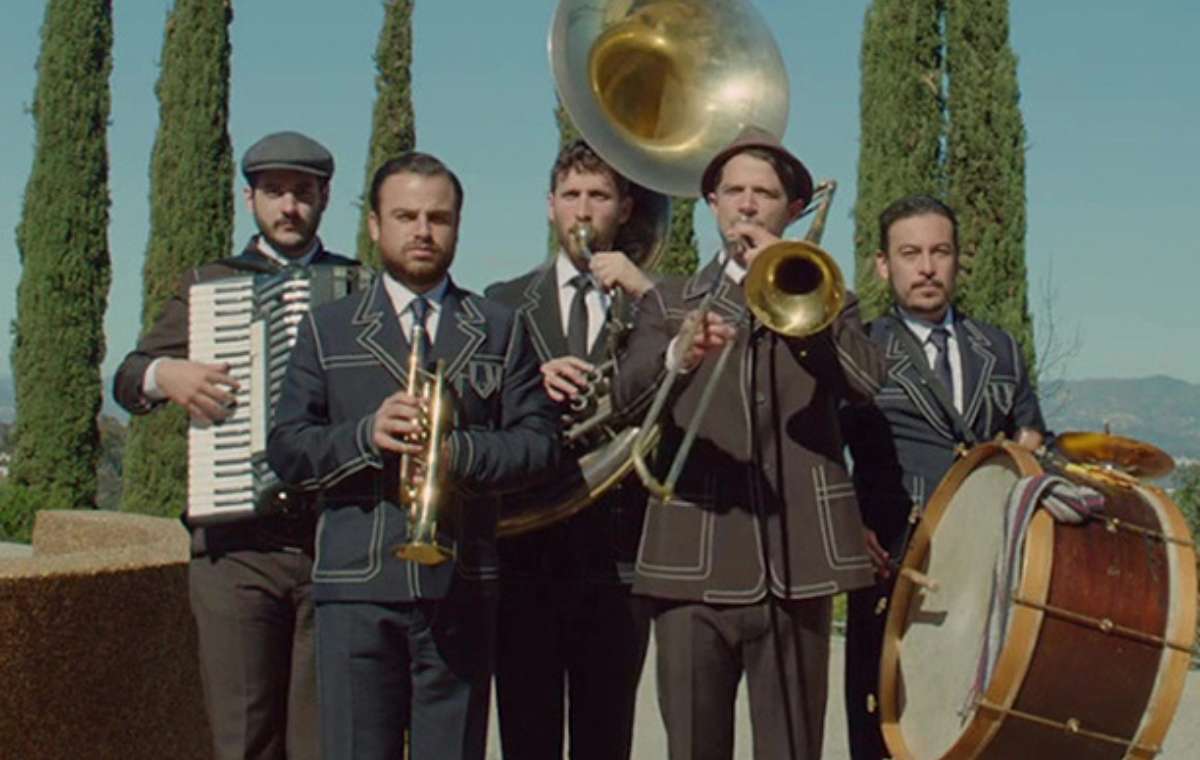
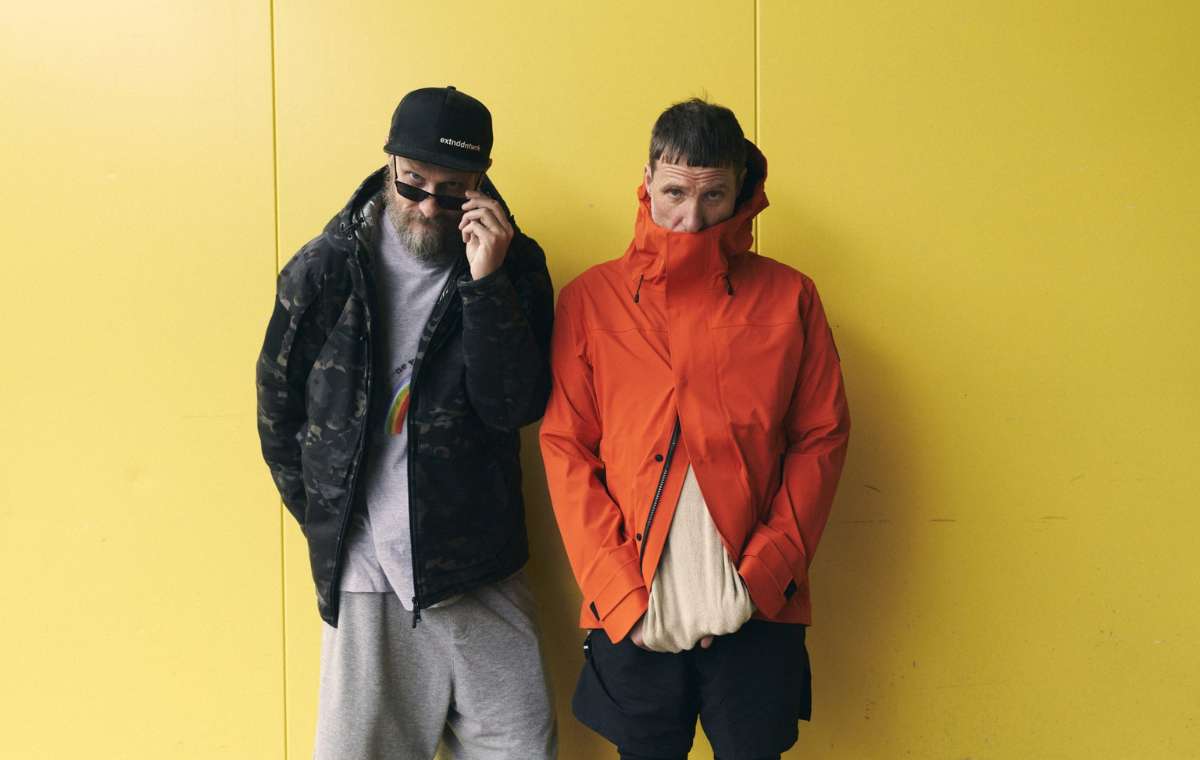
Jul/28 · Black Moth Super Rainbow
Jul/30 · Willow Avalon – Pink Pocket Pistol Tour
Aug/1 · Blisspop Presents: Hot In Herre: 2000s Dance Party
Aug/11 · Kingfishr
Aug/12 · Chasing Abbey
Aug/18 · Quicksand & Bane
Aug/22 · G Flip – Bed on Fire Tour
Aug/25 · Diggy Graves – The No Vacancy Tour
Aug/27 · Eagles of Death Metal – Death By Sexy Anniversary Tour
Aug/29 · Black Marble
Sep/3 · Silvana Estrada – Suaves Lluvias Summer / Fall 2026 Tour
Sep/4 · NONAME – 10yr Anniversary of Telefone
Sep/5 · MOVED TO THE CRYSTAL BALLROOM: Slayyyter – WOR$T GIRL IN THE WORLD TOUR
Sep/9 · Kelela – new avatar live
Sep/10 · The Charlatans UK – North American Tour 2026
Sep/11 · Eihwar – “Nordic Ritual Nights” USA Tour 2026
Sep/12 · Haute & Freddy’s Big Disgrace Tour
Sep/14 · Public Image Ltd – This Is Not The Last Tour
Sep/15 · Loe Shimmy – Pretty Girls Run the World Tour
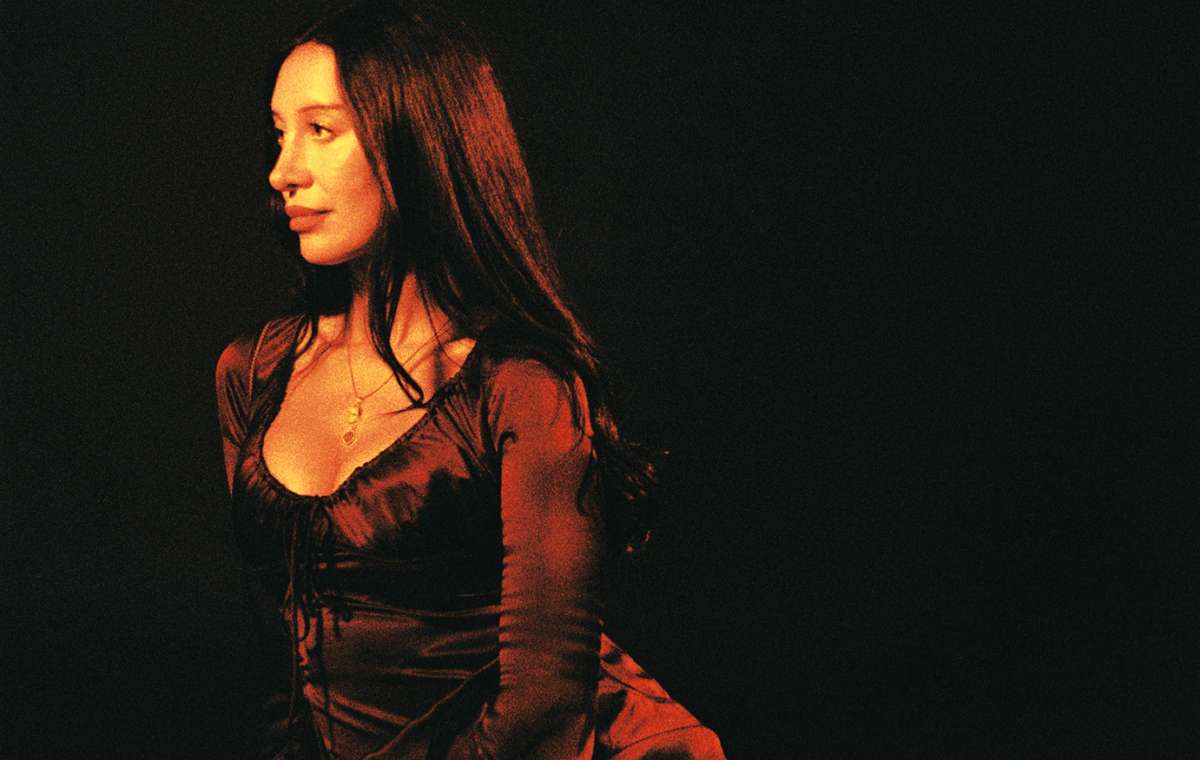
Sep/16 · Lido Pimienta
Sep/17 · jigitz – 50 Ballerinas Tour
Sep/18 · Waylon Wyatt – Dustpiles World Tour
Sep/21 · CITIZEN
Sep/22 · Elder Island – Hello Baby Okay Tour
Sep/23 · ARLO PARKS – DESIRE TOUR
Sep/24 · Ceremony
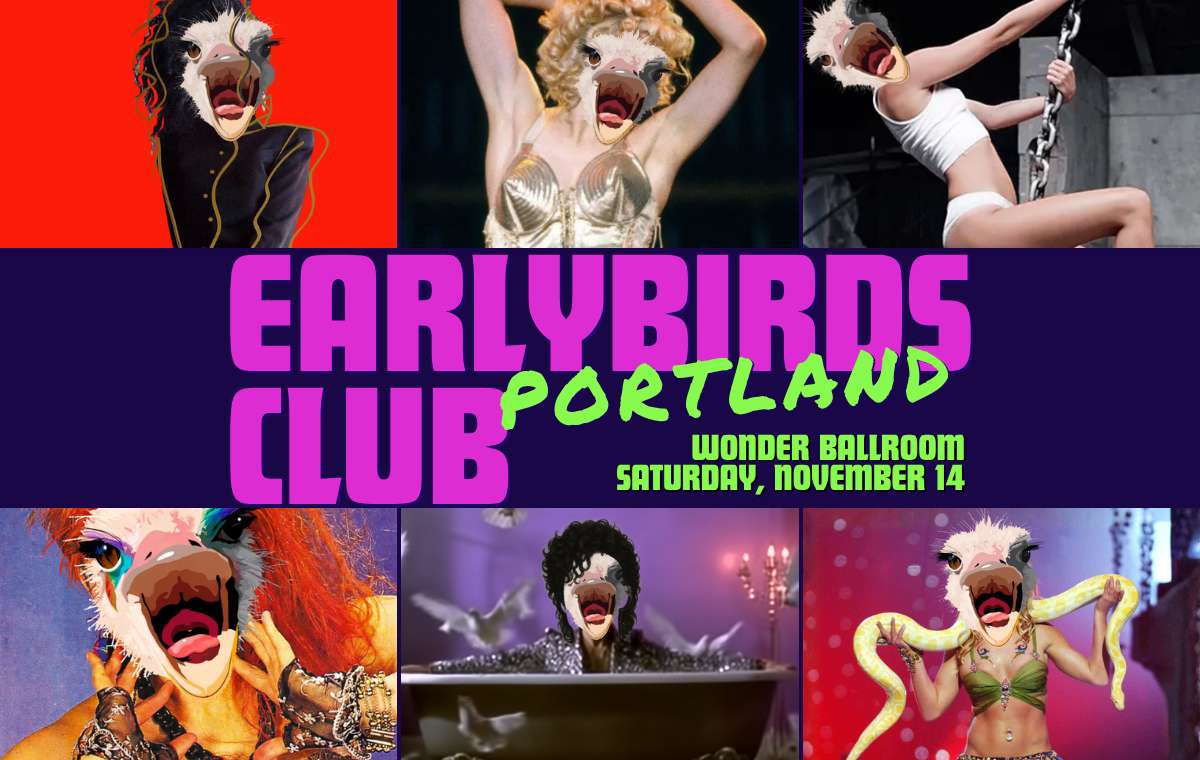
Sep/25 · Earlybirds Club
Sep/26 · **CANCELLED** deca joins
Sep/28 · TRICKY
Sep/30 · Bella Kay: The Reckless Tour
Oct/1 · Ethan Regan: Young Regan Tour
Oct/2 · EMEI – Night at the Opera Tour
Oct/3 · Los Thuthanaka
Oct/6 · DOMi & JD BECK – WHO ASKED? Tour
Oct/9 · Kishi Bashi: Sonderlust 10th Anniversary Tour
Oct/10 · French Police
Oct/11 · MICO: Running From A Feeling Tour
Oct/13 · Kelsey Lu: So Help Me God Tour
Oct/14 · GLAIVE – GOD SAVE THE THREE TOUR
Oct/17 · Hazlett
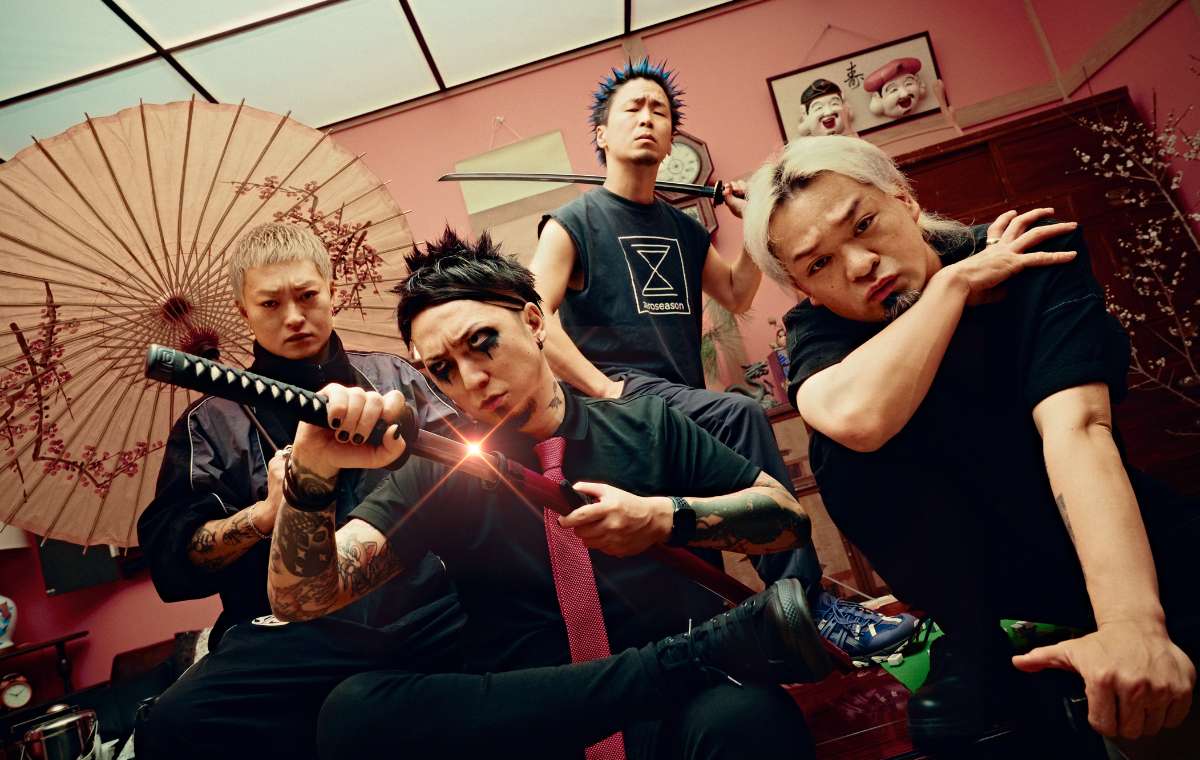
Oct/18 · SiM – HOOMAN WORLD TOUR 
Oct/19 · The Blasting Company plays Over The Garden Wall
Oct/20 · MOVED TO ROSELAND THEATER: Julia Wolf – Deep End World Tour
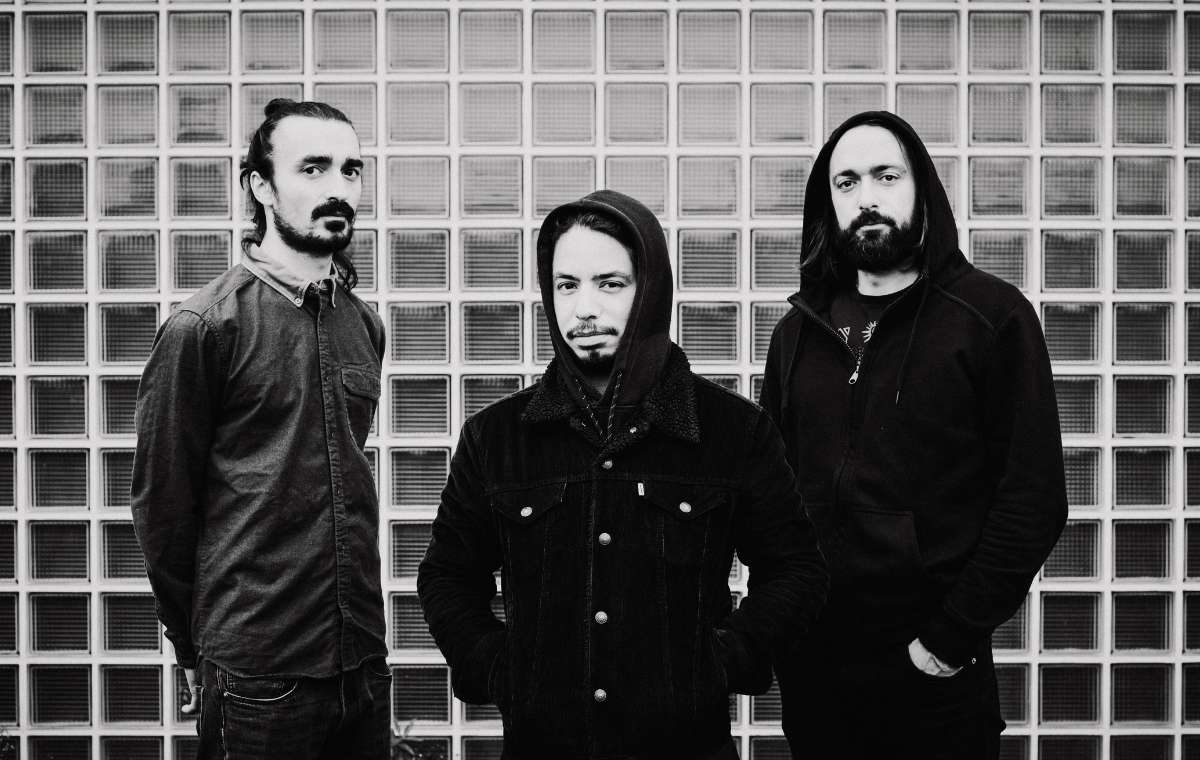
Oct/21 · SLIFT
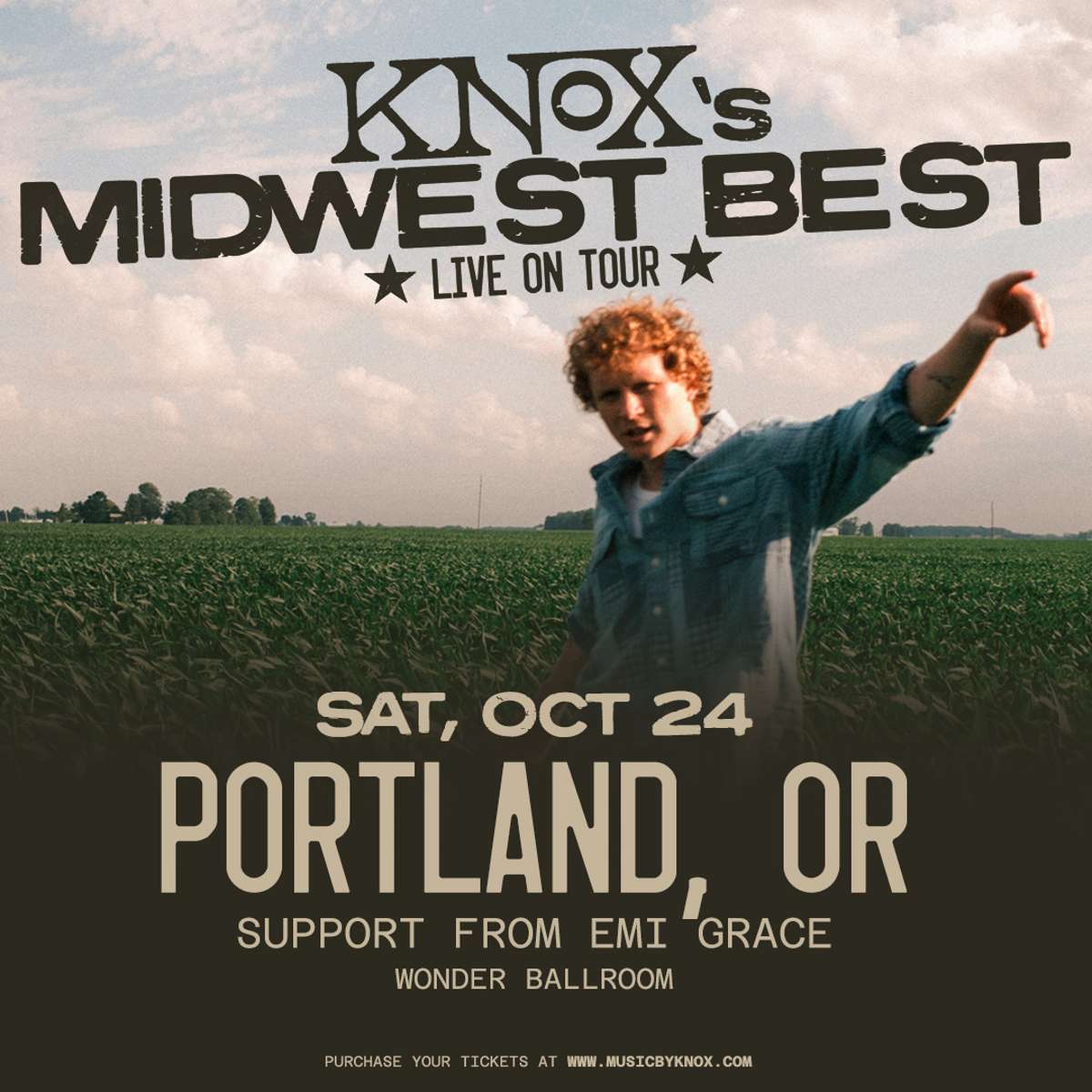
Oct/24 · Knox
Oct/29 · Rebecca Black: Exhibitionism on Tour
Nov/5 · Celebrating 50 Years of Buzzcocks
Nov/6 · INOHA
Nov/8 · DAX – The Anger Management Tour
Nov/13 · strongboi “the fall tour”
Nov/15 · SUECO
Nov/17 · The Residents – Eskimo Live! Tour
Nov/18 · Eivør 
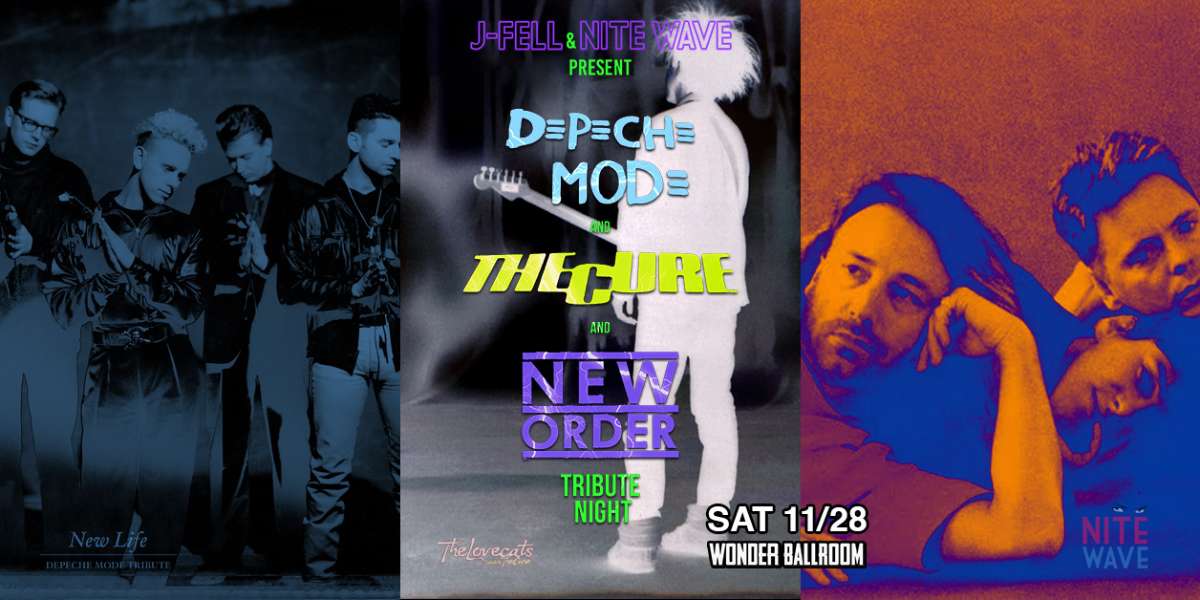
Nov/28 · J-Fell & Nite Wave present: The Cure, Depeche Mode & New Order Tribute Night
Nov/29 · Jalen Ngonda: Doctrine of Love Tour
Dec/4 · New Constellations: It Comes In Waves Tour
Dec/5 · feeble little horse – bitknot tour
Dec/7 · TINY HABITS – The Keepers Tour
Jan/11 · Anna von Hausswolff: Iconoclasts Tour

All Shows

Upcoming Events

Monqui Presents

Tuesday, July 28
Doors : 7 pm, Show : 8 pm
all ages
$41.75 to $56.25

About Black Moth Super Rainbow:

A notoriously enigmatic band hailing from Pennsylvania, Black Moth Super Rainbow have continually made waves on the indie circuit with their unique brand of otherworldly, psychedelic indie pop. They employ typical rock band instrumentation in addition to a bevy of vintage synthesizers, with all of the vocals sung through a vocoder. Additionally, the group coat everything in hazy effects and tape hiss, resulting in music as grimy and disorienting as it is catchy. They’ve built up a dedicated fan base through touring as well as their acclaimed recordings, like 2007’s Dandelion Gum and 2025’s Soft New Magic Dream.

The project evolved out of a duo called Satanstompingcaterpillars, which began in Pittsburgh in 2000 and consisted of Tobacco and Power Pill Fist. The group expanded to include five members (including the Seven Fields of Aphelion, Iffernaut, and Father Hummingbird), and they changed their name to Black Moth Super Rainbow in 2003. Packing a sound that nodded to contemporary retro-chic electronic acts like Air and the Octopus Project (whom they would eventually collaborate with), the band released their first album, Falling Through a Field, on their own 70s Gymnastics Recording Co.

Monqui Presents

Tuesday, July 28
Doors : 7 pm, Show : 8 pm
all ages
$41.75 to $56.25

*Moved from Roseland Theater. All previously purchased Broken Social Scene tickets from Roseland will be honored at the Wonder Ballroom.*

At the dawn of the 21st-century, just as the internet began infecting every aspect of our daily lives, Toronto musicians Kevin Drew and Brendan Canning began building a social network of their own. Like other such networks you’re familiar with, it quickly expanded to include friends, and friends of friends. It became a place where they could live out their best lives or fret about the fragile state of the world. And yes, occasionally, it became a forum for arguments and oversharing. But this social network didn’t require you to stay glued to your smartphone to take part in it. Quite the opposite: Since debuting in 2001, Broken Social Scene have personified the unyielding, incomparable power of IRL human connection.

It’s hard to know what to make of an ongoing experiment like Broken Social Scene. Is it a band? Not quite. Bands tend to have defined memberships and aesthetics and goals; Broken Social Scene have never been bothered with such limitations. Is it a cult? Nah—some of them have the beards, but they could never agree on the right robes. Is it a collective? Certainly, it can seem that way when you see some 15 people crowding the stage, but BSS aren’t so much a united front as a perpetually mutating aggregate of competing creative energies.

Once a two-person basement recording project, Broken Social Scene came to life onstage as a shadowy improvisational entity with a revolving-door roster, each concert a wholly unique experience dependent on the room, the weather, what they ate for dinner that night, and who was dropping in to play. Where the band’s 2001 debut album, Feel Good Lost, presented BSS as an anonymous ambient project that reflected its humble, homespun origins, their electrifying live performances from that era rallied an extended family of performers with roots in post-rock (Justin Peroff, Do Make Say Think’s Charles Spearin), Latin jazz (Andrew Whiteman), art-folk (Feist), synth-pop (Amy Millan and Evan Cranley, also of Stars), dance-punk (Metric’s Emily Haines and Jimmy Shaw), and country rock (Jason Collett).

But by pursuing improvisational freedom over commercial considerations, Broken Social Scene set a new gold standard for indie rock in the 21st century with 2002’s You Forgot It In People, an album that pushed the genre far beyond its noisy ’90s slacker roots toward a more sonically expansive, emotionally expressive vision. And with follow-up releases like the blissfully chaotic Broken Social Scene (2005), the rapturous Forgiveness Rock Record (2010), and the intricate, insidiously melodic Hug of Thunder (2017), Broken Social Scene have amassed a thrillingly amorphous, unpredictable body of work.

Throughout their two-decade run, Broken Social Scene have achieved all the markers of modern indie success—rave reviews from Pitchfork, invites to play Coachella and Lollapalooza, multiple Juno Awards and Letterman appearances, and name-drops in Lorde songs. And their victories have ultimately been Toronto’s, through the establishment of a record label (Arts & Crafts) and music festival (Field Trip) that became rallying points for the local scene and nurtured the next generation of indie upstarts. But arguably Broken Social Scene’s greatest accomplishment is their mere existence, as a conglomerate that continues to defy all logistical convention and musical expectations. They’re living proof that underdogs are most effective when travelling in a pack, that mass audiences can be led into uncharted waters through collective enthusiasm, and that the better world we all dream of begins with community.

In both sound and personnel, Broken Social Scene has changed a lot since their 2001 inception. But one thing has remained constant—at the end of every show, Kevin Drew bids the crowd adieu by telling everyone to “enjoy your lives.” More than just a simple farewell, those words are a call to action—to put down your goddamn phone, get outside, and be part of a social scene of your own.


Monqui Presents

With special guests Audrey McGraw and Slater Nalley

Thursday, July 30
Doors : 7 pm, Show : 8 pm
all ages
$34 to $50

*Moved from Roseland Theater. All previously purchased Broken Social Scene tickets from Roseland will be honored at the Wonder Ballroom.*

At the dawn of the 21st-century, just as the internet began infecting every aspect of our daily lives, Toronto musicians Kevin Drew and Brendan Canning began building a social network of their own. Like other such networks you’re familiar with, it quickly expanded to include friends, and friends of friends. It became a place where they could live out their best lives or fret about the fragile state of the world. And yes, occasionally, it became a forum for arguments and oversharing. But this social network didn’t require you to stay glued to your smartphone to take part in it. Quite the opposite: Since debuting in 2001, Broken Social Scene have personified the unyielding, incomparable power of IRL human connection.

It’s hard to know what to make of an ongoing experiment like Broken Social Scene. Is it a band? Not quite. Bands tend to have defined memberships and aesthetics and goals; Broken Social Scene have never been bothered with such limitations. Is it a cult? Nah—some of them have the beards, but they could never agree on the right robes. Is it a collective? Certainly, it can seem that way when you see some 15 people crowding the stage, but BSS aren’t so much a united front as a perpetually mutating aggregate of competing creative energies.

Once a two-person basement recording project, Broken Social Scene came to life onstage as a shadowy improvisational entity with a revolving-door roster, each concert a wholly unique experience dependent on the room, the weather, what they ate for dinner that night, and who was dropping in to play. Where the band’s 2001 debut album, Feel Good Lost, presented BSS as an anonymous ambient project that reflected its humble, homespun origins, their electrifying live performances from that era rallied an extended family of performers with roots in post-rock (Justin Peroff, Do Make Say Think’s Charles Spearin), Latin jazz (Andrew Whiteman), art-folk (Feist), synth-pop (Amy Millan and Evan Cranley, also of Stars), dance-punk (Metric’s Emily Haines and Jimmy Shaw), and country rock (Jason Collett).

But by pursuing improvisational freedom over commercial considerations, Broken Social Scene set a new gold standard for indie rock in the 21st century with 2002’s You Forgot It In People, an album that pushed the genre far beyond its noisy ’90s slacker roots toward a more sonically expansive, emotionally expressive vision. And with follow-up releases like the blissfully chaotic Broken Social Scene (2005), the rapturous Forgiveness Rock Record (2010), and the intricate, insidiously melodic Hug of Thunder (2017), Broken Social Scene have amassed a thrillingly amorphous, unpredictable body of work.

Throughout their two-decade run, Broken Social Scene have achieved all the markers of modern indie success—rave reviews from Pitchfork, invites to play Coachella and Lollapalooza, multiple Juno Awards and Letterman appearances, and name-drops in Lorde songs. And their victories have ultimately been Toronto’s, through the establishment of a record label (Arts & Crafts) and music festival (Field Trip) that became rallying points for the local scene and nurtured the next generation of indie upstarts. But arguably Broken Social Scene’s greatest accomplishment is their mere existence, as a conglomerate that continues to defy all logistical convention and musical expectations. They’re living proof that underdogs are most effective when travelling in a pack, that mass audiences can be led into uncharted waters through collective enthusiasm, and that the better world we all dream of begins with community.

In both sound and personnel, Broken Social Scene has changed a lot since their 2001 inception. But one thing has remained constant—at the end of every show, Kevin Drew bids the crowd adieu by telling everyone to “enjoy your lives.” More than just a simple farewell, those words are a call to action—to put down your goddamn phone, get outside, and be part of a social scene of your own.


Monqui Presents

Saturday, August 1
Doors : 7 pm, Show : 8 pm
ages 21 +
$24 to $30.50

*Moved from Roseland Theater. All previously purchased Broken Social Scene tickets from Roseland will be honored at the Wonder Ballroom.*

At the dawn of the 21st-century, just as the internet began infecting every aspect of our daily lives, Toronto musicians Kevin Drew and Brendan Canning began building a social network of their own. Like other such networks you’re familiar with, it quickly expanded to include friends, and friends of friends. It became a place where they could live out their best lives or fret about the fragile state of the world. And yes, occasionally, it became a forum for arguments and oversharing. But this social network didn’t require you to stay glued to your smartphone to take part in it. Quite the opposite: Since debuting in 2001, Broken Social Scene have personified the unyielding, incomparable power of IRL human connection.

It’s hard to know what to make of an ongoing experiment like Broken Social Scene. Is it a band? Not quite. Bands tend to have defined memberships and aesthetics and goals; Broken Social Scene have never been bothered with such limitations. Is it a cult? Nah—some of them have the beards, but they could never agree on the right robes. Is it a collective? Certainly, it can seem that way when you see some 15 people crowding the stage, but BSS aren’t so much a united front as a perpetually mutating aggregate of competing creative energies.

Once a two-person basement recording project, Broken Social Scene came to life onstage as a shadowy improvisational entity with a revolving-door roster, each concert a wholly unique experience dependent on the room, the weather, what they ate for dinner that night, and who was dropping in to play. Where the band’s 2001 debut album, Feel Good Lost, presented BSS as an anonymous ambient project that reflected its humble, homespun origins, their electrifying live performances from that era rallied an extended family of performers with roots in post-rock (Justin Peroff, Do Make Say Think’s Charles Spearin), Latin jazz (Andrew Whiteman), art-folk (Feist), synth-pop (Amy Millan and Evan Cranley, also of Stars), dance-punk (Metric’s Emily Haines and Jimmy Shaw), and country rock (Jason Collett).

But by pursuing improvisational freedom over commercial considerations, Broken Social Scene set a new gold standard for indie rock in the 21st century with 2002’s You Forgot It In People, an album that pushed the genre far beyond its noisy ’90s slacker roots toward a more sonically expansive, emotionally expressive vision. And with follow-up releases like the blissfully chaotic Broken Social Scene (2005), the rapturous Forgiveness Rock Record (2010), and the intricate, insidiously melodic Hug of Thunder (2017), Broken Social Scene have amassed a thrillingly amorphous, unpredictable body of work.

Throughout their two-decade run, Broken Social Scene have achieved all the markers of modern indie success—rave reviews from Pitchfork, invites to play Coachella and Lollapalooza, multiple Juno Awards and Letterman appearances, and name-drops in Lorde songs. And their victories have ultimately been Toronto’s, through the establishment of a record label (Arts & Crafts) and music festival (Field Trip) that became rallying points for the local scene and nurtured the next generation of indie upstarts. But arguably Broken Social Scene’s greatest accomplishment is their mere existence, as a conglomerate that continues to defy all logistical convention and musical expectations. They’re living proof that underdogs are most effective when travelling in a pack, that mass audiences can be led into uncharted waters through collective enthusiasm, and that the better world we all dream of begins with community.

In both sound and personnel, Broken Social Scene has changed a lot since their 2001 inception. But one thing has remained constant—at the end of every show, Kevin Drew bids the crowd adieu by telling everyone to “enjoy your lives.” More than just a simple farewell, those words are a call to action—to put down your goddamn phone, get outside, and be part of a social scene of your own.


Monqui Presents

With special guest TADHG NOLAN

Tuesday, August 11
Doors : 7 pm, Show : 8 pm
all ages
$34 to $50

*Moved from Roseland Theater. All previously purchased Broken Social Scene tickets from Roseland will be honored at the Wonder Ballroom.*

At the dawn of the 21st-century, just as the internet began infecting every aspect of our daily lives, Toronto musicians Kevin Drew and Brendan Canning began building a social network of their own. Like other such networks you’re familiar with, it quickly expanded to include friends, and friends of friends. It became a place where they could live out their best lives or fret about the fragile state of the world. And yes, occasionally, it became a forum for arguments and oversharing. But this social network didn’t require you to stay glued to your smartphone to take part in it. Quite the opposite: Since debuting in 2001, Broken Social Scene have personified the unyielding, incomparable power of IRL human connection.

It’s hard to know what to make of an ongoing experiment like Broken Social Scene. Is it a band? Not quite. Bands tend to have defined memberships and aesthetics and goals; Broken Social Scene have never been bothered with such limitations. Is it a cult? Nah—some of them have the beards, but they could never agree on the right robes. Is it a collective? Certainly, it can seem that way when you see some 15 people crowding the stage, but BSS aren’t so much a united front as a perpetually mutating aggregate of competing creative energies.

Once a two-person basement recording project, Broken Social Scene came to life onstage as a shadowy improvisational entity with a revolving-door roster, each concert a wholly unique experience dependent on the room, the weather, what they ate for dinner that night, and who was dropping in to play. Where the band’s 2001 debut album, Feel Good Lost, presented BSS as an anonymous ambient project that reflected its humble, homespun origins, their electrifying live performances from that era rallied an extended family of performers with roots in post-rock (Justin Peroff, Do Make Say Think’s Charles Spearin), Latin jazz (Andrew Whiteman), art-folk (Feist), synth-pop (Amy Millan and Evan Cranley, also of Stars), dance-punk (Metric’s Emily Haines and Jimmy Shaw), and country rock (Jason Collett).

But by pursuing improvisational freedom over commercial considerations, Broken Social Scene set a new gold standard for indie rock in the 21st century with 2002’s You Forgot It In People, an album that pushed the genre far beyond its noisy ’90s slacker roots toward a more sonically expansive, emotionally expressive vision. And with follow-up releases like the blissfully chaotic Broken Social Scene (2005), the rapturous Forgiveness Rock Record (2010), and the intricate, insidiously melodic Hug of Thunder (2017), Broken Social Scene have amassed a thrillingly amorphous, unpredictable body of work.

Throughout their two-decade run, Broken Social Scene have achieved all the markers of modern indie success—rave reviews from Pitchfork, invites to play Coachella and Lollapalooza, multiple Juno Awards and Letterman appearances, and name-drops in Lorde songs. And their victories have ultimately been Toronto’s, through the establishment of a record label (Arts & Crafts) and music festival (Field Trip) that became rallying points for the local scene and nurtured the next generation of indie upstarts. But arguably Broken Social Scene’s greatest accomplishment is their mere existence, as a conglomerate that continues to defy all logistical convention and musical expectations. They’re living proof that underdogs are most effective when travelling in a pack, that mass audiences can be led into uncharted waters through collective enthusiasm, and that the better world we all dream of begins with community.

In both sound and personnel, Broken Social Scene has changed a lot since their 2001 inception. But one thing has remained constant—at the end of every show, Kevin Drew bids the crowd adieu by telling everyone to “enjoy your lives.” More than just a simple farewell, those words are a call to action—to put down your goddamn phone, get outside, and be part of a social scene of your own.


Monqui Presents

Wednesday, August 12
Doors : 7 pm, Show : 8 pm
all ages
$34 to $118.25

*Moved from Roseland Theater. All previously purchased Broken Social Scene tickets from Roseland will be honored at the Wonder Ballroom.*

At the dawn of the 21st-century, just as the internet began infecting every aspect of our daily lives, Toronto musicians Kevin Drew and Brendan Canning began building a social network of their own. Like other such networks you’re familiar with, it quickly expanded to include friends, and friends of friends. It became a place where they could live out their best lives or fret about the fragile state of the world. And yes, occasionally, it became a forum for arguments and oversharing. But this social network didn’t require you to stay glued to your smartphone to take part in it. Quite the opposite: Since debuting in 2001, Broken Social Scene have personified the unyielding, incomparable power of IRL human connection.

It’s hard to know what to make of an ongoing experiment like Broken Social Scene. Is it a band? Not quite. Bands tend to have defined memberships and aesthetics and goals; Broken Social Scene have never been bothered with such limitations. Is it a cult? Nah—some of them have the beards, but they could never agree on the right robes. Is it a collective? Certainly, it can seem that way when you see some 15 people crowding the stage, but BSS aren’t so much a united front as a perpetually mutating aggregate of competing creative energies.

Once a two-person basement recording project, Broken Social Scene came to life onstage as a shadowy improvisational entity with a revolving-door roster, each concert a wholly unique experience dependent on the room, the weather, what they ate for dinner that night, and who was dropping in to play. Where the band’s 2001 debut album, Feel Good Lost, presented BSS as an anonymous ambient project that reflected its humble, homespun origins, their electrifying live performances from that era rallied an extended family of performers with roots in post-rock (Justin Peroff, Do Make Say Think’s Charles Spearin), Latin jazz (Andrew Whiteman), art-folk (Feist), synth-pop (Amy Millan and Evan Cranley, also of Stars), dance-punk (Metric’s Emily Haines and Jimmy Shaw), and country rock (Jason Collett).

But by pursuing improvisational freedom over commercial considerations, Broken Social Scene set a new gold standard for indie rock in the 21st century with 2002’s You Forgot It In People, an album that pushed the genre far beyond its noisy ’90s slacker roots toward a more sonically expansive, emotionally expressive vision. And with follow-up releases like the blissfully chaotic Broken Social Scene (2005), the rapturous Forgiveness Rock Record (2010), and the intricate, insidiously melodic Hug of Thunder (2017), Broken Social Scene have amassed a thrillingly amorphous, unpredictable body of work.

Throughout their two-decade run, Broken Social Scene have achieved all the markers of modern indie success—rave reviews from Pitchfork, invites to play Coachella and Lollapalooza, multiple Juno Awards and Letterman appearances, and name-drops in Lorde songs. And their victories have ultimately been Toronto’s, through the establishment of a record label (Arts & Crafts) and music festival (Field Trip) that became rallying points for the local scene and nurtured the next generation of indie upstarts. But arguably Broken Social Scene’s greatest accomplishment is their mere existence, as a conglomerate that continues to defy all logistical convention and musical expectations. They’re living proof that underdogs are most effective when travelling in a pack, that mass audiences can be led into uncharted waters through collective enthusiasm, and that the better world we all dream of begins with community.

In both sound and personnel, Broken Social Scene has changed a lot since their 2001 inception. But one thing has remained constant—at the end of every show, Kevin Drew bids the crowd adieu by telling everyone to “enjoy your lives.” More than just a simple farewell, those words are a call to action—to put down your goddamn phone, get outside, and be part of a social scene of your own.


Monqui Presents

Tuesday, August 18
Doors : 6:30 pm, Show : 7:30 pm
ages 21 +
$45 to $118.25

*Moved from Roseland Theater. All previously purchased Broken Social Scene tickets from Roseland will be honored at the Wonder Ballroom.*

At the dawn of the 21st-century, just as the internet began infecting every aspect of our daily lives, Toronto musicians Kevin Drew and Brendan Canning began building a social network of their own. Like other such networks you’re familiar with, it quickly expanded to include friends, and friends of friends. It became a place where they could live out their best lives or fret about the fragile state of the world. And yes, occasionally, it became a forum for arguments and oversharing. But this social network didn’t require you to stay glued to your smartphone to take part in it. Quite the opposite: Since debuting in 2001, Broken Social Scene have personified the unyielding, incomparable power of IRL human connection.

It’s hard to know what to make of an ongoing experiment like Broken Social Scene. Is it a band? Not quite. Bands tend to have defined memberships and aesthetics and goals; Broken Social Scene have never been bothered with such limitations. Is it a cult? Nah—some of them have the beards, but they could never agree on the right robes. Is it a collective? Certainly, it can seem that way when you see some 15 people crowding the stage, but BSS aren’t so much a united front as a perpetually mutating aggregate of competing creative energies.

Once a two-person basement recording project, Broken Social Scene came to life onstage as a shadowy improvisational entity with a revolving-door roster, each concert a wholly unique experience dependent on the room, the weather, what they ate for dinner that night, and who was dropping in to play. Where the band’s 2001 debut album, Feel Good Lost, presented BSS as an anonymous ambient project that reflected its humble, homespun origins, their electrifying live performances from that era rallied an extended family of performers with roots in post-rock (Justin Peroff, Do Make Say Think’s Charles Spearin), Latin jazz (Andrew Whiteman), art-folk (Feist), synth-pop (Amy Millan and Evan Cranley, also of Stars), dance-punk (Metric’s Emily Haines and Jimmy Shaw), and country rock (Jason Collett).

But by pursuing improvisational freedom over commercial considerations, Broken Social Scene set a new gold standard for indie rock in the 21st century with 2002’s You Forgot It In People, an album that pushed the genre far beyond its noisy ’90s slacker roots toward a more sonically expansive, emotionally expressive vision. And with follow-up releases like the blissfully chaotic Broken Social Scene (2005), the rapturous Forgiveness Rock Record (2010), and the intricate, insidiously melodic Hug of Thunder (2017), Broken Social Scene have amassed a thrillingly amorphous, unpredictable body of work.

Throughout their two-decade run, Broken Social Scene have achieved all the markers of modern indie success—rave reviews from Pitchfork, invites to play Coachella and Lollapalooza, multiple Juno Awards and Letterman appearances, and name-drops in Lorde songs. And their victories have ultimately been Toronto’s, through the establishment of a record label (Arts & Crafts) and music festival (Field Trip) that became rallying points for the local scene and nurtured the next generation of indie upstarts. But arguably Broken Social Scene’s greatest accomplishment is their mere existence, as a conglomerate that continues to defy all logistical convention and musical expectations. They’re living proof that underdogs are most effective when travelling in a pack, that mass audiences can be led into uncharted waters through collective enthusiasm, and that the better world we all dream of begins with community.

In both sound and personnel, Broken Social Scene has changed a lot since their 2001 inception. But one thing has remained constant—at the end of every show, Kevin Drew bids the crowd adieu by telling everyone to “enjoy your lives.” More than just a simple farewell, those words are a call to action—to put down your goddamn phone, get outside, and be part of a social scene of your own.


Monqui Presents

With special guest Vienna Vienna

Saturday, August 22
Doors : 7 pm, Show : 8 pm
all ages
$39.25 to $183.75

*Moved from Roseland Theater. All previously purchased Broken Social Scene tickets from Roseland will be honored at the Wonder Ballroom.*

At the dawn of the 21st-century, just as the internet began infecting every aspect of our daily lives, Toronto musicians Kevin Drew and Brendan Canning began building a social network of their own. Like other such networks you’re familiar with, it quickly expanded to include friends, and friends of friends. It became a place where they could live out their best lives or fret about the fragile state of the world. And yes, occasionally, it became a forum for arguments and oversharing. But this social network didn’t require you to stay glued to your smartphone to take part in it. Quite the opposite: Since debuting in 2001, Broken Social Scene have personified the unyielding, incomparable power of IRL human connection.

It’s hard to know what to make of an ongoing experiment like Broken Social Scene. Is it a band? Not quite. Bands tend to have defined memberships and aesthetics and goals; Broken Social Scene have never been bothered with such limitations. Is it a cult? Nah—some of them have the beards, but they could never agree on the right robes. Is it a collective? Certainly, it can seem that way when you see some 15 people crowding the stage, but BSS aren’t so much a united front as a perpetually mutating aggregate of competing creative energies.

Once a two-person basement recording project, Broken Social Scene came to life onstage as a shadowy improvisational entity with a revolving-door roster, each concert a wholly unique experience dependent on the room, the weather, what they ate for dinner that night, and who was dropping in to play. Where the band’s 2001 debut album, Feel Good Lost, presented BSS as an anonymous ambient project that reflected its humble, homespun origins, their electrifying live performances from that era rallied an extended family of performers with roots in post-rock (Justin Peroff, Do Make Say Think’s Charles Spearin), Latin jazz (Andrew Whiteman), art-folk (Feist), synth-pop (Amy Millan and Evan Cranley, also of Stars), dance-punk (Metric’s Emily Haines and Jimmy Shaw), and country rock (Jason Collett).

But by pursuing improvisational freedom over commercial considerations, Broken Social Scene set a new gold standard for indie rock in the 21st century with 2002’s You Forgot It In People, an album that pushed the genre far beyond its noisy ’90s slacker roots toward a more sonically expansive, emotionally expressive vision. And with follow-up releases like the blissfully chaotic Broken Social Scene (2005), the rapturous Forgiveness Rock Record (2010), and the intricate, insidiously melodic Hug of Thunder (2017), Broken Social Scene have amassed a thrillingly amorphous, unpredictable body of work.

Throughout their two-decade run, Broken Social Scene have achieved all the markers of modern indie success—rave reviews from Pitchfork, invites to play Coachella and Lollapalooza, multiple Juno Awards and Letterman appearances, and name-drops in Lorde songs. And their victories have ultimately been Toronto’s, through the establishment of a record label (Arts & Crafts) and music festival (Field Trip) that became rallying points for the local scene and nurtured the next generation of indie upstarts. But arguably Broken Social Scene’s greatest accomplishment is their mere existence, as a conglomerate that continues to defy all logistical convention and musical expectations. They’re living proof that underdogs are most effective when travelling in a pack, that mass audiences can be led into uncharted waters through collective enthusiasm, and that the better world we all dream of begins with community.

In both sound and personnel, Broken Social Scene has changed a lot since their 2001 inception. But one thing has remained constant—at the end of every show, Kevin Drew bids the crowd adieu by telling everyone to “enjoy your lives.” More than just a simple farewell, those words are a call to action—to put down your goddamn phone, get outside, and be part of a social scene of your own.


Showbox Presents

Tuesday, August 25
Doors : 7 pm, Show : 8 pm
all ages
$41.25 to $127.24

*Moved from Roseland Theater. All previously purchased Broken Social Scene tickets from Roseland will be honored at the Wonder Ballroom.*

At the dawn of the 21st-century, just as the internet began infecting every aspect of our daily lives, Toronto musicians Kevin Drew and Brendan Canning began building a social network of their own. Like other such networks you’re familiar with, it quickly expanded to include friends, and friends of friends. It became a place where they could live out their best lives or fret about the fragile state of the world. And yes, occasionally, it became a forum for arguments and oversharing. But this social network didn’t require you to stay glued to your smartphone to take part in it. Quite the opposite: Since debuting in 2001, Broken Social Scene have personified the unyielding, incomparable power of IRL human connection.

It’s hard to know what to make of an ongoing experiment like Broken Social Scene. Is it a band? Not quite. Bands tend to have defined memberships and aesthetics and goals; Broken Social Scene have never been bothered with such limitations. Is it a cult? Nah—some of them have the beards, but they could never agree on the right robes. Is it a collective? Certainly, it can seem that way when you see some 15 people crowding the stage, but BSS aren’t so much a united front as a perpetually mutating aggregate of competing creative energies.

Once a two-person basement recording project, Broken Social Scene came to life onstage as a shadowy improvisational entity with a revolving-door roster, each concert a wholly unique experience dependent on the room, the weather, what they ate for dinner that night, and who was dropping in to play. Where the band’s 2001 debut album, Feel Good Lost, presented BSS as an anonymous ambient project that reflected its humble, homespun origins, their electrifying live performances from that era rallied an extended family of performers with roots in post-rock (Justin Peroff, Do Make Say Think’s Charles Spearin), Latin jazz (Andrew Whiteman), art-folk (Feist), synth-pop (Amy Millan and Evan Cranley, also of Stars), dance-punk (Metric’s Emily Haines and Jimmy Shaw), and country rock (Jason Collett).

But by pursuing improvisational freedom over commercial considerations, Broken Social Scene set a new gold standard for indie rock in the 21st century with 2002’s You Forgot It In People, an album that pushed the genre far beyond its noisy ’90s slacker roots toward a more sonically expansive, emotionally expressive vision. And with follow-up releases like the blissfully chaotic Broken Social Scene (2005), the rapturous Forgiveness Rock Record (2010), and the intricate, insidiously melodic Hug of Thunder (2017), Broken Social Scene have amassed a thrillingly amorphous, unpredictable body of work.

Throughout their two-decade run, Broken Social Scene have achieved all the markers of modern indie success—rave reviews from Pitchfork, invites to play Coachella and Lollapalooza, multiple Juno Awards and Letterman appearances, and name-drops in Lorde songs. And their victories have ultimately been Toronto’s, through the establishment of a record label (Arts & Crafts) and music festival (Field Trip) that became rallying points for the local scene and nurtured the next generation of indie upstarts. But arguably Broken Social Scene’s greatest accomplishment is their mere existence, as a conglomerate that continues to defy all logistical convention and musical expectations. They’re living proof that underdogs are most effective when travelling in a pack, that mass audiences can be led into uncharted waters through collective enthusiasm, and that the better world we all dream of begins with community.

In both sound and personnel, Broken Social Scene has changed a lot since their 2001 inception. But one thing has remained constant—at the end of every show, Kevin Drew bids the crowd adieu by telling everyone to “enjoy your lives.” More than just a simple farewell, those words are a call to action—to put down your goddamn phone, get outside, and be part of a social scene of your own.


Monqui Presents

With special guest Paradise Vultures

Thursday, August 27
Doors : 7 pm, Show : 8 pm
all ages
$39.25 to $118.25

*Moved from Roseland Theater. All previously purchased Broken Social Scene tickets from Roseland will be honored at the Wonder Ballroom.*

At the dawn of the 21st-century, just as the internet began infecting every aspect of our daily lives, Toronto musicians Kevin Drew and Brendan Canning began building a social network of their own. Like other such networks you’re familiar with, it quickly expanded to include friends, and friends of friends. It became a place where they could live out their best lives or fret about the fragile state of the world. And yes, occasionally, it became a forum for arguments and oversharing. But this social network didn’t require you to stay glued to your smartphone to take part in it. Quite the opposite: Since debuting in 2001, Broken Social Scene have personified the unyielding, incomparable power of IRL human connection.

It’s hard to know what to make of an ongoing experiment like Broken Social Scene. Is it a band? Not quite. Bands tend to have defined memberships and aesthetics and goals; Broken Social Scene have never been bothered with such limitations. Is it a cult? Nah—some of them have the beards, but they could never agree on the right robes. Is it a collective? Certainly, it can seem that way when you see some 15 people crowding the stage, but BSS aren’t so much a united front as a perpetually mutating aggregate of competing creative energies.

Once a two-person basement recording project, Broken Social Scene came to life onstage as a shadowy improvisational entity with a revolving-door roster, each concert a wholly unique experience dependent on the room, the weather, what they ate for dinner that night, and who was dropping in to play. Where the band’s 2001 debut album, Feel Good Lost, presented BSS as an anonymous ambient project that reflected its humble, homespun origins, their electrifying live performances from that era rallied an extended family of performers with roots in post-rock (Justin Peroff, Do Make Say Think’s Charles Spearin), Latin jazz (Andrew Whiteman), art-folk (Feist), synth-pop (Amy Millan and Evan Cranley, also of Stars), dance-punk (Metric’s Emily Haines and Jimmy Shaw), and country rock (Jason Collett).

But by pursuing improvisational freedom over commercial considerations, Broken Social Scene set a new gold standard for indie rock in the 21st century with 2002’s You Forgot It In People, an album that pushed the genre far beyond its noisy ’90s slacker roots toward a more sonically expansive, emotionally expressive vision. And with follow-up releases like the blissfully chaotic Broken Social Scene (2005), the rapturous Forgiveness Rock Record (2010), and the intricate, insidiously melodic Hug of Thunder (2017), Broken Social Scene have amassed a thrillingly amorphous, unpredictable body of work.

Throughout their two-decade run, Broken Social Scene have achieved all the markers of modern indie success—rave reviews from Pitchfork, invites to play Coachella and Lollapalooza, multiple Juno Awards and Letterman appearances, and name-drops in Lorde songs. And their victories have ultimately been Toronto’s, through the establishment of a record label (Arts & Crafts) and music festival (Field Trip) that became rallying points for the local scene and nurtured the next generation of indie upstarts. But arguably Broken Social Scene’s greatest accomplishment is their mere existence, as a conglomerate that continues to defy all logistical convention and musical expectations. They’re living proof that underdogs are most effective when travelling in a pack, that mass audiences can be led into uncharted waters through collective enthusiasm, and that the better world we all dream of begins with community.

In both sound and personnel, Broken Social Scene has changed a lot since their 2001 inception. But one thing has remained constant—at the end of every show, Kevin Drew bids the crowd adieu by telling everyone to “enjoy your lives.” More than just a simple farewell, those words are a call to action—to put down your goddamn phone, get outside, and be part of a social scene of your own.


Monqui Presents

With special guests The Serfs and Jimmy

Saturday, August 29
Doors : 7 pm, Show : 8 pm
all ages
$28 to $45

*Moved from Roseland Theater. All previously purchased Broken Social Scene tickets from Roseland will be honored at the Wonder Ballroom.*

At the dawn of the 21st-century, just as the internet began infecting every aspect of our daily lives, Toronto musicians Kevin Drew and Brendan Canning began building a social network of their own. Like other such networks you’re familiar with, it quickly expanded to include friends, and friends of friends. It became a place where they could live out their best lives or fret about the fragile state of the world. And yes, occasionally, it became a forum for arguments and oversharing. But this social network didn’t require you to stay glued to your smartphone to take part in it. Quite the opposite: Since debuting in 2001, Broken Social Scene have personified the unyielding, incomparable power of IRL human connection.

It’s hard to know what to make of an ongoing experiment like Broken Social Scene. Is it a band? Not quite. Bands tend to have defined memberships and aesthetics and goals; Broken Social Scene have never been bothered with such limitations. Is it a cult? Nah—some of them have the beards, but they could never agree on the right robes. Is it a collective? Certainly, it can seem that way when you see some 15 people crowding the stage, but BSS aren’t so much a united front as a perpetually mutating aggregate of competing creative energies.

Once a two-person basement recording project, Broken Social Scene came to life onstage as a shadowy improvisational entity with a revolving-door roster, each concert a wholly unique experience dependent on the room, the weather, what they ate for dinner that night, and who was dropping in to play. Where the band’s 2001 debut album, Feel Good Lost, presented BSS as an anonymous ambient project that reflected its humble, homespun origins, their electrifying live performances from that era rallied an extended family of performers with roots in post-rock (Justin Peroff, Do Make Say Think’s Charles Spearin), Latin jazz (Andrew Whiteman), art-folk (Feist), synth-pop (Amy Millan and Evan Cranley, also of Stars), dance-punk (Metric’s Emily Haines and Jimmy Shaw), and country rock (Jason Collett).

But by pursuing improvisational freedom over commercial considerations, Broken Social Scene set a new gold standard for indie rock in the 21st century with 2002’s You Forgot It In People, an album that pushed the genre far beyond its noisy ’90s slacker roots toward a more sonically expansive, emotionally expressive vision. And with follow-up releases like the blissfully chaotic Broken Social Scene (2005), the rapturous Forgiveness Rock Record (2010), and the intricate, insidiously melodic Hug of Thunder (2017), Broken Social Scene have amassed a thrillingly amorphous, unpredictable body of work.

Throughout their two-decade run, Broken Social Scene have achieved all the markers of modern indie success—rave reviews from Pitchfork, invites to play Coachella and Lollapalooza, multiple Juno Awards and Letterman appearances, and name-drops in Lorde songs. And their victories have ultimately been Toronto’s, through the establishment of a record label (Arts & Crafts) and music festival (Field Trip) that became rallying points for the local scene and nurtured the next generation of indie upstarts. But arguably Broken Social Scene’s greatest accomplishment is their mere existence, as a conglomerate that continues to defy all logistical convention and musical expectations. They’re living proof that underdogs are most effective when travelling in a pack, that mass audiences can be led into uncharted waters through collective enthusiasm, and that the better world we all dream of begins with community.

In both sound and personnel, Broken Social Scene has changed a lot since their 2001 inception. But one thing has remained constant—at the end of every show, Kevin Drew bids the crowd adieu by telling everyone to “enjoy your lives.” More than just a simple farewell, those words are a call to action—to put down your goddamn phone, get outside, and be part of a social scene of your own.


Monqui Presents

Thursday, September 3
Doors : 7 pm, Show : 8 pm
all ages
$45 to $61.25

*Moved from Roseland Theater. All previously purchased Broken Social Scene tickets from Roseland will be honored at the Wonder Ballroom.*

At the dawn of the 21st-century, just as the internet began infecting every aspect of our daily lives, Toronto musicians Kevin Drew and Brendan Canning began building a social network of their own. Like other such networks you’re familiar with, it quickly expanded to include friends, and friends of friends. It became a place where they could live out their best lives or fret about the fragile state of the world. And yes, occasionally, it became a forum for arguments and oversharing. But this social network didn’t require you to stay glued to your smartphone to take part in it. Quite the opposite: Since debuting in 2001, Broken Social Scene have personified the unyielding, incomparable power of IRL human connection.

It’s hard to know what to make of an ongoing experiment like Broken Social Scene. Is it a band? Not quite. Bands tend to have defined memberships and aesthetics and goals; Broken Social Scene have never been bothered with such limitations. Is it a cult? Nah—some of them have the beards, but they could never agree on the right robes. Is it a collective? Certainly, it can seem that way when you see some 15 people crowding the stage, but BSS aren’t so much a united front as a perpetually mutating aggregate of competing creative energies.

Once a two-person basement recording project, Broken Social Scene came to life onstage as a shadowy improvisational entity with a revolving-door roster, each concert a wholly unique experience dependent on the room, the weather, what they ate for dinner that night, and who was dropping in to play. Where the band’s 2001 debut album, Feel Good Lost, presented BSS as an anonymous ambient project that reflected its humble, homespun origins, their electrifying live performances from that era rallied an extended family of performers with roots in post-rock (Justin Peroff, Do Make Say Think’s Charles Spearin), Latin jazz (Andrew Whiteman), art-folk (Feist), synth-pop (Amy Millan and Evan Cranley, also of Stars), dance-punk (Metric’s Emily Haines and Jimmy Shaw), and country rock (Jason Collett).

But by pursuing improvisational freedom over commercial considerations, Broken Social Scene set a new gold standard for indie rock in the 21st century with 2002’s You Forgot It In People, an album that pushed the genre far beyond its noisy ’90s slacker roots toward a more sonically expansive, emotionally expressive vision. And with follow-up releases like the blissfully chaotic Broken Social Scene (2005), the rapturous Forgiveness Rock Record (2010), and the intricate, insidiously melodic Hug of Thunder (2017), Broken Social Scene have amassed a thrillingly amorphous, unpredictable body of work.

Throughout their two-decade run, Broken Social Scene have achieved all the markers of modern indie success—rave reviews from Pitchfork, invites to play Coachella and Lollapalooza, multiple Juno Awards and Letterman appearances, and name-drops in Lorde songs. And their victories have ultimately been Toronto’s, through the establishment of a record label (Arts & Crafts) and music festival (Field Trip) that became rallying points for the local scene and nurtured the next generation of indie upstarts. But arguably Broken Social Scene’s greatest accomplishment is their mere existence, as a conglomerate that continues to defy all logistical convention and musical expectations. They’re living proof that underdogs are most effective when travelling in a pack, that mass audiences can be led into uncharted waters through collective enthusiasm, and that the better world we all dream of begins with community.

In both sound and personnel, Broken Social Scene has changed a lot since their 2001 inception. But one thing has remained constant—at the end of every show, Kevin Drew bids the crowd adieu by telling everyone to “enjoy your lives.” More than just a simple farewell, those words are a call to action—to put down your goddamn phone, get outside, and be part of a social scene of your own.


Monqui Presents

Friday, September 4
Doors : 7 pm, Show : 8 pm
all ages
$50.50 to $72.25

*Moved from Roseland Theater. All previously purchased Broken Social Scene tickets from Roseland will be honored at the Wonder Ballroom.*

At the dawn of the 21st-century, just as the internet began infecting every aspect of our daily lives, Toronto musicians Kevin Drew and Brendan Canning began building a social network of their own. Like other such networks you’re familiar with, it quickly expanded to include friends, and friends of friends. It became a place where they could live out their best lives or fret about the fragile state of the world. And yes, occasionally, it became a forum for arguments and oversharing. But this social network didn’t require you to stay glued to your smartphone to take part in it. Quite the opposite: Since debuting in 2001, Broken Social Scene have personified the unyielding, incomparable power of IRL human connection.

It’s hard to know what to make of an ongoing experiment like Broken Social Scene. Is it a band? Not quite. Bands tend to have defined memberships and aesthetics and goals; Broken Social Scene have never been bothered with such limitations. Is it a cult? Nah—some of them have the beards, but they could never agree on the right robes. Is it a collective? Certainly, it can seem that way when you see some 15 people crowding the stage, but BSS aren’t so much a united front as a perpetually mutating aggregate of competing creative energies.

Once a two-person basement recording project, Broken Social Scene came to life onstage as a shadowy improvisational entity with a revolving-door roster, each concert a wholly unique experience dependent on the room, the weather, what they ate for dinner that night, and who was dropping in to play. Where the band’s 2001 debut album, Feel Good Lost, presented BSS as an anonymous ambient project that reflected its humble, homespun origins, their electrifying live performances from that era rallied an extended family of performers with roots in post-rock (Justin Peroff, Do Make Say Think’s Charles Spearin), Latin jazz (Andrew Whiteman), art-folk (Feist), synth-pop (Amy Millan and Evan Cranley, also of Stars), dance-punk (Metric’s Emily Haines and Jimmy Shaw), and country rock (Jason Collett).

But by pursuing improvisational freedom over commercial considerations, Broken Social Scene set a new gold standard for indie rock in the 21st century with 2002’s You Forgot It In People, an album that pushed the genre far beyond its noisy ’90s slacker roots toward a more sonically expansive, emotionally expressive vision. And with follow-up releases like the blissfully chaotic Broken Social Scene (2005), the rapturous Forgiveness Rock Record (2010), and the intricate, insidiously melodic Hug of Thunder (2017), Broken Social Scene have amassed a thrillingly amorphous, unpredictable body of work.

Throughout their two-decade run, Broken Social Scene have achieved all the markers of modern indie success—rave reviews from Pitchfork, invites to play Coachella and Lollapalooza, multiple Juno Awards and Letterman appearances, and name-drops in Lorde songs. And their victories have ultimately been Toronto’s, through the establishment of a record label (Arts & Crafts) and music festival (Field Trip) that became rallying points for the local scene and nurtured the next generation of indie upstarts. But arguably Broken Social Scene’s greatest accomplishment is their mere existence, as a conglomerate that continues to defy all logistical convention and musical expectations. They’re living proof that underdogs are most effective when travelling in a pack, that mass audiences can be led into uncharted waters through collective enthusiasm, and that the better world we all dream of begins with community.

In both sound and personnel, Broken Social Scene has changed a lot since their 2001 inception. But one thing has remained constant—at the end of every show, Kevin Drew bids the crowd adieu by telling everyone to “enjoy your lives.” More than just a simple farewell, those words are a call to action—to put down your goddamn phone, get outside, and be part of a social scene of your own.


Showbox Presents

Saturday, September 5
Doors : 7 pm, Show : 8 pm
all ages

*Moved from Roseland Theater. All previously purchased Broken Social Scene tickets from Roseland will be honored at the Wonder Ballroom.*

At the dawn of the 21st-century, just as the internet began infecting every aspect of our daily lives, Toronto musicians Kevin Drew and Brendan Canning began building a social network of their own. Like other such networks you’re familiar with, it quickly expanded to include friends, and friends of friends. It became a place where they could live out their best lives or fret about the fragile state of the world. And yes, occasionally, it became a forum for arguments and oversharing. But this social network didn’t require you to stay glued to your smartphone to take part in it. Quite the opposite: Since debuting in 2001, Broken Social Scene have personified the unyielding, incomparable power of IRL human connection.

It’s hard to know what to make of an ongoing experiment like Broken Social Scene. Is it a band? Not quite. Bands tend to have defined memberships and aesthetics and goals; Broken Social Scene have never been bothered with such limitations. Is it a cult? Nah—some of them have the beards, but they could never agree on the right robes. Is it a collective? Certainly, it can seem that way when you see some 15 people crowding the stage, but BSS aren’t so much a united front as a perpetually mutating aggregate of competing creative energies.

Once a two-person basement recording project, Broken Social Scene came to life onstage as a shadowy improvisational entity with a revolving-door roster, each concert a wholly unique experience dependent on the room, the weather, what they ate for dinner that night, and who was dropping in to play. Where the band’s 2001 debut album, Feel Good Lost, presented BSS as an anonymous ambient project that reflected its humble, homespun origins, their electrifying live performances from that era rallied an extended family of performers with roots in post-rock (Justin Peroff, Do Make Say Think’s Charles Spearin), Latin jazz (Andrew Whiteman), art-folk (Feist), synth-pop (Amy Millan and Evan Cranley, also of Stars), dance-punk (Metric’s Emily Haines and Jimmy Shaw), and country rock (Jason Collett).

But by pursuing improvisational freedom over commercial considerations, Broken Social Scene set a new gold standard for indie rock in the 21st century with 2002’s You Forgot It In People, an album that pushed the genre far beyond its noisy ’90s slacker roots toward a more sonically expansive, emotionally expressive vision. And with follow-up releases like the blissfully chaotic Broken Social Scene (2005), the rapturous Forgiveness Rock Record (2010), and the intricate, insidiously melodic Hug of Thunder (2017), Broken Social Scene have amassed a thrillingly amorphous, unpredictable body of work.

Throughout their two-decade run, Broken Social Scene have achieved all the markers of modern indie success—rave reviews from Pitchfork, invites to play Coachella and Lollapalooza, multiple Juno Awards and Letterman appearances, and name-drops in Lorde songs. And their victories have ultimately been Toronto’s, through the establishment of a record label (Arts & Crafts) and music festival (Field Trip) that became rallying points for the local scene and nurtured the next generation of indie upstarts. But arguably Broken Social Scene’s greatest accomplishment is their mere existence, as a conglomerate that continues to defy all logistical convention and musical expectations. They’re living proof that underdogs are most effective when travelling in a pack, that mass audiences can be led into uncharted waters through collective enthusiasm, and that the better world we all dream of begins with community.

In both sound and personnel, Broken Social Scene has changed a lot since their 2001 inception. But one thing has remained constant—at the end of every show, Kevin Drew bids the crowd adieu by telling everyone to “enjoy your lives.” More than just a simple farewell, those words are a call to action—to put down your goddamn phone, get outside, and be part of a social scene of your own.


Showbox Presents

Wednesday, September 9
Doors : 7 pm, Show : 8 pm
all ages
$41.25 to $162.50

*Moved from Roseland Theater. All previously purchased Broken Social Scene tickets from Roseland will be honored at the Wonder Ballroom.*

At the dawn of the 21st-century, just as the internet began infecting every aspect of our daily lives, Toronto musicians Kevin Drew and Brendan Canning began building a social network of their own. Like other such networks you’re familiar with, it quickly expanded to include friends, and friends of friends. It became a place where they could live out their best lives or fret about the fragile state of the world. And yes, occasionally, it became a forum for arguments and oversharing. But this social network didn’t require you to stay glued to your smartphone to take part in it. Quite the opposite: Since debuting in 2001, Broken Social Scene have personified the unyielding, incomparable power of IRL human connection.

It’s hard to know what to make of an ongoing experiment like Broken Social Scene. Is it a band? Not quite. Bands tend to have defined memberships and aesthetics and goals; Broken Social Scene have never been bothered with such limitations. Is it a cult? Nah—some of them have the beards, but they could never agree on the right robes. Is it a collective? Certainly, it can seem that way when you see some 15 people crowding the stage, but BSS aren’t so much a united front as a perpetually mutating aggregate of competing creative energies.

Once a two-person basement recording project, Broken Social Scene came to life onstage as a shadowy improvisational entity with a revolving-door roster, each concert a wholly unique experience dependent on the room, the weather, what they ate for dinner that night, and who was dropping in to play. Where the band’s 2001 debut album, Feel Good Lost, presented BSS as an anonymous ambient project that reflected its humble, homespun origins, their electrifying live performances from that era rallied an extended family of performers with roots in post-rock (Justin Peroff, Do Make Say Think’s Charles Spearin), Latin jazz (Andrew Whiteman), art-folk (Feist), synth-pop (Amy Millan and Evan Cranley, also of Stars), dance-punk (Metric’s Emily Haines and Jimmy Shaw), and country rock (Jason Collett).

But by pursuing improvisational freedom over commercial considerations, Broken Social Scene set a new gold standard for indie rock in the 21st century with 2002’s You Forgot It In People, an album that pushed the genre far beyond its noisy ’90s slacker roots toward a more sonically expansive, emotionally expressive vision. And with follow-up releases like the blissfully chaotic Broken Social Scene (2005), the rapturous Forgiveness Rock Record (2010), and the intricate, insidiously melodic Hug of Thunder (2017), Broken Social Scene have amassed a thrillingly amorphous, unpredictable body of work.

Throughout their two-decade run, Broken Social Scene have achieved all the markers of modern indie success—rave reviews from Pitchfork, invites to play Coachella and Lollapalooza, multiple Juno Awards and Letterman appearances, and name-drops in Lorde songs. And their victories have ultimately been Toronto’s, through the establishment of a record label (Arts & Crafts) and music festival (Field Trip) that became rallying points for the local scene and nurtured the next generation of indie upstarts. But arguably Broken Social Scene’s greatest accomplishment is their mere existence, as a conglomerate that continues to defy all logistical convention and musical expectations. They’re living proof that underdogs are most effective when travelling in a pack, that mass audiences can be led into uncharted waters through collective enthusiasm, and that the better world we all dream of begins with community.

In both sound and personnel, Broken Social Scene has changed a lot since their 2001 inception. But one thing has remained constant—at the end of every show, Kevin Drew bids the crowd adieu by telling everyone to “enjoy your lives.” More than just a simple farewell, those words are a call to action—to put down your goddamn phone, get outside, and be part of a social scene of your own.


Monqui Presents

Thursday, September 10
Doors : 7 pm, Show : 8 pm
ages 21 +
$42.25 to $118.25

*Moved from Roseland Theater. All previously purchased Broken Social Scene tickets from Roseland will be honored at the Wonder Ballroom.*

At the dawn of the 21st-century, just as the internet began infecting every aspect of our daily lives, Toronto musicians Kevin Drew and Brendan Canning began building a social network of their own. Like other such networks you’re familiar with, it quickly expanded to include friends, and friends of friends. It became a place where they could live out their best lives or fret about the fragile state of the world. And yes, occasionally, it became a forum for arguments and oversharing. But this social network didn’t require you to stay glued to your smartphone to take part in it. Quite the opposite: Since debuting in 2001, Broken Social Scene have personified the unyielding, incomparable power of IRL human connection.

It’s hard to know what to make of an ongoing experiment like Broken Social Scene. Is it a band? Not quite. Bands tend to have defined memberships and aesthetics and goals; Broken Social Scene have never been bothered with such limitations. Is it a cult? Nah—some of them have the beards, but they could never agree on the right robes. Is it a collective? Certainly, it can seem that way when you see some 15 people crowding the stage, but BSS aren’t so much a united front as a perpetually mutating aggregate of competing creative energies.

Once a two-person basement recording project, Broken Social Scene came to life onstage as a shadowy improvisational entity with a revolving-door roster, each concert a wholly unique experience dependent on the room, the weather, what they ate for dinner that night, and who was dropping in to play. Where the band’s 2001 debut album, Feel Good Lost, presented BSS as an anonymous ambient project that reflected its humble, homespun origins, their electrifying live performances from that era rallied an extended family of performers with roots in post-rock (Justin Peroff, Do Make Say Think’s Charles Spearin), Latin jazz (Andrew Whiteman), art-folk (Feist), synth-pop (Amy Millan and Evan Cranley, also of Stars), dance-punk (Metric’s Emily Haines and Jimmy Shaw), and country rock (Jason Collett).

But by pursuing improvisational freedom over commercial considerations, Broken Social Scene set a new gold standard for indie rock in the 21st century with 2002’s You Forgot It In People, an album that pushed the genre far beyond its noisy ’90s slacker roots toward a more sonically expansive, emotionally expressive vision. And with follow-up releases like the blissfully chaotic Broken Social Scene (2005), the rapturous Forgiveness Rock Record (2010), and the intricate, insidiously melodic Hug of Thunder (2017), Broken Social Scene have amassed a thrillingly amorphous, unpredictable body of work.

Throughout their two-decade run, Broken Social Scene have achieved all the markers of modern indie success—rave reviews from Pitchfork, invites to play Coachella and Lollapalooza, multiple Juno Awards and Letterman appearances, and name-drops in Lorde songs. And their victories have ultimately been Toronto’s, through the establishment of a record label (Arts & Crafts) and music festival (Field Trip) that became rallying points for the local scene and nurtured the next generation of indie upstarts. But arguably Broken Social Scene’s greatest accomplishment is their mere existence, as a conglomerate that continues to defy all logistical convention and musical expectations. They’re living proof that underdogs are most effective when travelling in a pack, that mass audiences can be led into uncharted waters through collective enthusiasm, and that the better world we all dream of begins with community.

In both sound and personnel, Broken Social Scene has changed a lot since their 2001 inception. But one thing has remained constant—at the end of every show, Kevin Drew bids the crowd adieu by telling everyone to “enjoy your lives.” More than just a simple farewell, those words are a call to action—to put down your goddamn phone, get outside, and be part of a social scene of your own.


Showbox Presents

Friday, September 11
Doors : 7 pm, Show : 8 pm
all ages
$41.25

*Moved from Roseland Theater. All previously purchased Broken Social Scene tickets from Roseland will be honored at the Wonder Ballroom.*

At the dawn of the 21st-century, just as the internet began infecting every aspect of our daily lives, Toronto musicians Kevin Drew and Brendan Canning began building a social network of their own. Like other such networks you’re familiar with, it quickly expanded to include friends, and friends of friends. It became a place where they could live out their best lives or fret about the fragile state of the world. And yes, occasionally, it became a forum for arguments and oversharing. But this social network didn’t require you to stay glued to your smartphone to take part in it. Quite the opposite: Since debuting in 2001, Broken Social Scene have personified the unyielding, incomparable power of IRL human connection.

It’s hard to know what to make of an ongoing experiment like Broken Social Scene. Is it a band? Not quite. Bands tend to have defined memberships and aesthetics and goals; Broken Social Scene have never been bothered with such limitations. Is it a cult? Nah—some of them have the beards, but they could never agree on the right robes. Is it a collective? Certainly, it can seem that way when you see some 15 people crowding the stage, but BSS aren’t so much a united front as a perpetually mutating aggregate of competing creative energies.

Once a two-person basement recording project, Broken Social Scene came to life onstage as a shadowy improvisational entity with a revolving-door roster, each concert a wholly unique experience dependent on the room, the weather, what they ate for dinner that night, and who was dropping in to play. Where the band’s 2001 debut album, Feel Good Lost, presented BSS as an anonymous ambient project that reflected its humble, homespun origins, their electrifying live performances from that era rallied an extended family of performers with roots in post-rock (Justin Peroff, Do Make Say Think’s Charles Spearin), Latin jazz (Andrew Whiteman), art-folk (Feist), synth-pop (Amy Millan and Evan Cranley, also of Stars), dance-punk (Metric’s Emily Haines and Jimmy Shaw), and country rock (Jason Collett).

But by pursuing improvisational freedom over commercial considerations, Broken Social Scene set a new gold standard for indie rock in the 21st century with 2002’s You Forgot It In People, an album that pushed the genre far beyond its noisy ’90s slacker roots toward a more sonically expansive, emotionally expressive vision. And with follow-up releases like the blissfully chaotic Broken Social Scene (2005), the rapturous Forgiveness Rock Record (2010), and the intricate, insidiously melodic Hug of Thunder (2017), Broken Social Scene have amassed a thrillingly amorphous, unpredictable body of work.

Throughout their two-decade run, Broken Social Scene have achieved all the markers of modern indie success—rave reviews from Pitchfork, invites to play Coachella and Lollapalooza, multiple Juno Awards and Letterman appearances, and name-drops in Lorde songs. And their victories have ultimately been Toronto’s, through the establishment of a record label (Arts & Crafts) and music festival (Field Trip) that became rallying points for the local scene and nurtured the next generation of indie upstarts. But arguably Broken Social Scene’s greatest accomplishment is their mere existence, as a conglomerate that continues to defy all logistical convention and musical expectations. They’re living proof that underdogs are most effective when travelling in a pack, that mass audiences can be led into uncharted waters through collective enthusiasm, and that the better world we all dream of begins with community.

In both sound and personnel, Broken Social Scene has changed a lot since their 2001 inception. But one thing has remained constant—at the end of every show, Kevin Drew bids the crowd adieu by telling everyone to “enjoy your lives.” More than just a simple farewell, those words are a call to action—to put down your goddamn phone, get outside, and be part of a social scene of your own.


Monqui Presents

With special guest Rubin Brothers

Saturday, September 12
Doors : 7 pm, Show : 8 pm
all ages
$34 to $113.05

*Moved from Roseland Theater. All previously purchased Broken Social Scene tickets from Roseland will be honored at the Wonder Ballroom.*

At the dawn of the 21st-century, just as the internet began infecting every aspect of our daily lives, Toronto musicians Kevin Drew and Brendan Canning began building a social network of their own. Like other such networks you’re familiar with, it quickly expanded to include friends, and friends of friends. It became a place where they could live out their best lives or fret about the fragile state of the world. And yes, occasionally, it became a forum for arguments and oversharing. But this social network didn’t require you to stay glued to your smartphone to take part in it. Quite the opposite: Since debuting in 2001, Broken Social Scene have personified the unyielding, incomparable power of IRL human connection.

It’s hard to know what to make of an ongoing experiment like Broken Social Scene. Is it a band? Not quite. Bands tend to have defined memberships and aesthetics and goals; Broken Social Scene have never been bothered with such limitations. Is it a cult? Nah—some of them have the beards, but they could never agree on the right robes. Is it a collective? Certainly, it can seem that way when you see some 15 people crowding the stage, but BSS aren’t so much a united front as a perpetually mutating aggregate of competing creative energies.

Once a two-person basement recording project, Broken Social Scene came to life onstage as a shadowy improvisational entity with a revolving-door roster, each concert a wholly unique experience dependent on the room, the weather, what they ate for dinner that night, and who was dropping in to play. Where the band’s 2001 debut album, Feel Good Lost, presented BSS as an anonymous ambient project that reflected its humble, homespun origins, their electrifying live performances from that era rallied an extended family of performers with roots in post-rock (Justin Peroff, Do Make Say Think’s Charles Spearin), Latin jazz (Andrew Whiteman), art-folk (Feist), synth-pop (Amy Millan and Evan Cranley, also of Stars), dance-punk (Metric’s Emily Haines and Jimmy Shaw), and country rock (Jason Collett).

But by pursuing improvisational freedom over commercial considerations, Broken Social Scene set a new gold standard for indie rock in the 21st century with 2002’s You Forgot It In People, an album that pushed the genre far beyond its noisy ’90s slacker roots toward a more sonically expansive, emotionally expressive vision. And with follow-up releases like the blissfully chaotic Broken Social Scene (2005), the rapturous Forgiveness Rock Record (2010), and the intricate, insidiously melodic Hug of Thunder (2017), Broken Social Scene have amassed a thrillingly amorphous, unpredictable body of work.

Throughout their two-decade run, Broken Social Scene have achieved all the markers of modern indie success—rave reviews from Pitchfork, invites to play Coachella and Lollapalooza, multiple Juno Awards and Letterman appearances, and name-drops in Lorde songs. And their victories have ultimately been Toronto’s, through the establishment of a record label (Arts & Crafts) and music festival (Field Trip) that became rallying points for the local scene and nurtured the next generation of indie upstarts. But arguably Broken Social Scene’s greatest accomplishment is their mere existence, as a conglomerate that continues to defy all logistical convention and musical expectations. They’re living proof that underdogs are most effective when travelling in a pack, that mass audiences can be led into uncharted waters through collective enthusiasm, and that the better world we all dream of begins with community.

In both sound and personnel, Broken Social Scene has changed a lot since their 2001 inception. But one thing has remained constant—at the end of every show, Kevin Drew bids the crowd adieu by telling everyone to “enjoy your lives.” More than just a simple farewell, those words are a call to action—to put down your goddamn phone, get outside, and be part of a social scene of your own.


Monqui Presents

With special guest Plague Vendor

Monday, September 14
Doors : 7 pm, Show : 8 pm
ages 21 +
$56.25 to $88.75

*Moved from Roseland Theater. All previously purchased Broken Social Scene tickets from Roseland will be honored at the Wonder Ballroom.*

At the dawn of the 21st-century, just as the internet began infecting every aspect of our daily lives, Toronto musicians Kevin Drew and Brendan Canning began building a social network of their own. Like other such networks you’re familiar with, it quickly expanded to include friends, and friends of friends. It became a place where they could live out their best lives or fret about the fragile state of the world. And yes, occasionally, it became a forum for arguments and oversharing. But this social network didn’t require you to stay glued to your smartphone to take part in it. Quite the opposite: Since debuting in 2001, Broken Social Scene have personified the unyielding, incomparable power of IRL human connection.

It’s hard to know what to make of an ongoing experiment like Broken Social Scene. Is it a band? Not quite. Bands tend to have defined memberships and aesthetics and goals; Broken Social Scene have never been bothered with such limitations. Is it a cult? Nah—some of them have the beards, but they could never agree on the right robes. Is it a collective? Certainly, it can seem that way when you see some 15 people crowding the stage, but BSS aren’t so much a united front as a perpetually mutating aggregate of competing creative energies.

Once a two-person basement recording project, Broken Social Scene came to life onstage as a shadowy improvisational entity with a revolving-door roster, each concert a wholly unique experience dependent on the room, the weather, what they ate for dinner that night, and who was dropping in to play. Where the band’s 2001 debut album, Feel Good Lost, presented BSS as an anonymous ambient project that reflected its humble, homespun origins, their electrifying live performances from that era rallied an extended family of performers with roots in post-rock (Justin Peroff, Do Make Say Think’s Charles Spearin), Latin jazz (Andrew Whiteman), art-folk (Feist), synth-pop (Amy Millan and Evan Cranley, also of Stars), dance-punk (Metric’s Emily Haines and Jimmy Shaw), and country rock (Jason Collett).

But by pursuing improvisational freedom over commercial considerations, Broken Social Scene set a new gold standard for indie rock in the 21st century with 2002’s You Forgot It In People, an album that pushed the genre far beyond its noisy ’90s slacker roots toward a more sonically expansive, emotionally expressive vision. And with follow-up releases like the blissfully chaotic Broken Social Scene (2005), the rapturous Forgiveness Rock Record (2010), and the intricate, insidiously melodic Hug of Thunder (2017), Broken Social Scene have amassed a thrillingly amorphous, unpredictable body of work.

Throughout their two-decade run, Broken Social Scene have achieved all the markers of modern indie success—rave reviews from Pitchfork, invites to play Coachella and Lollapalooza, multiple Juno Awards and Letterman appearances, and name-drops in Lorde songs. And their victories have ultimately been Toronto’s, through the establishment of a record label (Arts & Crafts) and music festival (Field Trip) that became rallying points for the local scene and nurtured the next generation of indie upstarts. But arguably Broken Social Scene’s greatest accomplishment is their mere existence, as a conglomerate that continues to defy all logistical convention and musical expectations. They’re living proof that underdogs are most effective when travelling in a pack, that mass audiences can be led into uncharted waters through collective enthusiasm, and that the better world we all dream of begins with community.

In both sound and personnel, Broken Social Scene has changed a lot since their 2001 inception. But one thing has remained constant—at the end of every show, Kevin Drew bids the crowd adieu by telling everyone to “enjoy your lives.” More than just a simple farewell, those words are a call to action—to put down your goddamn phone, get outside, and be part of a social scene of your own.


SINCE PRESENTS

Tuesday, September 15
Doors : 7 pm, Show : 8 pm
all ages
$35 to $156.75

*Moved from Roseland Theater. All previously purchased Broken Social Scene tickets from Roseland will be honored at the Wonder Ballroom.*

At the dawn of the 21st-century, just as the internet began infecting every aspect of our daily lives, Toronto musicians Kevin Drew and Brendan Canning began building a social network of their own. Like other such networks you’re familiar with, it quickly expanded to include friends, and friends of friends. It became a place where they could live out their best lives or fret about the fragile state of the world. And yes, occasionally, it became a forum for arguments and oversharing. But this social network didn’t require you to stay glued to your smartphone to take part in it. Quite the opposite: Since debuting in 2001, Broken Social Scene have personified the unyielding, incomparable power of IRL human connection.

It’s hard to know what to make of an ongoing experiment like Broken Social Scene. Is it a band? Not quite. Bands tend to have defined memberships and aesthetics and goals; Broken Social Scene have never been bothered with such limitations. Is it a cult? Nah—some of them have the beards, but they could never agree on the right robes. Is it a collective? Certainly, it can seem that way when you see some 15 people crowding the stage, but BSS aren’t so much a united front as a perpetually mutating aggregate of competing creative energies.

Once a two-person basement recording project, Broken Social Scene came to life onstage as a shadowy improvisational entity with a revolving-door roster, each concert a wholly unique experience dependent on the room, the weather, what they ate for dinner that night, and who was dropping in to play. Where the band’s 2001 debut album, Feel Good Lost, presented BSS as an anonymous ambient project that reflected its humble, homespun origins, their electrifying live performances from that era rallied an extended family of performers with roots in post-rock (Justin Peroff, Do Make Say Think’s Charles Spearin), Latin jazz (Andrew Whiteman), art-folk (Feist), synth-pop (Amy Millan and Evan Cranley, also of Stars), dance-punk (Metric’s Emily Haines and Jimmy Shaw), and country rock (Jason Collett).

But by pursuing improvisational freedom over commercial considerations, Broken Social Scene set a new gold standard for indie rock in the 21st century with 2002’s You Forgot It In People, an album that pushed the genre far beyond its noisy ’90s slacker roots toward a more sonically expansive, emotionally expressive vision. And with follow-up releases like the blissfully chaotic Broken Social Scene (2005), the rapturous Forgiveness Rock Record (2010), and the intricate, insidiously melodic Hug of Thunder (2017), Broken Social Scene have amassed a thrillingly amorphous, unpredictable body of work.

Throughout their two-decade run, Broken Social Scene have achieved all the markers of modern indie success—rave reviews from Pitchfork, invites to play Coachella and Lollapalooza, multiple Juno Awards and Letterman appearances, and name-drops in Lorde songs. And their victories have ultimately been Toronto’s, through the establishment of a record label (Arts & Crafts) and music festival (Field Trip) that became rallying points for the local scene and nurtured the next generation of indie upstarts. But arguably Broken Social Scene’s greatest accomplishment is their mere existence, as a conglomerate that continues to defy all logistical convention and musical expectations. They’re living proof that underdogs are most effective when travelling in a pack, that mass audiences can be led into uncharted waters through collective enthusiasm, and that the better world we all dream of begins with community.

In both sound and personnel, Broken Social Scene has changed a lot since their 2001 inception. But one thing has remained constant—at the end of every show, Kevin Drew bids the crowd adieu by telling everyone to “enjoy your lives.” More than just a simple farewell, those words are a call to action—to put down your goddamn phone, get outside, and be part of a social scene of your own.


Monqui Presents

Wednesday, September 16
Doors : 7 pm, Show : 8 pm
all ages
$34 to $56.25

*Moved from Roseland Theater. All previously purchased Broken Social Scene tickets from Roseland will be honored at the Wonder Ballroom.*

At the dawn of the 21st-century, just as the internet began infecting every aspect of our daily lives, Toronto musicians Kevin Drew and Brendan Canning began building a social network of their own. Like other such networks you’re familiar with, it quickly expanded to include friends, and friends of friends. It became a place where they could live out their best lives or fret about the fragile state of the world. And yes, occasionally, it became a forum for arguments and oversharing. But this social network didn’t require you to stay glued to your smartphone to take part in it. Quite the opposite: Since debuting in 2001, Broken Social Scene have personified the unyielding, incomparable power of IRL human connection.

It’s hard to know what to make of an ongoing experiment like Broken Social Scene. Is it a band? Not quite. Bands tend to have defined memberships and aesthetics and goals; Broken Social Scene have never been bothered with such limitations. Is it a cult? Nah—some of them have the beards, but they could never agree on the right robes. Is it a collective? Certainly, it can seem that way when you see some 15 people crowding the stage, but BSS aren’t so much a united front as a perpetually mutating aggregate of competing creative energies.

Once a two-person basement recording project, Broken Social Scene came to life onstage as a shadowy improvisational entity with a revolving-door roster, each concert a wholly unique experience dependent on the room, the weather, what they ate for dinner that night, and who was dropping in to play. Where the band’s 2001 debut album, Feel Good Lost, presented BSS as an anonymous ambient project that reflected its humble, homespun origins, their electrifying live performances from that era rallied an extended family of performers with roots in post-rock (Justin Peroff, Do Make Say Think’s Charles Spearin), Latin jazz (Andrew Whiteman), art-folk (Feist), synth-pop (Amy Millan and Evan Cranley, also of Stars), dance-punk (Metric’s Emily Haines and Jimmy Shaw), and country rock (Jason Collett).

But by pursuing improvisational freedom over commercial considerations, Broken Social Scene set a new gold standard for indie rock in the 21st century with 2002’s You Forgot It In People, an album that pushed the genre far beyond its noisy ’90s slacker roots toward a more sonically expansive, emotionally expressive vision. And with follow-up releases like the blissfully chaotic Broken Social Scene (2005), the rapturous Forgiveness Rock Record (2010), and the intricate, insidiously melodic Hug of Thunder (2017), Broken Social Scene have amassed a thrillingly amorphous, unpredictable body of work.

Throughout their two-decade run, Broken Social Scene have achieved all the markers of modern indie success—rave reviews from Pitchfork, invites to play Coachella and Lollapalooza, multiple Juno Awards and Letterman appearances, and name-drops in Lorde songs. And their victories have ultimately been Toronto’s, through the establishment of a record label (Arts & Crafts) and music festival (Field Trip) that became rallying points for the local scene and nurtured the next generation of indie upstarts. But arguably Broken Social Scene’s greatest accomplishment is their mere existence, as a conglomerate that continues to defy all logistical convention and musical expectations. They’re living proof that underdogs are most effective when travelling in a pack, that mass audiences can be led into uncharted waters through collective enthusiasm, and that the better world we all dream of begins with community.

In both sound and personnel, Broken Social Scene has changed a lot since their 2001 inception. But one thing has remained constant—at the end of every show, Kevin Drew bids the crowd adieu by telling everyone to “enjoy your lives.” More than just a simple farewell, those words are a call to action—to put down your goddamn phone, get outside, and be part of a social scene of your own.


Showbox Presents

Thursday, September 17
Doors : 7 pm, Show : 8 pm
ages 21 +
$41.25 to $58.25

*Moved from Roseland Theater. All previously purchased Broken Social Scene tickets from Roseland will be honored at the Wonder Ballroom.*

At the dawn of the 21st-century, just as the internet began infecting every aspect of our daily lives, Toronto musicians Kevin Drew and Brendan Canning began building a social network of their own. Like other such networks you’re familiar with, it quickly expanded to include friends, and friends of friends. It became a place where they could live out their best lives or fret about the fragile state of the world. And yes, occasionally, it became a forum for arguments and oversharing. But this social network didn’t require you to stay glued to your smartphone to take part in it. Quite the opposite: Since debuting in 2001, Broken Social Scene have personified the unyielding, incomparable power of IRL human connection.

It’s hard to know what to make of an ongoing experiment like Broken Social Scene. Is it a band? Not quite. Bands tend to have defined memberships and aesthetics and goals; Broken Social Scene have never been bothered with such limitations. Is it a cult? Nah—some of them have the beards, but they could never agree on the right robes. Is it a collective? Certainly, it can seem that way when you see some 15 people crowding the stage, but BSS aren’t so much a united front as a perpetually mutating aggregate of competing creative energies.

Once a two-person basement recording project, Broken Social Scene came to life onstage as a shadowy improvisational entity with a revolving-door roster, each concert a wholly unique experience dependent on the room, the weather, what they ate for dinner that night, and who was dropping in to play. Where the band’s 2001 debut album, Feel Good Lost, presented BSS as an anonymous ambient project that reflected its humble, homespun origins, their electrifying live performances from that era rallied an extended family of performers with roots in post-rock (Justin Peroff, Do Make Say Think’s Charles Spearin), Latin jazz (Andrew Whiteman), art-folk (Feist), synth-pop (Amy Millan and Evan Cranley, also of Stars), dance-punk (Metric’s Emily Haines and Jimmy Shaw), and country rock (Jason Collett).

But by pursuing improvisational freedom over commercial considerations, Broken Social Scene set a new gold standard for indie rock in the 21st century with 2002’s You Forgot It In People, an album that pushed the genre far beyond its noisy ’90s slacker roots toward a more sonically expansive, emotionally expressive vision. And with follow-up releases like the blissfully chaotic Broken Social Scene (2005), the rapturous Forgiveness Rock Record (2010), and the intricate, insidiously melodic Hug of Thunder (2017), Broken Social Scene have amassed a thrillingly amorphous, unpredictable body of work.

Throughout their two-decade run, Broken Social Scene have achieved all the markers of modern indie success—rave reviews from Pitchfork, invites to play Coachella and Lollapalooza, multiple Juno Awards and Letterman appearances, and name-drops in Lorde songs. And their victories have ultimately been Toronto’s, through the establishment of a record label (Arts & Crafts) and music festival (Field Trip) that became rallying points for the local scene and nurtured the next generation of indie upstarts. But arguably Broken Social Scene’s greatest accomplishment is their mere existence, as a conglomerate that continues to defy all logistical convention and musical expectations. They’re living proof that underdogs are most effective when travelling in a pack, that mass audiences can be led into uncharted waters through collective enthusiasm, and that the better world we all dream of begins with community.

In both sound and personnel, Broken Social Scene has changed a lot since their 2001 inception. But one thing has remained constant—at the end of every show, Kevin Drew bids the crowd adieu by telling everyone to “enjoy your lives.” More than just a simple farewell, those words are a call to action—to put down your goddamn phone, get outside, and be part of a social scene of your own.


Monqui Presents

With special guest Zandi Holup

Friday, September 18
Doors : 7 pm, Show : 8 pm
all ages
$34 to $131.50

*Moved from Roseland Theater. All previously purchased Broken Social Scene tickets from Roseland will be honored at the Wonder Ballroom.*

At the dawn of the 21st-century, just as the internet began infecting every aspect of our daily lives, Toronto musicians Kevin Drew and Brendan Canning began building a social network of their own. Like other such networks you’re familiar with, it quickly expanded to include friends, and friends of friends. It became a place where they could live out their best lives or fret about the fragile state of the world. And yes, occasionally, it became a forum for arguments and oversharing. But this social network didn’t require you to stay glued to your smartphone to take part in it. Quite the opposite: Since debuting in 2001, Broken Social Scene have personified the unyielding, incomparable power of IRL human connection.

It’s hard to know what to make of an ongoing experiment like Broken Social Scene. Is it a band? Not quite. Bands tend to have defined memberships and aesthetics and goals; Broken Social Scene have never been bothered with such limitations. Is it a cult? Nah—some of them have the beards, but they could never agree on the right robes. Is it a collective? Certainly, it can seem that way when you see some 15 people crowding the stage, but BSS aren’t so much a united front as a perpetually mutating aggregate of competing creative energies.

Once a two-person basement recording project, Broken Social Scene came to life onstage as a shadowy improvisational entity with a revolving-door roster, each concert a wholly unique experience dependent on the room, the weather, what they ate for dinner that night, and who was dropping in to play. Where the band’s 2001 debut album, Feel Good Lost, presented BSS as an anonymous ambient project that reflected its humble, homespun origins, their electrifying live performances from that era rallied an extended family of performers with roots in post-rock (Justin Peroff, Do Make Say Think’s Charles Spearin), Latin jazz (Andrew Whiteman), art-folk (Feist), synth-pop (Amy Millan and Evan Cranley, also of Stars), dance-punk (Metric’s Emily Haines and Jimmy Shaw), and country rock (Jason Collett).

But by pursuing improvisational freedom over commercial considerations, Broken Social Scene set a new gold standard for indie rock in the 21st century with 2002’s You Forgot It In People, an album that pushed the genre far beyond its noisy ’90s slacker roots toward a more sonically expansive, emotionally expressive vision. And with follow-up releases like the blissfully chaotic Broken Social Scene (2005), the rapturous Forgiveness Rock Record (2010), and the intricate, insidiously melodic Hug of Thunder (2017), Broken Social Scene have amassed a thrillingly amorphous, unpredictable body of work.

Throughout their two-decade run, Broken Social Scene have achieved all the markers of modern indie success—rave reviews from Pitchfork, invites to play Coachella and Lollapalooza, multiple Juno Awards and Letterman appearances, and name-drops in Lorde songs. And their victories have ultimately been Toronto’s, through the establishment of a record label (Arts & Crafts) and music festival (Field Trip) that became rallying points for the local scene and nurtured the next generation of indie upstarts. But arguably Broken Social Scene’s greatest accomplishment is their mere existence, as a conglomerate that continues to defy all logistical convention and musical expectations. They’re living proof that underdogs are most effective when travelling in a pack, that mass audiences can be led into uncharted waters through collective enthusiasm, and that the better world we all dream of begins with community.

In both sound and personnel, Broken Social Scene has changed a lot since their 2001 inception. But one thing has remained constant—at the end of every show, Kevin Drew bids the crowd adieu by telling everyone to “enjoy your lives.” More than just a simple farewell, those words are a call to action—to put down your goddamn phone, get outside, and be part of a social scene of your own.


Showbox Presents

Monday, September 21
Doors : 6 pm, Show : 7 pm
all ages
$47

*Moved from Roseland Theater. All previously purchased Broken Social Scene tickets from Roseland will be honored at the Wonder Ballroom.*

At the dawn of the 21st-century, just as the internet began infecting every aspect of our daily lives, Toronto musicians Kevin Drew and Brendan Canning began building a social network of their own. Like other such networks you’re familiar with, it quickly expanded to include friends, and friends of friends. It became a place where they could live out their best lives or fret about the fragile state of the world. And yes, occasionally, it became a forum for arguments and oversharing. But this social network didn’t require you to stay glued to your smartphone to take part in it. Quite the opposite: Since debuting in 2001, Broken Social Scene have personified the unyielding, incomparable power of IRL human connection.

It’s hard to know what to make of an ongoing experiment like Broken Social Scene. Is it a band? Not quite. Bands tend to have defined memberships and aesthetics and goals; Broken Social Scene have never been bothered with such limitations. Is it a cult? Nah—some of them have the beards, but they could never agree on the right robes. Is it a collective? Certainly, it can seem that way when you see some 15 people crowding the stage, but BSS aren’t so much a united front as a perpetually mutating aggregate of competing creative energies.

Once a two-person basement recording project, Broken Social Scene came to life onstage as a shadowy improvisational entity with a revolving-door roster, each concert a wholly unique experience dependent on the room, the weather, what they ate for dinner that night, and who was dropping in to play. Where the band’s 2001 debut album, Feel Good Lost, presented BSS as an anonymous ambient project that reflected its humble, homespun origins, their electrifying live performances from that era rallied an extended family of performers with roots in post-rock (Justin Peroff, Do Make Say Think’s Charles Spearin), Latin jazz (Andrew Whiteman), art-folk (Feist), synth-pop (Amy Millan and Evan Cranley, also of Stars), dance-punk (Metric’s Emily Haines and Jimmy Shaw), and country rock (Jason Collett).

But by pursuing improvisational freedom over commercial considerations, Broken Social Scene set a new gold standard for indie rock in the 21st century with 2002’s You Forgot It In People, an album that pushed the genre far beyond its noisy ’90s slacker roots toward a more sonically expansive, emotionally expressive vision. And with follow-up releases like the blissfully chaotic Broken Social Scene (2005), the rapturous Forgiveness Rock Record (2010), and the intricate, insidiously melodic Hug of Thunder (2017), Broken Social Scene have amassed a thrillingly amorphous, unpredictable body of work.

Throughout their two-decade run, Broken Social Scene have achieved all the markers of modern indie success—rave reviews from Pitchfork, invites to play Coachella and Lollapalooza, multiple Juno Awards and Letterman appearances, and name-drops in Lorde songs. And their victories have ultimately been Toronto’s, through the establishment of a record label (Arts & Crafts) and music festival (Field Trip) that became rallying points for the local scene and nurtured the next generation of indie upstarts. But arguably Broken Social Scene’s greatest accomplishment is their mere existence, as a conglomerate that continues to defy all logistical convention and musical expectations. They’re living proof that underdogs are most effective when travelling in a pack, that mass audiences can be led into uncharted waters through collective enthusiasm, and that the better world we all dream of begins with community.

In both sound and personnel, Broken Social Scene has changed a lot since their 2001 inception. But one thing has remained constant—at the end of every show, Kevin Drew bids the crowd adieu by telling everyone to “enjoy your lives.” More than just a simple farewell, those words are a call to action—to put down your goddamn phone, get outside, and be part of a social scene of your own.


Monqui Presents

Tuesday, September 22
Doors : 7 pm, Show : 8 pm
all ages
$34

*Moved from Roseland Theater. All previously purchased Broken Social Scene tickets from Roseland will be honored at the Wonder Ballroom.*

At the dawn of the 21st-century, just as the internet began infecting every aspect of our daily lives, Toronto musicians Kevin Drew and Brendan Canning began building a social network of their own. Like other such networks you’re familiar with, it quickly expanded to include friends, and friends of friends. It became a place where they could live out their best lives or fret about the fragile state of the world. And yes, occasionally, it became a forum for arguments and oversharing. But this social network didn’t require you to stay glued to your smartphone to take part in it. Quite the opposite: Since debuting in 2001, Broken Social Scene have personified the unyielding, incomparable power of IRL human connection.

It’s hard to know what to make of an ongoing experiment like Broken Social Scene. Is it a band? Not quite. Bands tend to have defined memberships and aesthetics and goals; Broken Social Scene have never been bothered with such limitations. Is it a cult? Nah—some of them have the beards, but they could never agree on the right robes. Is it a collective? Certainly, it can seem that way when you see some 15 people crowding the stage, but BSS aren’t so much a united front as a perpetually mutating aggregate of competing creative energies.

Once a two-person basement recording project, Broken Social Scene came to life onstage as a shadowy improvisational entity with a revolving-door roster, each concert a wholly unique experience dependent on the room, the weather, what they ate for dinner that night, and who was dropping in to play. Where the band’s 2001 debut album, Feel Good Lost, presented BSS as an anonymous ambient project that reflected its humble, homespun origins, their electrifying live performances from that era rallied an extended family of performers with roots in post-rock (Justin Peroff, Do Make Say Think’s Charles Spearin), Latin jazz (Andrew Whiteman), art-folk (Feist), synth-pop (Amy Millan and Evan Cranley, also of Stars), dance-punk (Metric’s Emily Haines and Jimmy Shaw), and country rock (Jason Collett).

But by pursuing improvisational freedom over commercial considerations, Broken Social Scene set a new gold standard for indie rock in the 21st century with 2002’s You Forgot It In People, an album that pushed the genre far beyond its noisy ’90s slacker roots toward a more sonically expansive, emotionally expressive vision. And with follow-up releases like the blissfully chaotic Broken Social Scene (2005), the rapturous Forgiveness Rock Record (2010), and the intricate, insidiously melodic Hug of Thunder (2017), Broken Social Scene have amassed a thrillingly amorphous, unpredictable body of work.

Throughout their two-decade run, Broken Social Scene have achieved all the markers of modern indie success—rave reviews from Pitchfork, invites to play Coachella and Lollapalooza, multiple Juno Awards and Letterman appearances, and name-drops in Lorde songs. And their victories have ultimately been Toronto’s, through the establishment of a record label (Arts & Crafts) and music festival (Field Trip) that became rallying points for the local scene and nurtured the next generation of indie upstarts. But arguably Broken Social Scene’s greatest accomplishment is their mere existence, as a conglomerate that continues to defy all logistical convention and musical expectations. They’re living proof that underdogs are most effective when travelling in a pack, that mass audiences can be led into uncharted waters through collective enthusiasm, and that the better world we all dream of begins with community.

In both sound and personnel, Broken Social Scene has changed a lot since their 2001 inception. But one thing has remained constant—at the end of every show, Kevin Drew bids the crowd adieu by telling everyone to “enjoy your lives.” More than just a simple farewell, those words are a call to action—to put down your goddamn phone, get outside, and be part of a social scene of your own.


Monqui Presents

Wednesday, September 23
Doors : 7 pm, Show : 8 pm
all ages
$45 to $67.25

*Moved from Roseland Theater. All previously purchased Broken Social Scene tickets from Roseland will be honored at the Wonder Ballroom.*

At the dawn of the 21st-century, just as the internet began infecting every aspect of our daily lives, Toronto musicians Kevin Drew and Brendan Canning began building a social network of their own. Like other such networks you’re familiar with, it quickly expanded to include friends, and friends of friends. It became a place where they could live out their best lives or fret about the fragile state of the world. And yes, occasionally, it became a forum for arguments and oversharing. But this social network didn’t require you to stay glued to your smartphone to take part in it. Quite the opposite: Since debuting in 2001, Broken Social Scene have personified the unyielding, incomparable power of IRL human connection.

It’s hard to know what to make of an ongoing experiment like Broken Social Scene. Is it a band? Not quite. Bands tend to have defined memberships and aesthetics and goals; Broken Social Scene have never been bothered with such limitations. Is it a cult? Nah—some of them have the beards, but they could never agree on the right robes. Is it a collective? Certainly, it can seem that way when you see some 15 people crowding the stage, but BSS aren’t so much a united front as a perpetually mutating aggregate of competing creative energies.

Once a two-person basement recording project, Broken Social Scene came to life onstage as a shadowy improvisational entity with a revolving-door roster, each concert a wholly unique experience dependent on the room, the weather, what they ate for dinner that night, and who was dropping in to play. Where the band’s 2001 debut album, Feel Good Lost, presented BSS as an anonymous ambient project that reflected its humble, homespun origins, their electrifying live performances from that era rallied an extended family of performers with roots in post-rock (Justin Peroff, Do Make Say Think’s Charles Spearin), Latin jazz (Andrew Whiteman), art-folk (Feist), synth-pop (Amy Millan and Evan Cranley, also of Stars), dance-punk (Metric’s Emily Haines and Jimmy Shaw), and country rock (Jason Collett).

But by pursuing improvisational freedom over commercial considerations, Broken Social Scene set a new gold standard for indie rock in the 21st century with 2002’s You Forgot It In People, an album that pushed the genre far beyond its noisy ’90s slacker roots toward a more sonically expansive, emotionally expressive vision. And with follow-up releases like the blissfully chaotic Broken Social Scene (2005), the rapturous Forgiveness Rock Record (2010), and the intricate, insidiously melodic Hug of Thunder (2017), Broken Social Scene have amassed a thrillingly amorphous, unpredictable body of work.

Throughout their two-decade run, Broken Social Scene have achieved all the markers of modern indie success—rave reviews from Pitchfork, invites to play Coachella and Lollapalooza, multiple Juno Awards and Letterman appearances, and name-drops in Lorde songs. And their victories have ultimately been Toronto’s, through the establishment of a record label (Arts & Crafts) and music festival (Field Trip) that became rallying points for the local scene and nurtured the next generation of indie upstarts. But arguably Broken Social Scene’s greatest accomplishment is their mere existence, as a conglomerate that continues to defy all logistical convention and musical expectations. They’re living proof that underdogs are most effective when travelling in a pack, that mass audiences can be led into uncharted waters through collective enthusiasm, and that the better world we all dream of begins with community.

In both sound and personnel, Broken Social Scene has changed a lot since their 2001 inception. But one thing has remained constant—at the end of every show, Kevin Drew bids the crowd adieu by telling everyone to “enjoy your lives.” More than just a simple farewell, those words are a call to action—to put down your goddamn phone, get outside, and be part of a social scene of your own.


Monqui Presents

Thursday, September 24
Doors : 7 pm, Show : 8 pm
all ages
$34 to $45

*Moved from Roseland Theater. All previously purchased Broken Social Scene tickets from Roseland will be honored at the Wonder Ballroom.*

At the dawn of the 21st-century, just as the internet began infecting every aspect of our daily lives, Toronto musicians Kevin Drew and Brendan Canning began building a social network of their own. Like other such networks you’re familiar with, it quickly expanded to include friends, and friends of friends. It became a place where they could live out their best lives or fret about the fragile state of the world. And yes, occasionally, it became a forum for arguments and oversharing. But this social network didn’t require you to stay glued to your smartphone to take part in it. Quite the opposite: Since debuting in 2001, Broken Social Scene have personified the unyielding, incomparable power of IRL human connection.

It’s hard to know what to make of an ongoing experiment like Broken Social Scene. Is it a band? Not quite. Bands tend to have defined memberships and aesthetics and goals; Broken Social Scene have never been bothered with such limitations. Is it a cult? Nah—some of them have the beards, but they could never agree on the right robes. Is it a collective? Certainly, it can seem that way when you see some 15 people crowding the stage, but BSS aren’t so much a united front as a perpetually mutating aggregate of competing creative energies.

Once a two-person basement recording project, Broken Social Scene came to life onstage as a shadowy improvisational entity with a revolving-door roster, each concert a wholly unique experience dependent on the room, the weather, what they ate for dinner that night, and who was dropping in to play. Where the band’s 2001 debut album, Feel Good Lost, presented BSS as an anonymous ambient project that reflected its humble, homespun origins, their electrifying live performances from that era rallied an extended family of performers with roots in post-rock (Justin Peroff, Do Make Say Think’s Charles Spearin), Latin jazz (Andrew Whiteman), art-folk (Feist), synth-pop (Amy Millan and Evan Cranley, also of Stars), dance-punk (Metric’s Emily Haines and Jimmy Shaw), and country rock (Jason Collett).

But by pursuing improvisational freedom over commercial considerations, Broken Social Scene set a new gold standard for indie rock in the 21st century with 2002’s You Forgot It In People, an album that pushed the genre far beyond its noisy ’90s slacker roots toward a more sonically expansive, emotionally expressive vision. And with follow-up releases like the blissfully chaotic Broken Social Scene (2005), the rapturous Forgiveness Rock Record (2010), and the intricate, insidiously melodic Hug of Thunder (2017), Broken Social Scene have amassed a thrillingly amorphous, unpredictable body of work.

Throughout their two-decade run, Broken Social Scene have achieved all the markers of modern indie success—rave reviews from Pitchfork, invites to play Coachella and Lollapalooza, multiple Juno Awards and Letterman appearances, and name-drops in Lorde songs. And their victories have ultimately been Toronto’s, through the establishment of a record label (Arts & Crafts) and music festival (Field Trip) that became rallying points for the local scene and nurtured the next generation of indie upstarts. But arguably Broken Social Scene’s greatest accomplishment is their mere existence, as a conglomerate that continues to defy all logistical convention and musical expectations. They’re living proof that underdogs are most effective when travelling in a pack, that mass audiences can be led into uncharted waters through collective enthusiasm, and that the better world we all dream of begins with community.

In both sound and personnel, Broken Social Scene has changed a lot since their 2001 inception. But one thing has remained constant—at the end of every show, Kevin Drew bids the crowd adieu by telling everyone to “enjoy your lives.” More than just a simple farewell, those words are a call to action—to put down your goddamn phone, get outside, and be part of a social scene of your own.


Monqui Presents

Friday, September 25
Show : 6 pm
ages 21 +

*Moved from Roseland Theater. All previously purchased Broken Social Scene tickets from Roseland will be honored at the Wonder Ballroom.*

At the dawn of the 21st-century, just as the internet began infecting every aspect of our daily lives, Toronto musicians Kevin Drew and Brendan Canning began building a social network of their own. Like other such networks you’re familiar with, it quickly expanded to include friends, and friends of friends. It became a place where they could live out their best lives or fret about the fragile state of the world. And yes, occasionally, it became a forum for arguments and oversharing. But this social network didn’t require you to stay glued to your smartphone to take part in it. Quite the opposite: Since debuting in 2001, Broken Social Scene have personified the unyielding, incomparable power of IRL human connection.

It’s hard to know what to make of an ongoing experiment like Broken Social Scene. Is it a band? Not quite. Bands tend to have defined memberships and aesthetics and goals; Broken Social Scene have never been bothered with such limitations. Is it a cult? Nah—some of them have the beards, but they could never agree on the right robes. Is it a collective? Certainly, it can seem that way when you see some 15 people crowding the stage, but BSS aren’t so much a united front as a perpetually mutating aggregate of competing creative energies.

Once a two-person basement recording project, Broken Social Scene came to life onstage as a shadowy improvisational entity with a revolving-door roster, each concert a wholly unique experience dependent on the room, the weather, what they ate for dinner that night, and who was dropping in to play. Where the band’s 2001 debut album, Feel Good Lost, presented BSS as an anonymous ambient project that reflected its humble, homespun origins, their electrifying live performances from that era rallied an extended family of performers with roots in post-rock (Justin Peroff, Do Make Say Think’s Charles Spearin), Latin jazz (Andrew Whiteman), art-folk (Feist), synth-pop (Amy Millan and Evan Cranley, also of Stars), dance-punk (Metric’s Emily Haines and Jimmy Shaw), and country rock (Jason Collett).

But by pursuing improvisational freedom over commercial considerations, Broken Social Scene set a new gold standard for indie rock in the 21st century with 2002’s You Forgot It In People, an album that pushed the genre far beyond its noisy ’90s slacker roots toward a more sonically expansive, emotionally expressive vision. And with follow-up releases like the blissfully chaotic Broken Social Scene (2005), the rapturous Forgiveness Rock Record (2010), and the intricate, insidiously melodic Hug of Thunder (2017), Broken Social Scene have amassed a thrillingly amorphous, unpredictable body of work.

Throughout their two-decade run, Broken Social Scene have achieved all the markers of modern indie success—rave reviews from Pitchfork, invites to play Coachella and Lollapalooza, multiple Juno Awards and Letterman appearances, and name-drops in Lorde songs. And their victories have ultimately been Toronto’s, through the establishment of a record label (Arts & Crafts) and music festival (Field Trip) that became rallying points for the local scene and nurtured the next generation of indie upstarts. But arguably Broken Social Scene’s greatest accomplishment is their mere existence, as a conglomerate that continues to defy all logistical convention and musical expectations. They’re living proof that underdogs are most effective when travelling in a pack, that mass audiences can be led into uncharted waters through collective enthusiasm, and that the better world we all dream of begins with community.

In both sound and personnel, Broken Social Scene has changed a lot since their 2001 inception. But one thing has remained constant—at the end of every show, Kevin Drew bids the crowd adieu by telling everyone to “enjoy your lives.” More than just a simple farewell, those words are a call to action—to put down your goddamn phone, get outside, and be part of a social scene of your own.


Monqui Presents

Saturday, September 26
Doors : 7 pm, Show : 8 pm
all ages

*Moved from Roseland Theater. All previously purchased Broken Social Scene tickets from Roseland will be honored at the Wonder Ballroom.*

At the dawn of the 21st-century, just as the internet began infecting every aspect of our daily lives, Toronto musicians Kevin Drew and Brendan Canning began building a social network of their own. Like other such networks you’re familiar with, it quickly expanded to include friends, and friends of friends. It became a place where they could live out their best lives or fret about the fragile state of the world. And yes, occasionally, it became a forum for arguments and oversharing. But this social network didn’t require you to stay glued to your smartphone to take part in it. Quite the opposite: Since debuting in 2001, Broken Social Scene have personified the unyielding, incomparable power of IRL human connection.

It’s hard to know what to make of an ongoing experiment like Broken Social Scene. Is it a band? Not quite. Bands tend to have defined memberships and aesthetics and goals; Broken Social Scene have never been bothered with such limitations. Is it a cult? Nah—some of them have the beards, but they could never agree on the right robes. Is it a collective? Certainly, it can seem that way when you see some 15 people crowding the stage, but BSS aren’t so much a united front as a perpetually mutating aggregate of competing creative energies.

Once a two-person basement recording project, Broken Social Scene came to life onstage as a shadowy improvisational entity with a revolving-door roster, each concert a wholly unique experience dependent on the room, the weather, what they ate for dinner that night, and who was dropping in to play. Where the band’s 2001 debut album, Feel Good Lost, presented BSS as an anonymous ambient project that reflected its humble, homespun origins, their electrifying live performances from that era rallied an extended family of performers with roots in post-rock (Justin Peroff, Do Make Say Think’s Charles Spearin), Latin jazz (Andrew Whiteman), art-folk (Feist), synth-pop (Amy Millan and Evan Cranley, also of Stars), dance-punk (Metric’s Emily Haines and Jimmy Shaw), and country rock (Jason Collett).

But by pursuing improvisational freedom over commercial considerations, Broken Social Scene set a new gold standard for indie rock in the 21st century with 2002’s You Forgot It In People, an album that pushed the genre far beyond its noisy ’90s slacker roots toward a more sonically expansive, emotionally expressive vision. And with follow-up releases like the blissfully chaotic Broken Social Scene (2005), the rapturous Forgiveness Rock Record (2010), and the intricate, insidiously melodic Hug of Thunder (2017), Broken Social Scene have amassed a thrillingly amorphous, unpredictable body of work.

Throughout their two-decade run, Broken Social Scene have achieved all the markers of modern indie success—rave reviews from Pitchfork, invites to play Coachella and Lollapalooza, multiple Juno Awards and Letterman appearances, and name-drops in Lorde songs. And their victories have ultimately been Toronto’s, through the establishment of a record label (Arts & Crafts) and music festival (Field Trip) that became rallying points for the local scene and nurtured the next generation of indie upstarts. But arguably Broken Social Scene’s greatest accomplishment is their mere existence, as a conglomerate that continues to defy all logistical convention and musical expectations. They’re living proof that underdogs are most effective when travelling in a pack, that mass audiences can be led into uncharted waters through collective enthusiasm, and that the better world we all dream of begins with community.

In both sound and personnel, Broken Social Scene has changed a lot since their 2001 inception. But one thing has remained constant—at the end of every show, Kevin Drew bids the crowd adieu by telling everyone to “enjoy your lives.” More than just a simple farewell, those words are a call to action—to put down your goddamn phone, get outside, and be part of a social scene of your own.


Monqui Presents

Monday, September 28
Doors : 7 pm, Show : 8 pm
all ages
$45 to $67.25

*Moved from Roseland Theater. All previously purchased Broken Social Scene tickets from Roseland will be honored at the Wonder Ballroom.*

At the dawn of the 21st-century, just as the internet began infecting every aspect of our daily lives, Toronto musicians Kevin Drew and Brendan Canning began building a social network of their own. Like other such networks you’re familiar with, it quickly expanded to include friends, and friends of friends. It became a place where they could live out their best lives or fret about the fragile state of the world. And yes, occasionally, it became a forum for arguments and oversharing. But this social network didn’t require you to stay glued to your smartphone to take part in it. Quite the opposite: Since debuting in 2001, Broken Social Scene have personified the unyielding, incomparable power of IRL human connection.

It’s hard to know what to make of an ongoing experiment like Broken Social Scene. Is it a band? Not quite. Bands tend to have defined memberships and aesthetics and goals; Broken Social Scene have never been bothered with such limitations. Is it a cult? Nah—some of them have the beards, but they could never agree on the right robes. Is it a collective? Certainly, it can seem that way when you see some 15 people crowding the stage, but BSS aren’t so much a united front as a perpetually mutating aggregate of competing creative energies.

Once a two-person basement recording project, Broken Social Scene came to life onstage as a shadowy improvisational entity with a revolving-door roster, each concert a wholly unique experience dependent on the room, the weather, what they ate for dinner that night, and who was dropping in to play. Where the band’s 2001 debut album, Feel Good Lost, presented BSS as an anonymous ambient project that reflected its humble, homespun origins, their electrifying live performances from that era rallied an extended family of performers with roots in post-rock (Justin Peroff, Do Make Say Think’s Charles Spearin), Latin jazz (Andrew Whiteman), art-folk (Feist), synth-pop (Amy Millan and Evan Cranley, also of Stars), dance-punk (Metric’s Emily Haines and Jimmy Shaw), and country rock (Jason Collett).

But by pursuing improvisational freedom over commercial considerations, Broken Social Scene set a new gold standard for indie rock in the 21st century with 2002’s You Forgot It In People, an album that pushed the genre far beyond its noisy ’90s slacker roots toward a more sonically expansive, emotionally expressive vision. And with follow-up releases like the blissfully chaotic Broken Social Scene (2005), the rapturous Forgiveness Rock Record (2010), and the intricate, insidiously melodic Hug of Thunder (2017), Broken Social Scene have amassed a thrillingly amorphous, unpredictable body of work.

Throughout their two-decade run, Broken Social Scene have achieved all the markers of modern indie success—rave reviews from Pitchfork, invites to play Coachella and Lollapalooza, multiple Juno Awards and Letterman appearances, and name-drops in Lorde songs. And their victories have ultimately been Toronto’s, through the establishment of a record label (Arts & Crafts) and music festival (Field Trip) that became rallying points for the local scene and nurtured the next generation of indie upstarts. But arguably Broken Social Scene’s greatest accomplishment is their mere existence, as a conglomerate that continues to defy all logistical convention and musical expectations. They’re living proof that underdogs are most effective when travelling in a pack, that mass audiences can be led into uncharted waters through collective enthusiasm, and that the better world we all dream of begins with community.

In both sound and personnel, Broken Social Scene has changed a lot since their 2001 inception. But one thing has remained constant—at the end of every show, Kevin Drew bids the crowd adieu by telling everyone to “enjoy your lives.” More than just a simple farewell, those words are a call to action—to put down your goddamn phone, get outside, and be part of a social scene of your own.


Monqui Presents

Wednesday, September 30
Doors : 7 pm, Show : 8 pm
all ages
$34 to $160.50

*Moved from Roseland Theater. All previously purchased Broken Social Scene tickets from Roseland will be honored at the Wonder Ballroom.*

At the dawn of the 21st-century, just as the internet began infecting every aspect of our daily lives, Toronto musicians Kevin Drew and Brendan Canning began building a social network of their own. Like other such networks you’re familiar with, it quickly expanded to include friends, and friends of friends. It became a place where they could live out their best lives or fret about the fragile state of the world. And yes, occasionally, it became a forum for arguments and oversharing. But this social network didn’t require you to stay glued to your smartphone to take part in it. Quite the opposite: Since debuting in 2001, Broken Social Scene have personified the unyielding, incomparable power of IRL human connection.

It’s hard to know what to make of an ongoing experiment like Broken Social Scene. Is it a band? Not quite. Bands tend to have defined memberships and aesthetics and goals; Broken Social Scene have never been bothered with such limitations. Is it a cult? Nah—some of them have the beards, but they could never agree on the right robes. Is it a collective? Certainly, it can seem that way when you see some 15 people crowding the stage, but BSS aren’t so much a united front as a perpetually mutating aggregate of competing creative energies.

Once a two-person basement recording project, Broken Social Scene came to life onstage as a shadowy improvisational entity with a revolving-door roster, each concert a wholly unique experience dependent on the room, the weather, what they ate for dinner that night, and who was dropping in to play. Where the band’s 2001 debut album, Feel Good Lost, presented BSS as an anonymous ambient project that reflected its humble, homespun origins, their electrifying live performances from that era rallied an extended family of performers with roots in post-rock (Justin Peroff, Do Make Say Think’s Charles Spearin), Latin jazz (Andrew Whiteman), art-folk (Feist), synth-pop (Amy Millan and Evan Cranley, also of Stars), dance-punk (Metric’s Emily Haines and Jimmy Shaw), and country rock (Jason Collett).

But by pursuing improvisational freedom over commercial considerations, Broken Social Scene set a new gold standard for indie rock in the 21st century with 2002’s You Forgot It In People, an album that pushed the genre far beyond its noisy ’90s slacker roots toward a more sonically expansive, emotionally expressive vision. And with follow-up releases like the blissfully chaotic Broken Social Scene (2005), the rapturous Forgiveness Rock Record (2010), and the intricate, insidiously melodic Hug of Thunder (2017), Broken Social Scene have amassed a thrillingly amorphous, unpredictable body of work.

Throughout their two-decade run, Broken Social Scene have achieved all the markers of modern indie success—rave reviews from Pitchfork, invites to play Coachella and Lollapalooza, multiple Juno Awards and Letterman appearances, and name-drops in Lorde songs. And their victories have ultimately been Toronto’s, through the establishment of a record label (Arts & Crafts) and music festival (Field Trip) that became rallying points for the local scene and nurtured the next generation of indie upstarts. But arguably Broken Social Scene’s greatest accomplishment is their mere existence, as a conglomerate that continues to defy all logistical convention and musical expectations. They’re living proof that underdogs are most effective when travelling in a pack, that mass audiences can be led into uncharted waters through collective enthusiasm, and that the better world we all dream of begins with community.

In both sound and personnel, Broken Social Scene has changed a lot since their 2001 inception. But one thing has remained constant—at the end of every show, Kevin Drew bids the crowd adieu by telling everyone to “enjoy your lives.” More than just a simple farewell, those words are a call to action—to put down your goddamn phone, get outside, and be part of a social scene of your own.


Monqui Presents

Thursday, October 1
Doors : 7 pm, Show : 8 pm
all ages
$35 to $52

*Moved from Roseland Theater. All previously purchased Broken Social Scene tickets from Roseland will be honored at the Wonder Ballroom.*

At the dawn of the 21st-century, just as the internet began infecting every aspect of our daily lives, Toronto musicians Kevin Drew and Brendan Canning began building a social network of their own. Like other such networks you’re familiar with, it quickly expanded to include friends, and friends of friends. It became a place where they could live out their best lives or fret about the fragile state of the world. And yes, occasionally, it became a forum for arguments and oversharing. But this social network didn’t require you to stay glued to your smartphone to take part in it. Quite the opposite: Since debuting in 2001, Broken Social Scene have personified the unyielding, incomparable power of IRL human connection.

It’s hard to know what to make of an ongoing experiment like Broken Social Scene. Is it a band? Not quite. Bands tend to have defined memberships and aesthetics and goals; Broken Social Scene have never been bothered with such limitations. Is it a cult? Nah—some of them have the beards, but they could never agree on the right robes. Is it a collective? Certainly, it can seem that way when you see some 15 people crowding the stage, but BSS aren’t so much a united front as a perpetually mutating aggregate of competing creative energies.

Once a two-person basement recording project, Broken Social Scene came to life onstage as a shadowy improvisational entity with a revolving-door roster, each concert a wholly unique experience dependent on the room, the weather, what they ate for dinner that night, and who was dropping in to play. Where the band’s 2001 debut album, Feel Good Lost, presented BSS as an anonymous ambient project that reflected its humble, homespun origins, their electrifying live performances from that era rallied an extended family of performers with roots in post-rock (Justin Peroff, Do Make Say Think’s Charles Spearin), Latin jazz (Andrew Whiteman), art-folk (Feist), synth-pop (Amy Millan and Evan Cranley, also of Stars), dance-punk (Metric’s Emily Haines and Jimmy Shaw), and country rock (Jason Collett).

But by pursuing improvisational freedom over commercial considerations, Broken Social Scene set a new gold standard for indie rock in the 21st century with 2002’s You Forgot It In People, an album that pushed the genre far beyond its noisy ’90s slacker roots toward a more sonically expansive, emotionally expressive vision. And with follow-up releases like the blissfully chaotic Broken Social Scene (2005), the rapturous Forgiveness Rock Record (2010), and the intricate, insidiously melodic Hug of Thunder (2017), Broken Social Scene have amassed a thrillingly amorphous, unpredictable body of work.

Throughout their two-decade run, Broken Social Scene have achieved all the markers of modern indie success—rave reviews from Pitchfork, invites to play Coachella and Lollapalooza, multiple Juno Awards and Letterman appearances, and name-drops in Lorde songs. And their victories have ultimately been Toronto’s, through the establishment of a record label (Arts & Crafts) and music festival (Field Trip) that became rallying points for the local scene and nurtured the next generation of indie upstarts. But arguably Broken Social Scene’s greatest accomplishment is their mere existence, as a conglomerate that continues to defy all logistical convention and musical expectations. They’re living proof that underdogs are most effective when travelling in a pack, that mass audiences can be led into uncharted waters through collective enthusiasm, and that the better world we all dream of begins with community.

In both sound and personnel, Broken Social Scene has changed a lot since their 2001 inception. But one thing has remained constant—at the end of every show, Kevin Drew bids the crowd adieu by telling everyone to “enjoy your lives.” More than just a simple farewell, those words are a call to action—to put down your goddamn phone, get outside, and be part of a social scene of your own.


Monqui Presents

Friday, October 2
Doors : 7 pm, Show : 8 pm
all ages
$38.75 to $143.25

*Moved from Roseland Theater. All previously purchased Broken Social Scene tickets from Roseland will be honored at the Wonder Ballroom.*

At the dawn of the 21st-century, just as the internet began infecting every aspect of our daily lives, Toronto musicians Kevin Drew and Brendan Canning began building a social network of their own. Like other such networks you’re familiar with, it quickly expanded to include friends, and friends of friends. It became a place where they could live out their best lives or fret about the fragile state of the world. And yes, occasionally, it became a forum for arguments and oversharing. But this social network didn’t require you to stay glued to your smartphone to take part in it. Quite the opposite: Since debuting in 2001, Broken Social Scene have personified the unyielding, incomparable power of IRL human connection.

It’s hard to know what to make of an ongoing experiment like Broken Social Scene. Is it a band? Not quite. Bands tend to have defined memberships and aesthetics and goals; Broken Social Scene have never been bothered with such limitations. Is it a cult? Nah—some of them have the beards, but they could never agree on the right robes. Is it a collective? Certainly, it can seem that way when you see some 15 people crowding the stage, but BSS aren’t so much a united front as a perpetually mutating aggregate of competing creative energies.

Once a two-person basement recording project, Broken Social Scene came to life onstage as a shadowy improvisational entity with a revolving-door roster, each concert a wholly unique experience dependent on the room, the weather, what they ate for dinner that night, and who was dropping in to play. Where the band’s 2001 debut album, Feel Good Lost, presented BSS as an anonymous ambient project that reflected its humble, homespun origins, their electrifying live performances from that era rallied an extended family of performers with roots in post-rock (Justin Peroff, Do Make Say Think’s Charles Spearin), Latin jazz (Andrew Whiteman), art-folk (Feist), synth-pop (Amy Millan and Evan Cranley, also of Stars), dance-punk (Metric’s Emily Haines and Jimmy Shaw), and country rock (Jason Collett).

But by pursuing improvisational freedom over commercial considerations, Broken Social Scene set a new gold standard for indie rock in the 21st century with 2002’s You Forgot It In People, an album that pushed the genre far beyond its noisy ’90s slacker roots toward a more sonically expansive, emotionally expressive vision. And with follow-up releases like the blissfully chaotic Broken Social Scene (2005), the rapturous Forgiveness Rock Record (2010), and the intricate, insidiously melodic Hug of Thunder (2017), Broken Social Scene have amassed a thrillingly amorphous, unpredictable body of work.

Throughout their two-decade run, Broken Social Scene have achieved all the markers of modern indie success—rave reviews from Pitchfork, invites to play Coachella and Lollapalooza, multiple Juno Awards and Letterman appearances, and name-drops in Lorde songs. And their victories have ultimately been Toronto’s, through the establishment of a record label (Arts & Crafts) and music festival (Field Trip) that became rallying points for the local scene and nurtured the next generation of indie upstarts. But arguably Broken Social Scene’s greatest accomplishment is their mere existence, as a conglomerate that continues to defy all logistical convention and musical expectations. They’re living proof that underdogs are most effective when travelling in a pack, that mass audiences can be led into uncharted waters through collective enthusiasm, and that the better world we all dream of begins with community.

In both sound and personnel, Broken Social Scene has changed a lot since their 2001 inception. But one thing has remained constant—at the end of every show, Kevin Drew bids the crowd adieu by telling everyone to “enjoy your lives.” More than just a simple farewell, those words are a call to action—to put down your goddamn phone, get outside, and be part of a social scene of your own.


Minty Boi Presents

Saturday, October 3
Doors : 7 pm, Show : 8 pm
all ages
$34

*Moved from Roseland Theater. All previously purchased Broken Social Scene tickets from Roseland will be honored at the Wonder Ballroom.*

At the dawn of the 21st-century, just as the internet began infecting every aspect of our daily lives, Toronto musicians Kevin Drew and Brendan Canning began building a social network of their own. Like other such networks you’re familiar with, it quickly expanded to include friends, and friends of friends. It became a place where they could live out their best lives or fret about the fragile state of the world. And yes, occasionally, it became a forum for arguments and oversharing. But this social network didn’t require you to stay glued to your smartphone to take part in it. Quite the opposite: Since debuting in 2001, Broken Social Scene have personified the unyielding, incomparable power of IRL human connection.

It’s hard to know what to make of an ongoing experiment like Broken Social Scene. Is it a band? Not quite. Bands tend to have defined memberships and aesthetics and goals; Broken Social Scene have never been bothered with such limitations. Is it a cult? Nah—some of them have the beards, but they could never agree on the right robes. Is it a collective? Certainly, it can seem that way when you see some 15 people crowding the stage, but BSS aren’t so much a united front as a perpetually mutating aggregate of competing creative energies.

Once a two-person basement recording project, Broken Social Scene came to life onstage as a shadowy improvisational entity with a revolving-door roster, each concert a wholly unique experience dependent on the room, the weather, what they ate for dinner that night, and who was dropping in to play. Where the band’s 2001 debut album, Feel Good Lost, presented BSS as an anonymous ambient project that reflected its humble, homespun origins, their electrifying live performances from that era rallied an extended family of performers with roots in post-rock (Justin Peroff, Do Make Say Think’s Charles Spearin), Latin jazz (Andrew Whiteman), art-folk (Feist), synth-pop (Amy Millan and Evan Cranley, also of Stars), dance-punk (Metric’s Emily Haines and Jimmy Shaw), and country rock (Jason Collett).

But by pursuing improvisational freedom over commercial considerations, Broken Social Scene set a new gold standard for indie rock in the 21st century with 2002’s You Forgot It In People, an album that pushed the genre far beyond its noisy ’90s slacker roots toward a more sonically expansive, emotionally expressive vision. And with follow-up releases like the blissfully chaotic Broken Social Scene (2005), the rapturous Forgiveness Rock Record (2010), and the intricate, insidiously melodic Hug of Thunder (2017), Broken Social Scene have amassed a thrillingly amorphous, unpredictable body of work.

Throughout their two-decade run, Broken Social Scene have achieved all the markers of modern indie success—rave reviews from Pitchfork, invites to play Coachella and Lollapalooza, multiple Juno Awards and Letterman appearances, and name-drops in Lorde songs. And their victories have ultimately been Toronto’s, through the establishment of a record label (Arts & Crafts) and music festival (Field Trip) that became rallying points for the local scene and nurtured the next generation of indie upstarts. But arguably Broken Social Scene’s greatest accomplishment is their mere existence, as a conglomerate that continues to defy all logistical convention and musical expectations. They’re living proof that underdogs are most effective when travelling in a pack, that mass audiences can be led into uncharted waters through collective enthusiasm, and that the better world we all dream of begins with community.

In both sound and personnel, Broken Social Scene has changed a lot since their 2001 inception. But one thing has remained constant—at the end of every show, Kevin Drew bids the crowd adieu by telling everyone to “enjoy your lives.” More than just a simple farewell, those words are a call to action—to put down your goddamn phone, get outside, and be part of a social scene of your own.


Monqui Presents

Tuesday, October 6
Doors : 7 pm, Show : 8 pm
$34 to $56.25

*Moved from Roseland Theater. All previously purchased Broken Social Scene tickets from Roseland will be honored at the Wonder Ballroom.*

At the dawn of the 21st-century, just as the internet began infecting every aspect of our daily lives, Toronto musicians Kevin Drew and Brendan Canning began building a social network of their own. Like other such networks you’re familiar with, it quickly expanded to include friends, and friends of friends. It became a place where they could live out their best lives or fret about the fragile state of the world. And yes, occasionally, it became a forum for arguments and oversharing. But this social network didn’t require you to stay glued to your smartphone to take part in it. Quite the opposite: Since debuting in 2001, Broken Social Scene have personified the unyielding, incomparable power of IRL human connection.

It’s hard to know what to make of an ongoing experiment like Broken Social Scene. Is it a band? Not quite. Bands tend to have defined memberships and aesthetics and goals; Broken Social Scene have never been bothered with such limitations. Is it a cult? Nah—some of them have the beards, but they could never agree on the right robes. Is it a collective? Certainly, it can seem that way when you see some 15 people crowding the stage, but BSS aren’t so much a united front as a perpetually mutating aggregate of competing creative energies.

Once a two-person basement recording project, Broken Social Scene came to life onstage as a shadowy improvisational entity with a revolving-door roster, each concert a wholly unique experience dependent on the room, the weather, what they ate for dinner that night, and who was dropping in to play. Where the band’s 2001 debut album, Feel Good Lost, presented BSS as an anonymous ambient project that reflected its humble, homespun origins, their electrifying live performances from that era rallied an extended family of performers with roots in post-rock (Justin Peroff, Do Make Say Think’s Charles Spearin), Latin jazz (Andrew Whiteman), art-folk (Feist), synth-pop (Amy Millan and Evan Cranley, also of Stars), dance-punk (Metric’s Emily Haines and Jimmy Shaw), and country rock (Jason Collett).

But by pursuing improvisational freedom over commercial considerations, Broken Social Scene set a new gold standard for indie rock in the 21st century with 2002’s You Forgot It In People, an album that pushed the genre far beyond its noisy ’90s slacker roots toward a more sonically expansive, emotionally expressive vision. And with follow-up releases like the blissfully chaotic Broken Social Scene (2005), the rapturous Forgiveness Rock Record (2010), and the intricate, insidiously melodic Hug of Thunder (2017), Broken Social Scene have amassed a thrillingly amorphous, unpredictable body of work.

Throughout their two-decade run, Broken Social Scene have achieved all the markers of modern indie success—rave reviews from Pitchfork, invites to play Coachella and Lollapalooza, multiple Juno Awards and Letterman appearances, and name-drops in Lorde songs. And their victories have ultimately been Toronto’s, through the establishment of a record label (Arts & Crafts) and music festival (Field Trip) that became rallying points for the local scene and nurtured the next generation of indie upstarts. But arguably Broken Social Scene’s greatest accomplishment is their mere existence, as a conglomerate that continues to defy all logistical convention and musical expectations. They’re living proof that underdogs are most effective when travelling in a pack, that mass audiences can be led into uncharted waters through collective enthusiasm, and that the better world we all dream of begins with community.

In both sound and personnel, Broken Social Scene has changed a lot since their 2001 inception. But one thing has remained constant—at the end of every show, Kevin Drew bids the crowd adieu by telling everyone to “enjoy your lives.” More than just a simple farewell, those words are a call to action—to put down your goddamn phone, get outside, and be part of a social scene of your own.


Monqui Presents

With special guest Geographer

Friday, October 9
Doors : 7 pm, Show : 8 pm
all ages
$45 to $72.25

*Moved from Roseland Theater. All previously purchased Broken Social Scene tickets from Roseland will be honored at the Wonder Ballroom.*

At the dawn of the 21st-century, just as the internet began infecting every aspect of our daily lives, Toronto musicians Kevin Drew and Brendan Canning began building a social network of their own. Like other such networks you’re familiar with, it quickly expanded to include friends, and friends of friends. It became a place where they could live out their best lives or fret about the fragile state of the world. And yes, occasionally, it became a forum for arguments and oversharing. But this social network didn’t require you to stay glued to your smartphone to take part in it. Quite the opposite: Since debuting in 2001, Broken Social Scene have personified the unyielding, incomparable power of IRL human connection.

It’s hard to know what to make of an ongoing experiment like Broken Social Scene. Is it a band? Not quite. Bands tend to have defined memberships and aesthetics and goals; Broken Social Scene have never been bothered with such limitations. Is it a cult? Nah—some of them have the beards, but they could never agree on the right robes. Is it a collective? Certainly, it can seem that way when you see some 15 people crowding the stage, but BSS aren’t so much a united front as a perpetually mutating aggregate of competing creative energies.

Once a two-person basement recording project, Broken Social Scene came to life onstage as a shadowy improvisational entity with a revolving-door roster, each concert a wholly unique experience dependent on the room, the weather, what they ate for dinner that night, and who was dropping in to play. Where the band’s 2001 debut album, Feel Good Lost, presented BSS as an anonymous ambient project that reflected its humble, homespun origins, their electrifying live performances from that era rallied an extended family of performers with roots in post-rock (Justin Peroff, Do Make Say Think’s Charles Spearin), Latin jazz (Andrew Whiteman), art-folk (Feist), synth-pop (Amy Millan and Evan Cranley, also of Stars), dance-punk (Metric’s Emily Haines and Jimmy Shaw), and country rock (Jason Collett).

But by pursuing improvisational freedom over commercial considerations, Broken Social Scene set a new gold standard for indie rock in the 21st century with 2002’s You Forgot It In People, an album that pushed the genre far beyond its noisy ’90s slacker roots toward a more sonically expansive, emotionally expressive vision. And with follow-up releases like the blissfully chaotic Broken Social Scene (2005), the rapturous Forgiveness Rock Record (2010), and the intricate, insidiously melodic Hug of Thunder (2017), Broken Social Scene have amassed a thrillingly amorphous, unpredictable body of work.

Throughout their two-decade run, Broken Social Scene have achieved all the markers of modern indie success—rave reviews from Pitchfork, invites to play Coachella and Lollapalooza, multiple Juno Awards and Letterman appearances, and name-drops in Lorde songs. And their victories have ultimately been Toronto’s, through the establishment of a record label (Arts & Crafts) and music festival (Field Trip) that became rallying points for the local scene and nurtured the next generation of indie upstarts. But arguably Broken Social Scene’s greatest accomplishment is their mere existence, as a conglomerate that continues to defy all logistical convention and musical expectations. They’re living proof that underdogs are most effective when travelling in a pack, that mass audiences can be led into uncharted waters through collective enthusiasm, and that the better world we all dream of begins with community.

In both sound and personnel, Broken Social Scene has changed a lot since their 2001 inception. But one thing has remained constant—at the end of every show, Kevin Drew bids the crowd adieu by telling everyone to “enjoy your lives.” More than just a simple farewell, those words are a call to action—to put down your goddamn phone, get outside, and be part of a social scene of your own.


Monqui Presents

Saturday, October 10
Doors : 7 pm, Show : 8 pm
all ages
$34 to $50.50

*Moved from Roseland Theater. All previously purchased Broken Social Scene tickets from Roseland will be honored at the Wonder Ballroom.*

At the dawn of the 21st-century, just as the internet began infecting every aspect of our daily lives, Toronto musicians Kevin Drew and Brendan Canning began building a social network of their own. Like other such networks you’re familiar with, it quickly expanded to include friends, and friends of friends. It became a place where they could live out their best lives or fret about the fragile state of the world. And yes, occasionally, it became a forum for arguments and oversharing. But this social network didn’t require you to stay glued to your smartphone to take part in it. Quite the opposite: Since debuting in 2001, Broken Social Scene have personified the unyielding, incomparable power of IRL human connection.

It’s hard to know what to make of an ongoing experiment like Broken Social Scene. Is it a band? Not quite. Bands tend to have defined memberships and aesthetics and goals; Broken Social Scene have never been bothered with such limitations. Is it a cult? Nah—some of them have the beards, but they could never agree on the right robes. Is it a collective? Certainly, it can seem that way when you see some 15 people crowding the stage, but BSS aren’t so much a united front as a perpetually mutating aggregate of competing creative energies.

Once a two-person basement recording project, Broken Social Scene came to life onstage as a shadowy improvisational entity with a revolving-door roster, each concert a wholly unique experience dependent on the room, the weather, what they ate for dinner that night, and who was dropping in to play. Where the band’s 2001 debut album, Feel Good Lost, presented BSS as an anonymous ambient project that reflected its humble, homespun origins, their electrifying live performances from that era rallied an extended family of performers with roots in post-rock (Justin Peroff, Do Make Say Think’s Charles Spearin), Latin jazz (Andrew Whiteman), art-folk (Feist), synth-pop (Amy Millan and Evan Cranley, also of Stars), dance-punk (Metric’s Emily Haines and Jimmy Shaw), and country rock (Jason Collett).

But by pursuing improvisational freedom over commercial considerations, Broken Social Scene set a new gold standard for indie rock in the 21st century with 2002’s You Forgot It In People, an album that pushed the genre far beyond its noisy ’90s slacker roots toward a more sonically expansive, emotionally expressive vision. And with follow-up releases like the blissfully chaotic Broken Social Scene (2005), the rapturous Forgiveness Rock Record (2010), and the intricate, insidiously melodic Hug of Thunder (2017), Broken Social Scene have amassed a thrillingly amorphous, unpredictable body of work.

Throughout their two-decade run, Broken Social Scene have achieved all the markers of modern indie success—rave reviews from Pitchfork, invites to play Coachella and Lollapalooza, multiple Juno Awards and Letterman appearances, and name-drops in Lorde songs. And their victories have ultimately been Toronto’s, through the establishment of a record label (Arts & Crafts) and music festival (Field Trip) that became rallying points for the local scene and nurtured the next generation of indie upstarts. But arguably Broken Social Scene’s greatest accomplishment is their mere existence, as a conglomerate that continues to defy all logistical convention and musical expectations. They’re living proof that underdogs are most effective when travelling in a pack, that mass audiences can be led into uncharted waters through collective enthusiasm, and that the better world we all dream of begins with community.

In both sound and personnel, Broken Social Scene has changed a lot since their 2001 inception. But one thing has remained constant—at the end of every show, Kevin Drew bids the crowd adieu by telling everyone to “enjoy your lives.” More than just a simple farewell, those words are a call to action—to put down your goddamn phone, get outside, and be part of a social scene of your own.


Monqui Presents

With special guest Will Linley

Sunday, October 11
Doors : 7 pm, Show : 8 pm
all ages
$34 to $45

*Moved from Roseland Theater. All previously purchased Broken Social Scene tickets from Roseland will be honored at the Wonder Ballroom.*

At the dawn of the 21st-century, just as the internet began infecting every aspect of our daily lives, Toronto musicians Kevin Drew and Brendan Canning began building a social network of their own. Like other such networks you’re familiar with, it quickly expanded to include friends, and friends of friends. It became a place where they could live out their best lives or fret about the fragile state of the world. And yes, occasionally, it became a forum for arguments and oversharing. But this social network didn’t require you to stay glued to your smartphone to take part in it. Quite the opposite: Since debuting in 2001, Broken Social Scene have personified the unyielding, incomparable power of IRL human connection.

It’s hard to know what to make of an ongoing experiment like Broken Social Scene. Is it a band? Not quite. Bands tend to have defined memberships and aesthetics and goals; Broken Social Scene have never been bothered with such limitations. Is it a cult? Nah—some of them have the beards, but they could never agree on the right robes. Is it a collective? Certainly, it can seem that way when you see some 15 people crowding the stage, but BSS aren’t so much a united front as a perpetually mutating aggregate of competing creative energies.

Once a two-person basement recording project, Broken Social Scene came to life onstage as a shadowy improvisational entity with a revolving-door roster, each concert a wholly unique experience dependent on the room, the weather, what they ate for dinner that night, and who was dropping in to play. Where the band’s 2001 debut album, Feel Good Lost, presented BSS as an anonymous ambient project that reflected its humble, homespun origins, their electrifying live performances from that era rallied an extended family of performers with roots in post-rock (Justin Peroff, Do Make Say Think’s Charles Spearin), Latin jazz (Andrew Whiteman), art-folk (Feist), synth-pop (Amy Millan and Evan Cranley, also of Stars), dance-punk (Metric’s Emily Haines and Jimmy Shaw), and country rock (Jason Collett).

But by pursuing improvisational freedom over commercial considerations, Broken Social Scene set a new gold standard for indie rock in the 21st century with 2002’s You Forgot It In People, an album that pushed the genre far beyond its noisy ’90s slacker roots toward a more sonically expansive, emotionally expressive vision. And with follow-up releases like the blissfully chaotic Broken Social Scene (2005), the rapturous Forgiveness Rock Record (2010), and the intricate, insidiously melodic Hug of Thunder (2017), Broken Social Scene have amassed a thrillingly amorphous, unpredictable body of work.

Throughout their two-decade run, Broken Social Scene have achieved all the markers of modern indie success—rave reviews from Pitchfork, invites to play Coachella and Lollapalooza, multiple Juno Awards and Letterman appearances, and name-drops in Lorde songs. And their victories have ultimately been Toronto’s, through the establishment of a record label (Arts & Crafts) and music festival (Field Trip) that became rallying points for the local scene and nurtured the next generation of indie upstarts. But arguably Broken Social Scene’s greatest accomplishment is their mere existence, as a conglomerate that continues to defy all logistical convention and musical expectations. They’re living proof that underdogs are most effective when travelling in a pack, that mass audiences can be led into uncharted waters through collective enthusiasm, and that the better world we all dream of begins with community.

In both sound and personnel, Broken Social Scene has changed a lot since their 2001 inception. But one thing has remained constant—at the end of every show, Kevin Drew bids the crowd adieu by telling everyone to “enjoy your lives.” More than just a simple farewell, those words are a call to action—to put down your goddamn phone, get outside, and be part of a social scene of your own.


Monqui Presents

Tuesday, October 13
Doors : 7 pm, Show : 8 pm
all ages
$39.25 to $183.75

*Moved from Roseland Theater. All previously purchased Broken Social Scene tickets from Roseland will be honored at the Wonder Ballroom.*

At the dawn of the 21st-century, just as the internet began infecting every aspect of our daily lives, Toronto musicians Kevin Drew and Brendan Canning began building a social network of their own. Like other such networks you’re familiar with, it quickly expanded to include friends, and friends of friends. It became a place where they could live out their best lives or fret about the fragile state of the world. And yes, occasionally, it became a forum for arguments and oversharing. But this social network didn’t require you to stay glued to your smartphone to take part in it. Quite the opposite: Since debuting in 2001, Broken Social Scene have personified the unyielding, incomparable power of IRL human connection.

It’s hard to know what to make of an ongoing experiment like Broken Social Scene. Is it a band? Not quite. Bands tend to have defined memberships and aesthetics and goals; Broken Social Scene have never been bothered with such limitations. Is it a cult? Nah—some of them have the beards, but they could never agree on the right robes. Is it a collective? Certainly, it can seem that way when you see some 15 people crowding the stage, but BSS aren’t so much a united front as a perpetually mutating aggregate of competing creative energies.

Once a two-person basement recording project, Broken Social Scene came to life onstage as a shadowy improvisational entity with a revolving-door roster, each concert a wholly unique experience dependent on the room, the weather, what they ate for dinner that night, and who was dropping in to play. Where the band’s 2001 debut album, Feel Good Lost, presented BSS as an anonymous ambient project that reflected its humble, homespun origins, their electrifying live performances from that era rallied an extended family of performers with roots in post-rock (Justin Peroff, Do Make Say Think’s Charles Spearin), Latin jazz (Andrew Whiteman), art-folk (Feist), synth-pop (Amy Millan and Evan Cranley, also of Stars), dance-punk (Metric’s Emily Haines and Jimmy Shaw), and country rock (Jason Collett).

But by pursuing improvisational freedom over commercial considerations, Broken Social Scene set a new gold standard for indie rock in the 21st century with 2002’s You Forgot It In People, an album that pushed the genre far beyond its noisy ’90s slacker roots toward a more sonically expansive, emotionally expressive vision. And with follow-up releases like the blissfully chaotic Broken Social Scene (2005), the rapturous Forgiveness Rock Record (2010), and the intricate, insidiously melodic Hug of Thunder (2017), Broken Social Scene have amassed a thrillingly amorphous, unpredictable body of work.

Throughout their two-decade run, Broken Social Scene have achieved all the markers of modern indie success—rave reviews from Pitchfork, invites to play Coachella and Lollapalooza, multiple Juno Awards and Letterman appearances, and name-drops in Lorde songs. And their victories have ultimately been Toronto’s, through the establishment of a record label (Arts & Crafts) and music festival (Field Trip) that became rallying points for the local scene and nurtured the next generation of indie upstarts. But arguably Broken Social Scene’s greatest accomplishment is their mere existence, as a conglomerate that continues to defy all logistical convention and musical expectations. They’re living proof that underdogs are most effective when travelling in a pack, that mass audiences can be led into uncharted waters through collective enthusiasm, and that the better world we all dream of begins with community.

In both sound and personnel, Broken Social Scene has changed a lot since their 2001 inception. But one thing has remained constant—at the end of every show, Kevin Drew bids the crowd adieu by telling everyone to “enjoy your lives.” More than just a simple farewell, those words are a call to action—to put down your goddamn phone, get outside, and be part of a social scene of your own.


Monqui Presents

With special guests Tiffany Day and Kurtains

Wednesday, October 14
Doors : 7 pm, Show : 8 pm
all ages
$35 to $50

*Moved from Roseland Theater. All previously purchased Broken Social Scene tickets from Roseland will be honored at the Wonder Ballroom.*

At the dawn of the 21st-century, just as the internet began infecting every aspect of our daily lives, Toronto musicians Kevin Drew and Brendan Canning began building a social network of their own. Like other such networks you’re familiar with, it quickly expanded to include friends, and friends of friends. It became a place where they could live out their best lives or fret about the fragile state of the world. And yes, occasionally, it became a forum for arguments and oversharing. But this social network didn’t require you to stay glued to your smartphone to take part in it. Quite the opposite: Since debuting in 2001, Broken Social Scene have personified the unyielding, incomparable power of IRL human connection.

It’s hard to know what to make of an ongoing experiment like Broken Social Scene. Is it a band? Not quite. Bands tend to have defined memberships and aesthetics and goals; Broken Social Scene have never been bothered with such limitations. Is it a cult? Nah—some of them have the beards, but they could never agree on the right robes. Is it a collective? Certainly, it can seem that way when you see some 15 people crowding the stage, but BSS aren’t so much a united front as a perpetually mutating aggregate of competing creative energies.

Once a two-person basement recording project, Broken Social Scene came to life onstage as a shadowy improvisational entity with a revolving-door roster, each concert a wholly unique experience dependent on the room, the weather, what they ate for dinner that night, and who was dropping in to play. Where the band’s 2001 debut album, Feel Good Lost, presented BSS as an anonymous ambient project that reflected its humble, homespun origins, their electrifying live performances from that era rallied an extended family of performers with roots in post-rock (Justin Peroff, Do Make Say Think’s Charles Spearin), Latin jazz (Andrew Whiteman), art-folk (Feist), synth-pop (Amy Millan and Evan Cranley, also of Stars), dance-punk (Metric’s Emily Haines and Jimmy Shaw), and country rock (Jason Collett).

But by pursuing improvisational freedom over commercial considerations, Broken Social Scene set a new gold standard for indie rock in the 21st century with 2002’s You Forgot It In People, an album that pushed the genre far beyond its noisy ’90s slacker roots toward a more sonically expansive, emotionally expressive vision. And with follow-up releases like the blissfully chaotic Broken Social Scene (2005), the rapturous Forgiveness Rock Record (2010), and the intricate, insidiously melodic Hug of Thunder (2017), Broken Social Scene have amassed a thrillingly amorphous, unpredictable body of work.

Throughout their two-decade run, Broken Social Scene have achieved all the markers of modern indie success—rave reviews from Pitchfork, invites to play Coachella and Lollapalooza, multiple Juno Awards and Letterman appearances, and name-drops in Lorde songs. And their victories have ultimately been Toronto’s, through the establishment of a record label (Arts & Crafts) and music festival (Field Trip) that became rallying points for the local scene and nurtured the next generation of indie upstarts. But arguably Broken Social Scene’s greatest accomplishment is their mere existence, as a conglomerate that continues to defy all logistical convention and musical expectations. They’re living proof that underdogs are most effective when travelling in a pack, that mass audiences can be led into uncharted waters through collective enthusiasm, and that the better world we all dream of begins with community.

In both sound and personnel, Broken Social Scene has changed a lot since their 2001 inception. But one thing has remained constant—at the end of every show, Kevin Drew bids the crowd adieu by telling everyone to “enjoy your lives.” More than just a simple farewell, those words are a call to action—to put down your goddamn phone, get outside, and be part of a social scene of your own.


Monqui Presents

Saturday, October 17
Doors : 7:30 pm, Show : 8:30 pm
all ages
$36.50 to $56.25

*Moved from Roseland Theater. All previously purchased Broken Social Scene tickets from Roseland will be honored at the Wonder Ballroom.*

At the dawn of the 21st-century, just as the internet began infecting every aspect of our daily lives, Toronto musicians Kevin Drew and Brendan Canning began building a social network of their own. Like other such networks you’re familiar with, it quickly expanded to include friends, and friends of friends. It became a place where they could live out their best lives or fret about the fragile state of the world. And yes, occasionally, it became a forum for arguments and oversharing. But this social network didn’t require you to stay glued to your smartphone to take part in it. Quite the opposite: Since debuting in 2001, Broken Social Scene have personified the unyielding, incomparable power of IRL human connection.

It’s hard to know what to make of an ongoing experiment like Broken Social Scene. Is it a band? Not quite. Bands tend to have defined memberships and aesthetics and goals; Broken Social Scene have never been bothered with such limitations. Is it a cult? Nah—some of them have the beards, but they could never agree on the right robes. Is it a collective? Certainly, it can seem that way when you see some 15 people crowding the stage, but BSS aren’t so much a united front as a perpetually mutating aggregate of competing creative energies.

Once a two-person basement recording project, Broken Social Scene came to life onstage as a shadowy improvisational entity with a revolving-door roster, each concert a wholly unique experience dependent on the room, the weather, what they ate for dinner that night, and who was dropping in to play. Where the band’s 2001 debut album, Feel Good Lost, presented BSS as an anonymous ambient project that reflected its humble, homespun origins, their electrifying live performances from that era rallied an extended family of performers with roots in post-rock (Justin Peroff, Do Make Say Think’s Charles Spearin), Latin jazz (Andrew Whiteman), art-folk (Feist), synth-pop (Amy Millan and Evan Cranley, also of Stars), dance-punk (Metric’s Emily Haines and Jimmy Shaw), and country rock (Jason Collett).

But by pursuing improvisational freedom over commercial considerations, Broken Social Scene set a new gold standard for indie rock in the 21st century with 2002’s You Forgot It In People, an album that pushed the genre far beyond its noisy ’90s slacker roots toward a more sonically expansive, emotionally expressive vision. And with follow-up releases like the blissfully chaotic Broken Social Scene (2005), the rapturous Forgiveness Rock Record (2010), and the intricate, insidiously melodic Hug of Thunder (2017), Broken Social Scene have amassed a thrillingly amorphous, unpredictable body of work.

Throughout their two-decade run, Broken Social Scene have achieved all the markers of modern indie success—rave reviews from Pitchfork, invites to play Coachella and Lollapalooza, multiple Juno Awards and Letterman appearances, and name-drops in Lorde songs. And their victories have ultimately been Toronto’s, through the establishment of a record label (Arts & Crafts) and music festival (Field Trip) that became rallying points for the local scene and nurtured the next generation of indie upstarts. But arguably Broken Social Scene’s greatest accomplishment is their mere existence, as a conglomerate that continues to defy all logistical convention and musical expectations. They’re living proof that underdogs are most effective when travelling in a pack, that mass audiences can be led into uncharted waters through collective enthusiasm, and that the better world we all dream of begins with community.

In both sound and personnel, Broken Social Scene has changed a lot since their 2001 inception. But one thing has remained constant—at the end of every show, Kevin Drew bids the crowd adieu by telling everyone to “enjoy your lives.” More than just a simple farewell, those words are a call to action—to put down your goddamn phone, get outside, and be part of a social scene of your own.


Mammoth NW Presents

With special guest Zero 9:36

Sunday, October 18
Doors : 6:30 pm, Show : 7:30 pm
all ages
$39.75

*Moved from Roseland Theater. All previously purchased Broken Social Scene tickets from Roseland will be honored at the Wonder Ballroom.*

At the dawn of the 21st-century, just as the internet began infecting every aspect of our daily lives, Toronto musicians Kevin Drew and Brendan Canning began building a social network of their own. Like other such networks you’re familiar with, it quickly expanded to include friends, and friends of friends. It became a place where they could live out their best lives or fret about the fragile state of the world. And yes, occasionally, it became a forum for arguments and oversharing. But this social network didn’t require you to stay glued to your smartphone to take part in it. Quite the opposite: Since debuting in 2001, Broken Social Scene have personified the unyielding, incomparable power of IRL human connection.

It’s hard to know what to make of an ongoing experiment like Broken Social Scene. Is it a band? Not quite. Bands tend to have defined memberships and aesthetics and goals; Broken Social Scene have never been bothered with such limitations. Is it a cult? Nah—some of them have the beards, but they could never agree on the right robes. Is it a collective? Certainly, it can seem that way when you see some 15 people crowding the stage, but BSS aren’t so much a united front as a perpetually mutating aggregate of competing creative energies.

Once a two-person basement recording project, Broken Social Scene came to life onstage as a shadowy improvisational entity with a revolving-door roster, each concert a wholly unique experience dependent on the room, the weather, what they ate for dinner that night, and who was dropping in to play. Where the band’s 2001 debut album, Feel Good Lost, presented BSS as an anonymous ambient project that reflected its humble, homespun origins, their electrifying live performances from that era rallied an extended family of performers with roots in post-rock (Justin Peroff, Do Make Say Think’s Charles Spearin), Latin jazz (Andrew Whiteman), art-folk (Feist), synth-pop (Amy Millan and Evan Cranley, also of Stars), dance-punk (Metric’s Emily Haines and Jimmy Shaw), and country rock (Jason Collett).

But by pursuing improvisational freedom over commercial considerations, Broken Social Scene set a new gold standard for indie rock in the 21st century with 2002’s You Forgot It In People, an album that pushed the genre far beyond its noisy ’90s slacker roots toward a more sonically expansive, emotionally expressive vision. And with follow-up releases like the blissfully chaotic Broken Social Scene (2005), the rapturous Forgiveness Rock Record (2010), and the intricate, insidiously melodic Hug of Thunder (2017), Broken Social Scene have amassed a thrillingly amorphous, unpredictable body of work.

Throughout their two-decade run, Broken Social Scene have achieved all the markers of modern indie success—rave reviews from Pitchfork, invites to play Coachella and Lollapalooza, multiple Juno Awards and Letterman appearances, and name-drops in Lorde songs. And their victories have ultimately been Toronto’s, through the establishment of a record label (Arts & Crafts) and music festival (Field Trip) that became rallying points for the local scene and nurtured the next generation of indie upstarts. But arguably Broken Social Scene’s greatest accomplishment is their mere existence, as a conglomerate that continues to defy all logistical convention and musical expectations. They’re living proof that underdogs are most effective when travelling in a pack, that mass audiences can be led into uncharted waters through collective enthusiasm, and that the better world we all dream of begins with community.

In both sound and personnel, Broken Social Scene has changed a lot since their 2001 inception. But one thing has remained constant—at the end of every show, Kevin Drew bids the crowd adieu by telling everyone to “enjoy your lives.” More than just a simple farewell, those words are a call to action—to put down your goddamn phone, get outside, and be part of a social scene of your own.


Showbox Presents

Monday, October 19
Doors : 7 pm, Show : 8 pm
all ages
$52.50

*Moved from Roseland Theater. All previously purchased Broken Social Scene tickets from Roseland will be honored at the Wonder Ballroom.*

At the dawn of the 21st-century, just as the internet began infecting every aspect of our daily lives, Toronto musicians Kevin Drew and Brendan Canning began building a social network of their own. Like other such networks you’re familiar with, it quickly expanded to include friends, and friends of friends. It became a place where they could live out their best lives or fret about the fragile state of the world. And yes, occasionally, it became a forum for arguments and oversharing. But this social network didn’t require you to stay glued to your smartphone to take part in it. Quite the opposite: Since debuting in 2001, Broken Social Scene have personified the unyielding, incomparable power of IRL human connection.

It’s hard to know what to make of an ongoing experiment like Broken Social Scene. Is it a band? Not quite. Bands tend to have defined memberships and aesthetics and goals; Broken Social Scene have never been bothered with such limitations. Is it a cult? Nah—some of them have the beards, but they could never agree on the right robes. Is it a collective? Certainly, it can seem that way when you see some 15 people crowding the stage, but BSS aren’t so much a united front as a perpetually mutating aggregate of competing creative energies.

Once a two-person basement recording project, Broken Social Scene came to life onstage as a shadowy improvisational entity with a revolving-door roster, each concert a wholly unique experience dependent on the room, the weather, what they ate for dinner that night, and who was dropping in to play. Where the band’s 2001 debut album, Feel Good Lost, presented BSS as an anonymous ambient project that reflected its humble, homespun origins, their electrifying live performances from that era rallied an extended family of performers with roots in post-rock (Justin Peroff, Do Make Say Think’s Charles Spearin), Latin jazz (Andrew Whiteman), art-folk (Feist), synth-pop (Amy Millan and Evan Cranley, also of Stars), dance-punk (Metric’s Emily Haines and Jimmy Shaw), and country rock (Jason Collett).

But by pursuing improvisational freedom over commercial considerations, Broken Social Scene set a new gold standard for indie rock in the 21st century with 2002’s You Forgot It In People, an album that pushed the genre far beyond its noisy ’90s slacker roots toward a more sonically expansive, emotionally expressive vision. And with follow-up releases like the blissfully chaotic Broken Social Scene (2005), the rapturous Forgiveness Rock Record (2010), and the intricate, insidiously melodic Hug of Thunder (2017), Broken Social Scene have amassed a thrillingly amorphous, unpredictable body of work.

Throughout their two-decade run, Broken Social Scene have achieved all the markers of modern indie success—rave reviews from Pitchfork, invites to play Coachella and Lollapalooza, multiple Juno Awards and Letterman appearances, and name-drops in Lorde songs. And their victories have ultimately been Toronto’s, through the establishment of a record label (Arts & Crafts) and music festival (Field Trip) that became rallying points for the local scene and nurtured the next generation of indie upstarts. But arguably Broken Social Scene’s greatest accomplishment is their mere existence, as a conglomerate that continues to defy all logistical convention and musical expectations. They’re living proof that underdogs are most effective when travelling in a pack, that mass audiences can be led into uncharted waters through collective enthusiasm, and that the better world we all dream of begins with community.

In both sound and personnel, Broken Social Scene has changed a lot since their 2001 inception. But one thing has remained constant—at the end of every show, Kevin Drew bids the crowd adieu by telling everyone to “enjoy your lives.” More than just a simple farewell, those words are a call to action—to put down your goddamn phone, get outside, and be part of a social scene of your own.


Monqui Presents

Tuesday, October 20
Doors : 7 pm, Show : 8 pm
all ages

*Moved from Roseland Theater. All previously purchased Broken Social Scene tickets from Roseland will be honored at the Wonder Ballroom.*

At the dawn of the 21st-century, just as the internet began infecting every aspect of our daily lives, Toronto musicians Kevin Drew and Brendan Canning began building a social network of their own. Like other such networks you’re familiar with, it quickly expanded to include friends, and friends of friends. It became a place where they could live out their best lives or fret about the fragile state of the world. And yes, occasionally, it became a forum for arguments and oversharing. But this social network didn’t require you to stay glued to your smartphone to take part in it. Quite the opposite: Since debuting in 2001, Broken Social Scene have personified the unyielding, incomparable power of IRL human connection.

It’s hard to know what to make of an ongoing experiment like Broken Social Scene. Is it a band? Not quite. Bands tend to have defined memberships and aesthetics and goals; Broken Social Scene have never been bothered with such limitations. Is it a cult? Nah—some of them have the beards, but they could never agree on the right robes. Is it a collective? Certainly, it can seem that way when you see some 15 people crowding the stage, but BSS aren’t so much a united front as a perpetually mutating aggregate of competing creative energies.

Once a two-person basement recording project, Broken Social Scene came to life onstage as a shadowy improvisational entity with a revolving-door roster, each concert a wholly unique experience dependent on the room, the weather, what they ate for dinner that night, and who was dropping in to play. Where the band’s 2001 debut album, Feel Good Lost, presented BSS as an anonymous ambient project that reflected its humble, homespun origins, their electrifying live performances from that era rallied an extended family of performers with roots in post-rock (Justin Peroff, Do Make Say Think’s Charles Spearin), Latin jazz (Andrew Whiteman), art-folk (Feist), synth-pop (Amy Millan and Evan Cranley, also of Stars), dance-punk (Metric’s Emily Haines and Jimmy Shaw), and country rock (Jason Collett).

But by pursuing improvisational freedom over commercial considerations, Broken Social Scene set a new gold standard for indie rock in the 21st century with 2002’s You Forgot It In People, an album that pushed the genre far beyond its noisy ’90s slacker roots toward a more sonically expansive, emotionally expressive vision. And with follow-up releases like the blissfully chaotic Broken Social Scene (2005), the rapturous Forgiveness Rock Record (2010), and the intricate, insidiously melodic Hug of Thunder (2017), Broken Social Scene have amassed a thrillingly amorphous, unpredictable body of work.

Throughout their two-decade run, Broken Social Scene have achieved all the markers of modern indie success—rave reviews from Pitchfork, invites to play Coachella and Lollapalooza, multiple Juno Awards and Letterman appearances, and name-drops in Lorde songs. And their victories have ultimately been Toronto’s, through the establishment of a record label (Arts & Crafts) and music festival (Field Trip) that became rallying points for the local scene and nurtured the next generation of indie upstarts. But arguably Broken Social Scene’s greatest accomplishment is their mere existence, as a conglomerate that continues to defy all logistical convention and musical expectations. They’re living proof that underdogs are most effective when travelling in a pack, that mass audiences can be led into uncharted waters through collective enthusiasm, and that the better world we all dream of begins with community.

In both sound and personnel, Broken Social Scene has changed a lot since their 2001 inception. But one thing has remained constant—at the end of every show, Kevin Drew bids the crowd adieu by telling everyone to “enjoy your lives.” More than just a simple farewell, those words are a call to action—to put down your goddamn phone, get outside, and be part of a social scene of your own.


Monqui Presents

With special guest Rhododendron

Wednesday, October 21
Doors : 7 pm, Show : 8 pm
all ages
$34 to $56.25

*Moved from Roseland Theater. All previously purchased Broken Social Scene tickets from Roseland will be honored at the Wonder Ballroom.*

At the dawn of the 21st-century, just as the internet began infecting every aspect of our daily lives, Toronto musicians Kevin Drew and Brendan Canning began building a social network of their own. Like other such networks you’re familiar with, it quickly expanded to include friends, and friends of friends. It became a place where they could live out their best lives or fret about the fragile state of the world. And yes, occasionally, it became a forum for arguments and oversharing. But this social network didn’t require you to stay glued to your smartphone to take part in it. Quite the opposite: Since debuting in 2001, Broken Social Scene have personified the unyielding, incomparable power of IRL human connection.

It’s hard to know what to make of an ongoing experiment like Broken Social Scene. Is it a band? Not quite. Bands tend to have defined memberships and aesthetics and goals; Broken Social Scene have never been bothered with such limitations. Is it a cult? Nah—some of them have the beards, but they could never agree on the right robes. Is it a collective? Certainly, it can seem that way when you see some 15 people crowding the stage, but BSS aren’t so much a united front as a perpetually mutating aggregate of competing creative energies.

Once a two-person basement recording project, Broken Social Scene came to life onstage as a shadowy improvisational entity with a revolving-door roster, each concert a wholly unique experience dependent on the room, the weather, what they ate for dinner that night, and who was dropping in to play. Where the band’s 2001 debut album, Feel Good Lost, presented BSS as an anonymous ambient project that reflected its humble, homespun origins, their electrifying live performances from that era rallied an extended family of performers with roots in post-rock (Justin Peroff, Do Make Say Think’s Charles Spearin), Latin jazz (Andrew Whiteman), art-folk (Feist), synth-pop (Amy Millan and Evan Cranley, also of Stars), dance-punk (Metric’s Emily Haines and Jimmy Shaw), and country rock (Jason Collett).

But by pursuing improvisational freedom over commercial considerations, Broken Social Scene set a new gold standard for indie rock in the 21st century with 2002’s You Forgot It In People, an album that pushed the genre far beyond its noisy ’90s slacker roots toward a more sonically expansive, emotionally expressive vision. And with follow-up releases like the blissfully chaotic Broken Social Scene (2005), the rapturous Forgiveness Rock Record (2010), and the intricate, insidiously melodic Hug of Thunder (2017), Broken Social Scene have amassed a thrillingly amorphous, unpredictable body of work.

Throughout their two-decade run, Broken Social Scene have achieved all the markers of modern indie success—rave reviews from Pitchfork, invites to play Coachella and Lollapalooza, multiple Juno Awards and Letterman appearances, and name-drops in Lorde songs. And their victories have ultimately been Toronto’s, through the establishment of a record label (Arts & Crafts) and music festival (Field Trip) that became rallying points for the local scene and nurtured the next generation of indie upstarts. But arguably Broken Social Scene’s greatest accomplishment is their mere existence, as a conglomerate that continues to defy all logistical convention and musical expectations. They’re living proof that underdogs are most effective when travelling in a pack, that mass audiences can be led into uncharted waters through collective enthusiasm, and that the better world we all dream of begins with community.

In both sound and personnel, Broken Social Scene has changed a lot since their 2001 inception. But one thing has remained constant—at the end of every show, Kevin Drew bids the crowd adieu by telling everyone to “enjoy your lives.” More than just a simple farewell, those words are a call to action—to put down your goddamn phone, get outside, and be part of a social scene of your own.


Monqui Presents

With special guest Emi Grace

Saturday, October 24
Doors : 7 pm, Show : 8 pm
$28 to $232

*Moved from Roseland Theater. All previously purchased Broken Social Scene tickets from Roseland will be honored at the Wonder Ballroom.*

At the dawn of the 21st-century, just as the internet began infecting every aspect of our daily lives, Toronto musicians Kevin Drew and Brendan Canning began building a social network of their own. Like other such networks you’re familiar with, it quickly expanded to include friends, and friends of friends. It became a place where they could live out their best lives or fret about the fragile state of the world. And yes, occasionally, it became a forum for arguments and oversharing. But this social network didn’t require you to stay glued to your smartphone to take part in it. Quite the opposite: Since debuting in 2001, Broken Social Scene have personified the unyielding, incomparable power of IRL human connection.

It’s hard to know what to make of an ongoing experiment like Broken Social Scene. Is it a band? Not quite. Bands tend to have defined memberships and aesthetics and goals; Broken Social Scene have never been bothered with such limitations. Is it a cult? Nah—some of them have the beards, but they could never agree on the right robes. Is it a collective? Certainly, it can seem that way when you see some 15 people crowding the stage, but BSS aren’t so much a united front as a perpetually mutating aggregate of competing creative energies.

Once a two-person basement recording project, Broken Social Scene came to life onstage as a shadowy improvisational entity with a revolving-door roster, each concert a wholly unique experience dependent on the room, the weather, what they ate for dinner that night, and who was dropping in to play. Where the band’s 2001 debut album, Feel Good Lost, presented BSS as an anonymous ambient project that reflected its humble, homespun origins, their electrifying live performances from that era rallied an extended family of performers with roots in post-rock (Justin Peroff, Do Make Say Think’s Charles Spearin), Latin jazz (Andrew Whiteman), art-folk (Feist), synth-pop (Amy Millan and Evan Cranley, also of Stars), dance-punk (Metric’s Emily Haines and Jimmy Shaw), and country rock (Jason Collett).

But by pursuing improvisational freedom over commercial considerations, Broken Social Scene set a new gold standard for indie rock in the 21st century with 2002’s You Forgot It In People, an album that pushed the genre far beyond its noisy ’90s slacker roots toward a more sonically expansive, emotionally expressive vision. And with follow-up releases like the blissfully chaotic Broken Social Scene (2005), the rapturous Forgiveness Rock Record (2010), and the intricate, insidiously melodic Hug of Thunder (2017), Broken Social Scene have amassed a thrillingly amorphous, unpredictable body of work.

Throughout their two-decade run, Broken Social Scene have achieved all the markers of modern indie success—rave reviews from Pitchfork, invites to play Coachella and Lollapalooza, multiple Juno Awards and Letterman appearances, and name-drops in Lorde songs. And their victories have ultimately been Toronto’s, through the establishment of a record label (Arts & Crafts) and music festival (Field Trip) that became rallying points for the local scene and nurtured the next generation of indie upstarts. But arguably Broken Social Scene’s greatest accomplishment is their mere existence, as a conglomerate that continues to defy all logistical convention and musical expectations. They’re living proof that underdogs are most effective when travelling in a pack, that mass audiences can be led into uncharted waters through collective enthusiasm, and that the better world we all dream of begins with community.

In both sound and personnel, Broken Social Scene has changed a lot since their 2001 inception. But one thing has remained constant—at the end of every show, Kevin Drew bids the crowd adieu by telling everyone to “enjoy your lives.” More than just a simple farewell, those words are a call to action—to put down your goddamn phone, get outside, and be part of a social scene of your own.


Monqui Presents

Thursday, October 29
Doors : 7 pm, Show : 8 pm
$36.50 to $170.50

*Moved from Roseland Theater. All previously purchased Broken Social Scene tickets from Roseland will be honored at the Wonder Ballroom.*

At the dawn of the 21st-century, just as the internet began infecting every aspect of our daily lives, Toronto musicians Kevin Drew and Brendan Canning began building a social network of their own. Like other such networks you’re familiar with, it quickly expanded to include friends, and friends of friends. It became a place where they could live out their best lives or fret about the fragile state of the world. And yes, occasionally, it became a forum for arguments and oversharing. But this social network didn’t require you to stay glued to your smartphone to take part in it. Quite the opposite: Since debuting in 2001, Broken Social Scene have personified the unyielding, incomparable power of IRL human connection.

It’s hard to know what to make of an ongoing experiment like Broken Social Scene. Is it a band? Not quite. Bands tend to have defined memberships and aesthetics and goals; Broken Social Scene have never been bothered with such limitations. Is it a cult? Nah—some of them have the beards, but they could never agree on the right robes. Is it a collective? Certainly, it can seem that way when you see some 15 people crowding the stage, but BSS aren’t so much a united front as a perpetually mutating aggregate of competing creative energies.

Once a two-person basement recording project, Broken Social Scene came to life onstage as a shadowy improvisational entity with a revolving-door roster, each concert a wholly unique experience dependent on the room, the weather, what they ate for dinner that night, and who was dropping in to play. Where the band’s 2001 debut album, Feel Good Lost, presented BSS as an anonymous ambient project that reflected its humble, homespun origins, their electrifying live performances from that era rallied an extended family of performers with roots in post-rock (Justin Peroff, Do Make Say Think’s Charles Spearin), Latin jazz (Andrew Whiteman), art-folk (Feist), synth-pop (Amy Millan and Evan Cranley, also of Stars), dance-punk (Metric’s Emily Haines and Jimmy Shaw), and country rock (Jason Collett).

But by pursuing improvisational freedom over commercial considerations, Broken Social Scene set a new gold standard for indie rock in the 21st century with 2002’s You Forgot It In People, an album that pushed the genre far beyond its noisy ’90s slacker roots toward a more sonically expansive, emotionally expressive vision. And with follow-up releases like the blissfully chaotic Broken Social Scene (2005), the rapturous Forgiveness Rock Record (2010), and the intricate, insidiously melodic Hug of Thunder (2017), Broken Social Scene have amassed a thrillingly amorphous, unpredictable body of work.

Throughout their two-decade run, Broken Social Scene have achieved all the markers of modern indie success—rave reviews from Pitchfork, invites to play Coachella and Lollapalooza, multiple Juno Awards and Letterman appearances, and name-drops in Lorde songs. And their victories have ultimately been Toronto’s, through the establishment of a record label (Arts & Crafts) and music festival (Field Trip) that became rallying points for the local scene and nurtured the next generation of indie upstarts. But arguably Broken Social Scene’s greatest accomplishment is their mere existence, as a conglomerate that continues to defy all logistical convention and musical expectations. They’re living proof that underdogs are most effective when travelling in a pack, that mass audiences can be led into uncharted waters through collective enthusiasm, and that the better world we all dream of begins with community.

In both sound and personnel, Broken Social Scene has changed a lot since their 2001 inception. But one thing has remained constant—at the end of every show, Kevin Drew bids the crowd adieu by telling everyone to “enjoy your lives.” More than just a simple farewell, those words are a call to action—to put down your goddamn phone, get outside, and be part of a social scene of your own.


Monqui Presents

With special guest Grade 2 and Whisper Hiss

Thursday, November 5
Doors : 7 pm, Show : 8 pm
ages 21 +
$38.75 to $56.25

*Moved from Roseland Theater. All previously purchased Broken Social Scene tickets from Roseland will be honored at the Wonder Ballroom.*

At the dawn of the 21st-century, just as the internet began infecting every aspect of our daily lives, Toronto musicians Kevin Drew and Brendan Canning began building a social network of their own. Like other such networks you’re familiar with, it quickly expanded to include friends, and friends of friends. It became a place where they could live out their best lives or fret about the fragile state of the world. And yes, occasionally, it became a forum for arguments and oversharing. But this social network didn’t require you to stay glued to your smartphone to take part in it. Quite the opposite: Since debuting in 2001, Broken Social Scene have personified the unyielding, incomparable power of IRL human connection.

It’s hard to know what to make of an ongoing experiment like Broken Social Scene. Is it a band? Not quite. Bands tend to have defined memberships and aesthetics and goals; Broken Social Scene have never been bothered with such limitations. Is it a cult? Nah—some of them have the beards, but they could never agree on the right robes. Is it a collective? Certainly, it can seem that way when you see some 15 people crowding the stage, but BSS aren’t so much a united front as a perpetually mutating aggregate of competing creative energies.

Once a two-person basement recording project, Broken Social Scene came to life onstage as a shadowy improvisational entity with a revolving-door roster, each concert a wholly unique experience dependent on the room, the weather, what they ate for dinner that night, and who was dropping in to play. Where the band’s 2001 debut album, Feel Good Lost, presented BSS as an anonymous ambient project that reflected its humble, homespun origins, their electrifying live performances from that era rallied an extended family of performers with roots in post-rock (Justin Peroff, Do Make Say Think’s Charles Spearin), Latin jazz (Andrew Whiteman), art-folk (Feist), synth-pop (Amy Millan and Evan Cranley, also of Stars), dance-punk (Metric’s Emily Haines and Jimmy Shaw), and country rock (Jason Collett).

But by pursuing improvisational freedom over commercial considerations, Broken Social Scene set a new gold standard for indie rock in the 21st century with 2002’s You Forgot It In People, an album that pushed the genre far beyond its noisy ’90s slacker roots toward a more sonically expansive, emotionally expressive vision. And with follow-up releases like the blissfully chaotic Broken Social Scene (2005), the rapturous Forgiveness Rock Record (2010), and the intricate, insidiously melodic Hug of Thunder (2017), Broken Social Scene have amassed a thrillingly amorphous, unpredictable body of work.

Throughout their two-decade run, Broken Social Scene have achieved all the markers of modern indie success—rave reviews from Pitchfork, invites to play Coachella and Lollapalooza, multiple Juno Awards and Letterman appearances, and name-drops in Lorde songs. And their victories have ultimately been Toronto’s, through the establishment of a record label (Arts & Crafts) and music festival (Field Trip) that became rallying points for the local scene and nurtured the next generation of indie upstarts. But arguably Broken Social Scene’s greatest accomplishment is their mere existence, as a conglomerate that continues to defy all logistical convention and musical expectations. They’re living proof that underdogs are most effective when travelling in a pack, that mass audiences can be led into uncharted waters through collective enthusiasm, and that the better world we all dream of begins with community.

In both sound and personnel, Broken Social Scene has changed a lot since their 2001 inception. But one thing has remained constant—at the end of every show, Kevin Drew bids the crowd adieu by telling everyone to “enjoy your lives.” More than just a simple farewell, those words are a call to action—to put down your goddamn phone, get outside, and be part of a social scene of your own.


Monqui Presents

Friday, November 6
Doors : 6:30 pm, Show : 7:30 pm
all ages
$36 to $45

*Moved from Roseland Theater. All previously purchased Broken Social Scene tickets from Roseland will be honored at the Wonder Ballroom.*

At the dawn of the 21st-century, just as the internet began infecting every aspect of our daily lives, Toronto musicians Kevin Drew and Brendan Canning began building a social network of their own. Like other such networks you’re familiar with, it quickly expanded to include friends, and friends of friends. It became a place where they could live out their best lives or fret about the fragile state of the world. And yes, occasionally, it became a forum for arguments and oversharing. But this social network didn’t require you to stay glued to your smartphone to take part in it. Quite the opposite: Since debuting in 2001, Broken Social Scene have personified the unyielding, incomparable power of IRL human connection.

It’s hard to know what to make of an ongoing experiment like Broken Social Scene. Is it a band? Not quite. Bands tend to have defined memberships and aesthetics and goals; Broken Social Scene have never been bothered with such limitations. Is it a cult? Nah—some of them have the beards, but they could never agree on the right robes. Is it a collective? Certainly, it can seem that way when you see some 15 people crowding the stage, but BSS aren’t so much a united front as a perpetually mutating aggregate of competing creative energies.

Once a two-person basement recording project, Broken Social Scene came to life onstage as a shadowy improvisational entity with a revolving-door roster, each concert a wholly unique experience dependent on the room, the weather, what they ate for dinner that night, and who was dropping in to play. Where the band’s 2001 debut album, Feel Good Lost, presented BSS as an anonymous ambient project that reflected its humble, homespun origins, their electrifying live performances from that era rallied an extended family of performers with roots in post-rock (Justin Peroff, Do Make Say Think’s Charles Spearin), Latin jazz (Andrew Whiteman), art-folk (Feist), synth-pop (Amy Millan and Evan Cranley, also of Stars), dance-punk (Metric’s Emily Haines and Jimmy Shaw), and country rock (Jason Collett).

But by pursuing improvisational freedom over commercial considerations, Broken Social Scene set a new gold standard for indie rock in the 21st century with 2002’s You Forgot It In People, an album that pushed the genre far beyond its noisy ’90s slacker roots toward a more sonically expansive, emotionally expressive vision. And with follow-up releases like the blissfully chaotic Broken Social Scene (2005), the rapturous Forgiveness Rock Record (2010), and the intricate, insidiously melodic Hug of Thunder (2017), Broken Social Scene have amassed a thrillingly amorphous, unpredictable body of work.

Throughout their two-decade run, Broken Social Scene have achieved all the markers of modern indie success—rave reviews from Pitchfork, invites to play Coachella and Lollapalooza, multiple Juno Awards and Letterman appearances, and name-drops in Lorde songs. And their victories have ultimately been Toronto’s, through the establishment of a record label (Arts & Crafts) and music festival (Field Trip) that became rallying points for the local scene and nurtured the next generation of indie upstarts. But arguably Broken Social Scene’s greatest accomplishment is their mere existence, as a conglomerate that continues to defy all logistical convention and musical expectations. They’re living proof that underdogs are most effective when travelling in a pack, that mass audiences can be led into uncharted waters through collective enthusiasm, and that the better world we all dream of begins with community.

In both sound and personnel, Broken Social Scene has changed a lot since their 2001 inception. But one thing has remained constant—at the end of every show, Kevin Drew bids the crowd adieu by telling everyone to “enjoy your lives.” More than just a simple farewell, those words are a call to action—to put down your goddamn phone, get outside, and be part of a social scene of your own.


Showbox Presents

Sunday, November 8
Doors : 7 pm, Show : 8 pm
all ages
$36 to $145.75

*Moved from Roseland Theater. All previously purchased Broken Social Scene tickets from Roseland will be honored at the Wonder Ballroom.*

At the dawn of the 21st-century, just as the internet began infecting every aspect of our daily lives, Toronto musicians Kevin Drew and Brendan Canning began building a social network of their own. Like other such networks you’re familiar with, it quickly expanded to include friends, and friends of friends. It became a place where they could live out their best lives or fret about the fragile state of the world. And yes, occasionally, it became a forum for arguments and oversharing. But this social network didn’t require you to stay glued to your smartphone to take part in it. Quite the opposite: Since debuting in 2001, Broken Social Scene have personified the unyielding, incomparable power of IRL human connection.

It’s hard to know what to make of an ongoing experiment like Broken Social Scene. Is it a band? Not quite. Bands tend to have defined memberships and aesthetics and goals; Broken Social Scene have never been bothered with such limitations. Is it a cult? Nah—some of them have the beards, but they could never agree on the right robes. Is it a collective? Certainly, it can seem that way when you see some 15 people crowding the stage, but BSS aren’t so much a united front as a perpetually mutating aggregate of competing creative energies.

Once a two-person basement recording project, Broken Social Scene came to life onstage as a shadowy improvisational entity with a revolving-door roster, each concert a wholly unique experience dependent on the room, the weather, what they ate for dinner that night, and who was dropping in to play. Where the band’s 2001 debut album, Feel Good Lost, presented BSS as an anonymous ambient project that reflected its humble, homespun origins, their electrifying live performances from that era rallied an extended family of performers with roots in post-rock (Justin Peroff, Do Make Say Think’s Charles Spearin), Latin jazz (Andrew Whiteman), art-folk (Feist), synth-pop (Amy Millan and Evan Cranley, also of Stars), dance-punk (Metric’s Emily Haines and Jimmy Shaw), and country rock (Jason Collett).

But by pursuing improvisational freedom over commercial considerations, Broken Social Scene set a new gold standard for indie rock in the 21st century with 2002’s You Forgot It In People, an album that pushed the genre far beyond its noisy ’90s slacker roots toward a more sonically expansive, emotionally expressive vision. And with follow-up releases like the blissfully chaotic Broken Social Scene (2005), the rapturous Forgiveness Rock Record (2010), and the intricate, insidiously melodic Hug of Thunder (2017), Broken Social Scene have amassed a thrillingly amorphous, unpredictable body of work.

Throughout their two-decade run, Broken Social Scene have achieved all the markers of modern indie success—rave reviews from Pitchfork, invites to play Coachella and Lollapalooza, multiple Juno Awards and Letterman appearances, and name-drops in Lorde songs. And their victories have ultimately been Toronto’s, through the establishment of a record label (Arts & Crafts) and music festival (Field Trip) that became rallying points for the local scene and nurtured the next generation of indie upstarts. But arguably Broken Social Scene’s greatest accomplishment is their mere existence, as a conglomerate that continues to defy all logistical convention and musical expectations. They’re living proof that underdogs are most effective when travelling in a pack, that mass audiences can be led into uncharted waters through collective enthusiasm, and that the better world we all dream of begins with community.

In both sound and personnel, Broken Social Scene has changed a lot since their 2001 inception. But one thing has remained constant—at the end of every show, Kevin Drew bids the crowd adieu by telling everyone to “enjoy your lives.” More than just a simple farewell, those words are a call to action—to put down your goddamn phone, get outside, and be part of a social scene of your own.


Monqui Presents

Friday, November 13
Doors : 7 pm, Show : 8 pm
all ages
$36.50 to $50.50

*Moved from Roseland Theater. All previously purchased Broken Social Scene tickets from Roseland will be honored at the Wonder Ballroom.*

At the dawn of the 21st-century, just as the internet began infecting every aspect of our daily lives, Toronto musicians Kevin Drew and Brendan Canning began building a social network of their own. Like other such networks you’re familiar with, it quickly expanded to include friends, and friends of friends. It became a place where they could live out their best lives or fret about the fragile state of the world. And yes, occasionally, it became a forum for arguments and oversharing. But this social network didn’t require you to stay glued to your smartphone to take part in it. Quite the opposite: Since debuting in 2001, Broken Social Scene have personified the unyielding, incomparable power of IRL human connection.

It’s hard to know what to make of an ongoing experiment like Broken Social Scene. Is it a band? Not quite. Bands tend to have defined memberships and aesthetics and goals; Broken Social Scene have never been bothered with such limitations. Is it a cult? Nah—some of them have the beards, but they could never agree on the right robes. Is it a collective? Certainly, it can seem that way when you see some 15 people crowding the stage, but BSS aren’t so much a united front as a perpetually mutating aggregate of competing creative energies.

Once a two-person basement recording project, Broken Social Scene came to life onstage as a shadowy improvisational entity with a revolving-door roster, each concert a wholly unique experience dependent on the room, the weather, what they ate for dinner that night, and who was dropping in to play. Where the band’s 2001 debut album, Feel Good Lost, presented BSS as an anonymous ambient project that reflected its humble, homespun origins, their electrifying live performances from that era rallied an extended family of performers with roots in post-rock (Justin Peroff, Do Make Say Think’s Charles Spearin), Latin jazz (Andrew Whiteman), art-folk (Feist), synth-pop (Amy Millan and Evan Cranley, also of Stars), dance-punk (Metric’s Emily Haines and Jimmy Shaw), and country rock (Jason Collett).

But by pursuing improvisational freedom over commercial considerations, Broken Social Scene set a new gold standard for indie rock in the 21st century with 2002’s You Forgot It In People, an album that pushed the genre far beyond its noisy ’90s slacker roots toward a more sonically expansive, emotionally expressive vision. And with follow-up releases like the blissfully chaotic Broken Social Scene (2005), the rapturous Forgiveness Rock Record (2010), and the intricate, insidiously melodic Hug of Thunder (2017), Broken Social Scene have amassed a thrillingly amorphous, unpredictable body of work.

Throughout their two-decade run, Broken Social Scene have achieved all the markers of modern indie success—rave reviews from Pitchfork, invites to play Coachella and Lollapalooza, multiple Juno Awards and Letterman appearances, and name-drops in Lorde songs. And their victories have ultimately been Toronto’s, through the establishment of a record label (Arts & Crafts) and music festival (Field Trip) that became rallying points for the local scene and nurtured the next generation of indie upstarts. But arguably Broken Social Scene’s greatest accomplishment is their mere existence, as a conglomerate that continues to defy all logistical convention and musical expectations. They’re living proof that underdogs are most effective when travelling in a pack, that mass audiences can be led into uncharted waters through collective enthusiasm, and that the better world we all dream of begins with community.

In both sound and personnel, Broken Social Scene has changed a lot since their 2001 inception. But one thing has remained constant—at the end of every show, Kevin Drew bids the crowd adieu by telling everyone to “enjoy your lives.” More than just a simple farewell, those words are a call to action—to put down your goddamn phone, get outside, and be part of a social scene of your own.


Monqui Presents

Sunday, November 15
Doors : 7 pm, Show : 8 pm
$34 to $615

*Moved from Roseland Theater. All previously purchased Broken Social Scene tickets from Roseland will be honored at the Wonder Ballroom.*

At the dawn of the 21st-century, just as the internet began infecting every aspect of our daily lives, Toronto musicians Kevin Drew and Brendan Canning began building a social network of their own. Like other such networks you’re familiar with, it quickly expanded to include friends, and friends of friends. It became a place where they could live out their best lives or fret about the fragile state of the world. And yes, occasionally, it became a forum for arguments and oversharing. But this social network didn’t require you to stay glued to your smartphone to take part in it. Quite the opposite: Since debuting in 2001, Broken Social Scene have personified the unyielding, incomparable power of IRL human connection.

It’s hard to know what to make of an ongoing experiment like Broken Social Scene. Is it a band? Not quite. Bands tend to have defined memberships and aesthetics and goals; Broken Social Scene have never been bothered with such limitations. Is it a cult? Nah—some of them have the beards, but they could never agree on the right robes. Is it a collective? Certainly, it can seem that way when you see some 15 people crowding the stage, but BSS aren’t so much a united front as a perpetually mutating aggregate of competing creative energies.

Once a two-person basement recording project, Broken Social Scene came to life onstage as a shadowy improvisational entity with a revolving-door roster, each concert a wholly unique experience dependent on the room, the weather, what they ate for dinner that night, and who was dropping in to play. Where the band’s 2001 debut album, Feel Good Lost, presented BSS as an anonymous ambient project that reflected its humble, homespun origins, their electrifying live performances from that era rallied an extended family of performers with roots in post-rock (Justin Peroff, Do Make Say Think’s Charles Spearin), Latin jazz (Andrew Whiteman), art-folk (Feist), synth-pop (Amy Millan and Evan Cranley, also of Stars), dance-punk (Metric’s Emily Haines and Jimmy Shaw), and country rock (Jason Collett).

But by pursuing improvisational freedom over commercial considerations, Broken Social Scene set a new gold standard for indie rock in the 21st century with 2002’s You Forgot It In People, an album that pushed the genre far beyond its noisy ’90s slacker roots toward a more sonically expansive, emotionally expressive vision. And with follow-up releases like the blissfully chaotic Broken Social Scene (2005), the rapturous Forgiveness Rock Record (2010), and the intricate, insidiously melodic Hug of Thunder (2017), Broken Social Scene have amassed a thrillingly amorphous, unpredictable body of work.

Throughout their two-decade run, Broken Social Scene have achieved all the markers of modern indie success—rave reviews from Pitchfork, invites to play Coachella and Lollapalooza, multiple Juno Awards and Letterman appearances, and name-drops in Lorde songs. And their victories have ultimately been Toronto’s, through the establishment of a record label (Arts & Crafts) and music festival (Field Trip) that became rallying points for the local scene and nurtured the next generation of indie upstarts. But arguably Broken Social Scene’s greatest accomplishment is their mere existence, as a conglomerate that continues to defy all logistical convention and musical expectations. They’re living proof that underdogs are most effective when travelling in a pack, that mass audiences can be led into uncharted waters through collective enthusiasm, and that the better world we all dream of begins with community.

In both sound and personnel, Broken Social Scene has changed a lot since their 2001 inception. But one thing has remained constant—at the end of every show, Kevin Drew bids the crowd adieu by telling everyone to “enjoy your lives.” More than just a simple farewell, those words are a call to action—to put down your goddamn phone, get outside, and be part of a social scene of your own.


Monqui Presents

Tuesday, November 17
Doors : 7 pm, Show : 8 pm
all ages
$50

*Moved from Roseland Theater. All previously purchased Broken Social Scene tickets from Roseland will be honored at the Wonder Ballroom.*

At the dawn of the 21st-century, just as the internet began infecting every aspect of our daily lives, Toronto musicians Kevin Drew and Brendan Canning began building a social network of their own. Like other such networks you’re familiar with, it quickly expanded to include friends, and friends of friends. It became a place where they could live out their best lives or fret about the fragile state of the world. And yes, occasionally, it became a forum for arguments and oversharing. But this social network didn’t require you to stay glued to your smartphone to take part in it. Quite the opposite: Since debuting in 2001, Broken Social Scene have personified the unyielding, incomparable power of IRL human connection.

It’s hard to know what to make of an ongoing experiment like Broken Social Scene. Is it a band? Not quite. Bands tend to have defined memberships and aesthetics and goals; Broken Social Scene have never been bothered with such limitations. Is it a cult? Nah—some of them have the beards, but they could never agree on the right robes. Is it a collective? Certainly, it can seem that way when you see some 15 people crowding the stage, but BSS aren’t so much a united front as a perpetually mutating aggregate of competing creative energies.

Once a two-person basement recording project, Broken Social Scene came to life onstage as a shadowy improvisational entity with a revolving-door roster, each concert a wholly unique experience dependent on the room, the weather, what they ate for dinner that night, and who was dropping in to play. Where the band’s 2001 debut album, Feel Good Lost, presented BSS as an anonymous ambient project that reflected its humble, homespun origins, their electrifying live performances from that era rallied an extended family of performers with roots in post-rock (Justin Peroff, Do Make Say Think’s Charles Spearin), Latin jazz (Andrew Whiteman), art-folk (Feist), synth-pop (Amy Millan and Evan Cranley, also of Stars), dance-punk (Metric’s Emily Haines and Jimmy Shaw), and country rock (Jason Collett).

But by pursuing improvisational freedom over commercial considerations, Broken Social Scene set a new gold standard for indie rock in the 21st century with 2002’s You Forgot It In People, an album that pushed the genre far beyond its noisy ’90s slacker roots toward a more sonically expansive, emotionally expressive vision. And with follow-up releases like the blissfully chaotic Broken Social Scene (2005), the rapturous Forgiveness Rock Record (2010), and the intricate, insidiously melodic Hug of Thunder (2017), Broken Social Scene have amassed a thrillingly amorphous, unpredictable body of work.

Throughout their two-decade run, Broken Social Scene have achieved all the markers of modern indie success—rave reviews from Pitchfork, invites to play Coachella and Lollapalooza, multiple Juno Awards and Letterman appearances, and name-drops in Lorde songs. And their victories have ultimately been Toronto’s, through the establishment of a record label (Arts & Crafts) and music festival (Field Trip) that became rallying points for the local scene and nurtured the next generation of indie upstarts. But arguably Broken Social Scene’s greatest accomplishment is their mere existence, as a conglomerate that continues to defy all logistical convention and musical expectations. They’re living proof that underdogs are most effective when travelling in a pack, that mass audiences can be led into uncharted waters through collective enthusiasm, and that the better world we all dream of begins with community.

In both sound and personnel, Broken Social Scene has changed a lot since their 2001 inception. But one thing has remained constant—at the end of every show, Kevin Drew bids the crowd adieu by telling everyone to “enjoy your lives.” More than just a simple farewell, those words are a call to action—to put down your goddamn phone, get outside, and be part of a social scene of your own.


Monqui Presents

Wednesday, November 18
Doors : 7 pm, Show : 8 pm
all ages
$39.25 to $61.25

*Moved from Roseland Theater. All previously purchased Broken Social Scene tickets from Roseland will be honored at the Wonder Ballroom.*

At the dawn of the 21st-century, just as the internet began infecting every aspect of our daily lives, Toronto musicians Kevin Drew and Brendan Canning began building a social network of their own. Like other such networks you’re familiar with, it quickly expanded to include friends, and friends of friends. It became a place where they could live out their best lives or fret about the fragile state of the world. And yes, occasionally, it became a forum for arguments and oversharing. But this social network didn’t require you to stay glued to your smartphone to take part in it. Quite the opposite: Since debuting in 2001, Broken Social Scene have personified the unyielding, incomparable power of IRL human connection.

It’s hard to know what to make of an ongoing experiment like Broken Social Scene. Is it a band? Not quite. Bands tend to have defined memberships and aesthetics and goals; Broken Social Scene have never been bothered with such limitations. Is it a cult? Nah—some of them have the beards, but they could never agree on the right robes. Is it a collective? Certainly, it can seem that way when you see some 15 people crowding the stage, but BSS aren’t so much a united front as a perpetually mutating aggregate of competing creative energies.

Once a two-person basement recording project, Broken Social Scene came to life onstage as a shadowy improvisational entity with a revolving-door roster, each concert a wholly unique experience dependent on the room, the weather, what they ate for dinner that night, and who was dropping in to play. Where the band’s 2001 debut album, Feel Good Lost, presented BSS as an anonymous ambient project that reflected its humble, homespun origins, their electrifying live performances from that era rallied an extended family of performers with roots in post-rock (Justin Peroff, Do Make Say Think’s Charles Spearin), Latin jazz (Andrew Whiteman), art-folk (Feist), synth-pop (Amy Millan and Evan Cranley, also of Stars), dance-punk (Metric’s Emily Haines and Jimmy Shaw), and country rock (Jason Collett).

But by pursuing improvisational freedom over commercial considerations, Broken Social Scene set a new gold standard for indie rock in the 21st century with 2002’s You Forgot It In People, an album that pushed the genre far beyond its noisy ’90s slacker roots toward a more sonically expansive, emotionally expressive vision. And with follow-up releases like the blissfully chaotic Broken Social Scene (2005), the rapturous Forgiveness Rock Record (2010), and the intricate, insidiously melodic Hug of Thunder (2017), Broken Social Scene have amassed a thrillingly amorphous, unpredictable body of work.

Throughout their two-decade run, Broken Social Scene have achieved all the markers of modern indie success—rave reviews from Pitchfork, invites to play Coachella and Lollapalooza, multiple Juno Awards and Letterman appearances, and name-drops in Lorde songs. And their victories have ultimately been Toronto’s, through the establishment of a record label (Arts & Crafts) and music festival (Field Trip) that became rallying points for the local scene and nurtured the next generation of indie upstarts. But arguably Broken Social Scene’s greatest accomplishment is their mere existence, as a conglomerate that continues to defy all logistical convention and musical expectations. They’re living proof that underdogs are most effective when travelling in a pack, that mass audiences can be led into uncharted waters through collective enthusiasm, and that the better world we all dream of begins with community.

In both sound and personnel, Broken Social Scene has changed a lot since their 2001 inception. But one thing has remained constant—at the end of every show, Kevin Drew bids the crowd adieu by telling everyone to “enjoy your lives.” More than just a simple farewell, those words are a call to action—to put down your goddamn phone, get outside, and be part of a social scene of your own.


Saturday, November 28
Doors : 7 pm, Show : 8 pm
all ages
$34

*Moved from Roseland Theater. All previously purchased Broken Social Scene tickets from Roseland will be honored at the Wonder Ballroom.*

At the dawn of the 21st-century, just as the internet began infecting every aspect of our daily lives, Toronto musicians Kevin Drew and Brendan Canning began building a social network of their own. Like other such networks you’re familiar with, it quickly expanded to include friends, and friends of friends. It became a place where they could live out their best lives or fret about the fragile state of the world. And yes, occasionally, it became a forum for arguments and oversharing. But this social network didn’t require you to stay glued to your smartphone to take part in it. Quite the opposite: Since debuting in 2001, Broken Social Scene have personified the unyielding, incomparable power of IRL human connection.

It’s hard to know what to make of an ongoing experiment like Broken Social Scene. Is it a band? Not quite. Bands tend to have defined memberships and aesthetics and goals; Broken Social Scene have never been bothered with such limitations. Is it a cult? Nah—some of them have the beards, but they could never agree on the right robes. Is it a collective? Certainly, it can seem that way when you see some 15 people crowding the stage, but BSS aren’t so much a united front as a perpetually mutating aggregate of competing creative energies.

Once a two-person basement recording project, Broken Social Scene came to life onstage as a shadowy improvisational entity with a revolving-door roster, each concert a wholly unique experience dependent on the room, the weather, what they ate for dinner that night, and who was dropping in to play. Where the band’s 2001 debut album, Feel Good Lost, presented BSS as an anonymous ambient project that reflected its humble, homespun origins, their electrifying live performances from that era rallied an extended family of performers with roots in post-rock (Justin Peroff, Do Make Say Think’s Charles Spearin), Latin jazz (Andrew Whiteman), art-folk (Feist), synth-pop (Amy Millan and Evan Cranley, also of Stars), dance-punk (Metric’s Emily Haines and Jimmy Shaw), and country rock (Jason Collett).

But by pursuing improvisational freedom over commercial considerations, Broken Social Scene set a new gold standard for indie rock in the 21st century with 2002’s You Forgot It In People, an album that pushed the genre far beyond its noisy ’90s slacker roots toward a more sonically expansive, emotionally expressive vision. And with follow-up releases like the blissfully chaotic Broken Social Scene (2005), the rapturous Forgiveness Rock Record (2010), and the intricate, insidiously melodic Hug of Thunder (2017), Broken Social Scene have amassed a thrillingly amorphous, unpredictable body of work.

Throughout their two-decade run, Broken Social Scene have achieved all the markers of modern indie success—rave reviews from Pitchfork, invites to play Coachella and Lollapalooza, multiple Juno Awards and Letterman appearances, and name-drops in Lorde songs. And their victories have ultimately been Toronto’s, through the establishment of a record label (Arts & Crafts) and music festival (Field Trip) that became rallying points for the local scene and nurtured the next generation of indie upstarts. But arguably Broken Social Scene’s greatest accomplishment is their mere existence, as a conglomerate that continues to defy all logistical convention and musical expectations. They’re living proof that underdogs are most effective when travelling in a pack, that mass audiences can be led into uncharted waters through collective enthusiasm, and that the better world we all dream of begins with community.

In both sound and personnel, Broken Social Scene has changed a lot since their 2001 inception. But one thing has remained constant—at the end of every show, Kevin Drew bids the crowd adieu by telling everyone to “enjoy your lives.” More than just a simple farewell, those words are a call to action—to put down your goddamn phone, get outside, and be part of a social scene of your own.


Monqui Presents

Sunday, November 29
Doors : 7 pm, Show : 8 pm
all ages
$34 to $45

*Moved from Roseland Theater. All previously purchased Broken Social Scene tickets from Roseland will be honored at the Wonder Ballroom.*

At the dawn of the 21st-century, just as the internet began infecting every aspect of our daily lives, Toronto musicians Kevin Drew and Brendan Canning began building a social network of their own. Like other such networks you’re familiar with, it quickly expanded to include friends, and friends of friends. It became a place where they could live out their best lives or fret about the fragile state of the world. And yes, occasionally, it became a forum for arguments and oversharing. But this social network didn’t require you to stay glued to your smartphone to take part in it. Quite the opposite: Since debuting in 2001, Broken Social Scene have personified the unyielding, incomparable power of IRL human connection.

It’s hard to know what to make of an ongoing experiment like Broken Social Scene. Is it a band? Not quite. Bands tend to have defined memberships and aesthetics and goals; Broken Social Scene have never been bothered with such limitations. Is it a cult? Nah—some of them have the beards, but they could never agree on the right robes. Is it a collective? Certainly, it can seem that way when you see some 15 people crowding the stage, but BSS aren’t so much a united front as a perpetually mutating aggregate of competing creative energies.

Once a two-person basement recording project, Broken Social Scene came to life onstage as a shadowy improvisational entity with a revolving-door roster, each concert a wholly unique experience dependent on the room, the weather, what they ate for dinner that night, and who was dropping in to play. Where the band’s 2001 debut album, Feel Good Lost, presented BSS as an anonymous ambient project that reflected its humble, homespun origins, their electrifying live performances from that era rallied an extended family of performers with roots in post-rock (Justin Peroff, Do Make Say Think’s Charles Spearin), Latin jazz (Andrew Whiteman), art-folk (Feist), synth-pop (Amy Millan and Evan Cranley, also of Stars), dance-punk (Metric’s Emily Haines and Jimmy Shaw), and country rock (Jason Collett).

But by pursuing improvisational freedom over commercial considerations, Broken Social Scene set a new gold standard for indie rock in the 21st century with 2002’s You Forgot It In People, an album that pushed the genre far beyond its noisy ’90s slacker roots toward a more sonically expansive, emotionally expressive vision. And with follow-up releases like the blissfully chaotic Broken Social Scene (2005), the rapturous Forgiveness Rock Record (2010), and the intricate, insidiously melodic Hug of Thunder (2017), Broken Social Scene have amassed a thrillingly amorphous, unpredictable body of work.

Throughout their two-decade run, Broken Social Scene have achieved all the markers of modern indie success—rave reviews from Pitchfork, invites to play Coachella and Lollapalooza, multiple Juno Awards and Letterman appearances, and name-drops in Lorde songs. And their victories have ultimately been Toronto’s, through the establishment of a record label (Arts & Crafts) and music festival (Field Trip) that became rallying points for the local scene and nurtured the next generation of indie upstarts. But arguably Broken Social Scene’s greatest accomplishment is their mere existence, as a conglomerate that continues to defy all logistical convention and musical expectations. They’re living proof that underdogs are most effective when travelling in a pack, that mass audiences can be led into uncharted waters through collective enthusiasm, and that the better world we all dream of begins with community.

In both sound and personnel, Broken Social Scene has changed a lot since their 2001 inception. But one thing has remained constant—at the end of every show, Kevin Drew bids the crowd adieu by telling everyone to “enjoy your lives.” More than just a simple farewell, those words are a call to action—to put down your goddamn phone, get outside, and be part of a social scene of your own.


Monqui Presents

Friday, December 4
Doors : 7 pm, Show : 8 pm
all ages
$34 to $125.25

*Moved from Roseland Theater. All previously purchased Broken Social Scene tickets from Roseland will be honored at the Wonder Ballroom.*

At the dawn of the 21st-century, just as the internet began infecting every aspect of our daily lives, Toronto musicians Kevin Drew and Brendan Canning began building a social network of their own. Like other such networks you’re familiar with, it quickly expanded to include friends, and friends of friends. It became a place where they could live out their best lives or fret about the fragile state of the world. And yes, occasionally, it became a forum for arguments and oversharing. But this social network didn’t require you to stay glued to your smartphone to take part in it. Quite the opposite: Since debuting in 2001, Broken Social Scene have personified the unyielding, incomparable power of IRL human connection.

It’s hard to know what to make of an ongoing experiment like Broken Social Scene. Is it a band? Not quite. Bands tend to have defined memberships and aesthetics and goals; Broken Social Scene have never been bothered with such limitations. Is it a cult? Nah—some of them have the beards, but they could never agree on the right robes. Is it a collective? Certainly, it can seem that way when you see some 15 people crowding the stage, but BSS aren’t so much a united front as a perpetually mutating aggregate of competing creative energies.

Once a two-person basement recording project, Broken Social Scene came to life onstage as a shadowy improvisational entity with a revolving-door roster, each concert a wholly unique experience dependent on the room, the weather, what they ate for dinner that night, and who was dropping in to play. Where the band’s 2001 debut album, Feel Good Lost, presented BSS as an anonymous ambient project that reflected its humble, homespun origins, their electrifying live performances from that era rallied an extended family of performers with roots in post-rock (Justin Peroff, Do Make Say Think’s Charles Spearin), Latin jazz (Andrew Whiteman), art-folk (Feist), synth-pop (Amy Millan and Evan Cranley, also of Stars), dance-punk (Metric’s Emily Haines and Jimmy Shaw), and country rock (Jason Collett).

But by pursuing improvisational freedom over commercial considerations, Broken Social Scene set a new gold standard for indie rock in the 21st century with 2002’s You Forgot It In People, an album that pushed the genre far beyond its noisy ’90s slacker roots toward a more sonically expansive, emotionally expressive vision. And with follow-up releases like the blissfully chaotic Broken Social Scene (2005), the rapturous Forgiveness Rock Record (2010), and the intricate, insidiously melodic Hug of Thunder (2017), Broken Social Scene have amassed a thrillingly amorphous, unpredictable body of work.

Throughout their two-decade run, Broken Social Scene have achieved all the markers of modern indie success—rave reviews from Pitchfork, invites to play Coachella and Lollapalooza, multiple Juno Awards and Letterman appearances, and name-drops in Lorde songs. And their victories have ultimately been Toronto’s, through the establishment of a record label (Arts & Crafts) and music festival (Field Trip) that became rallying points for the local scene and nurtured the next generation of indie upstarts. But arguably Broken Social Scene’s greatest accomplishment is their mere existence, as a conglomerate that continues to defy all logistical convention and musical expectations. They’re living proof that underdogs are most effective when travelling in a pack, that mass audiences can be led into uncharted waters through collective enthusiasm, and that the better world we all dream of begins with community.

In both sound and personnel, Broken Social Scene has changed a lot since their 2001 inception. But one thing has remained constant—at the end of every show, Kevin Drew bids the crowd adieu by telling everyone to “enjoy your lives.” More than just a simple farewell, those words are a call to action—to put down your goddamn phone, get outside, and be part of a social scene of your own.


Monqui Presents

Saturday, December 5
Doors : 7 pm, Show : 8 pm
all ages
$34 to $50.50

*Moved from Roseland Theater. All previously purchased Broken Social Scene tickets from Roseland will be honored at the Wonder Ballroom.*

At the dawn of the 21st-century, just as the internet began infecting every aspect of our daily lives, Toronto musicians Kevin Drew and Brendan Canning began building a social network of their own. Like other such networks you’re familiar with, it quickly expanded to include friends, and friends of friends. It became a place where they could live out their best lives or fret about the fragile state of the world. And yes, occasionally, it became a forum for arguments and oversharing. But this social network didn’t require you to stay glued to your smartphone to take part in it. Quite the opposite: Since debuting in 2001, Broken Social Scene have personified the unyielding, incomparable power of IRL human connection.

It’s hard to know what to make of an ongoing experiment like Broken Social Scene. Is it a band? Not quite. Bands tend to have defined memberships and aesthetics and goals; Broken Social Scene have never been bothered with such limitations. Is it a cult? Nah—some of them have the beards, but they could never agree on the right robes. Is it a collective? Certainly, it can seem that way when you see some 15 people crowding the stage, but BSS aren’t so much a united front as a perpetually mutating aggregate of competing creative energies.

Once a two-person basement recording project, Broken Social Scene came to life onstage as a shadowy improvisational entity with a revolving-door roster, each concert a wholly unique experience dependent on the room, the weather, what they ate for dinner that night, and who was dropping in to play. Where the band’s 2001 debut album, Feel Good Lost, presented BSS as an anonymous ambient project that reflected its humble, homespun origins, their electrifying live performances from that era rallied an extended family of performers with roots in post-rock (Justin Peroff, Do Make Say Think’s Charles Spearin), Latin jazz (Andrew Whiteman), art-folk (Feist), synth-pop (Amy Millan and Evan Cranley, also of Stars), dance-punk (Metric’s Emily Haines and Jimmy Shaw), and country rock (Jason Collett).

But by pursuing improvisational freedom over commercial considerations, Broken Social Scene set a new gold standard for indie rock in the 21st century with 2002’s You Forgot It In People, an album that pushed the genre far beyond its noisy ’90s slacker roots toward a more sonically expansive, emotionally expressive vision. And with follow-up releases like the blissfully chaotic Broken Social Scene (2005), the rapturous Forgiveness Rock Record (2010), and the intricate, insidiously melodic Hug of Thunder (2017), Broken Social Scene have amassed a thrillingly amorphous, unpredictable body of work.

Throughout their two-decade run, Broken Social Scene have achieved all the markers of modern indie success—rave reviews from Pitchfork, invites to play Coachella and Lollapalooza, multiple Juno Awards and Letterman appearances, and name-drops in Lorde songs. And their victories have ultimately been Toronto’s, through the establishment of a record label (Arts & Crafts) and music festival (Field Trip) that became rallying points for the local scene and nurtured the next generation of indie upstarts. But arguably Broken Social Scene’s greatest accomplishment is their mere existence, as a conglomerate that continues to defy all logistical convention and musical expectations. They’re living proof that underdogs are most effective when travelling in a pack, that mass audiences can be led into uncharted waters through collective enthusiasm, and that the better world we all dream of begins with community.

In both sound and personnel, Broken Social Scene has changed a lot since their 2001 inception. But one thing has remained constant—at the end of every show, Kevin Drew bids the crowd adieu by telling everyone to “enjoy your lives.” More than just a simple farewell, those words are a call to action—to put down your goddamn phone, get outside, and be part of a social scene of your own.


Monqui Presents

Monday, December 7
Doors : 6:30 pm, Show : 7:30 pm
all ages
$34 to $125.25

*Moved from Roseland Theater. All previously purchased Broken Social Scene tickets from Roseland will be honored at the Wonder Ballroom.*

At the dawn of the 21st-century, just as the internet began infecting every aspect of our daily lives, Toronto musicians Kevin Drew and Brendan Canning began building a social network of their own. Like other such networks you’re familiar with, it quickly expanded to include friends, and friends of friends. It became a place where they could live out their best lives or fret about the fragile state of the world. And yes, occasionally, it became a forum for arguments and oversharing. But this social network didn’t require you to stay glued to your smartphone to take part in it. Quite the opposite: Since debuting in 2001, Broken Social Scene have personified the unyielding, incomparable power of IRL human connection.

It’s hard to know what to make of an ongoing experiment like Broken Social Scene. Is it a band? Not quite. Bands tend to have defined memberships and aesthetics and goals; Broken Social Scene have never been bothered with such limitations. Is it a cult? Nah—some of them have the beards, but they could never agree on the right robes. Is it a collective? Certainly, it can seem that way when you see some 15 people crowding the stage, but BSS aren’t so much a united front as a perpetually mutating aggregate of competing creative energies.

Once a two-person basement recording project, Broken Social Scene came to life onstage as a shadowy improvisational entity with a revolving-door roster, each concert a wholly unique experience dependent on the room, the weather, what they ate for dinner that night, and who was dropping in to play. Where the band’s 2001 debut album, Feel Good Lost, presented BSS as an anonymous ambient project that reflected its humble, homespun origins, their electrifying live performances from that era rallied an extended family of performers with roots in post-rock (Justin Peroff, Do Make Say Think’s Charles Spearin), Latin jazz (Andrew Whiteman), art-folk (Feist), synth-pop (Amy Millan and Evan Cranley, also of Stars), dance-punk (Metric’s Emily Haines and Jimmy Shaw), and country rock (Jason Collett).

But by pursuing improvisational freedom over commercial considerations, Broken Social Scene set a new gold standard for indie rock in the 21st century with 2002’s You Forgot It In People, an album that pushed the genre far beyond its noisy ’90s slacker roots toward a more sonically expansive, emotionally expressive vision. And with follow-up releases like the blissfully chaotic Broken Social Scene (2005), the rapturous Forgiveness Rock Record (2010), and the intricate, insidiously melodic Hug of Thunder (2017), Broken Social Scene have amassed a thrillingly amorphous, unpredictable body of work.

Throughout their two-decade run, Broken Social Scene have achieved all the markers of modern indie success—rave reviews from Pitchfork, invites to play Coachella and Lollapalooza, multiple Juno Awards and Letterman appearances, and name-drops in Lorde songs. And their victories have ultimately been Toronto’s, through the establishment of a record label (Arts & Crafts) and music festival (Field Trip) that became rallying points for the local scene and nurtured the next generation of indie upstarts. But arguably Broken Social Scene’s greatest accomplishment is their mere existence, as a conglomerate that continues to defy all logistical convention and musical expectations. They’re living proof that underdogs are most effective when travelling in a pack, that mass audiences can be led into uncharted waters through collective enthusiasm, and that the better world we all dream of begins with community.

In both sound and personnel, Broken Social Scene has changed a lot since their 2001 inception. But one thing has remained constant—at the end of every show, Kevin Drew bids the crowd adieu by telling everyone to “enjoy your lives.” More than just a simple farewell, those words are a call to action—to put down your goddamn phone, get outside, and be part of a social scene of your own.


Monqui Presents

Monday, January 11
Doors : 7 pm, Show : 8 pm
all ages
$34 to $56.25

*Moved from Roseland Theater. All previously purchased Broken Social Scene tickets from Roseland will be honored at the Wonder Ballroom.*

At the dawn of the 21st-century, just as the internet began infecting every aspect of our daily lives, Toronto musicians Kevin Drew and Brendan Canning began building a social network of their own. Like other such networks you’re familiar with, it quickly expanded to include friends, and friends of friends. It became a place where they could live out their best lives or fret about the fragile state of the world. And yes, occasionally, it became a forum for arguments and oversharing. But this social network didn’t require you to stay glued to your smartphone to take part in it. Quite the opposite: Since debuting in 2001, Broken Social Scene have personified the unyielding, incomparable power of IRL human connection.

It’s hard to know what to make of an ongoing experiment like Broken Social Scene. Is it a band? Not quite. Bands tend to have defined memberships and aesthetics and goals; Broken Social Scene have never been bothered with such limitations. Is it a cult? Nah—some of them have the beards, but they could never agree on the right robes. Is it a collective? Certainly, it can seem that way when you see some 15 people crowding the stage, but BSS aren’t so much a united front as a perpetually mutating aggregate of competing creative energies.

Once a two-person basement recording project, Broken Social Scene came to life onstage as a shadowy improvisational entity with a revolving-door roster, each concert a wholly unique experience dependent on the room, the weather, what they ate for dinner that night, and who was dropping in to play. Where the band’s 2001 debut album, Feel Good Lost, presented BSS as an anonymous ambient project that reflected its humble, homespun origins, their electrifying live performances from that era rallied an extended family of performers with roots in post-rock (Justin Peroff, Do Make Say Think’s Charles Spearin), Latin jazz (Andrew Whiteman), art-folk (Feist), synth-pop (Amy Millan and Evan Cranley, also of Stars), dance-punk (Metric’s Emily Haines and Jimmy Shaw), and country rock (Jason Collett).

But by pursuing improvisational freedom over commercial considerations, Broken Social Scene set a new gold standard for indie rock in the 21st century with 2002’s You Forgot It In People, an album that pushed the genre far beyond its noisy ’90s slacker roots toward a more sonically expansive, emotionally expressive vision. And with follow-up releases like the blissfully chaotic Broken Social Scene (2005), the rapturous Forgiveness Rock Record (2010), and the intricate, insidiously melodic Hug of Thunder (2017), Broken Social Scene have amassed a thrillingly amorphous, unpredictable body of work.

Throughout their two-decade run, Broken Social Scene have achieved all the markers of modern indie success—rave reviews from Pitchfork, invites to play Coachella and Lollapalooza, multiple Juno Awards and Letterman appearances, and name-drops in Lorde songs. And their victories have ultimately been Toronto’s, through the establishment of a record label (Arts & Crafts) and music festival (Field Trip) that became rallying points for the local scene and nurtured the next generation of indie upstarts. But arguably Broken Social Scene’s greatest accomplishment is their mere existence, as a conglomerate that continues to defy all logistical convention and musical expectations. They’re living proof that underdogs are most effective when travelling in a pack, that mass audiences can be led into uncharted waters through collective enthusiasm, and that the better world we all dream of begins with community.

In both sound and personnel, Broken Social Scene has changed a lot since their 2001 inception. But one thing has remained constant—at the end of every show, Kevin Drew bids the crowd adieu by telling everyone to “enjoy your lives.” More than just a simple farewell, those words are a call to action—to put down your goddamn phone, get outside, and be part of a social scene of your own.